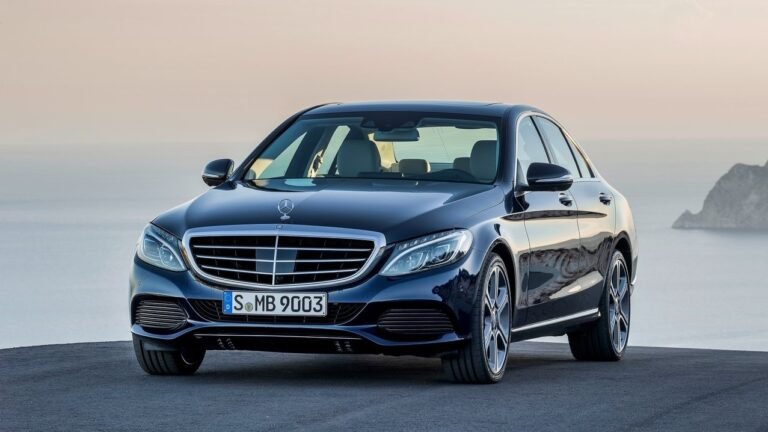
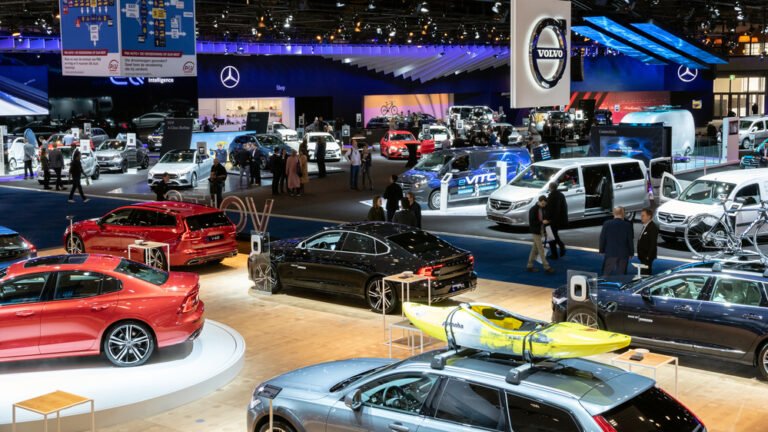
The German luxury car landscape has long been shaped by two formidable names: Mercedes-Benz and BMW. Each brand leverages a storied history, cutting-edge engineering, and high-performance divisions that consistently push boundaries.
Yet, despite their shared homeland and prestige, both target different demographics and philosophies—one leaning towards unparalleled comfort and timeless elegance, the other staking a claim as the ultimate driving machine.
Historical Roots and Brand Evolution
Mercedes-Benz
Mercedes-Benz can trace its origins to Karl Benz’s pioneering invention of the gasoline-powered automobile in 1886, a landmark that established the brand as a catalyst for modern mobility. Over the decades, it introduced groundbreaking technologies such as crumple zones (1959) and ABS (1978, in partnership with Bosch), consistently setting new standards in safety and engineering.
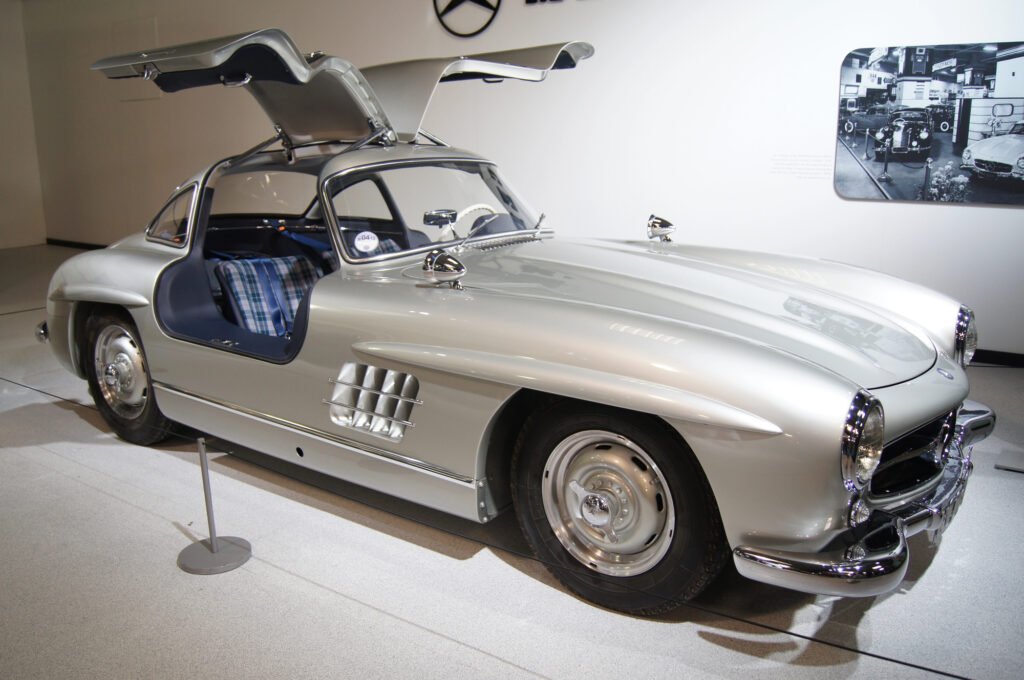
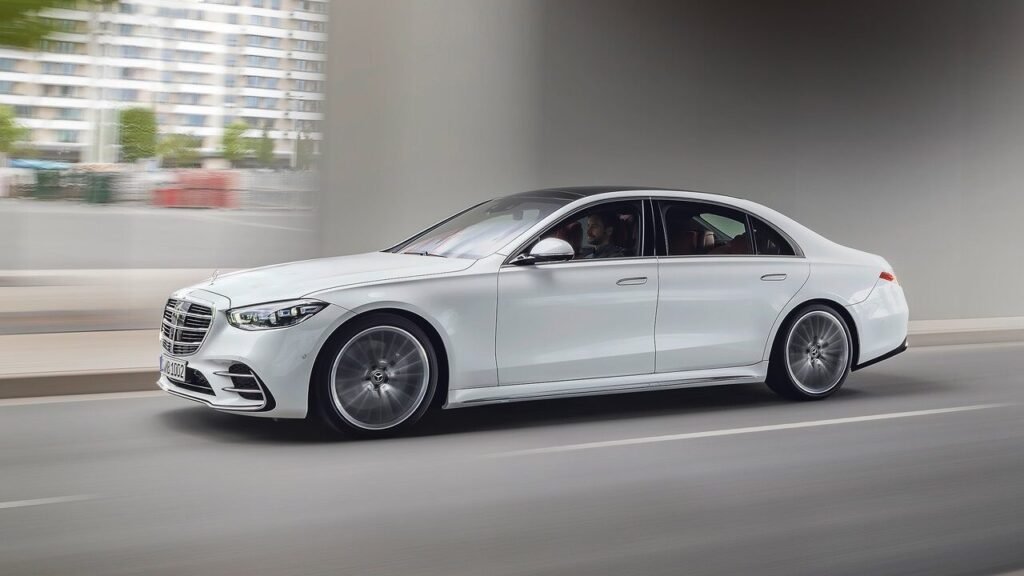
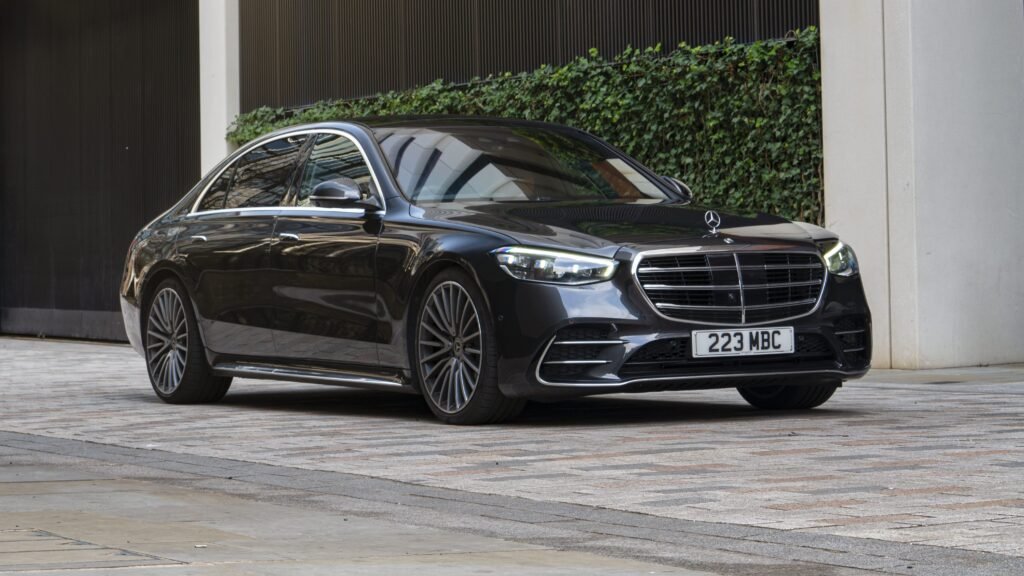
Iconic models like the 300SL Gullwing helped shape the brand’s reputation for luxury, innovation, and distinctive design. Today’s lineup includes everything from the S-Class—often the first choice of heads of state—to the GLE, regarded by some as the “soccer mom’s SUV” yet still undeniably premium.
BMW
BMW (Bayerische Motoren Werke) began in aircraft engines before shifting to automobiles with the Dixi in 1928. The company soon established itself as a performance-oriented manufacturer, emphasizing chassis balance and dynamic handling.
Legendary models include the E30 M3, which dominated touring car championships, and the E23 7-Series, praised for its composed ride and direct steering—a revelation at the time for many enthusiasts. Alongside motorsport triumphs, BMW’s M division produced engineering marvels such as the S70/2 V12 engine in the McLaren F1. The brand’s reputation for driving dynamics was so strong that slogans like “Sheer Driving Pleasure” naturally resonated with buyers seeking a more youthful, athletic image.
Engineering Philosophies and Technological Highlights
Mercedes-Benz: Refinement and Prestige
Historically, Mercedes-Benz focused on a blend of luxury and engineering prowess. Its modern performance wing, AMG, has introduced hand-assembled powerplants like the M156 6.2L V8 and the M178 4.0L biturbo V8, delivering immense torque with refined power delivery. The brand’s suspension systems, such as Active Body Control (ABC), showcase a commitment to unmatched ride comfort and body roll mitigation.
In recent years, Mercedes has ventured into electrification via its EQ lineup, exemplified by the flagship EQS, integrating advanced battery management and software-driven driving assistance.
BMW: The Ultimate Driving Dynamics
BMW’s legacy lies in inline-six engines, near 50:50 weight distribution, and a chassis that prioritizes engagement. Notable advancements include Valvetronic and Double VANOS, enabling sophisticated valve control for enhanced efficiency and power. The B58 inline-six and S58 M-performance engines exemplify modern BMW engineering—refined, turbocharged units known for robust reliability and responsiveness.
BMW’s xDrive all-wheel-drive system retains a rear bias for a sportier feel, contrasting with Mercedes-Benz’s more neutral 4MATIC approach. In flagship sedans like the 7-Series (G11/G12), Carbon Core construction uses carbon-fiber-reinforced plastic for enhanced rigidity without excessive weight gain.
While the C300 4Matic edges ahead in ride quality and overall NVH (noise, vibration, harshness), the 330i xDrive exhibits marginally better efficiency, acceleration, and top speed. Mercedes-Benz tends to dominate in pure luxury appointments, while BMW preserves its athletic edge.
Design and Safety Considerations
Mercedes-Benz pursues timeless elegance with flowing lines and subdued aggression, whereas BMW typically aims for a sharper, performance-oriented stance. Both brands, however, are updating their front-end aesthetics: BMW’s ever-expanding kidney grille and Mercedes’ evolutionary front fascia changes.
In terms of safety, IIHS 2024 Top Safety Picks include five BMW models and three Mercedes-Benz models. While Mercedes long enjoyed a reputation for class-leading safety, recent BMW improvements demonstrate a concerted effort to close (and sometimes surpass) that gap.
Brand Image and Demographics
The S-Class commands deference worldwide, often chosen by diplomats and business moguls. Meanwhile, vehicles like the E-Class moonlight as high-end taxis in many European cities, showcasing the brand’s versatility. BMW, on the other hand, targets a slightly younger demographic. Even entry-level models such as the 3-Series cultivate a reputation for sporty handling and driver-centric design, reinforced by the brand’s motorsport involvement.
Electrification and Future Outlook
Rising global demand for sustainable transportation and stringent emissions laws drive both brands to broaden their electric and hybrid offerings. Mercedes-EQ and BMW i reflect parallel but distinct takes on electrified luxury:
Mercedes-EQ extends the brand’s comfort-oriented heritage into EVs like the EQS and EQC, featuring advanced interior tech and a focus on ride smoothness.
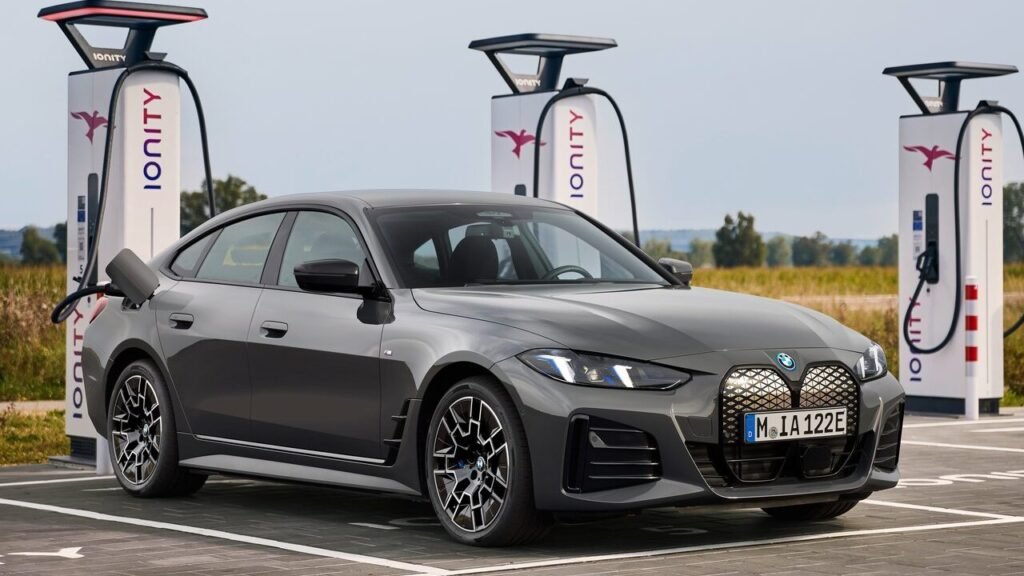
BMW i highlights dynamic handling in models such as the i4 and iX, bridging the gap between sporty driving and electric efficiency.
These initiatives ensure both brands remain relevant as upstarts like Tesla and emerging Chinese EV makers disrupt the market. Some enthusiasts remain wary of newer EV companies’ reliability and build quality, preferring established German craftsmanship.
Conclusion
Debates over Mercedes-Benz versus BMW often revolve around subjective priorities: unassailable luxury and ride comfort, or razor-sharp dynamics and performance. Mercedes-Benz provides hallmark refinement and prestige, while BMW fosters a more youthful, driver-centric personality—even though each has lines that cater to broader tastes.
If you’re thinking about diving into the Mercedes-Benz lineup especially when it comes to dependable used SUVs check out The Best Used Mercedes-Benz SUVs for some great suggestions. For more car tips and tricks don’t forget to save our homepage or check out our YouTube channel where we dig into detailed car reviews and buying tips. Both brands are really pushing the envelope with their tech safety and electric options making things more interesting and competitive as we move forward.
*Disclaimer: This website provides automotive content for informational purposes only and should not be considered professional advice. While we strive for accuracy, we do not guarantee the reliability or suitability of any vehicle or product mentioned—always conduct your own research before making purchasing decisions. Additionally, some links on this site are affiliate links, meaning we may earn a commission if you make a purchase, at no extra cost to you.
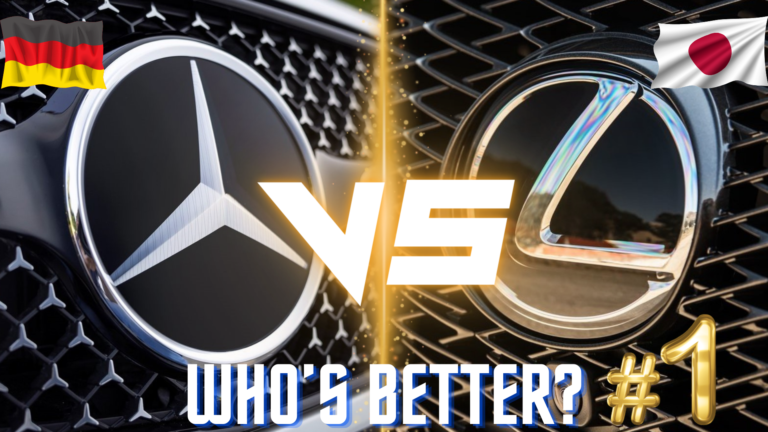
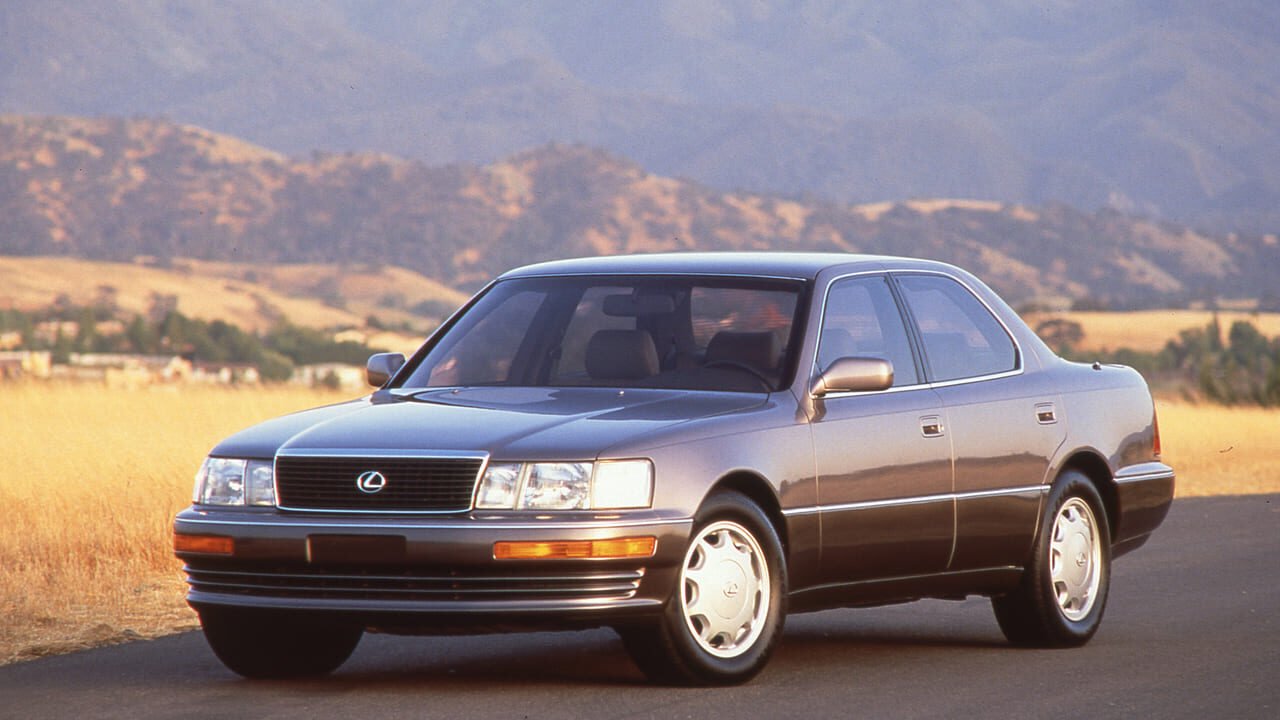
For automotive enthusiasts who value high-end craftsmanship, refined engineering, and pioneering technology, the rivalry between Lexus and Mercedes-Benz is particularly intriguing. While Lexus emerged comparatively later in the luxury sphere, it quickly established a reputation for impeccable reliability and serene opulence. Mercedes, on the other hand, built its name over more than a century, synonymous with milestone innovations and stately elegance. Merging their distinct histories, engineering approaches, and market philosophies provides a comprehensive look at where each excels.
Origins and Brand Philosophies
Lexus
Introduced in 1989 under Toyota’s umbrella, Lexus startled an established European-dominated luxury market with the LS 400. This groundbreaking sedan offered a level of quietness, build quality, and advanced features—like electronically controlled air suspension and exceptional sound insulation—uncommon at the time. Its dramatic entrance challenged rivals like Mercedes-Benz and BMW, pushing them to reevaluate the refinement and reliability in their own lineups. Since then, Lexus has:
Expanded across multiple segments, with SUVs (RX, GX, LX) and sedans (ES, GS, IS) catering to diverse preferences.
Emphasized hybrid and electrified technologies, exemplified by the RX 400h (one of the earliest mainstream luxury hybrids) and newer battery-electric models.
Maintained a focus on craftsmanship, often attributed to Takumi master artisans, who uphold Toyota’s strict quality standards.
Mercedes-Benz
Tracing its lineage to Karl Benz’s invention of the first gasoline-powered car in 1886, Mercedes has long defined automotive luxury and innovation. Over the decades, it:
Rolled out iconic models like the W111 full-size sedans, which represented comfort and elegance during the 1960s.
Pioneered safety and design breakthroughs, including the legendary 300SL Gullwing and early adoption of ABS (in partnership with Bosch).
Evolved a diverse range: from compact A-Class models to opulent flagships like the S-Class and performance-oriented AMG divisions, which introduced handcrafted powerplants delivering remarkable power and sophistication.
Engineering and Technology
Lexus: The Pursuit of Reliability and Innovation
Reflecting Toyota’s ethos, Lexus places unwavering emphasis on mechanical simplicity and longevity. This approach fuels its top-tier positions in reliability rankings by organizations like J.D. Power and Consumer Reports. Hallmark innovations include:
Electronically Controlled Air Suspension: Debuted in the LS 400, ensuring ride comfort and stability across varying road conditions.
Lexus Hybrid Drive: Blending internal combustion with electric propulsion for improved fuel efficiency and low emissions—an early foray into eco-conscious luxury.
Mercedes-Benz: Blending Tradition with Modern Complexity
Mercedes remains synonymous with advanced automotive engineering, from the first full-size sedans like the W111 to today’s cutting-edge models. Core technological achievements:
AMG Performance Line: Hand-assembled engines such as the M178 biturbo V8, delivering impressive torque and refined power delivery.
EQ Series: A rapidly expanding electric lineup highlighting advanced battery tech, over-the-air software updates, and futuristic infotainment (MBUX).
Model Range and Real-World Comparisons
Driving Dynamics and Performance
Lexus is renowned for delivering smooth, refined performance—especially in models like the LS and ES—where the focus leans toward a relaxed yet responsive drive. Conversely, Mercedes embraces a broader spectrum:
Entry-level sedans (A-Class, C-Class): Offering a luxury stepping stone with advanced tech features.
SUV range (GLE, GLC): Balancing premium comfort with family-friendly versatility.
AMG Division: A parallel to Lexus’s F performance arm, but with a historic racing pedigree and an emphasis on dramatic power.
Although Lexus rarely matches the raw horsepower figures of AMG’s upper echelons, it excels in day-to-day refinement. Both brands offer hybrid or electric variants showcasing their commitment to sustainability.
Design and Interior Experience
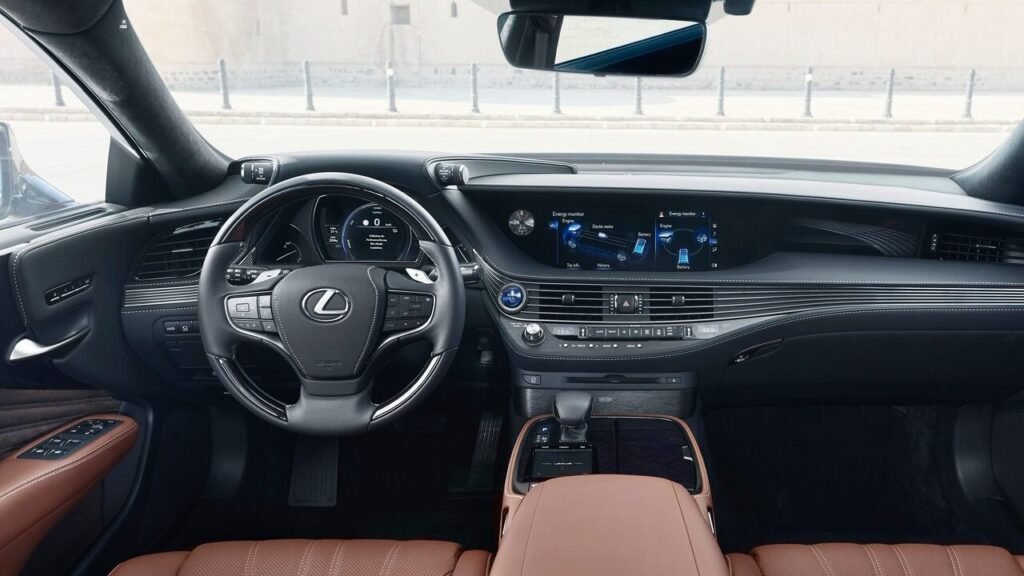
Lexus interiors highlight subtle Japanese craftsmanship—Takumi artisans ensuring near-flawless fit and finish. Features such as ambient lighting, ventilated seats, and intricate wood or aluminum accents are commonplace.
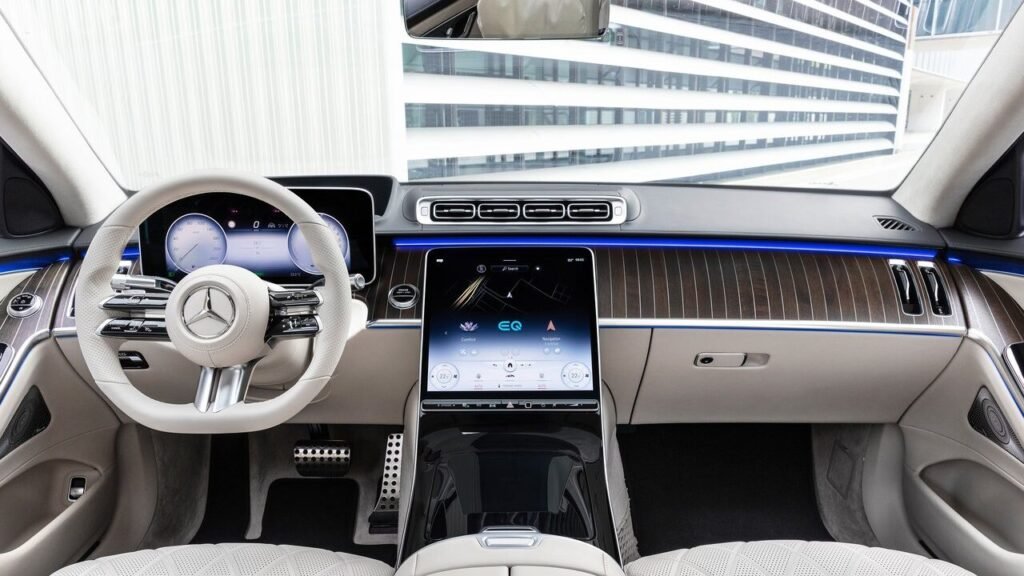
Mercedes draws on timeless German luxury, with design hallmarks like sweeping dash lines, Nappa leather seats, and abundant tech integration (digital cockpits, advanced climate control). While aesthetic preferences remain subjective, both brands champion premium materials and innovative cabin technologies.
Pricing and Market Position
Lexus often positions itself at a slightly lower or comparable price point versus equivalent Mercedes models, leveraging Toyota’s manufacturing efficiencies while delivering premium features. The LS 400 originally undercut German competitors, a tradition that continues in sedans and SUVs alike. Meanwhile, Mercedes covers a broader cost spectrum, from the relatively affordable A-Class to the S-Class or AMG GT models that can exceed six-figure sums. This flexibility grants Mercedes wide market appeal but also underscores brand prestige at the higher end.
Reliability and Ownership Costs
Lexus consistently tops reliability surveys due to a streamlined approach to mechanical complexity, thorough quality control, and robust hybrid tech. Owners benefit from lower long-term repair costs and strong resale value, making Lexus particularly attractive to pragmatic luxury buyers.
By comparison, Mercedes has introduced frequent technological leaps, including advanced infotainment interfaces and driver-assist features. While these innovations often prove groundbreaking, they can bring higher repair expenses if issues arise out of warranty. Properly maintained, however, both brands can deliver excellent longevity.
Conclusion
The competition between Lexus and Mercedes is intense and has its own unique aspects. Lexus taps into Toyota’s reputation for engineering to create super refined cars that are known for their reliability. On the other hand, Mercedes brings over a hundred years of tradition, innovation, and performance to the table. Each brand appeals to a different kind of luxury car buyer: Lexus attracts those who appreciate peace, long-lasting quality, and a touch of elegance, while Mercedes appeals to those who are passionate about heritage, modern features, and a wide range of performance options.
As both brands push forward with hybrid, electric, and semi-autonomous advancements, what often sways buyers comes down to personal tastes—whether they prefer comfort over tradition or tranquility over performance vibes. No matter which side you lean toward, both Lexus and Mercedes are defining what modern luxury looks like and paving the way for the automotive world today and in the future.
If you want to avoid common mistakes when picking a used luxury SUV, take a look at The Best Used Mercedes-Benz SUVs on The Top Car List. And if you’re wondering how long Japanese cars tend to last, check out Are Japanese Cars the Longest Lasting? for some useful info. For more side-by-side comparisons and detailed reviews, don’t forget to save our homepage!
The Kia Seltos is a versatile and stylish compact crossover that offers practicality, comfort, and technology in a small package. It is designed to appeal to young students and small families.
Exterior design is always a matter of personal taste, but the Kia Seltos manages to be subtly eye-catching without venturing into flashy territory. Inside, the cabin offers a surprising amount of space, advanced safety features, and commendable performance capabilities.
Coupled with its appealing design and budget-friendly pricing, the Seltos has rapidly gained popularity in the fiercely competitive compact SUV market.
The Kia Seltos is available in 5 different trim levels, each offering its own unique set of features and options, from the base LX trim to the range-topping SX Turbo.
In this Kia Seltos SX turbo review we are going to examine whether this car a good choice for you or not.
The Kia Seltos is a compact SUV that offers a blend of style, technology, and practicality.
The exterior design is modern and sleek, with features like LED headlights and a bold front grille.
Inside, the Seltos offers a comfortable and tech-savvy interior with generous list of standard features.
The Seltos delivers a smooth and responsive driving experience, with available all-wheel drive for added capability.
Safety features include forward collision avoidance and lane keeping assist.
Exterior Design and Features
The Kia Seltos boasts a modern and stylish exterior design that sets it apart from other vehicles in its class. Its bold and aggressive grille make it stand out from the crowd. It also features striking LED headlights and taillights that look modern and distinguishable from other Kia models.
Other exterior options include a 17-inch or 18-inch alloy, roof rails, LED fog lights and a rear spoiler.
Interior Comfort and Technology
Inside the Kia Seltos has a spacious and comfortable interior that offers ample headroom and legroom for 4 occupants, surpassing the Hyundai Kona in this aspect.
The updated infotainment system offers an optional seamless panel that also serves as a digital gauge display and touch screen. All models come with Apple CarPlay and Android Auto, while SiriusXM satellite radio and onboard Wi-Fi are available as additional features. The EX trim offers exceptional value, with premium features like faux-leather upholstery that elevates the overall feel of the Seltos’ interior.
Other features of the EX trim include a power-adjustable driver’s seat, heated front seats, a wireless smartphone charging pad, and a newly introduced dual-screen infotainment system with navigation.
Performance and Handling
Kia presents two engine options for the Seltos, a 2.0-liter engine with 146 horsepower and a turbocharged 1.6-liter engine with 195 horsepower. While the base engine is paired with a CVT, the turbocharged engine now comes with an eight-speed automatic instead of seven speed. However, all-wheel drive is standard on all trims except for the S and EX.
According to EPA estimates, the turbo charged all wheel drive Seltos achieves 26 miles per gallon in the City, 27 in the highway and 26 miles per gallon combined, while the 2 liter front wheel drive model achieves 28 miles per gallon in the City, 34 in the highway and 31 miles per gallon combined
And for those who prefer a rugged appearance, Kia offers the X-Line model, featuring distinctive exterior styling.
In terms of handling, the Kia Seltos offers responsive steering and surprisingly precise handling, however, the suspension is a bit on the firm side.
Safety and Driver Assistance Features
Crash test by the Insurance Institute for Highway safety (IIHS).
The Kia Seltos boasts a comprehensive range of driver-assistance technology. The standard package includes automated emergency braking, capable of detecting pedestrians and cyclists, as well as lane-departure warning with lane-keeping assistance. Although as per the IIHS 2019 crash test, Kia’s pedestrian detection technology didn’t perform well receiving no credit at all.
Not only that, but, even in terms of crash test ratings, the Seltos performed much less than some of its main competitors.
Cargo Space and Practicality
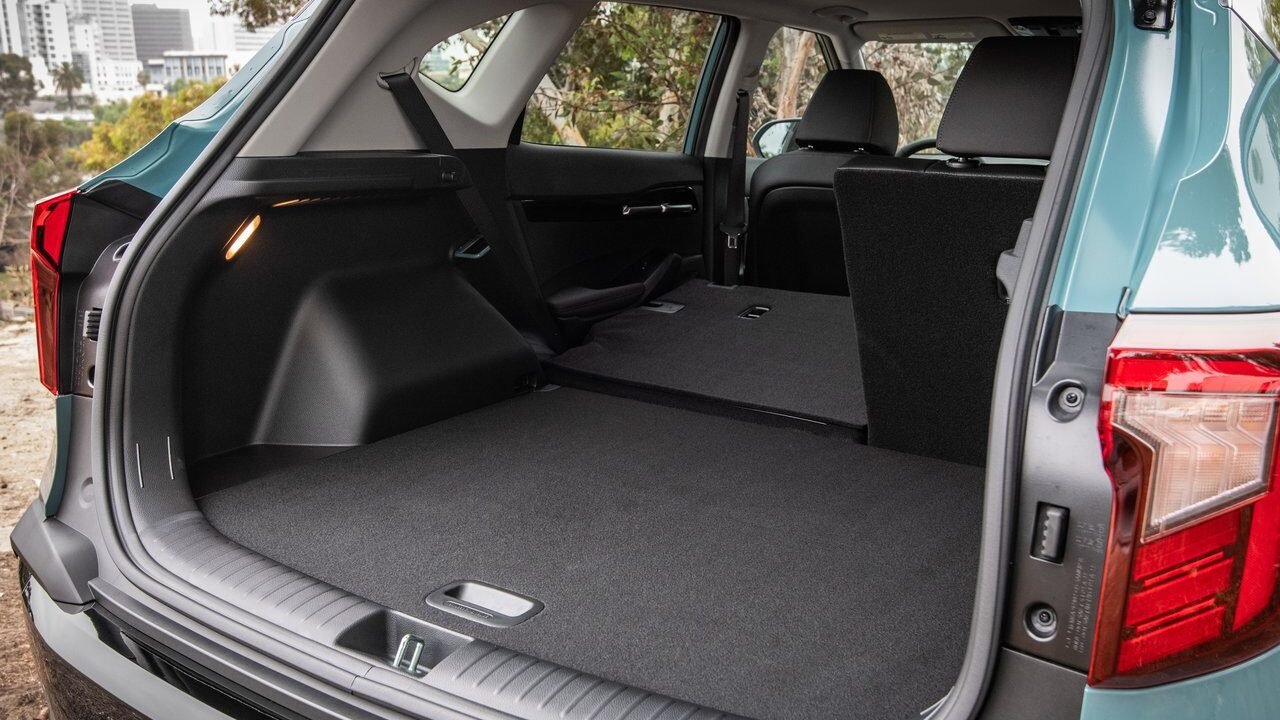
Despite its compact size, the Kia Seltos offers practicality cargo space for everyday use. With its 60/40 split-folding rear seats, the Seltos provides ample flexibility for carrying larger items or accommodating additional passengers.
The rear cargo area offers generous space for groceries, luggage, sports equipment, or any other items you need to transport. Additionally, the Seltos features under-floor storage compartments that provide convenient space for stowing smaller items out of sight.
Conclusion and Final Thoughts
In conclusion, the Kia Seltos offers a winning combination of style, comfort, technology, performance, safety, and practicality. Its modern design, standard features and spacious interior makes it an excellent allrounder.
Furthermore, the Kia Seltos scored good in all major safety tests.
Its cargo space is versatile for everyday use, whether you’re running errands around town or embarking on an outdoor adventure. Overall, the Kia Seltos stands out as a top contender in the compact SUV segment, offering a blend of style, comfort, technology, performance, safety, and practicality that make it an appealing choice for drivers of all lifestyles.
Looking for more insights on car reliability and performance? Check out our related article on the debate between German and Japanese cars in terms of reliability and specs comparison. Also, be sure to bookmark our homepage to stay updated with the latest reviews, buying guides, and industry insights.
*Disclaimer: This website provides automotive content for informational purposes only and should not be considered professional advice. While we strive for accuracy, we do not guarantee the reliability or suitability of any vehicle or product mentioned—always conduct your own research before making purchasing decisions. Additionally, some links on this site are affiliate links, meaning we may earn a commission if you make a purchase, at no extra cost to you.
Have you ever wondered why Chinese electric cars took so long to break into the US market and thought it seemed unfair? Or maybe you’ve come across an amazing review of a Chinese car on Instagram or YouTube and felt tempted to give it a shot.
If you answered yes, keep reading—we’re about to dive into the bigger picture and explore whether buying Chinese electric cars is truly a good option for you.
Chinese cars may be affordable, but consider quality and durability.
Economic impact on U.S. auto jobs.
Long-term costs associated with ownership.
Government involvement in the Chinese car industry.
Evaluate safety features of the EVs, don’t compromise safety for cost.
Not all EVs are equally environmental-friendly- consider the entire lifecycle.
Consider the impacts of fluctuations in international trade policies on EV prices.
What is Driving the Popularity of Chinese cars and EVs?
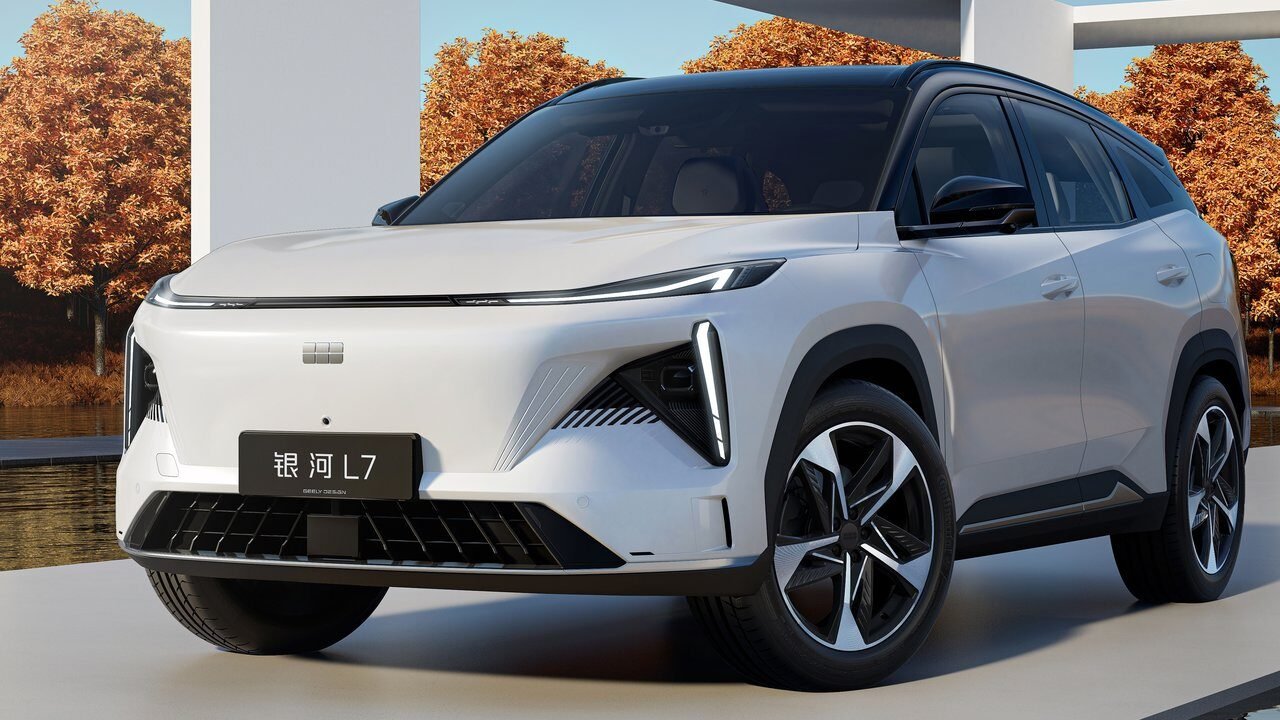
The main reasons Chinese cars are so popular are their lower prices and the generous list of standard options. They’re not only cheaper than American and European cars, but their new styling is also a big draw for many customers. We think the Chinese have nailed it with this strategy, following in the footsteps of the Koreans and Malaysians.
While basing a buying decision on looks alone might seem superficial, aesthetics actually matter a lot to many less experienced customers.
That’s why hiring top Western designers like Kris Tomasson (formerly of BMW), Wolfgang Egger (formerly of Audi), and Stefan Sielaff (formerly of Audi) has significantly changed how people perceive “made in China” vehicles today.
What are the Quality and Safety Concerns with Chinese cars and EVs?
One of the main concerns with Chinese EVs is their passive safety ratings. While we have seen some improvements in crash test results, especially from ANCAP and Euro NCAP in recent years, we cannot fully trust these results until we see similar ratings published by the IIHS.
There have been incidents of crash test results being manipulated by some established manufacturers, which you can read more about in the following link. This makes our suspicion even more valid when it comes to Chinese manufacturers.
On the other hand, the IIHS buys most of the cars they plan to test directly from the market like any other customer, which is why their results are highly trusted. This means only those Chinese cars that are allowed into the market can be tested by them.
Are Chinese EVs Reliable? The “Made In China” Stigma
I’m a bit reluctant to refer to J.D. Power’s dependability studies in general because they typically only cover the first three years of ownership. Real-life experience often shows that problems mostly start in cars after three or four years. However, even with that metric, the gap between the ‘pure Chinese brands’ and ‘mash-up Chinese brands’ in the list above is still obvious.
Another factor to consider is that the Toyota cars manufactured in China, either through partnerships with FAW or GAC, are already better than most other brands but might still fall short in quality compared to Toyotas sold elsewhere. This means that in the long run, the actual quality gap between Chinese cars and others might be larger.
Reliability is a crucial factor when it comes to buying a car, especially for EVs, because electric glitches and malfunctions happen instantaneously, unlike mechanical failures, which occur gradually with visual and sometimes audible signs.
Since Chinese EVs are relatively new to the market, there is inadequate data on their long-term reliability, making buying a Chinese EV a bit of a gamble.
What are the Cybersecurity Risks of Chinese EVs?
After the US ban on some Chinese telecommunication manufacturers such as Huawei and ZTE over fears of Cybersecurity, this same issue is becoming an increasingly serious one in the auto industry as well, and Chinese EVs again have raised concerns in this area.
As there are fears that Chinese EVs could be part of a cyber espionage or data theft attempt. In addition, there have been reports of Chinese-made EV components containing malware or other security vulnerabilities. More on that in the following link.
How Do Tariffs Affect the Price of Chinese cars and EVs?
The new tariff on Chinese goods that’s going to start in 2026, is going to make importing Chinese EVs more expensive, which can increase their price for consumers and therefor lose one of their biggest advantages over other EVs.
However, some Chinese EV manufacturers are planning to build production facilities in the U.S. or other countries to avoid such tariffs and reduce costs.
Which Chinese EV Brands are Sold in the U.S.?
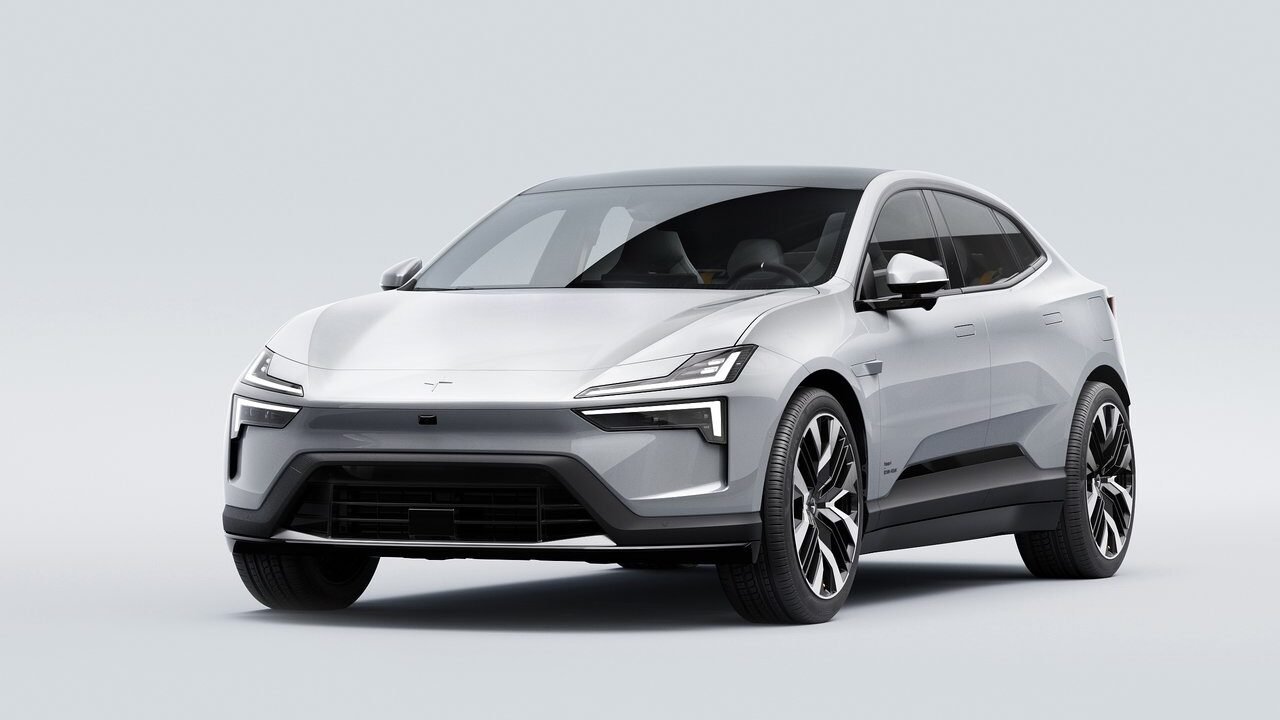
As of now no Chinese EV brand is on sale in the U.S. due to regulatory hurdles or distribution challenges. However, Polestar which is a subsidiary of Volvo is selling two Chinese made EV models in the US market, the Polestar 2 and Polestar 4.
Can Chinese EVs Compete with Tesla and Other Popular EVs?
Chinese EV manufacturers are investing heavily in research and development to compete with Tesla and other popular EV brands. While Chinese EVs are generally cheaper than their American and European counterparts, they may not offer the same level of performance, range, or luxury.
However, some Chinese EV brands like NIO is positioning itself as premium EV brands to compete with Tesla and traditional luxury car manufacturers.
What are the Environmental Impacts of Chinese EVs?
While EVs are generally better for the environment than gasoline-powered cars, the production and disposal of EV batteries can have significant environmental impacts. China is the largest producer of EV batteries and there is a lot of concerns about the transparency of how to manage recycled waste.
How Do Chinese EVs Dominate the EV Market?
With significant investment backed by the Beijing government, Chinese car companies have managed to flood the automotive market with their EVs. While the allure of cheap Chinese EVs might be tempting, let’s delve deeper into whether affordability equates to quality.
This video shows a number of angry Chinese customers showing the cheap build quality of there BYD cars!
The Quality of Chinese Electric Cars: Cheap Price, Cheap Build?
A common perception about Chinese products, not limited to EVs, is their questionable quality. From inferior raw materials to subpar manufacturing processes, can Chinese EVs really measure up to their Japanese, Korean and European counterparts? We don’t think so, at least not yet.
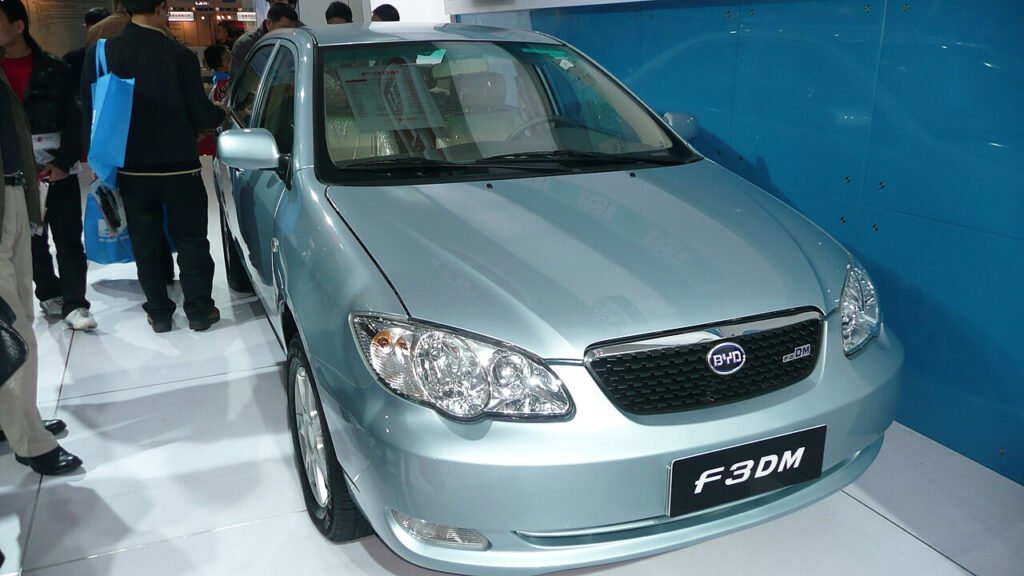
I remember driving a BYD F3 about 10 years ago. It wasn’t a brand new car, but it wasn’t old at the time either. Driving that car was so uncomfortable and even felt unsafe as it was all shaky and producing all sorts of noises. Maybe it was poorly maintained by its first owner, but it was still quite odd!
BYD: Leading the Pack for Chinese EVs – But Is It Really Worth It?
Right up there with big names like Tesla, BYD is showing the world what Chinese car makers can do, aiming to change how people think about the quality of Chinese electric vehicles. But does what we see really hold up against the buzz? Like with any car, it’s time that will truly tell us if it’s reliable.
Automakers in the U.S vs China: A Comparative Analysis
Chinese auto manufacturers face stiff competition from established American companies, particularly with respect to EVs. In this comparison, we seek to unravel whether U.S EVs offer better value for money over Chinese-made EVs.
Safety Concerns Associated With Chinese EV batteries
In 2022, reports surfaced saying that in China, about 7 to 8 electric cars catch fire per day. That means 2,920 cars per year, which is confirmed by an article in EnergyTrend. This number is massive! In comparison, in 2023, the total number of electric cars that caught fire in the USA was 52 only.
This clearly highlights the quality issues with Chinese EV cars. Even though the Chinese government introduced stricter safety regulations for electric cars in 2021, the incidents seem to persist.
Environmental Impact of Electric Cars: Do Chinese EVs Pass the Test?
The “clean energy” promise of EVs involves more than just zero tailpipe emissions. From manufacturing to battery disposal, we question whether Chinese EVs truly live up to this promise.
And the lack of transparency typically associated with the Chinese government doesn’t help in this regard.
Do Chinese Electric Vehicles Match the Quality of Other EVs?
Another crucial consideration is whether Chinese EVs can deliver the same quality and driving experience as electric cars from more established automotive brands. While the build quality and reliability of Chinese vehicles have improved over the years, there are still lingering questions.
Some Chinese automakers have faced challenges with inconsistent quality control. This has led to safety concerns and frustrating issues for owners of certain Chinese car models. There have been instances of batteries catching fire and recalls for serious defects more than any other manufacturer. So although not all Chinese vehicles are problematic, we still can’t completely ignore these issues.
In contrast, brands like Toyota and even Tesla, have earned strong reputations for performance and owner satisfaction. So we are yet to see if affordable Chinese electric cars can consistently match the durability and driving experiences delivered by other cars and EVs over the long haul.
Will Buying a Chinese Car Help or Hurt the American Auto Industry and Economy?
The growth of Chinese car brands in the U.S. also raises economic and political concerns. Some worry that a flood of cheap Chinese EVs could undermine American automakers. The U.S. auto industry is a major employer, and losing market share to subsidized Chinese competition could threaten manufacturing jobs.
There are also fears that becoming reliant on China for a large portion of EVs could make the U.S. beholden to decisions made by the Chinese government. Moves made by Beijing have impacted Chinese companies in other industries, sometimes disrupting supplies of products and materials. Hypothetically, China could leverage its position in the American auto market to exert pressure and influence U.S. policy.
On the other hand, proponents argue that competition from China is essential in order to accelerate EV adoption and make electric cars more affordable for middle-class Americans. There are also those who believe Chinese partnerships and investments could help create new opportunities and innovations in the U.S. automotive sector. Ultimately, the economic impact of Chinese cars in America is still a complex, developing issue without easy answers.
Are There Enough Charging Stations and Infrastructure to Support Chinese EVs?
Having sufficient access to charging is a key consideration for any EV purchase. Some Chinese electric cars may use different charging standards and plug types than what you can find at American charging stations. This could create unwanted hassles and limitations for owners of certain Chinese vehicle models.
Until there is more standardization and interoperability between Chinese and non-Chinese EVs and charging equipment, this is an important factor for potential buyers to investigate. Having easy access to fast, reliable charging makes a huge difference in the EV ownership experience.
What Are the Potential Data Privacy and National Security Risks of Chinese Cars?
Data privacy and national security concerns regarding Chinese-made products have become an increasingly high-profile issue in recent years. There are serious questions about the data collection practices of certain Chinese companies and whether the Chinese government have access to these information.
Specific to vehicles, there are fears that location data, driving behaviors, and even audio/video could be transmitted from Chinese cars without the owner’s knowledge.
A 2021 U.S. Senate committee hearing explored potential threats posed by data collection from Chinese-made EVs and automotive components. They warned China’s access to sensitive data from vehicles could become a serious national security vulnerability as the use of these data for surveillance, industrial espionage, and to undermine American economic competitiveness is highly possible.
Automakers and automotive cyber security experts say strong safeguards are in place to prevent such breaches and protect customer data. They contend that it would be incredibly risky for any company to jeopardize their reputation with intentional spying.
However, at a minimum, the possibility of privacy violations and data ending up in the wrong hands is something that anyone considering a Chinese EV should carefully weigh.
Are Chinese Electric Cars Right for You? What About Resale Value?
On the surface, many Chinese EVs appear to offer significant cost savings compared to popular electric cars from American, Japanese, and European brands. However, you have to factor in two things: first, the cost of repairs after the warranty expires, and second, the resale value of the Chinese car.
Resale value heavily relies on the reputation and proven reliability history of the car, so without reliable data, you’d likely find it difficult to sell your Chinese car compared to other brands.
So while a cheap Chinese electric car may seem like an attractive deal, the true cost difference is more complex. Buyers should closely compare the total costs and included features before concluding that Chinese EVs offer unbeatable value.
Conclusion
In conclusion, here are the key points to keep in mind when considering whether to buy a Chinese electric car:
Chinese EVs may not be as cheap as they initially appear once you factor all costs in.
The long-term quality and reliability of Chinese cars is still not definitively proven.
Buying Chinese vehicles could negatively impact U.S. manufacturing jobs and the economy.
Chinese EVs might have limited access to charging stations and infrastructure in the U.S.
There are concerning privacy and security risks related to potential data collection by Chinese cars.
It’s important to carefully compare Chinese EVs to other EV options to determine the best fit for your needs.
Some Useful FAQs
What is the Quality of Chinese Cars Sold in the U.S.? Right now the only Chinese manufactured cars belong to American and European manufacturers like Buick and Volvo. So there should be no issues as these companies implement high standards and quality control over their products, regardless of where they are sold. Just like how Apple manufacture iPhones.
How Reliable are Chinese Electric Vehicles Compared to Others? As we have seen, overall reliability reports for Chinese EVs still lag behind industry leaders like Tesla and Toyota.
Can Buying Chinese EVs Impact U.S. Jobs and the Auto Industry? Buying Chinese cars could have broader implications for the U.S. auto industry and employment. The transition to electric vehicles should ideally support domestic job creation, but increased reliance on imported cars might undermine this potential.
Are Chinese Electric Vehicles as Eco-Friendly as They Claim? Environmental impact is a significant selling point for EVs. However, the sustainability of Chinese electric cars depends on manufacturing processes and the source of the electricity used for charging, which in China often involves high levels of coal power.
What About Innovation and Technology in Chinese EVs? Chinese EVs are catching up in terms of technology, but they still often fall short when compared to the advanced features and systems developed by other global automakers. This sector’s growth is heavily subsidized by the Chinese government, which raises questions about sustainability without state support.
How Do Tariffs and Trade Policies Affect Chinese Cars? Tariffs and trade policies can significantly affect the price and availability of Chinese cars in the U.S., impacting consumer choice and overall cost benefits.
Is There a Risk in Dependence on Chinese Automotive Supply Chains? An over-reliance on any single country for automotive supply can pose risks, including political, economic, and logistical challenges, making the case for a more diversified approach to sourcing automotive components.
Do Chinese Cars Meet U.S. Safety and Emission Standards? Chinese cars must meet rigorous U.S. safety and emissions standards to be able to sell in the country. However, inconsistencies in compliance and recalls have been issues for some Chinese manufacturers trying to enter or expand in the U.S. market.
What Are the Long-Term Costs of Owning a Chinese EV? While the initial cost might be lower, potential higher maintenance expenses, limited service networks, and rapid depreciation could increase the total ownership cost of Chinese EVs.
The Role of the Chinese Government in the EV Industry: What Does It Mean for Consumers? The significant control and influence of the Chinese government in its EV sector can lead to market distortions and concerns over data security and privacy for users outside China.
What are the main concerns surrounding the auto market when it comes to buying Chinese electric vehicles? The main concerns involve the quality and safety standards of cheap EVs from China, potential ties to the Chinese Communist Party, and worries about whether these vehicles could spy on Americans. There are also questions about the impact buying Chinese products has on the local economy and job market.
How do Chinese electric cars compare in price and quality to American EVs and others in the industry? Chinese electric vehicles are often more affordable than their American counterparts, thanks to China’s policies to become a global leader in new energy vehicles. While some argue that these cheaper EVs could lack the quality and technological advancement of luxury EVs from American, German, or Japanese car makers, others point out that brands like BYD and other Chinese firms are rapidly catching up in terms of innovation and luxury features.
Are there significant barriers to importing cheap cars from China to the U.S.? Yes, there are numerous barriers to importing cheap cars, including tariffs, strict safety and emissions standards, and concerns over intellectual property rights and ties to the Chinese government. These barriers are in place partly to protect domestic car manufacturers and ensure that imported vehicles meet specific standards.
Could importing cheap cars from China make inflation worse, as some experts suggest? Opinions vary, but some economists and industry news sources argue that importing cheap cars could temporarily alleviate inflation by increasing supply and offering consumers more affordable options. However, a senior fellow might argue that it could lead to longer-term economic issues, such as impacting the local auto manufacturing sector and jobs.
What are the environmental implications of buying cheap EVs from China? Buying cheap EVs from China has mixed environmental implications. On one hand, increasing the number of EVs on the road, regardless of origin, contributes to new energy initiatives and reduces reliance on fossil fuels. On the other hand, concerns about the sustainability and ethics of mining practices for battery materials, as well as the carbon footprint of shipping these cars to the U.S., are noteworthy.
Do vehicles that could potentially be owned by a Chinese company pose a security risk? This is a point of debate. Some argue that cars equipped with technology from companies owned by a Chinese firm or with ties to the Chinese Communist Party could be used to collect data on Americans unlawfully. However, concrete evidence is limited, and many stress the importance of stringent security measures regardless of a car’s origin.
How are Chinese electric cars received in markets outside of the U.S., like Mexico or Europe? In markets such as Mexico and Europe, Chinese electric cars have been more readily accepted, largely due to fewer political tensions and a strong market demand for affordable EVs. In Europe, especially, high fuel prices and stringent emission standards have made electric bikes, EVs, and other new energy vehicles desirable, with Chinese firms aggressively targeting these regions.
What is the outlook for Chinese electric cars in the American auto market over the next decade? The outlook is a bit mixed. While barriers and political tensions exist, the demand for affordable, efficient EVs in the U.S. continues to grow. If Chinese companies can navigate regulatory challenges, prove their cars meet safety and environmental standards, and overcome public skepticism, there is a significant market opportunity. Additionally, collaborations between Chinese and American companies in making EVs could play a crucial role in the future auto market landscape.
For more news and information about cars check out our blog TheTopCarList. Or check below our latest posts:
*Disclaimer: This website provides automotive content for informational purposes only and should not be considered professional advice. While we strive for accuracy, we do not guarantee the reliability or suitability of any vehicle or product mentioned—always conduct your own research before making purchasing decisions. Additionally, some links on this site are affiliate links, meaning we may earn a commission if you make a purchase, at no extra cost to you.
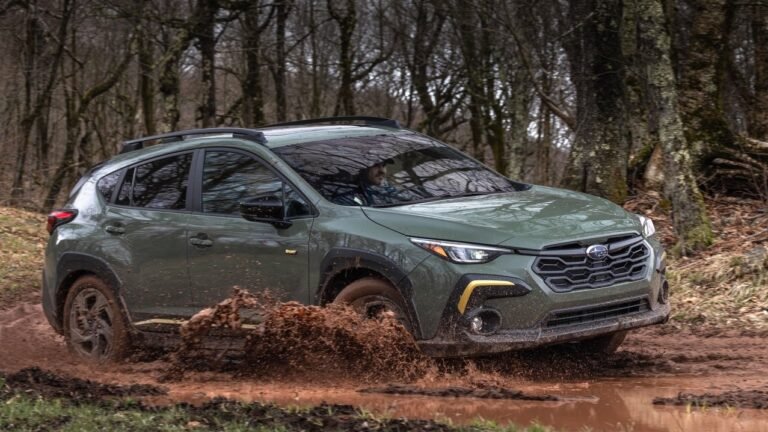
The 2025 Subaru Crosstrek has this cool rugged look that makes it seem adventurous, even if it might not be the best off-roader. But honestly, it does a great job on dirt roads and trails, outdoing a lot of other subcompact SUVs in its range. With up to 9.3 inches of ground clearance and Subaru’s all-wheel drive coming standard, the Crosstrek gives you solid grip and stability whether you’re driving through muddy paths or snowy streets. You’ve got a choice of a 152-horsepower 2.0-liter engine or a more robust 182-horsepower 2.5-liter engine, which is perfect for drivers who care more about fuel efficiency and dependability than just raw power.
The Subaru Crosstrek is a versatile and capable crossover SUV.
Its exterior design is rugged and sporty, with features like roof rails and 8.7 inches of ground clearance.
The interior is spacious and comfortable, with convenient features like a touchscreen infotainment system and available leather upholstery.
The Crosstrek’s performance and handling on the road are impressive, with standard all-wheel drive and a responsive 2.0-liter engine.
Off-roading capabilities are enhanced by features like X-MODE and Hill Descent Control, making the Crosstrek a great choice for adventurous drivers.
Exterior Design and Features
The Subaru Crosstrek has a unique and tough look that really makes it stand out among other compact SUVs. Its strong lines and sturdy build give it a sporty but capable vibe. The front has this cool hexagonal grille with shiny chrome details and sleek headlights that feature LED daytime running lights.
One thing that really makes the Subaru Crosstrek special is its roof rails, which all models come with. These rails are super handy for carrying extra gear, whether it’s bikes, kayaks, or anything else you might take on an adventure. Plus, the car has a solid ground clearance of 8.7 inches, which means it can handle rough spots without breaking a sweat.
Interior Comfort and Convenience
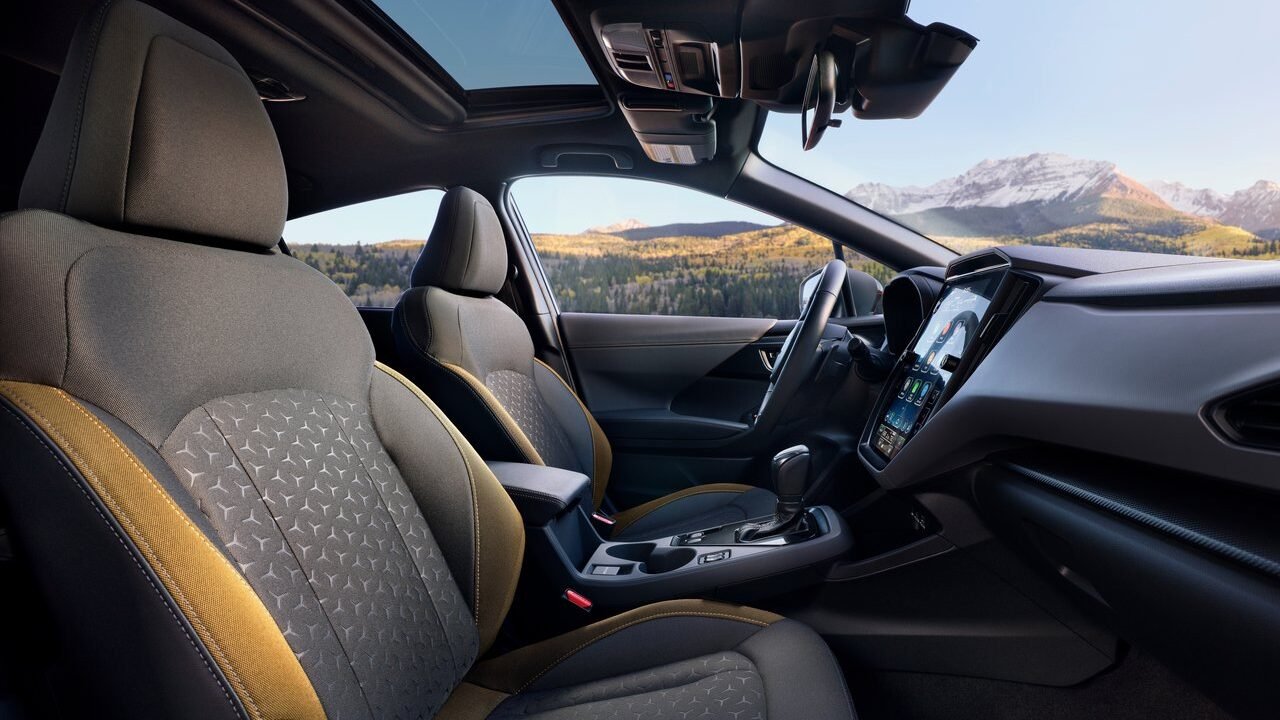
Inside the Crosstrek, you’ll find a well-designed and comfortable cabin that prioritizes both driver and passenger comfort. The seats are supportive and offer ample legroom and headroom for all occupants. The front seats are available with heating functionality, perfect for those chilly winter mornings.
Cargo space is another area where the Crosstrek excels. With the rear seats in place, it offers 20.8 cubic feet of cargo space, which expands to 55.3 cubic feet when the rear seats are folded down. This makes it easy to transport larger items or pack for a weekend getaway. The Crosstrek also features a wide rear gate opening and a low load floor, making it easy to load and unload cargo.
Performance and Handling on the Road
The Subaru Crosstrek is powered by a 2.0-liter four-cylinder engine that produces 152 horsepower and 145 lb-ft of torque. It is paired with either a six-speed manual transmission or a continuously variable transmission (CVT). The CVT option comes with Subaru’s Lineartronic technology, which provides smooth and efficient power delivery.
On the road, the Crosstrek offers a comfortable and composed ride. The suspension is well-tuned to absorb bumps and road imperfections, ensuring a smooth and stable driving experience. The symmetrical all-wheel drive system provides excellent traction and stability, allowing the Crosstrek to handle corners with confidence.
Off-Roading Capabilities and Features
One of the key selling points of the Subaru Crosstrek is its off-roading capabilities. With its impressive ground clearance and symmetrical all-wheel drive system, it can tackle rough terrain with ease. The Crosstrek also features Subaru’s X-Mode, which optimizes traction and control in slippery conditions.
Another notable feature is the hill descent control, which allows the Crosstrek to maintain a steady speed when descending steep slopes. This feature is particularly useful when off-roading or driving on uneven terrain. With its off-roading capabilities and advanced features, the Subaru Crosstrek is a great choice for those who enjoy outdoor adventures.
Safety and Security Features
Here is the crash test of the 2024 Crosstrek by the IIHS.
The Subaru Crosstrek comes equipped with a range of safety features to ensure the safety of its occupants. One of the standout features is Subaru’s EyeSight driver assist technology, which includes adaptive cruise control, pre-collision braking, lane departure warning, and lane keep assist. These features help to prevent accidents and provide an extra layer of protection on the road.
In terms of security, the Crosstrek features an anti-theft system with an engine immobilizer. This system helps to deter theft and provides peace of mind when parking in unfamiliar areas. Overall, the Subaru Crosstrek offers a comprehensive suite of safety and security features to keep you and your loved ones safe.
Technology and Entertainment Features
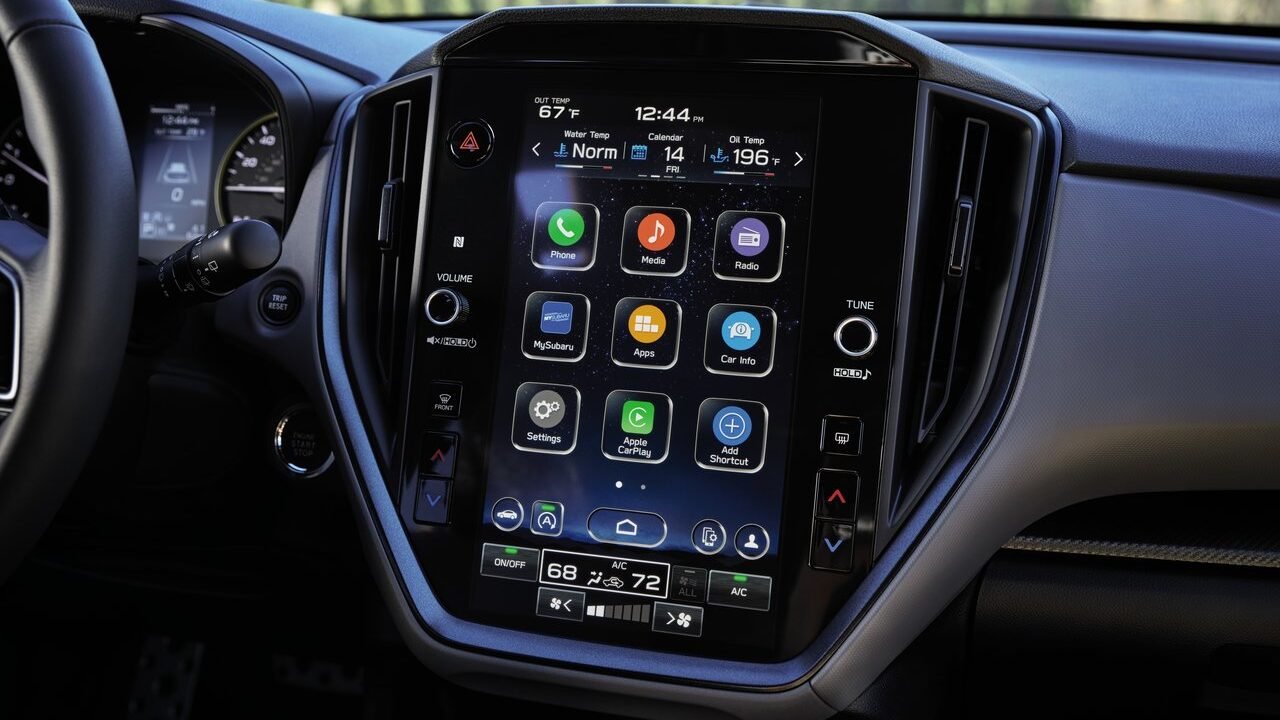
The Subaru Crosstrek comes equipped with a range of technology and entertainment features to enhance your driving experience. The base model comes with a 6.5-inch touchscreen infotainment system, which includes Apple CarPlay and Android Auto integration. Higher trim levels offer a larger 8-inch touchscreen with built-in navigation.
The Crosstrek also offers a premium audio system from Harman Kardon, which delivers high-quality sound throughout the cabin. This system includes eight speakers and a subwoofer, ensuring an immersive audio experience for all occupants. With its advanced technology and entertainment features, the XV Crosstrek keeps you connected and entertained on the road.
Fuel Efficiency and Environmental Impact
The Subaru Crosstrek offers impressive fuel efficiency for a compact SUV. With the CVT transmission, it achieves an EPA-estimated 27 mpg in the city and 33 mpg on the highway. This makes it an economical choice for daily commuting or long road trips.
In terms of environmental impact, the Crosstrek is rated as a Partial Zero Emissions Vehicle (PZEV). This means that it meets strict emissions standards and produces fewer harmful pollutants compared to traditional gasoline-powered vehicles. With its fuel efficiency and low emissions rating, the Crosstrek is a greener choice for eco-conscious drivers.
Maintenance and Reliability
Subaru cars are really trusted for their reliability and the Crosstrek is no different. It’s consistently scored a perfect 5 out of 5 for reliability on Consumer Reports which is the best rating you can get. For taking care of your Crosstrek, usual maintenance involves regular oil changes tire rotations and checking the brakes.
Plus, Subaru has a solid warranty package for the Crosstrek. It comes with a three-year or 36,000-mile limited warranty and a five-year or 60,000-mile powertrain warranty. This gives you extra peace of mind and makes sure you’re covered if anything unexpected pops up.
Conclusion and Final Thoughts
The Subaru Crosstrek is a compact SUV that balances being tough for off-roading while still being practical for everyday use. With its rugged looks, comfy interior, and smart safety features, it’s a great choice for anyone who loves adventure but also wants reliability.
When it comes to off-roading, the Crosstrek shines thanks to its impressive ground clearance and all-wheel drive system, making it perfect for outdoor lovers. Plus, it’s packed with tech and entertainment options to keep you connected and having fun on the go. It’s also a fuel-efficient ride, so you’re doing your bit for the environment too.
In short, the Subaru Crosstrek is a dependable and versatile compact SUV with plenty of features to fit your lifestyle. Whether you’re driving in the city or hitting the trails, this vehicle’s got you covered. If you’re looking for something practical yet adventurous, give the Subaru Crosstrek a look.
If you found this post useful you might also enjoy our article “Best Fuel-Efficient SUVs and Crossovers for 2025: Top Picks.” Check out more of our site for honest car reviews handy buying guides and the latest news from the industry. There’s so much to explore so take a look around and don’t forget to save our homepage for the latest updates!
*Disclaimer: This website provides automotive content for informational purposes only and should not be considered professional advice. While we strive for accuracy, we do not guarantee the reliability or suitability of any vehicle or product mentioned—always conduct your own research before making purchasing decisions. Additionally, some links on this site are affiliate links, meaning we may earn a commission if you make a purchase, at no extra cost to you.
The 2021 Mercedes-Benz C300 is a popular pick for compact luxury sedans and for good reason. It’s actually the last model in the W205 series and people often find themselves debating whether the W205 is better than the newer W206. Many folks prefer the W205 because of its interior design and the quality of materials used, among other things.
But since this is a German luxury car, which can mean hefty repair bills, both potential buyers and car lovers usually want to know how it stacks up in terms of reliability before making a decision. Getting a clear picture of how the 2021 C300 does reliability-wise, including any common problems, maintenance costs, and expert opinions can really help people who are looking for the right car.
Overview of the Mercedes-Benz C300
Vehicle Specifications and Features
The 2021 Mercedes Benz C300 , from the W205 generation (produced from 2015 to 2021)—is characterized by its sleek design and innovative features. It comes equipped with a 2.0-liter turbocharged 4-cylinder engine, delivering 255 horsepower and 273 lb-ft of torque. This engine pairs with a 9-speed automatic transmission, which facilitates smooth and responsive acceleration.
Additionally, the 2021 Mercedes C300 is available in both rear-wheel-drive (RWD) and 4MATIC all-wheel-drive configurations, allowing buyers to choose based on their performance preferences and driving conditions. The interior is adorned with high-quality materials, boasting advanced technology and safety features, which include Mercedes’ MBUX (Mercedes-Benz User Experience) infotainment system and a suite of driving assistance features.
Luxury and Performance Expectations
Drivers often pick the Mercedes C300 because it strikes a great balance between performance and luxury. The suspension is set up for comfort but still keeps the driving experience fun and engaging. Known for its smooth and quiet ride, the 2021 Mercedes C300 is seen as a must-have in the compact luxury sedan world.
Reliability Ratings: What Do the Experts Say?
Consumer Reports and J.D. Power Ratings
Consumer Reports points out that the 2021 Mercedes C-Class, including the C300, doesn’t really stand out in reliability ratings. It got a score of 2 out of 5, which puts it behind its main German competition like the 2021 BMW 3 Series that scored a solid 4 out of 5 and the 2021 Audi A4 that landed an average 3 out of 5. Most of the complaints noted by Consumer Reports are about electronic issues, with a significant one concerning the engine.
On the flip side, J.D. Power gave it a reliability score of 79 out of 100. Even though this is still lower than its main rivals, it’s considered average. While we like Consumer Reports since they pull in a lot of community feedback and cover more years, J.D. Power’s way of looking at individual problems might give a clearer picture even though they only evaluate each model for three years in their dependability surveys. Overall, we’d say the 2021 C-Class has average reliability—nothing to rave about, but also nothing to really worry about.
Common Issues Faced by C300 Owners
Engine-Related Concerns
While the 2.0-liter engine is recognized for its efficiency and power, some owners have reported concerns related to oil leaks, particularly around the turbocharger and valve cover gaskets. These leaks may result in diminished performance or potential engine damage if not addressed early. According to CarComplaints.com, preventative maintenance, including regular oil changes and monitoring for leaks, is highly recommended.
Electrical System Problems
Given the advanced technology in the C300, some owners report electrical issues, commonly associated with the SRS (Supplemental Restraint System) warning light activation or failures of electronic features such as the seat adjustments and infotainment system. Forums like BenzWorld have numerous threads discussing troubleshooting on these issues, suggesting that software glitches can often be remedied through system resets or updates.
Suspension Issues
The C300 features a sophisticated suspension system, and although it generally performs well, some owners have reported premature wear on components like the control arms and bushings. Regular inspections can help catch wear and tear before they escalate into more expensive repairs. Maintenance forums frequently recommend a comprehensive inspection of the suspension system during routine service.
Transmission Concerns
Some drivers have experienced issues related to harsh shifting or delayed engagement with the 9-speed automatic transmission. While these occurrences are not common, they can arise in situations where regular transmission fluid changes are neglected. Ensuring periodic maintenance as outlined in the owner’s manual can help alleviate transmission issues.
Maintenance and Ownership Costs
Routine Maintenance
Owning a Mercedes-Benz C300 requires attention to a dedicated maintenance schedule to maximize reliability and vehicle longevity. Key maintenance items include:
Oil Changes: Recommended every 10,000 miles, using high-quality synthetic oil.
Brake Services: Regular inspections of brake pads and rotors to ensure optimal performance, ideally performed every 20,000 to 30,000 miles.
Tire Maintenance: Tire rotations should occur every 5,000 to 7,500 miles to maximize tire life and maintain balanced handling characteristics.
Cost of Ownership
In general, maintenance costs for the C-Class are higher compared to regular sedans due to the luxury brand’s pricing of parts and specialized service. RepairPal estimates that the average annual maintenance cost for a Mercedes-Benz C-Class owner is approximately $739. However, the costs may vary based on driving habits, local labor rates, and the frequency of service needed.
Warranty Coverage
When the 2021 Mercedes C-Class models first hit the market they came with a driver’s warranty that included a four-year or 50,000-mile basic warranty and a four-year or 50,000-mile powertrain warranty. Now most 2021 C300 models probably have their warranties expired unless the owner decided to get an extended warranty which we generally wouldn’t suggest.
How the 2012 Mercedes C300 Compares to Its Rivals
When thinking about reliability, it helps to compare the Mercedes C300 with its typical German rivals like the BMW 3 Series and Audi A4.
2021 BMW 3 Series
The BMW 3 Series is famous not just for its amazing handling and sporty feel. The 2012 BMW model gets a lot of love for its great interior quality, roomy cabin and trunk, plus good fuel efficiency. Plus, this model year snagged a 4 out of 5 reliability rating from Consumer Reports along with a CR Recommended badge.
2021 Audi A4
The Audi A4 gives you a comfy and quiet ride with some pretty advanced tech. It comes with all-wheel drive as standard, which is nice. On the flip side, if you’re thinking about getting a used C300, you’ll want to find one that has the 4Matic option. This was an extra that cost about $2000 when the car was new, and it really helps if you’re in a snowy area or live where there are a lot of hills. Also, keep in mind that the 2021 Audi A4 got a reliability rating of 3 out of 5 from Consumer Reports.
Leveraging the Owner Community for Insights
Talking to people in owner communities can really help you get a feel for how reliable the C300 is. Websites like MBWorld and BenzForum are great places where current owners share their stories, maintenance advice, and tips on dealing with common problems. Listening to firsthand experiences from long-term owners can really help future buyers understand what it’s like to own one over the years.
Plus, these communities can also point you in the direction of trusted service providers who know their stuff when it comes to Mercedes-Benz vehicles. That way, you can make sure your C300 gets the care it needs throughout its life.
Conclusion
The 2021 Mercedes-Benz C300 might just be the perfect pick for anyone looking at compact luxury sedans. If you love its sleek design and appreciate the high-quality interior with actual knobs instead of the big touchscreen from the previous model, this could be it for you. Sure, it doesn’t have the best rep for reliability, but a lot of drivers, especially fans of that iconic three-pointed star, really love it.
That said, it’s good for potential buyers to know about some occasional issues that could pop up. You might run into things with engine performance, electrical systems, and suspension wear that could impact your experience. Keeping up with regular maintenance and chatting with other owners who know their stuff can really help ease those worries and keep your ride going strong for longer.
If you really like Mercedes-Benz and are curious about which models are the most reliable, you should definitely check this out: Best Used Mercedes C-Class Sedans: Reliable Choices for 2024. And hey, don’t forget to look around our site too. We’ve got tons of stuff like detailed car reviews, buying guides, and the latest industry news all set for you. So take a peek and be sure to save our homepage for all the updates coming your way!
*Disclaimer: This website provides automotive content for informational purposes only and should not be considered professional advice. While we strive for accuracy, we do not guarantee the reliability or suitability of any vehicle or product mentioned—always conduct your own research before making purchasing decisions. Additionally, some links on this site are affiliate links, meaning we may earn a commission if you make a purchase, at no extra cost to you.
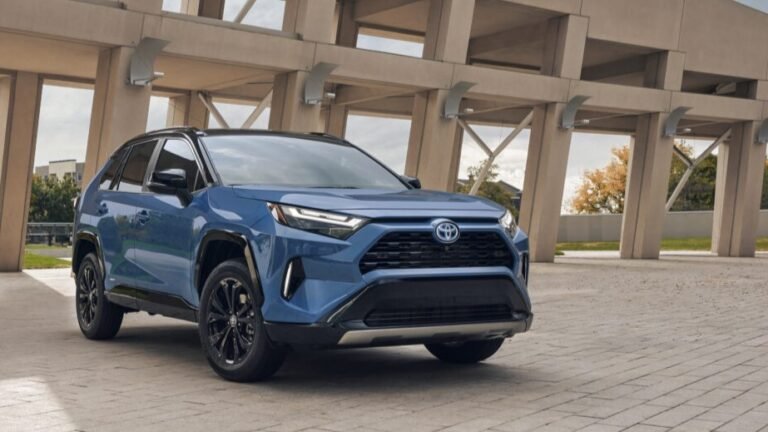
The RAV4 has paved the way for compact SUVs when it was introduced in 1994 and has since become the best-selling SUVs in its segment. In this Toyota RAV4 review we are going to show how the reliability and versatility of the RAV4 made it a popular choice among families and outdoor enthusiasts..
The Toyota RAV4 is a popular compact SUV with a long history of reliability and practicality.
The RAV4 offers a choice of two engines, including a hybrid option, and delivers good fuel efficiency for its class.
Safety features on the 2024 RAV4 include high crash test ratings and advanced driver assistance technology.
The RAV4’s interior is spacious and comfortable, with plenty of technology features to keep passengers entertained.
The RAV4’s exterior design is modern and stylish, with a range of color options to choose from.
Toyota RAV4 Performance: Engine Specs and Fuel Efficiency
The 2024 Toyota RAV4 offers two engine options: a 2.5-liter four-cylinder engine and a hybrid powertrain. The standard engine produces 203 horsepower, which is more than enough power for everyday driving. The hybrid powertrain combines a 2.5-liter four-cylinder engine with an electric motor to produce a total output of 219 horsepower. This hybrid option offers improved fuel efficiency without sacrificing performance.
In terms of fuel efficiency, the RAV4 is one of the most efficient vehicles in its class. The standard gasoline engine achieves an EPA-estimated 27 mpg in the city and 35 mpg on the highway, while the hybrid model achieves an impressive 41 mpg in the city and 38 mpg on the highway. These fuel efficiency ratings make the RAV4 a great choice for those looking to save money on fuel costs.
All-wheel drive is available on all trim levels of the 2024 RAV4, providing enhanced traction and stability in various driving conditions. The all-wheel drive system automatically distributes power between the front and rear wheels to optimize performance and control. This makes the RAV4 a capable SUV for off-road adventures or driving in inclement weather.
Toyota RAV4 Safety Features: Crash Test Ratings and Driver Assistance Technology
The 2024 Toyota RAV4 comes packed with a bunch of safety features to keep everyone inside it secure. It’s done really well in crash tests from both the National Highway Traffic Safety Administration and the Insurance Institute for Highway Safety. The 2024 RAV4 scored a five-star overall safety rating from the NHTSA and got the Top Safety Pick nod from the IIHS.
Besides those great crash test scores, the RAV4 has a lot of handy driver assist tech. For example, there’s lane departure warning which lets you know if you’re drifting out of your lane without signaling, and adaptive cruise control that changes your speed to keep a safe distance from the car in front of you. These tools help avoid accidents and make driving easier and safer.
The 2024 Toyota RAV4 also includes Toyota Safety Sense 2.0, featuring cool stuff like pre-collision warning with pedestrian detection, steering assist for lane departure warning, and adaptive cruise control.
Now, looking at the 2024 Toyota RAV4 Hybrid, it’s stepped up the safety game with Toyota Safety Sense 2.5, the newest version of Toyota’s driver assist tech. This newer version brings in advanced features like forward collision warning and automatic emergency braking. It builds on the solid safety base of the 2023 RAV4. All this focus on safety means the 2024 RAV4 Hybrid isn’t just efficient and comfy, but also ranks as one of the safest rides out there.
Toyota RAV4 Interior: Comfort, Space, and Technology Features
Interior Features
Description
Comfort
The Toyota RAV4 offers comfortable seating for up to five passengers with available heated and ventilated front seats, dual-zone automatic climate control, and a power-adjustable driver’s seat.
Space
The RAV4 provides ample cargo space with up to 69.8 cubic feet of cargo capacity with the rear seats folded down. The rear seats also offer a 60/40 split-folding design for added versatility.
Technology Features
The RAV4 comes standard with a 7-inch touchscreen infotainment system with Apple CarPlay and Android Auto compatibility, as well as a Wi-Fi hotspot, Bluetooth connectivity, and a six-speaker audio system. Higher trims offer an 8-inch touchscreen, wireless device charging, and a premium JBL audio system.
The interior of the 2024 Toyota RAV4 is designed with comfort and convenience in mind. The seats are supportive and comfortable, making long drives more enjoyable. The cabin is spacious, with plenty of legroom and headroom for both front and rear passengers. The rear seats can also be folded down to create additional cargo space when needed.
In terms of technology features, the 2024 RAV4 comes equipped with an infotainment system that includes a touchscreen display, Bluetooth connectivity, and smartphone integration. Apple CarPlay and Android Auto are standard on all trim levels, allowing drivers to easily access their favorite apps and music while on the go. Other available features include a premium audio system, navigation, and wireless charging.
Toyota RAV4 Exterior: Design, Styling, and Color Options
The 2024 Toyota RAV4 features a bold and rugged exterior design that sets it apart from other compact SUVs. It has a muscular stance and aggressive lines that give it a sporty and adventurous look. The front grille is large and imposing, while the LED headlights and taillights add a touch of sophistication.
The RAV4 is available in a variety of color options, allowing buyers to choose the one that best suits their personal style. Popular color choices include Magnetic Gray Metallic, Lunar Rock, and Midnight Black Metallic. In addition to the color options, the RAV4 also offers various customization choices such as roof racks, alloy wheels, and body side moldings.
Toyota RAV4 Trim Levels: Comparing the Different Models
The 2024 Toyota RAV4 has a bunch of different trim levels, each one with its own cool features and upgrades. Starting off, the base LE trim comes loaded with handy stuff like LED headlights, a 7-inch touch screen, and Toyota Safety Sense 2.0. Then you move up to the XLE trim, which adds things like dual-zone automatic climate control, a moonroof, and blind-spot monitoring.
If you go for the XLE Premium, you get even more perks, including SofTex-trimmed seats, a power liftgate, and an 8-inch touchscreen. For those who love off-roading, the Adventure trim is where it’s at. It has all-terrain tires, a bit of extra height, and a cool unique look. The Limited trim is the fancy one at the top with leather seats, a JBL audio system, and a hands-free power liftgate.
When it comes to the 2024 Toyota RAV4 Hybrid, you’ve got the LE, XLE, XLE Premium, and XSE trims. The XLE Premium and XSE give you some upscale extras like a sunroof, better audio systems, and bigger wheels. Each trim builds on the last, adding more comfort and tech features to fit all sorts of tastes and budgets.
Can the 2024 Toyota RAV4 Hybrid handle some off-road fun?
Absolutely! The 2024 RAV4 Adventure trim is ready for mild adventures. It comes standard with all-wheel drive, making it pretty good on different terrains. While it’s not going to compete with hardcore off-road vehicles, it can easily handle light trails and rough spots while keeping a nice balance between efficiency and adventure.
So, what’s the difference between the RAV4 Prime and the hybrid model of the 2024 Toyota RAV4?
The RAV4 Prime is a plug-in hybrid with an impressive electric-only range of about 42 miles, perfect for short drives without using gas. The regular hybrid isn’t a plug-in but still delivers great fuel efficiency and performance for longer trips. Both models use Toyota’s advanced hybrid tech but are designed for different driving situations.
Toyota RAV4 Price: MSRP, Invoice, and Dealer Pricing
The starting MSRP for the 2024 Toyota RAV4 is $26,050 for the base LE trim. Prices increase as you move up to higher trim levels, with the Limited trim starting at $34,580. It’s important to note that these prices are for the gasoline-powered 2024 RAV4 models, and the hybrid models have a slightly higher starting price.
When negotiating with a dealer, it’s always a good idea to research the invoice price of the vehicle. The invoice price is the amount that the dealer paid for the vehicle, and knowing this information can give you an advantage during negotiations. It’s also worth considering any available incentives or rebates that may be offered by Toyota or the dealership.
If you’re not interested in purchasing a vehicle outright, leasing or financing options are also available. Leasing allows you to drive a new vehicle for a set period of time without the commitment of ownership. Financing allows you to spread out the cost of the vehicle over a set period of time, making it more affordable for many buyers.
Toyota RAV4 Reliability: Consumer Reports Ratings and Owner Satisfaction
According to Consumer Reports, the Toyota RAV4 has an above-average reliability rating. It has consistently scored well in their reliability surveys and has earned high marks for its engine, transmission, and electrical system. The RAV4 also has a high owner satisfaction rating, with many owners praising its reliability, fuel efficiency, and overall value.
Toyota offers a comprehensive warranty package for the 2024 RAV4, which includes a 3-year/36,000-mile basic warranty and a 5-year/60,000-mile powertrain warranty. This warranty coverage provides peace of mind for buyers and helps to protect against unexpected repair costs.
Regular maintenance is important to keep your RAV4 running smoothly and to prevent any potential issues. Toyota recommends following their recommended maintenance schedule, which includes regular oil changes, tire rotations, and inspections. By following these guidelines, you can help ensure the longevity and secure your Toyota Rav4 reliability even further.
Toyota RAV4 Competitors: Comparing to Other Compact SUVs in the Market
The 2024 Toyota RAV4 faces stiff competition in the compact SUV market, with several other popular models vying for buyers’ attention. One of its main competitors is the Honda CR-V, which offers a spacious interior, comfortable ride, and excellent fuel efficiency. The Mazda CX-5 is another strong competitor, known for its upscale interior, engaging driving dynamics, and stylish design.
Each competitor has its own strengths and weaknesses. The 2024 RAV4 stands out for its reliability, fuel efficiency, and practicality. It offers a comfortable ride, plenty of cargo space, and a wide range of standard safety features. It also has a strong reputation for resale value, which is an important consideration for many buyers.
Toyota RAV4 Pros and Cons: Summing up the Advantages and Disadvantages
The Toyota RAV4 has many advantages that make it a popular choice among buyers. Its reliability, fuel efficiency, and practicality are some of its biggest strengths. The RAV4 also offers a comfortable ride, spacious interior, and a wide range of standard safety features. It has a strong reputation for resale value and comes with a comprehensive warranty package.
However, there are also some disadvantages to consider. Some buyers may find the 2024 RAV4’s styling to be too bold or aggressive for their taste. The base engine may not provide enough power for those looking for a more spirited driving experience. Additionally, some buyers may find the higher trim levels to be too expensive when compared to other vehicles in its class.
For more information including the latest offer, you can visit the official Toyota website here.
Toyota RAV 4 Price
The following are some of the official MSRP of the 2024 Toyota RAV4, notice that for 2024 there is no prime as of now that’s why we are showing the 2013 model year:
To wrap it up the Toyota RAV4 is a solid compact SUV that’s known for being reliable and capable. It gets great gas mileage has a comfy interior and comes packed with a bunch of safety features. It really holds its own in the compact SUV scene and shines because it’s practical and versatile. So whether you need a family ride or an SUV that can handle some adventures the RAV4 is definitely something to think about.
The RAV4 goes head-to-head with other popular compact SUVs like the Honda CR-V Mazda CX-5 and Ford Escape. Even with all that competition the RAV4 has stayed popular and known for being a reliable choice. Some good things about the RAV4 are its roomy interior smooth ride and awesome fuel efficiency. On the flip side it could use a bit more pep when it comes to acceleration and handling and it can get a bit noisy in the cabin at higher speeds.
If you liked this post, you might wanna check out our article “Best Fuel-Efficient SUVs and Crossovers for 2025: Top Picks”. It’s packed with great info. You can also dive into our site for expert car reviews, helpful buying guides, and the latest in the industry. There’s so much to explore—take a peek and don’t forget to save our homepage for future updates!
*Disclaimer: This website provides automotive content for informational purposes only and should not be considered professional advice. While we strive for accuracy, we do not guarantee the reliability or suitability of any vehicle or product mentioned—always conduct your own research before making purchasing decisions. Additionally, some links on this site are affiliate links, meaning we may earn a commission if you make a purchase, at no extra cost to you.
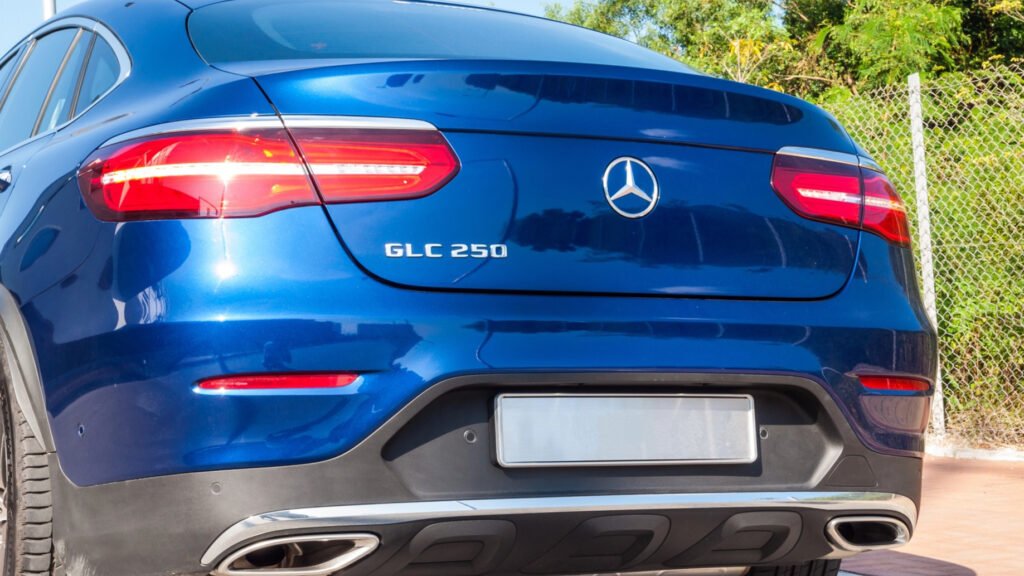
Owning a Mercedes-Benz is more than just a sign of luxury it’s about keeping up that elegance, great performance, and the pride that comes with it. Making sure your Mercedes looks sharp is pretty important. Regular washes aren’t just nice they get rid of dirt and grime and help keep that shiny finish while preventing any damage from stuff like pollutants that can mess up the exterior of your car. Doing this helps keep your ride’s value and lifespan up. While getting it detailed by a pro is good, washing it yourself feels awesome, saves you some cash, and lets you give it that personal touch.
Here’s your go-to guide on how to wash your Mercedes-Benz at home like a pro step by step. Let’s make sure it stays that showroom shine. Also, we’ll share some common mistakes to avoid when you’re washing your Benz.
Why Wash Your Mercedes-Benz at Home?
Professional car washes might offer convenience, but frequent visits can lead to swirl marks, scratches on the paintwork, and less attention to detail. DIY washing offers several advantages:
Cost-Effectiveness: Save money on detailing fees.
Attention to Detail: Personal care ensures thoroughness.
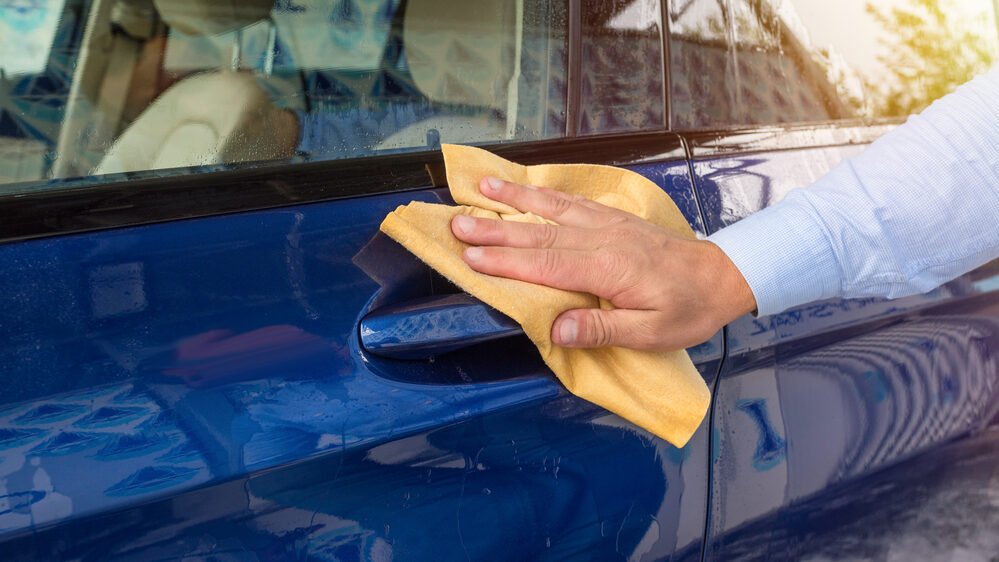
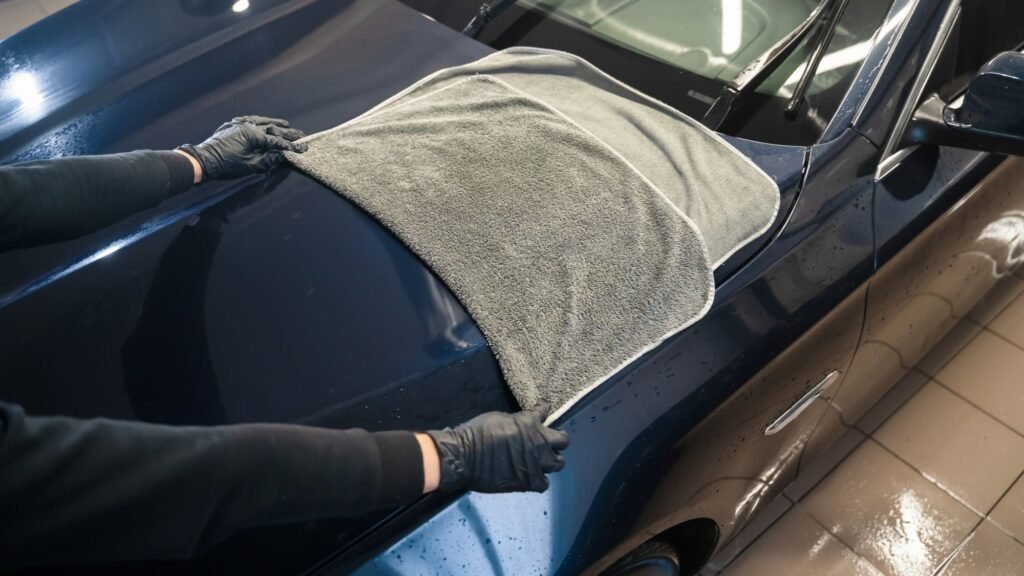
Premium twisted-loop microfiber pulls water fast from the trim.
Step-by-Step DIY Washing Guide for Your Mercedes-Benz
Step 1: Preparation & Pre-Rinse
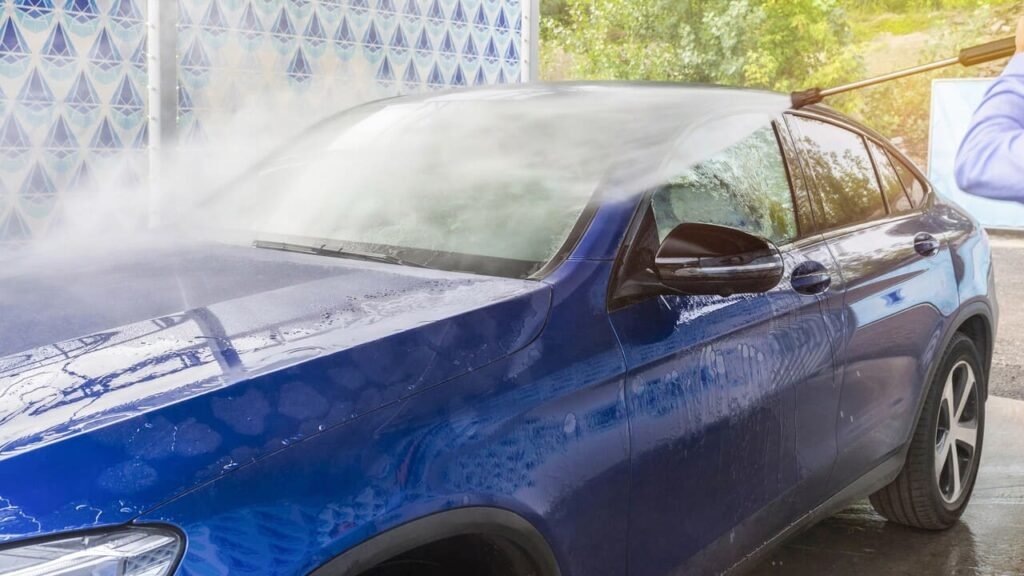
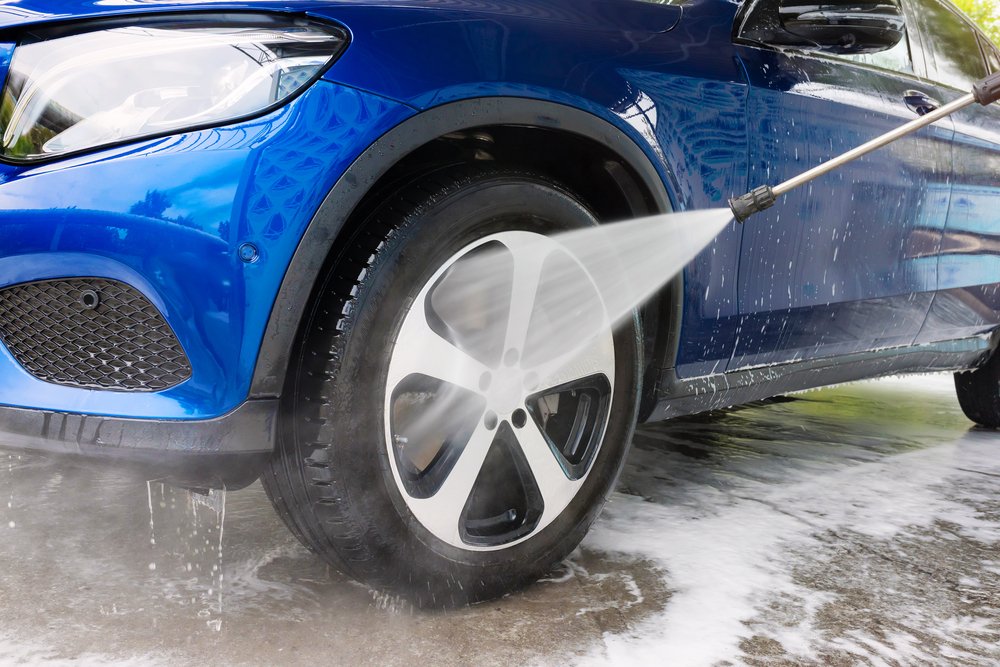
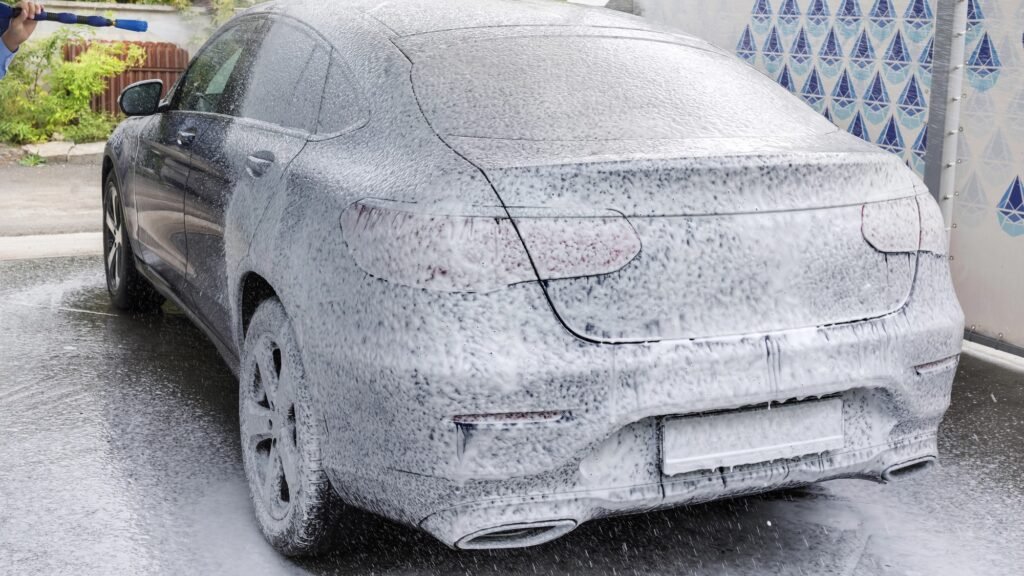
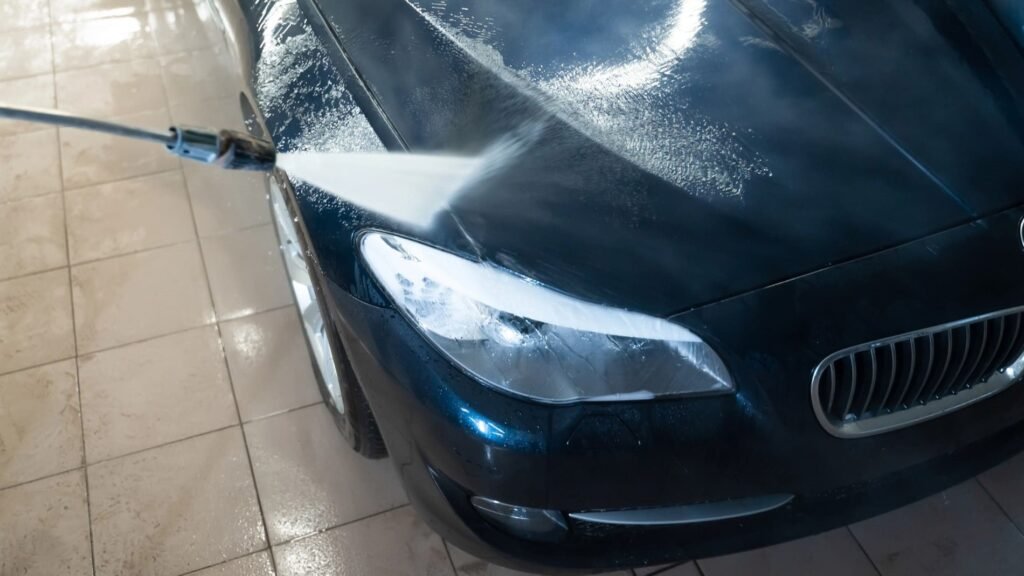
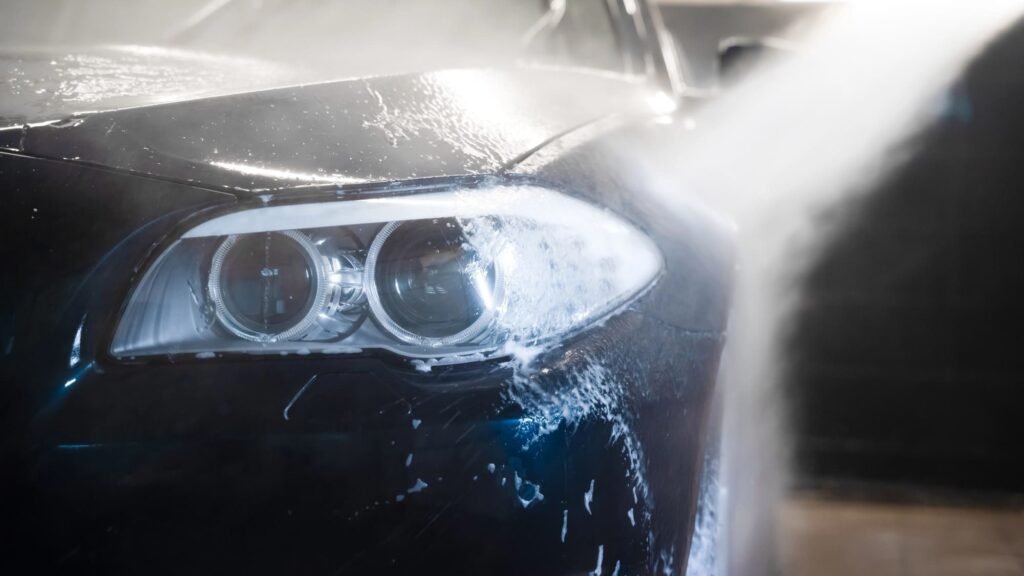
Begin in the shade and ensure your vehicle is cool to the touch. Rinsing your car thoroughly removes loose dirt and prevents scratches during washing.
Use a garden hose or pressure washer on a gentle setting.
Rinse from top to bottom to ensure gravity aids dirt removal.
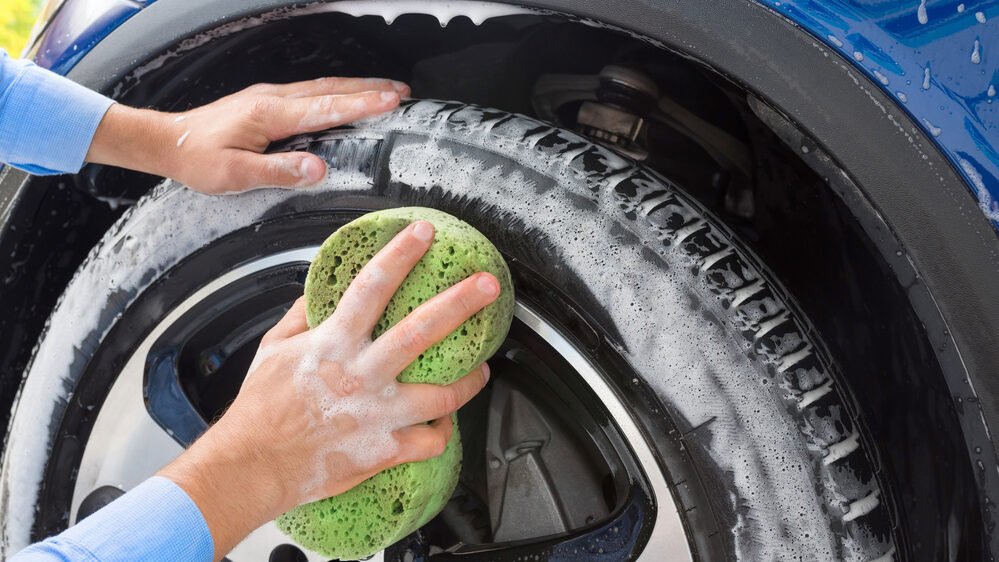
Step 2: Wheel & Tire Cleaning
Wheels and tires gather brake dust and road grime, requiring specialized care.
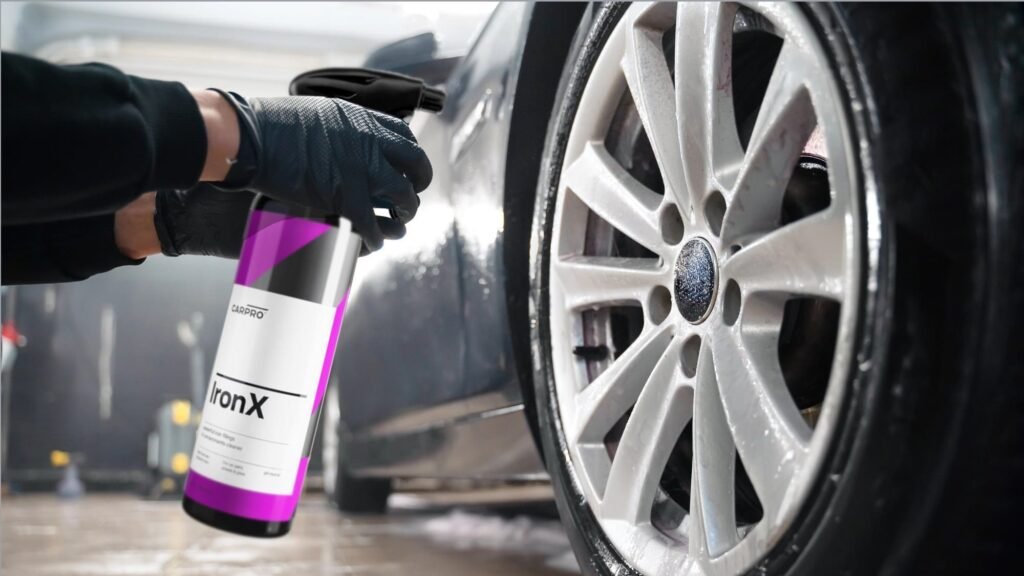
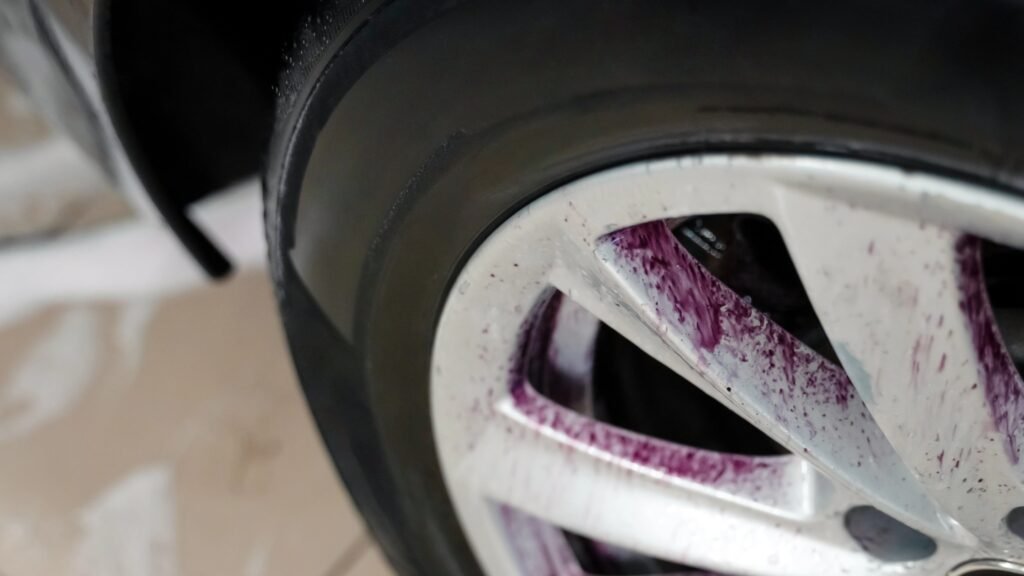
Spray wheel cleaner generously and allow it to dwell (2–3 minutes).
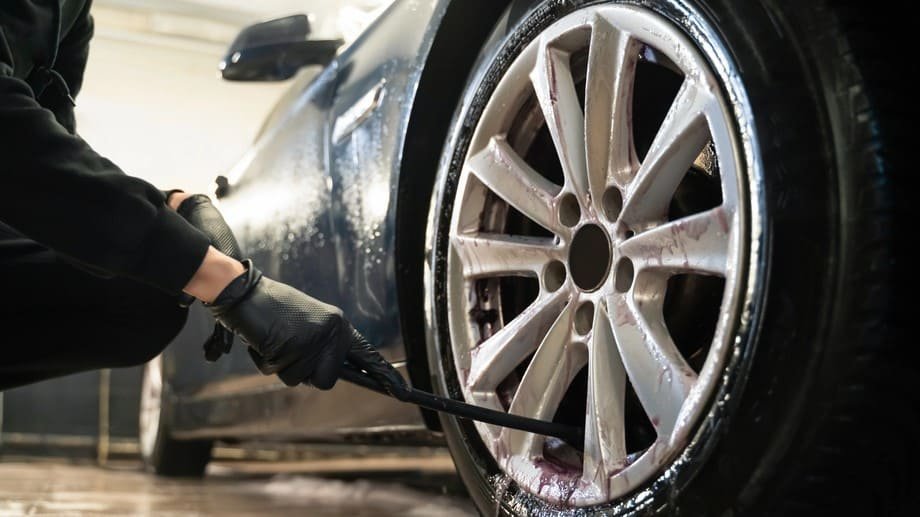
Agitate with a soft-bristle wheel brush or dedicated wheel mitt.
Rinse thoroughly to avoid cleaner drying on wheels.
Tip:Use separate mitts and brushes dedicated exclusively for wheels to avoid cross-contamination on paint surfaces.
Step 3: The Two-Bucket Wash Method
The two-bucket wash method significantly reduces swirl marks and scratches:
Fill one bucket with car shampoo and water, and the other bucket with clean water.
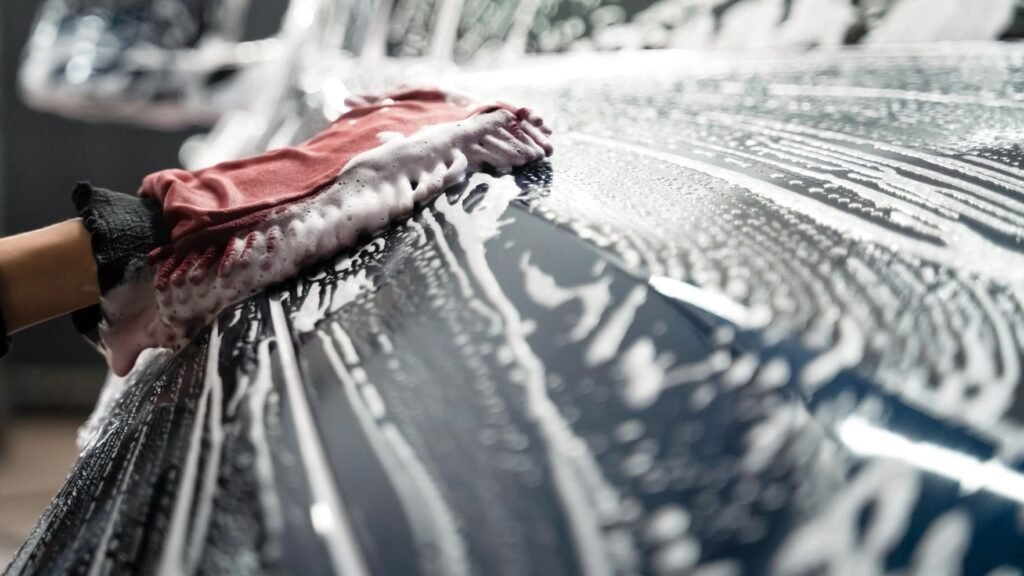
Dip your microfiber mitt into the shampoo bucket, wash one section of the car at a time.
Rinse mitt in the second bucket frequently to remove grit and dirt.
Wash from top to bottom, starting with the roof and finishing with lower body panels.
Expert Advice: “The two-bucket method is the golden rule of detailing. It dramatically reduces the risk of swirl marks—essential for a Mercedes’ clear coat.” — Mike Phillips, Detailing Expert at AutoGeek.
Step 4: Rinse Thoroughly
Once washed, rinse the entire car again meticulously:
Work top-to-bottom.
Ensure all shampoo residue is completely removed, particularly around trims and emblems.
Step 5: Drying Your Mercedes Properly
Proper drying is essential to avoid water spots and mineral deposits.
Start by gently patting dry large water droplets using microfiber drying towels.
Consider a drying aid (such as a quick detailer) to enhance lubrication and prevent scratches.
For best results, use a dedicated car blower to remove water from intricate areas like door handles, mirrors, and emblems.
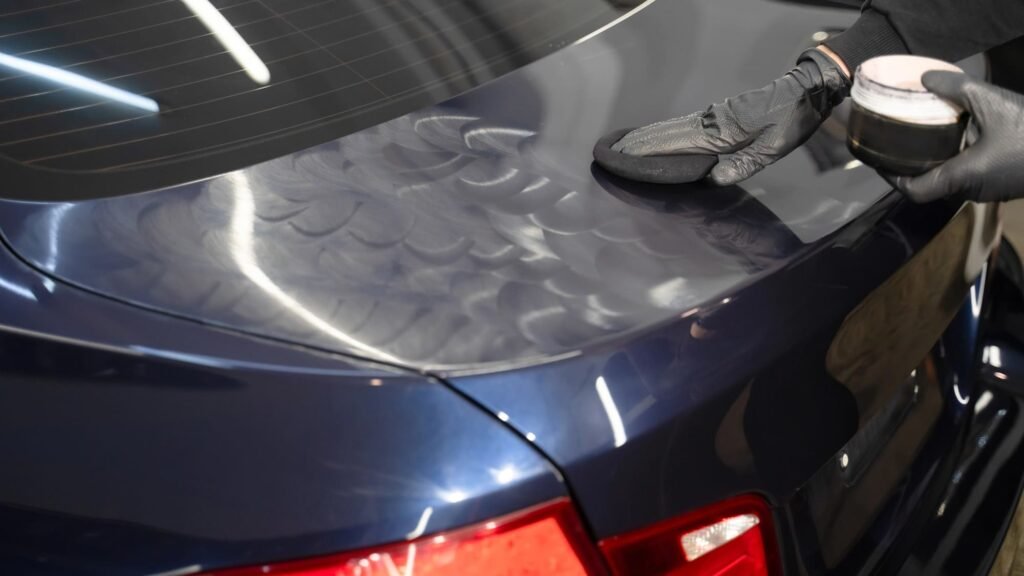
Close-up of male hands waxing a blue car at auto wash
Step 6: Clay Bar Decontamination
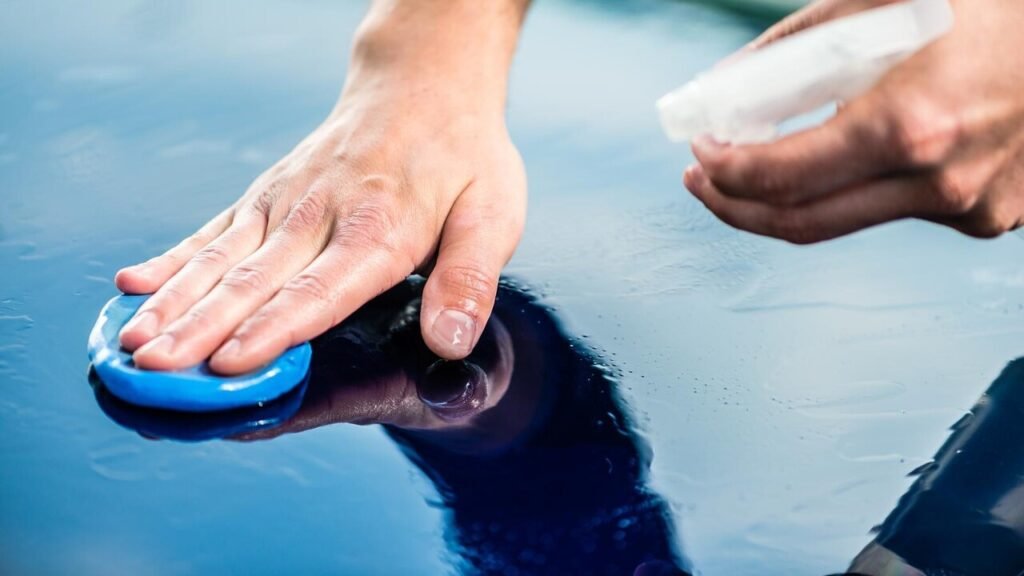
Clay barring safely removes embedded contaminants from paint, providing a smooth surface for wax.
Spray lubricant (quick detailer) generously.
Glide clay bar gently across the paint, section by section, without applying heavy pressure.
Fold and reshape clay frequently to ensure a clean surface.
Step 7: Applying Wax or Sealant (Quarterly)
Wax or sealant protects your Mercedes’ paint, adds depth of shine, and repels water.
Apply product using a soft foam applicator pad.
Work in small sections, using gentle circular motions.
Allow product to haze (3–5 minutes typically), then remove with a clean microfiber towel.
Polish to perfection with another dry microfiber towel for a deep shine.
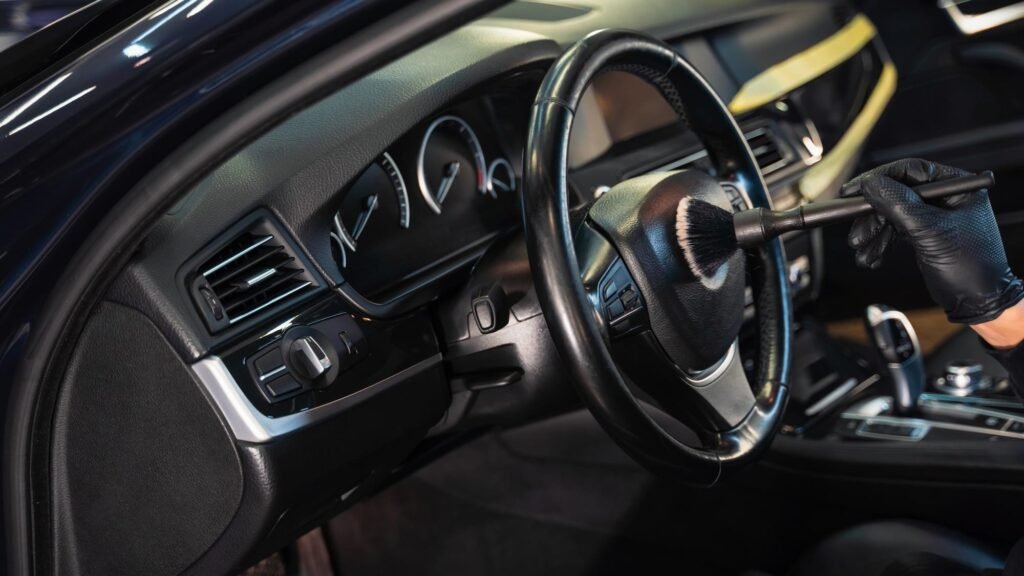
How to properly clean the interior of your Mercedes Benz
To clean the interior of your car, start by removing any trash and clutter. Use a vacuum cleaner with attachments to remove dust and debris from the seats, carpets, and floor mats. For leather seats, use a leather cleaner and conditioner to keep them soft and supple. For fabric seats, use a fabric cleaner to remove stains and odors. Clean the dashboard, door panels, and other hard surfaces with an interior cleaner and microfiber towels. Finally, clean the windows with a glass cleaner to remove fingerprints and smudges.
When cleaning the interior of your Mercedes Benz, it is important to use the right products and techniques to avoid damaging the upholstery. Avoid using harsh chemicals or abrasive cleaners, as they can cause discoloration or damage to the surfaces. Instead, use products that are specifically formulated for automotive interiors and follow the instructions carefully. Additionally, use microfiber towels or brushes with soft bristles to avoid scratching or damaging the surfaces. Regularly cleaning and maintaining the interior of your car will not only keep it looking great but also help to preserve its value.
The impact of weather conditions on your Mercedes Benz’s cleanliness
Weather conditions can have a significant impact on the cleanliness of your Mercedes Benz. Rain, snow, and other forms of precipitation can leave water spots and streaks on your car’s paintwork if not properly dried. Additionally, road salt and other de-icing chemicals used during the winter months can cause corrosion and damage to your car’s exterior. It is important to regularly wash your car after exposure to these weather conditions to remove any contaminants and prevent damage.
During hot and sunny weather, it is important to protect your car’s paintwork from UV damage. UV rays can fade the color of your car’s paint and cause it to become dull over time. To protect your car from UV damage, park in shaded areas whenever possible or use a car cover. Additionally, regularly applying a coat of wax or paint sealant can provide an extra layer of protection against UV rays.
How to maintain a showroom shine on your Mercedes Benz
Keeping your Mercedes Benz looking sleek like it’s fresh off the showroom floor takes a bit of regular care. One of the key things you should do is wash and dry your car often. This helps get rid of dirt and grime that can dull your paint. Plus, putting on some wax or paint sealant every now and then can really protect your paint from UV damage and keep that shiny look. A good waxing every few months will keep it looking great and make it easier to clean later on.
When it comes to washing your car, it’s super important to use the right tools and techniques to avoid scratches and other damage. Skip the rough sponges or brushes that might mess up the paint. Go for microfiber towels or mitts that are gentle and safe for your car’s surface. Also, make sure to use pH-neutral car wash soap instead of any household cleaners or dish soaps, since those can be too harsh and can take away the protective wax layer.
The role of car washing in preserving the resale value of your Mercedes Benz
Regular car washing plays a crucial role in preserving the resale value of your Mercedes Benz. A well-maintained car with a clean exterior is more likely to attract potential buyers and fetch a higher price when it comes time to sell. On the other hand, a dirty and neglected car can give the impression that it has not been properly cared for, which can significantly reduce its resale value.
When potential buyers are considering purchasing a used car, they often look for signs of neglect or damage. A clean and well-maintained exterior gives the impression that the car has been well taken care of and is less likely to have underlying issues. Additionally, regular car washing helps to prevent damage to the paintwork and other exterior surfaces, which can be costly to repair. By investing in regular car washes, you are not only maintaining the appearance of your Mercedes Benz but also protecting its value.
Bonus Pro Tips for Mercedes Enthusiasts
Use PH-Balanced Products
Mercedes clear coats are premium and require gentle, pH-balanced shampoos to avoid unnecessary degradation or dulling.
Avoid Direct Sunlight
Always wash in the shade to prevent water spotting or shampoo residue drying prematurely.
Regularly Check Drains and Seals
Water drainage areas around doors, sunroof channels, and trunk edges must be clean to prevent rust and leaks. Regularly inspect and clean these areas.
Check Manufacturer Recommendations
Always check your Mercedes-Benz owner’s manual for specific care recommendations, especially if your car has special matte or metallic paint finishes.
Common DIY Mercedes-Benz Washing Mistakes to Avoid
Using Dish Soap or Harsh Detergents: Strips wax and damages clear coat.
Skipping the Wheel & Tire Cleaning: Brake dust corrodes finishes over time.
Drying With Old Towels: Scratch and swirl marks result from improper drying methods.
Neglecting Door Jambs & Engine Bay: These areas are often overlooked and collect grime.
Reliability & Maintenance: How a Clean Mercedes-Benz Impacts Ownership
A regularly cleaned Mercedes-Benz isn’t just aesthetically pleasing—it significantly impacts your vehicle’s reliability and resale value.
Aspect
Impact of Regular Washing
Paint Longevity
Extends paint life by protecting from oxidation and contamination.
Corrosion Prevention
Removes salts and dirt that cause rust, preserving undercarriage and body.
Improved Visibility
Clean windows and headlights improve visibility and safety.
Q: Can I use any automotive shampoo for my Mercedes? A: Preferably, use pH-balanced automotive shampoos from trusted brands like Meguiar’s, Chemical Guys, or Gyeon to protect your clear coat.
Q: How frequently should I wash my Mercedes-Benz? A: Ideally, every 1–2 weeks. More often if exposed to harsh environmental elements.
Q: Should I use a pressure washer? A: A low-pressure setting (1200–1800 PSI) with a wide nozzle is safe and effective.
Q: Can using the wrong cleaning products damage my Mercedes-Benz? A: Yes, using the wrong cleaning products, such as those containing harsh chemicals, can damage the paintwork and finish of your Mercedes-Benz.
Q: Are there specific areas of my car that need extra attention when washing? A: Yes, the wheels and undercarriage, which are more likely to accumulate road grime and salt.
Conclusion
Keeping your Mercedes Benz clean and well-maintained is super important for keeping it looking good and holding on to its resale value. Regular washing gets rid of dirt and grime that could hurt your car’s exterior. Plus, it gives you that good feeling knowing your ride is looking sharp and protected from harmful stuff. If you follow this easy guide and use some good products, not only will you shield your car but you’ll also help it last longer and keep its resale value up.
Check out some of our top picks for washing your Mercedes right here “Spring into Action: The Best Car Care Products for 2025” You can check out our site for detailed car reviews buying tips and the latest buzz in the car world. Take your time to browse and don’t forget to save our homepage for updates later!
*Disclaimer: This website provides automotive content for informational purposes only and should not be considered professional advice. While we strive for accuracy, we do not guarantee the reliability or suitability of any vehicle or product mentioned—always conduct your own research before making purchasing decisions. Additionally, some links on this site are affiliate links, meaning we may earn a commission if you make a purchase, at no extra cost to you.
**When you click on links we might get a small commission on purchases that qualify.
Keeping your BMW clean is super important for its looks and how well it runs. Washing your car regularly not only makes it shine but also keeps the paint and finish from getting damaged. As a proud BMW owner, you want your ride to always look its best.
Just follow these steps and you’ll notice fewer swirl marks, a deeper shine, and no more wondering if you should sell it. The key is using the right order and having the right tools so your BMW looks like it just came out of the showroom instead of going through a rough patch. So let’s get started!
The five most important rules
Don’t use dish soap. It strips protective wax and leaves micro-swirls. Use a car shampoo.
Wash top → down, rinse often. Dirt falls downward; keep your mitt clean.
Two-bucket + grit guard prevents swirls. Seriously—this little trick saves your paint.
Clean wheels & brakes first (iron remover). Brake dust will scratch if it gets on the mitt.
Clay only if paint feels gritty. Don’t clay a perfectly clean, smooth panel!
Those five rules cover 90% of the damage-prevention and shine math. Now to the step-by-step:
The Importance of Regular Car Wash for Your BMW
Washing your car regularly is important for several reasons. First off it gets rid of dirt dust and all the junk that piles up on your BMW’s surface. If you leave that stuff on there it can lead to scratches and swirl marks. Regular washes also help clear away bird poop tree sap and other gunk that can mess up the paint if it sits too long.
If you skip washing your car you might notice some bad effects on how it looks and even how it runs if we consider the regular cleaning of your wheels. Over time dirt and grime can layer up making your BMW look pretty dull and dirty. This not only takes away from its overall look but it can also lower how much you could sell it for later. Plus if you forget to wash your car you could end up with corrosive stuff like road salt and brake dust building up which can really mess up the paint and finish.
Everything you’ll use: Choosing the Right Products
Here’s a handy list of tools for giving your BMW a good wash. You don’t need to grab everything right away, though. If you think your car doesn’t need something now, feel free to skip it. You can always pick it up later for future washes:
Wash your car in the shade — morning or late afternoon is best — because cooler, shaded surfaces prevent soap and water from drying too fast and etching the clearcoat. Direct sun raises panel temperatures, accelerating chemical reactions that leave streaks, water spots and micro–etching from gritty runoff. Park where tree shade or a canopy blocks direct sun and keep the car level; avoid blacktop at midday because reflected heat will still bake your rinse. If you can’t find shade, create it with a pop-up canopy or even a large umbrella to slow drying. Shade also protects trim and plastics from rapid thermal cycling during washing, so dressings and sealants cure more evenly.
Bottom line: shade isn’t optional — it’s the simplest paint-protection hack that reduces spots and improves final finish.
Quick tip: Check the surface by hand: if the paint feels warm to the touch, wait or move the car — cleaning a hot panel increases swirl risk. For precision, a handheld infrared thermometer tells you whether panels are cool enough; pros aim for a surface noticeably below ambient peak.
Step 1 — Rinse (Pressure Rinse If You Have One)
Start top → down: remove loose grit first so you won’t grind it into the paint when you wash. If you have a consumer pressure washer (e.g., Karcher K-class style units), use a wide-fan nozzle (25°–40°) and keep the wand moving — never hold the jet on one spot. Hold the nozzle roughly 12–24 inches (30–60 cm) from the panel; closer risks clearcoat damage, farther loses cleaning force. Aim the spray slightly across seams and trim to lift trapped muck out of gaps.
Technique tips pros use:
Use overlapping sweeps and work roof → pillars → hood → trunk → lower panels so loosened grime rinses downhill.
Hit wheel wells and lower rocker panels from below and behind to eject brake dust and road grime; a short burst into the undercarriage clears salt and grit.
Avoid 0° (pencil) or turbo nozzles and skip high pressure on brittle trim, soft tops, antennas, and weatherstrips. Keep the beam angled, not perpendicular, on seams and decals.
If the car is very dirty, do a quick foaming pre-soak with a low-pressure foam lance before the pressure rinse — it softens tar and bugs for easier removal.
Safety & practical notes:
Use a GFCI outlet and clean water supply. Wear eye protection for wheel-well work. If you don’t own a pressure washer, a garden hose with a wide-fan nozzle and steady flow will do the job—just expect to spend a bit longer.
Why this matters: a proper rinse strips abrasive particles and softens grime, cutting wash time and dramatically reducing swirl risk during the mitt stage.
Quick tip: If your wheels are really dirty, wash those first. Otherwise, brake dust can drip onto your freshly cleaned panels.
Step 2 — Decontaminate (Iron Fallout / Tar)
After the rinse, kill embedded contamination before you touch the paint. Brake dust contains microscopic iron particles that chemically bond to clearcoat and act like sandpaper when you scrub — and road tar is stubborn glue that won’t lift with shampoo alone. Start with the wheels: spray a pH-balanced iron remover (e.g., CarPro IronX or similar) liberally into wheel wells, calipers and barrels; you’ll see a purple/red reaction as iron dissolves. Agitate wheels with a dedicated wheel brush, let the product dwell per label (usually 2–5 minutes), then rinse thoroughly.
Next, treat painted panels. Work panel by panel: spray the iron remover, wait until the color-change reaction slows (don’t let it dry), then flush with low-pressure water. For heavy tar or asphalt spots, use a targeted tar remover or citrus-based solvent on the spot, rub gently with a microfiber or detailing sponge, and rinse. If paint has a cured tar blob, a slow, focused solvent application loosens it without aggressive rubbing.
When you spray a decontaminant on your wheels let it sit for a bit. You’ll see it change to purple or red as it dissolves the iron particles. Make sure to rinse it off really well.
Pro tips & precautions:
Don gloves and eye protection; work in shade and on cool panels.
Don’t mix iron remover with acidic wheel cleaners or strong solvents.
Check product compatibility if you have a ceramic coating — most iron removers are safe, but follow manufacturer guidance.
Finish this step with a full rinse. If residue remains, follow with a clay or clay-alternative to restore slickness before washing.
Quick tip: Make sure the surface is cool and not in the sun. If it’s too hot, soap and water can dry too fast, which can cause water spots, streaks, and even mess up the paint.
Step 3 — Wheels & Wheel Wells
Wheels deserve their own ritual. Start with cool surfaces and plenty of water: spraying first loosens road grime and eases agitation. Use a dedicated wheel cleaner matched to the finish — pH-neutral, non-acid cleaners for clear-coated/painted alloys; stronger iron-dissolving formulas (SONAX Xtreme, Iron X variants) for baked-on brake dust and stubborn grime — but don’t let aggressive acids sit on delicate finishes. Spray liberally into the wheel face, barrels and calipers and watch the color-change reaction do the heavy lifting.
Tools matter: use a soft wheel brush for faces, a narrow wheel-barrel brush to reach the inner barrel, a small boar-hair or nylon detail brush for lug-nut wells, and a long-handled wheel-well brush for the arches. Agitate gently — short, decisive strokes — then flush thoroughly with a wide-fan rinse. For painted calipers or coated wheels, avoid steel-wire brushes and high-pressure jabs close up; angle the spray and keep 12–18 inches distance.
Tires and wells: hit rubber with a separate tire cleaner and a stiff brush to remove old dressing and embedded grime; rinse well. Clean wheel wells and splash guards with an APC or degreaser (diluted per label) and a scrub brush, then rinse underneath to remove trapped salt/grit. Dry wheels with a microfiber or let them air-dry before applying wheel sealant or ceramic wheel coating — that layer cuts future brake-dust bonding and slashes cleanup time.
Quick tip: Keep one set of brushes and towels only for wheels — brake dust is the enemy of finish when it migrates to paint.
Step 4 — Pressure Washer & The Two-Bucket Wash
Hook up your foam cannon (MTM Hydro-style) to the pressure washer (Karcher K5 or similar), and use a proper car shampoo — pH-neutral soaps like Mr. Pink, Meguiar’s Gold Class or similar. Follow the soap maker’s dilution but a practical foam-cannon range is roughly 1:10 to 1:30 (stronger for very dirty cars, weaker for routine maintenance). Too concentrated = excessive suds, harder rinsing; too weak = thin foam that won’t lubricate the mitt. Fill the cannon, spray top-to-bottom, and let the foam dwell 1–3 minutes — just long enough to loosen grime but never let it dry on the panels.
If you don’t have a foam cannon, a low-pressure foam lance or generous dilution in a spray bottle still helps — the goal is to lift grit off the clearcoat before contact.
Both Meguiar’s Gold Class and Chemical Guys Mr. Pink are safe choices that won’t mess with your pH levels. They’ve gotten great reviews for their smooth lubrication that helps keep swirls at bay. A recent roundup by Road & Track even gives a shoutout to both as top performers.
Quick tip: check out the MTM Hydro foam cannon kit. It’s got spray gun adapters too, which is pretty cool!
After foaming, set up two 5-gallon buckets with grit guards: one with soap + mitt, one as a rinse. Use a soft, plush chenille or waffle-weave microfiber mitt (Rag Company, Chemical Guys, etc.), and wash one panel at a time. Dip the mitt into the soap bucket, wash a panel in straight-line strokes (not circles) with light, even pressure, then rinse the mitt seed-by-seed in the clean bucket by rubbing it against the grit guard to dislodge trapped particles before reloading with soap.
Pro tips that pros swear by:
Keep the pressure washer wand moving and only use its force for the initial rinse/foam — don’t use high-pressure spray during mitt washing.
Flip and fold the mitt frequently so you’re always using a clean face.
Use a separate, dedicated mitt/towel for lower rocker panels and the lower half of the car — these areas carry the worst grit.
Keep buckets shaded and off hot pavement so suds stay cool longer.
Why this step matters: foam + the two-bucket method dramatically reduces abrasive contact, turning a risky scrub into a gentle, controlled cleaning that slashes swirl marks and preserves your paint.
Step 5 — Exhaust Tips Cleaning
Leave the pipe to cool completely. Heat + cleaners = burns — let it sit or wear heat-resistant gloves if you must work warm. Tape off nearby paint/bumper seams with painter’s tape to avoid splash damage.
Protect: Finish with a thin coat of high-temp metal sealant or a metal polish that leaves a durable film (or a dedicated ceramic metal coating) to slow future carbon bonding and make the next clean easier.
Degrease first: Spray a fast-acting degreaser into the inner barrel and onto the outside lip; let it soak 1–2 minutes. Agitate inside with a dedicated brass brush or a narrow wheel-brush — brass removes carbon without gouging stainless or chrome. Rinse.
Tackle inside carbon: For stubborn soot, repeat degrease and use a slightly stiffer brass brush or a 0000-grade stainless wool wrapped on a stick. Keep the motion gentle and flush debris frequently so grit doesn’t re-abrade the metal.
Remove surface deposits: For outer chrome/stainless: use a non-acid metal polish (Mothers, Autosol or Meguiar’s metal polish). Apply with a microfiber or a polishing pad; for heavy staining a DA polisher with a soft wool pad speeds the job — but use low speed and caution. Avoid acidic wheel cleaners or oven cleaners on coated/black tips.
Porcelain/black/anodized tips: skip abrasives. Clean with pH-neutral soap, a soft brush, and a mild all-purpose cleaner; finish with a silicone-free protectant designed for coated trims.
Rinse & dry: Flush thoroughly, dry with a clean microfiber, and inspect. If small rust spots remain, use a fine polish or 0000 wool gently, then polish.
Pro tip: steer clear of any abrasives on black or ceramic-coated tips. And avoid using a pressure washer on them. water deep into the muffler; quick interior scrubs monthly, full polish + protect every 3–6 months.
Wear gloves and eye protection; work in the shade.
Don’t use steel wire brushes on chrome — they scratch.
Test any abrasive on an inconspicuous area first.
Do this step last so wheel and body grime won’t soil the freshly polished metal.
Do it right and those tiny tips will punch well above their weight in the finished look.
Step 6 — Rinse, Inspect, Repeat If Necessary
After you’ve washed every panel, give the car a thorough final rinse from top down using a wide-fan spray. Aim to flush foam, loosened grime and any residual cleaners out of seams and panel gaps — a steady, overlapping sweep ensures no suds are left to dry into spots. Work methodically so the entire surface is wet and free of soap.
Now the covert test: dry your hands and lightly glide the flat of your fingertips palm-side down over each panel (roof, hood, doors, fenders). You’re feeling for grit — not polish. If the surface feels glass-smooth, great; if it drags or you feel prickle-like particles, that paint still has embedded contamination.
If you detect grit, don’t push forward to drying/polish. Instead, repeat targeted decontamination: spot-spray an iron-remover on the offending area, rinse it off, and recheck. For stubborn spots that the iron remover doesn’t clear, use a clay-bar procedure (or a dedicated tar solvent) on that panel only — then rinse again. After any additional decon work, re-inspect with the fingertip test until the panel feels uniformly slick.
Why this matters: skipping the check risks sealing abrasive particles under a sealant or wax, which causes swirls and permanent micro-marring. Only when every panel passes the fingertip test should you move on to drying and protection.
Step 7 — Clay Bar (Only If Paint Still Feels Rough)
When your fingertip test shows roughness, clay is the tool that removes bonded rail dust, industrial fallout and tar that shampoo won’t touch. Work in the shade with cool panels. Use a dedicated clay bar, clay mitt or a clay towel and a generous amount of lube (Meguiar’s Detailer, Adams Clay Lube, or a paint-safe quick detailer). Break the clay into a palm-sized piece and knead it until pliable, or use a fresh face on a clay mitt.
Technique: spray lots of lube on a small panel, lay the clay flat, and glide it slowly with light, even pressure in straight lines. Let the clay skim the surface — no scrubbing. When the clay picks up grit and feels rough, fold it to expose a clean surface or replace it; don’t keep rubbing with dirty clay. Work panel-by-panel and rinse any residue. If you’re doing heavy contamination, choose the clay grade appropriately (fine for maintenance, medium/heavy for bonded fallout) — but start gentle and step up only if needed.
Safety notes: don’t clay on hot panels, avoid clay on severely flaking clearcoat, and if your car has a ceramic coating, use a clay alternative (clay mitt or synthetic nano-surface cleaner) recommended by the coating maker. After claying, recheck the fingertip test — the paint should feel glass-smooth and ready for polishing or sealing.
Step 8 — Polish (Optional, For Real Correction)
Polishing removes light swirls and faint scratches left after claying. If you want a showroom finish (especially on dark cars), polishing is the step that actually refines the clearcoat — but treat it like surgery: less pressure, more control.
Hand vs. machine
By hand: use a fine polish and a soft foam or microfiber applicator. Good for spot work or very light haze. Work small areas, rub in straight lines, then buff off with a clean microfiber.
Dual-action (DA) polisher: the safest machine option for beginners. Fit a low-convoluted foam polishing pad with a fine polish (polish ≠ compound). Start with the polisher on a low speed, spread product with the pad off the spinning head, then work at 3–4 (on a 1–6 scale), overlapping passes for each 12″x12″ area. Keep the pad flat, move steadily, and don’t dwell — heat and pressure remove clearcoat quickly.
Polishing foam discs that come with a handle are super handy even if they might take a bit longer. They’re great for applying sealants by hand or for using with a machine and a backing.
Always work on cool panels in shade and keep a clean pad (flip or replace as it loads).
Use slow, overlapping passes and inspect often; wipe residues with isopropyl alcohol on a microfiber to check real correction.
If heavy defects remain, step up to a medium polish or cut/polish combo — but test first on an inconspicuous patch.
Avoid rotary polishers unless you know what you’re doing (they cut fast and burn clearcoat).
Finish with a fine finishing polish or glaze before sealing or waxing.
How often? For most daily drivers, one light machine polish every 12–24 months is enough. If you polish aggressively, protect the result immediately with a sealant or ceramic coating.
Step 9 — Dry With Big Microfiber Towels
Grab a large, high-pile microfiber drying towels (waffle or plush, 800–1200 GSM) — think The Rag Company Liquid8r or Eagle Edgeless 600 — because size and absorbency cut the number of passes and reduce contact. Work top → down while panels are still wet: lay the towel flat, pat to absorb, then drag once across the panel with light, even pressure. Don’t scrub or spin the towel in circles — that’s how swirls start.
Tips that make this foolproof:
Fold smart: keep the towel folded into 4–6 layers so you always use a clean face; refold frequently to expose dry microfiber.
Swap when saturated: when a towel no longer soaks up quickly, replace it. Don’t wring a dirty towel into your wash bucket — you’ll reapply contaminants.
Use multiple towels: one large towel per roof/hood/trunk, a second for doors and fenders, and a dedicated glass towel. Glass deserves a separate, low-lint microfiber.
Edge and seam care: blot seams and badges first (water pools there), then glide the towel away from edges to finish.
Finish with light passes: once panels are mostly dry, give a final gentle one-way wipe to remove streaks and leave a uniform surface for sealant or wax.
Big towels = fewer passes, less friction, and a cleaner finish. Treat them well (wash separately, low heat, no fabric softener) and they’ll protect your paint for years.
Step 10 — Protect: Wax, Sealant, or Ceramic Coating
Pick your protection based on how often you want to touch it up:
Wax (like carnauba or blends): gives your car a nice depth and warm color (check out Griot’s Best of Show). It doesn’t last super long so you’ll want to reapply every 2–3 months.
Sealant (synthetic): lasts longer and super easy to use. Just reapply every 4–6 months.
Hybrid / long-life (like Collinite 845): durable and creates nice beads of water. It’s a solid choice for anyone who wants strong protection that’s easy to put on.
Professional ceramic coating: gives you multi-year protection but you’ve got to prep it perfectly (like using clay and polish). Usually, it’s best done by a pro unless you’re up for learning how to do it yourself.
Apply thin coats of wax or sealant in the shade using a disc sponge or Hex-Logic pad. Then gently wipe it off with a clean microfiber towel that doesn’t have any edges.
Step 11 — Interior: Vacuum, Brush, Wipe
Clean, conditioned seats and trim look newer, feel nicer, and resist cracking and fading. Do this after vacuuming and before final dashboard/detail spray.
Start by vacuuming the carpets and seats. Grab an interior brush set like the Detail Factory Detailing Brush to really get into the dirt in the vents and seams.
Next, wipe down the plastics and leather using a special interior microfiber cloth and cleaner. For the leather, a horse-hair brush and some conditioner can help if it needs a little extra care.
For suede/Alcantara make sure the dry is completely brush.
Step 12 — Tires & Trim
Freshen up your tires and interior with a water-based or silicone-free dressing to get that natural look without the greasy feel. Tire dressing can make your tires shine while also protecting them from UV rays and dirt.
Don’t go overboard with conditioning leather. A light treatment every few months works way better than a big application less often. Also steer clear of silicone-heavy products on your dashboard where glare might be a problem.
Spray or apply your leather/vinyl cleaner to an applicator pad or microfiber; agitate seams and crevices gently with an interior brush. Wipe away soil with a clean microfiber. Repeat if heavily soiled.
For leather, apply a thin layer of leather conditioner and work it in with a Hex-Logic pad or soft cloth. For vinyl/plastic trim, apply a small amount of protectant with a pad.
After dwell time (per product), buff off excess with a clean microfiber until an even, non-greasy finish remains, then open doors to air out and re-inspect for streaks or darkening; re-buff if needed.
When it comes to your tires, skip the wax or sealant since those are just for your car’s paint.
Step 13 — Final Wipe And Maintenance Tips
With the car clean and dry, finish panel-by-panel using a spray detailer (Adams Detail Spray, Meguiar’s Quik Detailer, or P&S Bead Maker) to remove micro-spots, lift dust, and boost gloss. Work one panel at a time: mist a light, even spray 8–12 inches from the surface, wipe with a clean, plush microfiber (folded to a fresh face), then buff with a second dry microfiber for a streak-free shine. For glass, use a low-lint glass towel and a glass-safe spray — avoid using the paint towel on glass to prevent transfer marks.
If you spot mineral water rings or light etching, try a dedicated water-spot remover or a 1:1 mix of distilled white vinegar and deionized water applied sparingly, wiped immediately, and rinsed — test on an inconspicuous area first. Never scrub; use gentle, repeating sprays and clean faces to avoid micro-marring.
Maintenance checklist (do these regularly):
Apply a quick spray-wax or ceramic booster every 4–8 weeks to extend protection between full sealant jobs.
Keep an extra set of towels for final buffing and wash them separately (no fabric softener, low heat).
Park in shade or use a car cover to reduce UV fade and bird-droppings.
Address chips, tar or tree sap promptly — they accelerate corrosion and staining.
Wipe dust off lightly between washes with a dedicated quick-detail towel rather than re-washing.
Final pro tip: the final wipe isn’t just cosmetic — it’s your last chance to catch trouble (spots, drips, missed bugs) and lock in protection. Do it slowly; the payoff is a showroom finish that lasts.
Which is better, hand wash or automatic wash?
Bucket hand-wash, pressure-washer-assisted hand-wash, and automatic touchless washes each solve the same problem — remove dirt — but they do it very differently. The two-bucket hand wash (mitt + grit guard) gives the most control and is safest for paint when done carefully. Adding a pressure washer + foam cannon speeds rinsing and loosens brake dust, but you must use a wide fan nozzle and keep distance to avoid blasting seals or trim. Automatic touchless washes minimize contact-scratch risk and are fast, but they rely on stronger chemicals and rarely match the deep-clean power of a careful hand wash for baked-on grime.
Verdict (when to pick each)
Bucket hand-wash: Best for paint care and finish preservation. Use when you want maximum protection and detail-level cleanliness.
Pressure-washer + hand-wash: Best balance of speed and effectiveness. Ideal when you need to remove heavy grime (wheels, underbody) but still protect paint.
Automatic touchless wash: Best for convenience and quick upkeep. Use for routine cleaning between hand washes or when you need speed.
Pick by priority: paint protection → hand wash; speed + grime removal → pressure-assisted; sheer convenience → touchless.
If you go with foam and a cannon, MTM Hydro paired with a Karcher K5 works really well together.
Common Mistakes
Swirls after washing: You likely used a dirty mitt or circular motions. Switch to two-bucket + grit guard and straight-line strokes.
Water spots after drying: You washed in sun or used hard water. Dry quickly with big microfiber towels and consider a water-spot remover.
Foam not clinging: Check dilution rates in the foam cannon or try a different soap (Mr. Pink foams beautifully).
Clay leaves residue? Re-wash and follow with quick detailer; clay lube helps prevent sticking.
How Often Should You Do It
Quick rinse + foam wash: weekly (if you drive daily).
Full decon + clay: every 3–6 months (or when paint feels rough).
Polish: once or twice a year depending on swirl buildup.
Wax/sealant: every 2–6 months depending on product. Collinite lasts longer.
FAQ
Q: Can I use automatic car washes on my BMW? A: Avoid old brush/manual automatic car washes — nylon brushes can cause micro-swirls. Touchless washes are safer but don’t clean as well. Hand washing with the right method is best.
Q: Is clay necessary for a new BMW? A: New cars can still pick up overspray and rail dust during transport. Check by touch: if the paint feels rough after washing, clay it.
Q: Which protects better: wax or ceramic coating? A: Ceramic coatings last longer and resist contaminants, but they require perfect prep (clay + polish) and sometimes professional application. Waxes and sealants are cheaper and easier to reapply. Choose your comfort level.
The Dos and Don’ts of BMW Car Washing
Here’s a quick rundown of the do’s and don’ts you should keep in mind when washing your BMW. It’ll help you avoid any damage to the paint or finish.
Dos:
Use a pH balanced car wash soap that is specifically formulated for use on automotive paint.
Use a soft microfiber towel or mitt for washing and drying your BMW.
Wash your BMW in a shaded area or during cooler parts of the day to prevent water spots.
Use a separate bucket for rinsing your towel or mitt to avoid transferring dirt and debris back onto your BMW’s paint.
Use a gentle touch when washing your BMW to avoid scratching the paint.
Don’ts:
Use household cleaning products such as dish soap or laundry detergent, as these can be too harsh and can damage the paint.
Use abrasive materials such as brushes or sponges with a rough surface, as these can scratch the paint.
Wash your BMW in direct sunlight, as this can cause the soap to dry too quickly and leave behind water spots.
Use a high-pressure washer or nozzle, as this can damage the paint and finish.
Let the soap or water dry on your BMW’s paint, as this can leave behind water spots and streaks.
If you stick to these simple dos and don’ts, you can wash your BMW safely and effectively without risking any damage.
Final talk
A clean and well-protected BMW really shines — you get that deep gloss and mirror-like reflections, plus it saves you from a ton of headaches later on. Just invest a bit in some good products (check out the names I suggested earlier) and stick to this simple process: rinse, decontaminate, use the two-bucket wash method, clay if you need to, dry it off, then protect it. This way you’ll reduce swirl marks, boost that gloss, and keep your BMW’s clear coat looking great.
Check out some of our top product picks for washing your BMW right here, “Spring into Action: The Best Car Care Products for 2025.” You can explore our site for detailed car reviews, handy buying tips, and all the latest buzz in the car world. Take your time browsing, and don’t forget to bookmark our homepage for updates coming your way!
*Disclaimer: This website provides automotive content for informational purposes only and should not be considered professional advice. While we strive for accuracy, we do not guarantee the reliability or suitability of any vehicle or product mentioned—always conduct your own research before making purchasing decisions. Additionally, some links on this site are affiliate links, meaning we may earn a commission if you make a purchase, at no extra cost to you.
**When you click on links we might get a small commission on purchases that qualify.
The automotive industry stands at a pivotal crossroads, driven by rapid innovation in powertrains, software, and manufacturing processes. This shift extends beyond mere vehicle design, reshaping global supply chains, consumer expectations, and even government policies. Below are the key trends currently shaping the auto market, with a forward-looking analysis of how these developments could evolve.
1. Electrification and Battery Technology
Current Status
Electric vehicles (EVs) have surged in popularity, fueled by tighter emissions regulations and strong consumer interest in sustainable mobility. According to BloombergNEF, global EV sales exceeded 13.9 million units in 2023, marking an increase of nearly 60% from the previous year.
Why It Matters
Regulatory Pressure: Regions such as the European Union are moving to ban internal combustion engine (ICE) vehicles by 2035. Similar plans exist in states like California.
Battery Innovation: Solid-state batteries and alternative chemistries (e.g., lithium-sulfur) promise higher energy density and faster charging. This could drastically lower range anxiety and accelerate EV adoption.
Supply Chain Realignment: Critical materials like lithium, cobalt, and nickel are in high demand, prompting auto manufacturers to secure mining partnerships, often outside their traditional domains.
Future Outlook
A shift to EVs could spark significant restructuring in both labor and capital investment. OEMs must expand battery development, form strategic alliances with material suppliers, and consider end-of-life recycling solutions to mitigate environmental impact.
2. Autonomous Driving and Advanced Driver-Assistance Systems (ADAS)
Current Status
Advances in sensor technology (LiDAR, radar, and high-resolution cameras) and AI-driven perception algorithms have propelled vehicles closer to fully autonomous operation. However, most current consumer offerings remain at Level 2 or Level 3 automation, requiring driver oversight.
Why It Matters
Safety & Convenience: Systems like lane-keeping assist, adaptive cruise control, and automated parking reduce accidents caused by human error.
Mobility-as-a-Service: Companies like Waymo and Cruise are piloting driverless taxis in limited geofenced areas, foreshadowing a paradigm shift in personal transportation.
Ethical & Legal Considerations: Autonomous vehicles raise critical questions about liability, insurance, and data privacy—issues that must be resolved before widespread adoption.
Future Outlook
Regulatory frameworks, computational power, and consumer trust will determine how soon fully self-driving cars become mainstream. The industry’s trajectory suggests a gradual, stepwise approach—first with supervised autonomy in personal cars, then dedicated robo-taxi fleets.
3. Software-Defined Vehicles and Over-the-Air Updates
Current Status
Vehicles are increasingly becoming software platforms on wheels. Tesla pioneered over-the-air (OTA) updates, enabling performance enhancements and feature rollouts without physical dealership visits. Traditional automakers are now adopting this model.
Why It Matters
Continuous Feature Evolution: Owners can gain new functionality—such as improved infotainment interfaces, enhanced driver assistance, or even horsepower boosts—via online downloads.
Subscription Revenues: BMW and Mercedes-Benz are exploring subscription models for premium features like heated seats or advanced navigation, opening new revenue streams.
Cybersecurity: As more systems come online, secure software architecture becomes paramount to prevent hacking or data breaches.
Future Outlook
Software’s dominance in automotive design could eclipse hardware improvements, shifting value creation toward coding and data analytics. Automakers may need to reorganize around agile software teams, forging alliances with tech giants and chipmakers.
4. Connected Services and Data Monetization
Current Status
Cars are increasingly connected to the internet, capable of sending and receiving real-time data for navigation, diagnostics, and infotainment. General Motors’ OnStar was an early example, and many OEMs now have proprietary connected-service platforms.
Why It Matters
Predictive Maintenance: Real-time data from vehicle sensors enables proactive alerts for part wear or failures, reducing downtime.
Personalized Experiences: Driving preferences, seating positions, and climate settings can be user-specific, stored in the cloud, and transferred between vehicles.
Revenue Opportunities: Location-based services, in-car e-commerce, and data licensing are potential profit centers for automakers.
Future Outlook
As connectivity improves (5G, potentially 6G in the future), the car becomes an extension of the IoT ecosystem. While the potential for new user experiences is significant, data privacy and ownership disputes could escalate if regulation lags behind technology.
5. Shared Mobility and Mobility-as-a-Service (MaaS)
Current Status
Ride-hailing (Uber, Lyft) and car-sharing (Zipcar) have already disrupted traditional ownership models. In some urban areas, the majority of young adults prioritize on-demand services over car purchasing.
Why It Matters
Urbanization: Over half of the global population lives in cities, where parking and congestion drive interest in shared mobility.
Cost Reduction: Pay-per-use can be cheaper for individuals with limited driving needs.
Environmental Benefits: Fewer cars on the road can mean reduced emissions per capita, though fleet electrification is crucial.
Future Outlook
Private car ownership may become less prevalent in major cities, while personal vehicles remain essential in rural and suburban areas lacking robust public transit. Robotaxis, once regulatory and technical hurdles are cleared, could further erode traditional ownership patterns.
6. Alternative Powertrains: Hydrogen and Synthetic Fuels
Current Status
Hydrogen fuel cell vehicles (FCVs) like the Toyota Mirai and Hyundai Nexo remain niche due to limited refueling infrastructure and high production costs. Meanwhile, synthetic e-fuels have garnered attention as a possible solution for ICE-based classics and performance cars.
Why It Matters
Long-Range, Fast Refueling: FCVs recharge quickly compared to EVs, but hydrogen extraction and distribution remain energy-intensive.
Net-Zero Ambitions: Synthetic fuels could keep traditional engines alive while meeting CO₂ targets, especially in motorsport or aviation.
Cross-Industry Collaboration: Shell, Bosch, and Porsche are among the companies investing in e-fuel research, bridging automotive and energy sectors.
Future Outlook
Government incentives and infrastructure expansion will be key to mainstream hydrogen adoption. Synthetic fuels may remain niche, largely dedicated to specialized applications or enthusiast communities unwilling to transition to electric.
7. Circular Economy and Sustainability Practices
Current Status
Recycling, reusing materials, and reducing waste are increasingly baked into vehicle design. Automakers like Volvo aim for carbon neutrality in manufacturing by 2040, while BMW invests in closed-loop material cycles for aluminum and steel.
Why It Matters
Regulatory Compliance: EU directives on end-of-life vehicles (ELVs) mandate high recycling rates.
Brand Image: Younger consumers place a premium on eco-friendly production, driving OEMs to adopt greener processes.
Resource Efficiency: Scarcity of rare metals for batteries underscores the importance of recycling to ensure stable supply.
Future Outlook
Beyond electrification, sustainability might define every facet of auto manufacturing—from using biomaterials for interiors to deploying renewable energy in factories. Over time, these measures could significantly reduce the automotive carbon footprint, shaping public perception and brand value.
Conclusion: A Convergence of Technology and Strategy
The automotive sector is undergoing an unprecedented transformation, blending electrification, autonomy, connectivity, and shared mobility into new business models. The interplay of these trends will reshape not only the vehicles themselves but also how we think about mobility at a societal level. As OEMs, tech firms, and governments collaborate (and sometimes compete), the emerging ecosystem looks poised to deliver more personalized, efficient, and sustainable transportation.
For industry stakeholders, the ability to stay agile—adapting to rapid advancements in battery tech, software-defined vehicles, and circular manufacturing—could determine who thrives in this new automotive era.
If you’re curious about why you don’t see French cars for sale in the USA, check out this article titled, “Why Are French Car Brands Not Sold in the US Automotive Market? Expert Insight.” Take a look around our site for detailed car reviews, handy buying tips, and the latest news in the auto world. And don’t forget to save our homepage for updates!
*Disclaimer: This website provides automotive content for informational purposes only and should not be considered professional advice. While we strive for accuracy, we do not guarantee the reliability or suitability of any vehicle or product mentioned—always conduct your own research before making purchasing decisions. Additionally, some links on this site are affiliate links, meaning we may earn a commission if you make a purchase, at no extra cost to you.