
For decades, fuel economy came with predictable compromises: less power, less comfort, and often less refinement. Modern hybrids have largely changed that equation, with several now exceeding 50 mpg while delivering the space, technology, and everyday comfort expected from a modern car.
That efficiency matters more than the headline number suggests. For commuters, families, and ride-share drivers, even a 10-mpg improvement can translate into thousands of dollars saved over a vehicle’s lifetime—often making far more financial sense than paying for performance rarely used on public roads.
The engineering has improved; the compromise has shrunk, therefor the cheapest gallon of fuel remains the one you never have to buy.
Why Fuel Economy Matters
At 15,000 miles per year, a 25-mpg car burns roughly 600 gallons annually, while a 50-mpg car uses about 300—a difference that can translate into thousands of dollars over long-term ownership. Buyers often negotiate hard to save a few hundred dollars upfront while overlooking the larger point: small efficiency gains compound every mile you drive.
What Makes a Car Fuel Efficient?
Before diving into the rankings, it’s worth understanding the key technologies that help to achieve such impressive fuel economy.
- Hybrid systems: Recover braking energy and use electric assistance to reduce fuel consumption.
- Atkinson-cycle engines: Trade some peak power for greater efficiency, particularly when paired with hybrid systems.
- Aerodynamics: Lower drag reduces the energy needed to maintain speed, especially on the highway.
- Weight reduction: Less mass means less energy is required to accelerate and move the vehicle.
- Efficient transmissions: CVTs and modern automatics help keep the engine operating near its most efficient range.
So which cars offer the best balance of efficiency, reliability, practicality, and value in 2026?
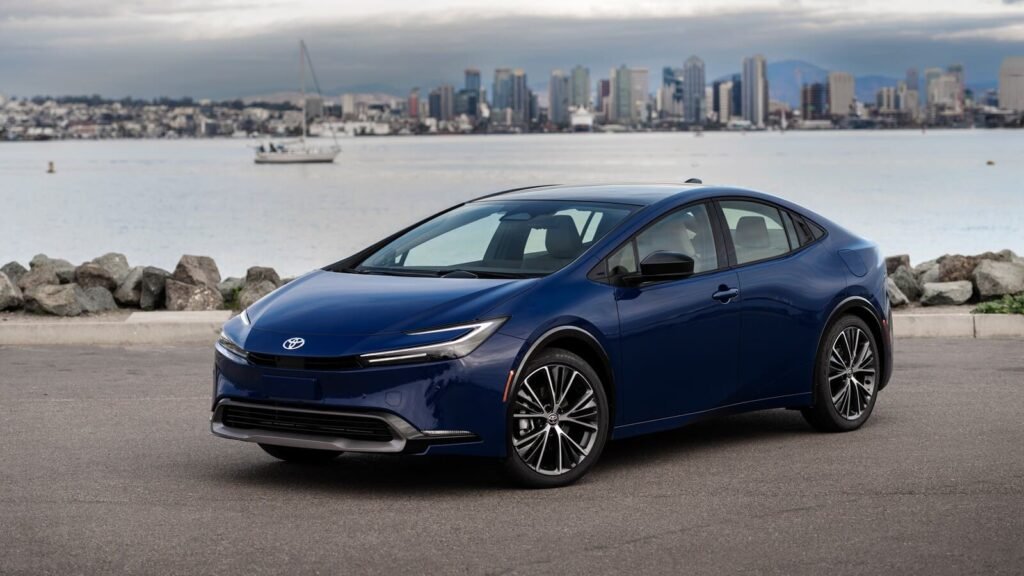
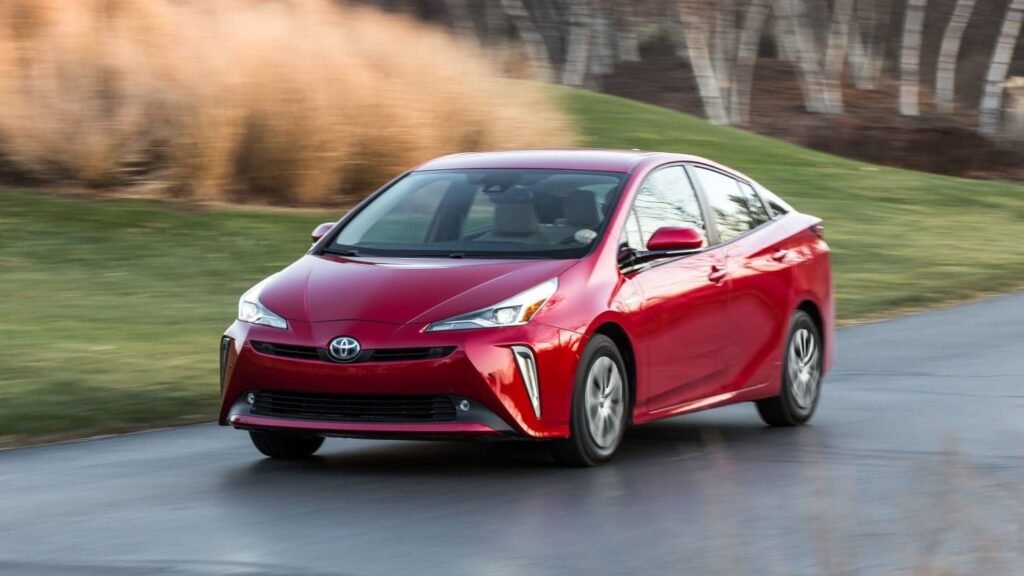
1. Toyota Prius
Combined Fuel Economy: Approximately 57 mpg
Every few years, motoring journalists predict the demise of the Prius, only for Toyota to quietly sell another enormous number of them. The latest generation is arguably the best Prius yet, combining sharper styling, improved performance and a far more enjoyable driving experience than its predecessors. Most importantly, it remains exceptionally fuel-efficient, which is precisely why it continues to attract loyal buyers around the world.
My Take…
“The Prius has become the Toyota Camry of fuel efficiency. It’s no longer remarkable because it’s revolutionary anymore; it’s remarkable because it simply works.”
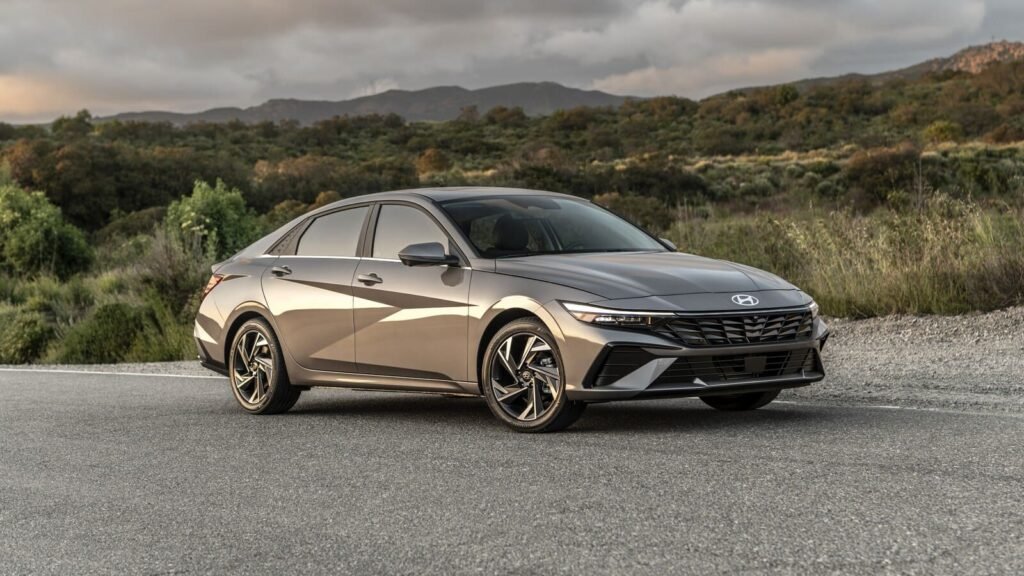
2. Hyundai Elantra Hybrid
Combined Fuel Economy: Approximately 54 mpg
The Elantra Hybrid represents one of the best values on the market today. Rather than pretending to be something it’s not, it focuses on solid engineering, impressive efficiency and a genuinely refined driving experience.
Why Buyers Love It
- Excellent warranty coverage
- Spacious interior
- Outstanding fuel economy
- Competitive pricing
For budget-conscious families, this may be the smartest purchase on this list.
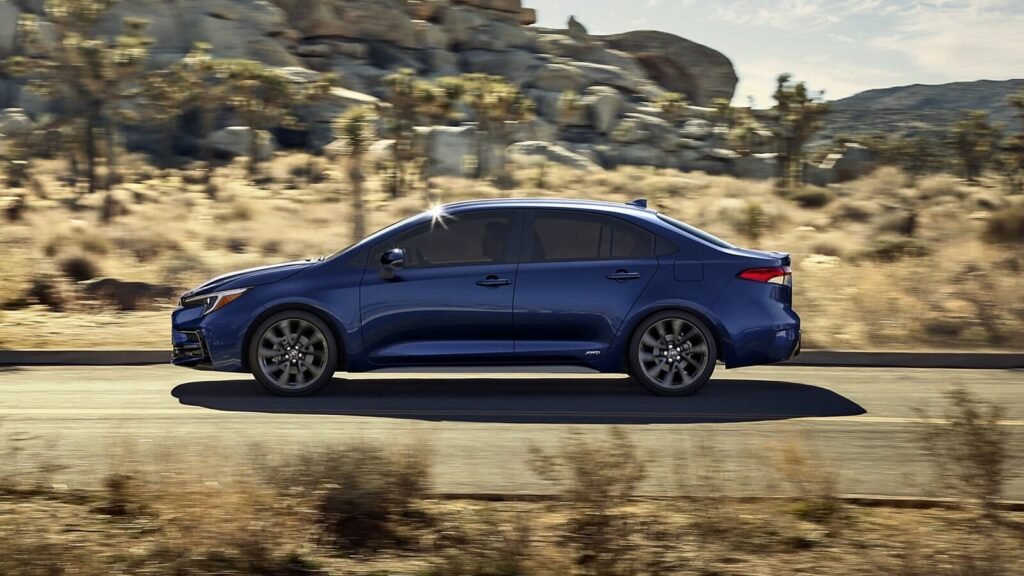
3. Toyota Corolla Hybrid
Combined Fuel Economy: Approximately 50–53 mpg
If reliability were an Olympic sport, Toyota would probably need its own medal category. The Corolla Hybrid combines the brand’s renowned durability with outstanding fuel economy, making it one of the safest long-term bets on the market.
Strengths
- Outstanding reliability
- Excellent resale value
- Low maintenance costs
- Available AWD on some versions
Sometimes boring is beautiful, the Corolla Hybrid proves that point remarkably well.
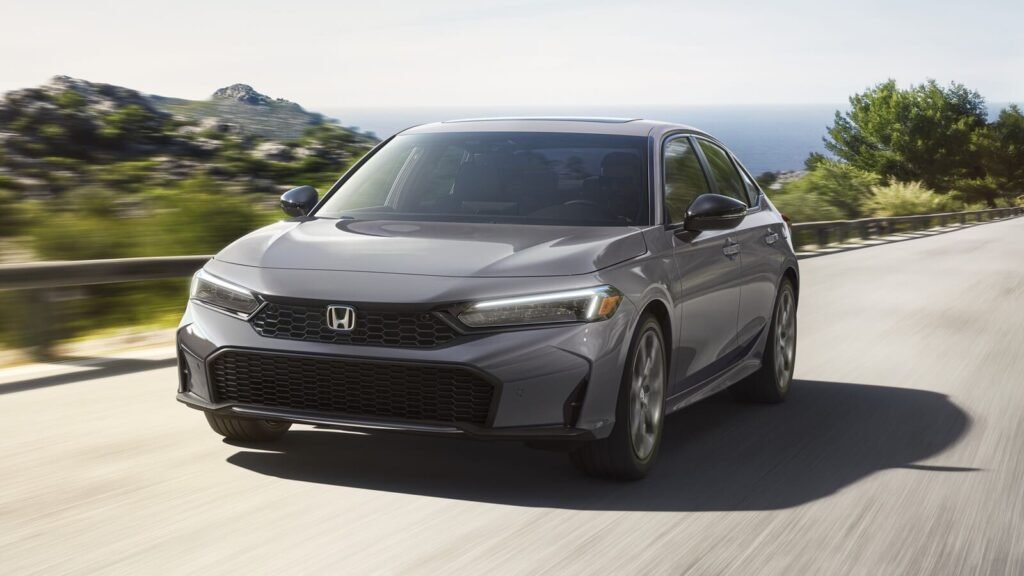
4. Honda Civic Hybrid
Combined Fuel Economy: Approximately 49–50 mpg
Honda’s hybrid system is one of the most underrated in the industry. Unlike many hybrids that prioritize efficiency at the expense of driver engagement, the Civic Hybrid remains genuinely enjoyable to drive.
Why It Stands Out
The Civic often feels more refined than cars costing considerably more. That’s a rare achievement in this segment and one of the reasons it remains such a popular choice.
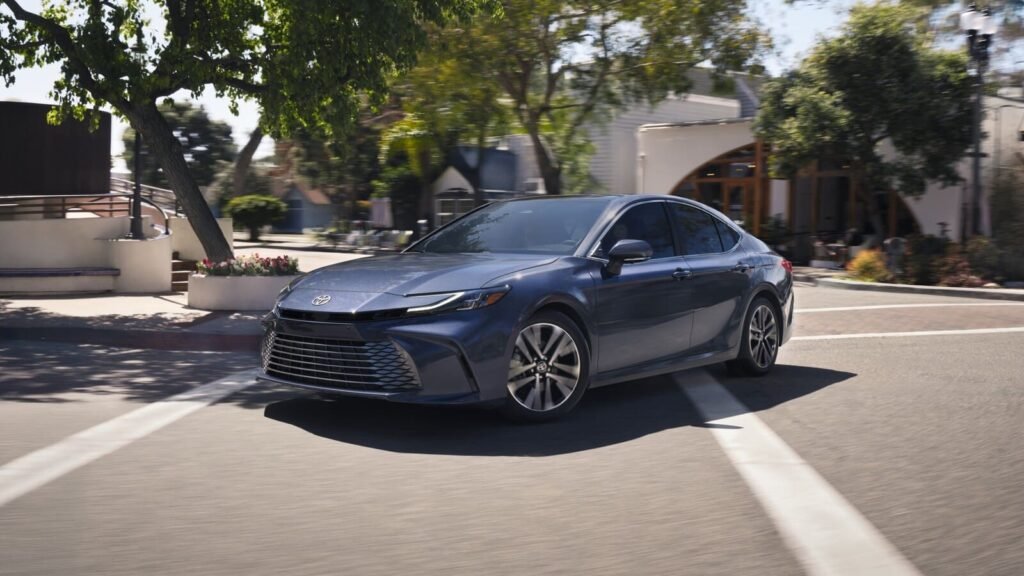
5. Toyota Camry Hybrid
Combined Fuel Economy: Approximately 50 mpg
The Camry Hybrid has evolved into one of the most sensible vehicles on the market. It offers:
- Family-car practicality
- Excellent reliability
- Strong resale value
- Exceptional efficiency
The Hidden Advantage
Many midsize SUVs consume nearly twice as much fuel while providing surprisingly similar passenger space. That’s a fact many buyers don’t discover until after signing paperwork.
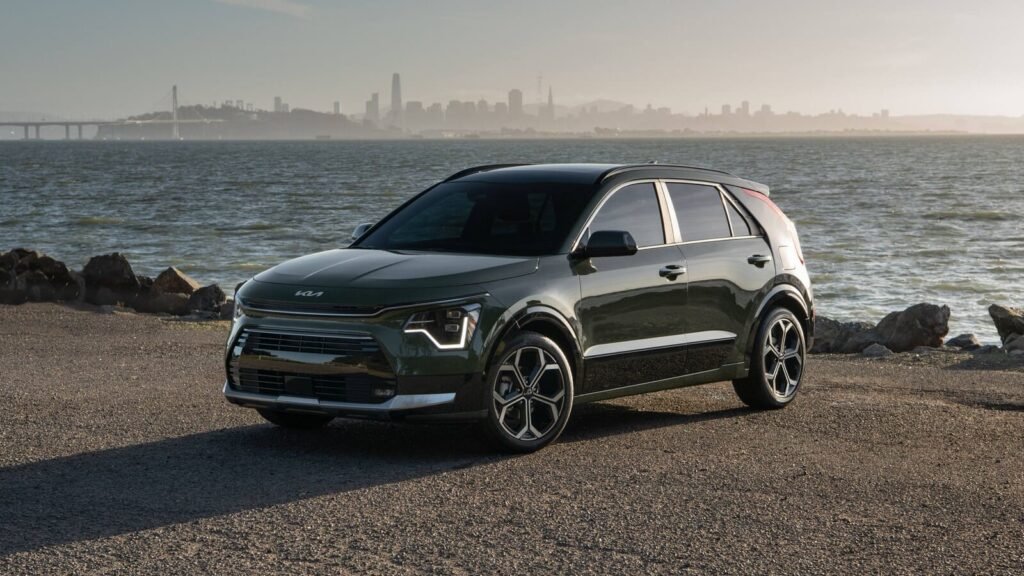
6. Kia Niro Hybrid
Combined Fuel Economy: Approximately 53 mpg
The Niro occupies an interesting niche. It offers crossover styling without the fuel penalty typically associated with SUVs.
Why It’s Popular
Many consumers simply prefer sitting slightly higher. The Niro gives them that feeling while maintaining compact-car efficiency.
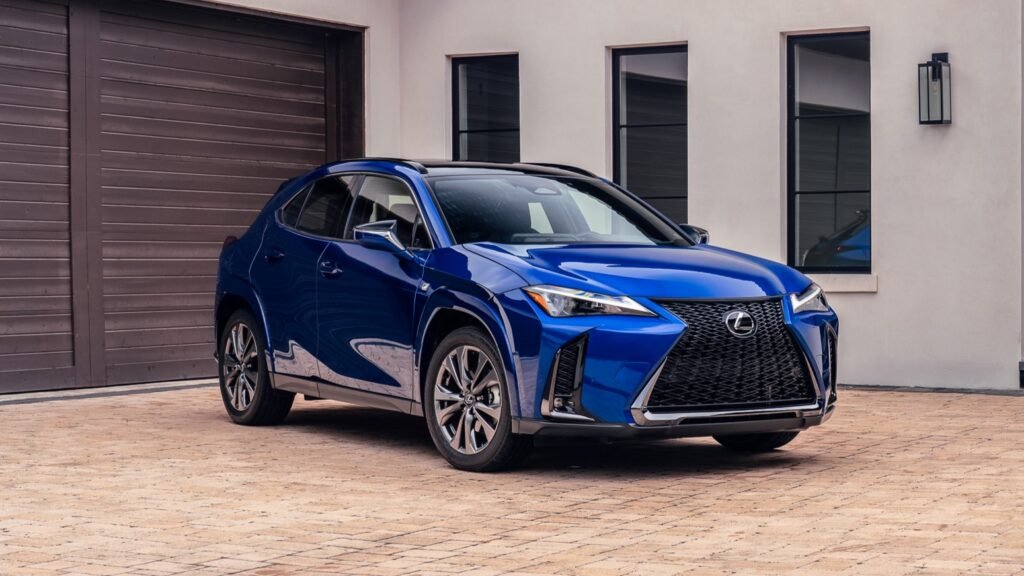
7. Lexus UX 300h
Combined Fuel Economy: Approximately 42–45 mpg
If you’re looking for genuine luxury, fuel economy is rarely part of the conversation. The UX 300h is one of the few exceptions, combining premium comfort and refinement with impressively low fuel consumption.
Best For…
Buyers seeking premium refinement without premium fuel bills. You receive typical Lexus reliability while consuming fuel at rates many economy cars would envy.
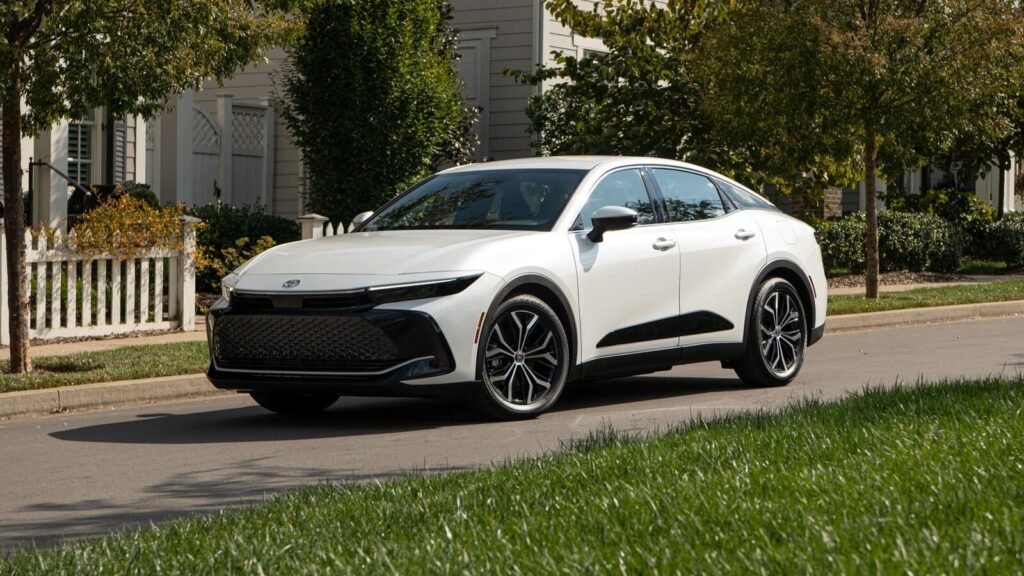
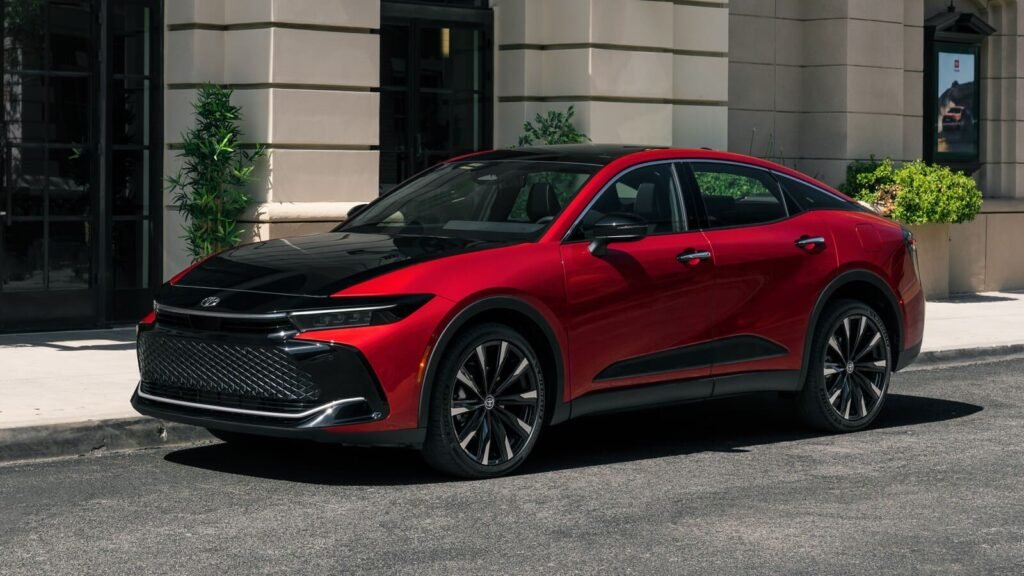
8. Toyota Crown Hybrid
Combined Fuel Economy: Approximately 41–42 mpg
The Crown remains one of Toyota’s most intriguing models. Reviving a nameplate long associated with premium motoring, the latest Crown blends elements of a saloon, crossover and luxury cruiser into one surprisingly distinctive package.
My Take…
“It’s the automotive equivalent of someone refusing to choose a career path and somehow succeeding anyway.”
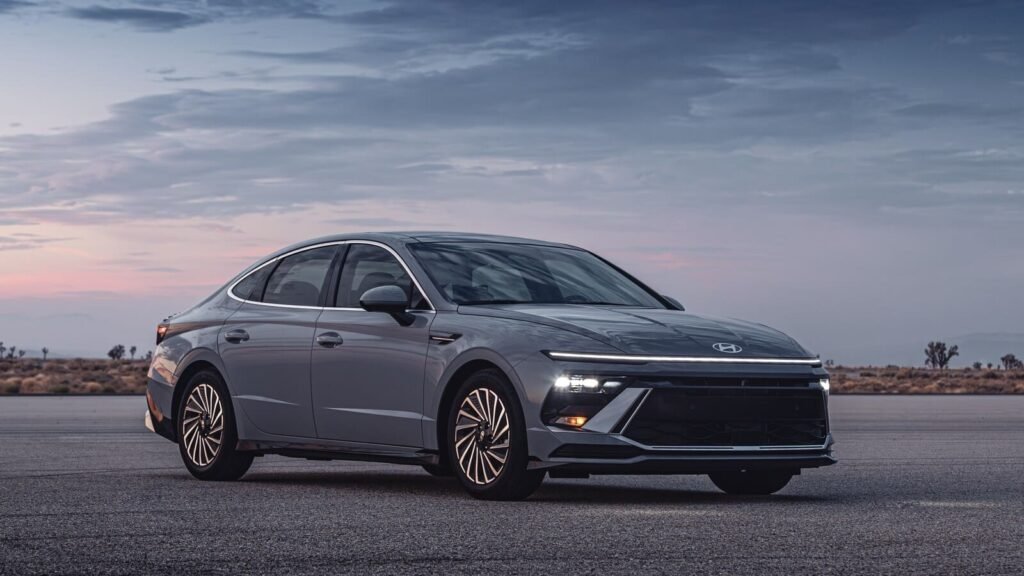
9. Hyundai Sonata Hybrid
Combined Fuel Economy: Approximately 47–52 mpg
The Sonata Hybrid continues to quietly compete with the very best midsize saloons on the market. Despite the segment being dominated by Japanese favorites such as the Camry and Accord, Hyundai’s contender remains a strong and often overlooked alternative.
Why It Deserves More Attention
Its sleek aerodynamic design, with a drag coefficient of just 0.24, helps it achieve fuel economy figures that would have seemed almost unimaginable for a large family saloon not so long ago.
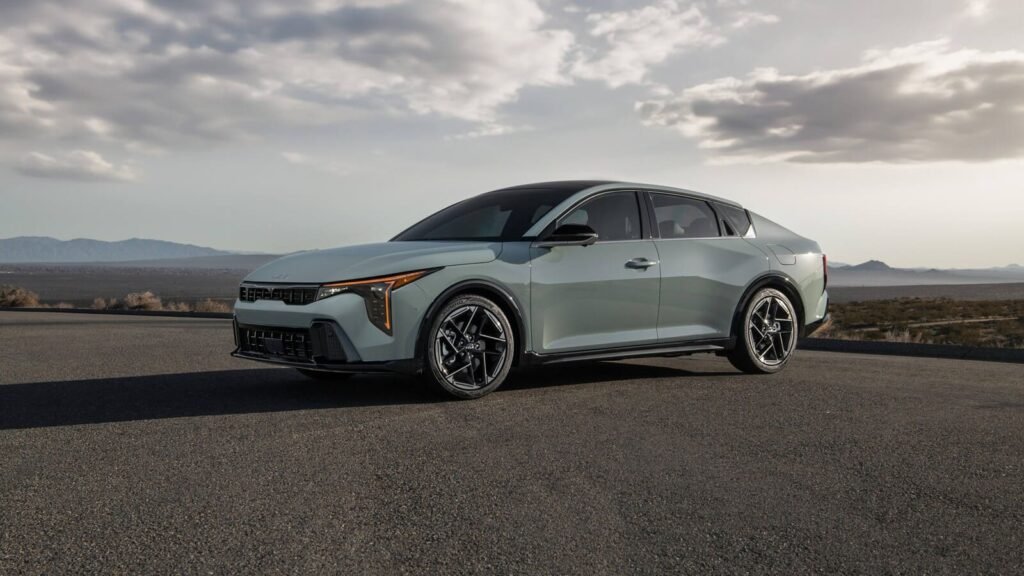
10. Kia K4 Hybrid
Combined Fuel Economy: Expected 50+ mpg (depending on specification)
As manufacturers continue expanding their hybrid line-ups, models such as the K4 and its sibling, the Elantra, demonstrate how quickly fuel-saving technology is spreading across mainstream segments. Not every buyer wants an SUV, and thankfully carmakers are finally beginning to remember that.
What About Electric Vehicles?
Whenever fuel economy is discussed, someone inevitably asks, “What about EVs?”
It’s a fair question, as electric vehicles consume no petrol at all. Models such as the Tesla Model 3 and Hyundai Ioniq 6 deliver impressive levels of energy efficiency whilst offering strong everyday practicality. However, EV ownership depends heavily on:
- Charging availability
- Electricity costs
- Driving habits
- Climate conditions
- Local infrastructure
For many drivers, hybrids remain the most practical solution. They deliver excellent fuel economy without requiring any changes to daily routines. No charging schedules, no range anxiety, and no route planning—just fill up and drive.
Also Read:
What’s the Average Gas Mileage For SUVs? – Ultimate Guide
The SUV Problem Nobody Likes to Discuss
Here’s a slightly controversial observation: many buyers choose midsize SUVs believing they need the extra space. In reality, a surprising number would be just as well served by a sedan or hatchback.
The result is often higher fuel consumption, increased running costs and a larger purchase price, with little real-world gain in practicality. Manufacturers understand this very well, which is one reason SUVs have become some of the most profitable vehicles in the industry.
Which Fuel-Efficient Car Is the Best Buy?
If I were spending my own money in 2026, my choices would be straightforward:
Best Overall: Toyota Prius (remains the benchmark for a reason).
Best Value: Hyundai Elantra Hybrid (exceptional efficiency for the money).
Best Long-Term Ownership: Toyota Corolla Hybrid (Reliability, resale value & operating costs).
Best Premium Option: Lexus UX 300h (Luxury without the usual fuel penalty).
Final Thoughts
The most impressive thing about today’s fuel-efficient cars isn’t the mpg figures—it’s how few compromises they require. Two decades ago, achieving outstanding fuel economy often meant putting up with poor performance, excessive noise and a lack of refinement.
Today, buyers can enjoy modern safety features, comfortable interiors, impressive efficiency and even luxury in the same package.
The lesson is simple: you no longer need a tiny economy car to save fuel. You simply need to choose wisely, and in a world where new vehicle prices continue to climb, that decision matters more than ever.
- 2023 Toyota Camry Reliability: Is Paying More Really Worth It?
- 10 Most Reliable Used Cars in 2026: Specific Years to Buy

- 2022 Toyota Camry Reliability: Is It the Best Used Camry?
- Car Reliability Ratings Explained: Which Ones Can You Actually Trust?
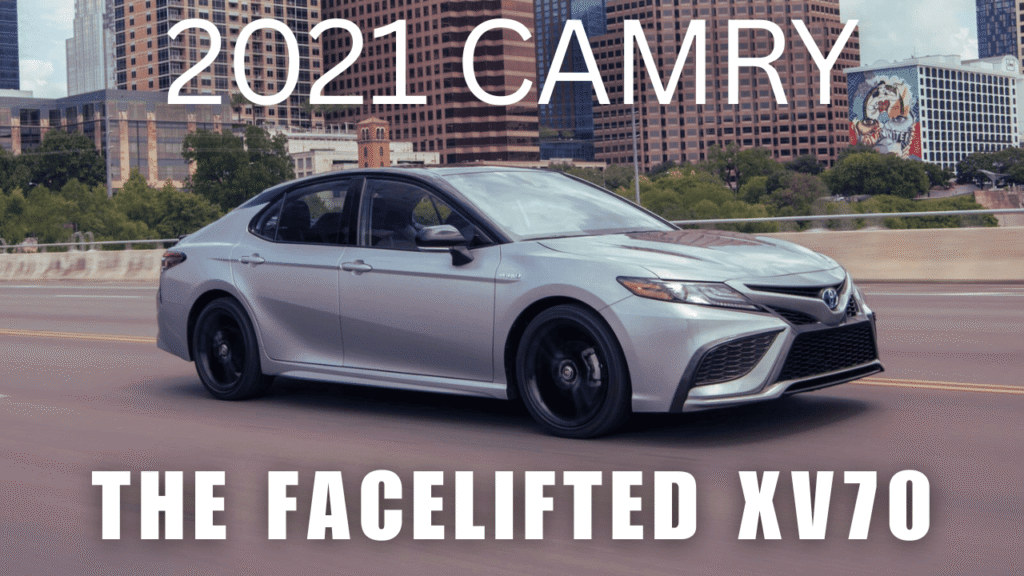
- 2021 Toyota Camry Reliability: Is This the Best XV70 Camry You Can Buy?
- The Hidden Cost of Buying the Wrong Car: A 10-Year Ownership Framework

*Disclaimer: This website provides automotive content for informational purposes only and should not be considered professional advice. While we strive for accuracy, we do not guarantee the reliability or suitability of any vehicle or product mentioned—always conduct your own research before making purchasing decisions. Additionally, some links on this site are affiliate links, meaning we may earn a commission if you make a purchase, at no extra cost to you.