

The Mercedes-Benz C-Class can be an excellent used luxury sedan, but powertrain choice matters as much as generation. The 2012 C250 and C350 share a chassis yet carry very different engine-related risks.
For reliability, I’d favor the 2012–2014 C350 or 2013–2014 C300 4MATIC, both with naturally aspirated M276 V6 engines. The 2019–2021 C300 offers a more modern alternative, though its turbocharged four-cylinder brings different maintenance considerations.
Ultimately, proven engineering and manageable repair risks matter more than vehicle age alone.
Most Reliable Used Mercedes C-Class: Quick Comparison
| Model Years | Engine | Main Advantage | What to Watch |
|---|---|---|---|
| 2012–2014 C350 | 3.5L M276 V6 | Strong performance, later W204 chassis | Timing-system history, cooling, age |
| 2013–2014 C300 4MATIC | 3.5L M276 V6 | Balanced performance and refinement | AWD components, oil leaks |
| 2010–2011 C300 | 3.0L M272 V6 | Established naturally aspirated engine | Cooling, oil leaks, subframe corrosion |
| 2019–2021 C300 | 2.0L M264 turbo-four | Modern technology, later W205 | Cooling, misfires, electronics |
| 2017–2018 C300 | 2.0L M274 turbo-four | More affordable W205 alternative | Piston-related concerns, timing components |
These are buying recommendations based on engine design, production history and known mechanical risks—not statistically proven reliability rankings.
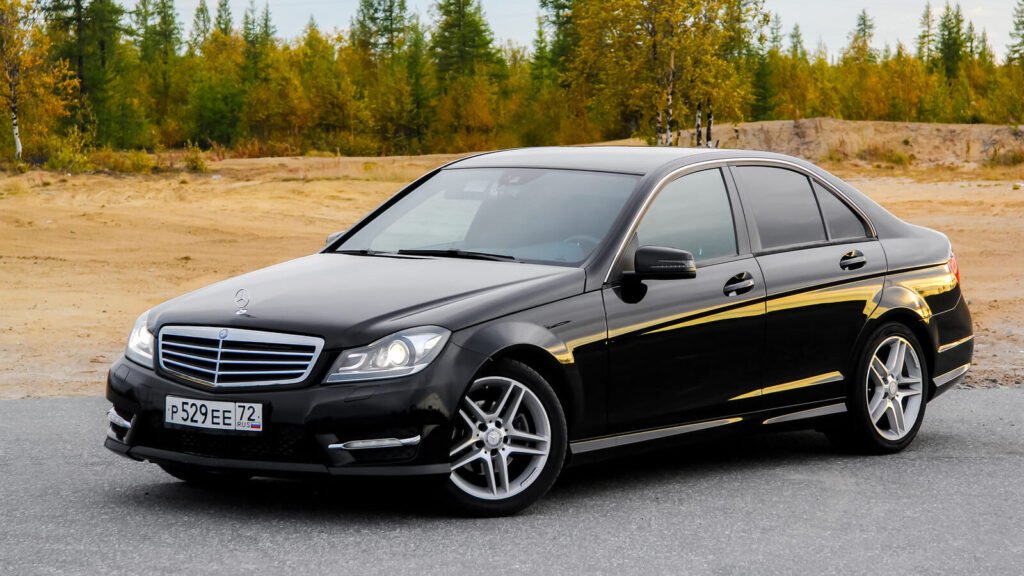
1. 2012–2014 Mercedes C350: My Preferred Older C-Class
The facelifted W204 C350 pairs a mature chassis with the 302-hp, naturally aspirated 3.5-liter M276 V6, delivering strong performance without turbocharging.
The M276 avoids the earlier M272 balance-shaft sprocket problem, although timing-chain tensioners, oil leaks, and cooling components deserve attention. Timing-system issues vary by engine version and production period, so a startup rattle alone doesn’t establish a diagnosis.
Its seven-speed automatic is well established, but shift quality and service history still matter.
Why I’d buy it: The C350 offers an excellent balance of performance, proven engineering, and manageable complexity. I’d favor documented maintenance over unusually low mileage.

2. 2013–2014 Mercedes C300 4MATIC: The Balanced Alternative
The 2013–2014 C300 4MATIC uses a 248-hp version of the naturally aspirated 3.5-liter M276 V6, sacrificing some C350 performance while retaining smooth delivery without turbocharging. It also benefits from the facelifted W204’s improved refinement, interior, and electronics.
However, 4MATIC adds mechanical complexity, so inspect the front drivetrain, transfer-case hardware, and seals, alongside the cooling system, engine mounts, and suspension bushings.
Why I’d buy it: A refined, all-weather sedan with a proven V6 architecture. I’d still favor a comparable C350, but condition and maintenance history should decide.

3. 2010–2011 Mercedes C300: An Affordable Older Alternative
The 2010–2011 C300 uses the 228-hp, naturally aspirated 3.0-liter M272 V6. Its notorious balance-shaft sprocket problem primarily affected earlier production ranges and shouldn’t automatically be attributed to these later engines.
At this age, oil leaks, cooling components, engine mounts, suspension wear, and electronics deserve greater attention. Test the seven-speed automatic both cold and fully warmed up.
Why I’d buy it: Traditional Mercedes refinement at an attractive price, provided maintenance is documented and a specialist inspection confirms its condition. Rust inspection is particularly important in road-salt region.
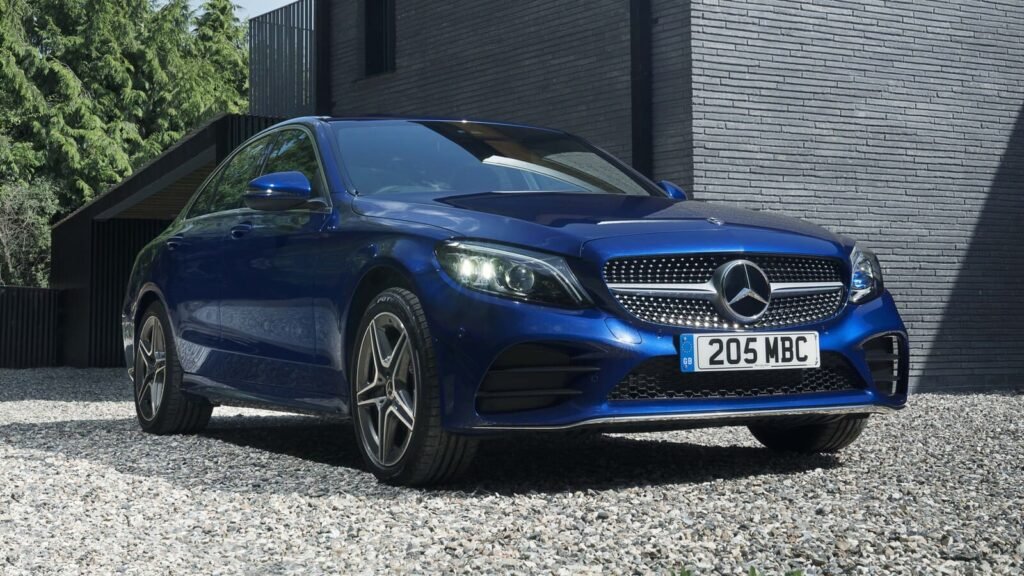
4. 2019–2021 Mercedes C300: The Modern Choice
The facelifted 2019–2021 W205 C300 replaced the M274 with the 2.0-liter M264 turbocharged four-cylinder, producing 255 hp and 273 lb-ft of torque. It combines strong performance with improved refinement and technology.
The M264 is a distinct engine family, so M274 problems shouldn’t automatically carry over. Watch for coolant and oil leaks, misfires, and electronic faults. Cylinder-head and valve-seat concerns warrant investigation where applicable, although their prevalence across these C300s remains uncertain. Persistent misfires deserve specialist diagnosis.
The nine-speed automatic and more sophisticated electronics also make service records and comprehensive diagnostic scans essential.
Why I’d buy it: A modern, refined Mercedes without the W206’s additional electronic complexity. For model-specific details, see our 2020 C300 reliability guide and 2021 C300 review.
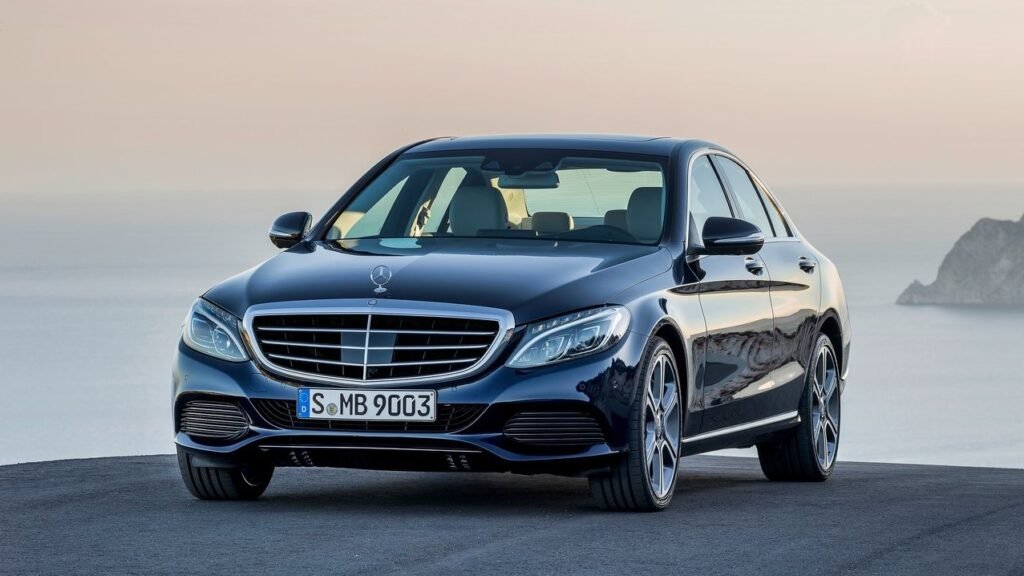
5. 2017–2018 Mercedes C300: A More Affordable W205
The 2017–2018 W205 C300 uses the 241-hp 2.0-liter M274 turbocharged four-cylinder, offering modern Mercedes refinement at a potentially lower price than facelifted models.
However, certain M274 applications have reported piston damage, abnormal engine noises, and timing-related issues. These risks vary by engine variant and production history, so investigate knocking, persistent misfires, oil consumption, and previous engine repairs rather than assuming every M274 is affected.
Why I’d buy it: A well-maintained example can offer good value, although I’d favor a comparable 2019–2021 C300 when the price difference is reasonable.
One Major W204 Risk: Rear Subframe Corrosion
Even a reliable engine cannot compensate for serious structural corrosion. Mercedes extended rear-subframe warranty coverage to 20 years with unlimited mileage for certain vehicles, including 2008–2015 W204 C-Class sedans and coupes.
The extension covers corrosion perforation, not surface rust or general suspension wear. Road-salt exposure makes inspection particularly important, as severe corrosion can compromise suspension mounting integrity.
Before buying, inspect the rear subframe and have a Mercedes dealer confirm eligibility and previous repairs. Coverage begins from the original warranty commencement date, not simply the model year.
See Mercedes’ official rear-subframe warranty extension notice for details.
Which C-Class Engines Would I Approach More Carefully?
Three engine configurations deserve closer scrutiny:
Early M272 V6: Certain production ranges suffered balance-shaft sprocket wear. Verify the engine number and repair history rather than relying on model year alone.
M271 supercharged four-cylinder: Timing-chain and camshaft-adjuster sprocket wear can cause major engine damage. Our 2005 C230 Kompressor reliability guide explains the failure mechanism.
Early W205 M274: Reported piston damage and timing-related problems warrant careful investigation, especially without complete service records.
None is an automatic reject, but I’d demand stronger mechanical evidence before choosing one over the recommended alternatives.
What About the Newer W206 C-Class?
Introduced in the U.S. for 2022, the W206 C300 uses a 2.0-liter M254 turbocharged engine with 48-volt mild-hybrid assistance, bringing greater refinement, newer safety technology, and a more advanced cabin.
Its electrical architecture and integrated starter-generator add complexity, but that doesn’t automatically mean lower reliability. The real limitation is a shorter long-term ownership record, particularly for repairs beyond warranty coverage.
For extended ownership, I’d currently favor a well-documented late W204 or W205 rather than assume the newest generation is the safest investment.
Which Used Mercedes C-Class Would I Actually Buy?
For affordable performance and proven engineering, the 2012–2014 C350 is my first choice, while the 2013–2014 C300 4MATIC suits buyers prioritizing all-weather capability.
For newer technology, I’d choose a 2019–2021 C300 after thorough engine and electronic inspections. The 2010–2011 C300 remains a budget alternative, while the 2017–2018 C300 requires greater engine-specific scrutiny.
Regardless of model year, prioritize service records, cold-start behavior, transmission operation, structural condition, and a Mercedes-capable diagnostic scan.
As our German vs. Japanese maintenance comparison explains, depreciation doesn’t reduce repair complexity. A cheap Mercedes can become expensive when repairs approach its market value.
The best used C-Class isn’t necessarily the newest or lowest-mileage example. It’s the one combining proven engineering, documented maintenance, and manageable repair risk.
- Chinese Cars Are Winning the Technology Race—But Will They Last?

- 2024 Toyota Camry Reliability: Is It Toyota’s Smartest Buy?
- 2023 Toyota Camry Reliability: Is Paying More Really Worth It?
- 10 Most Reliable Used Cars in 2026: Specific Years to Buy

- 2022 Toyota Camry Reliability: Is It the Best Used Camry?
- Car Reliability Ratings Explained: Which Ones Can You Actually Trust?
*Disclaimer: This website provides automotive content for informational purposes only and should not be considered professional advice. While we strive for accuracy, we do not guarantee the reliability or suitability of any vehicle or product mentioned—always conduct your own research before making purchasing decisions. Additionally, some links on this site are affiliate links, meaning we may earn a commission if you make a purchase, at no extra cost to you.