
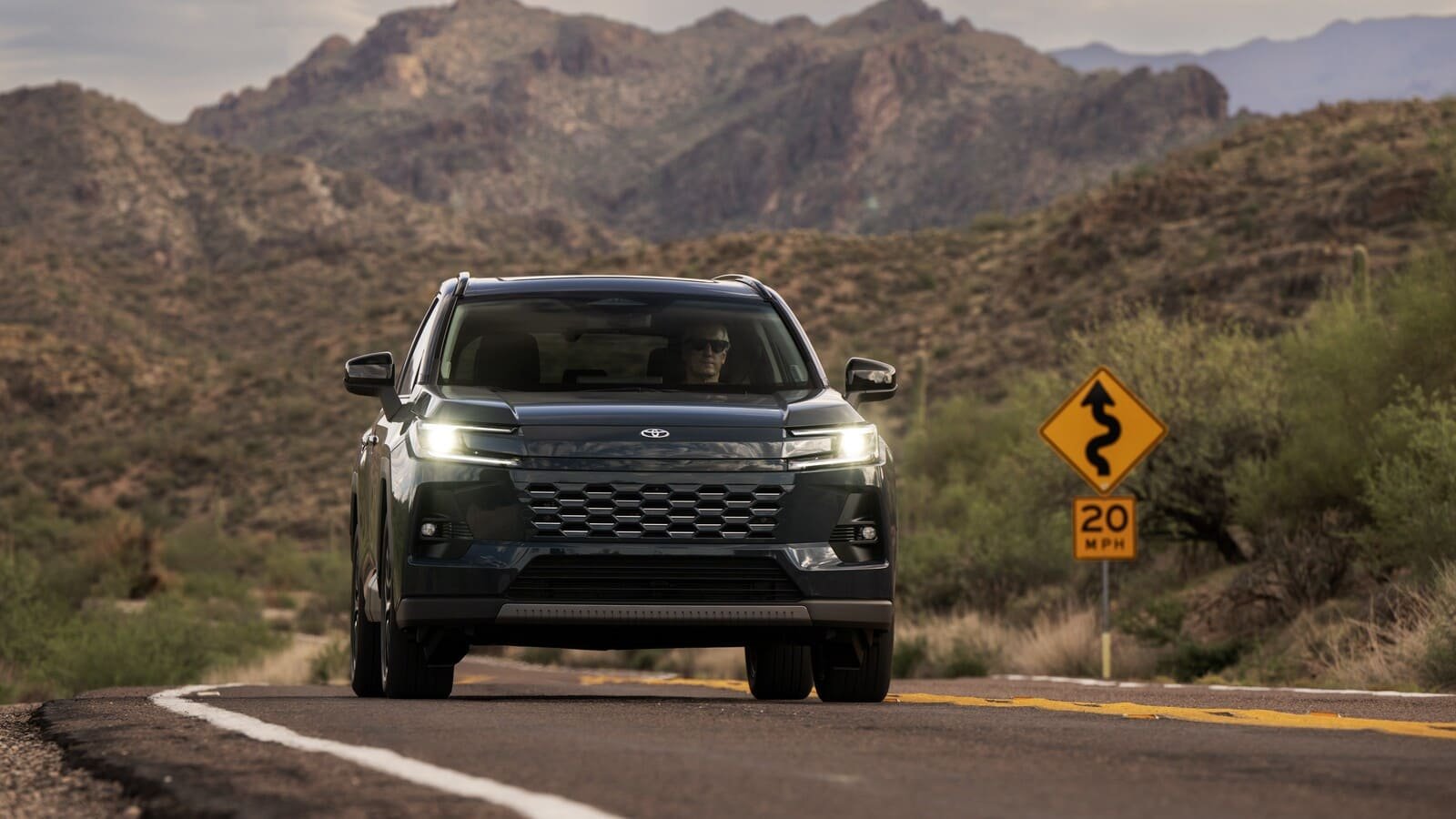
The 2026 Kia Niro Hybrid reaches an estimated 53 mpg combined, making it one of America’s most efficient crossovers—but highest MPG doesn’t automatically mean best choice. The RAV4 Hybrid offers more versatility, the CR-V Hybrid prioritizes passenger comfort, and the Sportage Hybrid delivers generous space without excessive fuel consumption.
The real question is which crossover gives you the space, performance and features you need without making you pay for capability you won’t use. Here are seven of the strongest choices.
Best MPG Crossovers in 2026: Quick Comparison
| 2026 Crossover | Best Combined MPG | Best Reason to Buy |
|---|---|---|
| Kia Niro Hybrid | 53 | Maximum fuel efficiency |
| Toyota RAV4 Hybrid | 43 | Best overall versatility |
| Toyota Corolla Cross Hybrid | 42 | Efficient small SUV with AWD |
| Kia Sportage Hybrid | 42 | Excellent interior space |
| Honda CR-V Hybrid | 40 | Everyday comfort and practicality |
| Lexus NX 350h | 40 | Premium cabin with low fuel consumption |
| Hyundai Tucson Hybrid | 38 | Comfort, equipment and value |
Our quick picks: Choose the Niro if MPG is your overriding priority, the RAV4 for overall versatility, the Corolla Cross if you want something smaller with AWD, or the CR-V if passenger comfort matters more than squeezing out the final few MPG.
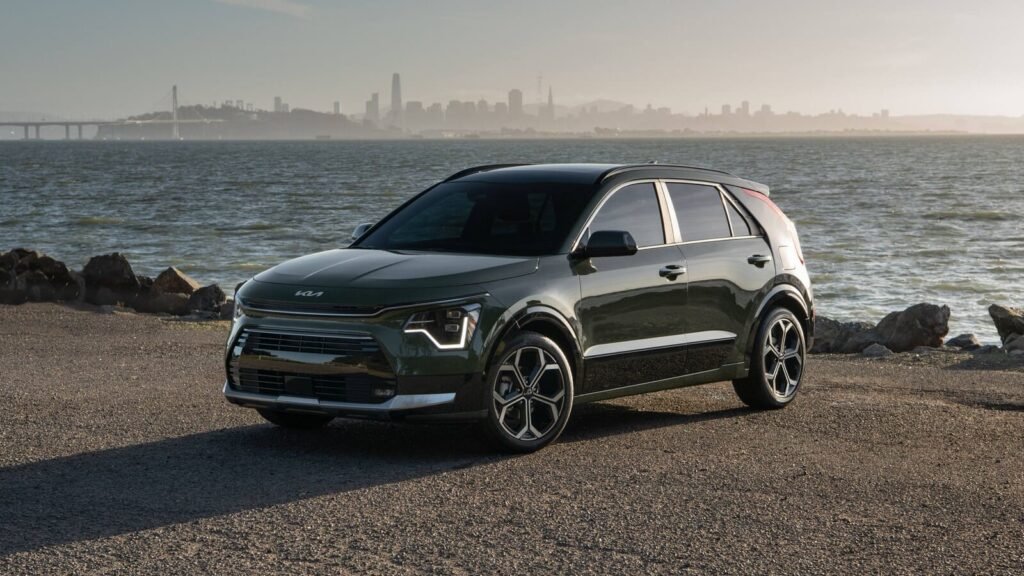
1. Kia Niro Hybrid — Best for Maximum Fuel Economy
Up to 53 MPG combined
The 2026 Kia Niro Hybrid takes first place because it focuses on efficiency rather than towing or off-road capability. Its 1.6-liter hybrid system and six-speed dual-clutch transmission deliver up to 53 mpg combined with 16-inch wheels, dropping to around 49 mpg on larger-wheel versions.
The compromise is capability: it’s smaller than a RAV4 or CR-V and FWD-only. Choose it when you want maximum everyday efficiency with useful cargo space and don’t need AWD or a larger SUV.
Best for: Efficient commuting and everyday driving.
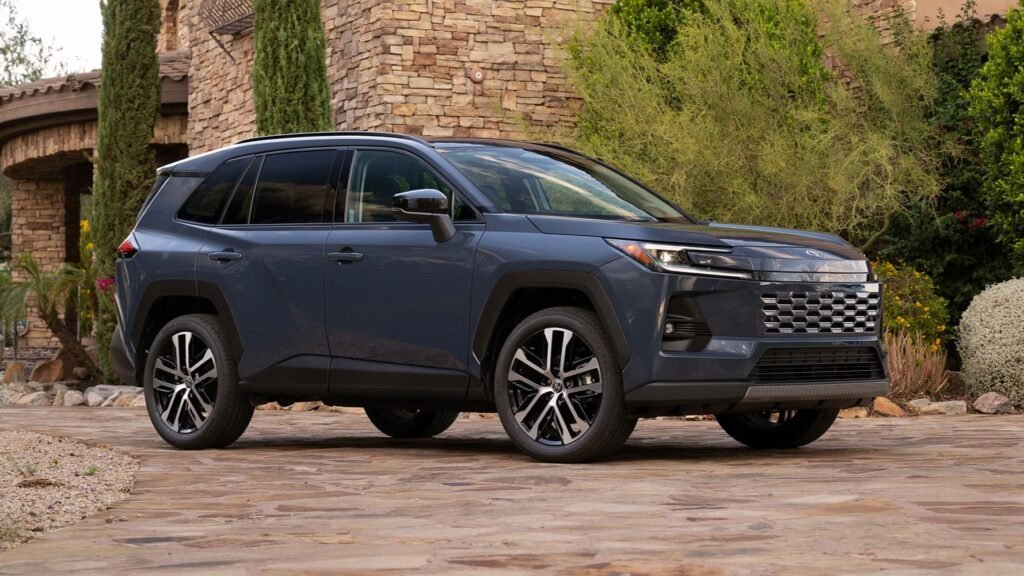
2. Toyota RAV4 Hybrid — Best Overall Crossover
Up to 43 MPG combined
The redesigned 2026 Toyota RAV4 Hybrid is arguably the best all-rounder here, combining up to 43 mpg combined with the space and versatility expected from a compact SUV. Its fifth-generation hybrid system produces 226 hp with FWD or 236 hp with AWD, so efficiency no longer requires sluggish performance.
Configuration matters: some AWD versions manage around 42 mpg combined, while the rugged Woodland is less efficient. And because 2026 brings a redesign, we wouldn’t automatically inherit the previous generation’s reliability reputation.
Best for: Buyers wanting one efficient crossover for commuting, family duty and road trips.
Used shoppers should also see our Toyota RAV4 years-to-avoid guide.
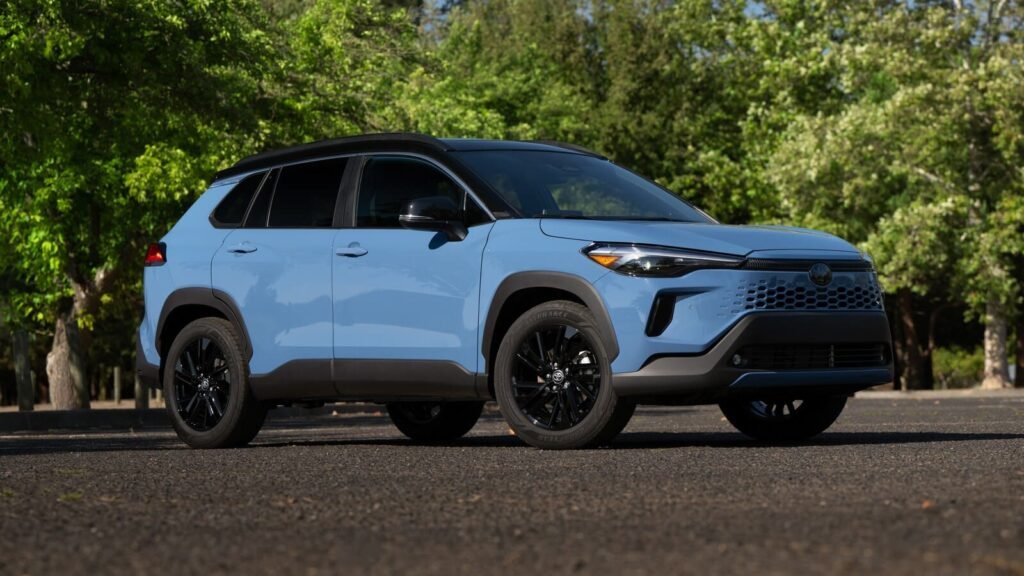
3. Toyota Corolla Cross Hybrid — Best Small AWD Crossover
42 MPG combined
The Corolla Cross Hybrid is the smaller alternative to the RAV4, combining 196 hp, standard AWD and an estimated 42 mpg combined in a footprint that’s easier to park and maneuver around town. Better still, AWD doesn’t bring the large efficiency penalty common in small crossovers.
The tradeoff is space: rear-seat room and cargo capacity trail the RAV4 and CR-V, especially if you regularly carry adults.
Best for: Buyers wanting efficient standard AWD without paying for a larger crossover.
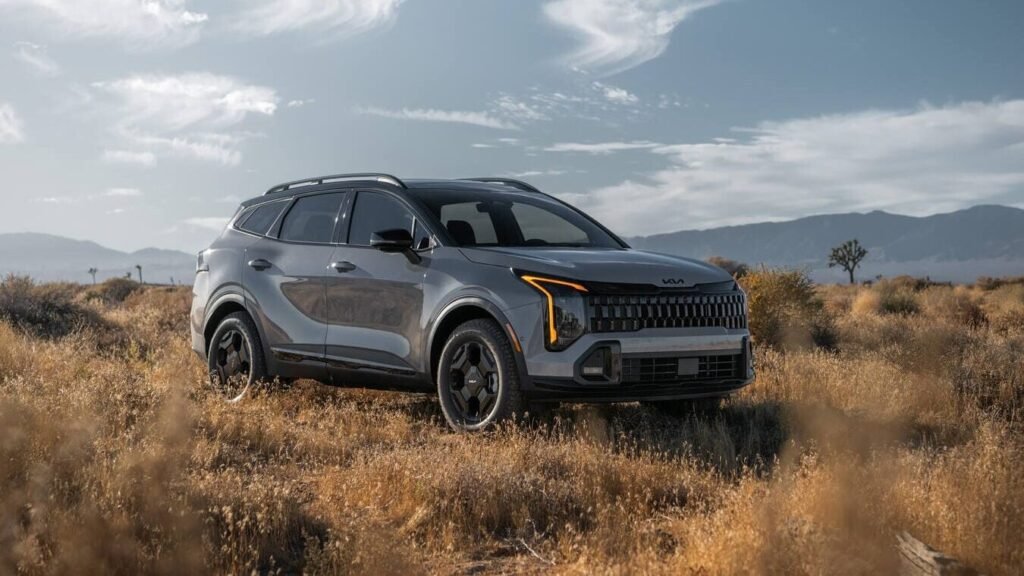
4. Kia Sportage Hybrid — Best for Interior Space
Up to 42 MPG combined
The 2026 Kia Sportage Hybrid stands out for combining family-friendly rear-seat and cargo space with up to roughly 42 mpg combined in FWD form. Its 1.6-liter turbo-hybrid system also uses a conventional six-speed automatic, giving it a more familiar driving feel than many hybrid transmissions.
The catch is AWD, which noticeably reduces fuel economy, so don’t assume every Sportage Hybrid delivers the headline figure.
Best for: Families prioritizing interior space, comfort and strong fuel economy.
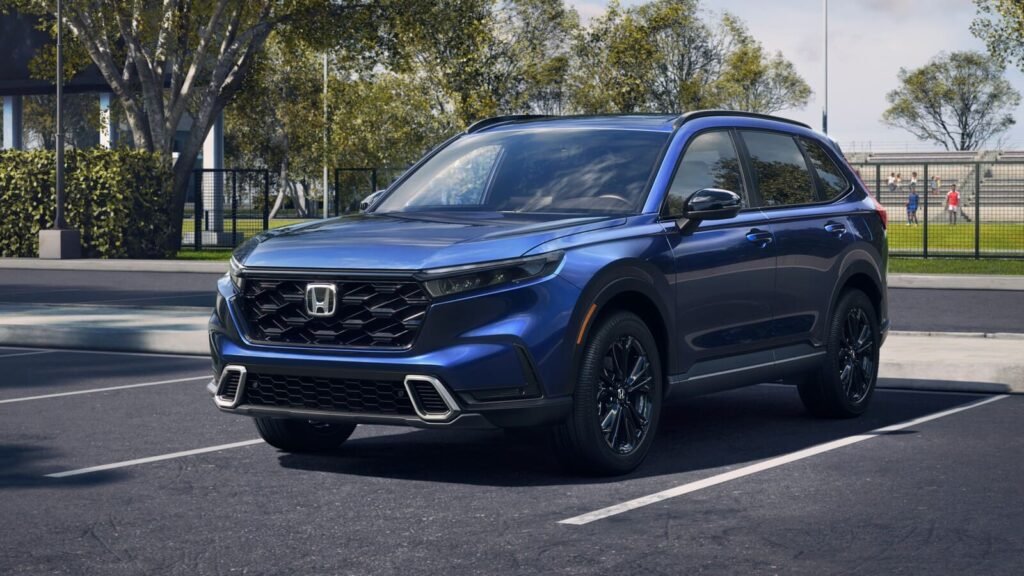
5. Honda CR-V Hybrid — Best for Everyday Comfort
Up to 40 MPG combined
The 2026 Honda CR-V Hybrid trades headline MPG for comfort, rear-seat space and excellent everyday packaging. Honda’s two-motor system delivers smooth electric-motor-driven response around town, while the gasoline engine can drive the wheels more directly when conditions favor it.
FWD Sport Hybrid and Sport-L models achieve 40 mpg combined, versus 37 mpg for conventional AWD hybrids and 35 mpg for the TrailSport Hybrid.
Best for: Families prioritizing comfort, space and smooth hybrid operation over maximum MPG.
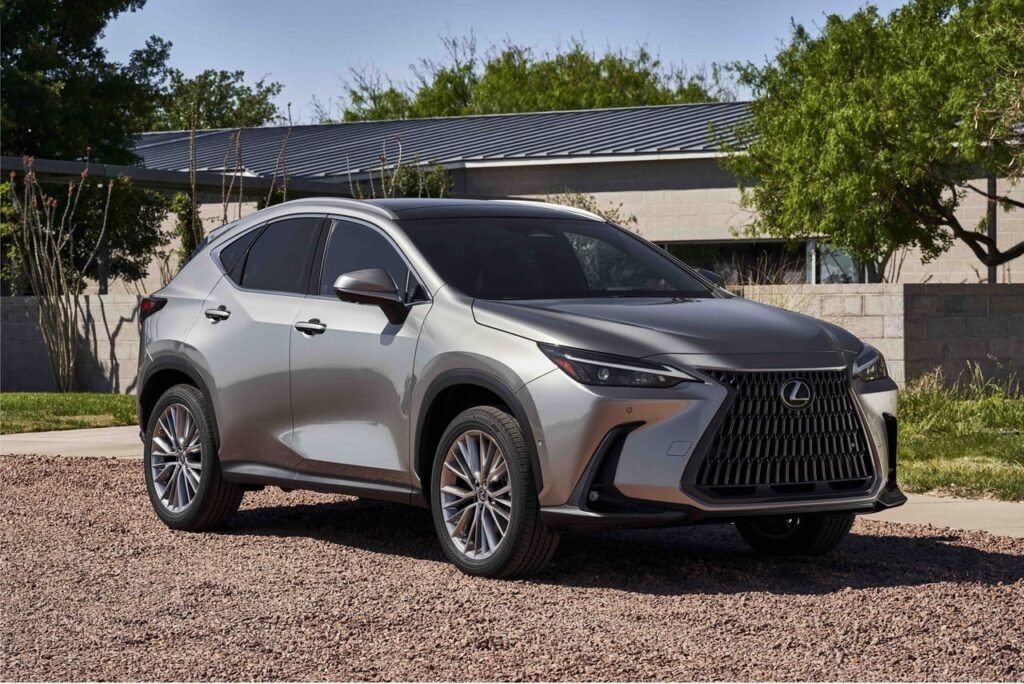
6. Lexus NX 350h — Best Luxury Crossover
Up to 40 MPG combined
The Lexus NX 350h proves a luxury crossover doesn’t need poor fuel economy, combining 240 hp, standard AWD and up to roughly 40 mpg with a more refined cabin and richer equipment than mainstream hybrids.
But don’t justify the higher purchase price through fuel savings—the premium can easily outweigh them. You’re paying for refinement, materials and luxury features, with efficiency as an added benefit.
Best for: Buyers wanting compact-luxury comfort without giving up strong fuel economy.

7. Hyundai Tucson Hybrid — Best Comfort and Equipment Value
Up to 38 MPG combined
The 2026 Hyundai Tucson Hybrid prioritizes comfort, technology and interior space over class-leading MPG. Its 231-hp turbo-hybrid system and conventional automatic provide strong everyday performance, while the most efficient versions achieve around 38 mpg combined, with some higher-equipped AWD trims closer to 36 mpg.
That’s less efficient than the best RAV4 and CR-V configurations, but the Tucson counters with generous equipment and an upscale cabin presentation.
Best for: Buyers willing to trade a few MPG for comfort, technology and interior space.
Why Do These Hybrid Crossovers Achieve Different MPG?
Not all hybrids work the same way. Toyota and Lexus use power-split systems, Honda’s two-motor design relies heavily on electric propulsion at lower speeds, while Hyundai and Kia pair their hybrid systems with stepped transmissions. Each approach balances efficiency, performance and driving feel differently.
But architecture alone doesn’t determine MPG. Weight, aerodynamics, tires, AWD and calibration also matter. That’s why the smaller Niro can outperform the Sportage, and why larger wheels or AWD can noticeably reduce efficiency within the same model.
How Much Money Does Better MPG Actually Save?
Consider a driver covering 12,000 miles annually, with gasoline costing $3.25 per gallon.
| Combined MPG | Approximate Annual Fuel Cost |
|---|---|
| 53 MPG | $736 |
| 43 MPG | $907 |
| 42 MPG | $929 |
| 40 MPG | $975 |
| 38 MPG | $1,026 |
At 12,000 miles per year and $3.25 per gallon, a 53-mpg Niro saves roughly $239 annually versus a 40-mpg CR-V—about $1,195 over five years. Useful, but hardly enough to justify buying a crossover that’s too small for your needs.
Purchase price matters even more. A $4,000 hybrid premium takes more than 18 years to recover if fuel savings are only $217 annually, before considering financing, resale or maintenance. That’s why highest MPG doesn’t necessarily mean lowest ownership cost.
Our hybrid fuel-savings guide explains how to run the calculation for your own mileage.
What About Plug-In Hybrid Crossovers?
Plug-in hybrids can be extremely efficient—but only when charged regularly. Their MPGe ratings shouldn’t be compared directly with conventional-hybrid MPG because MPGe measures energy consumption in gasoline-equivalent terms, not gasoline use after the battery’s electric range is depleted.
If you can charge at home and most trips fit within the electric range, a PHEV can make sense. If you’ll rarely plug in, a conventional hybrid is usually the simpler choice. Compare official figures and specific trims through the EPA’s FuelEconomy.gov database
Which Fuel-Efficient Crossover Would I Buy?
For maximum fuel economy, choose the Kia Niro Hybrid. For greater family versatility, the Toyota RAV4 Hybrid offers the strongest efficiency-to-capability balance, while the Honda CR-V Hybrid prioritizes comfort and everyday usability. The Corolla Cross Hybrid is the smaller AWD choice, and the Sportage Hybrid makes sense when interior space matters most.
Don’t buy by MPG alone. Choose the smallest crossover that comfortably meets your needs, compare exact trims and calculate whether any price premium is justified by the fuel savings.
The best fuel-efficient crossover isn’t necessarily the one that burns the least gasoline—it’s the one that saves fuel without making you regret the compromises.
- Chinese Cars Are Winning the Technology Race—But Will They Last?

- 2024 Toyota Camry Reliability: Is It Toyota’s Smartest Buy?
- 2023 Toyota Camry Reliability: Is Paying More Really Worth It?
- 10 Most Reliable Used Cars in 2026: Specific Years to Buy

- 2022 Toyota Camry Reliability: Is It the Best Used Camry?
- Car Reliability Ratings Explained: Which Ones Can You Actually Trust?
*Disclaimer: This website provides automotive content for informational purposes only and should not be considered professional advice. While we strive for accuracy, we do not guarantee the reliability or suitability of any vehicle or product mentioned—always conduct your own research before making purchasing decisions. Additionally, some links on this site are affiliate links, meaning we may earn a commission if you make a purchase, at no extra cost to you.