

The 2024 Toyota RAV4 combines mature fifth-generation engineering, practical packaging, and established reliability. With the redesigned 2026 U.S. model now exclusively hybrid, the 2024 RAV4 presents a potentially attractive used-market alternative.
However, its noisy gasoline engine, modest interior refinement, and variable hybrid price premium complicate the value proposition. The deciding factor is whether its proven mechanical foundation and lower purchase price outweigh the efficiency, technology, and refinement improvements of newer compact SUVs.
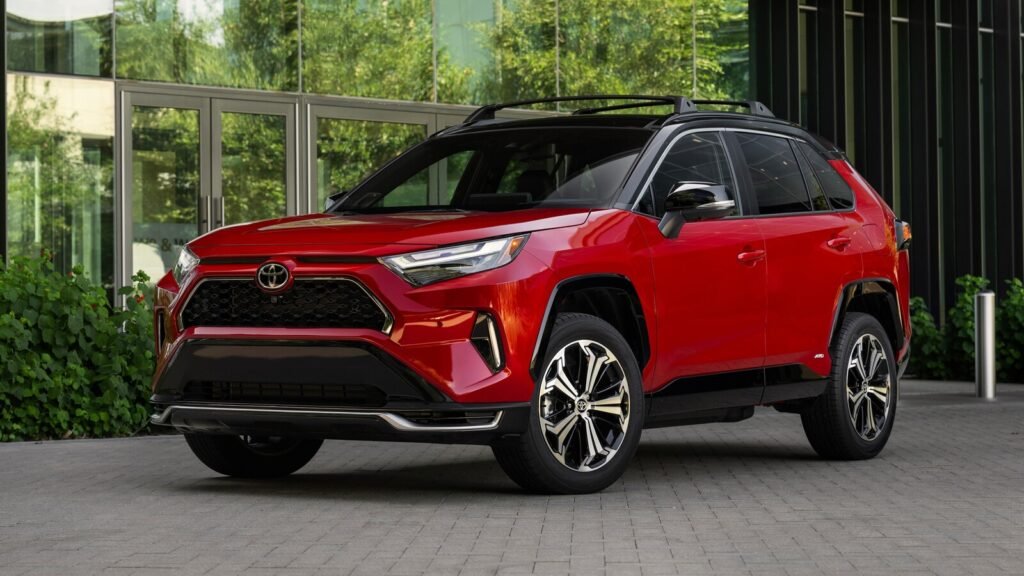
2024 Toyota RAV4 Specifications: Gas, Hybrid, and Prime
Toyota offered three distinct powertrain configurations in the U.S. market, each serving a different ownership requirement.
| Specification | RAV4 Gasoline | RAV4 Hybrid | RAV4 Prime |
|---|---|---|---|
| Engine | 2.5L four-cylinder | 2.5L four-cylinder + electric motors | 2.5L four-cylinder + plug-in hybrid system |
| Combined output | 203 hp | 219 hp | 302 hp |
| Transmission | 8-speed automatic | Hybrid eCVT | Hybrid eCVT |
| Drivetrain | FWD or AWD | AWD | AWD |
| EPA combined economy | Up to 30 mpg | Up to 40 mpg | 38 mpg in hybrid operation |
| Electric-only range | — | — | 42 miles |
The differences extend beyond horsepower and fuel consumption. Each powertrain uses a different approach to delivering torque, managing energy losses, and distributing power between the axles.

Gasoline RAV4: Conventional Engineering, Predictable Performance
The 2.5-liter A25A-FKS engine combines Toyota’s D-4S dual injection with high thermal efficiency and reduced internal friction. Its eight-speed torque-converter automatic provides conventional shifting without the sustained high engine speeds associated with some CVTs.
The powertrain delivers dependable everyday performance, although engine noise becomes pronounced under heavy acceleration. Its conventional architecture appeals to gasoline-SUV buyers, but mechanical familiarity does not necessarily make it more reliable than Toyota’s proven hybrid system.
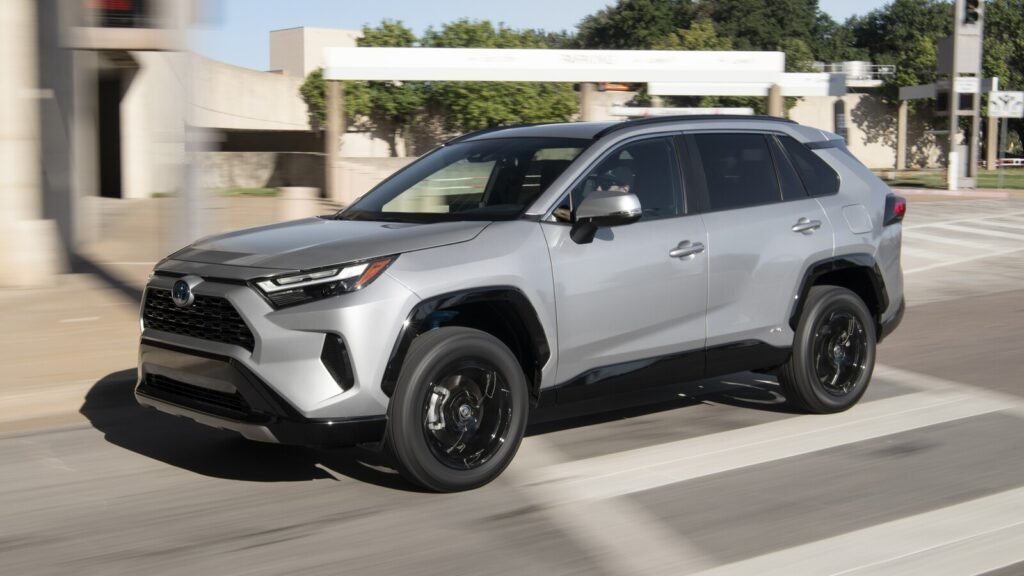
RAV4 Hybrid: The Most Convincing All-Round Powertrain
The 219-hp RAV4 Hybrid pairs an Atkinson-cycle 2.5-liter engine with Toyota’s proven power-split hybrid system. Unlike belt-driven CVTs, its eCVT uses a planetary gearset and motor-generators to manage power delivery without conventional gear changes.
A separate rear electric motor provides AWD without a mechanical driveshaft, while regenerative braking improves efficiency in stop-and-go traffic. Beyond fuel savings, the hybrid delivers stronger low-speed acceleration than the gasoline RAV4, making it the more compelling powertrain for many buyers.
RAV4 Prime: Performance With Plug-In Capability
The 2024 RAV4 Prime combines 302 hp with an 18.1-kWh battery, delivering 42 miles of EPA-estimated electric range and a 5.6-second 0–60 mph time in Car and Driver testing—substantially quicker than either conventional RAV4.
Its value, however, depends on charging access and the purchase-price premium. Regular charging can make most daily trips gasoline-free while preserving strong performance for longer journeys. Without convenient charging, the Prime’s additional cost and complexity become harder to justify over the standard RAV4 Hybrid.
Performance and Refinement: Is the RAV4 Still Competitive?
Independent testing exposes the gap between the RAV4’s power output and driving refinement. In Car and Driver’s comparison, the 203-hp gasoline RAV4 reached 60 mph in 8.3 seconds, slightly behind the 190-hp Honda CR-V’s 8.1 seconds. The Honda’s turbocharged engine offered stronger low-rpm response, while the Toyota’s eight-speed automatic delivered more natural shifts but greater engine noise under acceleration.
The RAV4 Hybrid improves acceleration to approximately 7.3–7.4 seconds, aided by immediate electric-motor response, although engine noise remains noticeable under sustained acceleration.
Handling is predictable and highway stability reassuring, but the Mazda CX-5 and CX-50 offer more engaging steering and chassis responses. The hybrid’s acceleration and efficiency—not superior refinement or handling—make the strongest case for the RAV4’s driving performance.
Fuel Economy: Does the Hybrid Actually Save Enough Money?
The 2024 RAV4 Hybrid achieves up to 40 mpg combined, compared with 30 mpg for the most efficient front-wheel-drive gasoline model.
Using our standard assumptions of 12,000 miles annually and gasoline costing $3.25 per gallon:
| Annual fuel cost | Gasoline RAV4 | RAV4 Hybrid |
|---|---|---|
| Combined fuel economy | 30 mpg | 40 mpg |
| Annual fuel consumption | 400 gallons | 300 gallons |
| Annual fuel expense | $1,300 | $975 |
| Annual savings | — | $325 |
The 2024 RAV4 LE started at $28,675, compared with $31,725 for the Hybrid LE. At those prices, recovering the $3,050 premium through fuel savings alone would take approximately 9.4 years under our standard mileage and fuel-price assumptions. However, the comparison is imperfect because the gasoline LE was FWD, while the hybrid included AWD.
Used-market value depends on actual prices for comparably equipped examples. The hybrid becomes more attractive with a smaller price premium, higher annual mileage, or predominantly urban driving. A substantially cheaper gasoline RAV4 can still cost less overall.
The hybrid offers stronger performance and efficiency, but its financial advantage depends on the price difference—not MPG alone.

Interior, Comfort, and Practicality
The fifth-generation RAV4 prioritizes usability, with good visibility, an accommodating driving position, and convenient physical climate controls. Its updated multimedia system offers an 8-inch or available 10.5-inch touchscreen, depending on trim, with wireless Apple CarPlay and Android Auto.
Cargo space is generous: 37.5–37.6 cubic feet behind the rear seats and up to 69.8 cubic feet with them folded in most gasoline and hybrid models. The Prime’s larger battery reduces rear cargo capacity to approximately 33.5 cubic feet.
However, road noise, engine harshness, and utilitarian materials leave the RAV4 behind the Mazda CX-5 and newer Honda CR-V in perceived refinement. Its strength is functional design and practicality, not class-leading cabin materials or noise isolation.
Safety: Strong Results With Important Qualifications
The 2024 RAV4 earned an IIHS Top Safety Pick, although its individual crash-test results were mixed: Good in the small-overlap frontal test, Marginal in the updated moderate-overlap test, and Acceptable in the updated side-impact test. The newer evaluations apply tougher impact conditions and greater scrutiny to rear-passenger protection.
Standard Toyota Safety Sense 2.5+ includes automatic emergency braking with pedestrian detection, adaptive cruise control, and lane-departure assistance, but these remain driver-assistance features rather than autonomous driving.
The RAV4 offers credible crash protection and comprehensive standard safety technology, though its performance is not uniformly class-leading under newer IIHS standards.
2024 Toyota RAV4 Reliability: What Actually Matters?
By 2024, the fifth-generation RAV4 had five years of production experience, with established A25A engines, eight-speed automatic transmissions, and hybrid power-split systems. This maturity reduces the uncertainty associated with newly introduced powertrains.
Earlier models nevertheless experienced roof-rail water intrusion, hybrid fuel-tank filling problems, and corrosion of rear high-voltage cable connections. Toyota introduced extended coverage for the cable issue on certain 2019–2022 RAV4 Hybrid AWD models, but that does not establish the same defect across 2024 production.
Certain 2024 vehicles have also been subject to safety recalls, including improperly tightened front brake or wheel fasteners. Buyers should verify VIN-specific recall applicability and remedy completion, rather than assuming every vehicle is affected.
The RAV4’s established engineering supports its reliability case, but it does not eliminate production-specific defects. Our Toyota RAV4 Years to Avoid guide examines the broader model-year history.
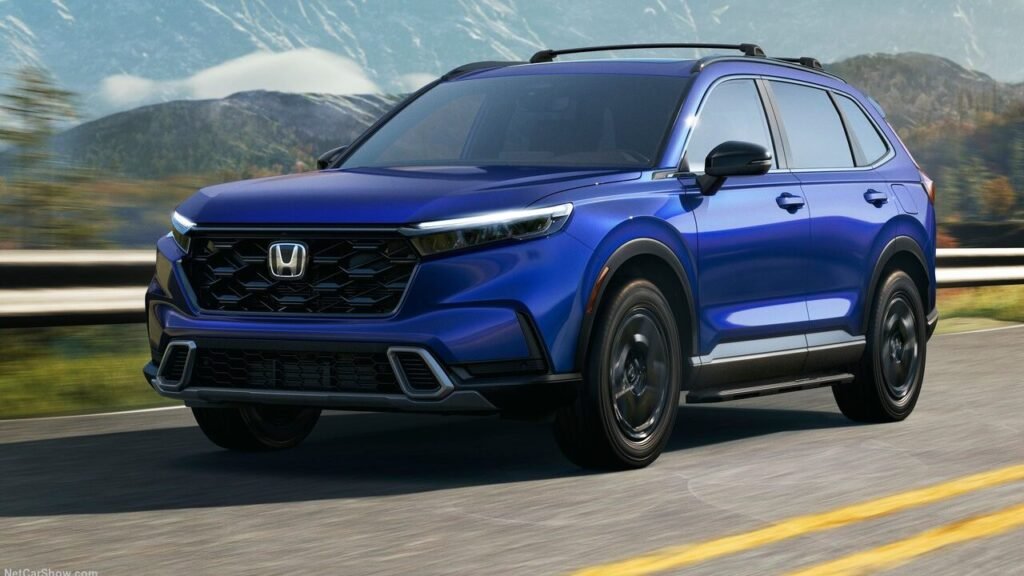
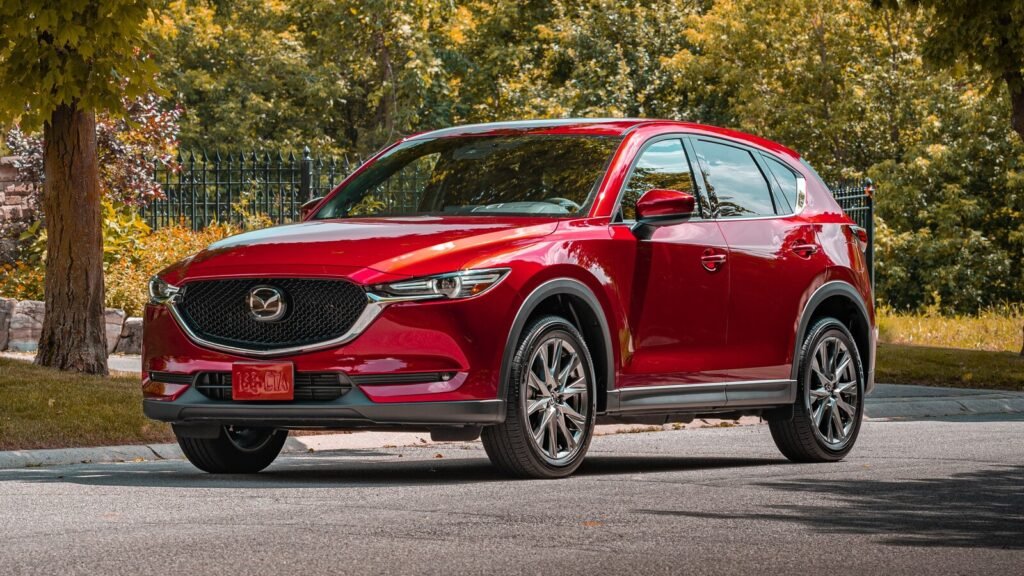
2024 Toyota RAV4 vs. Honda CR-V and Mazda CX-5
The Honda CR-V offers more rear-seat space and a quieter, more responsive gasoline engine, although the RAV4’s eight-speed automatic provides more conventional shifting than Honda’s CVT.
While the Mazda CX-5 delivers sharper steering, better body control, and richer cabin materials. Its naturally aspirated 2.5-liter engine and six-speed automatic are well-established, but cargo capacity trails the RAV4.
The RAV4 Hybrid makes the strongest competitive case, combining standard AWD, responsive electric assistance, and excellent fuel economy. However, the CR-V Hybrid remains a credible alternative, making comparable trims, driving characteristics, and transaction prices more decisive than brand-level reliability assumptions.
Our Toyota vs. Honda Reliability comparison examines the engineering differences behind long-term ownership.
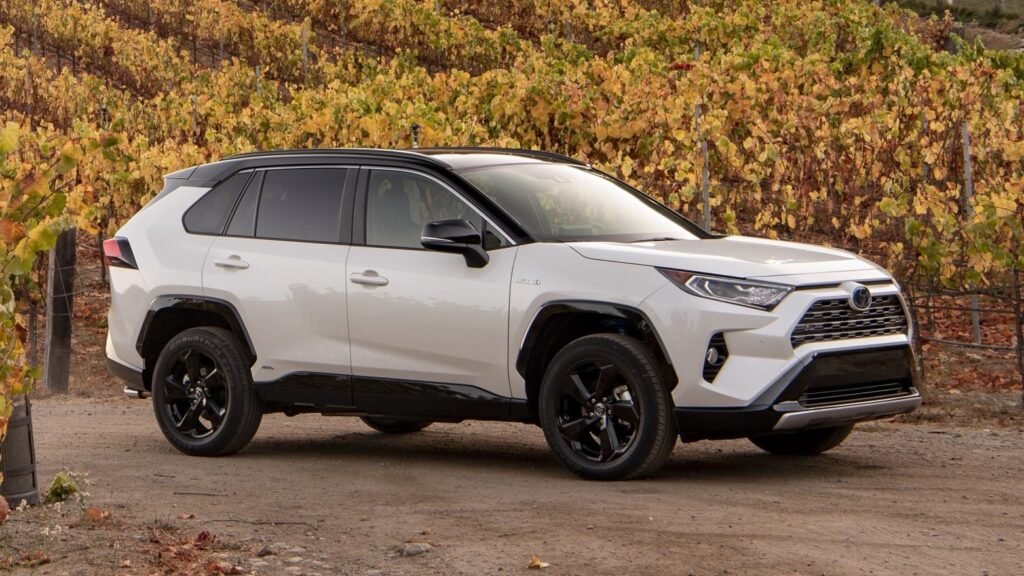
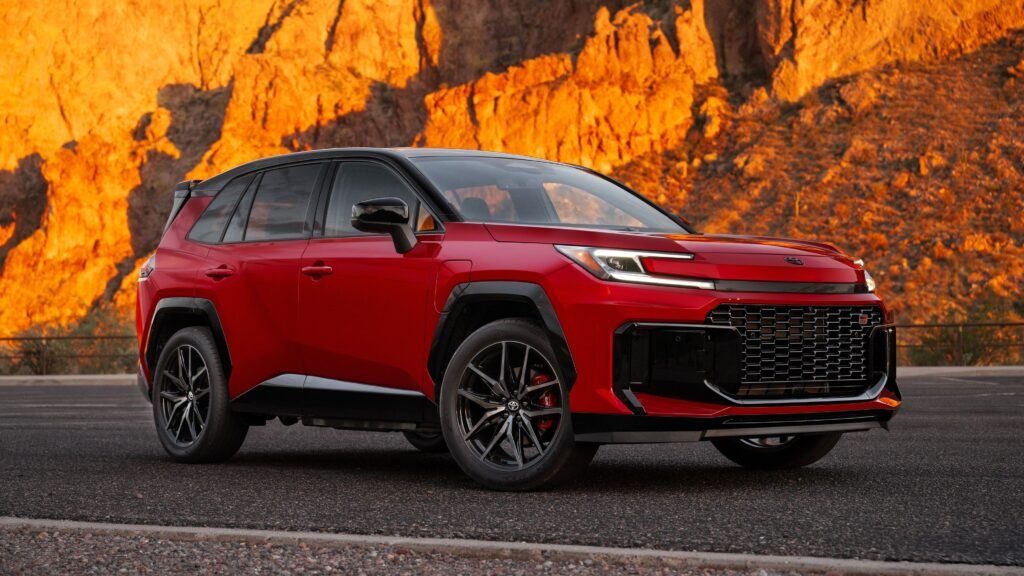
2024 vs. 2026 Toyota RAV4: Is the New Generation Worth More?
The redesigned 2026 RAV4 adopts an exclusively hybrid U.S. lineup, with updated powertrains, electronics, and interior technology. Unlike the previous generation, conventional hybrid models offer a choice of FWD or AWD.
Starting at approximately $31,900 before delivery, the 2026 RAV4 LE achieves an EPA-estimated 47 mpg city and 40 mpg highway. That represents a substantial improvement over the 2024 gasoline model, although the efficiency advantage over the outgoing hybrid is considerably smaller.
| Comparison | 2024 RAV4 Hybrid LE | 2026 RAV4 Hybrid LE |
|---|---|---|
| Combined output | 219 hp | 226 hp (FWD) |
| Drivetrain | AWD standard | FWD standard; AWD available |
| EPA combined MPG | 40 | 43 (FWD) |
| Original/base MSRP | $31,725 | $31,900 |
| Safety technology | Toyota Safety Sense 2.5+ | Toyota Safety Sense 4.0 |
The 2026 RAV4 introduces improved infotainment and driver-assistance technology, but equipment differences complicate direct comparisons. The 2024 Hybrid LE includes AWD, whereas the 2026 Hybrid LE’s highest efficiency ratings apply to FWD.
The newer generation also lacks the fifth generation’s extensive ownership history, although that uncertainty is not evidence of inferior reliability.
A substantially discounted 2024 RAV4 Hybrid remains attractive. When its price approaches that of a comparably equipped 2026 model, however, the newer SUV’s technology, efficiency, and factory warranty strengthen its value proposition.
Which 2024 Toyota RAV4 Should You Buy?
Best Overall: RAV4 Hybrid XLE
The 219-hp Hybrid XLE offers the strongest balance of efficiency, acceleration, equipment, and everyday usability. Standard electric AWD adds traction without a mechanical rear driveshaft.
Best Value: RAV4 LE or XLE Gasoline
The gasoline RAV4 makes sense when its used price substantially undercuts comparable hybrids. Its established engine and eight-speed automatic offer conventional operation, but with higher fuel consumption and greater engine noise.
Best for Home Charging: RAV4 Prime
The 302-hp Prime combines strong acceleration with 42 miles of EPA-estimated electric range. Its additional cost is best justified by frequent charging and substantial electric-only driving.
Best for Light Trails: RAV4 TRD Off-Road
The TRD Off-Road adds suspension and traction-focused equipment for regular unpaved-road use, at the expense of fuel economy and some ride comfort. It is not a substitute for a dedicated body-on-frame off-roader.
Final Verdict: Is the 2024 Toyota RAV4 Still Worth Buying?
The 2024 Toyota RAV4 remains a strong used-SUV choice, particularly in hybrid form, provided its price offers a meaningful advantage over newer alternatives. Its mature engineering supports long-term ownership, while the Hybrid combines better acceleration and fuel economy without the Prime’s charging requirements.
However, the Honda CR-V offers greater refinement and interior versatility, while the Mazda CX-5 delivers a more engaging driving experience. The redesigned 2026 RAV4 also introduces improved efficiency, technology, and cabin refinement.
Our recommendation is the 2024 RAV4 Hybrid XLE, which offers the best balance of established reliability, performance, efficiency, and equipment. If its used price approaches that of a comparably equipped new RAV4, however, the newer model becomes the more compelling purchase.
- Chinese Cars Are Winning the Technology Race—But Will They Last?
- 2024 Toyota Camry Reliability: Is It Toyota’s Smartest Buy?
- 2023 Toyota Camry Reliability: Is Paying More Really Worth It?
- 10 Most Reliable Used Cars in 2026: Specific Years to Buy
- 2022 Toyota Camry Reliability: Is It the Best Used Camry?
- Car Reliability Ratings Explained: Which Ones Can You Actually Trust?
*Disclaimer: This website provides automotive content for informational purposes only and should not be considered professional advice. While we strive for accuracy, we do not guarantee the reliability or suitability of any vehicle or product mentioned—always conduct your own research before making purchasing decisions. Additionally, some links on this site are affiliate links, meaning we may earn a commission if you make a purchase, at no extra cost to you.