
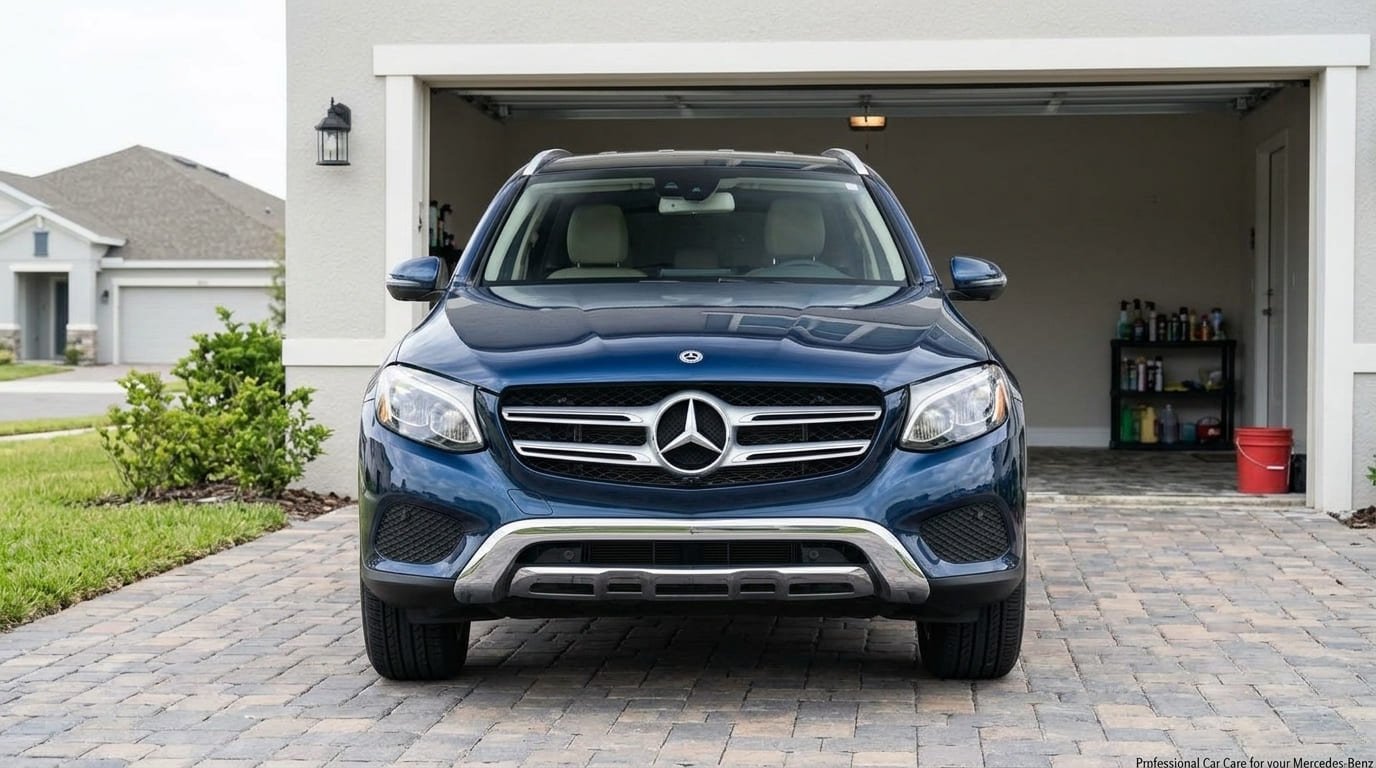
Washing a Mercedes-Benz is straightforward; preserving its finish requires greater care. Improper cleaning can cause fine scratches, water spots, stained trim, and wheel damage, particularly noticeable on dark paint. Matte MANUFAKTUR finishes demand additional precautions.
The priority isn’t expensive detailing products but effective cleaning with minimal friction and chemical exposure. This guide explains safe washing techniques, worthwhile products, and common detailing practices that can damage your Mercedes.
What You Actually Need to Wash a Mercedes-Benz
A proper wash doesn’t require professional detailing equipment. A quality automotive shampoo, clean wash mitt, separate wheel-cleaning tools, and absorbent drying towels are sufficient for most maintenance washes. Additional products become useful when dealing with heavy brake dust, bonded contamination, or neglected paint.
Recommended Mercedes-Benz Car Washing Products
| Equipment | Recommended product | Why it matters |
|---|---|---|
| Car shampoo | Chemical Guys Mr. Pink Car Wash Soap | Automotive shampoo suitable for routine contact washing |
| Wash mitt | The Rag Company Microfiber Wash Mitt | Soft wash media that can retain contamination away from the paint surface |
| Wash bucket | Chemical Guys Wash Bucket | Supports a controlled wash process with separate rinse water |
| Wheel cleaner | P&S Brake Buster | Useful for routine brake-dust and road-grime removal |
| Microfiber towels | Chemical Guys Microfiber Towels | Suitable for general detailing and interior cleaning |
| Foam cannon | MTM Hydro PF22 Foam Cannon | Optional prewash equipment for pressure-washer users |
| Clay bar | Wontolf Automotive Clay Bars | Occasional removal of bonded surface contamination |
| Paint protection | Collinite 845 Insulator Wax | Durable protection for compatible conventional glossy finishes |
You don’t need everything in this table. For routine washing, shampoo, clean wash media, buckets, and drying towels provide the greatest practical value. A foam cannon improves convenience and prewash coverage, but it isn’t essential. Likewise, clay bars and protective waxes should not be treated as products that must be used every time the vehicle is washed.
The Safest Way to Wash a Mercedes-Benz
The most important principle is straightforward: remove as much loose contamination as possible before touching the paint. Fine sand, road grit, and mineral particles can become trapped between a wash mitt and the clear coat. Applying pressure then drags those particles across the surface, creating microscopic scratches that gradually reduce gloss. The washing sequence matters more than the brand of shampoo.
Step 1: Prepare the Vehicle
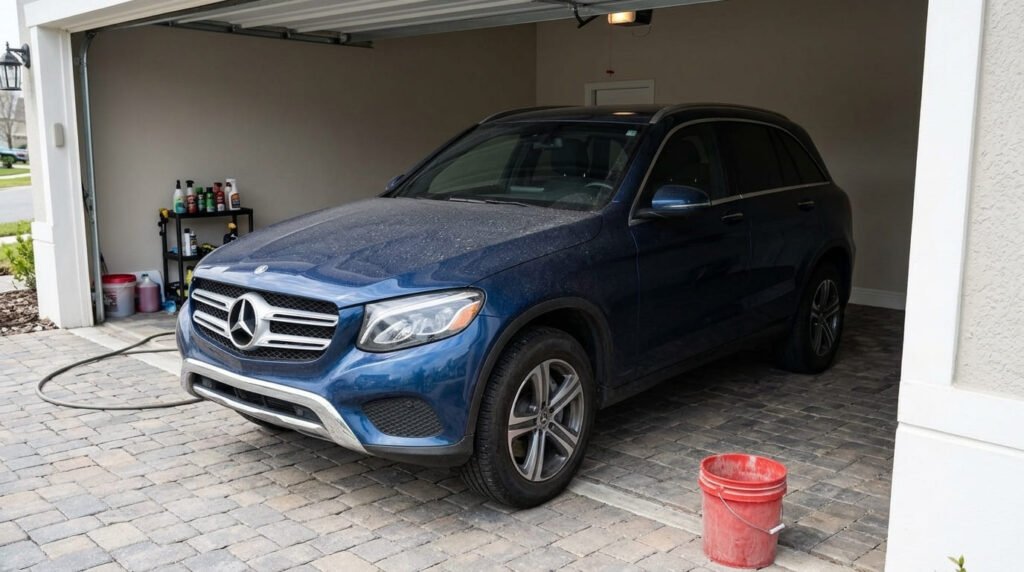
Park in the shade and let the bodywork, wheels, and brakes cool. Hot surfaces accelerate evaporation, allowing chemicals to dry and leaving mineral deposits or streaks, especially on dark paint. Close all windows, the sunroof, and any charging port, and remove loose accessories. For convertible roofs, matte finishes, paint-protection film, or ceramic coatings, consult the appropriate care instructions before choosing cleaning products.
Step 2: Pre-Rinse Before Contact Washing
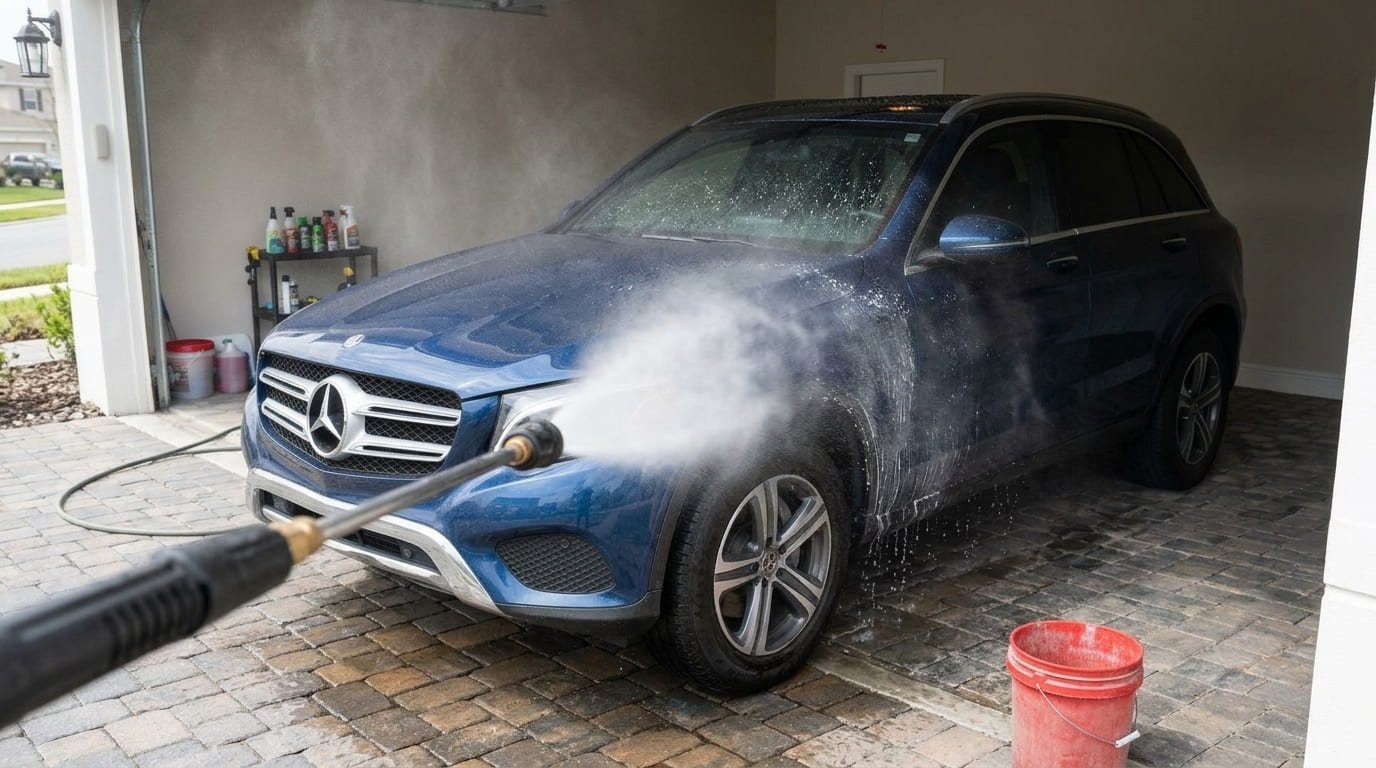
Rinse from the roof downward, concentrating on wheel arches, rocker panels, and lower bodywork where road contamination accumulates. A garden hose handles light dirt, while a pressure washer removes heavier deposits more effectively. Use a wide spray pattern and maintain a safe distance, avoiding concentrated pressure around damaged paint, sensors, cameras, seals, and loose trim.
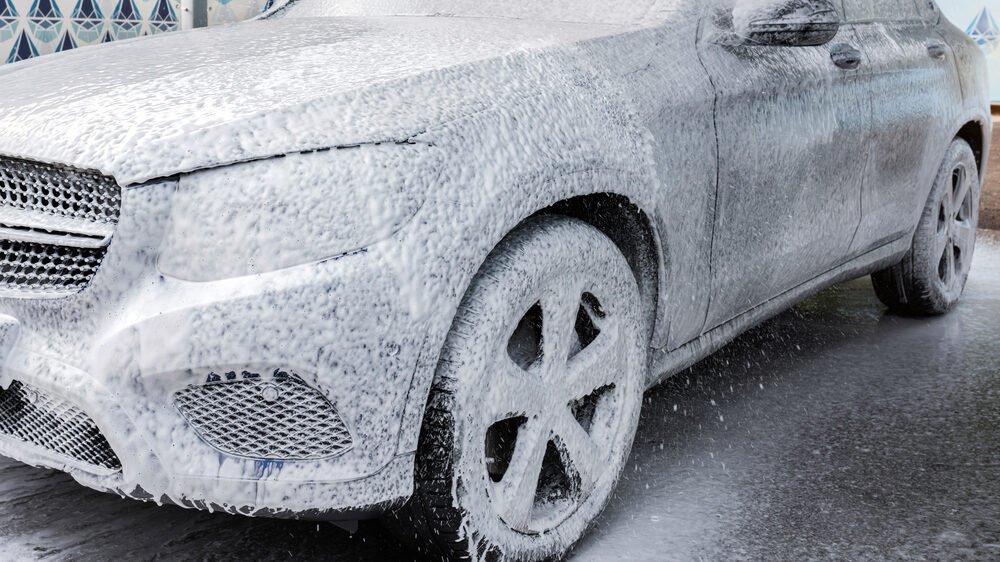
For heavily soiled vehicles, a suitable prewash solution helps loosen contamination. An optional MTM Hydro foam cannon provides even coverage, although thick foam doesn’t necessarily mean better cleaning. The objective is to remove as much abrasive dirt as possible before touching the paint.
Step 3: Clean the Wheels Separately
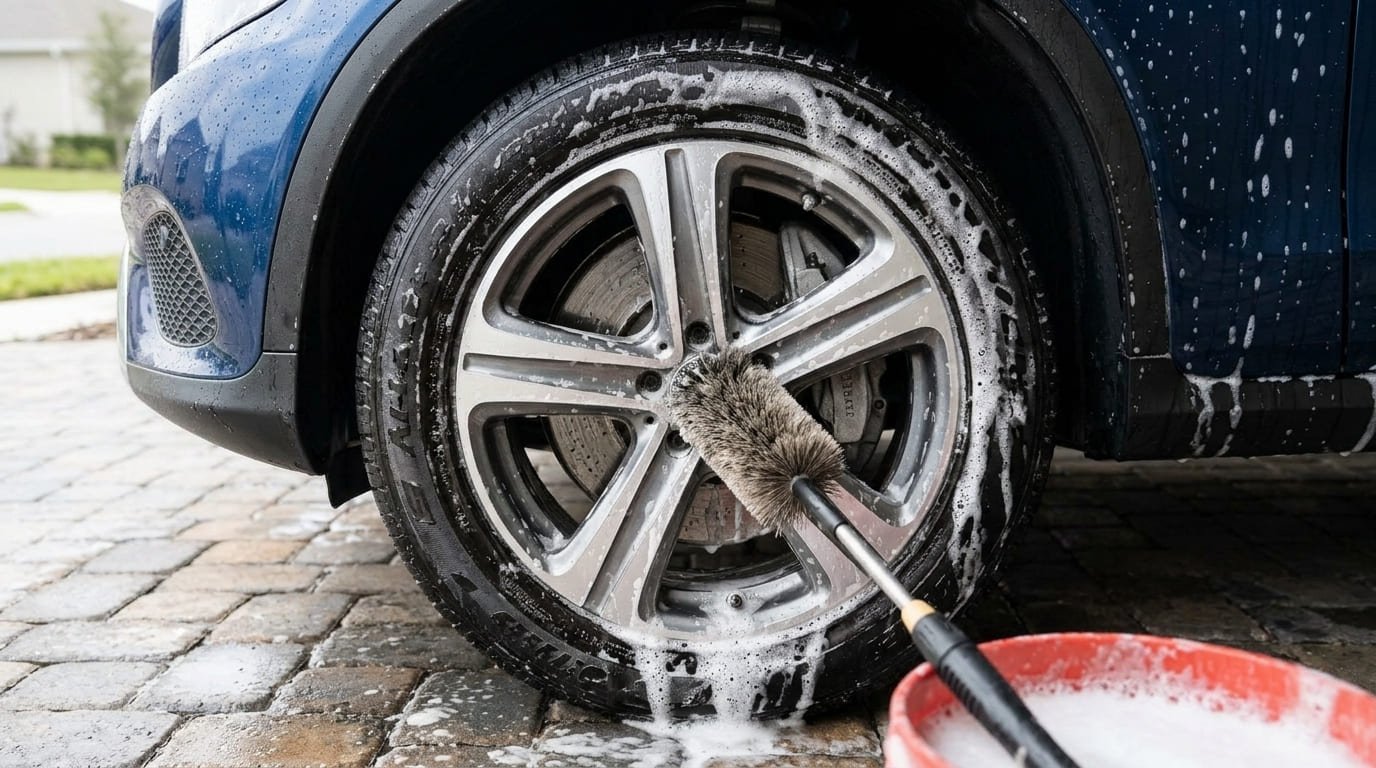
Mercedes-Benz wheels, particularly on AMG models, accumulate brake dust that can bond to their surfaces through repeated heating. Rinse cool wheels before applying a finish-compatible cleaner. P&S Brake Buster is suitable for routine cleaning of conventional painted and clear-coated wheels when used as directed. Agitate gently with dedicated brushes or microfiber tools, then rinse thoroughly.
Specialty finishes—including polished aluminum, anodized surfaces, and carbon-fiber components—may require different products. Never let chemicals dry on the wheels or apply aggressive cleaners to hot brakes. Keep wheel-cleaning tools separate from paintwork towels to prevent abrasive brake particles from scratching body panels.
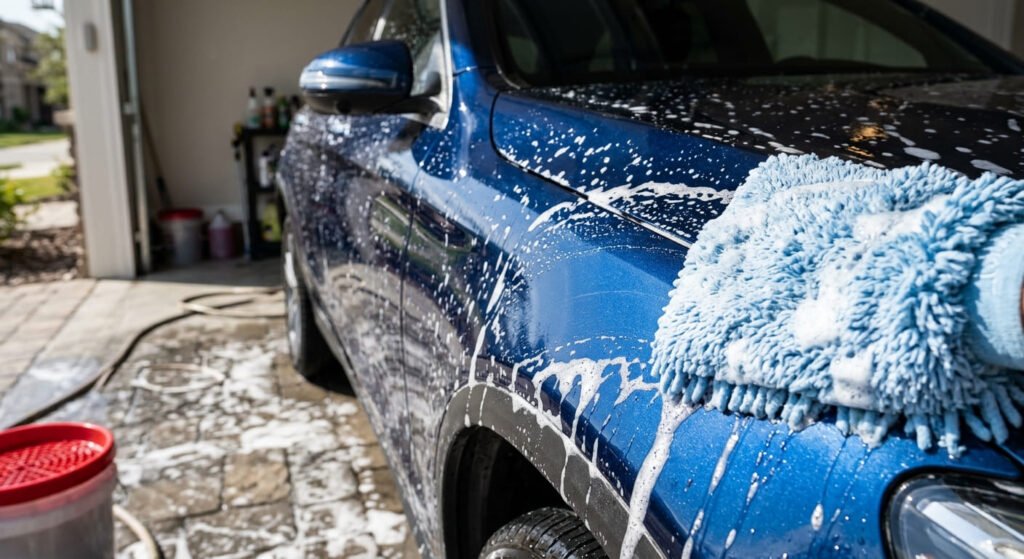
Step 4: Wash the Body Using Clean Microfiber
Prepare separate buckets for automotive shampoo and clean rinse water, with a third for heavily soiled wheels. Using a soft microfiber mitt, wash from the upper panels downward with minimal pressure, rinsing the mitt thoroughly between sections.
The two-bucket method reduces contamination but doesn’t eliminate scratching risks. Its effectiveness depends on keeping abrasive particles out of the wash media; use a separate mitt for heavily soiled lower panels. Chemical Guys Mr. Pink is a suitable routine shampoo. Avoid household dish detergents, which aren’t formulated specifically for automotive finishes and protective coatings.
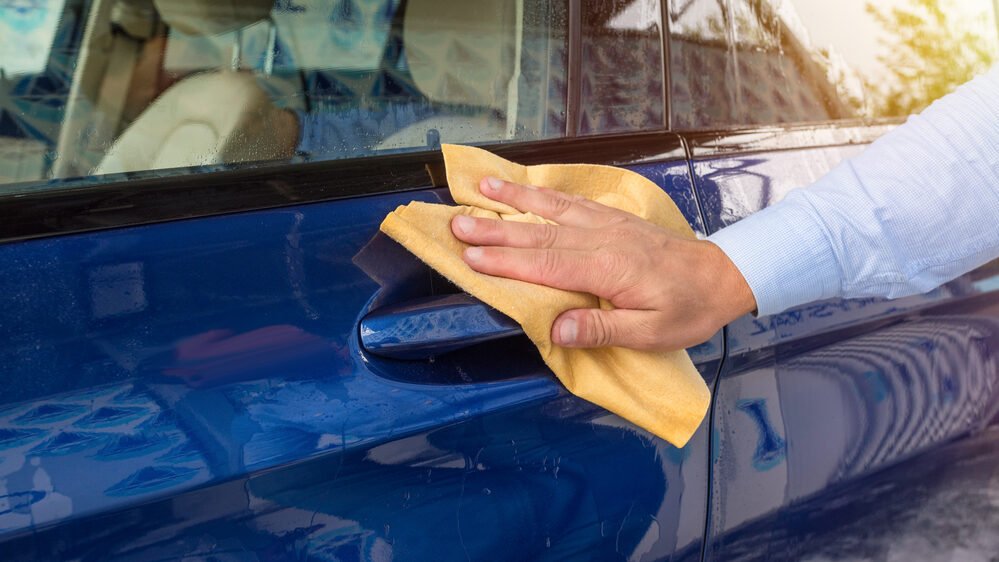
Step 5: Rinse and Dry Immediately
Rinse thoroughly, removing shampoo from panels, badges, mirror housings, and trim gaps. Prompt drying is especially important in hard-water areas, where evaporation leaves mineral deposits that can cause spotting or persistent staining.
Use a clean, highly absorbent microfiber drying towel with minimal pressure. Dedicated drying towels hold more water and require fewer passes, reducing unnecessary contact with the paint. A filtered-air blower can remove trapped water from grilles, mirrors, badges, and panel gaps. Avoid unfiltered compressed air that may introduce oil or other contaminants.
For some deeper and more detailed washing tips you can check our article about how to wash a BMW.

Mercedes-Benz Gloss Paint vs. MANUFAKTUR Matte Paint
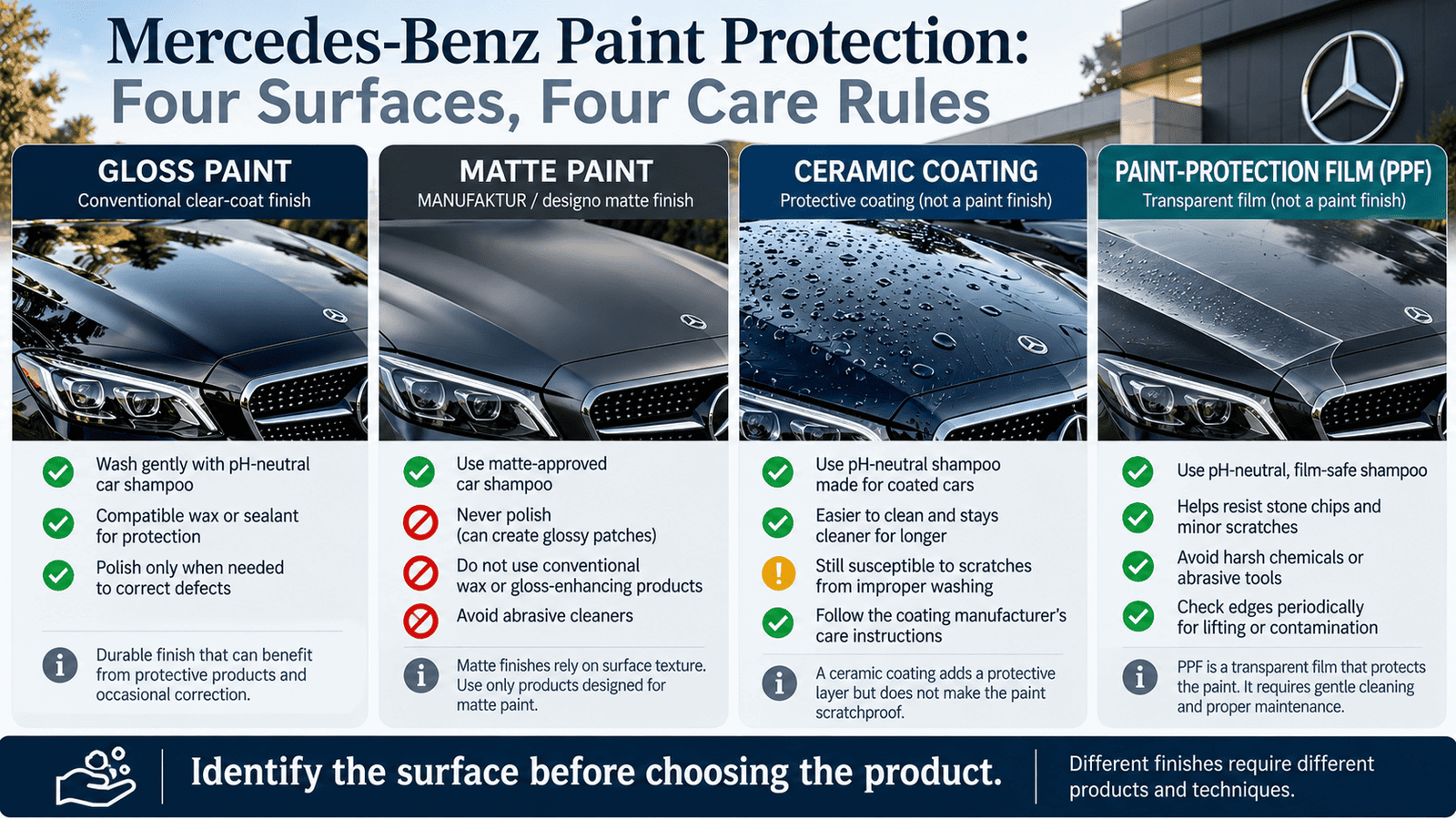
This is one of the most important distinctions in Mercedes-Benz detailing. Most Mercedes vehicles use conventional glossy automotive paint systems. Their clear coats are designed to produce a smooth, reflective surface that can be cleaned, protected, and—within limits—corrected through polishing.
Mercedes has also offered factory matte finishes through its designo and MANUFAKTUR programs. These finishes behave differently.
Conventional Gloss Paint
Controlled machine polishing can reduce fine defects on glossy paint by removing a thin layer of clear coat. However, every correction reduces the remaining clear-coat thickness, making repeated polishing undesirable unless visible defects justify it. A properly maintained Mercedes may need little or no paint correction for years.
MANUFAKTUR Matte Paint
Matte paint relies on a textured surface that diffuses reflected light. Abrasive polishing alters this texture, potentially creating permanent glossy patches that conventional detailing cannot correct. Traditional polishing compounds, abrasive stain removers, and gloss-enhancing waxes can also damage the appearance.
Never polish factory matte Mercedes paint or apply conventional gloss-enhancing products. Use matte-specific cleaners and protection approved under Mercedes-Benz’s care recommendations. The same principle applies to matte wraps and paint-protection films, although product compatibility must follow the film manufacturer’s instructions.
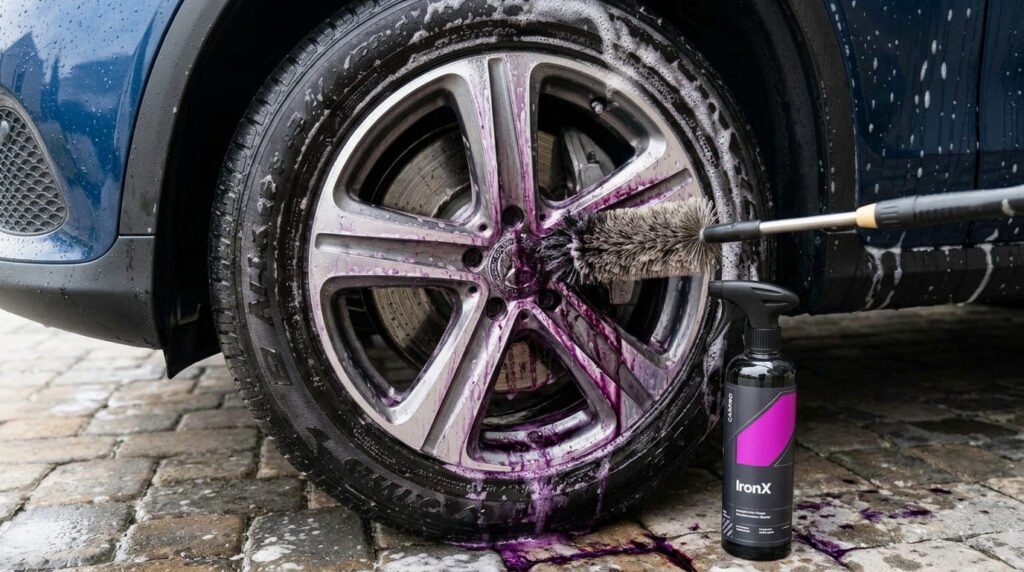
Removing Brake Dust From Mercedes and AMG Wheels
AMG performance brakes can generate substantial dust during normal driving, depending on pad composition. Visible brake dust alone does not indicate abnormal wear, although prolonged buildup can make wheel cleaning more difficult.
Begin with a finish-compatible, non-acidic wheel cleaner. For stubborn ferrous deposits, a dedicated iron remover like CARPRO IronX Iron Remover may help if approved for the wheel finish. Its purple color change confirms a reaction with certain iron particles, not complete contaminant removal.
Avoid aggressive scrubbing around delicate finishes and painted calipers. Vehicles with carbon-ceramic brakes require component-specific cleaning precautions, rather than assuming conventional wheel chemicals are universally safe.

Cleaning a Mercedes-Benz Interior Without Damaging the Materials
Modern Mercedes cabins combine materials that respond differently to moisture, cleaning chemicals, and abrasion. A single multipurpose cleaner is rarely the ideal solution for every surface.
Genuine Leather and MB-Tex Upholstery
Mercedes-Benz leather and synthetic MB-Tex require different care. Coated leather needs a mild cleaner and soft microfiber cloth; harsh chemicals and excessive conditioning can damage protective finishes or leave residue. MB-Tex requires no leather conditioner. Use a compatible interior cleaner without saturating the seams.
Open-Pore Wood and Decorative Trim
Open-pore wood requires gentle cleaning with a lightly dampened microfiber cloth, followed by drying. Avoid soaking the surface or using conventional furniture polish. Piano-black trim is particularly susceptible to visible micro-scratches. Use a clean, soft microfiber cloth with minimal pressure.
MBUX Screens and Digital Instrument Displays
Protect Mercedes-Benz display coatings by cleaning switched-off screens with a soft, electronics-safe microfiber cloth. For stubborn fingerprints, lightly dampen the cloth with an approved cleaner. Avoid spraying screens directly or using ammonia-based products, abrasive wipes, or excessive moisture near controls.
Alcantara and DINAMICA
DINAMICA and similar microfiber upholstery require material-specific cleaning, not conventional leather conditioners. Avoid saturation and, where manufacturer guidance permits, gently restore the nap after drying. The priority is removing contamination without altering the material’s texture or appearance.

Wax, Sealant, or Ceramic Coating?
Paint protection is often presented as a competition between products, but the appropriate choice depends on the vehicle’s finish, condition, and maintenance requirements.
| Protection type | Main advantage | Main limitation |
|---|---|---|
| Carnauba or blended wax | Easy application and attractive gloss | Typically shorter service life |
| Synthetic paint sealant | Convenient maintenance and durable water repellency | Requires periodic renewal |
| Ceramic coating | Strong chemical resistance and easier routine cleaning | Greater preparation requirements and higher cost |
| Paint-protection film | Physical protection against some stone chips and abrasion | Expensive and requires proper installation |
Wax and Synthetic Sealants
For a conventionally painted Mercedes, wax or synthetic sealant provides a practical protective layer. Products such as Collinite 845 Insulator Wax can be useful for owners seeking durable protection without the cost of professional coating installation. However, application intervals should follow the product instructions and actual environmental exposure rather than a fixed quarterly schedule. Do not use conventional gloss-enhancing wax on matte paint.
Ceramic Coatings
Ceramic coatings form a chemically resistant surface layer that can improve water repellency and make routine cleaning easier. However, they do not make paint scratchproof. A ceramic-coated Mercedes can still develop swirl marks if washed with contaminated towels or abrasive brushes. Coatings also require maintenance, and their durability varies substantially with preparation, chemistry, exposure, and washing practices.
Paint-Protection Film
Paint-protection film serves a different purpose. While waxes and coatings primarily influence surface protection and cleaning behavior, PPF provides a sacrificial physical layer against certain impacts and abrasion. It can be particularly useful on exposed front-end panels, although installation quality and film maintenance are critical.
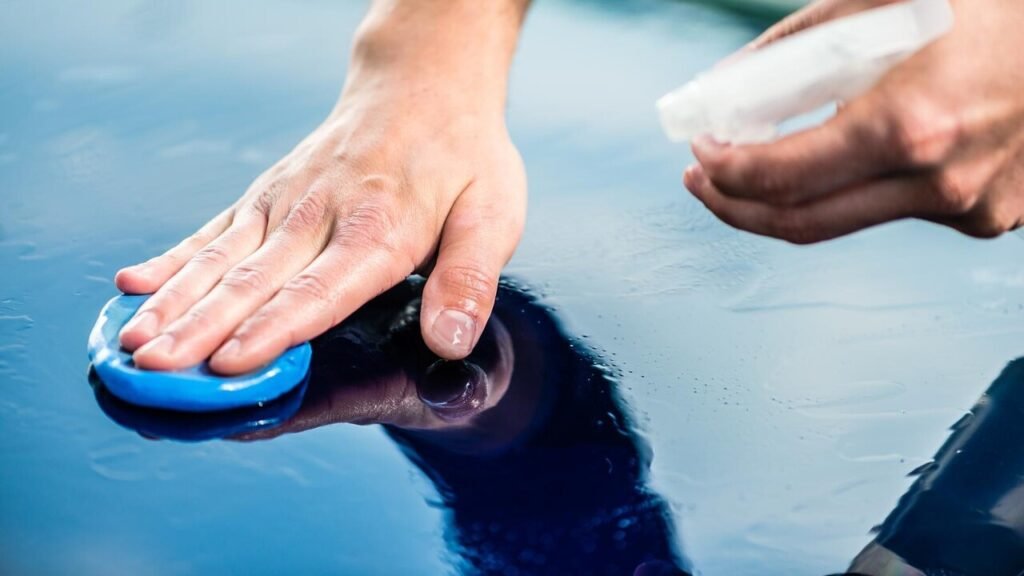
When Should You Use a Clay Bar or Polish?
Routine washing, chemical decontamination, claying, and polishing are separate processes. They should not be performed automatically as one continuous procedure.
Clay Bars Remove Bonded Contamination
If freshly washed paint still feels rough, a clay bar or synthetic decontamination medium can remove bonded contaminants. Wontolf Automotive Clay Bars are one option. However, claying can cause fine scratches even with proper lubrication, so reserve it for surfaces requiring mechanical decontamination rather than every wash. For ceramic-coated vehicles, follow the coating manufacturer’s guidance before using clay or similar products.
Polishing Removes Material
Polishing addresses certain surface defects by abrading the paint finish. It is not necessary merely because a vehicle has been washed or clayed. If the paint remains glossy and free from objectionable defects, preserving the existing clear coat is preferable to unnecessary correction. Matte finishes should never undergo conventional abrasive polishing. The safest paint correction is the one you don’t need to perform.
Five Mercedes-Benz Washing Mistakes That Cause Damage
1. Washing Without Removing Loose Grit
Dragging a wash mitt across a dusty or sandy vehicle can create fine scratches. A thorough pre-rinse and appropriate prewash process reduce this risk.
2. Using the Same Towels for Wheels and Paint
Brake dust and road grit can contaminate towels and brushes. Keep wheel-cleaning equipment separate from bodywork materials.
3. Allowing Chemicals to Dry
Wheel cleaners, shampoos, and decontamination products can leave deposits or damage sensitive finishes when allowed to dry. Work on cool surfaces and rinse according to the product instructions.
4. Treating Matte Paint Like Gloss Paint
Polishing, conventional waxes, and abrasive cleaners can permanently alter matte finishes. Always identify the finish before selecting products.
5. Overusing Clay Bars and Polishing Compounds
Claying can introduce marring, while polishing removes clear-coat material. Neither should be part of an ordinary maintenance wash unless the paint condition justifies it.
How Often Should You Wash Your Mercedes-Benz?
Washing frequency should reflect driving conditions rather than a rigid schedule. Every one to two weeks is a reasonable starting point for regularly driven Mercedes vehicles, adjusted for environmental exposure. In winter, prioritize removing road salt from wheel arches and accessible underbody areas. In dusty environments, thoroughly rinse abrasive particles before contact washing.
Remove bird droppings, insect residue, and potentially damaging contaminants promptly, but avoid wiping dry dust from paint, which can introduce scratches. Heavy contamination warrants a proper wash. Likewise, renew protective products according to their performance and manufacturer recommendations, not arbitrary intervals.
Hand Washing vs. Automatic Car Washes
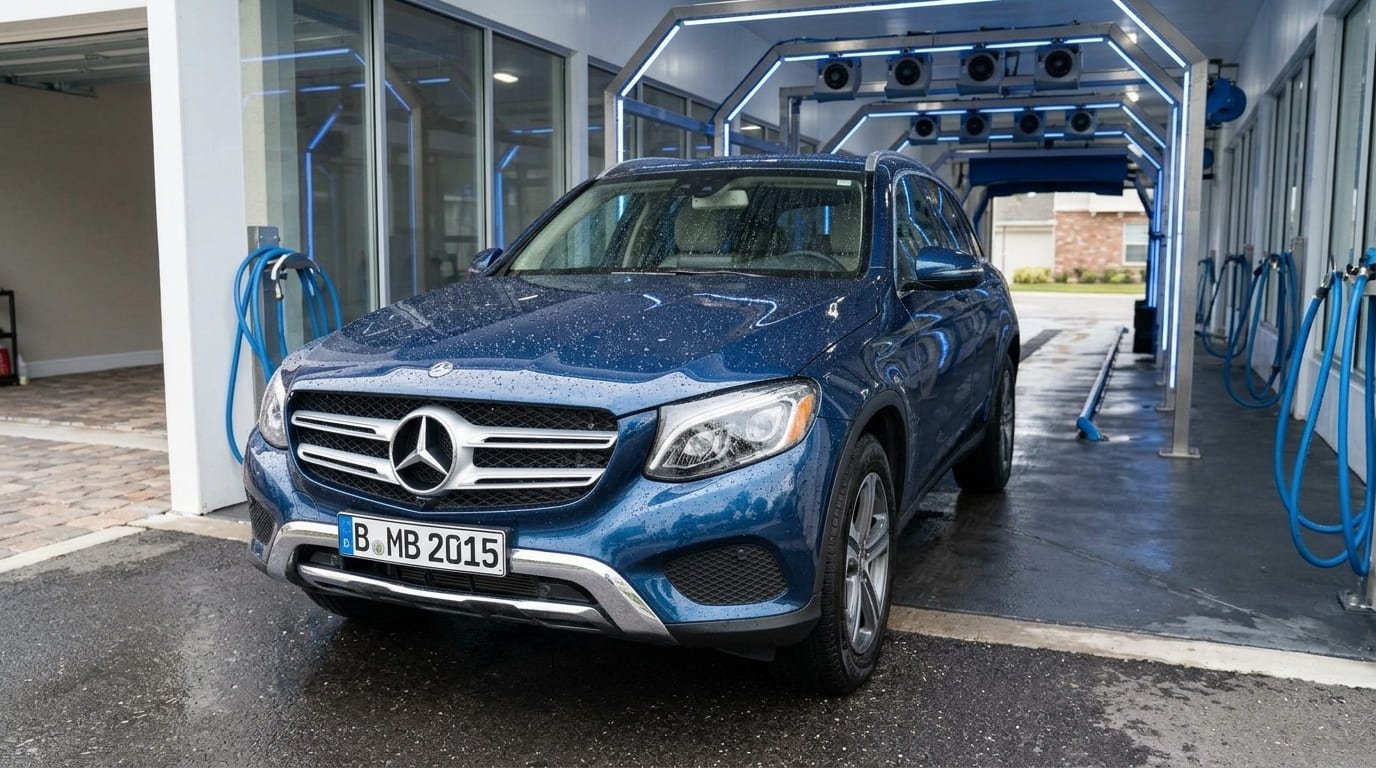
A careful hand wash offers the greatest control over cleaning pressure, chemical compatibility, and surface-specific tools. However, contaminated equipment or poor technique can still damage paint. Brush-type automatic washes introduce additional mechanical contact and potential abrasion from trapped dirt. Touchless systems avoid brushes but may use stronger chemicals and struggle with bonded contaminants.
For glossy Mercedes paint, proper hand washing generally offers the best balance of cleaning effectiveness and finish preservation. For matte finishes, specialty wraps, or delicate aftermarket components, check manufacturer guidance before using automatic washes.
Final Verdict: How Should You Wash a Mercedes-Benz?
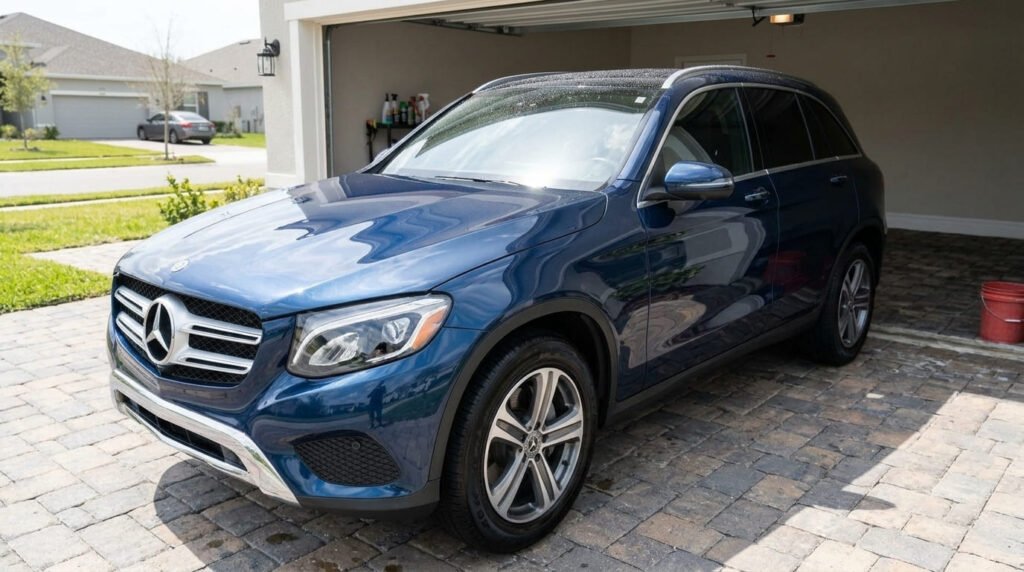
Safe Mercedes-Benz washing depends more on contamination control than expensive detailing products. Thorough pre-rinsing, clean microfiber, separate wheel-cleaning tools, and prompt drying prevent many common paint defects.
Beyond these fundamentals, surface compatibility determines the correct approach. Glossy paint can benefit from waxes, sealants, and occasional correction, while factory matte finishes require specialized care. Interior materials—including leather, MB-Tex, DINAMICA, open-pore wood, and digital displays—also demand appropriate cleaning methods.
For most owners, quality shampoo, suitable wash media, a compatible wheel cleaner, and absorbent drying towels are sufficient. Effective detailing isn’t about adding more steps, but knowing which ones protect the vehicle—and which introduce unnecessary risks.
- Chinese Cars Are Winning the Technology Race—But Will They Last?

- 2024 Toyota Camry Reliability: Is It Toyota’s Smartest Buy?
- 2023 Toyota Camry Reliability: Is Paying More Really Worth It?

- 10 Most Reliable Used Cars in 2026: Specific Years to Buy

- 2022 Toyota Camry Reliability: Is It the Best Used Camry?

- Car Reliability Ratings Explained: Which Ones Can You Actually Trust?
*Disclaimer: This website provides automotive content for informational purposes only and should not be considered professional advice. While we strive for accuracy, we do not guarantee the reliability or suitability of any vehicle or product mentioned—always conduct your own research before making purchasing decisions. Additionally, some links on this site are affiliate links, meaning we may earn a commission if you make a purchase, at no extra cost to you.
**When you click on links we might get a small commission on purchases that qualify.