
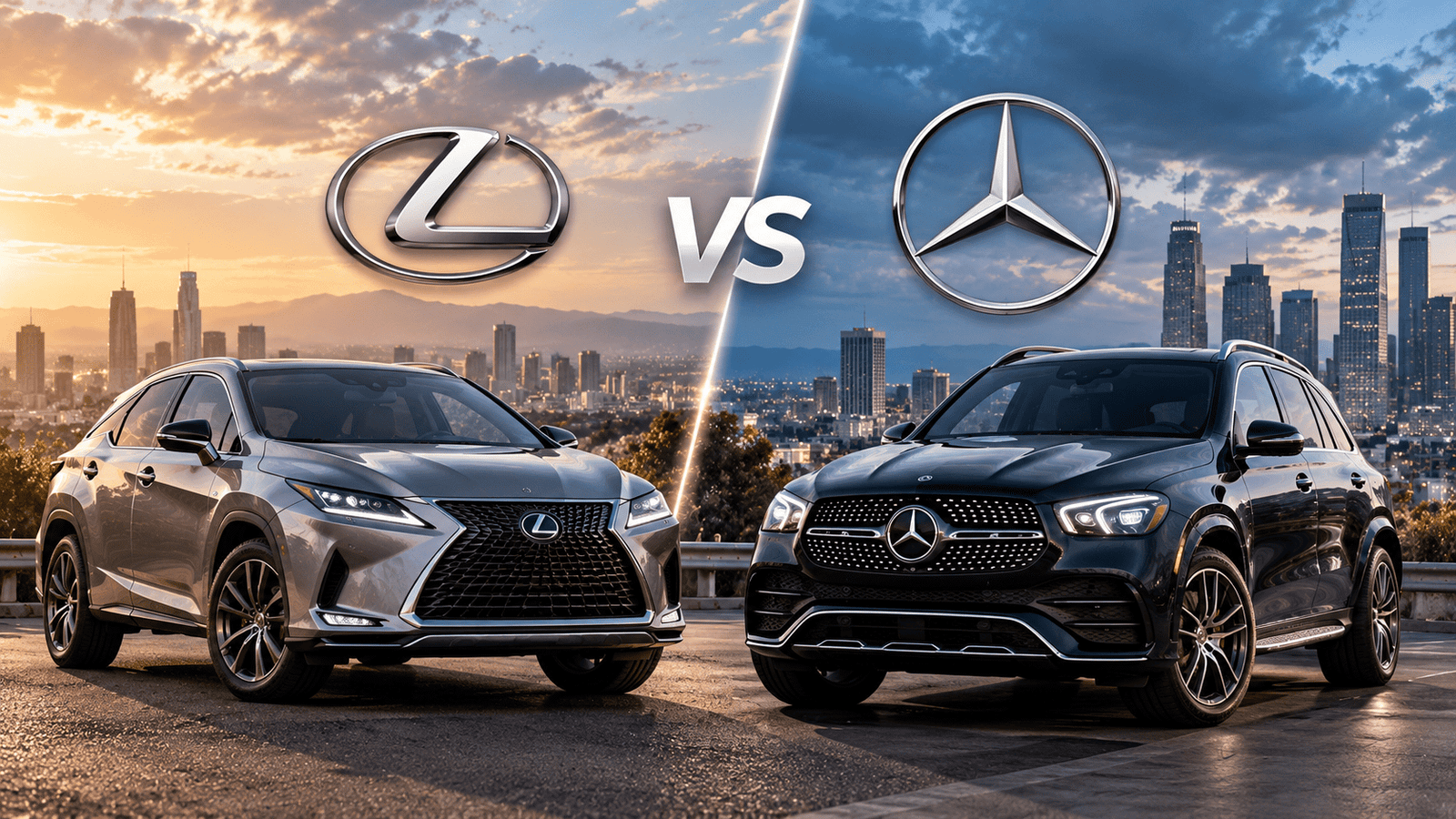
Lexus vs Mercedes-Benz represents two distinct approaches to luxury engineering. Mercedes-Benz has historically emphasized technological innovation, performance, and sophisticated comfort systems, while Lexus built its reputation on refinement, manufacturing consistency, and long-term dependability.
Neither distinction is absolute. Mercedes has produced exceptionally durable vehicles, while Lexus has pioneered advanced technologies and experienced mechanical failures of its own. The meaningful comparison lies in how each manufacturer balances innovation, driving refinement, reliability, and the long-term cost of luxury ownership.
Two Different Approaches to Automotive Luxury
Luxury depends on both the experience a vehicle delivers when new and how well it preserves that experience over time. Mercedes-Benz has historically prioritized technological advancement, introducing sophisticated safety, suspension, and comfort systems that enhance refinement but can increase repair complexity.
Lexus generally emphasizes proven powertrains, manufacturing consistency, and incremental refinement, although its hybrid systems and advanced chassis technologies demonstrate substantial engineering innovation.
Mercedes-Benz often expands the capabilities of luxury vehicles, while Lexus prioritizes sustaining refinement and dependability over time. The better approach depends partly on the owner’s intended ownership period.
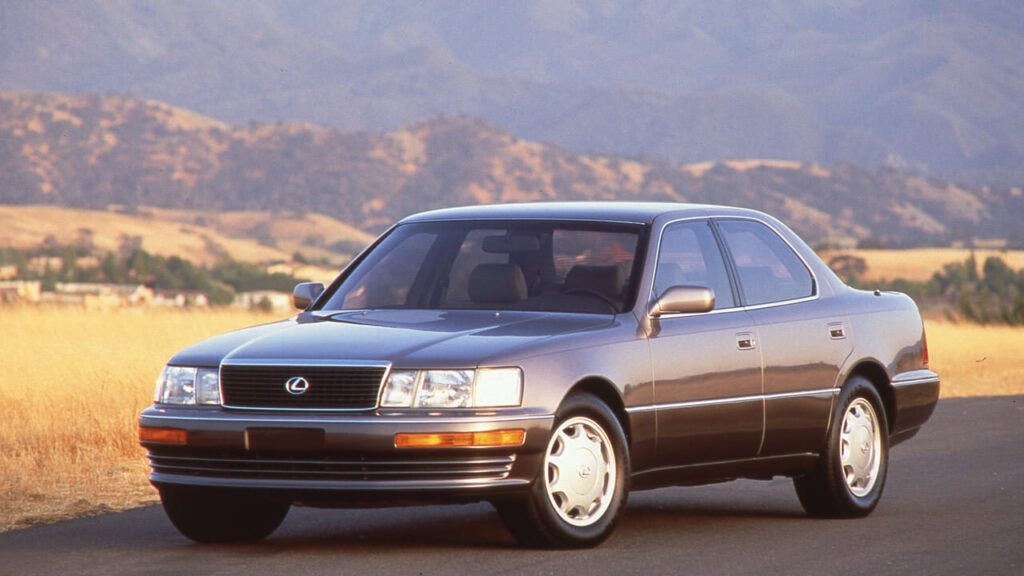
How the Lexus LS 400 Challenged Mercedes-Benz
The 1989 Lexus LS 400 challenged the established Mercedes-Benz W126 S-Class through exceptional refinement, manufacturing precision, durability, and competitive pricing.
Its 250-hp, 4.0-liter 1UZ-FE V8 combined aluminum construction, dual overhead camshafts, and remarkable smoothness with proven longevity. Advanced noise isolation and aerodynamic development further challenged European dominance in luxury refinement.
The W126 remained exceptional in structural engineering, high-speed stability, safety, and long-distance comfort. Both demonstrated outstanding durability.
The original rivalry wasn’t reliability versus unreliability, but two engineering philosophies competing through different development priorities. That distinction became more pronounced as luxury vehicles adopted increasingly complex electronics and chassis technologies.
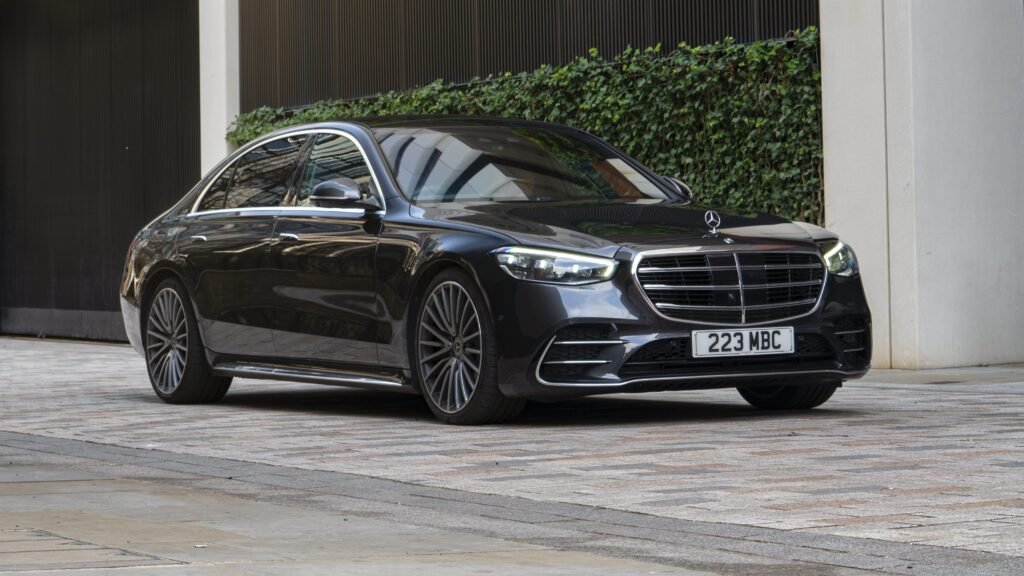
Mercedes-Benz: When Engineering Complexity Creates Genuine Value
Mercedes-Benz has frequently pursued greater comfort and dynamic control through sophisticated engineering, even when simpler alternatives were available. Its Active Body Control (ABC), introduced on the CL-Class and subsequently offered on selected S-Class and SL models, illustrates this philosophy particularly well. Using high-pressure hydraulics to actively manage body movement, ABC reduced roll and pitch without relying on excessively stiff suspension settings. The improvement was substantial, but so was the mechanical complexity: pumps, hydraulic lines, valve blocks, accumulators, and electronic controls introduced potential repair expenses that conventional suspension systems largely avoided.
That engineering trade-off remains relevant today. Advanced suspension systems, electronically adjustable seating, and increasingly integrated vehicle electronics can deliver meaningful improvements in comfort, safety, and driving precision, but their value depends on how effectively those benefits justify the additional complexity and long-term maintenance exposure. Mercedes-Benz’s technological ambition is therefore neither an automatic advantage nor an inherent liability; its success must be judged by what each system achieves and what it costs to sustain.
Our Mercedes-Benz vs. BMW comparison examines how these engineering priorities translate into measurable differences in performance, refinement, and ownership.
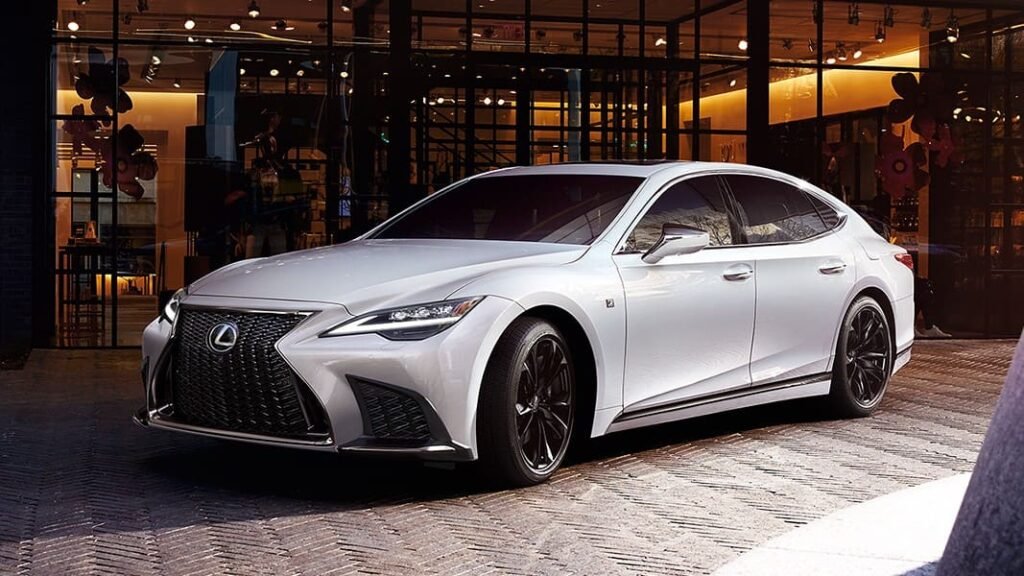
Lexus: Reliability Through Engineering and Manufacturing Discipline
Lexus has traditionally pursued reliability through conservative engineering decisions, rigorous manufacturing controls, and the progressive refinement of established technologies. Its original LS400 demonstrated this approach particularly well. The 1UZ-FE V8 combined a robust aluminum construction, carefully controlled manufacturing tolerances, and relatively modest specific output to deliver exceptional smoothness and durability without relying on unusually complex mechanical systems. Its reputation was built not simply on component strength, but on the consistency of its engineering and production.
That philosophy remains evident in Lexus’s extensive use of Toyota-developed hybrid systems, whose planetary power-split architecture eliminates conventional stepped gear changes and reduces dependence on friction-based transmission components. However, mechanical simplicity does not guarantee reliability, as recent engine-related recalls demonstrate. Lexus’s advantage lies more convincingly in its accumulated manufacturing experience, systematic quality control, and established powertrain development practices than in avoiding advanced technology altogether.
The distinction is therefore not that Lexus builds simpler cars, but that its engineering decisions have historically produced more consistent long-term reliability across its broader model range.
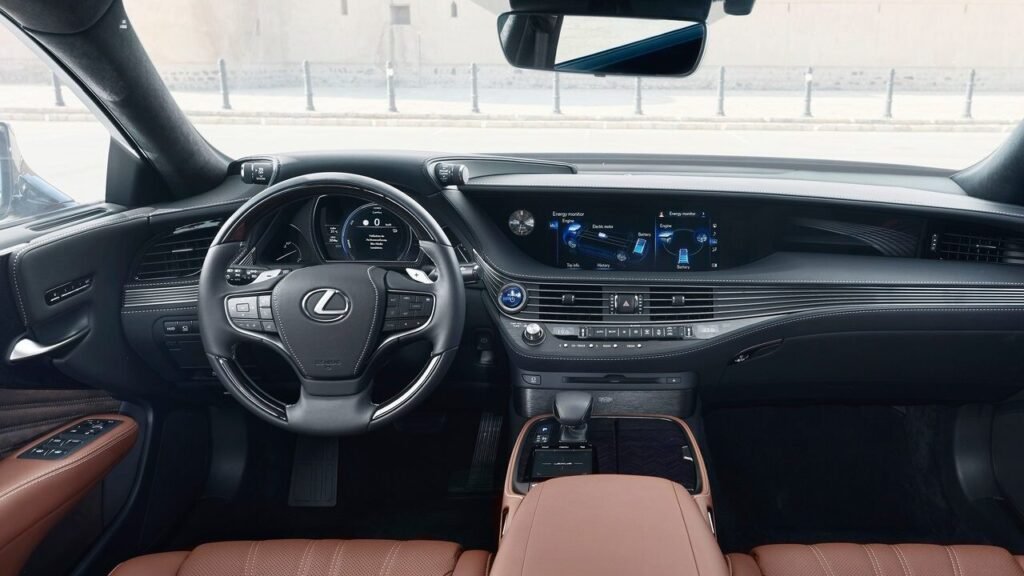

Build Quality vs. Material Quality: Which Brand Makes Better Interiors?
Build Quality vs. Material Quality: Which Brand Makes Better Interiors?
Luxury interiors should be judged on two distinct qualities: the materials occupants see and touch, and the precision with which those materials are assembled. Mercedes-Benz frequently emphasizes visual sophistication through elaborate ambient lighting, expansive displays, and richly finished surfaces, while Lexus traditionally favors restrained presentation, precise fitment, and consistent tactile quality.
Neither approach establishes superior build quality on its own. Expensive leather and decorative trim cannot compensate for poorly secured panels, inconsistent tolerances, or premature wear. Equally, flawless assembly does not make inexpensive materials feel luxurious. The more revealing test is how consistently an interior maintains its structural integrity, surface condition, and freedom from rattles after years of use.
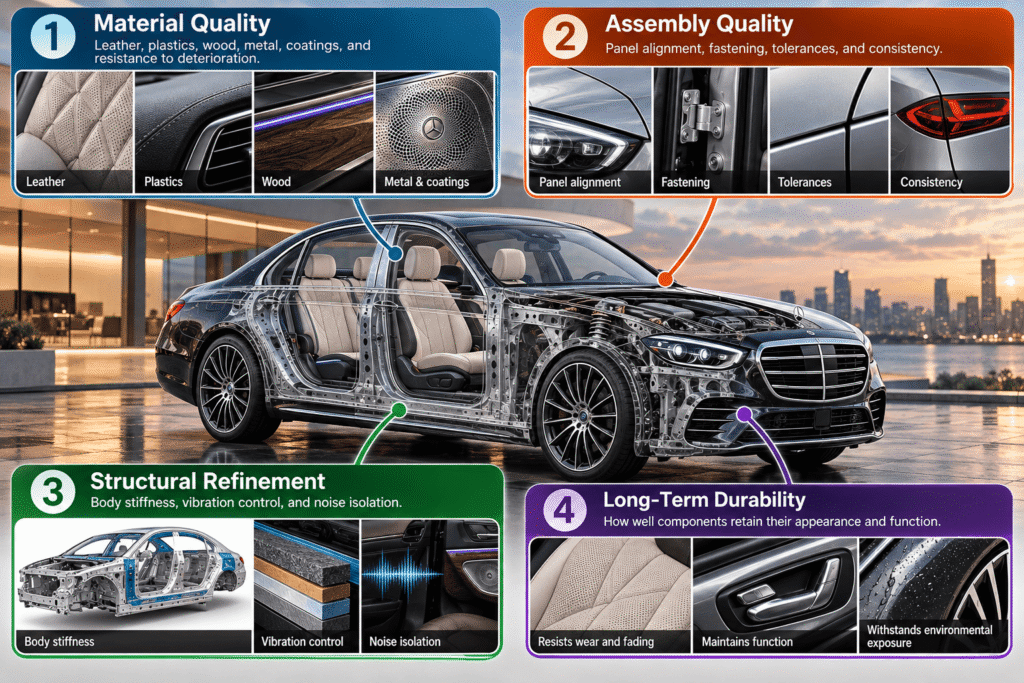
Our analysis of build quality versus material quality explores why these characteristics should be evaluated separately.
Lexus’s manufacturing reputation supports confidence in long-term consistency, while Mercedes-Benz can deliver exceptional craftsmanship, particularly in its flagship models. The distinction is better established through individual vehicles than brand identity.
Lexus vs. Mercedes-Benz: What Independent Road Tests Actually Reveal
Brand reputations provide useful context, but they cannot establish which vehicle accelerates faster, rides more comfortably, or isolates passengers more effectively. The following comparisons examine some popular Lexus and Mercedes-Benz generations using published independent road tests:
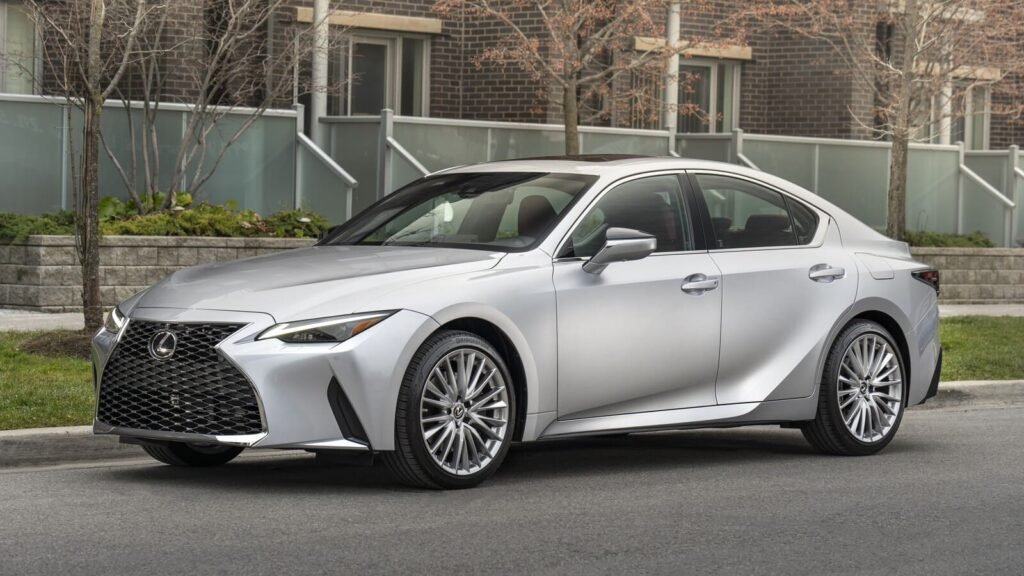
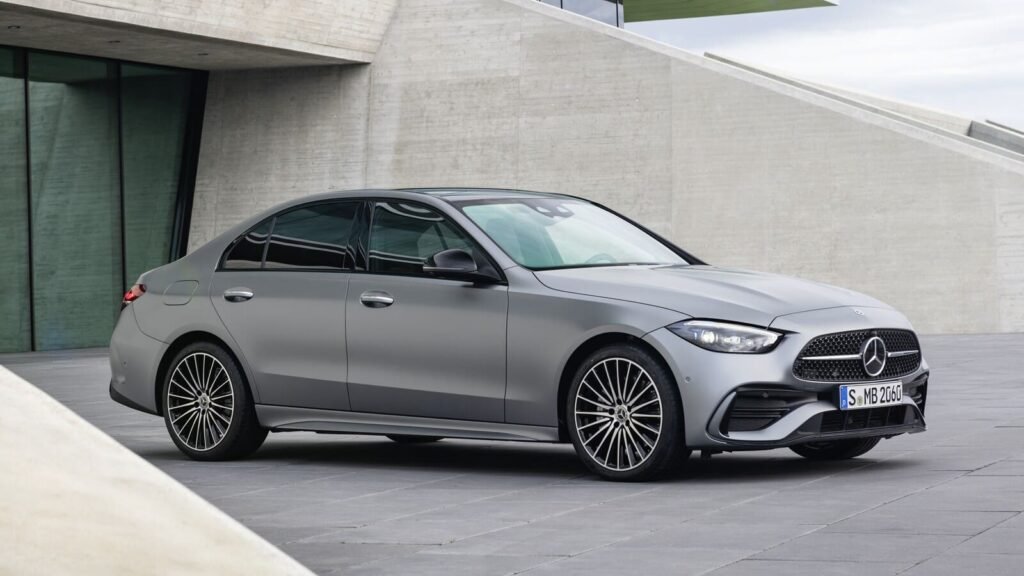
Lexus IS vs. Mercedes-Benz C-Class: Which Delivers Better Luxury and Value?
The Lexus IS and Mercedes-Benz C-Class offer an opportunity to test familiar assumptions about Japanese and German luxury cars: Does Lexus deliver superior refinement and reliability, while Mercedes-Benz offers better performance and handling?
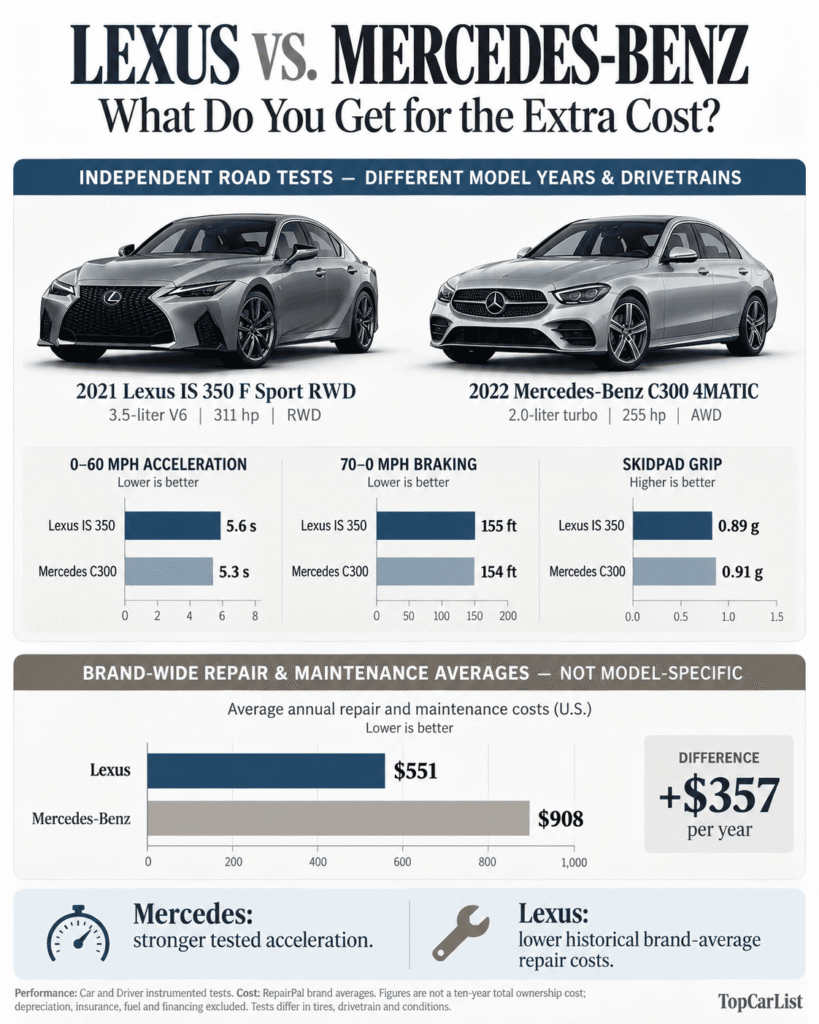
**Comparing the 2021 Lexus IS350 F Sport RWD with the 2022 Mercedes-Benz C300 4MATIC reveals a more nuanced picture. In Car and Driver’s testing, the Mercedes accelerated to 60 mph in 5.3 seconds against the Lexus’s 5.6 seconds, despite producing 255 horsepower from its turbocharged 2.0-liter four-cylinder compared with the Lexus’s 311-hp naturally aspirated 3.5-liter V6. The C300 also achieved 0.91 g of lateral grip against 0.89 g for the IS, although differences in tires and drivetrains limit direct conclusions about handling.
Refinement is less decisive. Car and Driver measured 66 decibels inside the C300 at 70 mph, demonstrating excellent noise isolation, but criticized its firm ride. The IS offers supportive seats and a composed highway character, although neither measurement nor subjective road-test impressions establish a universal comfort advantage for Lexus.
Long-term ownership provides a stronger distinction. Lexus consistently outperforms Mercedes-Benz in Consumer Reports’ brand reliability assessments, while RepairPal estimates average annual repair costs of approximately $551 for Lexus versus $908 for Mercedes-Benz. These brand-level figures aren’t specific forecasts for either sedan, but they support a meaningful ownership-cost advantage.
Verdict: The C300 demonstrates stronger measured acceleration and marginally greater grip, while the IS offers a compelling ownership proposition supported by Lexus’s broader reliability record. Neither establishes a clear overall comfort advantage, making the choice principally one between the Mercedes’s more advanced performance package and the Lexus’s potentially lower long-term costs.
Do These Differences Hold Across Other Lexus and Mercedes-Benz Models?
The IS–C-Class comparison suggests that Mercedes-Benz can extract greater performance from smaller engines, while Lexus offers stronger long-term ownership credentials. But does that pattern extend to larger SUVs and flagship sedans?
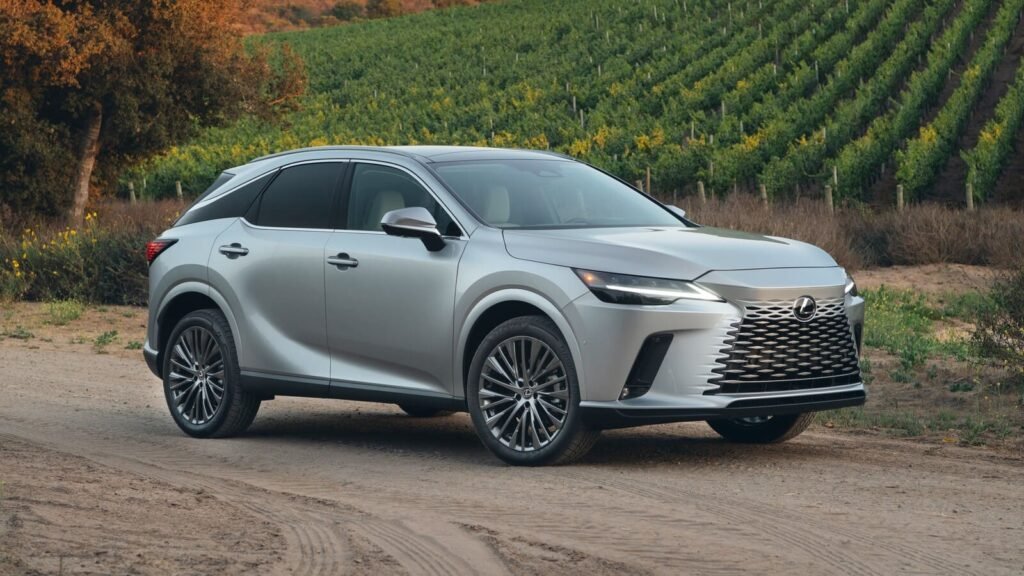
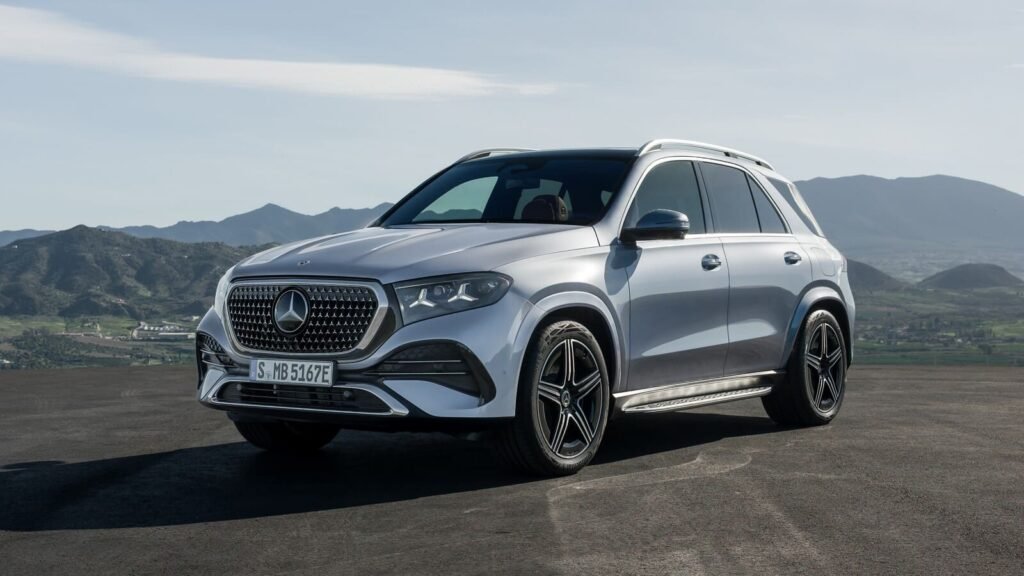
Comparing the fifth-generation Lexus RX350h with the second-generation Mercedes-Benz GLE450 reveals a substantial performance gap. Car and Driver recorded 7.3 seconds to 60 mph for the 2026 Lexus, against 5.3 seconds for the 2020 Mercedes. However, the RX’s hybrid system returned 32 mpg in the publication’s 75-mph highway test, compared with 23 mpg for the GLE450. The vehicles occupy different price and size classes, but the results demonstrate how Lexus’s efficiency advantage can become more significant than the performance deficit for certain buyers.
The flagship comparison is even more revealing. Car and Driver measured 5.0 seconds to 60 mph and 67 decibels at 70 mph in the 2025 Lexus LS500 F Sport, compared with 3.9 seconds and 65 decibels for the W223 Mercedes-Benz S580. The Mercedes also stopped from 70 mph in 168 feet against the Lexus’s 183 feet, although differences in tires and testing conditions influence braking results. Here, Mercedes-Benz delivers not only stronger performance but also superior measured cabin isolation, challenging any blanket assumption that Lexus offers greater refinement.
Reliability remains the more consistent distinction. Consumer Reports ranks Lexus third for new-car reliability and first for used-car reliability in its 2026 brand assessments, compared with 19th and 11th for Mercedes-Benz, respectively. These are brand-level results rather than predictions for the specific vehicles tested.
Across these segments, Mercedes-Benz generally demonstrates stronger measured performance, while Lexus retains the broader reliability advantage. Comfort and efficiency are less predictable: they depend on the particular model, powertrain, and equipment rather than the manufacturer’s reputation.
Lexus vs. Mercedes-Benz Reliability: What the 2026 Data Shows
The 2026 J.D. Power U.S. Vehicle Dependability Study ranked Lexus highest for the fourth consecutive year, with 151 problems per 100 vehicles, compared with the industry average of 204 and Mercedes-Benz’s 235. Lexus recorded approximately 36% fewer reported problems than Mercedes-Benz, reinforcing its substantial advantage in three-year dependability.
| Manufacturer | Problems per 100 vehicles |
|---|---|
| Lexus | 151 |
| Industry average | 204 |
| Mercedes-Benz | 235 |
J.D. Power measures problems reported by original owners of three-year-old vehicles, covering mechanical systems, electronics, infotainment, and interior components. Minor software faults and major mechanical defects both contribute to the score despite vastly different repair implications.
The study measures early ownership dependability, not long-term repair costs or durability beyond 150,000 miles. Lexus’s consistently strong results reinforce its reliability reputation, but Mercedes-Benz’s weaker brand average cannot establish the dependability of individual models or powertrains.
Our Car Reliability Ratings Explained guide examines why different studies can produce conflicting conclusions.
Which Brand Costs More to Own?
Mercedes-Benz generally carries greater long-term repair exposure, particularly in technologically complex models. However, meaningful cost comparisons must account for vehicle class, depreciation, insurance, financing, maintenance, and resale value—not repair bills alone.
Depreciated Mercedes-Benz flagships illustrate the distinction: a $30,000 used S-Class can still incur repairs reflecting its original six-figure price.
Lexus typically offers stronger resale values and more predictable maintenance costs, but its used-market premium can offset those advantages. A competitively priced Mercedes-Benz with a proven powertrain may deliver better value, especially over shorter ownership periods.
The stronger financial choice depends on purchase price, remaining depreciation, and anticipated ownership expenses—not brand reputation alone.
Which Brand Makes More Sense Used?
Vehicle age substantially changes the comparison. Under factory warranty, Mercedes-Benz’s additional performance, comfort, and technology may justify its premium with limited unexpected repair exposure.
By seven to ten years, aging electronics, climate systems, and complex hydraulic or air suspensions can make restoration considerably more expensive than on mechanically simpler Lexus models. However, both manufacturers offer exceptions, making generation, powertrain, and chassis configuration more important than brand averages.
Our Most Reliable Used Mercedes-Benz SUVs guide identifies models with stronger mechanical foundations. The best used luxury purchase balances engineering complexity, current condition, and remaining repair exposure against its actual market price.
Final Verdict: Is Lexus Better Than Mercedes-Benz?
The evidence reveals a reasonably consistent distinction between Lexus and Mercedes-Benz, although it is more nuanced than the familiar reliability-versus-luxury argument.
Across the compact luxury-sedan, SUV, and flagship segments examined, Mercedes-Benz demonstrated stronger acceleration and, in several cases, superior measured handling or refinement. Its engineering sophistication therefore delivers tangible advantages rather than simply adding features and complexity.
Lexus’s strongest advantage is more consistent across its broader lineup: reliability. Consumer Reports’ dependability assessments and RepairPal’s repair-cost estimates both favor Lexus, making it a compelling choice for buyers planning extended ownership. Its hybrid models can also deliver substantial fuel savings, although that advantage depends on the powertrains being compared.
Nevertheless, these findings don’t establish that every Mercedes-Benz performs better or that every Lexus costs less to maintain. Individual generations, equipment, and mechanical configurations remain decisive.
For buyers prioritizing performance and advanced luxury capabilities, Mercedes-Benz frequently justifies its higher ownership costs. For those prioritizing reliability and predictable long-term expenses, Lexus generally presents the stronger proposition.
The decisive consideration is whether the Mercedes-Benz’s measurable advantages are worth their additional cost—or whether the Lexus delivers enough of the same experience with fewer long-term financial compromises.
- Chinese Cars Are Winning the Technology Race—But Will They Last?

- 2024 Toyota Camry Reliability: Is It Toyota’s Smartest Buy?
- 2023 Toyota Camry Reliability: Is Paying More Really Worth It?
- 10 Most Reliable Used Cars in 2026: Specific Years to Buy
- 2022 Toyota Camry Reliability: Is It the Best Used Camry?
- Car Reliability Ratings Explained: Which Ones Can You Actually Trust?
*Disclaimer: This website provides automotive content for informational purposes only and should not be considered professional advice. While we strive for accuracy, we do not guarantee the reliability or suitability of any vehicle or product mentioned—always conduct your own research before making purchasing decisions. Additionally, some links on this site are affiliate links, meaning we may earn a commission if you make a purchase, at no extra cost to you.
**Because the test vehicles differ in model year, equipment, and sometimes market positioning, the results should be interpreted as evidence about those configurations rather than universal rankings of either brand.