Thursday, April 2, 2026
spot_img
Home Blog Page 6

Everything You Need to Know About the 2024 BMW X3: An Updated Guide

The 2025 BMW X3 has hit the streets but guess what? The 2024 BMW X3 is still super popular with folks who love compact luxury SUVs. It’s fun to drive and really practical for everyday tasks. A lot of people are tempted by the big price drop since the resale value takes a dip when a new model comes along. Then there are those who just prefer the classic, simpler look. Honestly, I totally get that vibe. 

The third generation X3 sticks with what has made BMW’s crossovers such a favorite over the years. But how does it measure up against competitors like the Mercedes-Benz GLC, Audi Q5, Lexus NX, or Volvo XC60? Let’s take a look at some cool features of the 2024 BMW X3 and see how it stacks up to the others. No worries, we’re keeping this light and breezy—no spark plug jokes here!
About the 2024 BMW X3

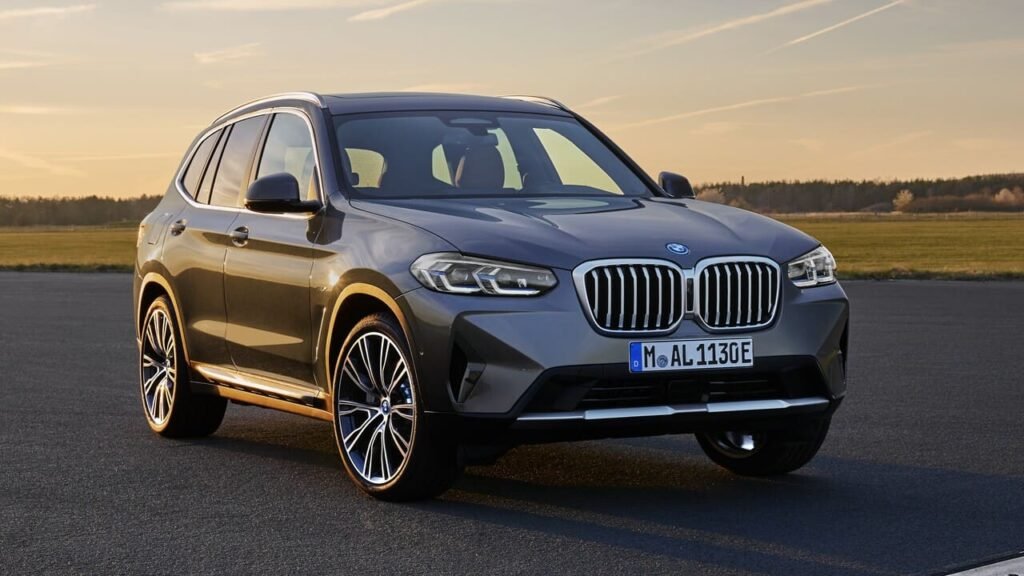
BMW’s X3 lineup has always been about blending that sporty sedan feel with the practicality of an SUV making it one of their top sellers around the globe. For 2024, BMW is sticking with what fans love while adding some small design updates from the 2023 version plus maybe some engine tweaks and tech upgrades. The 2024 X3 really aims to find that sweet spot for modern crossovers when it comes to comfort, technology, and safety all while keeping that classic BMW driving vibe.

The standout features include a nicer interior and better driver-assist technology. Lots of folks believe the X3 is just the right size; it’s smaller than the X5 but offers more space and luxury than the smaller X1 or X2. The 2024 model is set to make that appeal even greater, proving why the X3 is still a favorite for car enthusiasts and families alike.

Design and Exterior Look

Don’t really look for any huge changes in the 2024 BMW X4 when you compare it to the 2023 one. Since it’s set to be replaced by the 2025 version this year, it wouldn’t make much sense to shake things up too much. But there are a few little updates that can give the front a fresher vibe. The general shape is still nice and upright with short overhangs which is perfect when you’re trying to park in tight spaces or get around the city.

2024 BMW X3 grill

Also Read:
Want to wash your BMW at home? Here’s a simple step-by-step guide for you. We’ll go over how often to wash it and what products to grab.


Changes to the Body

The new bottom bumper comes with air intakes that really show off the different trims like the M Sport and the standard model. Plus, the design helps the wheel well cladding look a lot smoother and more stylish. While these changes aren’t huge they give the 2024 BMW X3 a fresh look compared to other cars in the same price range from Germany or Japan.
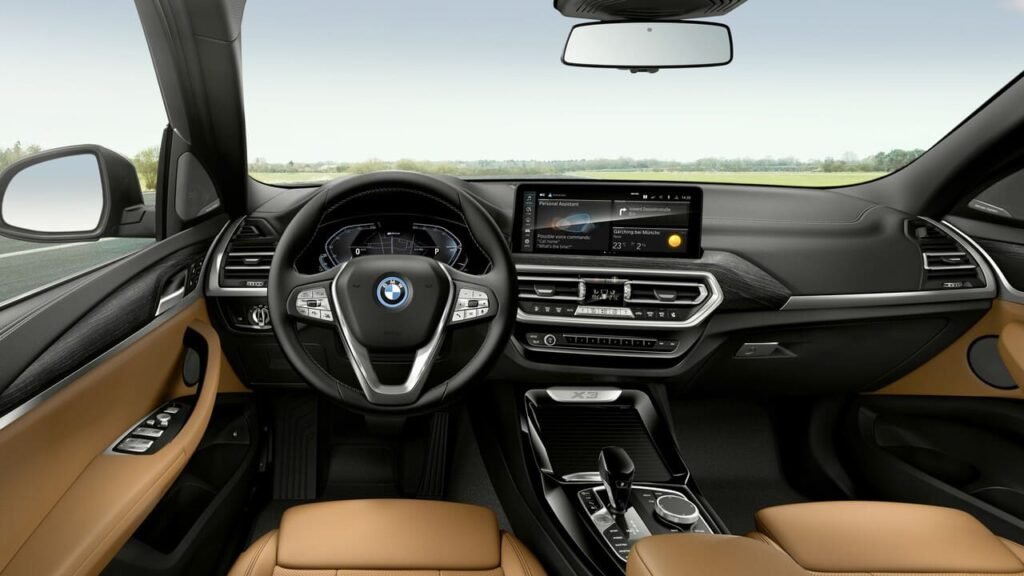
2024 BMW X3 interior

Interior Design and Comfort

BMW usually puts a lot of thought into making sure the driver feels at home with quality materials. For 2024, the X3 keeps that trend going with:

  • Digital Gauge Display: You can expect either a fully digital display or a partially digital one to give a modern touch. The iDrive infotainment system will likely feature a big touch screen for easy navigation along with Apple CarPlay and Android Auto compatibility.
  • Comfort and Materials: Look forward to comfy seats with options for leather or synthetic leather plus multi-way adjustments and heating or cooling for higher trims. The rear seat often has good legroom for a compact SUV, but taller passengers might feel a pinch from the panoramic sunroof.
  • Cargo Space: The rear seats fold to make room for your gear for weekend trips. The X3 generally offers around 28.7 cubic feet of cargo space with the seats up and over 60 cubic feet when you fold them down—a decent amount for those Costco runs or stashing your golf clubs.
2024 BMW X3 Engine

Powertrain and Performance

For engine options, here are the options:

  • Turbocharged Four-Cylinder: The base sDrive (rear-wheel drive) or xDrive (all-wheel drive) model typically comes with a 2.0-liter turbo inline-four with around 248 to 255 horsepower. It’s peppy enough for your daily needs and might include a mild-hybrid system to help with fuel efficiency.
  • Inline-Six Options: A classic BMW inline-six engine is available in the X3 M40i, pushing horsepower up to 382 or more. Known for smooth, strong performance, it delivers quick acceleration with a touch of luxury.
  • X3 M: This high-performance variant comes with a wild twin-turbo 3.0-liter engine that churns out over 470 horsepower. While fun, you might want it for weekends rather than family trips.

Transmission

The eight-speed automatic transmission does a solid job with quick shifts and feels nice and smooth. Sure, some folks might wish for a manual option like what was around until the F25 generation wrapped up in 2017, but honestly, it hasn’t been in high demand, especially in the US. The ZF automatic really does its thing well for everyday driving in an SUV.

Driving Feel

Even the standard model feels more nimble than many rivals, thanks to its tight suspension and balanced steering. If you go for M Sport or M40i models, you can enjoy a firmer ride with fancy dampers and upgraded brakes, perfect for the spirited driver. For those just looking for a comfy daily ride, the base or 2024 BMW X3 xDrive30i models are more than up to the task.

2024 BMW X3 rear

Efficiency and Electrification

In terms of fuel economy, the turbo-four versions typically manage a combined MPG in the mid-20s, with better numbers on highway drives. The mild-hybrid could give you an extra mile or two per gallon, especially in city traffic. There are whispers of a possible plug-in hybrid version, but official details are still under wraps.

Safety and Tech Features

Modern BMWs come loaded with active safety features like:

  • Lane Departure and Lane Keep Assist: Helps guide the steering if you drift out of your lane.
  • Adaptive Cruise Control: Keeps your speed and distance from cars ahead, useful on the highway.
  • Blind Spot Monitoring: Lets you know if there’s a car in your blind spot.
  • Parking Assistant: Makes parking a breeze, helping you get into snug spots.

The latest iDrive also offers new voice commands, over-the-air updates, and sharper graphics on a big touch display, making it feel a bit futuristic for those nostalgic for the ‘80s show “Knight Rider.” Some might tease that it feels like “fancy spaceship stuff,” but hey, convenience is key.

Pricing and Trims

The base model of the 2024 BMW X3 starts in the mid-$40,000 range, hitting near $48,000 for the all-wheel drive model. Higher trims like the M40i can reach the mid-$50,000s, and the X3 M can easily go over $70,000. Optional packages—like the Premium package for bigger displays and heated features—can quickly add thousands to the base price.

Don’t forget to factor in insurance, maintenance, and the chance of extended warranties although we don’t recommend them. After all, you’re getting a luxury vehicle with advanced tech.

Comparing to Rivals: GLC, Q5, NX, XC60

Now, let’s see how the 2024 BMW X3 measures up against its competitors:

Mercedes GLC

Also Read:
Discover the features, reliability scores, and comparisons of the 2024 BMW X1 to determine if it’s your ideal luxury subcompact SUV.


  • Mercedes GLC: Features a similarly nice interior with the advanced MBUX system, leaning more towards comfort than sport. Its price is often close to or slightly less than the 2024 X3, but if you love torque, the BMW might edge out.
  • Audi Q5: Known for its top-notch interiors and excellent Quattro AWD system, the Q5 offers a well-rounded ride. Its infotainment is easy to use, but driving fans could find the X3 a bit sharper on turns.
  • Lexus NX: Renowned for reliability, it provides a quiet ride, though the F Sport models aim for a sportier feel. However, its performance may fall short compared to the top X3 engines.
  • Volvo XC60: With minimalist Scandinavian designs and great safety, it’s comfy, but when it comes to raw power, the 2024 BMW X3 might hold the edge, especially with the six-cylinder engine.

Key Specs Comparison

Here’s a quick table showing some important specs for the 2024 BMW X3 and its key rivals:

ModelEngine/HP RangeBase Price (Approx.)MPG (Combined)Cargo (cu ft)*Drivetrain
BMW X3 (2024)Turbo I4 (248-255 hp), I6 (382+ hp)$45K-$55K+23-25~28 (rear seats up)RWD/AWD (xDrive)
Mercedes GLCTurbo I4 (255 hp), mild hybrid$47K-$57K+23-25~22RWD/AWD
Audi Q5Turbo I4 (201-261 hp), PHEV optional$45K-$50K+24-26~25AWD (Quattro)
Lexus NX2.4T I4 (275 hp), hybrid models$40K-$50K+28-30 (hybrid)~22FWD/AWD
Volvo XC60Mild hybrid I4 (247-316 hp), PHEV$42K-$55K+23-28~22FWD/AWD

*Note: Cargo volumes can vary slightly based on brand info or testing. Always check the final specs with official sources.

Reliability and Maintenance

BMW tends to be seen as having “fair to decent” reliability in this class. The X3 usually escapes major issues if you keep up with servicing. Keep in mind that high-tech parts like the ADAS or iDrive could be pricey to fix if things go wrong. If you drive a lot, it might be a good idea to think about an extended warranty or set aside some cash for repairs after the factory warranty runs out. Other luxury brands face similar challenges.

What Owners Are Saying

Owners generally rave about the X3 for:

  • A well-balanced ride and handling
  • Smooth power from both the inline-four and six engines
  • High-quality materials in the upper trims
  • Comfort for daily use along with thoughtful cargo space

On the flip side, some common complaints include:

  • High costs for optional packages that can hike up the price
  • Typical high maintenance and part costs for a European luxury brand
  • Occasional glitches with iDrive or sensors that need a dealership reset

If you can handle the costs of ownership, plenty of drivers find the satisfaction of driving the 2024 X3 outweighs these issues. It gives you a “mini BMW 3 Series feel” in an SUV.
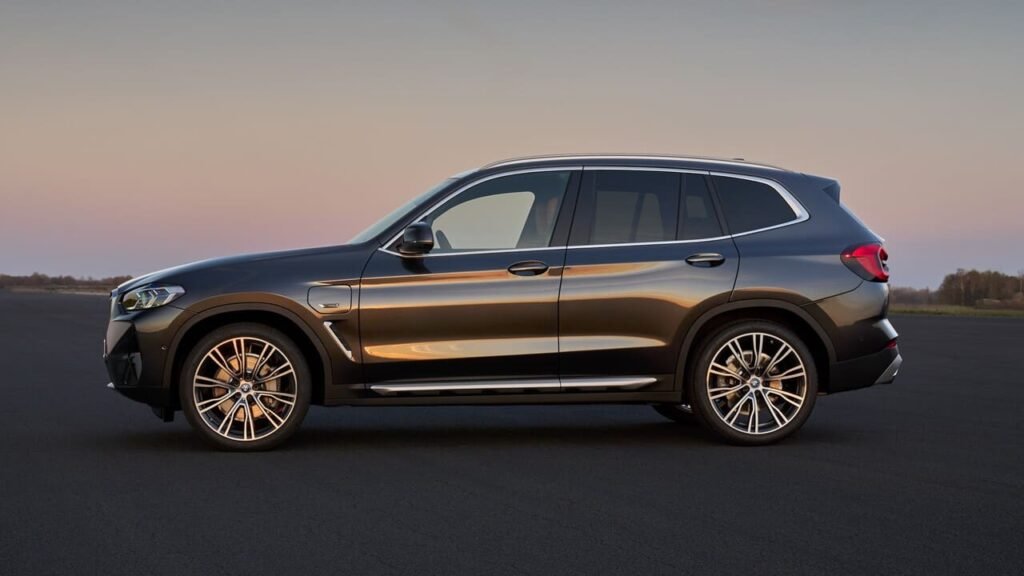
2024 BMW X3 side

Final Thoughts on the 2024 BMW X3

The 2024 BMW X3 is a great choice if you want a compact luxury SUV. It gives you a fun drive along with comfy features and lots of tech goodies. Sure you might also check out the Mercedes GLC or Audi Q5 since they’re nice too, but if you’re after some excitement on your daily trips or weekend getaways, the X3 really delivers that thrill.

Just remember it’s a BMW so get ready for some pretty big repair costs especially if you plan to hold on to it Just remember it’s a BMW, so expect some pretty high repair costs, especially if you want to keep it after the warranty runs out unless you decide to extend it. But if you’re into performance and luxury rides and don’t mind putting some effort into maintenance, definitely give the 2024 BMW X3 a try.

If you’re a BMW enthusiast and wanna know which X models are the most reliable, check out this article “Top BMW X Models: Here Are The Most Dependable Choices.” Also, don’t forget to explore our site for in-depth car reviews, useful buying tips, and the latest industry news. Take your time looking around and be sure to save our homepage for updates in the future!


*Disclaimer: This website provides automotive content for informational purposes only and should not be considered professional advice. While we strive for accuracy, we do not guarantee the reliability or suitability of any vehicle or product mentioned—always conduct your own research before making purchasing decisions. Additionally, some links on this site are affiliate links, meaning we may earn a commission if you make a purchase, at no extra cost to you.
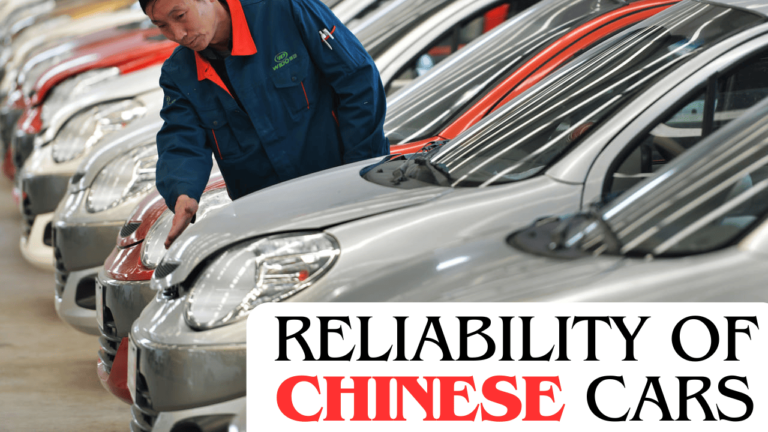
Reliability of Chinese Cars And Some Future Predictions

China’s car industry has really come a long way in both style and tech since its bumpy beginning. But how much progress have they actually made? Can you trust buying their cars instead of sticking with the well-known brands? We’re definitely seeing a shift happening all over the globe. For those who took a leap of faith on Chinese cars early on, keeping reliability in mind is huge. Big names from Japan, Korea, Europe, and the USA have raised the bar with their great track records.

But reliability isn’t the easiest thing to measure, since it often depends on how customers feel and whether they’re motivated to back a car maker or have high expectations that are hard to meet. So even though Chinese car makers are picking up a lot by collaborating with international brands, the big question is – can they earn the same level of trust and compete with the legendary reliability of brands like Toyota and Honda?

We’ve got another article where we compare Chinese cars to some European brands that aren’t exactly known for reliability, which you can check out here. For now, let’s take a broader look at the possibilities and challenges ahead. So hop in with us and feel free to send us an email with your thoughts!

Historical Challenges

Japanese companies have set the reliability standard by taking the time to do the things that others often overlook. They focus on steady improvements, strict quality checks, and rolling out new technology carefully. Toyota and Honda didn’t just luck into their long-lasting reputation. They built it using the dedicated production systems and small, thoughtful changes that prioritize tried-and-true parts instead of flashy new features. Consumer Reports’ Jake Fisher notes, Toyota tends to add features gradually rather than “all at once,” which cuts surprises for owners.

Korean car makers got the memo too. Back in the 1990s, Hyundai and Kia had some shaky quality issues (Hyundai’s early models were cheap but often ran into problems). After facing criticism, Hyundai kicked off a major effort to improve quality, even rolling out a 10-year/100,000-mile warranty in 1998 to show they were serious about durability. Over the next twenty years, Hyundai and Kia consistently worked on better engineering and quality control. By the mid-2010s, the results spoke for themselves: Kia topped J.D. Power’s Initial Quality Study in 2016, marking the first time a non-luxury brand ranked #1 in 27 years, This really underlines that building reliability isn’t a quick feat—it takes ongoing effort, feedback, and a company culture that values long-term quality over short-term pizzazz.”

Recent surveys show that things keep changing as more electric cars and software come into play, which can introduce new issues. But the trend still stands: having simpler designs, taking a slow approach with tech releases, keeping a tight grip on suppliers, and encouraging small improvements leads to fewer problems and better resale value. Recent reliability studies with a lot of data still put Japanese brands at the top, even with new competitors getting closer.

China’s Joint Venture Strategy

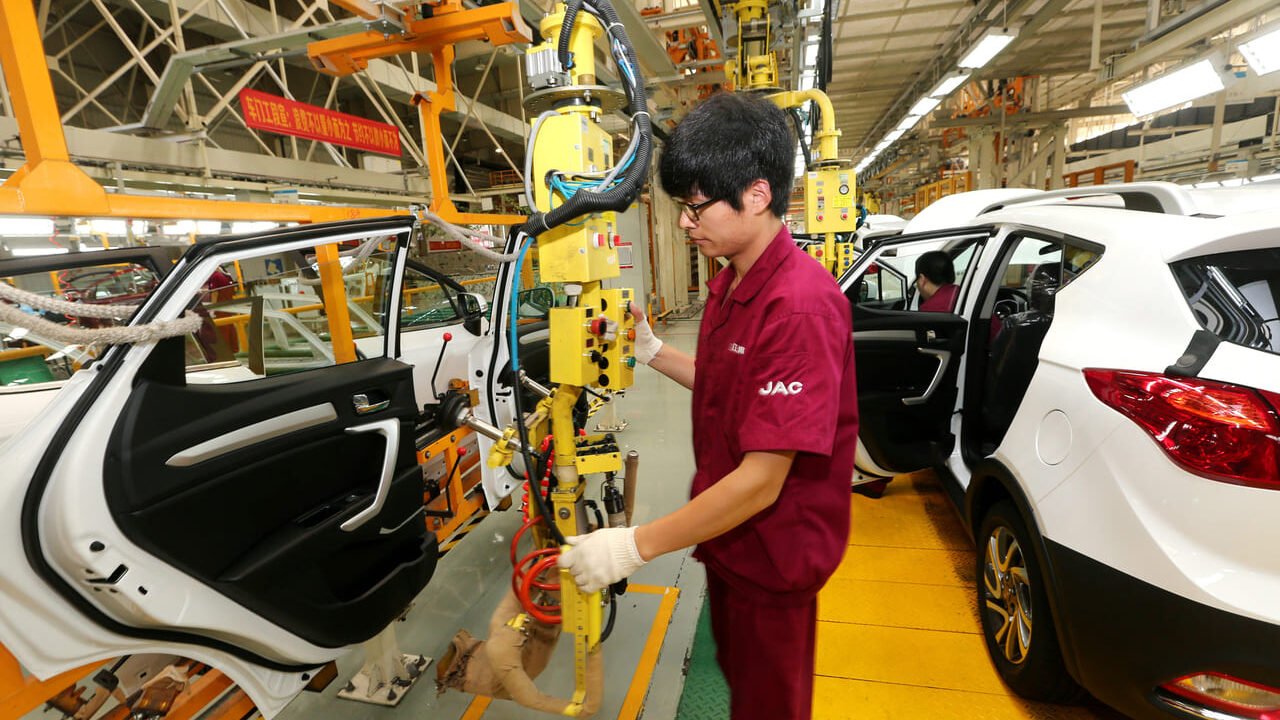
When China opened its market, Beijing made one thing crystal clear: foreign automakers had to team up with local partners to build cars onshore. That wasn’t just protectionism — it was a fast-track technology-transfer strategy. By forcing joint ventures, China accelerated learning across engineering, factory processes and supplier chains; foreign firms brought mass-production know-how, and Chinese partners absorbed it on the line and in R&D labs. The JV rule underpinned four decades of rapid capability building and only began to loosen in the late 2010s.

Which outsiders taught the most? Volkswagen was first through the door — SAIC-VW started in the 1980s and helped seed large-volume assembly and supply chains. American and German partners supplied mass-production methods and complex tech, but those lessons came with caveats: many European marques prized performance and advanced systems that, while cutting-edge, often traded off long-term simplicity — the same complexity that can dent reliability rankings.

Japan’s influence arrived later and proved different: Toyota and co. emphasized incremental improvement, supplier control and conservative tech rollouts — cultural habits that favor durability over flash. FAW-Toyota and similar ventures layered those practices into Chinese factories, but adopting a quality culture is harder than copying hardware; it takes years of process discipline and supplier governance.

The result? Chinese brands closed meaningful gaps fast — J.D. Power found the dependability gap in China narrowed to its smallest point since 2010 in its 2020 study — though problems tied to new EV software and design continue to reshape rankings. Early “copycat” efforts taught engineers quick lessons, but lasting reliability came from real manufacturing know-how and corporate patience, not reverse engineering.

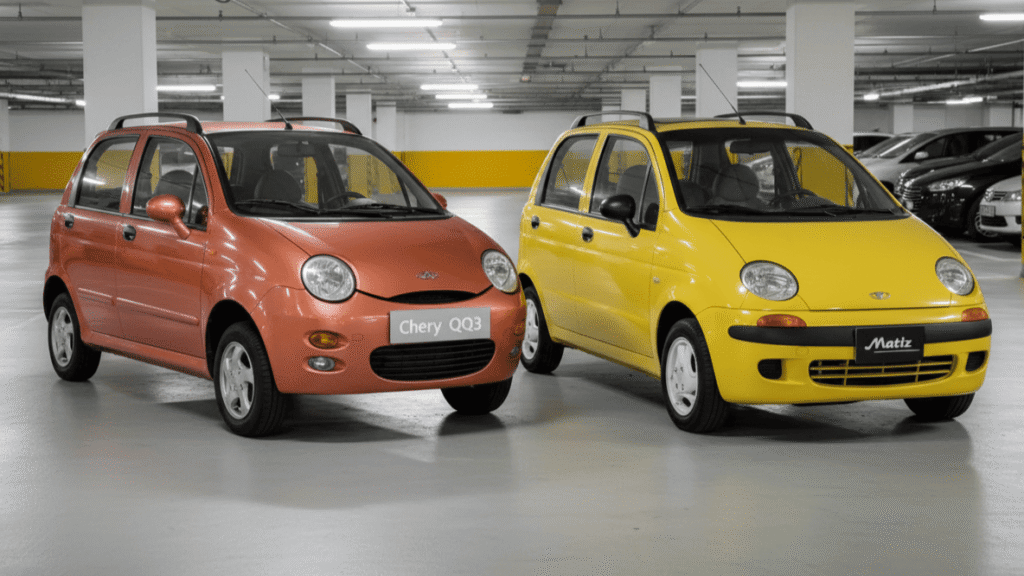
On the left the Chery QQ which is a copycat of the Daewoo Matiz on the right. Back in the day Chinese car makers focused on mimicking foreign car designs before they started bringing in well-known designers to help create some cool original looks.

Chinese joint ventures didn’t just build cars — they built competence. Forced partnerships let local engineers work side-by-side with VW, GM, Toyota and others, accelerating know-how in stamping, paint, supply chains and platform engineering much faster than a home-grown ramp-up would have.
The result: companies such as SAIC, GAC and BAIC evolved from rough early products into far better-built cars with cleaner paint and tighter assembly tolerances — and by 2020 J.D. Power recorded the smallest dependability gap between domestic and international brands in a decade.

Still, borrowing hardware isn’t the same as mastering durability. True reliability demands disciplined testing, supplier governance, conservative design choices and long feedback loops — things that take years of shop-floor culture and R&D investment to embed. China’s OEMs have poured resources into R&D and rapid model cycles, and exports and overseas plants now prove they’re learning fast — but the deepest lessons (process discipline, supplier control, and cautious tech rollout) separate quick catch-ups from Toyota-level longevity.

The Reality Check

How do Chinese brands really hold up out there these days? We can look at owner feedback, reliability studies, and long-term testing for clues. The findings are kind of mixed: some of the newer Chinese cars do pretty well when it comes to initial quality, but overall long-term reliability isn’t quite there when you compare them to more established brands, with some noticeable issues popping up as time goes on.

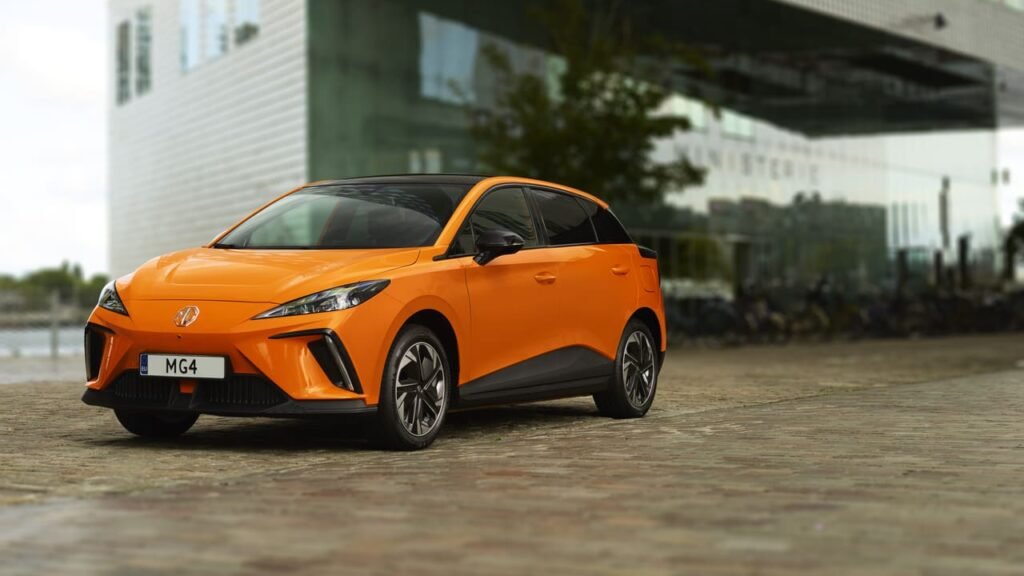
MG4 EV

The MG4 EV, a modern Chinese-made model (SAIC’s MG), has impressed on price and features but suffered reliability glitches. In a 2024 UK survey, the MG brand scored worst overall and the MG4 was rated the least reliable electric vehicle with just 63.8% reliability​


Also Read:
Can Chinese SUVs be less reliable than Land Rover and Audi? We compare engine longevity, and maintenance costs in this reliability breakdown.


Once again take MG for example. (now SAIC-owned) has traction in Europe thanks to cheap, feature-rich EVs — but owner surveys tell a different story on dependability. In What Car?’s 2024 reliability survey MG scored poorly (brand-level trouble and the MG4 rated 63.8/100), with many owners reporting recurring faults and slow repairs. That’s the kind of user pain that kills word-of-mouth.

It’s almost the same for other Chinese marques, early wins show up in first-year quality and features: JVs and heavy R&D spending pushed assembly and paint quality forward, and some makers now match or beat legacy players on initial checks. Yet long-term reliability still lags in places, especially where rushed software and complex electronics multiply failure modes. J.D. Power’s 2024 China Vehicle Dependability Study found industry problems rising to 190 problems per 100 vehicles as design-related issues climbed, underscoring the software/design growing pains.

Here’s a look at some notable Chinese car brands:

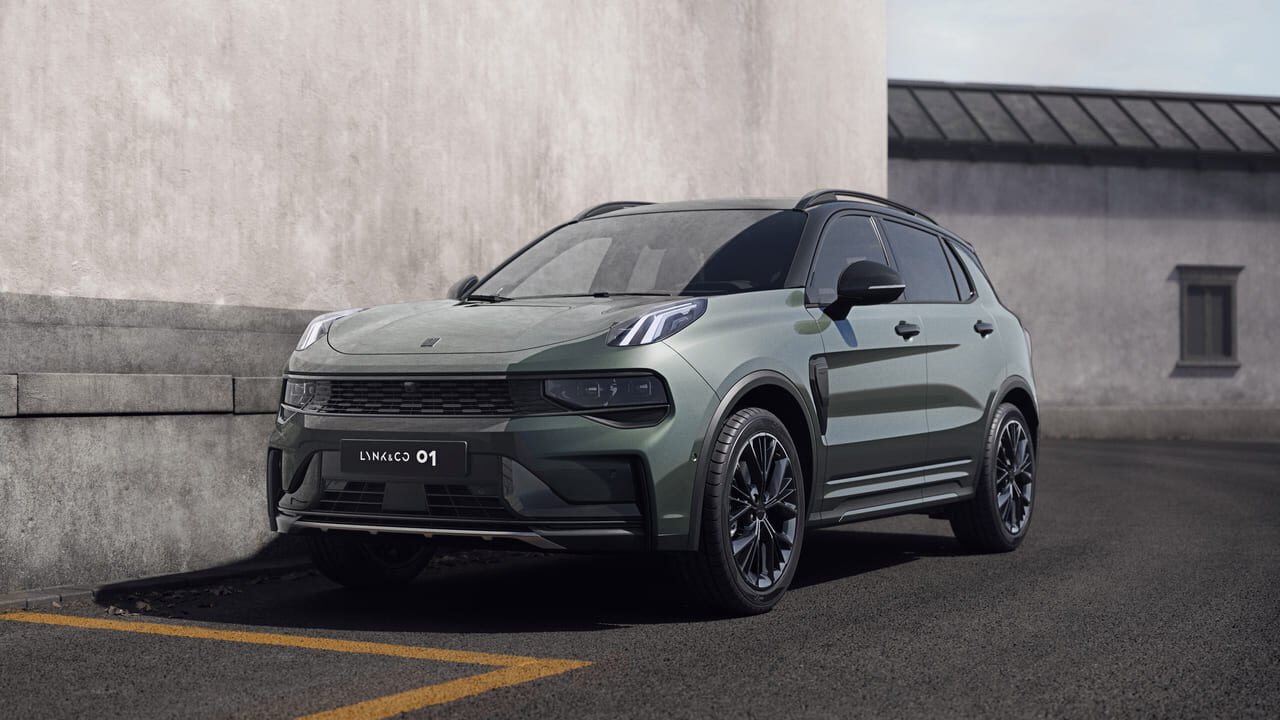
  • Geely (which owns Volvo/Lynk & Co) is closing the gap: in J.D. Power’s 2022 China VDS Geely ranked near established joint-venture outfits on PP100 metrics — proof that global engineering partnerships pay off.
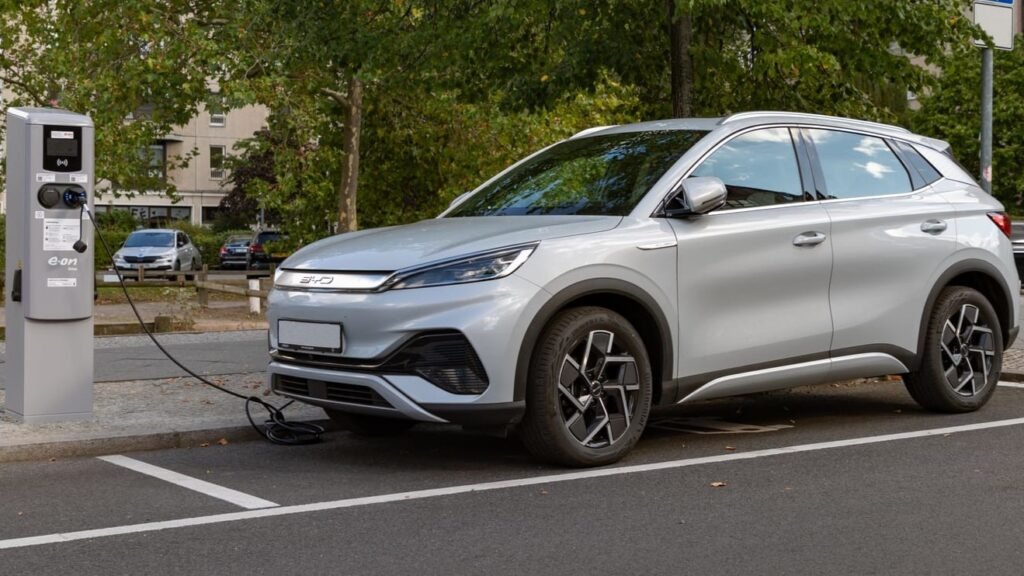
  • BYD: strong on volume, integration and early-life satisfaction; but even BYD has faced high-profile recalls (steering control/steering-unit fixes and other actions), showing scale doesn’t eliminate every quality risk. Reuters+1
  • Chery / Exeed: flashes of strong initial quality (J.D. Power IQS) but uneven dependability after a few years — classic symptom of fast design cycles without long feedback loops.
  • Great Wall Motor (Haval): early export scandals (including asbestos-gasket recalls in Australia) dented reputation; the company has improved, but those episodes linger in buyer memory.

What this means for buyers

  • If you want lowest risk over five-plus years, Toyota/Honda/Korean brands still lead on consistency; Chinese brands are worth considering for value and tech, but check long-term owner reports and warranty coverage.
  • For EV shoppers: expect strong early performance from BYD and others, but treat battery/steering/electronics recalls as part of the landscape; long-term battery life and software durability data are still emerging.

Lessons from Proton’s Downfall

Proton’s rise—and the stumble that followed—is a compact case study in how making your own hardware can go very wrong. Early Proton cars (Saga, Wira) were basically rebadged Mitsubishis and benefited from decades-proven Japanese engineering, which helped Proton win buyers at home and even in the UK.

Trouble began when Proton tried to go solo. Its home-designed models and CamPro engines (Waja, Gen-2, Exora) suffered quality and durability problems that Mitsubishi’s designs avoided, and consumer confidence fell fast. By 2008 Proton publicly courted Mitsubishi again to stabilise product planning — an admission that in-house tech wasn’t yet up to the job.

Three tight lessons for any OEM chasing independence:

  • Copying parts isn’t the same as mastering systems. You need supplier control, test rigs, and process discipline — not just CAD files.
  • Rushing new engines/features is risky. Quick rollouts without long validation produce exactly the recurring faults that destroy reputation.
  • Brand damage sticks. Once buyers label you unreliable, winning them back is brutal; Proton’s market share and image suffered for years.

Proton’s story also explains why savvy acquirers don’t rip out engineering teams overnight. Geely, for example, kept Volvo leading development on the CMA platform after the takeover — proof that building credibility means learning, not instant replacement.


Also Read:
Can Chinese SUVs be less reliable than Land Rover and Audi? We compare engine longevity, and maintenance costs in this reliability breakdown.


The Korean Lesson

Hyundai and Kia offer a roadmap for how a scrappy car industry can flip its reputation. In the 1970s–80s they learned by partnering with Japanese firms (the Pony used Mitsubishi tech; early Kias leaned on Mazda), but cheap, rushed models like the Excel left them known for low price and low reliability through the 1980s. The turnaround began in the late 1990s: Hyundai’s bold 10-year/100k-mile warranty forced internal accountability, spurred quality investments, and attracted global talent. Two decades of process fixes, R&D and warranty-driven feedback turned the Koreans into credibility machines — by 2016 both brands topped J.D. Power’s Initial Quality Study.

That playbook is exactly what many Chinese OEMs are copying — only faster. Key lessons they’re borrowing: hire global engineers, pour resources into test labs and supplier control, use long warranties to build trust, and iterate model-by-model rather than betting everything on one rollout. Geely’s buy-and-learn approach with Volvo and BYD’s vertical integration are modern examples of applying those lessons.

But the hard truth remains: fixing perception takes more than one hit product. Korea’s rise was a long, consistent campaign of better manufacturing, conservative tech rollouts and relentless warranty feedback loops. China’s makers are catching up in initial quality and tech wow-factor, yet the marathon — consistent dependability across multiple generations and markets — is still the final test. Keep watching platforms and long-term owner data, not just first-year headlines.

Why Buyers Still Hesitate

Perception lags progress. Even as many Chinese models improved assembly and tech, a big chunk of buyers still treat them as short-term buys — cheap up front, useful under warranty, then sold before the headaches start. That behavior depresses resale values: used buyers price in uncertainty about long-term durability, so trade-ins and private-sale prices often sit well below comparable Toyotas or Hondas.

Warranties fuel the “drive it while it’s covered” playbook. Generous 5–7 year policies reduce risk for first owners, but they only work if the aftersales network and parts supply are solid. Long parts delays or sparse service centers (the complaint often leveled at some European MG dealers and early Chinese exports) turn warranty promises into frustration — long downtimes, lost confidence, repeat buyers gone. That’s a reputation killer.

Lynk & Co 01
Lynk & Co 01

History shows perception can flip: Hyundai and Kia were once shunned on resale but rebuilt trust through rock-solid warranties, dealer investment, and years of consistent product improvement. Chinese brands need the same three things — reliable repairs, visible long-term performance, and repeatable quality across models — to shift public thinking from “cheap, disposable” to “real contender.”

Can Chinese Achieve Toyota-Level Durability?

The real question isn’t whether Chinese automakers can build great cars — it’s whether they’ll choose to. EVs give them a clean slate: fewer moving parts, no multi-gear transmissions, and a chance to win on battery and software reliability rather than legacy engine know-how. That plays to strengths like vertical integration and rapid iteration. But hardware simplicity isn’t a magic ticket — battery chemistry, thermal management, and software durability are hard problems that show up after years and hundreds of thousands of miles.

The bigger risk is mindset. If a maker treats models as short-life, flash-forward products, they’ll reinforce the “cheap and disposable” label. To beat Toyota-level longevity you need the boring stuff: conservative rollouts, long validation cycles, supplier discipline and aftersales networks that actually fix things fast. Do that consistently across generations and perception — and resale — will follow.

Expect divergence in the next 5–10 years: some Chinese brands will convert early buzz into real durability, others will remain novelty acts. The race is on, and one Chinese brand that proves decade-long reliability would reset the global pecking order.

Feel free to take your time browsing, and don’t forget to bookmark our homepage for updates down the line!


*Disclaimer: This website provides automotive content for informational purposes only and should not be considered professional advice. While we strive for accuracy, we do not guarantee the reliability or suitability of any vehicle or product mentioned—always conduct your own research before making purchasing decisions. Additionally, some links on this site are affiliate links, meaning we may earn a commission if you make a purchase, at no extra cost to you.
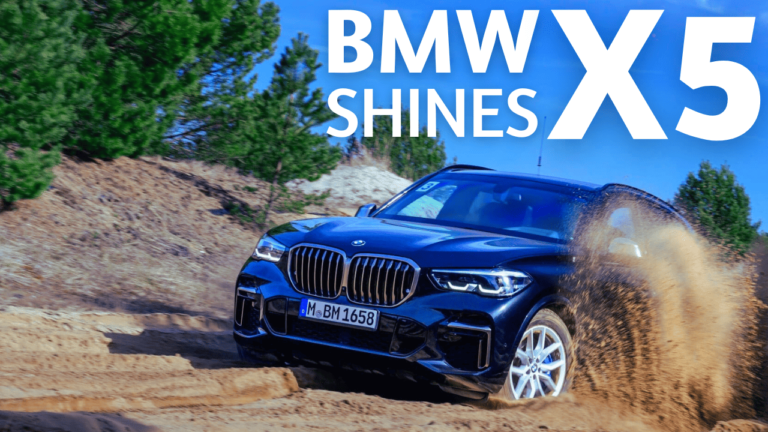
Why the BMW X5 Shines: Latest Tech, Hybrid Options & More

0

The 2024 BMW X5 is priced a little over $66,000 in the US and it’s the top-selling BMW in North America with more than 72,000 units flying off the shelves. That really shows how much people like this mid-sized luxury SUV. For 2024, the BMW X5 got a fresh look, along with its sibling the BMW X6, to keep up with the competition while still offering a great blend of luxury, performance, and cool tech. This updated model includes some cool upgrades that make the ride smoother, better infotainment options, and more fuel-efficient engine choices. Let’s dive into what makes this luxury SUV such a hit!

The 2024 BMW X5 at a glance

The X5 has been around for over 20 years, and it kicked off the whole “Sport Activity Vehicle” idea for BMW, blending the brand’s love for driving with family-friendly features. Each new version just makes things better. The 2024 X5 builds on the last model’s success by freshening up the design, adding cool tech, and making the powertrains more efficient. These upgrades meet what buyers expect nowadays: not just luxury and performance but also dependability and smart tech.

To stay ahead in the game against competitors like the Mercedes-Benz GLE and Audi Q7, the 2024 X5 needs to blend great handling with comfortable vibes and easy-to-use tech. Plus, it’s part of BMW’s bigger plan to go electric and enhance connectivity, keeping the brand relevant in today’s eco-conscious world.

Design Evolution: Exterior and Interior

Exterior Styling

Looking at the 2024 X5, you’ll notice some subtle but smart tweaks from the 2023 model. Here are the key changes:

  • Revised Kidney Grilles: A bit reshaped for a bolder front look. You can choose between painted or chrome trim depending on the package.
  • Sleeker Headlights: The new advanced LED or optional Laserlight tech helps with night visibility.
  • Taillight Tweaks: More defined L-shaped designs that echo BMW’s recent style.
  • M Sport Accents: Get sporty lower bumpers and blacked-out details with the performance packages.

Interior Refinements

Inside, the 2024 X5 keeps with the premium feel and a user-friendly layout:

  • Curved Display: It combines the digital dashboard and the main screen for a futuristic touch.
  • Dashboard Updates: Some small changes in button placement and vent designs make it look sleek.
  • Quality Upholestry: You can go for extended Merino leather or faux leather in the lower trims, plus real wood or aluminum accents for that extra upscale feel.

Overall, the 2024 X5 model makes some nice visual tweaks that elevate its classy vibe without losing that classic X5 charm.

Powertrain and Performance

Core Engine Choices

Here’s what you can expect with the engine options:

  1. xDrive40i: Probably sticks with a 3.0-liter turbo inline-six boosted by mild hybrid tech. Expect around 335 horsepower.
  2. xDrive50e (Plug-In Hybrid): This model ups the game with a bigger battery for more electric-only miles.
  3. M50i or M60i: These puppies pack a twin-turbo V8 for those who like to feel the power, hitting around 523 horsepower or more.

Transmission and All-Wheel Drive

  • 8-Speed Automatic (ZF): Known for smooth shifting and quick responsiveness, it matches BMW’s sporty nature.
  • xDrive AWD: Standard in most models, this gives you stability in wet conditions and some light off-roading.

Acceleration and Towing

The 2024 xDrive40i should hit 0-60 mph in about 5.3 seconds. It’s also capable of towing around 7,200 pounds, so it can handle a decent load.

Chassis, Handling, and Driving Dynamics

Balanced Ride

BMW’s knack for sporty driving shines through in the X5. The multi-link suspension and adjustable dampers keep it feeling agile, especially when cornering. It may not be a track car, but it’s definitely more composed than a lot of luxury SUVs out there.

Adaptive Suspension Options

Higher trims might come with an optional adaptive air suspension, letting you adjust the ride height. This is great for comfort on highways or mild off-roading, but it could complicate things if maintenance is needed later on.

Off-Road Capabilities

While it isn’t a hardcore off-roader like a Land Rover, the X5’s xDrive system combined with available air suspension gives you confidence on gravel and in bad weather. Owners usually feel secure in snow and rain.


Also Read:
Want to wash your BMW at home? Here’s a simple step-by-step guide for you. We’ll go over how often to wash it and what products to grab.


BMW X5 Interior

Interior Amenities and Tech Highlights

iDrive Infotainment

BMW’s iDrive just keeps getting better. With the 2024 X5, here’s what you’re getting:

  • Better Voice Commands: Now it understands natural language better for stuff like climate control.
  • Wireless Apple CarPlay/Android Auto: Standard on most models.
  • Over-the-Air Updates: This way, you can get software improvements or new features after you buy it.

Comfort and Seating

  • Choice of Two Rows or Third Row: Seats five comfortably, with a third row that’s more suitable for kids.
  • Heated, Ventilated, and Massaging Seats: Available on mid to upper trims.
  • Spacious Cargo Area: More than 30 cubic feet behind the second row, and it expands a lot with the seats down.

Advanced Safety Suite

Safety features like collision warnings, lane-keeping assist, adaptive cruise control, and blind-spot monitoring come either as standard or in reasonably priced packages. There’s also a possibility of upgrading to a next-gen Driving Assistant Professional, which offers partial self-driving capabilities.

Trim Levels and Pricing

There are a bunch of different trim levels based on the drivetrain. Here are the main ones:

Base (xDrive40i)

Prices start in the mid-$60,000s. You get an inline-six engine and cool features like synthetic leather, a big infotainment screen, dual-zone climate control, LED headlights, and rear wheel drive.

Plug-In Hybrid (xDrive50e)

This one kicks off a bit under $74,000 and goes up to about $87,800. It has way better electric range than older models and packs more horsepower, making it perfect for city driving while also having gas for those longer trips.

Performance (M60i or M50i)

These models are sitting in the mid-to-high $90,000 range. They come with a twin-turbo V8 that gives you amazing handling, bigger brakes, and a sporty vibe.

Options & Packages

BMW usually has a long list of options and packages. Check out some of them:

  • Luxury Seating Package: Comes with ventilated and massaging front seats.
  • Off-Road Package: Adds underbody protection and mechanical differentials.
  • Driver Assistance Package: Includes features for highway help and advanced safety checks.
  • M Sport Package: Comes with an M steering wheel and dark exterior trim for $2,750.

If you want a full list just hit up your local BMW dealer.

Fuel Efficiency and Hybrid Offerings

Gasoline Models

In real life, the xDrive40i usually gets around 22-25 mpg combined which is pretty good for a luxury midsize SUV that packs a lot of power. The V8 models get about 16-18 mpg combined.

xDrive50e (Plug-In Hybrid)

Now the xDrive50e is a different beast. It can give you between 35-40 miles on just electric power. This is perfect for your daily drives, and when you need to go a bit further, the gas engine kicks in to help you out.

Emissions Footprint

Switching to part-time or full electric can really cut down on emissions, especially when you’re driving around the city. Just remember that if you’re out of warranty, you might have to think about battery replacement and maintenance costs.

Reliability and Maintenance Considerations

Past Track Record

The X5 has had its share of complicated systems in the past that made folks wonder about how reliable it is. But now with some recent upgrades and keeping up with regular maintenance you’ll likely enjoy a smooth ownership experience. Consumer Reports rated the 2024 BMW X5 with a 3 out of 5 for reliability verdict which isn’t too shabby.

Maintenance Costs

RepairPal says the average repair cost is about $1,166. That’s pretty similar to other German cars like the Mercedes GLE and Audi Q7. But when you look at the Lexus RX, it’s way cheaper, costing nearly half that amount according to the site.

Comparisons to Key Competitors

Mercedes-Benz GLE

Mercedes-Benz GLE

It has a similarly plush interior and a great tech system. But the GLE is more about comfort, while the X5 leans towards performance.

Audi Q7 or Q8

Audi offers a great Quattro system and high-quality cabins that can go toe-to-toe with the X5. The Q7 works well for those needing third-row seating, but many find the X5’s iDrive tech more user-friendly.

Lexus RX

If you want unshakeable reliability and lower maintenance costs, the redesigned Lexus RX is a solid option. But it lacks the sporty driving fun and performance focus of the X5.

Owners Impressions and Feedback

Owners love the X5 for its:

  • Driving Feel: Great balance and precise steering.
  • Cabin Comfort: Comfy seats and high-end materials.
  • Infotainment: The iDrive system is easy to use and connects well.

However, they do have concerns about:

  • Maintenance Costs: Unexpected repairs post-warranty can get pricey.
  • Electronics: Occasionally need updates that require visiting the dealer.

It’s likely these trends will continue into 2024. Fans who stick to recommended services often find they can enjoy a smooth experience.

BMW X5 Reliability

Conclusion: Is the 2024 BMW X5 Worth It?

You can’t deny that the 2024 BMW X5 really makes a mark in the luxury SUV world. It mixes sporty performance with a fresh new look and cutting-edge tech. If you’re looking for a sleek interior, a powerful engine lineup, and a touch of prestige, the X5 is definitely a top choice. Just keep in mind that owning a fancy car can mean higher maintenance costs, but with good care and some warranties, you can lighten that load a bit.

Bottom Line: If you want a sporty SUV packed with modern features, you should definitely check out the 2024 X5. But if you’re all about rock-solid reliability and keeping maintenance costs low, you might want to look at the Lexus RX or even the Korean Genesis GV80. In general, BMW has really honed the X5 over the years, and it looks like the 2024 version is carrying on that strong tradition.


If you enjoyed this post check out our article “Top BMW X Models: Here Are The Most Dependable Choices“ Explore our site for in-depth car reviews handy buying tips and the latest news in the car industry. Take your time to look around and don’t forget to save our homepage for updates later!


*Disclaimer: This website provides automotive content for informational purposes only and should not be considered professional advice. While we strive for accuracy, we do not guarantee the reliability or suitability of any vehicle or product mentioned—always conduct your own research before making purchasing decisions. Additionally, some links on this site are affiliate links, meaning we may earn a commission if you make a purchase, at no extra cost to you.
2022 Ford Bronco Reliability: Is It A Reliable Off-Road SUV?

The Ford Bronco back on the road since 2021 after being gone for 25 years has really caught people’s eyes as a top off-road SUV. It’s up against tough competitors like the Jeep Wrangler, Toyota 4Runner, and Land Rover Defender but what sets the Bronco apart is its tough performance, cool tech, and options to personalize it. But you might be wondering how it holds up with things like reliability over time, maintenance costs, and common issues.

This article is here to give you some good insights about how the Ford Bronco stacks up in terms of reliability ratings, possible mechanical problems, and what it costs to own, pulling information from sources like J.D. Power, Consumer Reports, RepairPal, and NHTSA.

Reliability Scores from Credible Sources

SourceReliability Score (Out of 100 or 5)Category
J.D. Power77/100“Average”
Consumer Reports2/5#6 out of 10
RepairPalNo score yet
NHTSA RecallsMultiple Recalls Reported“Moderate Concerns”

J.D. Power: 77/100 Reliability Rating

J.D. Power rates the Ford Bronco at a score of 77 out of 100, which puts it in the “Average” range. It’s pretty solid when it comes to off-road toughness and the reliability of its drivetrain. However, there have been some complaints about how responsive the transmission is and problems with some of the electronic features.

Consumer Reports: 2/5 Rating

Consumer Reports gives the Bronco a below average rating of 2 out of 5 for reliability. Even though they point out its good drivability, sturdy frame, tough capability, and decent resale value. But some owners are mentioning issues like early wear on the transmission, rattling roof panels, and problems with the infotainment system.

RepairPal: 3/5 Rating

RepairPal gave the 2022 Bronco a 3 out of 5 rating. They mentioned that on average, you’ll spend about $502 a year on repairs for the Bronco. That’s pretty similar to what you’d pay for a Toyota 4Runner but a bit less than a Jeep Wrangler. They pointed out 15 common problems that folks have faced. The top issues include a “no-start” situation because of ignition module failure and a broken EGR system tube that can cause exhaust leaks under the hood.

NHTSA Recalls and Safety Concerns

The National Highway Traffic Safety Administration (NHTSA) has put out 11 recalls for the 2022 Bronco. Four of those were made in the same year which raises some eyebrows and makes it seem like Ford might’ve rushed the Bronco to market without thorough testing. Here’s a closer look at the other recalls for this model.

  1. Rear Shock Absorber Reservoir May Detach (January 2025)
  2. Engine Intake Valves May Break (August 2024)
  3. Incorrect Load Carrying Capacity/FMVSS 110 (May 2023)
  4. Seat Belt Latch Difficult to Access/FMVSS 208 (May 2023)
  5. Rearview Camera Malfunction/FMVSS 111 (March 2023)
  6. Steering Wheel May Lock-Up While Driving (March 2023)
  7. Loose Bolt in Transmission May Cause Rollaway (February 2023)
  8. Improperly Secured Side Impact Sensors (December 2022)
  9. Rearview Camera Malfunction/FMVSS 111 (November 2022)
  10. Inadequate Front Windshield Bonding/FMVSS 212 (June 2022)
  11. Child Safety Lock Malfunction (June 2022)

On the other hand the 2023 Bronco has 9 recalls, one of them is a serious recall that comes with a “Do Not Drive” warning. It’s about improperly tightened wheel lug nuts. If those lug nuts are loose, your wheel could come off while you’re driving, which is a big safety issue. So, if your vehicle hasn’t been fixed yet, it’s better to play it safe and not drive it. Here are the list of recalls

  1. Rear Shock Absorber Reservoir May Detach (January 2025)
  2. Child Safety Lock Malfunction (March 2024)
  3. Rear Glass Panels May Detach (February 2024)
  4. Unsecured Transmission May Cause Rollaway (August 2023)
  5. Incorrect Load Carrying Capacity/FMVSS 110 (May 2023)
  6. Seat Belt Latch Difficult to Access/FMVSS 208 (May 2023)
  7. Improperly Tightened Wheel Lug Nuts (April 2023)
  8. Steering Wheel May Lock-Up While Driving (March 2023)
  9. Loose Bolt in Transmission May Cause Rollaway (February 2023)

The 2024 Bronco in comparison has only 4 recalls so farl:

  1. Rear Shock Absorber Reservoir May Detach (January 2025)
  2. Loss of Steering from Front Control Arm Separation (October 2024)
  3. Child Safety Lock Malfunction (May 2024)
  4. Rear Glass Panels May Detach (February 2024)

Looks like almost every version of the Ford Bronco has a pretty long list of safety recalls. The 2023 Ford Bronco stands out with the most problems, so it might be a good idea to steer clear of that one unless you really want it for some reason. If you’re curious about recall dates and stuff, be sure to check out the NHTSA website for more details.

Common Issues with the Ford Bronco

Common Issues with the Ford Bronco

While the 2022 Bronco excels in off-road capability, it has several known reliability concerns reported by owners and mechanics:

1. Transmission & Gearbox Issues

  • The 10-speed automatic transmission is prone to hard shifts, delayed engagement, and occasional slipping.
  • Some manual transmission models exhibit clutch wear issues sooner than expected.

2. Roof Panel Rattling & Water Leaks

  • Hardtop models sometimes experience roof panel detachment at highway speeds.
  • Water leaks around the A-pillars and rear windows have been reported.

3. Infotainment & Electrical System Malfunctions

  • SYNC 4 infotainment may freeze, reboot randomly, or experience lag.
  • Some owners report intermittent failures with adaptive cruise control and lane-keeping assist.

4. Engine Cooling & Overheating Risks

  • The 2.7L EcoBoost V6 has sporadic cooling system failures, leading to overheating concerns.
  • Some turbocharged models experience boost leaks due to hose clamp failures.

5. Suspension & Steering Concerns

  • Early models reported loose front suspension components, affecting alignment and handling stability.
  • Steering rack failures have been noted in high-mileage off-road driven models.

Maintenance and Ownership Costs

Owning a 2022 Ford Bronco comes with higher-than-average upkeep costs, particularly if used for off-road adventures. Below is an estimated breakdown of expected service costs:

Service TypeEstimated CostFrequency
Oil Change$100–$200Every 7,500 miles
Brake Pad Replacement$400–$700Every 40,000 miles
Transmission Service$600–$1,000Every 60,000 miles
Cooling System Flush$300–$600Every 50,000 miles
Roof Panel Inspection$150–$400As Needed
Ford Bronco Worth Buying

Is the Ford Bronco Worth Buying?

Pros

  • Superior Off-Road Capability – Built for rugged terrain with advanced 4×4 systems.
  • Retro-Inspired Styling – Unique design that stands out in the SUV market.
  • Strong Resale Value – Retains value better than many competitors.
  • Spacious & Versatile – Ample cargo and seating space for a midsize SUV.

Cons

  • Transmission & Gearbox Quirks – 10-speed automatic can be rough at times.
  • Roof Panel Rattling – Hardtop issues persist in some early models.
  • Higher Maintenance Costs – More expensive than Toyota and some Jeep models.

Final Verdict

The 2022 Ford Bronco is a really cool off-road SUV that offers great style, performance, and tough durability. But when it comes to reliability, it’s still getting there. Some common hiccups include early transmission problems, roof panel issues, and bugs in the infotainment system.

If you’re thinking about buying a used Bronco, make sure to check for regular service records. It’s a good idea to steer clear of the first-year models from 2021 due to reliability issues and the 2023 model because of some safety concerns—unless you find one that’s already fixed those safety problems. There are definitely better options out there like the new Toyota Land Cruiser, but the Bronco, with its classic look and history, might still attract some buyers even with the negatives. Just remember that getting updates from the dealer can really help with long-term reliability.


Hey there! If you liked this post, you’ll probably love our article on the “Top 10 Longest Lasting SUVs You Can Buy Today.” We’ve got tons of car reviews, buying tips from experts, and the latest news from the industry. Take a few minutes to check out what we have to offer and don’t forget to save our homepage in your bookmarks for more cool stuff down the line!


*Disclaimer: This website provides automotive content for informational purposes only and should not be considered professional advice. While we strive for accuracy, we do not guarantee the reliability or suitability of any vehicle or product mentioned—always conduct your own research before making purchasing decisions. Additionally, some links on this site are affiliate links, meaning we may earn a commission if you make a purchase, at no extra cost to you.
Is the 2024 Subaru Crosstrek a Reliable AWD SUV? Expert Insights

The Subaru Crosstrek is a favorite among subcompact SUVs and is well-liked for its all-wheel-drive feature, good gas mileage, and tough build quality. It goes up against rivals like the Honda HR-V, Toyota Corolla Cross, and Mazda CX-30, making a name for itself with those who love adventure as well as daily city drivers. But you might be wondering how it stacks up when it comes to long-term reliability, maintenance costs, and common problems.

This article gives you a quick peek at the 2024 Crosstrek’s reliability ratings, possible mechanical issues, and what you might spend on ownership, pulling info from sources like J.D. Power, Consumer Reports, RepairPal, and the NHTSA.

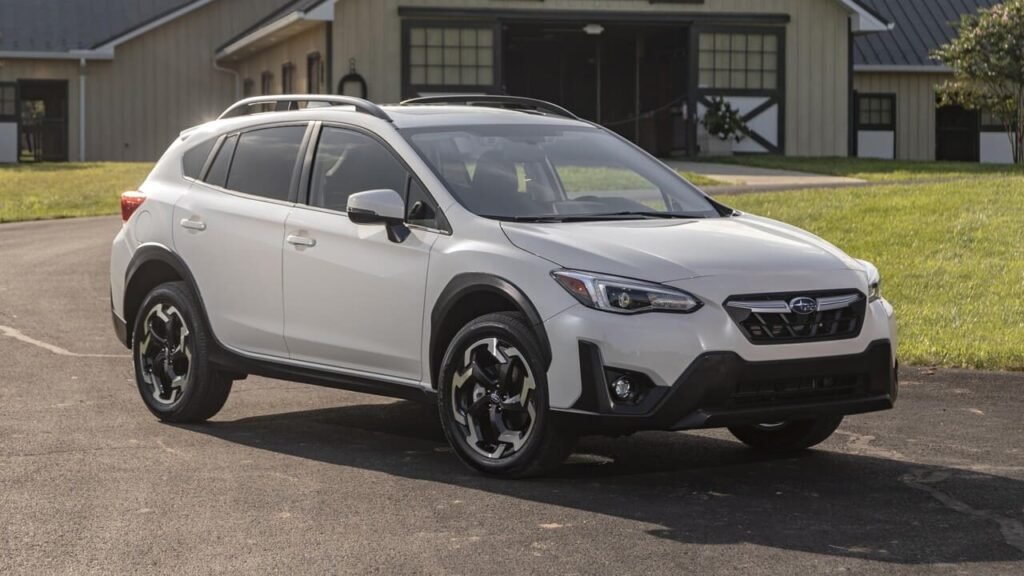
2024 Subaru Crosstrek

Reliability Scores from Credible Sources

SourceReliability ScoreCategory
J.D. Power85/100“Great”
Consumer Reports4/5“CR Recommended”
RepairPal4.5/5“Excellent”
NHTSA Recalls1 Recall for the 2021 model

J.D. Power: 78/100 Reliability Rating

J.D. Power rates the 2024 Subaru Crosstrek at 85 out of 100, which puts it in the “Great” category. It gets good marks for how long the powertrain lasts, safety features, and fuel efficiency, although there are a few small issues with how the transmission performs.

Consumer Reports: 4/5 Rating

Consumer Reports rated the 2024 Crosstrek a solid 4 out of 5 for reliability and even gave it a CR recommended badge. They pointed out its tough AWD system, great resale value, and safety features. That said, some owners have mentioned experiencing infotainment glitches and some hiccups with the CVT transmission from time to time.

RepairPal: 4.5/5 Rating

RepairPal gives the Crosstrek a high reliability score of 4.5 out of 5 and puts it at the top among 26 compact SUVs. They mention that the average yearly maintenance cost is about $429, which makes it one of the more budget-friendly options in its category.

NHTSA Recalls and Safety Concerns

The National Highway Traffic Safety Administration or NHTSA has put out just one recall for the 2021 Crosstrek. This recall dropped on November 9, 2023, for a problem where a switch failure might cause you to lose the rearview image. So far, there haven’t been any recalls for the newer models.

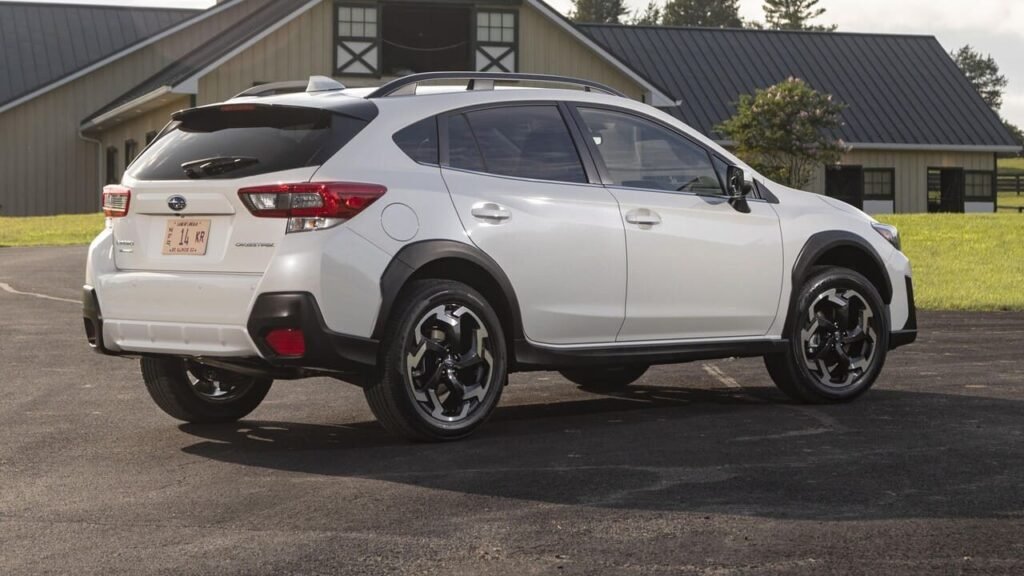
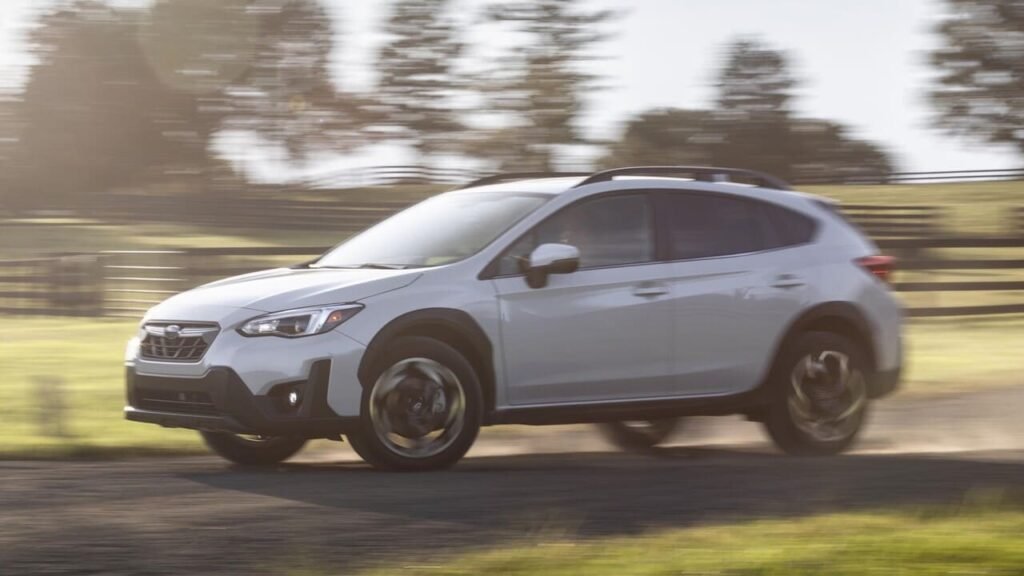
2024 Subaru Crosstrek rear

Common Issues with the Subaru Crosstrek

While the 2024 Crosstrek is regarded as a reliable SUV, there are a few common concerns that owners and mechanics have noted about the Crosstrek reliability:

1. Continuously Variable Transmission (CVT) Concerns

  • Some Crosstrek models equipped with the CVT experience shuddering, jerky acceleration, or delayed response.
  • Subaru has extended warranties for CVT-related repairs on certain model years.

2. Windshield Cracking Issues

  • Owners report unexpected windshield cracks developing due to weak glass quality.
  • Subaru has acknowledged this issue in certain recalls.

3. Infotainment System Malfunctions

  • Some users experience freezing, slow response times, or touchscreen malfunctions.
  • Software updates from Subaru dealerships usually resolve these issues.

4. Weak Battery Life

  • So far Crosstrek models from 2018–2021 have reported early battery failures, requiring premature replacements.
  • Upgrading to a higher-quality battery reduces long-term issues.

5. Oil Consumption in Early Models

  • Pre-2018 models with the 2.0L Boxer engine had higher-than-average oil consumption, so 2024 model should be free of this issue.
  • Later models saw improvements after engine updates from Subaru.

Maintenance and Ownership Costs

Owning a Subaru Crosstrek is relatively inexpensive compared to luxury or performance SUVs. Below is an estimated breakdown of routine service costs:

Service TypeEstimated CostFrequency
Oil Change$80–$150Every 6,000 miles
Brake Pad Replacement$300–$500Every 40,000 miles
CVT Transmission Service$400–$700Every 60,000 miles
Battery Replacement$150–$300Every 3–5 years
Windshield Repair$250–$500As Needed
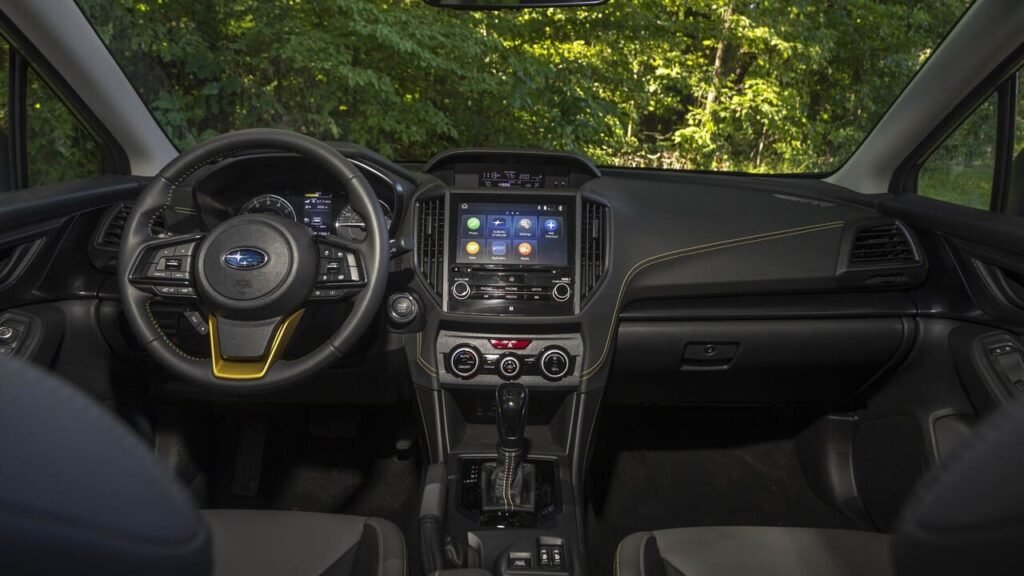
2024 Subaru Crosstrek Interior

Is the Subaru Crosstrek Worth Buying?

Pros

  • Excellent Fuel Economy – One of the most fuel-efficient AWD SUVs.
  • Standard AWD System – Better traction in all weather conditions.
  • Low Ownership Costs – Affordable maintenance and high reliability.
  • Strong Resale Value – Holds value better than most subcompact SUVs.

Cons

  • CVT Transmission Concerns – Can exhibit slow response or jerking.
  • Windshield Durability Issues – Prone to cracking under minor impacts.
  • Infotainment System Bugs – Requires occasional software updates.
Subaru Crosstrek is super reliable

Final Verdict

The 2024 Subaru Crosstrek is known for being super reliable, fuel-efficient, and a solid AWD SUV. It’s a great pick for anyone who loves adventures or just needs a car for daily drives. Plus, it has some of the lowest upkeep costs in its class and holds its value really well, which is a big win. Just a heads up for those thinking about buying one, you might want to check the CVT transmission and the windshield quality if you’re looking at older models. 

If you’re thinking about getting a used Crosstrek, it’s definitely a smart idea to go for a certified pre-owned (CPO) model that comes with an extended powertrain warranty.


If you liked this post, you might want to check out our article titled “Best Crossovers With Best MPG: Top Picks for 2025.” 

Feel free to dive into our site for in-depth car reviews, easy buying guides, and the latest updates from the auto world. There’s a ton of info to keep you in the loop, so take a look around and don’t forget to bookmark our homepage for the next time you want to catch up!


*Disclaimer: This website provides automotive content for informational purposes only and should not be considered professional advice. While we strive for accuracy, we do not guarantee the reliability or suitability of any vehicle or product mentioned—always conduct your own research before making purchasing decisions. Additionally, some links on this site are affiliate links, meaning we may earn a commission if you make a purchase, at no extra cost to you.

2024 Jeep Compass Reliability: Is it a Reliable Compact SUV?

Reliability of the Jeep Compass is a big talk among Jeep lovers. On one hand you have the Compass with its rugged look cool tech and that classic Jeep feel that comes with the name. But then you have folks who are curious if this smaller Jeep really meets the tough reputation or if it’s just gonna end up giving you pricey repairs like some reliability studies say like the one from Consumer Reports.

In this post we’re gonna break down this discussion and share some maintenance tips to help you decide if the Jeep Compass is right for you.

A Brief Overview of the Jeep Compass

The Compass made its debut in Jeep’s lineup back in 2007. It was aimed at those looking for that classic Jeep adventurous vibe but in a smaller and more fuel-efficient ride than the Wrangler or Grand Cherokee. Since then, it’s seen a lot of changes in both design and mechanics, especially with the current model that came out in 2017. Jeep wanted this compact SUV to sit nicely between the smaller Renegade and the bigger Cherokee, offering a great look, decent off-road skills, and all the latest tech.

Where It Fits

  • Segment: Compact crossover SUV
  • Rivals: Subaru Crosstrek, Mazda CX-30, Hyundai Tucson, and Honda HR-V (among others)
  • Key Selling Points: Distinctive Jeep styling, optional four-wheel drive, comfortable seating for four adults.

Even with Jeep’s rich history in off-roading, the Compass is really more about everyday driving, though it can handle some light off-roading now and then. Over the years, its reliability has been hit or miss.

Why the Compass Appeals to Buyers

1. Jeep Heritage in a Manageable Size

Not everyone wants a large, gas-guzzling SUV like the Grand Cherokee. The Compass meets the demand for a compact, city-friendly vehicle that can still handle the occasional unpaved trail or adverse weather conditions. Its styling cues—boxy silhouette, seven-slot grille—make it immediately recognizable as a Jeep.

2. Feature-Packed Modern Interiors

Recent Compass models come with Uconnect infotainment, Apple CarPlay, Android Auto, available panoramic sunroofs, heated seats, and advanced safety aids like lane-departure warning or adaptive cruise control. These features cater to drivers who want up-to-date technology without the price tag of more upscale SUVs.

3. Competitive Pricing

The Compass is priced below other Jeep models like the Cherokee and Wrangler. This relatively approachable MSRP entices younger buyers or those seeking a second family vehicle. Even so, owners must be mindful of reliability concerns and ownership costs.

Common Reliability Concerns

The earlier version was built on a platform shared with the sturdy Mitsubishi Outlander. However, the latest generation is a Jeep creation that shares components with the Fiat 500X, which hasn’t exactly ranked high in reliability. We think that’s where those lower reliability scores come from. Below are the most commonly cited concerns:

1. Transmission Problems

  • Symptoms: Rough shifting, delayed engagement, or sudden gear “hunting.”
  • Potential Cause: The Compass has used a mix of CVTs (Continuously Variable Transmissions) and traditional automatics in various model years. Early CVT-equipped models were notorious for subpar durability.

2. Electronic Glitches

  • Symptoms: Infotainment freezing, random dashboard warning lights, or power window malfunctions.
  • Potential Cause: Software bugs in Uconnect systems or compromised wiring harnesses.

3. Premature Wear on Suspension Components

  • Symptoms: Clunking noises, uneven tire wear, or sloppy handling.
  • Potential Cause: Lower-grade bushings in earlier generations, plus the added stress from rough roads or mild off-roading.

4. Engine Stalling or Rough Idle

  • Symptoms: Random stalling at stoplights or hesitating on acceleration.
  • Potential Cause: Faulty sensors (e.g., crankshaft position sensor), throttle body carbon buildup, or sporadic ECM software issues.

Even though these issues can be annoying, a lot of them can be eased with regular upkeep and new parts. Jeep has also rolled out some updates to fix known problems.


Also Read:
How is the Jeep Grand Cherokee reliability? We analyze ratings, common issues, and how it compares to rivals like the 4Runner, Explorer, and Passport.


Model-Year Differences and Notable Changes

First-Generation (2007–2016)

The early models got some flak for their cheap interiors and clunky CVTs along with not being very good for off-roading. But a big update in 2011 made things better by upgrading the materials inside and introducing a “Trail Rated” version for those who wanted to hit the trails.

Key Milestones:

  • 2011 Refresh: Updated styling, better interior quality.
  • Trail Rated Compass: Gained improved ground clearance and skid plates, though still overshadowed by the Wrangler in serious off-road scenarios.

Second-Generation (2017–Present)

The second-gen Compass hit the global market in late 2016 and takes some design inspiration from the Grand Cherokee. It has a fresher look, the inside feels much nicer than before, and it comes with better tech features as standard..

Key Improvements:

  • Upgraded Infotainment: Uconnect system with user-friendly interface.
  • Enhanced Powertrain: 2.4L Tigershark engine mated to either a 6-speed manual, 6-speed automatic, or 9-speed automatic.
  • Safety Features: Lane-departure warning, forward collision mitigation, blind-spot monitoring available.

Despite the improvements in powertrain compared to the first-gen, owners still report sporadic transmission or electronic gremlins.

Engine Options and Drivetrain Variants

Powertrains

  • 2.4L Tigershark I4: Common across multiple FCA (Stellantis) vehicles. Offers around 180 horsepower.
  • 1.3L Turbo (Select Global Markets): Some regions see a smaller turbo engine, focusing on efficiency.

Transmission Choices

  • 6-Speed Manual: Rare, typically found in base trims or certain global markets.
  • 6-Speed Automatic: More common in lower or mid-level trims. Reasonably reliable.
  • 9-Speed Automatic: Found in higher trims. Offers better fuel economy but known for shift-related quirks.

Front-Wheel Drive vs. All-Wheel Drive

  • FWD: Improves fuel efficiency. Recommended for urban drivers with mild climates.
  • Jeep’s Active Drive AWD: Engages the rear wheels on demand, beneficial for wet or snowy roads. Trailhawk models come with a more advanced 4×4 system, though still limited compared to a Wrangler.

Build Quality and Interior Durability

Cabin Materials

Earlier Compass models faced criticism for hard plastics and lackluster fit. The second-gen refresh introduced more soft-touch surfaces, better seat materials, and improved switchgear. Owners praise the current model’s interior as comfortable and visually appealing—though it may not match the premium feel of high-end compact SUVs.

Exterior Build

Panels, paint quality, and rust resistance have generally improved over the model years. Some owners note minor paint chipping on heavily used, off-road style Compass models, but widespread corrosion issues haven’t been a major concern.

Longevity of Interior Tech

Electronics in modern vehicles are a double-edged sword. The Compass’s Uconnect is regarded as user-friendly, but owners do mention periodic software updates are necessary. Ensuring the infotainment system is up-to-date helps reduce freeze-ups or reboots.

Ownership Costs and Maintenance

Routine Maintenance

  • Oil Changes: The recommended interval is roughly every 5,000 to 7,500 miles for conventional oil, though many owners use synthetic for extended intervals.
  • Transmission Services: If you have the 9-speed automatic, timely fluid changes are crucial to avoid shift hesitation and potential mechanical failures.
  • Brake & Suspension Checks: The Compass’s smaller braking system may wear faster, especially if frequently driven in stop-and-go conditions.

Repair Costs and Extended Warranties

  • Common Repairs: Transmission repairs can cost anywhere from $1,000 to $3,000 depending on the severity. Electronic module replacements, like a body control module, may cost several hundred dollars.
  • Warranty Coverage: Jeep typically offers a 3-year/36,000-mile basic warranty and a 5-year/60,000-mile powertrain warranty in the U.S. Extended warranties might be worth considering if you plan on keeping the Compass beyond that window.

Fuel Economy

  • FWD Models: Typically see a few mpg better than AWD models, averaging in the mid-20s combined.
  • AWD/4×4 Models: Expect a slight drop, especially in city driving.

What Owners Are Saying

Positive Experiences

  • Practical Size: Ideal for tight city streets but still comfortable for highway trips.
  • Stylish Exterior: Jeep’s signature design language attracts attention.
  • Comfortable Ride: The second-generation Compass’s suspension is tuned for daily comfort.

Negative Experiences

  • Transmission Jerks: The 9-speed automatic is frequently cited for harsh shifting.
  • Check Engine Lights: Owners mention random misfires or sensor failures leading to repeated visits to the dealership.
  • Underpowered Feeling: Some find the 2.4L engine lacking torque, especially at higher speeds or on steep inclines.

Despite these complaints, the majority of owners who keep up with maintenance find the Compass adequate for daily use.

Tips for Maximizing Compass Reliability

  1. Stay on Top of Fluids: Transmission, brake, and coolant fluids degrade over time.
  2. Regular Software Updates: Keep Uconnect and engine control modules up to date.
  3. Use Quality Parts: Cheap aftermarket components can exacerbate mechanical woes.
  4. Consider an Extended Warranty: May offset potential large repair bills.
  5. Drive Gently: Aggressive driving can wear out the transmission and suspension prematurely.

Alternatives to the Jeep Compass

If the Compass’s reliability reputation or driving experience doesn’t fit your needs, consider these competitors:

  • Subaru Crosstrek: Renowned AWD system, robust reliability, though with less interior space.
  • Mazda CX-30/CX-5: Excellent driving dynamics, upscale interiors.
  • Toyota RAV4: Class-leading reliability, broader model lineup, but somewhat bland styling.
  • Honda HR-V or CR-V: Time-tested reliability, comfortable ride, though less off-road flair.

Final Verdict: Is the Compass a Good Buy?

The Jeep Compass is a solid option if you’re after an SUV that has that classic Jeep look and can handle some light off-roading while still being compact. But we have to be honest about a few things:

  • Transmission quirks (especially in the 9-speed automatic)
  • Electronic gremlins if not regularly updated
  • Mixed resale value depending on the SUV’s condition and maintenance history

We actually put the Compass on our list of the top 10 overrated SUVs. If you’re thinking about getting one, you might want to check out the Subaru Crosstrek instead. It’s worth reading that article for more info.

That said, if you’re a fan of Jeep’s style and need decent 4×4 capability, and don’t mind keeping up with regular maintenance, the Compass can still be a reliable ride. But if what you really need is ultimate reliability or more power, you might want to look at other brands that are known for their solid engineering, like the Honda HR-V or Mazda CX-30. You could also think about a bigger Jeep that has a good track record.


If you found this post helpful, you might also enjoy our article, “Top 10 Longest Lasting SUVs You Can Buy Today.” Explore more of our site for expert car reviews, buying guides, and the latest industry insights. There’s plenty to keep you informed, so take a look around and bookmark our home page for future updates!


*Disclaimer: This website provides automotive content for informational purposes only and should not be considered professional advice. While we strive for accuracy, we do not guarantee the reliability or suitability of any vehicle or product mentioned—always conduct your own research before making purchasing decisions. Additionally, some links on this site are affiliate links, meaning we may earn a commission if you make a purchase, at no extra cost to you.

GMC vs Cadillac vs Buick: Which One Is the True Luxury and Which One Is Not?

General Motors has a long history of brands, some of which have faded over time. Not too long ago, its portfolio included Oldsmobile, Geo, Pontiac, and Saturn, among others. However, as of today, GM’s lineup consists of Chevrolet, GMC, Cadillac, and Buick, each catering to different segments of the market.

From mainstream vehicles to premium trucks and SUVs, and even luxury models, GM offers a diverse range of options. However, many of these vehicles share platforms and drivetrains, such as the Chevy Tahoe, GMC Yukon, and Cadillac Escalade, making the choice between them more about branding, features, and pricing.

In this article, we compare GM’s key sub-brands, breaking down their core value propositions to determine which models offer true luxury and which lean more toward functionality or near-premium appeal.

A Brief History of GM’s Four Brands: Chevrolet, GMC, Cadillac & Buick

Chevrolet:

  • Origins: Founded in 1911 by Louis Chevrolet and William C. Durant.
  • Core Focus: Mainstream, affordable cars, trucks, and SUVs.
  • Global Reach: Offers everything from small economy cars (Spark) to electric vehicles (Bolt) and full-size trucks (Silverado).

GMC:

  • Origins: Traces back to the Grabowsky Motor Company (1900), integrated into GM in 1909.
  • Core Focus: Trucks, commercial vehicles, and SUVs with a focus on “professional grade”.
  • Denali Sub-Brand: GMC’s step into upscale territory.

Cadillac:

  • Origins: Established in 1902, known as the “Standard of the World” for American luxury.
  • Core Focus: Luxury sedans, crossovers, and high-performance “V-Series” models.
  • Historic Milestones: Early adopters of electric starters, iconic tailfin designs in the 1950s, and the legendary Escalade SUV.

Buick:

  • Origins: Founded in 1899, recognized as the oldest active American automaker.
  • Core Focus: Near-luxury or premium vehicles.
  • Notable Twist: Buick nearly faced discontinuation but was saved by strong sales in China.

GM’s long-term strategy is to assign each brand a niche: Chevrolet for affordability, GMC for premium utility, Cadillac for top-tier luxury, and Buick for near-luxury comfort.

Platform Sharing: How Chevy Influences GMC & Cadillac

One key aspect of GM’s structure is platform sharing—a single chassis or powertrain used across multiple brands. For instance:

  • Chevrolet Tahoe & Suburban share underpinnings with GMC Yukon and Cadillac Escalade.
  • Chevrolet Silverado shares its platform with GMC Sierra.
  • Many Buick crossovers use the same architecture as Chevrolet’s midsize or compact SUVs.
Chevrolet Suburban

The Suburban is one of the many vehicles that GM shares among its brands like Chevrolet, GMC, and Cadillac. But when it comes to discussions, most people tend to compare Chevrolet vs GMC since they used to share the same name back in the eighth generation with the GMT400.

Why Platform Sharing Matters

  1. Cost Efficiency: GM reduces R&D and manufacturing costs.
  2. Brand Differentiation: While the frame may be the same, the interiors, styling, and tech packages vary by brand.
  3. Quality Consistency: Shared mechanicals can mean similar reliability, but brand-specific features can set them apart in feel and luxury.

In other words, a Chevrolet Tahoe and a Cadillac Escalade might drive similarly, but the Escalade exudes far more opulence.

Brand Identity & Positioning

Chevrolet: “Mainstream & Diverse”

  • Target Audience: Budget-conscious families, first-time car buyers, fleet operators.
  • Brand Image: All-American, practical, reliable. The “heart of GM” with the broadest lineup.
  • Luxury Signaling: Minimal, though high-trim pickups and SUVs approach near-luxury levels.

GMC: “Professional Grade”

  • Target Audience: Buyers needing robust trucks and SUVs but wanting a bit more refinement.
  • Brand Image: Rugged yet premium, especially with Denali sub-brand.
  • Luxury Signaling: Denali competes with Ford’s Platinum or Ram’s Limited trims but doesn’t reach ultra-luxury.

Cadillac: “American Luxury & Performance”

  • Target Audience: Luxury car buyers, especially those appreciating American heritage.
  • Brand Image: Bold, technologically advanced, with emphasis on design.
  • Luxury Signaling: Escalade, CT5, and V-series performance models attempt to rival European and Japanese premium marques.

Buick: “Premium Comfort & Quiet Luxury”

  • Target Audience: Buyers seeking a quieter, more refined experience than Chevy but not full-blown opulence.
  • Brand Image: Historically “older demographic” but pivoting to a younger set with crossovers.
  • Luxury Signaling: Interiors with soft-touch materials, hush-quiet cabins, but less extravagant than Cadillac.

Design & Luxury Elements

Exterior Styling

  • Chevrolet: Functional, approachable, wide variety.
  • GMC: Bold grilles, truck-focused muscular lines, upmarket Denali touches.
  • Cadillac: “Art & Science” angular design, vertical LED headlights, large presence.
  • Buick: Subdued elegance, smooth lines, less aggressive than GMC or Cadillac.
Tahoe vs Escalade

The design of the Escalade and Tahoe might seem pretty alike these days since they both have those big digital screens on the dashboard. But there are some key differences you’ll notice. Cadillac tends to use nicer materials like real wood and leather, while Chevrolets often use plastic. Still, on some higher-end Chevy models, you’ll find good quality materials too which shows in their price.

Interior Appointments

  • Chevrolet: Hard plastics in lower trims, improved materials in premium trims.
  • GMC: Leather, wood, and advanced infotainment in Denali, but still a truck vibe.
  • Cadillac: Real wood, high-quality leather, ambient lighting, cutting-edge infotainment.
  • Buick: Emphasizes quiet ride with “QuietTuning” tech, refined materials, simpler infotainment than Cadillac.

Comfort & Ergonomics

  • Chevrolet: Generally functional seating, minimal seat adjustability in base models.
  • GMC: Larger seat variety, more adjustments in Denali, better noise insulation.
  • Cadillac: Luxury seating, sometimes with massage functions, superior soundproofing.
  • Buick: Plush seats, decent legroom, a middle ground between Chevy and Cadillac.

Product Lineup Overview

Chevrolet Corvette ZR1

Chevrolet’s Key Models:

Chevrolet is the only brand under GM that really goes all out with sports cars that are built for the track, like the Corvette ZR1.

  • Tahoe & Suburban (Large SUVs): Shared platform with Yukon/Escalade.
  • Silverado (Pickup): Shares platform with GMC Sierra.
  • Equinox & Traverse (Crossovers): Competitively priced, mainstream styling.
  • Corvette (Sports Car): Outlier for performance enthusiasts.

GMC’s Key Models:

  • Sierra (Pickup): Heavy-duty capabilities with Denali trim for near-luxury.
  • Yukon/Yukon XL (SUV): Family-oriented with Denali for upscale cabin.
  • Terrain (Compact SUV): Entry-level offering with moderate features.

Cadillac’s Key Models:

  • Escalade (Full-Size SUV): Iconic American luxury, loaded with technology.
  • CT5 & CT4 (Sedans): Performance variants challenge BMW M and Mercedes-AMG.
  • XT4, XT5, XT6 (Crossovers): Range of sizes for different lifestyles.

Buick’s Key Models:

  • Enclave (Midsize SUV): Comfortable, three-row SUV, focusing on ride quality.
  • Encore & Encore GX (Compact SUVs): City-friendly crossovers with premium touches.
  • Envision (Compact-Midsize SUV): Upscale design targeting near-luxury buyers.

Tech & Innovation: Where Do They Stand?

Chevrolet:

  • Approach: Accessible technology, MyLink infotainment, widely used in various models.
  • Electrification: Bolt EV and Bolt EUV show commitment to alternative powertrains.
  • Driver-Assistance: Basic ADAS standard in higher trims, optional on entry-level models.

GMC:

  • Approach: Emphasizes practicality (ProGrade Trailering system, heads-up displays in Denali) with moderate luxury.
  • Denali Tech: Larger infotainment screens, advanced towing aids, premium audio systems.

Cadillac:

  • Approach: Aims for cutting-edge with features like Super Cruise (hands-free highway driving), large OLED displays, advanced AR navigation.
  • Performance Tech: Magnetic Ride Control, high-output engines in V-series.

Buick:

  • Approach: Balanced, user-friendly infotainment with quiet, comfortable cabins.
  • Innovation: Less performance-oriented tech, focusing instead on refinement.

Reliability & Cost of Ownership

Chevrolet:

  • Reputation: Ranges from average to good, depending on the model. Trucks like the Silverado are robust.
  • Maintenance Costs: Generally affordable, with wide parts availability.
  • Common Issues: Transmission complaints in some crossovers, occasional engine reliability concerns in high-mileage models.

GMC:

  • Reputation: Typically decent reliability, especially for trucks and SUVs. Denali may have more electronics and thus higher risk.
  • Maintenance Costs: Mid-range, more than Chevy but less than Cadillac.
  • Common Issues: Infotainment quirks, occasional transmission or suspension repairs.

Cadillac:

  • Reputation: Historically poor reliability, but modern models have improved.
  • Maintenance Costs: High. Premium parts and complex features.
  • Common Issues: CUE infotainment failures, sometimes turbo or electrical gremlins in V-series.

Buick:

  • Reputation: Typically the most reliable GM brand in certain surveys, overshadowing even Chevy.
  • Maintenance Costs: Lower than Cadillac, on par or slightly higher than Chevy.
  • Common Issues: Transmission or electronics in crossovers, but fewer major mechanical failures.

Performance & Driving Experience

Chevrolet:

  • Engine Options: From efficient turbocharged 4-cylinders to big V8s.
  • Driving Feel: Practical, can be fun in models like the Camaro or Corvette, while SUVs remain comfort-focused.

GMC:

  • Engine Options: Shared with Chevy, but Denali packages often include more powerful or refined tunes.
  • Driving Feel: Solid, stable, with an edge of near-luxury comfort in Denali trims.

Cadillac:

  • Engine Options: Turbo 4-cyl, V6, supercharged V8 in Escalade-V, offering wide performance range.
  • Driving Feel: Ranges from cushy (standard models) to aggressive (V-series). Magnetic Ride Control is a standout.

Buick:

  • Engine Options: Typically smaller turbocharged 4-cylinders or V6 in Enclave.
  • Driving Feel: Soft, isolated ride, minimal performance emphasis.
Buick Avenir

Global Market & The Buick-China Connection

An often-overlooked aspect is the global presence of these brands, particularly how Buick found salvation in China:

Buick’s China-Driven Revival

  • In the early 2000s, Buick sales in the U.S. declined significantly, prompting discussions about phasing out the brand.
  • Massive popularity in China reversed Buick’s fortunes. Models like the Excelle and GL8 minivan soared in Chinese markets.
  • Over 80% of Buick’s global sales now originate in China, where it’s perceived as a premium or even luxurious brand.

Cadillac & GMC Globally

  • Cadillac sees moderate success internationally, especially in the Middle East and China, but struggles against German luxury giants.
  • GMC remains largely a North American brand, with minimal presence overseas.

Chevrolet’s Global Footprint

  • Chevy has a wide global presence—Latin America, parts of Asia, and Eastern Europe—focusing on budget-friendly or region-specific models.

Market Perception & Resale Value

GMC:

  • Brand Perception: Premium utility, “Professional Grade”. Gains respect among truck aficionados.
  • Resale Value: Good for trucks and large SUVs, particularly well-maintained Denali trims.

Cadillac:

  • Brand Perception: Iconic American luxury brand, overshadowed globally by BMW, Mercedes, Audi, and Lexus.
  • Resale Value: Mixed. Escalade retains decent value, sedans often depreciate quickly.

Buick:

  • Brand Perception: Viewed as near-luxury or premium, overshadowed by Toyota/Honda for reliability and by BMW/Mercedes for luxury. In China, it’s seen as prestigious.
  • Resale Value: Typically modest in the U.S., better recognized in Chinese market.

Chevrolet:

  • Brand Perception: Mainstream, “American as apple pie.” Some icons like the Corvette and Silverado hold strong appeal.
  • Resale Value: Varies by model; trucks do well, small cars can depreciate faster.

Also Read:
Check out the comparison between Toyota vs Nissan reliability. See which of these Japanese car makers offers the best value for your money.


Pros and Cons of Each GM Brand

GMC Pros & Cons

Pros:

  • Strong truck/SUV focus, robust capabilities.
  • Denali sub-brand offers near-luxury features.
  • Typically decent resale value, especially for large SUVs.

Cons:

  • Interiors can lag behind true luxury standards.
  • Relies heavily on shared Chevy platforms.
  • Denali pricing can approach genuine luxury territory without delivering the same prestige.

Cadillac Pros & Cons

Pros:

  • Genuine American luxury, storied history.
  • Performance V-series models rival top European sports sedans.
  • Tech features like Super Cruise can be class-leading.

Cons:

  • Reliability issues historically hamper brand reputation.
  • Interiors sometimes fail to match ultra-luxury rivals in craftsmanship.
  • Resale can be weaker than Japanese or German luxury.

Buick Pros & Cons

Pros:

  • Quiet cabins, comfortable ride.
  • Better reliability than Cadillac in many surveys.
  • Strong presence in China, supporting brand continuity.

Cons:

  • Perceived as “old-fashioned” in the U.S.
  • Interiors, though premium, rarely match full luxury brands.
  • Resale value in the U.S. can be lackluster.

Chevrolet Pros & Cons

Pros:

  • Broad lineup with affordable options.
  • Icons like Corvette, Silverado, and Suburban.
  • Solid reliability for many models, wide availability of parts.

Cons:

  • Interiors can be basic, especially in lower trims.
  • Struggles to compete with Japanese reliability in small car segments.
  • Not a luxury brand, even at higher trim levels.

Final Verdict: Which Brand Is True Luxury?

After analyzing design, reliability, performance, and brand image, Cadillac clearly stands out as GM’s flagship luxury division—it’s the brand explicitly aimed at competing with BMW, Mercedes-Benz, Audi, and Lexus. However, reliability concerns and stiff global competition hamper its full potential.

Where Do GMC, Buick, and Chevy Fit?

  • GMC: Targeting professional users and families needing robust, premium SUVs or trucks. The Denali sub-brand flirts with luxury, but it’s not typically recognized as full-on opulence. It’s best described as premium utility.
  • Buick: Once teetering on the edge of discontinuation in the U.S., Buick’s massive success in China breathed new life into the brand. Domestically, it occupies a near-luxury or premium space—more comfortable and refined than Chevy, less flashy than Cadillac.
  • Chevrolet: The broad, mainstream brand offering everything from the budget-friendly Trax to the supercar-challenging Corvette. It’s the backbone of GM, focusing on accessibility rather than luxury.

Which One Is Not Luxury?

  • Buick is not “true luxury” by American standards but thrives as a premium brand globally, especially in China.
  • GMC is about capable trucks and SUVs, with Denali bridging into near-luxury territory.
  • Chevrolet remains the mass-market champion within GM, with no real claim to a luxury status aside from special trims.

Thus, while Cadillac is the only brand explicitly positioned as genuine luxury, the lines blur in top-tier GMC Denali or some well-equipped Buicks. Nonetheless, none of them replicate the consistent brand cachet or design opulence found in ultra-luxury manufacturers like Bentley or Rolls-Royce.

If it’s my money though I would probably go with the GMC as it sets in the middle between the more mainstream Chevy and upscale wannabe Cadillac.

Be sure to explore more sections of our site for in-depth car reviews, expert buying guides, and the latest industry insights. Whether you’re researching your next car or just love staying updated on the automotive world, we’ve got plenty of content to keep you informed.

Take a look around, and don’t forget to bookmark our homepage for future updates!


*Disclaimer: This website provides automotive content for informational purposes only and should not be considered professional advice. While we strive for accuracy, we do not guarantee the reliability or suitability of any vehicle or product mentioned—always conduct your own research before making purchasing decisions. Additionally, some links on this site are affiliate links, meaning we may earn a commission if you make a purchase, at no extra cost to you.

Hybrid vs Electric Cars: How to Choose Between Them

Hybrid vs electric cars is a topic that sparks lively debate among car enthusiasts and eco-conscious drivers alike. Both types of cars offer less pollution and better gas mileage compared to regular gasoline cars, but they do it in their own unique ways. Some folks really like hybrids because they can go further without needing a charge, while others are all about the fully electric vehicles that produce no tailpipe emissions. 

So what’s the quick answer? It really depends on (1) how easily you can charge your car, (2) how far you usually drive on a regular basis, and (3) whether you care more about keeping your running costs low or how much you’re ready to spend upfront. So why does this matter that much? Well…

Picking between hybrid and electric isn’t just an engineering debate — it’s about real-money and your everyday life. The right powertrain can cut fuel costs, reduce time you spend at the gas station, and change how your car fits into your daily routine.

Keep reading and we’ll dive into these options. We’ll compare the tech, costs, how they perform, and which type might be the best fit for you.

Key takeaways

  • If you commute in the city and can charge at home: Go for full Electric Vehicle (BEV). You’ll save money in the long run and get that instant torque feeling.
  • If you’re driving in the countryside with no reliable charging: Pick a Hybrid Electric Vehicle (HEV). It’s straightforward and you don’t have to bother with plugging it in.
  • If you have two cars and one of them can charge: A full electric plus an internal combustion engine (ICE) or Hybrid Electric Vehicle (HEV) is a smart choice.
  • If you’ve got a long daily drive that sometimes takes you on highways and you can occasionally charge at home: Go for a Plug-in Hybrid Electric (PHEV) if the electric range suits your daily needs.
  • If you’re worried about resale value or battery replacement after about 6 to 8 years: Lean towards a PHEV or HEV to steer clear of replacement worries totally, but don’t forget to think about the long-term fuel costs.

Powertrain Nomenclature

Comparing Hybrid vs Electric Cars
  • HEV (Hybrid Electric Vehicle) — traditional hybrid (e.g., Toyota Prius classic). Uses an internal combustion engine (ICE) and an electric motor/battery to improve fuel economy. Battery is charged by the engine and regenerative braking; no external plug.
  • PHEV (Plug-in Hybrid Electric Vehicle) — larger battery than an HEV, can be plugged in to recharge, offers a limited all-electric range (typically 20–60 miles), then runs like a hybrid. Great as a “best of both” for many drivers.
  • BEV (Battery Electric Vehicle / full EV) — no ICE at all; all propulsion from a battery that must be charged from the grid. Offers the lowest operating-fuel cost per mile and zero tailpipe emissions.

The Single Best Question You Need To Ask

“Do I have reliable daily access to Level-2 (home) charging or convenient public fast chargers that I can actually use?”

  • If you say Yes → Then a battery electric vehicle (BEV) is probably the way to go and usually saves you the most money in the long run.
  • If you say No → A plug-in hybrid electric vehicle (PHEV) might be a good middle-ground option (if your daily drives are short enough to use its electric range). If you can’t plug in at all, stick with a hybrid electric vehicle (HEV).

Keep this question in mind – it’ll help you figure out 80% of any hesitation you might have when buying.

Toyota Prius

Also Read:
Midsize SUVs With Best MPG: Fuel-Efficient & Hybrid Expert Picks. Looking for a fuel-efficient midsize SUV? Explore the best 2024 models with high MPG, including hybrids & plug-ins, for road trips & daily commutes.


Which is cheaper to run: hybrid or electric?

Short answer: electric cars are cheaper per mile for energy and typically cheaper to maintain (no oil changes, fewer moving parts). But upfront cost, state incentives, and your electricity vs. gasoline prices determine how long until the EV “breaks even.” If you charge at home on a reasonable rate and mostly use battery power (or get a PHEV and charge daily), your fuel bills drop noticeably.

Do hybrids require less maintenance than gas cars — and how do EVs compare?

We know a lot more about hybrid cars like the Toyota Prius and other similar models than we do about electric vehicles. But EVs have been around long enough now that we can still learn quite a bit about them. Here’s what we’ve found out so far::

  • HEV: These cars generally use less fuel and their maintenance is pretty similar to gas-powered cars. You still need to change the oil, keep an eye on the cooling system, and take care of the exhaust. Plus, the regenerative braking helps reduce wear on the brakes.
  • PHEV: These are a bit trickier since they have two systems. So having a good warranty and access to service is super important. If you mainly drive on electric and keep the battery in good shape, you might save a lot on maintenance in the long run.
  • BEV: With fewer moving parts, there’s no oil and no spark plugs, and they have simpler transmissions, which means lower maintenance usually. Just remember that keeping the battery healthy, checking the inverter and electronics, and monitoring tire wear are all things you need to keep an eye on.

Here’s a handy tip: take a look at your battery warranties and service coverage. A lot of manufacturers have pretty good coverage for high-voltage batteries.

How far can electric cars go, and does range anxiety still matter?

Modern BEVs commonly deliver 200–350+ miles per charge in mainstream models; premium EVs push 300–400+. PHEVs give 20–60 miles of electric range before switching to hybrid mode. Range anxiety is a solved problem for many drivers who charge at home and plan trips, but if you frequently make long, unplanned trips in areas with sparse fast chargers, an ICE or PHEV is safer.

What about environmental impact — are EVs actually cleaner?

Lifecycle analysis matters: BEVs have higher manufacturing emissions (battery production) but lower lifetime tailpipe emissions — in most regions they become cleaner than ICE/HEV once charged on a typical grid mix. Electricity from renewables accelerates the environmental advantage. PHEVs and HEVs reduce fuel use but still burn gasoline, so they’re cleaner than pure ICEs but usually not as clean as BEVs over the long run if the BEV is charged with low-carbon electricity.

Will electric cars last as long as internal-combustion cars?

Modern EVs are robust mechanically; batteries do degrade slowly but manufacturers typically offer long battery warranties (8+ years or 100k miles is common). Many EVs in service racks keep useful capacity beyond warranty periods. The absence of complex ICE hardware eliminates several long-term failure modes, but early adopters should watch long-term battery replacement costs and local resale demand.

Comparison table — high-level tradeoffs

Question buyers askHEVPHEVBEV
Do I need to plug in?NoYes (to maximize benefit)Yes
Best forDrivers without charging access who want fuel economyCommuters with short daily trips + occasional long tripsDrivers with reliable charging who want lowest running cost and emissions
Typical urban economy gain vs ICE20–50% better mpg40–90% effective mpg if charged dailyEquivalent of 80–120+ MPGe depending on driving/charging habits
MaintenanceSlightly lower than ICEDepends — more complex systemsLowest routine maintenance
Battery complexity & replacement riskSmall battery, low riskLarger battery than HEV; replacement possible over long termLargest battery; replacement cost higher but warranty common
Upfront costUsually lowestMid (higher than HEV, lower than BEV)Highest (but falling)
IncentivesRareOften eligibleOften eligible (tax credits, rebates)
Ideal user profileNo home charging or lots of highway drivingHome charging + short commutes + occasional long tripsHome charging available; daily range within battery or comfortable with fast charging
Hyundai Ioniq

A short checklist for you

  1. Do you have private/guaranteed access to charging?
    • Yes → go BEV or PHEV.
    • No → HEV or find a PHEV if you can plug sometimes.
  2. What’s your one-way commute?
    • <30 miles & charging available → PHEV or BEV is ideal.
    • 30–75 miles & charging available → BEV is fine; check battery range and fast-charge network.
    • 75 miles with little charging access → HEV or ICE for flexibility.
  3. How often do you take long road trips?
    • Often and remote routes → PHEV or ICE/HEV may be less fuss unless you’re comfortable with DC fast-charging stops.
    • Rarely → BEV is manageable with planning.
  4. Budget & incentives: factor in purchase incentives, fuel savings estimates, and time-to-break-even. If you keep a car short term (2–4 years), Kia/Honda/Toyota HEV may be lower risk; for long-term ownership, BEV often pays off.

Ownership-cost snapshot

Note: actual values vary widely by region, electricity & gas prices, incentives, and specific models. Use this as a directional comparison, not a strict calculator.

Category (annualized)HEV (mid-size)PHEV (mid-size, charged daily)BEV (mid-size)
Fuel / electricityModerate fuel costLow fuel cost if charged; some gas usage for long tripsLow electricity cost (if mostly overnight charging)
Routine maintenanceSimilar to ICE minus some brake serviceLower than ICE if electric use high; more complex servicing possibleLowest (no oil changes; fewer moving parts)
Insurance (rough)ComparableSlightly higher (battery/tech)Higher (replacement cost, new tech)
Depreciation riskTypicalHigher model-year risk for PHEV techEvolving market — depends on demand and incentives

Key Point: BEVs usually have lower operating costs; PHEVs are great for mixed usage; HEVs are the best option when there’s no charging available.

Buying advice — what to inspect for each powertrain

If you’re buying an used HEV

  • Confirm hybrid battery warranty and history (age, any replacement).
  • Check for proper service intervals; hybrids still need engine maintenance.
  • Test regenerative braking feel and CVT behavior at low speeds.

If you’re buying a used PHEV

  • Verify usable electric range vs. spec (battery wear reduces range).
  • Ask for charging history if possible (how often it was charged).
  • Confirm electric-mode behavior and transition to hybrid mode.
  • Inspect charging port and cable condition.

If you’re buying a used BEV

  • Check battery state of health (dealer diagnostic).
  • Verify firmware/software updates were applied.
  • Confirm onboard charger rating (kW) and DC fast-charge compatibility.
  • Inspect for thermal management issues in very hot/cold climates.

Common myths

Myth: “Electric cars are worse for the planet because of battery production.”
Fact: Manufacturing emissions are higher for BEVs, but their lifetime emissions typically fall below ICE once the vehicle is charged on a normal grid mix — and the gap improves with renewable electricity.

Myth: “Batteries die fast and are unaffordable to replace.”
Fact: Batteries degrade gradually; many EVs retain 70–90% capacity after 8 years. Warranties, used-battery repurposing, and falling battery costs reduce replacement burden.

Myth: “Hybrids are just stopgap tech — buy an EV.”
Fact: Hybrid tech is mature and highly practical where charging is difficult. PHEVs in particular can give EV benefits for many daily drivers.

Xiaomi SU7

Xiaomi‘s SU7 is one of the Chinese electric cars that’s really catching on with car enthusiasts in China, and it’s expected to make waves when it hits the global market too.

Final Thoughts: Hybrid vs Electric

There’s really no one-size-fits-all answer when it comes to deciding between a hybrid and an electric car. It really depends on how you drive, what kind of charging options you have, your budget, and how much you care about the environment. If you have good charging access and mostly drive short distances, battery electric vehicles (BEVs) could be your best bet. They have the lowest running costs and are super easy to maintain. Plus, you won’t have any tailpipe emissions. 

On the flip side, plug-in hybrid electric vehicles (PHEVs) are great if you need a little bit of both—electric for those quick trips and gas for the longer ones. If you often take long road trips or you can’t rely on home charging, hybrid electric vehicles (HEVs) might be the way to go.

Ultimately, the “best” choice comes down to your own lifestyle and the charging options available to you. So think about how and where you drive because that’s what really matters. Don’t get too caught up in all the marketing buzz.

FAQ

Q: Should I buy a PHEV if I only plug once a week?
A: Not usually — PHEVs are most beneficial when charged daily or every other day so you use the electric miles. Weekly charging wastes the PHEV’s core advantage.

Q: Are EVs cheaper than hybrids after incentives?
A: Often, yes — especially if you can claim federal/state incentives and you do the majority of charging at home. But upfront prices and local incentives change the math.

Q: Will my EV battery be obsolete in 5 years?
A: Batteries age, but obsolescence is unlikely; improved chemistry and warranties protect owners. Old batteries often retain useful capacity for years.

Q: What about cold climates — do EVs suffer?
A: Cold reduces battery efficiency and range. Heat also affects battery life. EV thermal management systems mitigate this, but expect lower range in winter conditions.


If you found this post interesting, you might also enjoy our article, “Why Electric Buses Deserve the Spotlight Over Electric Cars and EVs.” Explore more of our site for in-depth car reviews, expert buying guides, and the latest industry insights. There’s plenty to keep you informed—take a look around, and don’t forget to bookmark us for future updates!


*Disclaimer: This website provides automotive content for informational purposes only and should not be considered professional advice. While we strive for accuracy, we do not guarantee the reliability or suitability of any vehicle or product mentioned—always conduct your own research before making purchasing decisions. Additionally, some links on this site are affiliate links, meaning we may earn a commission if you make a purchase, at no extra cost to you.

Chinese SUVs Reliability vs. European Brands: How Do They Compare?

When people talk about cars that don’t inspire trust, Land Rover, Fiat and Audi usually top the list — the jokes pile up for a reason: Range Rovers get tagged as “either just out of the shop or on the way back,” Fiat gets lampooned for flaky electrics, and Audis are mocked for dashboards that look like Christmas trees. That cultural shorthand matters because it shows how reliability shapes brand personality. So here’s the cold question: if a heritage brand like Land Rover — with decades of engineering and cachet — still can’t shake off reliability drama, what are the odds a much younger Chinese marque will do better right away?

Reality isn’t that simple though. Land Rover’s recent sales climb shows that performance, design and brand cachet still win buyers even when reliability-reports are spotty. For many shoppers, style, off-road cred or tech matter more than whether a warning light flickers now and then. That’s exactly the opening Chinese brands exploit: attractive pricing, loaded specs and flashy design that win customers quickly. But long-term trust is another game — sustained quality, dealer networks and resale history take years to build. In short: Chinese makes can beat legacy brands on value and wow factor today, but beating them on decade-long dependability is a slower, harder race.

Europe’s Notorious Reliability Laggards

Before comparing Chinese newcomers, let’s take a look at some European ones that have a bit of a bad rep when it comes to reliability. Land Rover usually ends up near the bottom of reliability charts. In the 2023 J.D. Power Vehicle Dependability Study, which looks at problems per 100 vehicles after three years, Land Rover came in with a whopping 273 problems per 100 cars – that’s the worst score from any car maker. This isn’t a one-time thing either; Land Rover has been hanging around the bottom for years due to a bunch of recurring issues. 

Some common trouble areas include the fancy air suspension and electronics. And believe it or not, oil leaks are so common that even the mechanics who specialize in Land Rovers joke about it. They say if a Land Rover isn’t leaking oil, it might just be out of oil. So it makes sense that RepairPal gives Land Rover a reliability score of 2.5 out of 5, ranking them 31st out of 32 brands. To top it off, the average yearly repair bill is around $1,174 – almost double the typical cost for other brands.

J.D. Power 2023 U.S. Vehicle Dependability Study (VDS)

Fiat’s got a bit of a mixed past. You might have heard the saying “Fix It Again, Tony” in North America, and that’s because some of their older models had quite a few breakdowns. Now, Audi isn’t usually as bad off as Land Rover, but they’ve had their fair share of problems too. You’ll often hear folks complain about tricky electrical issues, high oil use in some engines, and pricey repairs for things like digital dashboards or air suspensions on the fancier models once the warranty runs out.

The Rise of Chinese SUVs

A decade or two back, the thought of Chinese cars going up against global brands seemed pretty funny to many in the West. The early Chinese rides often borrowed designs from others and had bad crash test scores along with quality problems. But things have really changed now. Brands like Geely, BYD, Chery, and Haval (part of Great Wall Motors) have stepped up their game fast. They’re teaming up with other companies, bringing in top talent, and pouring money into technology to make sure their cars are just as reliable as those from around the world.

Chinese vs. European Reliability – By the Numbers

To directly compare, let’s look at some key metrics side-by-side, using available data from reliability surveys and studies (where available), plus warranty info:

Brand (Origin)Average Reliability ScoreCommon Failure PointsAvg. Annual Repair CostStandard New Car Warranty
Geely (China)203 PP100 (initial quality)
(≈ average in China)
Early models: electronics & trim issues (improving)N/A (insufficient global data)
Est. similar to avg ($600-$800)
4-5 yr / 100k km (varies by market)
Some markets 5 yr
BYD (China)Below avg initial glitches
(NEV IQS ~210 PP100)
(EV) tech issues: software/ADAS bugs; build quality (paint, seals)​N/A globally (est. moderate)
EVs have fewer moving parts
4-6 yr vehicle / 8 yr battery (varies)
e.g. 6 yr in some EU
Chery (China)182 PP100 (3-yr dependability)
Top domestic brand in China
Early exports had engine & gearbox troubles; latest models improved. Fit-and-finish issues remainN/A (limited data outside China)7 yr / 200k km in many new markets​
Aggressive warranty (AU, MY)
Haval (GWM) (China)180 PP100 (3-yr, best GWM brand)
Variable by model
Reports of occasional gearbox jerks​; some sensor/calibration faultsN/A U.S.; Est. ~$500-$700 (similar to Japanese compact SUVs)7 yr / unlimited km (AU, NZ)​
5 yr / 100k km (China)
Land Rover (U.K.)*273 PP100 (3-yr, worst)**​
87.1% (UK 5-yr)
Air suspension failures​; electronic gremlins; oil leaks​; 4×4 drivetrain issues (differentials)$1,174 (above avg)​
0.7 repairs/yr; 16% severe​
4 yr / 50k mi (US)
3 yr / 100k km (EU)
Recently 5 yr in some markets
Fiat (Italy)161 PP100 (90-day, worst in ’15)
88.2% (UK 5-yr)
Electrical (battery, sensors); minor engine issues (500 model); build quirks (interior trim)$538 (below avg)​
0.2 repairs/yr; 17% severe​
4 yr / 50k mi (US)
2 yr (+ extended) EU
Audi (Germany)252 PP100 (3-yr)
89.0% (UK 5-yr)
MMI infotainment, digital dash failures; oil consumption (older 2.0T); air suspension on Q7/Q8$987 (avg premium brand, est.)
0.5 repairs/yr; 13% severe (est.)
4 yr / 50k mi (US)
3 yr / 100k km (EU)
Sources: J.D. Power VDS (2023, U.S.)​; What Car? UK Reliability Survey (2024)​; RepairPal data​; Manufacturer warranty info​.

The reliability score for each brand shows either the number of problems per 100 vehicles (PP100) where a lower number is better or a percentage score from surveys with a higher percentage being better. Since Chinese brands don’t have a lot of global reliability data yet we also included findings from studies done in China. For example, Chery’s 3-year dependability in China is 182 PP100 which is about the industry average there. Geely is also doing well in terms of initial quality with J.D. Power’s China IQS ranking Chery and Geely as the top two among local brands with around 203-204 PP100 which is slightly better than some Japanese joint ventures. On the flip side, European brands like Land Rover have pretty poor scores in Western studies. 

The table also points out common issues like Land Rover’s problems with air suspension and oil leaks and Haval’s occasional transmission issues along with typical repair costs if that data is available. Lastly, there’s a big difference in warranty coverage: Chinese car makers usually give 5 to 7-year warranties while many European brands stick to about 3 years which is the industry standard. Luxury brands like Land Rover and Audi offer 4 years in the U.S.

How Chinese Manufacturers Are Tackling Quality

China’s carmakers accelerated faster than most because they didn’t reinvent the wheel — they learned on other people’s. For decades Beijing required foreign automakers to form local joint ventures, which forced technology transfer and let Chinese engineers absorb manufacturing, quality-control and supply-chain know-how on the line.

That classroom-on-the-production-floor was amplified by strategic M&A: Geely’s purchase of Volvo in 2010 gave it mature platforms, safety engineering and global R&D muscle overnight, and SAIC’s acquisition of MG revived a dormant British brand with Chinese capital and UK design input.

Add aggressive hiring and brutal factory investment — modern automated plants and foreign-trained engineers — plus vertical integration in leaders like BYD (making batteries, motors and power electronics in-house). Together those moves closed the gap on fit, finish and feature quality far faster than old-school expectations.

The numbers back it up: J.D. Power’s 2024 China Initial Quality Study shows domestic brands nearly level with internationals on first-year problems (216 PP100 vs. 209 PP100), proof that initial quality isn’t the drag it used to be — the next test is multi-year dependability.

Short takeaway for readers: JVs, buy-and-learn acquisitions, imported talent and factory spending explain the leap. That’s why many Chinese models now feel modern and well-built out of the gate — whether they’ll earn Toyota-level longevity is the long game, not the overnight headline.


Also Read:
How reliable is the 2020 Mercedes-Benz C300? We analyze ratings, common issues, and maintenance costs using real-world data from J.D. Power, NHTSA, and more.


But making a dependable car takes time it’s not just a quick race. We still need to see if Chinese SUVs can stay trouble-free when they hit 5 years or more. After warranty quality is something to think about and even J.D. Power China pointed out that some brands “don’t focus enough on quality once the warranty is up” which could hurt their long-term reliability. Chinese brands know people are a bit skeptical about this and they’re working to change that.

Public Trust and Perception

Chinese SUVs haven’t erased skepticism — and that’s understandable. Buyers remember earlier eras when new entrants sold chic cars that didn’t last. Korea’s Hyundai/Kia lived that arc: cheap, iffy early models, then a credibility flip after Hyundai’s industry-shaking 10-year/100k-mile powertrain warranty and sustained quality investment. That warranty was the turning point.

Today Chinese OEMs are copying the same playbook: long warranties, heavy R&D, big factory investment and global hires. Practical proof: Chery now offers a 7-year/unlimited-km policy in Australia, and GWM/Haval sells 7-year coverage there too — moves designed to quiet buyer anxiety and reduce perceived resale risk.

But just saying things won’t get rid of doubts. J.D. Power’s 2024 China Vehicle Dependability Study shows reliability issues have jumped to 190 problems for every 100 cars. A lot of this is due to design flaws, reminding us that rolling out new tech fast—like advanced driver assistance systems or big infotainment screens—often leads to new problems. Chinese brands really need to show they can handle long-term durability, not just how good they look in the first year.

On the bright side, feedback from customers is getting better. Early buyers are often reporting their experiences are smoother than expected, and having solid warranties is helping ease worries for now. The real test will be maintaining consistency over time and providing dependable customer support. That’s how Hyundai and Kia turned doubters into loyal fans. Until Chinese brands can prove they have that kind of long-term reliability, many people are still going to lean towards Toyota or Korean brands for a “buy it once, worry less” kind of ownership.

Can Tech and Price Outweigh Reliability Worries?

Chinese SUVs have a smart strategy: they pack their cars with high-end features like big sunroofs, leather seats, huge screens, and advanced driver assistance systems while keeping prices lower than competitors. Brands like Haval and Chery often beat Japanese brands by 15 to 25% while including extras that used to cost more. This “more for less” deal really appeals to buyers who end up getting fancy tech without spending a lot and will often overlook some early issues. However, all those cool gadgets come with a catch — electronics and infotainment systems can cause issues, and Chinese models are no different. Touchscreens might freeze up, camera sensors might not work right, and getting replacement parts for the fancy stuff can be pricey. A lot of these problems can be fixed with over-the-air updates or under warranty, but the big question is how well they’ll hold up in 8 to 10 years.

The BYD Atto 3 for example, which is an electric compact SUV. It’s got a slick 12.8-inch touchscreen that rotates, smart driver assistance features, and a long-range battery—all for way less than a basic electric car from Nissan or VW in some areas.


Also Read:
Kia reliability vs Toyota — data-backed comparison of dependability, repair costs, warranties, and resale. Which brand should you actually buy?


EVs change the calculus. Electric powertrains have far fewer moving parts than turbo gas setups, so mechanical failure modes shrink — no timing belts, fewer oil leaks, no multi-speed gearboxes. That plays to Chinese strengths: vertical integration (BYD makes its own cells and packs) can speed fixes and quality control, and long battery warranties (commonly ~8 years) help reduce buyer anxiety. Still, the pain points shift to software, thermal management and long-term battery degradation.

Customer Support and Warranty

After-sales is where the real race starts. Selling a cheap, flashy car gets attention; keeping customers happy for years takes infrastructure: trained techs, spare-parts logistics, fast warranty turnaround and good service rituals. Chinese OEMs know this and are building networks fast—partnering with local distributors, hiring experienced dealer managers, and rolling out perks like free short-term maintenance, roadside assistance and mobile service vans. Programs such as GWM’s “GWM Care” show the playbook: warranties plus convenience to blunt buyer anxiety.


Also Read:
Prepare your car for winter with essential battery replacement tips for 2025. Ensure optimal performance and safety during the cold months ahead.


But execution matters. Plenty of warranty promises look great on paper until parts are scarce or a dealer is swamped; there’ve been instances where owners faced long waits while supply chains matured. The good news: many Chinese EVs already use OTA fixes and centralized diagnostics, so software bugs can be patched without a shop visit—a huge advantage if the brand supports it reliably. Scaling remains the choke point: global dealers, trained techs and regional parts hubs take time and cash to build.

Is Reliability A Myth?

People still joke about flaky marques, but buying behavior tells the real story: reliability matters — except when buyers prize status, design or tech more. Luxury-name sales (think Range Rover) can keep climbing even as reliability jokes persist, because many buyers pay for prestige and capability rather than lowest-cost ownership. Jaguar Land Rover’s recent growth shows demand can outpace reputation problems. jlr.com

You can really see a shift in how buyers think, and that’s where Chinese car brands find their sweet spot. They bring in eye-catching designs, feature-packed interiors, and prices that attract folks who care more about looks and tech than keeping a car for ages. Meanwhile, brands like Toyota and Lexus, known for their reliability, still capture the hearts of those who want a “buy it once and forget it” approach. 

What’s really changed now is that these Chinese brands are stepping up with better service and backing. They’re offering long warranties and building more dealerships which helps ease the worries for new buyers. Companies like BYD and Geely are also ramping up their presence worldwide, expanding their networks in places like South Africa and the UK. This helps tackle one of the old concerns about spare parts and support.

Can Chinese SUVs Outrun Europe’s Least Reliable?

So where do we stand after checking out the numbers and trends? Chinese SUVs have definitely closed a huge chunk of the gap on initial quality and value, and they’re now competing head-to-head with some legacy names. Manufacturers have poured cash into engineering, hired global talent, and backed launches with aggressive warranties because they know “cheap and unreliable” would torpedo global ambitions. Early signs are promising: export-spec models, stronger dealer networks and big warranty promises show intent — the real test is how these cars behave after several years in foreign markets.

That said, Europe still houses some surprisingly weak records to beat. Brands like MG (now SAIC-owned) have had rough survey showings in the U.K., and mainstream European names have their own reliability black marks — so it’s entirely plausible a new Haval or Geely model could be more dependable than a struggling Fiat or a soft-footed Land Rover in head-to-head comparisons. Geely’s ownership of Volvo (and tech sharing with Lynk & Co / Zeekr) already blurs lines between “old-school” reliability and new Chinese engineering.

Reality check: matching Toyota or Hyundai-level longevity isn’t instant. It requires years of consistent, cross-model performance — not a single hit model or a long warranty. What wins trust is quick, transparent fixes when problems appear, robust recall handling, and steady improvement across successive generations. If Chinese OEMs nail those basics while staying price-competitive, they won’t just beat the weakest European names; they’ll earn genuine credibility.


Also Read:
Honda CVT issues exposed. Learn about failing symptoms, fixes, and maintenance tips for specific models. Keep your Honda’s transmission running smoothly!


In summary if we could sums it all up, car reliability is determined by three key factors:

  • Mechanical Durability – How long the engine, transmission, and suspension components last.
  • Electronic Stability – How often infotainment, sensors, and onboard software fail.
  • Maintenance & Repairs – The frequency and cost of scheduled and unscheduled maintenance.

Let’s take a look at how Chinese cars stack up against Land Rover and Audi in terms of reliability. We can break it down into four key areas: how long the engine lasts, the electronics, the costs for maintenance, and what cars are worth when you sell them.

Engine & Powertrain Longevity

BrandEngine DurabilityCommon Issues
Land Rover❌ PoorHigh failure rates in turbocharged engines and gearboxes
Audi❌ Below AverageOil consumption, carbon buildup, DSG transmission failures
Chinese Brands (Geely, BYD, Chery)⚠️ UnprovenMany use low-cost turbo engines with unknown long-term durability

Land Rover still ranks lowest in engine durability, while Chinese automakers remain unproven.

Electronics & Infotainment Failures

BrandInfotainment & Electrical ReliabilityCommon Issues
Land Rover❌ PoorInfotainment crashes, electrical malfunctions
Audi❌ PoorFailing sensors, MMI screen problems
Chinese Cars⚠️ Below AverageScreen freezes, touchscreen lags, ADAS malfunctions

While Land Rover and Audi are notoriously bad, Chinese brands are still inconsistent.

Maintenance & Ownership Costs

BrandAnnual Maintenance CostParts Availability
Land Rover$1,200Expensive, often backordered
Audi$1,000Costly specialized parts
Chinese Cars$300-$500Cheaper but lower quality parts

Chinese cars have the edge in lower maintenance costs, but parts availability may be an issue outside China.

Resale Value & Brand Reputation

BrandResale Value After 3 YearsMarket Perception
Land Rover50-55% depreciationKnown for luxury but unreliable
Audi45-50% depreciationStrong performance, but high maintenance costs
Chinese Cars60-70% depreciationLow resale due to lack of brand trust

Chinese brands still struggle with resale value, but Land Rover and Audi aren’t great either.

Verdict: Which Brand Fares Worse in Reliability?

  • Land Rover remains the least reliable overall—constant breakdowns and extreme maintenance costs keep it at the bottom.
  • Chinese automakers still have unknown long-term durability, but they are cheaper to maintain.
  • Audi has improved slightly, but costly repairs remain an issue.
Chinese brand - Chery dealer showroom

Also Read:
Discover the true reliability of current Chinese cars with expert analysis, real-world data, and whether they can compete long-term against Japanese rivals.


Final Thoughts: Are Chinese SUVs the Next Reliability Nightmare?

Well, they’re definitely making a name for themselves. Chinese automakers have been investing heavily in engineering, hiring top talent, and ramping up production so quickly that they’re now serious competitors instead of just oddities. You can see this improvement in their sales and exports, plus many of these vehicles come with long warranties, attracting buyers who are looking for the newest tech and good value rather than just reliability over many years.

So what should buyers keep in mind? it’s an exciting but maybe a bit confusing time. Just think about it—ten years ago, who would’ve thought we’d be putting a Chery Tiggo next to a Jeep and not just dismissing the Chery entirely? One thing’s for sure: both these new Chinese brands and the European underdogs are eager to up their game. That kind of competition is great for us car lovers, giving us better options and hopefully fewer breakdown jokes, no matter which brand we end up choosing. Right now Chinese SUVs are great options for the short and medium term—they’re packed with features, affordable to maintain, and come with solid warranties. Just be a bit cautious about long-term reliability until more data comes in over the years.

Before I wrap this up, here’s a thought: many buyers of European luxury brands like Audi and Land Rover tend to have more than one car. Maybe that explains why they don’t focus as much on reliability. In places where Chinese cars really shine in sales, peolpe are usually looking for budget-friendly options, so that Chinese car is often their only ride. This might show why Land Rover’s engineers don’t worry too much about perfecting reliability and instead focus on making their cars as appealing as possible to their loyal fans. Meanwhile, the Chinese brands can’t afford to do that yet, so they’ll likely keep their focus on improving reliability, which is a good thing. But until we have solid proof of the reliability of Chinese cars, if reliability is your top priority, you might still want to stick with brands like Toyota, Honda, or Lexus since they’re probably your safest choice for now.

If you want to know more about how reliable Chinese cars are check out this article “Reliability of Chinese Cars: Expert Analysis & Future Predictions Research“. It dives into the info in more detail. Also feel free to check out the rest of our site for in-depth car reviews expert buying tips and the latest news in the industry. We’ve got loads of info to keep you up to speed so feel free to explore and don’t forget to bookmark our homepage for more updates!


*Disclaimer: This website provides automotive content for informational purposes only and should not be considered professional advice. While we strive for accuracy, we do not guarantee the reliability or suitability of any vehicle or product mentioned—always conduct your own research before making purchasing decisions. Additionally, some links on this site are affiliate links, meaning we may earn a commission if you make a purchase, at no extra cost to you.

BMW Roadside Assistance: Do You Really Need It? Useful Advice & Tips

Roadside assistance plans can really give you peace of mind when your car decides to act up. Whether it’s a dead battery on a chilly morning, a flat tire in the middle of busy traffic, or running out of gas while you’re out in the sticks, these plans promise to help. But are they really worth the monthly or yearly fees, or can you get by just fine without one?
Let’s dig into what roadside assistance plans are all about to see if getting one makes sense or if it’s just one more bill to worry about.

BMW Roadside Assistance

BMW Roadside Assistance 101: What Does It Cover?

BMW Roadside Assistance is a service that claims to assist drivers in unfortunate scenarios such as flat tires, lockouts, or engine troubles. It’s typically offered alongside a new BMW purchase, often at no extra charge for a limited time (often 4 years/unlimited miles for new cars in some regions). Certified Pre-Owned (CPO) BMWs may also come with a similar package. However, once the complimentary period ends, owners can opt to pay for continued coverage—leading many to question if the subscription fee is worth it.

Core Services

  • Towing: Transporting your disabled BMW to a nearby dealership or repair shop.
  • Battery Jumpstart: Starting a dead battery on-site.
  • Lockout Assistance: Gaining entry if the driver accidentally locks the keys inside.
  • Flat Tire Service: Replacing or patching if possible; many modern BMWs use run-flat tires, complicating typical fixes.
  • Emergency Fuel Delivery: Providing a small supply of gas if you run empty.

The Hook of OEM Roadside Coverage

BMW’s brand appeal often includes “premium owner experience,” and roadside assistance is positioned as a seamless extension of that. Theoretically, you call one number and get specialized BMW care from brand-affiliated providers. But the real-world practicality of these services can vary.

Why BMW Owners Consider Roadside Assistance

Premium Expectations

When you drive a luxury car, you expect things to be easy and hassle-free. The thought that “just one phone call can solve everything” really connects with a lot of people. For busy executives or families who don’t want to deal with car troubles, BMW’s coverage is definitely a comforting thought.

Complex Vehicle Technology

Today’s BMWs are packed with high-tech gadgets, powerful turbo engines, and hybrid setups. Because of all these features, many folks worry about getting stuck somewhere if they need specific repairs. That’s why a lot of owners see brand-specific roadside assistance as a smart way to stay covered.

Lack of DIY Solutions

Back in the day, a lot of drivers could easily change their own oil or swap out a tire. But with today’s BMWs, especially those with run-flat tires, you might not even find a spare in the trunk. Plus, figuring out electrical issues can be tricky without the right tools. That’s where BMW Roadside Assistance comes in, giving owners quick access to professional help whenever they need it.

The Costs and Coverage Limitations

Post-Warranty Coverage Fees

Once the initial free coverage expires (commonly 4 years from new purchase), owners must pay to extend official BMW Roadside Assistance or sign up for additional coverage. The cost can range from $50–$100 per year or be rolled into certain extended warranty packages.

Towing Distance Limits

Many plans cap towing distances or only cover towing to the nearest authorized BMW center. If you break down far from a dealership or prefer an independent shop, you may face additional charges beyond that radius.

Service Call Quotas and Exclusions

Some subscription-based roadside programs (OEM or otherwise) limit the number of “free” service calls annually. Exceeding that could result in out-of-pocket expenses. Additionally, certain issues—like repeated lockouts, off-road recovery, or user-related negligence—might be excluded or partially covered.

Real-World Wait Times

Though brand-specific coverage implies a premium experience, owners occasionally report long wait times if call volumes are high or if you’re in a remote area. The advantage might be less dramatic than marketing materials suggest.

Subscription-Based Plans

Pay-Per-Use Services vs. Subscription-Based Plans

Pay-Per-Use Basics

Pay-per-use roadside assistance involves calling an independent towing company or using on-demand apps (like Urgently, Honk, or local “AAA on call”). You pay for each service event as it arises, often around $60–$150 for typical issues (e.g., towing a short distance, jumpstart, or lockout help).

Why Pay for a Service You Might Not Use?

If you rarely encounter breakdowns, subscription fees quickly surpass the cost of the occasional pay-per-use. Especially for owners who maintain their cars meticulously, the likelihood of frequent calls is low.

Advantages of Pay-Per-Use

  • Flexibility: No monthly/annual fees, so you only pay if something happens.
  • Choice of Repair Shop: You’re not forced into brand-affiliated facilities if you prefer a local BMW specialist.
  • Comparable Wait Times: Local tow operators might arrive just as fast as official brand services in many areas.

Potential Downsides

  • Higher One-Time Bills: If you do break down frequently, pay-per-use can accumulate. But how often does that realistically happen for a well-maintained BMW?
  • No Single Point of Contact: You pick from a variety of providers, possibly needing to vet them on the fly.

Common BMW Roadside Assistance Experiences

Flat Tires with Run-Flat Tech

Modern BMWs frequently use run-flat tires, letting you drive short distances after a puncture. Some owners mention that official roadside assistance usually just dispatches a tow if you exceed recommended mileage for a run-flat. But any local towing service can handle that job. BMW’s plan might just point you to the nearest dealership, possibly not your preference if you want cheaper tire replacements.

Electronic Gremlins

BMW’s advanced electronics can lead to battery drain or “limp mode.” In these scenarios, an official brand roadside crew might not do more than a jumpstart or towing. You pay for that convenience, which a local pay-per-use jumpstart service can also deliver.

Lockout and Key Fob Issues

A locked-in key fob or malfunction can hamper your day. Official coverage can send a brand-specific locksmith or roadside tech. But local services also handle lockouts, and modern lockout solutions rarely need brand-exclusive tools.

Reliability of Service Quality

Owners report mixed reliability. Some highlight swift, professional help; others mention call center miscommunications or slow dispatch times. The brand affiliation doesn’t guarantee a universal gold standard.

Are BMWs Really Prone

Are BMWs Really Prone to Breakdowns?

Myth vs. Reality

BMW’s image sometimes suggests frequent mechanical or electronic failures, yet well-maintained models often run reliably for years. Adhering to recommended oil changes, coolant flushes, and timely part replacements mitigates typical issues like:

  • Cooling System: Water pumps or plastic expansion tanks in older models.
  • Suspension Wear: Bushings or struts on heavier SUVs.
  • Electronic Modules: Occasional sensor malfunctions.

Normal vs. Neglected Maintenance

If you skip scheduled services, the car’s complexity can spiral into big repair bills. But that’s true for many modern premium cars. Routine upkeep means you may never need roadside rescue beyond a rare instance—reinforcing the question: Is a year-round subscription worth it?

Real-World Statistics

Consumer data and brand reliability surveys place BMW around mid-pack among luxury automakers, better than some high-performance rivals but short of typical Japanese reliability. This middle ground suggests breakdowns aren’t extremely common if you’re proactive in care.

The Economics of BMW Roadside Assistance

Subscription vs. Single Tow Cost

If an annual subscription is, say, $100, it equates to about the cost of one typical towing or jumpstart call. If you don’t need roadside help within that year, you’ve wasted the fee. Over multiple years, that can add up.

Extended Warranties vs. Standalone Roadside Plans

Sometimes BMW bundles roadside coverage with extended warranties. Extended warranties might be beneficial if you’re worried about big mechanical issues, but they’re distinct from day-to-day roadside help. Evaluate each offering’s coverage details and cost.

Potential Savings with Pay-Per-Use

Assuming your BMW runs fine 90% of the time, you might only have one or two roadside calls in the car’s lifetime. Even if a single pay-per-use call is $150, that’s still cheaper over several years than paying $100 annually or bundling it into expensive dealership plans.

The Economics of BMW Roadside Assistance

If You Still Want BMW Roadside Assistance…

Some owners appreciate brand continuity. If you prefer official channels or have zero tolerance for inconvenience, you might remain comfortable paying for BMW’s coverage. Still, weigh these practicalities:

  • Towing Radius: Does it bring your car only to authorized BMW shops? If you prefer an independent mechanic, you might pay extra.
  • Number of Calls: Confirm if there’s a limit. Overusing it might lead to additional charges.
  • 24/7 Availability: Official brand roadside lines may operate around the clock, but so do many pay-per-use towing networks.

Tips for Minimizing Roadside Emergencies

Regardless of coverage choice, you can reduce the chance of calling for help:

  1. Regular Inspection: Check tire tread, brake pads, fluid levels. Spotting issues early avoids breakdowns.
  2. Use Quality Parts: OEM or high-quality aftermarket replacements keep systems stable.
  3. Battery Maintenance: Replace your battery before it fully dies—modern BMW electronics are sensitive to voltage drops.
  4. Follow Service Intervals: Whether it’s 10k miles for oil or major services at 60k, abiding by intervals maintains reliability.
  5. Carry Basic Tools: Even if it’s just a portable jump starter or inflator for run-flats, small gear can save you a call.

Conclusion: Is BMW Roadside Assistance Worth It?

For a brand like BMW, known for performance and advanced engineering, it’s easy to believe you need exclusive roadside coverage. Yet BMW Roadside Assistance might not be essential for every owner. If your car is well-maintained, breakdowns are relatively rare. In the event something does happen, pay-per-use services typically handle jumps, lockouts, and tows at a one-time fee, likely cheaper than years of subscription.

Key Takeaways:

  • Subscription Overkill: Long-term fees might exceed the cost of a few roadside calls across your vehicle’s life.
  • Pay-Per-Use: Tends to be a more financially sensible approach if you rarely face emergencies.
  • Vehicle Care: The best insurance is meticulous maintenance—less chance of being stranded.
  • Free Coverage: Enjoy the initial coverage that comes with new or CPO BMW purchases, but weigh renewal or dealership add-ons carefully.

At the end of the day, it’s hard to ignore how handy brand-based coverage can be for some folks. But lots of drivers feel like paying only for what they actually use is a better deal. If you keep up with regular maintenance, keep an eye on your car’s condition, and have a backup plan like a local tow service, you can easily pass on those subscription plans or dealership roadside services. For BMW owners who want to save some cash, going with a pay-per-use option might just make the most sense.


If you found this post insightful, you might enjoy “Top BMW X Models: The Most Dependable Choices” Be sure to explore other sections of our site for detailed car reviews, expert buying guides, and the latest industry insights. There’s plenty to keep you informed! Take a look around, and don’t forget to bookmark us for future updates.


*Disclaimer: This website provides automotive content for informational purposes only and should not be considered professional advice. While we strive for accuracy, we do not guarantee the reliability or suitability of any vehicle or product mentioned—always conduct your own research before making purchasing decisions. Additionally, some links on this site are affiliate links, meaning we may earn a commission if you make a purchase, at no extra cost to you.