

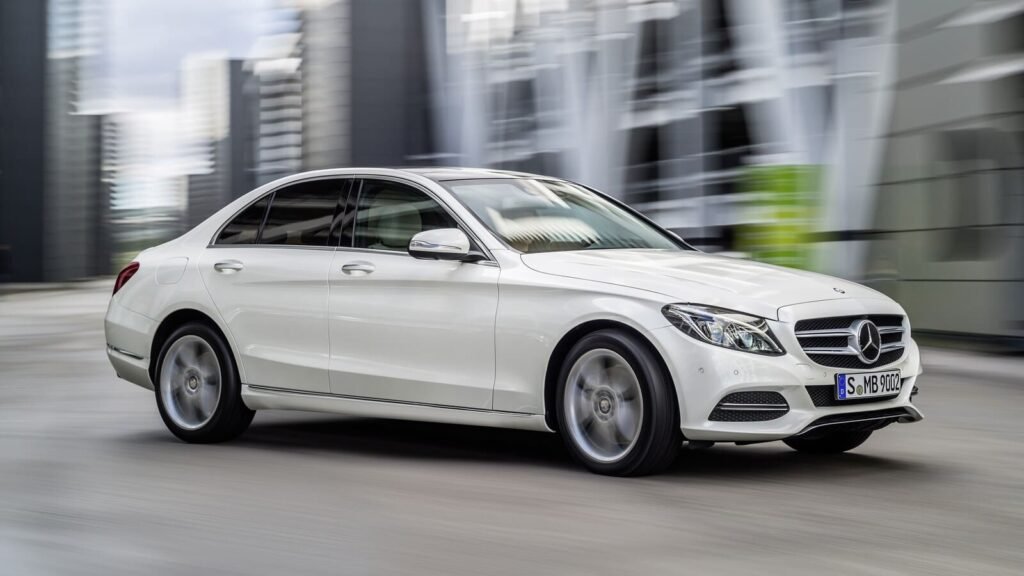
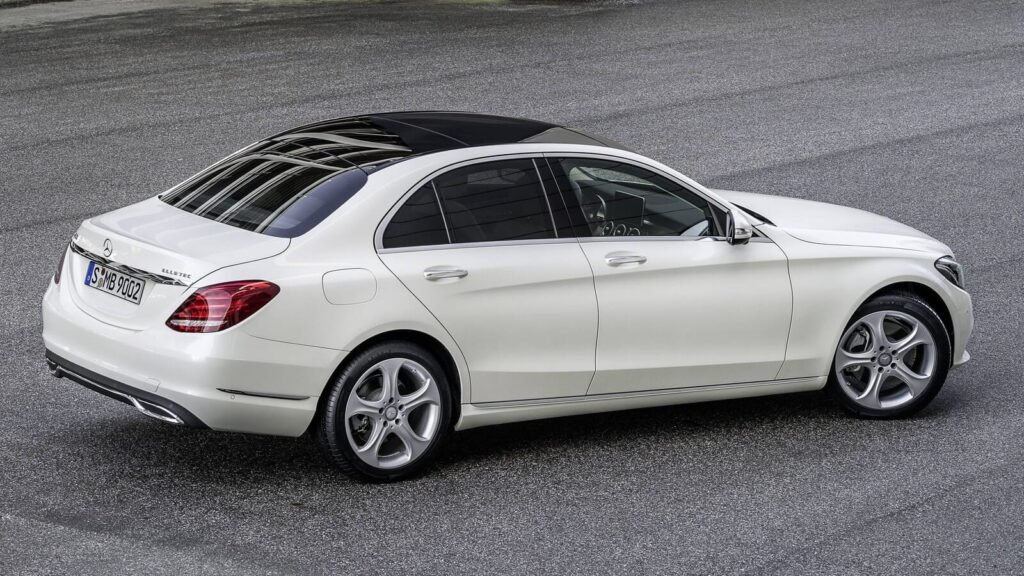
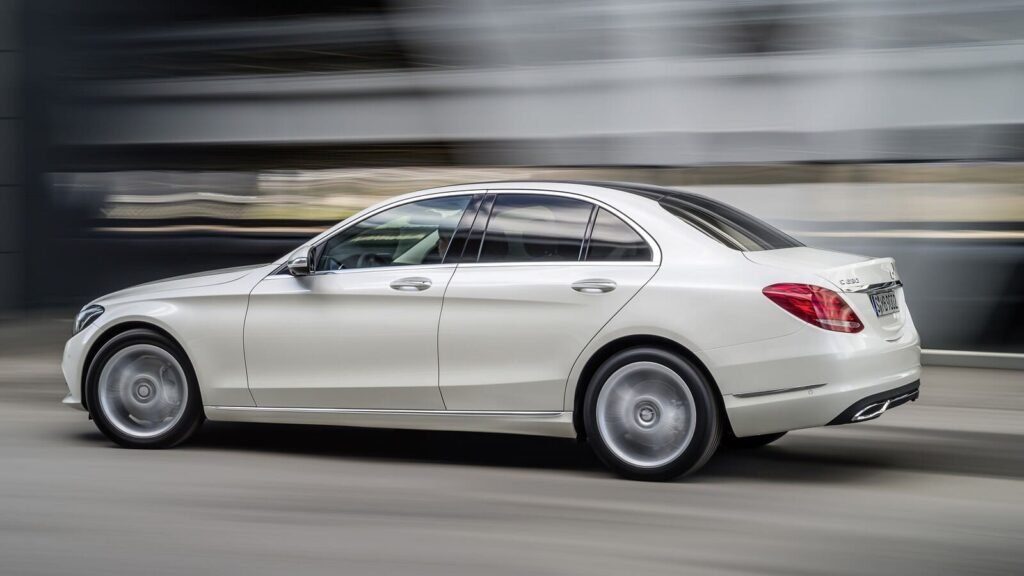
The 2020 Mercedes-Benz C300 remains an appealing used luxury sedan, combining strong turbocharged performance and a refined cabin with the mature W205 platform at a much lower price than a newer C-Class.
Reliability is reasonable if the engine, transmission, and electronics check out, but this isn’t inexpensive transportation. Condition and maintenance history matter more than the Mercedes badge.
The main risk isn’t one universal catastrophic failure. It’s multiple expensive age-related problems accumulating on a neglected example.
2020 Mercedes C300 Reliability: Quick Verdict
| Category | Assessment |
|---|---|
| Engine | Capable, but investigate misfires and coolant loss |
| Transmission | Generally competent; check cold and warm shifting |
| Electronics | Important inspection area |
| Maintenance costs | Higher than mainstream sedans |
| Best configuration | Well-maintained car with documented service |
| Overall recommendation | Worth considering after a specialist inspection |
Our advice: Don’t reject the 2020 C300 simply because it’s a Mercedes. But don’t buy one based on low mileage, attractive pricing or a clean-looking interior alone.
What Engine Does the 2020 C300 Have?
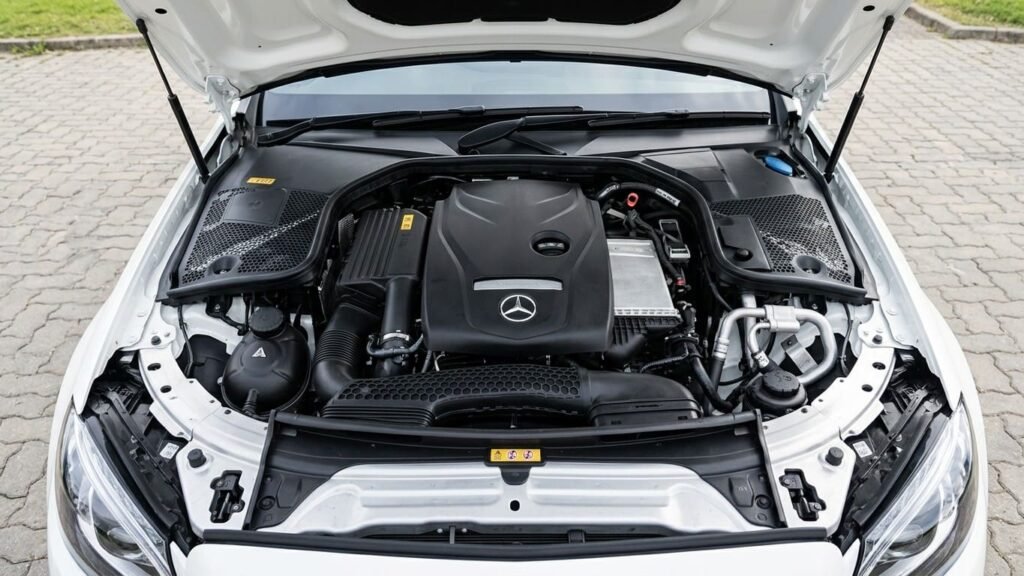
The U.S.-market 2020 C300 sedan uses Mercedes’ 2.0-liter turbocharged M264 four-cylinder, producing 255 horsepower and 273 lb-ft of torque. It’s paired with the 9G-TRONIC nine-speed automatic, with rear-wheel drive or 4MATIC AWD.
That distinction matters because Mercedes changed engines during the W205 generation, so reliability findings from earlier C300s don’t automatically apply to the 2020 model.
| Model Years | Engine Family | Key Difference |
|---|---|---|
| 2015–2018 | M274 | Earlier W205 four-cylinder |
| 2019–2021 | M264 | Updated facelift powertrain |
| 2022 onward | M254 | W206 engine with 48V mild-hybrid technology |
The 2020 model therefore has much more in common mechanically with the 2019 and 2021 C300 than with the redesigned 2022 model. That distinction is essential when researching engine problems.

Common 2020 C300 Problems: What Actually Matters?
Instead of treating every online complaint as a widespread defect, I’d concentrate on the issues that can materially affect the buying decision.
| Inspection Area | Possible Problem | What Buyers Should Do |
|---|---|---|
| Engine | Misfires, rough running, cooling-system faults | Cold start, scan codes, investigate symptoms |
| Transmission | Harsh shifts or delayed engagement | Test cold and fully warm |
| Electronics | Warning lights, camera or control-system faults | Scan every control module |
| Suspension | Worn bushings, links or dampers | Inspect underneath; drive on uneven roads |
| Cooling system | Leaks, low coolant, temperature irregularities | Pressure-test if indicated |
| Recall history | Uncompleted safety campaigns | Check the VIN with NHTSA |
The priority is distinguishing an isolated repair from a recurring fault and, more importantly, determining whether the specific car you’re buying is affected.
1. The M264 Engine: What Should You Watch For?
The M264 gives the C300 strong everyday performance, but a used example deserves careful inspection for persistent misfires or rough running, especially with cylinder-specific fault codes.
Cylinder-head and valve-seat concerns have appeared in Mercedes service information and repair discussions for certain applications, but shouldn’t be generalized to every 2020 M264. A misfire may be nothing more than a plug or coil; if it persists, compression and leak-down testing should come before repeated parts replacement.
Also check for coolant loss, oil leaks, and overheating history.
Buying insight: A smooth test drive helps, but a cold start and diagnostic scan reveal far more.
2. Is the Nine-Speed Automatic Reliable?
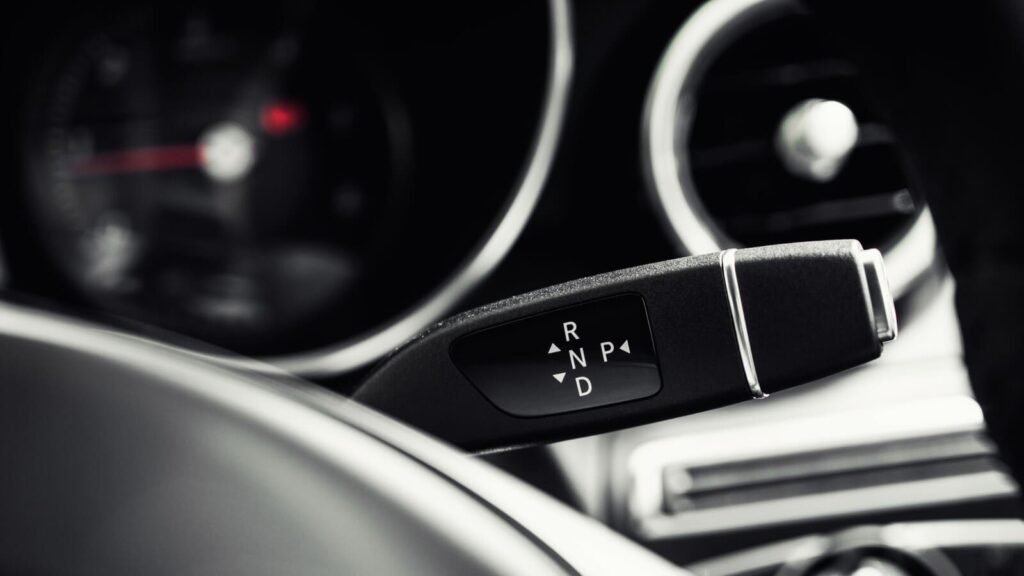
Mercedes’ 9G-TRONIC gives the C300 relaxed highway cruising, and occasional low-speed hesitation doesn’t necessarily indicate failure. Persistent harsh engagement, slipping, delayed Drive or Reverse selection, or transmission warnings are different.
Test it cold, in stop-and-go traffic, and fully warmed up, since some problems become clearer as the fluid reaches operating temperature. Verify transmission maintenance against the applicable Mercedes schedule as well.
Buying insight: Don’t accept “they all shift like that” as an explanation for clearly abnormal behavior.
3. Electronics: The Risk That Is Easy to Underestimate
The 2020 C300 uses Mercedes’ COMAND system, not the MBUX architecture of the later W206, so problems from the two generations shouldn’t be mixed.
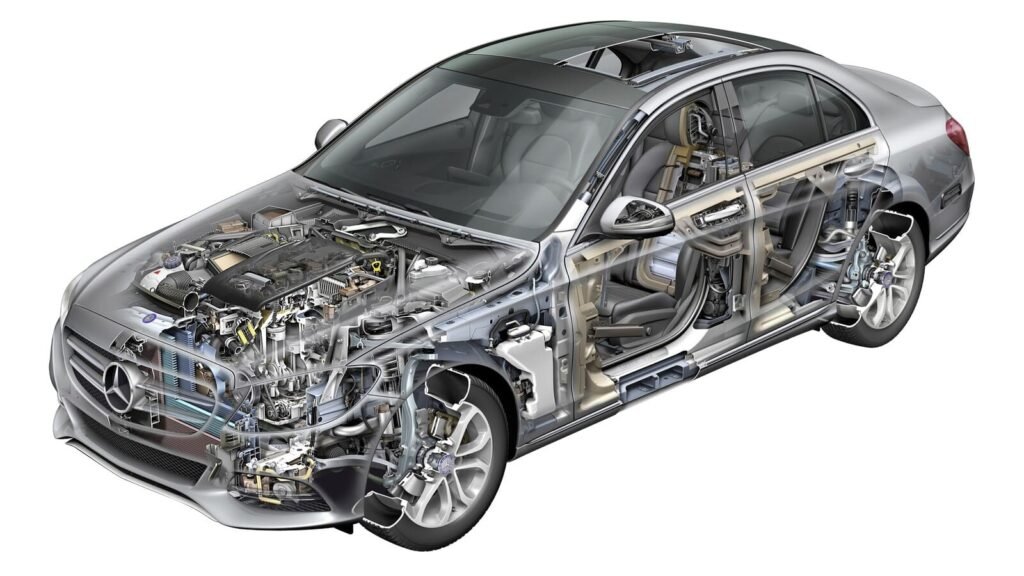
Test the display, cameras, parking sensors, seats, climate controls, and installed driver-assistance features. Similar warnings can originate from a sensor, low voltage, wiring, or a control module—with very different repair costs.
Use a Mercedes-capable diagnostic system, not just a generic engine-code reader, to scan all accessible modules.
Buying insight: Test every feature. Depreciation makes the car cheaper, not its electronics.
4. Suspension and Chassis Wear
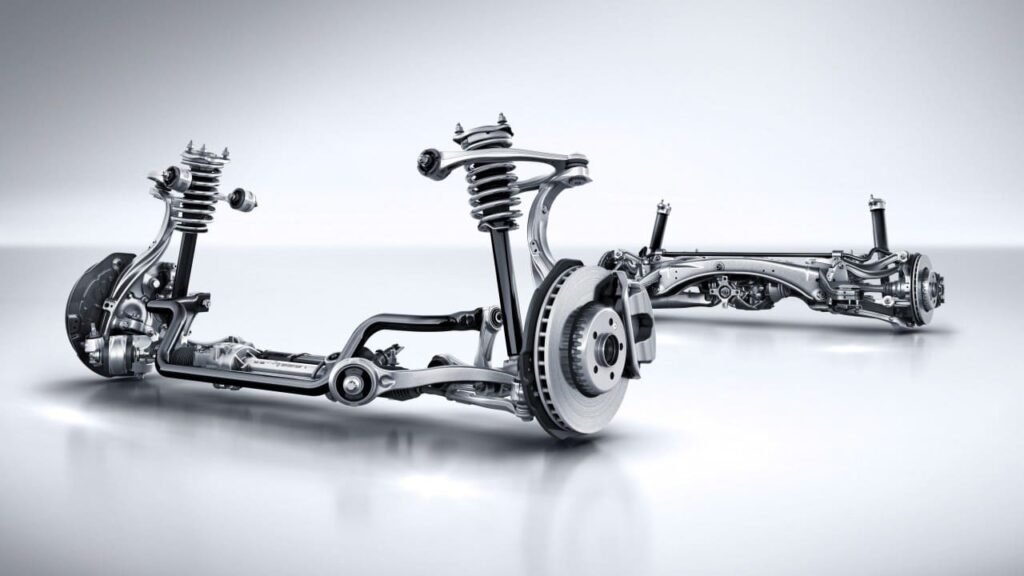
The W205’s ride quality remains a major strength, but suspension wear increasingly matters with age. Inspect the control-arm bushings, ball joints, dampers, wheel bearings, and tires; knocking, poor tracking, or uneven tire wear can indicate wear, alignment problems, or previous damage.
Equipment matters too. Conventional suspension carries different long-term costs from optional adaptive or air-suspension hardware.
Buying insight: Two C300s with identical mileage can have very different ownership costs depending on specification, condition, and maintenance history.
5. Recalls: Check the VIN, Not Just the Model Year
The 2020 C-Class has been subject to several recall campaigns, but not every recall applies to every C300. Coverage can depend on production date, body style, equipment, or previous repairs, so check the VIN through the official NHTSA recall lookup.
More importantly, recall count isn’t a reliability score. Recalls address safety defects, while costly non-safety failures may never generate one.
Our Car Reliability Ratings Explained guide explains why these datasets should be evaluated separately rather than combined into a single reliability number.
2019 vs. 2020 vs. 2021 C300: Which Should You Buy?
These three model years are mechanically similar enough that I wouldn’t automatically pay a large premium for one over another.
| Model Year | Main Consideration | Our View |
|---|---|---|
| 2019 | First year of the facelifted M264 configuration | Inspect carefully; compare price and history |
| 2020 | Same core powertrain, one year later | A sensible middle choice |
| 2021 | Final U.S. model year of the W205 sedan | Attractive if similarly priced and maintained |
The 2020 C300 avoids the first facelift year while sharing its basic architecture with the final 2021 W205, but that doesn’t automatically make it more reliable than either 2019 or 2021.
With cars this similar, condition, maintenance history, and price matter more than the model-year number. For the final W205 year, see our 2021 Mercedes-Benz C300 reliability review.
How Expensive Is the 2020 C300 to Maintain?
RepairPal rates the C300 3.5/5 for reliability, with average annual repair and maintenance costs of $739. That’s a model-wide estimate, not a 2020-specific annual bill.
The larger concern is repair severity rather than constant failure. A C300 may need little beyond routine maintenance for months, then an aging cooling component, electronic module, or suspension part can produce a substantial bill.
Depreciation may bring its price close to a mainstream sedan, but it remains a Mercedes mechanically. Our German vs. Japanese maintenance analysis explains why parts, complexity, and service access can keep luxury-car ownership expensive even without unusually frequent failures.
What I Would Check Before Buying a 2020 C300
A Mercedes-specialist inspection is more valuable than a clean history report. I’d prioritize five checks:
- Cold-start engine behavior. Check idle quality, abnormal noises, misfires, and any coolant-loss history.
- Full electronic scan. Read stored and pending faults across the engine, transmission, safety, and body-control modules.
- Transmission operation. Test engagement and shifting both cold and fully warmed up.
- Suspension and underbody. Inspect wear, leaks, tire patterns, and evidence of previous repairs.
- Service and recall history. Verify maintenance, investigate repeated repairs, and check recalls by VIN.
Then ask the technician one useful question:
“If you were buying this C300, what would you expect to spend on it over the next two years?”
That answer, based on the actual car in front of you, is often more useful than a generic reliability rating.
Is the 2020 Mercedes-Benz C300 a Good Used Buy?
Yes, if the condition and price justify the ownership risk. The 2020 C300 combines strong performance and a refined cabin with a mature W205 platform, but its M264 engine, 9G-TRONIC transmission, and electronics deserve proper inspection.
Don’t reject a good car because of isolated online complaints, but don’t accept persistent misfires, coolant loss, poor shifting, or warning lights as “normal Mercedes behavior” either.
Between a neglected 2021 and a well-maintained 2020, I’d take the 2020. Between a cheap 2020 with unresolved faults and a more expensive one with excellent records, I’d pay for the better car.
The C300 can still be an excellent used luxury sedan. Just make sure you’re buying a well-maintained Mercedes—not merely a depreciated one.
- Chinese Cars Are Winning the Technology Race—But Will They Last?

- 2024 Toyota Camry Reliability: Is It Toyota’s Smartest Buy?
- 2023 Toyota Camry Reliability: Is Paying More Really Worth It?
- 10 Most Reliable Used Cars in 2026: Specific Years to Buy

- 2022 Toyota Camry Reliability: Is It the Best Used Camry?

- Car Reliability Ratings Explained: Which Ones Can You Actually Trust?
*Disclaimer: This website provides automotive content for informational purposes only and should not be considered professional advice. While we strive for accuracy, we do not guarantee the reliability or suitability of any vehicle or product mentioned—always conduct your own research before making purchasing decisions. Additionally, some links on this site are affiliate links, meaning we may earn a commission if you make a purchase, at no extra cost to you.