

The BMW X5’s greatest achievement isn’t its curved displays, powerful engines or increasingly elaborate technology.
It is physics management. A luxury SUV is fundamentally compromised before engineers touch it. It is tall, heavy and expected to carry passengers comfortably, yet buyers also expect body control, steering precision and performance that would have been sports-car territory not long ago.
BMW has spent more than 25 years refining that contradiction, and with an all-new fifth-generation X5 arriving for 2027, we can now see something else: BMW isn’t abandoning the formula. It is expanding it across gasoline, plug-in-hybrid and fully electric powertrains.
The technology changes, but the engineering objective doesn’t.
Three Powertrains, Three Different Answers
The outgoing X5 demonstrates how differently BMW can solve the same luxury-SUV problem.
| X5 | Powertrain | Output | What it does best |
|---|---|---|---|
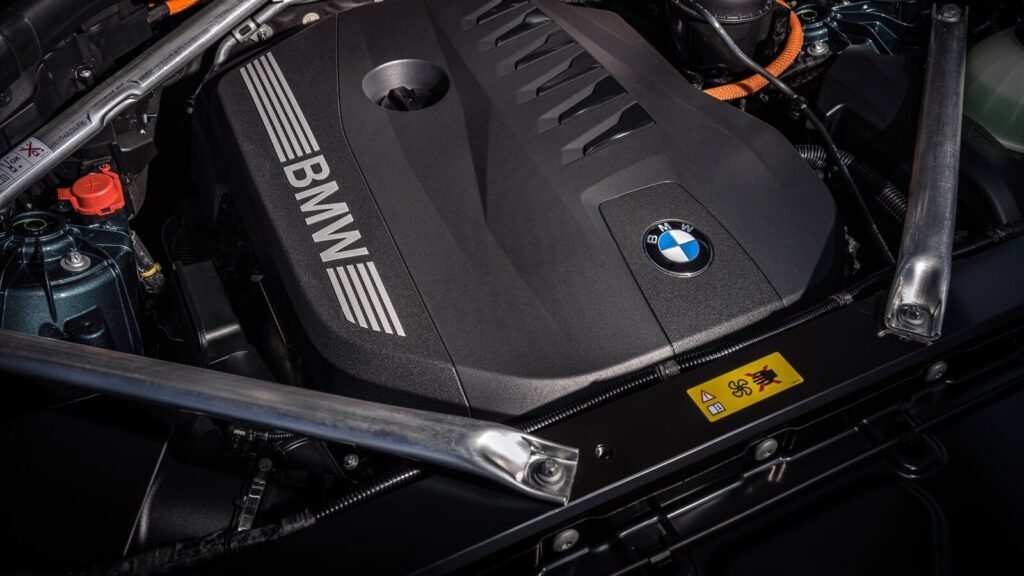
| xDrive40i | 3.0L turbo I6 + 48V | 375 hp | Best performance/complexity balance |
| xDrive50e | 3.0L turbo I6 + PHEV | 483 hp | Electric daily driving + long-distance flexibility |
| M60i | 4.4L twin-turbo V8 + 48V | 523 hp | Performance and character |
The most powerful X5 isn’t necessarily the smartest one. For many buyers, the xDrive40i may be the engineering sweet spot.
Its turbocharged inline-six produces 375 hp and reaches 60 mph in about 5.2 seconds, but the architecture matters more than the headline. A straight-six is inherently well balanced in primary and secondary forces, while BMW’s decades of experience with the layout have refined everything around it—from cooling and packaging to combustion control.
Add 48V assistance and an eight-speed automatic, and the xDrive40i already delivers more performance than most families will regularly exploit. BMW can make an X5 much faster. Making the additional complexity worthwhile is the harder engineering achievement.
The xDrive50e Is More Interesting Than Its MPG
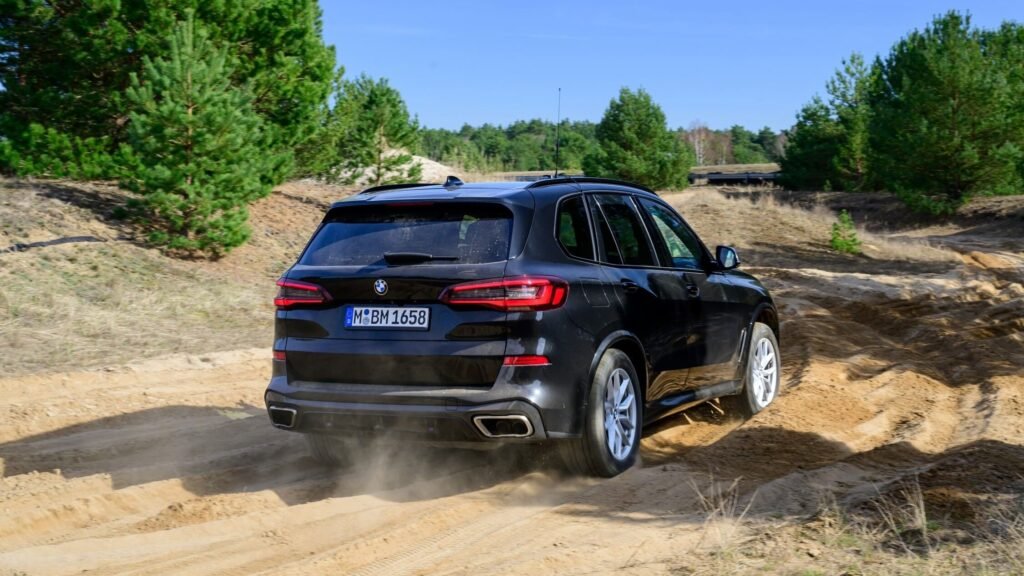
The xDrive50e isn’t simply an X5 with a battery added for efficiency. Its 194-hp electric motor is integrated into the eight-speed transmission and uses a pre-gearing stage that multiplies effective torque at the transmission input to 331 lb-ft. That’s clever engineering: instead of fitting a larger, heavier motor, BMW uses gearing to extract greater useful torque from a relatively compact unit.
Combined output reaches 483 hp and 516 lb-ft, enough for 0–60 mph in about 4.6 seconds. The system provides 19.2 kWh of usable battery capacity and 7.4-kW AC charging, making meaningful electric-only daily driving possible.
But electrification brings a less glamorous number: 5,573 pounds. The battery, motor, power electronics, and charging hardware travel everywhere, whether effectively used or not. That makes the xDrive50e engineering especially compelling when it is regularly plugged in: short trips can remain electric while the gasoline engine handles longer journeys. Rarely charge it, however, and much of the PHEV advantage disappears while nearly all of its complexity and mass remain.
The X5’s Real Trick Is Hiding Weight
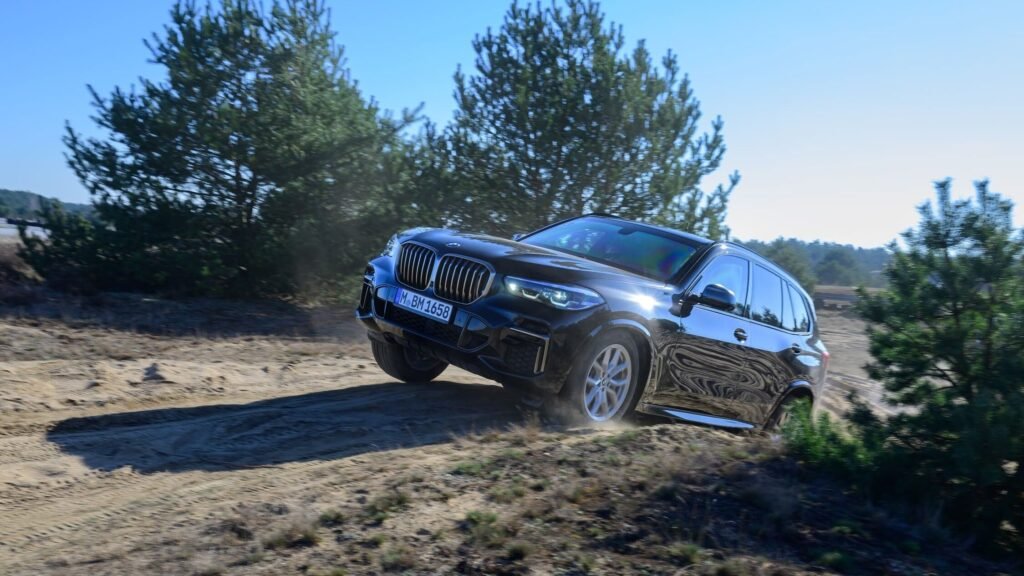
A modern luxury SUV cannot defeat physics; it can only manage physics exceptionally well. The X5 does that with double-wishbone front and five-link rear suspension, adaptive damping, and—depending on configuration—air suspension and rear-wheel steering. The xDrive50e’s air suspension even lowers the body by 10 mm above 86 mph, subtly improving high-speed stability and aerodynamics.
Integral Active Steering adds another layer, turning the rear wheels by up to three degrees. Opposite-phase steering at low speeds makes the X5 behave like a shorter vehicle, while coordinated steering at higher speeds improves stability.
This reveals the deeper engineering trick behind modern performance SUVs: they haven’t become light; they’ve become extraordinarily good at hiding the consequences of being heavy. Dampers, steering, brakes, powertrain, and AWD now communicate and react faster than the driver can consciously separate their interventions.
That system integration—not simply horsepower—is where much of modern chassis engineering now lives.

More Technology Isn’t Automatically More Luxury
The same integration creates another tradeoff. Premium interiors increasingly replace dedicated switches with displays and software, cleaning up the dashboard while connecting more functions through a common digital architecture. But removing a physical control doesn’t eliminate complexity; it simply moves it into a longer chain:
display → operating system → electronic module → vehicle network → actuator.
That architecture enables deeper system integration and over-the-air improvements, but it also makes software quality part of perceived vehicle quality. A laggy interface or software failure can now make an otherwise beautifully engineered car feel unfinished.
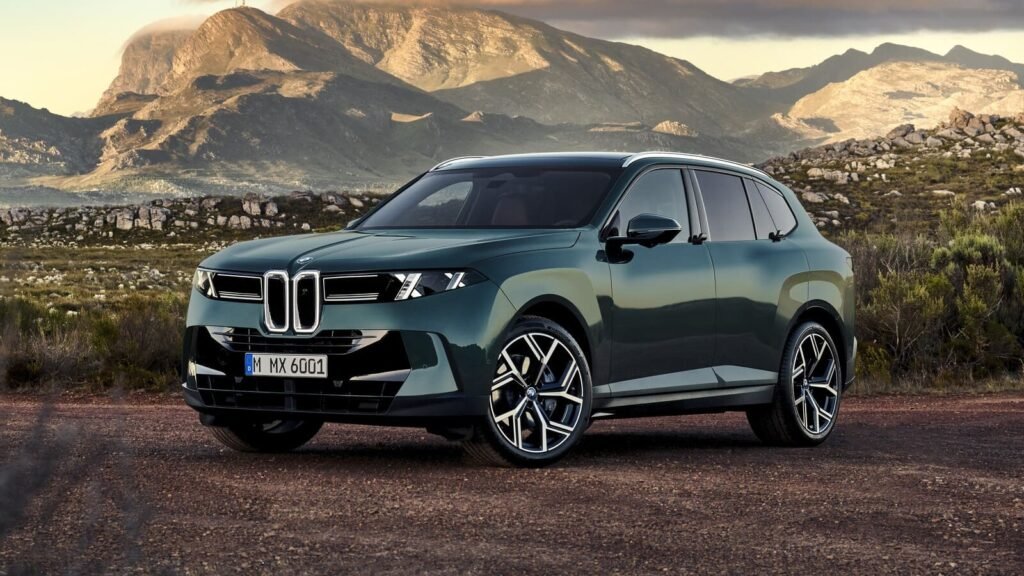
The all-new 2027 X5 pushes this further with BMW’s Panoramic iDrive and Operating System X, bringing Neue Klasse-era digital architecture into the X5. Whether every screen is better than a button is subjective. The engineering direction isn’t: luxury cars are becoming software-defined machines.
The X5 Is More American Than Its Badge Suggests
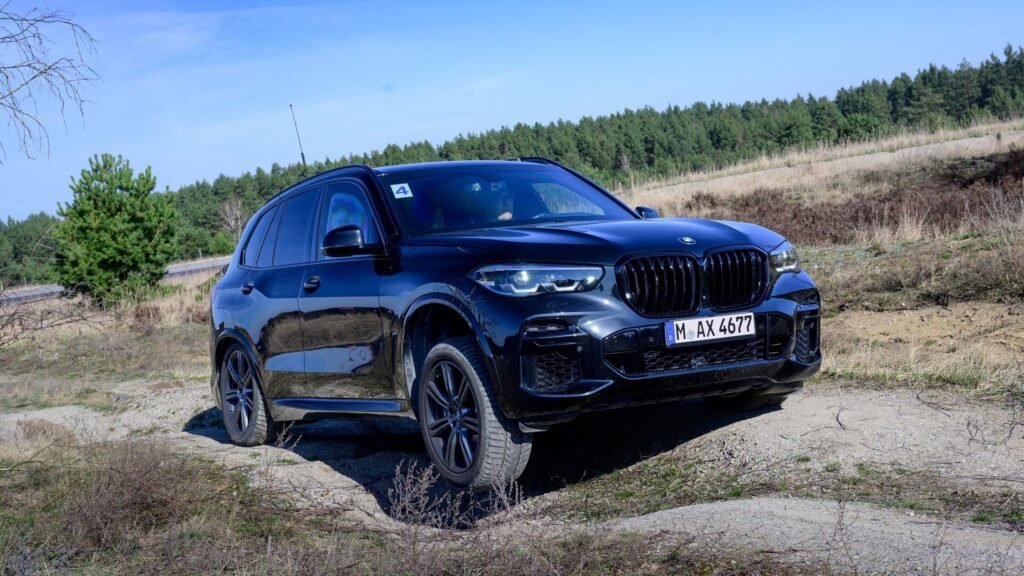
There is another reason the X5 matters: BMW has built it in Spartanburg, South Carolina, since 1999. BMW says it has invested nearly $15 billion in the state since 1992, while more than half of Spartanburg production is exported to roughly 120 markets; in 2024 alone, those exports represented about $10.1 billion in value.
BMW is now investing another $1.7 billion to prepare its South Carolina operations for EV production and high-voltage battery assembly in nearby Woodruff. The X5 therefore illustrates how blurred automotive nationality has become: German in brand and engineering culture, American in manufacturing, and increasingly American in its electrification supply chain.
The 2027 X5 Shows Where Luxury SUVs Are Going
The fifth-generation X5 makes BMW’s strategy unusually clear: don’t bet the platform on one propulsion technology. The U.S. lineup spans gasoline, plug-in hybrid and, for the first time, the fully electric iX5, while hydrogen fuel-cell production is planned for selected markets later.
The new xDrive50e illustrates the thinking. Output remains 483 hp and 516 lb-ft, but usable battery capacity grows to 26.5 kWh and estimated electric range to roughly 44 miles, about 15% more than before. BMW could have chased another horsepower headline; instead, it made the hybrid more useful.
That reflects where premium powertrain engineering is heading. Once a family SUV approaches 500 hp, another 50 matters surprisingly little. Range, thermal management, charging, efficiency and integration become the harder—and more valuable—engineering problems.
Where Does the X5 Sit Against Its Rivals?
| Rival | Strongest reason to choose it |
|---|---|
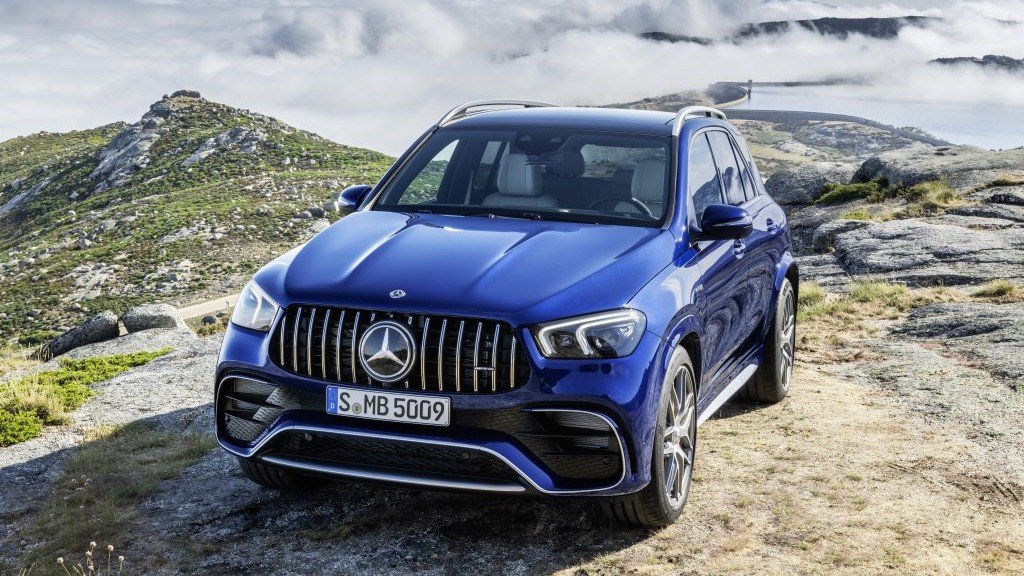
| Mercedes-Benz GLE | Comfort-focused luxury character |
| Porsche Cayenne | More overtly performance-oriented chassis |
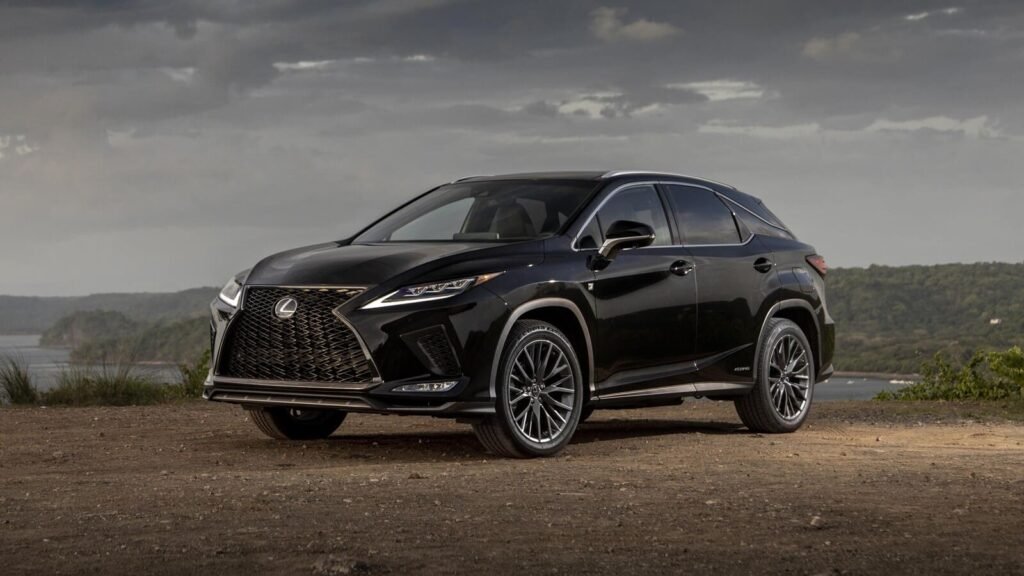
| Lexus RX | Strong hybrid focus and simpler ownership priorities |
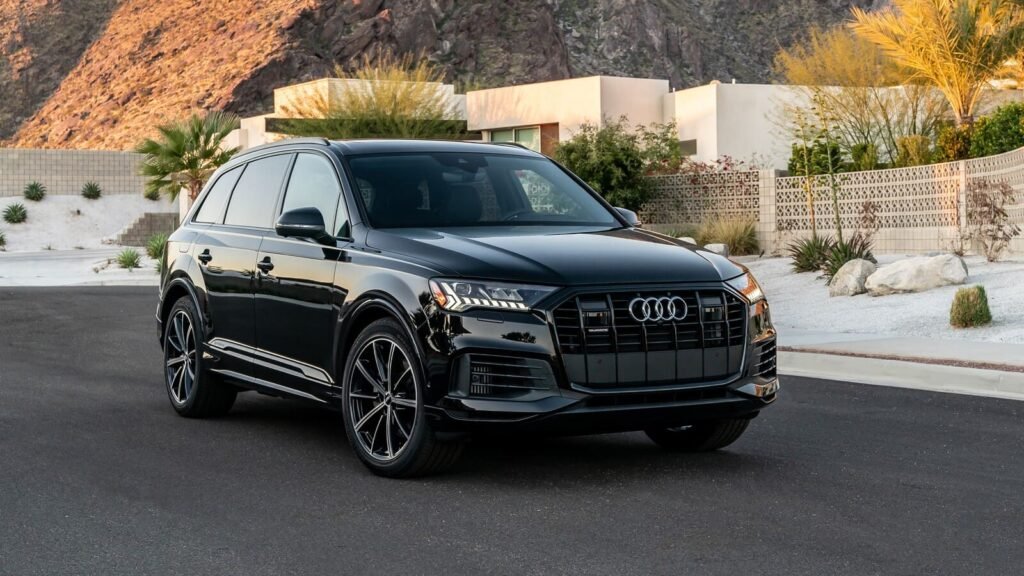
| Audi Q7 | More useful three-row packaging |
| BMW X5 | Exceptional balance of performance, comfort and powertrain choice |
Calling the X5 a compromise may sound unflattering. It shouldn’t though, as engineering is ultimately the art of deciding which compromises are worth making.

Why the BMW X5 Still Works
The X5 doesn’t need to dominate every category. A Cayenne pushes harder toward performance, a GLE leans further into comfort, and an RX may suit buyers prioritizing simpler hybrid ownership. The X5’s achievement is how rarely it forces you to choose one personality.
It can cross hundreds of highway miles quietly, handle a difficult road with surprising composure, tow, carry a family and—in xDrive50e form—complete many daily journeys without starting its gasoline engine. Twenty-seven years after the original arrived, BMW is still answering essentially the same question: how do you make a large luxury SUV behave less like one?
Engines became electrified, dampers adaptive, steering active and vehicle systems software-defined; now the concept extends to the electric iX5. The technology keeps changing. The objective hasn’t.
If you’re considering an X5, our guide to the most dependable BMW X models compares its reliability with other SUVs in BMW’s lineup.
For more reliability analysis, buying guides, and engineering-focused automotive coverage, explore the latest articles on the TopCarList homepage.
- Chinese Cars Are Winning the Technology Race—But Will They Last?
- 2024 Toyota Camry Reliability: Is It Toyota’s Smartest Buy?
- 2023 Toyota Camry Reliability: Is Paying More Really Worth It?
- 10 Most Reliable Used Cars in 2026: Specific Years to Buy
- 2022 Toyota Camry Reliability: Is It the Best Used Camry?
- Car Reliability Ratings Explained: Which Ones Can You Actually Trust?
*Disclaimer: This website provides automotive content for informational purposes only and should not be considered professional advice. While we strive for accuracy, we do not guarantee the reliability or suitability of any vehicle or product mentioned—always conduct your own research before making purchasing decisions. Additionally, some links on this site are affiliate links, meaning we may earn a commission if you make a purchase, at no extra cost to you.