
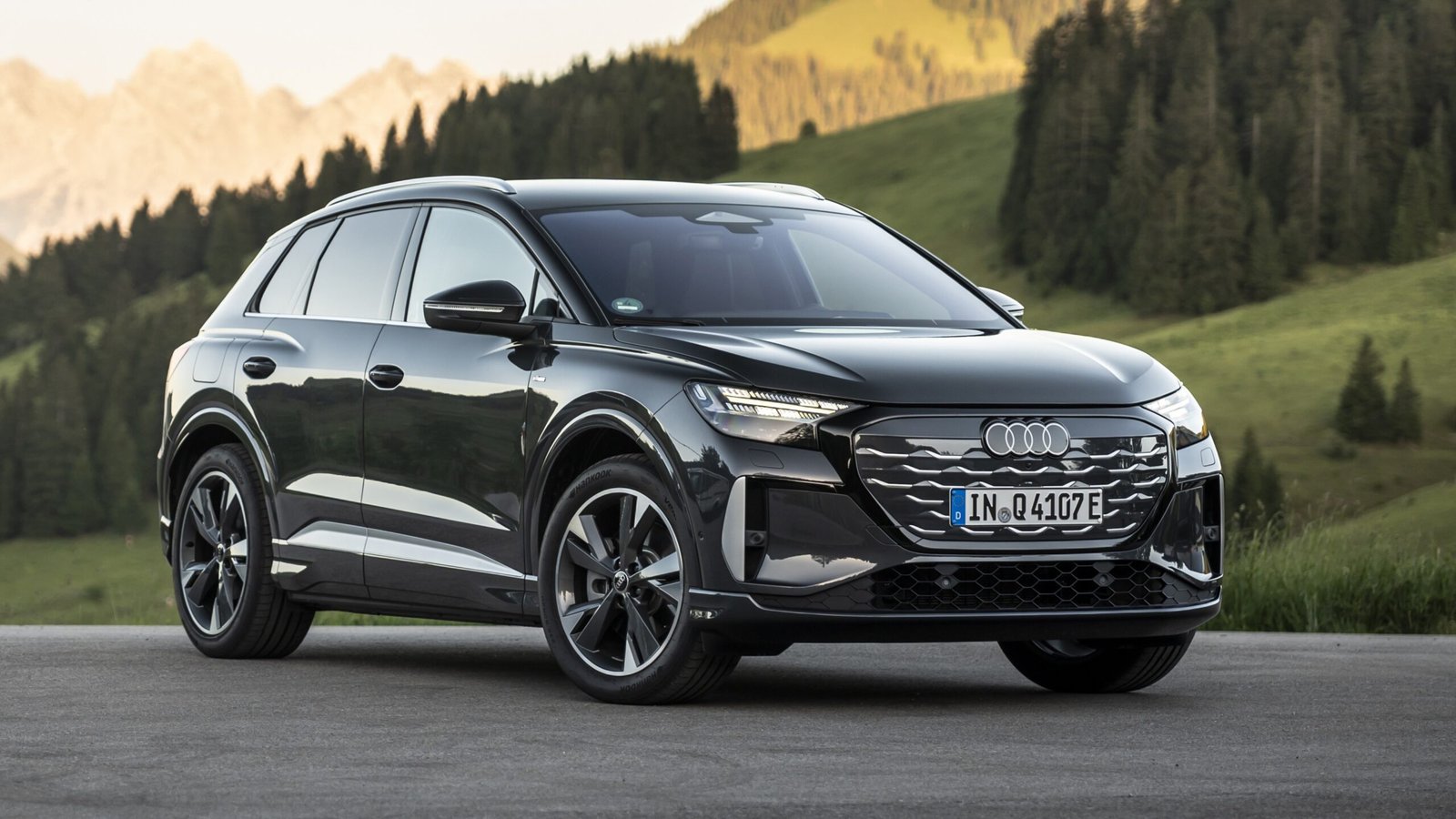
Some SUVs justify their premium prices through exceptional engineering, capability, or refinement. Others charge more for brand prestige, styling, or features most owners rarely use.
An overrated SUV isn’t necessarily a bad vehicle. It’s one whose price is difficult to justify when competitors offer better value. Here are ten SUVs worth reconsidering in 2026, along with smarter alternatives for buyers who don’t need their particular strengths.
10 Overrated SUVs: Quick Comparison
| SUV | Why its value is questionable | Consider instead |
|---|---|---|
| Jeep Compass Limited | Premium pricing without class-leading practicality | Hyundai Tucson |
| Land Rover Discovery Sport | Luxury ownership costs and modest interior space | Volvo XC60 |
| Audi Q4 e-tron | Premium pricing for relatively conventional EV technology | Hyundai Ioniq 5 |
| Volkswagen Tiguan SEL R-Line | Expensive upper trims narrow its value advantage | Mazda CX-50 |
| BMW X1 M35i | Performance premium with limited practical benefit | BMW X1 xDrive28i |
| Mercedes-Benz GLA 250 | Luxury pricing in a relatively small crossover | Mazda CX-30 |
| Lexus UX 300h F Sport Handling | Sporty appearance without corresponding performance gains | Lexus UX 300h Premium |
| Toyota 4Runner TRD Pro | Expensive off-road capability many owners won’t use | Toyota RAV4 Hybrid |
| Jeep Wrangler Rubicon | Exceptional off-road engineering, compromised daily comfort | Subaru Forester |
| Ford Bronco Raptor | Extreme capability and substantial running costs | Ford Bronco Badlands |
These aren’t universal vehicles to avoid. Each has a legitimate audience. The question is whether its strengths justify the cost for your particular needs.
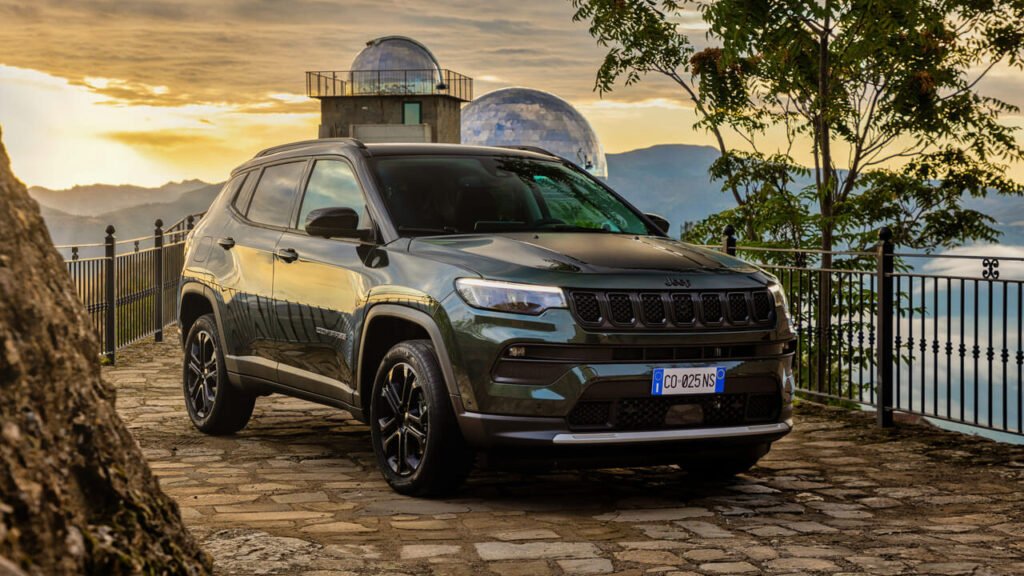
1. Jeep Compass Limited: Paying More Without Getting More
The Jeep Compass offers a capable 200-hp turbocharged engine and standard AWD, but its value weakens in higher trims. The 2026 Compass Limited starts above $33,000 before destination, approaching the price of larger, more practical SUVs.
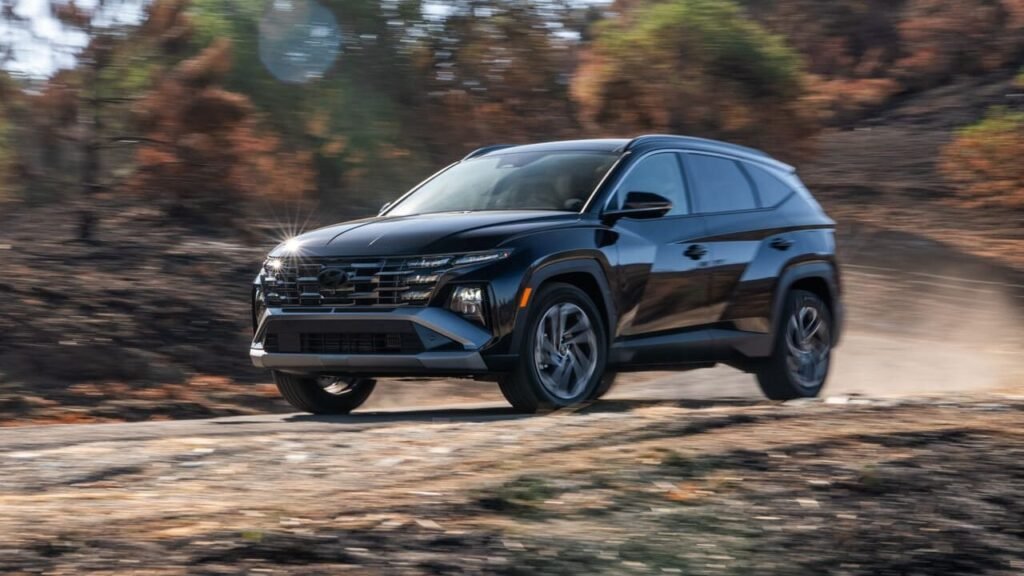
Better alternative: Hyundai Tucson.
Starting below $30,000, the 2026 Tucson offers more passenger and cargo space alongside broader powertrain choices, making it a stronger family vehicle.
The Compass still appeals for its compact dimensions and Jeep styling, while the Trailhawk provides genuine off-road advantages. Otherwise, the Tucson delivers more everyday utility for the money. For long-term ownership considerations, see our Jeep Compass Reliability Guide.
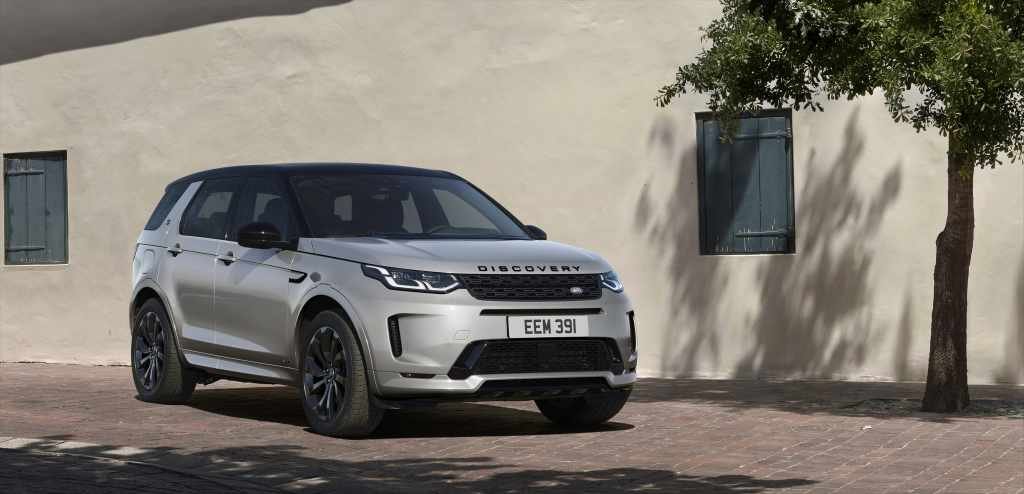
2. Land Rover Discovery Sport: Premium Ownership Without Premium Space
The Land Rover Discovery Sport combines distinctive styling, a comfortable driving position, and genuine all-terrain capability, but its compact cabin and occasional-use third row limit its appeal as a family SUV.
More importantly, complex AWD hardware, expensive parts, and specialized servicing can make ownership costly beyond warranty coverage, even without unusually frequent failures.
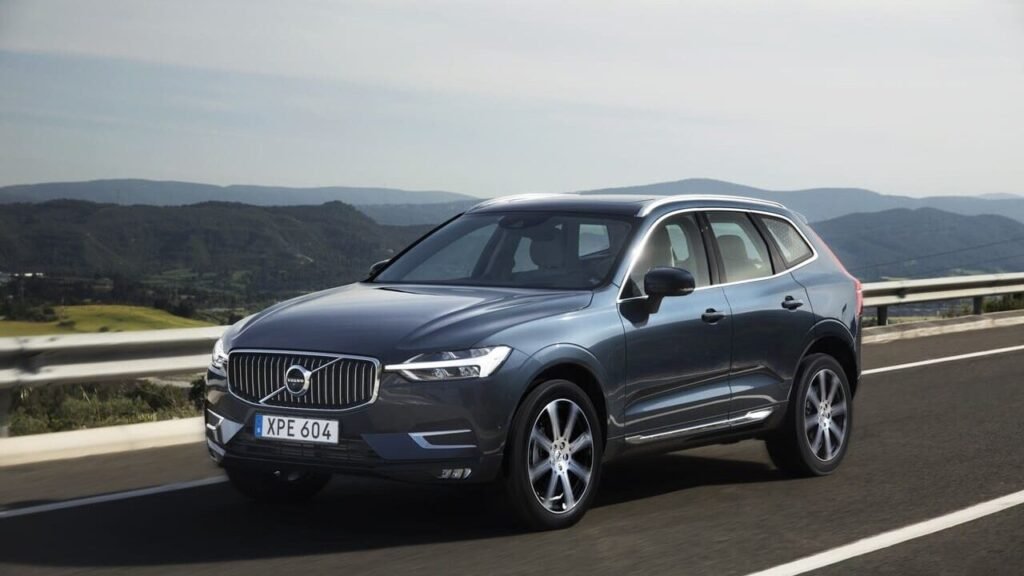
Better alternative: Volvo XC60.
The XC60 offers greater emphasis on road comfort, safety technology, and interior refinement, making it a more natural choice for everyday luxury driving. Maintenance isn’t necessarily cheap, but buyers aren’t paying primarily for off-road engineering.
The Discovery Sport makes sense when its terrain capabilities and seating flexibility serve a genuine purpose. Otherwise, the XC60 is the more convincing luxury crossover.
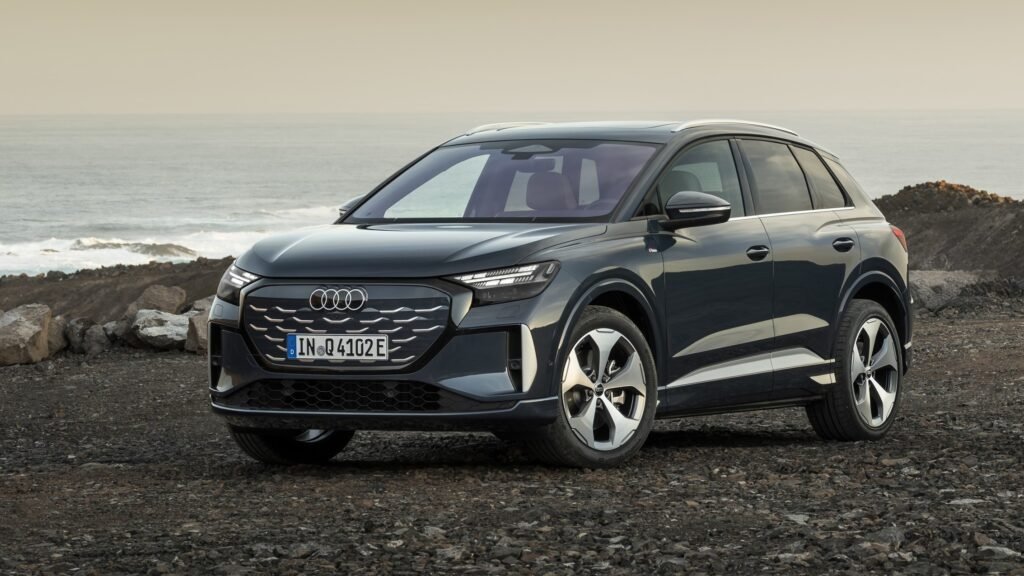
3. Audi Q4 e-tron: Premium Pricing, Conventional EV Architecture
The Audi Q4 e-tron offers refined driving and an attractive interior, but its Volkswagen Group MEB platform also underpins mainstream EVs, meaning the Audi badge doesn’t necessarily bring superior battery or motor technology. Its DC charging is adequate, although faster alternatives make the premium harder to justify.
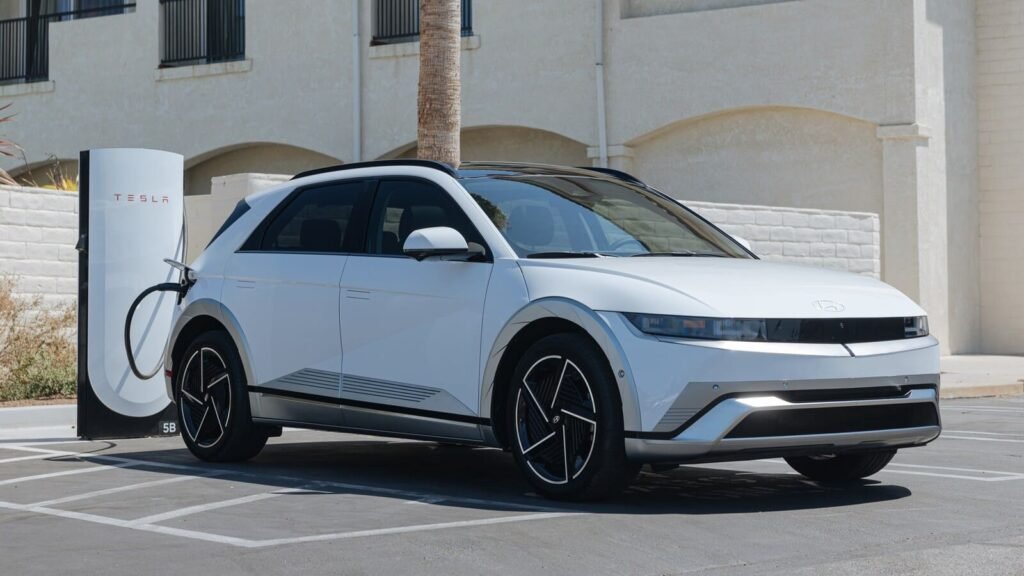
Better alternative: Hyundai Ioniq 5.
The Ioniq 5’s 800-volt-class architecture enables substantially faster DC charging under suitable conditions, while its spacious cabin and EV-focused packaging offer practical advantages, particularly on long journeys.
The Q4 remains appealing for its traditional luxury refinement, but the Ioniq 5 delivers stronger charging capability and space utilization without relying on a premium badge.
Before choosing either, consider home-charging access. It can influence ownership satisfaction more than relatively small specification differences.
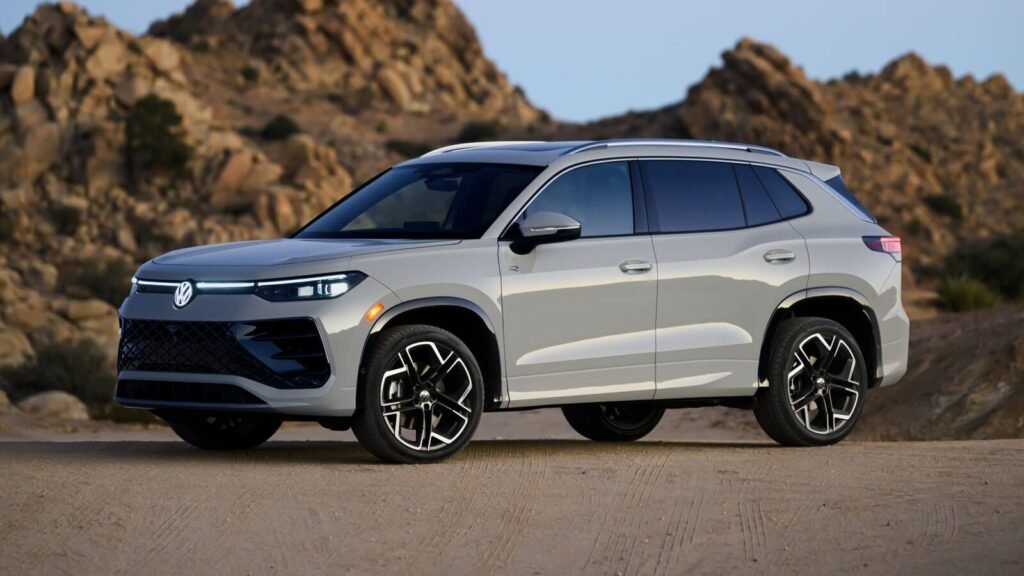
4. Volkswagen Tiguan SEL R-Line: When Upgrading Becomes Poor Value
The Volkswagen Tiguan offers composed handling and an attractive interior, but expensive trims can undermine its value. Extra equipment and larger wheels don’t change its mainstream foundations, while oversized tires increase replacement costs and can compromise ride comfort.
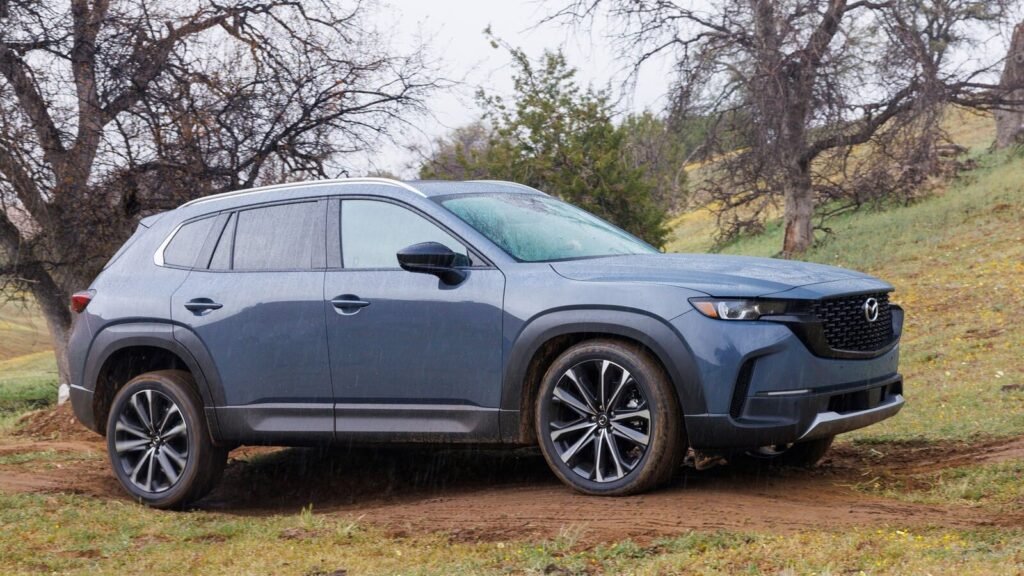
Better alternative: Mazda CX-50.
The CX-50 combines distinctive styling, standard AWD, and engaging handling. Its naturally aspirated versions also avoid turbocharger-related complexity.
The Mazda isn’t necessarily cheaper, and some drivers may prefer the Tiguan’s comfort. However, a well-equipped CX-50 deserves comparison before paying premium prices for a Tiguan. For used buyers, our Volkswagen Tiguan Years to Avoid guide covers model-year-specific risks.
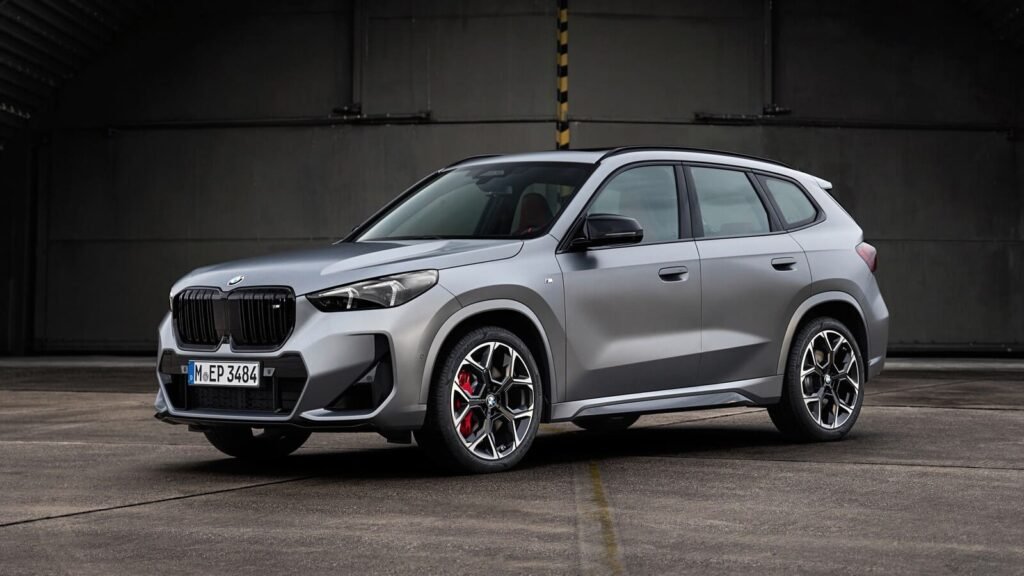
5. BMW X1 M35i: Performance You May Rarely Use
The BMW X1 M35i delivers impressive performance from its 312-hp turbocharged 2.0-liter engine, but its substantial price premium, firmer suspension tuning, and performance hardware can increase ownership costs without improving everyday practicality.

Better alternative: BMW X1 xDrive28i.
The standard X1 already offers brisk acceleration, AWD, and essentially the same cabin and cargo space, making it more than capable for daily driving.
The M35i justifies its premium for enthusiasts who genuinely appreciate its sharper performance. Otherwise, the xDrive28i delivers most of the X1 experience for considerably less money.
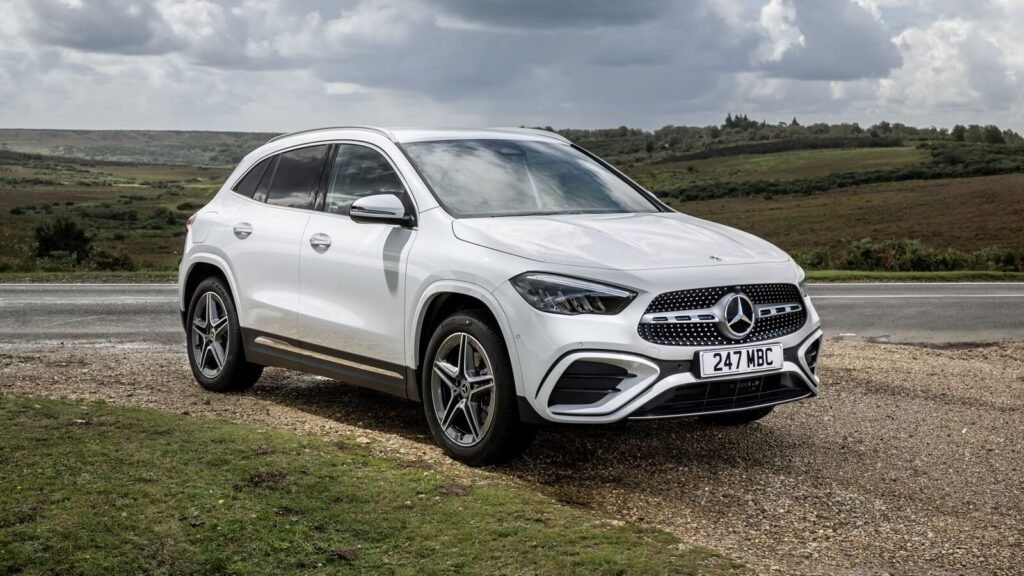
6. Mercedes-Benz GLA 250: Luxury Badge, Limited Practicality
The Mercedes-Benz GLA 250 combines attractive styling and modern technology, but its premium price doesn’t overcome limited rear-seat and cargo space. Its digital displays and ambient lighting create an upscale impression, although perceived luxury doesn’t necessarily mean better materials, durability, or practicality.
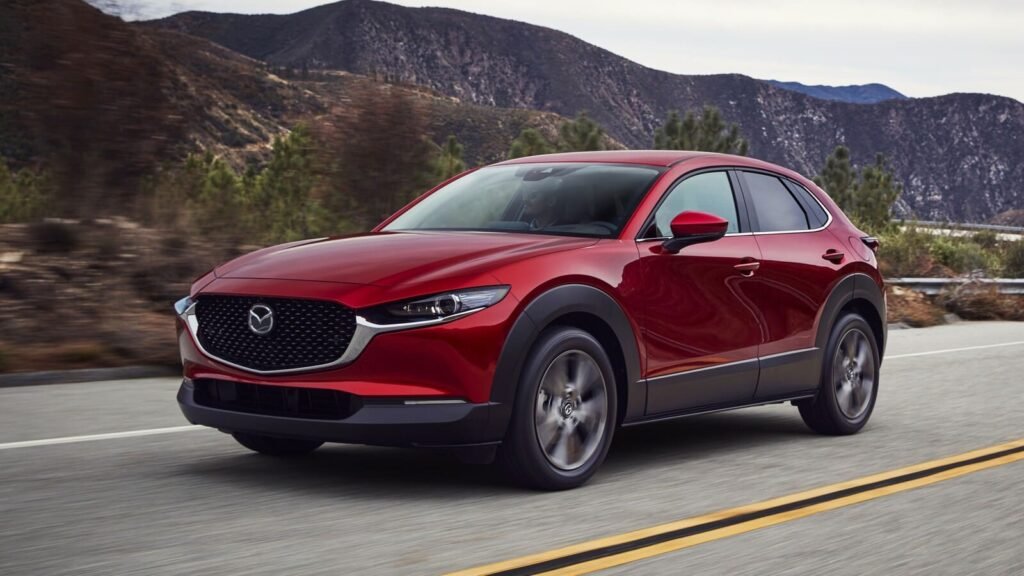
Better alternative: Mazda CX-30.
A well-equipped CX-30 offers refined handling, attractive interior materials, and standard AWD at a substantially lower starting price. However, it’s similarly compact, so neither is ideal for buyers needing generous rear-seat space.
The GLA appeals to those who value Mercedes technology and styling. For everyone else, the CX-30 delivers much of the premium small-crossover experience without the luxury-brand premium.
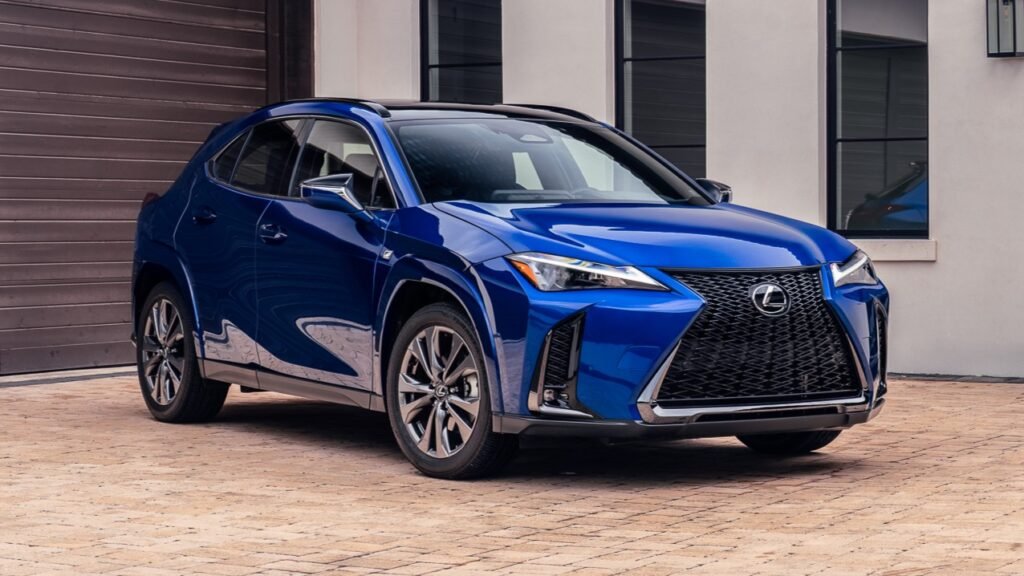
7. Lexus UX 300h F Sport Handling: Sporty Looks, Limited Performance Benefit
The Lexus UX 300h combines excellent urban efficiency with proven hybrid engineering, but the F Sport Handling trim adds cost without substantially changing its performance. Sportier styling and suspension tuning may sharpen its character, yet the underlying hybrid powertrain remains focused on fuel economy rather than acceleration.
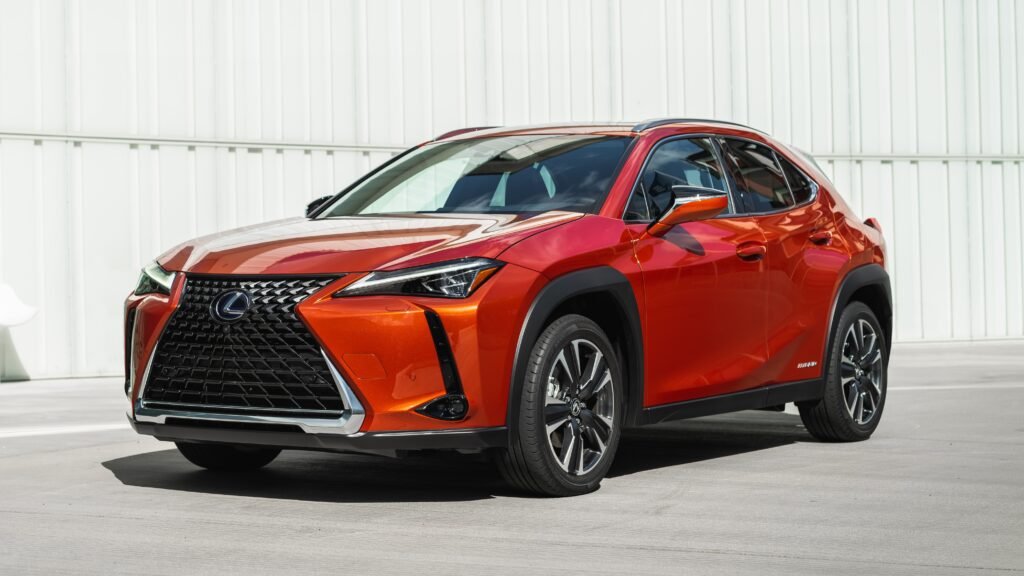
Better alternative: Lexus UX 300h Premium.
The Premium retains the same hybrid efficiency and fundamental mechanical advantages while offering a more comfort-oriented package at a lower price.
The F Sport Handling makes sense if you specifically value its styling and suspension. Otherwise, the UX 300h Premium delivers essentially the same ownership benefits without paying extra for a sportier appearance.
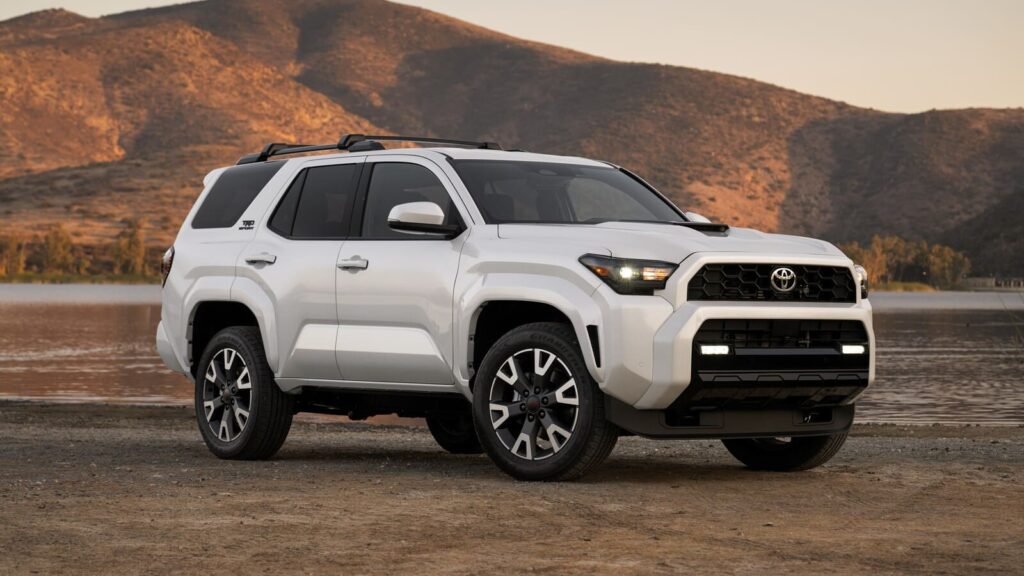
8. Toyota 4Runner TRD Pro: Excellent Engineering, Expensive Capability
The Toyota 4Runner TRD Pro isn’t overrated for lack of capability. Its body-on-frame construction, specialized suspension, and serious 4WD hardware make it exceptionally capable off-road. The problem is paying for engineering you rarely use. Its weight, fuel consumption, specialized tires, and suspension components impose everyday costs that most commuters gain little from.
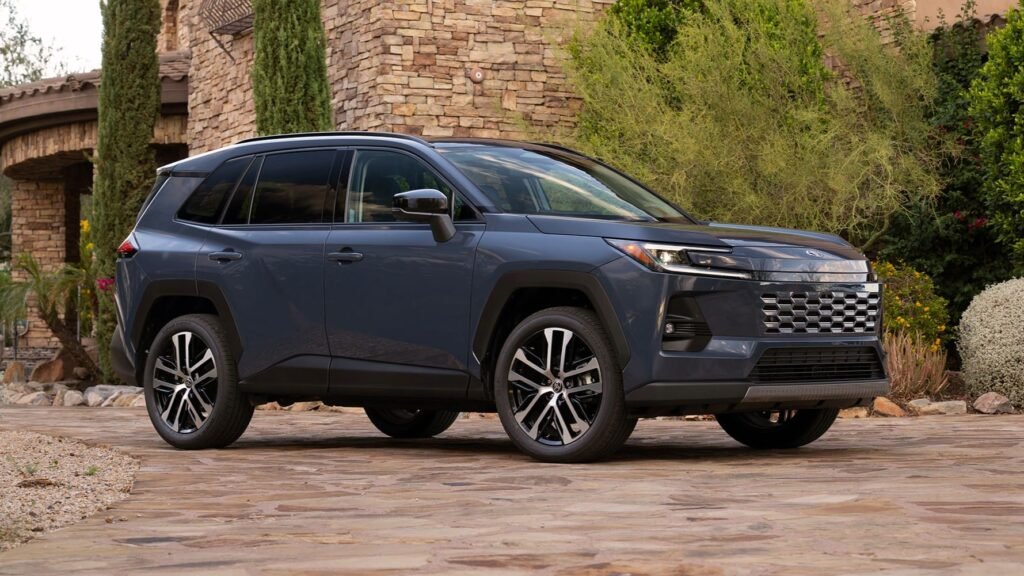
Better alternative: Toyota RAV4 Hybrid.
The RAV4 Hybrid delivers substantially better fuel economy, easier maneuverability, and more comfortable road-focused driving. It cannot match the 4Runner’s off-road ability, but most buyers don’t need that capability.
The TRD Pro is worth its premium when you regularly exploit its hardware. Otherwise, you’re paying more to drive a less efficient SUV on roads a RAV4 handles perfectly well.
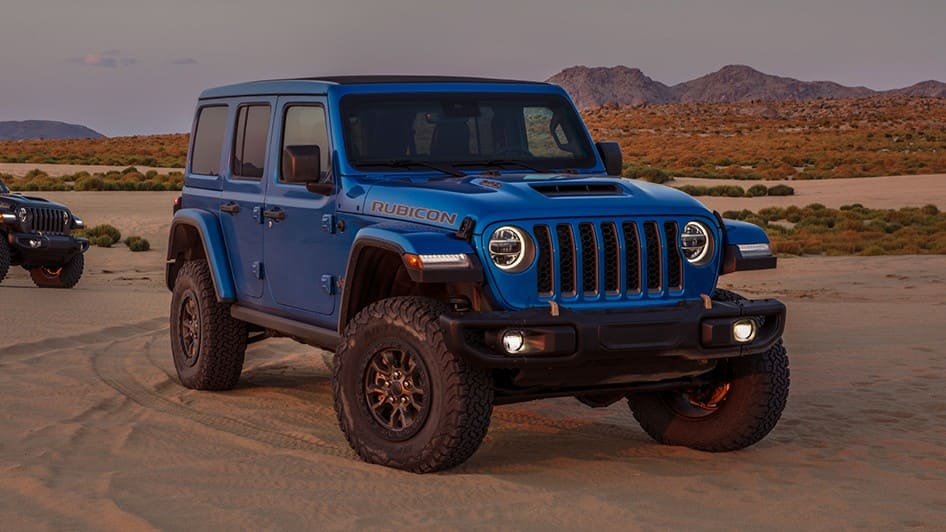
9. Jeep Wrangler Rubicon: A Brilliant Off-Roader, Compromised Daily Driver
The Jeep Wrangler Rubicon is purpose-built for serious off-roading, with solid axles, locking differentials, specialized gearing, and excellent suspension articulation.
However, that hardware compromises everyday refinement. Solid axles, off-road suspension geometry, and an upright body contribute to a firmer ride, greater wind noise, and higher highway fuel consumption than conventional crossovers.
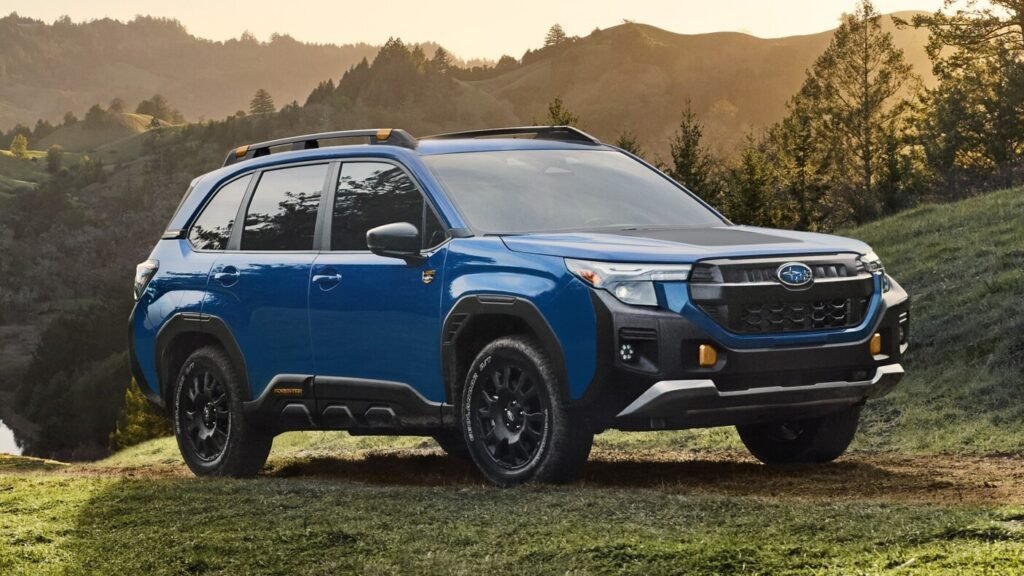
Better alternative: Subaru Forester.
The Forester offers standard AWD, better road comfort, and greater everyday practicality while handling snow, gravel, and light trails confidently. It cannot approach the Rubicon’s extreme off-road capability, but most drivers never need it.
The Rubicon justifies its premium when difficult terrain is part of your routine. Otherwise, you’re accepting daily compromises for capabilities you rarely use.
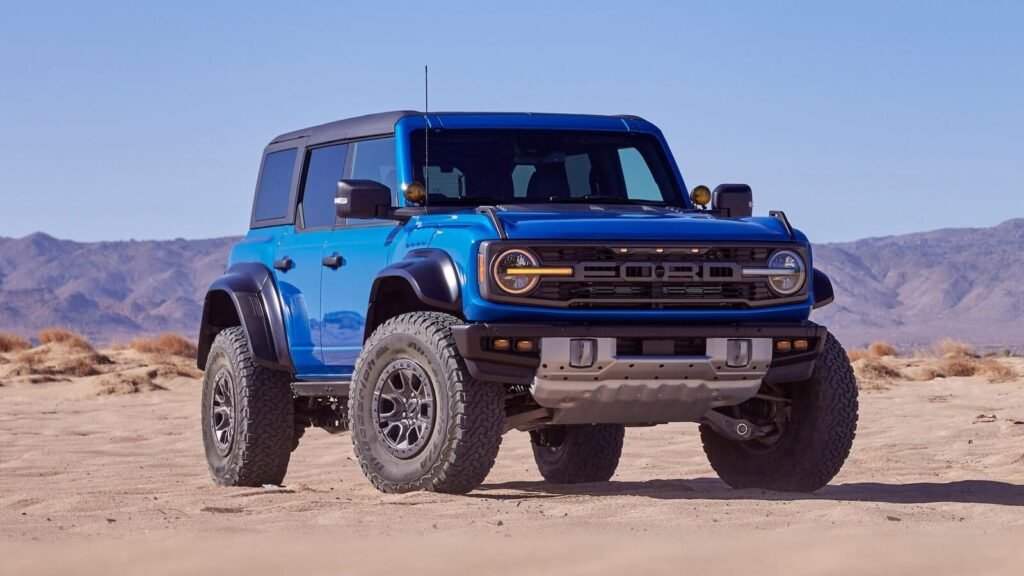
10. Ford Bronco Raptor: Extreme Capability at an Extreme Price
The Ford Bronco Raptor is engineered for high-speed off-roading, with specialized suspension, a wider track, a powerful turbocharged V6, and oversized all-terrain tires. These are genuine performance upgrades, not cosmetic additions. However, its width, weight, fuel consumption, and expensive tires become liabilities in everyday driving, particularly around cities and parking spaces.
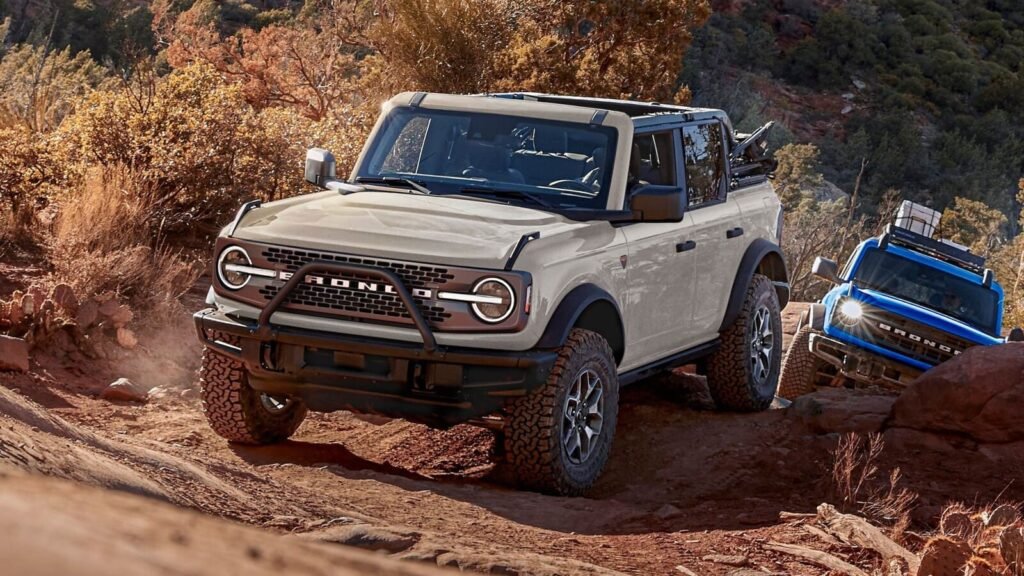
Better alternative: Ford Bronco Badlands.
The Badlands retains serious trail capability without the Raptor’s extreme hardware or price premium. For technical off-roading rather than high-speed desert driving, it offers a more balanced package.
The Raptor is an exceptional specialist SUV, but its value depends on using the capabilities you’re paying for.
When Can an Overrated SUV Still Be a Good Purchase?
Heavy discounts or depreciation can turn an overpriced SUV into a worthwhile purchase. The production-paused Dodge Hornet and discontinued Cadillac XT4 may offer value as leftover or used vehicles.
A $40,000 SUV reduced to $28,000 deserves reconsideration, but only after accounting for warranty coverage, depreciation, repair costs, and parts availability. A low purchase price doesn’t guarantee affordable ownership. See our Hidden Costs of Car Ownership guide for the full financial picture.
How to Avoid Overpaying for an SUV
The most effective way to avoid an overrated SUV is to evaluate what you’re actually purchasing rather than what the manufacturer is advertising.
Compare Capability With Real Needs
AWD, off-road hardware, large wheels, and powerful engines only justify their cost when you actually need them. For everyday commuting, a conventional crossover often delivers better comfort, fuel efficiency, and value than an expensive off-road or high-performance SUV.
Evaluate the Entire Ownership Cost
A lower purchase price doesn’t always mean better value. Fuel, depreciation, financing, maintenance, and repairs can make a discounted luxury SUV more expensive to own than a mainstream alternative. Compare total ownership costs, not just sticker prices.
Research the Exact Model Year
Reliability depends on the specific model year, engine, and transmission—not brand reputation alone. Our Car Reliability Ratings Explained guide shows how to evaluate reliability data without drawing misleading conclusions.
Compare Vehicles at Similar Transaction Prices
Compare actual dealer prices, equipment, financing, and ownership costs—not MSRP alone. A discounted luxury SUV may offer better value than expected, while a cheaper crossover isn’t necessarily the smarter purchase.
Final Verdict: Which Overrated SUVs Should You Avoid?
An overrated SUV isn’t necessarily a bad vehicle—it’s one whose strengths don’t justify its price for your needs.
Off-road specialists like the Wrangler Rubicon, 4Runner TRD Pro, and Bronco Raptor excel in demanding terrain but offer questionable value for ordinary commuting. Likewise, luxury crossovers can struggle to justify their premiums over well-equipped mainstream alternatives.
The smartest SUV purchase delivers the capability, comfort, and reliability you actually need at a reasonable total ownership cost—not the most impressive specifications.
- Chinese Cars Are Winning the Technology Race—But Will They Last?
- 2024 Toyota Camry Reliability: Is It Toyota’s Smartest Buy?
- 2023 Toyota Camry Reliability: Is Paying More Really Worth It?
- 10 Most Reliable Used Cars in 2026: Specific Years to Buy
- 2022 Toyota Camry Reliability: Is It the Best Used Camry?
- Car Reliability Ratings Explained: Which Ones Can You Actually Trust?
*Disclaimer: This website provides automotive content for informational purposes only and should not be considered professional advice. While we strive for accuracy, we do not guarantee the reliability or suitability of any vehicle or product mentioned—always conduct your own research before making purchasing decisions. Additionally, some links on this site are affiliate links, meaning we may earn a commission if you make a purchase, at no extra cost to you.