
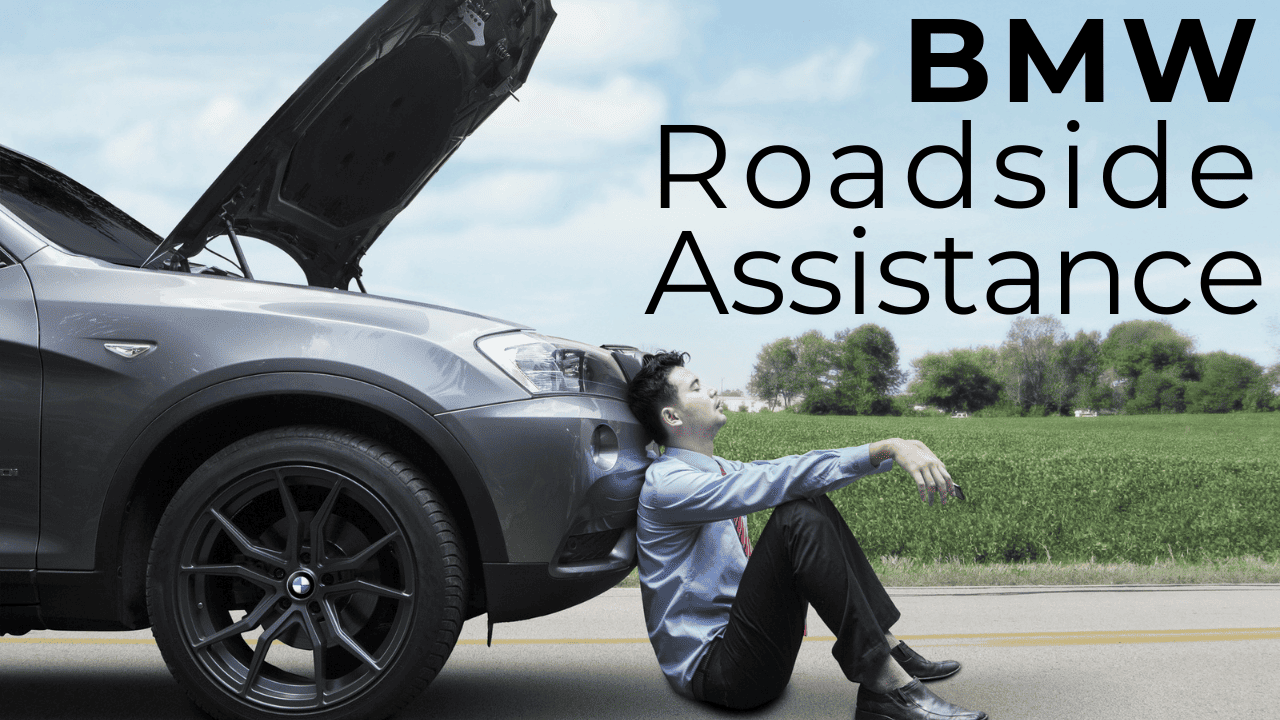
Roadside assistance sounds like an easy purchase for a BMW owner. Modern BMWs are mechanically and electronically complex, roadside repairs are increasingly limited, and getting stranded far from home can turn a minor problem into a major inconvenience.
But that doesn’t automatically mean you should pay separately for another roadside plan. For many BMW owners, the first question isn’t “Do I need roadside assistance?” It is “Do I already have it?”
First, Check Whether You’re Already Covered
BMW includes Roadside Assistance with new U.S. vehicles for the first four years with unlimited mileage. Coverage operates 24 hours a day and includes services such as battery jump-starts, tire assistance, lockout help, fuel or operating-fluid delivery and towing when the vehicle is disabled.
BMW Certified vehicles can also include roadside coverage, and BMW offers extended Roadside Assistance for eligible older vehicles.
So before buying a separate membership, check your existing BMW coverage as well as any roadside benefits provided through other services you already pay for. Duplicating essentially the same coverage rarely makes sense.
What BMW Roadside Assistance Is Actually Good For
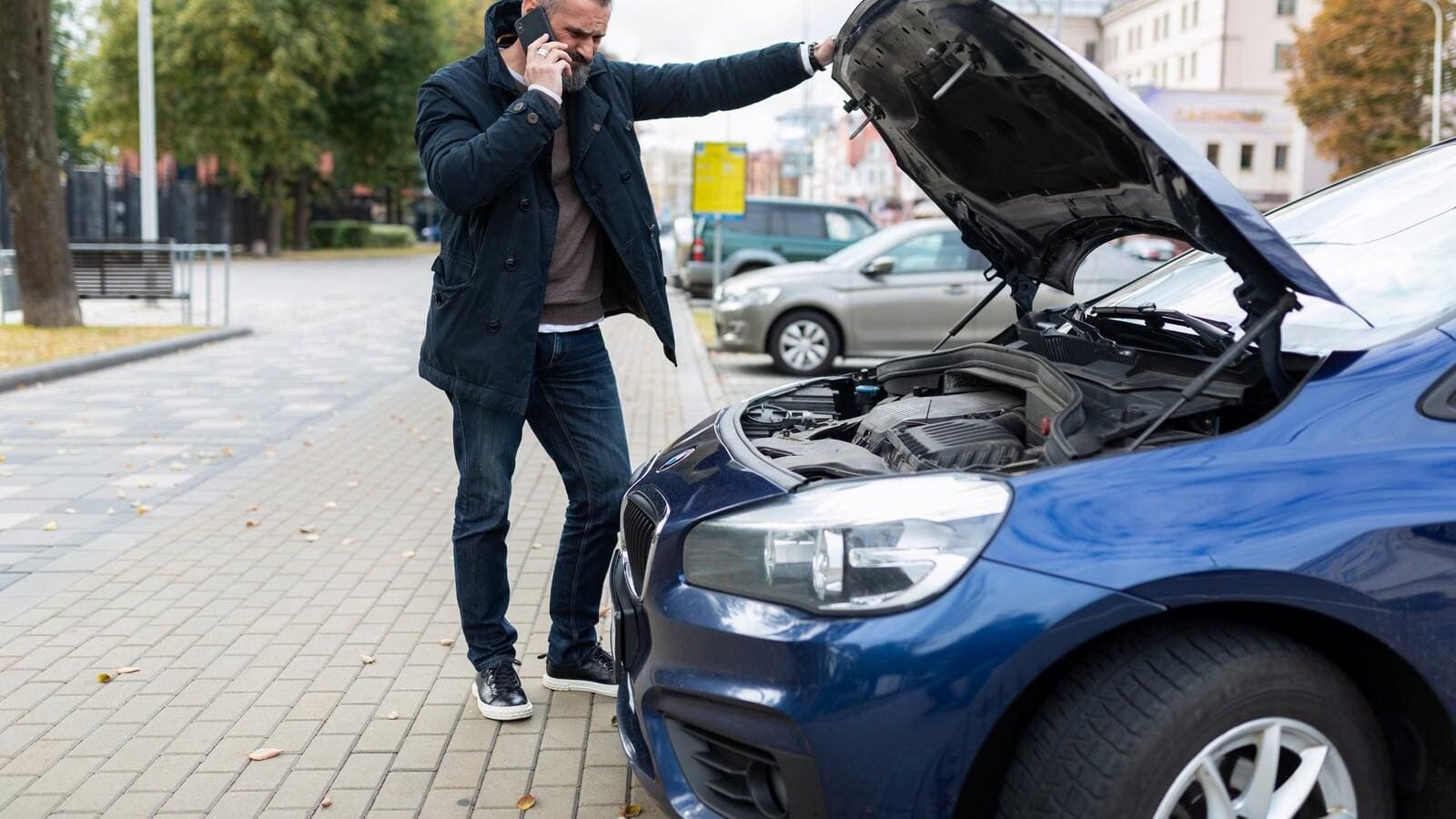
Traditional roadside assistance was partly about fixing simple mechanical problems beside the road. Modern cars have changed that. A failed control module, drivetrain fault, high-voltage EV problem or complicated electrical issue isn’t something a roadside technician will normally repair in a parking lot.
That doesn’t make roadside assistance less relevant. In some ways, it makes recovery more important than repair.
BMW’s service can deal with straightforward problems such as a discharged 12-volt battery or some tire situations. When the problem cannot be resolved there, however, its more important function is getting the vehicle somewhere that can properly diagnose it. For a disabled BMW, towing may therefore be the most valuable part of the entire service.

Where Will They Tow Your BMW?
This is one of the most important questions to ask about any roadside plan. BMW’s current U.S. program generally transports a disabled vehicle to an authorized BMW Center. Current warranty documentation also allows owners to request a preferred BMW Center within specified additional-distance limits.
Compare that with whatever alternative coverage you’re considering. A cheap roadside membership isn’t necessarily useful if its included towing distance leaves your preferred BMW specialist another 40 miles away. When comparing plans, look beyond the annual fee and ask:
- Where can the vehicle be taken?
- How many towing miles are included?
- Are additional miles expensive?
- Is coverage attached to the vehicle or the person?
- Are there service-call limits?
- Is winching included?
- What happens during a long-distance trip?
Those details determine how useful the plan actually is.
The Tire Question Matters More Than It Seems
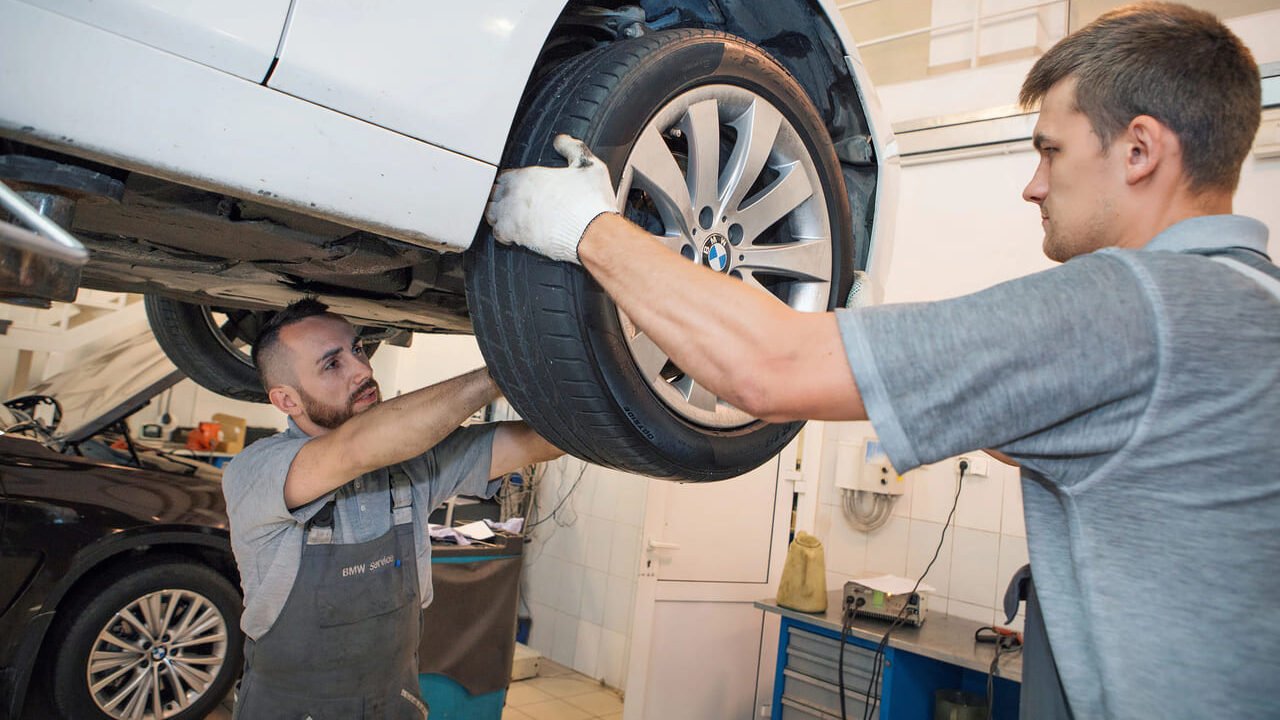
Don’t assume every BMW carries the same tire solution. Depending on model, wheel package and specification, a BMW may use run-flat tires, conventional tires, a mobility kit or another arrangement. Many modern vehicles also lack a traditional full-size spare.
Know what your particular car has before you get a puncture. Run-flats can allow continued travel after certain pressure-loss events, but they don’t make roadside assistance unnecessary. Severe sidewall damage, wheel damage or a major tire failure can still leave the vehicle unable to continue safely.
A mobility kit has limitations too. It isn’t a solution for every puncture, so for owners without a usable spare, towing coverage becomes considerably more relevant.
What About a Dead Battery?
A weak 12-volt battery remains one of the simpler roadside problems. But modern BMW electrical systems also demonstrate why diagnosis matters.
A jump-start may get the vehicle moving if the battery is merely discharged. It doesn’t diagnose why the battery went flat, whether it can still hold adequate charge or whether another electrical problem caused the failure. Treat the jump-start as recovery, not necessarily repair, if the problem repeats, diagnose it.

Roadside Assistance vs. Paying for a Tow
There is no universal financial winner.
Someone who drives mainly around a familiar city, has easy access to a trusted towing company and rarely travels far from home may reasonably prefer to pay for assistance only when needed.
The calculation changes for someone who regularly drives long distances, travels with family, drives late at night or frequently visits areas where finding an appropriate tow provider could be difficult.
Roadside assistance is essentially paying for organized access to help when circumstances are inconvenient, not buying protection against mechanical failure. Whether that convenience is worth paying for depends on how you use the car.
Maintenance Doesn’t Replace Roadside Assistance
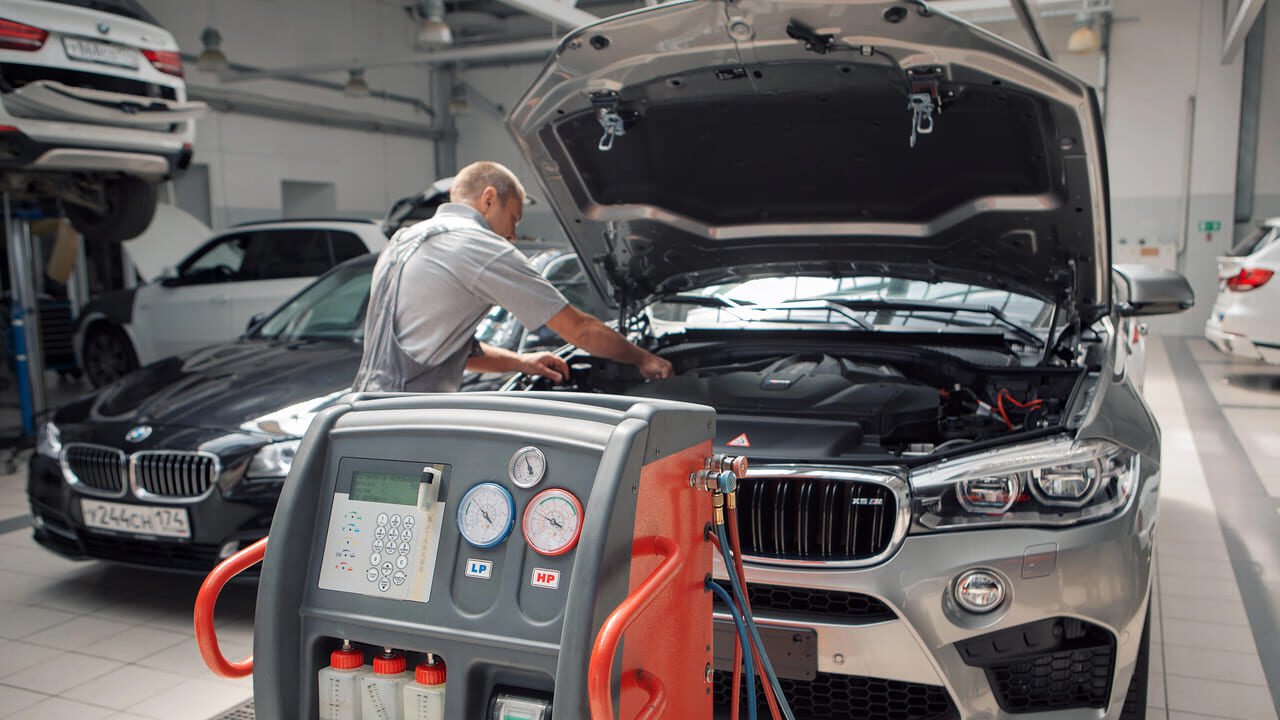
Good maintenance reduces the likelihood of some breakdowns. Battery testing can catch a deteriorating battery, tire inspection can reveal damage, and responding to leaks or warning messages can prevent larger problems.
But maintenance cannot eliminate punctures, road debris, accidents, lost access to the vehicle or every unexpected electrical failure. The two serve different purposes., therefor for a deeper maintenance strategy, see our Ultimate Guide to Car Maintenance for Beginners.
When Does Paying for Roadside Assistance Make Sense?
Separate coverage becomes easier to justify when your existing BMW coverage has expired and you regularly travel far enough that arranging your own recovery would be inconvenient.
It can also make sense when the towing provisions are particularly useful for where you live and drive. Conversely, another paid plan adds relatively little if equivalent roadside service is already included elsewhere. The key is to compare actual benefits rather than membership names.
Bottom Line
BMW Roadside Assistance isn’t useful because BMWs inevitably break down. It’s useful because when a modern vehicle becomes immobilized, there may be very little the driver can realistically do beside the road.
For owners still covered by BMW’s included roadside program, using that coverage is straightforward. Once complimentary coverage expires, the decision becomes more individual. Check what other roadside benefits you already have, understand your BMW’s tire equipment, and pay particular attention to towing limits and destinations before buying another plan.
The most valuable roadside plan isn’t necessarily the one promising the most services. It’s the one that gets your car to the right place when you can’t get it there yourself.
If you found this post insightful, you might enjoy “Top BMW X Models: The Most Dependable Choices” Be sure to explore other sections of our site for detailed car reviews, expert buying guides, and the latest industry insights. There’s plenty to keep you informed! Take a look around, and don’t forget to bookmark us for future updates.
- Chinese Cars Are Winning the Technology Race—But Will They Last?
- 2024 Toyota Camry Reliability: Is It Toyota’s Smartest Buy?
- 2023 Toyota Camry Reliability: Is Paying More Really Worth It?
- 10 Most Reliable Used Cars in 2026: Specific Years to Buy
- 2022 Toyota Camry Reliability: Is It the Best Used Camry?
- Car Reliability Ratings Explained: Which Ones Can You Actually Trust?
*Disclaimer: This website provides automotive content for informational purposes only and should not be considered professional advice. While we strive for accuracy, we do not guarantee the reliability or suitability of any vehicle or product mentioned—always conduct your own research before making purchasing decisions. Additionally, some links on this site are affiliate links, meaning we may earn a commission if you make a purchase, at no extra cost to you.