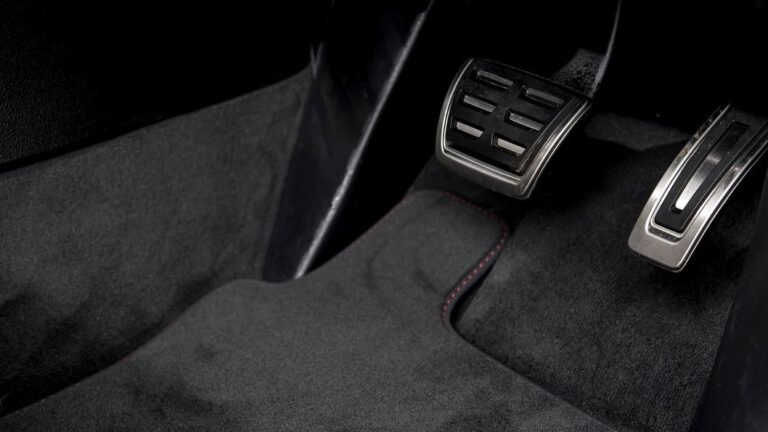
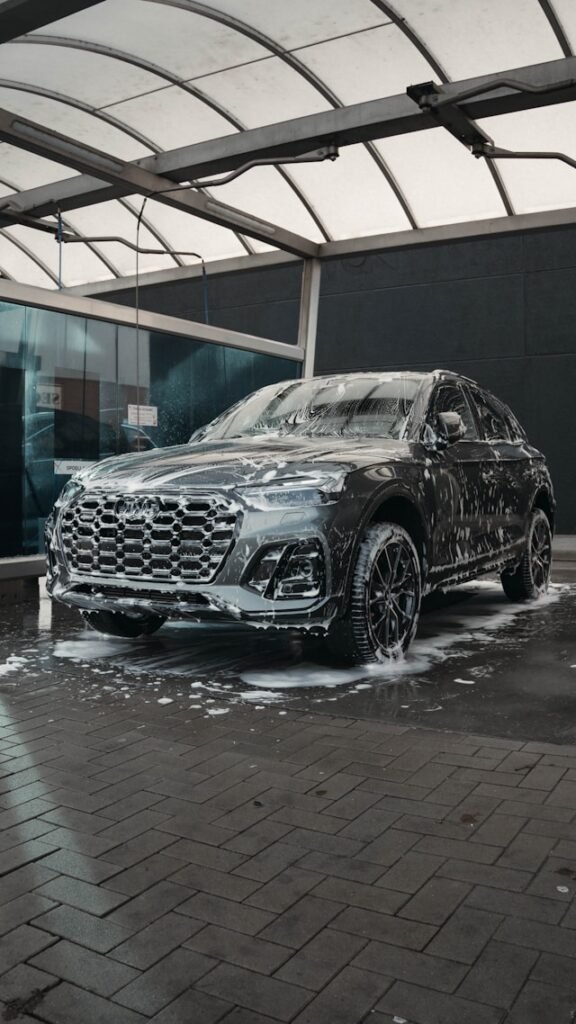
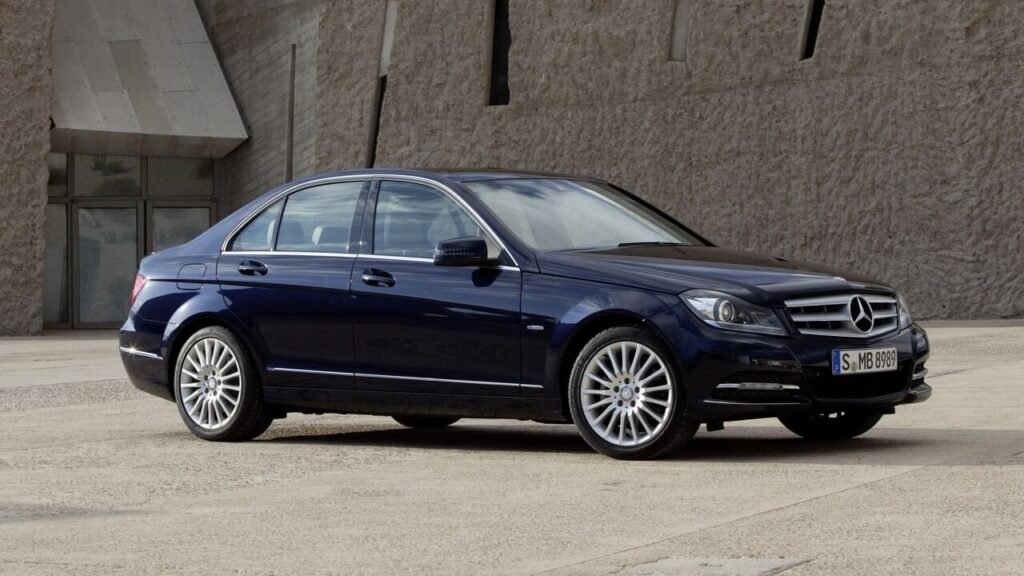
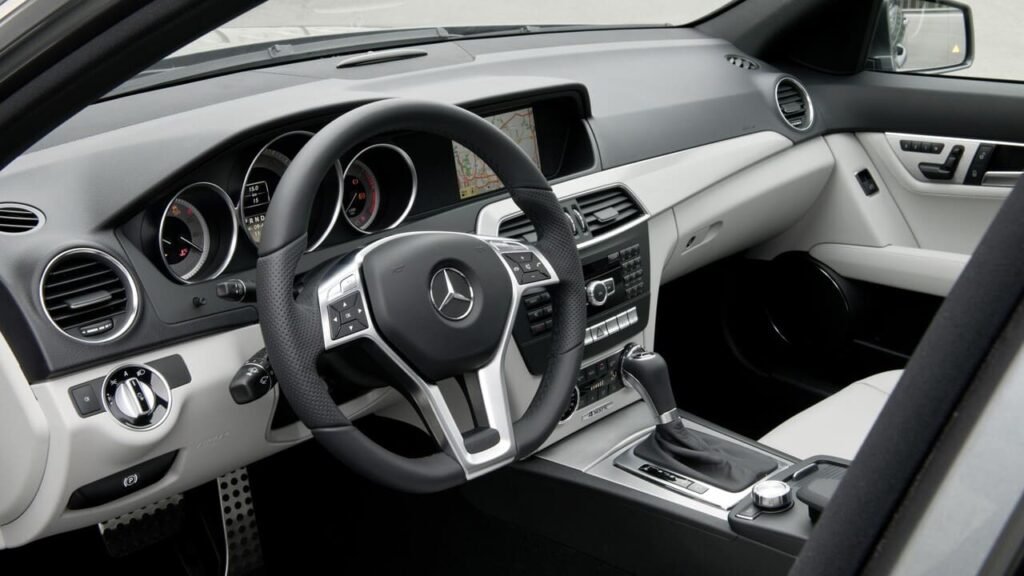
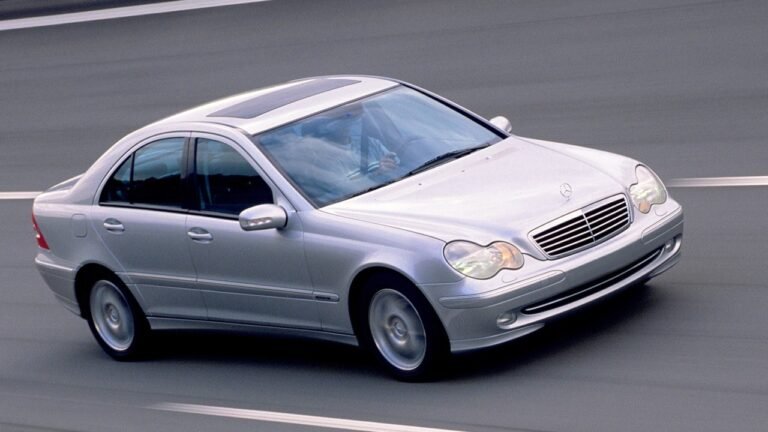
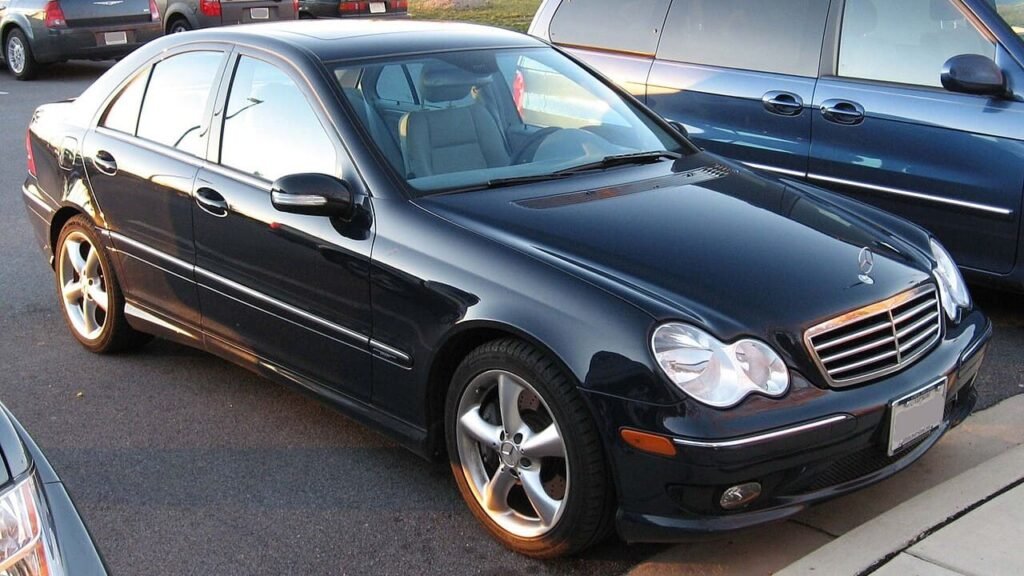
When it comes to maintaining the pristine interior of your Audi, choosing the right floor protection is crucial in order to preserve the cleanliness and integrity of your car’s interior. The original OEM floor mats provide a precision fit and made with high-quality materials for more durability.
No more battling with rain-soaked shoes or everyday dirt, the all-weather can ensure that your car floor and trunk remain dry and clean.
What Makes Audi’s Original Floor Mats a Must-Have?
Audi guard protection kit
Genuine OEM Audi floor mats fit perfectly in the interior contours of each Audi model. This precise fit not only protects the interior carpeting from dirt, spills, and wear but also ensures the mats stay in place, providing safety from slipping hazards. Audi sys that the materials used, from high-grade rubber and textile fibers, offer a balance between durability and aesthetic appeal.
How Do Audi Floor Mats Enhance Vehicle Resale Value?
Floor mats act as a barrier defending against the normal wear and tear from passengers’ shoes, spilled beverages, and other common pollutants that can degrade the car’s floor interior. By safeguarding the carpeting, these mats help maintain the vehicle’s resale value and reduce the need for costly interior detailing services.
Exploring the Range: Audi All-Weather and Textile Floor Mats
There is a variety of floor mat options in offer. All-weather rubber mats are ideal for harsh conditions, featuring grooves and patterns that trap moisture and dirt effectively. Textile mats, on the other hand, offer a softer touch and luxurious look, perfect for milder climates and enhancing the vehicle’s aesthetic.
Custom Fit for Each Model: Audi A4 to Audi Q8
Each Audi model has specifically designed floor mats to ensure a seamless fit. So the Audi A4 features mats that obviously will not fit the Q8, with its larger cabin space.
Do All-Weather Floor Mats Really Protect Against All Weather?
They should be, the all-weather mats are made from durable rubber that withstands extreme temperatures and resists cracking or stiffness. The deep grooves and raised edges trap water, mud, and sand, keeping the underlying carpet dry and clean.
Why Should Audi Owners Choose Genuine Accessories?
While there are some good after market kits, you have to rely on other customers feedback to make sure they fit precisely and have good quality, which can be tricky sometimes as some feedbacks are fake so you can’t really rely on them.
Installation and Maintenance: Tips for Audi Floor Mats
Installing Audi floor mats is straightforward, thanks to their custom-fit design. Regular cleaning is usually enough. You can wash rubber with water and mild soap, while textile mats may require gentle vacuuming and spot cleaning.
What makes Audi’s Accessories Different?
Audi’s original mats are anti-slip, and the materials are eco-friendly.
Which Audi Mat is Best for Your Lifestyle?
It depends on your typical driving conditions and climate. Urban drivers might prefer the lightweight and stylish textile mats, while those in rural or snowy areas might benefit from the rugged functionality of all-weather mats.
Where to Purchase Genuine Audi Floor Mats?
The simple answer is the authorized dealer, that’s the easiest way to ensure the authenticity and ensure you will receive mats that are up-to-date with current designs. You can get these original kits also online from AudiUSA on their website.
Here is another website from Ireland that you can buy these kits from.
Conclusion: Key Points to Remember
Genuine OEM Audi floor mats are essential for maintaining the interior and value of your Audi.
Audi designs specific mats for each model to ensure perfect fit and optimal protection.
All-weather mats provide robust protection against harsh elements, while textile mats offer a more luxurious feel.
It’s always better to opt for genuine Audi accessories to guarantee quality and compatibility.
Regular maintenance extends the life and appearance of your floor mats.
For more topics and stories about cars and their accessories make sure to bookmark TheTopCarList so you get updates early.
Q: What is the Audi Guard Protection Kit?
A: The Audi Guard Protection Kit is floor mats designed to safeguard your Audi vehicle against damage.
Q: How can the Audi Guard Protection Kit benefit my Audi Q3?
A: The protection accessories included in the kit are tailored to fit your specific Audi model and protect the floor from dirt and slippages.
Q: Are the protection accessories in the Audi Guard Protection Kit durable?
A: Yes, the protection accessories are designed by Audi to ensure durability and high quality standards.
Q: Is the Audi Guard Protection Kit compatible with the 2023 Audi Q3?
A: Yes, the Audi Guard Protection Kit fits the 2023 Audi Q3.
Q: Are the prices for the Audi Guard Protection Kit subject to change?
A: We think so, however you can check the latest prices by calling your local dealer or visiting Audi official website.
Q: How can I ensure proper installation of the Audi Guard Protection Kit accessories?
A: Instructions for installation are typically included with the kit.
*Disclaimer: This website provides automotive content for informational purposes only and should not be considered professional advice. While we strive for accuracy, we do not guarantee the reliability or suitability of any vehicle or product mentioned—always conduct your own research before making purchasing decisions. Additionally, some links on this site are affiliate links, meaning we may earn a commission if you make a purchase, at no extra cost to you.
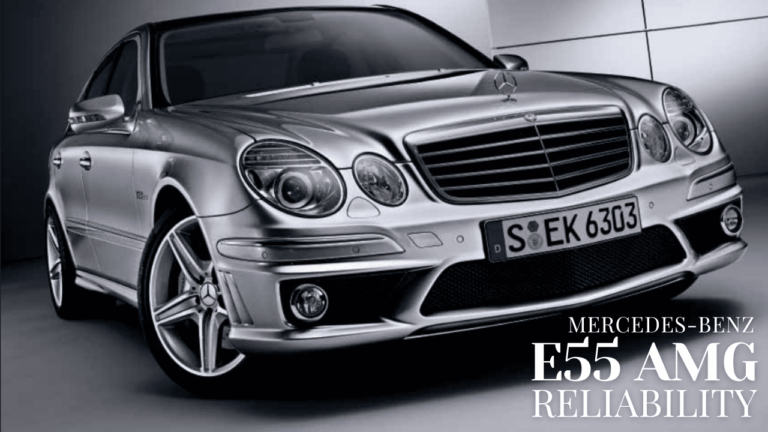
The Mercedes-Benz E55 AMG, produced from 1999 to 2006, occupies a legendary space in the AMG canon. As the first AMG model officially sold in the United States, it quickly garnered acclaim for blending top-tier performance, everyday usability, and what was—at the time—a bulletproof reliability record by high-performance standards. Even by modern measurements, the E55 AMG’s 469 horsepower and 516 lb-ft of torque deliver remarkable acceleration, enabling 0–60 mph in about 4.5 seconds. But does this now two-decade-old super sedan still merit consideration for collectors and enthusiasts? In this comprehensive guide, we’ll assess the E55 AMG’s reliability, delve into common problem areas, and offer expert advice for prospective owners.
Powertrain Highlights
Platform and Engine
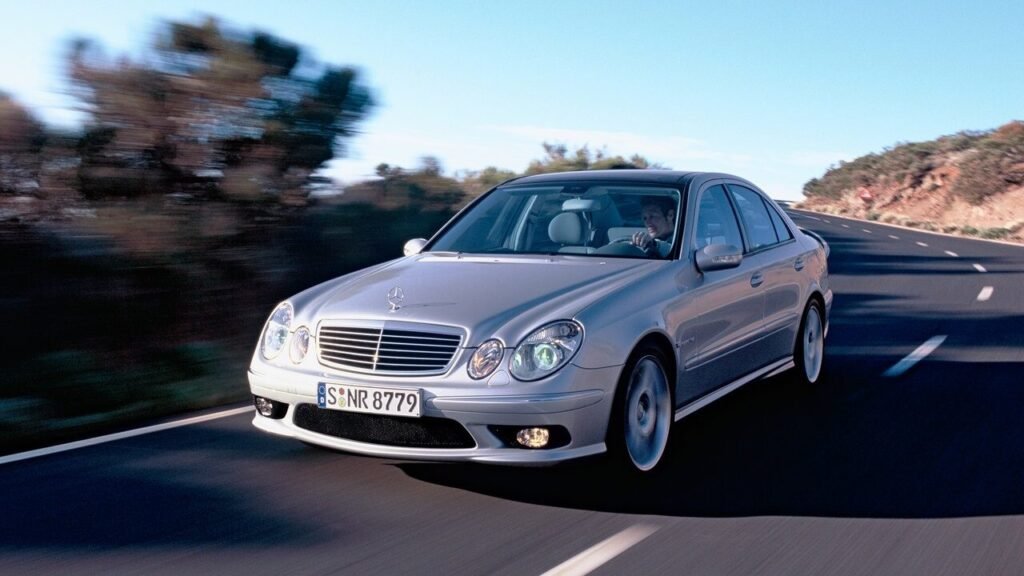
Platform: The Mercedes E55 AMG was based on the W210 platform (1999–2002) and later the Mercedes W211 platform (2003–2006). Most enthusiasts associate the E55 AMG with the W211 chassis, notable for its refined interior, sharper design, and improved electronic systems.
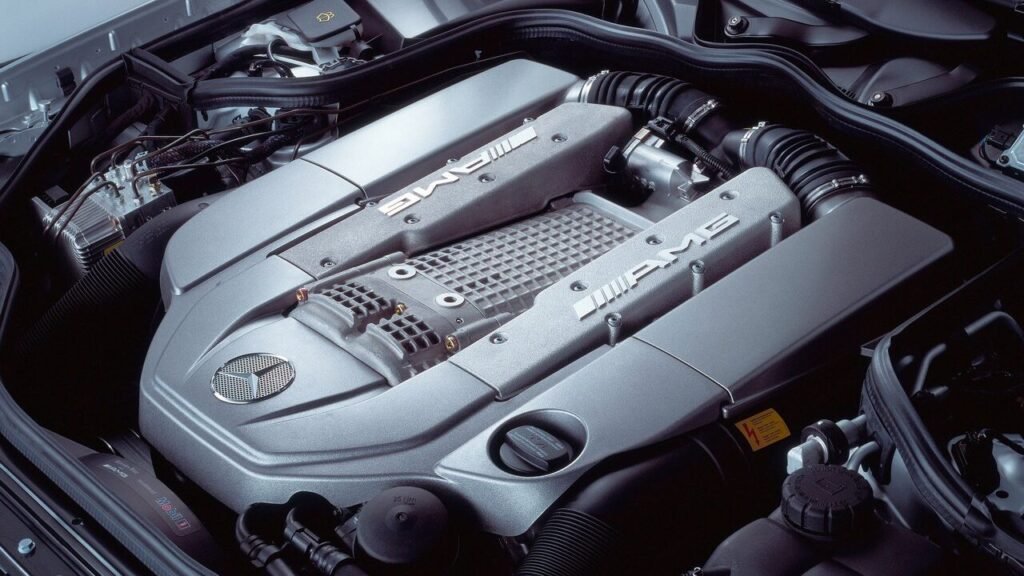
Engine: The heart of the W211 E55 AMG is the M113K (Kompressor) 5.4-liter supercharged V8, delivering 469 hp (European-spec models often quoted at slightly higher outputs). This engine remains a highlight of AMG engineering, praised for its robust internals, relatively simple design (single-cam per bank, 3 valves per cylinder), and raw torque.
Transmission: A 5G-Tronic (722.6) five-speed automatic channels power to the rear wheels. Although only offering five gears, its torque capacity and reliability historically outperformed many early multi-gear automatics.
Reliability Overview
Enthusiasts often hold AMG models to a different standard: extraordinary performance should come without sacrificing longevity. For the E55 AMG, this delicate balance was usually met—particularly if regular maintenance was adhered to. A 2022 analysis by Consumer Reports on aging luxury performance cars notes that, despite the E55’s complexity, well-maintained examples can exhibit “above-average reliability” for their class.
Key Reliability Takeaways
AMG-Tuned M113K: Highly durable when serviced with recommended fluids and intervals.
5G-Tronic Automatic: Renowned for strength and reliability, though wiring harness and connector leaks can occur.
Electronics and SBC: Early-2000s Mercedes models introduced advanced systems like Sensotronic Brake Control (SBC), which can be a point of failure or confusion, but Mercedes extended the SBC warranty to 25 years.
Maintenance Costs: Higher than a standard E-Class, but competitive when compared to other high-performance German sedans of its era (BMW M5, Audi RS6).
Common Issues and Areas of Concern
Engine and Transmission
Crankshaft Position Sensor: Failures can lead to intermittent stalling or a no-start condition. Replacement is relatively inexpensive but requires prompt attention.
Harmonic Balancer: Deterioration can cause engine vibrations or accessory belt misalignment.
Oil Level Sensor Leaks: These can cause minor drips on the engine block.
Ignition Components (Spark Plugs, Coils): Misfires may occur if maintenance intervals are overlooked, especially given the engine’s high-output nature.
Transmission Wiring Harness Leak: The 722.6 can seep transmission fluid into the wiring harness, possibly damaging the control module if unchecked.
Driveshaft Flex Discs: Subject to wear and cracking with higher mileage, potentially leading to drivetrain vibrations.
Preventive Action: Follow recommended oil change intervals (~5,000 miles for a supercharged V8), use high-quality synthetic oils (MB 229.5 spec or equivalent), and address leaks early.
Electrical and Electronics
Heater Control Valve: Digital control valve can fail, impacting cabin heating.
Brake Light Switch: A known weak point causing random error messages or no-start conditions.
SBC Brake System: While advanced for its time, SBC can produce warning codes if internal pressure sensors degrade. Mercedes’ extended warranty often covers failures.
Suspension and Braking
Airmatic Suspension: The E55 AMG used air struts for adaptive damping. Leaks or compressor failures can be costly, but upgraded aftermarket units (e.g., Arnott) can provide more durability.
Brake Rotors: Warping under hard driving or track usage is not uncommon. High-performance pads and careful torque on wheel bolts can mitigate issues.
Interior and Exterior
Leather Seat Wear: Bolster cracking and general wear on driver’s seat after 100k+ miles.
Cup Holder and Armrest: Less robust plastic parts often fail under regular stress.
Paint Durability: Fading or peeling can appear if neglected, especially for darker colors.
Maintenance and Repair Costs
Owning an E55 AMG demands a higher level of care than a standard W211 E-Class. Experts suggest budgeting an average of $1073 annually for routine maintenance (fluids, brakes, minor fixes). Major repairs—like Airmatic compressor replacement or supercharger component work—can push costs beyond $3,000.
Repair Examples (Approximate):
Airmatic Air Strut: $800–$1,500 (OEM part + labor)
SBC Brake System Pump: Covered under extended warranty if it fails, but out-of-warranty cost can exceed $2,500.
Transmission Service: $300–$600 (fluid, filter, conductor plate if needed)
Wagon Variant: E55 AMG Estate
Mercedes offered a Wagon (Estate) version of the E55 AMG in limited numbers for the U.S. market. Its performance is identical to the sedan—4.5 seconds to 60 mph—while offering additional cargo space. Wagons typically command a premium due to rarity, with well-kept 2006 E55 AMG Estates ranging from $20,000–$25,000.
Ownership Tips for Longevity
Professional Maintenance: AMG engines benefit from specialized knowledge. Find a reputable independent Mercedes or Euro performance shop.
Regular Fluid Changes: Supercharged engines place higher stress on oil and cooling systems. Adhere to shorter intervals.
Monitor Airmatic: Inspect struts for leaks and consider preemptive replacements if approaching 100k miles.
SBC System Check: Keep records of any service done under warranty, ensuring coverage remains valid.
Avoid Cheap Aftermarket Modifications: Poor-quality tunes or parts can strain the powertrain, leading to costly repairs.
Conclusion: Is the E55 AMG Still Worth It?
For enthusiasts craving a timeless blend of power, luxury, and exclusivity, the W211 E55 AMG can still be a remarkably rewarding purchase—provided you’re prepared for the maintenance responsibilities that come with a two-decade-old, high-performance German vehicle. Its reputation for reliability largely stems from robust engineering, though neglect can quickly turn small problems into major headaches.
If you plan to buy, insist on full service records and consider a pre-purchase inspection (PPI) from a qualified Mercedes specialist. Doing so ensures you’ll enjoy the full potential of this iconic super sedan—without letting ownership costs get out of hand.
Hey there, if you’re into Mercedes-Benz, you should really check this out: Is the Mercedes-Benz C63 AMG a Reliable Performance Sedan?. Also, don’t miss out on exploring the rest of our site. We’ve got loads of stuff like in-depth car reviews, buying tips, and the latest news from the industry. Take a peek and don’t forget to save our homepage for any updates!
*Disclaimer: This website provides automotive content for informational purposes only and should not be considered professional advice. While we strive for accuracy, we do not guarantee the reliability or suitability of any vehicle or product mentioned—always conduct your own research before making purchasing decisions. Additionally, some links on this site are affiliate links, meaning we may earn a commission if you make a purchase, at no extra cost to you.
SUVs are everywhere these days, they have become the default choice for more and more individuals in recent years. While they do have their advantages such as spaciousness, versatility, and ruggedness that many consumers find appealing.
However, one major concern for SUV owners is gas mileage. SUVs are notorious for their lower fuel efficiency compared to smaller cars, and this can be a significant factor to consider when purchasing an SUV.
Gas mileage is important for several reasons. Firstly, it affects the cost of owning and operating an SUV. With rising fuel prices, a vehicle that guzzles gas can quickly become a financial burden. Secondly, high gas mileage has a negative environmental impact. Vehicles that consume more fuel emit more greenhouse gases, contributing to climate change.
Lastly, gas mileage affects the range of an SUV. A vehicle with poor fuel efficiency will require more frequent refueling, limiting its ability to travel long distances without stopping.
SUVs are popular but often have lower gas mileage than smaller vehicles
Gas mileage ratings for SUVs are determined by standardized tests
Factors that affect SUV gas mileage include weight, engine size, and driving habits
Some SUVs, such as the Toyota RAV4 Hybrid, have excellent gas mileage
Other SUVs, such as the Lamborghini Urus, have very poor gas mileage
Hybrid and electric SUVs can be more fuel-efficient, but may have higher upfront costs
Tips for improving SUV gas mileage include maintaining proper tire pressure and avoiding aggressive driving
Balancing performance and fuel efficiency can be a challenge for SUV manufacturers
Future trends in SUV gas mileage may include more hybrid and electric options
Choosing the right SUV for your needs and budget requires considering factors such as gas mileage, size, and features.
Understanding Gas Mileage Ratings for SUVs
The official gas mileage ratings for SUVs are determined by the Environmental Protection Agency (EPA) through standardized testing procedures. These ratings are expressed in miles per gallon (MPG), however, it’s important to note that these ratings are based on laboratory tests and may not reflect real-world driving conditions.
The EPA provides two types of MPG ratings: city and highway. The city MPG rating represents the fuel efficiency during stop-and-go driving in urban areas, while the highway MPG rating represents fuel efficiency during steady-state cruising on highways.
One thing to note here, while the city rating is typically lower than the highway rating because urban driving involves more frequent stops and starts, which require more energy. In hybrid cars, it quite the opposite, the reason is hybrid cars utilize those same frequent stopping instances to generate electric charge and send it back to the battery.
What Factors Affect SUV Gas Mileage?
Several factors can influence the gas mileage of an SUV. Understanding these factors such as:
The weight and size of an SUV. Generally, larger and heavier SUVs require more energy to move, and generate more aerodynamic drag.
The engine size and type. Smaller engines tend to be more fuel-efficient and require less energy to operate. Additionally, technologies such as turbocharging and direct injection, can improve fuel efficiency by optimizing combustion.
The type of transmission. Automatic transmissions are still slightly less efficient than manual transmissions. However, some modern automatic transmission narrowed this gap in recent years.
Driving habits. Aggressive driving, such as rapid acceleration and hard braking, can significantly reduce fuel efficiency of your vehicle.
Traffic conditions can also influence gas mileage. Driving in heavy traffic or on hilly terrain can increase fuel consumption due to frequent stops and starts or increased load on the engine.
Weather conditions. Driving on snow or mud requires to put the transmission on lower gears, which results in the engine revving harder to move the vehicle.
Vehicle maintenance. Neglecting regular maintenance can lead into multiple issues such as clogged fuel injectors or dirty oxygen sensor which can alter the air fuel ration and cause higher fuel consumption.
Top SUVs with the Best Gas Mileage
Vehicle
Combined
City
Highway
1
2024 Kia Niro Hybrid
49 mpg
53 mpg
45 mpg
2
2024 Lexus UX
42 mpg
43 mpg
41 mpg
3
2024 Toyota Venza
39 mpg
40 mpg
37 mpg
4
2024 Kia Sportage Hybrid
38 mpg
38 mpg
38 mpg
5
2024 Honda CR-V Hybrid
37 mpg
40 mpg
34 mpg
6
2024 Toyota RAV4 Hybrid
37 mpg
38 mpg
35 mpg
Fuel economy figures for some of the best fuel economy SUVs
While SUVs are generally not known for their fuel efficiency, hybrids and plug-in hybrids are changing the scene rapidly. While it was the Germans who came up with hybrid concept for the first time, the Japanese where the ones who perfected the technology and dominated the sales since the late 90’s of last century.
However, it seems that the Koreans are moving forward in a greater pace and might beat the Japanese at their own game.
Top SUVs with the Worst Gas Mileage
Vehicle
Combined
City
Highway
1
2024 Ferrari Purosangue
13 mpg
12 mpg
16 mpg
2
2024 Mercedes-Benz G550
14 mpg
13 mpg
16 mpg
3
2025 Rolls-Royce Cullinan
14 mpg
12 mpg
20 mpg
4
2024 Lamborghini Urus
16 mpg
14 mpg
19 mpg
5
2024 Chevrolet Suburban
16 mpg
14 mpg
19 mpg
6
2024 Ford Expedition
18 mpg
16 mpg
22 mpg
Fuel economy figures for some of the worst fuel economy SUVs
On the other end of the spectrum, these SUVs have very low gas mileage ratings. of course most of the SUVs are either luxurios or sporty which makes sense:
As for the Mercedes-Benz G-Class, for the 2025 year it has been updated with a slightly better EPA-estimated with city MPG rating of 15 instead of 14 and a highway MPG rating of 14 instead of 13 and a combined 17 instead of 16, which is still very bad!
Hybrid and Electric SUVs: Are They More Fuel-Efficient?
Hybrid and electric SUVs offer an alternative to traditional gasoline-powered models, with the promise of improved fuel efficiency. Hybrid SUVs combine a gasoline engine with an electric motor, while electric SUVs rely solely on electric power. Here’s a comparison of the different types of SUVs:
Gasoline SUVs: Traditional gasoline-powered SUVs have the lowest upfront cost compared to hybrids and electric vehicles. However, they generally have lower gas mileage ratings and higher fuel costs in the long run.
Hybrid SUVs: Hybrid SUVs offer better fuel efficiency than their gasoline counterparts. They use regenerative braking and electric power assist to improve gas mileage. While hybrid SUVs have a higher upfront cost, they can save money on fuel over time.
Electric SUVs: Electric SUVs are the most fuel-efficient option, as they produce zero tailpipe emissions and rely solely on electricity for power. However, they have limited range and require access to charging infrastructure. Electric SUVs also have a higher upfront cost compared to gasoline and hybrid models.
Tips for Improving SUV Gas Mileage
While the gas mileage of an SUV is largely determined by its design and technology, there are steps that owners can take to improve fuel efficiency:
1. Proper maintenance and upkeep: Regular maintenance, such as oil changes, tire rotations, and air filter replacements, can help keep an SUV running efficiently. Keeping tires properly inflated and aligned can also improve gas mileage.
2. Driving techniques to improve fuel efficiency: Avoiding aggressive driving habits, such as rapid acceleration and hard braking, can help conserve fuel. Maintaining a steady speed on highways and using cruise control when appropriate can also improve gas mileage.
3. Modifications and upgrades to improve gas mileage: Some aftermarket modifications, such as installing a more efficient air intake or upgrading to low-rolling-resistance tires, can improve gas mileage. However, it’s important to research these modifications and consult with a professional to ensure they are compatible with the vehicle.
Balancing Performance and Fuel Efficiency in SUVs
When choosing an SUV, it’s important to find a balance between performance and fuel efficiency. Some SUVs prioritize power and towing capacity over fuel economy, while others prioritize fuel efficiency at the expense of performance. Consider your driving needs and habits to determine which factors are most important to you.
If you frequently tow heavy loads or require off-road capability, a larger SUV with a powerful engine may be more suitable. However, if you primarily use your SUV for commuting and everyday driving, a smaller, more fuel-efficient model may be a better choice.
It’s also worth considering alternative powertrain options, such as hybrid or electric SUVs, if fuel efficiency is a top priority. These vehicles offer improved gas mileage and reduced emissions without sacrificing performance.
The Future of SUV Gas Mileage: Trends and Predictions
As concerns about climate change and rising fuel prices continue to grow, automakers are investing in technologies to improve the gas mileage of SUVs. Some trends and predictions for the future of SUV gas mileage include:
1. Increased electrification: More automakers are introducing hybrid and electric SUVs to their lineup. As battery technology improves and charging infrastructure expands, electric SUVs are expected to become more popular.
2. Lightweight materials: Automakers are exploring the use of lightweight materials, such as aluminum and carbon fiber, to reduce the weight of SUVs. Lighter vehicles require less energy to move, resulting in improved gas mileage.
3. Advanced engine technologies: Engine technologies such as turbocharging, direct injection, and cylinder deactivation are becoming more common in SUVs. These technologies optimize combustion and improve fuel efficiency without sacrificing performance.
Choosing the Right SUV for Your Needs and Budget
When choosing an SUV, it’s important to consider gas mileage as a key factor. While SUVs are generally less fuel-efficient than smaller cars, there are models available that offer better gas mileage. Hybrid and electric SUVs provide even greater fuel efficiency, but they may come with a higher upfront cost.
By understanding the factors that affect gas mileage, considering your driving needs and habits, and exploring alternative powertrain options, you can find an SUV that meets your needs and budget. Proper maintenance and driving techniques can also help improve fuel efficiency and reduce your environmental impact. Ultimately, choosing the right SUV requires a balance between performance, fuel efficiency, and personal preferences.
You can improve the gas mileage of your SUV by maintaining proper tire pressure, avoiding aggressive driving, reducing excess weight in the vehicle, and keeping up with regular maintenance such as oil changes and air filter replacements.
What is the significance of tire pressure on a vehicle’s fuel economy?
Tire pressure plays a significant role in a vehicle’s fuel economy. Under-inflated tires can increase rolling resistance, which means the engine has to work harder to move the vehicle, leading to higher fuel consumption. Maintaining the recommended tire pressure for your vehicle can improve your miles per gallon (mpg) performance, leading to better fuel economy and saving you money on gas over time.
How do driving habits impact fuel economy?
Driving habits significantly impact fuel economy. Practices such as aggressive acceleration, excessive braking, and idling can lead to higher fuel consumption. Adopting smoother driving techniques, such as gradual acceleration, anticipating stops to minimize braking, and avoiding excessive idling, can improve a vehicle’s fuel economy. Following the speed limit and using cruise control on highways can also contribute to achieving better mpg ratings.
How does the type of fuel used affect a vehicle’s fuel economy?
The type of fuel used can significantly affect a vehicle’s fuel economy. Vehicles running on diesel, for example, often have higher fuel economy ratings compared to those using gasoline because diesel has a higher energy content per gallon. Electric vehicles (EVs), measured in miles per gallon equivalent (MPGe), show even more impressive fuel economy figures due to the efficiency of electric motors compared to traditional internal combustion engines.
Why is van and truck idling considered harmful for fuel economy?
Van and truck idling is considered harmful for fuel economy because when a vehicle is idling, it gets 0 miles per gallon while still consuming fuel. Prolonged idling can waste a significant amount of fuel, and for commercial vehicles like vans and trucks that often idle during deliveries or work operations, this can lead to unnecessarily high fuel costs and increased emissions. Reducing idle time is an effective way to improve a vehicle’s overall fuel economy.
Can altering a vehicle’s design improve fuel economy?
Yes, altering a vehicle’s design can significantly improve fuel economy. Aerodynamic enhancements, such as reducing drag with sleeker body designs, along with lightweight materials for construction, can decrease the amount of fuel used. Automakers are utilizing these strategies, alongside improvements to engine efficiency and the incorporation of hybrid and electric powertrains, to meet regulatory requirements and consumer demands for vehicles with better fuel economy ratings.
*Disclaimer: This website provides automotive content for informational purposes only and should not be considered professional advice. While we strive for accuracy, we do not guarantee the reliability or suitability of any vehicle or product mentioned—always conduct your own research before making purchasing decisions. Additionally, some links on this site are affiliate links, meaning we may earn a commission if you make a purchase, at no extra cost to you.
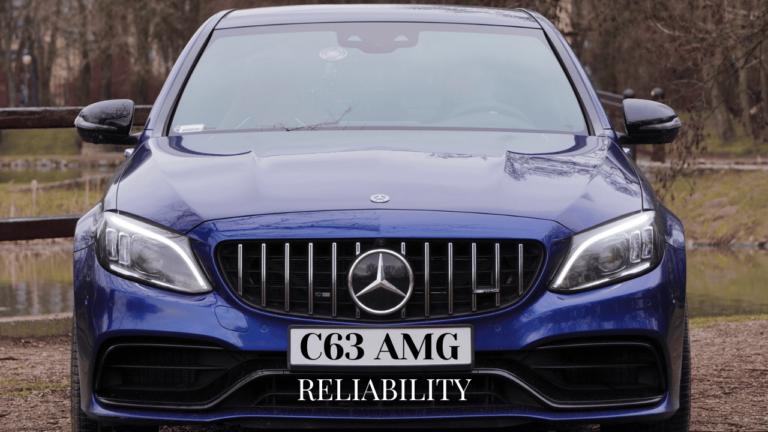
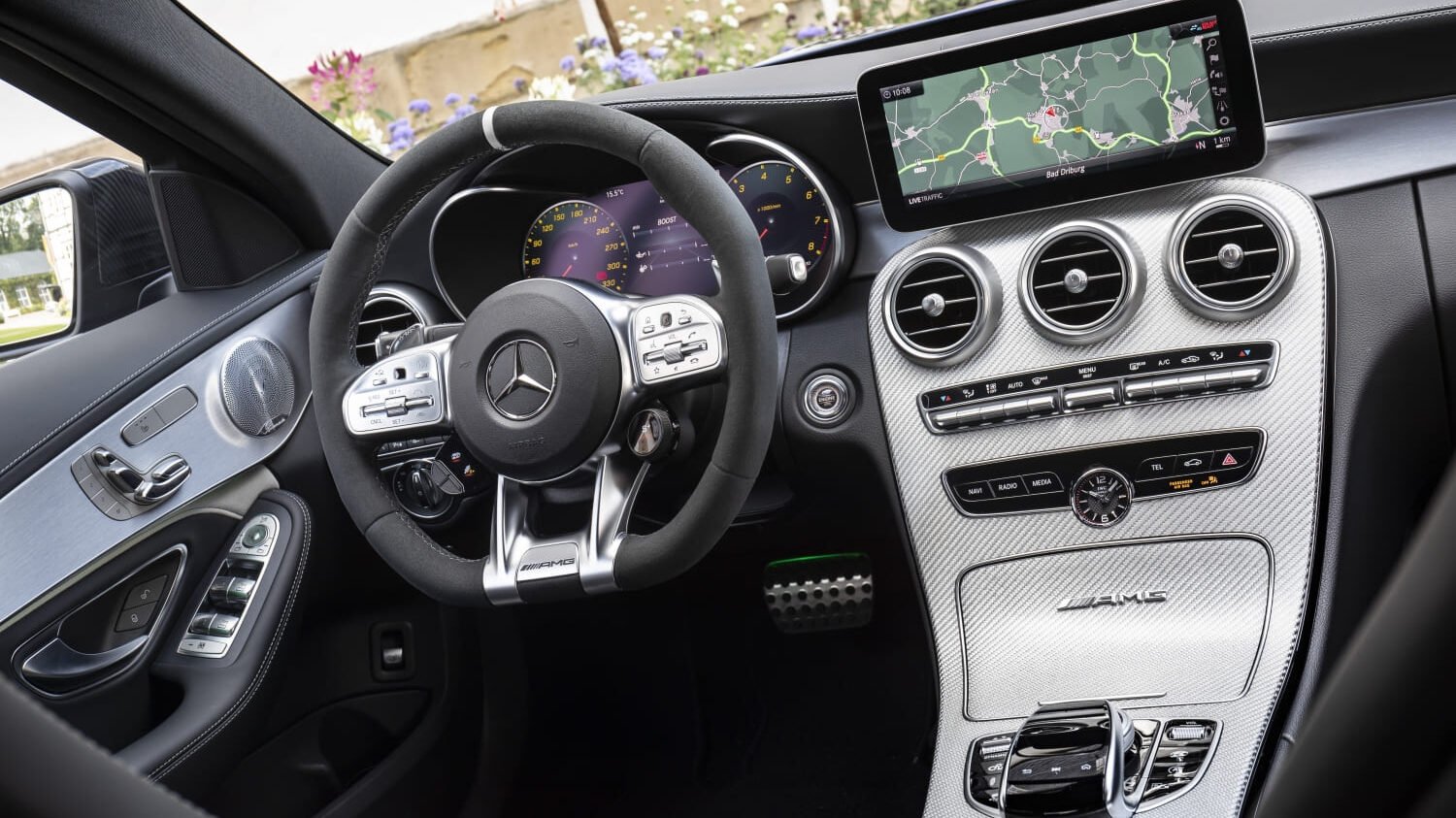
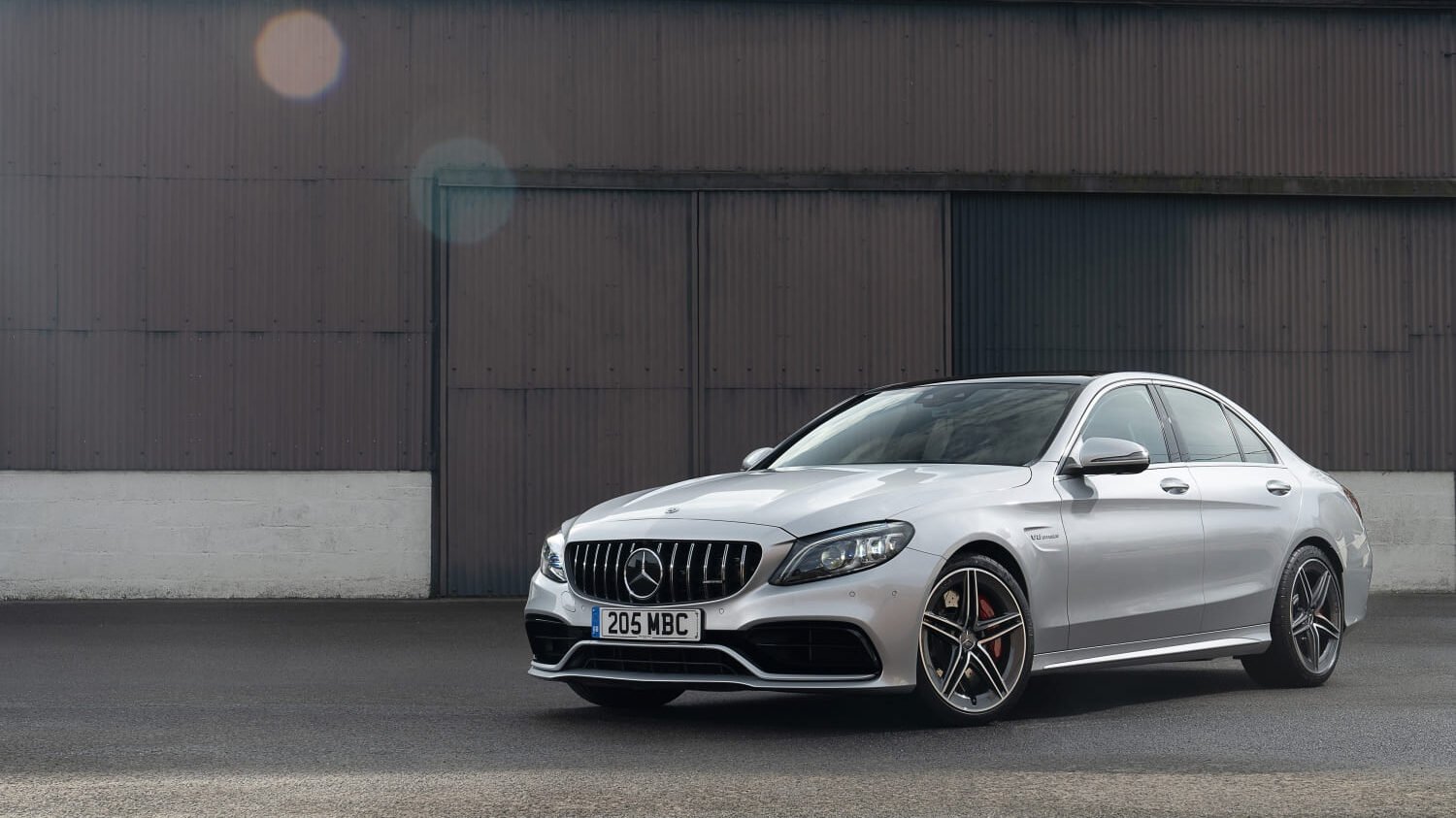
The 2021 Mercedes-Benz C63 AMG, the high-performance variant of the W205 C Class, has been revered for its brutal power, aggressive styling, and precision engineering. While it delivers exhilarating performance, does it hold up in terms of reliability?
In this deep dive, we examine real-world reliability ratings, common issues, maintenance costs, and ownership insights from J.D. Power and NHTSA. Whether you’re considering a used C63 AMG or already own one, this guide will provide an authoritative analysis of its long-term dependability.
Reliability Scores from Credible Sources
Source
Reliability Score
Category
J.D. Power
79/100
“Average”
Consumer Reports
2/5*
“Below Average”
NHTSA Recalls
Multiple Recalls Reported
“Moderate Concerns”
*Regular C-Class reliability verdict
J.D. Power: 71/100 Reliability Rating
J.D. Power assigns the C63 AMG an average reliability rating of 79/100. The model excels in engine durability and driving dynamics but struggles with electrical issues and expensive repairs.
Consumer Reports: 3/5 Rating
Consumer Reports doesn’t provide reliability records for the 2021 C63 AMG; instead, they rate the regular C-Class, which received a below-average score of 2 out of 5. While its powertrain is robust, long-term data have noted issues with infotainment malfunctions and oil leaks.
NHTSA Recalls and Safety Concerns
The National Highway Traffic Safety Administration (NHTSA) lists multiple recalls for the 2021 C63 AMG, These are as follows:
Loss of Drive Power from Fuel Pump Shutdown (June 2023)
Disabled Emergency Call System (May 2022)
Inoperable Rearview Camera Display/FMVSS 111 (April 2022)
Improperly Mounted Rear Headrests (May 2021)
Faulty Front Seat Position Switch (April 2021)
As a niche sports car with fewer sales than mainstream models, the C63 isn’t always directly crash-tested by safety institutions. However, because it shares its platform with the regular C-Class—which earned a Top Safety Pick+ from the Insurance Institute for Highway Safety (IIHS)—the C63 is considered safe enough for everyday driving.
Common Issues with the Mercedes-Benz C63 AMG
Despite its legendary performance, the C63 AMG has several known reliability issues. Here’s what owners and mechanics commonly report:
1. Engine Oil Leaks & Head Bolt Failures
The M156 6.2L V8 (2008–2015) and M177 4.0L Biturbo V8 (2015–present) both exhibit oil leaks at high mileage.
Early M156 models suffer from weak head bolts, leading to catastrophic engine failure if untreated.
2. Transmission Problems
Some 7G-Tronic and 9G-Tronic transmissions experience harsh shifts and occasional slipping.
Torque converter failure is common in higher mileage units.
3. Suspension and Differential Issues
AMG Ride Control adaptive dampers may fail, leading to expensive replacement costs.
Limited-slip differentials in performance packages can develop clunking sounds or leaks over time.
4. Electrical System Malfunctions
Infotainment system COMAND freezes or requires software updates.
Faulty O2 sensors and fuel injector failures can trigger check engine lights.
5. Carbon Buildup in Turbocharged Models
M177 twin-turbo V8 engines (2015–present) can suffer from intake valve carbon buildup, reducing performance and requiring walnut blasting.
Maintenance and Ownership Costs
The C63 AMG requires premium upkeep, given its high-performance nature. Below is an estimated breakdown of routine service costs:
Service Type
Estimated Cost
Frequency
Oil Change
$150–$250
Every 5,000–7,500 miles
Brake Pad Replacement
$500–$1,000
Every 30,000 miles
Transmission Service
$500–$800
Every 60,000 miles
Carbon Cleaning
$800–$1,500
Every 40,000 miles
Differential Service
$400–$700
Every 50,000 miles
Is the Mercedes-Benz C63 AMG Worth Buying?
Pros
Thrilling Performance – One of the best-sounding and most powerful AMG models.
Strong Engine Longevity – If well maintained, the M156 & M177 engines are highly durable.
Resale Value – AMG models hold value better than standard C-Class variants.
Cons
Expensive Maintenance – Higher upkeep costs than non-AMG Mercedes models.
Potential Head Bolt Issues – Early M156 models need upgraded head bolts.
Transmission Concerns – Some 9G-Tronic units require software tuning.
Final Verdict
The Mercedes-Benz C63 AMG is a thrilling but high-maintenance vehicle. It rewards enthusiasts with brutal power, luxury, and a legendary exhaust note, but owning one requires serious commitment to maintenance.
For prospective buyers, a well-documented service history is essential. Avoid neglected examples and ensure pre-purchase inspections (PPI) for potential carbon buildup, oil leaks, and transmission wear.
Hey there Mercedes-Benz fans! You’ll want to check this out: E55 AMG Reliability: A Look At Mercedes Benz W211 Ownership. And while you’re here, don’t miss out on exploring other sections of our site. We’ve got detailed car reviews, expert buying tips, and the latest news in the industry all ready for you. Take a peek and remember to bookmark our homepage for future updates!
*Disclaimer: This website provides automotive content for informational purposes only and should not be considered professional advice. While we strive for accuracy, we do not guarantee the reliability or suitability of any vehicle or product mentioned—always conduct your own research before making purchasing decisions. Additionally, some links on this site are affiliate links, meaning we may earn a commission if you make a purchase, at no extra cost to you.
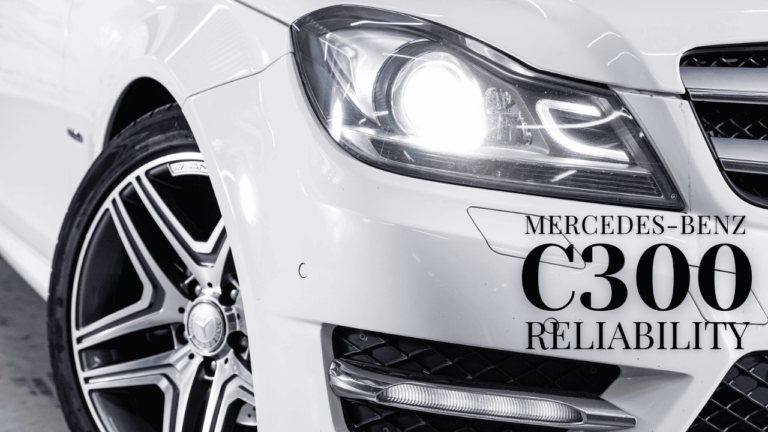
The 2011 Mercedes-Benz C300 is a luxury sedan that stands out for its blend of performance, elegance, and distinctive German engineering. As part of the acclaimed C-Class lineup, the C300 offers a rewarding driving experience while promising the high quality synonymous with the Mercedes-Benz brand.
However, potential buyers often want to know about the model’s reliability, maintenance costs, and overall ownership experience before making a decision. In this article, we will explore expert reviews, common issues, maintenance tips, and what owners can expect regarding the reliability of the 2011 C300.
Overview of the 2011 Mercedes-Benz C300
Performance and Features
The 2011 C300 is powered by a 3.0-liter V6 engine, producing 228 horsepower and 221 lb-ft of torque. It is paired with a 7-speed automatic transmission, providing smooth shifts and responsive acceleration.
The vehicle offers both rear-wheel drive (C300) and the option for 4MATIC all-wheel drive, enhancing traction and control in various driving conditions. With a 0-60 mph time of approximately 7 seconds, the C300 balances performance with the comfort expected in a luxury sedan.
The C300 is equipped with various features, including MB-Tex synthetic leather upholstery, a premium audio system, and the highly praised COMAND infotainment system. The elegant interior layout emphasizes driver-centric controls and high-quality materials, contributing to the overall luxurious feel of the vehicle.
Owner Reviews and Satisfaction
According to J.D. Power, the C-Class consistently ranks well for owner satisfaction, with the 2011 C300 earning a high rating for its comfortable ride and upscale interior. Many owners appreciate the C300’s combination of performance and luxury, often citing the vehicle’s refined handling and well-appointed cabin.
Reliability Ratings and Expert Insights
Expert Reliability Ratings
When assessing the reliability of the 2011 C300, it is essential to refer to resources such as Consumer Reports and Car and Driver. These sources provide insights into long-term performance and repair data.
Consumer Reports does not provide a rating for the 2011 C-Class; however, the overall reliability of the W204 is considered above average, particularly in terms of its engine and transmission systems.
Car and Driver emphasizes the balance of performance and comfort in their reviews but also highlights that maintenance costs could be higher than those of non-luxury counterparts.
Common Reliability Factors
Engine and Transmission: The M272 engine found in the C300 is generally regarded as reliable, but some owners have reported issues related to oil leaks, particularly from the valve cover gaskets. Regular maintenance includes oil changes and inspections for any signs of leaks to prevent engine damage over time.
Electrical Systems: Some C300 owners have encountered electrical issues, including problems with the COMAND system and electronic seat controls. Although not widespread, these issues can be frustrating, and timely software updates can often rectify minor electrical gremlins.
Suspension and Steering: The C300 features a solid suspension system that delivers a comfortable ride. However, some users have noted premature wear on suspension components like bushings and control arms, especially in vehicles frequently driven on rough roads. Having these components checked regularly can help address potential issues early and prolong component life.
Maintenance Costs and Considerations
Routine Maintenance
Maintaining a 2011 Mercedes-Benz C300 requires adherence to a regular maintenance schedule to ensure long-lasting reliability. The general recommendation includes:
Oil Changes: It is advisable to change the oil and filter every 10,000 miles or annually, depending on driving habits. Using synthetic oil not only improves engine performance but also extends the life of engine components.
Brake System: Regular inspections of the brake pads, rotors, and fluid are crucial. Due to the weight of the vehicle and its performance-oriented nature, the brake system can wear faster than average; thus, maintenance might range from every 20,000 to 30,000 miles depending on driving conditions.
Tire Rotation and Alignment: To maintain optimal handling and extend tire life, tire rotations should occur every 5,000 to 7,500 miles, with wheel alignments performed annually or when replacing tires.
Cost Expectation
According to RepairPal, the average annual maintenance cost for the 2011 C-Class is approximately $688. While this is not excessively high for a luxury vehicle, it’s worth noting that potential buyers should budget for higher parts costs, particularly if choosing OEM (original equipment manufacturer) components.
Comparisons with Competitors
When considering the reliability of the 2011 Mercedes-Benz C300, it is helpful to compare it with competitors in the same segment, such as the BMW 3 Series and Audi A4.
BMW 3 Series: Known for its driving dynamics and performance, the 3 Series has received solid reliability ratings but can experience issues with its electrical system and higher maintenance costs, similar to the C300.
Audi A4: The A4 presents a luxurious cabin and excellent technology but has been criticized for higher frequency of repairs and more expensive service costs. Overall, the C300 tends to balance luxury features with reasonably good reliability compared to its German rivals.
Conclusion
The 2011 Mercedes-Benz C300 serves as an exemplary blend of performance, comfort, and luxury typical of the brand. While it is generally regarded as reliable, potential buyers should remain aware of common issues, including those related to the engine, electrical systems, and suspension components. Adhering to a rigorous maintenance schedule can enhance the longevity of the vehicle.
For those considering purchasing a used C300, engaging with owner communities and researching service history can provide invaluable insights into long-term satisfaction. The C300 strikes a balance that appeals to those who appreciate a sophisticated driving experience accompanied by the luxury and status of the Mercedes-Benz emblem.
If you found this post engaging, be sure to explore other sections of our site. Whether you’re looking for detailed car reviews, expert buying guides, or the latest industry insights, we have plenty of content to keep you informed. Take a look around, and don’t forget to bookmark us for future updates!
*Disclaimer: This website provides automotive content for informational purposes only and should not be considered professional advice. While we strive for accuracy, we do not guarantee the reliability or suitability of any vehicle or product mentioned—always conduct your own research before making purchasing decisions. Additionally, some links on this site are affiliate links, meaning we may earn a commission if you make a purchase, at no extra cost to you.
The 2005 Mercedes-Benz C230 Kompressor is part of the W203 series and is a small luxury sedan or coupe that mixes European style with supercharged power. It’s for folks who want a more budget-friendly way into the Mercedes family but still want that prestige that comes with it. So now that almost twenty years have passed, how does it stack up when it comes to reliability? Is the 2005 C230 Kompressor a reliable Mercedes?
To keep it simple: Yes — but only if you get the right one, stay on top of maintenance, and set aside some cash for a few usual repairs. The C230 Kompressor offers great handling, a stylish interior, and that classic Mercedes vibe — but it’s not a car you can just buy and forget about.
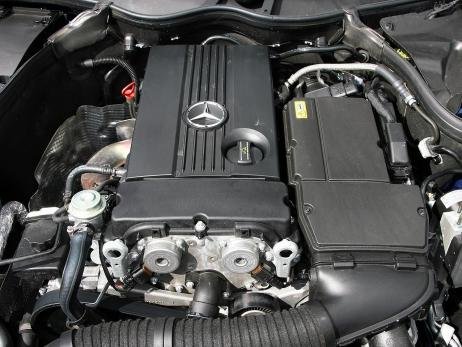
Let’s take a look at reliability scores, the common problems drivers see, maintenance expenses, and insights from sources like J.D. Power, Consumer Reports, RepairPal, and NHTSA. This info will help us figure out if the 2005 C230 Kompressor is still a good pick for car lovers or daily drivers today.
The 2005 C230 Kompressor runs on Mercedes’ M271 1.8L supercharged engine. It’s called the “Kompressor” because of that supercharger. With the supercharger and the engine’s variable valve timing, there’s a bit more to watch out for compared to a standard six-cylinder engine.
Reliability Scores
Source
Reliability Score (Out of 100 or 5)
Category
J.D. Power
72/100
“Average”
Consumer Reports
3/5
“Fair”
RepairPal
3/5
“Average”
NHTSA Recalls
4 Recalls Reported
“Moderate Concerns”
J.D. Power: 72/100 Reliability Rating
J.D. Power assigns the 2005 C230 Kompressor an average reliability rating of 72/100. While its engine durability and ride quality were praised, electrical issues and transmission quirks slightly impacted its dependability.
Consumer Reports: 3/5 Rating
Consumer Reports rated the 2005 C230 Kompressor as “fair” in reliability, noting engine performance and driving dynamics as positives, but highlighting concerns with sensor failures and electronic system glitches.
RepairPal: 3/5 Rating
RepairPal rates the W203-generation C-Class at 3/5, indicating moderate reliability. It estimates annual repair costs at $700–$850, slightly higher than the industry average for compact luxury sedans.
NHTSA Recalls and Safety Concerns
The National Highway Traffic Safety Administration (NHTSA) reports two recalls for the 2005 C230 Kompressor:
Acceleration sensor on ABC front struts (August 2008)
Common Issues with the 2005 W203 Mercedes-Benz C230 Kompressor
Even though the C230 Kompressor is well-engineered, it does have some reliability issues. Here are the problems that people mention the most:
1. Electrical System Failures
Malfunctioning SAM Modules: The Signal Acquisition Modules (SAM) control various electronic functions. Failure can lead to issues with lights, power windows, and keyless entry.
Instrument Cluster Issues: Some owners report fading displays and inaccurate fuel gauges.
2. Transmission and Drivetrain Issues
The 5G-Tronic 5-speed automatic transmission used in many W203s is generally long-lived and reliable but may experience harsh shifting or delayed engagement, it is sensitive to fluid condition and electronic valve-body components (conductor plate, speed sensors).
Some units suffer from torque converter failure, leading to hesitation or slipping gears.
Problems range from harsh shifts or limp-mode to more serious valve-body failures. Regular fluid/filter service and inspections reduce risk.
The Mercedes M271 1.8L engine made its debut in 2002 and found a home in the C-class, E-class, CLK, CLC, and SLK models. It’s usually a reliable engine but can wear out faster if it’s not taken care of. There are a few common issues you should know about, and it’s better to think of them as regular maintenance rather than unexpected surprises.
3. Supercharger and Engine-Related Problems
Kompressor (Supercharger) Wear: The supercharger needs proper care (some owners change its oil or have it checked at intervals). If neglected, supercharger issues can be expensive. Expect to check supercharger seals, pulleys and listen for unusual whine.
Timing Chain Tensioner Issues: Chain stretch or tensioner failure can cause engine rattling and performance loss.
Crankshaft Position Sensor Failure: The camshaft adjuster magnets (also called cam magnets/solenoids) are a repeatedly reported failure on M271 engines, they can leak oil into connectors, soak wiring looms, trigger misfires and odd check-engine codes — and they aren’t cheap to repair if the harness/electronics are damaged. Balance-shaft sprocket wear and timing-related wear have also been documented on higher-mileage examples.
4. Interior Wear & Tear
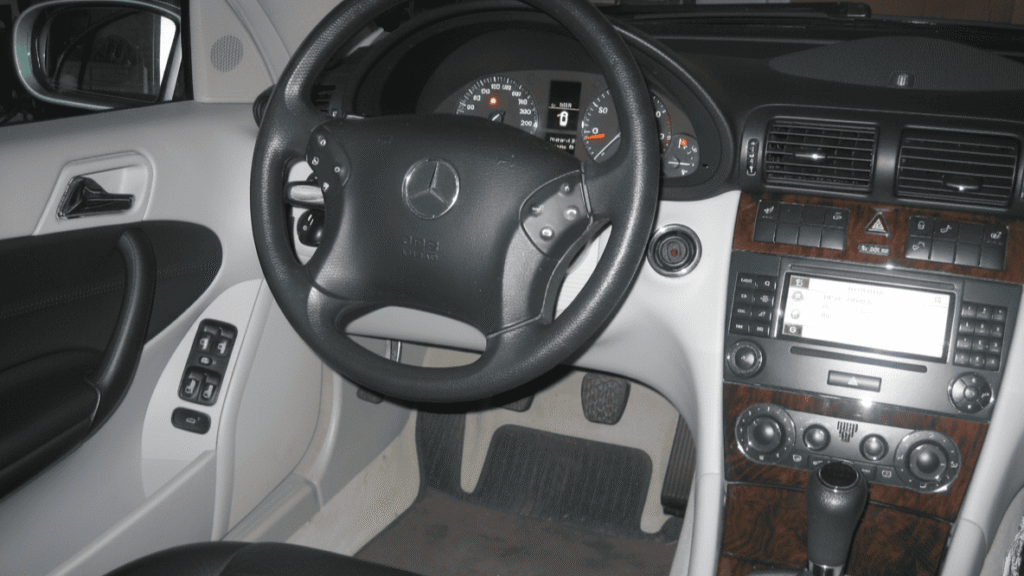
Door panels and soft-touch plastics tend to degrade with age.
Sunroof mechanisms sometimes fail prematurely, requiring costly repairs.
Interior switches, window regulators, sensor faults and HVAC control issues crop up as these cars hit 150k+ miles. Nothing exotic — but the cost to fix a European-brand electrical module can surprise non-mechanical buyers.
5. Suspension / steering wear
Bushings, struts, tie-rod ends and control-arm bushings are common age items. They don’t usually destroy the car — they just make it feel tired and reduce safety if left unattended.
Maintenance and Ownership Costs
While more affordable than flagship Mercedes models, the W203 C230 Kompressor still demands premium maintenance.
If you’re looking at small service and wear items like brakes, tires, and bushings, expect to pay similar prices as you would for other high-end European brands. Prices for mid-level jobs like cam magnets, valve-cover gaskets, and oil cooler seals can range from a few hundred to a couple of thousand bucks, depending on whether you need to replace wiring harnesses or extra parts. When it comes to major jobs—like balance-shaft replacement, a full transmission rebuild, or a supercharger swap—you might be looking at several thousand dollars. These are pretty rare but can happen if the car has been neglected with high mileage. If you’re thinking about buying a “cheap” one-owner car with over 150,000 miles, it’s a good idea to set aside some extra cash for repairs. According to RepairPal and owner forums, yearly ownership costs are usually higher than mainstream brands but lower than exotic ones, landing you in that “logical luxury” zone.
Below is an estimated breakdown of common service costs:
Service Type
Estimated Cost
Frequency
Oil Change
$120–$180
Every 7,500 miles
Brake Pad Replacement
$250–$400
Every 40,000 miles
Transmission Service
$300–$500
Every 60,000 miles
Supercharger Belt Change
$200–$350
Every 70,000 miles
Timing Chain Service
$1,000–$2,500
Every 100,000 miles
The C230 vs Rivals
Here’s a quick look at what buyers really want to know—comparing the C230 with its main German rivals from the same era, the 2005 325i E46 and the 2005 B6 A4:
Cooling system plastic parts, VANOS/oil leaks, subframe & control-arm wear on high mileage.
Timing belt/water pump (1.8T), oil-sludge risk on some engines, turbo/tensioner issues.
Typical repair cost intensity
Moderate–high (European parts/pricing)
Moderate (some DIY fixes common but premium parts cost)
Moderate–high (timing belt/turbo work can be pricey)
Reliability consensus
Mixed: many owners report happy cars, but specific engine/transmission issues raise ownership risk.
Mixed: generally good if cooling & VANOS are addressed early.
Mixed: good if timing belt & turbo maintenance kept.
Why pick it
Classy cabin, compact luxury, cheaper to buy now
Driver’s car — handling & available inline-6 character
Refined, Quattro grip (if equipped)
Bottom line: mechanically they’re all in the same “pay-to-play” luxury used-car lane — each requires informed inspections and a wallet for maintenance. The C230’s issues are specific and well-documented (so you can pre-check them), which is useful if you like to buy with your eyes open.
Is It Worth Buying?
To wrap it all up here are the key pros and cons we discovered:
Pros
Sporty Driving Experience – Supercharged engine delivers a punchy response.
Good Fuel Efficiency – For a luxury vehicle, the 1.8L engine is relatively economical.
Compact & Agile – Ideal for urban driving with a well-balanced chassis.
Above-Average Engine Longevity – M271 can last if properly maintained.
Cons
Electrical Issues – Aging SAM modules and interior electronics can cause headaches.
Transmission Repairs Can Be Costly – Issues with torque converter and valve bodies.
Timing Chain Wear – Expensive repair if not maintained proactively.
If you’re planning to buy a 2005 Mercedes C230 Kompressor, don’t forget to take this with you for every pre-purchase inspection and test drive:
Service history: full records, especially oil changes, transmission service, and any supercharger work. No receipts = higher risk.
Scan for codes: any stored engine/transmission faults? Cam-position or VVT codes deserve extra scrutiny.
Oil leaks: check front of engine (cam magnets), valve-cover area and oil cooler lines. Look for oil in wiring harness connectors.
Supercharger noise/leaks: listen for whine, check for oil around compressor housing. Ask seller about any supercharger oil changes.
Transmission behavior: smooth shifts, no limp mode; check fluid color and smell if possible. If shifting is rough, budget an inspection by a transmission shop.
Suspension & steering play: test for clunks, steering-wheel vibration, uneven tire wear.
Electrical checks: windows, sunroof, HVAC, warnings — old modules can lead to surprise bills.
If the PPI flags balance-shaft wear, cam-magnet soaked harness, or a tired transmission, walk away (or use it as negotiating leverage).
But, Is It For You?
If you’re still feeling unsure or want to see if that bargain you found is really worth it after checking it out, think about this:
Daily driver & low hassle: buy a low-mileage, dealer-maintained C230 or pick a naturally aspirated C-class (C240/C320) to avoid Kompressor supercharger complexity.
Weekend enthusiast / DIY owner: C230 is fun and rewarding if you like wrenching — many parts are serviceable by independent specialists at lower cost than dealer rates.
Value play / cheap buy: if price is your priority, budget for likely mid-term repairs (cam magnets, transmission work). A cheap C230 can become expensive fast if neglected.
Final Verdict
The 2005 Mercedes-Benz C230 Kompressor is a really fun entry-level luxury car, but you gotta keep up with the maintenance to enjoy it. If you find one that’s been well taken care of and has all the service records, it can actually be a great long-term investment. Just keep in mind that it might have some electrical issues and timing chain wear, so getting it checked out before you buy is a smart move. Bottom line: grab a 2005 C230 Kompressor if you’re into the stylish Mercedes look and want to drive a peppy supercharged engine. Just make sure you either find a low-mileage model with a solid history or you’re cool with handling the usual upkeep for European cars and setting aside some cash for repairs. If you’re after peace of mind and want to avoid surprise repair bills, you might be better off with a simpler used luxury ride like a naturally aspirated C-class, a good BMW inline-6, or a low-maintenance Lexus.
If you’re thinking about this model, definitely look for one that has a full-service history and steer clear of ones that have been neglected.
*Disclaimer: This website provides automotive content for informational purposes only and should not be considered professional advice. While we strive for accuracy, we do not guarantee the reliability or suitability of any vehicle or product mentioned—always conduct your own research before making purchasing decisions. Additionally, some links on this site are affiliate links, meaning we may earn a commission if you make a purchase, at no extra cost to you.
When it comes to AMG, “reliable” isn’t usually the first word that comes to mind – these high-performance Mercedes are built for speed and thrills, often with complex engineering. However, a handful of AMG models (spanning older V8 sedans to brawny SUVs) have stood out for their durability and relatively trouble-free ownership. In this article, we’ll spotlight the top 5 most reliable Mercedes-AMG models (including both older and newer examples, sedans and SUVs). For each, we’ll cover key highlights (engine specs and performance), common issues/weak points, typical repair costs and maintenance needs, factors to consider before buying (problem areas to watch and parts availability), and how each stacks up against its competitors in reliability. Real owner feedback and reliability ratings from sources like Consumer Reports, J.D. Power, and enthusiast forums are included to back up the insights. Experienced car enthusiasts will appreciate the balanced, factual approach – professional in detail yet engaging in tone. Let’s dive into the AMG models that prove you can have both performance and dependability.
Top 5 Reliable Mercedes-AMG Models
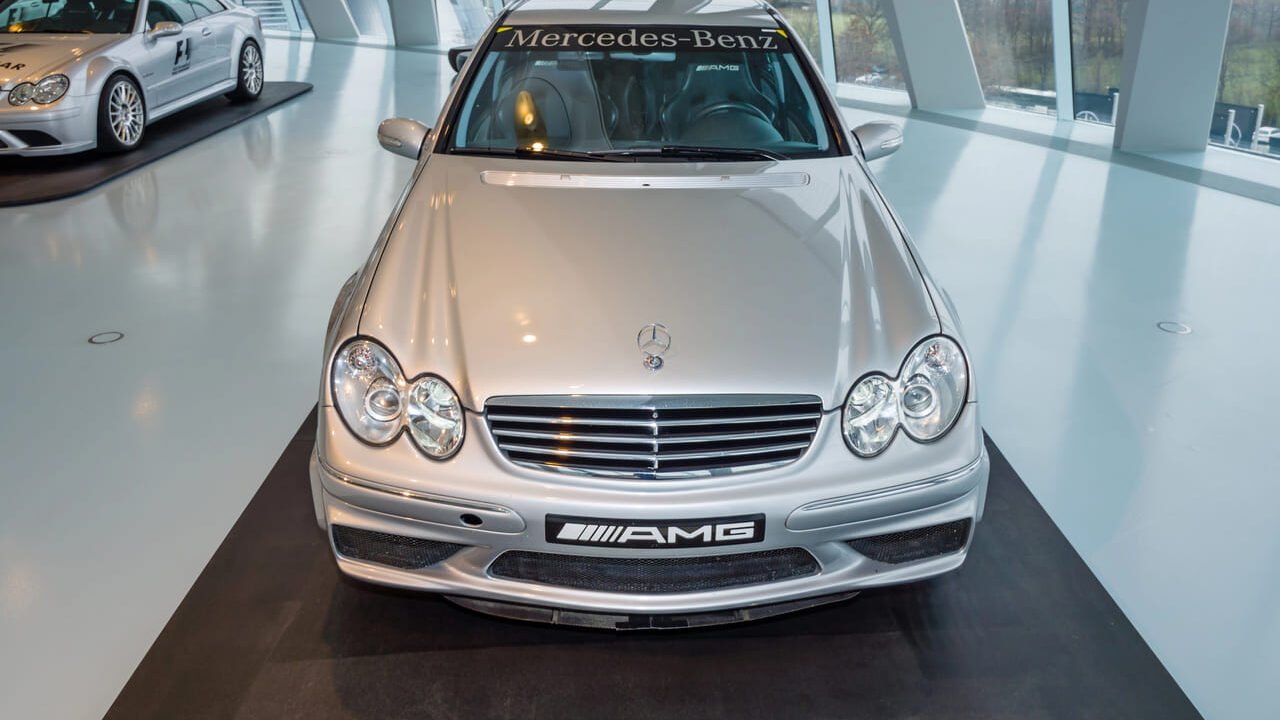
A 2005–2006 C55 AMG (W203) – compact Mercedes V8 sedan known for its robust drivetrain and subtle styling.
1. 2005–2006 Mercedes Benz C55 AMG (W203) – The Stout “Sleeper” Sedan
The C55 AMG is a compact executive sedan with a big heart. Stuffed into the W203 C Class chassis is a hand-built 5.4L naturally-aspirated V8 (M113) pumping out 362 hp and 376 lb·ft of torque. Power is sent to the rear wheels through the proven 5-speed 722.6 automatic. In a small sedan body, this gives the C55 AMG serious performance – 0–60 mph in the low 5-second range and effortless mid-range thrust.
Reliability highlights:
The C55 AMG is often cited as the most reliable AMG ever made by those in the know. Its naturally-aspirated V8 and conventional auto transmission are extremely tough. Aside from the occasional minor oil leak or sensor failure, there are few engine issues to worry about. The 5G-Tronic gearbox (722.6) is similarly stout and simpler than newer multispeed units.
Common issues & weak points:
No car is perfect, and the C55 AMG does have a few known weak spots to check:
Engine oil leaks: Some M113 engines develop minor oil seepage from valve cover gaskets or the oil pan over time. These are generally minor and fixable with new gaskets.
Accessory sensors: A crank position sensor or other engine sensor may fail occasionally, leading to a no-start or rough running until replaced. These sensors are not very costly.
Suspension wear: The W203 chassis is robust, but things like control arm bushings and ball joints will wear with age (especially under the C55’s power). Listen for front-end clunks; refresh parts as needed.
Interior and electronics: By now, some interior bits (seat motors, window regulators) or electronics (aging pixels in the cluster) could act up – typical 15+ year-old car ailments rather than C55-specific issues.
Notably, rust was a problem on early-2000s Mercedes, but the 2005–06 C Class benefitted from improved corrosion protection. Owners in forums rarely report serious rust on the C55, especially compared to older W210 E55s.
Maintenance costs:
One advantage of the C55’s parts commonality with other Mercedes is reasonable upkeep costs. The annual maintenance cost for a C55 AMG averages around $1,100–$1,200 per year, according to RepairPal data for similar AMG models. This is on par with or even slightly lower than some BMW M3s of the era. Regular servicing (oil changes, fluid flushes, brake pads) is straightforward. The suspension is a traditional shock/strut setup – no Adaptive Body Control or air springs. The big AMG brakes aren’t too expensive: pads and rotors on all four corners run about $500 total in parts, not far off regular C-Class brakes.
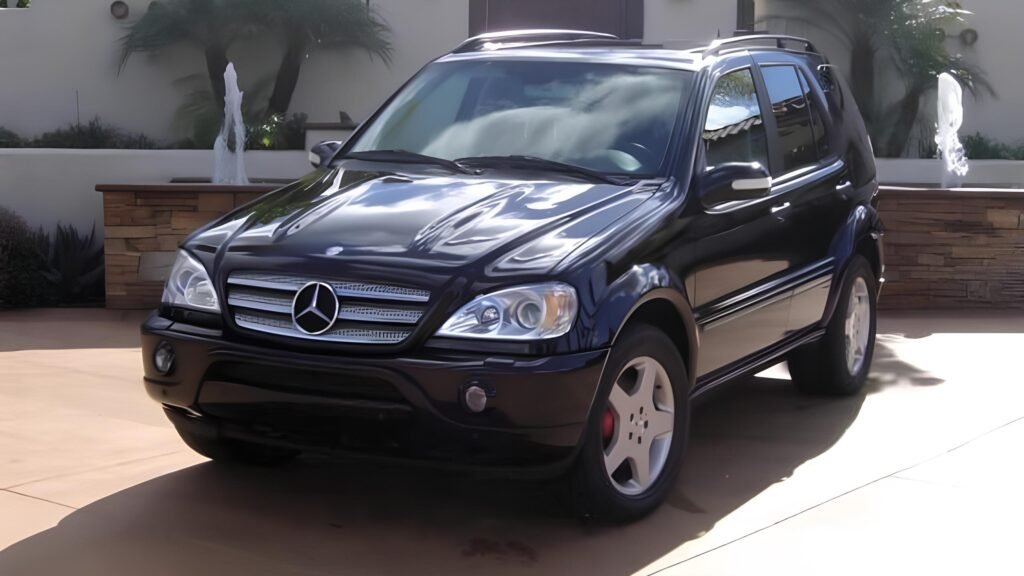
The 2000–2003 ML55 AMG (W163) – the first high-performance Mercedes SUV – shares its bulletproof 5.4L V8 with the C55 and E55 of the era.
2. 2000–2003 Mercedes Benz ML55 AMG (W163) – Old-School SUV Muscle
Long before “AMG SUVs” became common, there was the ML55 AMG – a pioneering performance SUV. Based on the first-gen M-Class (W163). Under the hood lies the same 5.5L M113 naturally-aspirated V8 as the C55 (5,439 cc, single overhead cam, 24-valve), tuned for 342 hp and 376 lb·ft.
Reliability highlights:
The ML55 inherits the robust M113 V8 + 5G-Tronic transmission combo, which is a major reliability boon (as we saw with the C55). The ML55 does not have the air suspension that later AMG SUVs (like the ML63 or GLE63) use – it rides on standard springs/shocks.
Common issues & weak points:
The ML55 shares some foibles with the first-gen M-Class in general, plus a few AMG-specific notes:
Brake wear: The brakes are large (8-piston front calipers) and the ML55 is heavy, so it tends to eat brake pads and rotors relatively quickly. Expect to replace pads more often than on a normal car (perhaps every ~20k miles).
Front suspension and steering: Ball joints and control arm bushings are known wear items on W163s, and the ML55’s harder use can accelerate this. If you hear clunks or see uneven tire wear, budget for a front-end rebuild. Parts are readily available. The steering rack can develop leaks on high-mileage trucks – watch the power steering fluid level.
Rear suspension springs: The ML uses coil springs in rear, and on ML55 these have been known to sag or crack over time, especially if the vehicle towed frequently. Replacing springs (or upgrading to slightly stiffer aftermarket ones) resolves any droop.
Fuel pump: A known weak point on some older W163s (including ML55) is the fuel pump failing, which can cause stalling or no-start. Fortunately, it’s a relatively simple fix (access under rear seat) and not too expensive.
Interior build: Early M-Classes had some interior trim and build-quality issues (rattles, bits of plastic trim that can break). The AMG doesn’t really fix that but it’s more of a nuisance than a reliability issue.
Do note that by now (20+ years old), any untended maintenance can become an issue – e.g. neglected cooling system (hoses, radiator) or old spark plugs can cause trouble – so find one that’s been kept up.
Maintenance costs:
When new, the ML55 AMG carried a hefty price tag, but today it can be run on a fairly modest budget (especially if you do some work yourself). Common maintenance parts – brakes, suspension bits, filters, fluids – cross over with the standard ML430/ML500. The annual repair/maintenance cost on an ML55 is roughly in line with other luxury SUVs of its era – expect around $1,000–$1,200 per year on average, according to owner-reported data (some years less, some more).
A 2012 C63 AMG sedan (W204). The C63’s 6.2L V8 offers thunderous performance. Later models (2011+) proved more reliable after early issues were ironed out
3. 2008–2015 Mercedes Benz C63 AMG (W204) – The “Hammer” C-Class with a Reliable Bite
If any AMG model has achieved legend status, it’s the C63 AMG. Introduced in the W204 generation (for 2008 in sedan form, later as a coupe), the C63 took the compact C-Class and turned the dial up to 11 with a monstrous 6.2L naturally-aspirated V8 (M156) that produces 451 hp and 443 lb·ft.
Reliability highlights:
The C63’s M156 V8 is quite robust. The engine’s bottom end and internals are very strong; many have been supercharged or tracked hard without issue. The 7-speed automatic (Speedshift 7G-Tronic, later a MCT version) is also durable if serviced. the Mercedes C-Class (which includes the C63) scored above-average reliability in some J.D. Power surveys (e.g. an 81/100 “Great” quality & reliability score in 2021 for the C-Class).
Common issues & weak points:
Early W204 C63s did have a couple of well-known issues, most notably the head bolt problem:
Head bolts (2008–2010 models): The initial M156 engines had head bolts prone to corrosion and failure, which could lead to a head gasket leak. This typically showed up as misfires or coolant loss in higher-mileage early cars. Mercedes revised the bolt material in mid-2011.
Camshaft adjusters & lifters: Some M156 engines have experienced camshaft lifter (tappet) wear or cam adjuster solenoid issues around 60k+.
Valve cover oil leaks: Like many engines, the M156 can develop oil leaks from valve cover gaskets or the oil filter housing over time.
Thermostat & cooling hoses: Around ~80k+ miles, some owners report needing to replace the thermostat or an occasional coolant hose that cracked.
Suspension & differential bushings: The C63’s suspension is generally reliable, but hard driving will wear the rear differential bushings and engine/trans mounts.
Tires & brakes (consumables): A weak point only in the sense that the C63 AMG loves to devour them! Rear tires, especially, can wear quickly if you enjoy the throttle. Brake pads/rotors likewise wear faster with spirited use.
Notably, no chronic electrical or HVAC issues appear frequently in owner reports – the W204 platform electronics were relatively sorted.
Maintenance costs:
The C63 AMG is more expensive to maintain than a regular C-Class – there’s no denying that. 16 spark plugs (two per cylinder) that are costly to replace every ~50k miles, and high-performance brakes/tires. Third-party data shows an annual maintenance/repair cost around $1,100–$1,200 for the C63. An oil change costs ($210), transmission service ($600), diff service ($250), new rear brake pads ($62), and two tires ($505) right off the bat. The transmission service at 40k or 60k costs around $400-$600. Brake jobs (pads/rotors) could run $1,000+ at a shop, but intervals depend on use (maybe every 20-30k miles with street driving).
4. 2012–2016 Mercedes Benz E63 AMG (W212) – Midsize Luxury with Bulletproof Biturbo Power
For those seeking a blend of high performance and business-class luxury, the W212 E63 AMG is a top contender – and it’s proven to be one of the more dependable modern AMG sedans. The E63 launched in 2010 with the 6.2L NA V8, but notably switched in 2012 to the 5.5L twin-turbo V8 (M157). It’s the 2012–2016 models (both pre- and post-facelift) that we’ll focus on, as they benefit from the refined M157 biturbo engine, known for stout reliability and immense torque. In standard form the 5.5L puts out 518 hp and 516 lb·ft, while the later S-Model (and 2014 refresh) cranked to 550–577 hp and up to 590 lb·ft.
Reliability highlights:
The E63 AMG (2012+) benefits from some key engineering choices that enhance reliability: the M157 V8 is based on the robust architecture of the M278 (used in millions of regular Mercedes), scaled up for AMG. It has lower specific output than the old 6.2 (making 550 hp with two turbos is relatively unstressed compared to 510 hp naturally aspirated from 6.2L). The W212’s electronics were also praised for being more reliable than the preceding generation. In Consumer Reports data, the 2012–2015 E-Class (all trims) showed average or better reliability in most categories, and J.D. Power gave these model years solid predicted reliability scores (around 81/100 “Great” for quality & reliability). Overall, the consensus is that the W212 E63 has durability befitting an E-Class, despite its outrageous performance.
Common issues & weak points:
While generally reliable, there are a few items E63 owners have encountered:
Air suspension (if equipped): Rear air springs on the wagon (and some sedan options) can eventually leak as they age (8-10+ years). One owner noted an “air bladder leak” in a rear shock around 9 years old – not unexpected. The fix is replacing the rear air bags (aftermarket Arnott replacements are ~$500 each and more durable).
Cooling system: A few owners reported minor cooling system repairs – for example, a cracked coolant hose around 60–70k miles, or a leaking reservoir.
Suspension & bushings: With hard use, the front control arm bushings and other suspension links can wear (one owner needed a front control arm bushing at ~75k). Also, the E63S with dynamic engine mounts – those mounts can wear out and leak fluid over time.
Engine and turbos: The M157 has been quite reliable. Some early units (2012) had camshaft adjuster solenoid issues – if one fails, it can cause a check-engine light. Mercedes released updated solenoids; most cars were fixed under warranty. Turbochargers on the M157 generally last long, especially if oil changes are regular. There was an oil feed line to turbo recall on some 2012–2014 models where a leak could develop – ensure that recall was performed (dealers replaced the turbo oil lines).
Electronics: The W212’s electronics are mature. A failing ignition coil or sensor can happen but isn’t especially common. The COMAND infotainment might feel dated but isn’t particularly failure-prone. Ensure the back-up camera (if equipped) works and that all gauges read correctly (some 2014 had an electronic gauge cluster – rarely, software updates are needed).
Maintenance costs:
Maintaining an E63 AMG is similar to the C63 in many respects – the engine is larger and twin-turbo, but intervals are analogous. Yearly maintenance might average $1,200–$1,500. Oil changes (every 5k-7k miles) are crucial for the turbos’ longevity; expect ~$150 per change. The spark plugs (16 of them) should be changed ~ every 60k – that’s a few hundred dollars in parts and a few hours labor. The 7-speed transmission and the 4Matic transfer case both need fluid changes around 40k (budget ~$800 total for a full driveline service). Brake jobs on the E63S with composite rotors or (optional) carbon-ceramics can be very expensive – e.g. carbon ceramic rotors can cost $5k+ for a set, so verify if the car has standard steel brakes or ceramics. Most Mercedes-Benz E63 AMG owners stick to steel brakes for this reason. Tires on 19” or 20” AMG wheels will run $1,200+ for a set of high-performance rubber, likely every 15k-20k miles depending on driving. One specific big-ticket item: if equipped with the optional carbon ceramic front brakes (rare on E63), replacing those rotors at end of life is around $8–10k – so many avoid or swap to steel rotors when the time comes.
The 2013–2018 G63 AMG (W463) merges the G-Class’s legendary toughness with a 5.5L biturbo V8. It’s old-school in many ways, which contributes to reliability in this high-performance SUV.
5. 2013–2018 Mercedes Benz G63 AMG (W463) – Iconic G-Wagen Ruggedness Meets AMG Power
Rounding out the list is a vehicle that embodies brute-force engineering: the Mercedes G63 AMG. The G-Class (or “G-Wagen”) has military truck roots dating back to the 1970s, and the G63 (introduced for 2013) injected modern AMG muscle into that classic platform. Under the hood lies the same 5.5L twin-turbo V8 (M157) with 536 hp and 560 lb·ft, coupled to a stout 7-speed auto and full-time 4WD with locking differentials.
Reliability highlights:
The G63’s W463 chassis is legendary for enduring abuse – it has a ladder frame, solid front and rear axles, and three fully locking differentials. There are no air springs, no adaptive dampers – just heavy-duty coils and gas shocks. Electrically, the Mercedes G63 is simpler than most modern Benzes: it has traction and stability control but not the complex network of systems you’d find in an S-Class. The M157 engine in the G63 is actually slightly detuned compared to an E63 (536 hp vs 550+ in sedans). The transmission (7G-Tronic) is calibrated for torque and longevity. Also, the G’s interior, while luxurious, doesn’t have the complicated newer infotainment of other 2013+ Mercs – a simpler COMAND unit is used, reducing chances of tech failure.
Common issues & weak points:
The G63 does have a few things to keep an eye on, largely due to the aging platform:
Suspension wear: The solid axles mean lots of linkage and bushing points. Over time (especially if the vehicle is driven off-road or on poor roads), things like pan-hard rod bushings, control arm bushings, and wheel bearings can wear out.
Steering components: The recirculating-ball steering box can develop a bit of play after many miles – adjustable to a degree, or rebuildable if needed. Tie rod ends and drag link ends will eventually need renewal.
Brake consumption: The G63 AMG, being heavy and powerful, goes through brake pads relatively quickly. Fortunately, the brakes are large and derived from commercial-grade parts, so warping rotors isn’t common.
Exhaust and mounts: The side-exit exhausts on the Mercedes G63 AMG can occasionally loosen brackets or develop minor leaks at joints due to vibration. Additionally, the engine and transmission mounts might wear faster because the heavy engine and body-on-frame allow more movement.
Electrical quirks: The G-Class had some quirks – for instance, older models experienced issues with window regulators and door lock actuators. By 2013 these were improved, but one might still find a slow window or a door lock that needs a second press occasionally. The backup camera on early 2013 models is a bit small/resolution-poor, but not a reliability issue per se.
The M157 engine itself in the Mercdes-Benz G63 AMG is in a mild state of tune, so it generally doesn’t stress anything. The G’s cooling system is robust (designed for climbing dunes in Dubai), so overheating is rare unless a fan fails (and even that would throw a warning quickly). The transmission might require a conductor plate service eventually (like any 7G), but that’s well-known territory for Mercedes shops.
Maintenance costs:
On a yearly basis, plan for around $1,200–$1,500 in maintenance, similar to the E63 on which it’s based (though fuel and tire costs will be higher due to weight). Oil changes are big (~9 quarts) but typically once a year if low miles. The 4WD system (transfer case and 3 diffs) has multiple fluids that Mercedes recommends changing periodically (transfer case every ~50k, diffs similar). The spark plugs on the M157 should be changed about every 4 years or 40k – that’s 16 plugs, maybe ~$500 job at a shop. Brake pads for the G63 are a regular item – a full set of pads installed might be ~$800-$1000. Tires (large 20” all-season or performance tires) can run $300 each.
Top 5 AMG Models vs. Competitors
To put these models in context, below is a comparison of their reliability aspects against key competitors:
AMG Model (Years)
Key Reliability Strengths
Main Competitors (Similar Era)
Competitor Reliability Notes
C55 AMG (2005–2006)
Robust M113 5.4L NA V8 & 5G-Tronic auto (very durable). No air suspension or turbos to fail. Simple, proven chassis design. Owners report minimal issues beyond small leaks.
BMW M3 (E46, 2001–06); Audi S4 (B6/B7, 2003–08)
BMW E46 M3: High-strung I6 had rod bearing recall and VANOS issues; overall reliable but more fragile engine than C55’s bulletproof V8. Audi S4: 4.2L V8 had common timing chain tensioner failures requiring engine-out repair – a major expense.
ML55 AMG (2000–2003)
Sturdy body-on-frame SUV build. M113 5.5L NA V8 shared with C/E55 (bulletproof). Simplified tech (no adaptive suspension). Inexpensive fixes for common wear parts.
BMW X5 4.6is (E53, 2002–03); Porsche Cayenne Turbo (955, 2004–06)
BMW X5 4.6is: Strong performance, but early X5s had cooling system failures, electrical gremlins, and some air suspension issues. Porsche Cayenne Turbo: Much faster but notorious for costly issues (coolant pipe leaks, cardan shaft failures, air suspension leaks).
C63 AMG (W204, 2008–2015)
Stout M156 6.2L V8. No forced induction or ABC. Generally solid transmission and electronics.
BMW M3 (E90, 2008–13); Audi RS5 (2013–15)
BMW E90 M3: Fabulous NA V8, but plagued by rod bearing wear and throttle actuator failures (~$3-5k fixes) – issues the C63 doesn’t face. Audi RS5: Reliable engine, but direct-injection carbon buildup and dual-clutch transmission maintenance make it more maintenance-intensive.
E63 AMG (W212, 2012–2016)
Well-proven M157 5.5L biturbo V8 (lower stress per hp) – very few engine faults. Solid 7-speed and 4Matic AWD (post-2013) improves durability. Minor issues only (e.g. occasional hose leak).
BMW M5 (F10, 2012–16); Audi RS6/RS7 (C7, 2013–18)
BMW F10 M5: Twin-turbo V8 has had injector and oil pump issues; the DCT gearbox can be troublesome. Maintenance is high (e.g. frequent spark plug swaps). Audi RS7: Blistering performance but known for turbo problems (oil screen clogs) and expensive repairs. The E63’s powertrain is often considered more robust long-term.
G63 AMG (W463, 2013–2018)
Rugged G-Class construction – solid axles, body-on-frame – built for longevity. Detuned M157 V8 (536 hp). Simpler suspension (coil springs) and proven 4WD system. Few high-tech failure points despite luxury amenities.
Range Rover Sport SVR (2014–17); Bentley Bentayga (2017+); Lamborghini Urus (2018+)
Range Rover SVR: Supercharged V8 sounds great, but Land Rover reliability is notorious – frequent electronic and suspension faults. Bentley/Urus: Ultra-fast, but very complex and low-volume – long-term reliability unknown, likely expensive to maintain.
Table Key: NA = Naturally Aspirated. ABC = Active Body Control hydraulic suspension. DCT = Dual-Clutch Transmission. Reliability notes for competitors based on known common issues and general reputation from owner surveys.
Buyer’s Tips:
Each of these top 5 AMG models proves that with the right engineering (and a bit of owner diligence), an AMG can deliver thrilling performance without becoming a reliability nightmare. The common threads among these models are robust, well-tested powertrains and avoiding unnecessary complexity. The M113 and M157 V8s in particular shine as durable engines when maintained – many of the models above use them, and they’ve earned a solid reputation. Prospective buyers should take away a few actionable insights:
Prioritize Maintenance History: No matter how inherently reliable a model is, a neglected AMG can quickly become problematic. Look for cars with documented oil changes, timely fluid swaps, and cared-for consumables. A fully serviced C63 or E63 will almost always be a safer bet than a mystery-history cream puff. For older models (C55, ML55), confirmation of basic upkeep (fluids, belts, bushings) and any rust repair is key. For newer ones (C63, E63, G63), evidence that known issues (e.g. C63 head bolts, E63 recall campaigns) were addressed is valuable. Buy on condition and history, not just mileage.
Be Aware of Known Weak Points: As outlined, each model has a couple things to watch. If you’re eyeing a pre-2012 C63, verify the head bolts were updated. For an E63 with rear air suspension, check those air springs or consider a warranty that covers them. For a G63, be prepared for its appetites (fuel, brakes, tires) and ensure the 4WD bits work (many owners forget to test the diff locks). Knowing these quirks means you can negotiate price or plan future fixes accordingly. None of these issues are deal-breakers – but addressing them promptly prevents bigger problems down the road.
Use Specialist Independent Shops: Especially as these AMGs age out of warranty, find a reputable independent Mercedes/AMG specialist for maintenance. They often charge less than dealers and know the common failure points. For example, an indie shop can replace C63 head bolts or E63 cam solenoids at a fraction of dealer cost, using updated parts. Enthusiast forums are a great resource to locate trustworthy mechanics in your area who have experience with these specific models. This approach keeps ownership costs reasonable and reliability high, as issues are fixed correctly the first time.
Budget for Maintenance & Enjoy the Drive: Prospective buyers should set realistic expectations – these are still high-performance machines, so maintenance will cost more than a Camry. When you keep on top of maintenance, you’ll find that these AMGs can be daily-driven reliably. Many owners do just that, racking up miles with smiles. For instance, it’s not unusual to see a well-kept E63 or C63 with 100k+ miles still going strong and being praised by its owner.
Final Verdict: Which AMG Should You Buy?
The top 5 AMG models we’ve covered – the C55, ML55, C63, E63 (W212), and G63 – each strike a desirable balance of performance and dependability. They demonstrate that “AMG” and “reliability” need not be mutually exclusive terms. By selecting a model that fits your needs (sport sedan vs SUV, older V8 charm vs newer tech) and following the guidelines above, you can own a thrilling Mercedes-AMG with confidence. These cars reward attentive owners with years of explosive acceleration, sonorous exhaust notes, and grin-inducing drives – all without frequent trips to the mechanic. Do your homework, invest in a good example, maintain it well, and you’ll join the ranks of AMG enthusiasts who proudly daily-drive these machines year after year. In other words, find the right AMG, take care of it, and it will take care of you – on the road and at the track, rather than in the shop.
In the end owning an AMG really pays off if you keep up with maintenance. Pick the right one and you could enjoy some amazing drives for a long time.
if you’re a fan of Mercedes-Benz, you should definitely check this out:
And while you’re hanging around, don’t forget to look at other parts of our site. We’ve got thorough car reviews, handy buying tips, and the newest news from the industry all set for you. So take a look and be sure to bookmark our homepage for all the future updates!
*Disclaimer: This website provides automotive content for informational purposes only and should not be considered professional advice. While we strive for accuracy, we do not guarantee the reliability or suitability of any vehicle or product mentioned—always conduct your own research before making purchasing decisions. Additionally, some links on this site are affiliate links, meaning we may earn a commission if you make a purchase, at no extra cost to you.
Crossover SUVs have really taken off in the car market. They give you the best of both worlds the spaciousness of an SUV and the smooth ride of a car. With their higher ground clearance roomy interiors and comfy features crossovers have become a popular pick for families and folks on the go.
But with so many choices out there it’s no wonder that people for the most reliable crossovers. This post takes a look at some of the top crossovers available focusing on how trustworthy they are how happy owners feel and what the experts say to help you make the best choice.
Overview: The Toyota RAV4 has consistently topped reliability charts and has built its reputation over decades as a dependable crossover. It combines practicality, comfort, and fuel efficiency, making it a strong choice for families and urban drivers alike.
Reliability Ratings: According to U.S. News, the 2024 Toyota RAV4 boasts an impressive reliability rating of 8.8 out of 10. Consumer Reports echoes this sentiment, highlighting that 2024 RAV4 model has maintained a full 5 out of 5 reliability since the 2020 model year up until this year earning a “CR Recommended” badge.
Common Issues: The only major complaint for this generation is mainly the loud engine noise which could have something to do with the lack of sufficient insulation around the engine compartment.
2. 2024 Honda CR-V
Overview: The Honda CR-V is another top contender in the crossover segment, known for its spacious interior, excellent safety ratings, and impressive fuel economy. This vehicle effectively blends comfort with functionality.
Reliability Ratings: The 2024 Honda CRV received a reliability score of 83 from J.D. Power and continues to be lauded for its long-term performance by Consumer Reports receiving 4 out of 5 reliability verdict.
Common Issues: The biggest issue is that the engine feels sluggish even though it has more power and the 2024 CRV is now lighter. The acceleration is a bit slower now. It seems like the CVT is tuned more for fuel efficiency, which it definitely accomplishes since it gets 29 mpg combined instead of the 38 mpg from previous models.
3. 2024 Subaru Forester
Overview: The Subaru Forester is celebrated for its standard all-wheel drive, spaciousness, and safety. It appeals to outdoor enthusiasts and families with its rugged design and capability to handle various driving conditions.
Reliability Ratings: The 2024 Forester did really well when it comes to reliability. J.D. Power gave it an awesome score of 83 out of 100, just like the 2024 Honda CRV. Consumer Reports also points out how trustworthy Subaru is for making tough cars. The 2024 Subaru Forester keeps up that reputation, earning a 4 out of 5 for reliability and snagging a “CR Recommended” badge.
Common Issues: You don’t really hear about many common problems with the forester. The only things some people mention are that the engine can be a bit noisy and the base model feels pretty basic, so you might want to look into the higher trims if you want more features.
4. 2024 Mazda CX-5
Overview: The Mazda CX-5 combines sporty design with performance-minded engineering, offering a dynamic driving experience without sacrificing passenger comfort. Its upscale interior further enhances its appeal.
Reliability Ratings: J.D. Power gave the 2024 CX5 a reliability score of 82 out of 100, putting it right at the top of the compact SUV list. Plus, it snagged a perfect 5 out of 5 reliability rating from Consumer Reports and earned that “CR Recommended” badge too.
Common Issues: The 2024 CX5 is pretty reliable but there are a few small issues people mention like the infotainment system and some critics say the design makes it tough to see out and it can feel cramped for legroom.
5. 2024 Hyundai Tucson
Overview: The Hyundai Tucson has transformed over recent generations into an attractive choice for those seeking both style and practicality. Its spacious interior and modern features enhance its desirability in the compact SUV market.
Reliability Ratings: The 2024 Hyundai Tucson got a pretty solid score of 85 out of 100 for reliability from JD Power which puts it in fourth place among compact SUVs. That really shows how much better it is in terms of quality and how happy drivers are with it. However, Consumer Reports rated the 2024 Tucson a 3 out of 5 for reliability, even though they didn’t point out any problems. Plus, Hyundai backs it up with a great warranty, so you can feel good about owning it for the long haul.
Common Issues: The main complaint automotive journalists have about the 2024 Tucson is that the non-hybrid model is pretty slow when it comes to acceleration. It takes about 8.8 seconds to go from 0 to 60 mph, while competitors like the Mazda CX-5 only need 6.2 seconds to do the same.
Understanding Crossover SUVs
Why Buying A Crossover SUVs?
Crossover SUVs, commonly referred to simply as crossovers, combine features of traditional SUVs and passenger cars. They are built on a car’s platform, typically offering a more comfortable ride with car-like handling while providing a higher driving position and ample cargo space. With advancements in technology and safety features, crossovers have become increasingly appealing to diverse demographics, providing an excellent balance of style, utility, and convenience.
Growing Popularity
According to Statista, the demand for crossover SUVs has risen significantly over the past decade, with sales surpassing traditional sedans and hatchbacks as consumers appreciate the unique benefits these vehicles offer—from increased cargo capacity to enhanced visibility on the road.
Key Reliability Factors in Crossover SUVs
Why Reliability Is A Priority
Reliability is a crucial factor for buyers, as it relates directly to a vehicle’s durability, performance over time, maintenance costs, and resale value. A reliable crossover SUV not only ensures peace of mind but also contributes to a lower total cost of ownership.
Sources for Reliability Data
Several reputable sources provide insights into vehicle reliability, including Consumer Reports, J.D. Power, and U.S. News & World Report. These organizations utilize extensive data gathered from vehicle owners, repair histories, and warranty claims to assess the performance of different makes and models.
Tips for Ensuring Reliability
Regular Maintenance
Regardless of the brand or model, maintaining a consistent service schedule is essential for ensuring the longevity and reliability of any vehicle. Regular oil changes, brake inspections, tire rotations, and suspension checks will go far in preventing potential problems down the road.
Read Consumer Feedback
Engaging with online forums and reading customer reviews can provide insights into common issues experienced by owners of specific crossover models. Platforms like Reddit, owner clubs, and dedicated automotive forums foster communities that share invaluable knowledge about maintenance and ownership experiences.
Consider Extended Warranties
For peace of mind regarding potential repairs, opting for an extended warranty can be a smart financial decision. This option can mitigate the cost of repairs, especially for parts that may exhibit wear over time.
Conclusion
When you’re checking out crossover SUVs, it’s super important to think about reliability. You want a ride that won’t let you down. The Toyota RAV4, Honda CR-V, Subaru Forester, Mazda CX-5, and Hyundai Tucson are all solid picks that stand out for their dependability. If you keep up with regular maintenance and stay in the loop about what other drivers say, you can feel good about picking a crossover that fits your needs. This way, you can make sure your choice is practical and gives you enjoyment for a long time.
Make sure to check out more of our site for detailed car reviews expert buying guides and the latest industry info. We have loads of content to keep you in the loop so feel free to browse around and don’t forget to bookmark our homepage for future updates!
*Disclaimer: This website provides automotive content for informational purposes only and should not be considered professional advice. While we strive for accuracy, we do not guarantee the reliability or suitability of any vehicle or product mentioned—always conduct your own research before making purchasing decisions. Additionally, some links on this site are affiliate links, meaning we may earn a commission if you make a purchase, at no extra cost to you.
Full-size SUVs are renowned for their unmatched versatility, handling everything from daily commutes and long road trips to off-road adventures. With powerful engines and rugged construction, these vehicles navigate a variety of terrains and weather conditions with ease. Their generous seating and ample cargo space make them a top choice for families and businesses that need extra room.
With all these features, these SUVs must be engineered to stand the test of time. In this guide, we’ve ranked the most reliable full-size SUVs of 2024, drawing on real-world data from Consumer Reports, J.D. Power, RepairPal, and owner reviews. Whether you’re looking for a dependable family hauler, a reliable road trip companion, or an off-road powerhouse, we’ve got you covered.
We’ll continue to update this list regularly, so be sure to bookmark this page and check back for the latest recommendations!
Reliability Score: 4/5 predicted* reliability verdict (Consumer Reports), This new generation that’s come out in 2023 has a live axle, which is different from the old model. While this change does tweak the ride quality just a bit, it ramps up the towing power to an impressive 9,250 lbs, outdoing nearly all its rivals. So if you need a big SUV for towing, you’re in the right spot.
Why It’s Reliable
Engine: 3.4L Twin-Turbo V6, making 389hp and 479 lb-ft.
Transmission: 10-speed automatic.
Fuel economy: 19mpg city, 22mpg highway, 20mgp combined.
Annual Maintenance Cost: $642 (RepairPal).
Price: starting from $64,000 up to $85,000.
Potential Issues
Limited third-row space compared to domestic rivals.
Uninspiring driving dynamics especially around corners.
The Toyota Sequoia continues Toyota’s legacy of reliability, making it the top choice for long-term owners who prioritize durability.
2. 2025 Lexus LX 600
Reliability Score: 4/5 predicted* reliability verdict (Consumer Reports), The J310 Lexus LX came out in 2022 and it’s pretty popular in places like the Middle East and Central Asia. It’s based on the tough J300 Land Cruiser which you can’t get in the US, but this model gives you that same luxury vibe.
Why It’s Reliable
Engine: 3.5L Twin-Turbo V6, making 409hp and 489 lb-ft.
Transmission: 10-speed automatic.
Fuel economy: 17mpg city, 22mpg highway, 19mgp combined.
Annual Maintenance Cost: N/A.
Price: starting from $88,000 up to $128,000.
Potential Issues
Expensive compared to the Land Cruiser which is almost the same SUV for less. money.
Limited cargo space compared to American rivals
The 2025 Lexus LX 600 is the luxury SUV of choice for reliability-focused buyers, combining off-road prowess with a bulletproof drivetrain.
4. 2025 Nissan Armada
Reliability Score: 3/5 predicted* reliability verdict (Consumer Reports), The new Y63 generation isn’t totally fresh. It still uses some parts and the same platform as the old Y62 which is called the Patrol in other places. So it’s more like a seriously updated version of the previous one. That’s not a bad thing since the last model showed it could be pretty reliable.
Why It’s Reliable
Engine: 3.5L Twin-Turbo V6, making 425hp and 516 lb-ft.
Transmission: 9-speed automatic.
Fuel economy: 17mpg city, 20mpg highway, 18mgp combined.
Annual Maintenance Cost: $550 (RepairPal), based on the previous model.
Price: starting from $58,500 up to $79,000.
Potential Issues
You might feel a bumpy ride if you’re driving on a gravel or rough road.
Already got recalls from the NHTSA.
The 2025 Nissan Armada balances rugged durability with modern tech, making it an excellent long-term investment for families and fleet buyers.
4. 2025 BMW X7 xDrive40i
Reliability Score: 4/5 predicted* reliability verdict (Consumer Reports), Consumer Reports doesn’t give reliability scores for previous years of the X7. But since it shares most of the same parts with the smaller BMW X5, it’s easy to see why people are curious about its rating. The X5 has scored as high as 4 or even 5 out of 5 for reliability, so there’s a good chance the X7 might do well too.
Highlights
Engine: 3.0L Turbocharged I6, making 375hp and 398 lb-ft.
Transmission: ZF 8-speed automatic.
Fuel economy: 16mpg city, 21mpg highway, 18mgp combined.
Annual Maintenance Cost: $1,127 (RepairPal).
Price: starting from $79,000 up to $97,000.
Potential Issues
More expensive annual repairs and costly spare parts.
Resale value typically depreciates faster than its Japanese rivals.
The BMW X7 gives you that true European driving feel with a smooth ride and it’s pretty dependable for a European SUV. So if you’re someone who values driving enjoyment but doesn’t want to compromise on reliability, it’s a solid pick.
What Really Matters?
Full-size SUVs are long-term investments, and reliability plays a crucial role in their ownership experience. A reliable SUV minimizes downtime, ensures safety, and retains higher resale value. Key reliability factors include:
Engine and Transmission Longevity: Some SUVs are known for bulletproof engines, while others suffer from chronic mechanical failures.
Electronics & Infotainment System Stability: Modern SUVs are tech-heavy, making software reliability a key concern.
Maintenance Costs & Frequency: Some SUVs require more frequent and expensive maintenance than others.
Resale Value: Reliable vehicles tend to retain value better over time.
Full-Size SUV Reliability Rankings Comparison Chart
Model
Reliability Score
Annual Maintenance Cost
Engine Type
Drivetrain
Toyota Sequoia
9.5/10
$675
Twin-Turbo V6 Hybrid
4WD
Chevrolet Tahoe
9.2/10
$750
5.3L & 6.2L V8
RWD/4WD
Lexus LX 600
9.0/10
$800
Twin-Turbo V6
4WD
Ford Expedition
8.8/10
$720
3.5L EcoBoost V6
RWD/4WD
GMC Yukon
8.7/10
$750
5.3L & 6.2L V8
RWD/4WD
Conclusion: Which SUV Should You Choose?
When it comes to reliability the 2025 Toyota Sequoia is at the top of the game with its hybrid drivetrain and well-known Toyota engineering. If luxury and reliability are what you’re after the 2025 Lexus LX 600 is a great pick. For those who want European style and driving dynamics without breaking the bank, the BMW X6 xDrive40i is a solid option.
No matter which one you go for all four SUVs here have solid records for reliability and are some of the best picks for lasting ownership in 2025.
Make sure to see more of what we have on our site for detailed car reviews expert buying tips and the latest news in the industry. We’ve got tons of stuff to keep you in the loop so feel free to explore and don’t forget to bookmark our homepage for updates in the future!
*Disclaimer: This website provides automotive content for informational purposes only and should not be considered professional advice. While we strive for accuracy, we do not guarantee the reliability or suitability of any vehicle or product mentioned—always conduct your own research before making purchasing decisions. Additionally, some links on this site are affiliate links, meaning we may earn a commission if you make a purchase, at no extra cost to you.
The Mercedes-Benz GL450, part of the GL-Class (X164 generation), represents full-size luxury SUV excellence with its blend of premium comfort, great performance, and modern tech in a way that stands out. Plus, its big size and the iconic three-pointed star on the hood makes it impossible to miss on the road. With used models often available at tempting prices, it’s no wonder many buyers want to know: How reliable is the Mercedes-Benz GL450?
To help you figure that out, we’re digging into reliability ratings, common issues, maintenance costs, and expert reviews from sources like J.D. Power, RepairPal, and NHTSA. So whether you’re eyeing a used GL450 or already own one, this article is here to give you the scoop on just how dependable it can be over the long haul.
Reliability Scores from Credible Sources
Source
Reliability Score (Out of 100 or 5)
Category
J.D. Power
76/100
“Average”
Consumer Reports
3/5
“Fair”
RepairPal
2.5/5
“Below Average”
NHTSA Recalls
Multiple Recalls Reported
“Moderate Concerns”
J.D. Power: 72/100 Reliability Rating
J.D. Power gives the GL450 a reliability rating of 76 out of 100. This puts it in the average range, about the same as rivals like the 2012 Cadillac Escalade and Lincoln Navigator but not quite as high as the Japanese models like the Infiniti QX56 or Lexus LX. People love it for its strong powertrain and smooth ride, but some owners have had trouble with electrical stuff and the air suspension.
RepairPal: 2.5/5 Rating
RepairPal says the GL450 doesn’t get a great score, pointing out that the annual repair costs come to about $1,314. That’s more than what you’d typically pay for luxury SUVs. Just to give you an idea, the 2012 Cadillac Escalade only costs $930 a year for maintenance, and the Infiniti is even lower at $828.
NHTSA Recalls and Safety Concerns
The National Highway Traffic Safety Administration (NHTSA) has reported three recalls for the X164 GL450, with two carrying a “Do Not Drive Warning“! This warning suggests that if the vehicle hasn’t received the necessary repairs, it could pose a serious safety risk.
Brake Booster Corrosion May Impair Braking (April 2024)
Brake Booster Corrosion May Impair Braking (May 2022)
Driver’s Frontal Air Bag Inflator May Rupture (February 2016)
For more detailed information, including recall dates, please visit the NHTSA website or consult your local dealer.
Common Issues with the Mercedes-Benz GL450
Despite its luxurious appeal, the GL450 is known for several recurring issues. Below are the most commonly reported concerns:
1. Air Suspension Failures (AIRMATIC System)
The GL450’s AIRMATIC air suspension provides a smooth ride but is prone to failure.
Common symptoms include sagging suspension, compressor failure, and uneven ride height.
Repairs can cost $1,500–$3,000, depending on components replaced.
2. Transmission & Transfer Case Problems
Some owners report rough shifting, delayed gear engagement, and transmission jerking.
The 7G-Tronic automatic transmission may require software updates or valve body repairs.
Transfer case failures in 4MATIC models can lead to expensive drivetrain repairs ($2,500–$4,000).
3. Electrical Malfunctions
Common complaints include faulty command system, keyless entry malfunctions, and battery drain.
Some models experience ECU software glitches, affecting engine and transmission performance.
Replacing wiring harnesses and sensors can cost $500–$1,500.
Earlier M273 V8 engines (X164 generation, 2007-2012) suffered from timing chain wear and balance shaft failures.
Later M278 twin-turbo V8 models (X166 generation, 2013-2019) had turbocharger oil seal leaks, leading to high repair costs ($3,000–$6,000).
5. Brake System & Steering Issues
Premature brake wear is common, especially on heavy GL450 models.
Power steering leaks and failures have been reported in high-mileage vehicles.
Maintenance and Ownership Costs
Owning a GL450 demands premium maintenance, given its complexity and luxury features. Below is an estimated breakdown of routine service costs:
Service Type
Estimated Cost
Frequency
Oil Change
$150–$200
Every 10,000 miles
Brake Pad Replacement
$350–$700
Every 40,000 miles
Transmission Service
$400–$600
Every 60,000 miles
AIRMATIC Suspension Repair
$1,500–$3,000
As Needed
Engine Timing Chain Service
$3,000–$5,000
100,000+ miles
Is the Mercedes-Benz GL450 Worth Buying?
Pros
Luxury Interior & Ride Quality – Spacious cabin with premium materials. Strong Performance – Powerful V8 engines and solid towing capacity. Safety Features – Advanced driver aids and high crash-test ratings. Capable AWD System – 4MATIC offers excellent all-weather capability.
Cons
Expensive Maintenance – Higher upkeep costs than non-luxury SUVs. Air Suspension Reliability – AIRMATIC failures can be costly. Electrical System Issues – Infotainment and sensor malfunctions common.
Final Verdict
The Mercedes-Benz GL450 is a really nice and luxurious SUV that packs a punch. It’s got great safety ratings and feels super comfy to ride in while also delivering solid performance. But be aware that owning one can be pricey, and its reliability is just okay since it tends to have issues with air suspension and electronics.
If you’re thinking about getting a used GL450, make sure you get a pre-purchase inspection (PPI) and ask for the full service history. The most dependable models will have had air suspension parts replaced, the ECU software updated, and regular maintenance done.
If you’re on the lookout for a reliable Mercedes SUV take a peek at this article “What Are The Best Used Mercedes-Benz SUVs? See The Top 3“. Explore more of our site for expert car reviews, in-depth buying guides, and the latest industry insights. There’s plenty to discover—take a look around and bookmark us for future updates!
*Disclaimer: This website provides automotive content for informational purposes only and should not be considered professional advice. While we strive for accuracy, we do not guarantee the reliability or suitability of any vehicle or product mentioned—always conduct your own research before making purchasing decisions. Additionally, some links on this site are affiliate links, meaning we may earn a commission if you make a purchase, at no extra cost to you.