
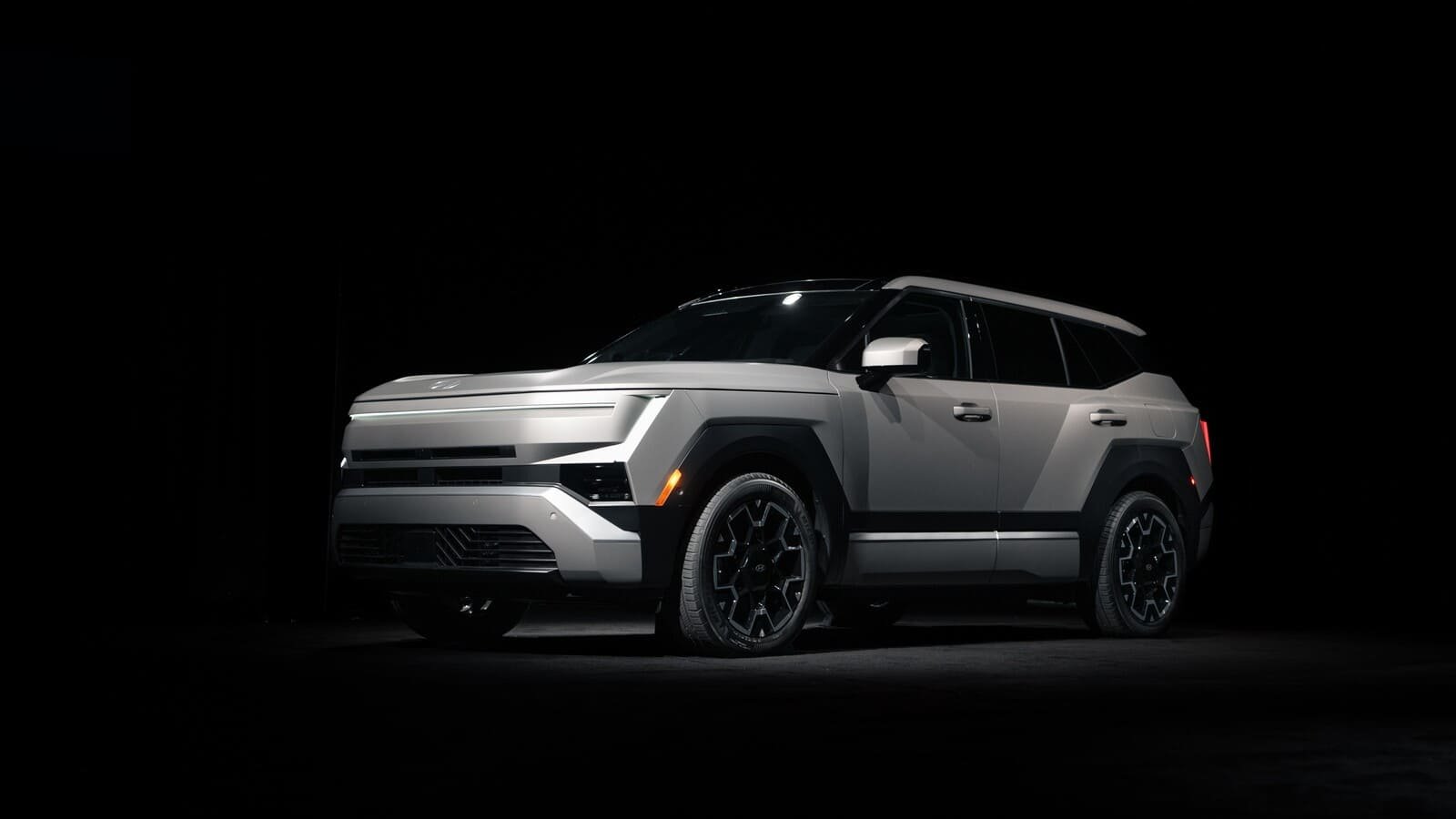
The RAV4 and CR-V remain obvious reliability candidates, but 2026 brings important engineering changes. Toyota has redesigned the RAV4 around an all-electrified lineup, Mazda has introduced a new CX-5 generation, and Subaru continues expanding hybridization.
That means historical nameplate reputation isn’t enough. Reliability belongs to the specific generation and powertrain.
For established engineering, I’d start with the Honda CR-V Hybrid and Mazda CX-50 2.5 S. The redesigned RAV4 Hybrid is highly promising, while the Forester, CX-5, and Tucson deserve consideration for different reasons.
Most Reliable Compact SUVs: Quick Comparison
| Crossover | Powertrain Worth Considering | Strongest Advantage | Main Reliability Consideration |
|---|---|---|---|
| Honda CR-V | 2.0L hybrid | Established current-generation architecture | Hybrid components and electronics |
| Toyota RAV4 | 2.5L hybrid | Extensive Toyota hybrid experience | Redesigned for 2026 |
| Mazda CX-50 | 2.5L naturally aspirated | Established engine and conventional automatic | AWD and long-term maintenance |
| Subaru Forester | 2.5L gasoline | Established AWD expertise | CVT and boxer-engine maintenance |
| Mazda CX-5 | 2.5L naturally aspirated | Familiar powertrain | All-new vehicle generation |
| Hyundai Tucson | 2.5L gasoline or 1.6L hybrid | Competitive value and warranty | Powertrain-specific ownership risks |
These are recommendations based on mechanical design, available history and ownership considerations—not statistically proven rankings of 2026 failure rates.
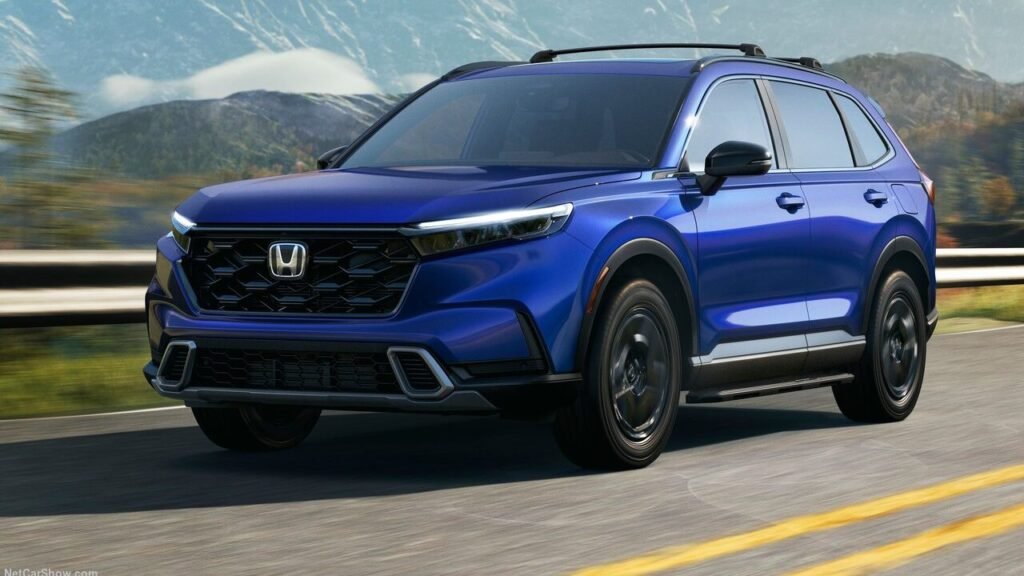
1. Honda CR-V — My Starting Point for Long-Term Ownership
The 2026 CR-V offers either a 190-hp 1.5-liter turbo/CVT or Honda’s 204-hp two-motor hybrid, and for long-term ownership I’d investigate the hybrid first.
Its 2.0-liter naturally aspirated engine and electric-drive architecture avoid a conventional belt-and-pulley CVT and the turbo hardware of the gasoline model. That doesn’t guarantee better reliability, but Honda’s current CR-V generation has also been on sale since 2023, providing more relevant ownership evidence than several newly redesigned rivals.
Why I’d choose it: Mature hybrid engineering combined with a relatively established current-generation platform.
Used shoppers can also see our Honda CR-V Years to Avoid guide.
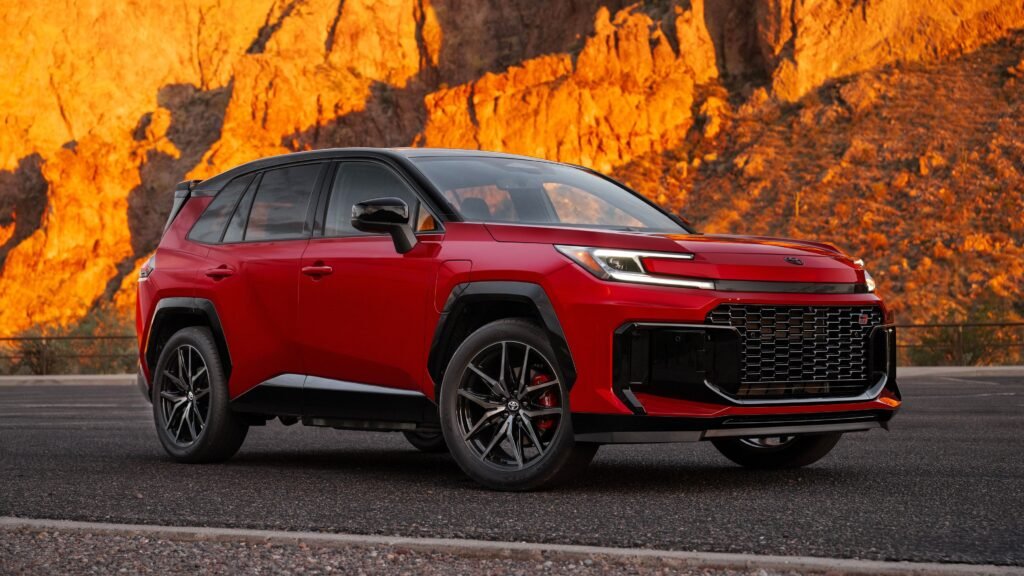
2. Toyota RAV4 Hybrid — Excellent Engineering, New Generation
The 2026 RAV4 begins a new hybrid-only U.S. generation, with 226 hp in FWD form and 236 hp with AWD. Toyota’s power-split system avoids a belt-driven CVT, while AWD uses a rear electric motor instead of a conventional mechanical driveshaft.
Toyota has decades of hybrid experience, but the 2026 RAV4 also brings revised hybrid hardware, electronics, and vehicle architecture. The previous generation’s durability is encouraging—not proof of the new one’s reliability.
Why I’d choose it: Excellent efficiency backed by mature Toyota hybrid engineering, provided you’re comfortable buying a newly redesigned generation.
For historical context, see our Toyota RAV4 Years to Avoid guide.
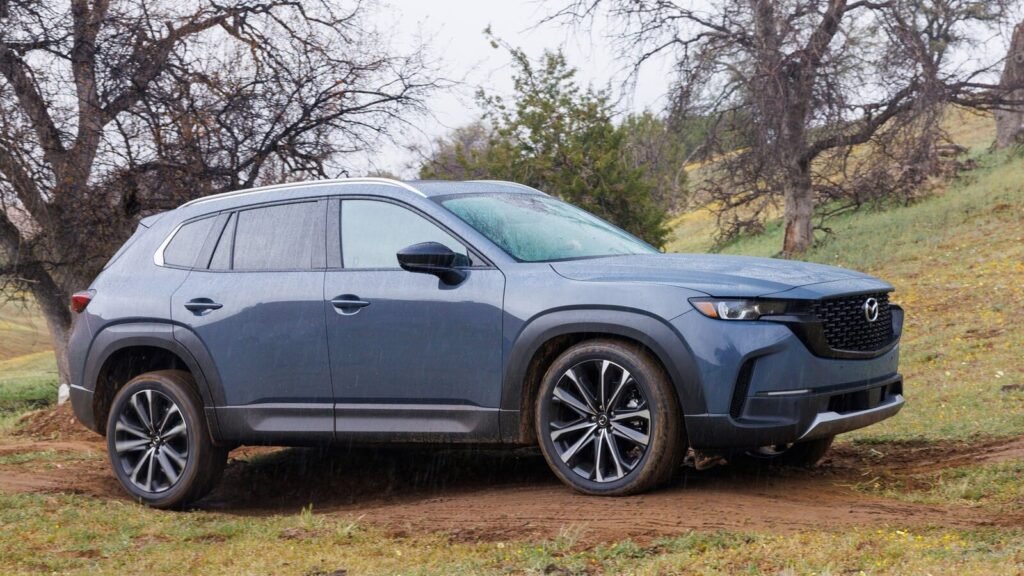
3. Mazda CX-50 — A Strong Choice for Conventional Engineering
For predictable long-term ownership, the CX-50 2.5 S deserves attention. It pairs Mazda’s familiar 187-hp naturally aspirated 2.5-liter four-cylinder with a conventional six-speed automatic and standard AWD.
The advantage isn’t simplicity alone; it’s engineering familiarity. Mazda has extensive experience with this engine and transmission architecture, giving buyers a more established maintenance and repair history than newer configurations.
Turbo and Toyota-derived hybrid versions offer their own advantages, but I’d choose them for performance or efficiency rather than lower repair exposure.
Why I’d choose it: Proven powertrain engineering with useful AWD capability and enjoyable road manners.
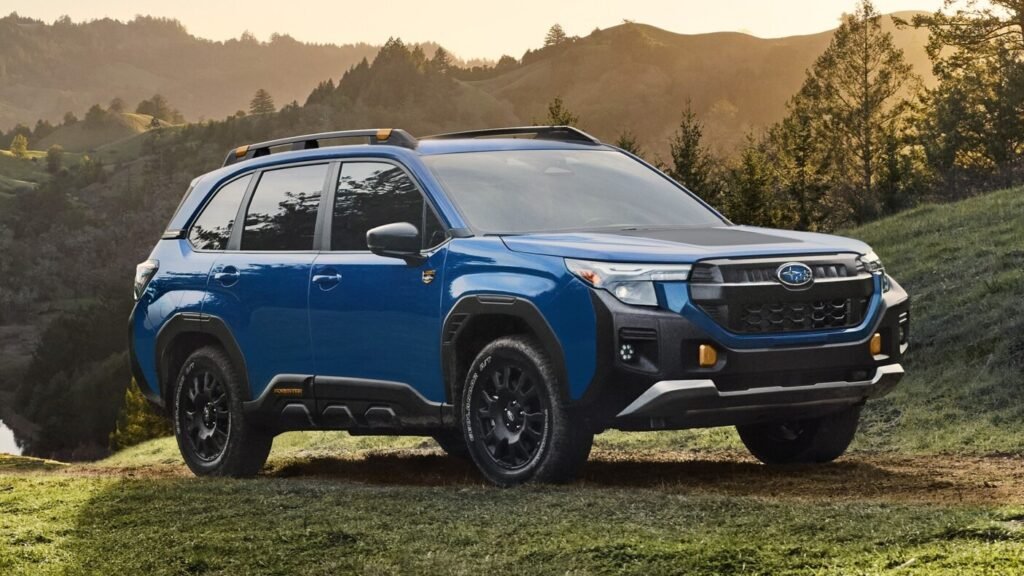
4. Subaru Forester — Standard AWD, but Evaluate the CVT
The 2026 Forester combines Subaru’s 180-hp 2.5-liter boxer engine, Lineartronic CVT, and standard AWD, giving it excellent traction and practical packaging. Its drivetrain differs substantially from Mazda’s conventional automatic or Toyota’s hybrid transaxle, so its reliability needs to be judged on its own history.
The 194-hp Forester Hybrid adds electrification to Subaru’s AWD architecture, but the complete configuration is still relatively new.
Why I’d choose it: Standard AWD makes the Forester especially attractive for frequent snow, poor roads, or unpaved surfaces. For long-term ownership, evaluate the gasoline and hybrid versions separately rather than treating them as one reliability proposition.
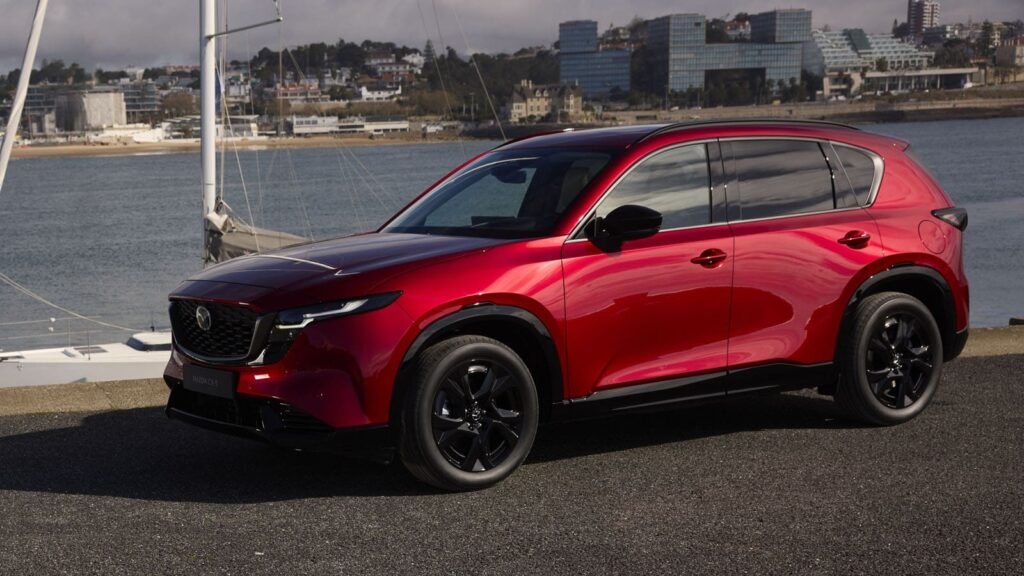
5. Mazda CX-5 — Familiar Engine, Completely Redesigned SUV
The redesigned 2026 CX-5 retains Mazda’s familiar 187-hp naturally aspirated 2.5-liter engine, six-speed automatic, and standard AWD—encouraging hardware for long-term ownership.
But a proven powertrain doesn’t make a redesigned vehicle proven. New electronics, software, cooling layouts, suspension components, and manufacturing changes can introduce their own issues.
Why I’d choose it: Familiar naturally aspirated powertrain engineering in a more modern package. Just distinguish powertrain maturity from vehicle-level reliability—the first is established; the redesigned CX-5 still needs to earn the second.
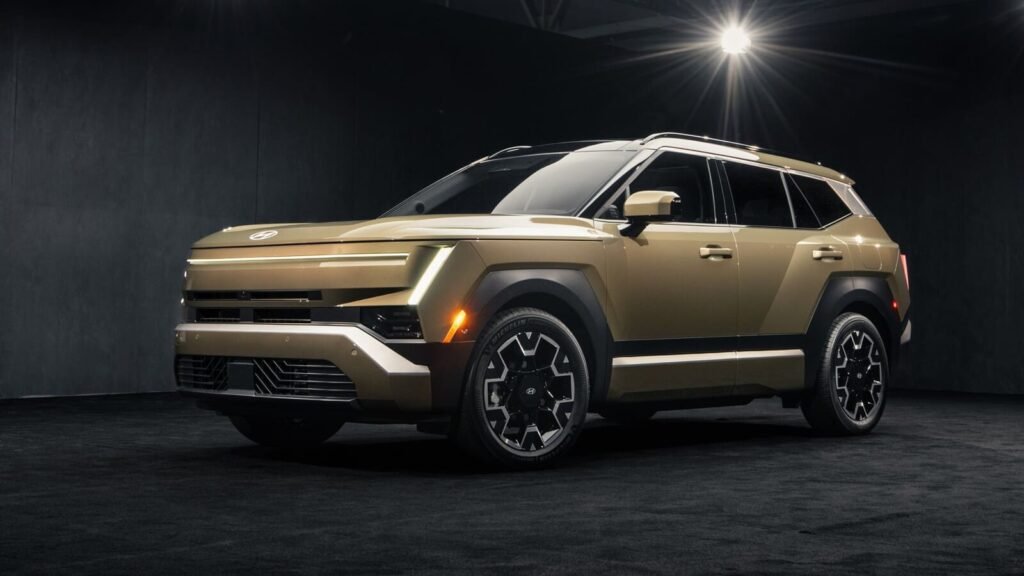
6. Hyundai Tucson — Good Value, but Choose the Powertrain Carefully
The 2026 Tucson offers a 187-hp naturally aspirated 2.5-liter/eight-speed automatic or a 231-hp turbo-hybrid with a six-speed automatic. Unlike Toyota’s power-split system or Honda’s two-motor architecture, Hyundai’s hybrid retains a conventional stepped transmission.
That means the gasoline and hybrid Tucsons have different components and potential failure mechanisms and should be evaluated separately. Hyundai’s long warranty is valuable, but warranty coverage reduces financial exposure; it doesn’t prevent failures or downtime.
Why I’d choose it: Competitive equipment and strong warranty coverage, with the final choice based on the reliability evidence for the exact powertrain.
Gasoline vs. Hybrid: Which Is More Reliable?
The idea that gasoline vehicles are inherently more reliable because they have fewer components is too simplistic. The RAV4, CR-V, and Tucson hybrids use fundamentally different architectures, just as Mazda, Subaru, and Hyundai gasoline engines differ in design and operating characteristics.
Reliability therefore isn’t determined by whether a vehicle is gasoline or hybrid, nor by component count alone. What matters is how well its engine, transmission, electrical systems, cooling, and controls have been engineered and validated together.
A mature hybrid can outlast a poorly executed conventional drivetrain. Engineering maturity matters more than simplicity alone.
Which Compact SUV Would I Actually Buy?
If reliability were my priority, I’d narrow the list to three:
Honda CR-V Hybrid: My starting point, combining an established current generation, mature hybrid engineering, and excellent practicality.
Mazda CX-50 2.5 S: My conventional gasoline choice, with a familiar naturally aspirated engine and six-speed automatic.
Toyota RAV4 Hybrid: Highly promising for efficiency and Toyota hybrid expertise, but the redesigned 2026 generation still needs long-term evidence.
The Forester deserves attention for AWD capability, while the CX-5 and Tucson remain credible alternatives.
For an efficiency-focused comparison, see our most fuel-efficient crossovers guide
Final Verdict: What’s the Most Reliable Compact SUV in 2026?
There isn’t enough long-term evidence to crown an undisputed 2026 compact-SUV reliability winner. The CR-V Hybrid combines mature engineering with useful current-generation history, while the CX-50 2.5 S offers an established conventional powertrain. The redesigned RAV4 Hybrid is highly promising, but its predecessor’s reputation cannot prove the new generation.
The Forester, CX-5, and Tucson remain credible alternatives depending on powertrain and priorities.
For long-term ownership, prioritize the exact configuration, service history, known weaknesses, and repair exposure—not the badge. The most reliable crossover is ultimately the one whose specific engineering has earned that reputation.




- Chinese Cars Are Winning the Technology Race—But Will They Last?
- 2024 Toyota Camry Reliability: Is It Toyota’s Smartest Buy?
- 2023 Toyota Camry Reliability: Is Paying More Really Worth It?
- 10 Most Reliable Used Cars in 2026: Specific Years to Buy
- 2022 Toyota Camry Reliability: Is It the Best Used Camry?
- Car Reliability Ratings Explained: Which Ones Can You Actually Trust?
*Disclaimer: This website provides automotive content for informational purposes only and should not be considered professional advice. While we strive for accuracy, we do not guarantee the reliability or suitability of any vehicle or product mentioned—always conduct your own research before making purchasing decisions. Additionally, some links on this site are affiliate links, meaning we may earn a commission if you make a purchase, at no extra cost to you.