
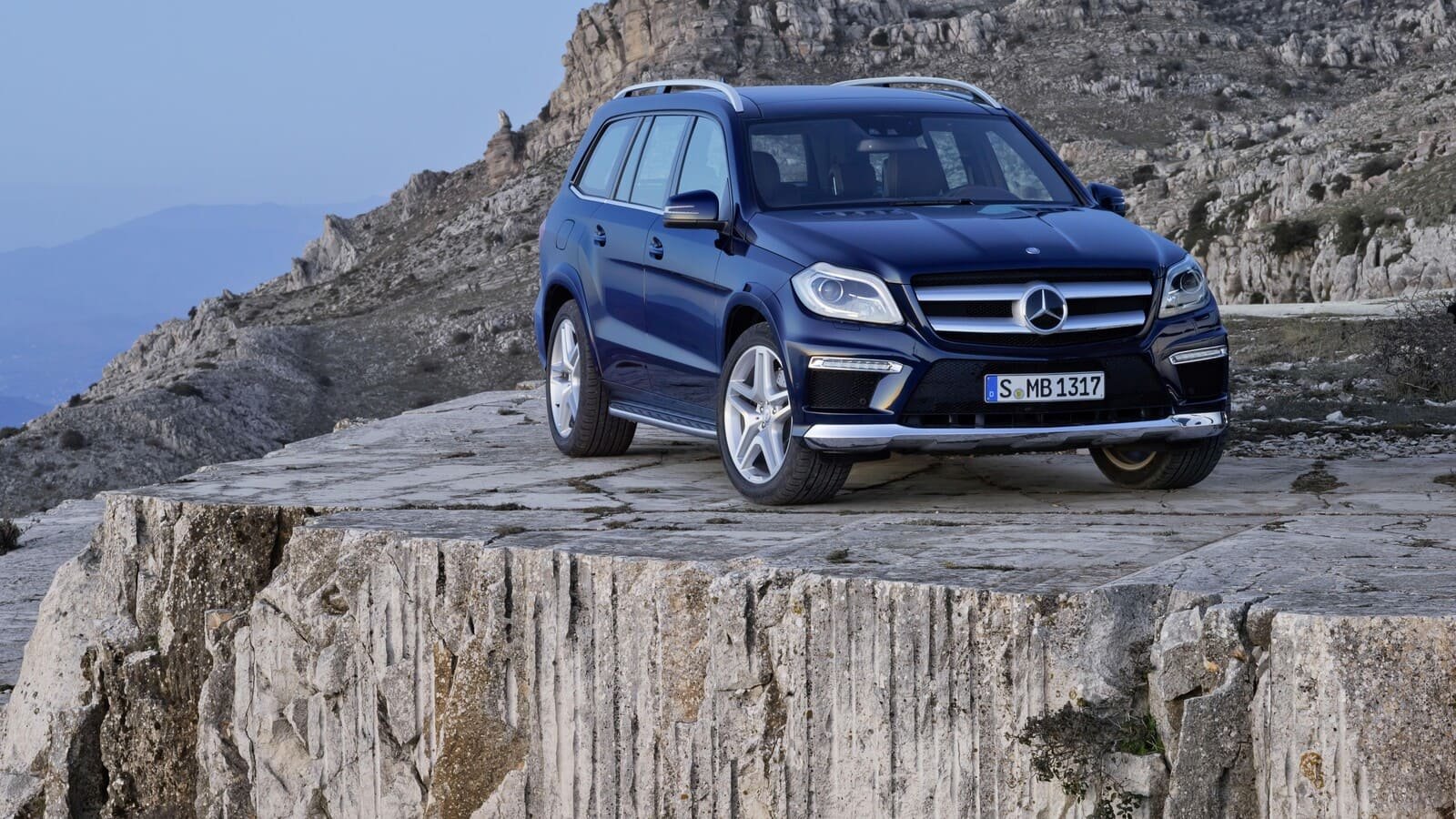
The GL450 can be an appealing used three-row luxury SUV, but reliability depends heavily on the engine and model year. U.S. versions used three distinct powertrains: the M273 naturally aspirated V8, M278 twin-turbo V8, and later M276 twin-turbo V6.
If I were buying one today, I’d start with a well-maintained 2015–2016 M276-powered GL450. A sorted late X164 with the M273 can also make sense, while I’d be more cautious with 2013–2014 M278 models because major engine repairs can be particularly expensive.
Mercedes GL450 Reliability: Quick Verdict
| GL450 | Engine | Main Attraction | Main Risk | Our View |
|---|---|---|---|---|
| 2007–2008 | 4.7L M273 V8 | Simple naturally aspirated character | Early engine concerns, age | Extra caution |
| 2009–2012 | 4.7L M273 V8 | Mature X164 powertrain | AIRMATIC, age, recall status | Worth considering |
| 2013–2014 | 4.7L M278 twin-turbo V8 | Strong performance | Expensive engine exposure | Buy selectively |
| 2015–2016 | 3.0L M276 twin-turbo V6 | Newer X166, efficient powertrain | Turbo/cooling/electronic complexity | Our preferred GL450 |
This isn’t a statistical reliability ranking. Condition and maintenance history can easily matter more than a one- or two-year difference. But it gives buyers a much better starting point than assuming every GL450 is mechanically similar.
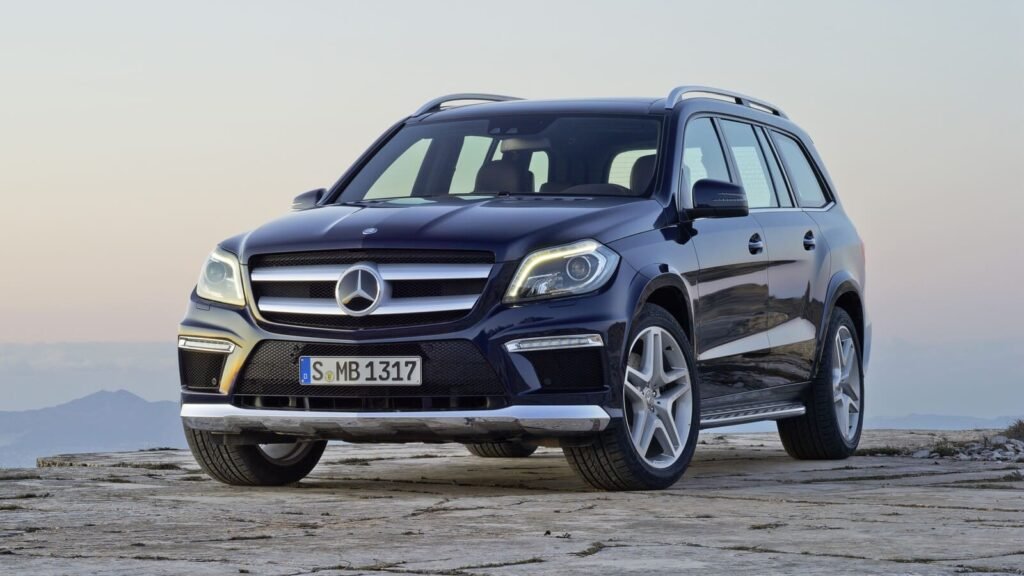
First: Check the Brake-Booster Recall on Older GL450s
Before evaluating an X164 GL450, check its recall status. Certain 2006–2012 ML, GL, and R-Class vehicles were recalled because brake-booster housing corrosion could compromise braking assistance and, in severe cases, the braking connection itself.
Enter the VIN into the official NHTSA recall lookup and confirm all applicable remedies were completed before buying or driving the vehicle.
This shouldn’t be interpreted as a general reliability score—our Car Reliability Ratings Explained guide explains the distinction. This is a safety check first.
2007–2012 GL450: The M273 Naturally Aspirated V8
The X164 GL450 uses Mercedes’ 4.7-liter naturally aspirated M273 V8, avoiding the turbocharger complexity of later models. But early engines can still have timing-system concerns involving the idler gear—not the M272 V6’s often-confused balance-shaft problem.
Check the engine serial number rather than assuming every M273 carries the same risk. Later engines benefited from revisions, but age now matters just as much: cooling components, seals, mounts, hoses, and ignition hardware may all need attention.
I’d favor a well-documented later X164 over a lower-mileage early example with uncertain history.
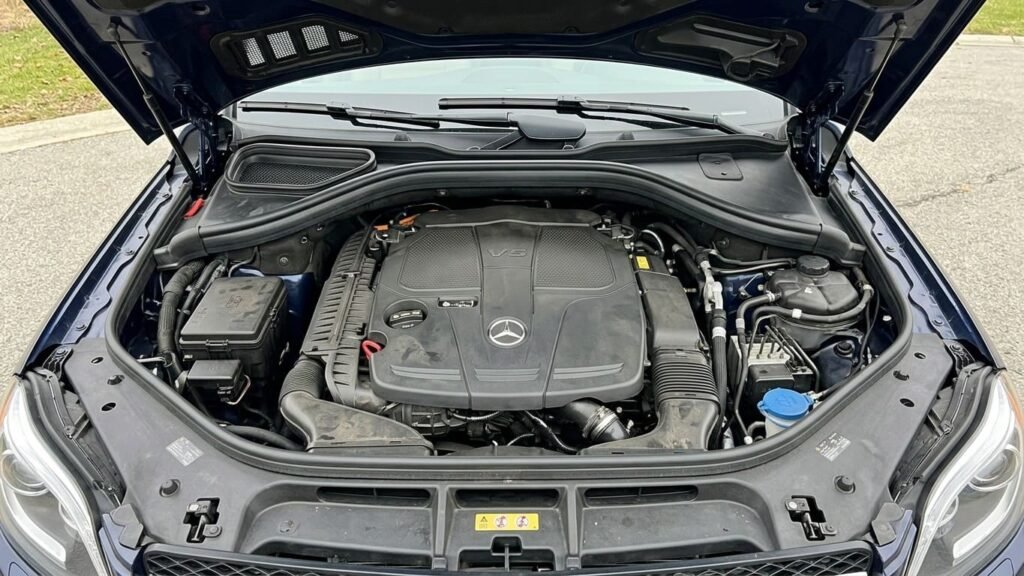
2013–2014 GL450: The M278 Changes the Equation
The X166 GL450 introduced Mercedes’ 4.7-liter M278 twin-turbo V8, bringing substantially stronger low-end torque but also greater repair exposure.
Potential concerns include timing-system noise, leaks, turbo-related hardware, and reported cylinder-wall scoring. That doesn’t mean most M278s will suffer severe engine damage; the issue is the financial consequence if one does.
I wouldn’t chase a cheap 2013–2014 GL450 with uncertain history. Have a Mercedes specialist check cold-start behavior, misfire data, oil-consumption history, cooling-system condition, and abnormal engine noise before buying.
2015–2016 GL450: Why the M276 Is My Preferred Version
For 2015, Mercedes replaced the M278 V8 with the 3.0-liter M276 twin-turbo V6. Output remained 362 hp, with torque dropping from 406 to 369 lb-ft—still plenty for the GL450.
The M276 isn’t trouble-free; leaks, ignition issues, sensors, turbo hardware, and timing-related problems can still occur. But it offers a different and, in my view, more attractive risk profile than an unknown-history M278.
Combined with the later X166 chassis, that’s why a well-maintained 2015–2016 GL450 would be my starting point.
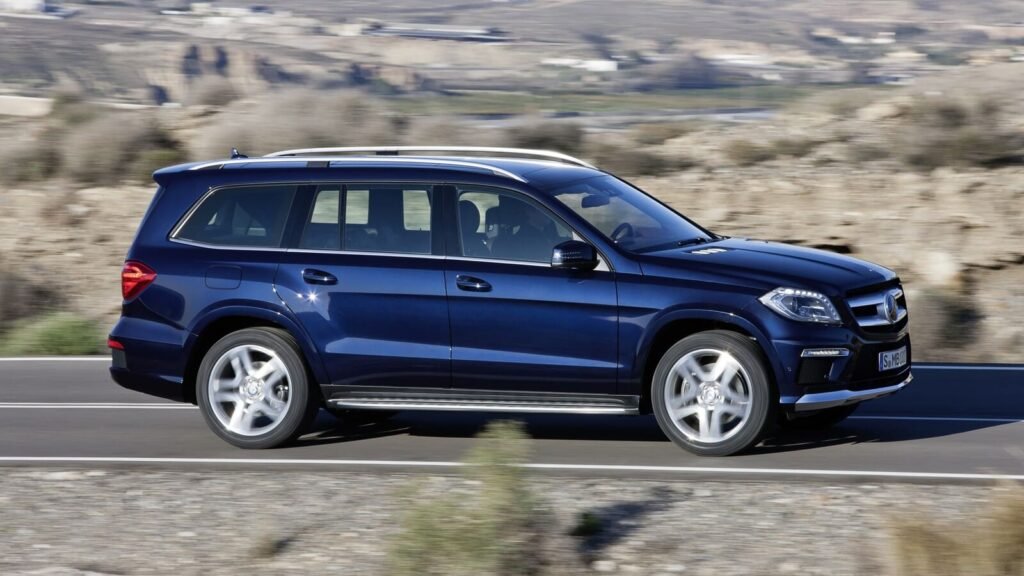
AIRMATIC May Matter More Than Which Engine You Choose
AIRMATIC is central to the GL450’s excellent ride, but air springs, compressors, valve blocks, lines, and sensors all age. More importantly, one failure can accelerate another: a leaking air spring forces the compressor to run more often, increasing heat and wear.
Don’t judge the system from a short test drive. Inspect the SUV after it has sat overnight, look for one corner sitting lower than the others, listen for excessive compressor operation, and cycle through the available suspension heights.
Don’t Forget the 7G-TRONIC Transmission
The GL450’s seven-speed automatic can age well, but maintenance history now matters more than mileage alone. Check for delayed Drive or Reverse engagement, shift flare, harsh changes, and abnormal behavior once the transmission is fully warm.
A five-minute test drive isn’t enough. I’d rather buy a higher-mileage GL450 with documented transmission servicing than a low-mileage example whose transmission has been neglected.
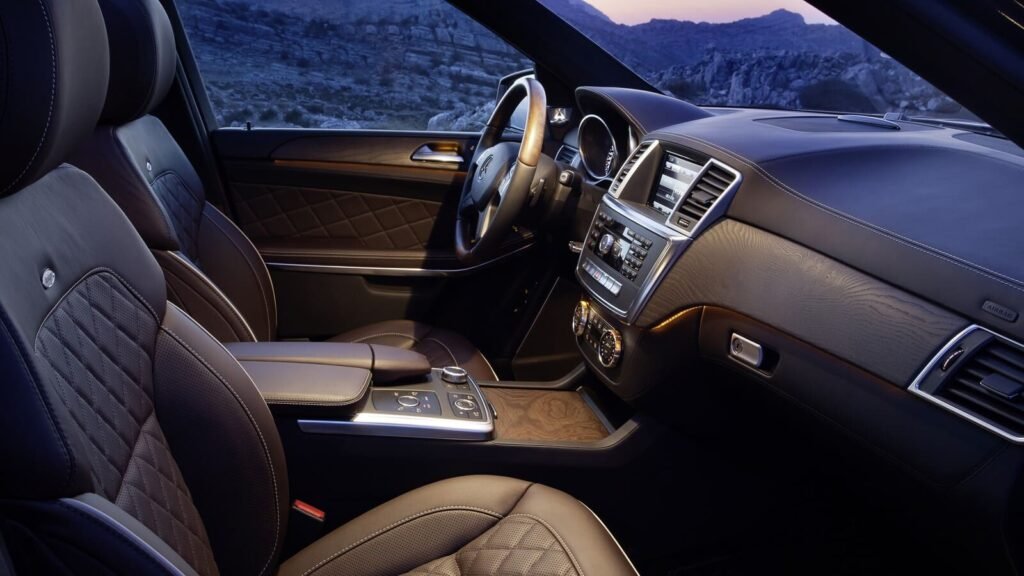
Electronics Can Turn a Cheap GL450 Into an Expensive SUV
The GL450 contains extensive electronics, from climate control and powered seats to cameras, parking systems, and numerous control modules. At this age, several minor electrical faults can become expensive simply through diagnostic labor.
A weak battery or charging problem can also trigger seemingly unrelated warnings. Before buying, test every electrical feature and perform a Mercedes-capable scan of all control modules, not just a generic engine-code check.
Which Mercedes GL450 Years Would I Buy?
My GL450 shortlist would be:
2015–2016 — first choice. The M276 V6, later X166 platform, and younger age make these my starting point.
2009–2012 — interesting alternative. The later M273-powered X164 offers naturally aspirated V8 simplicity, provided recalls, AIRMATIC, and age-related maintenance are addressed.
2013–2014 — buy selectively. The M278 V8 performs brilliantly, but its potential engine-repair exposure demands excellent history and a specialist inspection.
I’d be more cautious with 2007–2008 examples when later cars are available. Ultimately, buy condition and maintenance history—not merely the model year.
What I Would Inspect Before Buying a GL450
Before buying any GL450, have a Mercedes specialist inspect:
- Engine: Cold start, misfire data, leaks, timing noise, and engine-specific weaknesses.
- AIRMATIC: Overnight ride height, leaks, compressor operation, and stored faults.
- Transmission: Cold and hot shift quality, engagement, and service history.
- Cooling system: Pumps, hoses, reservoirs, connections, and pressure testing if needed.
- Electronics: Full module scan and physical testing of installed equipment.
- Recall status: VIN-specific NHTSA check, particularly for X164 models.
Also inspect tires and brakes. Replacing both soon after purchase can erase much of the apparent bargain.
As our German vs. Japanese maintenance comparison explains, reliability isn’t just failure frequency. Parts cost, labor access, and system complexity determine how expensive those failures become.

Is a Used Mercedes GL450 Worth Buying?
Yes—if you’re prepared for aging luxury-SUV running costs. The GL450 still offers impressive space, comfort, performance, and towing capability for today’s used prices, but depreciation doesn’t make its air suspension, electronics, brakes, or engines inexpensive to repair.
I’d start with a well-documented 2015–2016 M276 GL450, followed by a sorted later M273-powered X164. I’d approach 2013–2014 M278 cars more selectively.
Our best used Mercedes-Benz SUV guide compares other options.
Most importantly, don’t buy the cheapest GL450. Buy the best-maintained one you can afford.
- Chinese Cars Are Winning the Technology Race—But Will They Last?

- 2024 Toyota Camry Reliability: Is It Toyota’s Smartest Buy?
- 2023 Toyota Camry Reliability: Is Paying More Really Worth It?
- 10 Most Reliable Used Cars in 2026: Specific Years to Buy

- 2022 Toyota Camry Reliability: Is It the Best Used Camry?
- Car Reliability Ratings Explained: Which Ones Can You Actually Trust?
*Disclaimer: This website provides automotive content for informational purposes only and should not be considered professional advice. While we strive for accuracy, we do not guarantee the reliability or suitability of any vehicle or product mentioned—always conduct your own research before making purchasing decisions. Additionally, some links on this site are affiliate links, meaning we may earn a commission if you make a purchase, at no extra cost to you.