
Here is our updated list of the most reliable AMG cars, revised to prioritize proven powertrains, mechanical simplicity, and long-term durability. If reliability comes first, the M113 V8 era remains an excellent place to start, combining a proven naturally aspirated engine with fewer layers of complexity than later turbocharged AMGs; several models also used Mercedes’ durable 722.6 five-speed automatic.
That doesn’t make an older AMG cheap to own. Brakes, suspension, tires, and deferred maintenance can still be expensive, but there is an important difference between a car that is costly to maintain and one that is inherently troublesome to keep running.
With that distinction in mind, these are the five AMG models that deserve the strongest consideration for long-term reliability.
| Rank | AMG | Why It’s Here | Main Concern |
|---|---|---|---|
| 1 | 2005–2006 C55 AMG | M113 + 722.6, relatively simple chassis | Age and previous maintenance |
| 2 | 2003–2005 CLK55 AMG Coupe | Excellent drivetrain, understated GT | Electronics and age-related wear |
| 3 | 2005–2011 SLK55 AMG | M113 V8 in a remarkably simple AMG | Folding roof, suspension |
| 4 | 1999–2002 E55 AMG | One of AMG’s simplest V8 sedans | Rust and sheer age |
| 5 | 2000–2003 ML55 AMG | Durable drivetrain, no air suspension | Aging W163 around the drivetrain |
Top 5 Reliable Mercedes-AMG Models

1. 2005–2006 C55 AMG – My Pick for the Most Reliable AMG
If I had to buy one older AMG with my own money and reliability mattered, the W203 C55 AMG would probably be it. The reason is under the hood, not on a reliability-score website.
Mercedes paired the naturally aspirated 5.4-liter M113 V8 with the proven 722.6 five-speed automatic, producing 362 horsepower without turbochargers or an elaborate active suspension system. More importantly, neither the engine nor transmission is known for the kind of fundamental weakness that can make some later AMG powertrains financially risky as they age.
Today, age is the bigger concern. Engine mounts, suspension bushings, cooling-system components, gaskets, sensors, and W203 electronics may all need attention after roughly two decades. The transmission should shift cleanly, and documented servicing is a meaningful advantage.
Don’t simply buy the lowest-mileage C55 you can find. Buy the one whose owner can show you what has been done.
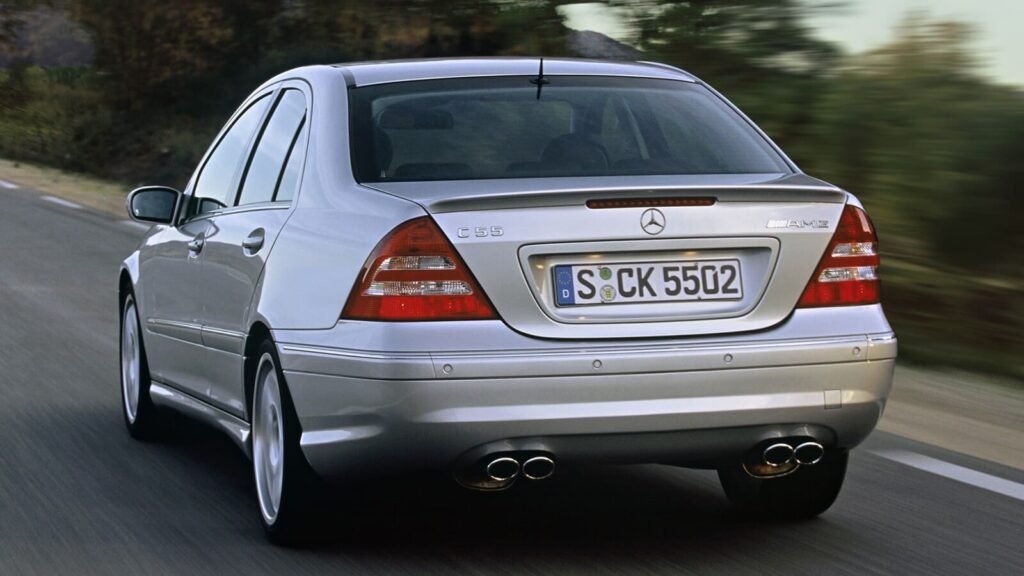
What I’d buy: A stock, dry, well-documented C55 with a smooth transmission and evidence that someone has continued maintaining it after the car became inexpensive.’ keep the brilliance, professionalism and authenticity of the original text, just refine it.
Verdict: Best overall reliability bet.
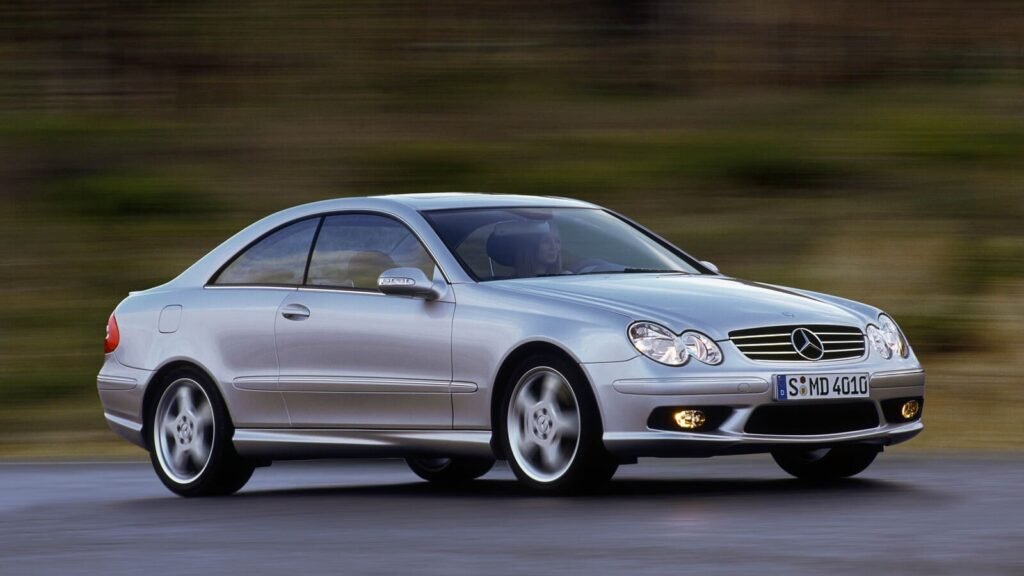
2. 2003–2005 CLK55 AMG Coupe — The C55 Alternative Nobody Talks About
The CLK55 is one of the more overlooked choices for buyers seeking a dependable older AMG. Its strongest asset is the combination of the naturally aspirated M113 V8 and proven five-speed automatic, a powertrain with an excellent reputation for durability even at higher mileage.
I’d favor the coupe over the convertible for long-term ownership. The convertible adds an aging power top, hydraulics, seals, and mechanisms that create additional failure points without improving the underlying drivetrain.
Motor mounts, suspension components, sensors, and occasional oil seepage should still be expected on a 20-year-old Mercedes. What separates the CLK55 is that these age-related expenses surround an unusually durable AMG powertrain.
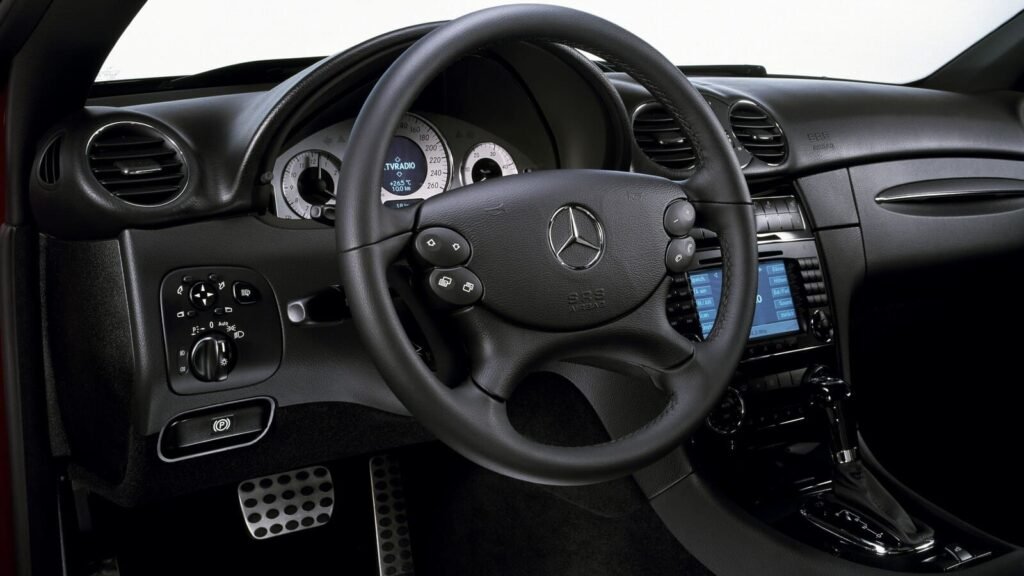
What I’d buy: 2003–2005 coupe, preferably unmodified, with excellent records.
Verdict: Possibly the smartest overlooked AMG.
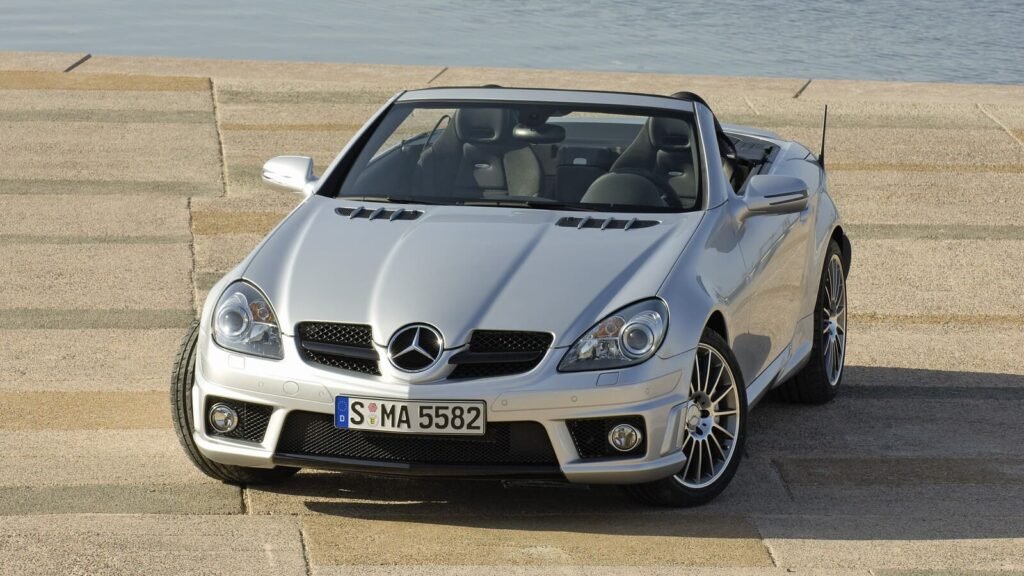
3. 2005–2011 SLK55 AMG — A V8 Sports Car Without the Usual Drama
The R171 SLK55 combines a small roadster with the naturally aspirated 5.4-liter M113 V8, giving it one of the simpler and more durable powertrains found in an older AMG.
The greater concern is the car surrounding the engine. The retractable hardtop should operate flawlessly, water leaks need investigation, and aging suspension components deserve inspection. The transmission should also shift properly both cold and warm, while crankshaft-position sensors are among the known M113 items to watch.
That’s what makes a well-maintained SLK55 appealing: the age-related risks are more likely to come from the roof, suspension, and ancillary components than from the fundamental engine design itself.
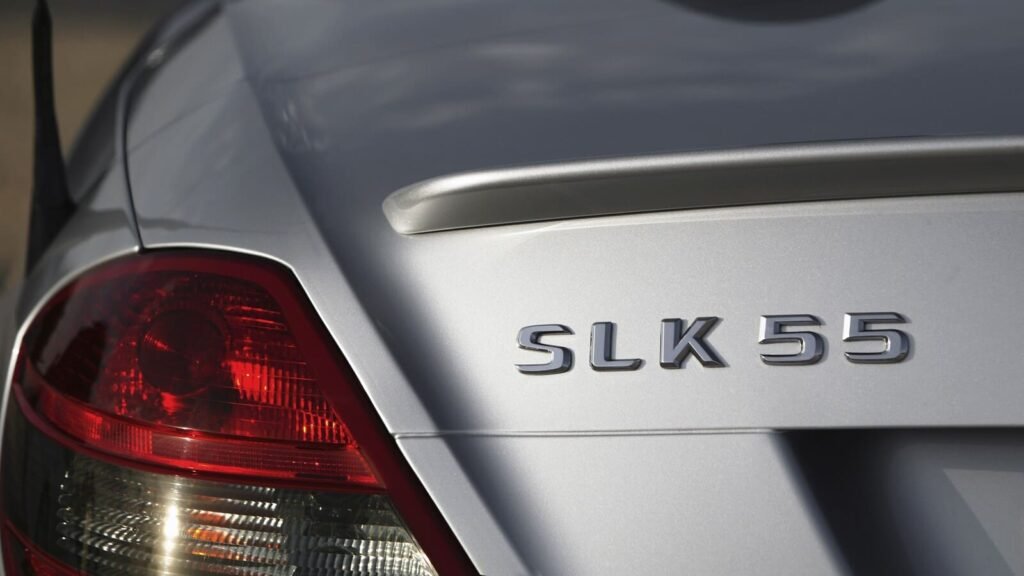
What I’d buy: A regularly driven example with a perfect roof operation and complete service history.
Verdict: Best reliable AMG for weekend use.
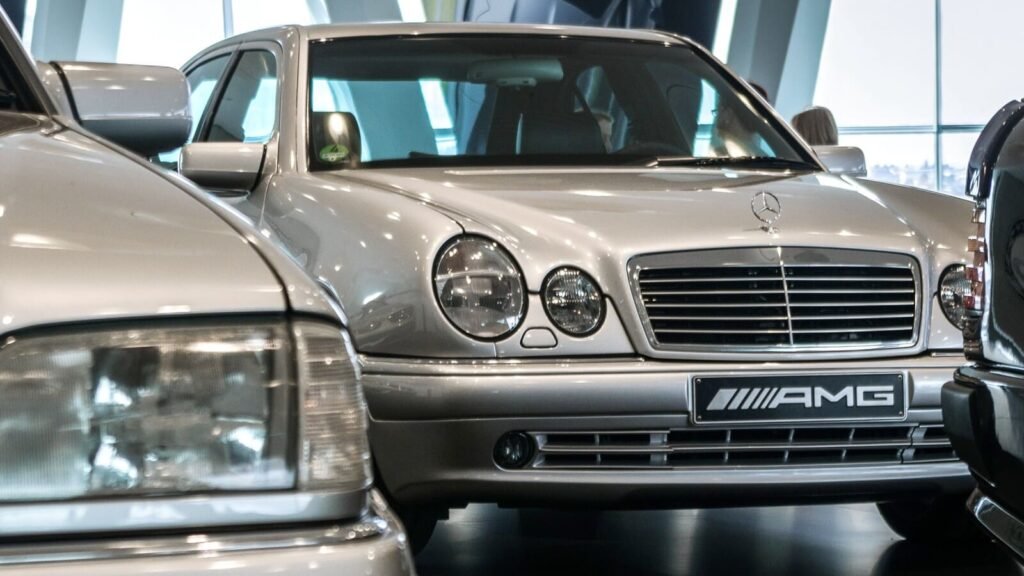
4. 1999–2002 E55 AMG — Brilliant Drivetrain, but Buy the Body First
The W210 E55 AMG gives you another excellent combination: naturally aspirated M113 V8, 722.6 automatic and comparatively little of the complexity that defines today’s 600-horsepower super sedans. The U.S.-market E55 used the 5.4-liter M113 with the five-speed automatic.
Mechanically, that is exactly what we want. But I would no longer tell someone to buy a W210 E55 simply because the drivetrain is durable.
These cars are approaching three decades old. Rust can matter more than engine reliability. Rubber components age. Wiring and interior equipment age. Suspension components age. A car that spent its life in a northern salt state can be a fundamentally worse purchase than a higher-mileage example from a dry climate.
This is where experienced used-car buying beats internet reliability rankings. A strong engine inside a deteriorating car is not a reliable car.
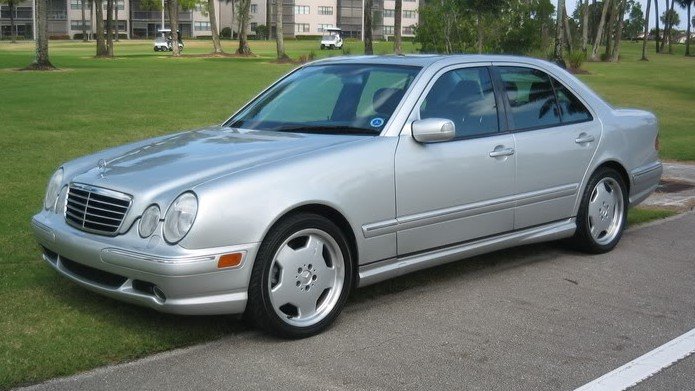
What I’d buy: The cleanest rust-free example I could find, with condition taking priority over mileage.
Verdict: Mechanically excellent; age is now the enemy.
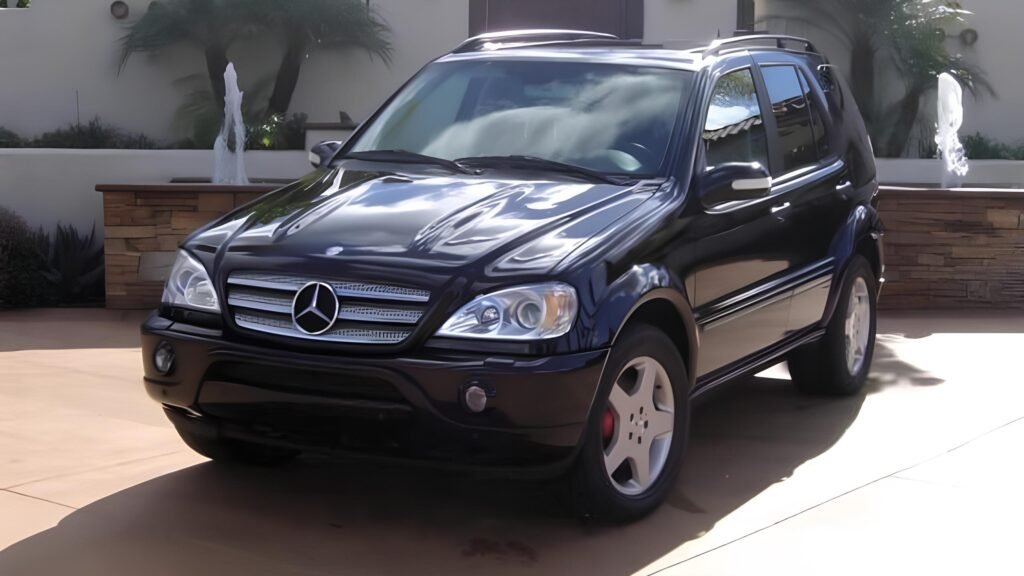
5. 2000–2003 ML55 AMG — The Reliable AMG SUV, With an Asterisk
The ML55 earns its place here primarily because of its naturally aspirated M113 V8 and proven automatic transmission, packaged in an SUV without the air-suspension complexity found in many later high-performance luxury SUVs.
The greater risk is age. A 20-plus-year-old W163 can bring worn suspension and steering components, aging electronics, cooling-system problems, leaks, and neglected drivetrain maintenance. A cheap example with poor history can quickly erase any savings.
The ML55’s durable powertrain makes it worth considering, but the condition and maintenance history of the rest of the vehicle ultimately determine whether it’s a smart purchase.
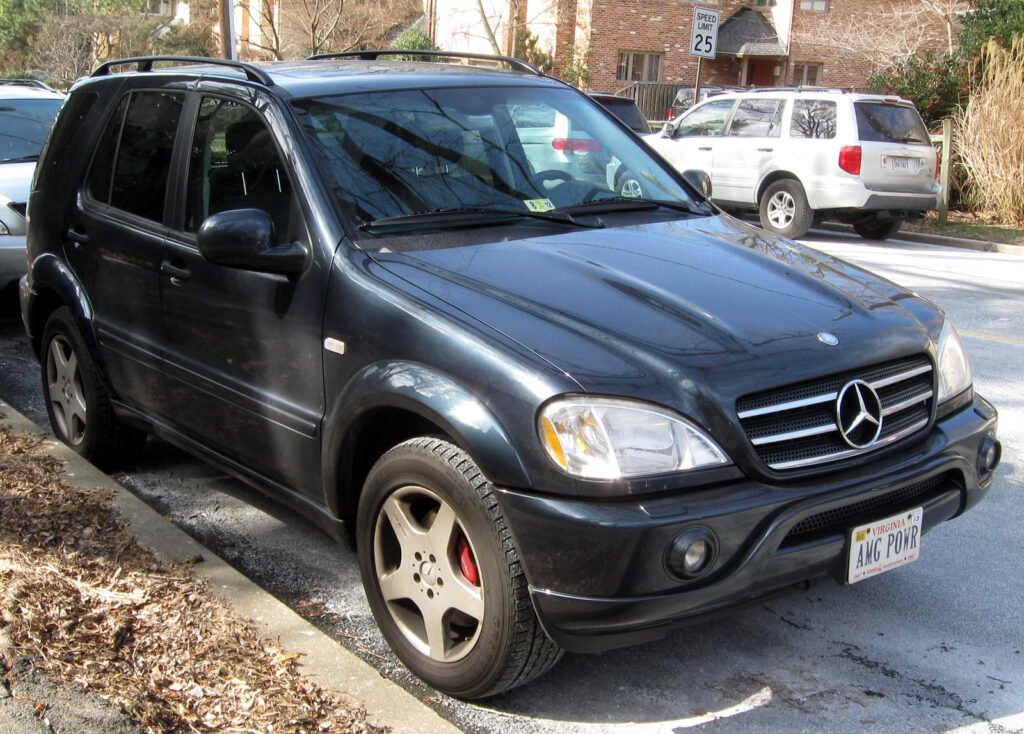
What I’d buy: A rust-free, largely original example with extensive records—not simply the cheapest running ML55 available.
Verdict: Best old-school AMG SUV, but inspection is essential.
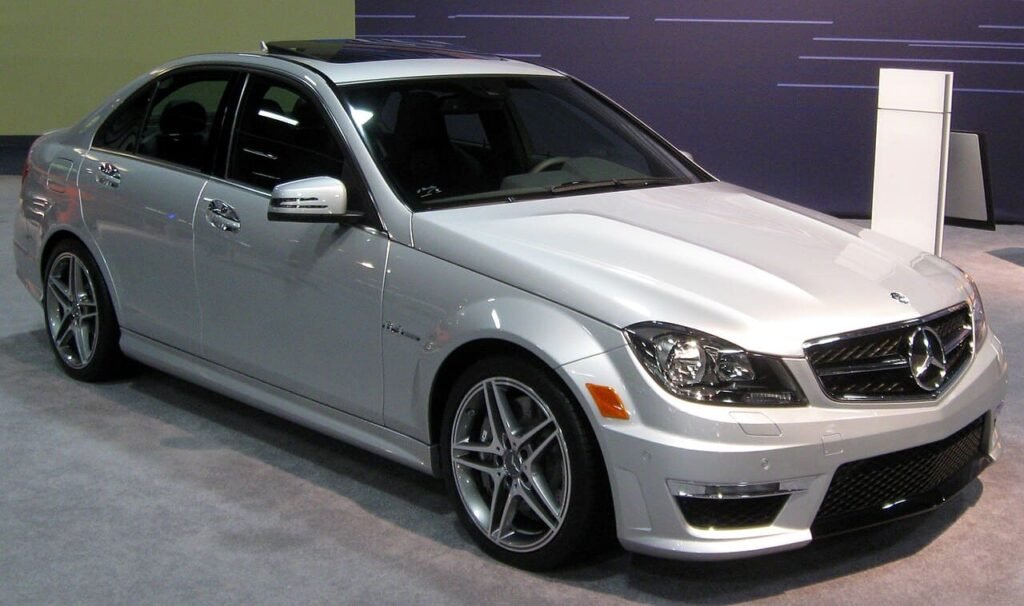
Why Isn’t the W204 C63 in the Top Five?
This is where I disagree with our previous version of this article.
I love the W204 C63 AMG, and it deserves its own reliability discussion. But if the question is strictly which AMGs are the most reliable, I wouldn’t rank it above the best M113 cars.
Its M156 6.2-liter V8 is magnificent, but Mercedes technical documentation records M156/M159 issues involving camshaft adjusters and hydraulic valve-clearance components, along with documented oil-leak conditions.
That doesn’t make the C63 unreliable. It makes it a car that requires more knowledgeable purchasing.
A properly inspected, well-maintained later example can still be a very good enthusiast buy. But that’s different from recommending it as one of the least troublesome AMGs ever made. For a deeper look, read our TopCarList C63 AMG reliability guide.
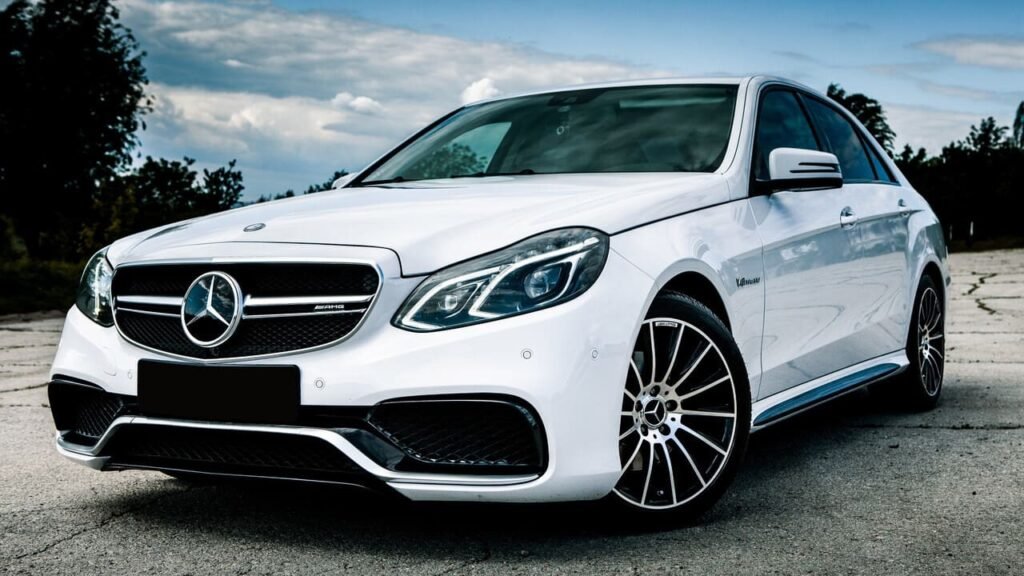
And What About the W212 E63?
The W212 E63 is another excellent AMG that I would happily consider—but not because it’s simpler or more inherently dependable than the cars above.
Once the E63 moved to the M157 5.5-liter biturbo V8, AMG performance entered a different level of complexity. Turbochargers, considerably greater heat management requirements and additional supporting systems mean there are simply more expensive things involved.
There were also official campaigns affecting portions of this engine family; for example, Mercedes/NHTSA documentation records a chain-tensioner-related recall affecting certain 2014–2015 vehicles equipped with affected engines.
That doesn’t condemn the M157. It simply illustrates why I wouldn’t call an M157-powered AMG more reliable than a healthy naturally aspirated M113 car merely because it’s newer.
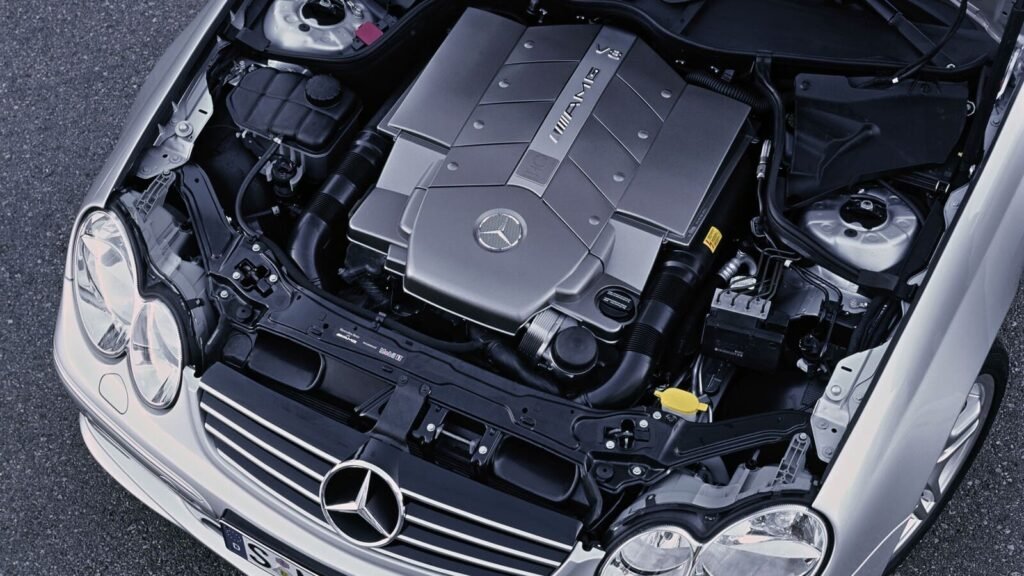
The AMG Engine I’d Shop for First
There is an obvious pattern here.
M113. M113. M113. M113. M113.
That isn’t an attempt to be nostalgic. It’s the conclusion the hardware leads us toward.
The naturally aspirated M113 combines a relatively conservative state of tune with an era of Mercedes engineering before AMG performance required multiple turbochargers and increasingly complicated supporting systems. Specialist experience with the engine continues to support its reputation for durability.
But there is an important warning. A durable engine does not make a neglected 20-year-old Mercedes a good car.
At this age, I would happily buy a 110,000-mile AMG with extensive records over a suspicious 55,000-mile garage queen that has old fluids, cracked rubber, deferred repairs and no meaningful service history.
How I’d Buy Any Old AMG
Forget the generic used-car checklist for a moment. With an older AMG, I want four things.
Service history. Not just oil-change receipts. I want evidence that the transmission, cooling system, suspension, brakes and age-related failures haven’t been ignored.
A cold start. Don’t let the seller warm the car before you arrive. A Mercedes specialist PPI. Not the neighborhood quick-lube shop. Someone who knows the specific chassis and engine.
Money left after purchase. If buying the AMG empties your budget, you cannot afford that AMG. Even the most reliable car on this list remains an aging German performance car.
Final Verdict: Which Reliable AMG Would I Actually Buy?
For a daily driver, the C55 AMG wins. It combines one of AMG’s best powertrains with a relatively straightforward chassis and enough modern usability to remain enjoyable today. I’d choose the CLK55 coupe if I wanted something more distinctive, and the SLK55 if this were a weekend car.
The W210 E55 is arguably the purist’s choice, but condition and corrosion now matter too much for me to recommend one blindly. The ML55 makes sense for someone specifically wanting an old-school V8 SUV.
And that’s really the lesson. Don’t search for an AMG that never needs repairs. It doesn’t exist. Search for an AMG whose expensive mechanical fundamentals are strong, whose known weaknesses you understand, and whose previous owner has already demonstrated that they could afford to maintain it.
Twenty years later, that is what separates a wonderfully reliable old AMG from a very expensive piece of driveway decoration.
Frequently Asked Questions
What is the most reliable Mercedes-AMG?
The 2005–2006 C55 AMG is one of the strongest candidates because it combines the naturally aspirated M113 V8 with the proven 722.6 five-speed automatic and avoids much of the powertrain and suspension complexity of later AMGs.
What is the most reliable AMG engine?
For used AMG shoppers prioritizing durability, the naturally aspirated M113 V8 is one of the safest places to start. Its reputation is supported by both Mercedes specialists and long-term owner experience.
Is a reliable AMG cheap to maintain?
No. Reliability and maintenance cost are different. Tires, brakes, fluids, suspension components and age-related repairs can still make an otherwise dependable AMG expensive compared with an ordinary sedan.
Is the C63 AMG reliable?
A good W204 C63 can be dependable, particularly when properly maintained and carefully inspected, but the M156 has enough known technical concerns that I wouldn’t place it ahead of the best M113-powered cars purely for reliability.
Should I buy a low-mileage AMG?
Not automatically. Once these cars reach 15–25 years old, maintenance history, storage conditions and current mechanical condition can matter more than a modest difference in mileage.
- Chinese Cars Are Winning the Technology Race—But Will They Last?

- 2024 Toyota Camry Reliability: Is It Toyota’s Smartest Buy?
- 2023 Toyota Camry Reliability: Is Paying More Really Worth It?
- 10 Most Reliable Used Cars in 2026: Specific Years to Buy

- 2022 Toyota Camry Reliability: Is It the Best Used Camry?
- Car Reliability Ratings Explained: Which Ones Can You Actually Trust?
*Disclaimer: This website provides automotive content for informational purposes only and should not be considered professional advice. While we strive for accuracy, we do not guarantee the reliability or suitability of any vehicle or product mentioned—always conduct your own research before making purchasing decisions. Additionally, some links on this site are affiliate links, meaning we may earn a commission if you make a purchase, at no extra cost to you.