

The 2011 Mercedes-Benz C300 remains an appealing used luxury sedan, particularly for buyers who prefer a naturally aspirated V6 over modern turbocharged four-cylinders. Its 3.0-liter M272 engine delivers smooth performance, while the W204 chassis offers a solid balance of comfort and handling.
But is the 2011 C300 reliable? Generally, its engine and transmission can deliver dependable service when properly maintained. The greater concern today is the combined cost of aging mechanical, electrical and structural components.
A healthy V6 doesn’t guarantee an inexpensive Mercedes.
2011 Mercedes C300 Reliability at a Glance
| Category | Details |
|---|---|
| Engine | 3.0L M272 naturally aspirated V6 |
| Output | 228 hp, 221 lb-ft |
| Transmission | 7-speed 722.9 automatic |
| Drivetrain | RWD or 4MATIC AWD |
| Main concerns | Oil leaks, intake manifold, transmission electronics, rear subframe corrosion |
| Verdict | Worth buying with documented maintenance and a specialist inspection |
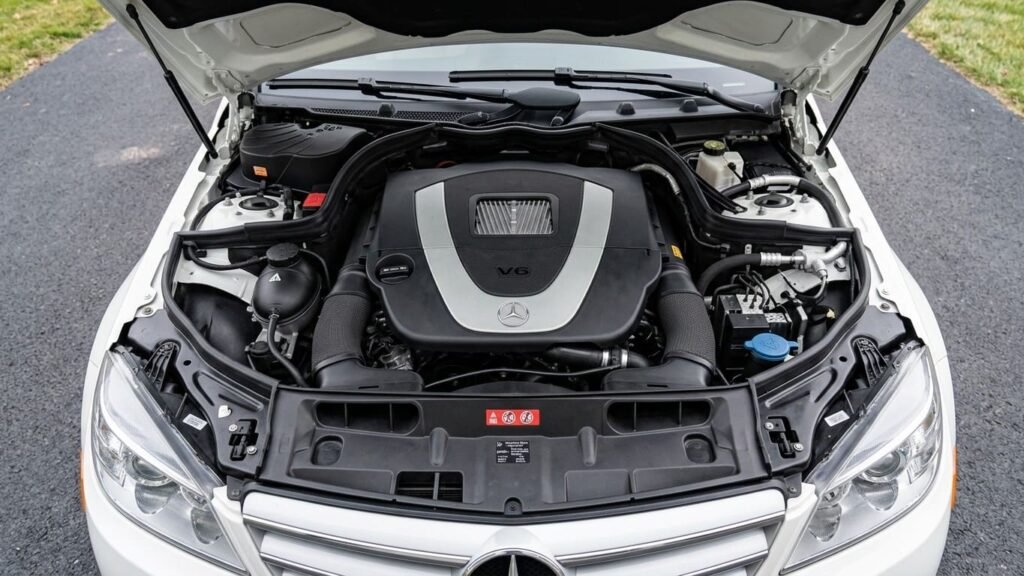
M272 V6 Reliability: Better Than Its Early Reputation?
The M272 developed a reputation for balance-shaft sprocket failures, but that problem primarily affected specific early-production engines. By the 2011 model year, the original defective sprocket design was no longer the defining reliability concern.
That distinction matters because online discussions frequently treat every M272-powered Mercedes as equally vulnerable. For a 2011 C300, I’d focus instead on three areas.
Oil leaks: Aging valve-cover seals, oil-filter housing components and other gaskets can develop leaks. Minor seepage isn’t unusual at this age, but substantial oil loss or contamination around electrical connectors deserves investigation.
Intake manifold: The M272 uses a variable-length intake manifold with internal mechanisms and actuating components that can deteriorate. Broken linkage or malfunctioning intake runners may trigger fault codes, affect performance and require expensive manifold repairs.
Cooling system: Thermostats, water pumps, hoses and plastic connections become increasingly vulnerable after years of heat cycling. Evidence of overheating deserves particular attention because a neglected cooling failure can damage an otherwise healthy engine.
The M272 avoids turbocharger-related complexity, but its variable valve timing, intake system and electronic controls demonstrate why naturally aspirated doesn’t necessarily mean mechanically simple.
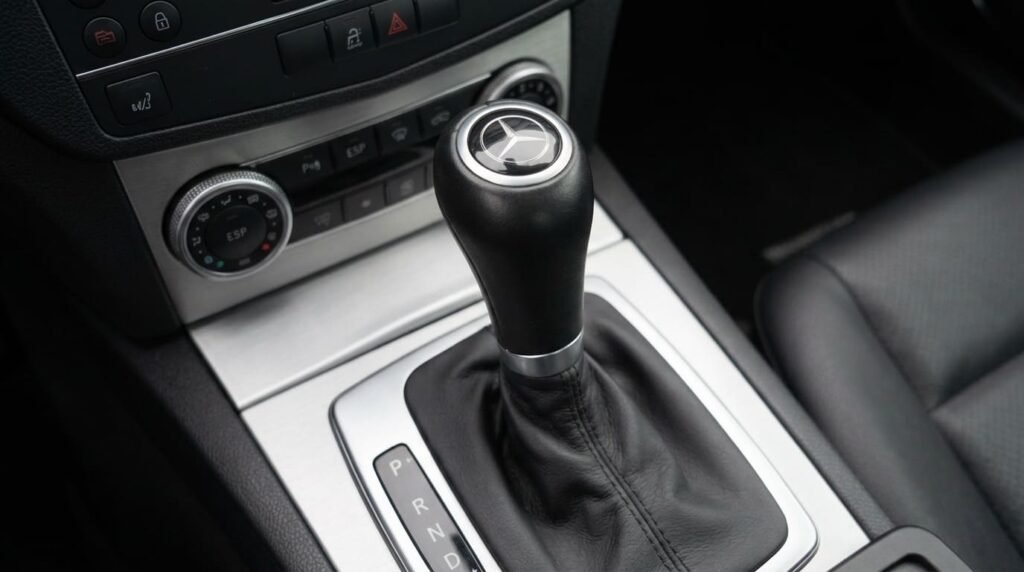
Is the 722.9 Automatic Transmission Reliable?
The 2011 C300 uses Mercedes’ seven-speed 722.9 automatic, a transmission capable of smooth, dependable operation but not immune to expensive faults.
Conductor-plate and internal speed-sensor problems can produce harsh shifting, delayed engagement or limp-home operation. Some failures involve electronic or electrohydraulic control components rather than damaged internal gears, making accurate diagnosis essential before assuming the entire transmission needs replacement.
During a test drive, check engagement into Drive and Reverse, low-speed shifts and behavior after the transmission reaches operating temperature. A Mercedes-capable diagnostic scan is equally important because generic OBD-II readers may not reveal the complete transmission fault history.
Rear Subframe Corrosion: A Bigger Risk Than Many Buyers Realize
One of the W204’s most serious risks isn’t engine-related. Rear-subframe corrosion can progress to structural perforation, potentially compromising suspension mounting integrity, particularly in road-salt regions.
Mercedes introduced a 20-year, unlimited-mileage warranty extension for eligible vehicles, but coverage depends on the original warranty commencement date and program conditions. Verify eligibility by VIN through a Mercedes dealer.
The warranty covers qualifying perforation, not ordinary surface rust or every corroded suspension component.
Buying insight: A mechanically healthy C300 with severe subframe corrosion can be a worse investment than a higher-mileage example with documented structural repairs.
Electrical and Suspension Problems
The W204’s electronic steering lock can prevent starting even when the engine and starter are healthy, so intermittent unlocking or starting problems deserve proper diagnosis rather than automatic battery replacement.
Other age-related concerns include window regulators, door locks, electronic modules, and engine mounts. Worn control-arm bushings, ball joints, and dampers can also compromise handling, ride comfort, and tire life.
None makes the C300 inherently unreliable, but several relatively ordinary repairs can quickly erase the savings of buying an inexpensive Mercedes.

2011 vs. 2012 vs. 2013 Mercedes C300
The 2011 C300 belongs to the pre-facelift W204 generation, while the 2012 model introduced updated styling, interior improvements and revised technology. However, the engine transition didn’t happen immediately.
| Model Year | Engine | Main Difference |
|---|---|---|
| 2011 C300 | 3.0L M272 V6 | Final pre-facelift model |
| 2012 C300 4MATIC | 3.0L M272 V6 | Facelifted W204, familiar engine |
| 2013 C300 4MATIC | 3.5L M276 V6 | Newer engine architecture, 248 hp |
The 2013 C300 4MATIC introduced a detuned 3.5-liter M276 V6, offering stronger performance and a different engine architecture. However, I wouldn’t automatically choose the 2013 simply because its engine is newer.
A well-maintained 2011 C300 with a healthy transmission and corrosion-free structure can be a better purchase than a neglected 2013 example. For a broader comparison, see our guide to the most reliable used Mercedes C-Class models.
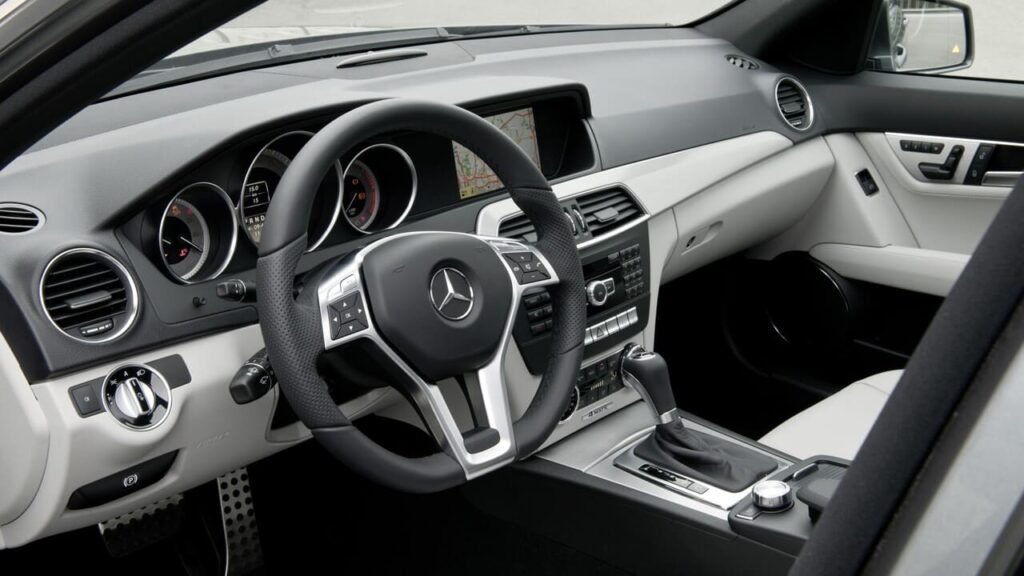
What I Would Check Before Buying
A Mercedes-specialist inspection should prioritize costly mechanical risks over cosmetic flaws. Start cold, checking for abnormal engine noises, oil leaks, intake-manifold faults, and cooling-system deterioration. Test the automatic transmission cold and warm, including its stored fault history.
Inspect the rear subframe and suspension mounting points for structural corrosion, verify warranty eligibility, and check the electronic steering lock, suspension, engine mounts, and major electrical systems.
Finally, demand service invoices rather than verbal assurances. At this age, documented repairs and actual mechanical condition matter far more than unusually low mileage.
Is the 2011 Mercedes C300 Worth Buying?
Yes, if its condition justifies the purchase.
The 2011 C300 delivers traditional Mercedes refinement and a naturally aspirated V6 at an attractive price. Its later M272 avoids the early engine’s principal balance-shaft concern, but intake-manifold failures, transmission electronics, structural corrosion, and aging components can still generate substantial bills.
For minimum ownership costs, a mainstream sedan may be wiser. Our German vs. Japanese maintenance comparison explains why depreciation doesn’t make luxury-car repairs cheaper.
I’d buy a C300 with documented maintenance, a healthy transmission, and sound structural condition, while avoiding unresolved electrical faults or uncertain repair histories. Its greatest risk today isn’t necessarily the V6—it’s several expensive age-related repairs arriving together.
- Chinese Cars Are Winning the Technology Race—But Will They Last?

- 2024 Toyota Camry Reliability: Is It Toyota’s Smartest Buy?

- 2023 Toyota Camry Reliability: Is Paying More Really Worth It?

- 10 Most Reliable Used Cars in 2026: Specific Years to Buy

- 2022 Toyota Camry Reliability: Is It the Best Used Camry?

- Car Reliability Ratings Explained: Which Ones Can You Actually Trust?
*Disclaimer: This website provides automotive content for informational purposes only and should not be considered professional advice. While we strive for accuracy, we do not guarantee the reliability or suitability of any vehicle or product mentioned—always conduct your own research before making purchasing decisions. Additionally, some links on this site are affiliate links, meaning we may earn a commission if you make a purchase, at no extra cost to you.