Thursday, April 2, 2026
spot_img
Home Blog Page 11

Best Crossovers With Best MPG: Top Picks for 2025

As consumers become increasingly conscious of rising fuel prices and environmental impacts, the demand for crossovers with best mpg continues to grow.

SUVs and crossovers, once criticized for their fuel consumption due to size and weight, have seen remarkable advances in technology and design that significantly enhance their fuel efficiency.

In 2025, a variety of options exists for those seeking a balance between the practicality of larger vehicles and the desire for lower fuel costs. This article explores the best fuel-efficient SUVs and crossovers available in 2025, examining their technology, performance, and overall value.

Top Fuel-Efficient SUVs and Crossovers for 2025

1. 2025 Toyota RAV4 Hybrid
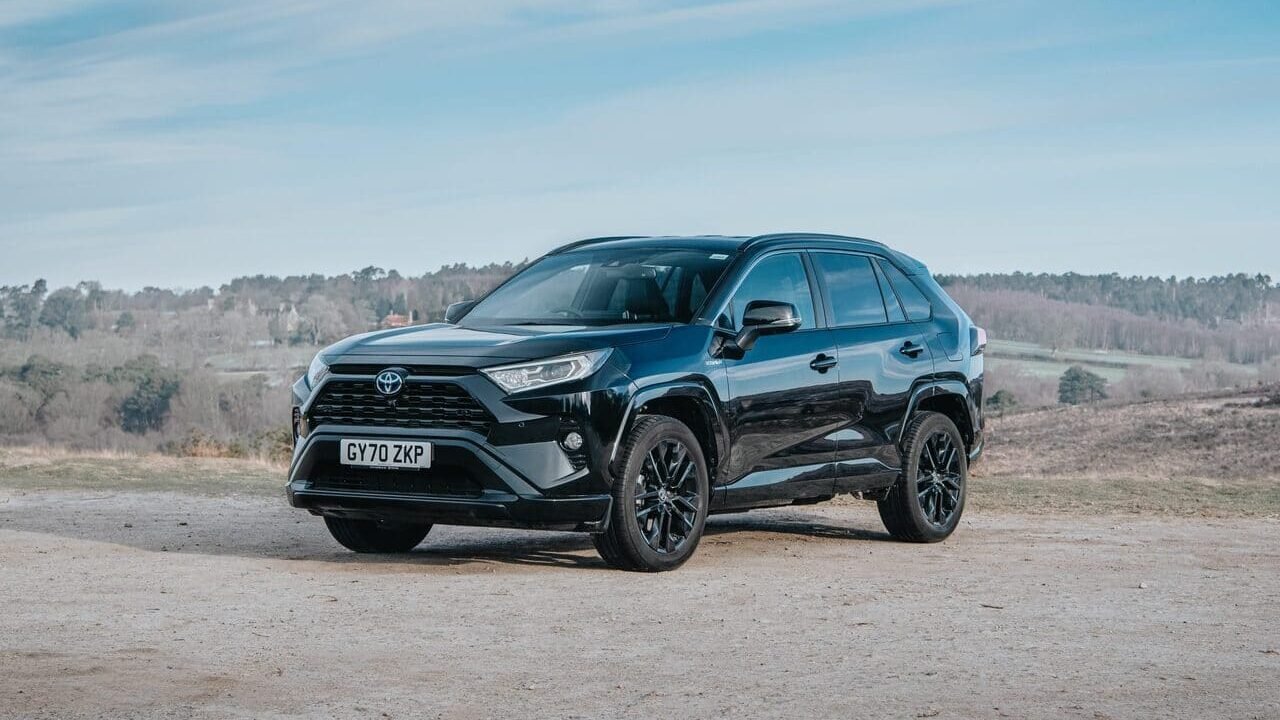
Fuel Efficiency: Approximately 40 mpg city / 36 mpg highway

The 2025 Toyota RAV4 Hybrid continues to dominate the hybrid SUV market with its remarkable balance of efficiency, space, and reliability. This versatile crossover is equipped with a hybrid powertrain that combines a 2.5-liter 4-cylinder engine with electric motor technology.

Performance and Features:

  • All-Wheel Drive (AWD): The available AWD system enhances traction, making it suitable for various weather conditions.
  • Spacious Interior: The RAV4 Hybrid offers ample cargo space, making it an excellent choice for families and outdoor enthusiasts alike.
  • Standard Safety Features: The RAV4 is equipped with Toyota’s Safety Sense suite, which includes adaptive cruise control, lane-keeping assistance, and automatic emergency braking.

Consumer Insight: Users have praised the RAV4 Hybrid for its user-friendly technology and comfortable ride, reinforcing its status as a favorite among fuel-efficient vehicles.

2. 2025 Honda CR-V Hybrid
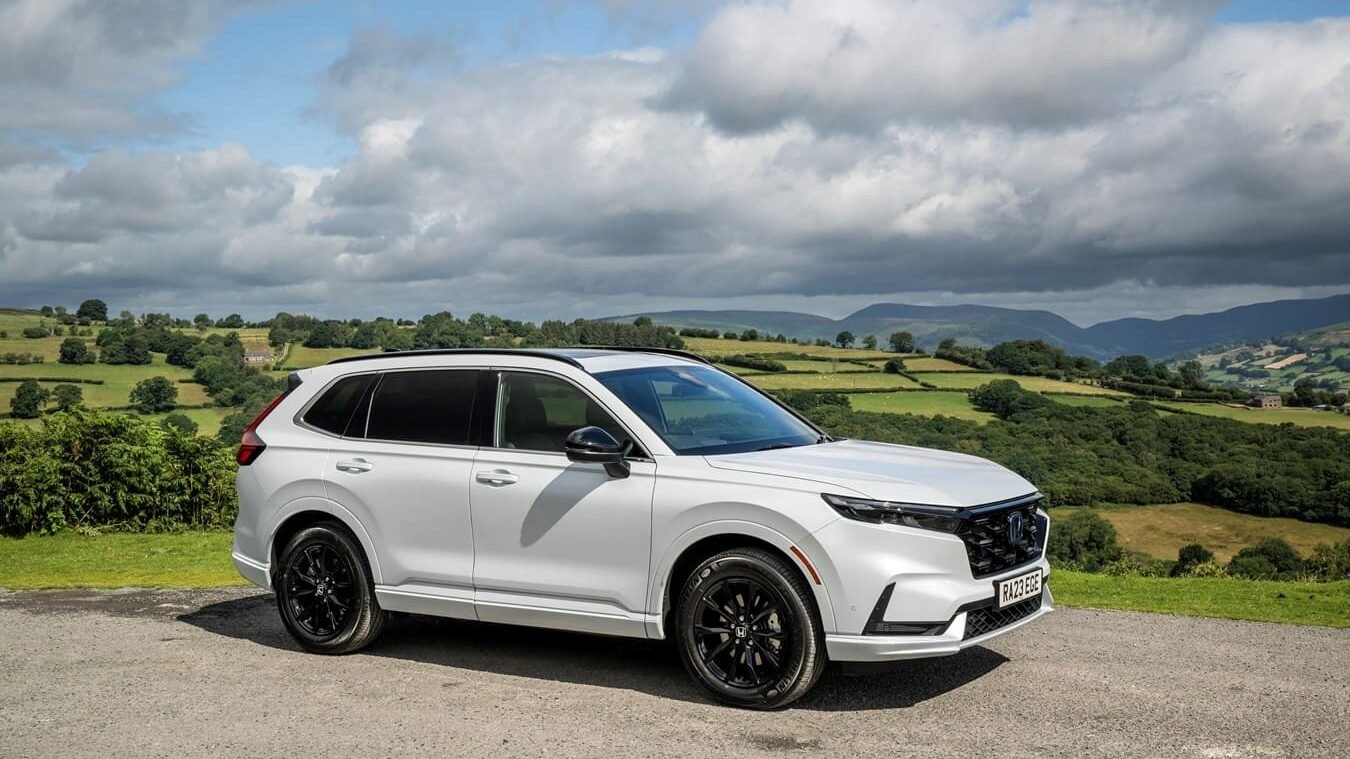
Fuel Efficiency: Approximately 43 mpg city / 36 mpg highway

The 2025 Honda CR-V Hybrid has carved out a reputation for melding practicality with innovation. Known for its spacious cabin and generous cargo area, the CR-V Hybrid is particularly appealing to families and those needing versatility in their vehicle.

Performance and Features:

  • Intelligent All-Wheel Drive: This feature enhances the vehicle’s control and performance during adverse weather conditions.
  • Technological Advancements: The CR-V Hybrid includes the latest in Honda’s infotainment technology, featuring Apple CarPlay and Android Auto compatibility.
  • Safety Ratings: The Honda CR-V has historically received high safety ratings, making it a reliable option for concerned parents.

Consumer Insight: Reviews from owners often highlight the CR-V Hybrid’s smooth driving experience and practicality for family use.

3. 2025 Lexus NX 350h
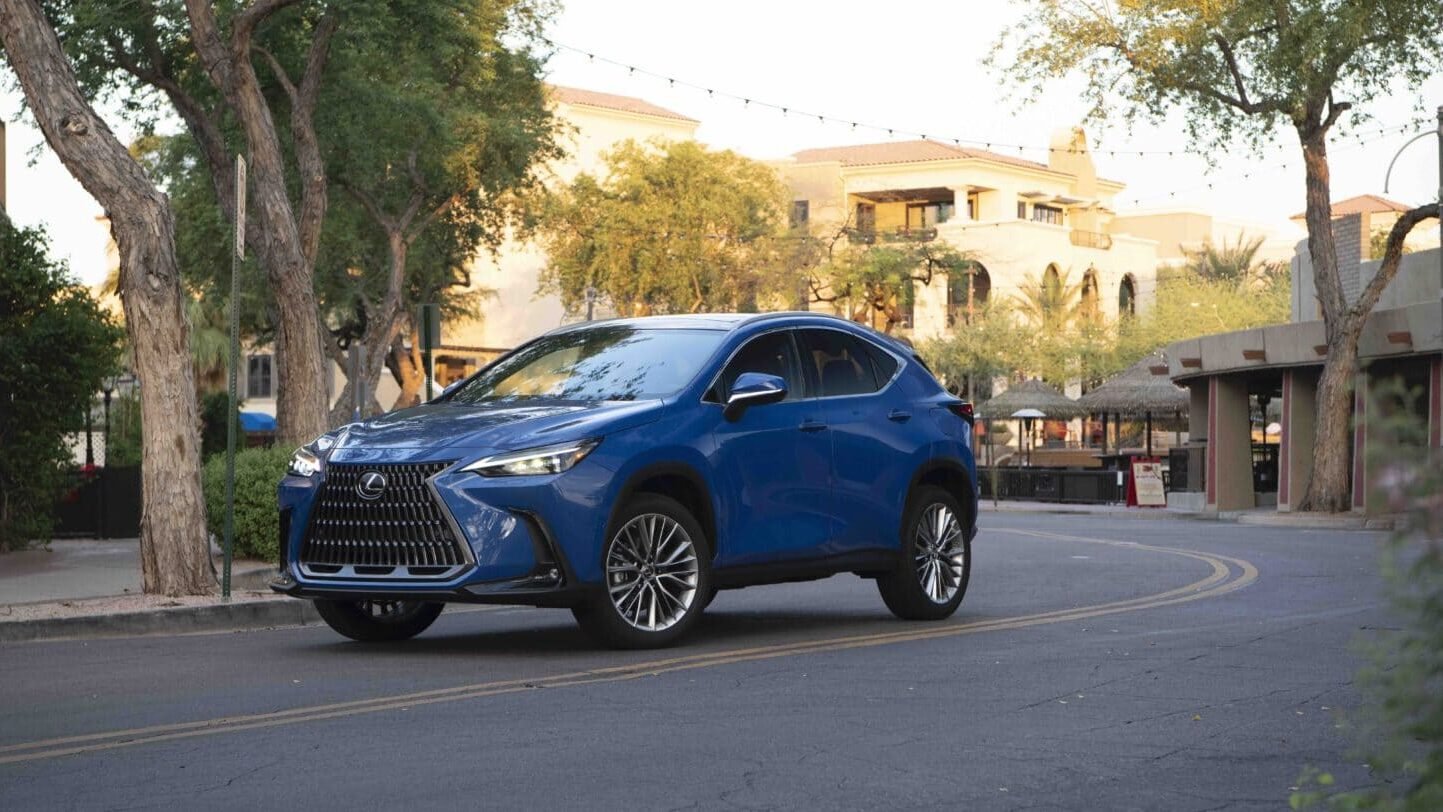
Fuel Efficiency: Approximately 39 mpg city / 36 mpg highway

The 2025 Lexus NX 350h combines luxury with efficiency, offering a premium experience alongside impressive fuel economy. Its hybrid powertrain provides a seamless blend of performance and serenity, making it a compelling choice in the compact luxury SUV segment.

Performance and Features:

  • Stylish Design: The NX features a sophisticated and modern aesthetic, enhanced by a well-appointed interior filled with high-end materials.
  • Advanced Technology: Lexus’ infotainment system includes a large touchscreen interface, voice recognition, and a suite of driver-assist features.
  • Hybrid Performance: The Lexus hybrid powertrain offers a refined and responsive driving experience, delivering both power and efficiency.

Consumer Insight: Owners rave about the luxurious feeling of the NX and the effortless driving experience, alongside the comfort of knowing they have a fuel-efficient option.

4. 2025 Ford Escape Hybrid
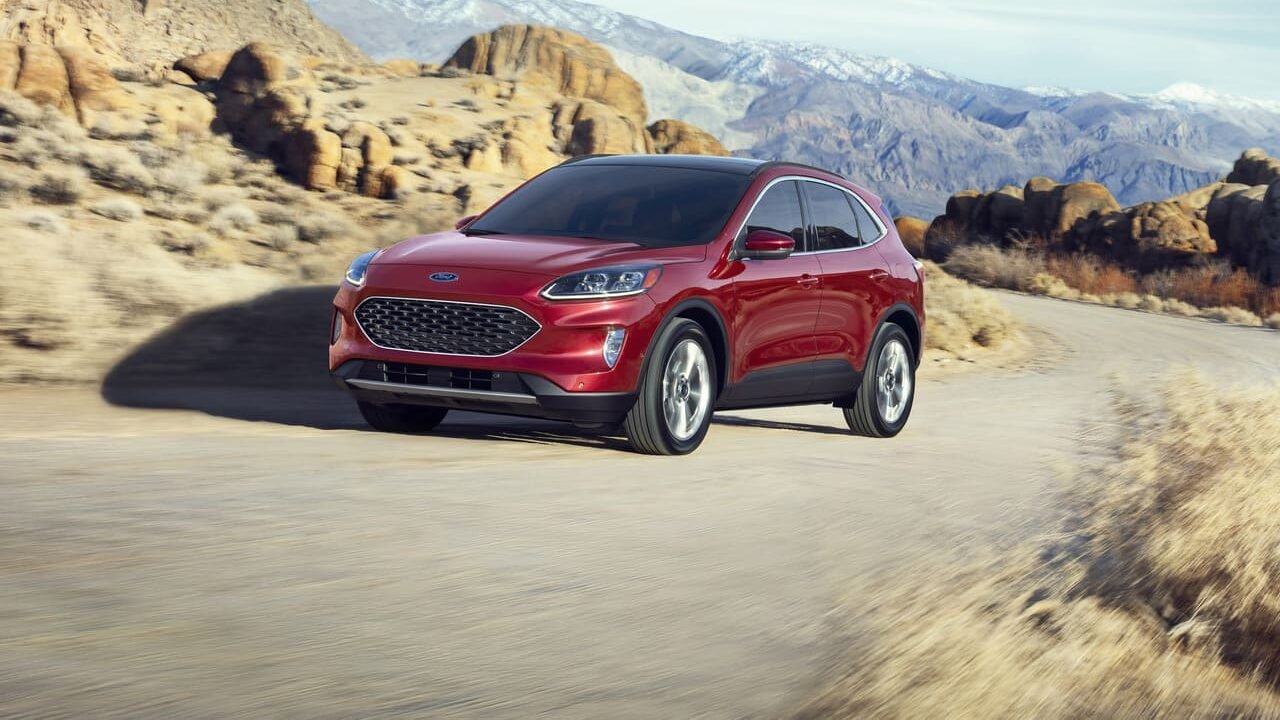
Fuel Efficiency: Approximately 44 mpg city / 37 mpg highway

The 2025 Ford Escape Hybrid marks significant improvements in both power and efficiency over its predecessors. This compact SUV delivers a great fuel economy rating while providing ample interior space and comfort.

Performance and Features:

  • Versatile Interior: The Escape Hybrid is equipped with various convenient storage spaces and a roomy back seat that comfortably accommodates passengers.
  • Active Drive Assist: This feature enhances safety and offers adaptive cruise control, lane centering, and more.
  • EcoBoost Engine Option: For drivers who want the choice between hybrid efficiency and traditional gasoline power, the Escape provides both options.

Consumer Insight: Feedback from owners highlights the Escape’s driveability and comfort, as well as its advanced technology features, which contribute to its appeal as a family-friendly SUV.

5. 2025 Hyundai Tucson Hybrid
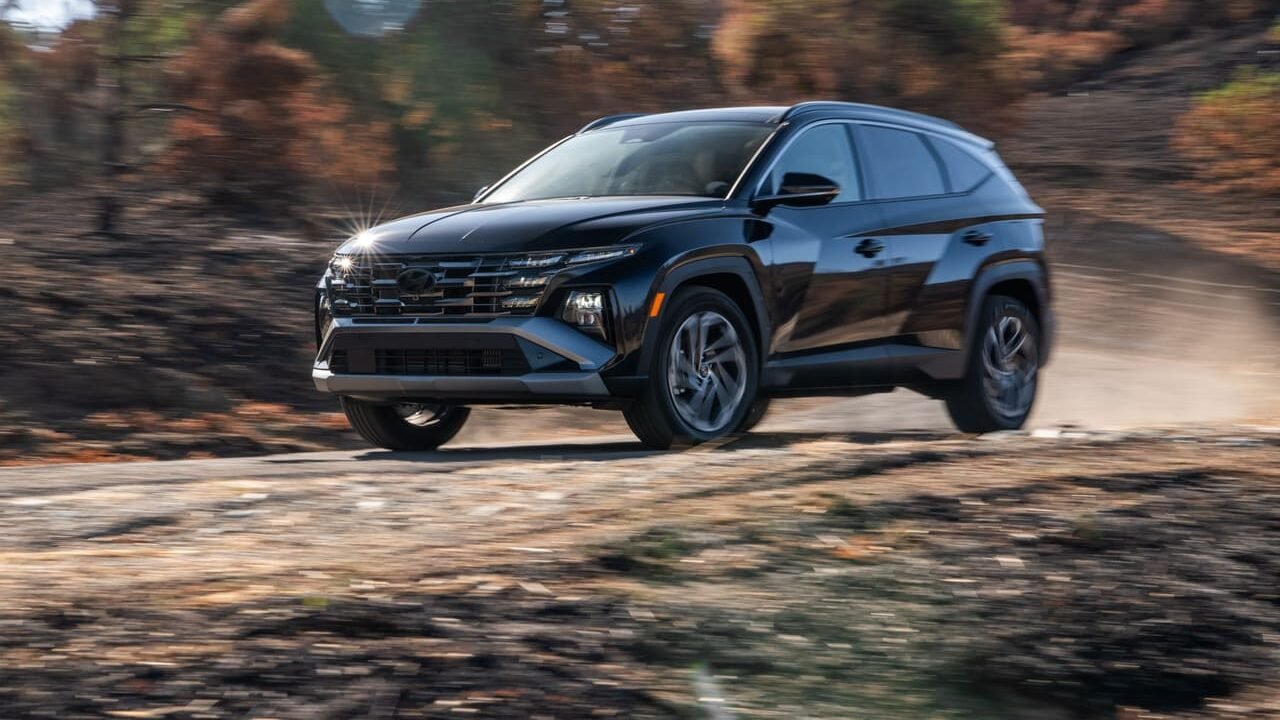
Fuel Efficiency: Approximately 38 mpg city / 38 mpg highway

The 2025 Hyundai Tucson Hybrid is a dynamic option that combines bold styling with the latest technologies. Known for its spacious interior and high-tech features, the Tucson Hybrid offers a well-rounded experience.

Performance and Features:

  • Roomy Cabin: With ample headroom and legroom, the Tucson Hybrid easily accommodates families or groups.
  • SmartSense Technology: Hyundai’s impressive suite of standard safety technologies includes forward collision avoidance and blind-spot monitoring.
  • Continuously Variable Transmission (CVT): This setup improves fuel efficiency by optimizing engine performance during various driving conditions.

Consumer Insight: Many owners appreciate the Tucson Hybrid’s value and the generous features it offers for the price point, often mentioning their satisfaction with the vehicle as a whole.

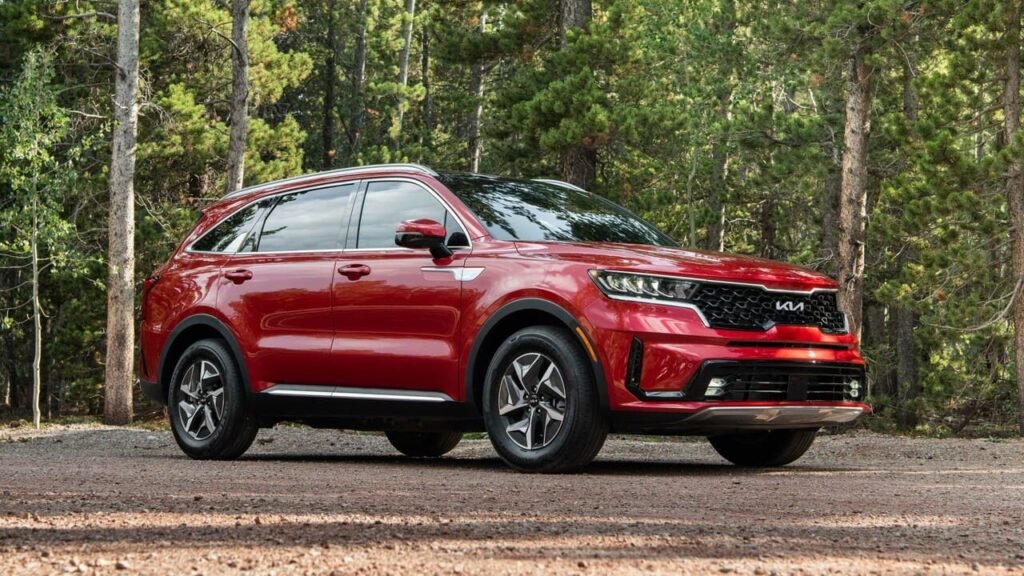
6. 2025 Kia Sportage Hybrid
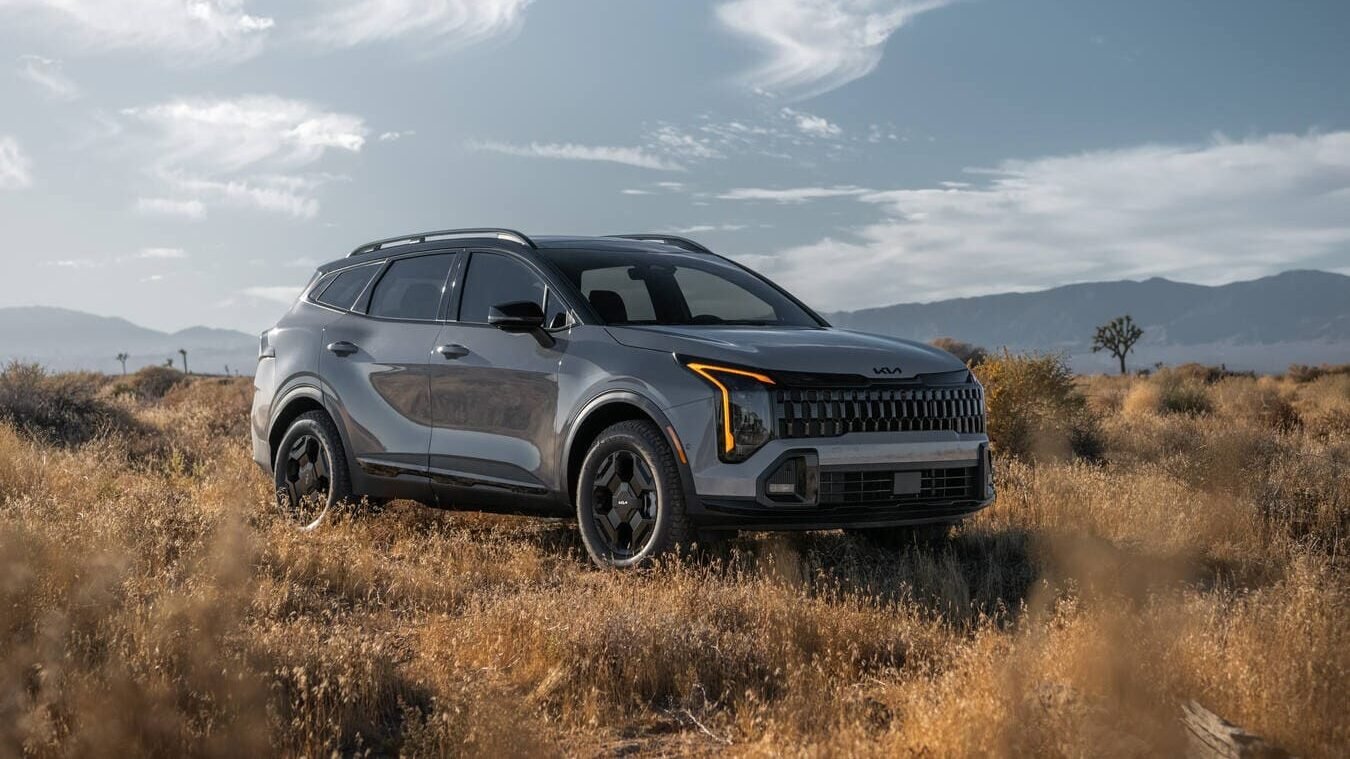
2025 Kia Sportage Hybrid

Fuel Efficiency: Approximately 42 mpg city / 38 mpg highway

The 2025 Kia Sportage Hybrid is an eye-catching and efficient SUV that aims to satisfy consumers with its efficiency and bold design. It offers a combination of fuel economy and a pleasant driving experience.

Performance and Features:

  • Stylish Aesthetic: The Sportage features a unique, modern design that stands out in a crowded market, appealing to younger buyers.
  • Comfort and Technology: The interior focuses on advanced tech with intuitive controls, spacious seating, and various infotainment options, including a large touchscreen display.
  • Dynamic Driving Modes: The vehicle offers multiple driving modes to enhance efficiency and performance depending on the driver’s preferences.

Consumer Insight: Owners report satisfaction with the Sportage Hybrid’s affordability and practicality, alongside its efficiency that meets daily needs.

7. 2025 Toyota Highlander Hybrid
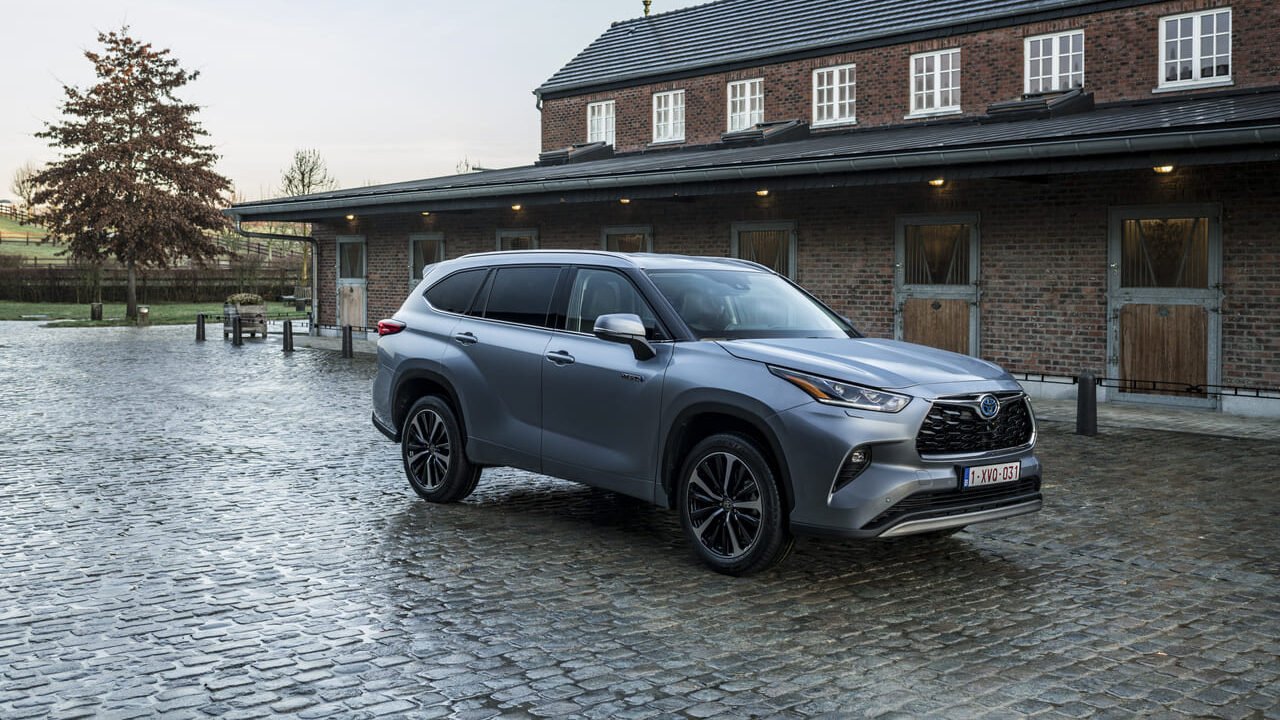
2025 Toyota Highlander Hybrid

Fuel Efficiency: Approximately 36 mpg city / 35 mpg highway

For those needing a larger SUV with ample space for families, the 2025 Toyota Highlander Hybrid remains a top choice. The Highlander combines the versatility needed for transporting multiple passengers with enviable fuel efficiency.

Performance and Features:

  • Spacious Interior: With third-row seating and plentiful cargo space, the Highlander Hybrid is ideal for larger families or travel.
  • Impressive Safety Features: Toyota’s Safety Sense package is standard, which includes features like adaptive cruise control, lane departure alert, and blind-spot monitoring.
  • User-Friendly Technology: The infotainment system is intuitive, supporting both Apple CarPlay and Android Auto integration.

Consumer Insight: Families and larger group travelers praise the Highlander Hybrid for its comfort, safety features, and overall reliability, making it a trusted family vehicle.

Understanding Fuel Efficiency in SUVs

Definition of Fuel Efficiency

Fuel efficiency typically refers to the distance a vehicle can travel on a given amount of fuel. It is expressed in miles per gallon (mpg) in the U.S. The higher the mpg, the better the fuel efficiency, which translates into fewer trips to the gas station and lower overall operating costs. In the context of SUVs and crossovers, fuel efficiency is essential in evaluating a vehicle’s total cost of ownership and sustainability.

Factors Influencing Fuel Efficiency

Several factors contribute to the fuel efficiency of SUVs and crossovers, including:

  • Engine Type: Vehicles with smaller turbocharged engines or hybrid powertrains often achieve better fuel economy than larger, naturally aspirated engines.
  • Weight and Aerodynamics: Lighter vehicles generally consume less fuel, and modern designs focus on improving aerodynamics to reduce drag.
  • Transmission: Advanced transmission systems, such as continuously variable transmissions (CVTs) and multi-speed automatics, help optimize engine performance and efficiency.
  • Tire Efficiency: Low rolling resistance tires contribute to better fuel economy by reducing the energy required to keep a vehicle moving.
  • Driving Conditions: City driving typically results in lower fuel efficiency due to constant stopping and starting, while highway driving usually yields better mpg.

Factors to Consider When Choosing a Fuel-Efficient SUV

When deciding on a fuel-efficient SUV or crossover, prospective buyers should consider several key factors to ensure they select a model that meets their unique needs:

Driving Needs

Evaluating your personal driving patterns is crucial. If you primarily navigate urban roads, models like the Toyota RAV4 Hybrid or Honda CR-V Hybrid, with exceptional city mileage, are preferable. Conversely, if highway driving is common, models with better highway ratings, like the Mazda CX-5, should be considered.

Passenger and Cargo Space

Understanding how frequently you transport additional passengers or bulky items will help determine the best choice. The Honda CR-V and Toyota Highlander Hybrid offer impressive cargo capacities and versatile interior configurations, making them ideal for family use.

Budget and Ownership Costs

While fuel efficiency is a prime concern, total ownership costs—including maintenance, insurance, and expected depreciation—should also factor into your decision-making. Researching various models and their historical resale values can provide essential insights into long-term investment viability.

Technological Features

Modern consumers often prioritize advanced technology and connectivity features in their vehicles. Evaluating the available driver-assistance systems, infotainment interfaces, and comfort amenities ensures that your choice aligns with your preferences.

As environmental concerns continue to shape consumer preferences and regulatory standards, the SUV market is likely to witness trends toward increased fuel efficiency, particularly through technological advancements:

Electrification

Automakers are increasingly investing in hybrid and fully electric drivetrains. As battery technology improves, expect more manufacturers to introduce electric SUVs with extended ranges capable of meeting daily driving needs. The success of models like the Ford Mustang Mach-E and Tesla Model Y indicates a strong consumer interest in electric options.

Lightweight Materials

Car manufacturers are also exploring the use of lightweight materials, such as aluminum and advanced composites, to reduce vehicle weight while maintaining safety standards. Reduced weight leads to improved fuel efficiency without compromising performance, allowing for both enhanced efficiency and attainable power.

Advanced Efficiency Technologies

Innovations such as predictive energy management and smart driving algorithms can optimize performance based on driving patterns and specific conditions. As the technology continues to develop, the intersection of cultivating efficiency and performance will become an industry standard.

Conclusion

When it comes to buying an SUV or crossover in 2025, fuel efficiency is something you definitely want to keep in mind. The Toyota RAV4 Hybrid, Honda CR-V Hybrid, Subaru Forester, Mazda CX-5, and Hyundai Tucson Hybrid are some of the top picks out there. They offer great fuel economy along with solid performance, practicality, and tech features. Figuring out your personal driving habits, budget, and what features matter most to you will really help narrow down to the perfect SUV or crossover that fits your lifestyle.

As cars move towards being more efficient and eco-friendly, staying up-to-date on the latest tech can really help you make a smart buying choice. With so many efficient models available, you can feel good knowing there’s a fuel-efficient SUV that meets your needs without skimping on comfort or performance.

If you liked this post you might want to check out our article “The Top Crossover SUVs: Discover the Most Reliable Option.” Feel free to explore more on our site for expert car reviews buying guides and the latest industry news. There’s a lot to uncover so take a look and don’t forget to bookmark our homepage for updates in the future!


*Disclaimer: This website provides automotive content for informational purposes only and should not be considered professional advice. While we strive for accuracy, we do not guarantee the reliability or suitability of any vehicle or product mentioned—always conduct your own research before making purchasing decisions. Additionally, some links on this site are affiliate links, meaning we may earn a commission if you make a purchase, at no extra cost to you.
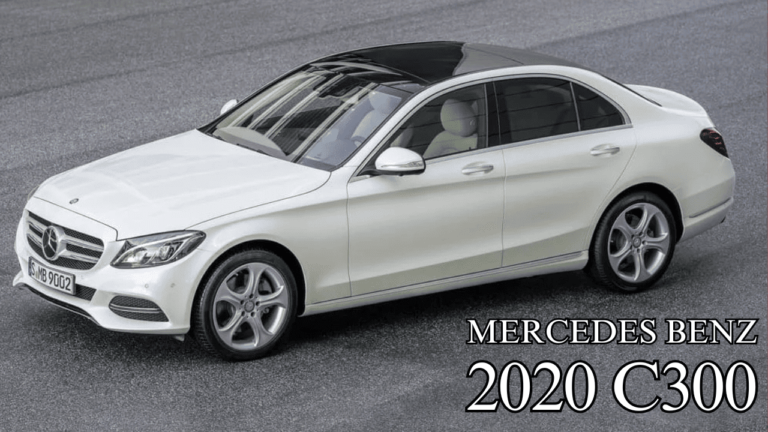
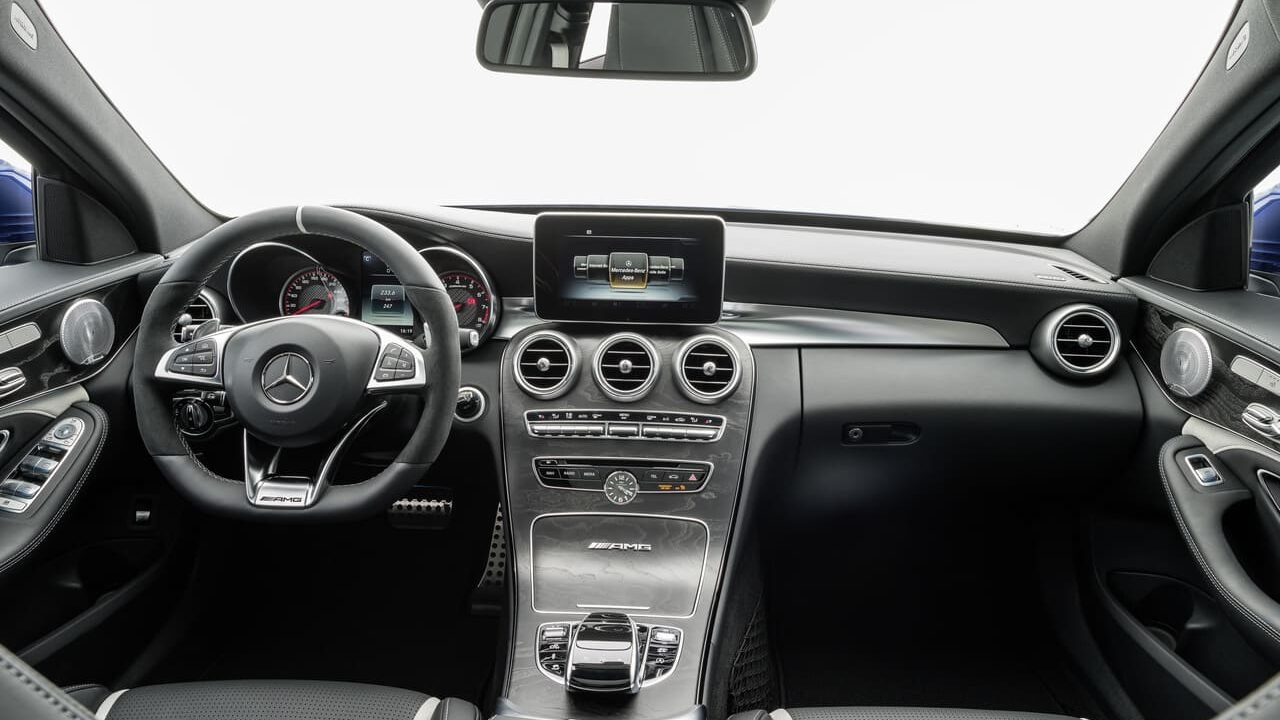
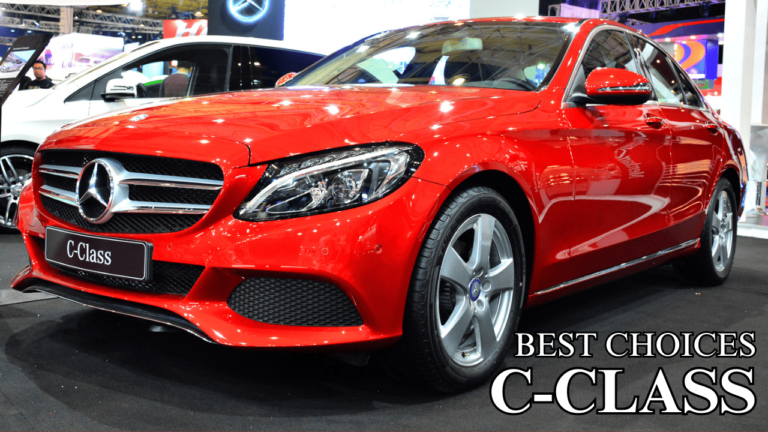
Here are The 2020 Mercedes Benz C300 Reliability Ratings

The 2020 Mercedes Benz C300, part of the W205 generation, represents a compelling blend of luxury, performance, and technology. While it retains the hallmark refinement of the C-Class lineup, potential buyers and enthusiasts alike may wonder: How reliable is the 2020 Mercedes C300?

To answer this, we’ll analyze some real-world reliability ratings, common issues, maintenance costs, and long-term ownership factors from authoritative sources like Consumer Reports, RepairPal, and NHTSA. By the end of this article, you’ll have a clear understanding of whether the 2020 Mercedes Benz C300 is a worthy investment.

Reliability Scores from Credible Sources

SourceReliability Score (Out of 100 or 5)Category
J.D. Power78/100“Great”
Consumer Reports3.5/5“Above Average”
RepairPal3/5“Average”
NHTSA Recalls2 Recalls Reported“Minimal Safety Concerns”

J.D. Power: 78/100 Reliability Rating

J.D. Power assigns an overall 78/100 score, placing the 2020 Mercedes C300 in the “Great” category. The rating considers long-term dependability, initial quality, and customer satisfaction surveys. The biggest strengths noted were engine performance and ride comfort, while minor electrical issues were the most common complaints.

Consumer Reports: 3.5/5 Rating

Consumer Reports’ analysis marks the 2020 Mercedes C300’s reliability as above average, highlighting solid drivetrain longevity, an upscale interior, and strong resale value. However, the infotainment system and electronic features received minor complaints regarding responsiveness and software updates.

RepairPal: 3/5 Rating

RepairPal rates the Mercedes Benz C-Class (including the 2020 Mercedes C300) at 3/5, calling it “average” in overall dependability. It estimates annual repair costs at $739, which is higher than the industry average ($652) but lower than other luxury rivals like the BMW 3 Series ($773) or Audi A4 ($900).

NHTSA Recalls and Safety Concerns

The National Highway Traffic Safety Administration (NHTSA) lists 12 recalls for the 2020 Mercedes C300:

  1. Roof Panel May Detach From Vehicle (December 2023)
  2. Disabled Emergency Call System (May 2022)
  3. Inoperable Rearview Camera Display/FMVSS 111 (April 2022)
  4. Fuel Leak Between Fuel Rail and Injectors (December 2021)
  5. Seats Assembled Incorrectly (October 2021)
  6. Incorrectly Adjusted Headlights/FMVSS 108 (July 2021)
  7. Roof Panel May Detach From Vehicle (March 2021)
  8. Inaccurate Vehicle Location for Emergency Services (February 2021)
  9. Front Seat Belts May Not Fully Retract/FMVSS 208 (January 2021)
  10. ESP System Software Programmed Incorrectly (July 2020)
  11. Turbocharger Oil Feed and Return Lines May Leak (June 2020)
  12. Inaccurate Vehicle Location for Emergency Services (February 2020)

However, it still holds a 4-star rating, indicating that the issues do not lead to significant mechanical failures.

Furthermore, the Insurance Institute for Highway Safety (IIHS) awarded it a Top Safety Pick+—its highest designation. Together, these ratings suggest that the 2020 Mercedes C300 remains a safe and reliable choice.

Common Issues with the Mercedes Benz W206

Despite its solid reliability, the 2020 Mercedes C300 isn’t immune to minor problems. Below are the most frequently reported concerns:

1. Infotainment System Freezing

  • The MBUX infotainment system occasionally lags or freezes, requiring a system reboot.
  • Software updates from dealerships often fix the issue.

2. Electrical Gremlins (Sensor & Warning Lights)

  • Some owners report faulty sensors triggering unnecessary warning lights (tire pressure monitor, adaptive cruise control errors).
  • Resetting the system or sensor replacement usually resolves these concerns.

3. Transmission Hesitation

  • The 9G-Tronic 9-speed automatic transmission is smooth but has occasional low-speed hesitation.
  • This issue is often resolved with software updates from Mercedes-Benz dealerships.

4. Turbocharged Engine Carbon Buildup

  • The 2.0L turbocharged M264 engine, like many direct-injection engines, may develop carbon buildup on intake valves over time.
  • Owners can mitigate this with premium fuel, regular oil changes, and occasional intake cleanings.

Maintenance and Ownership Costs

The 2020 Mercedes C300 requires premium upkeep, given its luxury status. Here’s a breakdown of average ownership costs:

Service TypeEstimated CostFrequency
Oil Change$130–$180Every 10,000 miles
Brake Pad Replacement$300–$500Every 40,000 miles
Transmission Service$350–$600Every 60,000 miles
Tire Replacement (Set)$800–$1,200Every 40,000 miles
Spark Plug Replacement$350–$500Every 60,000 miles

Is the 2020 Mercedes Benz C300 Worth Buying?

Pros

  • Refined Interior & Build Quality – Premium materials, solid cabin insulation.
  • Smooth Ride & Handling Balance – Ideal mix of comfort and sportiness.
  • Strong Safety FeaturesIIHS Top Safety Pick with active driver assistance tech.
  • Above-Average Reliability – Solid long-term dependability for a luxury car.

Cons

  • Higher Maintenance Costs – More expensive than non-luxury brands.
  • Infotainment Quirks – Some software lag and responsiveness issues.
  • Slight Transmission Lag – At low speeds, shifting delays occur.

Final Verdict

If you’re in the market for a fancy sedan that mixes style, safety, and good reliability, the 2020 Mercedes Benz C300 is a solid pick. Sure, upkeep can cost a bit more than regular cars, but if you take care of it, it’ll keep its value nicely over time. For those who really want peace of mind about reliability, snagging a certified pre-owned (CPO) version with an extended warranty could be a smart move.

If you’re a fan of Mercedes-Benz, make sure to check out “E55 AMG Reliability: A Look At Mercedes-Benz W211 Ownership.

Also, take some time to explore our site for all sorts of info. Whether you’re looking for in-depth car reviews, expert buying tips, or the latest news in the car world, we’ve got a ton of stuff for you. Don’t forget to bookmark our homepage for future updates!


*Disclaimer: This website provides automotive content for informational purposes only and should not be considered professional advice. While we strive for accuracy, we do not guarantee the reliability or suitability of any vehicle or product mentioned—always conduct your own research before making purchasing decisions. Additionally, some links on this site are affiliate links, meaning we may earn a commission if you make a purchase, at no extra cost to you.
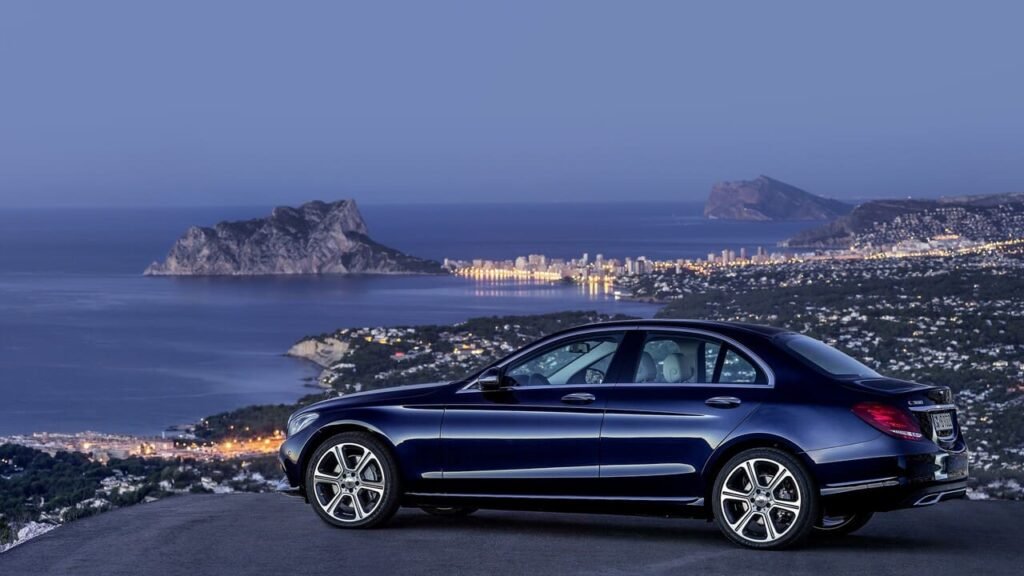
Mercedes E350 BlueTEC Reliability: How Good Is It?

If you’re thinking about getting a luxury ride reliability is really key and the Mercedes-Benz E350 BlueTEC delivers on that. Like any E-Class Mercedes it’s super comfy and perfect for long drives on the highway typical of what you’d expect from a German luxury car. It’s great for those long stretches and stays steady at high speeds. Plus with its efficient diesel tech it’s a big hit for diesel fans. But how does it hold up over time?

Worries about repair costs are totally valid and you’re not alone in that. Overall this model is built to last and doesn’t require a ton of upkeep but there are a few common issues to be aware of like potential expensive emissions repairs compared to a regular gas E-Class. So let’s take a closer look at this!

A Brief Overview of the E350 BlueTEC

The Mercedes-Benz E-Class has been a key player in the luxury sedan game since the mid-90s. It’s loved for its comfy ride, techy features, and solid safety. One model that catches attention is the E350 BlueTEC, which is a diesel option that mixes good performance with awesome fuel efficiency.

This car comes with a 3.0-liter V6 diesel engine, and it’s matched up with a 7G-Tronic automatic transmission. If you want, you can also opt for the 4Matic all-wheel-drive system. This setup really appeals to folks who want a strong torque and better gas mileage, especially since diesel is pretty popular in North America.

Mercedes rolled out the E350 BlueTEC with the 2010 W212 generation, and it kept going strong until 2016. During those years, they sold more than 125,000 E-Class diesel models in North America, though the sales numbers for each trim aren’t exactly out there. Nowadays, the E350 BlueTEC is still a great choice for anyone looking for a used luxury sedan. It offers a great mix of efficiency, performance, and long-lasting quality at a fair price.

Should you consider an E350 BlueTEC?

Yes — if you cover big-mileage highways, want diesel torque and strong mpg, and can either (a) pay for dealer/independent diesel-specialist servicing, or (b) get a well-documented service history and a sensible purchase price that reflects potential emission-system risk.

On the other hand, if you’re a low-mileage driver or want the lowest long-term hassle, a gasoline or hybrid E-Class will usually be cheaper and simpler to own.

Here are a few key features of the E350 BlueTEC:

  • Engine and Performance: The E350 BlueTEC is powered by a 3.0-liter V6 turbodiesel engine, delivering 240 horsepower and 455 lb-ft of torque. This engine is paired with the smooth and responsive 7G-Tronic automatic transmission.
  • Fuel Efficiency: One of the standout features of the E350 BlueTEC is its fuel efficiency. According to EPA estimates, the vehicle achieves approximately 29 MPG in the city and 39 MPG on the highway.
  • Advanced Technology: The E-Class is equipped with Mercedes COMAND infotainment system, navigation, Bluetooth connectivity, adaptive cruise control and lane-keeping assistance.
  • Comfort and Interior Quality: As expected of a Mercedes-Benz, the E350 BlueTEC comes with high-quality materials, comfortable seating, and a well-thought-out cabin design.

What “BlueTEC” Actually Means

BlueTEC is Mercedes’ name for diesel cars fitted with advanced emissions controls: a diesel particulate filter (DPF) to capture soot, and an SCR system that injects AdBlue/DEF (diesel exhaust fluid) to cut NOx emissions. These systems work well — but they add complexity, components that can clog or fail, and repair bills that can be high when things go wrong. Real-world ownership means trading occasional big bills for steady fuel savings.

Reliability Scores

SourceMetric
RepairPal (E350 model page)Reliability 3.5/5; average annual repair cost ~$788.
CareEdge / maintenance studies~$11.6k total maintenance & repairs over first 10 years for an E350 (above average for the segment).
J.D. Power (E-Class family)Consumer quality/reliability: average (scores vary by model/year/trim).

Takeaway: Mercedes E-Class ownership costs are substantially higher than mainstream sedans, and the BlueTEC diesel can push maintenance complexity higher because of emission hardware and diesel-specific components. Plan on elevated annual servicing and budget for occasional expensive repairs.

E350 BlueTEC Common Problems

Below are the repeat, high-impact failure modes to watch for with BlueTEC E350s (OM642-family diesel and associated components are the frequent trouble sources).

1. DPF (Diesel Particulate Filter)

What happens: short trips and urban use prevent full-temperature self-regeneration. The car will trigger warnings, reduce power, and may need a forced dealer regen or DPF cleaning/replacement (costly). Prevention: regular highway runs and occasional professional forced regeneration when needed.

2. SCR / AdBlue (DEF) system faults

What happens: AdBlue leaks, failed heaters/pumps, or faulty dosing valves trigger emissions codes and limp modes. DEF system repairs (pump, heater, injector) can be expensive and are a BlueTEC-specific ownership cost. Keep the bottle topped and check for history of recurring DEF codes on used buys.

3. High-pressure common-rail injector and rail problems

What happens: injectors and high-pressure pumps eventually wear — symptoms: rough running, misfires, or fuel-leak codes. Injector replacement or rail work is expensive (parts + labor). Ask for injector service history and watch for black smoke or odd idle.

4. Turbocharger wear / actuator failure

What happens: turbos on older diesels can develop shaft play, oil leaks or actuator faults. Symptoms include loss of power and whining. Turbo work is expensive but not catastrophic if diagnosed early.

5. Emission-control sensors & wiring issues

DPF pressure sensors, NOx sensors and temperature probes can fail after years and lead to DTCs and derate conditions. These sensors are relatively cheap individually, but the cascade of related repairs and diagnostics adds cost.

6. Routine Mercedes cost drivers (independent of diesel)

Luxury parts and dealer labor inflate routine items: A/B service packages, air suspension (if fitted) service, transmission repairs (7G-Tronic issues in older cars), electronic module quirks. Budget more than a mainstream sedan for scheduled and unscheduled care.

Recalls & Safety

Diesel E-Class models have had targeted recalls (communication modules, emission-system updates and others in some years). Here are some of the major recalls:

  • NHTSA 16V-899 — Loss of Electric Power Steering Assist (EPS control unit fault).
    Affected examples: many 2014–2016 E350 variants (report includes 2015 E350 BlueTEC).
    Problem: solder contacts in the EPS control unit could lose full electrical contact and the electric power steering could deactivate (increasing crash risk).
  • NHTSA 17V-177 — Wrong control-unit software installed (electrical/software updates).
    Affected examples: includes some 2013 E350 BlueTEC (and many other E-class model permutations).
    Problem: incorrect software installed in various control modules (could affect steering, other systems).
  • NHTSA 17V-627 — Inadvertent driver-airbag deployment (insufficient steering-column grounding).
    Affected examples: several E-Class model years/platforms including E350 BlueTEC build ranges called out in the campaign.
    Problem: insufficient grounding combined with a broken clockspring and electrostatic discharge could (rarely) cause unexpected airbag deployment.
  • NHTSA 19V-787 — Communication / emergency-call module software update.
    Affected examples: broad set of Mercedes models produced ~2012–2016, includes some E350 BlueTEC VIN ranges (2013 examples explicitly listed).
    Problem: certain vehicles had communication module software that did not meet production spec for emergency call / location functions.
  • NHTSA 18V-043 (Takata PSAN airbag inflator safety action).
    Affected examples: Takata inflator campaigns touched many Mercedes models — certain E-Class / E350 variants (including some 2010–2013 E350 / E350 Coupe entries) were included depending on production date and zone.
    Problem: potentially defective Takata passenger-side inflators (PSAN) that could rupture.
  • Emission-system actions / Approved Emission Modification (AEM) — settlement related (NOT a traditional recall).
    Affected examples: E350 BlueTEC models built roughly 2011–2013 were included in emission-related settlement actions (MBUSA offered an Approved Emission Modification to bring emissions control hardware/software into an approved configuration).
    Note: this is an AEM (approved modification under settlement) rather than a conventional recall — owners could have the emission-control components replaced/updated at no cost under the program. Always check VIN eligibility.

Just a quick reminder for your safety always run the 17-digit VIN through Mercedes’ recall lookup and NHTSA.

E350 BlueTEC vs E350 gasoline

ItemE350 BlueTEC (diesel)E350 (gasoline)
Fuel economy (highway)Best in class; large mpg advantage on highwaysWorse than diesel for highway work
Torque & towing feelStrong low-end torque — excellent for long haulsLess torque, smoother refinement
Emissions complexityHigh — DPF, SCR, DEF systems to maintainLower complexity, fewer expensive emission parts
Typical long-term costsHigher if emission components fail; good if maintainedLower unscheduled emission costs, still premium parts/labor

Routine Maintenance Costs

When it comes to luxury cars like the E350 BlueTEC, you usually have to be a bit more careful with them. Keeping up with regular servicing like oil changes, filter swaps, and check-ups is key. It’s not just about doing these things but making sure you do them on time to keep the car running well for years.

That’s just part of the deal when you own a Mercedes-Benz. It’s gonna cost you more than your average Hyundai. Reports say that the yearly maintenance for the E350 BlueTEC can run anywhere from $1,000 to $1,500. That’s not just more than a Hyundai but also higher than a bunch of other cars in the luxury sedan market.

Mercedes-Benz-E350 BlueTEC Routine Maintenance

DIY vs. Professional Maintenance

Some folks might want to handle basic maintenance on their own, but when it comes to German cars like Mercedes-Benz, I’d recommend getting some help. These vehicles usually need specific skills and tools. Having certified Mercedes-Benz technicians take care of your car makes sure everything is up to the manufacturer’s standards, which can really boost reliability.

Common Engineering Issues

While the E350 BlueTEC is generally regarded as a reliable vehicle, there are common engineering issues that owners have reported:

  1. Defective AdBlue Systems: The E350 BlueTEC utilizes an AdBlue system, which helps reduce nitrogen oxide emissions. Some owners have reported problems with the AdBlue tanks, leading to system failures and costly repairs. Addressing AdBlue faults promptly is crucial to maintaining the vehicle’s emissions performance.
  2. Fuel Injector Problems: Fuel injector issues, although uncommon, can arise as the vehicle ages. These can affect performance and fuel efficiency, requiring timely diagnosis and repair.
  3. Electrical Issues: Mercedes-Benz vehicles occasionally experience electrical glitches, particularly in older models. This includes problems with the infotainment system, dashboard lights, and other electronic components.

Here’s a rough idea of what some of the usual maintenance components might cost. Just keep in mind that the final price will depend on your car’s condition, if you choose OEM parts or aftermarket ones, and whether you’re taking it to a specialized Mercedes shop, a dealer, or a regular garage.

Service / RepairTypical cost (USD)
Service A (oil & filter 10,000 miles/once a year & inspection)$250–$450
Service B (major service incl. fluids/filters)$700–$1,300
Brake pad and rotor replacement$300 to $700
DPF forced regen / cleaning (dealer/DPF specialist)$150–$800 (cleaning) — replacement $2k–$6k depending on model.
AdBlue/DEF system pump or dosing valve$300–$1,200 (depending on part & labor).
Injector replacement (one)$400–$1,200 per injector (OEM); full-rail jobs much higher.
Turbocharger replacement$1,200–$4,000 (reman vs OEM, labor intensive).
Typical annual maintenance (average)$700–$1,200 / year on average for E-Class (higher when repairs hit).

note: a single injector or DPF replacement can equal a year (or more) of routine servicing — buyer beware. Keep service records and prefer low-mileage highway examples.

Make sure you have a mechanic who knows their way around diesel engines or go to a shop that gets BlueTEC systems. If you want the full list for a pre-purchase inspection just check out our article on the Pre-Purchase Inspection Checklist.

Keep Your Ownership Sane

Mercedes E350 BlueTEC
  • Prefer highway miles: diesels love long runs; urban stop/start usage is the worst stressor for DPF and SCR systems.
  • Do scheduled diesel-specific maintenance: periodic DPF inspection, AdBlue checks, and injector checks matter. Use genuine fluids and OEM-spec oil.
  • Keep a modest emergency fund for a DPF/DEF/injector repair — plan on a few thousand dollars as a sensible buffer.
  • Find a trusted independent diesel shop: dealer labor is reliable but pricey; a reputable diesel specialist can save money on diagnostics and repairs. Forums often list good regional shops.

E350 BlueTEC PPI Checklist

If you’re thinking about buying one, here’s a quick PPI you can perform to help you snag a good deal and avoid getting stuck with a lemon.

  1. VIN recall/repair history: check MBUSA recall page and NHTSA. Ask for dealer recall invoices.
  2. DPF & regeneration history: ask whether the car has had forced regens, DPF cleaning, or DPF replacement. Look for soot smell, frequent regen messages, or limp mode history.
  3. DEF / AdBlue service history: confirm AdBlue fill history and check for sensor or pump codes. Inspect tank area for leaks or repairs.
  4. Injector / HPFP history: rough idle or misfires need a shop scan and possibly an endoscope inspection of the intake for soot.
  5. Turbo & oil history: check for oil consumption, blue smoke, or turbo boost loss. Ask for oil-change records and use of OEM spec oil (diesels need proper oil).
  6. General MB service packages: ensure Service A/B schedules were kept at recommended intervals. Missing major services is a red flag.

Owner Experiences

To get a sense of the E350 BlueTEC’s reliability, we can examine owner reviews and experiences. Various automotive forums and consumer reviews provide valuable insights into how this vehicle performs in the real world.

Positive Feedback

Many owners praise the E350 BlueTEC for its smooth ride, comfortable interior, and impressive fuel efficiency. The robust diesel engine is frequently highlighted for delivering satisfying acceleration without compromising on economy. Furthermore, owners appreciate the high-quality interior materials and advanced safety features, asserting that these elements justify the car’s premium price.

Common Concerns

Conversely, some owners have reported issues, particularly related to the AdBlue system and electrical components. For instance, problems with the AdBlue tank and system failures can lead to restrictions on vehicle operation until repairs are made. Additionally, although some drivers love the infotainment system, others mention occasional glitches or user difficulties in operating the technology.

Mercedes-Benz E350 BlueTEC Hybrid

The Verdict

The Mercedes E350 BlueTEC really mixes performance, luxury, and solid engineering. It’s a standout choice if you’re looking at luxury sedans, especially with its powerful diesel engine that’s built to last. Although they don’t sell new ones in the US anymore, you can still find some decent used ones if you’re willing to look around a bit. That said, before jumping in, keep in mind the maintenance costs and some common issues like AdBlue system failures or electrical hiccups. Regular upkeep and going to certified service shops will be key to keeping it running smoothly.

If you’re still on the fence about the Mercedes E350 BlueTEC, take some time to think about how its strengths fit with what you need from a car, and how you can tackle any potential issues. With the right care, this beauty can be a luxury ride that’s reliable and fun to drive, making it a great pick over the long haul.

Bottom line — who this car is for?

Buy an E350 BlueTEC if:

  • You do a lot of highway driving (commute or business mile eaters).
  • You appreciate torque, diesel range and can tolerate complexity.
  • You find a well-serviced example with records and a reasonable price that reflects possible emission-system risks.

Skip it if:

  • You drive very short trips only, don’t want to budget for expensive emission repairs, or want the lowest hassle. A gasoline or hybrid E-Class is usually a simpler, less risky choice for low-mileage owners.

If you found this post helpful, you might also enjoy checking out “Here are The Mercedes-Benz C300 Reliability Ratings.” Be sure to explore more on our site for detailed car reviews, handy buying guides, and the latest news in the industry. There’s a lot to keep you in the loop! Take a look around and remember to bookmark our homepage so you don’t miss any updates.

FAQs

1) How common are DPF (diesel particulate filter) problems — and how much do they cost to fix?

DPF issues are one of the single most common diesel-specific complaints — especially on cars used mostly for short trips. Costs vary: a forced professional DPF clean can run from a few hundred dollars; full DPF replacement is typically $2,000–$6,000 depending on parts/labor. Prevent it by doing regular highway runs (full-temp regeneration), checking for frequent regen warnings, and verifying DPF service history before you buy.

2) What about AdBlue / DEF system faults — are they expensive?

AdBlue (DEF) system faults (pump, dosing valve, heater, sensor) are a frequent emissions-system expense on BlueTEC cars. Individual component repairs often fall in the $300–$1,200 range, but cascading failures or diagnostics can raise the bill. Always confirm the DEF system has no recurring codes on a used car and ask for service receipts showing AdBlue fills and any DEF-related repairs.

3) Should I be worried about injectors, high-pressure fuel pumps or turbo issues?

These are higher-cost items if they fail, and they’re more likely on neglected or very high-mileage diesels. Injector replacement can be hundreds to over a thousand dollars per injector; turbo repairs can run into the low-thousands. Mitigate risk by checking for rough idle, black/blue smoke, oil consumption, and documented oil-change/injector work. A pre-purchase scan and inspection by a diesel-savvy mechanic is strongly recommended.

4) How do I check for outstanding recalls and service campaigns on a specific E350 BlueTEC?

Always check the car’s 17-digit VIN. Run it through Mercedes-Benz’s official recall lookup and the NHTSA SaferCar VIN search — those show open safety recalls and required dealer remedies for that exact vehicle. Ask the seller for dealer repair invoices proving recall fixes; if a recall is open, schedule the free dealer remedy before you buy.

5) Is the E350 BlueTEC a good buy — who should consider one and who should avoid it?

Buy it if you do lots of highway miles, want diesel torque and economy, and are able to (a) get a well-documented service history, and (b) budget for occasional higher-cost emission-system repairs. Avoid it if you mostly do short urban trips, want the lowest-hassle ownership, or don’t want to budget for potential DPF/DEF/injector bills — in those cases a gasoline or hybrid E-Class is usually a safer, simpler choice.


*Disclaimer: This website provides automotive content for informational purposes only and should not be considered professional advice. While we strive for accuracy, we do not guarantee the reliability or suitability of any vehicle or product mentioned—always conduct your own research before making purchasing decisions. Additionally, some links on this site are affiliate links, meaning we may earn a commission if you make a purchase, at no extra cost to you.
Midsize SUVs With Best MPG: Fuel-Efficient & Hybrid Expert Picks

Midsize SUVs have really taken off lately and it’s no surprise why. They’re the perfect mix of space, flexibility, and style that families and adventure seekers appreciate. With gas prices rising and more folks becoming eco-conscious, good fuel efficiency is a big deal these days. The great news is the midsize SUVs on the market now offer awesome fuel economy while still being powerful and comfy. If you’re after the best miles per gallon from a midsize SUV these days, go for a hybrid (or a plug-in hybrid if you can charge it). And if you’re cool with plugging your SUV in, electric options are available and they offer excellent MPGe in mixed driving.

This shift makes midsize SUVs a smart choice for anyone wanting space and efficiency together. So let’s check out the list of midsize SUVs with the best MPG and discover some of the best models out there right now.

Top Most Fuel-Efficient Midsize SUVs (Gasoline-Powered)

For drivers who prefer a traditional gasoline engine without hybrid tech, here are the best choices:

2024 Toyota Highlander

1. 2024 Toyota Highlander (FWD 2.4L Turbo)

The 2024 Toyota Highlander comes with a turbocharged 2.4-liter inline-4 engine that strikes a nice balance between being fuel-efficient and providing a solid kick when you need it. It puts out 265 horsepower and 310 lb-ft of torque, with that peak torque showing up really early in the rev range. That’s great for cruising along or carrying the family and their gear. This engine is paired with an eight-speed automatic transmission, and the front-wheel drive 2.4T Highlander feels great off the line, without that annoying jerkiness you might get from other small turbo engines. The shifting is designed to be smooth rather than aggressive. 

When it comes to gas mileage, the EPA estimates for the gas 2.4-liter FWD sit at around 22 mpg in the city, 29 mpg on the highway, and a combined 25 mpg. That makes it pretty competitive for a three-row midsize SUV. The way the engine is tuned focuses on midrange torque at lower RPMs, so you’ll get power without having to push it too hard. Just keep in mind that if you’re driving at full throttle for a while or carrying heavy loads, your fuel consumption is likely gonna go up. All in all, the 2.4T Highlander is a smart choice: it offers more power than the older naturally aspirated four-cylinder and still keeps decent fuel efficiency for family trips.

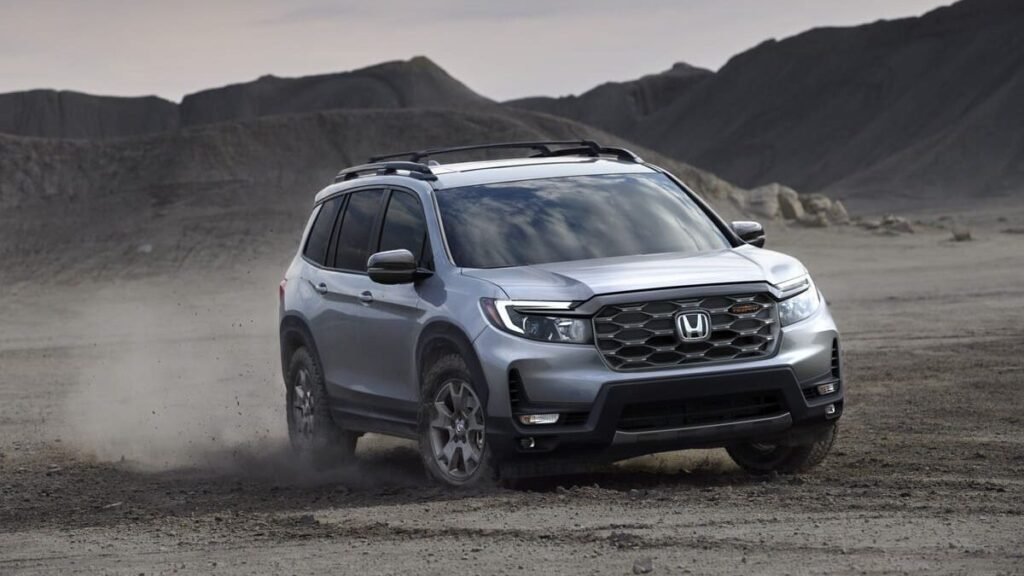
2024 Honda Passport

2. 2024 Honda Passport (FWD 3.5L V6)

The 2024 Honda Passport comes with a solid 3.5-liter V6 engine that’s built for the demands of a mid-size SUV. It’s got about 280 horsepower and 262 lb-ft of torque. You’ll find it matched up with a smooth 9-speed automatic transmission that keeps things easy on your daily drives and when you’re towing. When it comes to miles per gallon, the fuel economy is pretty standard for this type of vehicle, usually around 19 mpg in the city and 24 mpg on the highway, with a combined rating of about 21 mpg. In real-life driving, you can expect to see numbers in the low 20s, depending on how you drive and what you’re carrying.

This V6 has a nice, broad torque curve that makes it feel powerful when you need to overtake or carry a load. However, that power does come at the cost of being less fuel-efficient than some smaller turbo engines or hybrids. On the plus side, this engine is known for its durability and reliable throttle response. The downside? It can feel a bit heavy and use more fuel when you’re hauling a lot of weight. If you’re looking for something that’s easy to drive and can tow up to around 5,000 pounds when properly equipped, the 3.5L V6 is a practical pick, just keep in mind that its fuel economy is pretty average for the class.

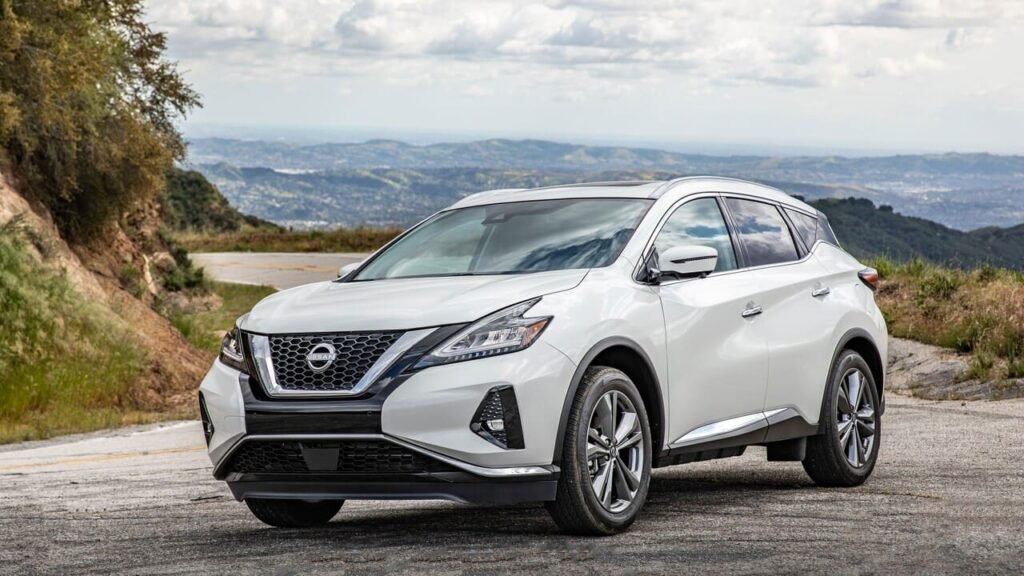
2024 Nissan Murano

3. 2024 Nissan Murano (3.5L V6 CVT)

The 2024 Nissan Murano comes with a solid 3.5-liter V6 engine that works with Nissan’s smooth Xtronic CVT. Instead of pushing for aggressive high-rev performance, it’s tuned for a nice, steady response. You’re looking at around 260 hp and 240 lb-ft of torque, which gives the Murano that extra boost when you need to merge or pass, all without the annoying buzzing you often get from other CVT cars. 

As for fuel economy, it scores about 20 mpg in the city and 28 mpg on the highway, which is pretty decent for a midsize crossover with two rows. But it can’t quite keep up with turbocharged or hybrid models when you’re driving easy. The V6 offers a smooth torque curve, and the CVT’s seamless shifting is all about that comfy ride and better efficiency, although you might see a bit more highway consumption if you really push it. Overall, the Murano’s 3.5L engine and CVT combo is a reliable choice designed for comfort and consistency. Go for it if you prefer smooth power over chasing impressive MPG numbers.

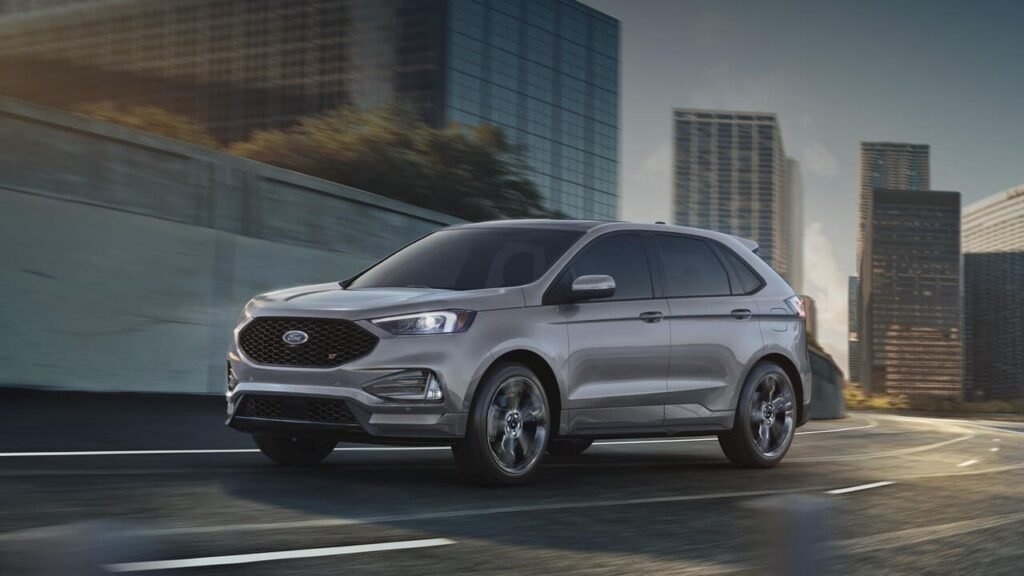
2024 Ford Edge

4. 2024 Ford Edge (2.0L EcoBoost I-4)

The 2024 Ford Edge has a 2.0-liter EcoBoost I-4 engine that’s all about giving you a good boost for everyday driving while still being efficient. It pumps out around 250 horsepower and 280 lb-ft of torque, which is plenty for easy merging and some light towing when it’s set up right. You’ll find it comes with an eight-speed automatic transmission and Ford’s Intelligent AWD on many trims, which makes shifting smooth and keeps that turbo working where you need it. 

When it comes to gas mileage, the 2.0-EcoBoost Edge holds its own in its class with about 21 mpg in the city, 28 mpg on the highway, and around 23 combined. So, you can get a decent range without messing with complicated hybrid tech. This engine is designed to give you more power in the low to mid RPM range instead of just at high revs, which helps cut down on any turbo lag and gives you a nice, predictable throttle response. Just keep in mind, if you’re flooring it or towing a heavy load, your fuel consumption might go up.

In a nutshell, the 2.0 EcoBoost is a solid, well-rounded pick if you’re after a responsive and economical SUV and don’t need to go for a bigger V-6.


Best Hybrid & Plug-in Hybrid Midsize SUVs

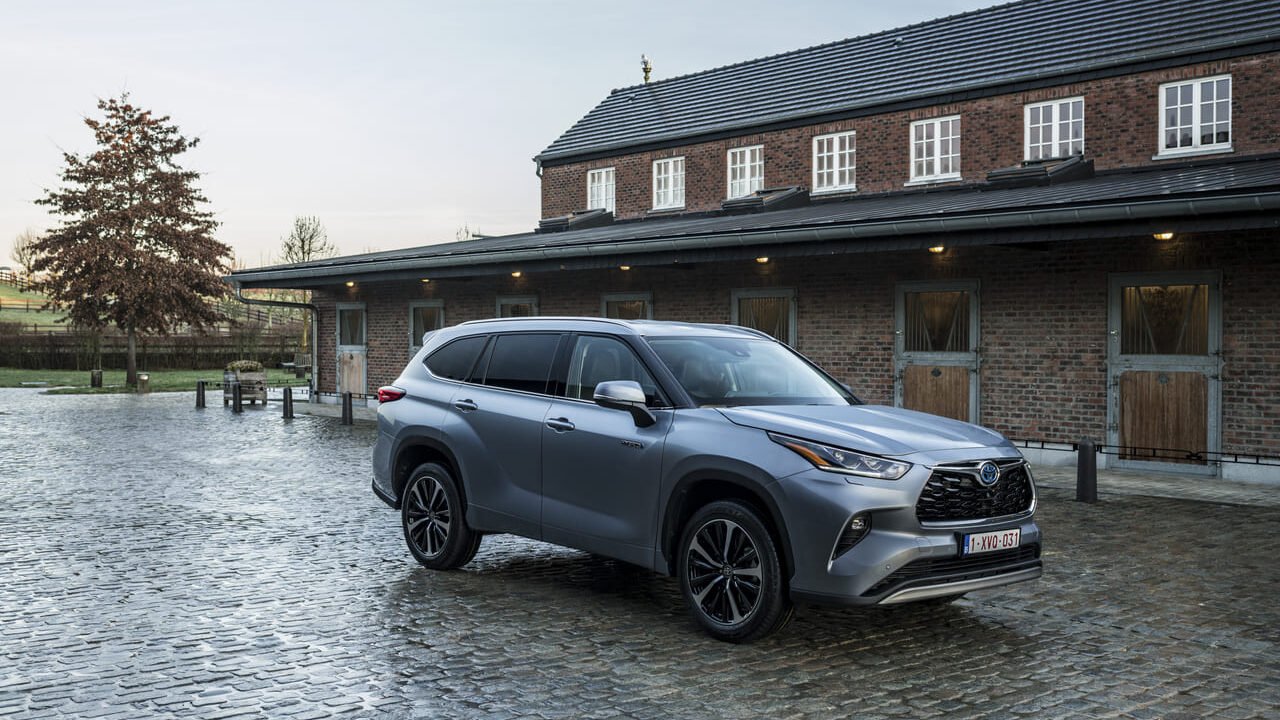
2024 Toyota Highlander Hybrid

1. 2024 Toyota Highlander Hybrid

The 2024 Toyota Highlander Hybrid features a 2.5-liter four-cylinder engine combined with Toyota’s hybrid system that uses multiple electric motors to give you about 243 horsepower. This setup is more about getting great fuel efficiency and solid low-end torque rather than high-speed performance. The drive is handled by Toyota’s e-CVT hybrid transmission, and you can choose an optional on-demand AWD that adds an extra electric motor in the back for better traction instead of the usual driveshaft. 

As for fuel economy, you’ll get around 36 mpg in the city and 35 mpg on the highway with front-wheel drive, and just slightly less with all-wheel drive. That’s fantastic savings for a three-row SUV! The Hybrid can also tow up to 3,500 pounds when equipped right, which is handy for light trailers while still keeping that strong fuel efficiency.

To sum it up, the Highlander Hybrid focuses on smooth low-end power, steady throttle response, and top-notch efficiency—perfect if you want great mileage and family-friendly utility instead of fast acceleration.

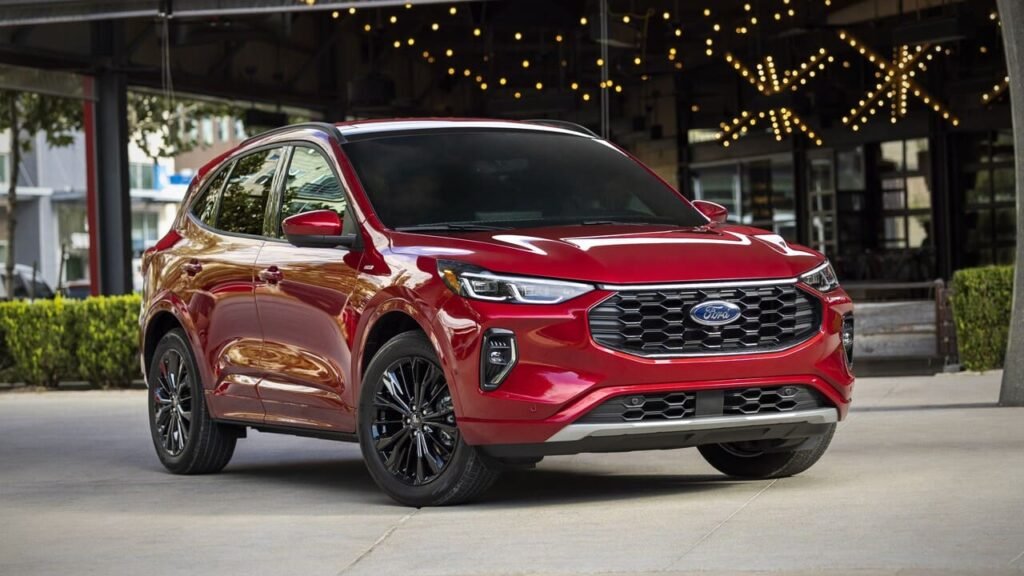
2024 Ford Escape Plug-in Hybrid

2. 2024 Ford Escape Plug-in Hybrid (PHEV)

The 2024 Ford Escape PHEV combines a 2.5-liter Atkinson-cycle four-cylinder engine with an electric drive, giving you around 210 horsepower. It’s designed more for smooth, low-end power instead of zippy speeds. You can expect an all-electric range of about 37 miles, which is perfect for daily commutes and short trips. When you look at electric use, its EPA rating is roughly 101 MPGe combined. 

This model is only front-wheel drive which keeps things simple and helps with efficiency. It has a CVT-style hybrid transmission and an onboard charger for 240V charging. The battery size seems to vary around 11 to 14 kWh usable, so that explains some of the differences in numbers you might see. Just keep in mind that in real-life driving, the electric range and MPGe might go down if you’re cruising on the highway or carrying heavier loads. The towing capacity is around 1,500 pounds, so it’s mostly about those commuter trips first and light hauling second.

2024 Hyundai Santa Fe

3. 2024 Hyundai Santa Fe (1.6L Turbo Hybrid)

The 2024 Hyundai Santa Fe Hybrid combines a turbocharged 1.6-liter engine with an electric motor and a six-speed automatic transmission. This setup puts out around 231 to 232 horsepower and about 271 lb-ft of torque. It’s designed to give you a strong boost at lower speeds instead of just high-rev power. 

When it comes to fuel efficiency, the EPA rates the front-wheel drive hybrids at about 36 mpg combined (36 city and 35 highway), while the all-wheel drive versions are slightly lower at around 35 city and 34 highway. The electric assist helps reduce turbo lag and improves performance in the midrange, making the Santa Fe feel lively in city driving and during passing without the need for heavy revs. The six-speed transmission keeps everything shifting smoothly, but the hybrid’s edge diminishes a bit when you’re pushing it at higher speeds for a long time.

Overall, the 1.6T hybrid stands out as a pretty efficient option in the midsize category, great for daily commutes and family trips. Just keep in mind that actual MPG can change based on your driving habits and the specific model you choose.

4. 2024 Kia Sorento Hybrid

The 2024 Kia Sorento Hybrid has a turbocharged 1.6-liter four-cylinder engine combined with an electric motor and battery to offer around 227 horsepower and 258 lb-ft of torque. This setup is designed to give you solid low-end and midrange power instead of chasing high revs. When it comes to fuel economy, it’s pretty impressive for a three-row hybrid, averaging about 34 to 37 mpg depending on the drivetrain and testing conditions, making it a great choice for families. 

It comes with a six-speed automatic hybrid transmission and you can get all-wheel drive too. The electric assist reduces turbo lag and makes midrange driving much snappier, so you’ll feel that punchy response when you’re driving around town without needing to push the engine hard. Keep in mind that towing capacity isn’t as high as some V-6 competitors, usually around 1,650 to 2,000 pounds for AWD models, so if towing is a priority, you might want to think about that.

In a nutshell, the Sorento Hybrid finds a great balance with its turbo and electric boost, offering really good fuel economy for a family-sized SUV.

Fuel Efficiency vs SUVs

Not too long ago, midsize SUVs had a reputation for having strong engines that drank a lot of gas. But thanks to new tech like turbocharged engines, hybrid systems, and better designs, their fuel efficiency has really gotten better. Now you can opt for a midsize SUV that actually makes sense and keeps most of the benefits of that class without the usual downsides, so now you can enjoy:

  • lower fuel costs – A fuel-efficient SUV can save you a bunch of money on gas each year. 
  • Smaller Carbon Footprint – Choosing a fuel-efficient SUV reduces emissions and helps you drive in a way that’s better for the environment
  • Better Resale Value  – SUVs that get good gas mileage usually keep their worth better when it’s time to sell.
  • Longer Driving Range  – With a vehicle that has high MPG, you can hit the road for longer trips without needing to refuel often, which is great for road trips, plus these SUVs have plenty of space.

With these perks in mind, let’s check out the main things that affect an SUV’s fuel efficiency.

Key Factors Affecting MPG in Midsize SUVs

Even within the same segment, fuel efficiency can vary significantly due to several factors:

Engine Type & Size

  • Smaller turbocharged four-cylinder engines typically offer better fuel economy than larger V6 or V8 engines.
  • Hybrid and plug-in hybrid powertrains provide an electric boost that increases MPG.

Transmission Efficiency

  • CVT (Continuously Variable Transmission) SUVs tend to have smoother gear transitions, reducing fuel consumption.
  • 8-speed and 10-speed automatic transmissions optimize fuel efficiency by keeping the engine in its ideal power range.

Curb Weight & Aerodynamics

  • Lighter SUVs consume less fuel, while boxy and heavy models require more energy to move.
  • Improved aerodynamic design and underbody panels help reduce drag and enhance fuel economy.

Drivetrain (AWD vs. FWD)

  • Front-wheel drive (FWD) SUVs are typically more fuel-efficient than all-wheel drive (AWD) models.
  • Some AWD systems offer automatic disengagement to improve MPG when extra traction isn’t needed.

How to Maximize Fuel Efficiency in Your SUV

Even the most efficient SUV won’t perform well if driven inefficiently. Here’s how to get the best MPG out of your midsize SUV:

  • Use Eco Mode – Most modern SUVs have an Eco driving mode that optimizes throttle response and transmission shifts.
  • Keep Your Tires Properly Inflated – Underinflated tires increase rolling resistance, leading to lower fuel efficiency.
  • Avoid Excessive Idling – Idling wastes fuel; use start-stop systems when available.
  • Drive Smoothly – Avoid aggressive acceleration and braking to improve your MPG.
  • Reduce Unnecessary Weight – Remove excess cargo and roof racks when not in use.

Final Thoughts: Finding the Right SUV for Your Needs

When you’re picking out a midsize SUV, you want to find the right mix of good gas mileage, performance, space for your stuff, and cool tech features. If saving on fuel is what you’re all about, take a look at hybrid and plug-in hybrid models. They’ll give you awesome gas mileage while still packing a punch.

If you’ve got a big family and need extra room, the 2024 Toyota Highlander Hybrid really gets the job done. It has the space you need while keeping fuel costs low.

In the end, the best SUV for you really comes down to your lifestyle, how you drive, and what your budget looks like. With the options we’ve laid out, you can easily find a great midsize SUV that helps save on gas while you enjoy your adventures.

If you liked this post you might want to check out “Which is the Safest Mid Size SUV? 2025’s Best Picks.” It’s a great read. Don’t forget to explore other parts of our site too where you’ll find detailed car reviews helpful buying guides and the latest news in the car world. There’s a ton of info to keep you in the loop! Feel free to browse around and be sure to bookmark our homepage for future updates.


*Disclaimer: This website provides automotive content for informational purposes only and should not be considered professional advice. While we strive for accuracy, we do not guarantee the reliability or suitability of any vehicle or product mentioned—always conduct your own research before making purchasing decisions. Additionally, some links on this site are affiliate links, meaning we may earn a commission if you make a purchase, at no extra cost to you.
**Discover how much you can save by choosing a fuel-efficient SUV over a less efficient model—click here to learn more.

The 10 SUVs That Last the Longest and You Can Get Right Now

Have you ever jumped into an older SUV that’s been around for years and feels just as solid as a new one while your newer model feels like it might struggle with a few bumps? That’s the kind of tough build I noticed in a Toyota Land Cruiser.

When you’re on the hunt for an SUV, how long it’ll stick around is super important for many buyers. A ride that’s built to last not only gives you peace of mind but can save you cash later.

So what makes certain SUVs hold up for so long? Let’s dig into what contributes to their durability and rank the best SUVs that last the longest based on what owners say, reliability surveys, and expert info from places like iSeeCars, Consumer Reports, and J.D. Power.

Top 10 Longest Lasting SUVs (Ranked by Longevity)

These SUVs have proven track records of surpassing 200,000+ miles, based on real-world owner reports, longevity ratings, and durability studies.

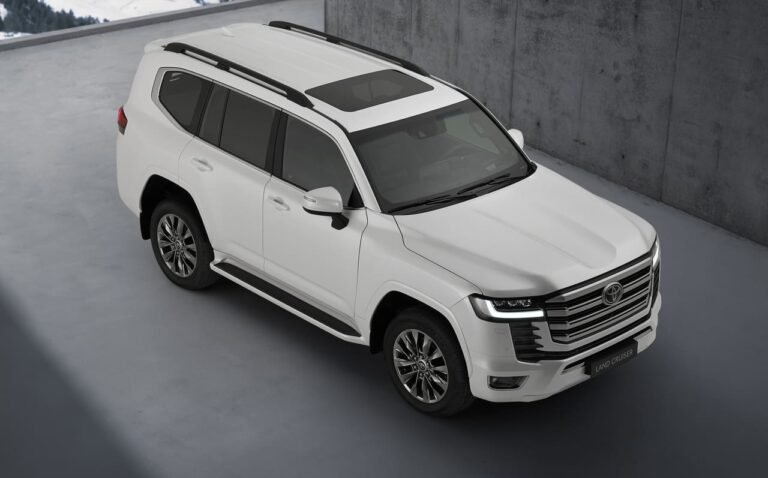
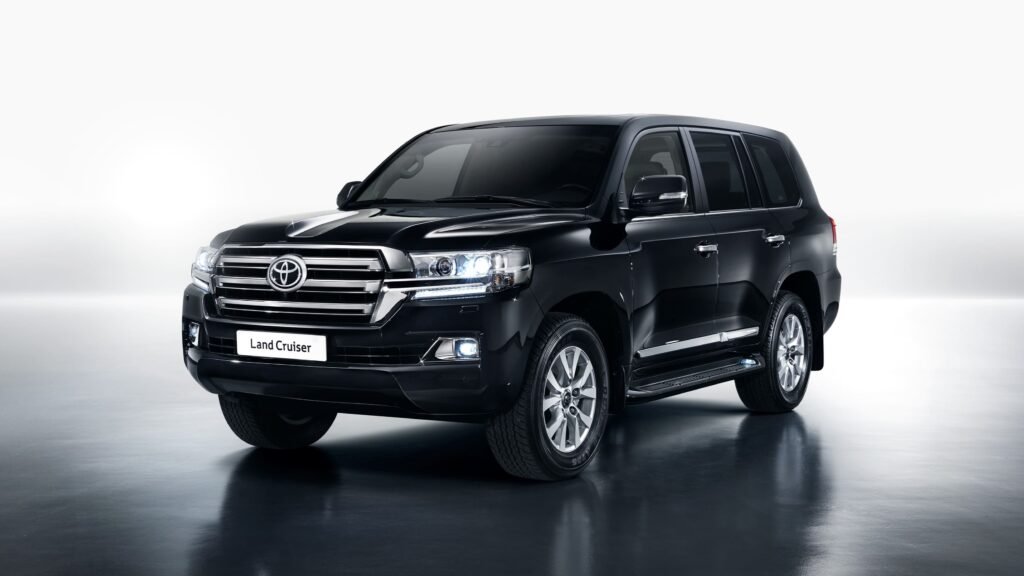
1. Toyota Land Cruiser

If you’ve been to places like the Middle East, Australia, or Africa, you probably know how famous the Toyota Land Cruiser is. Talk to the locals and you’ll get some cool stories about how this tough SUV has taken on rough roads and tough situations that other vehicles just couldn’t handle.

  • Avg. Lifespan: 300,000+ miles
  • Why It Lasts: Legendary V8 durability, body-on-frame design, and off-road toughness.
  • Downside: Expensive upfront but holds value extremely well.
Toyota Sequoia

2. Toyota Sequoia

The Toyota Sequoia has a lot in common with the Land Cruiser but it’s made for a different group of people. It might not be built to last over 25 years or have the same tough suspension, but it still meets Toyota’s standard for reliability. You can count on it to give you a solid and hassle-free ride for many years to come.

  • Avg. Lifespan: 280,000+ miles
  • Why It Lasts: Shares platform with Land Cruiser, known for bulletproof reliability.
  • Downside: Low MPG due to its large V8 engine.
Honda Pilot

3. Honda Pilot

The Honda Pilot is the biggest SUV from Honda, so you can count on getting their top-notch engineering and reliability in this ride. It might not be made for hardcore off-roading, but it does a great job on paved roads and easy trails. If you use it for regular stuff, you’ll probably be amazed at how well it stands the test of time.

  • Avg. Lifespan: 250,000+ miles
  • Why It Lasts: Simple naturally aspirated V6, excellent build quality.
  • Downside: Older models had transmission issues, later generations fixed this.

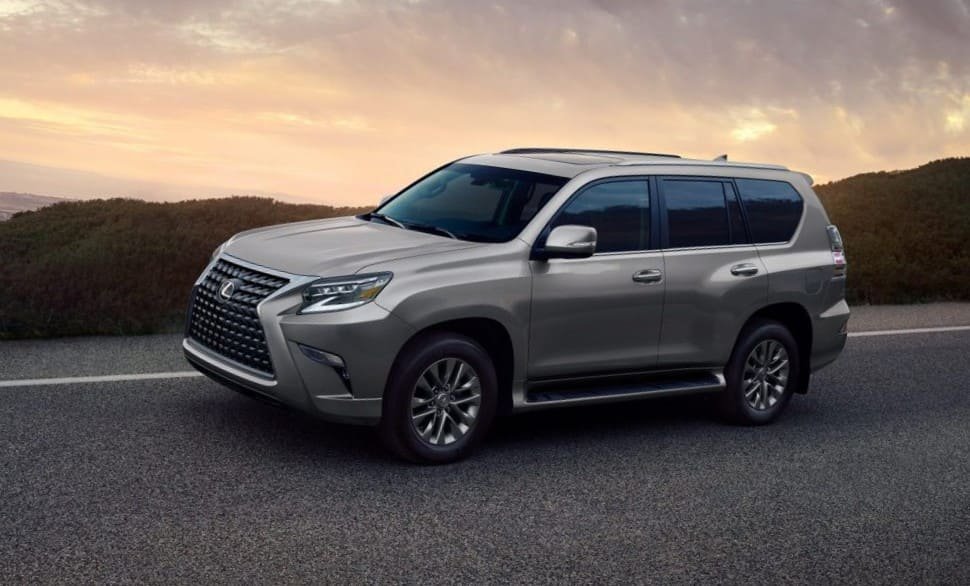
4. Lexus GX 460

The Lexus GX is like the fancy cousin of the Land Cruiser J150, which people also call the Prado, though you won’t find that one in the U.S. What sets the GX apart is its beefier V8 engine, something the Prado doesn’t have. The Prado is known for being super reliable and tough, and the GX carries that same solid Toyota build, making it a solid choice if you want an SUV that lasts.

  • Avg. Lifespan: 250,000+ miles
  • Why It Lasts: Shares a Land Cruiser-based platform, highly durable and luxury-grade build quality.
  • Downside: Higher ownership cost due to premium brand status.

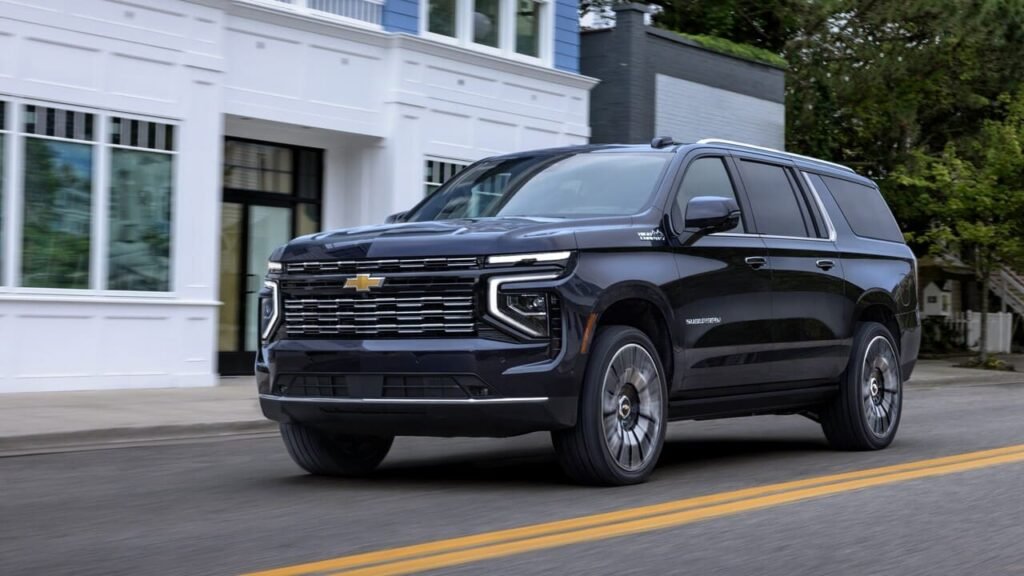
5. Chevrolet Suburban

The Chevrolet Suburban, which used to be called the GMC Suburban before it became the Yukon XL, is known as America’s first and favorite full-size SUV. Over the years, GM has packed it with tried-and-true drivetrains, which means it performs well and lasts a long time. It does have its problems, but with the right care, you can keep its parts running well for many miles.

  • Avg. Lifespan: 230,000+ miles
  • Why It Lasts: Proven 5.3L & 6.2L V8s, used in government fleets for decades.
  • Downside: Higher repair costs due to suspension and transmission wear over time.

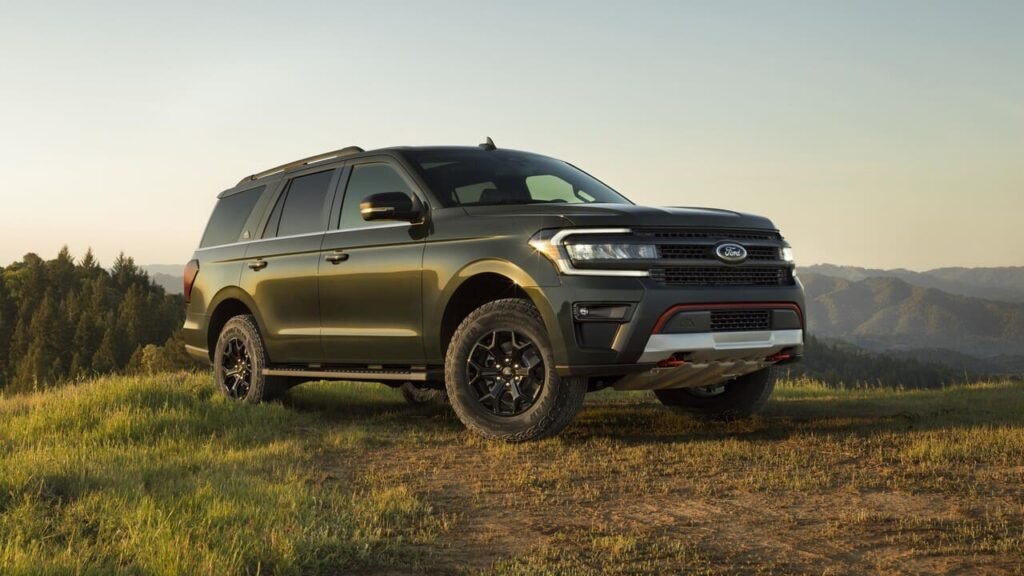
6. Ford Expedition

Ford might not be the first brand that pops into your head when you think about cars that last a long time, but don’t overlook the tough Crown Victoria. That ride ruled the streets for years as a go-to for taxis and police vehicles, and there’s a reason for that. Then you’ve got the famous F150, a full-size truck that has proven its worth over and over again. It shares a bunch of parts with the Expedition, so you can bet the mechanics in this car will stand the test of time. Just keep an eye out for the occasional electrical hiccup, especially in the fully-loaded versions.

  • Avg. Lifespan: 225,000+ miles
  • Why It Lasts: Modern EcoBoost V6, strong towing capability.
  • Downside: Turbocharged engine may require more maintenance over time.

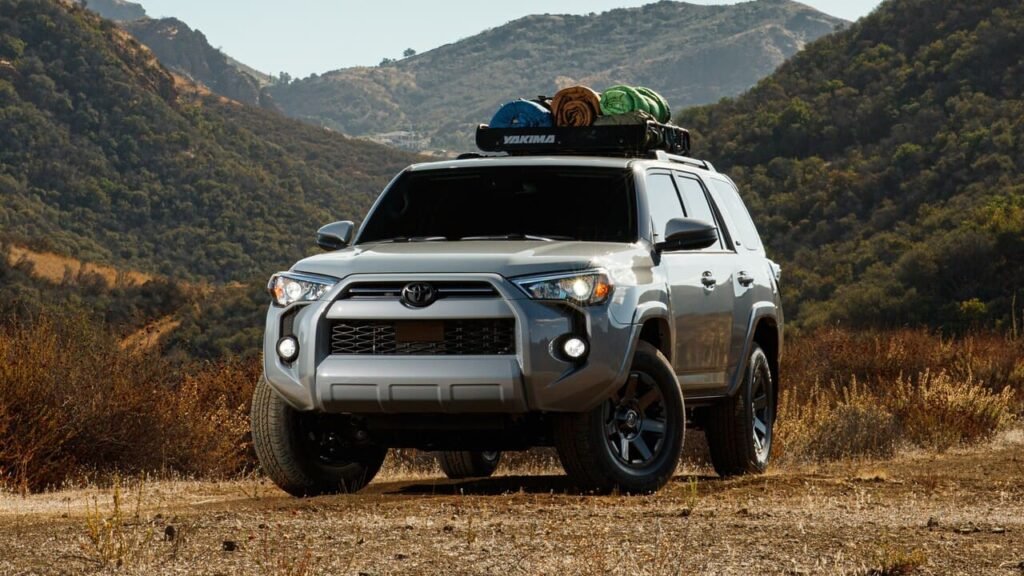
7. Toyota 4Runner

Here’s another Toyota that’s built on the tough Tacoma platform. These rides have solid mechanics and if you keep up with regular maintenance, you won’t run into many problems. Grab one of these gems and you can count on a smooth ride in your SUV. Plus, it’s a real hardcore four-wheel-drive beast that can take you just about anywhere.

  • Avg. Lifespan: 220,000+ miles
  • Why It Lasts: Simple, naturally aspirated V6, rugged off-road capability.
  • Downside: Dated interior and not fuel-efficient.

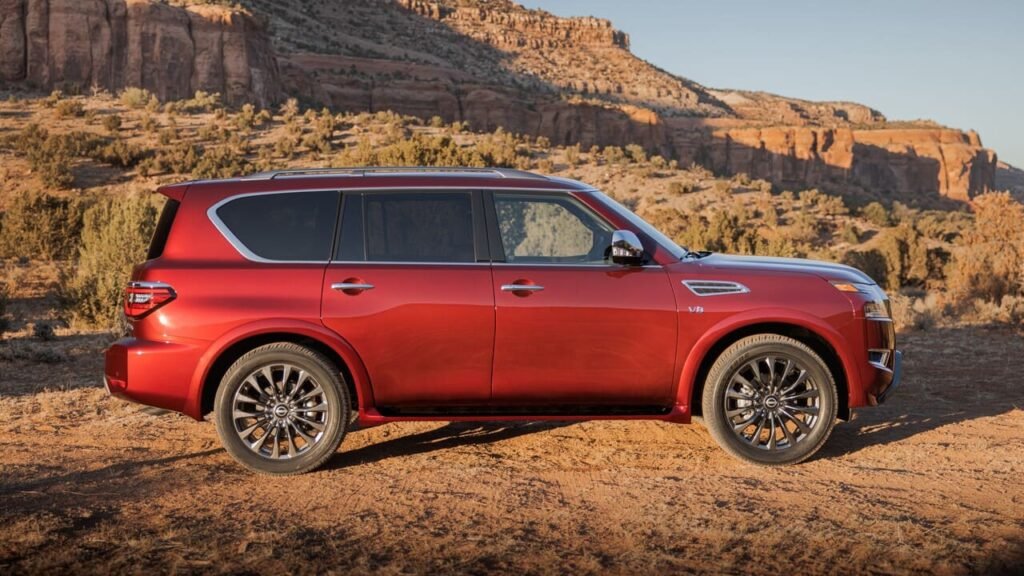
8. Nissan Armada

The Armada also known as the Patrol is a solid 4×4 SUV that operates well on many terrains like the Middle East, Africa, Australia, and Russia. It’s built with reliable drivetrain and mechanical parts that have stood the test of time. This SUV gives you plenty of space and power and is known to last really well over the years.

  • Avg. Lifespan: 215,000+ miles
  • Why It Lasts: Enduring 5.6L V8, similar to Titan truck.
  • Downside: Lower resale value compared to Toyota/Lexus rivals.

9. GMC Yukon XL

The Yukon XL is essentially Suburban’s sister with few exterior styling differences and a little upscale interior though not as upscale as that of a Cadillac Escalade -this is just again the typical question of GMC vs Cadillac one- So basically if you want to feel a bit more special than the average Chevrolet Suburban’s driver and have a little more features than him but don’t want to pay the price of a Cadillac Escalade and don’t need the kind of luxury it provides, then this one is for you.

  • Avg. Lifespan: 210,000+ miles
  • Why It Lasts: Shares architecture with Suburban, reliable V8 power.
  • Downside: Expensive repairs on air suspension-equipped models.

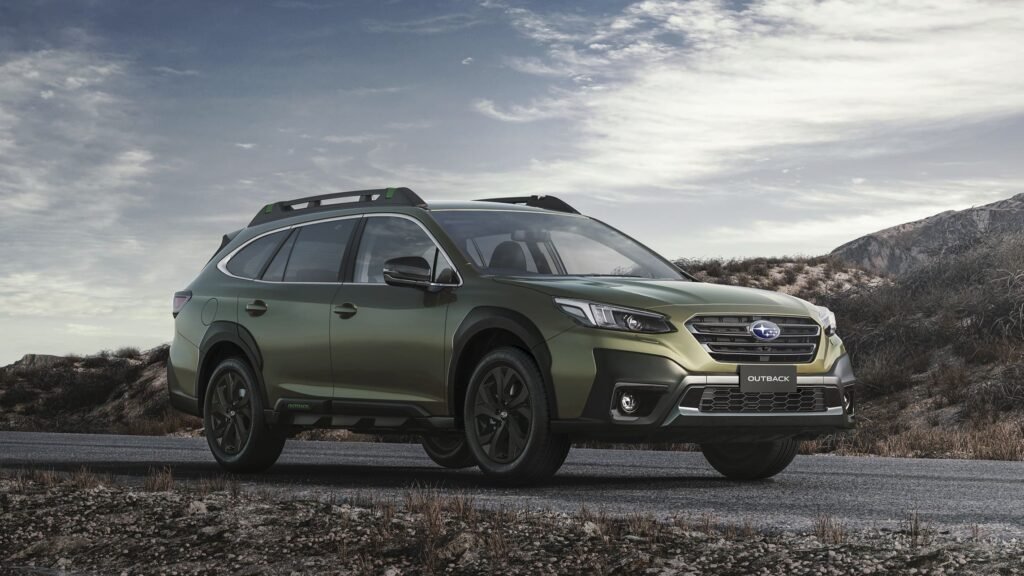
10. Subaru Outback (Honorable Mention)

  • Avg. Lifespan: 200,000+ miles
  • Why It Lasts: AWD system designed for longevity, low maintenance costs.
  • Downside: CVT transmission not as durable as traditional automatics.

Why Longevity Matters in an SUV

When buying an SUV, reliability and longevity should be top priorities. An SUV that lasts 15+ years offers major benefits:

  • Better Resale Value – Long-lasting models retain their worth longer.
  • Lower Ownership Costs – Fewer major repairs mean more money in your pocket.
  • More Dependable for Road Trips & Family Use – Reliable SUVs minimize breakdown risks on long journeys.
  • Stronger Return on Investment – If you keep a car for over 10 years, the value of a durable SUV becomes undeniable.

With these benefits in mind, let’s break down what separates long-lasting SUVs from the rest.

What Makes an SUV Last 200,000+ Miles?

An SUV that surpasses 200,000 miles is built on proven engineering, durable materials, and time-tested designs that prioritize longevity over fleeting trends. Here are the key factors contributing to longevity:

1. Proven Engine & Transmission

  • SUVs equipped with naturally aspirated V6 or V8 engines with modest compression ratios and designed to run on regular gasoline tend to outlast turbocharged four-cylinders with higher compression demands that require premium fuel.
  • Traditional automatic transmissions with fewer moving parts and hydraulic torque converters (like Toyota’s 6-speed auto) are more durable than complex CVTs or dual-clutch systems.

2. Simplicity in Design

  • Vehicles with fewer electronic sensors, motorized actuators, and software-dependent systems that can fail over time often last longer than those loaded with complex high-tech electronics.
  • Body-on-frame construction, solid rear axles, reinforced steel subframes, and serviceable suspension components (vs. unibody) provide superior durability as well over modern lightweight designs that sacrifice strength for efficiency.

3. Manufacturer Reputation for Reliability

  • Brands like Toyota, Lexus, and Honda make SUVs that have fewer fragile components and come with strong, easy-to-service components. This means they can go over 300,000 miles without many issues.
  • These vehicles stick to a straightforward  “stick to the book” design, which helps keep things simple. They focus on mechanical resilience, structural integrity, and ease of maintenance instead of just trying to be efficient for a quick fix.

4. Routine Maintenance & Owner Care

  • Regular oil changes, transmission flushes, and brake fluid replacements significantly extend vehicle life.
  • Avoiding excessive towing loads or off-road abuse helps keep engines and transmissions running longer.

All these factors help such SUVs handle tough roads, potholes, and off-road adventures for a really long time.

Key Maintenance Tips to Extend Your SUV’s Life

No SUV lasts forever without proper care. Here are expert-backed maintenance tips to reach 200,000+ miles:

  • Follow Factory Service Intervals – Never skip scheduled maintenance.
  • Change Fluids Regularly – Transmission fluid, differential oil, and coolant extend component lifespan.
  • Use High-Quality Fuel & Oil – Prevents carbon buildup and extends engine life.
  • Inspect Suspension & Brakes – Heavier SUVs wear out shocks, struts, and brake pads faster.
  • Avoid Aggressive Driving – Hard acceleration and braking wear out engines, transmissions, and suspension components prematurely.

Final Thoughts: Choosing the Right SUV for Maximum Lifespan

If you want an SUV that will last decades, stick with models known for:

  • Proven, naturally aspirated engines
  • Strong, body-on-frame construction
  • Minimal electronic complexity
  • Reliable transmissions with solid maintenance history

The Toyota Land Cruiser is still the top pick when it comes to longevity, but you can also count on rides like the Honda Pilot and Ford Expedition for decent long-term reliability without breaking the bank. Just keep in mind that no matter which of these SUVs you go with, keeping up with regular maintenance is the secret to hitting 200,000+ miles.


If you found this post helpful, you might also enjoy our article, “Which is the Safest Midsize SUV? 2025’s Best Picks.

Be sure to explore more of our site for detailed car reviews, expert buying guides, and the latest industry insights. We’ve got plenty of content to keep you informed, so take a look around—and don’t forget to bookmark us for future updates!


*Disclaimer: This website provides automotive content for informational purposes only and should not be considered professional advice. While we strive for accuracy, we do not guarantee the reliability or suitability of any vehicle or product mentioned—always conduct your own research before making purchasing decisions. Additionally, some links on this site are affiliate links, meaning we may earn a commission if you make a purchase, at no extra cost to you.
2025 Toyota 4Runner: What You Need To Know?

The 2025 sixth generation Toyota 4Runner is coming! Retaining its capability as on of the best off-road vehicles on the market

This recent update is making waves as it heralds the most significant update to the model in the last 15 years.

Key features of the 2025 Toyota 4Runner include:

  • Turbocharged four-cylinder powertrain producing 278 horsepower
  • Optional hybrid model with 326 horsepower
  • Rugged and handsome exterior design
  • Updated interior tech features
  • Capable off-road capabilities
  • Increased towing capacity to 6000 pounds
  • Available in rear-wheel-drive and full-time four-wheel-drive layouts

The Legacy Continues: What’s New in 2025

The 4Runner is finally getting a hybrid version. They ditched the V6 engine from the 2024 Toyota 4Runner, and there are some fresh updates inside and out. One cool feature that’s making a comeback is the roll-down rear window. It’s nice to see that included again.

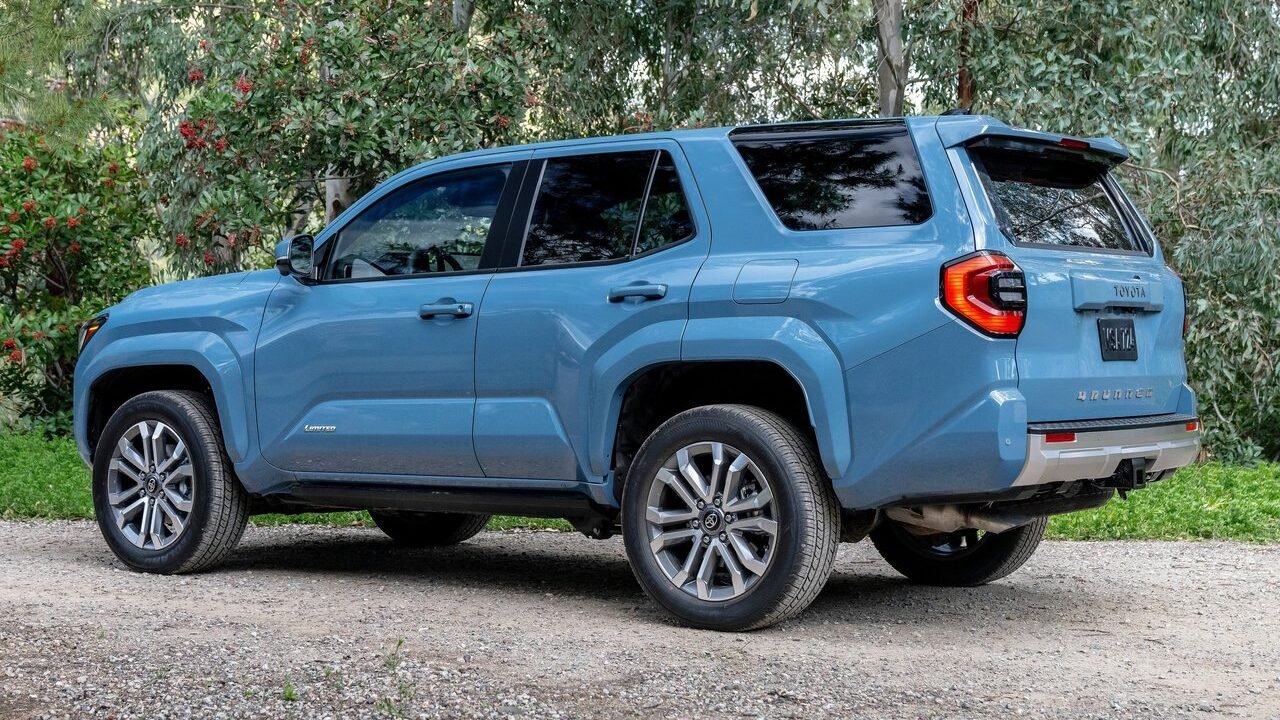
Exterior of the 2025 4Runner showcasing the third side window

Exterior Design and Features

Sharing its platform as usual with the new Tacoma pickup truck. The exterior design remains rugged but less boxy compared to its predecessor. So 4Runner now looks a bit more civilized making it as suitable for city streets as it is for backcountry trails.

Another new feature we liked is the rolling rear window, that feature is extremely handy for loading the SUV in tight parking scenarios where you can’t lift up the rear gate.

Another interesting feature is the coming back of the third row side window design, which extends to the roof just like the 1984 N60 first generation and the 1989 N120 second generation.

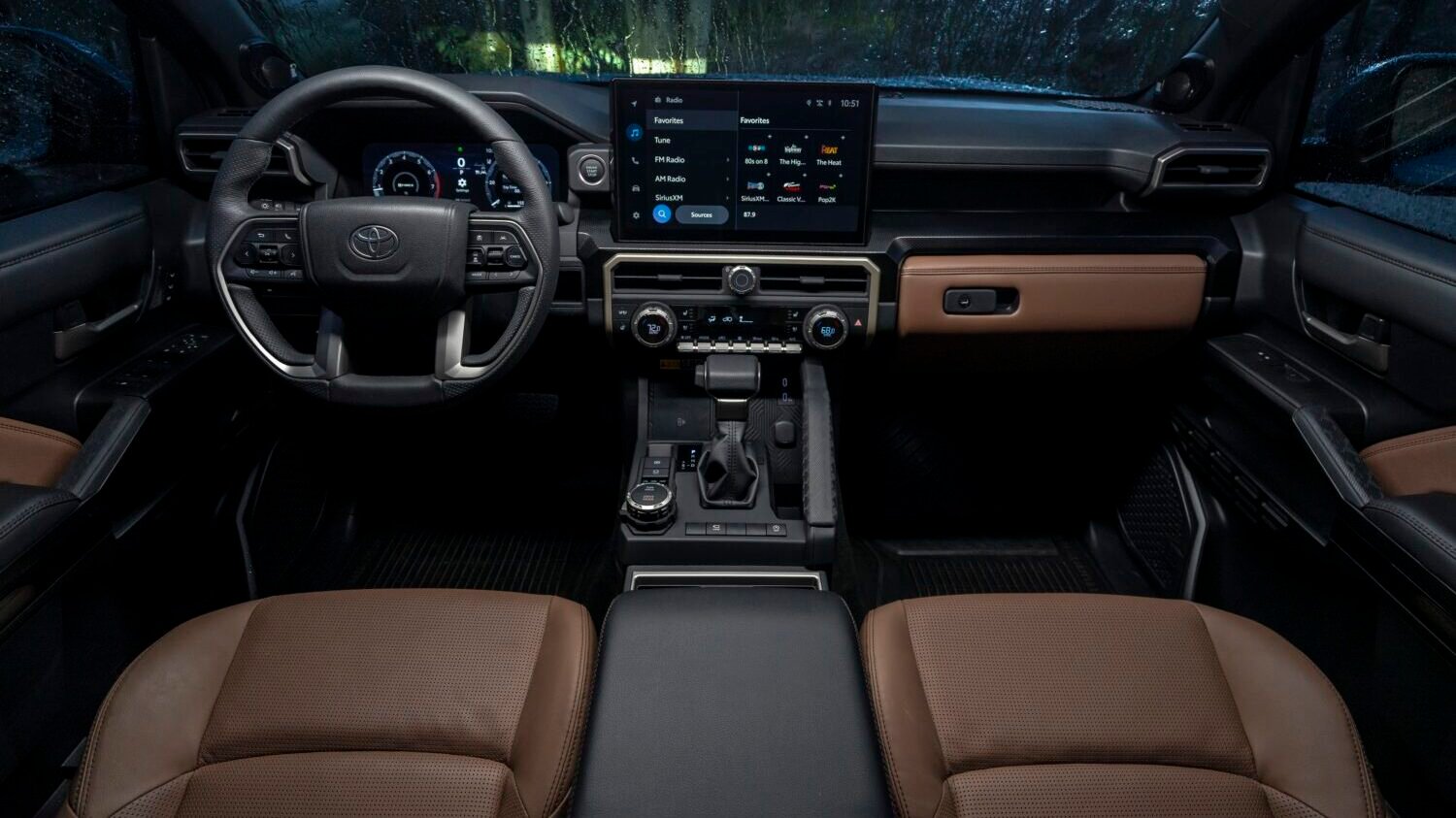
Interior of the 2025 4Runner

Interior and Comfort


The cabin design of is similar to the Tacoma pickup truck, featuring several large storage bins and easily accessible controls.

However, one thing that didn`t improve much, is the optional third-row seat which might be a bit tight for adults.

The infotainment system on the other hand has undergone significant upgrades. With a standard 8.0-inch display that comes with Wireless Apple CarPlay and Android Auto connectivity.

While optional features include a 14.0-inch display, a 12.3-inch digital gauge cluster, and a wireless smartphone charging pad. Speaking of smartphones the 4Runner now can be locked and unlocked using an app that you can download allowing you to control the vehicle for locking, unlocking, and starting the engine.

Performance and Powertrain

The V6 is out, and the new 4Runner now features a standard turbocharged four-cylinder engine. It packs 278 horsepower and 317 lb-ft of torque, which is just a bit more than the old V6 by 8 horsepower. This engine is pretty much the same one you’ll find in the new Tacoma. If you’re looking for something even more powerful, you can opt for the hybrid model that cranks out an impressive 326 horsepower. This upgrade not only boosts the vehicle’s efficiency but also makes it more responsive. Both engine options come with an eight-speed automatic transmission.


Also Read:
Prepare your Toyota 4Runner for your next trip with essential parts and upgrades to enhance performance, comfort, and safety for your holiday travels.


Safety and Security

The 2025 4Runner comes equipped with a suite of driver-assistance features called TSS 3.0, which includes:

  • An automated emergency braking with pedestrian detection.
  • Lane-departure warning with lane-keeping assist.
  • Adaptive cruise control with a lane-centering feature.
  • A system that detects non-responsive drivers and brings the vehicle to a stop if needed.

However, in terms of crash tests no official data has been released yet either from the IIHS nor the NHTSA. Hopefully the new 4Runner will get higher ratings than its predecessor which suffered a bit in the tests. You can read more about it here.

Off-Road Capabilities and Adventure-Readiness

The 4Runner continues to be a dedicated off-road powerhouse. The new model gets an optional disconnecting stabilizer bars, a locking rear differential, and an off-road cruise control system.

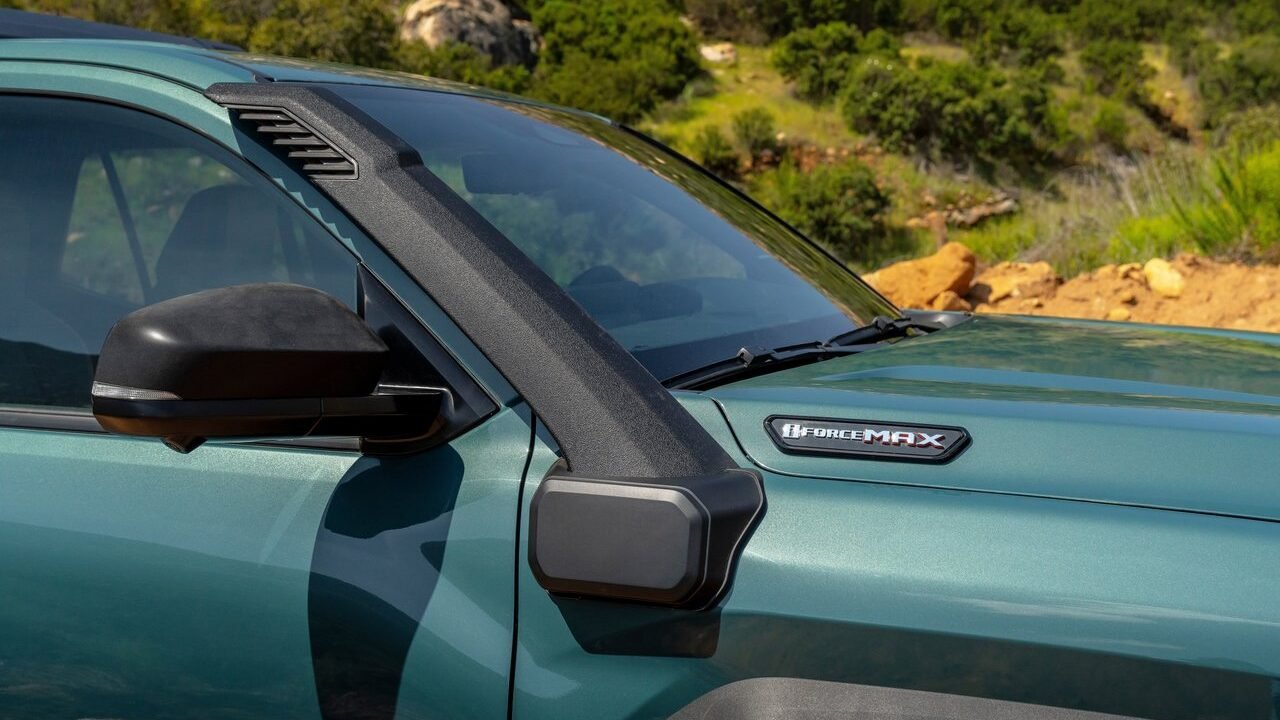
The hybrid model offers even more off-road capabilities with manually adjustable dampers. While the Trailhunter trim comes with an optional OEM snorkel that expand it’s offroad capabilities. The Trailhunter trim is tailor-made for off-road adventures and therefor equipped with enhanced suspension systems, skid plates, and all-terrain tires.

As for towing capacity of the 4Runner now can handles an impressive 6,000 pounds, surpassing other body of frame competitors such as the Ford Bronco which can only tow up to 3,500 pounds.

Snorkel of the 2024 4Runner Trailhunter

Pricing and Trim Levels

The expected price range for the 2025 Toyota 4Runner is between $43,000 and $54,000, depending on the trim and options. The available trims will include SR5, Limited, and four TRD-branded trims, with the most capable Trailhunter trim only available on the 4Runner Hybrid.

Will there be a TRD Pro version for the 2025 4Runner?

Yes, the 2025 Toyota 4Runner TRD Pro will continue to cater to off-road enthusiasts. Alongside it, the new 4Runner Trailhunter aims at adventurers seeking rugged features and capability. Both models are equipped with specialized off-road gear and enhancements, making them ready for any trail.

How Does the 2025 4Runner Compare with the Land Cruiser?

The 2025 4Runner and Land Cruiser both cater to the off-road segment but vary significantly in size, price, and luxury. The 4Runner offers a more accessible entry point with substantial off-road capabilities, whereas the Land Cruiser focuses on a more premium segment with broader features.

Conclusion

The 2025 Toyota 4Runner shows how classic style and new features can come together to fit what today’s SUV fans really want. Whether you need a family ride or a buddy for off-roading adventures, the 4Runner is all set to impress.

If you liked this post, check out our article on “The Top 10 Longest Lasting SUVs You Can Buy Today.” We’ve got tons of other cool stuff on our site too. Whether you want detailed car reviews, buying tips from experts, or the latest news in the car world, we’ve got you covered. Feel free to look around and make sure to bookmark our homepage for updates later!


*Disclaimer: This website provides automotive content for informational purposes only and should not be considered professional advice. While we strive for accuracy, we do not guarantee the reliability or suitability of any vehicle or product mentioned—always conduct your own research before making purchasing decisions. Additionally, some links on this site are affiliate links, meaning we may earn a commission if you make a purchase, at no extra cost to you.
What Is The Top Fuel Efficient Large SUVs: See The Best Gas Mileage SUVs

Large SUVs usually bring to mind strength, plenty of space, and useful features. But they can also guzzle gas, which might turn some buyers away even if they genuinely need the extra room. The good news is that thanks to recent improvements, many of them now offer way better fuel efficiency, so you can save on gas and help the environment at the same time. If you’re on the hunt for a large SUV that’s easier on your wallet at the gas station, there are a ton of awesome choices for 2024. Stick with us in this guide as we explore the top fuel-efficient large SUVs, using info from Consumer Reports and EPA data.

Top 5 Fuel-Efficient Large SUVs in 2024

These SUVs give you great gas mileage while still packing a punch with power and utility so you really get the best of both worlds:

1. 2024 Toyota Sequoia Hybrid

MPG: 21 City / 24 Highway / 22 Combined

The 2024 Toyota Sequoia Hybrid brings together Toyota’s i-FORCE MAX twin-turbo V6 hybrid system and a ten-speed automatic for some serious everyday power while cutting back on gas compared to older V-8 engines. It’s got around 437 hp and 583 lb-ft of torque in factory setup. With this hybrid setup, you can expect about 22 mpg combined for rear-wheel drive models, which breaks down to around 21 in the city and 24 on the highway. The all-wheel drive versions are just a bit lower, but still pretty good numbers for a big three-row SUV that can tow over 9,000 lbs if it’s set up right. The way this system is designed focuses more on low-end torque and smoothing out the turbo response, so you get instant power without having to rev the engine a lot. This helps with fuel efficiency in normal driving, but keep in mind that highway MPG might drop if you go fast or have a heavy load. To sum it up, the Sequoia Hybrid gives you the capability of a large SUV with better fuel efficiency compared to traditional gasoline V-8s, which is a nice tradeoff for families who tow stuff but don’t want to stop for gas all the time.

2. 2024 Ford Expedition Hybrid

MPG: 19 City / 23 Highway / 21 Combined

The 2024 Expedition comes with a solid 3.5-L twin-turbo V6 that delivers around 380 to 400 hp and about 470 to 480 lb-ft of torque, which is even higher on some trims. It’s paired with a 10-speed automatic and gets roughly 19 mpg combined in a lot of setups. This is all about towing and being comfortable on the highway rather than getting the best fuel economy. If you opt for the Heavy-Duty Trailer Tow package, the Expedition’s towing capacity can reach over 9,000 lbs, which is why Ford has gone with a strong turbo V-6 for this vehicle.

Now if Ford decided to put the F-150’s PowerBoost hybrid system into the Expedition, you’d probably see much better gas mileage in the city and highway plus more low-end electric power. You’d be looking at mid-20s mpg instead of the high teens now, but this would also add some weight and cost, plus it could slightly change the max tow capacity based on how everything is set up. For now, just stick with the 2024 Expedition’s EcoBoost numbers and keep an eye on Ford’s plans for a hybrid full-size SUV down the line.

3. 2024 Chevrolet Tahoe Diesel

MPG: 21 City / 28 Highway / 24 Combined

The 2024 Chevrolet Tahoe has an optional 3.0-liter Duramax turbo-diesel V6, which is great if you want something efficient in the full-size SUV category. It gives you strong low-end torque while also allowing for long trips, making it perfect for highway driving or hauling heavy stuff. You’ll get about 277 hp and around 460 lb-ft of torque, which means you can pass and tow confidently without having to push the engine hard.

When it comes to fuel economy, the EPA says the diesel Tahoe delivers about 21 mpg in the city and 28 mpg on the highway for the two-wheel drive version. If you go for the four-wheel drive model, it’s a bit lower at around 20 city and 26 highway. This makes it the most fuel-efficient option in the Tahoe lineup for long highway stretches. Plus, it can tow up to 8,200 pounds when equipped properly, so you won’t lose out on utility just for better mileage.

The Duramax engine is designed to give you good torque at lower speeds and smooth cruising on the highway. So while you can expect great fuel numbers for long trips, keep in mind that if you’re doing a lot of short trips or driving aggressively, that efficiency may dip. That’s why even though the fuel economy is impressive, it might not be our top pick overall.

4. 2024 Jeep Grand Cherokee L 4xe (Plug-in Hybrid)

MPGe: 56 Combined (Electric + Gas)

The 2024 Jeep Grand Cherokee L 4xe is a cool plug-in hybrid that gives you a nice mix of power and electric vehicle perks. With its 2.0-liter turbo engine and electric motors, it cranks out around 375 hp and 470 lb-ft of torque. This means this big three-row SUV can tow and speed up in surprising ways. You can expect it to have a decent all-electric range of about 25 to 26 miles and it’s said to get around 56 MPGe for mixed driving. So for your day-to-day trips, you might barely need to fill up on gas.

Even with this electric setup, Jeep made sure the 4xe can still work hard. It can tow up to 6,000 pounds when it’s properly set up, which is pretty close to what the gas models can handle. The system is smart too, focusing on electric power right off the line to reduce turbo lag and help save fuel in the city. Plus the hybrid setup lets you enjoy a smooth drive and gives you a combined driving range close to 470 miles with a full tank and battery.

5. 2024 BMW X7 xDrive40i

MPG: 21 City / 25 Highway / 23 Combined

The 2024 BMW X7 xDrive40i is powered by a 3.0-liter turbocharged inline-six engine along with a 48-volt mild-hybrid system. This combo pumps out around 375 hp and about 398 lb-ft of torque so you get a nice boost to keep this big luxury SUV feeling lively without having to push it too hard. Power goes through an eight-speed automatic transmission and BMW’s xDrive all-wheel-drive system which gives you dependable grip and smooth handling. 

When it comes to fuel efficiency, the EPA gives the xDrive40i a rating of about 21 mpg in the city, 25 mpg on the highway, and 22 mpg combined. That’s pretty good considering its size and weight. The mild-hybrid setup really helps with low-end torque, smooth starts and stops, and quick response but it doesn’t really focus on saving fuel like a full hybrid would.

In a nutshell, the X7 xDrive40i is all about refinement and punchy performance. It offers three-row comfort and decent speed while keeping fuel economy competitive for its class. But if you’re after the best MPG, you might want to check out hybrid or diesel options instead.

What Affects Fuel Economy in SUVs?

Fuel economy in SUVs can be influenced by a bunch of things, here are they:

  • Vehicle mass / payload: heavier cars and extra cargo require more energy to accelerate; lighten the load when you can.
  • Aerodynamics (CdA): drag rises with speed; roof racks, open windows, and boxy shapes cost mpg at highway speeds.
  • Powertrain efficiency: engine design, turbo vs NA, CVT/automatic gearing, and hybrid systems determine how much fuel becomes forward motion.
  • Tire rolling resistance & pressure: low-rolling-resistance tires and correct pressure cut consumption; underinflation hurts mileage.
  • Driving style & speed: rapid accelerations, hard braking, and high cruising speeds dramatically worsen fuel use.
  • Accessory loads: A/C, heated seats, and electrical accessories put extra load on the engine or alternator.
  • Terrain & route: hilly, stop-start, or congested routes reduce average mpg compared with steady highway cruising.
  • Towing / aeroload: trailers and payload increase fuel burn disproportionately.
  • Mechanical condition & maintenance: clogged filters, old spark plugs, worn fluids, and misalignment reduce efficiency.
  • Fuel quality & octane: wrong fuel or contaminated fuel can affect combustion efficiency and power.
  • Temperature & climate: cold weather thickens fluids, reduces battery/hybrid efficiency, and increases warm-up losses.
  • Regenerative systems & tech: hybrids/PHEVs recover energy and can dramatically improve real-world economy in city driving.

Any of those factors or even a mix of a few can really impact how fuel-efficient a vehicle is. That’s why the numbers you see on paper might not match what you actually get in real life.

Hybrid vs. Diesel: Which Offers Better Fuel Economy?

Short answer: it depends on how you drive. Hybrids (and PHEVs) shine in stop-start, urban driving — regenerative braking and electric assist recover energy that pure-combustion engines waste, so in city cycles hybrids can beat diesels by a wide margin. Diesels, by contrast, excel on sustained highway runs: diesel fuel’s higher energy density and lean-burn efficiency give diesels an edge for long-distance cruising and heavy loads, often yielding noticeably better mpg at steady speeds.

So which to pick? If your day is mostly commutes, errands, and short trips, a hybrid or PHEV will usually deliver the best real-world fuel economy and lower operating cost. If you regularly rack up highway miles, tow, or carry heavy loads, a modern diesel will typically return superior long-haul mpg. Don’t forget total cost of ownership: fuel price, servicing (DPF/DEF on diesels), battery degradation or replacement risk for hybrids, and local emissions rules can swing the math — factor those into your decision, not just the headline mpg.

FactorHybrid SUVsDiesel SUVs
Best ForCity driving & short tripsLong highway trips
Fuel EfficiencyHigher in stop-and-go trafficHigher on highways
Towing CapabilitySlightly lowerSuperior torque for towing
Maintenance CostsLowerHigher (due to emissions systems)

Tips to Maximize Your SUV’s Fuel Efficiency

Regardless of the model you choose, here’s how to improve fuel economy:

  • Keep Your Tires Inflated – Proper tire pressure reduces rolling resistance.
  • Drive Smoothly – Avoid rapid acceleration and hard braking.
  • Use Cruise Control – Maintains optimal fuel efficiency on highways.
  • Lighten Your Load – Excess weight decreases MPG.
  • Regular Maintenance – Keep your engine and transmission in top shape.

Final Thoughts: Choosing the Right SUV for You

For the best fuel efficiency, the 2024 Toyota Sequoia Hybrid is a smart pick if you’re looking for a big SUV that can handle just about anything without hitting your wallet too hard. If you usually cruise on highways or take long trips, then the 2024 Chevrolet Tahoe Diesel is even better since it can save you a ton on gas. Just don’t get it if you mostly drive short distances for work.

 If you liked this post, you might want to check out “Here Are the Top 10 Longest Lasting SUVs You Can Buy Today.” We’ve got loads of other cool stuff on our site too. Whether you’re looking for car reviews, buying tips, or just the latest news in the auto world, we’ve got the info to keep you updated. Take a look around and don’t forget to save our homepage so you won’t miss any new posts!


*Disclaimer: This website provides automotive content for informational purposes only and should not be considered professional advice. While we strive for accuracy, we do not guarantee the reliability or suitability of any vehicle or product mentioned—always conduct your own research before making purchasing decisions. Additionally, some links on this site are affiliate links, meaning we may earn a commission if you make a purchase, at no extra cost to you.
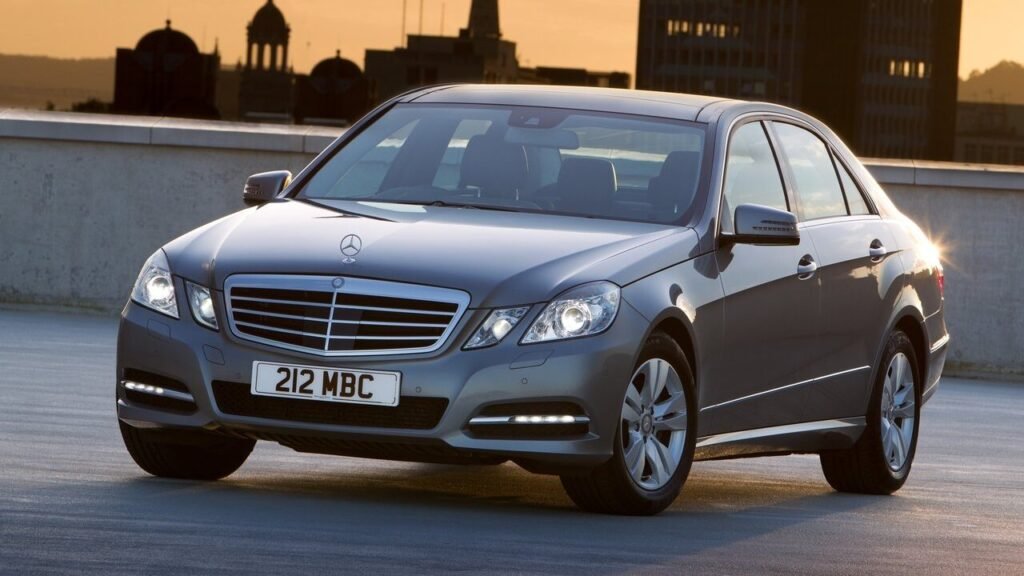
Top 2024 Midsize SUV: The Most Reliable Choice

Midsize SUVs continue to dominate the automotive market According to industry reports, SUVs accounted for over 48% of new vehicle sales in 2023. This trend is expected to continue as more consumers prioritize space, versatility, and safety when choosing a vehicle. As a result, automakers have responded by introducing a wide range of midsize SUV models to meet the growing demand in the market.

However, not all models are built the same—some excel in reliability, while others come with costly repairs down the line. If you’re in the market for a 2024 midsize SUV that offers exceptional reliability, this guide will help you make the best choice.

Top 2024 Midsize SUVs Ranked by Reliability

We analyzed real-world owner feedback, expert ratings, and long-term durability studies from Consumer Reports, J.D. Power, RepairPal and CarComplaints.com to bring you the most reliable midsize SUVs in 2024.

1. 2024 Toyota Highlander

Reliability Score: 9.7/10
Best Engine: 2.5L Hybrid (243 hp)
Highlights:

  • Toyota’s legendary reliability record
  • Hybrid option delivers excellent fuel economy and long-term durability
  • High resale value and low ownership costs

🚩 Potential Issues: Third-row space is tighter than some rivals.

2. 2024 Honda Passport

Reliability Score: 9.5/10
Best Engine: 3.5L V6 (280 hp)
Highlights:

  • Proven naturally aspirated V6 engine, avoiding turbo-related problems
  • Simple yet rugged construction for long-term durability
  • Fewer reported transmission issues compared to competitors

🚩 Potential Issues: Infotainment system can be glitchy.

3. 2024 Mazda CX-90

Reliability Score: 9.3/10
Best Engine: 3.3L Turbo I6 (280 hp)
Highlights:

  • New rear-wheel-drive platform, built for durability
  • Premium interior materials without excessive complexity
  • Well-tuned transmission and engine pairing

🚩 Potential Issues: First-year model, so long-term reliability is still uncertain.

4. 2024 Subaru Outback

Reliability Score: 9.1/10
Best Engine: 2.5L Boxer-4 (182 hp)
Highlights:

  • Renowned AWD system built for long-term performance
  • High safety scores and proven engine durability
  • Lower maintenance costs compared to larger SUVs

🚩 Potential Issues: CVT transmission may wear faster than traditional automatics.

5. 2024 Hyundai Palisade

Reliability Score: 9.0/10
Best Engine: 3.8L V6 (291 hp)
Highlights:

  • 10-year/100,000-mile powertrain warranty
  • Solid build quality and comfortable interior
  • Less complex turbocharging means fewer mechanical failures

🚩 Potential Issues: Higher depreciation than Toyota or Honda models.

Why Reliability Matters in a Midsize SUV

A midsize SUV is an investment, and reliability plays a crucial role in ownership satisfaction. The more dependable a vehicle is, the lower the maintenance costs, unexpected breakdowns, and depreciation. Reliable SUVs provide:

Lower Repair Costs – Fewer breakdowns mean less money spent on repairs.
Higher Resale Value – A reputation for reliability keeps resale prices high.
Better Peace of Mind – No one wants to be stranded on a road trip with a failing transmission.

Midsize SUVs are often used for family transportation and long-distance travel, so dependability is a top priority for most buyers.

Key Factors That Make an SUV Reliable

Several factors determine an SUV’s reliability, including:

1. Proven Powertrain & Engine Durability

  • Naturally aspirated engines generally last longer than turbocharged ones.
  • Reliable transmissions, such as Toyota’s 8-speed automatic, are less prone to failure than some dual-clutch or CVT systems.

2. Build Quality & Engineering

  • SUVs built with high-quality materials and solid construction resist wear and tear.
  • Well-designed suspension and drivetrain systems extend a vehicle’s lifespan.

3. Manufacturer Reputation & Track Record

  • Brands like Toyota, Honda, and Subaru consistently rank high in reliability studies.
  • Manufacturers with extensive warranties (e.g., Hyundai’s 10-year/100,000-mile powertrain warranty) indicate confidence in their vehicles.

Maintenance Tips to Keep Your SUV Running Longer

Even the most reliable SUV requires proper care. Here are some tips that can help maximize its lifespan:

  • Stick to Factory Maintenance Schedules – Oil changes, timing belt replacements, and transmission fluid changes keep everything running smoothly.
  • Use High-Quality Fuel & Fluids – Prevents carbon buildup and prolongs engine life.
  • Check Suspension & Brakes Regularly – Heavier SUVs wear out suspension components faster.
  • Rotate Tires Every 5,000-7,500 Miles – Ensures even tread wear, extending tire life.
  • Avoid Hard Acceleration & Braking – Reduces stress on the transmission and drivetrain.

Final Verdict: Which Midsize SUV Should You Buy?

For maximum reliability, the Toyota Highlander remains the best overall choice, while the Honda Passport is a strong alternative for those who prefer a naturally aspirated V6. If you want premium styling and performance, the Mazda CX-90 is an excellent pick. For those prioritizing all-wheel drive and safety, the Subaru Outback is the best bet. The Hyundai Palisade provides an outstanding warranty, making it a great choice for long-term ownership.

If you liked this post, you should check out “Here Are the Top 10 Longest Lasting SUVs You Can Buy Today.” Also, be sure to take a peek at the other parts of our site. Whether you’re after detailed car reviews, helpful buying tips, or the latest news in the industry, we’ve got loads of stuff to keep you in the loop. So browse around and don’t forget to bookmark our homepage for updates!


*Disclaimer: This website provides automotive content for informational purposes only and should not be considered professional advice. While we strive for accuracy, we do not guarantee the reliability or suitability of any vehicle or product mentioned—always conduct your own research before making purchasing decisions. Additionally, some links on this site are affiliate links, meaning we may earn a commission if you make a purchase, at no extra cost to you.
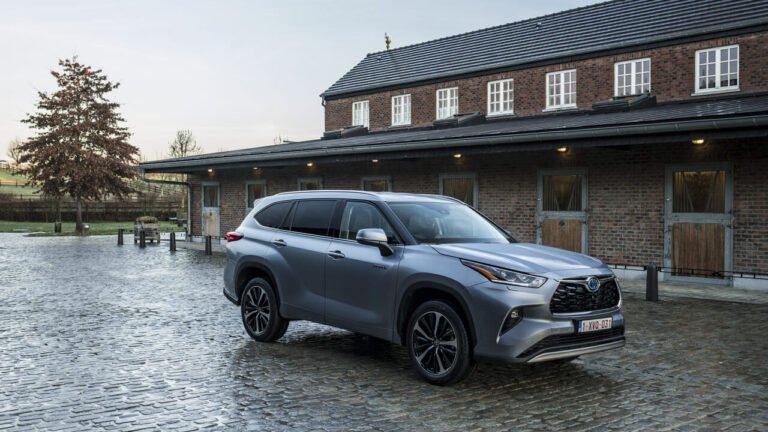
Best Used Mercedes C-Class Sedans: Reliable Choices for 2024

The Mercedes-Benz C-Class is a favorite among entry-level luxury sedans around the globe, mixing performance, sophistication, and cool tech features. But here’s the thing: not all C-Class models are the same, especially when we talk about reliability. Some versions are known for their durability and lower upkeep costs, making them perfect picks for anyone looking for a used luxury car that won’t drain your wallet.

In this handy guide, we’re diving into the Top 5 Most Reliable Used Mercedes-Benz C-Class Models, using real feedback from places like Consumer Reports, J.D. Power, RepairPal, and reviews from actual owners. If you’re thinking about snagging a pre-owned C-Class, this piece will give you some solid info to help with your choice.

Top 5 Most Reliable Used Mercedes-Benz C-Class Models

1. 2011-2014 Mercedes-Benz W204 C-Class (Facelift)

Reliability Score: 9.5/10
Best Engine: 3.5L V6 (M276) in C350
Highlights:

  • Improved electrical system over early Mercedes W204 models.
  • Naturally aspirated V6 has fewer failures than turbocharged alternatives.
  • High resale value due to its reputation for durability.

🚩 Potential Issues: Infotainment screen glitches and minor AIRMATIC suspension failures (optional equipment).

If you’re looking for the most balanced C-Class, this facelifted W204 is one of the best used Mercedes-Benz sedans available today.

2015-2021 Mercedes-Benz C-Class (W205)

2. 2016-2020 Mercedes-Benz W205 C-Class

Reliability Score: 79/100
Best Engine: C300 2.0L Turbo (M274 – 2018+ models)
Highlights:

  • Stronger engine reliability after 2018 (updated M264 engine).
  • Lighter chassis (aluminum construction) means better fuel economy.
  • Advanced safety and infotainment compared to previous generations.

🚩 Potential Issues: Early 2015-2017 models had timing chain issues, avoid high-mileage C250/C300 from those years.

If you’re looking for a modern C-Class that’s loaded with cool tech and built to last, check out a 2018 or newer model. You might want to read this piece about the reliability of the 2020 C300 W205.

3. 2005-2007 Mercedes-Benz W203 C-Class (Late Model)

Reliability Score: 8.8/10
Best Engine: C230 2.5L V6 (M272)
Highlights:

  • One of the last simpler Mercedes-Benz models, fewer electronics to fail.
  • Strong mechanical parts, with a reputation for lasting 250,000+ miles.
  • No turbocharged components = less maintenance cost.

🚩 Potential Issues: Some balance shaft gear failures (M272 V6), but most have been fixed under recall.

If you’re looking for an affordable used C-Class with old-school Mercedes durability, the late Mercedes W203 is an excellent choice.

Mercedes-Benz-C-Class 2012

4. 2010-2012 Mercedes Benz W204 C-Class C350 Sport

Reliability Score: 8.5/10
Best Engine: C350 3.5L V6 (M272, M276)
Highlights:

  • More durable 7G-Tronic transmission compared to earlier years.
  • More powerful 3.5L V6 (268 hp) with solid long-term performance.
  • Sport suspension and AMG styling package available.

🚩 Potential Issues: High-mileage models may have timing chain wear and ignition coil failures.

For a sporty and reliable used C-Class, the C350 Sport is a fantastic option with minimal long-term issues.

5. 2008-2009 Mercedes Benz W204 C-Class C300 (Early Model)

Reliability Score: 8.3/10
Best Engine: C300 3.0L V6 (M272)
Highlights:

  • Simple engine and transmission setup, no turbo-related failures.
  • Classic Mercedes-Benz styling, making it a desirable used car.
  • More affordable parts availability compared to newer models.

🚩 Potential Issues: Electronic steering column failure and infotainment system aging issues.

The early Mercedes W204 C300 is still a great choice for used buyers who want an affordable entry into Mercedes luxury.

What Makes a C-Class Reliable?

Reliability in any car in general depends on several factors, including:

  • Engine & Transmission Durability – Some C-Class models come with well-engineered engines that require fewer repairs.
  • Electronics & Infotainment System Stability – Mercedes-Benz vehicles are known for advanced tech, but some models suffer from glitches.
  • Suspension & Build Quality – A solid chassis and quality suspension components improve long-term reliability.
  • Lower Repair Costs – Some C-Class models have more affordable parts and easier maintenance compared to others.

Common C-Class Issues to Be Aware Of

While the Mercedes-Benz C-Class is generally a well-built luxury sedan, some models have recurring problems, including:

  • Timing Chain Stretch (M271 & M274 Engines) – Found in some C200 and C250 models, requiring costly repairs.
  • Infotainment Failures – COMAND system glitches and screen malfunctions.
  • 7G-Tronic Transmission Issues – Hard shifts, slow response, and valve body failures.
  • Suspension Component Wear – Bushings and ball joints wear out faster due to heavy chassis weight.

Now, let’s dive into the Top 5 Most Reliable Used C-Class Models and see which ones stand the test of time.

Maintenance Tips to Extend Your C-Class Lifespan

  • Change Oil Every 7,500 Miles – Use Mercedes-approved synthetic oil.
  • Inspect Transmission Fluid Every 50,000 Miles – Keeps the 7G-Tronic smooth and reliable.
  • Use OEM Parts for Repairs – Aftermarket parts often cause issues.
  • Check Suspension Regularly – Avoid premature wear on bushings, shocks, and ball joints.

Final Thoughts: Which Used C-Class Should You Buy?

If you want the most reliable used Mercedes-Benz C-Class, the 2011-2014 Mercedes W204 Facelift is the best choice. However, buyers looking for a modern tech experience should go for a 2018+ Mercedes W205 model.

If you’re a fan of Mercedes-Benz you’re gonna want to check this out “Here are The Mercedes-Benz C300 Reliability Ratings.” Don’t forget to explore other parts of our site too. Whether you want detailed car reviews expert buying guides or the newest industry insights we’ve got a ton of content for you. Take a look and make sure to bookmark our homepage for future updates!


*Disclaimer: This website provides automotive content for informational purposes only and should not be considered professional advice. While we strive for accuracy, we do not guarantee the reliability or suitability of any vehicle or product mentioned—always conduct your own research before making purchasing decisions. Additionally, some links on this site are affiliate links, meaning we may earn a commission if you make a purchase, at no extra cost to you.

Buying a Pre-Owned Mercedes W221 S-Class? Everything You Must Know

The Mercedes-Benz S-Class is widely recognized as one of the most luxurious and prestigious full-size four-door sedans, embodying status and success on a global scale. Celebrated for its innovation and refined design, it has captured the imagination of car enthusiasts everywhere. Whether you’re looking for unmatched comfort, high-performance capabilities, top-notch safety features, or cutting-edge technology, the S-Class consistently meets those expectations.

Of course, all that excellence comes with a hefty price tag. Fortunately, you can often find a pre-owned S-Class at a more accessible price point. While modern models come loaded with futuristic features, many enthusiasts still consider the W221 a standout choice in the used Mercedes market. So, is a used S-Class still worth it? Let’s find out.

Why the W221 S-Class?

The W221 S-Class, which ran from 2006 to 2013, usually gets a lot of love for blending modern tech with better reliability compared to its earlier version, the W220. Sure, newer models like the W222 and W223 take things further with their self-driving features and infotainment systems, but the W221 usually delivers the following:

  • Less complex electronics than newer models, making it more approachable for used buyers.
  • Enhanced build quality compared to the W220, which struggled with rust and electronics.
  • Powerful yet relatively robust engine options, spanning from refined V6s and V8s to monstrous V12 AMGs.

For many, the W221 stands as the sweet spot between the classic Mercedes feel and modern luxury expectations, all without the significant complexities (and price tags) of the latest models.

A Brief History of the S-Class

Mercedes-Benz rolled out the first real “S-Class” (which stands for Sonderklasse or “special class”) back in the early 70s. But the story actually goes way back to the 1950s with luxury flagship models. Over the years, the S-Class has seen some major innovations, like:

  • ABS brakes and airbags in the 1970s and 1980s
  • Stability Control in the 1990s
  • COMAND infotainment system and advanced AIRMATIC suspension in the W220 era
The W220 S-Class

When the W221 came out in 2006, it aimed to fix the complaints people had about the W220’s annoying electronic problems and rust issues, helping Mercedes reclaim its spot as a top player in reliability and luxury. The newer generations, the W222 and W223, improved with even more clever driver tools and high-tech interiors, but the W221 still holds a special place in the S-Class story.

W221 Overview: Design, Technology & Powertrains

Design & Styling

The W221 definitely stepped up the game compared to the W220. It has a cooler look with sharper lines bigger headlights and a more commanding grille. Inside it got a big upgrade too with fancier materials comfier seats and a layout that just makes more sense. Consumer Reports pointed out that the W221’s cabin feels way more high-end than the earlier model giving a shoutout to the nicer COMAND system and overall quality.

Notable Technologies

  1. Enhanced COMAND System: A more intuitive rotary dial control, larger display, and improved navigation.
  2. Night View Assist: An infrared camera-based system that displays potential hazards in low visibility.
  3. Distronic Plus: An adaptive cruise control capable of adjusting speed in traffic, a precursor to semi-autonomous driving.
  4. Pre-Safe Braking: Prepares the vehicle for impact by tightening seatbelts and adjusting seat positions.
  5. AIRMATIC Suspension: More refined than in the W220, offering adjustable ride height and damping.

Powertrain Options

  • S 350 / S 400 Hybrid: V6 engines or mild hybrid setups focusing on better fuel economy.
  • S 500 / S 550: The heart of the lineup, with a naturally aspirated V8 offering up to 382 horsepower.
  • S 600: A twin-turbo V12 delivering colossal torque and super-smooth operation.
  • AMG Variants (S 63 / S 65): Hand-built engines offering sports-car-level performance— the S 63 features a V8, while the S 65 boasts a twin-turbo V12.

By 2010, J.D. Power data indicated that “the W221 S-Class earned above-average scores for performance and comfort,” highlighting the refinement of its powertrains.

Reliability and Real-World Data

While not perfect, the W221 generally improved upon the W220’s reliability record. According to RepairPal, the 2008–2013 S-Class range scored around 3 out of 5, labeling it “average” in reliability for a high-end luxury vehicle. Consumer Reports also rated specific W221 years “above average” in engine and transmission durability, though it flagged concerns with advanced electronics.

J.D. Power Rankings

J.D. Power scored various W221 model years in the 70–80/100 range for overall dependability—significantly higher than many W220 scores (some dipped into the 60s). Key highlights included:

  • Engine longevity: Both the V8 and V12 show robust internals when serviced regularly.
  • Safety features: High satisfaction among owners regarding advanced driver aids.

NHTSA Recall Data

The National Highway Traffic Safety Administration keeps track of a lot of recalls for the W221. Here are some of the major ones:

  • Takata airbag-inflator recall (industry-wide; many W221s included).
    Driver and/or passenger frontal inflators were replaced on many 2005–2012-era Mercedes models.
  • M272 / M273 engine balance-shaft / idler-gear service campaign (major repair item, not a one-line recall).
    Early M272 V6 and M273 V8 engines (used in many mid-2000s Mercedes, including W221 S500/S550 variants) suffered premature wear of the balance-shaft or idler-gear sprocket.
  • Small production recalls (2009 door-lock label/lock assembly mix on a limited number of W221s).
    These are low-volume but real and are listed on NHTSA/recall aggregators per model year.
  • Air-suspension (AIRMATIC) failures — common, usually fixed via service (warranty/TSB).
    The W221’s AIRMATIC system commonly develops failing compressors, leaking air springs, valve-block problems or height-sensor faults as the cars age.

Always verify with the NHTSA to ensure any used W221 you’re considering has had recall work addressed,

Common Issues and Maintenance Costs

Even though the W221 is more reliable now, it still has the same complicated features that come with being an S-Class. So it’s a good idea to set aside some money for possible repairs down the road, here are some examples:

  • AIRMATIC Suspension
    While more robust than the W220’s early setups, AIRMATIC can still fail. A single strut replacement might exceed $1,200–$1,500, with the compressor assembly adding another $800–$1,000 if it goes out.
  • Electronics & Sensors
    From Night View Assist to Distronic Plus, electronics can falter with age or exposure to moisture. Replacing faulty cameras or radar sensors typically costs $500–$1,000 each.
  • Transmission Nuances
    The 7G-Tronic is known for its smooth shifts when working correctly but may exhibit conductor plate or valve body issues over time. A full rebuild can approach $3,000–$5,000.
  • Brake and Suspension Wear
    High curb weight means brakes, suspension arms, and bushings wear out faster than on smaller vehicles. Front brake pads and rotors often range $600–$1,200, depending on parts and labor.

Regular Maintenance Schedule

Service TypeEstimated CostFrequency
Synthetic Oil Change$200–$400Every 10,000 miles
Transmission Fluid$400–$700Every 60,000 miles
Spark Plugs$300–$600Every 60,000–80,000 miles
Brake Service$600–$1,200Every 30,000–40,000 miles
AIRMATIC Service$1,200–$3,000As Needed (struts/compressor)

Pro Tip: Purchasing a Certified Pre-Owned (CPO) W221 extends manufacturer-backed warranties, easing concerns over sudden repair bills.

Depreciation and Resale Value

Like all S-Class models, the W221 suffers significant depreciation in its first 5–7 years:

  • An S 550 with an original MSRP of ~$95,000 might be found used for $25,000–$40,000, depending on mileage and condition.
  • AMG variants (S 63, S 65) can depreciate faster due to higher running costs.

After around seven years, the drop in value starts to level off a lot. A 2012-2013 W221 that’s been taken care of can still keep a good price, especially if it comes with complete service records. Kelley Blue Book points out that a newer W221 in good shape holds its value better than some of its competitors like the BMW 7-Series or Audi A8 from the same time.

Comparison with Competitors

Lexus LS (2007–2017)

Famed for bulletproof reliability, the Lexus LS edges out the W221 in maintenance simplicity. However, it generally lacks the performance and prestige aura that many associate with the S-Class. An LS might be cheaper to own but less exciting to drive.

BMW 7-Series (F01/F02, 2009–2015)

The 7-Series appeals to those craving a sportier driving dynamic. Reliability can be on par or slightly worse than the W221, especially regarding electronics. The V8 twin-turbo models face carbon buildup and fuel injector issues.

Audi A8 (D4, 2011–2017)

Audi’s A8 offers Quattro AWD standard and a lightweight aluminum construction. While it handles well, complex electronics and sporadic transmission complaints can be pricey. Many owners appreciate the minimalist interior but miss the stately presence of the S-Class.

Verdict: The W221 stands out for its sheer luxury, brand cachet, and improved reliability over earlier S-Class models. But it remains costlier to maintain than a Lexus LS.

Is a Used W221 Worth It?

Pros

  1. Elevated Luxury: The W221 exudes an unmistakable aura of opulence, with top-tier materials and a quiet cabin.
  2. Advanced Tech for Its Time: Distronic Plus, Night View Assist, and active suspension set new standards for driver assistance.
  3. Balanced Reliability: A step up from the W220 in longevity, though still not immune to high-end German complexity.
  4. Resilient Engines: Properly serviced V8 or V12 powerplants can last beyond 200,000 miles.

Cons

  1. Maintenance Costs: Repairs are significantly pricier than mainstream sedans.
  2. Electronic Complexity: More features mean more potential points of failure.
  3. High Depreciation: Values plummet in the first decade, so early buyers take the biggest hit.
  4. Weight and Fuel Economy: The S-Class is heavy, and fuel bills can add up.

Who’s The Ideal W221 Buyer

So after laying out the good and bad, the W221 is a large luxury sedan that can really drain your wallet when it comes to upkeep. It’s not the easiest to park in busy city areas and it does guzzle gas. Still, there’s a solid demand for it. But with all these downsides, it’s not for everyone. It’s more of a fit for these three types of buyers.

  • The Luxury Lover: If you’ve got your sights set on the prestige of a Mercedes and can handle the costs that come with it.
  • The CPO Buyer: Perfect if you’re the type who values getting extended warranties and a solid maintenance history.
  • The Practical Driver: This is for those who seek the latest tech but are okay with a bit of the reliability ups and downs.

If you’re a fan of Mercedes Benz, you’ll want to check out our post “Best Used Mercedes C-Class Sedans: Reliable Choices for 2024” And while you’re here, feel free to browse through other sections of our site. Whether you’re after detailed car reviews, handy buying guides, or the latest news in the industry, we’ve got loads of content just for you. Take a look around and be sure to bookmark our homepage for future updates!

FAQs

Which W221 model year is best for reliability?

Many owners and mechanics recommend 2009–2013 models, as these later production years incorporated numerous updates, including improved electronics and fewer early-run issues.
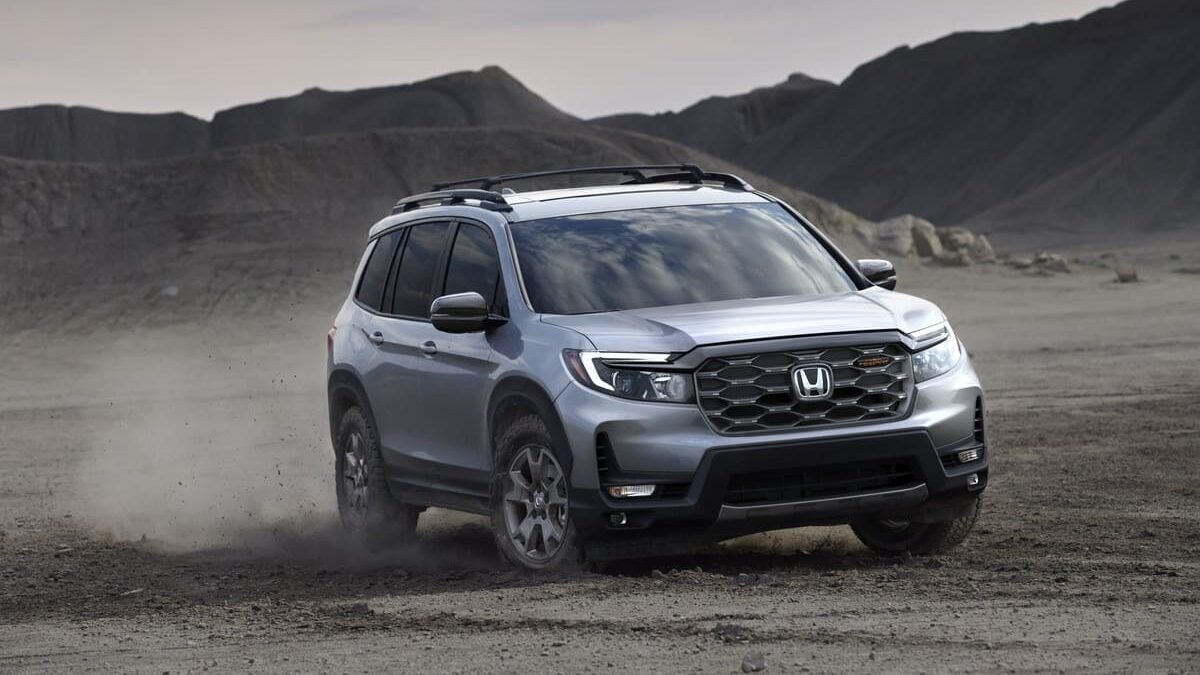
How does the W221 compare to the W220 in terms of reliability?

The W221 is generally more reliable, featuring better rustproofing, refined suspension components, and reduced electronic failures.

Is the AMG version (S 63/S 65) more problematic?

AMG models typically experience higher stress on engine and transmission components, and maintenance costs can be double that of a regular S-Class. However, if well-maintained, they can deliver exhilarating performance with relative reliability.

What kind of fuel economy can I expect?

The S 550 typically achieves 15–17 mpg city and 23–25 mpg highway, while the S 600 or S 65 might see 12–14 mpg city and 19–21 mpg highway. Hybrids like the S 400 Hybrid offer slightly better mileage.

Are part prices significantly higher for a W221 than a Lexus LS or BMW 7-Series?

Sure thing. When it comes to parts for German luxury cars like those high-end sedans, they usually run pricier than similar Japanese ones. For example, if you’re looking at the maintenance costs, a Lexus LS might set you back around $700 to $800. But for a BMW 7-series, it’s more like $1027, and for an S430, you’re looking at about $1090.

Does the W221 rust like the W220 did?

W221 models show far fewer rust issues thanks to improved paint and galvanization techniques. Nonetheless, always inspect potential purchase candidates for signs of corrosion.

Can I perform DIY maintenance on a W221?

Basic tasks like oil changes or brake pad swaps are feasible for skilled DIYers. However, advanced systems (AIRMATIC, Distronic, COMAND) often demand specialized tools and diagnostics.

How often does the air suspension fail?

Failure rates vary by usage and climate, but many owners report strut or compressor issues around 80,000–120,000 miles. Rebuilt or aftermarket kits can reduce costs.

Is a W221 comfortable for daily driving?

Absolutely. The W221’s cabin is among the most serene in its class, making it ideal for commuting. Just be prepared for higher fuel and maintenance bills.

Is the W221 a good first luxury car purchase?

It can be if you’re financially ready. The W221 demands thorough research, a pre-purchase inspection, and budgeting for upkeep. If you fulfill these conditions, it can offer an unmatched luxury experience.


*Disclaimer: This website provides automotive content for informational purposes only and should not be considered professional advice. While we strive for accuracy, we do not guarantee the reliability or suitability of any vehicle or product mentioned—always conduct your own research before making purchasing decisions. Additionally, some links on this site are affiliate links, meaning we may earn a commission if you make a purchase, at no extra cost to you.