
Toyota’s challenge with the sixth-generation 4Runner was unusual: replace an aging platform whose 4.0-liter V6 and five-speed automatic were outdated but thoroughly proven.
The new 4Runner is clearly more advanced, adding the TNGA-F platform, turbocharged power, an eight-speed automatic, available hybrid assistance, and considerably more electronics.
As a new vehicle, it’s better in most measurable ways. But whether it’s the better 10- or 15-year ownership proposition remains unanswered. The old 4Runner’s greatest advantage wasn’t technology—it was time.
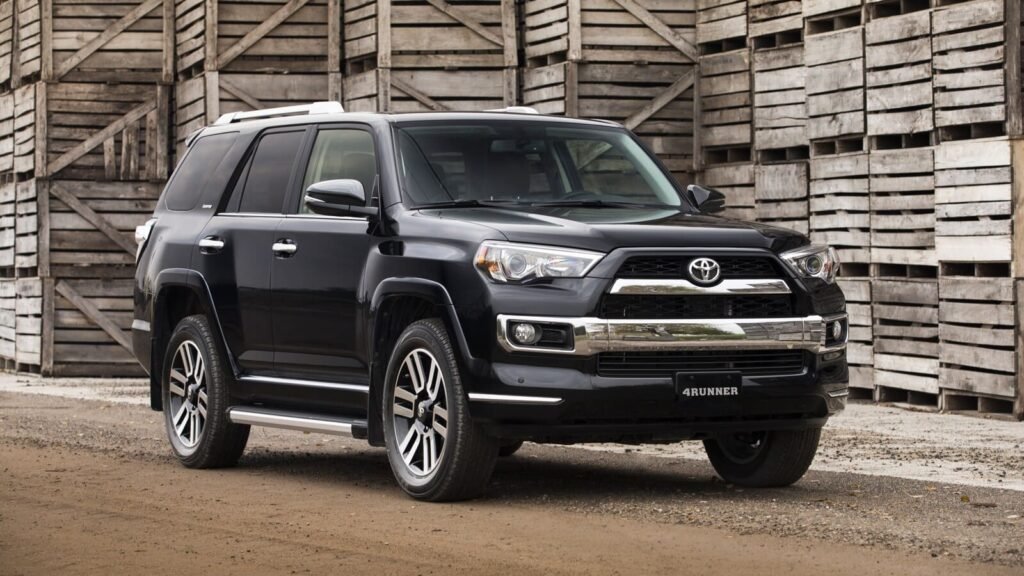
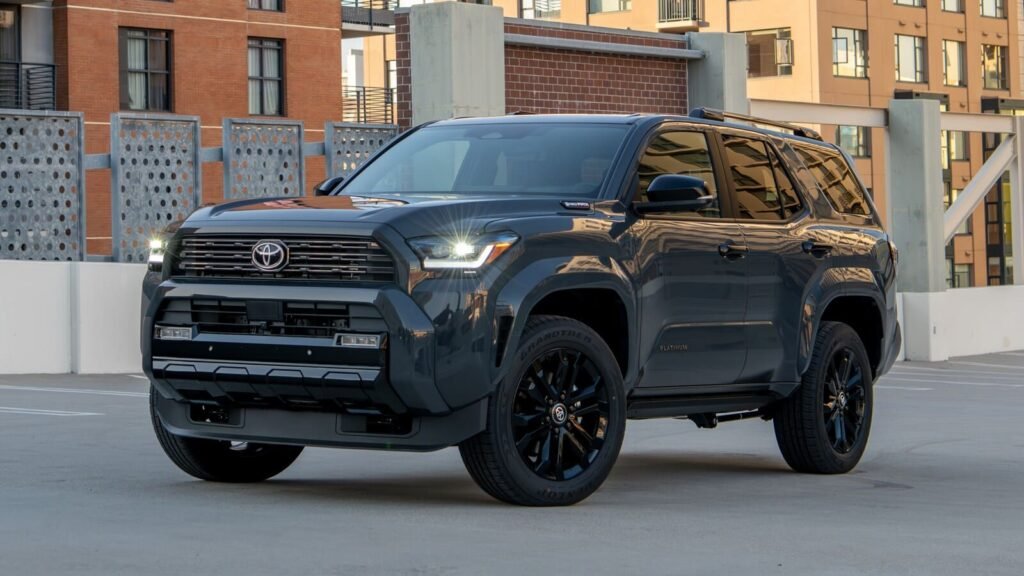
Old 4Runner vs. New 4Runner
| Specification | 2024 4Runner | Sixth-Generation 4Runner |
|---|---|---|
| Standard engine | 4.0L naturally aspirated V6 | 2.4L turbo I4 |
| Horsepower | 270 hp | 278 hp |
| Torque | 278 lb-ft | 317 lb-ft |
| Transmission | 5-speed automatic | 8-speed automatic |
| Hybrid | No | Available |
| Hybrid output | — | 326 hp / 465 lb-ft |
| Maximum towing | 5,000 lb | 6,000 lb |
| Architecture | Fifth-generation body-on-frame | TNGA-F body-on-frame |
| Long-term history | Extensive | Still developing |
The horsepower increase doesn’t tell the full story. The meaningful upgrade is stronger low-end torque, a more flexible eight-speed transmission, and quicker powertrain response.
Those changes matter more in everyday driving, towing, and off-road use than the peak horsepower figure alone.
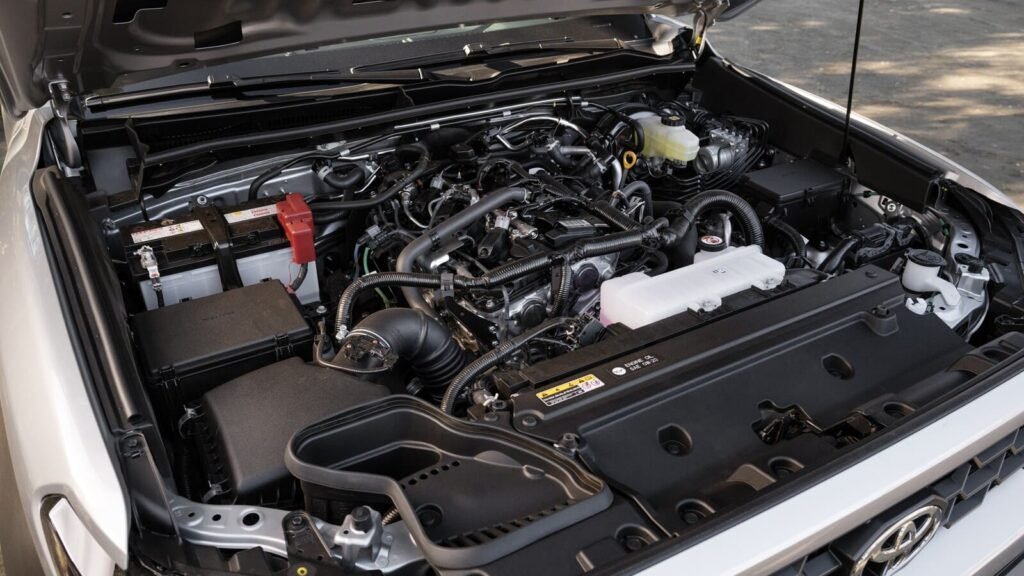
The Four-Cylinder Isn’t Really About Horsepower
Replacing a 4.0-liter V6 with a 2.4-liter turbo four sounds like simple downsizing, but the i-FORCE produces 278 hp and 317 lb-ft, versus 270 hp and 278 lb-ft from the old V6. The horsepower gain is small; the nearly 40 lb-ft increase in torque matters more.
The eight-speed automatic also keeps the engine closer to its useful operating range than the old five-speed could, improving response and efficiency.
The result reflects modern powertrain engineering: more performance from less displacement, but with greater complexity. Both can be true—the new system is more capable, while the old one remains more proven.
i-FORCE MAX Is Not a Prius System in a 4Runner
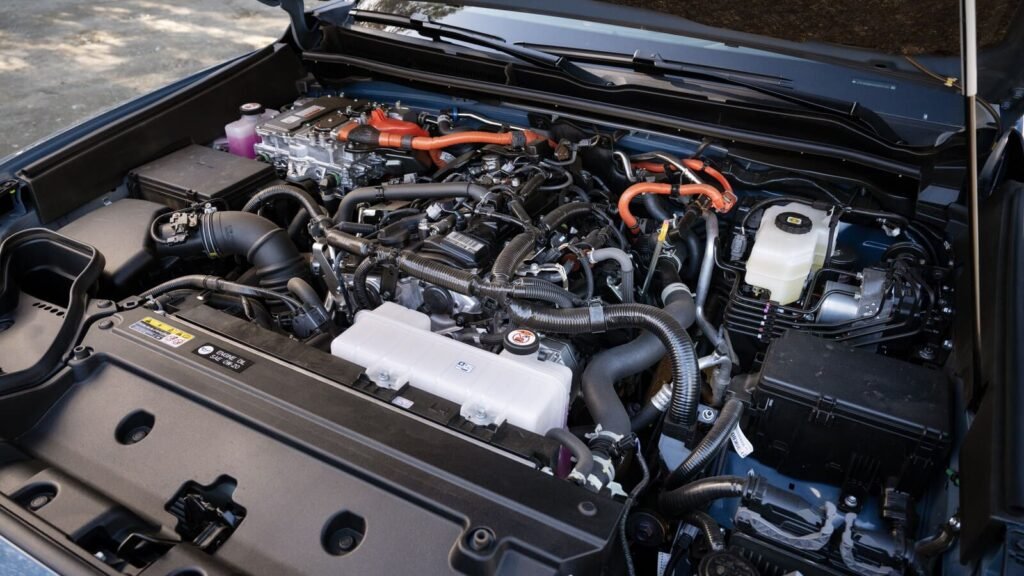
The optional i-FORCE MAX makes Toyota’s strategy clearer. A 48-hp electric motor sits between the 2.4-liter turbo engine and eight-speed automatic, helping produce 326 hp and 465 lb-ft of torque.
This isn’t primarily an economy hybrid. Electric assistance provides immediate torque, making a heavy body-on-frame SUV stronger and more responsive, particularly at low speeds.
The broader lesson is important: not every hybrid is designed to maximize MPG. In vehicles like the 4Runner and Sequoia, electrification is also a performance and capability tool.
TNGA-F May Be the Bigger Change
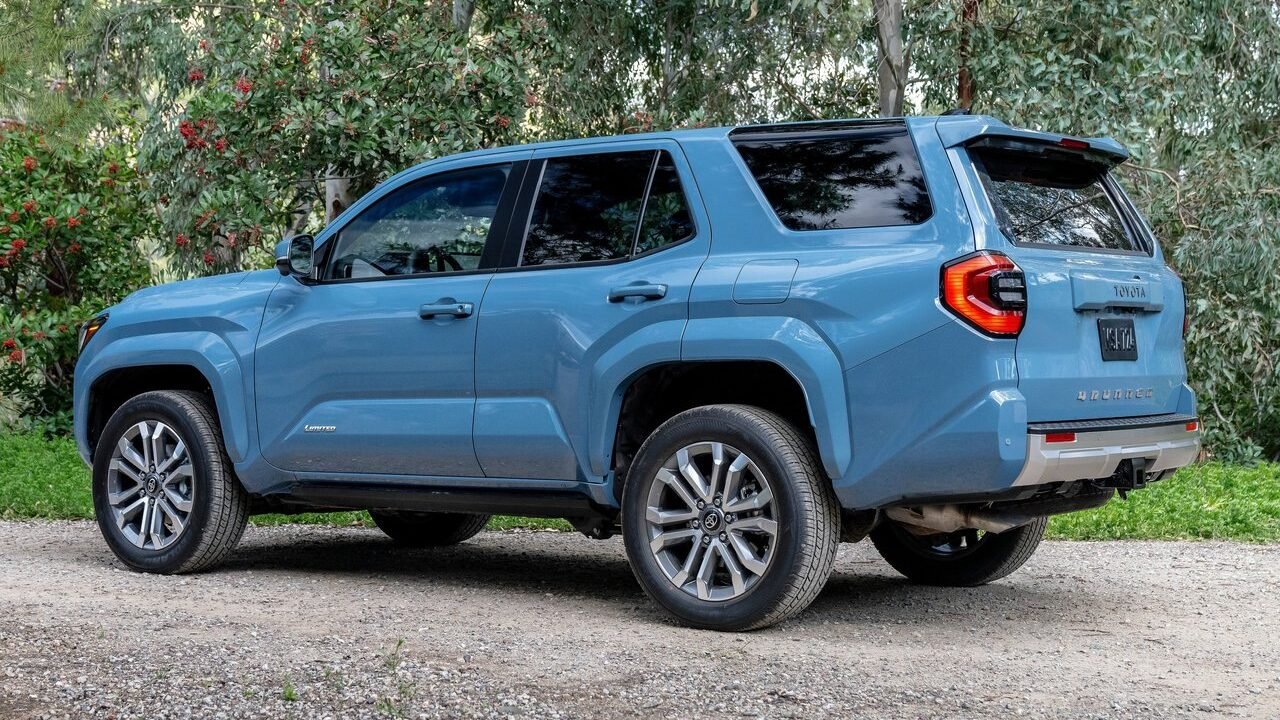
The engine gets the attention, but the move to Toyota’s TNGA-F body-on-frame architecture may be more important. Sharing an architecture with vehicles such as the Tacoma, Land Cruiser, Tundra, and Sequoia lets Toyota spread engineering lessons, manufacturing improvements, and development costs across multiple programs.
But shared platform doesn’t mean identical vehicle. Suspension, powertrains, dimensions, electronics, and calibrations can still differ substantially.
So a mature platform is encouraging, but it doesn’t automatically prove every configuration built on it. Platform maturity and powertrain maturity aren’t the same thing.
Toyota Traded Simplicity for System Efficiency
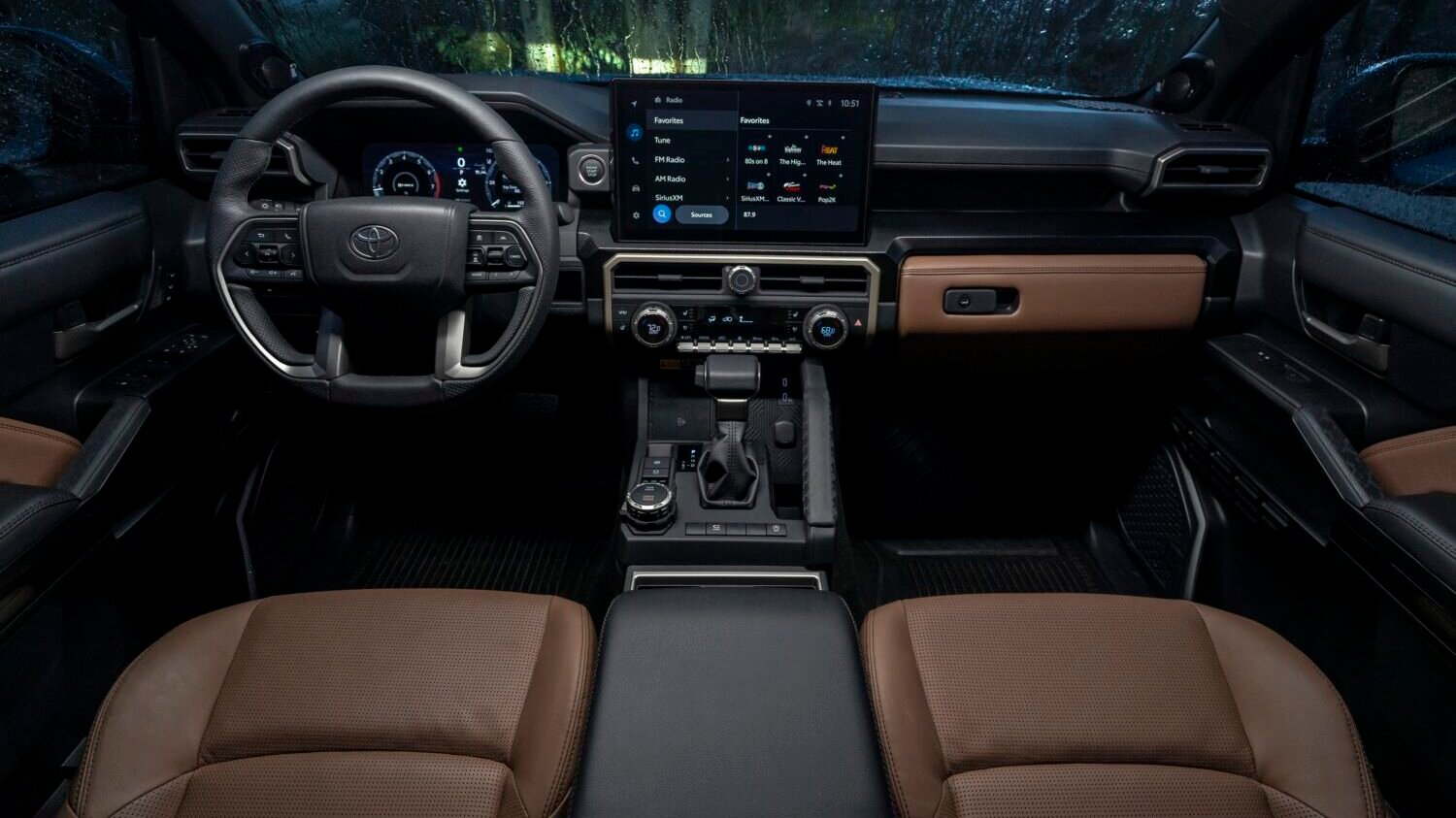
The new 4Runner adds substantially more safety technology, including Toyota Safety Sense 3.0. But more safety equipment and better demonstrated crash performance aren’t automatically the same thing.
The Insurance Institute for Highway Safety (IIHS) rates the 2026 4Runner Good in the driver-side small-overlap and updated side-impact tests, but only Marginal in the updated moderate-overlap test. That evaluation places greater emphasis on rear-passenger protection, including restraint performance—an area older crash tests examined less aggressively.
Headlight performance also varies by trim and production date, with IIHS noting improvements on certain 4Runners built after January 2026.
None of this means the 4Runner is unsafe. It means newer safety technology doesn’t automatically equal class-leading crashworthiness. Modern tests keep becoming more demanding precisely because vehicles have become better at passing the old ones.
The technology improves. The benchmark moves with it.
The Safety Story Is More Complicated Than “Newer Is Safer”
The new 4Runner adds Toyota Safety Sense 3.0, but more safety technology doesn’t automatically mean perfect crash-test results.
IIHS rates the 2026 4Runner Good in the driver-side small-overlap and updated side tests, but Marginal in the updated moderate-overlap test, where rear-seat protection is particularly important. Headlight performance also varies by trim and production date.
That doesn’t make the 4Runner unsafe. It simply shows why buyers should evaluate independent crash-test performance alongside the equipment list.
Modern crash testing is becoming harder precisely because manufacturers have already become good at passing older tests, therefor the benchmark keeps moving.
The New 4Runner Is Better at Being a Modern 4Runner
The sixth-generation 4Runner expands its off-road capability most clearly through the new Trailhunter and redesigned TRD Pro.
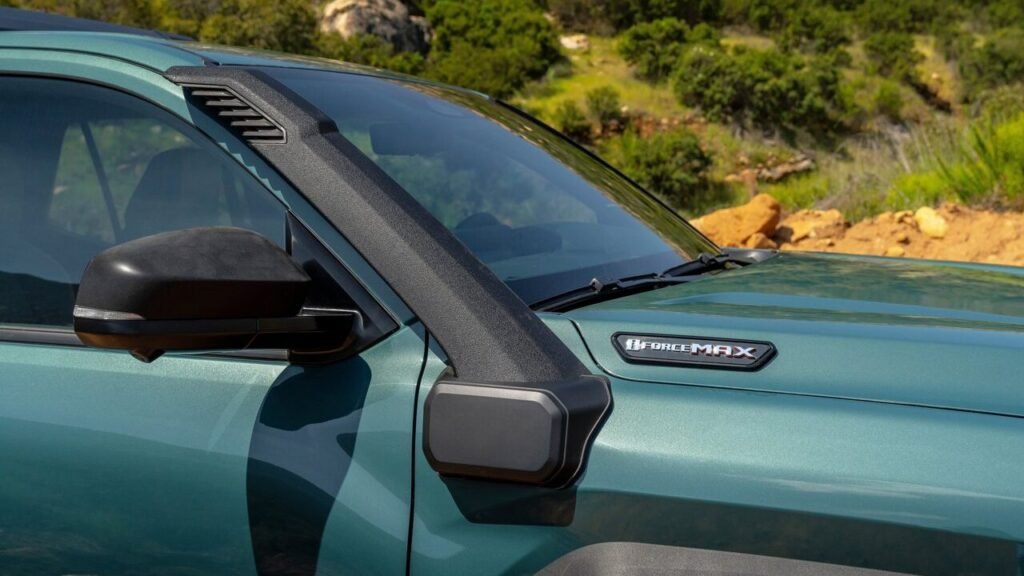
Trailhunter adds a factory high-mounted air intake designed to draw cleaner air above trail dust. It looks like a snorkel, but Toyota doesn’t present it as a deep-water-wading system—an important distinction because a raised intake alone doesn’t waterproof electronics, drivetrain breathers, or other vulnerable components.
More significantly, Trailhunter combines Old Man Emu 2.5-inch forged shocks, 33-inch all-terrain tires, steel protection, rock rails, an onboard air compressor, ARB roof rack, auxiliary switches, and a 2,400-watt AC inverter. TRD Pro takes a more trail-performance-focused approach with FOX QS3 adjustable shocks, rear remote reservoirs, and 33-inch tires.
The advantage isn’t simply more accessories. Factory integration lets Toyota engineer suspension geometry, packaging, electrical loads, and mounting around the hardware from the beginning—although specialized components can also increase future maintenance costs.
Toyota’s official specifications also list up to 6,000 pounds of towing capacity. The redesign therefore does more than modernize the 4Runner: it expands what the vehicle can do straight from the factory without abandoning its body-on-frame identity.
What the Old 4Runner Still Does Better
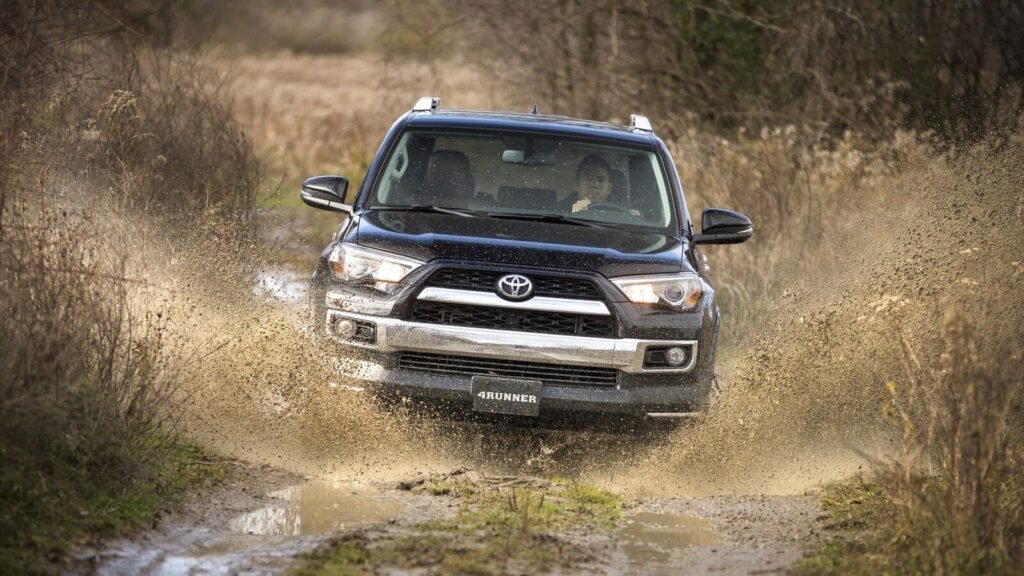
The fifth-generation 4Runner has one advantage Toyota cannot engineer into a new model: 15 years of history. Its common problems, maintenance needs, parts supply, and repair knowledge are already well established, backed by enormous real-world mileage.
The V6 is thirsty, the five-speed automatic feels ancient, and the cabin is dated. But used buyers gain something valuable in return: most of the platform’s weaknesses have already had years to reveal themselves.
That’s why the 2024 4Runner remains compelling even after the redesign.
Should You Buy a 2024 or a 2025–2026 4Runner?
Choose the 2024 4Runner: if proven hardware, established repair knowledge, and long-term reliability evidence matter more than efficiency, performance, or technology.
Choose the sixth generation: if you want stronger torque, a better transmission, newer safety technology, improved capability, and available hybrid assistance. For everyday use, it’s clearly the more modern vehicle.
But if maximum long-term reliability is your priority, the old 4Runner still holds one advantage: evidence. The new generation may eventually prove equally durable, but Toyota’s reputation isn’t a substitute for 10 or 15 years of real-world data.
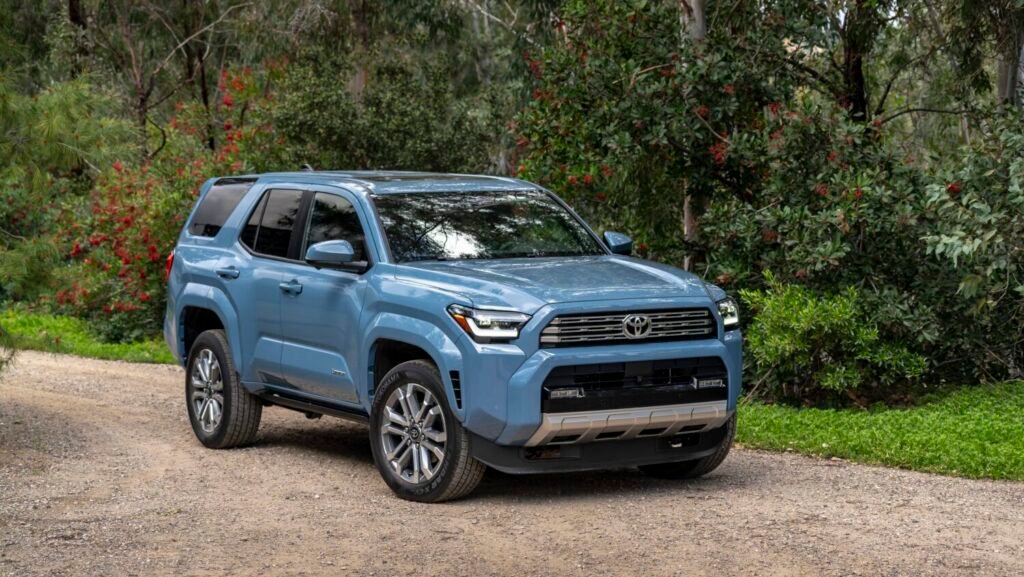
Is the Sixth-Generation 4Runner Actually Better?
As an engineering product, yes. The sixth-generation 4Runner delivers more torque, transmission flexibility, towing capability, technology, and available electrification while preserving its body-on-frame, off-road character.
The bigger change is philosophical. The fifth generation relied on maturity and incremental refinement; the sixth relies on turbocharging, electronics, hybridization, and platform integration.
That makes the new 4Runner more capable. It doesn’t yet make it more proven. For long-term buyers, that distinction matters more than most numbers on the specification sheet.
- Chinese Cars Are Winning the Technology Race—But Will They Last?
- 2024 Toyota Camry Reliability: Is It Toyota’s Smartest Buy?
- 2023 Toyota Camry Reliability: Is Paying More Really Worth It?
- 10 Most Reliable Used Cars in 2026: Specific Years to Buy
- 2022 Toyota Camry Reliability: Is It the Best Used Camry?
- Car Reliability Ratings Explained: Which Ones Can You Actually Trust?
*Disclaimer: This website provides automotive content for informational purposes only and should not be considered professional advice. While we strive for accuracy, we do not guarantee the reliability or suitability of any vehicle or product mentioned—always conduct your own research before making purchasing decisions. Additionally, some links on this site are affiliate links, meaning we may earn a commission if you make a purchase, at no extra cost to you.