Thursday, April 2, 2026
spot_img
Home Blog Page 8

Top BMW X Models: Here Are The Most Dependable Choices

BMW’s X series has become a key player in the luxury SUV scene, mixing performance, comfort, and practicality while keeping the fun driving feel the brand is known for. But when it comes to reliability, not every BMW X model is on the same page.

It took BMW a long time—almost 70 years—to jump into the SUV world, which was called the 4×4 segment back in the day. But maybe that wait helped them nail the idea of making taller vehicles that still had sporty handling. What started as a rough idea turned into what everyone else aims for, especially the high-end brands. Today, we even see Ferrari and Bentley entering the SUV market—though Ferrari’s attempt feels a bit off.

BMW E53 X5
BMW E53 X5

Also Read:
Prepare your car for winter with essential battery replacement tips for 2025. Ensure optimal performance and safety during the cold months ahead.


I remember not everyone was super excited about this shift at first. But BMW fans seemed to be more open to the idea compared to other luxury brand followers. When BMW rolled out its first X model, the E53 X5, the buzz was huge. Thankfully, it met those big expectations. Built on the same platform as the rugged L322 Range Rover, the X5 wasn’t a true off-roader, but it got a nice boost from Land Rover’s all-wheel-drive system. Plus, for its size, it handled really well with sharp steering and great control on the road.

But there’s more to the story than just that. Over the years, the X5 started to get a reputation for having reliability troubles, dealing with issues like suspension problems, drivetrain glitches, interior quality, and even door handle failures.

Even with those bumps along the way, the X5 opened the door for a whole lineup of BMW SUVs, from the smaller X1 to the big X7, attracting a broad range of customers. Still, BMW’s spotty reliability record—especially after the warranty runs out—has turned off quite a few potential buyers, even with the brand’s appealing sportiness.

In this article we’re gonna check out which BMW X models are worth checking out and which ones you might wanna pass on.
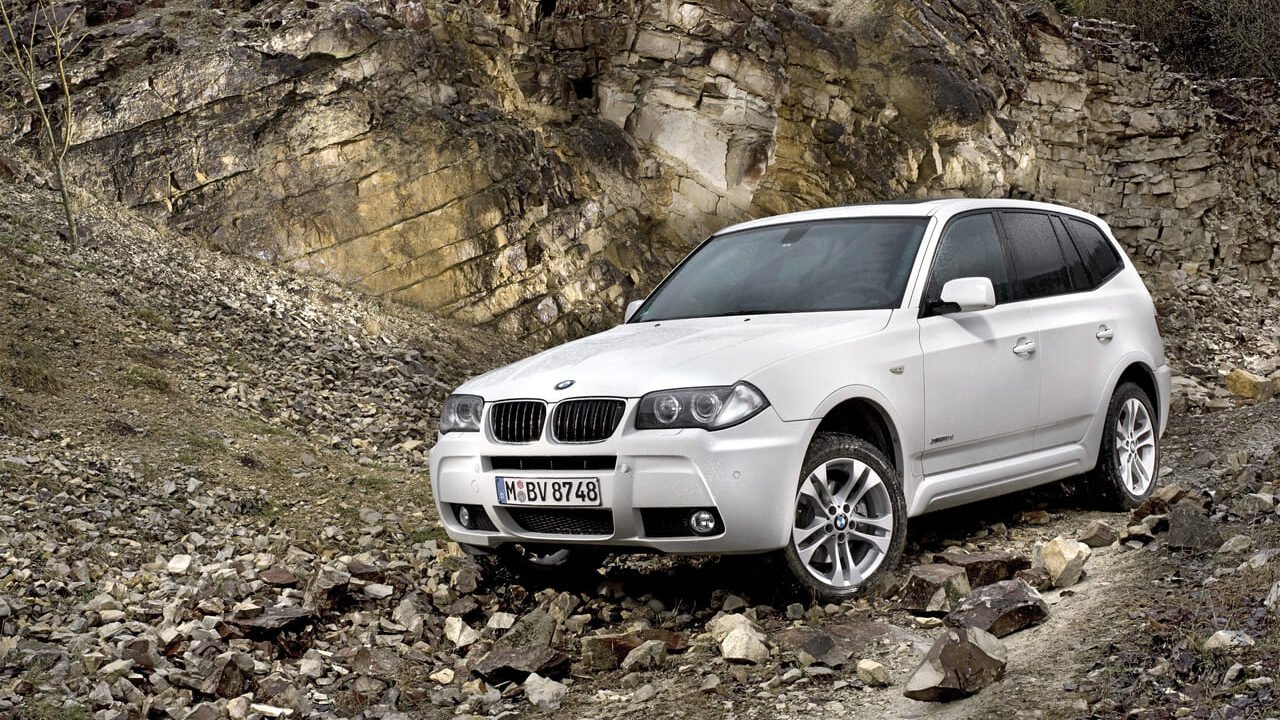
1. 2004 – 2010 BMW X3 (E83)

Available Engines:

  • Petrol:
    • 2.0L I4 (N46) (not available in the USA)
    • 2.5L I6 (M54 / N52)
    • 3.0L I6 (M54 / N52)
  • Diesel: (Not officially sold in the USA)

Pros:

  • Solid, mechanical feel with hydraulic steering for excellent feedback.
  • Strong reliability with the M54 and N52 inline-six engines.
  • Compact size makes it a great daily driver with SUV practicality.

Cons:

  • Stiff ride quality due to a harsher suspension setup.
  • Early models with M54 engines are prone to oil leaks and cooling system failures.
  • GM-supplied 5L40-E automatic transmission (on pre-2007 models) has known reliability issues.

Verdict:

The first-gen X3 is a fun and engaging SUV if you avoid the base trims. Opt for the later models (post-2007) with the N52 engine and the ZF 6-speed auto for better reliability.

2. 2007 – 2013 BMW X5 (E70)

Available Engines:

  • Petrol:
    • 3.0L I6 (N52 / N55)
    • 4.8L V8 (N62)
    • 4.4L Twin-Turbo V8 (N63, X5 xDrive50i)
  • Diesel:
    • 3.0L I6 Turbo Diesel (M57, later N57 in 2012+ models)

Pros:

  • First BMW X5 with a proper third row (though tight for adults).
  • M57 diesel engine offers legendary reliability and fuel efficiency.
  • Improved ride comfort compared to the E53, with adaptive suspension options.
  • xDrive system is capable in snow and mild off-road conditions.

Cons:

  • N62 and N63 V8s have notorious reliability issues (timing chain stretch, valve stem seals, high oil consumption).
  • Early N55 models can suffer from HPFP (high-pressure fuel pump) failures.
  • Some electrical gremlins, especially with the iDrive system.

Verdict:

The E70 X5 is a solid choice if you stick to the N52 I6 or the diesel variant (M57/N57). Avoid the N62/N63 V8 unless you’re willing to invest in extensive preventative maintenance.

Also Read:
Want to wash your BMW at home? Here’s a simple step-by-step guide for you. We’ll go over how often to wash it and what products to grab.


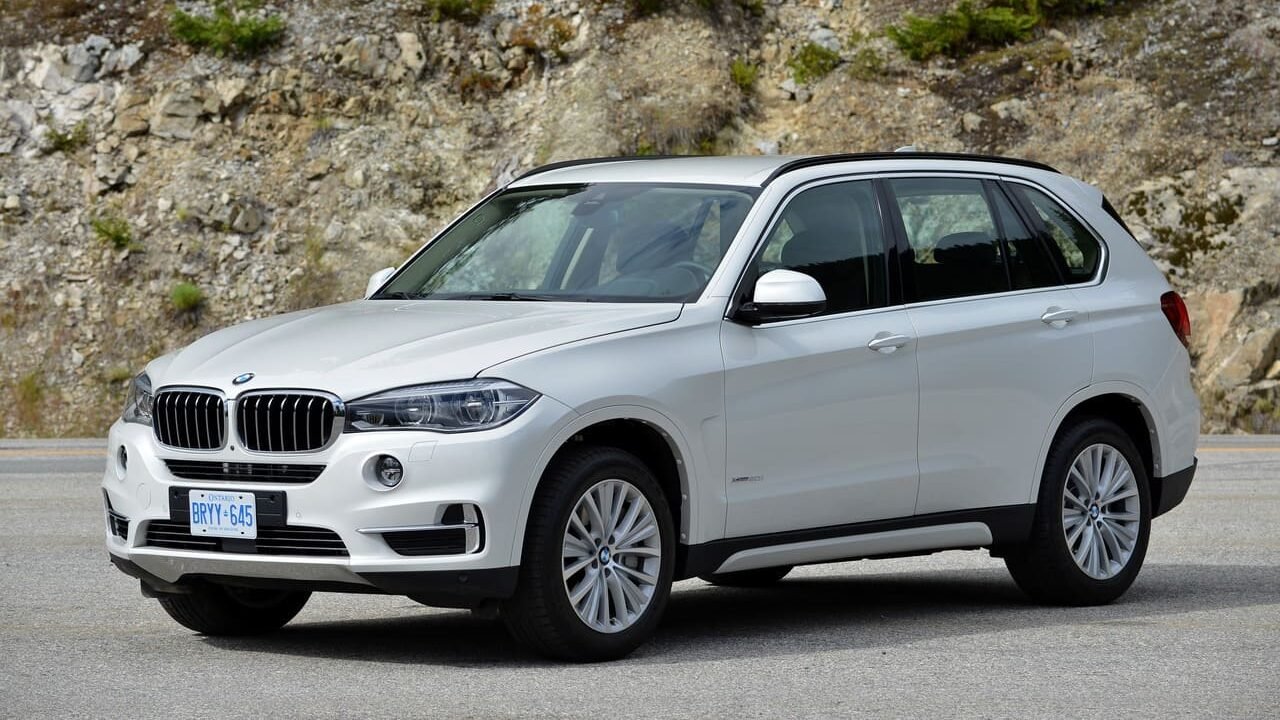
3. 2014 – 2018 BMW X5 (F15)

Available Engines:

  • Petrol:
    • 3.0L I6 Turbo (N55)
    • 4.4L Twin-Turbo V8 (N63TU)
  • Diesel:
    • 3.0L I6 Turbo Diesel (N57)
  • Plug-in Hybrid:
    • 2.0L I4 Turbo Hybrid (B48 + electric motor, X5 xDrive40e)

Pros:

  • More refined ride quality compared to previous X5 generations.
  • N63TU V8 was a slight improvement over the older N63 (still has reliability concerns, though).
  • Diesel (N57) remains one of the most durable BMW engines.
  • Improved interior quality and tech features.

Cons:

  • N63TU still exhibits oil consumption issues and carbon buildup.
  • Hybrid model (X5 xDrive40e) has complex electronics, which could lead to costly repairs.
  • Air suspension components prone to failure over time.

Verdict:

The F15 X5 is an excellent all-rounder, especially in diesel form. Stick with the N57 or N55 for the best reliability, and avoid the plug-in hybrid unless you really need one.
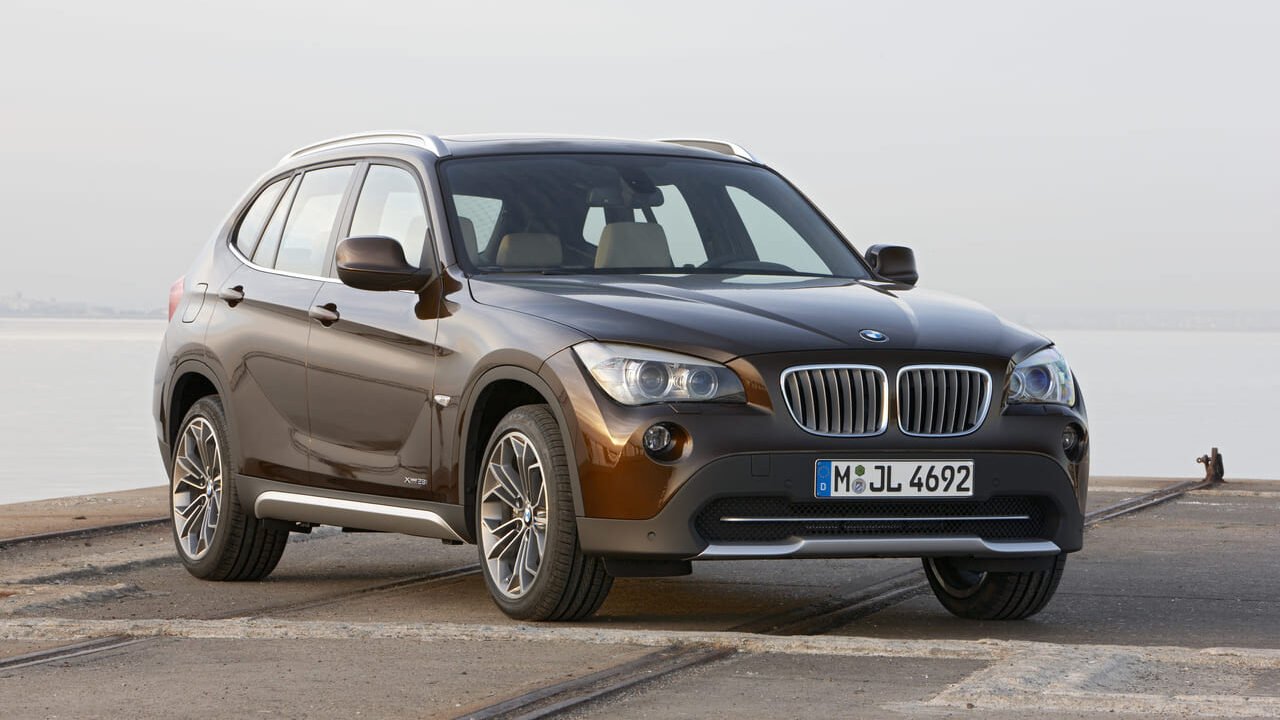
4. 2013 – 2015 BMW X1 (E84)

Available Engines:

  • Petrol:
    • 2.0L Turbo I4 (N20, sDrive28i/xDrive28i)
    • 3.0L Turbo I6 (N55, xDrive35i)

Pros:

  • More engaging to drive than other small luxury SUVs.
  • N55 inline-six version (xDrive35i) offers impressive performance.
  • Compact size makes it nimble in urban environments.
  • Traditional hydraulic steering in early models provides excellent road feel.

Cons:

  • N20 four-cylinder suffers from timing chain and timing guide issues (pre-2015 models especially).
  • Stiff ride quality due to sporty suspension tuning.
  • Interior feels somewhat dated compared to newer BMW models.

Verdict:

The E84 X1 is a fun, compact SUV if you choose the N55 I6 version. Be cautious with early N20-equipped models due to timing chain issues.
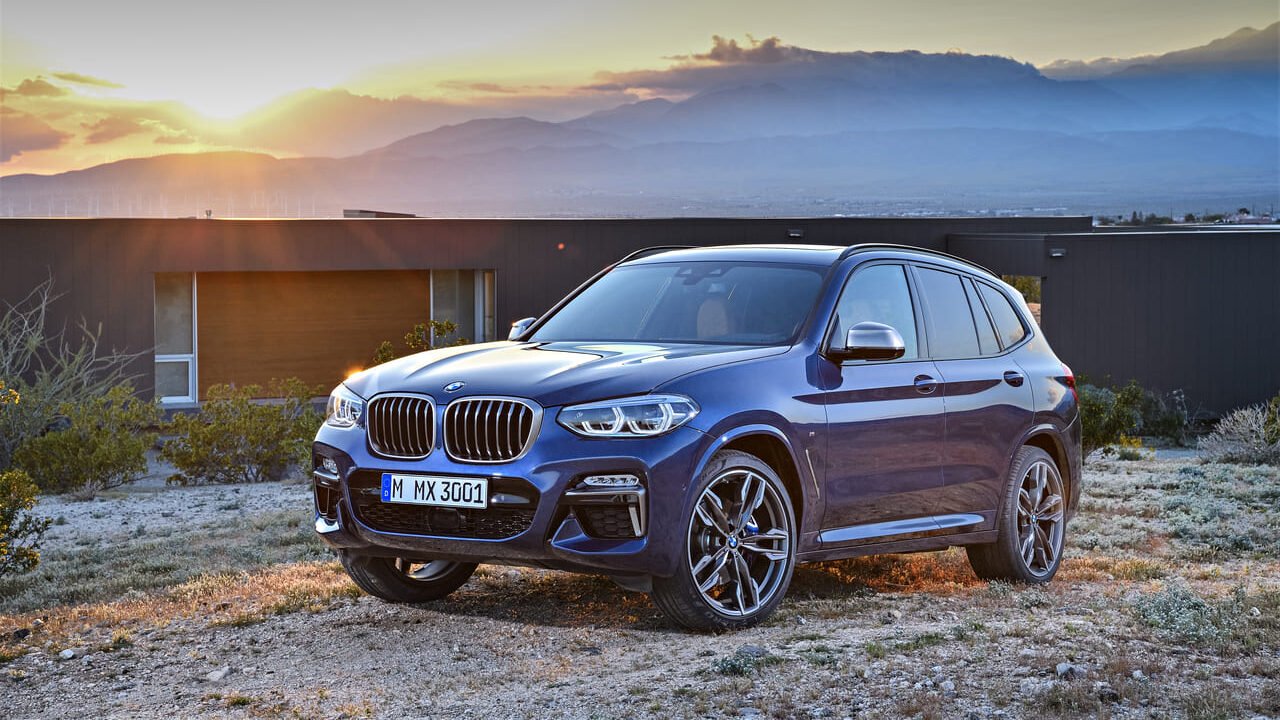
5. 2018 – 2024 BMW X3 (G01) & 2018 – 2024 BMW X4 (G02)

Available Engines:

  • Petrol:
    • 2.0L Turbo I4 (B46, xDrive30i)
    • 3.0L Turbo I6 (B58, M40i)
  • Plug-in Hybrid:
    • 2.0L Turbo I4 Hybrid (B46 + electric motor, xDrive30e)

Pros:

  • B58 I6 engine in M40i is one of BMW’s best modern engines.
  • More balanced chassis compared to rivals like the Audi Q5.
  • Improved iDrive system and digital cockpit.
  • Strong resale value and solid reliability compared to older X models.

Cons:

  • Some early B46 four-cylinder models had fuel injector and oil leak issues.
  • M40i models with adaptive dampers can be pricey to repair out of warranty.
  • Plug-in hybrid variant adds complexity and weight.

Verdict:

The G01 X3 is arguably one of the best modern BMW SUVs. If reliability is key, the B58-powered M40i is a strong choice. Avoid the hybrid if you want to keep things simple. If you want to learn more about the G01 BMW X3 just take a look at this article.

Final Thoughts

BMW’s X models have had their ups and downs when it comes to reliability but some really shine as dependable choices. If you’re looking for a tough, performance-driven SUV that won’t give you too many headaches, here are you best options:

  • E83 X3 (after 2007, N52 engine)
  • E70 X5 (diesel version, M57/N57 engine)
  • F15 X5 (N55 or N57 engine)
  • G01 X3 (M40i model with B58 engine)

When it comes to picking the right BMW X model just remember to keep an eye on the potential issues with each engine. Stick with the engines that have a solid track record, steer clear of quirks from the earlier production years, and you should end up with a reliable ride that offers both luxury and a fun driving experience.


If you liked this post, check out our article, “Top 10 Longest Lasting SUVs You Can Buy Today.” Dive into our site for detailed car reviews, handy buying tips, and the newest news in the industry. Take your time to browse, and make sure to bookmark our homepage for updates later!


*Disclaimer: This website provides automotive content for informational purposes only and should not be considered professional advice. While we strive for accuracy, we do not guarantee the reliability or suitability of any vehicle or product mentioned—always conduct your own research before making purchasing decisions. Additionally, some links on this site are affiliate links, meaning we may earn a commission if you make a purchase, at no extra cost to you.
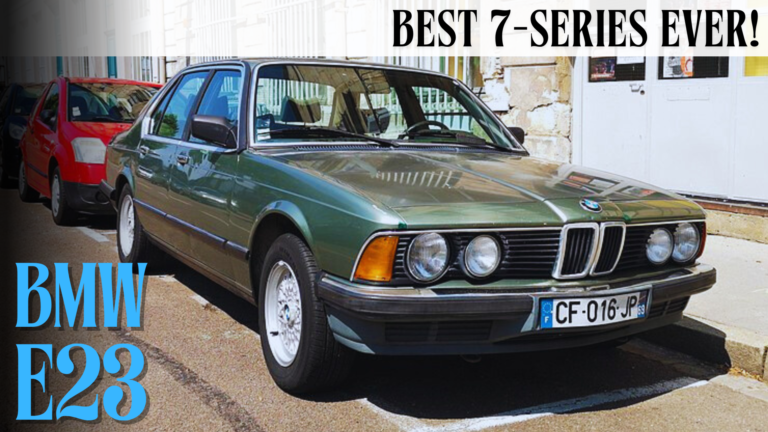
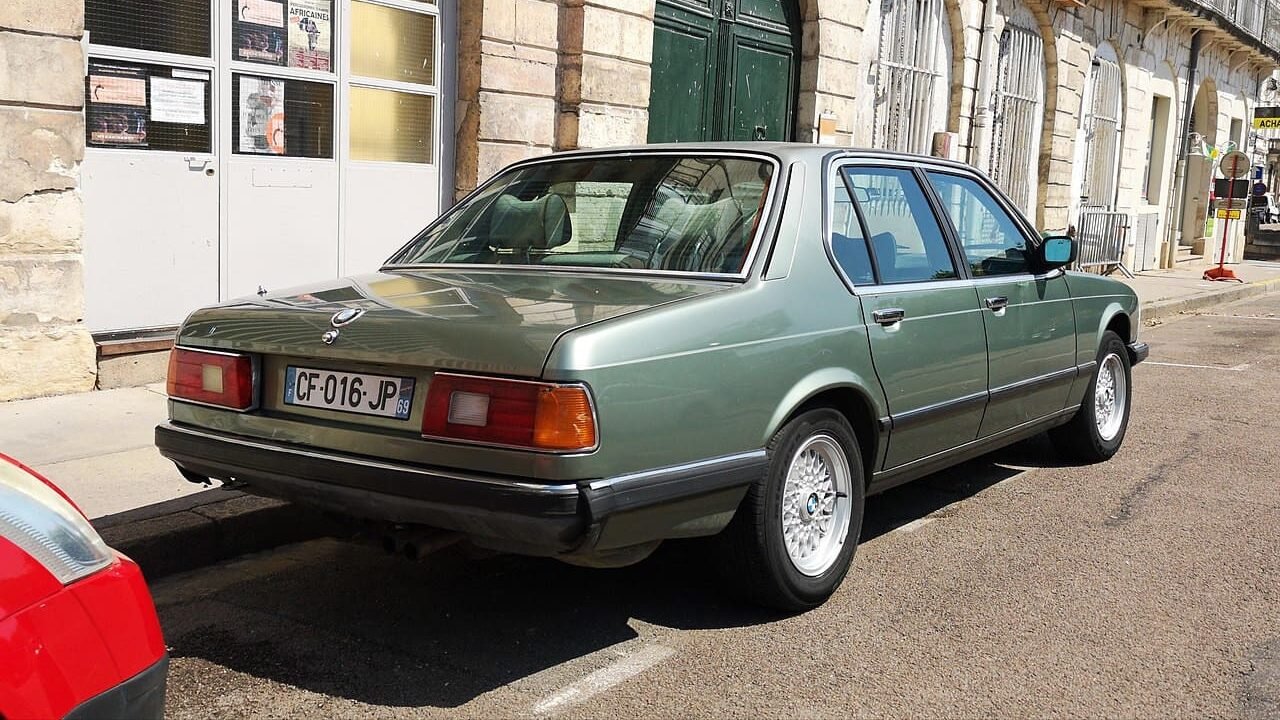
E23 BMW: Embracing the Classic Charm of the First 7-Series

Some childhood memories shape the way we see the world, and for me, stepping inside an E23 BMW 730 for the first time was one of those moments. It belonged to our neighbor—an elegant, commanding presence I had only seen in car magazines. Seeing it in person was surreal.

My father’s Land Cruiser was a tough, go-anywhere machine, and my mother’s Volvo 240 was a tank of practicality, but the E23? Even though it was a used BMW 7 series, at least a decade old at the time, it still felt like something entirely different.

I still remember the weight of the doors, how the dashboard wrapped around the driver like a cockpit, and the way it glided down the road with effortless grace. Even as a kid, I could tell this car was engineered to a different standard. That was the day I understood what made a BMW special—and that feeling never left me.

The E23: A Game Changer for BMW

Introduced in 1977 and produced until 1987, the E23 was BMW’s first foray into the luxury sedan segment under the now-iconic 7-Series badge. Replacing the aging E3 “New Six” sedans, the E23 set the foundation for what a BMW flagship sedan should be—luxurious yet driver-focused, technologically advanced yet unmistakably connected to the brand’s sporting DNA.

Production Years & Variants (USA Market)

  • 1978-1987 (North America)
  • Codenamed: E23
  • Available engines in the USA:
    • M30B28 – 2.8L I6 (1978-1979)
    • M30B32 – 3.2L I6 (1978-1984)
    • M30B34 – 3.4L I6 (1983-1987)
    • M102/M106 – 3.2L & 3.4L Turbocharged I6 (745i, 1980-1986; Europe only)

The E23 retained BMW’s inline-six heritage, utilizing the venerable M30 engine family, which had already proven its reliability and refinement. Though the North American market never received the turbocharged 745i variant, the naturally aspirated models still delivered smooth and robust performance, especially for their time.

Technology and Innovation

One of the most remarkable aspects of the E23 was its technological advancement. While BMW had always been at the forefront of driver-focused engineering, the E23 took things a step further with features that were ahead of their time, including:

  • Onboard diagnostics – One of the first BMWs to feature a primitive check control system.
  • ABS (Anti-lock Braking System) – Standard on later models, enhancing safety and control.
  • Electronic climate control – A rare feature in the late 1970s, ensuring a comfortable cabin environment.
  • Power-adjustable seats & cruise control – Adding to its luxury appeal.

At a time when most luxury sedans were heavy, boat-like machines prioritizing comfort over precision, the E23 stood apart by offering both—something BMW has since made a hallmark of its 7-Series lineage.

Driving Experience: How It Stacks Up Today

By modern standards, the E23 is not a fast car, but what it lacks in outright performance, it makes up for in driving feel. The steering is communicative, the suspension is firm but compliant, and the inline-six engines, though not particularly powerful by today’s standards, deliver a smooth and predictable surge of power. Compared to its contemporaries—such as the Mercedes-Benz W126 S-Class—it feels much more engaging, staying true to BMW’s driver-centric philosophy.

However, it is not without flaws. The E23 was notorious for electrical gremlins, and as with most classic BMWs, rust is a constant concern. Parts availability can be challenging for certain trim-specific components, though the M30 engine itself is well-supported within the BMW community.

Why the E23 Still Matters Today

For enthusiasts, the E23 represents the genesis of the 7-Series—a lineage that has gone on to define BMW’s flagship luxury segment. Unlike later 7-Series models that became increasingly complex and burdened with technology, the E23 remains relatively simple, retaining the mechanical purity that made classic BMWs so special.

If you’re considering an E23 today, it’s essential to seek one with a well-documented history, preferably from a dry climate. Avoid neglected examples, as restoration costs can quickly spiral out of control. But for those who appreciate classic BMW engineering, the E23 remains one of the most rewarding vintage luxury sedans to own.

BMW’s first 7-Series was a statement of intent—a declaration that luxury and driving pleasure were not mutually exclusive. It may not have the digital wizardry of modern 7-Series models, but the E23 remains a masterpiece of old-school BMW craftsmanship.


If you’re a fan of classic BMWs, you might also be interested in Top BMW X Models: The Most Dependable Choices—a must-read before diving into the world of vintage executive sedans.

Also, don’t forget to bookmark our homepage and explore more in-depth car reviews and buying guides.


*Disclaimer: This website provides automotive content for informational purposes only and should not be considered professional advice. While we strive for accuracy, we do not guarantee the reliability or suitability of any vehicle or product mentioned—always conduct your own research before making purchasing decisions. Additionally, some links on this site are affiliate links, meaning we may earn a commission if you make a purchase, at no extra cost to you.
Top Luxury Compact SUVs of 2024: Dependability and Plushness Combined

The luxury compact SUV segment has never been more competitive, with automakers constantly pushing the limits of technology, refinement, and performance.

While high-end features and cutting-edge tech are tempting, reliability remains a top priority—because the last thing you want is your sleek new ride leaving you stranded on the way to an important appointment.

In this guide, we break down the best luxury compact SUVs of 2024, highlighting the top engine choices for long-term ownership.

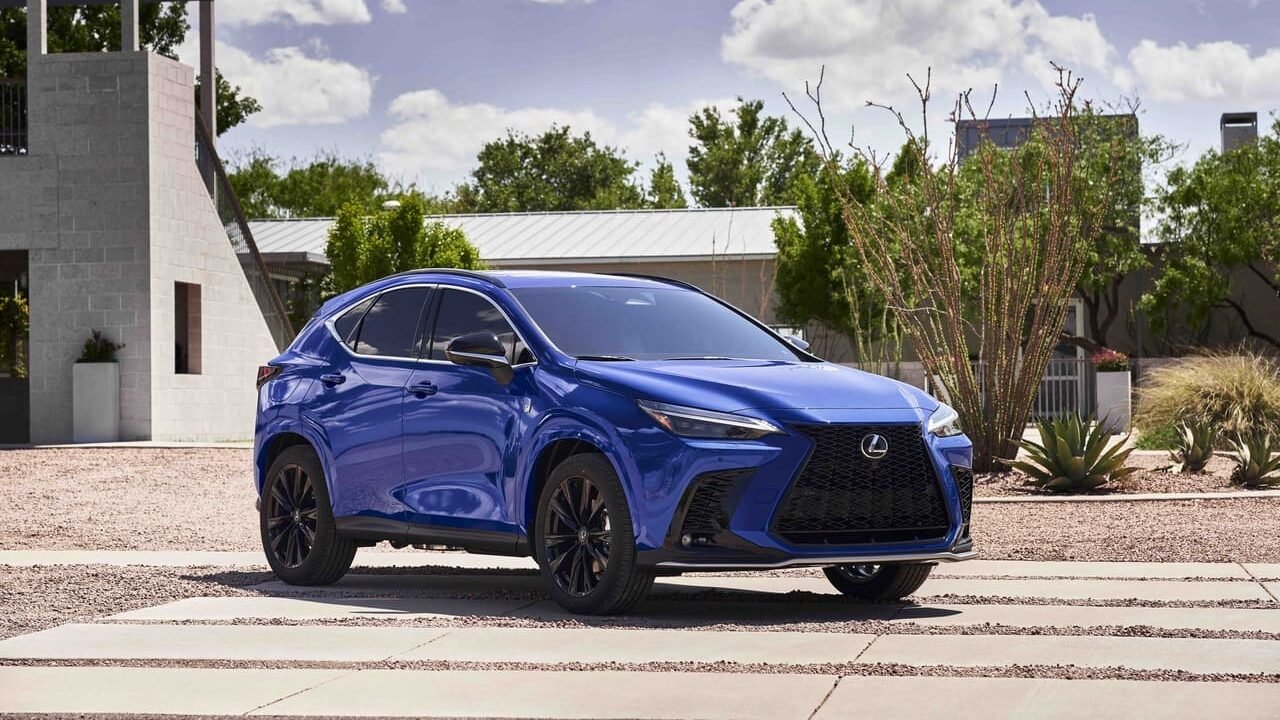
1. 2024 Lexus NX Hybrid

Best Recommended Engine: 2.5L I4 Hybrid

Lexus has built its reputation on unparalleled reliability, and the 2024 NX Hybrid continues this legacy. Redesigned in 2022, the second-generation NX refines its formula with a more modern interior, an updated infotainment system, and improved ride dynamics.

Pros:

  • Unmatched reliability – Lexus remains the benchmark for dependability.
  • Hybrid efficiency – The 2.5L delivers an impressive 39 mpg combined.
  • Solid resale value – Retains its worth better than most competitors.

Cons:

  • Mediocre driving dynamics – The 2024 NX leans more towards comfort than engagement.
  • Touchscreen-heavy interior – Physical buttons are reduced, which may frustrate some traditionalists.

For those seeking reliability without sacrificing luxury, the 2024 Lexus NX Hybrid is a safe bet. However, if sportiness is a priority, other options may be more engaging.

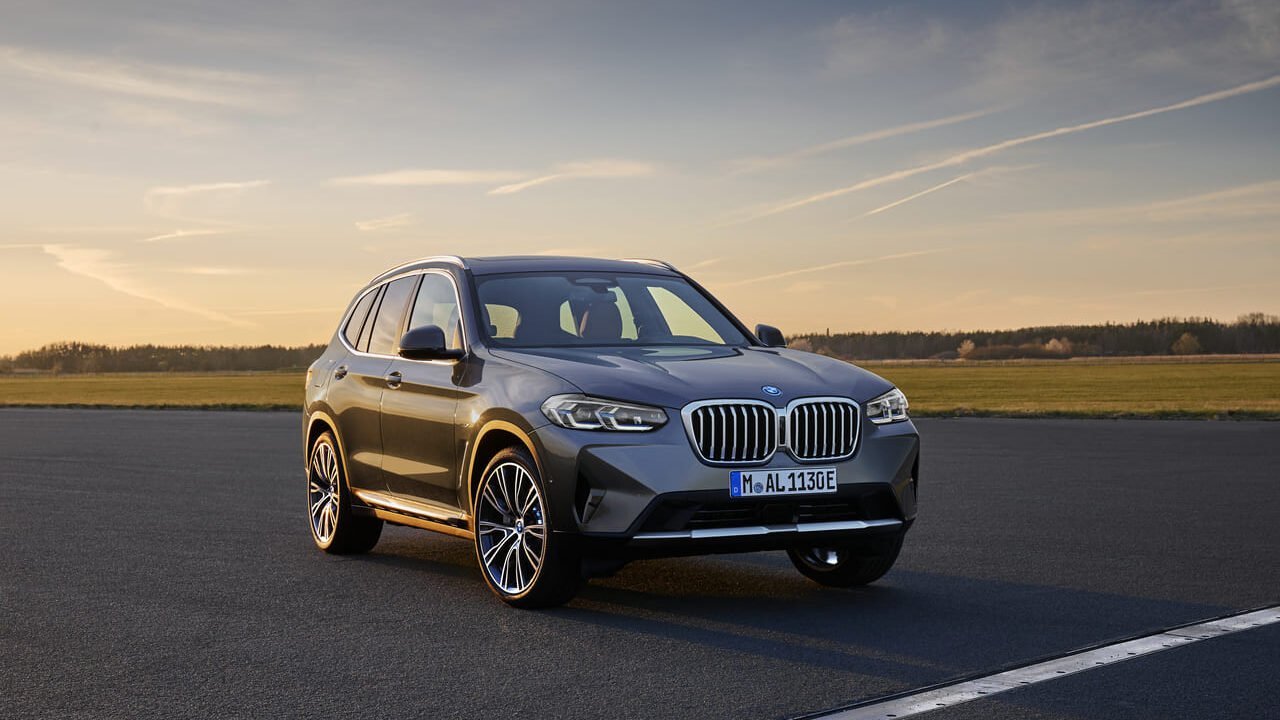
2. 2024 BMW X3

Best Recommended Engine: 3.0L I6 Turbo (codenamed: B58)

The third-generation BMW X3 remains a standout choice for those who want a luxury SUV that actually drives like a BMW. The B58 inline-six in the 2024 X3 M40i trim is the sweet spot, blending performance and dependability.

Pros:

  • Engaging driving dynamics – One of the most fun-to-drive compact SUVs.
  • B58 engine reliability – Well-regarded for its durability and smooth power delivery.
  • Spacious and high-quality interior – A step above previous generations.

Cons:

  • Run-flat tires compromise ride comfort – Consider swapping for conventional tires.
  • Infotainment complexity – iDrive has a learning curve for some users.

Unlike past BMW turbocharged engines (like the N20, which had timing chain issues), the B58 has proven to be robust, making it a compelling choice for performance-minded buyers who still want a reliable ride.

3. 2024 Mercedes-Benz GLC

Best Recommended Engine: 2.0L I4 Turbo Mild Hybrid (codenamed: M254)

Completely redesigned for 2023, the latest GLC refines everything that made the previous generation a success. The M254 engine, paired with a 48V mild hybrid system, improves efficiency without sacrificing power.

Pros:

  • Superb cabin quality – One of the best interiors in the segment.
  • Smooth and refined ride – More comfortable than sportier alternatives.
  • Advanced tech features – MBUX infotainment is cutting-edge.

Cons:

  • MBUX can be laggy – Some software bugs reported in early models.
  • Higher-than-average maintenance costs – Not as worry-free as a Lexus.

While Mercedes-Benz isn’t always synonymous with long-term reliability, the new M254 engine addresses past concerns of excessive oil consumption and timing chain wear, making it a safer long-term bet.

4. 2024 Acura RDX

Best Recommended Engine: 2.0L I4 Turbo (codenamed: K20C4)

The Acura RDX offers a strong mix of Japanese reliability and premium features without the exorbitant maintenance costs of German brands.

Pros:

  • Highly reliable turbocharged engine – K20C4 is a detuned version of the Civic Type R motor.
  • Spacious and well-equipped interior – Feels premium without excessive price tags.
  • SH-AWD system provides great traction – Especially useful in bad weather.

Cons:

  • Transmission tuning can feel sluggish – Some lag in shifts.
  • Touchpad infotainment – Not as intuitive as touchscreen setups.

For those wanting performance and dependability without venturing into European territory, the RDX is a solid choice.

5. 2024 Audi Q5

Best Recommended Engine: 2.0L I4 Turbo (codenamed: EA888 Gen 3B)

Audi’s Q5 remains one of the best-selling luxury compact SUVs for a reason. While the 3.0L turbo V6 in the SQ5 is tempting, the 2.0L EA888 Gen 3B is the smarter buy for long-term reliability.

Pros:

  • Quattro AWD system is excellent – One of the best all-wheel-drive systems available.
  • High-quality interior materials – Audi’s craftsmanship stands out.
  • Refined ride and handling – Strikes a nice balance between comfort and sportiness.

Cons:

  • Potential oil consumption issues – Some owners report higher-than-normal oil usage.
  • Dual-clutch transmission quirks – Can be jerky at low speeds.

The EA888 Gen 3B has improved durability over earlier iterations, and as long as routine maintenance is followed, the Q5 remains a strong contender.

Final Thoughts: Which SUV is Right for You?

  • For ultimate reliability: 2024 Lexus NX
  • For the best driving experience: 2024 BMW X3 (B58 engine)
  • For luxury and refinement: 2024 Mercedes-Benz GLC
  • For a balance of reliability and performance: 2024 Acura RDX
  • For German engineering without excess complexity: 2024 Audi Q5

Luxury SUVs have long been criticized for sacrificing long-term dependability in favor of bleeding-edge technology and performance. But as this list shows, some models manage to combine both. Whether you prioritize performance, reliability, or luxury, there’s a 2024 luxury compact SUV that fits the bill.

For more insights into the smart way to buy luxury vehicles, check out Why It’s a Bad Idea to Buy a Used Luxury Car.

Also, don’t forget to bookmark our homepage and explore more in-depth car reviews and buying guides.


*Disclaimer: This website provides automotive content for informational purposes only and should not be considered professional advice. While we strive for accuracy, we do not guarantee the reliability or suitability of any vehicle or product mentioned—always conduct your own research before making purchasing decisions. Additionally, some links on this site are affiliate links, meaning we may earn a commission if you make a purchase, at no extra cost to you.
Nissan Reliability Overthrow: Here Is What Happened

For decades, Nissan was synonymous with durability and rock-solid reliability. During the 1980s and 1990s, models like the Nissan Maxima, Pathfinder, and Patrol (Safari) were renowned for their longevity, with many still on the road today. However, the 21st century marked a shift.

As Nissan embraced newer technologies such as continuously variable transmissions (CVTs) and cost-cutting manufacturing strategies, reliability ratings began to decline. Today, many Nissan models struggle to match the dependability of their predecessors, raising concerns about the brand’s long-term durability.

How Did Nissan’s Reliability Decline?

One of the primary reasons Nissan’s reliability took a hit was the introduction of CVT transmissions across multiple models. While CVTs offer improved fuel efficiency, they have been plagued with overheating, premature wear, and high failure rates.

However, it would be a mistake to attribute Nissan’s reliability concerns solely to the CVT. For example, the 2022+ Nissan Pathfinder transitioned from a CVT back to a conventional ZF 9-speed automatic transmission, yet its reliability ratings remain subpar.

According to Consumer Reports evaluation, the 2024 Nissan Pathfinder received 2 out of 5 reliability verdict. This suggests that Nissan’s issues go beyond just transmission choices.

Other notable factors include:

  • Cost-cutting measures: During Carlos Ghosn’s tenure as CEO (1999–2019), aggressive cost-cutting strategies aimed at boosting short-term profits led to the use of lower-quality components and outsourcing of key parts.
  • Unproven technologies: Nissan’s rushed adoption of new technologies, such as electronic power steering, early hybrid drivetrains, and certain turbocharged engines, resulted in higher failure rates.
  • Quality control inconsistencies: Variations in assembly line standards, particularly in factories outside Japan, contributed to unpredictable reliability outcomes.

Carlos Ghosn’s Cost-Cutting: Did It Hurt Nissan’s Reliability?

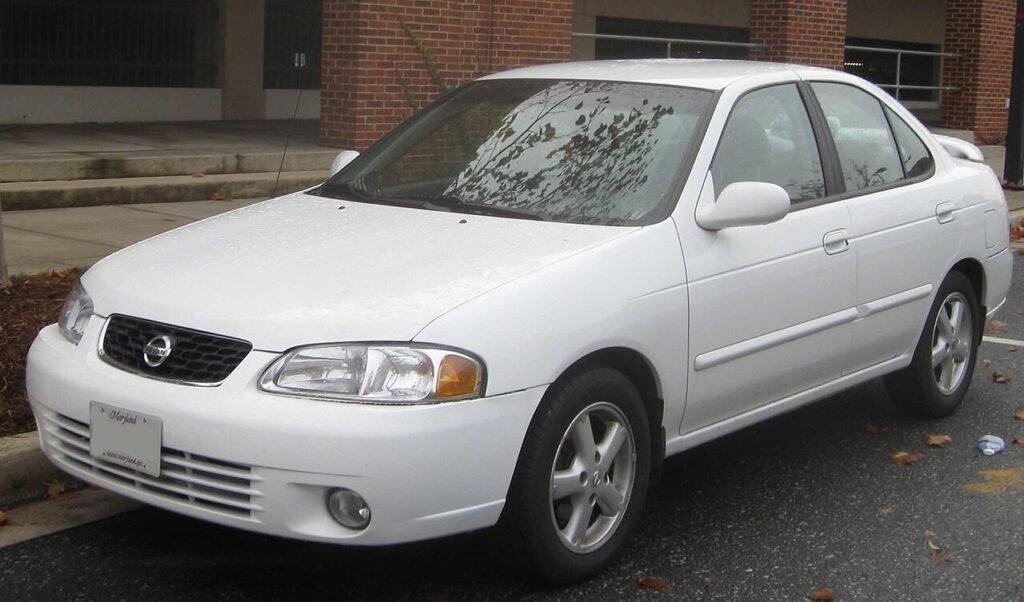
Nissan Sentra

The fifth generation Nissan Sentra hit the roads from 2000 to 2006, a time often thought of as Nissan’s golden age before Carlos Ghosn came in and changed things up. This model’s known for its solid reputation and dependable history.


Also Read:
Hybrid vs electric cars—compare costs, range, and performance. Discover which eco-friendly option fits your lifestyle in this comprehensive guide.


Carlos Ghosn played a pivotal role in saving Nissan from financial collapse in the late 1990s. However, his aggressive cost-cutting measures also had unintended consequences. To reduce production costs, Nissan outsourced many components and shifted manufacturing to cheaper locations.

While this improved profitability in the short term, it also compromised the long-term durability of certain models. For instance, models produced before Ghosn’s tenure, such as the 1990s Nissan Patrol (Safari), are still revered for their durability.

In contrast, the modern Nissan Patrol (sold as the Armada in North America) has been plagued with engine and suspension issues.

However, not all of Nissan’s recent failures can be directly linked to Ghosn. Some post-Ghosn strategies, such as Nissan’s reliance on Renault for shared platforms and parts, also played a role in the brand’s reliability struggles.

The Nissan Patrol Safari vs. The Modern Patrol (Armada)

The Nissan Patrol Safari (Y61), built before the cost-cutting era, is known for its indestructible inline-six engine (TB48DE) and traditional 5-speed manual or 5-speed automatic transmission. This model, particularly in Middle Eastern markets, has proven its reliability in extreme conditions.

The modern Nissan Patrol (Y62), however, has suffered from reliability issues despite using a traditional 7-speed automatic instead of a CVT. Reported problems include:

  • Timing chain tensioner issues: Leading to engine failures.
  • Weak air suspension systems: Prone to leaks and malfunctions.
  • Transmission lag and overheating: Despite being a traditional automatic, software calibration and component choices have led to performance concerns.

This comparison proves that Nissan’s reliability decline is not just about transmission choices—it’s a broader issue stemming from engineering, component quality, and manufacturing priorities.

For a more about Nissan’s CVT issues, you might find the following video informative:

Will the Nissan-Honda Partnership Improve Reliability?

In 2024, Nissan and Honda announced a strategic partnership to collaborate on electric vehicles (EVs) and fuel-efficient technologies. While Honda has maintained a strong reputation for reliability, it remains unclear whether this partnership will directly impact Nissan’s existing reliability issues.

If Nissan integrates Honda’s quality control standards and engineering principles into future models, we could see improvements. However, if the partnership remains limited to EV development, traditional Nissan models may continue to suffer from past engineering and cost-cutting issues.

Conclusion: The Future of Nissan’s Reliability

Nissan’s reliability decline was not a sudden event but rather a gradual erosion influenced by multiple factors. While Nissan CVT reliability played a role, deeper issues like cost-cutting, untested technology, and inconsistent quality control have had a lasting impact.

The transition away from CVTs, as seen in the Pathfinder, hasn’t necessarily restored reliability, proving that Nissan’s challenges are more systemic.

With the new Honda partnership, Nissan has an opportunity to reverse its downward trend—if it prioritizes engineering over cost-cutting. Until then, buyers should carefully consider which Nissan models to purchase, opting for those with proven track records of durability.

If you’re curious about why Toyota and Honda are known for their reliability, check out this article, “Find Out Which is More Reliable? Toyota vs Honda.” You’ll find plenty of car reviews, tips for buying, and the latest news in the industry on our site. Feel free to browse around and don’t forget to save our homepage for future updates!


*Disclaimer: This website provides automotive content for informational purposes only and should not be considered professional advice. While we strive for accuracy, we do not guarantee the reliability or suitability of any vehicle or product mentioned—always conduct your own research before making purchasing decisions. Additionally, some links on this site are affiliate links, meaning we may earn a commission if you make a purchase, at no extra cost to you.
Why Are French Car Brands Not Sold in the US Automotive Market? Expert Insight

Many consumers might wonder why well-known French car brands like Renault and Peugeot are absent from American dealerships. Despite their popularity and innovative designs in Europe, these brands face numerous challenges preventing them from capturing a significant share of the US automotive market.

To answer that question we have to consider many factors including regulatory hurdles, historical attempts, economic factors, and consumer preferences. We will try answer as much as we can in this article.

French car brands like Renault, Peugeot, and Citroën have a strong presence in Europe, known for their innovative designs, affordability, and comfort. Yet, they remain absent from American dealerships. This absence is not a coincidence but a result of multiple factors, including regulatory hurdles, past failures, consumer preferences, and economic challenges.

In this article I will try to answer why French automakers have failed to establish a foothold in the US market.

Challenges French Automakers Face in the US Market

Consumer Preferences and Brand Perception

American consumers have historically favored larger vehicles such as SUVs, trucks, and muscle cars—segments dominated by domestic manufacturers like Ford, GM, and Dodge, as well as Japanese brands like Toyota and Honda.

French automakers, on the other hand, traditionally focus on compact hatchbacks and small sedans, which do not align with the American taste for spacious, high-powered vehicles. While Peugeot and Renault have expanded into SUVs and crossovers in recent years, they would still face an uphill battle against entrenched competitors with loyal followings.

Additionally, French brands suffer from a weak image in the US. Unlike in Europe, where Renault and Peugeot are household names, American consumers associate France with luxury goods like perfumes and fashion rather than automobiles. This lack of brand recognition further diminishes their appeal.

Fierce Competition from Established Brands

Breaking into the American market requires competing against dominant automakers that have well-established customer bases, service networks, and marketing power. Companies like Ford, GM, Toyota, Honda, and Hyundai have spent decades perfecting their supply chains, dealer networks, and brand loyalty.

For a new brand to enter, it would require enormous investments in marketing, dealerships, and service networks to even stand a chance—a gamble that French manufacturers have been reluctant to take.

Past Attempts and Failures of French Brands in the US

French automakers have a long and troubled history in the US. Renault attempted to enter the market in the 1950s but failed to gain traction. Their most significant push came in the 1980s when Renault acquired a controlling stake in American Motors Corporation (AMC).

The partnership led to some notable models like the Renault Alliance and Renault Encore, but due to poor reliability, changing market trends, and financial struggles, Renault sold its AMC stake to Chrysler in 1987 and left the US market entirely.

Similarly, Peugeot withdrew from the US in 1991 after years of weak sales, and Citroën had already abandoned the market by 1974. Their failures created a perception that French cars were not suited for American roads, discouraging future attempts at re-entry.

Regulatory and Safety Hurdles

The US has some of the strictest automotive regulations in the world, with unique crash safety standards and emissions laws that differ significantly from European requirements.

For a French automaker to sell cars in the US, they would need to redesign vehicles to comply with:

  • NHTSA safety standards (including crash tests and airbag regulations)
  • EPA emissions standards (stricter than those in Europe)
  • Americanized design preferences (such as automatic transmissions and larger cup holders)

These modifications would require heavy R&D investments, and with no guaranteed sales success, French manufacturers have chosen to focus on markets where compliance is simpler and more cost-effective.

The Cost of Market Entry

Launching a car brand in the US requires billions of dollars in investment. French automakers would need to:

  • Establish manufacturing plants in North America to avoid import tariffs
  • Build a nationwide dealership and service network
  • Spend heavily on marketing and brand awareness
  • Ensure parts availability for servicing and repairs

The massive financial risk involved has deterred French automakers from attempting a US comeback.

Economic Barriers: Currency Fluctuations & Tariffs

French carmakers also face economic hurdles, including:

  • Fluctuating exchange rates, which can impact pricing and profit margins
  • Tariffs on European cars, making French vehicles less competitive against domestic and Asian brands
  • Costly compliance with American labor and environmental regulations

These factors make the US a difficult market to justify entering, especially when French brands can focus on more profitable regions with fewer barriers.

How Japanese Brands Succeeded Where French Brands Failed

The contrast between Japanese and French automakers in the US is striking. Brands like Toyota, Honda, and Nissan succeeded due to:

  • Early market entry (Toyota and Honda entered the US in the 1960s, giving them time to build a reputation)
  • Relentless focus on reliability and fuel efficiency
  • Investing in local manufacturing (reducing costs and avoiding tariffs)
  • Adapting to American tastes (introducing larger vehicles, trucks, and SUVs)

French brands, by comparison, never committed to the US market with the same level of dedication, leading to their continued absence today.

Would French EVs Have a Better Chance in the US?

With the rise of electric vehicles (EVs), one might wonder if French brands could use this transition to re-enter the US market. Companies like Renault have strong EV lineups in Europe, but entering the US EV market presents additional challenges:

  • Tesla dominance: Any newcomer would face stiff competition from Tesla, which has a stronghold on the US EV market.
  • Charging infrastructure: Unlike Tesla and major US automakers, French brands do not have an established charging network.
  • Consumer hesitation: Many Americans still prefer hybrid or gasoline-powered vehicles, meaning an all-EV lineup might struggle to gain traction.

While possible, a French EV comeback in the US remains unlikely due to these factors.

Final Thoughts: Will French Automakers Ever Return to the US?

Given the massive challenges outlined above—from regulatory barriers and economic risks to weak brand recognition and fierce competition—French automakers have little incentive to return to the US. Their resources are better spent on strengthening their foothold in Europe, Asia, and emerging markets.

Unless a radical shift occurs in consumer preferences or trade policies, American drivers are unlikely to see Renaults, Peugeots, or Citroëns at their local dealerships anytime soon.

If you’re keen on checking out more about French cars, you should definitely read this article titled “The Ultimate French Showdown: Peugeot, Citroën, and Renault Explained.” It’s a great deep dive into these brands. While you’re here, feel free to browse our site for detailed car reviews, smart buying tips, and the latest news in the auto world. And don’t forget to save our homepage for updates down the line!


*Disclaimer: This website provides automotive content for informational purposes only and should not be considered professional advice. While we strive for accuracy, we do not guarantee the reliability or suitability of any vehicle or product mentioned—always conduct your own research before making purchasing decisions. Additionally, some links on this site are affiliate links, meaning we may earn a commission if you make a purchase, at no extra cost to you.
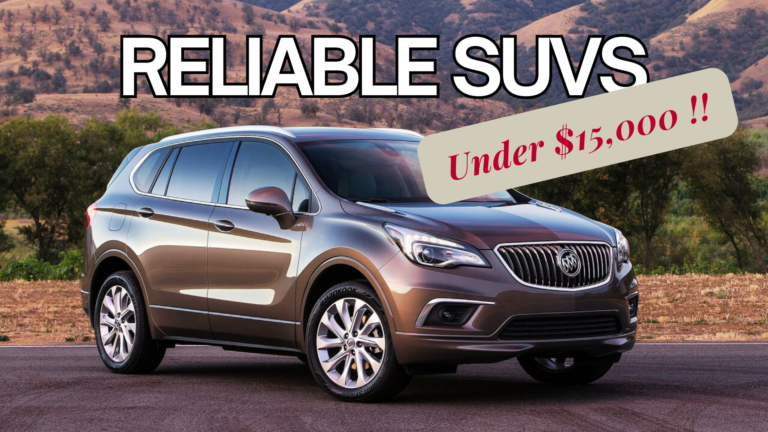
Top Most Reliable Used SUVs Under $15,000

When shopping for a used SUV on a budget, reliability and affordability are key. Fortunately, there are plenty of solid options available for $15,000 or less. These SUVs offer a balance of dependability, safety, and practicality—making them excellent choices for budget-conscious buyers.

While some notable models, like the Subaru Forester, may be absent due to pricing constraints, the following vehicles stand out as top contenders.

Key Takeaways

  • You don’t have to settle for basic transportation—luxury options exist within this budget.
  • Japanese SUVs continue to lead in reliability.
  • Always check IIHS safety ratings for crash-test results.
  • Higher trims often come with more features.
  • Depreciation affects resale value, so consider future worth when purchasing.

Top Used SUVs Under $15,000

2018 Lincoln MKX

A Refined Luxury SUV with Strong Value

The 2018 Lincoln MKX is a luxury crossover that competes with the Lexus RX 350 and BMW X5, offering a plush interior, smooth handling, and solid reliability. It comes with either a 3.7L V6 or a 2.7L twin-turbo V6, both paired with a six-speed automatic transmission. The ride is comfortable, and the interior is well-appointed with premium materials. However, the MKX suffers from rapid depreciation, narrow front seats, and small dashboard buttons.

Advantages:

  • Smooth and confident handling
  • High-quality interior materials
  • Strong reliability ratings
  • Comfortable ride

Disadvantages:

  • Rapid depreciation affects resale value
  • Narrow front seats and tight footwell space
  • Small and somewhat inconvenient dashboard buttons

2014 Honda Pilot

Honda Pilot 2014

Spacious but Dated SUV

The 2014 Honda Pilot remains a practical choice with a roomy cabin, smooth ride, and solid overall performance. It is powered by a 3.5L V6 engine paired with an outdated five-speed automatic transmission, which contributes to mediocre fuel economy. While it offers decent comfort and a compliant suspension, it lacks modern safety features and has poor crash test ratings. Road noise and tight third-row seating further diminish its appeal.

Advantages:

  • Spacious and practical interior
  • Smooth ride with good suspension tuning
  • Decent all-wheel-drive system

Disadvantages:

  • Poor fuel economy (18 mpg overall)
  • Limited modern safety features
  • Noisy cabin and mediocre braking
  • Subpar crash test ratings

2016 Mazda CX-5

Mazda CX-5 2016

A Fun and Efficient Small SUV

The 2016 Mazda CX5 is a well-balanced small SUV that offers sporty handling, good fuel economy, and a stylish interior. The 2.5L four-cylinder engine delivers a solid mix of power and efficiency, while the precise steering and taut suspension enhance the driving experience. However, road noise is noticeable, and the infotainment system can be cumbersome. Safety features like forward-collision warning were only available on higher trims.

Advantages:

  • Engaging driving dynamics
  • Good fuel economy
  • Spacious and well-designed interior
  • Reliable and durable

Disadvantages:

  • Road noise can be intrusive
  • Ride can feel firm over rough roads
  • Infotainment system is not user-friendly

2015 Toyota Venza

Toyota Venza 2015

Stylish but Less Practical Crossover

The 2015 Toyota Venza blends car-like handling with SUV versatility but sacrifices some practicality in the process. The 3.5L V6 offers solid performance, but the 20-inch wheels hurt ride comfort, and the sloping roofline reduces cargo space. The interior is roomy but feels somewhat claustrophobic due to the high dash and wide center console. While it offers a quiet cabin and strong safety features, it lacks the driving engagement of competitors.

Advantages:

  • Smooth and powerful V6 engine
  • Spacious and reclining rear seats
  • Quiet and comfortable interior

Disadvantages:

  • Reduced cargo space due to sloping roofline
  • 20-inch wheels negatively impact ride comfort
  • High dash and center console make the cabin feel tight

2016 Toyota RAV4

Toyota RAV4 2016

A Reliable and Practical SUV

The 2016 Toyota RAV4 continues its legacy as a reliable and efficient compact SUV with great resale value. It offers a spacious interior, strong fuel economy, and modern safety features. The ride is comfortable, and cargo space is excellent. However, its handling is not as engaging as some rivals, and base trims lack some key features.

Advantages:

  • Excellent reliability and resale value
  • Spacious and practical interior
  • Good fuel economy

Disadvantages:

  • Handling is not very sporty
  • Base trims lack advanced features
  • Interior materials could be more upscale

2018 Mazda CX-9

Mazda CX-9 2018

A Sporty Three-Row Family SUV

The 2018 Mazda CX9 stands out with its sporty handling, upscale interior, and quiet ride. Its turbocharged four-cylinder engine delivers strong torque, while the well-tuned suspension provides an engaging driving experience. However, the third row is tight for adults, and some luxury features are missing. The infotainment system is also dated and lacks smartphone integration.

Advantages:

  • Sporty handling for an SUV
  • Upscale, quiet interior
  • Good fuel efficiency for its class

Disadvantages:

  • Tight third-row seating
  • No second-row bucket seat option
  • Outdated infotainment system

2013 Mercedes GLK

Mercedes-Benz GLK Class 2013

A Compact and Agile Luxury SUV

The 2013 Mercedes GLK offers strong performance, premium materials, and an enjoyable driving experience. Its compact size makes it easy to maneuver in urban settings, and the V6 engine provides plenty of power. However, the back seat is tight, and cargo space is limited compared to competitors. The infotainment system lacks modern app integration, and some controls are difficult to use.

Advantages:

  • Agile and fun to drive
  • High-quality interior materials
  • Solid highway stability

Disadvantages:

  • Tight rear seats and limited cargo space
  • Infotainment system lacks modern connectivity features
  • Some controls are hard to read and operate

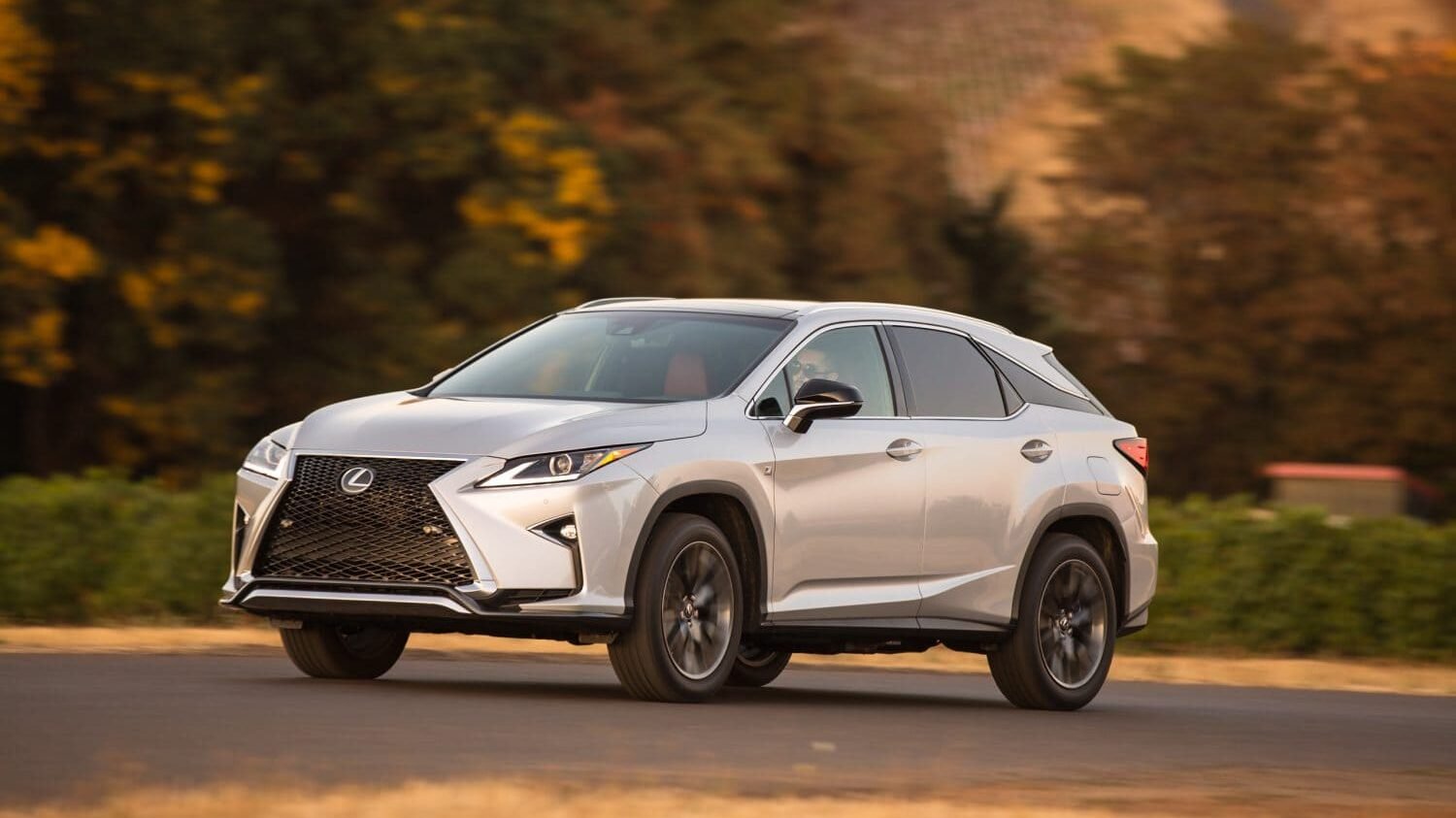
2014 Lexus RX

Lexus RX-350 2014

Comfortable and Luxurious, But Not Sporty

The 2014 Lexus RX remains a benchmark for comfort and reliability in the luxury SUV segment. It offers a quiet, well-trimmed interior, a smooth ride, and a strong V6 engine. A hybrid option provides excellent fuel economy. However, its handling is uninspiring, and rear visibility is compromised due to its design. The infotainment system is also frustrating to use.

Advantages:

  • Smooth and refined driving experience
  • Excellent build quality and reliability
  • Hybrid model offers 26 mpg overall

Disadvantages:

  • Uninspiring handling
  • Poor rear visibility
  • Clunky infotainment system

2016 BMW X3

BMW X3 2016

A Sporty and Luxurious Compact SUV

The 2016 BMW X3 delivers a great balance of athletic handling, comfort, and premium features. The 28i model features a punchy turbocharged four-cylinder engine, while the 35i offers even more power with a turbocharged six-cylinder. The cabin is well-finished and quiet, making it a great daily driver. However, rear visibility is somewhat limited, and the diesel model sacrifices some refinement for fuel economy.

Advantages:

  • Sporty and engaging handling
  • Premium interior quality
  • Strong turbocharged engine options

Disadvantages:

  • Limited rear visibility
  • Diesel engine lacks refinement
  • Higher trims can get expensive

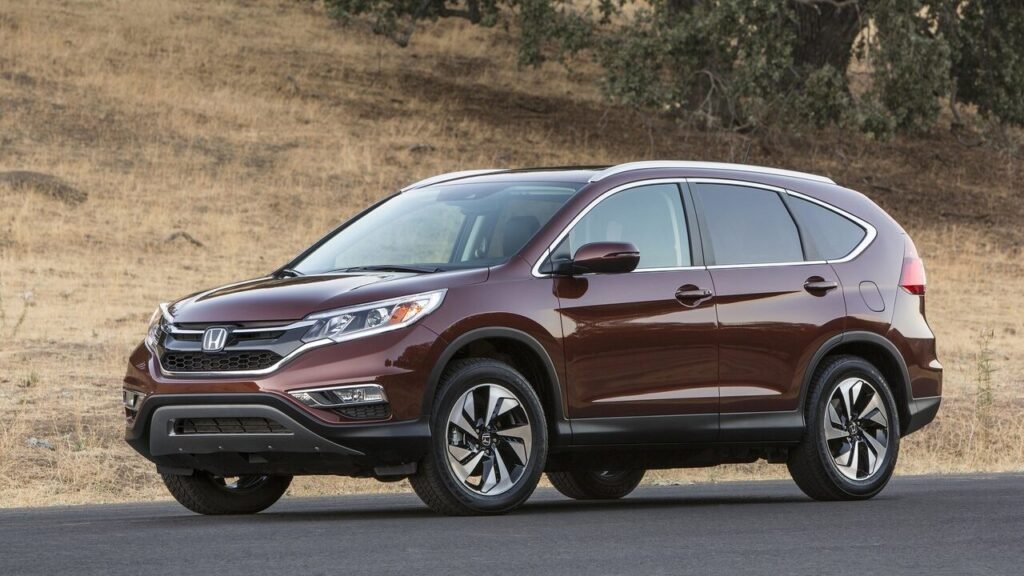
2016 Honda CR-V

Honda CR-V 2016

Practical, Reliable, but Less Comfortable

The 2016 Honda CRV remains one of the most well-rounded compact SUVs, offering affordability, functionality, and easy maneuverability. The model carries over updates from the 2015 refresh, including a 185-hp 2.4L four-cylinder engine paired with a CVT, delivering 24 mpg overall.

Honda added a suite of electronic safety features, including forward-collision warning, lane-departure warning, lane-keep assist, and adaptive cruise control, but only on the top Touring trim. Crash test ratings improved, but the infotainment system remains frustrating due to small, hard buttons.

The retuned suspension enhanced handling but compromised ride comfort, making it less plush over rough roads. Road noise is slightly reduced, but visibility remains a strength. The EX trim offers the best value, balancing features and price.

Advantages:

  • Spacious and practical interior
  • Strong fuel economy (24 mpg overall)
  • Reliable and easy to drive
  • Good standard safety features on higher trims

Disadvantages:

  • Ride comfort has declined compared to earlier models
  • Infotainment system is difficult to use
  • Rear visibility slightly hindered by thick roof pillars

2014 Mercedes M-Class

Mercedes-Benz M-Class 2014

A Quiet and Capable Luxury SUV

The 2014 Mercedes M-Class blends classic Mercedes luxury with surprising reliability. It features a quiet cabin, excellent seats, and solid build quality. The standard 3.5L V6 (302 hp) delivers smooth acceleration through a seven-speed automatic transmission, though the column shifter feels unintuitive.

While handling is competent, vague steering and aggressive stability control intervention limit cornering confidence. Ride quality is generally composed, but rough roads reveal some firmness. The cabin is among the quietest in its class, and interior materials feel premium.

Towing capacity is a strong 6,600 lbs, and cargo space is generous. Safety tech includes stability control, brake assist, and a driver drowsiness warning. Options like adaptive cruise control and lane-keeping assist further enhance its appeal.

Advantages:

  • Quiet and luxurious interior
  • Smooth and powerful V6 engine
  • Strong towing capacity (7,200 lbs)
  • Well-equipped with safety and tech features

Disadvantages:

  • Vague steering feedback
  • Stability control can be intrusive
  • Ride can feel firm over uneven roads

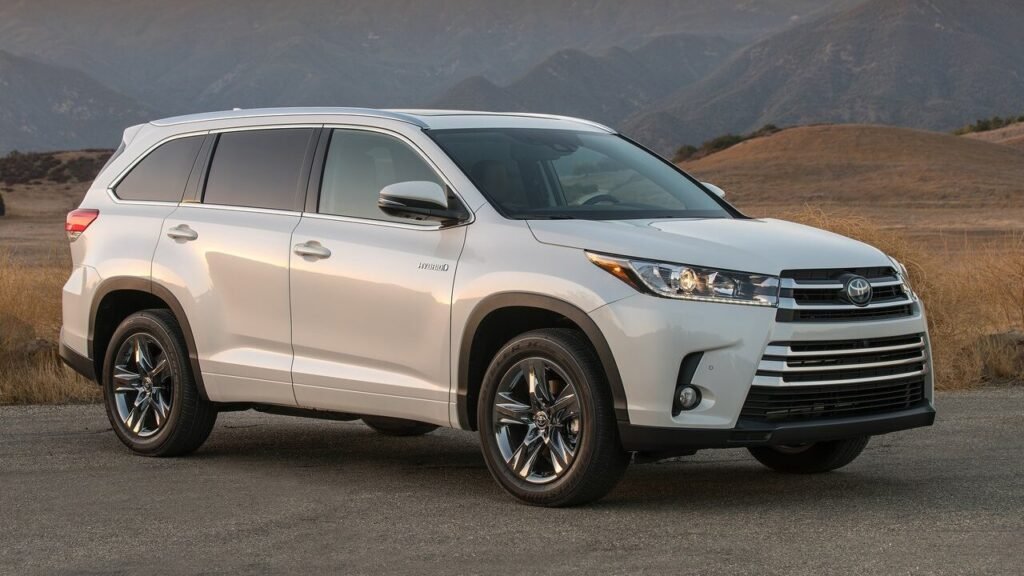
2015 Toyota Highlander

Toyota Highlander 2015

Reliable and Family-Friendly

The 2015 Toyota Highlander offers a blend of SUV practicality and sedan-like comfort, making it an excellent choice for families. Its 3.5L V6 (270 hp) with a six-speed automatic delivers 20 mpg overall. A hybrid variant increases power to 280 hp and improves efficiency to 25 mpg.

Handling is confident with minimal body lean, and ride comfort is steady, though slightly firmer than its predecessor. Inside, the spacious cabin provides comfortable seating for up to eight. Higher trims like XLE and Limited add leather, a moonroof, navigation, and advanced safety features.

The infotainment system is user-friendly with an 8-inch touchscreen, Bluetooth, and navigation. The Highlander also boasts strong crash-test ratings and excellent resale value, reinforcing its reputation for dependability.

Advantages:

  • Spacious and comfortable cabin
  • Strong reliability and resale value
  • Hybrid model offers better fuel economy (25 mpg)
  • User-friendly infotainment system

Disadvantages:

  • Ride is slightly firmer than previous models
  • Higher trims get expensive with additional features
  • Third-row space is tight for adults

Finding the Perfect Used SUV Under $15,000

Finding a reliable and affordable used SUV under $15,000 is achievable with the right research. Whether you prioritize fuel economy, safety, luxury features, or spacious interiors, this list provides solid options to meet different needs.

Keep in mind that maintenance costs, trim levels, and resale value play significant roles in long-term ownership satisfaction.

If you’re in the market for a reliable used SUV under $15,000, you may also be interested in comparing the maintenance costs of German and Japanese cars. Check out our article German vs Japanese car maintenance: which is better? to see how the maintenance costs of these two types of cars stack up.

Stay updated with the latest reviews, buying guides, and industry insights by bookmarking our homepage.


*Disclaimer: This website provides automotive content for informational purposes only and should not be considered professional advice. While we strive for accuracy, we do not guarantee the reliability or suitability of any vehicle or product mentioned—always conduct your own research before making purchasing decisions. Additionally, some links on this site are affiliate links, meaning we may earn a commission if you make a purchase, at no extra cost to you.
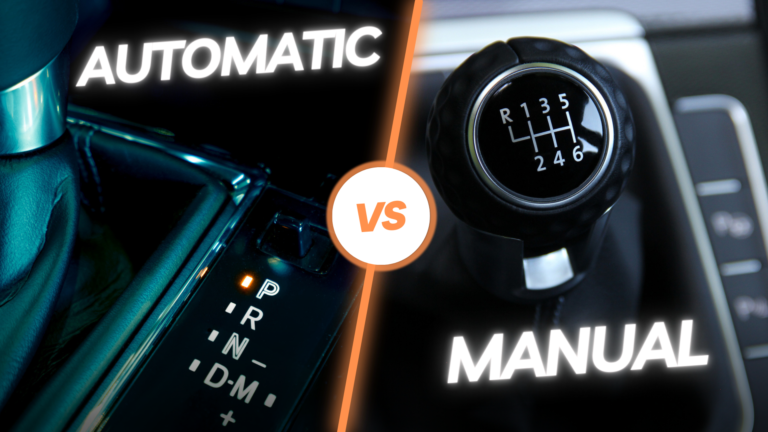
Manual vs. Automatic Transmission: Which is the Better Choice for You?

Few debates in the automotive world are as polarizing as manual vs. automatic transmission. Enthusiasts swear by the visceral engagement of a manual gearbox, while the modern driver often prefers the convenience and efficiency of an automatic. But which transmission is truly better? The answer isn’t as straightforward as some might think. The right choice depends on driving habits, vehicle application, and even future resale value. Let’s dissect the strengths and weaknesses of both transmissions to determine the best option for you.

Understanding the Fundamentals

Manual Transmission: The Purist’s Choice

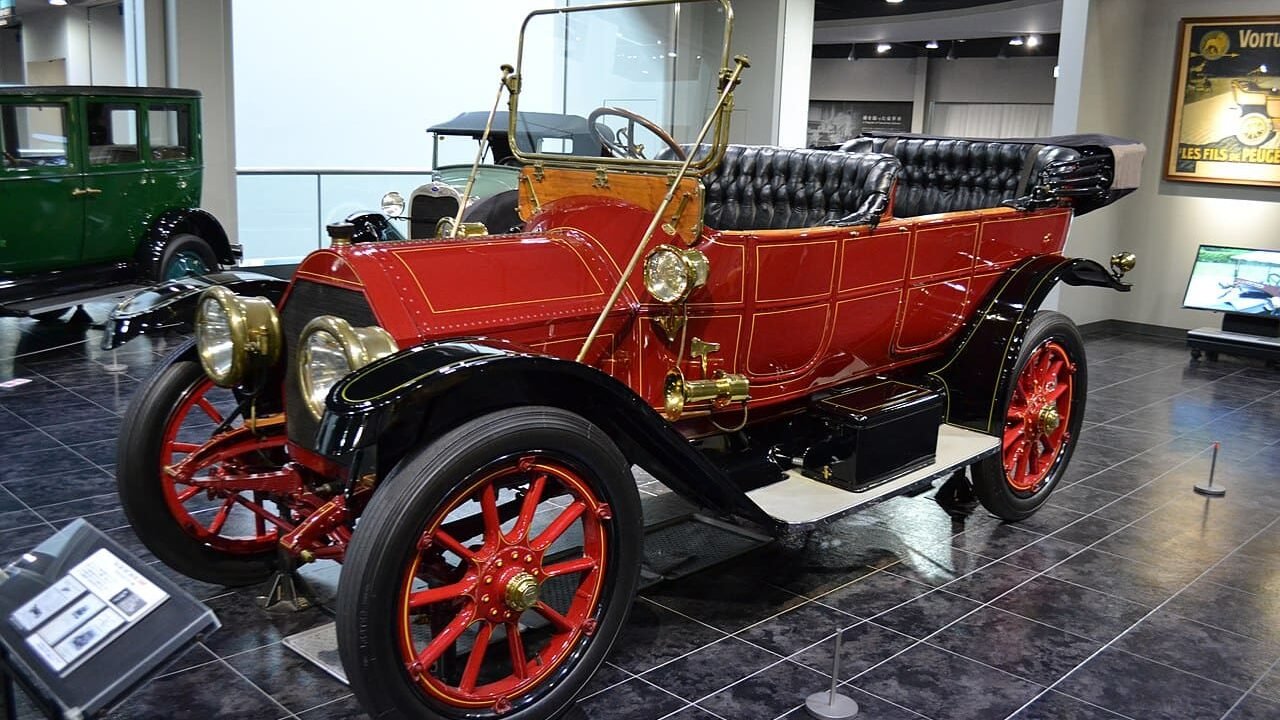
The idea of a multi-speed transmission goes way back to the late 1800s. Engineers figured out that having just one speed wasn’t enough to handle different types of terrain and varying speed needs. The first mass-produced manual transmission came about in the early 1900s and was a three-speed gearbox. Cars back then, like the 1912 Cadillac Model 30, had these basic gearboxes and needed double-clutching since there were no synchronizers in place.

Cadillac Model 30

Fast forward to the 1930s, and synchromesh transmissions showed up. These made shifting gears a whole lot smoother by helping the engine and gear speeds match up. Thanks to this tech, four-speed manual transmissions became super popular in performance and luxury cars during the 1950s and 60s.

It wasn’t until the late 70s and early 80s that five-speed transmissions became common, with high-performance cars and European models like the BMW E30 and Porsche 911 leading the way for six-speed manuals in the 1990s. Nowadays, when you think of seven-speed manuals like in the Porsche 911 or the six-speed options in modern sports cars, you see how far manual gearboxes have come.

Advantages:

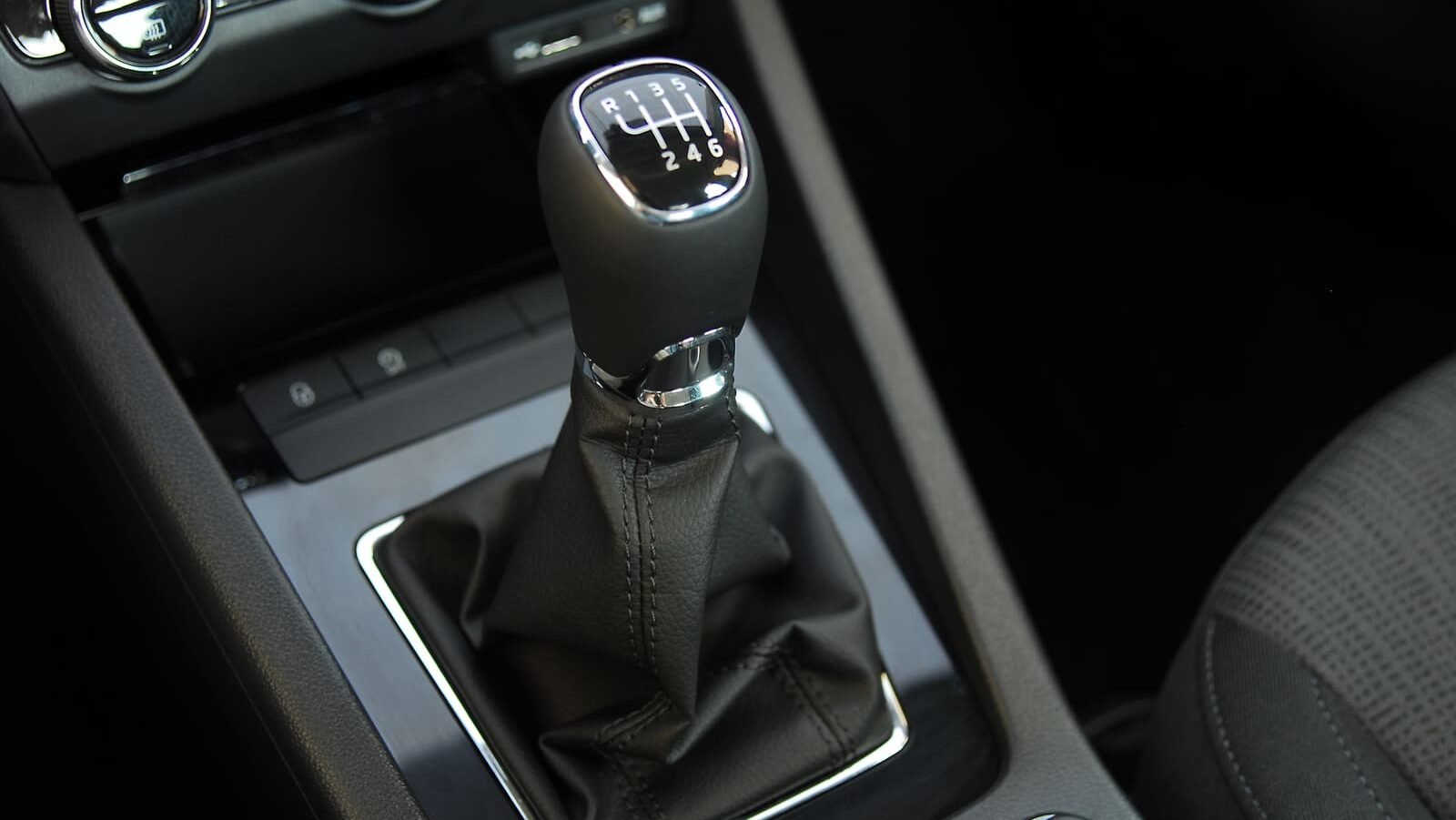
  • Driver Control & Engagement – A manual transmission offers direct mechanical control over gear selection, allowing for precise rev matching and engine braking.
  • Mechanical Simplicity & Reliability – Fewer complex components mean fewer potential failure points. Unlike an automatic, a manual transmission does not rely on a torque converter, hydraulic pumps, or complex valve bodies.
  • Lower Maintenance Costs – Replacing a clutch (typically between $500–$1,500) is generally less expensive than repairing or replacing an automatic transmission.
  • Fuel Efficiency (In Older Models) – Before modern automatic transmissions introduced 8–10 speed gearboxes, manual cars were often more fuel-efficient.

Disadvantages:

  • Steeper Learning Curve – Not all drivers can easily master the coordination required for clutch and gear shifting.
  • Traffic Fatigue – Constantly using the clutch in stop-and-go traffic can become tiring.
  • Resale Value Considerations – With fewer manual drivers today, resale can be limited to a niche audience.

Automatic Transmission: The Evolved Standard

Back in the day, most cars had manual transmissions, but as folks started wanting more convenience, we got our first real automatic transmission—the Hydra-Matic, which General Motors rolled out in 1940. This four-speed automatic, used in Oldsmobile cars, was a game changer since it got rid of the clutch pedal and the hassle of shifting gears yourself.

Hydra-Matic
the Hydra-Matic

As time went on, automatic transmissions got better and better. They moved from basic two and three-speed setups to the more advanced four-speed models that showed up in the 1980s. Then in the 1990s, we started to see five-speed automatics becoming popular. But it wasn’t until we hit the 2000s that six and eight-speed automatics really took off. Nowadays, automatics have way more gears than manuals, with some cars having 10-speed automatics (like those from Ford and GM) and continuously variable transmissions (CVTs) that help squeeze the best fuel efficiency out of them.

In modern vehicles, dual-clutch transmissions (DCTs) and continuously variable transmissions (CVTs) have further refined this technology.

Advantages:

  • Ease of Use – No clutch pedal, no gear selection—just put it in Drive and go.
  • Traffic Convenience – Automatics eliminate the fatigue of clutch operation in congested urban areas.
  • Advanced Fuel Efficiency – Modern automatic transmissions, particularly CVTs and DCTs, optimize shift points for better MPG.
  • Wider Availability & Resale Value – Most new cars today are only offered with an automatic, increasing their market appeal.

Disadvantages:

  • Higher Complexity & Repair Costs – Automatics feature intricate components that are costly to fix. A transmission replacement can range from $3,000 to $7,000.
  • Less Control Over Power Delivery – Even with paddle shifters, an automatic lacks the immediate feedback of a true manual gearbox.
  • Durability Issues in Older Models – Traditional torque-converter automatics have a history of overheating and requiring frequent fluid changes.

Performance & Driving Experience

For those who prioritize performance driving, a manual transmission often remains the gold standard. Cars like the Porsche 911 GT3, Mazda MX-5 Miata, and Honda Civic Type R prove that a well-engineered manual can deliver unparalleled engagement. The ability to control power delivery, time shifts perfectly, and rev-match is a thrill that automatics simply cannot replicate.

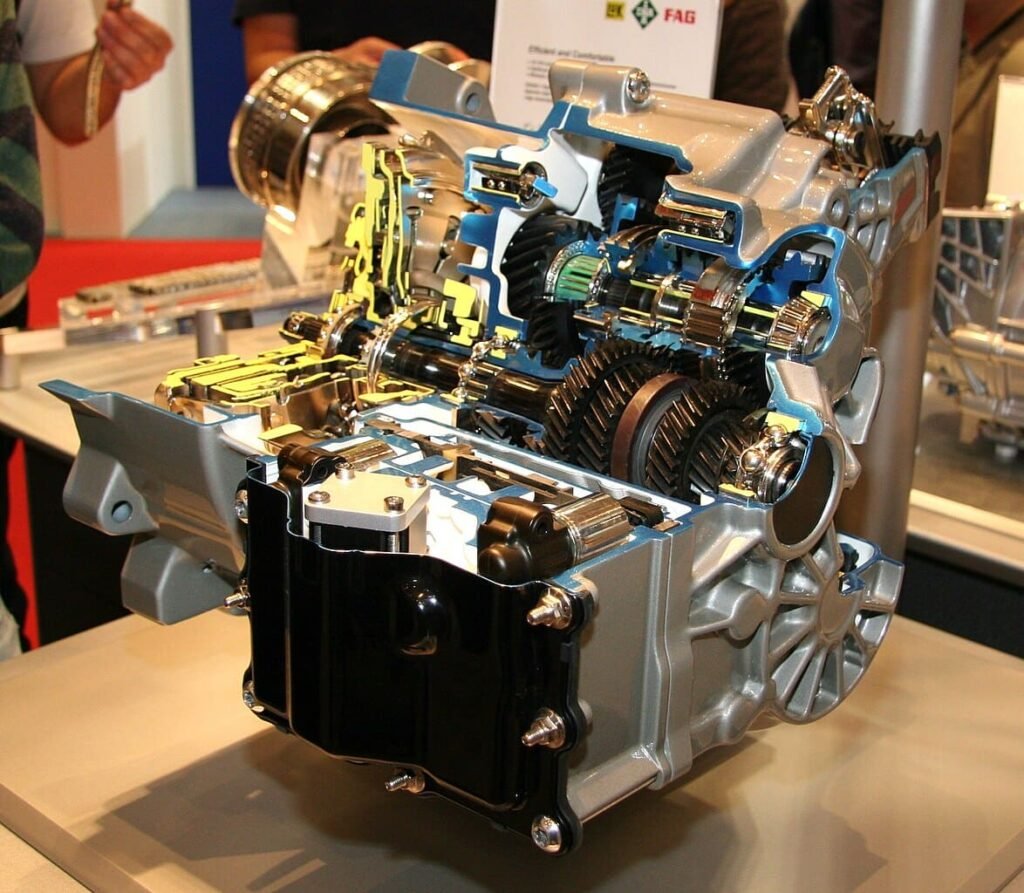
VW DQ200 dual-clutch transmission

However, for high-powered performance cars, dual-clutch automatics (DCTs) have become the benchmark. Ferrari, McLaren, and Lamborghini no longer offer manual gearboxes because DCTs shift faster than any human ever could. The Porsche PDK (Doppelkupplungsgetriebe), for instance, can upshift in as little as 100 milliseconds, maximizing acceleration and efficiency.

The divergence between manual and automatic transmissions is perhaps most evident when comparing different global markets. In the United States, the overwhelming majority of new vehicles are equipped with automatic transmissions—a trend driven by consumer preferences for ease-of-use in urban and highway driving, as well as the rapid advancements in automatic technology. Conversely, in many parts of Europe, Asia, and other regions, manual transmissions continue to hold sway. In these markets, driving licenses are often obtained using vehicles with manual gearboxes, ensuring that drivers retain the skills necessary to operate them. This licensing requirement not only preserves the relevance of manual transmissions but also sustains a rich tradition of driver engagement and mechanical proficiency.

In essence, while the U.S. market gravitates towards the convenience of automatics, a significant portion of the world’s driver population remains connected to the nuanced art of manual shifting—a connection that reflects deeper cultural and educational values within the automotive community.

Performance and Tech Advancements: Manual vs. Automatic

For a long time, car fans thought manuals were the way to go since they gave a direct feel to the engine. But then came dual-clutch transmissions and super-fast automatics, which turned things around. Now, brands like Ferrari, Lamborghini, and Porsche have ditched manual gearboxes. They’re all about automated manual and dual-clutch systems that come with:

  • Shifts in milliseconds – faster than you can do it yourself.
  • Smooth power delivery – no hiccups at all.
  • Smart learning – they adjust the shift timing based on how you drive.

Take the Porsche PDK for example, it can upshift in under 100 milliseconds and that really boosts acceleration. Formula 1 also moved away from manuals in the early ’90s because paddle-shift gearboxes are way more precise and quicker.

Automated Manual Transmissions: Finding the Middle Ground

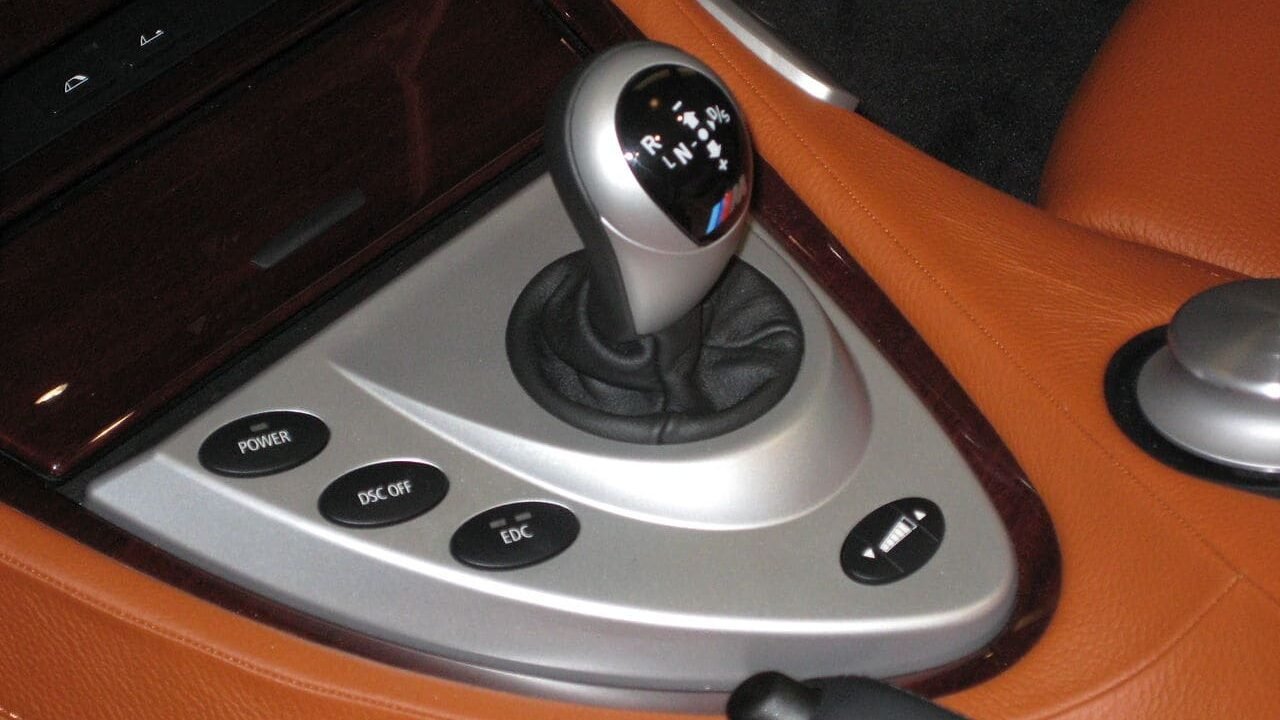
An automated manual transmission (AMT) combines both worlds. It has the same setup as a manual but uses electronic controls to shift gears without the clutch pedal. This tech became popular in entry-level European cars and high-performance models before dual-clutch systems became the norm.

Here are some AMTs you might have heard of:

  • Ferrari F1 Transmission – used in cars like the F430 before they fully switched to DCTs.
  • BMW SMG (Sequential Manual Gearbox) – found in the E46 M3 but got some complaints for being a bit jerky.
  • Alfa Romeo Selespeed – a more budget-friendly AMT that had issues with long-term reliability.
BMW SMG
BMW 7Speed SMG Drivelogic

Even though AMTs were a bit easier to use than traditional manuals, they just couldn’t compete with the quick response and smoothness of modern automatics. Nowadays, they’ve mostly been replaced by DCTs and torque-converter automatics which offer quicker shifts and a better driving experience.

Real-World Applications: When Does One Make More Sense?

  • Daily Commuting? Automatic wins hands down. Fighting traffic with a manual is exhausting.
  • Off-Roading? Automatics with advanced torque-vectoring systems (like those in a Toyota Land Cruiser or Jeep Grand Cherokee) provide superior rock-crawling ability.
  • Track Days? It depends. Traditionalists love manuals, but high-performance autos can produce faster lap times.
  • Long-Term Reliability? Manual transmissions, when properly maintained, tend to last longer with fewer issues compared to modern automatic counterparts.

The Decline of the Manual Transmission: A Regional Look

So, the manual transmission is really fading out in North America but it’s still the go-to choice in a bunch of other places around the world. In the United States, cars with manual gearboxes make up less than 1% of new sales. There are a few reasons for this shift:

  • Traffic jams in cities have made people lean towards automatics since they’re easier to handle.
  • Fuel efficiency isn’t just a manual thing anymore. Nowadays, modern automatics and CVTs do a great job optimizing shifts too.
  • The resale value of manual cars has dropped since fewer new drivers are learning how to drive them.

On the flip side, in places like Europe, Asia, and South America, manuals are still pretty common. In fact, many countries even require you to take driving tests in a manual car. If you get your license in an automatic, you can’t drive a manual legally at all. In Germany, the Volkswagen Golf and BMW 3-Series still sell well with manuals, while in Japan, cool cars like the Toyota GR86 and Mazda MX-5 Miata keep the manual alive for car lovers.

Verdict: What’s Best for You?

The truth is that manual transmissions aren’t the popular choice anymore but they’re not completely gone either. If you care about:

  • Feeling engaged, having control, and keeping things simple → Go for a manual transmission.
  • Convenience, speed, and efficiency → Modern automatic options like DCTs or 8- and 10-speed automatics are the better picks.

The future? With electric cars (EVs) on the rise, this whole debate might not matter much soon. But for now, the choice remains personal—and deeply tied to driving preference.

But hey, for those who see driving as a true art, not just getting from point A to B, the manual transmission is a classic that deserves to stick around.


For more insights into making smart automotive decisions, check out Why It’s a Bad Idea to Buy a Used Luxury Car.

Also, don’t forget to bookmark our homepage and explore more in-depth car reviews and buying guides. Prefer video content?


*Disclaimer: This website provides automotive content for informational purposes only and should not be considered professional advice. While we strive for accuracy, we do not guarantee the reliability or suitability of any vehicle or product mentioned—always conduct your own research before making purchasing decisions. Additionally, some links on this site are affiliate links, meaning we may earn a commission if you make a purchase, at no extra cost to you.
The Ultimate French Showdown: Peugeot, Citroën, and Renault Explained

French automakers have long been recognized for their design innovation, motorsport success, and technological advancements. The country’s automotive industry is primarily led by Peugeot, Citroën, and Renault, each boasting a distinct legacy and a loyal following. Beyond these mainstream brands, France is also home to performance and boutique automakers like Bugatti, Venturi, PGO, and Alpine.

Determining which of these marques stands out as the “best” is no easy task—it all comes down to individual priorities. Are you drawn to racing heritage, affordability, cutting-edge innovation, or avant-garde design? Let’s break down the strengths and challenges of each to gain a clearer perspective.

Overview of the Brands

Peugeot

Founded in 1810, Peugeot is one of the oldest car manufacturers in the world. Originally a producer of bicycles and coffee mills, it transitioned into the automotive world in the late 19th century. Peugeot is known for its stylish designs and a strong focus on performance and efficiency, and it has garnered a reputation for producing reliable vehicles.

Citroën

Citroën was founded in 1919 and is celebrated for its innovative approach to design and engineering. It was the first mass-producer of a fully galvanized car, which helped prevent rust. Citroën has consistently pushed the boundaries of automotive design with models like the avant-garde Citroën DS of the 1950s, noted for its futuristic aesthetics and technological advancements.

Renault

Founded in 1899, Renault has established itself as a significant player in the automotive world, particularly in Europe. It is known for its broad range of vehicles, from compact cars to light commercial vehicles. Renault has a strong emphasis on safety and innovation, being one of the first to introduce the concept of a compact MPV (Multi-Purpose Vehicle) with the Renault Scénic in the 1990s.

Global Presence and Market Reach

Peugeot

Peugeot has established a strong presence in Europe and has been expanding in other regions, including Africa and parts of Asia. The brand has also made strides in the Chinese market, a key area of growth for the automotive industry. Its participation in various international motorsport events further enhances its global image.

Citroën

Citroën’s primary market remains Europe, where it has carved out a niche for its unique offerings. However, its global presence has waned compared to Peugeot and Renault, leading to varied availability in international markets. The brand’s emphasis on comfort and uniqueness may limit its appeal in certain global regions.

Renault

Renault boasts a solid global presence, with significant sales figures in Europe, Latin America, and parts of Africa and Asia. Its strategic alliances, such as the Renault-Nissan-Mitsubishi Alliance, have expanded its reach and influence in the automotive landscape, enhancing access to new technology and markets.

Below is a comparison table summarizing approximate 2022 global sales data and revenue (in billions of euros). These figures derive from Stellantis (Peugeot, Citroën) and Renault Group reports.

BrandGlobal Sales (2022)Estimated Revenue (2022)Major Markets
Peugeot1.12 million€25 billionEurope, Africa, LATAM, Middle East
Citroën0.75 million€15.5 billionEurope, selective global presence
Renault1.55 million€33.7 billionEurope, Latin America, North Africa
Note: Figures above reflect estimates from official and publicly available sources. Actual numbers may vary based on data collection methods.

Key Models and Pricing Strategy

Each brand has a broad portfolio, with certain models standing out as sales leaders or technology flagships. Below is a table highlighting some of the most successful models for each brand, their approximate base price (in euros), and key markets.

ModelApprox. Base PriceKey Market(s)Notable Features
Peugeot 208~€18,000Europe, LATAMCompact hatch, efficient engines, modern i-Cockpit
Peugeot 3008~€30,000Europe, GlobalStylish crossover, advanced driver aids
Citroën C3~€15,000Europe, India, LATAMAffordable hatch, customizable design, comfort focus
Citroën C5 Aircross~€27,000Europe, AsiaProgressive Hydraulic Cushions, roomy cabin
Renault Clio~€16,000Europe, North AfricaIconic supermini, advanced infotainment
Renault Captur~€20,000Europe, Latin AmericaPopular small SUV, available hybrid variants

Pricing Strategy

  • Peugeot typically positions itself as slightly upmarket within the mainstream segment, leveraging design flair and tech features (e.g., i-Cockpit, stylish interiors).
  • Citroën focuses on affordability and comfort, employing unique design elements to stand out. Its pricing is often more competitive, appealing to budget-conscious buyers who still want European design.
  • Renault balances accessibility with technological innovation. Models like the Clio and Captur target urban buyers seeking modern amenities, while the brand also champions EVs, such as the Renault Zoe.

Motorsport Heritage and Technological Achievements

Peugeot

  • Le Mans and Dakar Dominance: Peugeot has multiple 24 Hours of Le Mans victories (notably with the Peugeot 905 and 908 HDi FAP) and has excelled in the Dakar Rally, showcasing the durability of its diesel engines and off-road engineering.
  • WRC Success: The Peugeot 205 T16 remains a rally legend, having clinched multiple titles in the Group B era.
  • Technological Innovations: Advanced HDi diesel engines, pioneering particulate filters, and the famed i-Cockpit design.

Citroën

  • WRC Dominance with Sébastien Loeb: The Citroën Xsara WRC, C4 WRC, and DS3 WRC earned the brand numerous World Rally Championships, demonstrating engineering prowess.
  • Iconic Suspension Systems: Known for its hydropneumatic suspension (introduced on the legendary DS) and later variants, Citroën has consistently pushed comfort boundaries.
  • Design Innovations: The original Citroën DS was hailed as a masterpiece of automotive design and technology. More recently, the brand emphasizes comfort, with features like the Progressive Hydraulic Cushions.

Renault

  • Formula 1 Excellence: Renault engines have powered multiple F1 titles for teams like Williams and Red Bull Racing, showcasing engineering at the highest level. The Renault RS divisions continue to develop performance-oriented technologies.
  • Turbocharging Pioneer: Renault was among the first to adopt turbo engines in Formula 1, laying the groundwork for modern turbocharging strategies.
  • E-Tech Hybrid Systems: Leveraging lessons from Formula 1 and EVs, Renault’s E-Tech hybrid and electric powertrains (like in the Clio E-Tech or Captur E-Tech) offer efficient yet spirited performance.

Technical Focus: Why These Brands Matter

Engine Innovation

  • Peugeot: Known for robust diesel engines (HDi, BlueHDi), advanced efficiency, and low emissions.
  • Citroën: Renowned for balancing performance with comfort, focusing on smooth torque delivery in their diesel and gasoline powerplants.
  • Renault: Turbocharging leadership and recent strides in hybridization, bridging affordable EV tech from the Zoe to mass-market segments.

Platform Sharing and Alliances

  • Peugeot & Citroën share platforms under Stellantis, allowing cost savings and technology cross-pollination (e.g., EMP2 platform for the 308, 3008, C5 Aircross).
  • Renault partners with Nissan and Mitsubishi, sharing platforms like CMF for the Clio and Captur, boosting global competitiveness.

Global Reach

  • Biggest Markets:
    • Peugeot: Strong presence in Europe, expanding in Latin America (notably Brazil and Argentina) and the Middle East.
    • Citroën: Concentrated in Europe, exploring growth in India and Southeast Asia with region-specific models.
    • Renault: Dominate in France, strong footprint in South America (especially Brazil), and stepping up in North Africa.

Final Verdict: Which French Brand is Best?

Each brand has its unique strengths and target audiences:

  • Peugeot: A blend of performance (especially in diesel), stylish design, and mid-range pricing. Ideal for those who appreciate a refined driving experience with a mild premium edge.
  • Citroën: A champion of comfort and quirky design. If ride quality, affordability, and distinctive aesthetics top your list, Citroën offers compelling choices.
  • Renault: Broad product range, leading EV and hybrid technology, and a history of motorsport innovation. Perfect for buyers wanting accessible yet advanced mobility solutions.

Ultimately, “best” depends on personal preferences. Enthusiasts seeking classic rally pedigree may favor Citroën or Peugeot, while those eyeing modern hybrids or EVs might prefer Renault. Regardless, these French automakers continue to shape the industry with innovation, flair, and a deep-rooted passion for cars.

If you’re curious about why you don’t see French cars in the USA, check out this article titled “Why Are French Car Brands Not Sold in the US Automotive Market? Expert Insight.” It’s a good read. While you’re here, feel free to explore our site for detailed car reviews, helpful buying tips, and the latest news on the auto industry. Don’t forget to save our homepage for updates in the future!


*Disclaimer: This website provides automotive content for informational purposes only and should not be considered professional advice. While we strive for accuracy, we do not guarantee the reliability or suitability of any vehicle or product mentioned—always conduct your own research before making purchasing decisions. Additionally, some links on this site are affiliate links, meaning we may earn a commission if you make a purchase, at no extra cost to you.

Toyota vs Nissan: A Quick Comparison of Japan’s Iconic Brands

Toyota and Nissan are two of Japan’s most recognized automotive brands, each with a rich history, a loyal customer base, and a diverse lineup of vehicles. While both manufacturers have produced some of the most popular cars, SUVs, and trucks worldwide, they differ in areas such as reliability, performance, innovation, and overall value. Lets try o analyze Toyota vs. Nissan across multiple categories. so keep reading and stay tuned

Toyota vs Nissan: Brand Overview

Toyota

  • Founded in 1937, Toyota has established itself as the world’s largest automaker in terms of production volume and global presence.
  • Known for reliability, high resale value, and fuel efficiency.
  • Pioneered hybrid technology with the Toyota Prius, leading in the development of alternative powertrains.
  • Consistently ranks at the top in reliability and long-term durability studies.

Nissan

  • Founded in 1933, Nissan has built a reputation for innovation, affordability, and performance-oriented models.
  • Created the GT-R, one of the most legendary sports cars ever made.
  • Offers a strong focus on electric vehicles (EVs), with the Nissan Leaf being one of the world’s best-selling EVs.
  • Provides more aggressive styling and sportier driving dynamics in select models.

While both brands are rooted in Japanese engineering excellence, they cater to slightly different markets and buyer preferences.

Reliability & Durability: Which Brand Lasts Longer?

Winner: Toyota

Toyota is known for building vehicles that last decades. Models like the Toyota Corolla, Camry, and Land Cruiser routinely exceed 300,000 miles with proper maintenance.

Nissan, while producing reliable vehicles, has faced quality control concerns in recent years, particularly with their CVT transmissions, which have been prone to premature failure in models like the Altima and Rogue.

Long-Lasting Models:

BrandMost Reliable ModelsAvg. Lifespan
ToyotaCorolla, Camry, Land Cruiser, 4Runner250,000 – 300,000 miles
NissanFrontier, Maxima, GT-R200,000 – 250,000 miles

Performance & Driving Experience

Winner: Nissan (for sportier models), Toyota (for balanced performance)

  • Toyota prioritizes smooth, efficient driving with a focus on comfort and fuel economy.
  • Nissan produces more performance-oriented models, such as the GT-R, 370Z, and Nismo trims.
  • Toyota’s TRD Pro lineup (Tacoma, Tundra, 4Runner) caters to off-road enthusiasts.

While Toyota dominates in reliability, Nissan appeals to driving enthusiasts looking for a more engaging ride.

Technology & Innovation

Winner: Toyota (hybrid tech), Nissan (EV innovation)

Toyota leads in hybrid technology with its well-established Toyota Hybrid System (THS) found in models like the Prius, RAV4 Hybrid, and Highlander Hybrid.

Nissan, however, has been a pioneer in electric vehicle (EV) technology, launching the Nissan Leaf back in 2010. Toyota has lagged behind in fully electric vehicles, while Nissan is more committed to EV expansion.

Safety Features & Ratings

Winner: Toyota

Both brands offer advanced safety features, but Toyota Safety Sense (TSS) provides industry-leading driver assistance systems across most models without extra cost.

  • Toyota models consistently receive higher IIHS Top Safety Pick+ ratings.
  • Nissan’s ProPILOT Assist offers semi-autonomous driving, but its availability is more limited.

Toyota’s commitment to standard safety features makes it the better choice for families and safety-conscious buyers.

Fuel Efficiency & Environmental Impact

Winner: Toyota (hybrids), Nissan (EVs)

Toyota leads the hybrid market, while Nissan dominates in affordable EV options.

Fuel Efficiency Comparison:

ModelMPG (Combined)
Toyota Prius58 MPG
Toyota Camry Hybrid52 MPG
Nissan Leaf (EV)112 MPGe
Nissan Rogue30 MPG

If you prioritize hybrid efficiency, Toyota wins. If you want an affordable EV, Nissan’s Leaf and upcoming Ariya are strong options.

Vehicle Lineup & Best Models

CategoryBest Toyota ModelBest Nissan Model
Compact SedanCorollaSentra
Midsize SedanCamryAltima
Compact SUVRAV4Rogue
Midsize SUVHighlanderMurano
Full-Size SUVSequoiaArmada
TruckTacomaFrontier
Sports CarSupraGT-R
EVbZ4XLeaf

Toyota covers a broader range of vehicles, while Nissan is more focused on performance and EVs.

Resale Value & Ownership Costs

Winner: Toyota

  • Toyota vehicles depreciate slower, holding their value better over time.
  • Nissan’s resale value lags, particularly due to CVT reliability concerns.
BrandAvg. 5-Year Depreciation
Toyota40-50%
Nissan50-60%

Toyota’s low-cost maintenance and better resale value make it a smarter financial investment.

Toyota vs Nissan: Which Is the Better Buy?

CategoryWinner
ReliabilityToyota
PerformanceNissan (sports cars)
TechnologyToyota (hybrids), Nissan (EVs)
SafetyToyota
Fuel EfficiencyToyota (gas/hybrid), Nissan (EVs)
Resale ValueToyota

If you want bulletproof reliability, resale value, and strong hybrid options, Toyota is the clear winner.

If you prefer performance-focused models and EVs, Nissan might be the better choice.

Final Verdict & Expert Recommendations

  • Best for Reliability & Resale Value: Toyota
  • Best for Performance & EV Innovation: Nissan
  • Best for Families: Toyota
  • Best for Driving Enthusiasts: Nissan

Ultimately, Toyota is the best all-around choice, but Nissan caters to buyers who prioritize sporty driving, affordability, and EV advancements.

If you’re curious about why Nissan’s reliability seems to have dropped a bit compared to other Japanese brands, check out this article titled “Nissan Reliability Overthrow: Here Is What Happened.” You can also explore our site for detailed car reviews, solid buying tips, and the latest news in the industry. Take your time to browse around, and don’t forget to bookmark our homepage so you can stay updated later on!


*Disclaimer: This website provides automotive content for informational purposes only and should not be considered professional advice. While we strive for accuracy, we do not guarantee the reliability or suitability of any vehicle or product mentioned—always conduct your own research before making purchasing decisions. Additionally, some links on this site are affiliate links, meaning we may earn a commission if you make a purchase, at no extra cost to you.
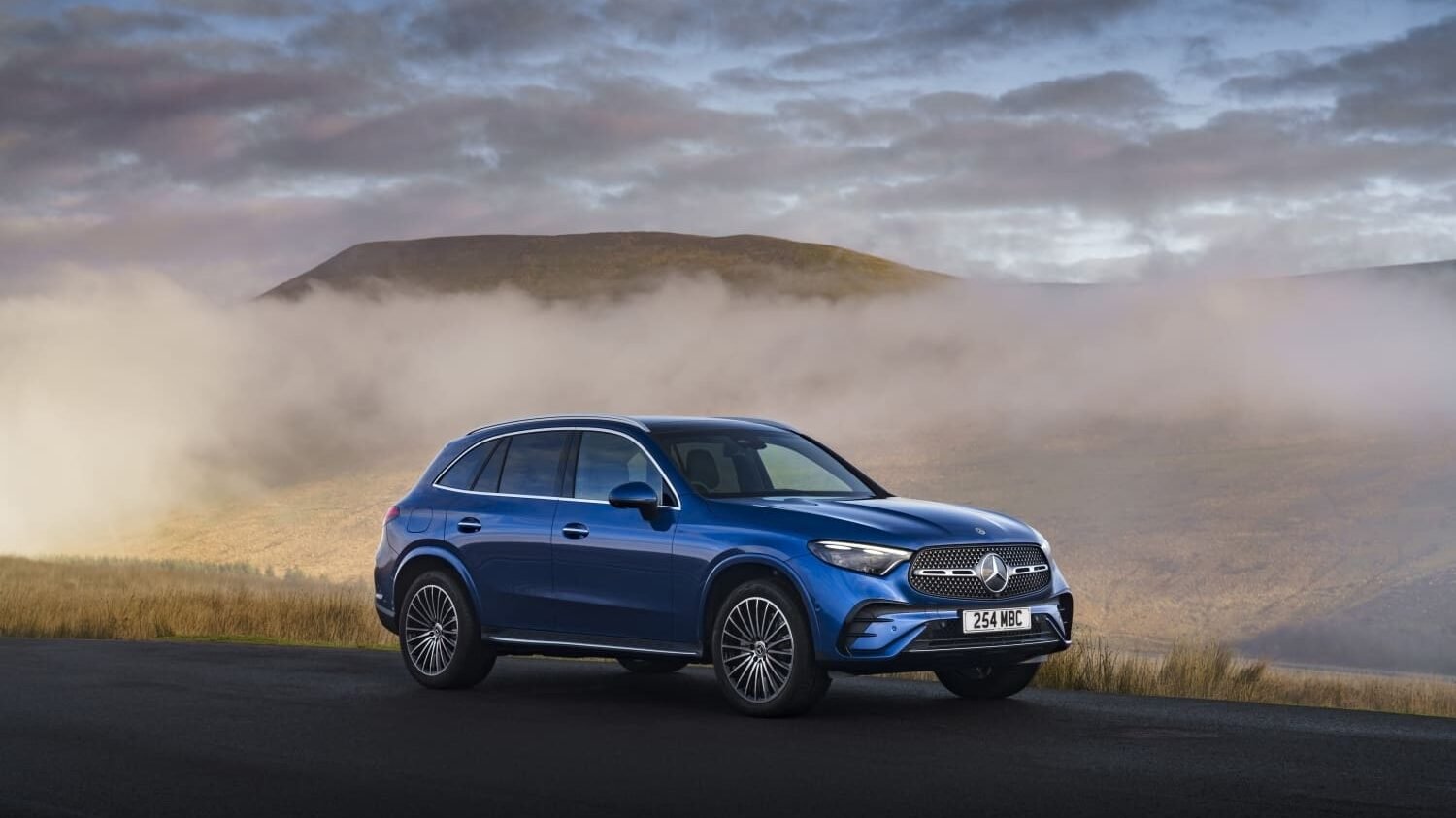
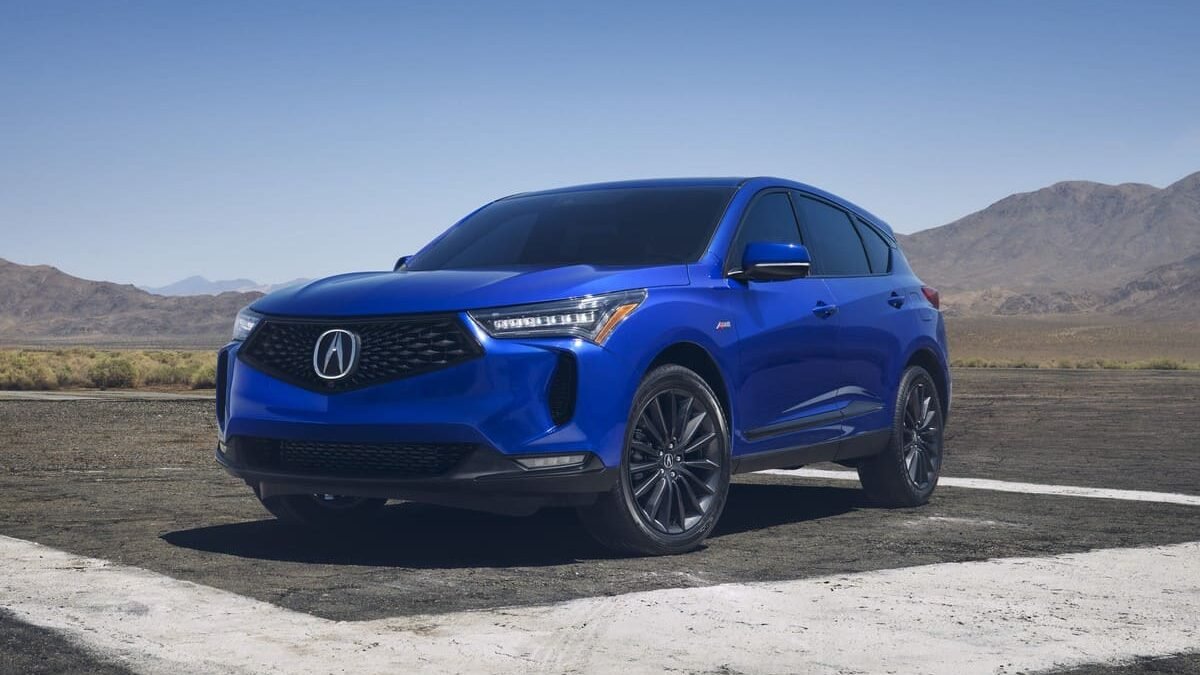
Top Used Luxury SUVs Under $40K in 2025 for Reliability and Style

In the fast-changing world of cars, luxury SUVs are really hitting the mark with folks looking for both comfort and flexibility. These vehicles stand out not just for their fancy design and cutting-edge tech, but also for their smooth rides along with plenty of room for passengers and luggage. As we gear up for 2024, the market for used luxury SUVs is a fantastic option for those wanting premium features without the hefty price tag that comes with a brand-new model.
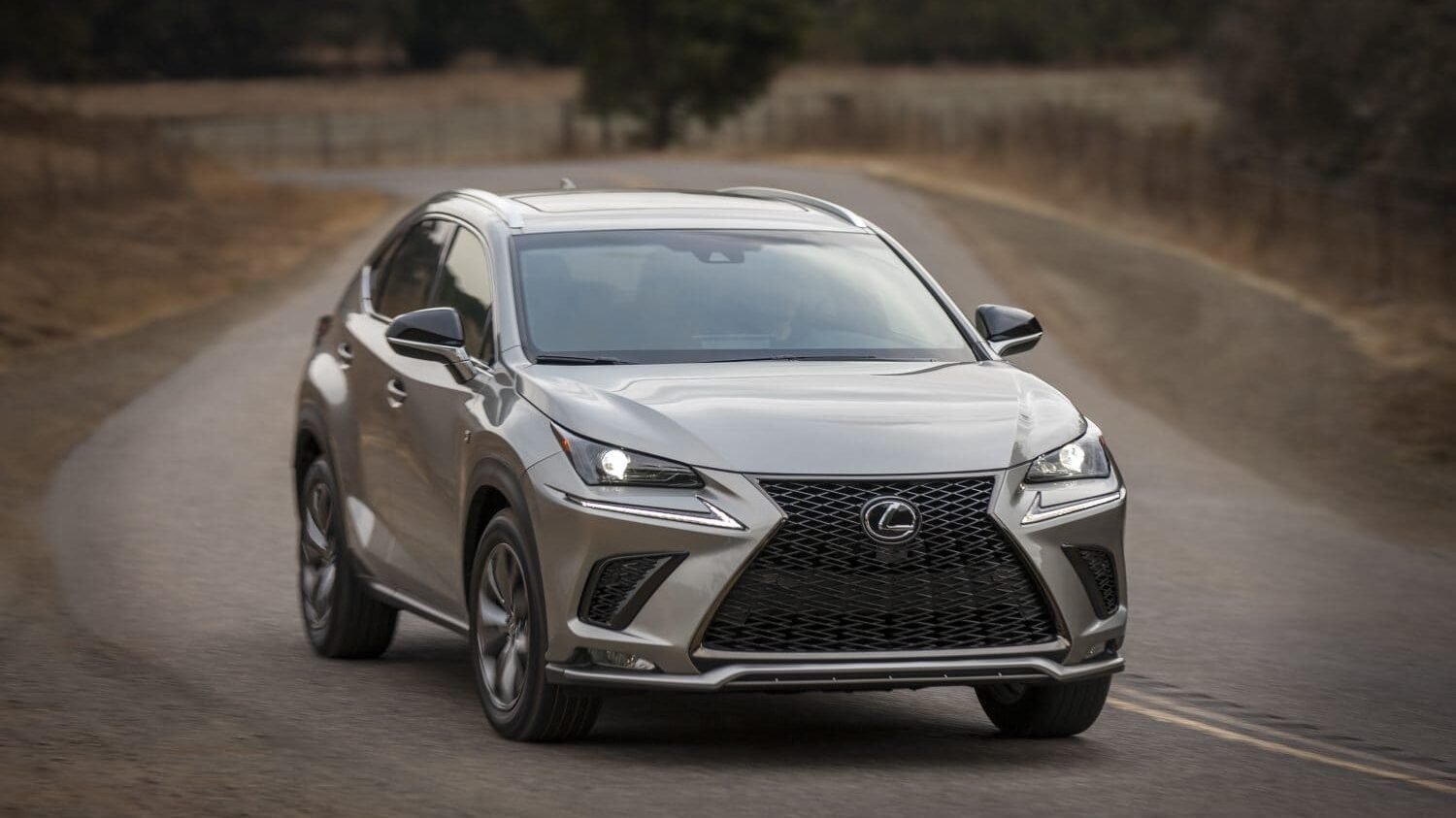
This article dives into the best used luxury SUVs for under $40,000 that stand out in reliability, style, and overall satisfaction from owners. We’ve done the homework to pick out cars that score high in driver experience, comfort, and how easy they are to use. Here are our top picks:

Key Takeaways:

  • In 2024, a bunch of used luxury SUVs under $40,000 really shine in reliability and performance.
  • The 2020 BMW X3 perfectly mixes fun driving with luxury features.
  • The 2023 Cadillac XT5 offers a roomy interior packed with modern tech.
  • The 2019 Lexus GX is rugged and stylish for those who want off-road capability along with luxury.
  • The 2021 Lexus NX and 2020 Lexus RX showcase Lexus’ focus on comfort and dependable performance.
  • The 2021 Lincoln Corsair and 2020 Lincoln Nautilus highlight luxurious interiors and top-notch safety features.
  • The 2017 Mercedes-Benz GLE stands out with its powerful engines and smooth driving experience.
  • The 2021 Volvo XC60 boasts Scandinavian style and impressive safety tech.
  • The 2020 Lexus GX rugged yet luxurious SUV with proven reliability and off-road mastery.

Let’s get into some detail about these luxury SUVs, looking at their special features, what owners are saying, and why they rank among the best used options today.

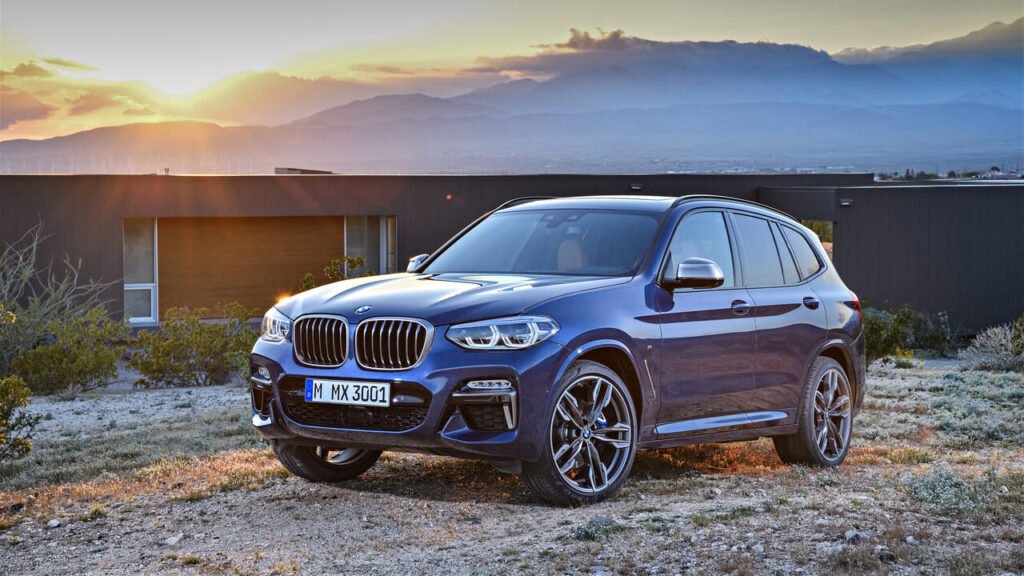
2020 BMW X3

1. 2020 BMW X3

Overview

The 2020 BMW X3 brings a sporty feel combined with an upscale interior and innovative tech into a compact luxury SUV. It comes with a range of engines, including a well-rated turbocharged 2.0-liter four-cylinder and a powerful inline-six option in the X3 M40i, making it both efficient and exciting to drive.

Reliability Ratings

Experts and owners usually give the BMW X3 high marks for reliability. The 2020 model scored 81 out of 100 from J.D. Power, showing off its performance and quality. Owner reviews on Consumer Reports highlight that the 2020 BMW X3 is known for solid performance and sturdy construction.

Customer Satisfaction

Drivers often mention the X3’s engaging handling and sharp steering as top features that create a true connection between driver and car. Plus, BMW’s iDrive infotainment system gets generally good feedback for user-friendliness once you get past the learning curve.

Unique Features

  • Interior Quality: The X3 features a sleek cabin with a sophisticated design and soft-touch materials.
  • Driver Assistance Features: Advanced safety features like blind-spot monitoring and automatic emergency braking are standard on many trims.
  • Spacious Cargo: With about 28.7 cubic feet of space behind the rear seats, the X3 is great for everyday use.

2. 2023 Cadillac XT5

Overview

The 2023 Cadillac XT5 marks a step into modern luxury with an emphasis on comfort and roominess. As a midsize SUV, it offers enough legroom and cargo space, making it perfect for families and those after a refined ride.

Reliability Ratings

Experts have given the Cadillac XT5 a thumbs-up, with J.D. Power awarding the 2023 model a reliability score of 79 out of 100, reflecting its commitment to quality in both build and performance.

Customer Satisfaction

Owners love the XT5 for its comfy ride, high-quality interior, and practicality. The infotainment system, Cadillac User Experience (CUE), has had mixed reviews, but the updates in the 2023 model make it much easier to use.

Unique Features

  • Luxurious Interior: High-quality seating and spacious design create a premium feel.
  • Cargo Space: With 30 cubic feet of cargo space behind the rear seats, that expands to a max of 63 cubic feet with the seats down—perfect for all your gear.
  • Connectivity Options: Standard wireless Apple CarPlay and Android Auto, plus multiple USB ports make it super convenient.

3. 2021 Lexus NX

Overview

The 2021 Lexus NX combines style with impressive fuel efficiency in a compact crossover. Known for its reliability, it’s a great fit for city drivers who want a car that’s both practical and stylish.

Reliability Ratings

Lexus is known for reliability, and the 2021 NX proves it. It gets top scores from both Consumer Reports and J.D. Power, generally around 81 for dependability, placing it as a strong option in the compact luxury market.

Customer Satisfaction

Owners frequently point out the smooth and quiet ride, luxurious feel of the interior, and the higher quality service you’d expect from Lexus dealerships. Although the infotainment system sometimes gets flak for its touchpad, it’s generally recognized for its ease of use.

Unique Features

  • Hybrid Option: The NX also has a hybrid version that offers about 33 mpg, ideal for eco-conscious drivers.
  • Safety Features: It includes Lexus Safety System+, featuring pre-collision systems and adaptive cruise control, ensuring safety for everyone inside.
  • Interior Design: The cabin balances modern style with user-friendly features, creating a welcoming environment.

4. 2020 Lexus RX

Overview

The 2020 Lexus RX is a midsize luxury SUV known for its smooth ride and classy design. As one of Lexus’s top models, it balances luxury with practical use across a broad range of buyers.

Reliability Ratings

Like the NX, the RX is regularly rated high for reliability. The 2020 model got an 85 out of 100 from J.D. Power, indicating its long-standing reputation for durability.

Customer Satisfaction

The RX stands out for its comfy seating with high-quality materials, which many owners appreciate. Plus, the easy-to-use infotainment system and comfortable driving position add to its charm among SUV buyers.

Unique Features

  • Spaciousness: The RX gives you up to 40 cubic feet of cargo space behind the rear seats, expanding to 80 cubic feet with the seats folded, making it perfect for families or outdoor activities.
  • Hybrid Option: It also comes in a hybrid variant that ranks high in fuel efficiency, getting around 31 mpg in the city.
  • Safety Ratings: The RX consistently earns high marks for safety, thanks to its comprehensive safety features.

5. 2021 Lincoln Corsair

Overview

The 2021 Lincoln Corsair introduces a new face to the compact luxury SUV scene, blending high tech with a comfy drive. This model is a strong contender among its peers, showcasing luxury with careful detailing and top-notch materials.

Reliability Ratings

Though the Corsair is fairly new, it scored 77 out of 100 for reliability from J.D. Power. Lincoln has ramped up its quality across its lineup in recent years, and this model reflects that.

Customer Satisfaction

Owners rave about the Corsair’s comfortable, quiet ride and spacious interiors. The new LINCOLN SYNC 3 infotainment system has drawn praise for its intuitive and quick design.

Unique Features

  • Interior Comfort: With room for five, the Corsair focuses on passenger comfort with premium materials and ambient lighting.
  • Adaptive Air Suspension: This feature boosts ride quality, allowing you to adjust settings based on your driving preferences.
  • Advanced Safety Systems: It includes forward collision warnings, automatic emergency braking, and lane-keeping assist to enhance your driving.

6. 2020 Lincoln Nautilus

Overview

The 2020 Lincoln Nautilus is a midsize luxury SUV that blends comfortable rides with state-of-the-art tech in a classy package. It keeps Lincoln’s tradition of luxury while being practical for everyday drives.

Reliability Ratings

The Nautilus has received strong reviews, earning around 78 from J.D. Power for reliability. As a newer model, initial impressions show it as a solid option for those craving luxury.

Customer Satisfaction

Nautilus owners often highlight its spaciousness and the luxurious vibe of the cabin, focusing on comfort and quiet. Its easy-to-navigate infotainment features also make driving a pleasure.

Unique Features

  • Powerful Engine Options: You can choose between a standard turbocharged engine or a more powerful V6, boosting the Nautilus’s appeal for performance fans.
  • Generous Cargo Space: There’s plenty of room in the Nautilus for weekend trips or family adventures.
  • Safety Features: It comes with a solid range of safety technologies, reinforced by Lincoln’s Co-Pilot360 system.
2017 Mercedes-Benz GLE

7. 2017 Mercedes-Benz GLE

Overview

The 2017 Mercedes-Benz GLE is a midsize SUV that mixes luxury with performance, offering several powerful engine choices and sophisticated design. It has carved a solid niche in the SUV market.

Reliability Ratings

The 2017 model got a reliability score of 77 out of 100 from J.D. Power. Users note that while the GLE is full of great features, it can be pricier to maintain than some others in its class.

Customer Satisfaction

Owners praise the GLE for its powerful performance and luxurious finishes, with many enjoying its smooth ride and varied engine options.

Unique Features

  • Powerful Engine Choices: The GLE offers a variety of engines, giving you options for performance needs, including diesel for better fuel economy.
  • Superior Interior Quality: Top-notch materials and excellent design create a warm atmosphere inside.
  • Advanced Infotainment: The infotainment system provides tons of connectivity and is easy to use.

8. 2021 Volvo XC60

Overview

The 2021 Volvo XC60 stands out in the luxury compact SUV market, blending modern Scandinavian design with top-notch safety features. This SUV is built on the same base as the Audi Q5 and BMW X3 but offers a unique mixture of elegance and functionality.

Reliability Ratings

The XC60 holds a reliability score of 82, according to J.D. Power, making it a leading option in its class. Volvo vehicles are known for solid engineering and safety.

Customer Satisfaction

Owners often highlight the XC60’s comfy seats, spacious feel, and stunning interior design. Its robust safety features also boost the overall driving experience.

Unique Features

  • Safety Innovations: It’s packed with advanced safety features like automatic emergency braking and blind-spot monitoring to keep everyone safe.
  • Spacious and Upscale Interior: The interiors use premium materials and a clean design, combining looks and practicality.
  • Impressive Fuel Efficiency: The hybrid version offers great fuel economy, making it a win for environment-conscious buyers.

9. 2020 Lexus GX

Overview

Based on the formidable Prado the 2020 Lexus GX is a full-size luxury SUV recognized for its tough build, off-road capabilities, and long-term reliability. Unlike many luxury SUVs that focus on comfort, the GX keeps true to off-road roots with a robust V8 engine and full-time 4WD, perfect for adventure seekers who still want luxury features.

Reliability Ratings

Lexus has built a reputation for reliability, and the 2020 GX sticks to that. J.D. Power gave it a reliability score of 83 out of 100, and Consumer Reports gave it a 5 out of 5 reliability verdict, signaling solid dependability and longevity. Many owners report their models have surpassed 200,000 miles with the right care.

Customer Satisfaction

Buyers love the GX for its off-road prowess, along with its strong resale value. While the ride may feel a bit stiffer due to its truck-like build, the luxe leather seats and premium finishes make it a refined option.

Unique Features

  • Proven V8 Power: With a 4.6L V8 engine generating 301 hp, the GX offers smooth performance and excellent towing capacity (up to 6,500 lbs).
  • Exceptional Off-Road Ability: Equipped with full-time 4WD, crawl control, and a locking center diff, the GX is poised to tackle tough terrains.
  • Advanced Safety Features: It comes with Lexus Safety System+, including lane departure alerts and pre-collision systems.
  • Cargo Space & Versatility: The GX fits up to seven passengers with an optional third row and offers more cargo room when the seats are folded down.

Even with its dated interior and lower fuel efficiency (15 mpg city, 19 mpg highway) compared to some newer rivals, the 2020 Lexus GX remains a top pick for those who want a blend of reliability, off-road capability, and luxury.

Conclusion

Choosing a used luxury SUV can be tricky, especially when you want style and reliability. The models we’ve talked about— 2020 BMW X32023 Cadillac XT52021 Lexus NX2020 Lexus RX2021 Lincoln Corsair2020 Lincoln Nautilus2017 Mercedes-Benz GLE2021 Volvo XC60 and 2020 Lexus GX—are some of the finest choices under $40,000 for 2024. Each one shines in its category, offering remarkable fuel efficiency, comfort, high safety ratings, and a fun driving experience.

When you’re picking a used luxury SUV, think about what matters most to you, whether it’s passenger space or tech features. As the car world keeps changing, these models are sure bets for shoppers after style and durability in their next ride. Doing your homework and considering your driving needs will help you make a choice that boosts your driving pleasure while keeping fuel efficiency front and center.


If you liked this post, you might wanna check out our article called “Top Most Reliable Used SUVs Under $15,000.” You can find loads of in-depth car reviews, handy buying tips, and the latest buzz in the car world right on our site. Take your time exploring and don’t forget to save our homepage for updates coming your way!


*Disclaimer: This website provides automotive content for informational purposes only and should not be considered professional advice. While we strive for accuracy, we do not guarantee the reliability or suitability of any vehicle or product mentioned—always conduct your own research before making purchasing decisions. Additionally, some links on this site are affiliate links, meaning we may earn a commission if you make a purchase, at no extra cost to you.