
Toyota or Honda?
For decades, both have been among the safest choices for buyers who prioritize reliability and long-term ownership.
In 2026, however, Toyota has the edge. Consumer Reports ranks Toyota first for new-car reliability and second for used-car reliability, while Honda ranks fourth in both categories. Toyota also performs strongly in J.D. Power’s latest three-year dependability data.
But the difference isn’t large enough to make the badge your buying decision. Honda remains one of the industry’s strongest reliability performers, and a proven Honda can easily be a better choice than the wrong Toyota generation.
So the useful question isn’t simply Toyota or Honda.
It’s which model, which powertrain and which model year?
What the Current Reliability Data Says
Different reliability studies measure different things, so their scores shouldn’t be mixed into one artificial ranking. But the direction of the evidence is useful.
| Evidence | Toyota | Honda | Advantage |
|---|---|---|---|
| CR 2026 new-car reliability | #1 | #4 | Toyota |
| CR used-car brand reliability | #2 | #4 | Toyota |
| J.D. Power compact-car dependability | Corolla #1 | Civic #2 | Toyota, small |
| J.D. Power midsize-car dependability | Camry #1 | — | Toyota |
| Long-term durability evidence | Exceptional | Excellent | Toyota |
That doesn’t make Honda unreliable, quite the opposite, Honda remains one of the industry’s strongest manufacturers for both new- and used-car reliability. Toyota simply produces strong results with unusual consistency.
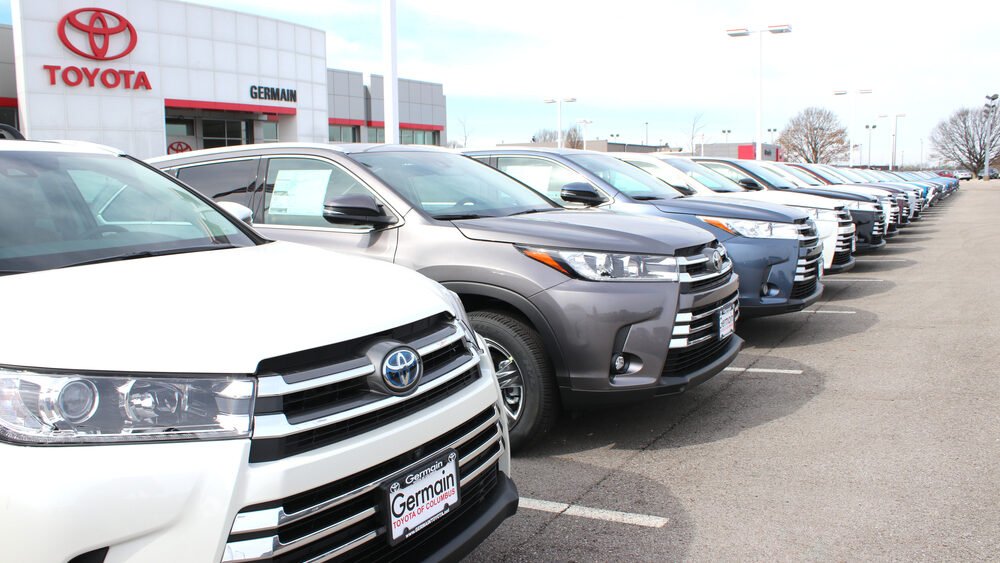
Toyota’s Real Advantage Is Maturity
Toyota’s reliability is often attributed to conservative engineering, but that’s only part of the story. A company that began mass-producing hybrids in the 1990s and had sold more than 10 million of them by early 2017 can hardly be called technologically timid.
Toyota’s real strength is its ability to industrialize new technology and then refine it at enormous scale. Millions of vehicles generate warranty claims, dealer repairs, supplier data and real-world operating experience. Weak components emerge, manufacturing tolerances improve, calibrations evolve, and those lessons feed into later production and future generations.
That’s an advantage that is difficult to replicate quickly. Reliability isn’t created only during development; it is also built through years of production feedback.
Toyota doesn’t simply develop technology. It gets unusually good at maturing it.
Corolla vs. Civic: Toyota Wins, But Barely
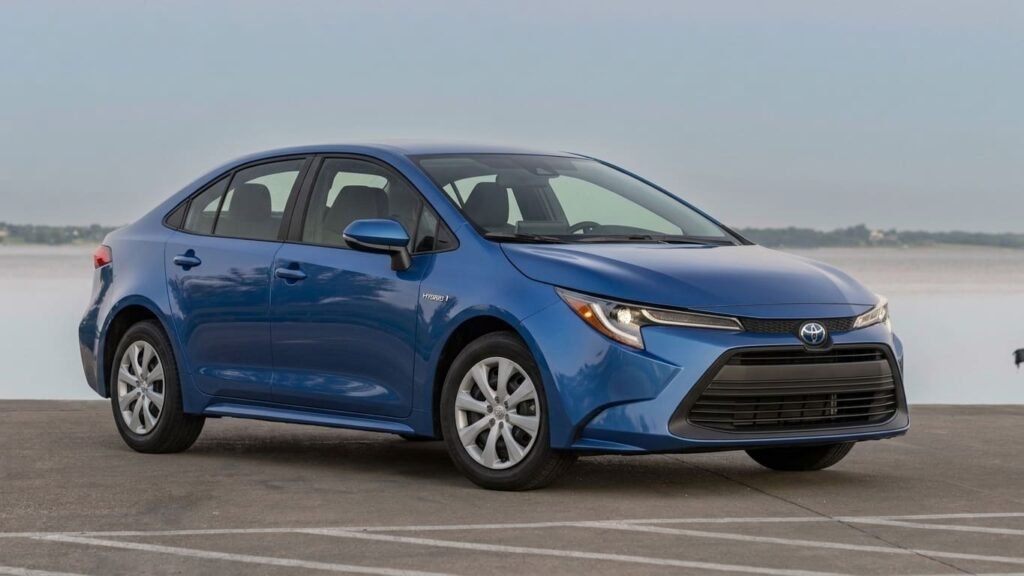
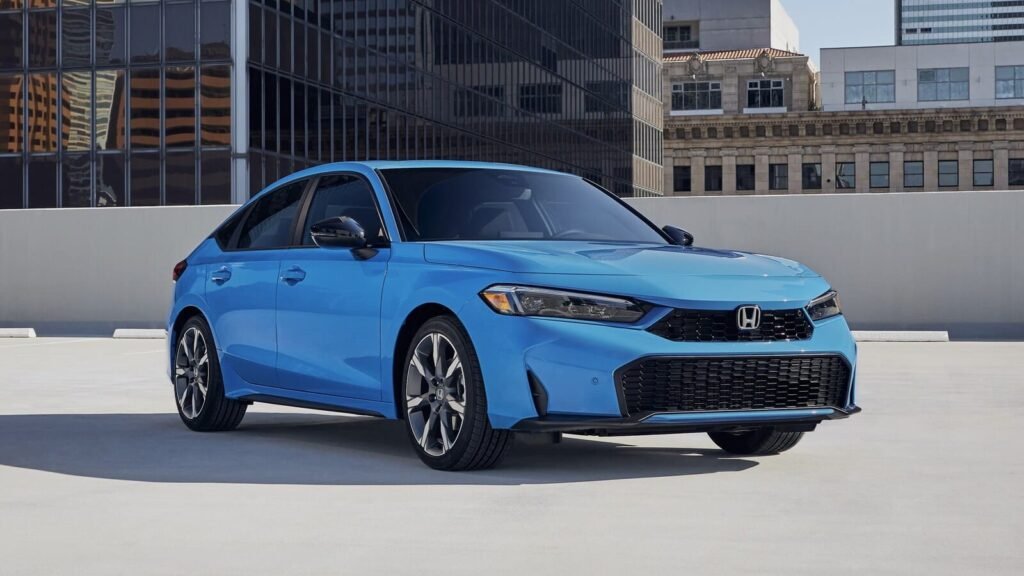
J.D. Power’s latest Vehicle Dependability Study ranks the Toyota Corolla first among compact cars, with the Honda Civic second.
That makes the Corolla the safer reliability pick, but only slightly. The Civic remains one of the segment’s strongest choices and may be more appealing to buyers who value sharper driving dynamics or its available 200-hp hybrid powertrain.
This is less a reliable-versus-unreliable comparison than a choice between two proven compact cars, with Toyota holding the narrower statistical edge.
Reliability pick: Corolla | Advantage: Small
Camry vs. Accord: Toyota Has the Stronger Evidence
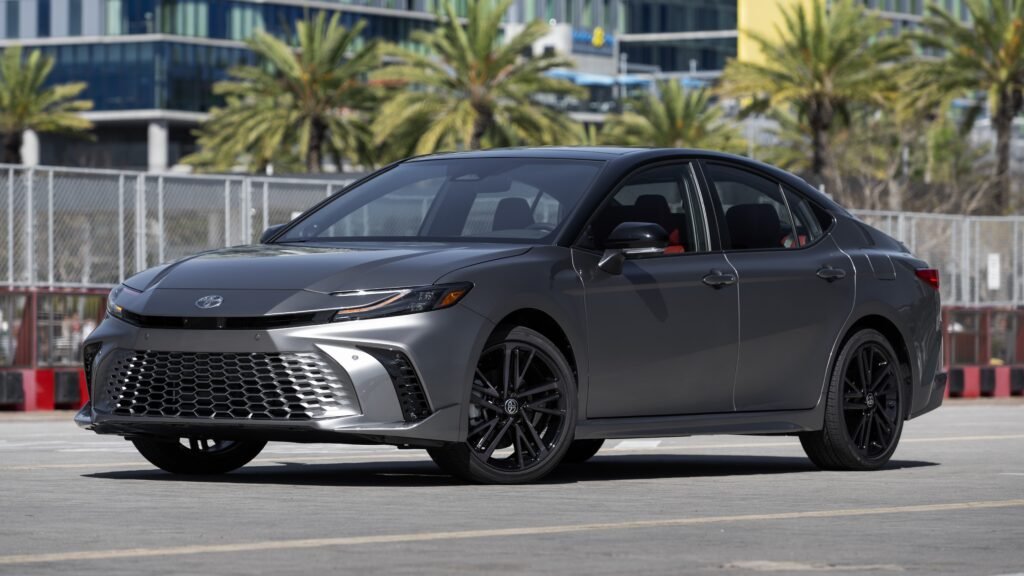
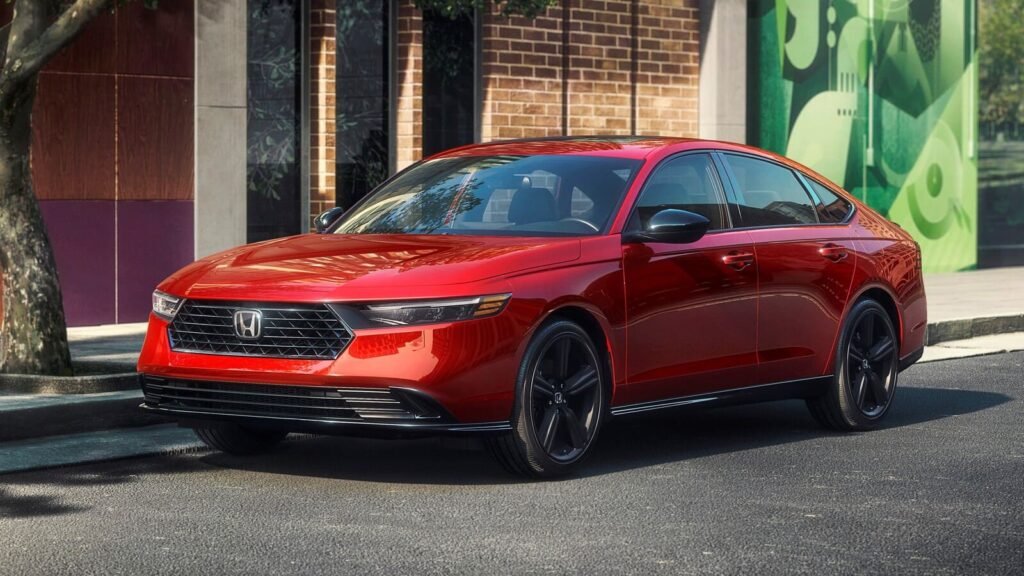
J.D. Power ranks the Toyota Camry highest in midsize-car dependability, giving Toyota a stronger evidence base here.
Today’s comparison is different, however. The U.S.-market Camry is now hybrid-only, while the Accord offers either a 1.5-liter turbo or a 204-hp two-motor hybrid depending on trim.
For hybrid buyers, Toyota has the advantage of decades of large-scale hybrid production and field experience. Honda’s two-motor system is also well established, but Toyota still carries the deeper long-term evidence.
Reliability pick: Camry | Advantage: Small to moderate
RAV4 vs. CR-V: Configuration Matters More
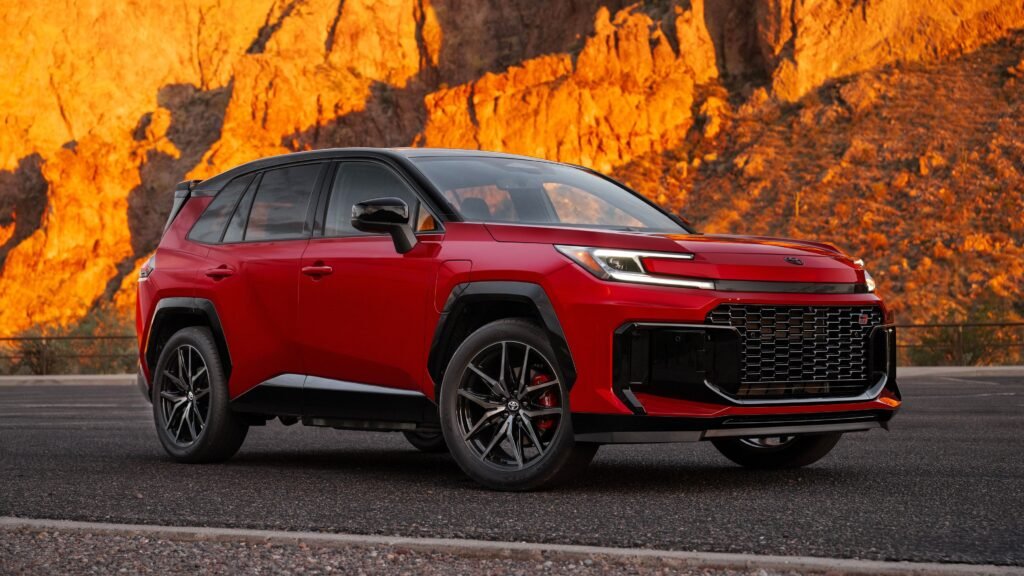
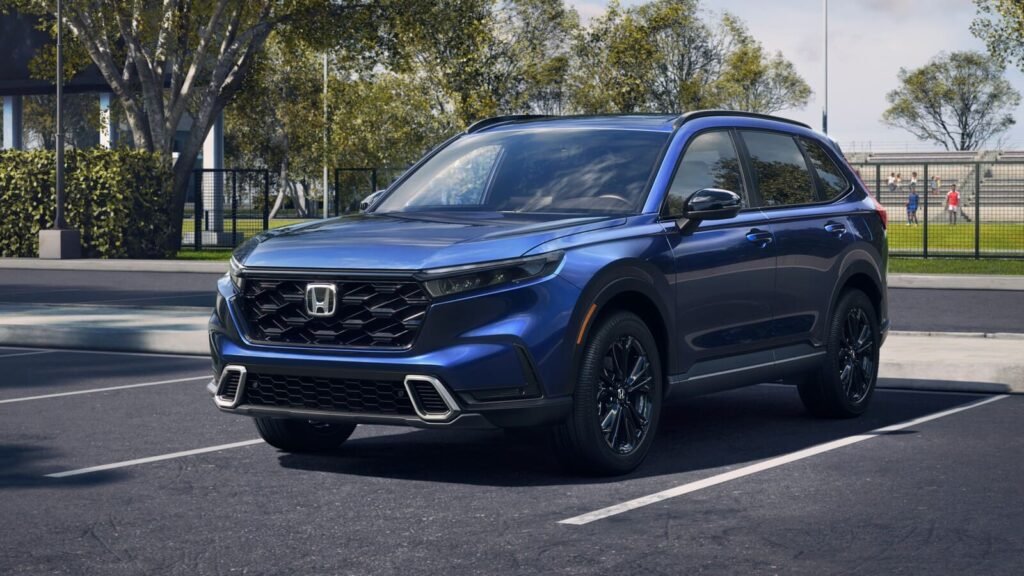
Both the RAV4 and CR-V have strong reliability histories, but the badge alone tells us increasingly little. Generation, model year and powertrain matter more.
That’s especially true now that the 2026 RAV4 is hybrid-only in the U.S., while the CR-V continues with both conventional gasoline and hybrid powertrains.
Toyota has the stronger long-term hybrid record, but that doesn’t make every RAV4 preferable to every CR-V. A mature, proven CR-V can be a safer reliability choice than a newly redesigned RAV4 simply because new hardware has less real-world history behind it.
Reliability pick: RAV4 historically | Advantage: Small and configuration-dependent
For a model-by-model breakdown, see our RAV4 vs. CR-V comparison.
Hybrids Are Toyota’s Strongest Argument
Toyota’s clearest reliability advantage is hybrid maturity. After decades and millions of vehicles, its batteries, motors, inverters, cooling systems and control strategies have accumulated an unusually deep body of real-world experience.
That matters because hybrids aren’t inherently reliable simply because they eliminate some conventional drivetrain components. They replace some mechanical complexity with batteries, power electronics and software.
Toyota’s advantage is therefore not simplicity but maturity at scale. Honda’s two-motor hybrid system is also well established, but Toyota has the deeper production history behind its technology.
For buyers planning long-term hybrid ownership, that accumulated evidence is difficult to ignore.
But Don’t Automatically Buy the First-Year Toyota
Toyota’s badge isn’t a reliability guarantee. Consumer Reports has repeatedly found that major redesigns and newly introduced technology tend to create more reliability risk, even for traditionally dependable manufacturers.
A new generation may introduce a different powertrain, electronics, software and manufacturing processes simultaneously, while the competing Honda could already be several years into a proven production cycle.
In that situation, the mature Honda may be the safer reliability purchase than the first-year Toyota.
That’s why brand rankings should start your research, not finish it. For long-term ownership, always investigate the specific generation, model year and powertrain.
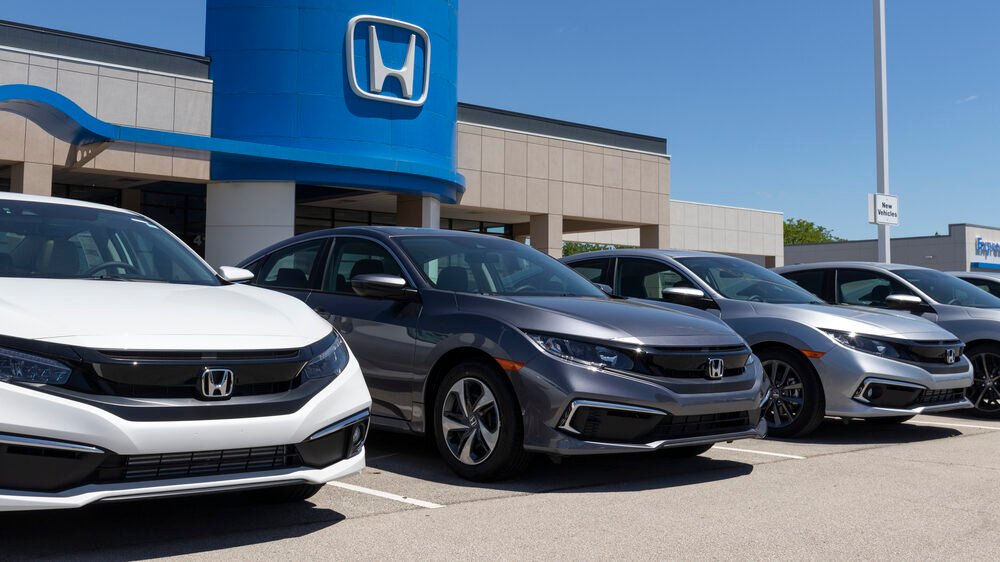
Honda’s Engineering Shouldn’t Be Underrated
Toyota’s overall advantage shouldn’t diminish Honda’s engineering record. Honda combines strong reliability with some of the industry’s better packaging, chassis tuning and powertrain engineering.
The two companies also make different compromises. Honda has often been willing to pursue turbocharging, performance and packaging solutions differently from Toyota, but sophistication itself doesn’t determine reliability.
What matters is whether the technology has been properly designed, validated, manufactured and refined. That’s why Honda remains so competitive: it doesn’t need to engineer cars exactly like Toyota to produce dependable ones.
The Difference Becomes More Interesting at 10 Years
For buyers planning to keep a vehicle well beyond 100,000 miles, Toyota’s advantage becomes more meaningful. Consumer Reports’ used-car data ranks Toyota ahead of Honda, while Toyota also has an unusually deep record of high-mileage cars, SUVs, pickups and hybrids.
That doesn’t mean every Toyota will outlast every Honda. Reliability and longevity are different tests: a car can be trouble-free for five years without necessarily aging exceptionally well over 15.
Toyota simply has the broader body of long-term evidence.
For a deeper look at what makes some vehicles survive extreme mileage, see Why Do Japanese Cars Last So Long?.
Don’t Buy Toyota. Don’t Buy Honda. Buy the Right Configuration.
Brand reliability is useful for spotting patterns, but an actual purchase should be judged more precisely:
generation → model year → engine/powertrain → transmission → drivetrain → major options → maintenance history
That’s why a proven Honda can be a better purchase than a problematic Toyota model year—and why two vehicles wearing the same badge can produce very different ownership experiences. Toyota vs. Honda is a useful starting point. The closer you get to the actual car, the less the badge matters.
Toyota vs. Honda: Which Is More Reliable?
Toyota wins overall, but the gap is smaller than the reputation of either brand might suggest.
Toyota has the stronger long-term record and a particularly compelling advantage in hybrid maturity. Honda, however, remains one of the industry’s most dependable manufacturers, and the right Honda can easily be a better purchase than the wrong Toyota.
So don’t stop at “Toyota or Honda?”
Ask:
Which model? Which generation? Which powertrain? Which year?
Because ultimately, reliability doesn’t belong to the badge. It belongs to the engineering underneath it.
Watch: Toyota vs. Honda Reliability Explained
If you prefer a visual breakdown, we also compared Toyota and Honda reliability on the TopCarList YouTube channel.
The video looks at the same question from a practical ownership perspective: why both brands have earned strong reliability reputations, where Toyota tends to hold an advantage, and why choosing between them should ultimately come down to the specific model, generation and powertrain rather than the badge alone.
Watch the full Toyota vs. Honda reliability comparison below:
The important takeaway is that this isn’t a comparison between a reliable brand and an unreliable one. Toyota and Honda are both among the stronger choices in the market. The interesting question is why Toyota has managed to produce slightly more consistent reliability results—and whether that advantage remains meaningful when we compare individual vehicles.
- Chinese Cars Are Winning the Technology Race—But Will They Last?
- 2024 Toyota Camry Reliability: Is It Toyota’s Smartest Buy?
- 2023 Toyota Camry Reliability: Is Paying More Really Worth It?
- 10 Most Reliable Used Cars in 2026: Specific Years to Buy

- 2022 Toyota Camry Reliability: Is It the Best Used Camry?
- Car Reliability Ratings Explained: Which Ones Can You Actually Trust?
*Disclaimer: This website provides automotive content for informational purposes only and should not be considered professional advice. While we strive for accuracy, we do not guarantee the reliability or suitability of any vehicle or product mentioned—always conduct your own research before making purchasing decisions. Additionally, some links on this site are affiliate links, meaning we may earn a commission if you make a purchase, at no extra cost to you.