
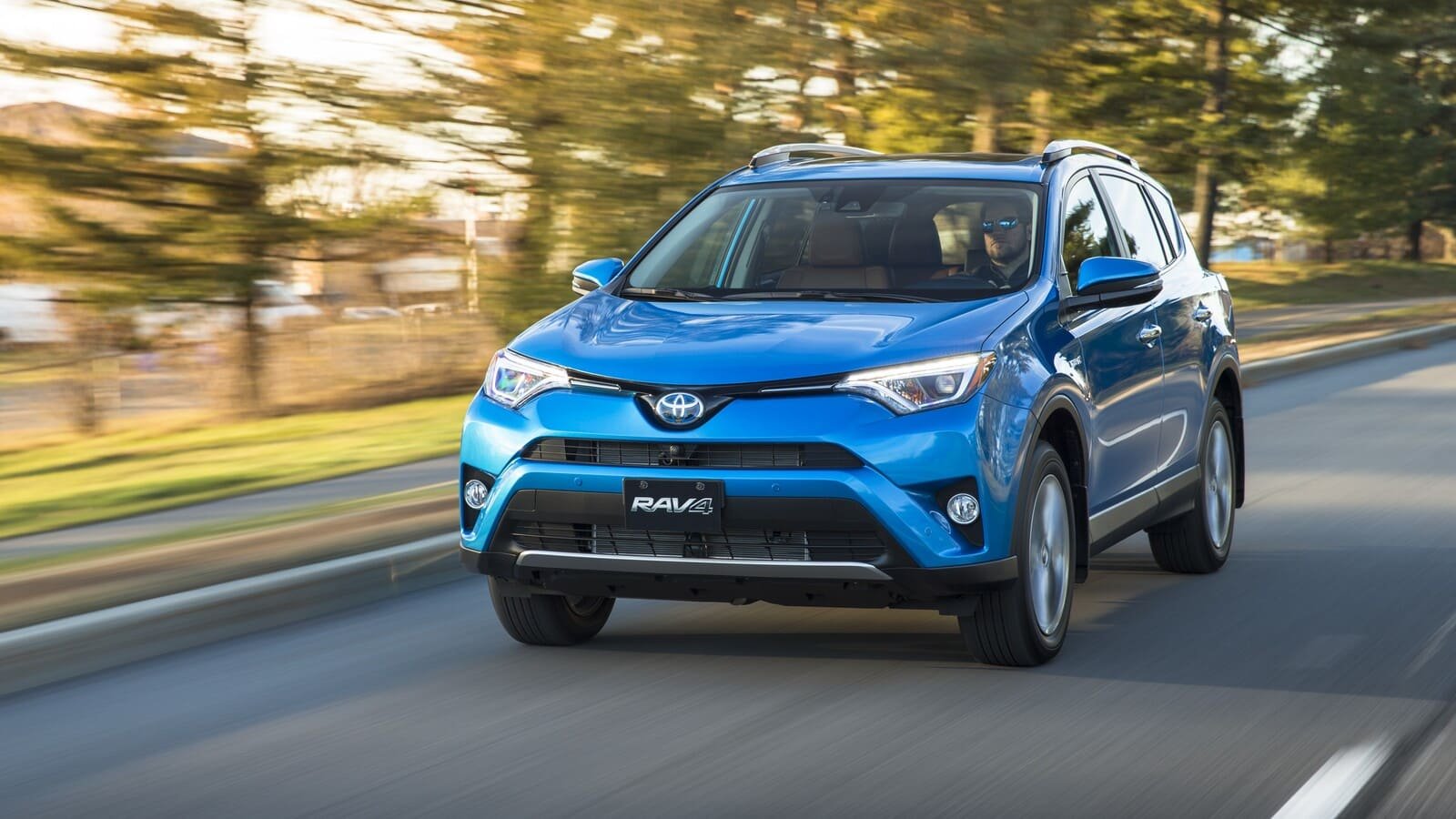
The best used SUVs under $15,000 in 2026 aren’t necessarily the newest. A well-chosen older model can offer greater mechanical durability and lower repair exposure than a newer, more complex alternative.
The Toyota RAV4 is our top overall choice, while the Mazda CX-5 offers exceptional value without Toyota’s resale premium. The Honda CR-V remains a practical contender, and the Lexus RX 350 delivers luxury with relatively proven mechanical engineering.
Our eight selections prioritize powertrain durability, repair-cost risks, and realistic availability below $15,000.
Best Used SUVs Under $15,000: Quick Comparison
| SUV | Recommended years | Best for | Main consideration |
|---|---|---|---|
| Toyota RAV4 | 2013–2018 | Overall reliability | Higher used-market prices |
| Mazda CX-5 | 2015–2016.5 | Best value | Firmer ride and road noise |
| Honda CR-V | 2015–2016 | Practicality | CVT and low-speed vibration concerns |
| Lexus RX 350 | 2013–2015 | Luxury and durability | Higher running costs |
| Toyota Venza | 2013–2015 | Comfort and value | Older design and limited availability |
| Toyota Highlander | 2014–2016 | Three-row family use | Purchase price and fuel consumption |
| Honda Pilot | 2013–2015 | Affordable large SUV | Timing-belt and VCM-related concerns |
| Subaru Forester | 2017–2018 | Visibility and all-weather use | CVT and oil-consumption considerations |

1. Toyota RAV4 (2013–2018): Best Overall
The fourth-generation Toyota RAV4’s 176-hp 2.5-liter 2AR-FE engine and six-speed automatic offer proven durability without turbocharging, direct injection, or CVT complexity.
Its conventional engineering, widespread parts availability, and practical cargo space make it particularly attractive for extended ownership. The main drawback is Toyota’s resale premium. A similarly priced Mazda CX-5 may be newer or better equipped, but the RAV4 remains our strongest overall recommendation.
Advantages:
- Mature 2.5L engine and 6-speed automatic.
- Excellent cargo space
- Broad parts availability.
- Strong resale value
- Long-term durability record.
Disadvantages:
- Higher purchase prices.
- Unremarkable acceleration and driving dynamics.
- Older examples may require cooling-system or suspension repairs.
For a more detailed assessment of specific model years, see our Toyota RAV4 Years to Avoid guide.
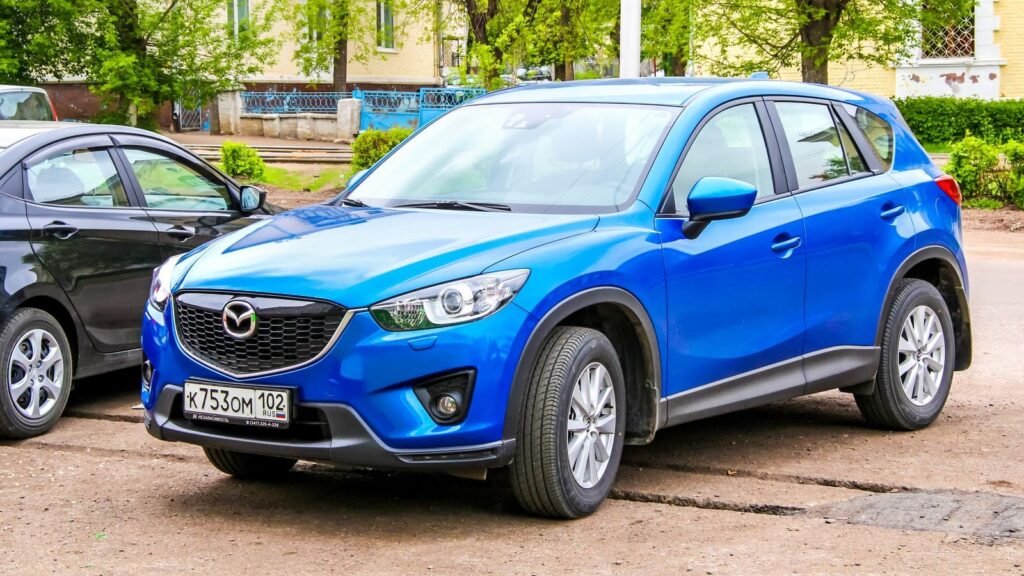
2. Mazda CX-5 (2015–2016): Best Value for Money
The first-generation Mazda CX-5 with the naturally aspirated 2.5-liter Skyactiv-G engine and six-speed automatic combines proven durability with more engaging handling than most contemporary compact SUVs.
Its high-compression engine delivers efficient combustion without turbocharging and avoids the cylinder-head concerns associated with certain later turbocharged Mazda engines. It also often costs less than a comparable RAV4 while offering sharper steering and better body control. Road noise, firm suspension tuning, and modest rear-seat space are the main compromises.
Advantages:
- Strong engine and conventional automatic.
- Excellent handling.
- Often better equipment value than a similarly priced RAV4.
Disadvantages:
- More road noise than some competitors.
- Less rear-seat space than Honda CR-V.
- Suspension and brake wear deserve attention on older examples.
If a comparable CX-5 costs meaningfully less than a RAV4, Mazda may offer the better overall purchase.
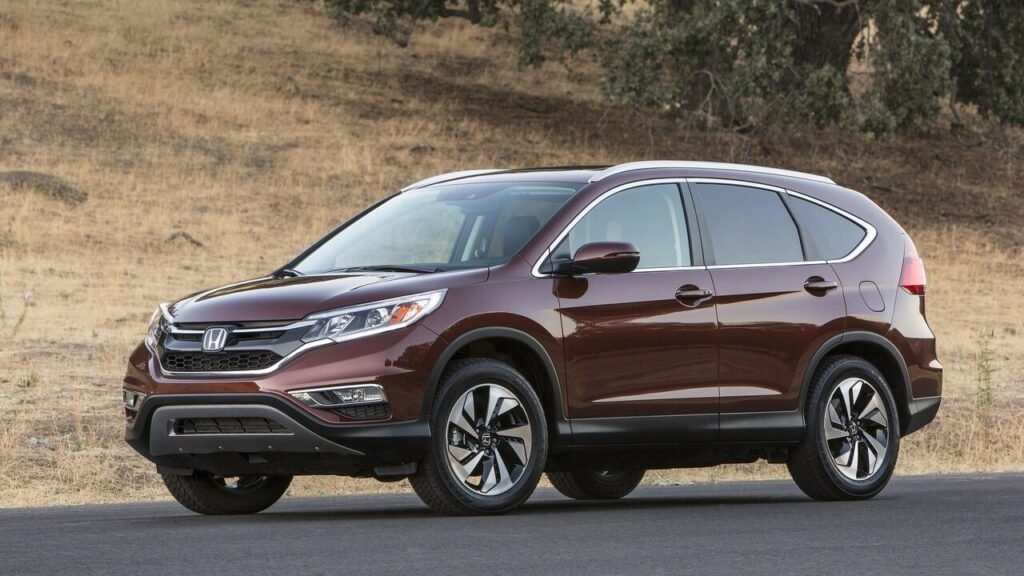
3. Honda CR-V (2015–2016): Best for Practicality
The 2015–2016 Honda CR-V pairs a 185-hp, direct-injected 2.4-liter K24W engine with a CVT, replacing the conventional automatic used in earlier models. However, Honda’s CVT has a different reliability history from Nissan’s, although transmission condition warrants some attention.
Some 2015 models also experienced excessive idle vibration, prompting corrective measures from Honda. The CR-V’s greatest advantage though is packaging efficiency. Its exceptionally spacious cabin and cargo area deliver family-SUV practicality without larger exterior dimensions or significantly higher fuel consumption.
Advantages:
- Excellent passenger and cargo space.
- Efficient 2.4L engine.
- Strong everyday usability and maneuverability.
Disadvantages:
- CVT adds a different long-term maintenance consideration.
- Some 2015 models experienced idle-vibration complaints.
- Infotainment controls and road noise are less impressive.
The CR-V is the strongest choice here for buyers who prioritize interior space over driving engagement.

4. Lexus RX 350 (2013–2015): Best Reliable Luxury SUV
The third-generation Lexus RX 350 combines Toyota’s proven 270-hp 3.5-liter 2GR-FE V6 with a six-speed automatic, delivering refined performance without turbocharging or complex luxury-car powertrains.
Its mechanical maturity makes it an attractive alternative to similarly priced European luxury SUVs, particularly those with expensive suspension or drivetrain systems. However, luxury still carries higher operating costs. Fuel consumption, tires, suspension components, and electronics can cost more than those of a mainstream SUV.
The RX 350’s strength is its balance of proven drivetrain durability and genuine luxury, rather than exceptionally low ownership expenses.
Advantages:
- Well-established 3.5L V6 and six-speed automatic.
- Excellent ride comfort and cabin refinement.
- Strong long-term durability reputation.
Disadvantages:
- Higher fuel consumption than compact SUVs.
- Luxury-specific components increase some repair costs.
- Older infotainment system and less engaging handling.
For buyers who want luxury rather than maximum efficiency, the RX 350 is our preferred choice.

5. Toyota Venza (2013–2015): Best Overlooked Alternative
The original Toyota Venza combines established Toyota mechanical components with sedan-like comfort and generous passenger space. U.S. models offered a 2.7-liter four-cylinder or smoother 3.5-liter V6, both paired with six-speed automatics.
Its greatest advantage is value. Often overlooked beside the RAV4 and Highlander, the Venza can offer comparable mechanical dependability at a more attractive price.
However, production ended after 2015, making age-related deterioration increasingly relevant. Its sloping roofline also limits bulky-cargo practicality.
Advantages:
- Established Toyota four-cylinder and V6 powertrains.
- Comfortable seating and relaxed highway behavior.
- Potentially better purchase value than more popular Toyota SUVs.
Disadvantages:
- Limited availability compared with the RAV4.
- Less versatile cargo area than a conventional SUV.
- Older cabin technology and aging suspension components.
The Venza is particularly attractive when a comfortable two-row vehicle is more important than maximum cargo height or off-road capability.
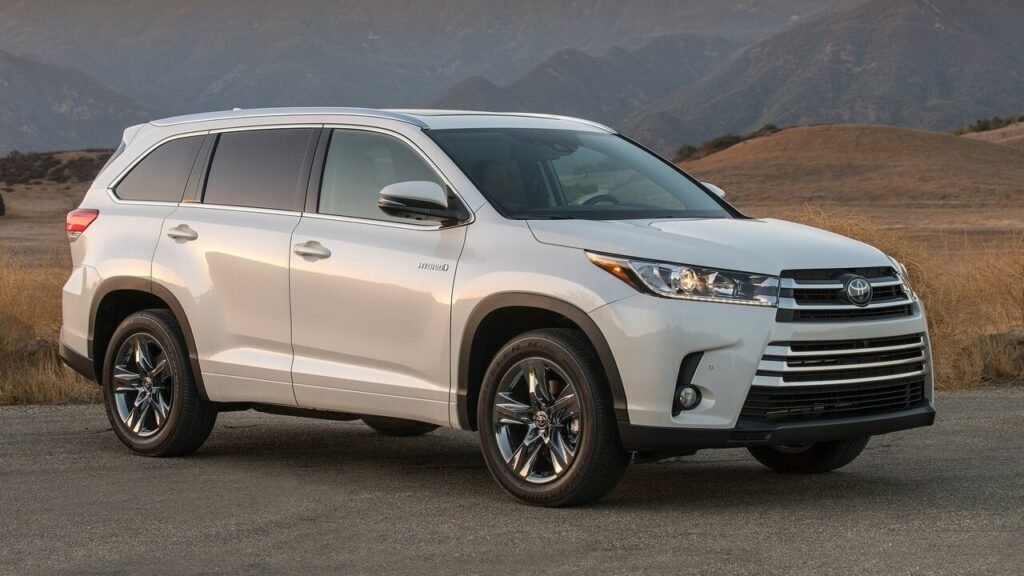
6. Toyota Highlander (2014–2016): Best Three-Row SUV
The third-generation Toyota Highlander offers seven- or eight-passenger seating with a proven 270-hp 3.5-liter V6 and six-speed automatic in our preferred configuration.
Its established drivetrain and spacious cabin make it a strong family choice, although greater weight increases fuel, brake, tire, and suspension costs compared with compact SUVs. The third row is also better suited to children.
Price is the main obstacle. Well-kept 2016 examples can exceed $15,000, making older or higher-mileage vehicles more realistic options.
Advantages:
- Proven V6 and six-speed automatic.
- Flexible seating for larger families.
- Strong resale value and broad service support.
Disadvantages:
- Higher purchase prices than many three-row competitors.
- Greater fuel and consumable expenses.
- Limited third-row comfort for adults.
The Highlander makes the most sense when its additional passenger capacity will be used regularly.

7. Honda Pilot (2013–2015): Best Affordable Large SUV
The second-generation Honda Pilot combines a 250-hp 3.5-liter V6 and five-speed automatic with a spacious, boxy cabin, offering a practical three-row alternative to the Highlander.
However, its timing belt requires scheduled replacement, unlike Toyota’s timing-chain V6. Certain Honda V6 applications with Variable Cylinder Management (VCM) also experienced oil-consumption and piston-ring concerns.
The Pilot’s strengths are passenger space and purchase value, while higher fuel consumption and potentially significant engine-maintenance expenses are its main compromises.
Advantages:
- Spacious cabin with genuinely useful family seating.
- Conventional V6 and five-speed automatic.
- Often more affordable than a comparable Highlander.
Disadvantages:
- Timing-belt replacement adds a significant scheduled expense.
- VCM-related oil-consumption concerns in some applications.
- High fuel consumption and dated cabin technology.
The Pilot offers excellent space for the money, provided its lower purchase price is evaluated alongside its particular engine-maintenance requirements.
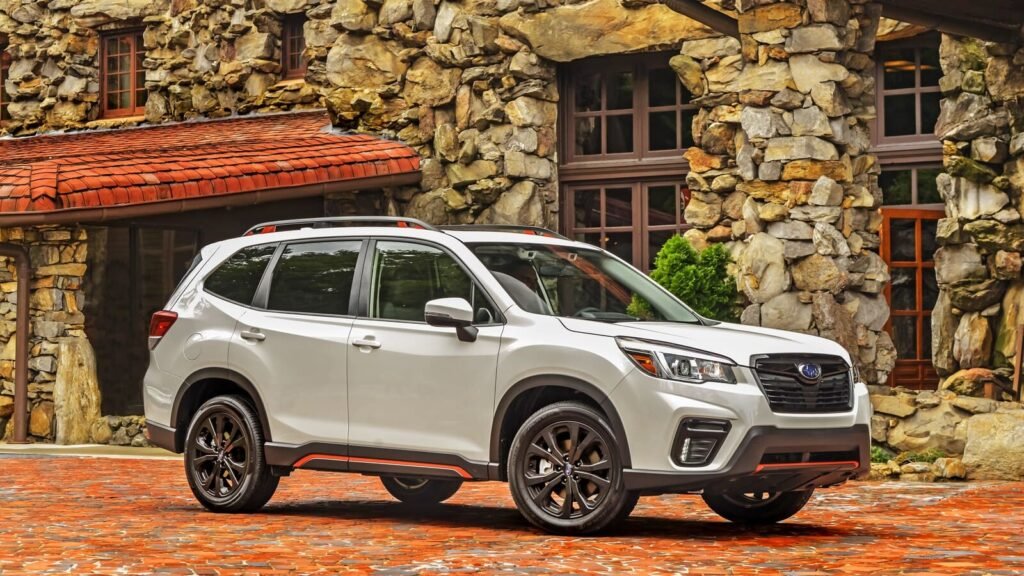
8. Subaru Forester (2017–2018): Best for Visibility and All-Weather Driving
The fourth-generation Subaru Forester 2.5i combines standard all-wheel drive, generous ground clearance, and excellent visibility, making it particularly appealing in snowy regions.
Its naturally aspirated 2.5-liter FB25 boxer engine avoids turbocharger complexity, although oil-consumption complaints in earlier FB engines and CVT durability concerns warrant attention. Certain transmissions received extended warranty coverage.
The Forester’s strongest argument is all-weather capability and practical packaging, not superior mechanical simplicity.
Advantages:
- Standard AWD and useful ground clearance.
- Excellent outward visibility.
- Spacious cabin with compact external dimensions.
Disadvantages:
- CVT-related repair exposure.
- Engine oil consumption warrants model-specific attention.
- Cabin refinement trails the Lexus and some rivals.
For buyers in regions with frequent snow, the Forester’s everyday capability may justify choosing it over a similarly priced front-wheel-drive crossover.
Why Some Attractive Used SUVs Didn’t Make the List
Mechanical durability alone doesn’t determine whether a used SUV is financially sensible. The potential cost of major failures matters just as much.
The 2018 Mazda CX-9’s turbocharged 2.5-liter engine carries cylinder-head cracking and coolant-leak concerns in certain applications. Similarly, a 2016 BMW X3 may offer superior driving dynamics but exposes owners to potentially expensive cooling-system, engine, and drivetrain repairs.
Older Mercedes-Benz M-Class and GLK models can have durable powertrains, yet electronic, suspension, and drivetrain repairs may be disproportionately expensive relative to their market value. A well-engineered SUV can still be a poor purchase under a strict $15,000 budget if one major repair threatens its financial viability.
What $15,000 Actually Buys in 2026
Compact SUVs generally offer the strongest value under $15,000. Larger models add passenger space but increase fuel, tire, brake, and suspension expenses, while older luxury SUVs introduce potentially higher repair costs.
This is why the Toyota RAV4 and Mazda CX-5 rank highly: both provide sufficient everyday capability without the operating expenses of larger or more complex vehicles.
Purchase price also shouldn’t consume the entire budget. A $13,000 SUV with $2,000 reserved for repairs and maintenance may be a better financial choice than a $15,000 vehicle requiring immediate work.
One Common Expense: The Starting Battery
Most SUVs under $15,000 are old enough to have required battery replacement. Correct group size, terminal configuration, and battery chemistry matter more than maximum advertised output.
Our Best Car Battery Replacement Guide compares battery technologies, cold-cranking performance, reserve capacity, and replacement options.
Final Verdict: Which Used SUV Under $15,000 Is Best?
The Toyota RAV4 is our best overall choice, combining proven durability, practicality, and predictable ownership costs. The Mazda CX-5 offers better value when its lower purchase price outweighs Toyota’s resale advantage.
The Honda CR-V excels in interior space, while the Lexus RX 350 offers relatively dependable luxury. The Highlander and Pilot suit larger families, and the Forester stands out for all-weather capability.
Under $15,000, the smartest purchase balances mechanical durability, remaining service life, and potential repair costs against the actual asking price—not reputation alone.
- Chinese Cars Are Winning the Technology Race—But Will They Last?
- 2024 Toyota Camry Reliability: Is It Toyota’s Smartest Buy?
- 2023 Toyota Camry Reliability: Is Paying More Really Worth It?
- 10 Most Reliable Used Cars in 2026: Specific Years to Buy
- 2022 Toyota Camry Reliability: Is It the Best Used Camry?
- Car Reliability Ratings Explained: Which Ones Can You Actually Trust?
*Disclaimer: This website provides automotive content for informational purposes only and should not be considered professional advice. While we strive for accuracy, we do not guarantee the reliability or suitability of any vehicle or product mentioned—always conduct your own research before making purchasing decisions. Additionally, some links on this site are affiliate links, meaning we may earn a commission if you make a purchase, at no extra cost to you.