

A $40,000 budget opens up an impressive selection of used luxury SUVs, including vehicles that originally cost considerably more, but depreciation doesn’t reduce their mechanical complexity or repair expenses. The challenge is identifying vehicles whose remaining durability, comfort, and capabilities justify their current prices.
Our selections prioritize specific generations and powertrains with convincing reliability records, balancing luxury and long-term ownership value rather than relying on brand reputation.
Best Used Luxury SUVs Under $40,000: Quick Comparison
| SUV | Recommended years | Strongest advantage | Main consideration |
|---|---|---|---|
| Lexus RX 350 | 2020–2021 | Best overall reliability-focused choice | Older infotainment architecture |
| Acura RDX | 2021–2023 | Performance, equipment, and value | Turbocharged powertrain and infotainment controls |
| BMW X3 | 2020–2022 | Best balance of performance and luxury | Higher specialist maintenance costs |
| Lexus NX 300/300h | 2020–2021 | Compact luxury with mature powertrains | Limited rear-seat and cargo space |
| Lexus GX 460 | 2019–2021 | Mechanical durability and off-road capability | High fuel consumption |
| Cadillac XT5 | 2021–2023 | Spacious, comfortable, often competitively priced | Less convincing driving dynamics |
| Lincoln Nautilus | 2021–2023 | Quiet, comfortable highway cruiser | Depreciation and electronic equipment |
| Mercedes-Benz GLE 350 | 2017–2018 | Mature V6 powertrain and substantial luxury | Age-related maintenance exposure |
| Volvo XC60 | 2020–2022 | Seating comfort and safety engineering | Greater electronic and powertrain complexity |
These are recommended shopping ranges rather than guarantees that every trim or example will cost less than $40,000. Mileage, condition, location, and equipment can change pricing substantially.
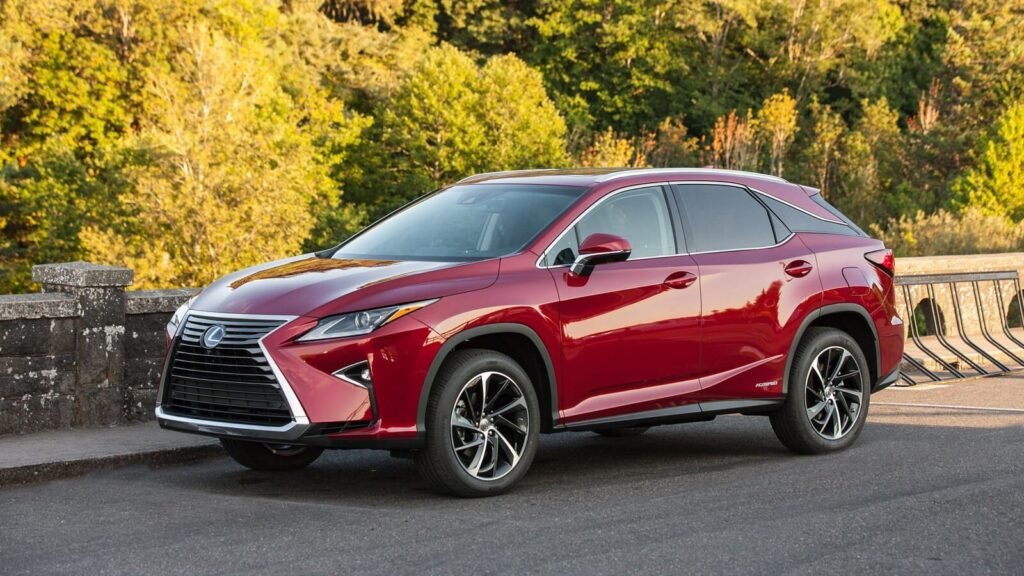
1. Lexus RX 350 (2020–2021): Best Overall Used Luxury SUV
The fourth-generation Lexus RX 350 combines a 295-hp naturally aspirated 3.5-liter V6 with an eight-speed automatic, delivering refined performance without turbocharging complexity. Its durability is supported by iSeeCars’ 2026 analysis, which ranked the 2021 RX 350 first among used luxury crossovers under $40,000, with an 8.0/10 reliability score.
The 2020–2021 models are particularly appealing, combining mature mechanical engineering with updated touchscreen infotainment and smartphone integration. Limited cargo space relative to exterior size and modest driving engagement remain drawbacks. The RX 450h offers better efficiency, although purchase price and hybrid-system condition warrant separate consideration.
| Advantages | Disadvantages |
| Strong reliability evidence, refined V6, comfortable ride, good resale value. | Modest cargo space, conservative handling, relatively high used prices. |
Our verdict: The RX 350 is the most convincing all-round choice for buyers who value predictable ownership and a refined driving experience.
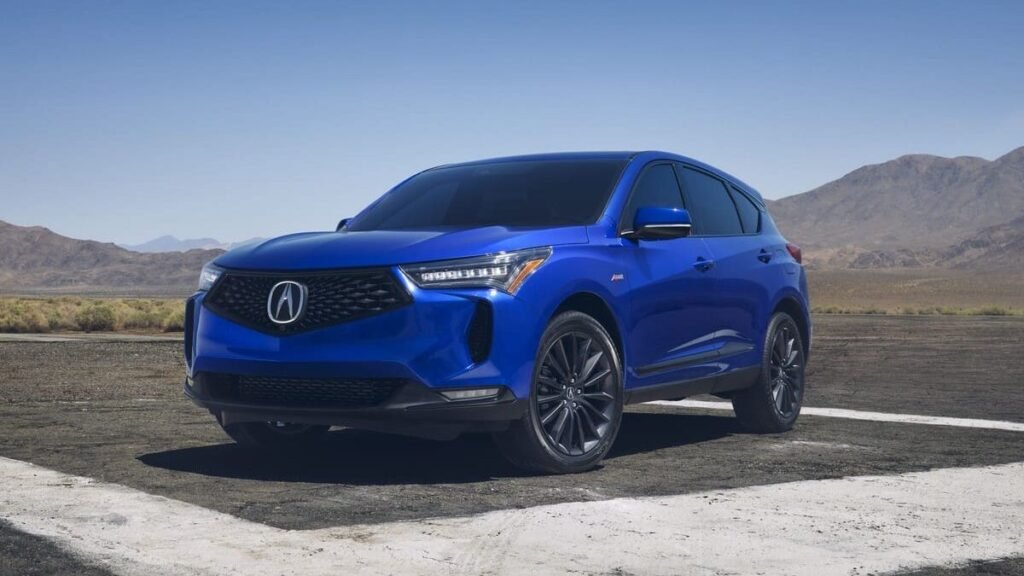
2. Acura RDX (2021–2023): Best Combination of Performance and Value
The Acura RDX combines a 272-hp, 2.0-liter turbocharged engine with a ten-speed automatic and available torque-vectoring Super Handling All-Wheel Drive, delivering sharper cornering response than many comfort-oriented luxury crossovers. Its value proposition is supported by iSeeCars’ 2026 assessment, which identifies the 2024 RDX among attractive used luxury crossovers under $40,000 based on longevity, resale value, and safety.
The 2021–2023 models offer greater savings, particularly the 2022 refresh with improved cabin refinement and equipment. The touchpad infotainment interface remains divisive, while the turbocharged powertrain and sophisticated AWD system introduce additional inspection considerations. The RDX is particularly compelling for buyers seeking engaging handling and generous equipment without European performance-SUV ownership costs.
| Advantages | Disadvantages |
| Strong performance, capable AWD, generous equipment, attractive used value. | Divisive infotainment controls, premium-fuel recommendation, less relaxed ride than the RX. |
Our verdict: The RDX is arguably the best alternative to the Lexus RX for buyers seeking greater driving enjoyment without making reliability a secondary consideration.
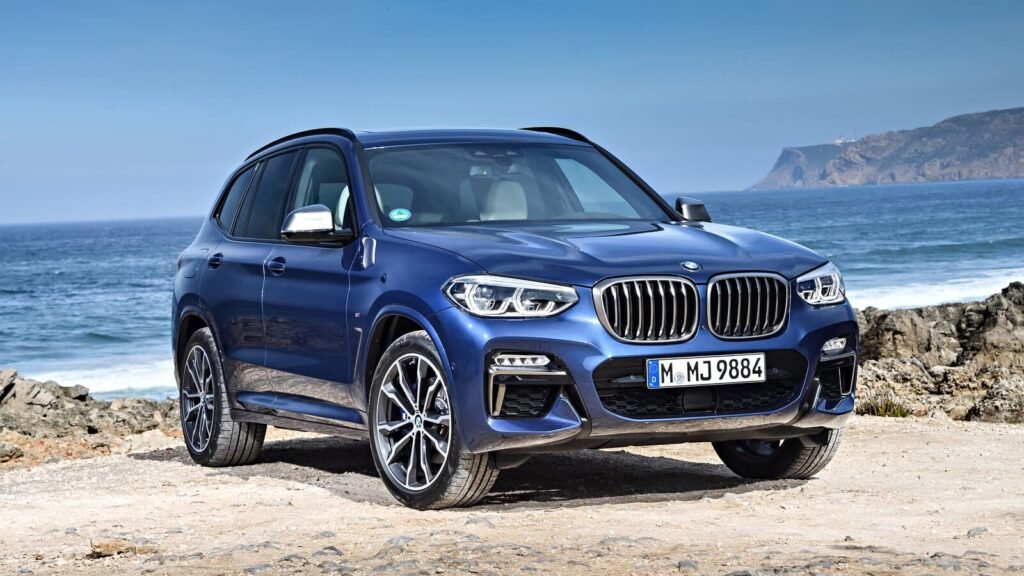
3. BMW X3 (2020–2022): Best Used Luxury SUV for Driving Enjoyment
The third-generation BMW X3 challenges outdated assumptions about BMW reliability. Its xDrive30i combines a 248-hp, 2.0-liter turbocharged B48 engine with a responsive eight-speed automatic and a chassis that balances precise handling with everyday comfort. The B58-powered X3 M40i delivers substantially greater performance, but its higher purchase and operating costs make the xDrive30i the more balanced choice under $40,000.
Long-term expenses can still arise from cooling-system failures, oil leaks, suspension wear, and electronics. Compared with the Lexus RX, the X3’s principal advantage is its more responsive, better-integrated steering and chassis, delivering greater driving engagement without compromising practicality.
| Advantages | Disadvantages |
| Excellent chassis, refined transmission, strong engine options, practical interior. | Specialist repair costs, cooling-system exposure, expensive performance trims. |
Our verdict: The X3 is the strongest recommendation for buyers who genuinely value driving dynamics and accept somewhat greater maintenance exposure.
For a deeper examination of the manufacturer’s engineering and ownership record, see our Mercedes-Benz vs. BMW comparison.
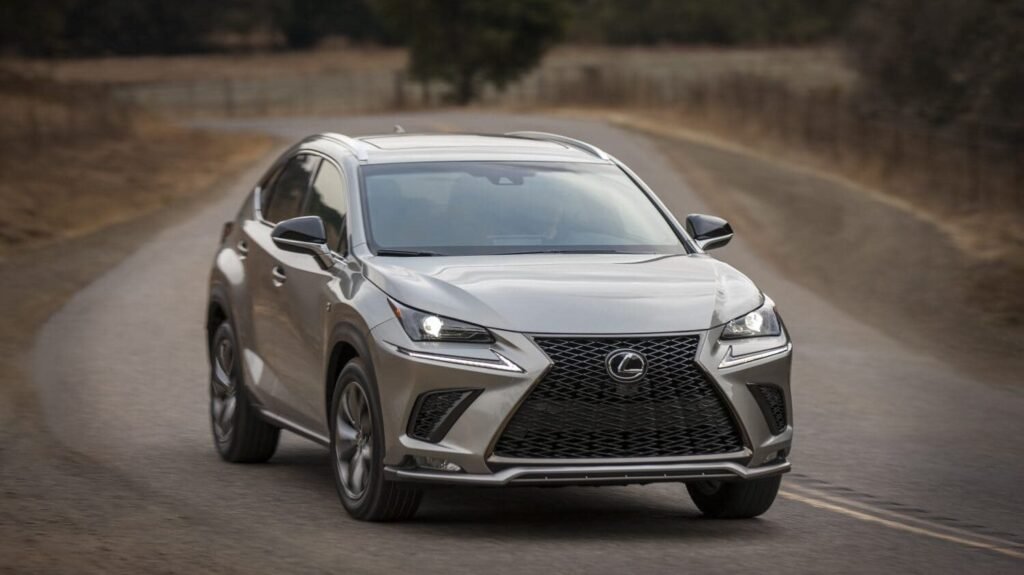
4. Lexus NX 300 and NX 300h (2020–2021): Best Compact Luxury Choice
The first-generation Lexus NX offers refinement in a smaller, less expensive-to-operate package than larger luxury SUVs. The 235-hp NX 300 combines a turbocharged 2.0-liter engine with a six-speed automatic, while the NX 300h uses a 2.5-liter engine and Toyota’s proven planetary power-split hybrid system. Unlike belt-driven CVTs, its hybrid transaxle avoids conventional variable-diameter pulleys and belts, contributing to mechanical simplicity.
The NX 300h delivers substantially better city fuel economy but less responsive acceleration. Both benefit from mature engineering, although turbocharger-related components and hybrid electronics present different maintenance considerations. The main compromises are limited interior space compared with the RDX and RX, and an outdated infotainment interface.
| Advantages | Disadvantages |
| Strong reliability credentials, compact dimensions, efficient hybrid option. | Limited cargo space, dated infotainment, modest hybrid acceleration. |
Our verdict: The NX 300h is particularly compelling for urban drivers, while the NX 300 suits buyers wanting a conventional gasoline powertrain at a potentially lower purchase price.
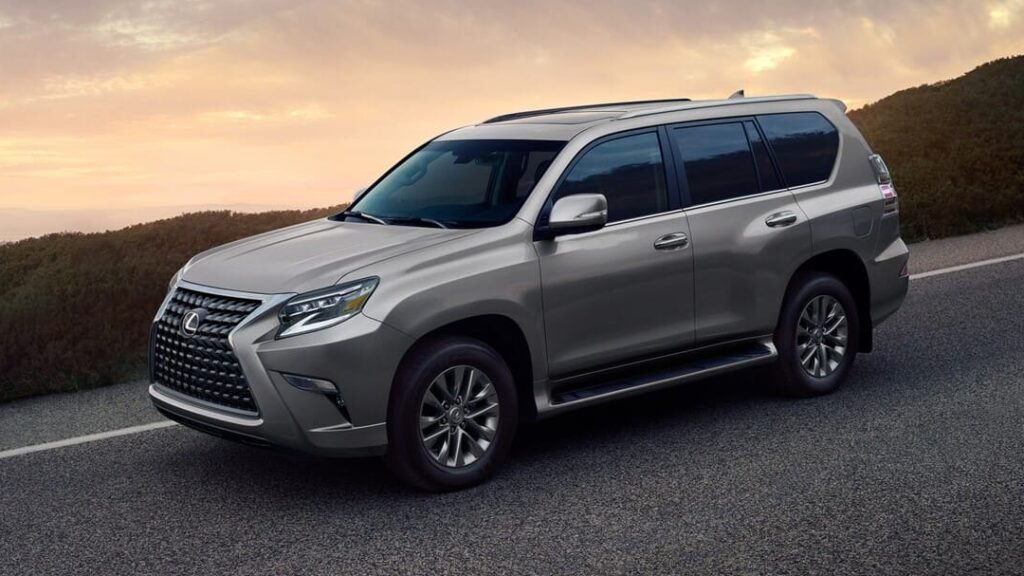
5. Lexus GX 460 (2019–2021): Best for Long-Term Mechanical Durability
Unlike conventional luxury crossovers, the Lexus GX 460 uses Land Cruiser Prado-derived body-on-frame construction, a 301-hp naturally aspirated 4.6-liter V8, six-speed automatic, and full-time four-wheel drive with a two-speed transfer case. Its drivetrain prioritizes durability and low-speed control over performance, making it particularly attractive for extended ownership and genuine off-road use. However, aging suspension, cooling, transfer-case, and available Kinetic Dynamic Suspension System components can generate substantial repair expenses.
Fuel consumption is its clearest compromise. At 16 mpg combined, the GX costs approximately $2,438 annually in gasoline at 12,000 miles and $3.25 per gallon—nearly $880 more than a vehicle averaging 25 mpg. The GX makes sense when its mechanical durability and off-road capabilities justify its higher operating costs.
| Advantages | Disadvantages |
| Robust V8, genuine off-road hardware, substantial towing capability, established durability. | High fuel consumption, dated technology, heavy construction, limited third-row practicality. |
Our verdict: Choose the GX for its mechanical architecture and capability, not simply because it carries a Lexus badge.
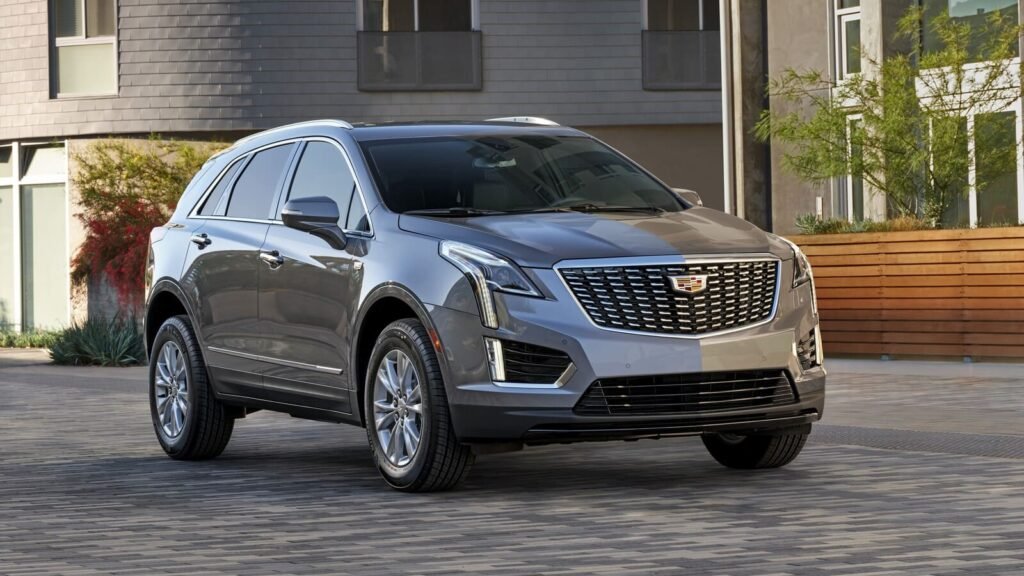
6. Cadillac XT5 (2021–2023): Best Value for Comfort and Space
The Cadillac XT5’s strongest advantage is depreciation, which can make its spacious, comfortable cabin substantially more affordable than a comparable Lexus RX. Its available 2.0-liter turbocharged four-cylinder and naturally aspirated 3.6-liter V6 use a nine-speed automatic. The V6 offers smoother high-load performance without turbocharger complexity, although cooling-system condition, transmission behavior, and electronics remain important reliability considerations.
The XT5 lacks the BMW X3’s dynamic sophistication and the RX’s stronger durability record. Its value depends on securing a sufficiently lower purchase price to offset greater long-term ownership uncertainty.
| Advantages | Disadvantages |
| Spacious interior, comfortable ride, attractive used pricing, available V6. | Less engaging handling, uneven interior materials, weaker resale value. |
Our verdict: The XT5 makes sense when its price is meaningfully below an equivalent RX, rather than as a direct reliability winner.
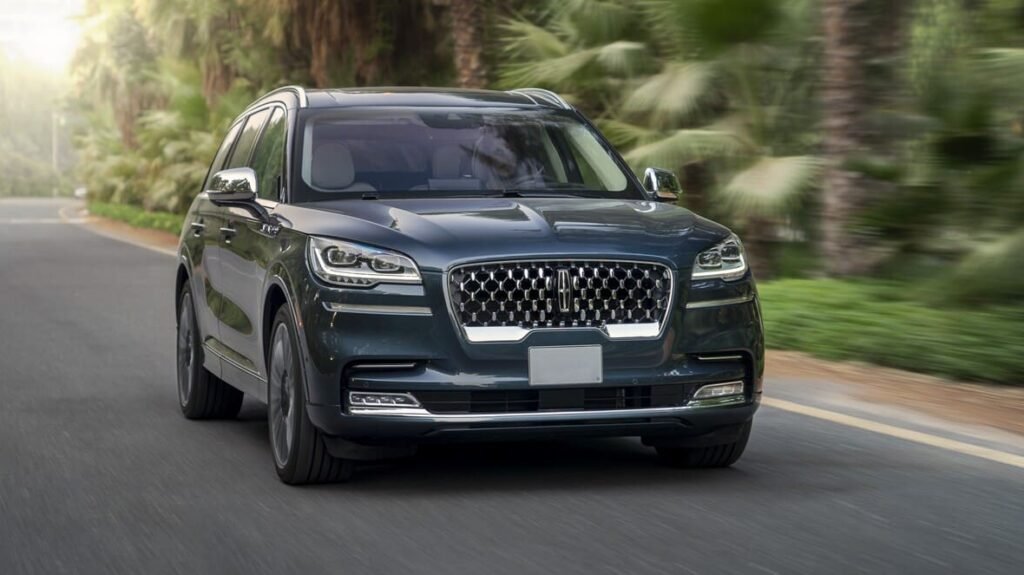
7. Lincoln Nautilus (2021–2023): Best for Relaxed Highway Driving
The Lincoln Nautilus prioritizes ride comfort, supportive seating, and cabin isolation over the sharper handling of the BMW X3 or Acura RDX. The 2021 refresh substantially improved its interior and infotainment, making later first-generation models particularly appealing.
Its 250-hp, 2.0-liter turbocharged four-cylinder provides adequate performance, while the available 335-hp, twin-turbocharged 2.7-liter V6 achieved 0–60 mph in 5.9 seconds in Car and Driver testing. However, the V6 adds mechanical complexity without necessarily improving the comfort-focused ownership experience. The 2.0-liter is therefore the more balanced choice. The Nautilus offers attractive used-market value, provided its depreciation advantage compensates for electronic and long-term repair risks.
| Advantages | Disadvantages |
| Excellent highway comfort, quiet cabin, spacious seating, strong V6 option. | Limited driving engagement, electronic equipment concerns, relatively weak resale value. |
Our verdict: A compelling alternative for buyers who prioritize comfort and purchase value over sporting performance.
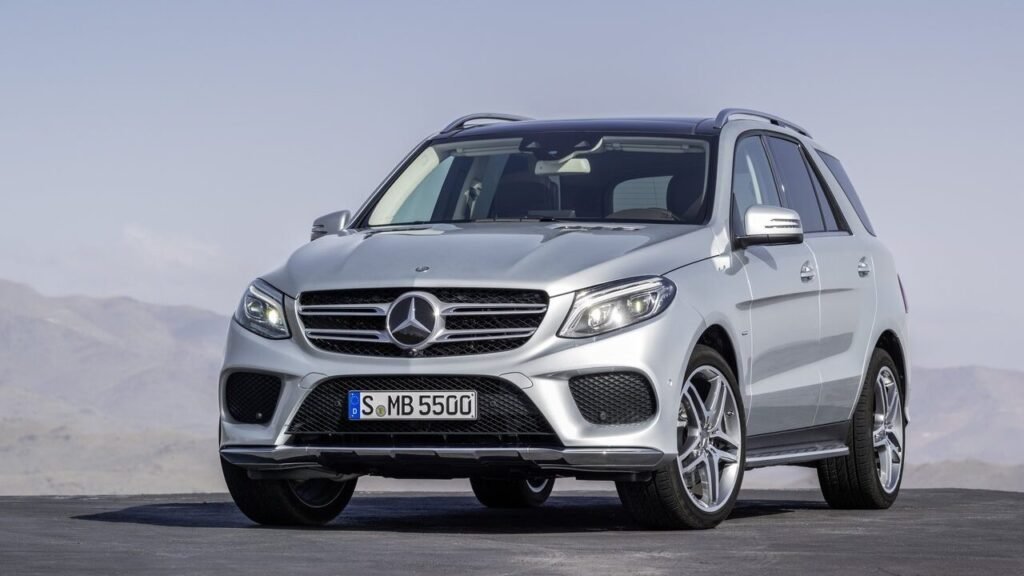
8. Mercedes-Benz GLE 350 (2017–2018): Best Traditional Mercedes Luxury
The late W166 Mercedes-Benz GLE 350 combines substantial cabin refinement with a mature drivetrain: a 302-hp, naturally aspirated 3.5-liter M276 V6 and seven-speed automatic. Unlike newer GLE generations, it avoids turbocharging and 48-volt mild-hybrid complexity. Conventional-suspension examples are particularly attractive, eliminating the aging air springs, compressors, and associated controls of AIRMATIC-equipped vehicles.
However, engine mounts, cooling components, suspension bushings, seals, and electronics remain potential expenses as these SUVs approach a decade old. The GLE 350’s appeal lies in its refined luxury, established powertrain, and purchase price comfortably below $40,000, leaving room for age-related repairs.
| Advantages | Disadvantages |
| Refined V6, substantial interior, mature drivetrain, attractive depreciation. | Greater age exposure, expensive components, optional suspension complexity. |
Our verdict: Worth considering for buyers seeking traditional Mercedes-Benz refinement, but not our first recommendation for minimizing long-term expenses.
Our most reliable used Mercedes SUVs guide examines the GLE alongside other generations that offer particularly favorable engineering configurations.
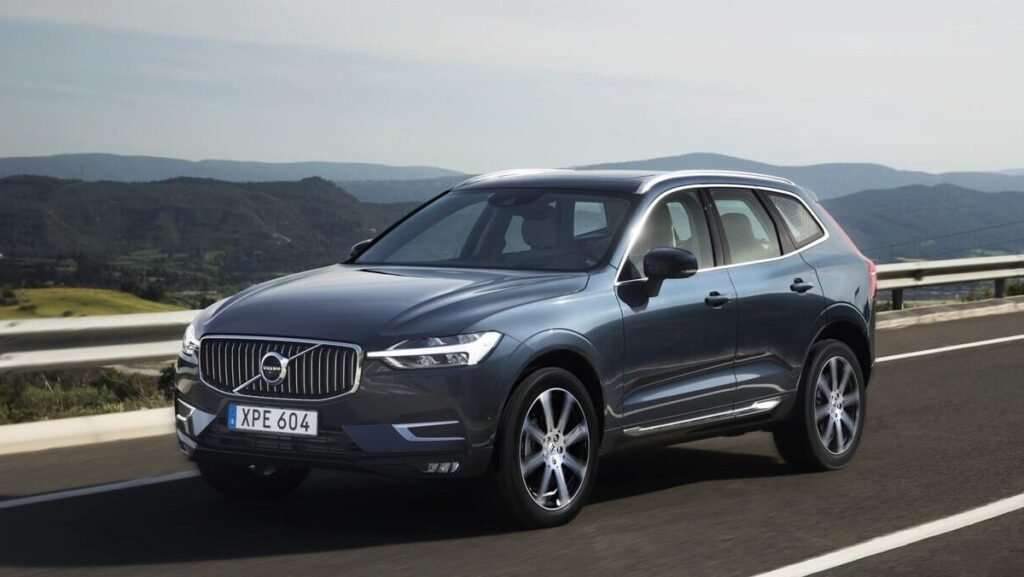
9. Volvo XC60 (2020–2022): Best for Seating Comfort and Safety
The Volvo XC60 combines supportive seating, understated Scandinavian design, and safety-focused engineering on Volvo’s Scalable Product Architecture platform. The 2020–2021 T5’s 250-hp turbocharged 2.0-liter engine offers a mechanically simpler alternative to the turbocharged and supercharged T6. The 2022 B5 and B6 introduced 48-volt mild-hybrid technology, making them distinct ownership propositions.
The XC60 excels in seating comfort, cabin refinement, and occupant protection, but electronics, cooling-system components, and increasingly complex powertrains can raise long-term repair costs. For reliability-conscious buyers, the earlier T5 represents the more straightforward starting point.
| Advantages | Disadvantages |
| Exceptional seating, sophisticated safety engineering, elegant interior. | Complex electronics, potentially expensive repairs, differing powertrains across model years. |
Our verdict: An excellent comfort-oriented alternative, particularly in a carefully selected T5 configuration, but less convincing than the Lexus models for buyers whose primary objective is minimum repair exposure.
Why a $25,000 Luxury SUV Can Cost More Than a $35,000 One
Depreciation reduces purchase prices, not mechanical complexity. A heavily equipped luxury SUV with air suspension, multiple turbochargers, and sophisticated electronics may cost less than a mechanically simpler alternative precisely because buyers anticipate expensive repairs. That discount can justify additional capability, but several major failures can quickly erase the savings. Reliability ratings therefore need to be evaluated alongside mechanical configuration, vehicle age, and replacement-part costs.
The Lexus RX’s stronger resale value often means a higher purchase price, while the Cadillac XT5 and Lincoln Nautilus can offer more equipment for less money. Neither is automatically the better financial choice.
Our analysis of the hidden costs of used luxury vehicles examines these ownership trade-offs.
Which Used Luxury SUV Should You Actually Buy?
- For buyers prioritizing long-term reliability, the 2020–2021 Lexus RX 350 remains our strongest overall recommendation. Its mature V6 powertrain, refined driving character, and favorable reliability evidence establish a convincing foundation.
- The Acura RDX is the most interesting alternative. It offers stronger driving engagement and competitive equipment without relying on an exceptionally expensive performance configuration.
- For enthusiasts, the BMW X3 xDrive30i provides a more satisfying balance of chassis precision, powertrain response, and everyday comfort.
- The Lexus NX 300h is particularly suitable for urban use, while the GX 460 makes sense when durability, towing, or genuine off-road capability matter more than fuel economy.
- Buyers seeking maximum luxury for the purchase price should also consider the Cadillac XT5 and Lincoln Nautilus, provided their depreciation advantage is large enough to justify the additional ownership uncertainty.
- The Mercedes-Benz GLE and Volvo XC60 remain worthwhile alternatives, but their appeal depends more heavily on specific equipment, mechanical condition, and the buyer’s tolerance for higher repair costs.
Final Verdict: The Best Used Luxury SUV Under $40,000
The Lexus RX 350 is our best overall choice, offering the strongest combination of established reliability, refinement, and long-term ownership confidence. However, the Acura RDX may represent better value for buyers who prioritize performance and equipment, while the BMW X3 delivers a more engaging driving experience.
My personal choice would be the GX 460 which deserves a separate recognition for its durable drivetrain and off-road engineering, although its operating costs make it unsuitable for buyers who simply want an efficient family SUV. The important conclusion is that luxury and reliability are not mutually exclusive, but neither can be established from a manufacturer’s reputation alone.
The best used luxury SUV is the one whose engineering, remaining useful life, and purchase price combine to deliver the strongest ownership proposition—not necessarily the model that originally cost the most. For more about used cars and the best way to get one check this article.
- Chinese Cars Are Winning the Technology Race—But Will They Last?

- 2024 Toyota Camry Reliability: Is It Toyota’s Smartest Buy?
- 2023 Toyota Camry Reliability: Is Paying More Really Worth It?
- 10 Most Reliable Used Cars in 2026: Specific Years to Buy
- 2022 Toyota Camry Reliability: Is It the Best Used Camry?
- Car Reliability Ratings Explained: Which Ones Can You Actually Trust?
*Disclaimer: This website provides automotive content for informational purposes only and should not be considered professional advice. While we strive for accuracy, we do not guarantee the reliability or suitability of any vehicle or product mentioned—always conduct your own research before making purchasing decisions. Additionally, some links on this site are affiliate links, meaning we may earn a commission if you make a purchase, at no extra cost to you.