
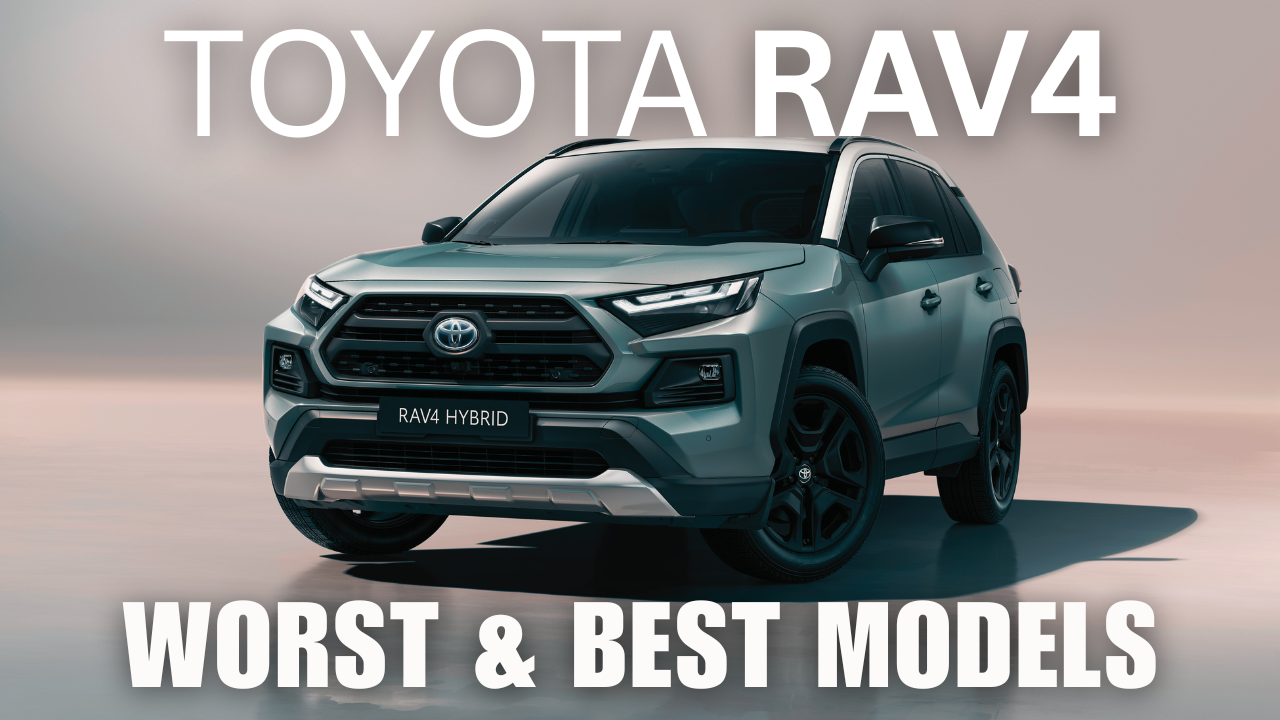
The Toyota RAV4 has built one of the strongest reliability reputations in the compact SUV market, but that doesn’t mean every model year is equally dependable. While many RAV4s comfortably surpass 200,000 miles with routine maintenance, a handful of years developed recurring mechanical problems that can turn an inexpensive purchase into a costly ownership experience.
In this article, we’ll identify the Toyota RAV4 model years to avoid, along with the ones that deliver the strongest combination of reliability, value, and long-term ownership.
Quick Answer: Toyota RAV4 Years to Avoid
| Model Year | Recommendation | Primary Concern |
|---|---|---|
| 2001–2003 | Avoid | ECM failures leading to transmission damage |
| 2006–2008 | Avoid | Excessive oil consumption (2.4L 2AZ-FE) |
| 2013 | Buy Carefully | First-year transmission shudder and infotainment issues |
| 2019 | Buy Carefully | Multiple recalls typical of a first-year redesign |
| 2020 | Good Choice | Verify recall completion before purchasing |
| 2021–2024 | Highly Recommended | Mature, refined generation |
How We Evaluated Each Model Year
We evaluated each RAV4 model year using several independent sources. These include Consumer Reports surveys, ownership costs from RepairPal, recall information and owner complaints filed with the National Highway Traffic Safety Administration (NHTSA), and Toyota Technical Service Bulletins.
We also considered whether a problem represented an inconvenience, a maintenance issue, or a genuine mechanical weakness that could significantly affect long-term ownership costs.
Toyota RAV4 Reliability by Generation
| Generation | Model Years | Overall Reliability | Buying Advice |
|---|---|---|---|
| XA10 | 1996–2000 | Excellent | Recommended |
| XA20 | 2001–2005 | Mixed | Avoid early years |
| XA30 | 2006–2012 | Good overall | Avoid 2006–2008 four-cylinder |
| XA40 | 2013–2018 | Very Good | Later years preferred |
| XA50 (TNGA) | 2019–2024 | Excellent | 2021+ are the strongest |
| XA60 | 2025–Present | Too early for long-term data | Monitor |
Toyota RAV4 Years to Avoid
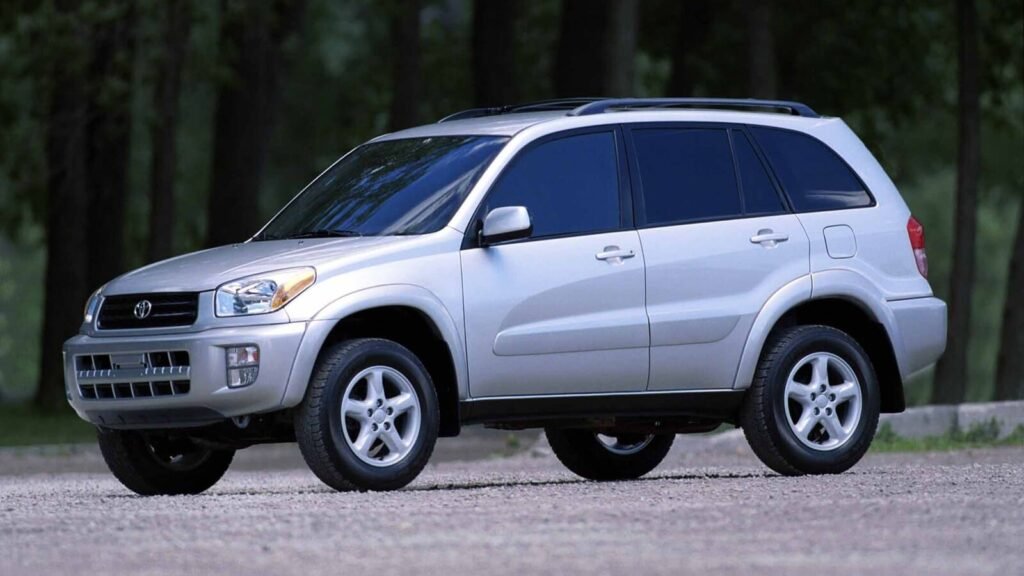
2001–2003: ECM Problems Created Expensive Transmission Failures
The second-generation RAV4 introduced improved refinement and practicality, but early examples developed one of the most expensive problems ever associated with the model.
The engine control module (ECM) could fail internally, causing erratic shifting, harsh gear changes, delayed engagement, or improper transmission operation. Unfortunately, many owners replaced the transmission before discovering the faulty ECM was the original cause. In other cases, continued driving with a defective computer eventually damaged the transmission itself.
Toyota later updated the module, and many vehicles have already received the improved part. However, unless maintenance records confirm the repair, these years remain among the riskiest used RAV4s to purchase.
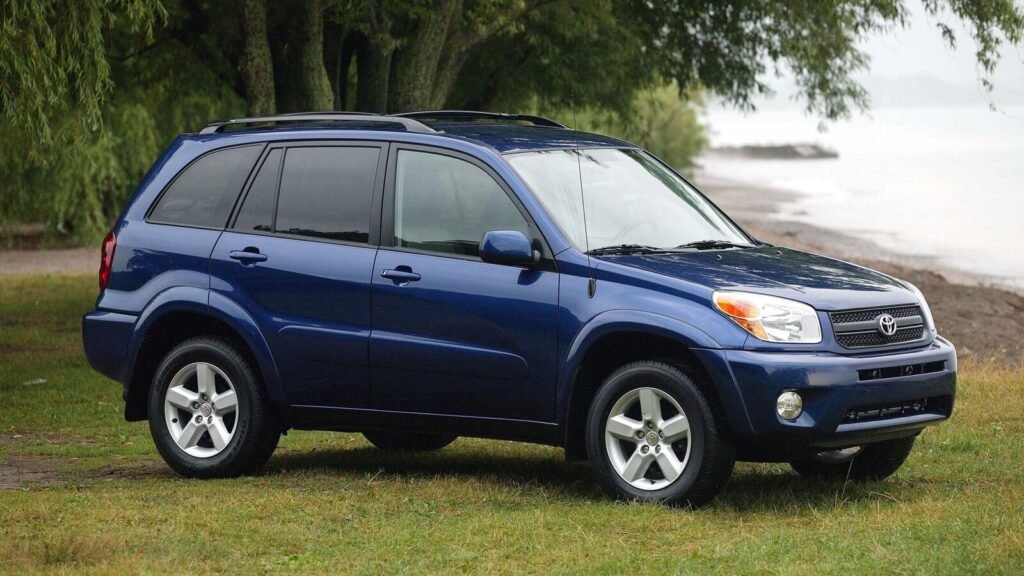
2006–2008: Excessive Oil Consumption
If one problem defines the third-generation RAV4, it’s excessive oil consumption in four-cylinder models equipped with Toyota’s 2.4-liter 2AZ-FE engine.
The issue stemmed from piston ring design, allowing oil to pass into the combustion chamber as mileage increased. Some owners reported adding a quart of oil every 1,000 miles or less, while others required complete engine rebuilding to permanently solve the problem.
Toyota eventually introduced an extended warranty program for many affected vehicles, but today that coverage has long expired.
Not every 2AZ-FE engine develops severe oil consumption, but the failure rate is high enough that these years deserve careful inspection before purchase. Buyers should review service records, perform a thorough pre-purchase inspection, and verify oil consumption history whenever possible.
V6-equipped RAV4s from the same generation generally avoided this specific issue and remain significantly better choices.
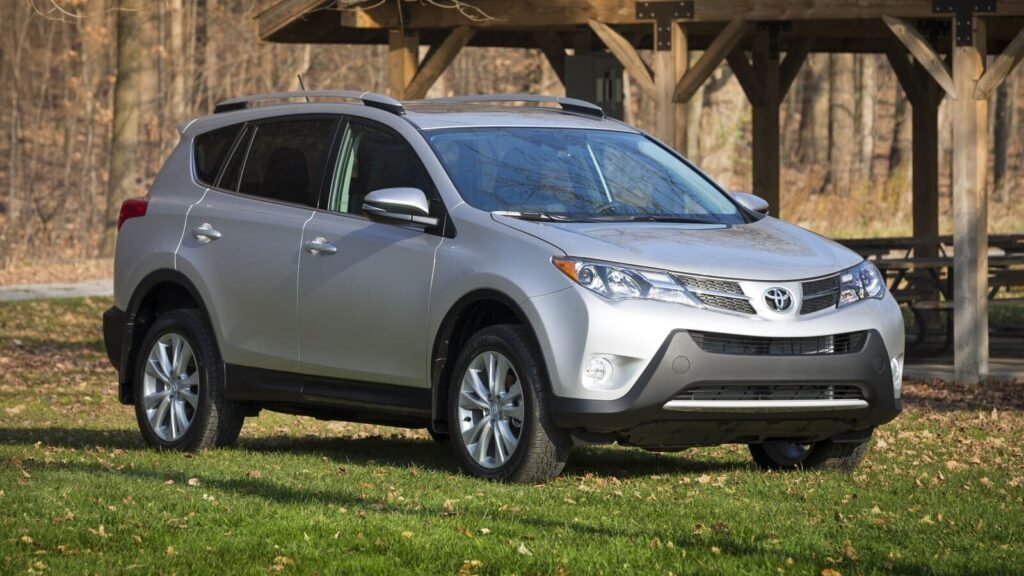
2013: A Good SUV That Needed Refinement
The 2013 RAV4 marked the beginning of an entirely new generation. Toyota replaced the previous V6 option with a four-cylinder-only lineup, introduced a new six-speed automatic transmission, and redesigned nearly every major system.
As expected with many first-year redesigns, a few early issues surfaced. Some owners experienced torque converter shudder at highway speeds, while others reported occasional hesitation during acceleration or software-related transmission behavior. Early infotainment systems also proved less reliable than later updates.
The important point is that these problems never became widespread mechanical failures. Many 2013 RAV4s have accumulated well over 200,000 miles without major drivetrain repairs. For that reason, we consider the 2013 model a “Buy Carefully” year rather than one to avoid outright.
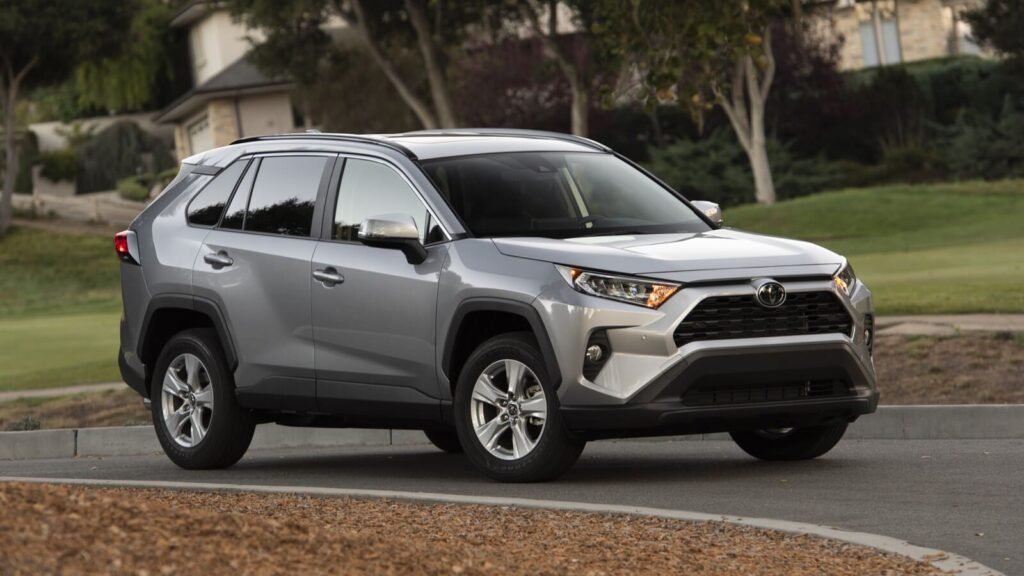
2019: First-Year TNGA Growing Pains
The 2019 RAV4 represented one of Toyota’s biggest redesigns in decades. It adopted the TNGA-K platform, improved structural rigidity, introduced more advanced safety technology, and significantly improved driving dynamics.
Mechanically, the new generation proved promising, but several recalls and early production issues appeared during its first year.
These included:
- Low-pressure fuel pump recalls
- Roof rail water leak concerns on certain vehicles
- Front suspension recalls affecting some production batches
- Fuel tank filling issues on some hybrid models
- Minor software updates for drivetrain refinement
Unlike the engine failures seen in some competitors, most 2019 issues were corrected through recalls or updated components.
Today, a well-maintained 2019 RAV4 with documented recall completion is generally considered a dependable used SUV. However, buyers should verify that all recall work has been completed before purchasing.
Common Toyota RAV4 Problems by Generation
| Problem | Typical Years | Severity | Should It Stop You Buying? |
|---|---|---|---|
| ECM failure | 2001–2003 | High | Yes |
| Oil consumption | 2006–2008 | High | Usually |
| Torque converter shudder | 2013 | Moderate | No, if repaired |
| Fuel pump recall | 2019–2020 | Low after recall | No |
| Roof rail leaks | 2019–2020 | Moderate | Verify repair |
| Hybrid fuel tank issue | 2019 | Low | Confirm updates |
Best Toyota RAV4 Years to Buy
2023 Toyota RAV4
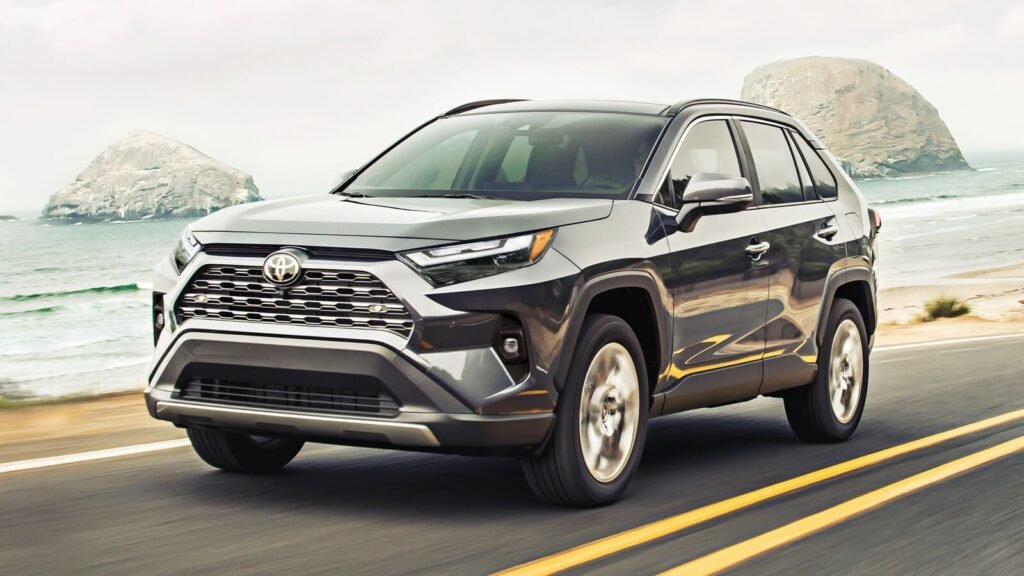
By 2023, Toyota had refined the fifth-generation RAV4 through several years of production. Earlier recalls had already been addressed, and owners consistently reported excellent long-term reliability.
Score: ★★★★★
2022 Toyota RAV4
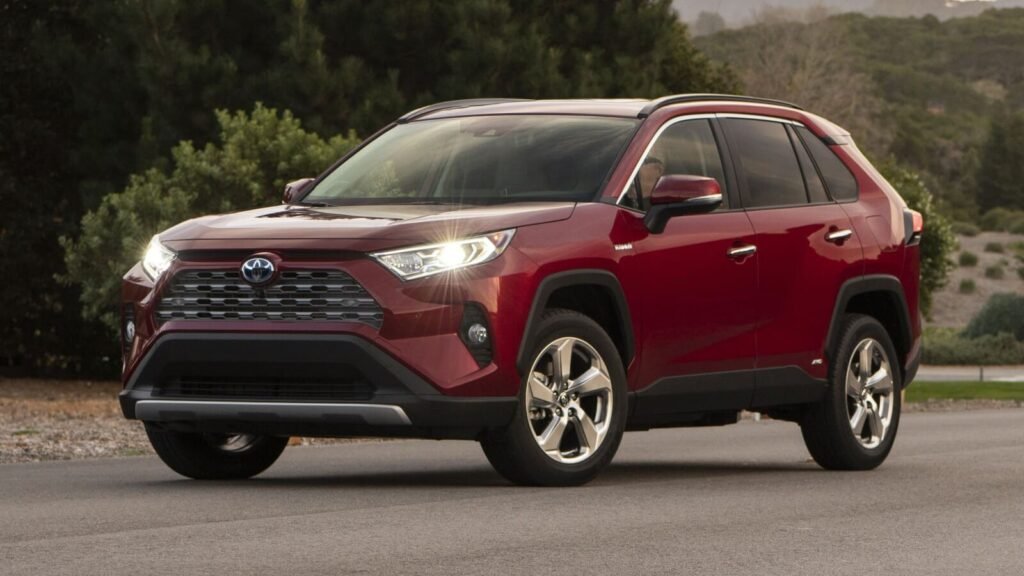
The 2022 model delivers the same ownership experience as the 2023 while often costing several thousand dollars less on the used market. Reliability data remains consistently excellent across both gasoline and hybrid versions.
Score: ★★★★★
2024 Toyota RAV4
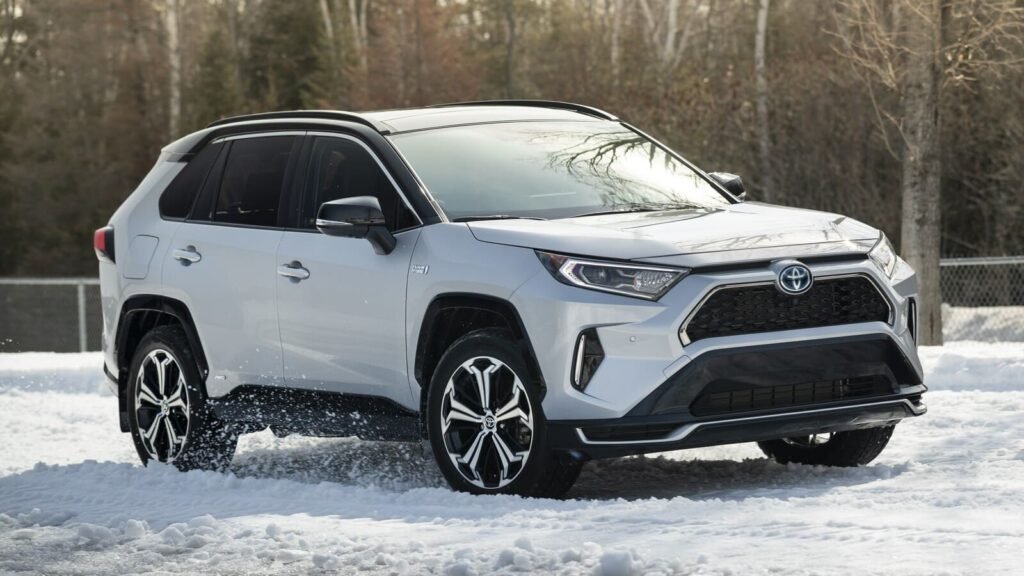
Final model years often benefit from years of engineering refinement, and supplier improvements. The 2024 RAV4 continues that pattern, making it one of the safest choices for buyers planning long-term ownership.
Score: ★★★★★
2017–2018 Toyota RAV4
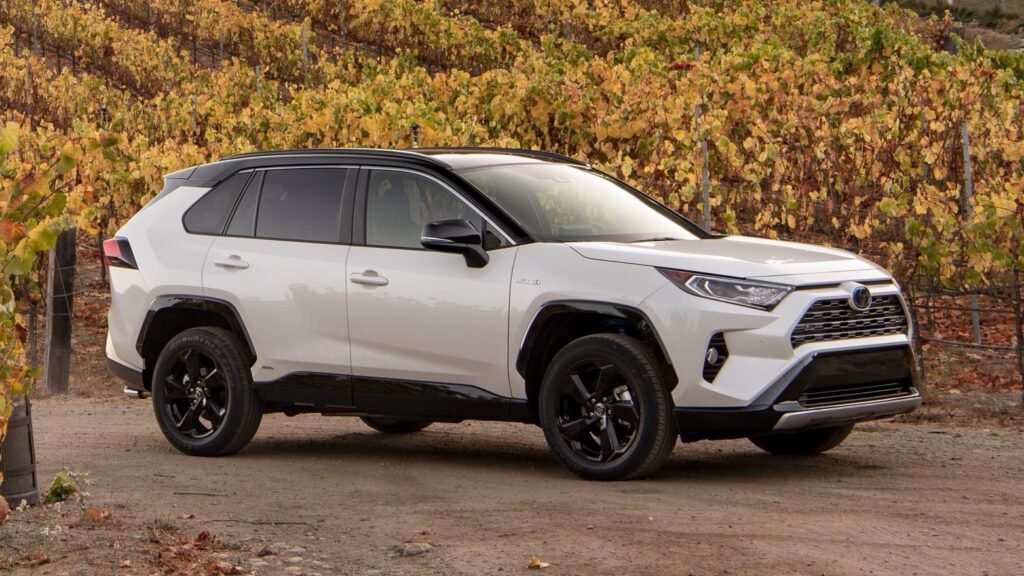
Following the 2013 redesign, Toyota had already addressed early transmission concerns, and owner satisfaction improved noticeably. Hybrid versions from these years also established an excellent reputation for durability.
Score: ★★★★★
2016 Toyota RAV4
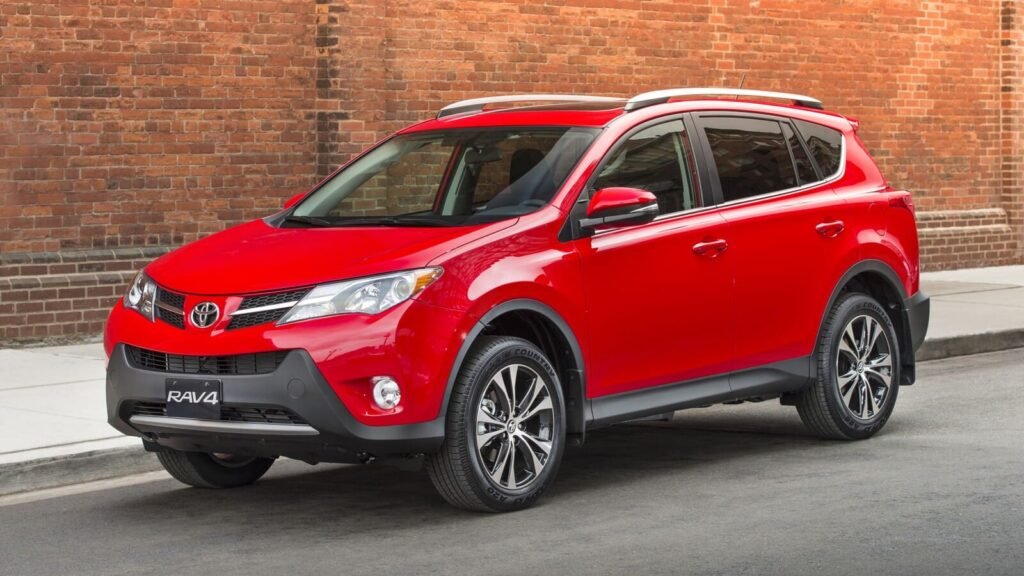
The 2016 refresh brought updated styling, improved safety technology, and refinements without introducing major mechanical changes. It remains one of the best values in today’s used SUV market.
Score: ★★★★☆
2021 Toyota RAV4
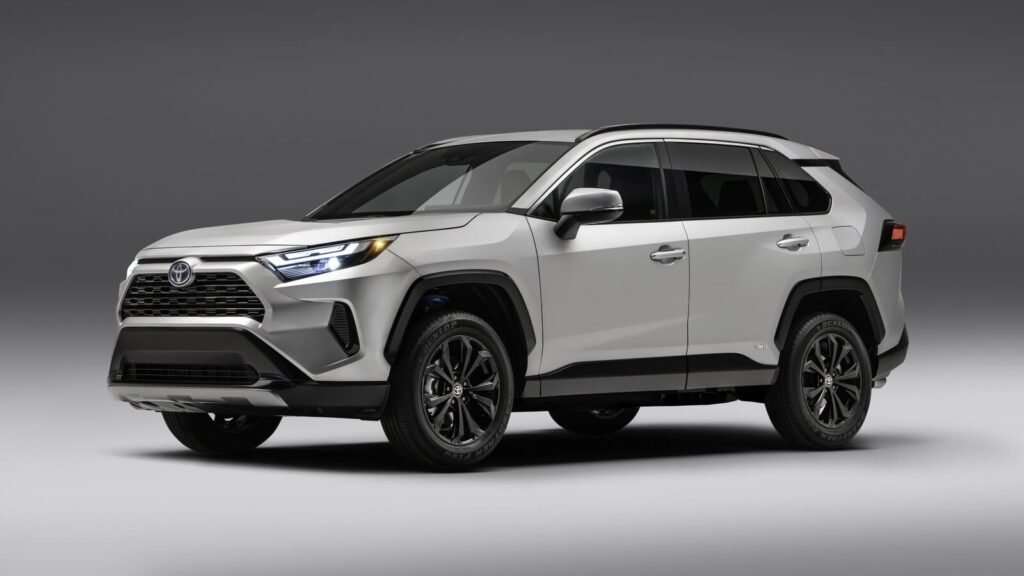
The 2021 model represents the point where the TNGA generation had matured. Build quality remained excellent, and reliability ratings consistently ranked among the best in the compact SUV segment.
Score: ★★★★☆
Are Toyota RAV4 Hybrids More Reliable?
In many respects, yes, hybrid battery failures remain relatively uncommon. One notable exception involves high-voltage cable corrosion reported on certain newer hybrids driven in regions that use heavy road salt during winter. While the issue has received considerable attention, it primarily affects specific climates and is far less relevant in warmer regions.
Overall, hybrid RAV4s continue to rank among the most dependable hybrid SUVs available.
Should You Avoid the First Year of Every RAV4 Generation?
Not automatically—but first-year models deserve closer inspection. The 2001, 2006, 2013, and 2019 RAV4s each introduced major engineering changes. As with many completely redesigned vehicles, some early issues only became apparent after thousands of customers accumulated real-world mileage.
Toyota has historically responded quickly through recalls though, updated components, and software revisions. As a result, second- and third-year production models often provide greater peace of mind without sacrificing the benefits of the new generation.
That doesn’t mean every first-year RAV4 is unreliable. It simply means buyers should pay closer attention to maintenance history, recall completion, and overall condition.
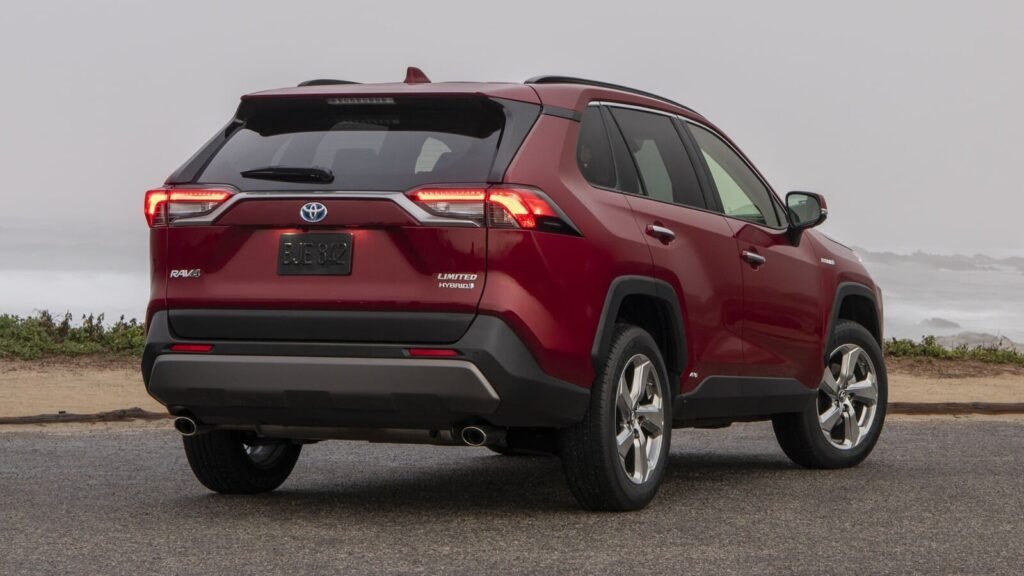
Which Used Toyota RAV4 Should You Buy?
If your budget is under $15,000, a well-maintained 2016 or 2017 RAV4 offers one of the best combinations of reliability and ownership costs. These models are widely available, inexpensive to maintain, and have already established excellent long-term durability.
For buyers spending between $15,000 and $25,000, the 2018, 2021, and 2022 RAV4 deserve serious consideration. They combine modern safety technology with proven reliability while avoiding most of the concerns associated with earlier model years.
If your budget exceeds $25,000, the 2023 and 2024 RAV4 stand out as the strongest choices. They benefit from years of continuous refinement and represent some of the most dependable compact SUVs currently available on the used market.
If you’re also considering Honda’s longtime rival, be sure to read our Toyota vs. Honda Reliability comparison for a broader look at long-term ownership differences. Buyers interested in Toyota sedans may also find our 2021 Toyota Camry Reliability and 2018 Toyota Camry Reliability guides helpful, as they examine many of the same engineering principles that contribute to Toyota’s reputation for durability.
Final Verdict
The Toyota RAV4 remains one of the most dependable compact SUVs ever produced. For buyers focused on long-term reliability, the 2016–2018 and 2021–2024 RAV4s stand out as the safest choices. They combine proven mechanical durability, predictable maintenance costs, strong resale value, and a long track record of owner satisfaction.
Some Quick RAV4 FAQ
What is the worst Toyota RAV4 year?
Most reliability experts consider the 2006–2008 four-cylinder models the riskiest due to excessive oil consumption, while the 2001–2003 models are known for expensive ECM-related transmission problems.
Is the 2019 Toyota RAV4 reliable?
Yes, provided all recall work has been completed. Most early concerns involved recalls or software updates rather than widespread mechanical failures.
Which RAV4 engine is the most reliable?
Toyota’s naturally aspirated 2.5-liter four-cylinder has consistently demonstrated excellent long-term durability across multiple generations.
Can a Toyota RAV4 last 300,000 miles?
Many owners have exceeded 250,000 miles, and properly maintained examples can reach or surpass 300,000 miles. Consistent oil changes, transmission servicing where applicable, and prompt repair of minor issues play a significant role in achieving that level of longevity.
- Chinese Cars Are Winning the Technology Race—But Will They Last?
- 2024 Toyota Camry Reliability: Is It Toyota’s Smartest Buy?
- 2023 Toyota Camry Reliability: Is Paying More Really Worth It?
- 10 Most Reliable Used Cars in 2026: Specific Years to Buy
- 2022 Toyota Camry Reliability: Is It the Best Used Camry?
- Car Reliability Ratings Explained: Which Ones Can You Actually Trust?
*Disclaimer: This website provides automotive content for informational purposes only and should not be considered professional advice. While we strive for accuracy, we do not guarantee the reliability or suitability of any vehicle or product mentioned—always conduct your own research before making purchasing decisions. Additionally, some links on this site are affiliate links, meaning we may earn a commission if you make a purchase, at no extra cost to you.