
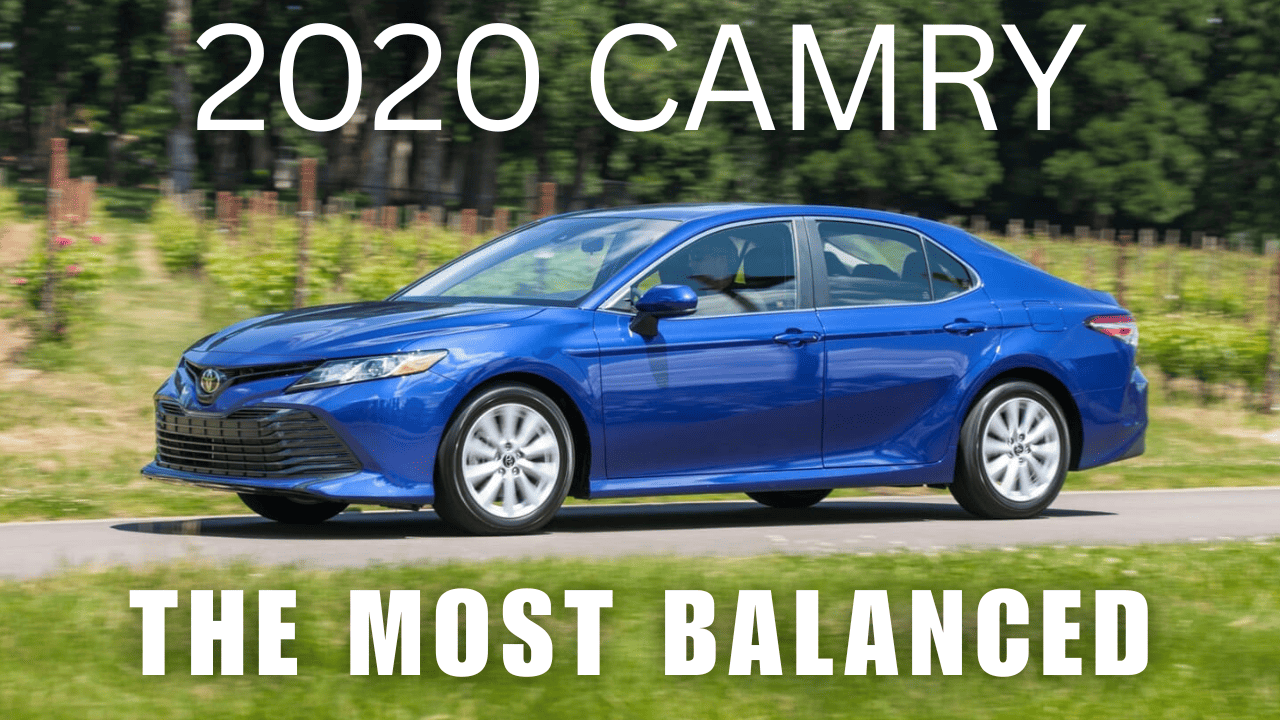
By the 2020 model year, the XV70 Camry had matured into a thoroughly proven platform. The early software refinements were largely behind it, while Toyota expanded the lineup with the new TRD model and made Android Auto available across the range, further improving everyday usability.
If the 2018 Camry proved Toyota’s redesign was successful and the 2019 Camry refined it, the 2020 model represents one of the most complete versions of the XV70 generation. The question is whether that maturity makes it an even better used-car buy.
TopCarList Reliability Score
| Category | Score |
|---|---|
| Engine Reliability | 9.9 / 10 |
| Transmission Reliability | 9.7 / 10 |
| Electronics | 9.3 / 10 |
| Build Quality | 9.8 / 10 |
| Maintenance Costs | 9.7 / 10 |
| Parts Availability | 10 / 10 |
| Long-Term Ownership | 9.9 / 10 |
| Overall Reliability | 9.8 / 10 |
Bottom Line
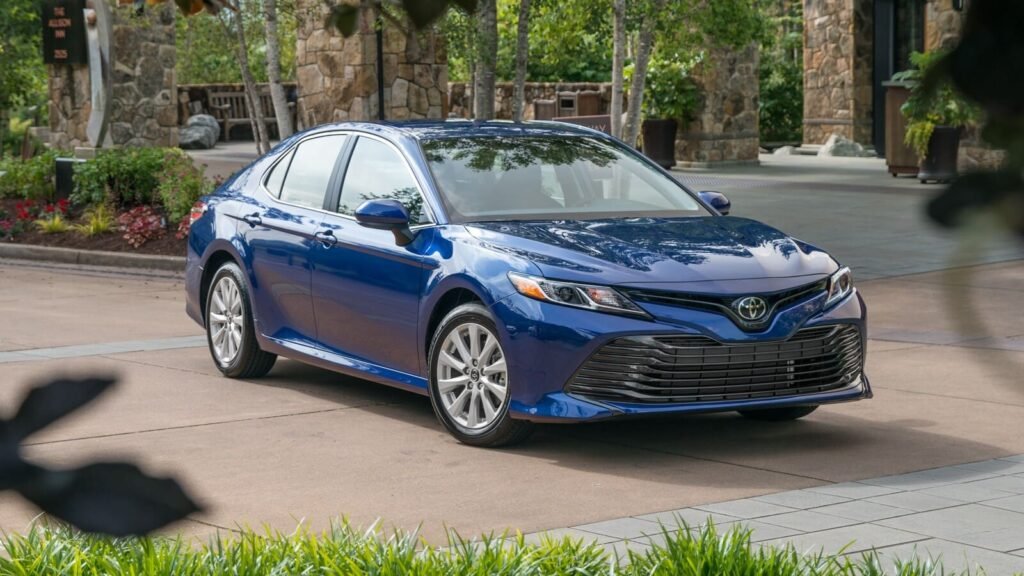
If your budget allows, the 2020 Camry is one of the safest used midsize sedans you can buy. By its third production year, the XV70 platform had already established an excellent reliability record, ownership costs remained among the lowest in the class, and Toyota had little reason to make major changes. Unless you prefer the styling updates introduced later in the generation, the 2020 is an easy recommendation.
What’s New for 2020?
Mechanically, the 2020 Camry remained almost identical to the 2019 model. The biggest changes were aimed at improving the ownership experience rather than the driving experience. Android Auto finally joined Apple CarPlay, making smartphone integration far more convenient, while the new TRD trim gave enthusiasts a sportier alternative with a firmer suspension, larger brakes, and more aggressive styling without changing the proven 3.5-litre V6.
The familiar engine lineup also carried over unchanged.
| Powertrain | Horsepower | Transmission |
|---|---|---|
| 2.5L Dynamic Force I4 | 203 hp | 8-speed automatic |
| 3.5L V6 | 301 hp | 8-speed automatic |
| 2.5L Hybrid | 208 hp (combined) | eCVT |
For used-car buyers, that’s actually good news. By avoiding major mechanical changes, the 2020 model benefits from another year of real-world refinement while retaining the same dependable engines, transmission, and hybrid system that had already earned a strong reputation.
2019 vs. 2020: Is It Worth Paying More?
For most buyers, the answer comes down to price rather than reliability. Both model years have excellent long-term records, with the 2020 benefiting from another year of production refinement rather than any major mechanical improvements.
| Category | 2019 | 2020 |
|---|---|---|
| Engine Reliability | ★★★★★ | ★★★★★ |
| Transmission Refinement | ★★★★☆ | ★★★★★ |
| Production Quality | Excellent | Excellent |
| Long-Term Confidence | Very High | Outstanding |
| Overall Recommendation | ★★★★★ | ★★★★★ |
If the price difference is reasonable, I’d generally recommend the 2020. However, if the gap is significant, a well-maintained 2019 remains an equally sensible choice. As always, I’d place far more value on a documented service history and overall condition than a single model year.
Reliability Ratings
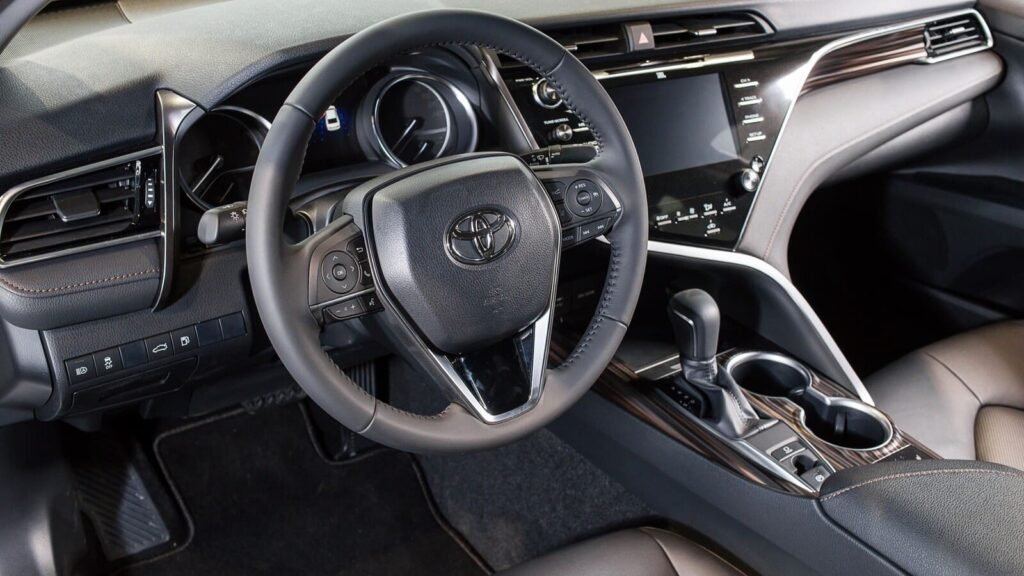
Independent reliability organizations continue to rank the 2020 Camry near the top of the midsize sedan segment.
| Organization | Rating |
|---|---|
| Consumer Reports | Above Average Predicted Reliability |
| J.D. Power | Excellent Quality & Reliability |
| RepairPal | 4.0 / 5.0 |
| IIHS | Top Safety Pick+ (properly equipped) |
| Average Annual Repair Cost | Approximately $390 |
The 2020 Camry continues Toyota’s strong reliability record, building on a platform that had already proved itself through years of real-world ownership and steady refinement.
Engine Reliability
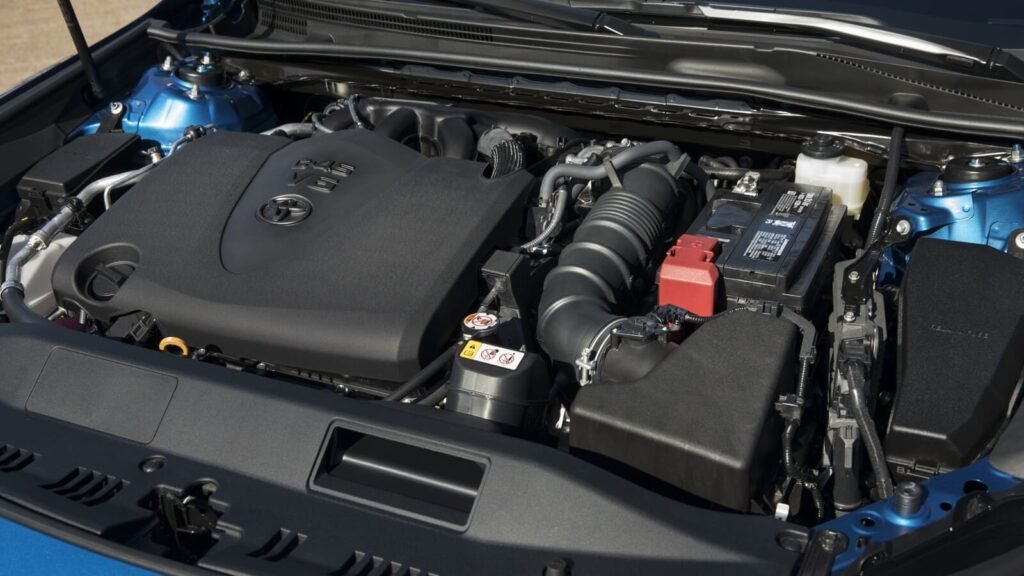
Both gasoline engines had firmly established themselves as among the most dependable in the segment.
2.5-Liter Dynamic Force Four-Cylinder
The A25A-FKS continued proving that efficiency and long-term reliability can go hand in hand. Its dual-injection system helps minimise carbon buildup, while the timing chain eliminates the need for periodic timing belt replacement. Years of real-world ownership have only strengthened its reputation for durability.
Owners generally report:
- Minimal oil consumption
- Excellent fuel economy
- Smooth cold starts
- Low repair frequency
- Strong durability beyond 200,000 miles
Regular oil changes remain the single most important factor influencing long-term engine life.
3.5-Liter V6
The 3.5-litre 2GR-FKS remained one of the finest naturally aspirated V6 engines offered in a mainstream sedan. It delivers effortless performance, impressive refinement, and an excellent record for long-term reliability, making it an easy choice for buyers who value smooth, effortless power.
Transmission Reliability
The eight-speed automatic had largely put its early calibration concerns behind it. Toyota’s software refinements resulted in smoother, more predictable shifting, while years of ownership have confirmed the transmission’s excellent mechanical durability. Routine fluid changes are still a sensible investment if you plan to keep the car for the long haul.
Most Common Problems
Even one of the most dependable sedans on the market isn’t completely immune to minor issues. Fortunately, the list remains relatively short.
1. Fuel Pump Recall
Some vehicles were included in Toyota’s broader fuel pump recall campaign. Once repaired, repeat failures have been uncommon.
2. Infotainment System
Toyota’s Entune system continued showing its age. Owners occasionally report:
- Bluetooth connection issues
- Slow touchscreen responses
- Delayed startup
- Navigation glitches
While frustrating, these problems rarely require expensive hardware replacement.
3. Brake Noise
Light squeaking during low-speed braking remains one of the more common owner complaints. Updated pads usually resolve the issue.
4. Interior Rattles
Some owners notice occasional dashboard or door-panel rattles as mileage increases. These are generally cosmetic concerns rather than indicators of poor build quality.
Problems at a Glance
| Problem | Frequency | Severity | Typical Cost |
|---|---|---|---|
| Fuel pump recall | Low | Low | Free |
| Infotainment software | Moderate | Low | Software update |
| Brake noise | Moderate | Low | $200–400 |
| Interior rattles | Low | Very Low | Minimal |
The Camry had established an excellent reliability record, with no widespread mechanical problems emerging in owner reports or long-term reliability surveys.
Recall History
Although the 2020 Camry was subject to a small number of recalls, they shouldn’t be viewed as a sign of poor reliability. As with any used vehicle, I’d simply confirm that all recall work has been completed before making a purchase.
2020 Toyota Camry Recall Summary
| Recall | What Happened? | Toyota’s Fix |
|---|---|---|
| Engine Coolant Leak (2020) | A manufacturing defect in some 2.5-litre four-cylinder engine blocks could allow coolant to leak, potentially causing overheating or engine damage. | Toyota inspected affected vehicles and replaced the engine where necessary at no cost to owners. |
| Fuel Pump Failure (2020) | The low-pressure fuel pump could fail, causing the engine to stall while driving. | Dealers replaced the fuel pump with an improved unit free of charge. |
| Occupant Classification System (OCS) Sensor (2023) | A short circuit in the front passenger Occupant Classification System sensor could prevent the passenger airbag from deploying in a crash. | Toyota inspects the OCS sensor and replaces it if required, free of charge. |
None of these recalls indicate a widespread design flaw affecting every 2020 Camry. As with any used vehicle, the most important step is confirming that all recall work has been completed before purchasing. Ask the seller for the VIN, and any Toyota dealer can quickly verify the vehicle’s recall history.
Or you can check it yourself online following Toyota’s official website. It takes only a few minutes and provides valuable peace of mind, and if you’re interested in learning more about Toyota engine recalls, we’ve covered them in a separate article.
Hybrid Reliability
The 2020 Camry Hybrid continues to prove why it’s widely regarded as one of the most dependable hybrid family sedans. By this point, Toyota’s Hybrid Synergy Drive had already earned a reputation for exceptional reliability, and years of real-world ownership only reinforced that standing. Although some buyers still worry about hybrid battery life, experience has shown that the battery pack is rarely the component owners need to worry about, provided the vehicle has been properly maintained.
Hybrid Reliability Summary
| Component | Reliability |
|---|---|
| Hybrid Battery | ★★★★★ |
| eCVT Transmission | ★★★★★ |
| Electric Motors | ★★★★★ |
| Power Electronics | ★★★★☆ |
| Cooling System | ★★★★★ |
If your daily driving includes heavy traffic or frequent commuting, the Hybrid remains one of the smartest long-term choices in the entire midsize sedan segment.
Maintenance Costs
The 2020 Camry continues to offer the low, predictable ownership costs buyers have come to expect. Routine maintenance is straightforward, replacement parts are readily available, and most independent repair shops know the platform inside and out.
Typical Maintenance Costs
| Service | Estimated Cost |
|---|---|
| Engine oil & filter | $60–100 |
| Tire rotation | $25–60 |
| Engine air filter | $25–60 |
| Cabin air filter | $30–70 |
| Front brake pads | $250–450 |
| Brake pads & rotors | $500–800 |
| Spark plugs | $250–450 |
| Transmission fluid service | $250–450 |
| Coolant replacement | $150–250 |
| 12V battery | $180–300 |
*Actual maintenance costs vary across the U.S., but the overall ownership experience remains remarkably predictable. Unexpected four-figure repair bills are uncommon, and that’s one of the Camry’s biggest advantages over many competing midsize sedans.
Reliability by Mileage
The Camry has earned a loyal following among private owners and commercial fleets because it ages exceptionally well. Major components tend to wear gradually rather than fail unexpectedly, making long-term ownership both predictable and affordable.
| Mileage | Typical Ownership Experience |
|---|---|
| 0–50,000 miles | Routine servicing only |
| 50,000–100,000 miles | Tires, brakes, battery, filters |
| 100,000–150,000 miles | Suspension wear items, spark plugs, fluid services |
| 150,000–200,000 miles | Continued dependable ownership with preventative maintenance |
| 200,000–300,000+ miles | Realistic for properly maintained examples |
When shopping for a used Camry, maintenance history is still far more valuable than low mileage alone. A well-documented service record is usually the strongest indicator of future reliability.

How Does It Compare with the Competition?
The midsize sedan segment was highly competitive in 2020, but few rivals matched the Camry’s combination of long-term reliability, low ownership costs, and overall dependability.
| Model | Reliability | Ownership Costs | Driving Enjoyment |
|---|---|---|---|
| 2020 Toyota Camry | ★★★★★ | ★★★★★ | ★★★★☆ |
| Honda Accord | ★★★★☆ | ★★★★☆ | ★★★★★ |
| Mazda6 | ★★★★☆ | ★★★★☆ | ★★★★★ |
| Hyundai Sonata | ★★★★☆ | ★★★★☆ | ★★★★☆ |
| Kia K5 (Optima) | ★★★★☆ | ★★★★☆ | ★★★★☆ |
The Honda Accord still offers sharper handling, while the Mazda6 arguably delivers the most rewarding driving experience in the segment. But if your priority is long-term reliability, affordable ownership, and a car you can confidently keep for many years, the Camry remains the easier choice.
Mechanic’s Buying Checklist
Before purchasing a used 2020 Camry, I’d recommend inspecting the following items:
Mechanical
- Check for smooth cold starts.
- Test transmission operation during city driving.
- Inspect underneath for oil or coolant leaks.
- Listen for suspension noises over uneven roads.
- Verify the engine reaches operating temperature normally.
Interior
- Test every infotainment function.
- Pair a smartphone using Bluetooth.
- Confirm climate control performance.
- Operate all power windows, mirrors, and seats.
Documentation
- Complete maintenance records.
- Evidence of regular oil changes.
- Recall work completed.
- Clean vehicle history report.
- Independent pre-purchase inspection.
A professional inspection remains inexpensive insurance compared with the cost of discovering hidden problems after purchase.
Should You Buy the 2020 Toyota Camry?
I’d say yes. By 2020, the XV70 Camry had matured into one of the most dependable midsize sedans on the market, with proven powertrains, low ownership costs, and an excellent long-term reliability record. If you find a well-maintained example with a documented service history, it’s an easy recommendation.
Final Verdict
The 2020 Camry perfectly demonstrates the value of continuous refinement. Sitting just one year before the 2021 facelift, it may not have the updated styling or newer infotainment features, but if those aren’t priorities, there’s very little to separate the two mechanically. By 2020, Toyota had already ironed out the minor issues that often accompany a new generation, leaving buyers with one of the most reliable midsize sedans on the market.
Like any vehicle, the 2020 Camry isn’t completely free from minor complaints. Some owners have reported occasional infotainment glitches, interior rattles, or light brake noise, but none represent widespread mechanical concerns. If you’re looking for a used family sedan that’s inexpensive to own, easy to maintain, and built to cover hundreds of thousands of miles, the 2020 Camry remains one of the smartest purchases in its class.
Some Quick 2020 Camry FAQ
Is the 2020 Toyota Camry reliable?
Yes. Independent reliability organizations and long-term owner experiences consistently rank it among the most dependable midsize sedans available.
Is the 2020 Camry better than the 2019 model?
The differences are relatively small. The 2020 model benefits from another year of production refinement, but both are excellent choices if properly maintained.
Does the 2020 Camry have transmission problems?
Serious mechanical failures remain uncommon. Early shift calibration concerns had largely been addressed by the 2020 model year.
Is the 2020 Camry Hybrid reliable?
Very much so. Toyota’s hybrid system continues to demonstrate outstanding long-term durability, and the eCVT remains one of the most dependable hybrid transmissions on the market.
How long will a 2020 Toyota Camry last?
With regular maintenance, reaching 200,000 miles is routine, while many examples are expected to exceed 250,000 or even 300,000 miles.
- 10 Most Reliable Used Cars in 2026: Specific Years to Buy

- 2022 Toyota Camry Reliability: Is It the Best Used Camry?
- Car Reliability Ratings Explained: Which Ones Can You Actually Trust?
- 2021 Toyota Camry Reliability: Is This the Best XV70 Camry You Can Buy?

- The Hidden Cost of Buying the Wrong Car: A 10-Year Ownership Framework

- Which Honda CR-V Years Should You Avoid? Complete Buyer’s Guide

*Disclaimer: This website provides automotive content for informational purposes only and should not be considered professional advice. While we strive for accuracy, we do not guarantee the reliability or suitability of any vehicle or product mentioned—always conduct your own research before making purchasing decisions. Additionally, some links on this site are affiliate links, meaning we may earn a commission if you make a purchase, at no extra cost to you.