

For more than two decades, the Honda CR-V has been one of the easiest compact SUVs to recommend, thanks to its practicality, fuel economy, resale value, and long-term dependability. That reputation is well deserved, but not every model year lived up to the same standard. If you’re searching for the Honda CR-V years to avoid, knowing which versions developed recurring problems can save you thousands in unexpected repairs and help you choose one of the many excellent years instead.
Quick Answer
If you’re looking for the short version, avoid the 2002, 2003, 2011, 2015, and 2017 Honda CR-V. These years are associated with issues that can be costly or frustrating to own, ranging from automatic transmission failures and excessive oil consumption to air-conditioning compressor failures and the early 1.5-liter turbo engine’s oil dilution concerns.
On the other hand, the 2013, 2014, 2016, 2019, 2020, 2021, 2022, 2023, and newer models have established considerably stronger reliability records. They benefit from either mature powertrains or improvements introduced after earlier problems became apparent.
| Model Year | Recommendation | Primary Reason |
|---|---|---|
| 2002–2003 | Avoid | Automatic transmission failures, A/C issues |
| 2011 | Avoid | Excessive oil consumption, vibration complaints |
| 2015 | Avoid | Air-conditioning compressor and condenser failures |
| 2017 | Avoid with caution | Early turbo oil dilution, infotainment complaints |
| 2013–2014 | Recommended | Proven naturally aspirated engine |
| 2016 | Recommended | Mature fourth-generation CR-V |
| 2019–2026 | Highly Recommended | Most early fifth-generation issues addressed |
Honda CR-V Years to Avoid
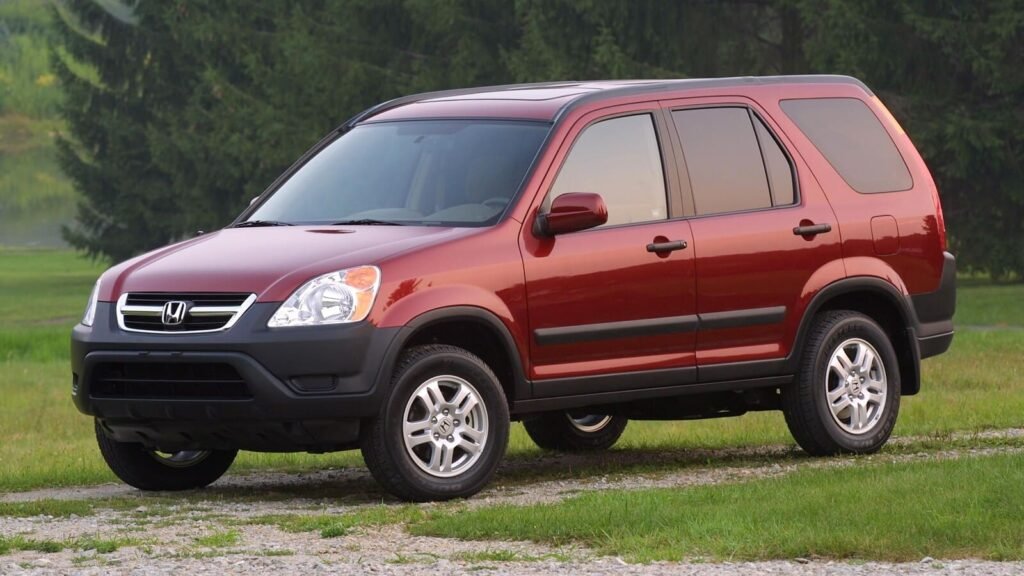
2002–2003 Honda CR-V
The second-generation CR-V introduced a larger cabin, improved safety, and a more refined driving experience, but its first two production years also brought one of the model’s most expensive reliability concerns. Many owners reported automatic transmission failures well before the mileage typically expected for Honda drivetrains. Harsh shifting, delayed engagement, and slipping transmissions became recurring complaints, often leading to costly rebuilds or replacements.
Well-maintained vehicles with documented transmission servicing can still provide dependable transportation, but buyers have plenty of newer CR-Vs that offer significantly lower risk.
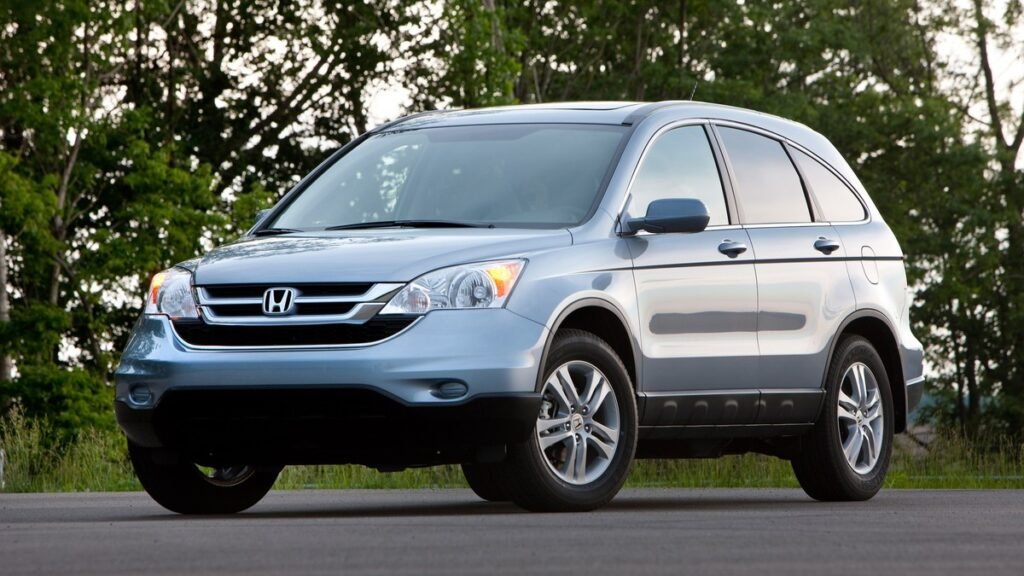
2011 Honda CR-V
By 2011, the third-generation CR-V had already built a reputation for durability. Unfortunately, its final model year also produced a noticeable increase in owner complaints involving excessive engine oil consumption.
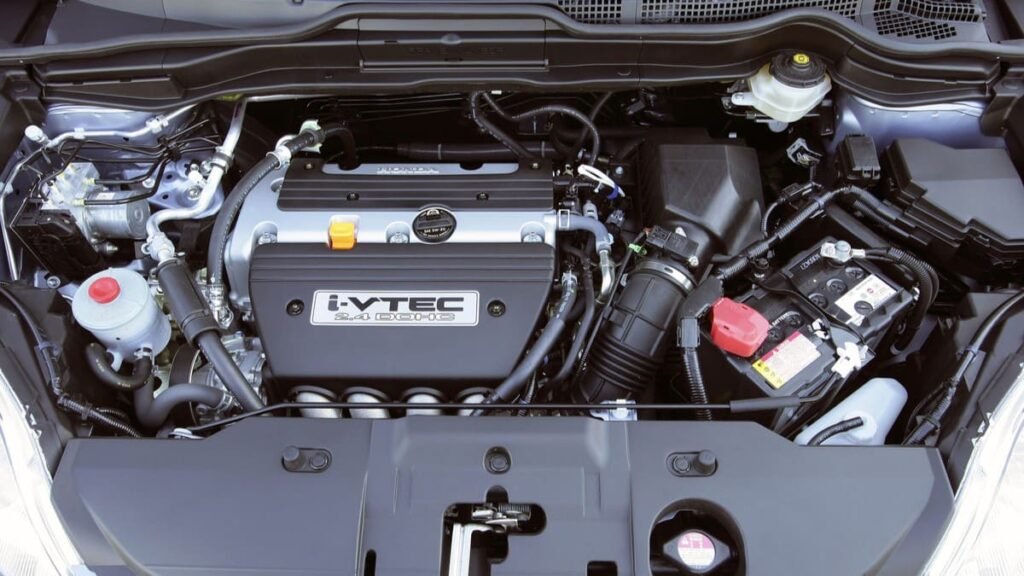
Some vehicles began using oil between scheduled changes, requiring owners to monitor levels more closely than expected. Other reported concerns included engine vibration at idle and occasional suspension wear as mileage increased.
None of these problems were as catastrophic as the transmission failures seen in the early 2000s, but together they make the 2011 model less appealing than the nearly identical 2010 or the redesigned 2012. Considering the small price difference on today’s used market, most buyers are better served choosing a newer fourth-generation CR-V instead.
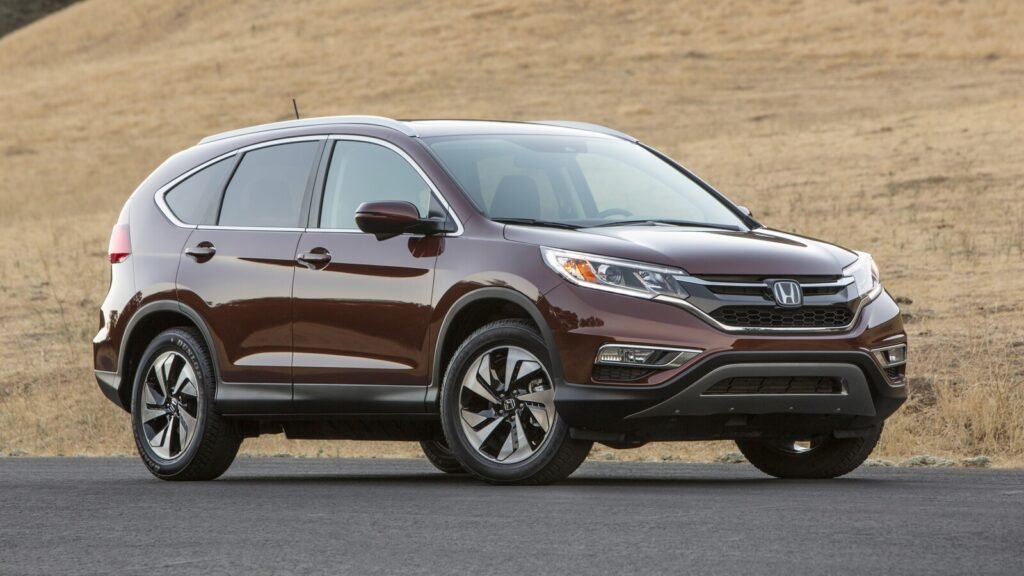
2015 Honda CR-V
The refreshed 2015 CR-V introduced Honda’s Earth Dreams direct-injected 2.4-liter engine and a continuously variable transmission (CVT), both of which have generally proven dependable over time. The biggest concern wasn’t the powertrain itself but the air-conditioning system.
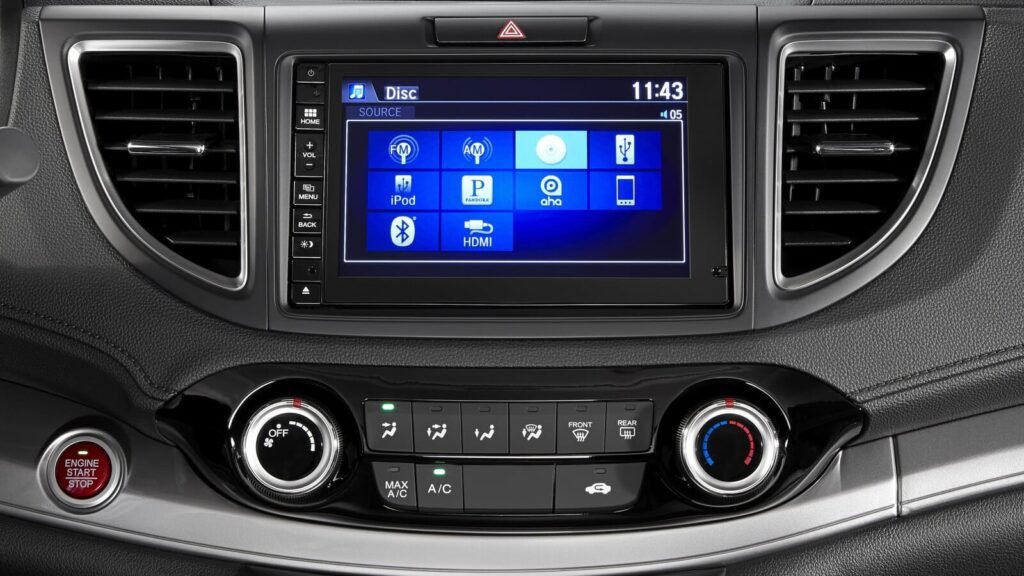
Many owners experienced premature air-conditioning compressor or condenser failures, resulting in weak cooling or complete loss of cabin air conditioning. In warmer climates such as Arizona, Texas, or Florida, these repairs can become particularly expensive and difficult to ignore during summer months.
Aside from the A/C issues, the 2015 CR-V remains mechanically solid. Buyers who find documented evidence that the air-conditioning system has already been repaired may still end up with a dependable SUV, but later model years reduce that uncertainty.
Best Honda CR-V Years to Buy
While a few model years deserve caution, the CR-V’s overall reliability record remains one of the strongest in the compact SUV segment. Choosing the right year usually comes down to selecting a model after Honda had time to address early production issues rather than avoiding an entire generation.
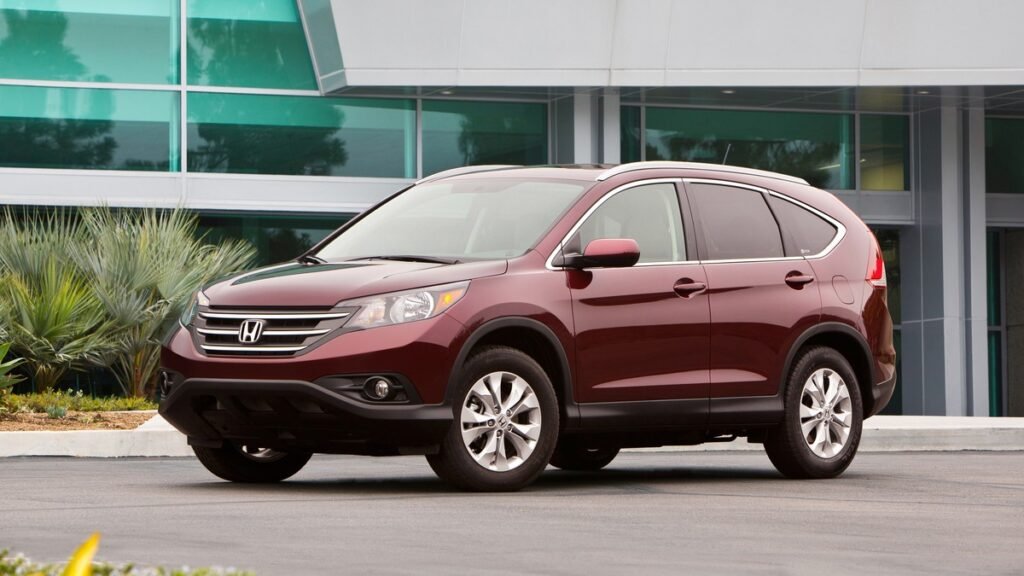
The 2013 and 2014 CR-V are among the safest choices for buyers on a tighter budget. Both use Honda’s naturally aspirated 2.4-liter four-cylinder engine paired with a conventional five-speed automatic transmission. Neither delivers class-leading performance, but both have established an excellent reputation for durability with relatively few major mechanical problems. Regular oil changes and transmission fluid service are often enough to see these vehicles comfortably exceed 200,000 miles.
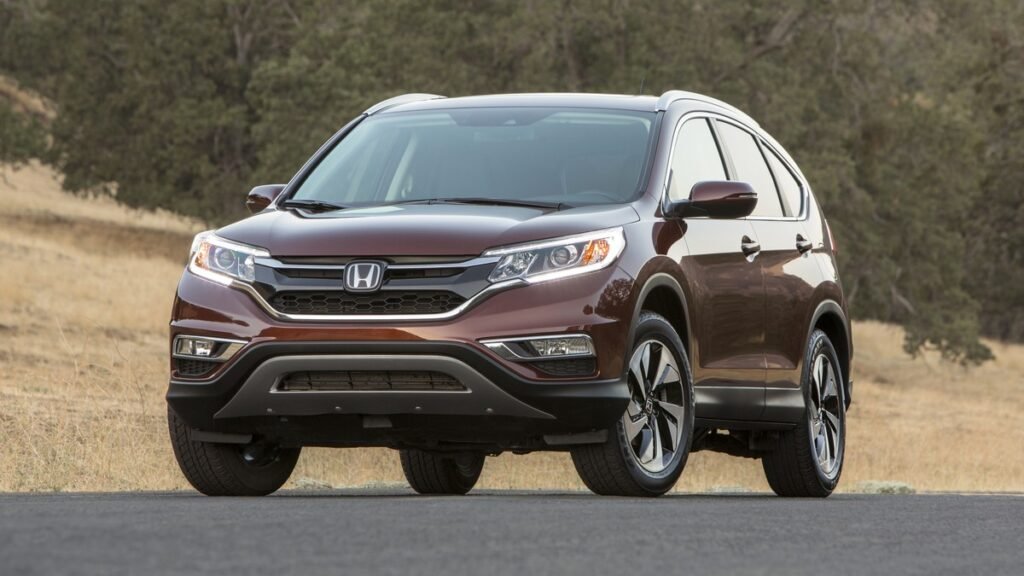
The 2016 CR-V represents one of the strongest values on the used market. By this point, Honda had refined the fourth-generation platform, and owner complaints declined compared with the earlier years. It retains the proven naturally aspirated engine while offering updated styling, improved safety features, and a more refined cabin than its predecessors.
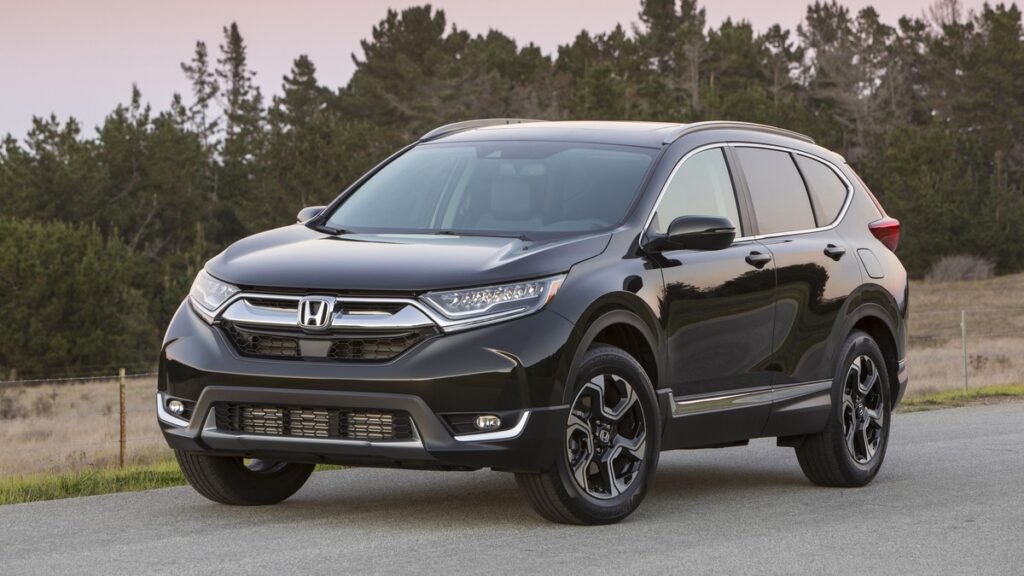
Among fifth-generation models, the 2019, 2020, and 2021 CR-V stand out as the safest recommendations. Honda continued improving software calibration for the 1.5-liter turbocharged engine, while reports of oil dilution became far less common than those seen during the early production years. These models also benefit from excellent fuel economy, spacious interiors, and comprehensive driver-assistance technology through the Honda Sensing suite.
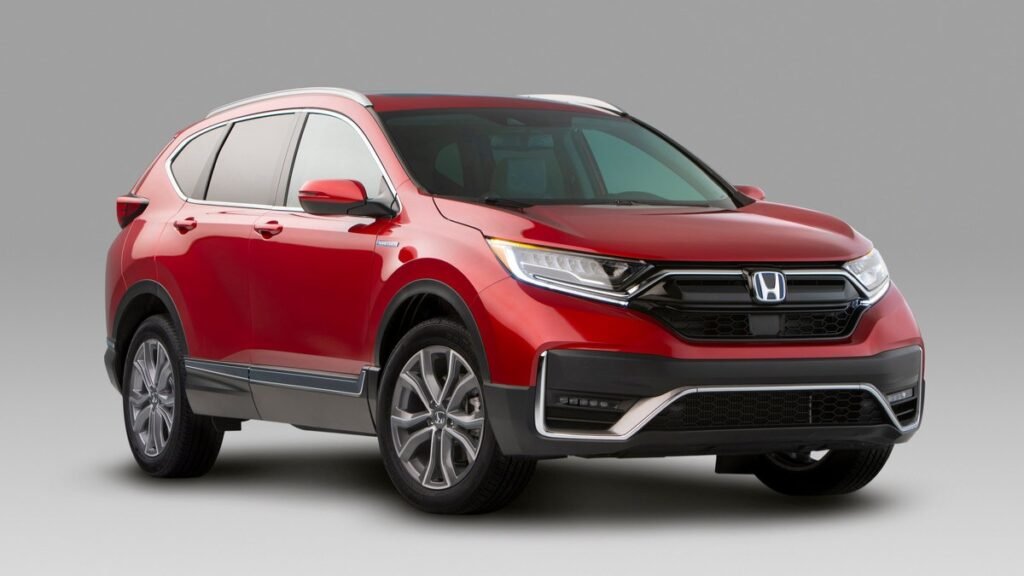
The 2022 and newer CR-Vs, including the redesigned sixth generation introduced for 2023, continue this positive trend. Early owner data indicates solid reliability, although they naturally lack the decades of long-term ownership history available for older models.
How the Honda CR-V Compares with Its Rivals
The Honda CR-V remains one of the strongest choices in its class, but it isn’t the only dependable compact SUV worth considering.
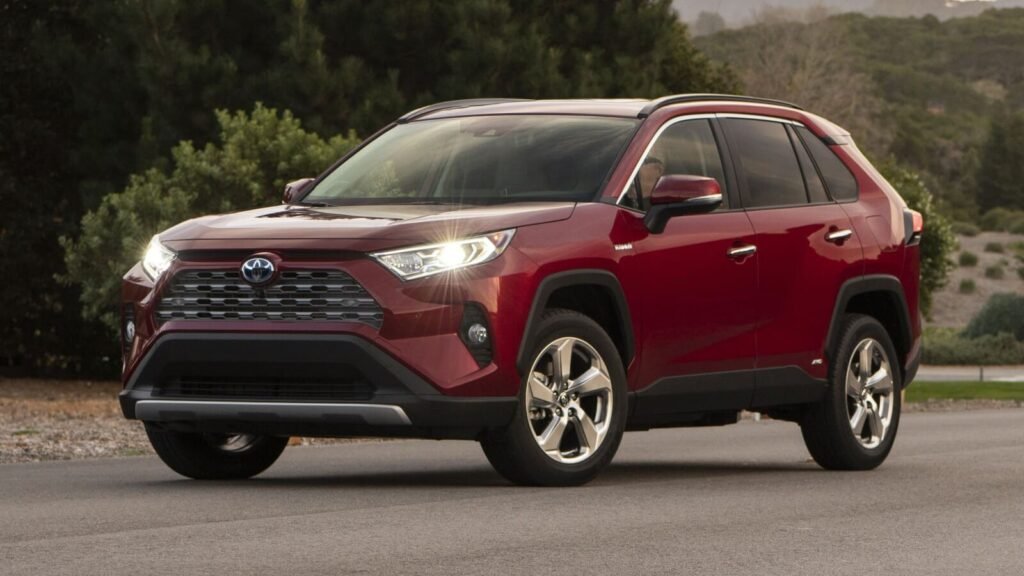
The Toyota RAV4 is the CR-V’s closest competitor and generally holds a slight advantage in long-term reliability, particularly when comparing naturally aspirated and hybrid models. Toyota’s hybrid system has accumulated an exceptional durability record over more than two decades, making the RAV4 Hybrid one of the safest long-term ownership bets. If you’re comparing both SUVs, our Toyota RAV4 Years to Avoid guide explains which model years deserve extra attention.
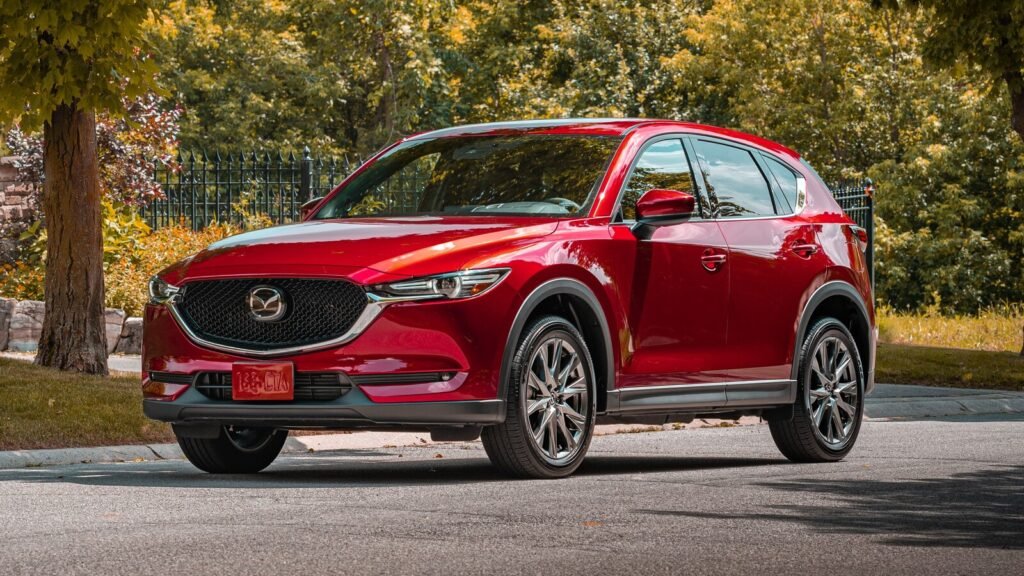
The Mazda CX-5 offers noticeably sharper handling and a more upscale interior. Its naturally aspirated engines have also proven dependable, although rear-seat space and cargo capacity trail the Honda.
The Subaru Forester comes standard with all-wheel drive and performs exceptionally well in snowy climates. However, buyers should remember that older Subaru developed a mixed reputation for CVT reliability, even though newer examples have improved significantly.
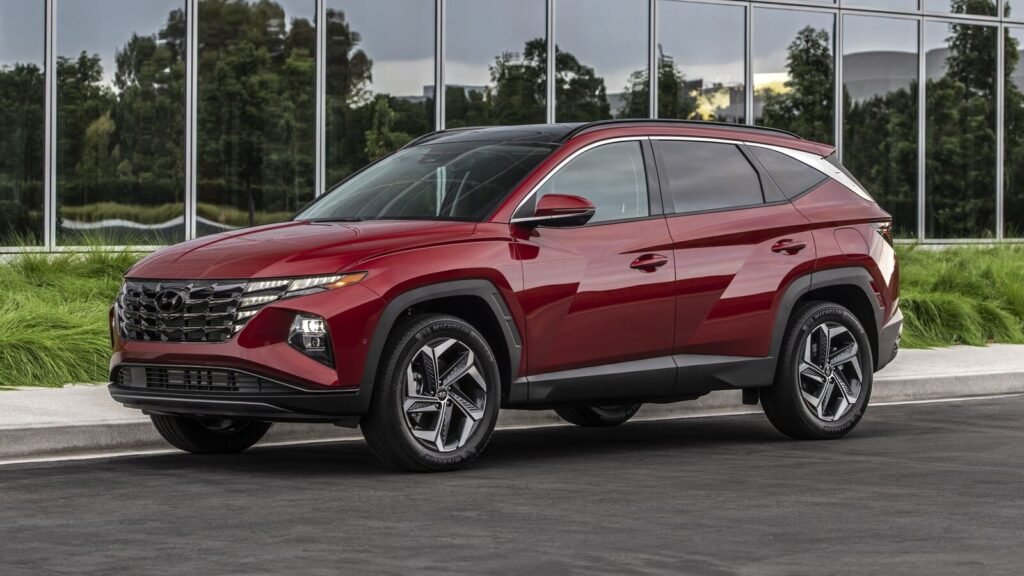
The Hyundai Tucson has become increasingly competitive in recent years thanks to longer warranty coverage and modern technology. Earlier generations, however, don’t consistently match the CR-V’s long-term ownership record.
For buyers whose priority is dependable daily transportation with low ownership costs, the CR-V and RAV4 remain the benchmarks of the segment. The final decision often comes down to personal preference, available inventory, and whether fuel economy, cargo space, or long-term reliability carries the most weight.
Before making your decision, it’s also worth reading our Toyota vs Honda Reliability comparison, where we examine long-term ownership trends across both manufacturers rather than focusing on a single model.
Buying Advice
As with any used vehicle, maintenance history remains more important than mileage alone. A well-maintained CR-V with complete service records is usually a better purchase than a lower-mileage example with an unknown history. Before buying, verify that all recalls have been completed, inspect the air-conditioning system, look for signs of fluid leaks, and take a thorough test drive to confirm smooth transmission operation and proper engine performance.
Final Verdict
Few compact SUVs have matched the Honda CR-V’s consistency over the past two decades. While a handful of model years deserve caution, they represent the exception rather than the rule. Most CR-Vs deliver the dependable ownership experience that helped establish Honda’s reputation in the first place.
If your budget allows, the safest choices are the 2019 and newer models, which combine Honda’s improved engineering with modern safety technology and strong owner satisfaction. Buyers looking to spend less should focus on the 2013, 2014, or 2016 CR-V, all of which have established themselves as reliable long-term vehicles with relatively few recurring mechanical complaints.
Some Quick Honda CR-V FAQ
What is the least reliable Honda CR-V model year?
The 2002 and 2003 CR-V are generally considered the least reliable because of their higher-than-average rate of automatic transmission failures. Among newer models, the 2017 CR-V receives additional scrutiny due to early reports of oil dilution affecting some vehicles equipped with the 1.5-liter turbocharged engine.
What is the best used Honda CR-V to buy?
For buyers seeking the best balance of reliability, safety, and value, the 2019 through 2021 CR-V models stand out. Buyers on a smaller budget should also consider the 2013, 2014, and 2016 model years.
Did Honda fix the oil dilution problem?
Honda released software updates and other improvements for affected vehicles, and owner complaints declined significantly in later production years. Current evidence suggests the issue is far less common in 2019 and newer CR-Vs than it was in some early 2017 and 2018 models.
Is the Honda CR-V more reliable than the Toyota RAV4?
They’re among the two most dependable compact SUVs available. The Toyota RAV4 holds a slight edge in long-term reliability, particularly with its hybrid models, while the CR-V is often praised for its spacious cabin, ride comfort, and overall refinement. Buyers comparing both should also read our Toyota RAV4 Years to Avoid and Toyota vs Honda Reliability guides for a detailed comparison.
- Chinese Cars Are Winning the Technology Race—But Will They Last?

- 2024 Toyota Camry Reliability: Is It Toyota’s Smartest Buy?
- 2023 Toyota Camry Reliability: Is Paying More Really Worth It?
- 10 Most Reliable Used Cars in 2026: Specific Years to Buy

- 2022 Toyota Camry Reliability: Is It the Best Used Camry?
- Car Reliability Ratings Explained: Which Ones Can You Actually Trust?
*Disclaimer: This website provides automotive content for informational purposes only and should not be considered professional advice. While we strive for accuracy, we do not guarantee the reliability or suitability of any vehicle or product mentioned—always conduct your own research before making purchasing decisions. Additionally, some links on this site are affiliate links, meaning we may earn a commission if you make a purchase, at no extra cost to you.