
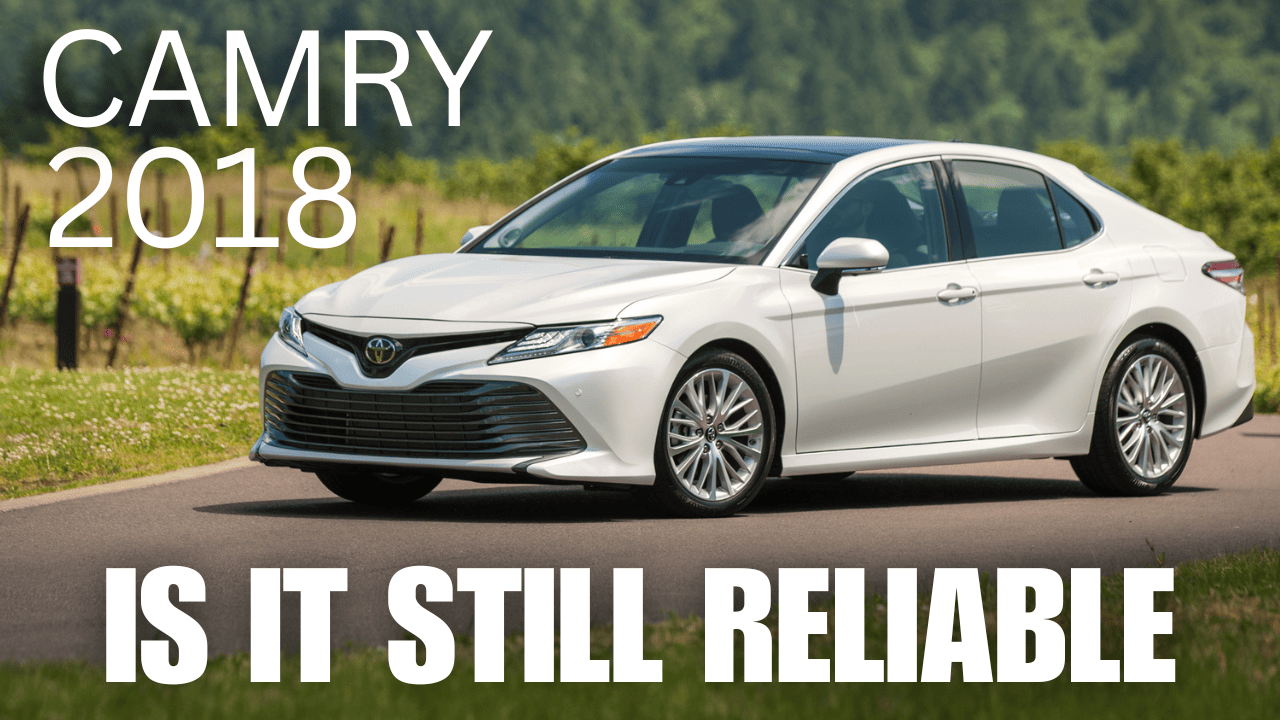
The Toyota Camry has spent decades earning its reputation as one of the safest and most dependable midsize sedans on the market. For 2018, Toyota introduced the all-new XV70 generation, built on the TNGA-K platform with new powertrains, an eight-speed automatic transmission, a redesigned chassis, and significantly improved safety technology.
But did this major redesign live up to the Camry’s reputation? Even Toyota isn’t immune to the challenges that can accompany an all-new generation, which is why experienced buyers prefer to judge a redesigned model on real-world ownership rather than brand reputation alone.
Several years on, we finally have enough owner feedback, reliability data, and independent testing to answer that question with confidence. Let’s take a closer look.
TopCarList Reliability Score
| Category | Score |
|---|---|
| Engine Reliability | 9.8 / 10 |
| Transmission Reliability | 9.2 / 10 |
| Electronics | 9.0 / 10 |
| Build Quality | 9.5 / 10 |
| Maintenance Costs | 9.7 / 10 |
| Parts Availability | 10 / 10 |
| Long-Term Ownership | 9.7 / 10 |
| Overall Reliability | 9.6 / 10 |
Bottom Line
If you’re shopping for a dependable used midsize sedan, the 2018 Camry is an easy recommendation. Although the first model year had a few early software refinements and recalls, those concerns were quickly addressed. Today, it stands as a well-proven family sedan with low ownership costs and an excellent reputation for long-term reliability.
What’s Different About the 2018 Camry?
To appreciate why the 2018 Camry is so highly regarded today, it helps to understand just how much changed beneath the surface. This wasn’t simply an updated version of the previous model. Toyota redesigned the car from the ground up around its TNGA-K platform, lowering the center of gravity, increasing chassis rigidity by more than 30 percent, and producing a sedan that felt noticeably more composed without sacrificing ride comfort. The cabin became quieter, safety technology was expanded across the range, and fuel efficiency improved despite the introduction of more powerful engines.
Mechanically, buyers had three choices:
| Powertrain | Horsepower | Transmission |
|---|---|---|
| 2.5L Dynamic Force I4 | 203 hp | 8-speed Automatic |
| 3.5L V6 | 301 hp | 8-speed Automatic |
| 2.5L Hybrid | 208 hp (combined) | eCVT |
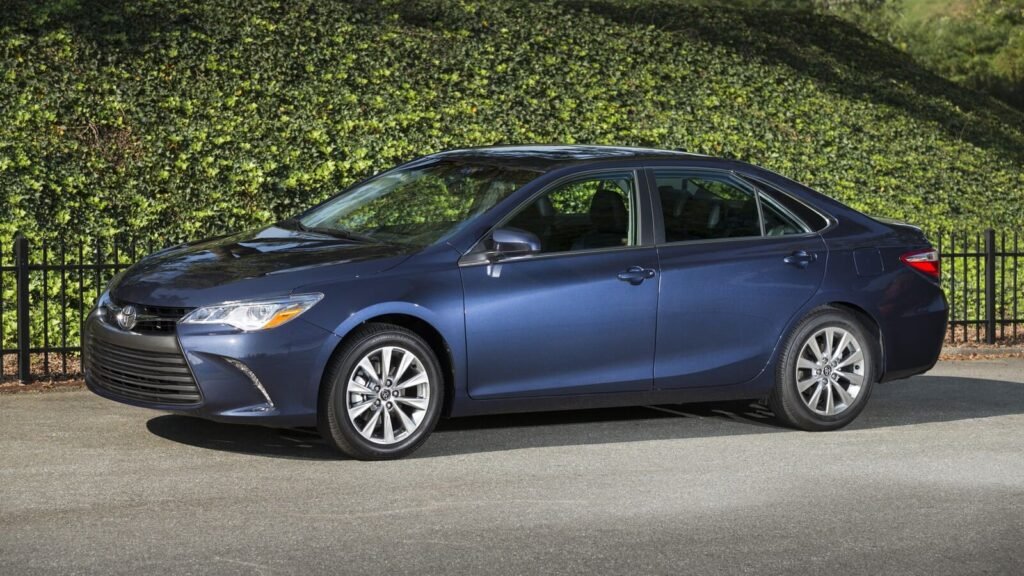
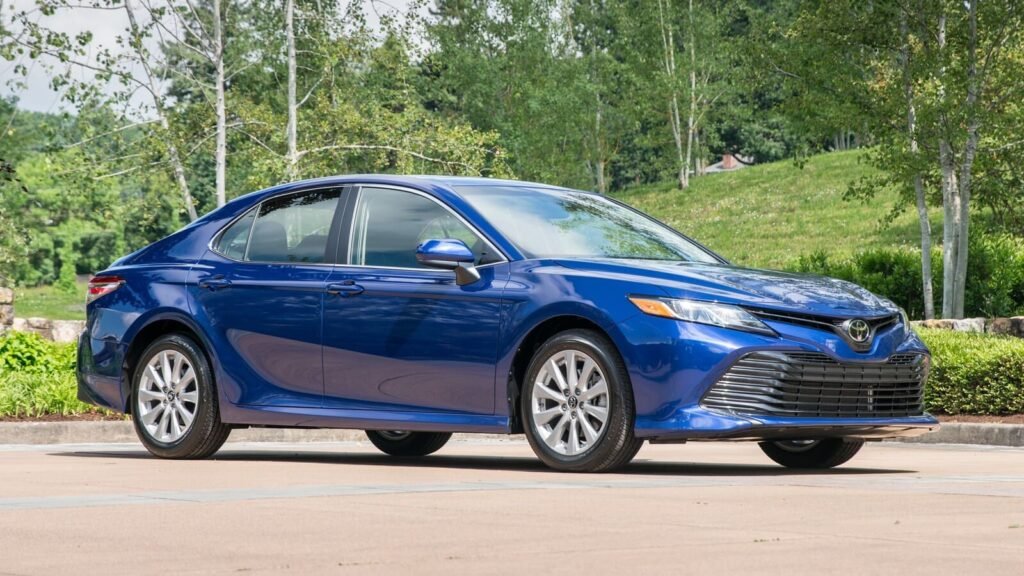
The key point is that Toyota did far more than refresh the outgoing Camry. Nearly every major mechanical system was redesigned.
Reliability Ratings
No single organisation can tell the whole reliability story, which is why we compare findings from several independent sources. Throughout this review, we’ve drawn on long-term data from Consumer Reports, J.D. Power, RepairPal, the IIHS, NHTSA, owner surveys, and other reputable industry sources to build the most balanced assessment possible.
| Organization | Rating |
|---|---|
| Consumer Reports | Above Average Predicted Reliability |
| J.D. Power | Excellent Quality & Reliability |
| RepairPal | 4.0 / 5.0 |
| IIHS | Top Safety Pick+ (properly equipped models) |
| Average Annual Repair Cost | Approximately $390 |
Low ownership costs are another reason the 2018 Camry remains such a popular used-car choice. Annual repair expenses average around $390, well below the midsize segment average. Parts are widely available, most independent repair shops know the platform well, and routine maintenance is both straightforward and affordable. Together, these factors have helped the Camry earn its reputation for inexpensive long-term ownership while supporting its strong resale value.
Toyota also got safety right with the 2018 Camry. It earned the IIHS Top Safety Pick+ award and achieved excellent crash-test results, making it one of the safest family sedans of its time. While premium German brands have long been associated with safety, today’s Japanese manufacturers regularly rank among the industry’s best, and the Camry is a perfect example.
Engine Reliability
Toyota offered two gasoline engines in 2018, and both have matured into exceptionally dependable powerplants.
2.5-Liter Dynamic Force Four-Cylinder
When Toyota introduced the A25A-FKS, it replaced the long-serving 2AR-FE with an entirely new engine. Its combination of direct and port fuel injection helps reduce carbon buildup, the timing chain eliminates routine belt replacement, and reports of excessive oil consumption remain uncommon.
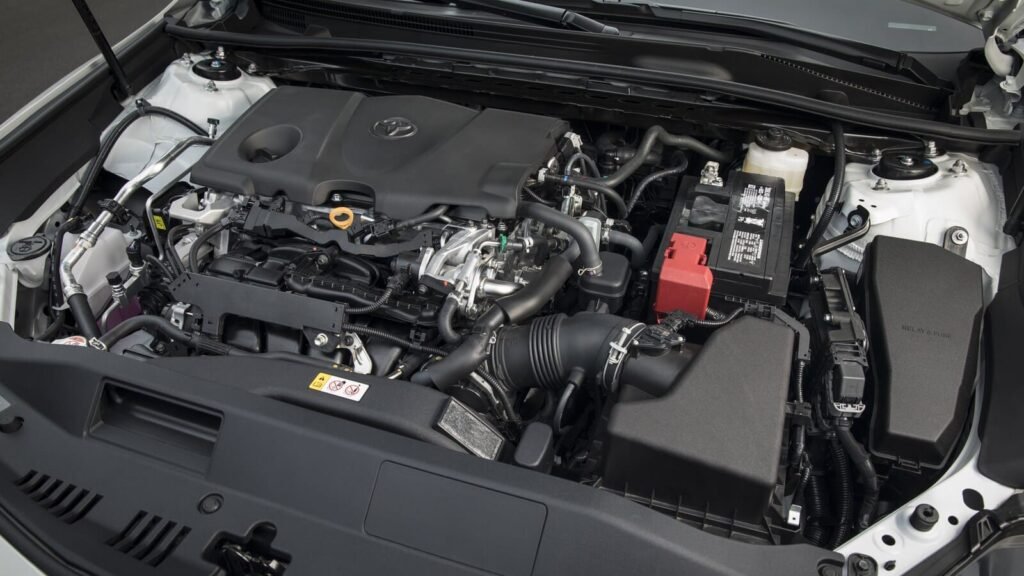
The A25A-FKS has proven to be every bit as dependable as its predecessor while offering better refinement and fuel economy.
For most owners, the engine is likely to be the least expensive major component they’ll ever own.
3.5-Liter V6
The 3.5-litre 2GR-FKS V6 reminds us that a family sedan doesn’t need turbochargers to be genuinely enjoyable. Producing 301 horsepower, it delivers effortless performance while retaining the mechanical simplicity that’s helped earn Toyota’s V6 engines an excellent reputation.
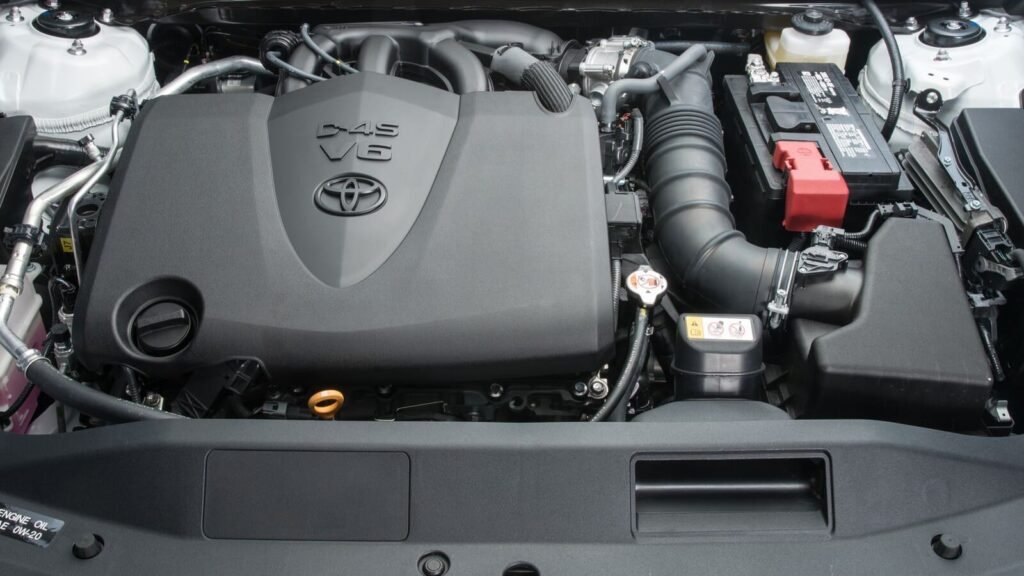
Running costs of the 3.5 V6 engine are slightly higher than the four-cylinder, but it is an easy recommendation for buyers who value both performance and long-term reliability.
Transmission Reliability
The new eight-speed automatic generated more discussion than any other mechanical change for 2018. Some owners reported hesitation, delayed downshifts, or gear hunting at low speeds, but those complaints were largely linked to transmission calibration rather than mechanical durability.
Toyota addressed the behavior through software updates, and years of ownership have shown the transmission to be mechanically dependable. If you’re buying a 2018 Camry today, I’d simply confirm that the latest transmission calibration has been installed.
The Most Common Problems
Like any vehicle, the 2018 Camry isn’t completely free of faults. The difference is that most of its commonly reported issues are now well documented, relatively inexpensive to address, and rarely develop into the sort of major mechanical failures that turn an otherwise sensible used car into an expensive mistake.
1. Hesitant Transmission Behavior
This remains the most frequently discussed complaint. Symptoms include:
- Hesitation when accelerating from a stop
- Delayed downshifts
- Occasional gear hunting
- Abrupt shifts at light throttle
In the overwhelming majority of cases, software updates substantially improved the driving experience.
2. Low-Pressure Fuel Pump Recall
Certain fuel pumps could fail unexpectedly, causing the engine to stall. Toyota recalled affected vehicles and replaced the pumps free of charge. Once completed, the problem rarely returned.
3. Brake Noise
Some owners experienced squeaking or light grinding despite normal braking performance. Updated pad materials generally resolved the issue, making it more of an annoyance than a genuine reliability concern.
4. Infotainment Glitches
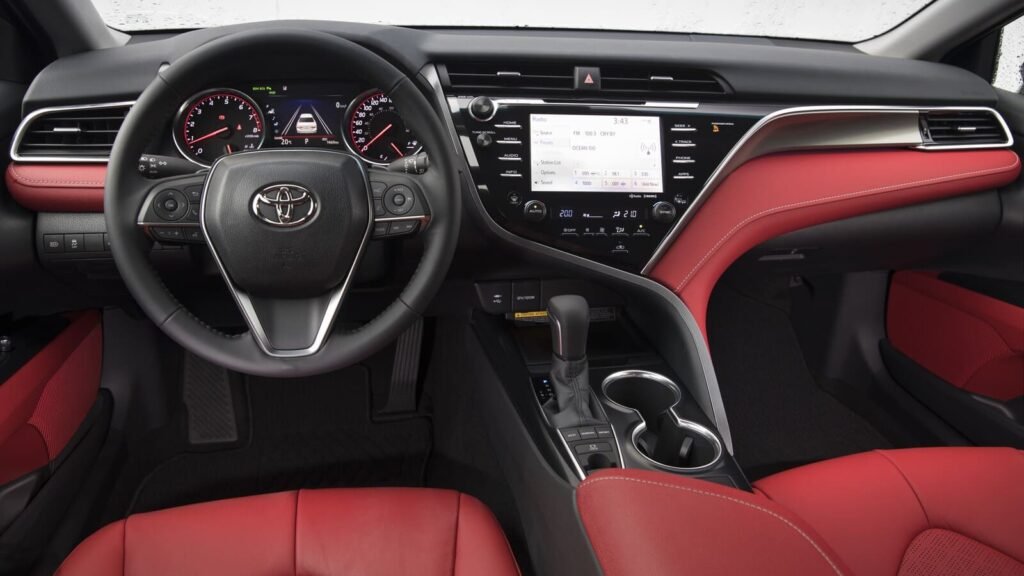
Toyota’s Entune infotainment system occasionally suffered from slow responses, Bluetooth connection issues, or frozen screens. Fortunately, these problems were largely software-related rather than hardware failures.
5. Wind Noise
A small percentage of owners noticed increased wind noise around the side mirrors or upper door seals at highway speeds. The cause was usually minor weatherstrip alignment rather than poor build quality, and dealership adjustments typically corrected it.
Problems at a Glance
| Problem | Frequency | Severity | Typical Cost |
|---|---|---|---|
| Transmission calibration | Moderate | Low | $100–250 |
| Fuel pump recall | Low | Low | Free |
| Brake noise | Moderate | Low | $200–400 |
| Infotainment software | Moderate | Low | Software update |
| Wind noise | Low | Very Low | Under $200 |
Perhaps the most telling observation is what never became a widespread concern. There are no recurring reports of major engine failures, chronic oil consumption, persistent electrical faults, head gasket problems, or large numbers of transmission replacements—the kinds of issues that usually define a model year to avoid.
Instead, the concerns surrounding the 2018 Camry are largely the sort of early production refinements that often accompany an all-new generation, rather than signs of any fundamental engineering weakness.
Recall History: Should It Worry You?
Recalls are often misunderstood when people judge a vehicle’s reliability. A longer recall list doesn’t automatically mean a car is poorly built, just as the absence of recalls doesn’t guarantee a trouble-free ownership experience. What matters is how the manufacturer responds—whether the issue is identified quickly, an effective remedy is developed, and affected vehicles are repaired before the problem becomes widespread.
Toyota has generally handled that process well over the years, and the 2018 Camry is a good example of that approach.
Major Recall Summary
| Recall | What Happened? | Toyota’s Fix |
|---|---|---|
| Fuel System Issues (2018 & 2020–2025) | Some V6 models left the factory with improperly connected fuel lines that could leak fuel. Separately, certain vehicles were affected by the Denso low-pressure fuel pump recall, which could cause the engine to stall. Toyota later expanded the fuel pump campaign to include additional vehicles. | Dealers inspected and corrected the fuel line installation where necessary and replaced affected fuel pumps with updated units, free of charge. |
| Brake Assist Vacuum Pump (2018 & 2021) | Some vehicles were recalled due to manufacturing defects in the brake vacuum pump that could reduce braking assist. A later recall addressed a separate vacuum pump issue involving the vane cap on additional vehicles. | Toyota inspected and repaired or replaced the vacuum pump as required, free of charge. |
| Engine Pistons (2018) | A small number of 2.5-litre four-cylinder engines were built with incorrectly sized pistons, which could cause the engine to stall. | Dealers inspected the engine and replaced it where necessary at no cost to owners. |
| Load Capacity Labels (2019) | A limited number of vehicles distributed through regional distributors received incorrect load-capacity labels. | Dealers replaced the labels with the correct versions free of charge. |
Should these recalls concern used-car buyers?
Not necessarily. It’s worth remembering that the 2018 Camry was the first model year of an all-new generation, making a higher number of recalls fairly typical. More importantly, Toyota addressed the issues promptly through dealer service campaigns, and none developed into widespread long-term reliability problems.
As with any used vehicle, ask the seller for the VIN and confirm that all recall work has been completed before buying. Any Toyota dealer can verify this in just a few minutes, making it one of the easiest checks you can perform before buying.
You can also use Toyota’s VIN lookup tool to check for outstanding recalls, and if you’re interested in learning more about Toyota engine recalls, we’ve covered them in a separate article.
Hybrid Reliability
If you’re looking for a hybrid sedan you can confidently keep for many years, the 2018 Camry Hybrid is an easy recommendation. By the time it arrived, Toyota’s Hybrid Synergy Drive had already earned one of the strongest reliability records in the industry, with years of proven performance in private ownership and commercial fleets alike.
Some buyers still hesitate because of the eCVT, but Toyota’s system is very different from the conventional belt-driven CVTs used by many manufacturers. It relies on a planetary gearset and electric motors instead of belts and pulleys, resulting in a simpler design with fewer wear-prone components and an outstanding record for long-term durability.
Hybrid Component Reliability
| Component | Reliability |
|---|---|
| Hybrid battery | ★★★★★ |
| Electric motors | ★★★★★ |
| eCVT transmission | ★★★★★ |
| Power electronics | ★★★★☆ |
| Battery cooling system | ★★★★★ |
Battery replacement is still one of the biggest concerns among used-car buyers, yet real-world experience continues to show Toyota’s hybrid batteries lasting well beyond 200,000 miles in many cases. Even when replacement eventually becomes necessary, prices have become considerably more reasonable than they were a decade ago thanks to improved aftermarket support.
Maintenance Costs
One reason the XV70 Camry remains one of the least expensive midsize sedans to own is the simplicity of its engineering. Buyers could choose from naturally aspirated four-cylinder and V6 engines, both of which have earned strong reputations for long-term durability without the added complexity of turbocharging.
Combined with straightforward maintenance schedules, widely available replacement parts, and a platform that virtually every independent mechanic knows well, routine ownership tends to be both predictable and affordable.
Maintenance Costs
Camry ownership rarely comes with unpleasant financial surprises, and that’s a major reason why it continues to hold its value so well.
| Service | Estimated Cost |
|---|---|
| Oil and filter | $60–100 |
| Tire rotation | $25–60 |
| Engine air filter | $25–60 |
| Cabin air filter | $30–70 |
| Front brake pads | $250–450 |
| Brake pads and rotors | $500–800 |
| Spark plugs | $250–450 |
| Transmission fluid service | $250–450 |
| Coolant replacement | $150–250 |
| 12V battery | $180–300 |
Service history matters far more than mileage alone. I’d happily choose a 180,000-mile Camry with documented maintenance over a neglected 90,000-mile example. Regular oil changes, transmission servicing, and cooling system maintenance tell you far more about a vehicle’s future than the odometer ever will.
How Does It Compare with Its Rivals?
The midsize sedan segment was fiercely competitive in 2018, and the Camry faced some genuinely impressive alternatives.
| Model | Reliability | Running Costs | Driving Enjoyment |
|---|---|---|---|
| 2018 Toyota Camry | ★★★★★ | ★★★★★ | ★★★★☆ |
| Honda Accord | ★★★★☆ | ★★★★☆ | ★★★★★ |
| Mazda6 | ★★★★☆ | ★★★★☆ | ★★★★★ |
| Hyundai Sonata | ★★★★☆ | ★★★★☆ | ★★★★☆ |
The Accord has long appealed to drivers who place a little more value on steering feel and road manners, while the Mazda6 remains one of the most enjoyable midsize sedans of its era from behind the wheel.
The Camry has always played to different strengths. Its ownership costs consistently rank among the lowest in the segment, replacement parts are affordable and widely available, and its straightforward engineering helps make long-term maintenance both predictable and uncomplicated. For buyers who intend to keep a car well past 150,000 miles, those qualities often prove more valuable than a slightly sportier driving experience.
Mechanic’s Buying Checklist
Before purchasing any used 2018 Camry, I’d recommend checking the following:
Mechanical
- Confirm smooth cold starts.
- Test the transmission during gentle and brisk acceleration.
- Listen for suspension noises over uneven roads.
- Inspect underneath for oil or coolant leaks.
- Check tire wear for alignment or suspension issues.
Interior
- Test every infotainment function.
- Verify Bluetooth connectivity.
- Operate all power windows, locks, and seats.
- Confirm the climate control works properly.
Documentation
- Complete maintenance history.
- VIN recall verification.
- Clean vehicle history report.
- Independent pre-purchase inspection.
Spending a few hundred dollars on a professional inspection before buying is still one of the smartest investments you can make.
Final Verdict
Years of real-world ownership have shown that the 2018 Camry successfully lived up to the expectations that surrounded its complete redesign. While the first model year wasn’t entirely free of early software refinements and a handful of recalls, none developed into the kind of widespread mechanical problems that define a model year to avoid.
If you’re shopping for a used midsize sedan with low ownership costs, proven reliability, and the potential to cover well over 200,000 miles with proper maintenance, the 2018 Camry remains one of the strongest choices in its class. Just look for a well-maintained example with a documented service history and confirm that any recall work has been completed.
Some Quick 2018 Camry FAQ
Is the 2018 Toyota Camry reliable?
Yes. Independent organizations including Consumer Reports, J.D. Power, and RepairPal consistently rate it above average for long-term reliability, and real-world ownership data supports those findings.
Does the 2018 Camry have transmission problems?
Some owners reported hesitant shifting caused primarily by early transmission calibration. Toyota released software updates, and widespread mechanical failures have not become a common issue.
Is the 2018 Camry Hybrid reliable?
Very much so. Toyota’s hybrid system is among the most proven in the industry, and the eCVT transmission has an excellent long-term durability record.
Which engine is the better choice?
The 2.5-liter four-cylinder offers the best balance of reliability, fuel economy, and operating costs. The 3.5-liter V6 is equally dependable while delivering substantially stronger performance.
How long will a 2018 Toyota Camry last?
With consistent maintenance, reaching 200,000 miles is routine, and many examples exceed 250,000 or even 300,000 miles without requiring major mechanical repairs.
- 10 Most Reliable Used Cars in 2026: Specific Years to Buy

- 2022 Toyota Camry Reliability: Is It the Best Used Camry?
- Car Reliability Ratings Explained: Which Ones Can You Actually Trust?
- 2021 Toyota Camry Reliability: Is This the Best XV70 Camry You Can Buy?
- The Hidden Cost of Buying the Wrong Car: A 10-Year Ownership Framework

- Which Honda CR-V Years Should You Avoid? Complete Buyer’s Guide

*Disclaimer: This website provides automotive content for informational purposes only and should not be considered professional advice. While we strive for accuracy, we do not guarantee the reliability or suitability of any vehicle or product mentioned—always conduct your own research before making purchasing decisions. Additionally, some links on this site are affiliate links, meaning we may earn a commission if you make a purchase, at no extra cost to you.