
If you’ve already read our Toyota vs Honda Reliability guide, you’ve probably realized something important. If the brands are so closely matched, how do you decide between them?
The answer lies in the details. Reliability isn’t shared equally across every model or every production year, and some vehicles have proven to be noticeably stronger long-term investments than others. Let’s have a look of the overall reliability ratings taking from several sources.
How We Rated These Models
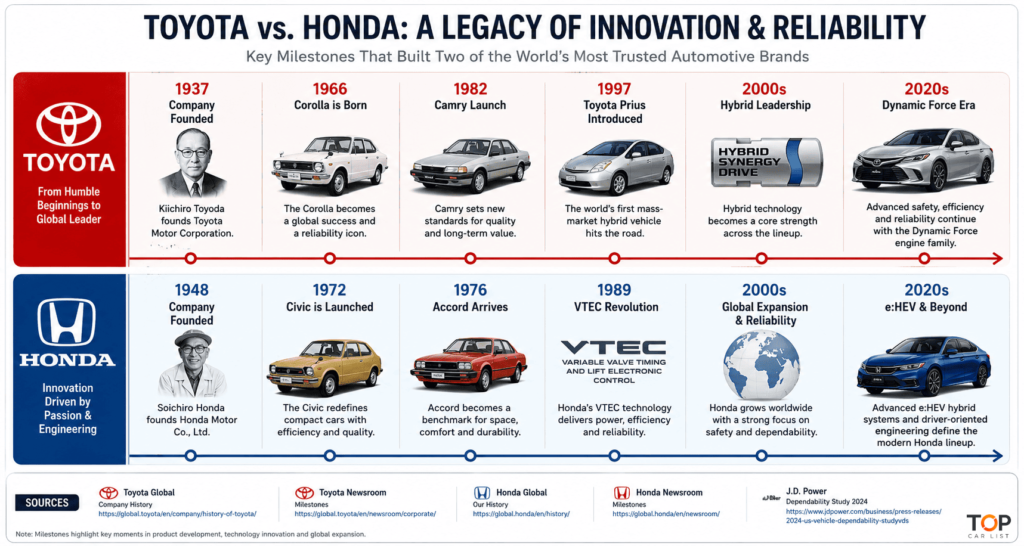
The ratings throughout this guide aren’t based on a single source or personal opinion alone. They reflect decades of real-world ownership trends, feedback from independent mechanics, long-term reliability surveys from Consumer Reports and J.D. Power, maintenance records from RepairPal, recall data from the NHTSA, safety evaluations from the IIHS, and, where available, the experience of high-mileage fleet operators. Combined with our own hands-on experience, they provide a balanced picture of how these vehicles perform over the long run.
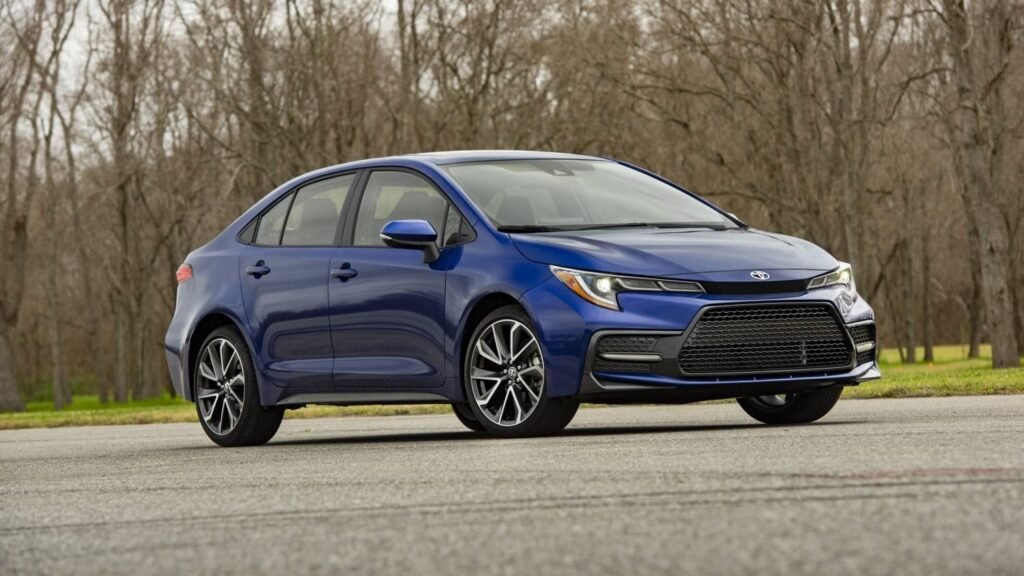
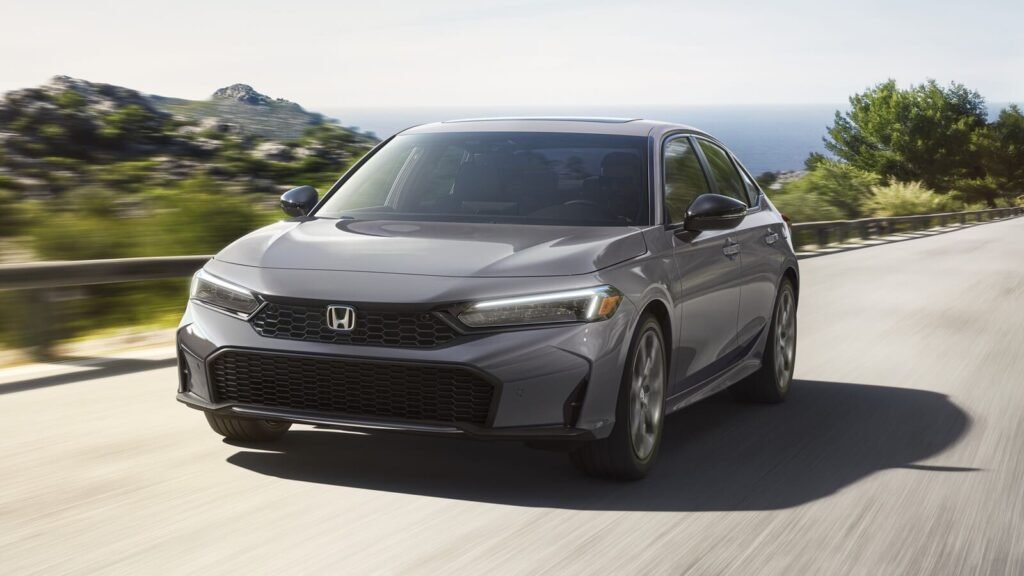
Toyota Corolla vs Honda Civic
| Category | Corolla | Civic |
|---|---|---|
| Reliability | 9.8/10 | 9.4/10 |
| Running Costs | Lower | Low |
| Resale Value | Excellent | Very Good |
The Corolla and Civic are both excellent long-term choices, but the Corolla gets a slight reliability edge. Its relatively conservative powertrains and proven naturally aspirated engines make it particularly attractive for buyers seeking predictable ownership well beyond 100,000 miles. The Civic is more engaging to drive without sacrificing much dependability, although powertrain and model-year selection matter more, particularly among turbocharged versions.
Common Corolla Issues
- Water pump leaks on some generations.
- Occasional excessive oil consumption on specific older engines.
- Infotainment glitches on newer models.
Common Civic Issues
- Air-conditioning compressor failures on some generations.
- Oil dilution concerns on certain 1.5-litre turbo engines.
- CVT software updates on earlier models.
Best Years
Corolla: 2017–2019, 2020–Present Hybrid, 2011–2013
Civic: 2016–2021, 2022–Present, 2013–2015
Verdict
If dependability is your only priority, I’d buy the Corolla. If you enjoy driving and don’t mind giving up a tiny amount of long-term predictability, the Civic remains one of the finest compact cars ever built.
Toyota Camry vs Honda Accord
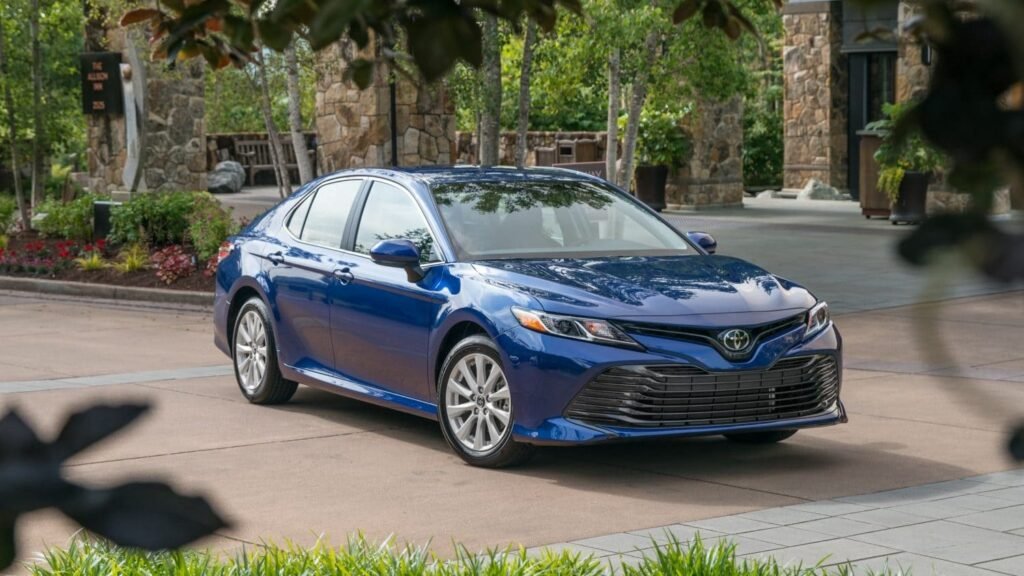
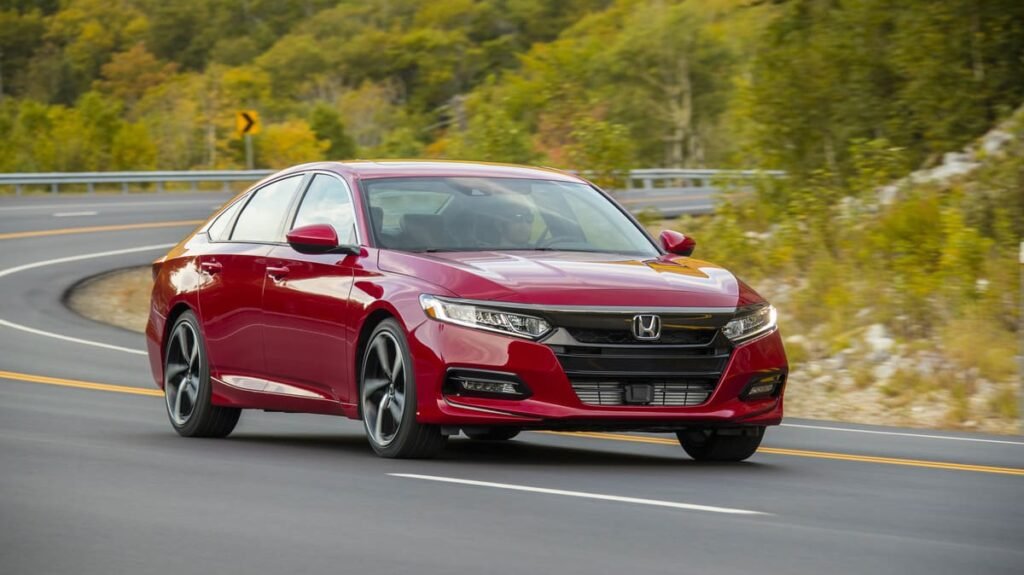
| Category | Camry | Accord |
| Reliability | 9.8/10 | 9.3/10 |
| Comfort | Excellent | Excellent |
| Driving Dynamics | Very Good | Excellent |
The Camry wins narrowly for the same reason Toyota often does: proven powertrains with relatively little mechanical drama. Its naturally aspirated engines have excellent longevity records, while Toyota’s hybrid power-split transmission has proven exceptionally durable and should not be confused with a conventional belt-driven CVT. The Accord remains highly dependable and generally more rewarding to drive, but for buyers planning very high mileage, I’d favor the Camry.
Common Camry Issues
- Water pump wear on some V6 models.
- Minor oil seepage around timing covers.
- Early infotainment software issues.
Common Accord Issues
- Oil dilution on some turbocharged engines.
- Brake wear slightly higher than average.
- Automatic transmission concerns on older generations.
Best Years
Camry: 2018–Present, 2015–2017
Accord: 2018–2022, 2013–2017
Verdict
If you plan to keep a car for fifteen years, I’d lean towards the Camry. If your daily commute includes enjoyable country roads, the Accord gives back a little more every time you drive it.
Toyota RAV4 vs Honda CR-V

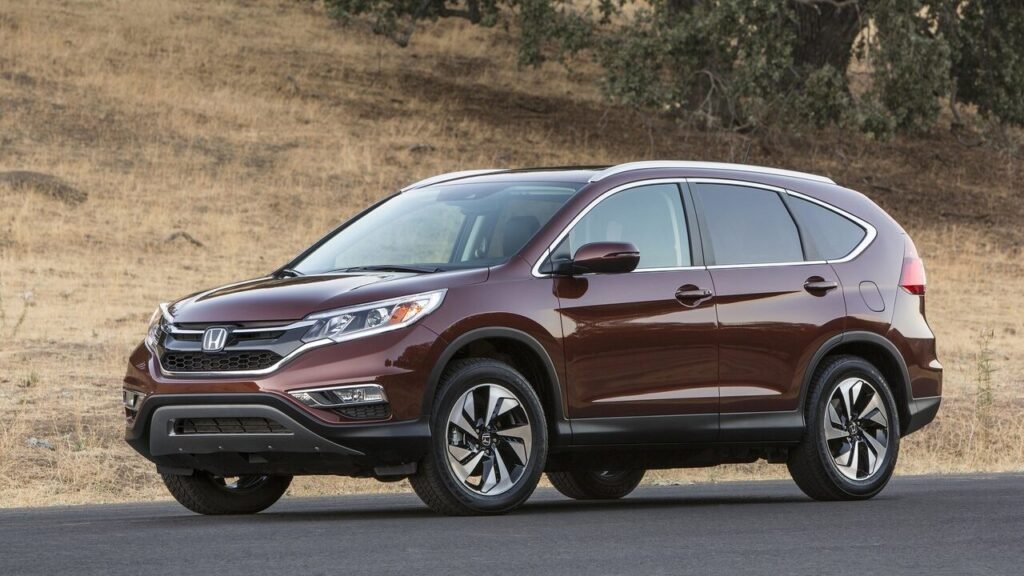
| Category | RAV4 | CR-V |
| Reliability | 9.8/10 | 9.4/10 |
| Hybrid System | Excellent | Very Good |
| Cabin Practicality | Very Good | Excellent |
Both are among the safest compact-SUV choices, but the RAV4 has the stronger reliability argument. Its naturally aspirated gasoline engine and especially its well-proven hybrid system offer compelling combinations of efficiency and long-term durability. The CR-V counters with excellent space, comfort, and overall dependability, but if maximum longevity is the priority, I’d give Toyota’s more established naturally aspirated and hybrid powertrains the edge.
Common RAV4 Issues
- Roof rail water leaks on certain model years.
- Fuel tank filling issue on early fifth-generation hybrids.
- Minor infotainment bugs.
Common CR-V Issues
- Oil dilution on early turbocharged models.
- Air-conditioning compressor failures.
- Battery drain on some model years.
Best Years
RAV4: 2019–Present, 2016–2018 Hybrid
CR-V: 2020–Present, 2015–2016
Verdict
High-mileage drivers should seriously consider the RAV4 Hybrid. Families wanting maximum interior space without stepping into a larger SUV will find the CR-V difficult to beat.
Toyota Highlander vs Honda Pilot


| Category | Highlander | Pilot |
| Reliability | 9.7/10 | 9.2/10 |
| Third-Row Comfort | Very Good | Excellent |
| Ownership Costs | Lower | Low |
The Highlander and Pilot are closely matched family SUVs, but Toyota offers the stronger range of proven long-term powertrains. Used Highlanders with the naturally aspirated V6 are particularly attractive, while the Hybrid benefits from Toyota’s extensive electrification experience. The Pilot’s V6 is also excellent, and 2021–2022 models deserve serious consideration, but the Highlander remains my narrow reliability winner.
Common Highlander Issues
- Water pump wear on older V6 engines.
- Minor suspension bush wear.
- Infotainment software updates.
Common Pilot Issues
- Timing belt replacement required on V6 engines.
- Nine-speed transmission calibration issues on some years.
- Fuel injector recalls affecting certain models.
Best Years to Buy
Best Years
Highlander: 2020–Present Hybrid, 2017–2019
Pilot: 2019–2022, 2016–2018
Verdict
The Highlander is the safer long-term investment. The Pilot is still an excellent choice if passenger space and seating flexibility sit at the top of your priorities.
Toyota Tacoma vs Honda Ridgeline
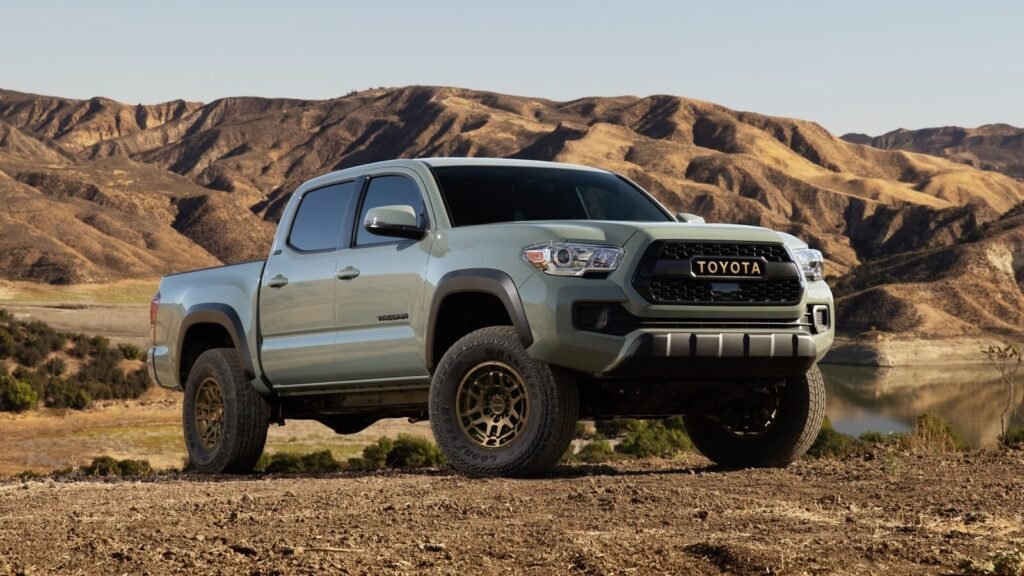
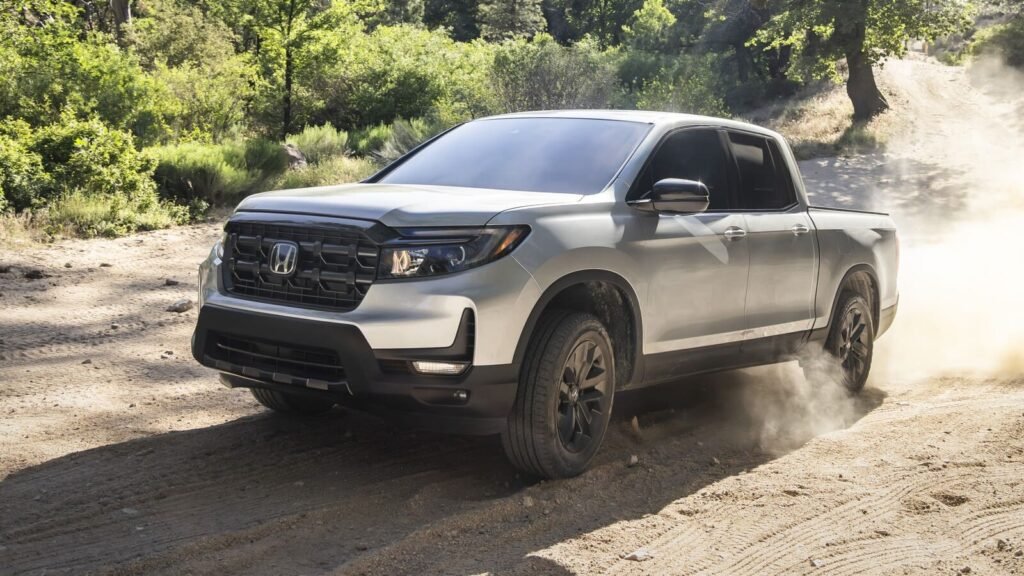
| Category | Tacoma | Ridgeline |
| Reliability | 9.8/10 | 9.2/10 |
| Off-Road Ability | Excellent | Good |
| Ride Comfort | Good | Excellent |
These trucks are too different for a simple reliability comparison. The Ridgeline’s naturally aspirated V6 and unibody construction make it comfortable, practical, and highly dependable for everyday use, while the Tacoma’s body-on-frame design is better suited to repeated towing, rough roads, and off-road punishment. For maximum proven durability, I’d favor a naturally aspirated second- or third-generation Tacoma; the current turbocharged generation is simply too new to have the same long-term evidence.
Common Tacoma Issues
- Frame corrosion on older generations (covered by recalls on many vehicles).
- Automatic transmission hesitation on some newer models.
- Rear leaf spring wear on high-mileage trucks.
Common Ridgeline Issues
- Tailgate wiring harness wear.
- Fuel injector recalls on certain V6 engines.
- Nine-speed transmission software updates.
Best Years
Tacoma: 2017–2023, 2013–2015
Ridgeline: 2021–Present, 2017–2020
Verdict
If you genuinely need a pickup for work, towing, or off-road travel, the Tacoma remains the obvious choice. If your truck spends ninety percent of its life on paved roads carrying bikes, furniture, or weekend camping gear, the Ridgeline is probably the more pleasant vehicle to live with every day.
Toyota Prius vs Honda Insight
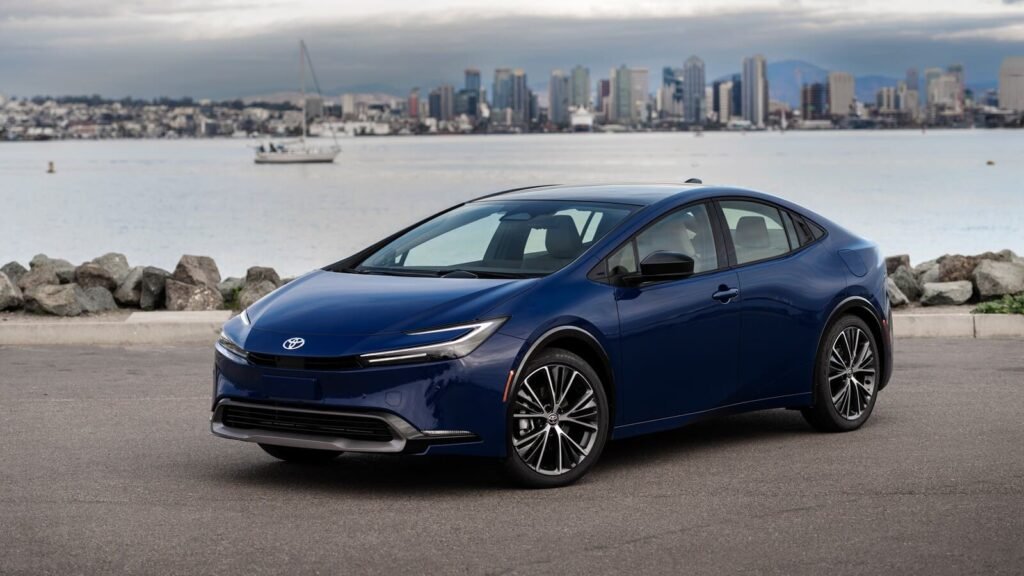
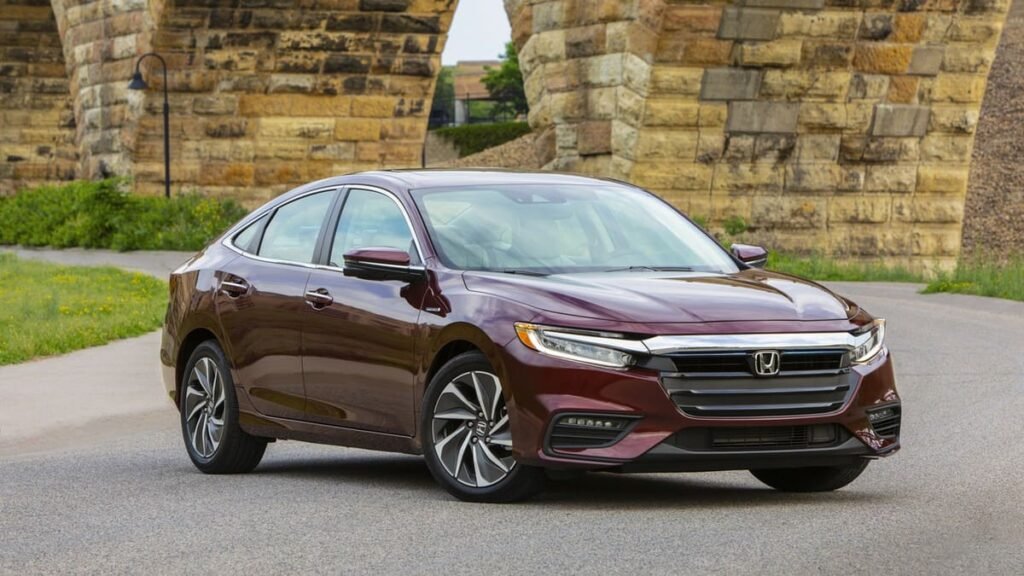
| Category | Prius | Insight |
| Reliability | 9.9/10 | 9.3/10 |
| Fuel Economy | Excellent | Excellent |
| Long-Term Hybrid Record | Outstanding | Very Good |
The Insight is a good hybrid, but the Prius wins on something difficult to replicate: decades of accumulated evidence. Toyota’s hybrid system has been tested across millions of vehicles, including high-mileage fleet and taxi use, while successive Prius generations have allowed Toyota to continuously refine the batteries, electronics, cooling, and power-split drivetrain. Honda’s hybrid technology is sophisticated, but the Insight lacks the Prius’s continuity and enormous real-world sample size. For long-term hybrid reliability, the Prius remains the benchmark.
Common Prius Issues
- Inverter coolant pump on some older models.
- EGR clogging on selected generations.
- Hybrid battery eventually wearing at very high mileage.
Common Insight Issues
- 12-volt battery concerns.
- Occasional software updates.
- Brake actuator issues on limited model years.
Best Years
Prius: 2016–2022, 2023–Present
Insight: 2019–2022
Verdict
If hybrid reliability is the deciding factor, the Prius remains the benchmark.
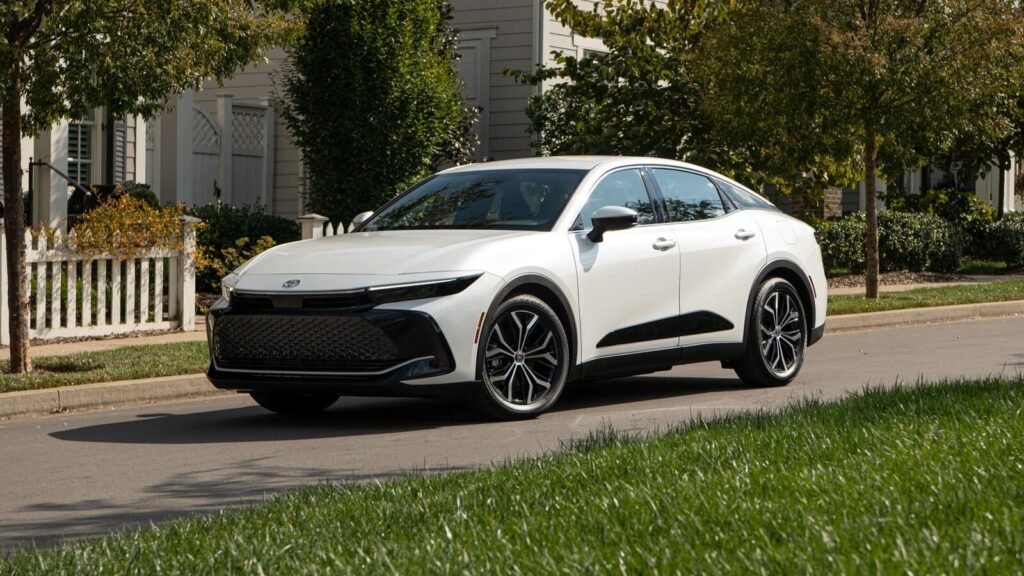
Which Toyota or Honda Fits Your Lifestyle?
Toyota retains a small advantage in long-term reliability, but rarely enough to make Honda the wrong choice. A Honda may offer better handling, packaging, or features that matter more in everyday use. The recommendations below therefore consider the whole ownership experience, not reliability scores alone.
| Buyer Type | My Recommendation |
|---|---|
| First-time buyer | Toyota Corolla |
| Daily commuter | Toyota Corolla Hybrid |
| Driving enthusiast | Honda Civic |
| Family sedan | Toyota Camry |
| Compact SUV | Toyota RAV4 Hybrid |
| Family SUV | Toyota Highlander |
| Pickup Truck | Toyota Tacoma |
| Maximum fuel economy | Toyota Prius |
| Spacious family SUV | Honda Pilot |
| Balanced all-rounder | Honda CR-V |
10-Year Cost of Ownership
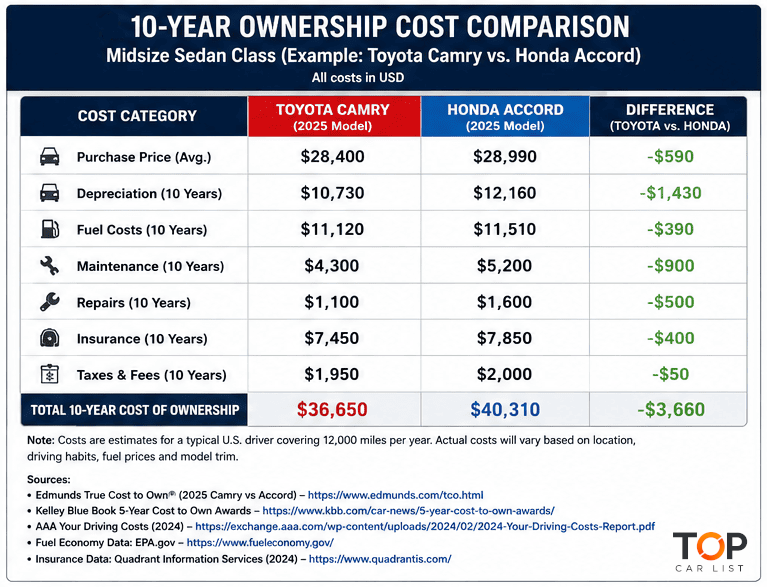
Ownership costs are similarly close. Over 10 years, the difference between a comparable Camry and Accord is typically modest, with depreciation and major replacement costs often mattering more than routine maintenance. As the table below shows, both remain relatively inexpensive long-term cars to own.
Why This Debate Never Ends
Ask enough owners and you’ll hear about a Toyota that crossed 250,000 miles with little more than maintenance—and a Honda that did exactly the same. You’ll also hear failures from both brands. Individual experiences are useful, but they cannot establish which manufacturer is more reliable.
A better comparison looks beyond anecdotes to model-specific problems, powertrain durability, repair costs, and what happens after the warranty expires. That’s where the small but meaningful differences between Toyota and Honda become clearer.
Pro Tip
That’s why you should always research the engine, research the transmission and research the model year. A well-maintained Honda with a full service history is almost always a better purchase than a neglected Toyota with missing records. Service history tells you far more about a used car than marketing ever will.
Final Verdict
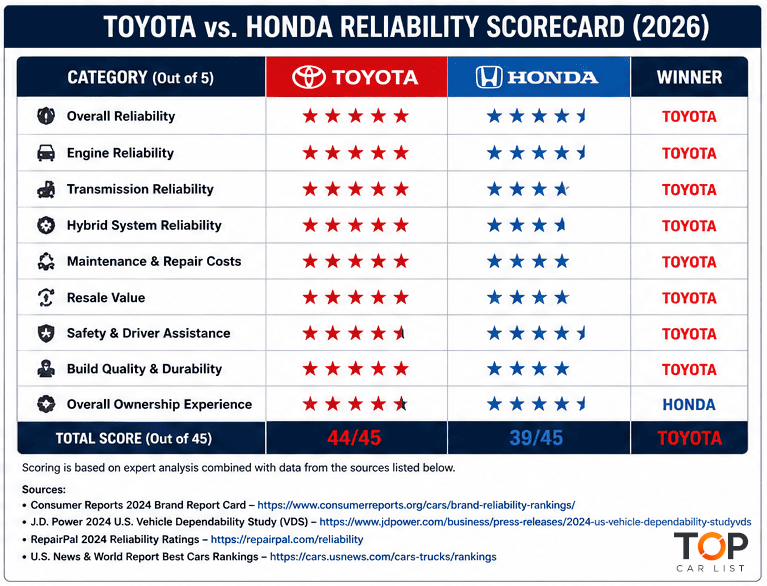
Toyota remains my overall reliability winner, primarily because of consistency. Across sedans, SUVs, pickups, and especially hybrids, the brand offers an unusually broad selection of powertrains with strong long-term records.
Honda is remarkably close and can easily be the better purchase when driving dynamics, interior packaging, or a particular model suits you better. If reliability outweighs everything else, I’d choose Toyota; if the Honda is the better vehicle for your needs, the modest reliability difference shouldn’t stop you from buying it.
More importantly, model, engine, transmission, and model year matter more than the badge. A well-chosen Honda is a much smarter purchase than the wrong Toyota.
Related Reading
Frequently Asked Questions
Is Toyota more reliable than Honda?
Yes. Toyota generally holds a small but consistent advantage in overall reliability, although Honda remains one of the industry’s most dependable brands.
Which lasts longer, Toyota or Honda?
Both can exceed 200,000 miles with proper maintenance, but Toyota has a slight edge in long-term durability.
Which brand is cheaper to maintain?
Toyota usually costs a little less over ten years thanks to lower repair frequency and stronger resale value.
Which has the better hybrid system?
Toyota’s Hybrid Synergy Drive remains the benchmark for reliability and long-term durability.
Should I buy a used Toyota or Honda?
Buy the better-maintained vehicle. Service history matters far more than the badge.
Why Toyota Usually Wins Reliability Studies?
Toyota’s product range has generally suffered fewer widespread mechanical disappointments than many rivals, but that doesn’t mean every Toyota is perfect, some engines have consumed excessive oil, but those issues tend to remain exceptions rather than defining characteristics.
- Chinese Cars Are Winning the Technology Race—But Will They Last?
- 2024 Toyota Camry Reliability: Is It Toyota’s Smartest Buy?
- 2023 Toyota Camry Reliability: Is Paying More Really Worth It?
- 10 Most Reliable Used Cars in 2026: Specific Years to Buy
- 2022 Toyota Camry Reliability: Is It the Best Used Camry?
- Car Reliability Ratings Explained: Which Ones Can You Actually Trust?
*Disclaimer: This website provides automotive content for informational purposes only and should not be considered professional advice. While we strive for accuracy, we do not guarantee the reliability or suitability of any vehicle or product mentioned—always conduct your own research before making purchasing decisions. Additionally, some links on this site are affiliate links, meaning we may earn a commission if you make a purchase, at no extra cost to you.