
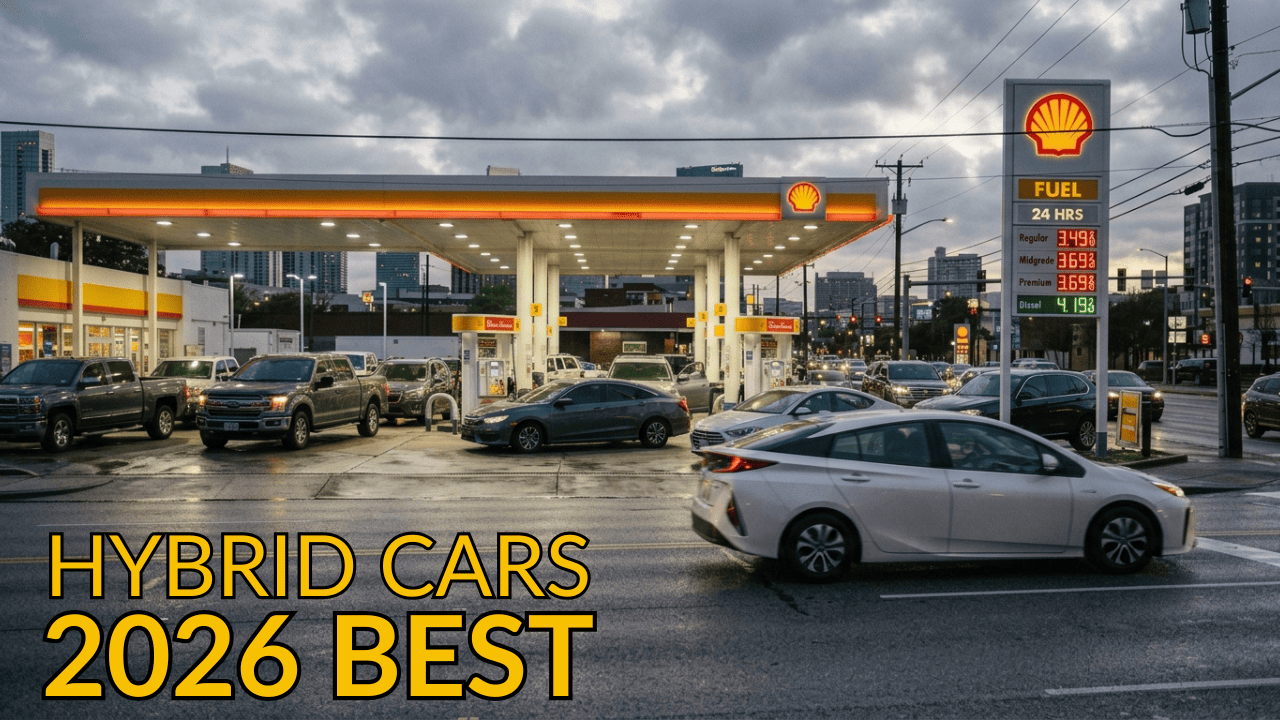
A 50-mpg hybrid isn’t automatically the cheaper car. If it costs thousands more than an efficient gasoline alternative, recovering that premium through fuel savings can take years; a slightly less efficient hybrid with a smaller premium may save more overall.
That’s why this ranking considers fuel economy relative to what you spend to obtain it, not MPG alone. Our examples assume 12,000 miles per year and gasoline at $3.25 per gallon; change either figure, and the economics change with them.
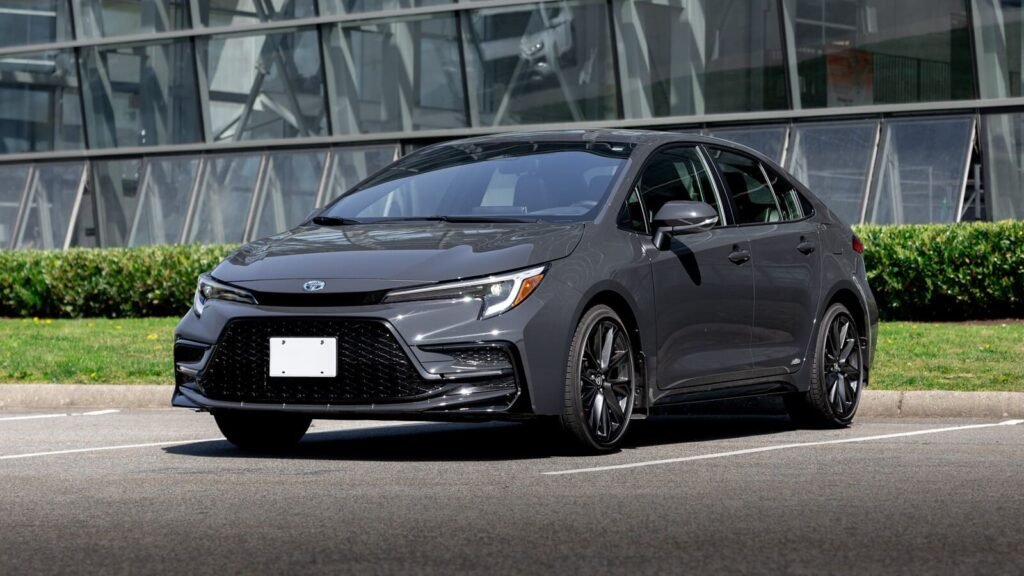
1. Toyota Corolla Hybrid LE — Best Hybrid for Pure Financial Sense
Starting MSRP: $24,975
EPA rating: 53 city / 46 highway / 50 combined mpg
Gasoline Corolla LE: $23,125; 35 mpg combined
The Corolla Hybrid is where the math becomes difficult to ignore. A 2026 Corolla Hybrid LE costs about $1,850 more than the regular LE at MSRP, yet its combined fuel economy jumps from 35 to 50 mpg.
At 12,000 miles per year and $3.25 per gallon, that works out to roughly $334 in annual fuel savings, recovering the MSRP premium in about 5½ years. Higher-mileage drivers reach that point sooner; low-mileage drivers may take considerably longer.
That’s what makes the Corolla Hybrid compelling. Toyota isn’t asking buyers to pay a huge premium for electrification—it has placed an exceptionally efficient, proven hybrid system inside an already affordable car.
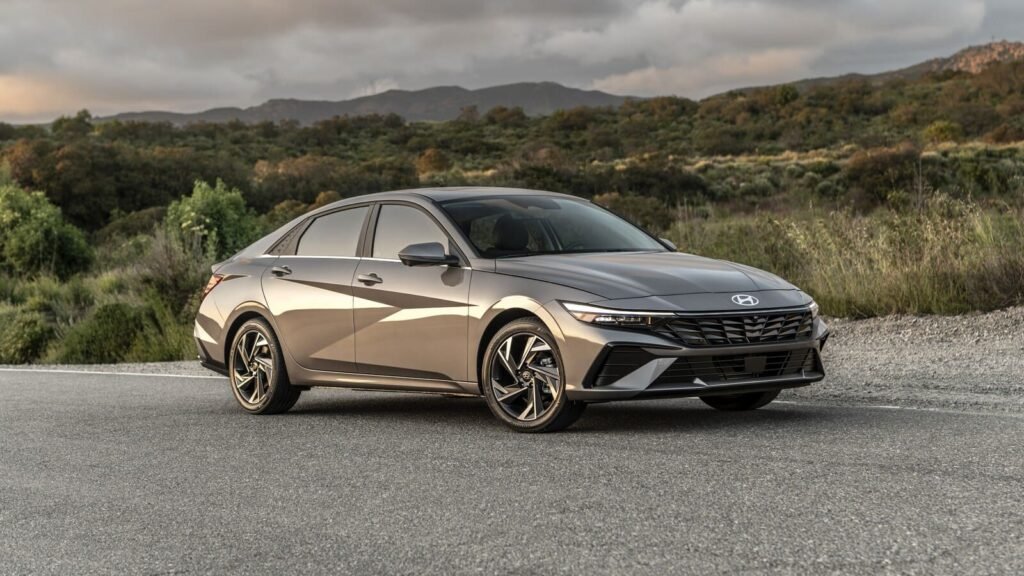
2. Hyundai Elantra Hybrid Blue — Most MPG for the Money
Starting MSRP: $25,650
EPA rating: 51 city / 58 highway / 54 combined mpg
Regular Elantra SE: $22,825; 35 mpg combined
The Elantra Hybrid Blue goes even further on efficiency, reaching 54 mpg combined and costing about $722 per year in fuel at 12,000 miles and $3.25 per gallon.
The catch is the upfront premium. Compared with the 35-mpg base Elantra, its $2,825 higher starting price saves roughly $392 annually in fuel, producing a simple payback of just over seven years. Trim differences and real transaction prices can shift that considerably.
That’s an important reminder: higher MPG doesn’t automatically mean faster payback. Still, for buyers already shopping near its $25,650 price, 54 mpg makes the Elantra Hybrid an exceptionally efficient car for the money.
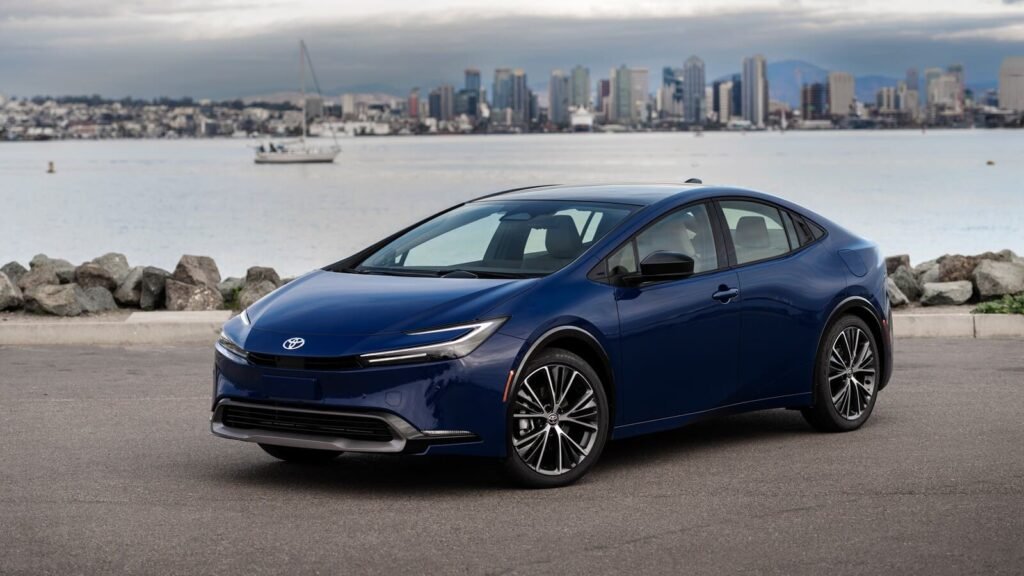
3. Toyota Prius LE — Best If Maximum Fuel Economy Is the Priority
Starting MSRP: $28,550
EPA rating: 57 city / 56 highway / 57 combined mpg
The Prius LE leads this group at 57 mpg combined, requiring only about $684 in annual fuel at 12,000 miles and $3.25 per gallon. But maximum efficiency doesn’t automatically mean maximum savings.
A Corolla Hybrid LE costs roughly $3,575 less while returning 50 mpg, leaving the Prius with only about a $96 annual fuel advantage under the same assumptions. That price difference cannot realistically be justified by gasoline savings alone.
The Prius earns its premium through stronger performance, hatchback practicality, and its overall package—not simply lower fuel bills. For minimum fuel consumption, it wins; for affordable access to excellent fuel economy, the Corolla Hybrid makes the stronger financial case.
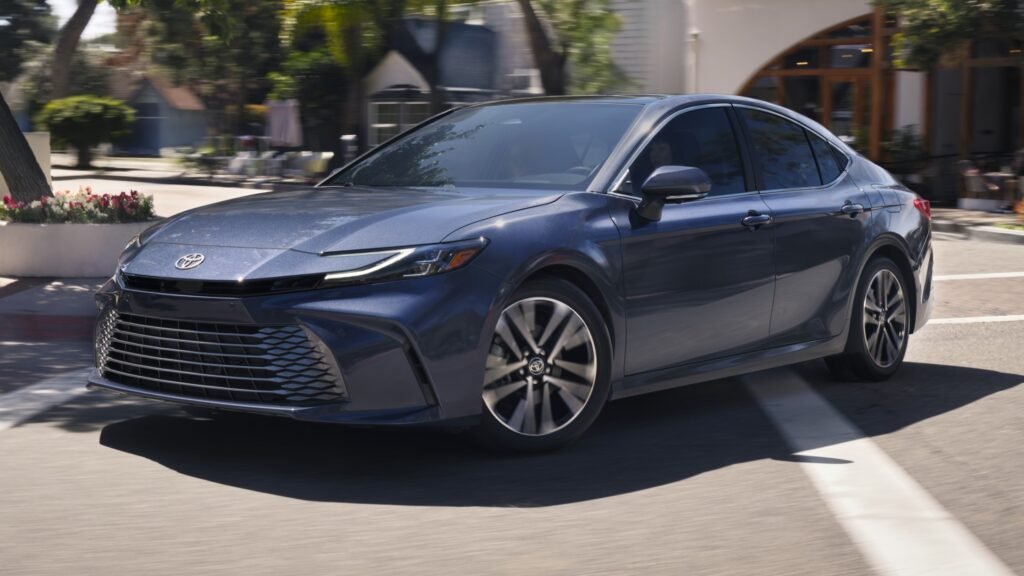
4. Toyota Camry LE — Best Fuel-Saving Midsize Sedan
Starting MSRP: $29,600
EPA rating: 52 city / 49 highway / 51 combined mpg
The current U.S. Camry simplifies the equation because it’s hybrid-only—there is no gasoline version or hybrid premium to recover. More importantly, the LE delivers an impressive 51 mpg combined, equal to roughly $765 in annual fuel at 12,000 miles and $3.25 per gallon.
Trim choice matters. Larger wheels and AWD can push combined economy into the mid-40s, with the XSE AWD rated at 43 mpg. If fuel savings are the priority, the LE is the Camry to buy—a useful reminder that trim, tires, and drivetrain can matter almost as much as the model itself.
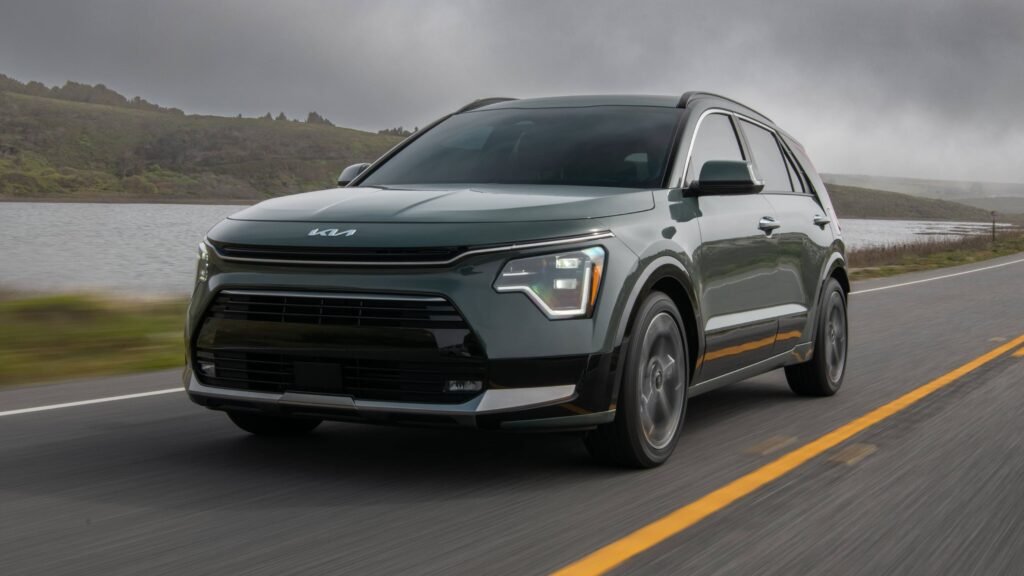
5. Kia Niro Hybrid — Best Fuel-Saving Small Crossover
Starting MSRP: $24,975
EPA rating: up to 53 city / 54 highway / 53 combined mpg
The Niro Hybrid delivers near-Prius efficiency without requiring a conventional sedan or low hatchback. With 16-inch wheels, it achieves 53 mpg combined—about $736 in annual fuel at 12,000 miles and $3.25 per gallon—while offering up to 63.7 cubic feet of cargo space.
Specification matters, though. The larger wheels on the SX Touring reduce efficiency to 49 mpg, meaning buyers pay more for the trim while also spending slightly more on fuel. For maximum value, the lower trims make the stronger case; the Niro’s real advantage is combining exceptional efficiency with more practical, crossover-like packaging.
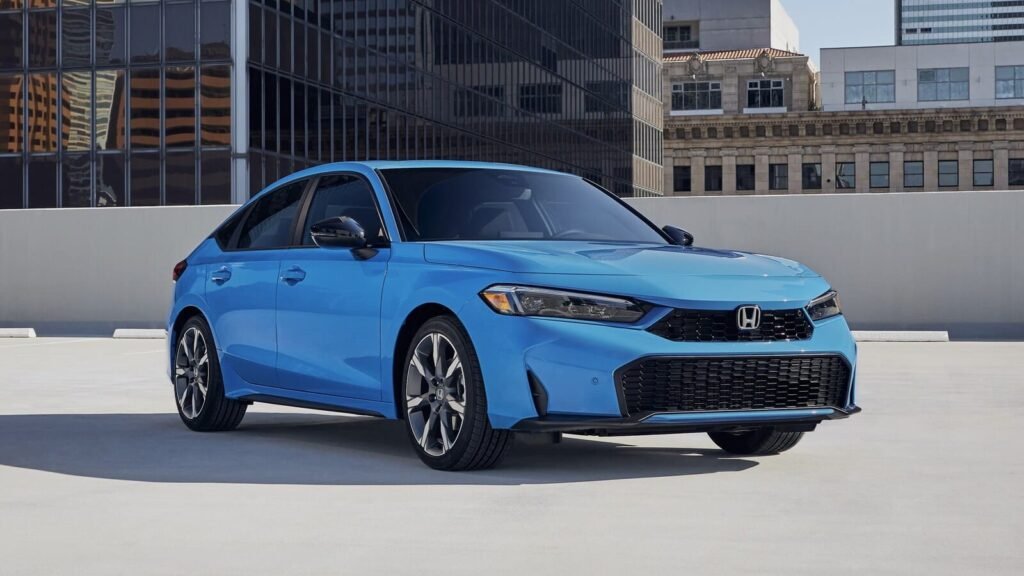
6. Honda Civic Sport Hybrid — Best When You Don’t Want Efficiency to Be the Compromise
Starting MSRP: $29,395
EPA rating: 50 city / 47 highway mpg
The Civic Hybrid isn’t the best choice if fuel savings alone determine the purchase. Its 200-hp two-motor system is designed to improve performance as well as efficiency, giving buyers around 50-mpg city economy without economy-car acceleration.
That makes it fundamentally different from the Corolla Hybrid. For someone already shopping for a well-equipped compact around $30,000, the Civic Hybrid delivers both efficiency and performance rather than asking buyers to sacrifice one for the other.
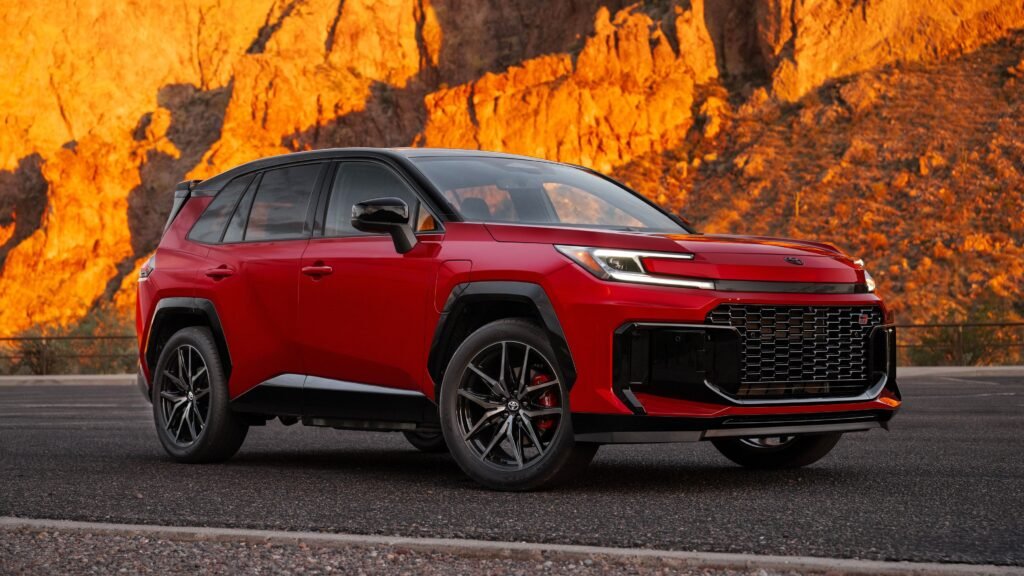
7. Toyota RAV4 LE — Best Fuel-Saving Mainstream SUV
Starting MSRP: $31,900
EPA rating: 47 city / 40 highway mpg
The redesigned 2026 RAV4 changes the calculation because every regular U.S. model is now electrified, eliminating the traditional hybrid-premium question. The efficiency-focused LE achieves 47 mpg city and 40 mpg highway—excellent figures for a compact SUV.
Higher trims and more specialized configurations sacrifice some of that advantage through additional equipment, wheels, and tires. If reducing fuel costs while retaining SUV practicality is the priority, the lower RAV4 trims make the strongest financial case.
The Numbers That Actually Matter
| Model | Approx. starting MSRP | EPA combined MPG* | Approx. annual fuel cost** | What it does best |
|---|---|---|---|---|
| Toyota Corolla Hybrid LE | $24,975 | 50 | $780 | Best financial case |
| Hyundai Elantra Hybrid Blue | $25,650 | 54 | $722 | Most MPG for the price |
| Toyota Prius LE | $28,550 | 57 | $684 | Lowest fuel consumption |
| Toyota Camry LE | $29,600 | 51 | $765 | Midsize space + efficiency |
| Kia Niro Hybrid | — | 53 | $736 | Efficient crossover packaging |
| Honda Civic Sport Hybrid | $29,395 | ~49 | ~$796 | Efficiency + performance |
| Toyota RAV4 LE | $31,900 | ~43 | ~$907 | SUV practicality |
*Ratings vary by trim, drivetrain and equipment.
**Illustrative calculation using 12,000 miles annually and $3.25-per-gallon gasoline; actual costs will vary.
When Does a Hybrid Actually Save You Money?
The answer depends heavily on what you would otherwise buy.
Consider the Corolla again.
Its gasoline LE returns 35 mpg combined while the Hybrid LE reaches 50 mpg. At 12,000 miles per year, the hybrid saves roughly 103 gallons annually.
At $2.75 per gallon, those gallons are worth about $283.
At $4.00, they’re worth about $411.
At 20,000 miles per year and $4 gasoline, the savings rise to roughly $686 annually.
That is why statements such as “a hybrid will save you thousands on gas” are incomplete without knowing mileage, fuel price, efficiency difference and purchase-price premium.
The basic calculation is straightforward:
Annual fuel cost = annual mileage ÷ MPG × fuel price
Calculate it for the hybrid and for the vehicle you would realistically buy instead. Then divide any additional purchase cost by the annual fuel saving.
That gives you a rough fuel-only payback period.
Financing costs can extend it further if you’re borrowing the additional purchase price.
City Drivers Usually Benefit More
Hybrids often deliver their biggest advantage in stop-and-go driving. Regenerative braking recovers energy that a conventional car loses as heat, while electric assistance and engine shutoff reduce inefficient low-speed operation. That’s why some hybrids actually achieve higher EPA city than highway ratings—and why 15,000 urban miles can produce considerably greater savings than 15,000 highway miles.
Don’t Buy More Car to Save Gas
This is the rule that matters most: don’t spend thousands more on a car you don’t need simply to save money on fuel. Moving from a comparable 30-mpg vehicle to a 50-mpg hybrid can make financial sense; upgrading to expensive trims, AWD, or larger wheels can increase the purchase price while actually reducing MPG.
Look at the entire ownership cost, not just the EPA sticker. Our The Hidden Cost of Buying the Wrong Car: A 10-Year Ownership Framework examines depreciation, financing, insurance, maintenance, and resale value, while Most Fuel-Efficient Cars You Can Buy This Year (2026) is the better guide if maximum MPG—not financial payback—is your priority.
Final Verdict
For buyers primarily concerned with fuel costs, the 2026 Corolla Hybrid LE is our strongest overall choice because it combines 50 mpg with a relatively small premium over the gasoline Corolla. The Elantra Hybrid Blue and Prius LE deliver even higher efficiency, while the Camry LE brings near-50-mpg economy to a much roomier midsize sedan.
Need more space? The Niro Hybrid offers excellent efficiency with crossover-like practicality, while the RAV4 makes more sense when genuine SUV utility is required.
The key question isn’t which hybrid uses the least fuel? It’s which one saves the most money compared with the vehicle you would otherwise buy? Those are often different cars.
- 2023 Toyota Camry Reliability: Is Paying More Really Worth It?
- 10 Most Reliable Used Cars in 2026: Specific Years to Buy

- 2022 Toyota Camry Reliability: Is It the Best Used Camry?
- Car Reliability Ratings Explained: Which Ones Can You Actually Trust?
- 2021 Toyota Camry Reliability: Is This the Best XV70 Camry You Can Buy?
- The Hidden Cost of Buying the Wrong Car: A 10-Year Ownership Framework

*Disclaimer: This website provides automotive content for informational purposes only and should not be considered professional advice. While we strive for accuracy, we do not guarantee the reliability or suitability of any vehicle or product mentioned—always conduct your own research before making purchasing decisions. Additionally, some links on this site are affiliate links, meaning we may earn a commission if you make a purchase, at no extra cost to you.