Thursday, April 2, 2026
spot_img
Home Blog Page 7

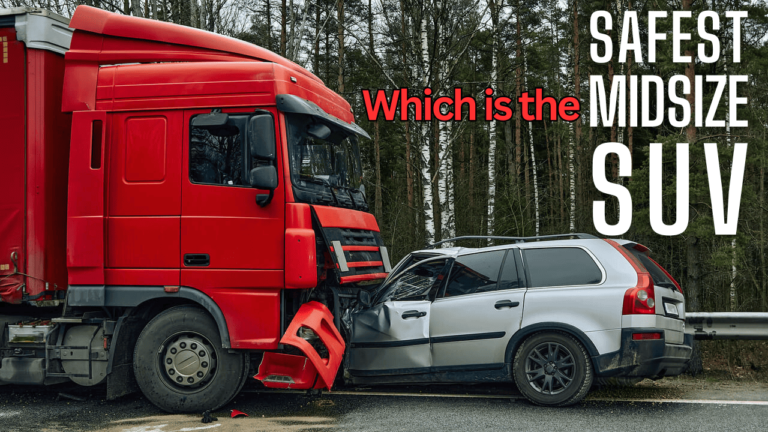
Which is the Safest Mid Size SUV? 2025’s Best Picks

When you think about family rides safety is key and midsize SUVs are super popular for folks looking for a mix of space utility and top-notch safety features. But with all the choices out there how do you figure out which midsize SUVs really shine when it comes to keeping you and your loved ones safe?

In this guide we’ll take a look at some of the safest midsize SUVs you can find today using crash test scores and info from the IIHS (Insurance Institute for Highway Safety) NHTSA (National Highway Traffic Safety Administration).

Why Midsize SUVs

Midsize SUVs are often the go-to choice for families, offering ample cargo space, comfortable seating, and a higher driving position. However, safety should be the primary deciding factor when selecting a vehicle that’ll be responsible for transporting loved ones.

Benefits of a Safe Midsize SUV

  • Lower Insurance Costs – Vehicles with high safety ratings often enjoy reduced insurance premiums.
  • Peace of Mind – Advanced driver-assistance features help prevent accidents and mitigate injuries.
  • Better Resale Value – Safest models often maintain strong demand in the used car market.

Key Safety Features to Look For

Today’s midsize SUVs are packed with cutting-edge safety technology. Here are the most important features to keep an eye on:

1. Advanced Driver-Assistance Systems (ADAS)

  • Automatic Emergency Braking (AEB) – Helps stop or slow the SUV if a collision is imminent.
  • Lane Departure Warning & Lane Keeping Assist – Ensures the vehicle stays within its lane.
  • Adaptive Cruise Control – Maintains a safe distance from the car ahead.
  • Blind Spot Monitoring – Alerts you to vehicles in adjacent lanes.

2. Structural Integrity & Airbags

  • Crash-Tested Platform – A robust frame with strategic crumple zones reduces impact forces.
  • Multiple Airbag Arrays – Includes front, side, curtain, and sometimes knee airbags.
  • Reinforced Roof – Protects occupants in rollover scenarios.

3. Child Safety & Convenience

  • Easy-to-Access LATCH Points – For quick installation of child seats.
  • Rear Seat Reminder – Ensures you don’t forget children or pets in the back.
  • Surround-View Cameras – Makes parking and reversing safer.

Top 5 Safest Midsize SUVs (Midsize SUV Safety Ratings)

Using data from IIHS crash tests, NHTSA star ratings, and real-world owner reviews, here are the top 5 safest midsize SUVs:
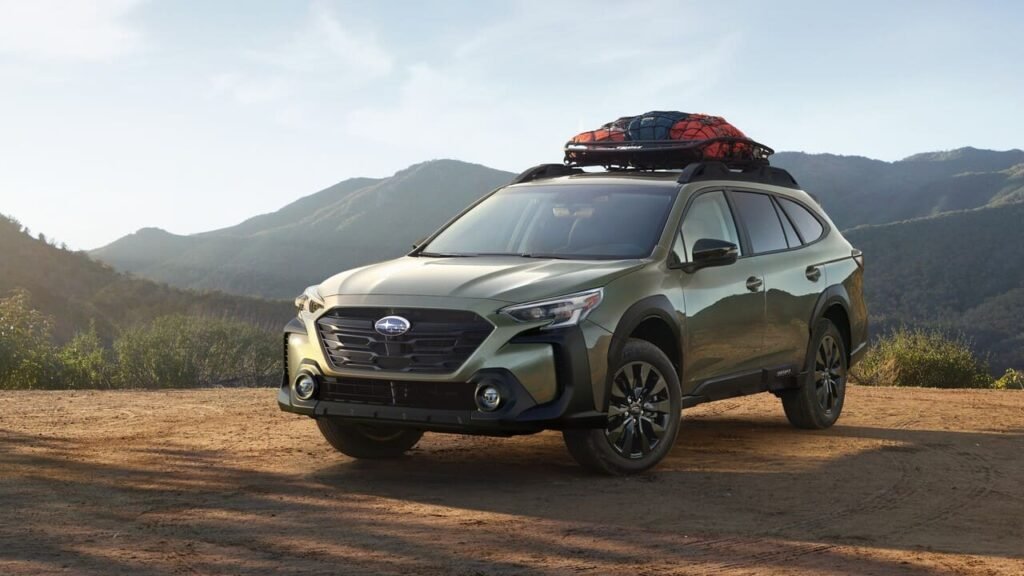
Subaru Outback

1. 2025 Subaru Outback

IIHS Ratings: Top Safety Pick+
NHTSA Rating: 5 stars overall

Highlights:

  • EyeSight Driver Assist with lane centering and AEB.
  • Standard Symmetrical AWD for superior traction.
  • Reinforced Subaru Global Platform enhances crash protection.

Potential Drawback: Less towing capacity than some competitors.

Toyota Highlander

2. 2025 Toyota Highlander

IIHS Ratings: Top Safety Pick+
NHTSA Rating: 5 stars overall

Highlights:

  • Toyota Safety Sense (TSS) includes pre-collision system and dynamic radar cruise control.
  • Excellent side-impact protection.
  • Reliable V6 or hybrid powertrains with consistent performance under duress.

Potential Drawback: Tight third-row seating for taller passengers.

Honda Pilot

3. 2025 Honda Pilot

IIHS Ratings: Top Safety Pick in higher trims with LED headlights
NHTSA Rating: 5 stars overall


Highlights:

  • Honda Sensing suite (adaptive cruise, collision mitigation).
  • Rigid chassis design optimized for frontal and side impact.
  • Advanced airbag systems including side curtain airbags with rollover sensor.

Potential Drawback: Higher trims are required for full ADAS features.

Mazda CX-90

4. 2025 Mazda CX-9

IIHS Ratings: Top Safety Pick+
NHTSA Rating: 5 stars overall


Highlights:

  • SkyActiv chassis with high-tensile steel for robust crash protection.
  • i-Activsense driver aids, including blind-spot monitoring and rear cross-traffic alert.
  • Known for precise handling, helping avoid accidents.

Potential Drawback: Smaller cargo area vs. some rivals.

5. 2025 Ford Explorer

IIHS Ratings: Top Safety Pick on certain trims
NHTSA Rating: 5 stars overall

Highlights:

  • Ford Co-Pilot360 includes pre-collision assist and lane-keeping system.
  • Robust body structure with improved side-impact ratings.
  • Available AWD for enhanced stability in poor weather conditions.

Potential Drawback: Some lower trims lack advanced features like adaptive cruise control.

Additional Contenders with High Safety Scores

2025 Hyundai Santa Fe

  • Top Safety Pick+ with advanced front crash prevention.
  • Generous standard ADAS features like lane-follow assist.

2025 Kia Sorento

  • Improved crash structure in newer models.
  • Kia Drive Wise safety suite includes highway driving assist.

2024 Chevrolet Traverse

  • 5-star NHTSA rating for front and side crash tests.
  • Teen Driver mode enhances safety for novice drivers.

Understanding IIHS & NHTSA Ratings

Think of NHTSA and IIHS like two different watchdogs keeping an eye on things, each with their own strengths. NHTSA is part of the federal government and makes sure that safety rules are followed. They run the NCAP star rating program, keep track of recalls and defects through SaferCar, and gather big data on crashes and defects. So if you want legal info about recalls or crash stats across the country, NHTSA is the go-to authority.

On the other hand, IIHS is a nonprofit research group mostly supported by insurance companies. They focus on testing but in a more detailed way. IIHS has come up with tough evaluations, like how cars perform in small overlap front crashes, roof strength, and ratings for headlights and child seats. They also hand out awards like the Top Safety Pick and do research on insurance losses. Their methods are often seen as stricter, which makes them great for understanding how vehicles hold up in real-world crashes.

So which one is more trustworthy? Both are, just in different ways. NHTSA is the big name for recalls and overall crash data, while IIHS is respected for its tougher crash tests and safety research aimed at helping consumers. If you’re after info on recalls and crash stats, NHTSA has the more extensive and up-to-date databases. But for detailed performance in crash tests, insurance loss rates, and specific safety research, IIHS and HLDI offer more in-depth data. Use NHTSA for legal stuff and recalls and go with IIHS when you want solid insights on how cars compare in terms of crash safety.

Here’s a quick rundown of what each rating means in this system:

IIHS (Insurance Institute for Highway Safety)

  • Tests include: Small overlap front (driver & passenger), moderate overlap front, side impact, roof strength, head restraints.
  • Top Safety Pick+ is awarded to vehicles that excel in all major crash tests and offer effective front crash prevention and good or acceptable headlights.

NHTSA (National Highway Traffic Safety Administration)

  • Rates vehicles on a 5-star scale based on frontal crash, side crash, and rollover resistance.
  • A 5-star rating is the highest, indicating excellent crashworthiness.

By combining results from both organizations, buyers get a comprehensive view of how well an SUV handles different collision scenarios.

How to Maximize Safety in Your SUV

Just remember that even the safest midsize SUV can have problems if it’s not taken care of or driven the right way. So keep these extra tips in mind to make sure you stay safe in your SUV:

  • Keep Tires in Good Condition – Worn or underinflated tires compromise braking and cornering grip.
  • Follow Recommended Service Intervals – Ensures that brake systems, suspension, and ADAS sensors remain functional.
  • Avoid Overloading – Exceeding payload capacity can destabilize the SUV, lengthening stopping distances.
  • Use the Right Child Safety Seats – Properly install and secure seats for infants, toddlers, and young children.
  • Leverage Safety Tech – Features like blind-spot monitoring and adaptive cruise control only help if they’re activated.

Final Thoughts: Choosing the Right Midsize SUV for Safety

When you look at safety ratings from IIHS and NHTSA plus the latest driver-assistance tech, the safest midsize SUVs for 2025 are the Subaru Outback, Toyota Highlander, Honda Pilot, Mazda CX-9, and Ford Explorer. There are also solid choices like the Hyundai Santa Fe, Kia Sorento, and Chevrolet Traverse that do pretty well on safety too.

As you check these out, think about other things that matter to you like the price, how much room is inside, fuel efficiency, and the tech features. Taking one for a spin can really help you feel how comfy the seats are, how well you can see outside, and how easy the driver-assistance systems are to use—all super important for a safe ride.

In the end, picking the right midsize SUV means finding something that checks all the safety boxes, has great crash-test ratings, and is reliable so you can hit the road with confidence alongside your family.

If you found this post helpful, you might also like “Top 10 Longest-Lasting SUVs You Can Buy Today | Ultimate Guide.” Be sure to explore other sections of our site for in-depth car reviews, expert buying guides, and the latest industry insights. There’s plenty to keep you informed! Take a look around, and don’t forget to bookmark us for future updates.


*Disclaimer: This website provides automotive content for informational purposes only and should not be considered professional advice. While we strive for accuracy, we do not guarantee the reliability or suitability of any vehicle or product mentioned—always conduct your own research before making purchasing decisions. Additionally, some links on this site are affiliate links, meaning we may earn a commission if you make a purchase, at no extra cost to you.
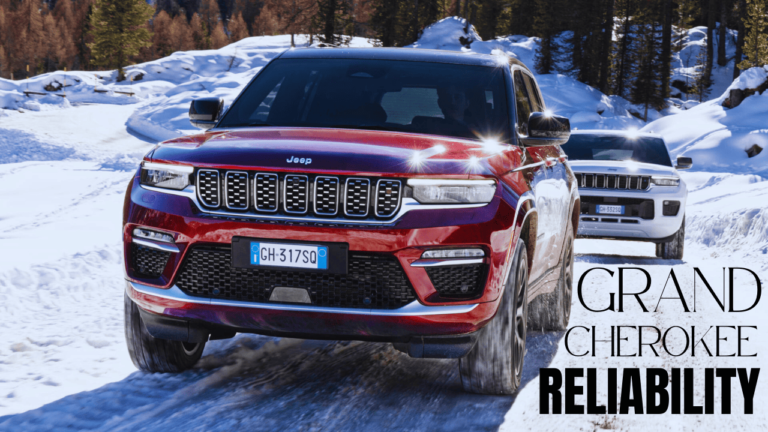
How Reliable Is It? The Jeep Grand Cherokee Reliability Ratings & Maintenance

The Jeep Grand Cherokee is one of the most popular midsize SUVs in the US. known for its off-road capability, luxury trims, and powerful engine options. It goes head-to-head with other SUVs like the Toyota 4Runner, Ford Explorer, Honda Passport, and Chevrolet Blazer. The Grand Cherokee is both tough and comfy, though it does need some careful upkeep. When it comes to reliability, modern Jeeps have had a mixed track record, so you might end up needing more maintenance and repairs than you would with Japanese brands. Plus, there have been some major recalls on newer models. If you get a used one that hasn’t been well-maintained, those repair bills could surprise you.

So, is the Grand Cherokee reliable? What kind of problems pop up often? And how does it compare to the others out there?

To dive into all that, let’s check out the typical issues you might face, the maintenance costs, and see how it stacks up against the competition.

Jeep Grand Cherokee Reliability

Also Read:
Wondering if the 2024 Jeep Compass is a reliable ride? We dive into ratings, usual problems, and maintenance costs from reputable sources.


Jeep Grand Cherokee Reliability Ratings

Some myths that need to be cleared up are: “Jeep equals unreliable by default.” That’s not 100% accurate. The Grand Cherokee’s reliability can vary — it’s better than some brands in certain years but not as good in others. It all depends on the model and how well it’s been maintained, so take a look at each model individually. Another myth is “newer cars mean better reliability.” That’s not always the case. New technology, like hybrid systems or complicated all-wheel-drive, can actually lead to more recalls or repairs early on. So it’s a good idea to check out feedback from early users.

Here’s a quick look at some key indicators for the Grand Cherokee from trusted sources:

SourceReliability Score (Out of 100 or 5)Category
J.D. Power81/100“Average”
Consumer Reports2/5“Below Average”
RepairPal3/5“Below Average”
IIHSTop Safety Pick“Moderate”

J.D. Power: 73/100 Reliability Rating

J.D. Power rates the Jeep Grand Cherokee with a reliability score of 81/100, classifying it as “Average.” The SUV earns strong marks for engine durability and safety, though transmission longevity and electrical reliability receive mixed reviews. However, when it comes to resale value and driving experience, the Grand Cherokee earns high praise, making it a solid choice for those prioritizing performance and long-term value.

Consumer Reports: 2/5 Rating

Consumer Reports rates the Grand Cherokee as “Below Average” giving it 2 out of 5 reliability verdict, citing good overall performance and comfort but noting infotainment glitches, electrical problems, and occasional transmission failures.

RepairPal: 3/5 Rating

RepairPal says that the Grand Cherokee’s reliability isn’t the best, falling below average. The usual repair and upkeep costs sit around $630 to $670 a year, which is pricier than a lot of similar SUVs like the Toyota 4Runner and Honda Passport. So, be ready for more trips to the shop and higher costs each time you go.

IIHS: Top Safety Pick

The Insurance Institute for Highway Safety (IIHS) rated the 2024 and 2025 Jeep Grand Cherokee as a Top Safety Pick, a step down from its Top Safety Pick+ rating in 2023. While this drop may be due to the introduction of stricter crash tests and evolving safety regulations, it also suggests that some competitors have moved ahead in safety advancements. That said, the Grand Cherokee still offers strong active and passive safety features, including Jeep’s hands-free Active Driving Assist system.

Common Issues with the Jeep Grand Cherokee

These are the items owners complain about the most — and where money usually gets spent:

1. Transmission Failures (older WK2 models)

  • Models equipped with the 8-speed ZF automatic transmission can experience harsh shifting, stalling, or complete failure.
  • Software updates and routine transmission servicing can help mitigate these problems.

2. Electrical System Malfunctions

  • Touchscreen freezing or lagging in the Uconnect infotainment system is frequently reported.
  • Issues with power windows, electronic start-stop, and driver-assist features have been noted.
  • Grand Cherokees especially the newer models rely a lot on software. Things like infotainment, driver-assist sensors and charging systems (on PHEV models) have produced problems and recalls. Recent plug-in-hybrid Grand Cherokees were included in high-profile battery recalls (safety-related). If you’re buying a PHEV, absolutely check recall history and VIN status.

3. Suspension and Steering Problems

  • Some models develop premature wear on control arms and ball joints, leading to clunking noises and uneven tire wear.
  • Owners report power steering fluid leaks that can cause a stiff or unresponsive steering wheel.
  • some model years had recalls for rear-suspension components (coil springs) that could detach — a major safety recall handled by dealer remedy. Check the VIN.

4. Engine Oil Leaks & Cylinder Head Issues

  • The Pentastar 3.6L V6 is reliable overall but may develop oil leaks from the oil filter housing.
  • The 5.7L HEMI V8 has been known for lifters and camshaft wear, causing ticking noises and performance issues.

5. Brake System Concerns

  • Some models experience premature brake pad and rotor wear, requiring replacements sooner than expected.

When you’re checking out a used Grand Cherokee around 80k to 120k miles, there are a few typical things to keep in mind. You might notice wear on parts like the brakes, wheel bearings, control-arm bushings, and those pesky HVAC or electrical issues might pop up too. So when you take it for a test drive or inspection, make sure to ask about a few important things. Look into the VIN recall check, check the history of the transmission fluid, and see if there are any receipts for software updates. Those are the first things you’ll want to know.

Maintenance and Ownership Costs

The Jeep Grand Cherokee has higher-than-average maintenance costs compared to its competitors. Below is an estimated breakdown of routine service expenses:

Service TypeEstimated CostFrequency
Oil Change$120–$180Every 7,500 miles
Brake Pad Replacement$400–$700Every 40,000 miles
Transmission Service$500–$1,000Every 60,000 miles
Suspension Repairs$800–$1,500As Needed
Infotainment Fixes$200–$600As Needed

Jeep Grand Cherokee vs. Competitors: How Does It Compare?

SUV ModelReliability RatingAnnual Maintenance CostCommon Issues
Jeep Grand Cherokee3/5 (Moderate)$700–$1,100Transmission, electrical, suspension
Toyota 4Runner4.5/5 (High)$500–$750Frame rust, fuel economy
Honda Passport4/5 (Good)$600–$850Minor electronics, CVT concerns
Ford Explorer3.5/5 (Average)$750–$1,200Turbo engine oil leaks, transmission issues
Chevrolet Blazer3.5/5 (Average)$650–$1,000Electrical faults, infotainment problems

Key Takeaways:

  • The Toyota 4Runner remains the most reliable option with a body-on-frame design and simple, long-lasting powertrain.
  • The Honda Passport offers fewer mechanical issues but lacks the off-road capabilities of the Grand Cherokee.
  • The Ford Explorer and Chevrolet Blazer have similar reliability scores but face more engine-related issues.

Buying used? Here’s a pre-purchase inspection checklist

Take this (PPI) list for your inspection. If you don’t use it, you’re just taking a chance.

  1. VIN recall check at NHTSA or manufacturer sites — PHEV and 2021–2023 WL/L models had safety recalls. If VIN shows an open safety recall, insist on dealer completion before purchase.
  2. Service history: look for regular oil changes, transmission-fluid services, and documented suspension work. Missing service history = higher walk-away probability.
  3. Transmission test: cold and warm test drives, highway shifts, and check for slip/harshness. Ask if the transmission fluid/filter has a date — if unknown, budget for a service.
  4. Electrical/infotainment check: test every USB port, driver-assist feature, HVAC setting, and load the nav / phone pairing. Software gremlins appear here.
  5. Suspension & tires: listen for clunks, check tread and for uneven wear (indicates alignment or suspension wear).
  6. Engine mounts & leaks: feel for engine vibration at idle and under load; check for oil leaks under the car. Mount failure is common and replaceable — but negotiate price accordingly.

If the pre-purchase inspection (PPI) flags a major issue (transmission, multiple electronic faults, unaddressed recall), walk.

Maintenance plan that keeps your cost curve flat

A short, practical schedule to keep surprises low:

  • Every 6k–10k miles: oil & filter, inspect brakes/tires, top fluids.
  • Every 30k–60k miles: transmission fluid/service if recommended for your year/engine; replace spark plugs (some engines require more frequent service if iridium plugs are used). Expect a spark-plug job to cost $150–$700+ depending on year/engine — budget conservatively.
  • Every 60k–100k: inspect/replace engine mounts as needed, AWD system/service (transfer case), timing items if applicable. Engine mounts commonly fall in the $300–$1,000 zone depending on job.
  • Software: check Uconnect/ECU updates annually at dealer or independent shop with Stellantis access — many quirks vanish with a firmware update.

Follow these steps and you’ll avoid most “big surprise” bills. And try to have around $1,500 to $3,000 set aside for mid-term repairs like transmission services, mounts, or those pesky electronics issues that pop up now and then.

Best Grand Cherokee years to buy

  • Safer buys: well-documented 2014–2016 WK2 examples with full service history tend to avoid some later software/suspension recalls and have matured transmission programming. Confirm with VIN-level checks.
  • Model-year caution: early WL (2021–2023) and the plug-in hybrid variants have more reported issues and high-profile recalls — buy only with full recall remediation and a thorough PPI.

Is the Jeep Grand Cherokee Worth Buying?

Pros

  • Off-Road Capabilities – Trail-rated trims and Quadra-Trac 4WD system.
  • Luxury Features – High-end trims offer premium interiors and tech.
  • Multiple Engine Choices – From the fuel-efficient V6 to the powerful V8 and plug-in hybrid 4xe.
  • Strong Towing Capacity – Capable of towing up to 7,200 lbs.

Cons

  • Higher Maintenance Costs – More expensive to maintain than rivals.
  • Transmission & Electrical Issues – Historically problematic in some model years.
  • Depreciation Concerns – Some trims depreciate faster than competitors.

Final Verdict

If you’re in the market for a midsize SUV, the Jeep Grand Cherokee is a solid choice. You’ll love this ride if you want comfort on the road, the ability to tow or hit the trails, and a nicer interior. But keep in mind that it can have some pricey maintenance and reliability issues, especially with the transmission and electrical system. So, if the car doesn’t have service records, has open recalls, or the pre-purchase inspection points out transmission or major electrical problems, it’s probably best to walk away or negotiate a lower price.

Take your time buying and keep those receipts, with that said, if you care more about long-term reliability and want the least hassle, you should really check out the Toyota 4Runner or Honda Passport. But if you want a mix of luxury and capability, a well-kept Grand Cherokee is still a great choice.


Also Read:
Looking for a reliable midsize SUV in 2024? Discover the top-ranked models with expert-backed reliability ratings, maintenance tips, and real-world data.


Be sure to explore other sections of our site for car reviews, buying guides, and the latest industry insights. There’s plenty to keep you informed! Take a look around, and don’t forget to bookmark us for future updates.


*Disclaimer: This website provides automotive content for informational purposes only and should not be considered professional advice. While we strive for accuracy, we do not guarantee the reliability or suitability of any vehicle or product mentioned—always conduct your own research before making purchasing decisions. Additionally, some links on this site are affiliate links, meaning we may earn a commission if you make a purchase, at no extra cost to you.

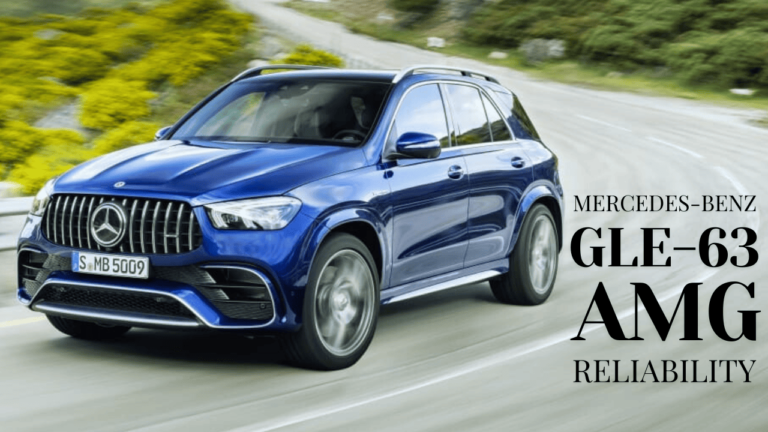
Is the Mercedes Benz GLE 63 AMG a Reliable Performance SUV?

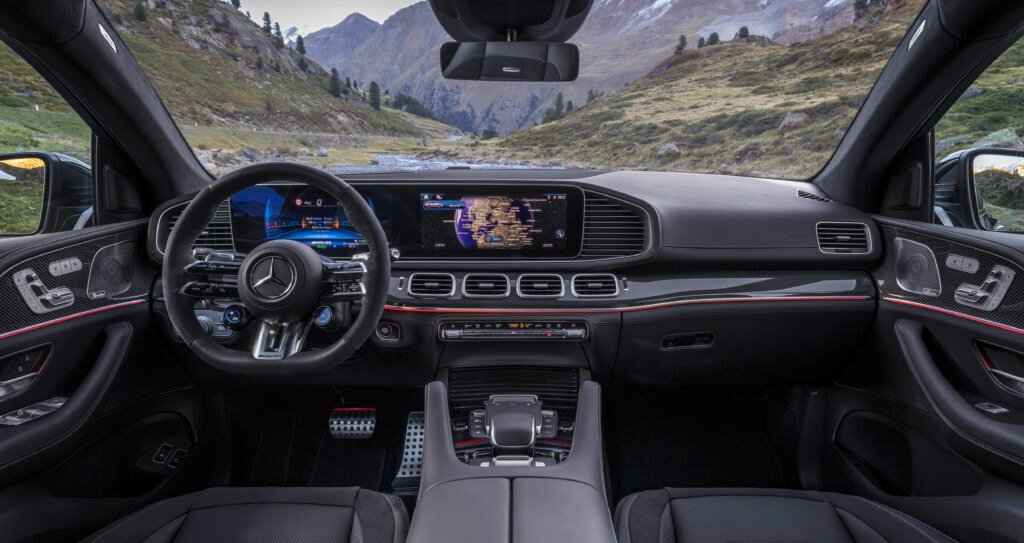
The Mercedes-Benz GLE 63 AMG represents the pinnacle of performance in the mid-size luxury SUV segment, combining brute power, sophisticated technology, and high-end luxury. With a handcrafted AMG V8 engine, advanced all-wheel drive, and a plush yet sporty interior, the GLE 63 AMG is a compelling option for enthusiasts seeking performance and practicality. But how does it fare in long-term reliability, maintenance costs, and common issues?

Let’s examine some reliability ratings, potential mechanical concerns, and ownership insights sourced from J.D. Power, Consumer Reports and NHTSA.

Reliability Scores from Credible Sources

SourceReliability Score (Out of 100 or 5)Category
J.D. Power73/100“Above Average”
Consumer Reports3.5/5“Good”
RepairPal2.5/5“Below Average”
NHTSA RecallsFew Recalls Reported“Minimal Concerns”

J.D. Power: 73/100 Reliability Rating

J.D. Power gives the GLE 63 AMG a reliability rating of 73/100, placing it in the “Above Average” category. Strengths include powertrain durability, build quality, and technology, while minor concerns arise from suspension and electrical components.

Consumer Reports: 2/5 Rating

Consumer Reports does not offer a reliability rating for the GLE 63 AMG; however, the standard 2025 GLE received 2 out of 5 reliability verdict which is a bit disappointing. On the bright side, the GLE receives praise for its strong acceleration, responsive handling, and high-quality interior.

NHTSA Recalls and Safety Concerns

The National Highway Traffic Safety Administration (NHTSA) also does not list recalls for the GLE 63 AMG specifically, so we refer to the recalls for the standard GLE instead. Since both models share many components—especially those related to safety—the normal GLE has 36 recalls with varying degrees of severity, though none are deemed hazardous. You can find the complete list here.

Common Issues with the Mercedes-Benz GLE 63 AMG

Despite its high-performance pedigree, the GLE 63 AMG does have a few known reliability concerns:

1. Air Suspension System (AIRMATIC Failures)

  • The AIRMATIC adaptive air suspension enhances ride comfort but is prone to air leaks and compressor failures.
  • Repairs can cost $2,000–$4,000, depending on whether OEM or aftermarket replacements are used.

2. Turbocharger & Oil Leaks

  • The 4.0L Bi-Turbo V8 (M177 engine), while powerful, can develop oil leaks around the turbo seals.
  • Regular maintenance and using high-quality synthetic oil can mitigate this issue.

3. Transmission and Drivetrain Issues

  • The 9G-Tronic automatic transmission occasionally experiences delayed shifts or rough gear changes.
  • Driveshaft and differential issues have been reported in high-mileage units.

4. Electrical & Infotainment System Problems

  • The MBUX infotainment system has been known to freeze or lag, requiring software updates.
  • Keyless entry and start system malfunctions can occur due to sensor failures.

5. Brake System Wear

  • The high-performance AMG braking system is prone to faster wear, especially under spirited driving conditions.
  • Brake pad and rotor replacements can cost $1,200–$2,500.

Maintenance and Ownership Costs

The GLE 63 AMG demands significant upkeep due to its performance-oriented design. Below is an estimated breakdown of routine service costs:

Service TypeEstimated CostFrequency
Oil Change$204–$218Every 7,500 miles
Brake Pad Replacement$600–$750Every 30,000 miles
Transmission Service$700–$1,000Every 60,000 miles
Turbo Maintenance$1,500–$3,000Every 50,000 miles
AIRMATIC Suspension Repair$2,000–$4,000As Needed

Is the Mercedes-Benz GLE 63 AMG Worth Buying?

Pros

  • Outstanding Performance – 4.0L Bi-Turbo V8 delivers thrilling acceleration.
  • Luxury Interior – Premium materials and advanced tech features.
  • Impressive Handling – AMG-tuned suspension enhances cornering ability.
  • Strong Resale Value – AMG models hold value better than standard GLEs.

Cons

  • High Maintenance Costs – More expensive than non-AMG Mercedes models.
  • Air Suspension Concerns – AIRMATIC failures are costly.
  • Transmission Quirks – Occasional shifting hesitation.

Final Verdict

The Mercedes-Benz GLE 63 AMG is a beastly yet refined luxury SUV, offering exceptional performance and a high-end driving experience. However, it requires dedicated maintenance and has known suspension and electrical issues.

For prospective buyers, a comprehensive service history and a pre-purchase inspection (PPI) are essential. Avoid neglected units and consider CPO (Certified Pre-Owned) models with extended warranties.


If you found this post helpful, you might also like our article, “What Are The Best Used Mercedes-Benz SUVs? See The Top 3“. Explore more of our site for expert car reviews, in-depth buying guides, and the latest industry insights. There’s plenty to discover—take a look around and bookmark us for future updates!


*Disclaimer: This website provides automotive content for informational purposes only and should not be considered professional advice. While we strive for accuracy, we do not guarantee the reliability or suitability of any vehicle or product mentioned—always conduct your own research before making purchasing decisions. Additionally, some links on this site are affiliate links, meaning we may earn a commission if you make a purchase, at no extra cost to you.

Will Chinese Car Brands Repeat the Success of Koreans?

As the global auto industry shifts, Chinese automakers are making waves, raising the question: Can they replicate the success of Hyundai and Kia?

In the early 2000s, South Korean brands shed their budget-car reputation and emerged as serious contenders, especially following the Asian financial crisis.

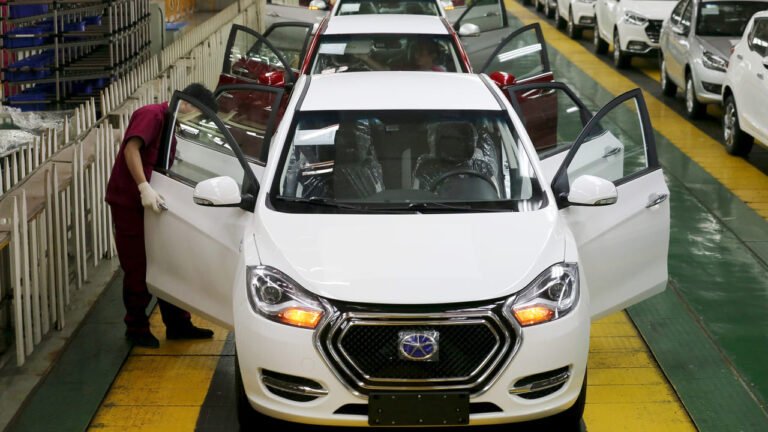
But while Chinese automakers show immense potential, those familiar with China’s export regulations know that their path isn’t as straightforward. Bureaucratic hurdles, transparency concerns, and policy limitations pose unique challenges.

Let’s dive deeper into the details:

The Korean Automotive Success Story

To appreciate the potential trajectories of Chinese automakers, it is vital to reflect on the journey of South Korean manufacturers. Since the 1990s, Hyundai and Kia have fundamentally transformed their approach, focusing on quality, design, and technological advancement.

Quality Improvement and Consumer Perception

South Korean automakers prioritized research and development (R&D) to elevate vehicle quality and safety. Hyundai, for example, made continuous improvements that boosted customer satisfaction.

In the 2024 J.D. Power U.S. Initial Quality Study, Hyundai and Kia secured third and fourth place, respectively, reflecting fewer issues reported by new owners. These advancements transformed Korean cars from budget-friendly alternatives to well-regarded choices known for their reliability and value.

Global Expansion and Strategic Partnerships

The international expansion of Korean automakers has been critical in securing their foothold in global markets. They effectively established partnerships with local firms, allowing for improved distribution channels and market knowledge.

For instance, Kia’s investment in a manufacturing facility in the United States has enabled it to cater promptly to American demand while mitigating tariffs .

Ultimately, this success was driven by a combination of quality, strategic partnerships, and a commitment to innovation—forming a blueprint for potential future success.

The Current State of Chinese Automakers

Chinese automakers, including Geely, BYD, and NIO, have made considerable advances in recent years, bolstered by government support, a rapidly growing domestic market, and increasing investments in electric vehicles (EVs).

Bureaucratic Limitations

One of the biggest challenges for Chinese automakers is navigating a heavily regulated industry where government intervention shapes market dynamics. While these regulations offer stability, they often slow innovation and complicate decision-making.

For example, companies looking to form joint ventures or expand globally must go through lengthy approval processes that can delay market entry.

In contrast, South Korean automakers have faced bureaucratic hurdles but gradually benefited from more streamlined regulations. If Chinese brands aim to compete on a global scale, reducing these bureaucratic roadblocks will be crucial for improving efficiency and international competitiveness.

Transparency and Intellectual Property Concerns

Transparency could be yet another significant issue hindering the reputation of Chinese firms. Concerns regarding intellectual property rights and trust in corporate governance have led to skepticism among foreign investors.

For the Chinese automotive sector to gain greater acceptance in global markets, enhancing transparency and fostering a culture of integrity in business practices will be essential. By building confidence among international stakeholders, Chinese automakers can attract investments and expand their market reach.

Adaptation to Consumer Expectations

Korean automakers excelled by closely understanding and catering to consumer preferences in various markets. Electric mobility has gained traction globally, necessitating that automakers embrace technological innovation and sustainability.

Chinese firms have invested significantly in EV technology, with companies like BYD emerging as leaders in electric vehicle production. In 2025, BYD announced it had surpassed Tesla in global EV sales, indicating a competitive edge in this space .

While there is vast potential for Chinese automakers to innovate in electric and smart mobility, they must remain agile, responsive to consumer demand, and committed to delivering quality products that resonate with customers.

Potential for Future Success: A Balanced Outlook

However, while the lessons from South Korea provide a foundation, Chinese automakers must also address significant challenges to achieve similar success.

Investment in Research and Development

One of the key components of the Korean automotive success story was the substantial investment made in R&D. For example, in 2025, Hyundai Motor Group plans to invest approximately $7.9 billion in R&D, which paves the way for advancements in technology and design.

By fostering innovation, these companies were able to produce vehicles that not only met but often exceeded international safety and performance standards.

Building a Reputation for Quality

As South Korean brands transformed their images through a relentless focus on quality, such enhancements transformed consumer perceptions and led to a burgeoning market both domestically and internationally.

Chinese manufacturers must advocate for the same. Leveraging feedback, investing in quality assurance processes, and actively engaging with consumer concerns will help elevate their reputations in competitive markets.

Strategic Global Partnerships

Korean manufacturers also recognized the importance of global partnerships and strategic alliances. This approach facilitated knowledge transfer and market penetration.

For instance, Hyundai partnered with various international companies, allowing them to leverage advanced technologies and expand their distribution networks effectively. This strategy helped solidify their presence in competitive markets, such as North America and Europe.

Conclusion: A Path Forward

In conclusion, the journey of Chinese automakers toward replicating the success of Korean brands hangs in a delicate balance. They possess substantial potential, driven by government support and technological innovations, particularly in the EV sector.

Should Chinese automakers rise to these challenges, the global automotive landscape may witness the emergence of a new powerhouse capable of shaping the future of transportation.


If you found this post insightful, you might also enjoy our article, “Chinese Car Reliability vs. European Brands: How Do They Compare?” Explore more of our site for expert car reviews, in-depth buying guides, and the latest industry insights. There’s plenty to keep you informed—take a look around, and don’t forget to bookmark us for future updates!


*Disclaimer: This website provides automotive content for informational purposes only and should not be considered professional advice. While we strive for accuracy, we do not guarantee the reliability or suitability of any vehicle or product mentioned—always conduct your own research before making purchasing decisions. Additionally, some links on this site are affiliate links, meaning we may earn a commission if you make a purchase, at no extra cost to you.
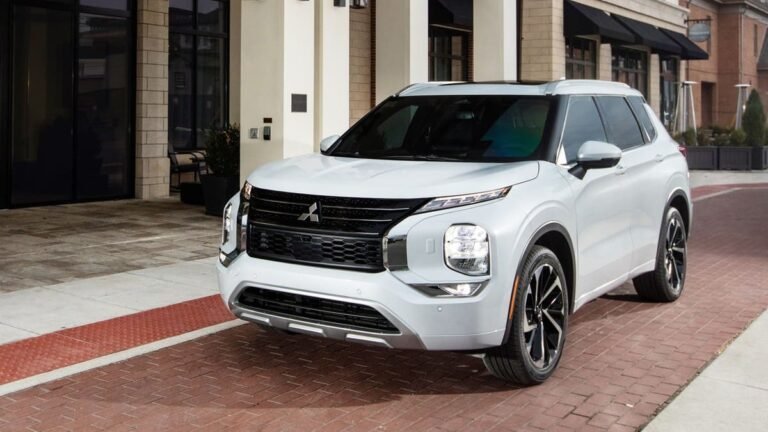
2024 Mitsubishi Outlander: A Balanced Mix of Features, Value, and Compromises

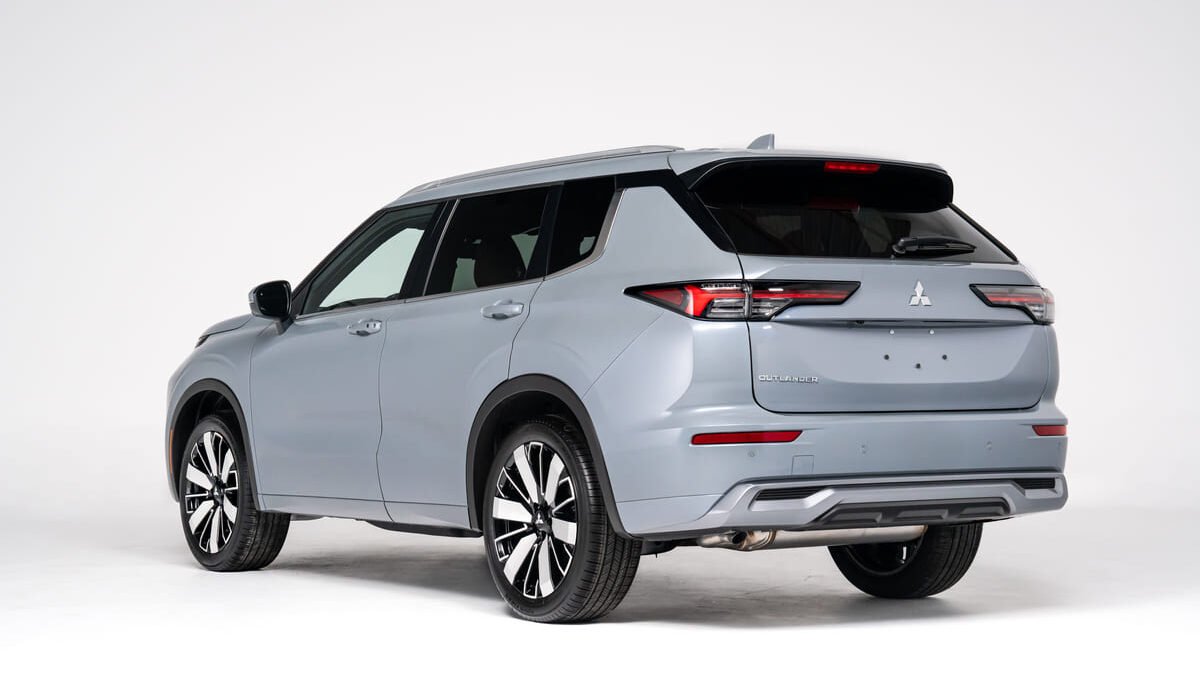
The fourth-generation Mitsubishi Outlander, launched in 2022, is a significant step forward for the brand, aiming to reestablish its place in the fiercely competitive compact SUV segment. Built on the same platform as the Nissan Rogue, the Outlander benefits from shared engineering while offering its own distinct flavor, including the option of a plug-in hybrid (PHEV) variant.

For 2024, Mitsubishi introduces the Platinum Edition, a new trim featuring exclusive exterior and interior enhancements. While the changes may seem incremental, they underline Mitsubishi’s effort to keep the Outlander relevant. Let’s delve into the details of this compact SUV and explore its strengths and shortcomings.

Powertrain and Performance

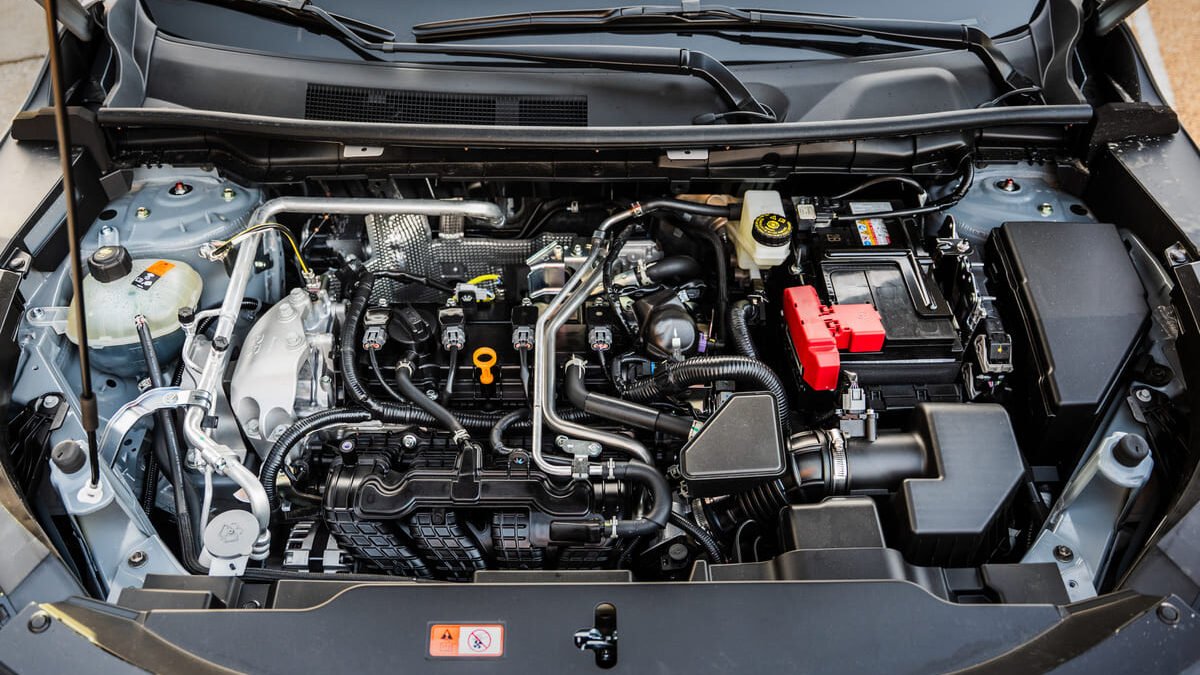
Under the hood, the Outlander is powered by a standard 2.5-liter inline 4-cylinder engine, producing 181 horsepower and 181 lb-ft of torque. This engine is paired with a continuously variable transmission (CVT), a choice that prioritizes efficiency but lacks the engagement of traditional automatics.

While the powertrain delivers adequate performance for urban and suburban driving, it starts to feel strained at higher speeds. Acceleration can be sluggish, and overtaking on the highway requires planning. Additionally, the CVT contributes to elevated engine noise under heavy throttle, a common drawback of this transmission type.

On the upside, the Outlander handles well for its class. The suspension provides a firm ride that keeps body roll in check, giving drivers confidence in corners. Steering is light yet responsive, making it easy to maneuver in tight spaces. However, road noise becomes noticeable at higher speeds, detracting from the overall refinement.

Fuel efficiency is respectable but not class-leading. The EPA rates the all-wheel-drive (AWD) Outlander at 24 mpg in the city and 30 mpg on the highway, while the front-wheel-drive (FWD) model improves slightly to 24/31 mpg. These figures are competitive but fall short of hybrid options like the Toyota RAV4 Hybrid or Honda CR-V Hybrid.

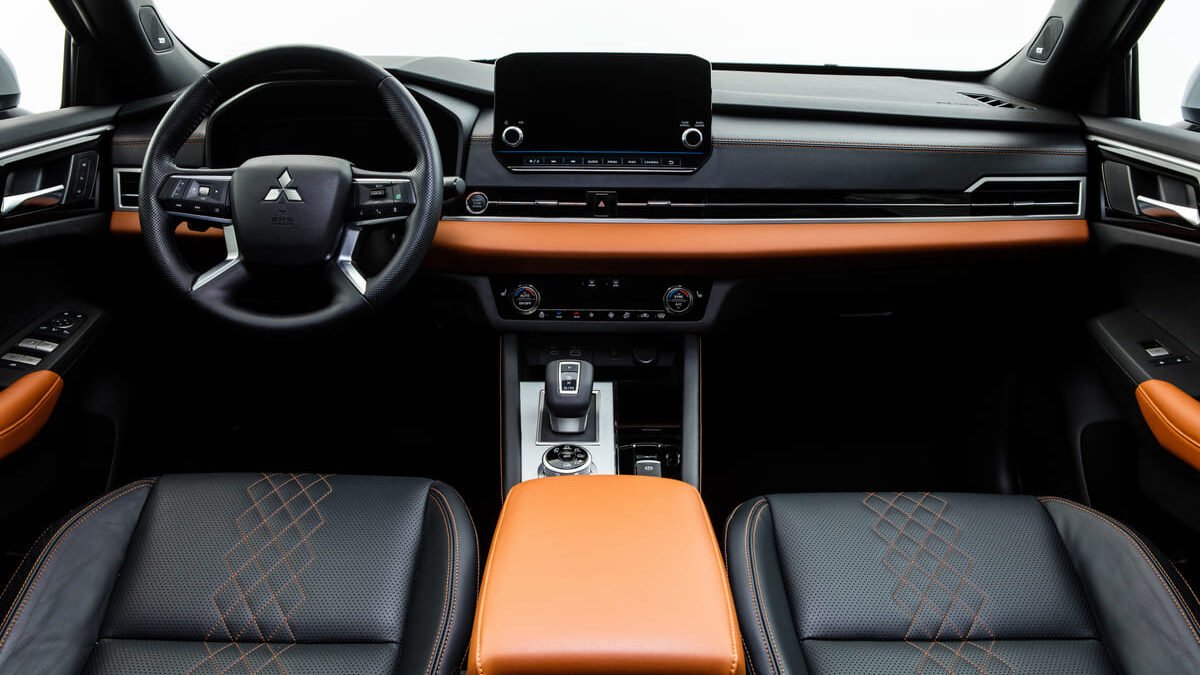
Mitsubishi Outlander interior

Interior Quality and Features

Step inside the Outlander, and it’s clear Mitsubishi has stepped up its game. The cabin design is modern and upscale, with high-quality materials and a layout that feels more European than Japanese. Mitsubishi appears to have taken inspiration from German rivals—particularly the Volkswagen Tiguan—and the result is impressive.

The controls and switchgear feel solid, with smooth-operating air vents and well-damped buttons that add a touch of sophistication. A standout feature is the optional 12.3-inch digital gauge cluster, complemented by a head-up display. Tech-savvy buyers will appreciate standard Apple CarPlay and Android Auto, along with available wireless charging and a panoramic sunroof.

That said, the third-row seating is a mixed bag. While it’s a rare feature in this segment, the third row is cramped and best reserved for children or short trips. If you’re regularly hauling more than five passengers, you might want to consider larger SUVs like the Kia Sorento or Hyundai Santa Fe.

Safety and Reliability

Safety is one of the Outlander’s strong suits. It earned Top Safety Pick+ ratings from the Insurance Institute for Highway Safety (IIHS). Additionally, Mitsubishi includes a robust suite of advanced driver-assistance features, such as:

  • Adaptive cruise control
  • Forward collision warning with automated emergency braking
  • Blind-spot monitoring
  • Rear cross-traffic alert
  • Lane departure warning and lane-keeping assist

This comprehensive safety package makes the Outlander a compelling choice for families prioritizing peace of mind.

Pricing and Value

The 2024 Outlander starts at around $30,000 and stretches to $52,000 for fully loaded models. While this pricing positions it at the higher end of the compact crossover market, it’s justified by its extensive feature set and strong warranty coverage.

Mitsubishi offers a competitive 5-year/60,000-mile limited warranty and a 10-year/100,000-mile powertrain warranty, matching Hyundai and Kia’s industry-leading standards.

However, the lack of complimentary maintenance, which Hyundai provides, is a missed opportunity for Mitsubishi to further enhance its value proposition.

Final Thoughts

The 2024 Mitsubishi Outlander is a well-rounded compact SUV that stands out for its refined interior, comprehensive safety features, and unique third-row seating. However, it’s not without flaws. The powertrain feels underwhelming at times, and road noise detracts from an otherwise comfortable ride.

For buyers seeking a stylish and feature-rich SUV with solid safety credentials, the Outlander is worth considering. But if performance or hybrid efficiency is a top priority, competitors like the Toyota RAV4 Hybrid or Honda CR-V Hybrid might be better options.

If you’re curious about car-buying tips, check out our article, “Why It’s a Bad Idea to Buy a Used Luxury Car”. It dives deep into the hidden costs and potential headaches of used luxury cars—don’t miss it!

Also, be sure to bookmark our homepage to stay updated with the latest reviews, buying guides, and industry insights. Prefer video content? There’s a YouTube version of this article available, perfect for on-the-go car enthusiasts.


*Disclaimer: This website provides automotive content for informational purposes only and should not be considered professional advice. While we strive for accuracy, we do not guarantee the reliability or suitability of any vehicle or product mentioned—always conduct your own research before making purchasing decisions. Additionally, some links on this site are affiliate links, meaning we may earn a commission if you make a purchase, at no extra cost to you.

Why Electric Buses Deserve the Spotlight Over Electric Cars and EVs

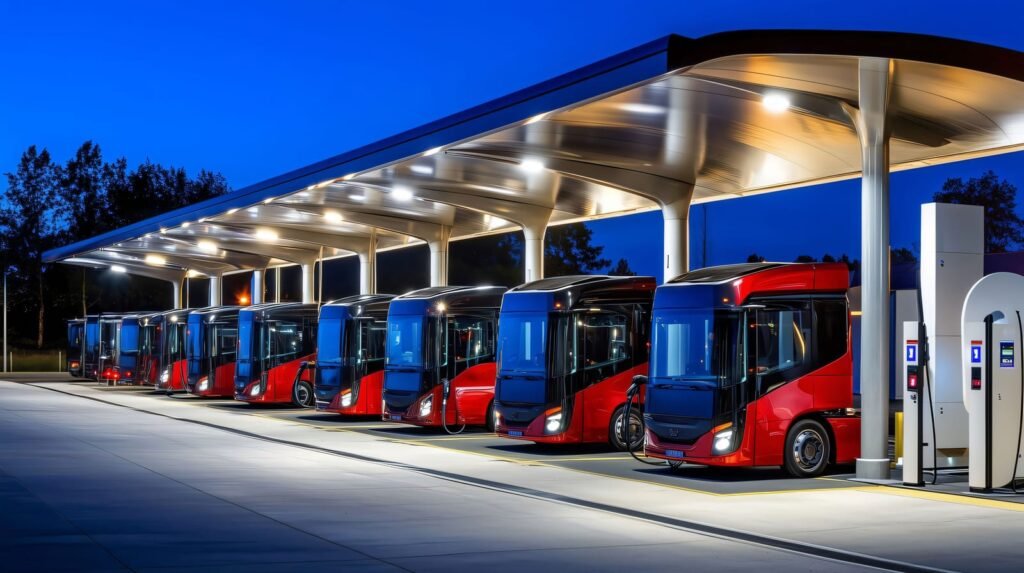
Electric buses totally deserve more attention than electric cars when we talk about helping the environment and there are a bunch of reasons for that. They really help clean up the air and cut down on traffic and pollution in cities. Don’t get me wrong, personal electric vehicles are a solid step toward greener transportation but their real impact just doesn’t stack up against how much better it is to switch out diesel buses for electric ones. A lot of folks don’t have their own cars or just prefer to use public transit, especially in areas where there aren’t metro systems, so they end up riding diesel buses. By going for electric buses, cities can really lower harmful emissions, improve public health, cut down on noise, and get a step closer to being sustainable. So let’s dive into the perks that come with e-buses, like their environmental, social, and economic benefits.

The Role of Public Transportation in Urban Mobility

Public transportation is really the heart of any big city. It’s how people get around no matter how many personal cars are out there. Buses, trains, and subways connect millions of folks to their jobs, schools, and places to hang out. Among all these options, buses play a super important role. They can change routes easily, are cheaper to set up than trains, and can reach the scattered parts of cities. By carrying a lot of passengers at once, buses help ease traffic jams—one full bus can replace a dozen cars on the road.

Now, here’s the problem. For a long time, diesel has been the main fuel for buses because it packs a lot of power and is efficient for heavy use. But diesel engines also spit out nasty exhaust gases like nitrogen oxides (NOx) and particulate matter (PM), along with greenhouse gases like CO2. These pollutants are bad for the environment and can worsen health issues, especially for those with breathing problems. People walking by a diesel bus can be exposed to these toxins up close.

Fortunately, more and more governments and transit agencies are starting to shift towards electric solutions. While it’s been easier to bring in electric streetcars or underground metros in busy city areas, the suburbs and smaller towns haven’t seen the same benefits. That’s where electric buses step in. They promise zero emissions, which helps clear the air and keeps city streets cleaner, making a big difference in urban pollution. Bringing in these electric buses is a major step forward for public health, especially in crowded areas.

Diesel emissions

Diesel vs. Electric Buses

Even though some modern diesel buses have what they call “clean diesel” engines, they still emit harmful stuff like particulate matter and NOx that can make breathing problems worse. If you’re walking right behind a diesel bus, you could be breathing in a bunch of those pollutants. This isn’t even in the same league as the zero emissions from electric buses.

And let’s talk about diesel engines, especially those big ones in buses. They not only pollute the air, but they also create loud noises and vibrations that mess with daily life. This is where having electric buses really shines. They run almost silently, aside from the sounds of tires and wind. Quieter streets can really lift people’s spirits and make the city feel nicer. So swapping out one diesel bus for an electric one really cuts down on the exhaust that fills our urban spaces, offering way bigger benefits compared to trading a diesel car for an electric vehicle. This change can lead to huge health benefits for the community.

Electric Buses vs. Electric Cars

When it comes to traffic jams, we’ve already mentioned that electric cars do cut down on tailpipe emissions during personal trips, but they typically carry one to five people. So, EVs still take up space on the road, which keeps congestion going.

Comparing that to electric buses that can transport a whole bunch of people at once really changes the game. Each e-bus can replace a ton of personal cars, making a big difference for the environment. So, if we still have too many folks driving, e-buses are a smart way to ease traffic. The more people hop on buses, the fewer cars are fighting for road space and parking spots.

For those who truly care about the environment, it’s worth mentioning that making a bunch of personal cars takes a lot of resources—like steel, lithium, and aluminum. On the flip side, creating one e-bus that serves a lot of riders is likely a smarter use of resources. That’s yet another reason why e-buses could be better for our planet than electric cars and why governments should really consider giving them better incentives.

The “Emission Outsourcing” Argument

Some critics argue that electric vehicles, including buses, merely shift the pollution from vehicle tailpipes to power plants—especially if the local grid is reliant on coal or natural gas. However, the advantage is twofold:

  1. Centralized Emissions: Emissions occur at power plants, often located away from dense populations, limiting direct harm to pedestrians.
  2. Potential for Cleaner Grids: As renewable energy adoption accelerates, the electricity fueling e-buses grows greener.

So even if the total CO2 emissions aren’t a huge drop compared to a super-efficient diesel vehicle (depending on energy mix). A lot of emissions happen at the power plant, which is often pretty far from busy city spots. But the good news is that local pollution goes way down, giving folks in the city cleaner air and better health right away, making it easier for everyone to breathe.

The Future: EV Buses and Evolving Tech

Larger Battery Capacities: Continuing R&D aims for quicker charging, extended route ranges, and minimal battery degradation over the bus’s operational life. Some designs target 500+ km (310+ mi) range, enough to handle a full day’s operations with minimal midday top-ups.

Autonomous Buses: Manufacturers and tech companies are testing self-driving bus prototypes. In congested urban cores, autonomy could optimize route scheduling and reduce operational costs, though wide-scale deployment remains years away.

Fleet Management Systems: Advanced telematics let transit agencies monitor battery health, optimize routes based on real-time traffic, and schedule maintenance proactively. These data-driven approaches can further reduce costs and improve reliability.

Inter-city and Long-Haul E-Buses: While electric buses shine in city routes, recent developments see them creeping into intercity routes, especially with Europe’s push for low-emission zones and improved battery technologies. Some lines test overhead pantograph charging along highways for near-continuous operation.

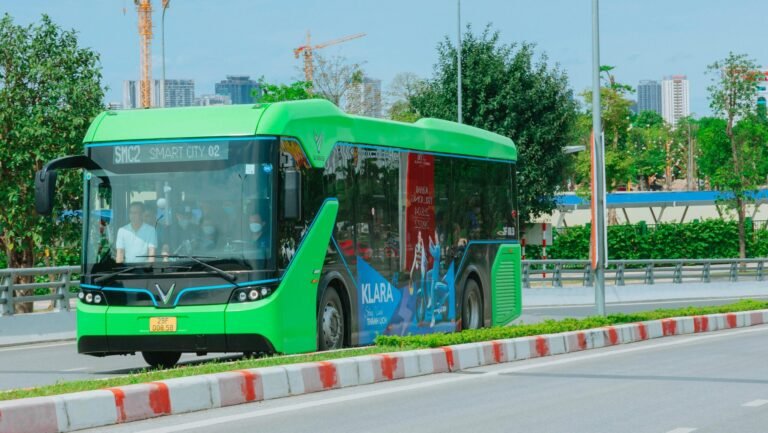
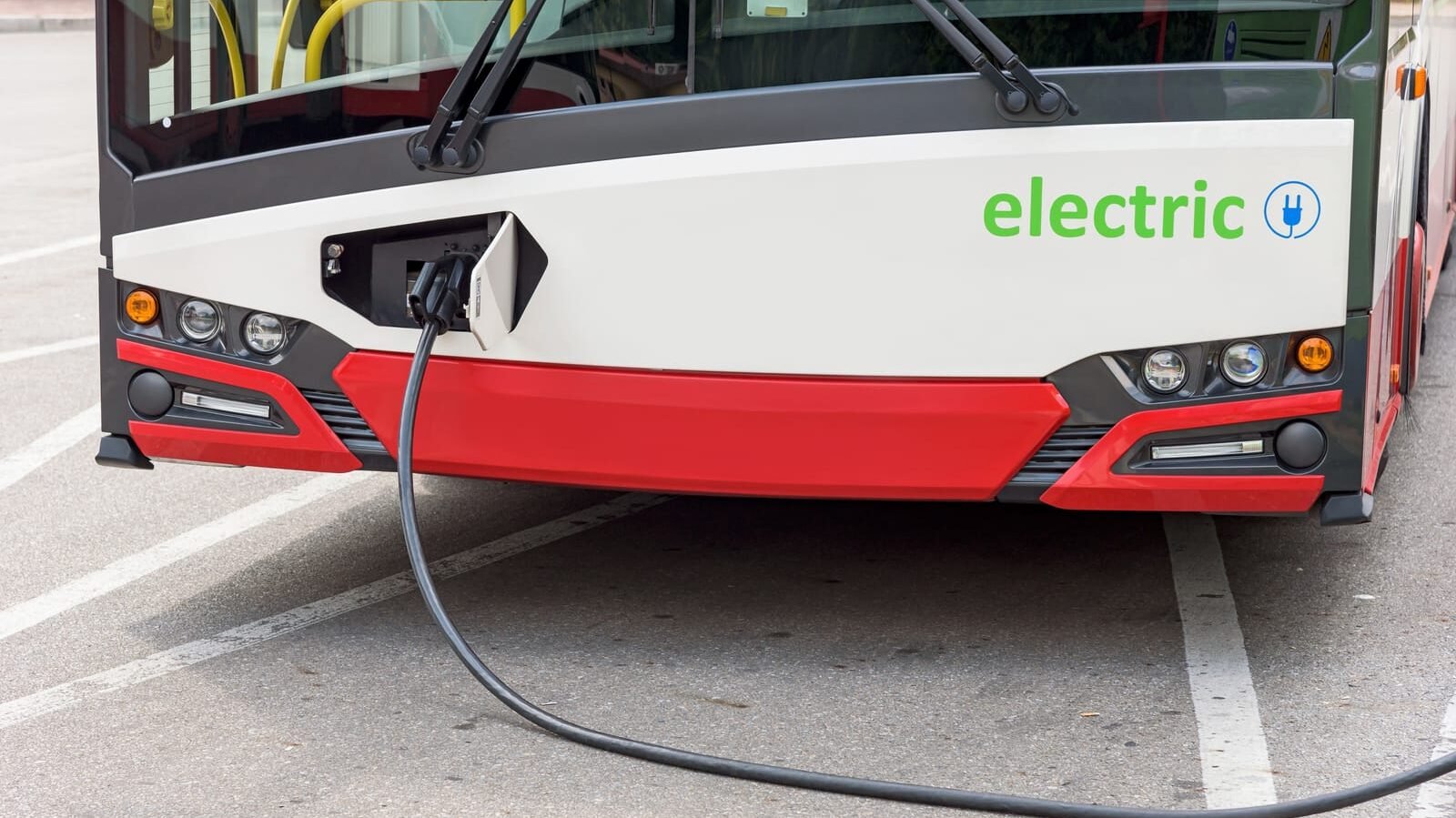
Electric bus

Efficiency, Range, and Technology

Battery Efficiency

Electric motors convert over 70–90% of electrical energy into motion, whereas diesel engines typically convert 20–40% of diesel’s potential energy. The e-bus capitalizes on regenerative braking in frequent stop-and-go city cycles, recouping energy that would otherwise be lost as heat.

Range Considerations

City buses typically have planned routes with predictable distances. Even an e-bus with a modest 150- to 200-mile range can handle a daily route before needing recharge, especially with midday top-ups at end stations. Meanwhile, long-distance coaches might require next-gen battery tech or alternative solutions like hydrogen fuel cells.

Advancing Battery Tech

Ongoing R&D in solid-state batteries, advanced lithium-ion chemistries, and fast charging solutions continues to expand e-bus capabilities. Some prototypes now promise 400+ km range per charge, adequate for most urban loops.

Technology and Types

Battery-Electric Buses (BEBs)

Battery-electric buses use large onboard battery packs to store energy. They operate similarly to electric cars but at a larger scale. In many cities, battery capacities now support daily routes before needing an overnight or midday charge. Rapid improvements in battery technology—such as higher energy density and faster charging—have propelled battery-electric buses into mainstream consideration.

Fuel Cell Electric Buses (FCEBs)

Another variant uses hydrogen fuel cells to generate electricity onboard. While these are less common, they produce only water vapor as exhaust. However, the hydrogen fueling infrastructure remains limited, and hydrogen production’s environmental impact depends on the method (fossil fuels vs. renewable electrolysis)

If you want to learn more about the evaluation of fuel cell electric buses just check out the NREL website using the following.

Trolleybuses

Trolleybuses draw electricity from overhead wires. In use for over a century, this technology offers zero tailpipe emissions but demands continuous infrastructure expansions or route modifications to extend service.

Charging Infrastructure

Electric bus depots might install fast chargers capable of replenishing a battery in under two hours or rely on overhead pantograph charging at endpoints. Carefully planned charging strategies can keep buses in service nearly 24/7, rotating vehicles in and out of charging stations as needed.

Conclusion: Why Electric Buses Deserve the Spotlight

Electric buses are really making a mark in ways that personal electric vehicles just can’t match. They can carry more folks while cutting down on the number of cars on the road. Plus, they dramatically reduce emissions in busy city areas and support fair public transit options. They tackle a bunch of urban issues all in one go, like pollution, noise, traffic jams, and even health risks.

Sure, personal electric cars are a step in the right direction away from fossil fuels. But when it comes to making a real difference in city life, switching to electric buses really takes the cake. Just think about how much better it is for pedestrians—no more nasty diesel fumes hanging around at crowded bus stops. That’s a huge win for our health and the environment.

Even if some of the electricity powering these buses comes from fossil fuels, the harm is happening far away at power plants instead of right in our bustling streets. As power grids get cleaner, electric buses will only get better for the planet. Meanwhile, diesel buses are stuck with an old-school fuel that creates a nasty toxic cloud wherever they go.

In the end, electric buses are a smart, impactful move that hits both climate targets and health goals at the same time. They really deserve more focus, funding, and quick rollout in cities around the globe.

If you found this piece useful, you might also like our article “Hybrid vs. Electric Cars: How to Choose Between Them.” Check out more of our site for detailed car reviews, helpful buying guides, and the latest news in the car world. There’s a lot to explore, so take a look, and don’t forget to save us as a bookmark for your future visits!


*Disclaimer: This website provides automotive content for informational purposes only and should not be considered professional advice. While we strive for accuracy, we do not guarantee the reliability or suitability of any vehicle or product mentioned—always conduct your own research before making purchasing decisions. Additionally, some links on this site are affiliate links, meaning we may earn a commission if you make a purchase, at no extra cost to you.

Difference Between Build Quality & Material Quality In The Automotive Industry

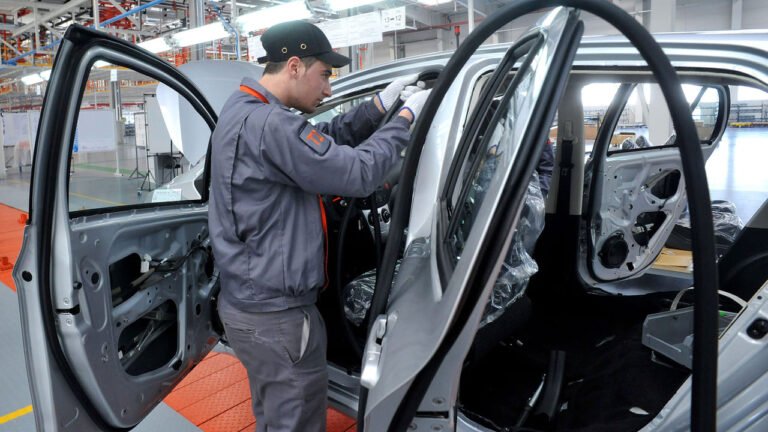
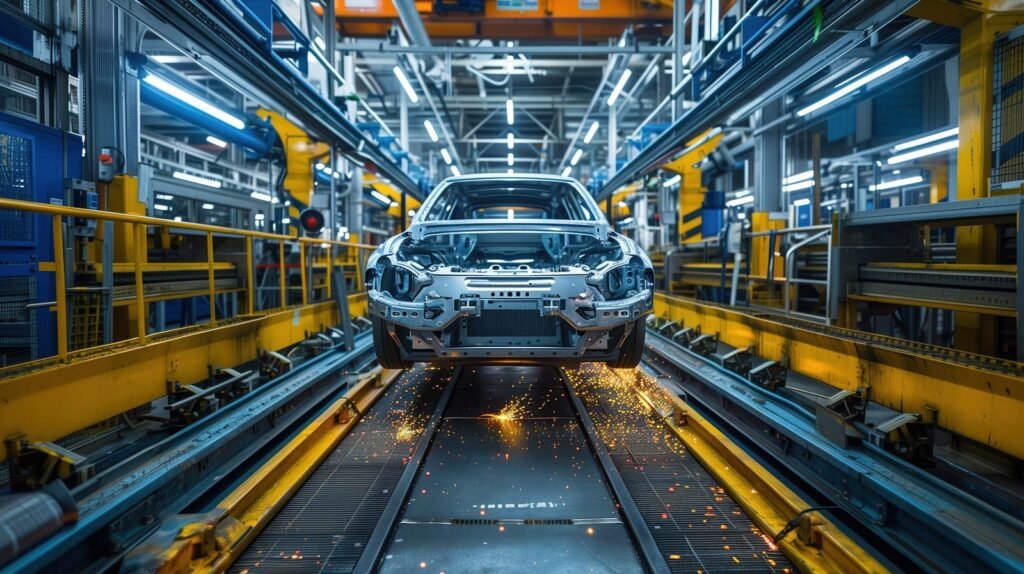
In the automotive world, “build quality” and “material quality” are often confused, yet they refer to distinct aspects of a vehicle’s construction and longevity. Understanding these differences is essential for car buyers looking for durability, reliability, and long-term value.

In this article I will try to break down what each term means, how they impact a vehicle’s performance, and why both matter when choosing your next car.

What Is Build Quality in the Automotive Industry?

How Do Automakers Define Build Quality?

Build quality refers to how well a vehicle is assembled, focusing on fit, finish, and overall structural integrity. It includes factors such as:

  • Panel alignment: Tight, consistent gaps between body panels indicate precision manufacturing.
  • Interior fit and finish: Well-assembled dashboards, secure trim pieces, and rattle-free cabins contribute to a higher-quality feel.
  • Structural rigidity: A well-built car feels solid on the road, with minimal vibrations and flexing over time.
  • Consistency across production: Premium brands like BMW and Lexus invest heavily in precision engineering to ensure that every unit meets strict quality standards.

What Factors Contribute to Build Quality?

Several elements influence a car’s build quality, including:

  • Manufacturing techniques: Automated assembly lines improve precision, while hand-finished details enhance craftsmanship.
  • Engineering and design: Cars designed with tighter tolerances (e.g., German luxury brands) typically have better build quality.
  • Quality control measures: Brands like Toyota are known for their rigorous quality assurance processes, reducing defects and inconsistencies.

How Does Build Quality Impact Reliability?

A well-built vehicle with tight tolerances is less likely to develop issues like rattles, leaks, and premature component wear. According to J.D. Power’s 2023 U.S. Vehicle Dependability Study, Toyota, Lexus, and Porsche rank among the most reliable brands due to their high build quality standards. Poor build quality, as seen in early Tesla Model 3 production years, led to widespread complaints about panel gaps and inconsistent paint application.

How Material Quality Affects Build Quality and Performance

What Materials Are Commonly Used in Automotive Manufacturing?

The materials used in a vehicle directly impact its durability, safety, and performance. Key materials include:

  • High-strength steel: Used in structural components to improve crash safety and rigidity.
  • Aluminum: Lightweight and corrosion-resistant, improving fuel efficiency and handling.
  • Plastics and composites: Found in interior panels and bumpers, varying in quality from durable soft-touch surfaces to cheap hard plastics.
  • Carbon fiber: High-end sports cars like McLaren and Lamborghini use it for strength and weight reduction.

How Does Material Quality Influence Vehicle Longevity?

Premium materials enhance a car’s durability and long-term value. For example:

  • Luxury brands like Mercedes-Benz use real leather, aluminum, and wood trims, ensuring a high-end feel that lasts.
  • Mass-market vehicles often use lower-cost plastics and synthetic fabrics, which may degrade faster.
  • Rust-resistant materials like galvanized steel and aluminum panels reduce corrosion issues, as seen in Ford’s aluminum-bodied F-150.

Can High Material Quality Compensate for Poor Build Quality?

No. Even the best materials won’t prevent quality issues if the vehicle is poorly assembled. A Tesla Model S may feature cutting-edge materials, but inconsistent panel gaps and trim misalignment hurt its perceived quality. Conversely, a Toyota Camry with more affordable materials still feels solid thanks to superior build quality.

Comparing Build Quality vs. Material Quality: What Matters More?

What Should Consumers Consider?

When evaluating a car, both build and material quality matter, but build quality often has a greater impact on long-term reliability. A car with tight panel gaps, solid construction, and well-assembled components will generally hold up better than one with premium materials but poor fit and finish.

How Do Tesla and Toyota Compare in Build and Material Quality?

BrandBuild QualityMaterial QualityReliability
TeslaInconsistent (panel gaps, trim issues)High-tech materials but variable fitImproving but still below industry average
ToyotaExcellent (tight tolerances, proven reliability)Functional but not premiumAmong the highest in reliability rankings

While Tesla offers advanced materials like aluminum and vegan leather, Toyota’s superior build quality ensures its vehicles remain reliable and long-lasting.

How Build Quality Impacts Consumer Satisfaction

Why Does Build Quality Matter?

Consumer satisfaction is heavily influenced by how a car feels over time. A well-built car:

  • Feels solid and rattle-free even after years of use.
  • Holds its resale value better due to fewer quality concerns.
  • Provides a more enjoyable driving experience with fewer mechanical issues.

According to Consumer Reports, Toyota and Lexus consistently rank at the top for owner satisfaction due to their high build quality and reliability.

What Are Common Build Quality Issues in Tesla Model 3?

  • Panel misalignment – Inconsistent gaps reduce aerodynamic efficiency and aesthetics.
  • Paint defects – Reports of thin or uneven paint, leading to premature wear.
  • Interior rattles – Loose trim and plastic creaks impact the premium feel.

Tesla has improved build quality in recent years, but early models suffered from these issues, affecting customer satisfaction.

How Have Tesla Models Improved in Build Quality?

Recent Tesla models have shown improvements:

  • 2023 Model Y updates feature better panel alignment and reduced interior rattles.
  • Enhanced quality control at Tesla’s Giga Shanghai factory has led to fewer defects in vehicles exported to Europe.
  • Software-based fixes help compensate for minor build issues, though hardware problems still require physical repairs.

The Impact of Poor Build Quality on Safety and Longevity

How Does Build Quality Affect Safety?

Poor assembly can weaken a vehicle’s crash protection. Misaligned doors, weak welds, or improperly fitted airbags can compromise structural integrity. Observations from crash tests, such as those conducted by the IIHS, suggest that vehicles with better build quality often perform more reliably in real-world accidents. Many models that earn Top Safety Pick or Top Safety Pick+ ratings also tend to score well in dependability studies.

What Are the Long-Term Effects of Build Quality Problems?

Over time, poor build quality leads to:

  • Increased repair costs due to premature wear and misalignment issues.
  • Lower resale value, as buyers avoid models with a reputation for defects.
  • Higher maintenance needs, as rattles, leaks, and trim failures become more apparent.

How to Identify Build Quality Issues Before Buying

Steps for Evaluating a Car’s Build Quality

  1. Check panel gaps: Even spacing indicates precision assembly.
  2. Inspect interior fit and finish: Loose trim, uneven stitching, or cheap-feeling plastics are red flags.
  3. Test-drive on rough roads: Listen for rattles and creaks that signal poor assembly.
  4. Research owner reviews: Look for common complaints about build issues.
  5. Compare multiple units: Visit different dealerships to find a well-assembled example.

Conclusion: Why Both Build and Material Quality Matter

Build quality and material quality are both critical in determining a vehicle’s reliability, durability, and driving experience. While high-end materials enhance aesthetics and comfort, superior build quality ensures long-term satisfaction and reliability. When choosing a vehicle, prioritize brands known for precise manufacturing and proven longevity—because a car that’s built well lasts longer, holds value, and delivers a better driving experience.


If you found this post interesting, you might also like “Will Chinese Automakers Repeat the Success of Koreans?” Explore our site for expert car reviews, in-depth buying guides, and the latest industry insights. There’s plenty more to discover, so take a look around—and don’t forget to bookmark our homepage for future updates!


*Disclaimer: This website provides automotive content for informational purposes only and should not be considered professional advice. While we strive for accuracy, we do not guarantee the reliability or suitability of any vehicle or product mentioned—always conduct your own research before making purchasing decisions. Additionally, some links on this site are affiliate links, meaning we may earn a commission if you make a purchase, at no extra cost to you.
Hidden Pitfalls of Used European & American Luxury Cars—What to Know

A low-mileage Audi, BMW, or Cadillac at a fraction of its original price can be hard to resist. After all, you’re getting a prestigious badge without the premium cost. But beneath the sleek design and luxurious interior could be a financial and mechanical headache waiting to happen—especially if you’re unprepared for costly maintenance and complex electronics.

While there are exceptions—check out our articles on the best reliable used Mercedes SUVs or top dependable BMW X-models—many luxury vehicles debut untested innovations that may not stand the test of time, despite manufacturers’ quality control claims. So, is there a smarter alternative? Let’s explore your options.

The Allure of the Used Luxury Car

Prestige at a Fraction of the Cost

The main allure is simple: status and comfort. A new luxury sedan or SUV from Audi, BMW, or Cadillac can easily run upwards of $60,000 to $80,000, but a used model just a few years old might list for 40–50% of its original MSRP. That’s a huge discount, seemingly letting you step into the world of heated seats, cutting-edge infotainment, and refined driving with minimal financial strain—at least, on the surface.

High-End Features & Design

European and American luxury cars often boast plush interiors, advanced driver aids, potent powertrains, and distinctive styling. From BMW’s reputation for handling prowess to Cadillac’s bold “American luxury” statement, these vehicles draw enthusiasts with their brand cachet. Yet, advanced features also bring complexity.

The Urge to Stand Out

If you prioritize making a strong impression—pulling into the office parking lot in a car once revered as a symbol of success—the used luxury option can seem irresistible. But does the reality match the dream?

High Maintenance & Repair Costs

Premium Parts at Premium Prices

Audi or BMW brakes aren’t cheap. Cadillac Escalade air suspensions can cost thousands to repair. Because luxury brands often incorporate specialized parts, everything from engine components to basic interior trim is costlier to replace.

Case in Point: An oil change for a used BMW might run $150–$200, whereas the same service for a Toyota it costs between $35–$75.

Out-of-Warranty Woes

Most used luxury cars you’ll find on the market are beyond their factory warranty period. Any breakdown—especially in advanced systems like air suspension, turbocharging, or infotainment—falls entirely on your wallet. Even extended warranties for high-mileage luxury cars tend to be expensive, with numerous exclusions.

Frequency of Repairs

European and American luxury brands are frequently cited for higher repair frequency, especially as they age. This leads to a cumulative effect: You’re paying more per repair, and you’re repairing more often.

Complex Electronics & Risk of Glitches

Advanced Tech = More Failure Points

From advanced driver-assistance systems to multi-zone climate controls, the modern luxury car is laden with microprocessors, sensors, and integrated modules. While cutting-edge tech is exciting when new, these systems can become electrical nightmares when they start to fail.

Infotainment Issues in Luxury Cars

Audi’s MMI, BMW’s iDrive, Cadillac’s CUE—these infotainment systems push the envelope of user experience but are notoriously expensive to fix. Even minor screen malfunctions can cost hundreds, if not thousands, to repair if out of warranty.

Software Updates & Compatibility

As software evolves, older vehicles may fail to receive updates, making certain features obsolete. Pairing smartphones or using certain online services can become a hassle in older luxury vehicles.

Depreciation: Why Used Luxury Cars Are Cheap

The Steep Drop-Off

Unlike many mainstream brands that hold reasonable value, luxury cars depreciate quickly because the market for used high-end vehicles is narrower. This steep depreciation is precisely what makes them “affordable” for a second or third owner—yet also signals future lower resale value.

Perceived Reliability & Owner Costs

Buyers in the used market may shy away from older European or American luxury brands due to fear of mechanical issues. The result? Lower demand leads to precipitous price drops.

Maintenance-Sensitive Resale

A well-maintained used BMW or Cadillac may still command a moderate price, but any sign of missing service records or mechanical neglect can scare away potential buyers. This precarious dynamic explains the “bargain” price tags.

Hidden Problems Lurking Underneath

Cosmetic vs. Structural Damage

Sellers often restore the exterior to pristine condition, but internal components—like transmissions, turbochargers, or electrical harnesses—may be nearing end-of-life. Carfax reports can help, but not all service records or accidents appear.

Chopped Maintenance Schedules

Luxury vehicles need more frequent, specialized service—synthetic oil changes, spark plugs, brake fluid flushes, etc. Previous owners may have cut corners, especially as the car aged. Unaddressed issues accumulate, leading to major future breakdowns.

Questionable Modifications

Enthusiasts sometimes push performance boundaries with engine tuning, suspension upgrades, or brake alterations. If not done professionally or well-maintained, these modifications can hamper reliability significantly.

Why European & American Luxury Cars Pose Greater Risk

Audi, BMW, Cadillac: Common Pain Points

  • Audi: High oil consumption, carbon buildup in direct-injection engines, complex quattro systems.
  • BMW: Timing chain stretch, turbo failures, electronics nightmares in older iDrive systems.
  • Cadillac: Infotainment glitches with CUE, potential V8 oil leaks, complex air suspensions in Escalade.

Costly Labor & Specialized Tools

European luxury cars often require brand-specific diagnostic tools and trained mechanics. Labor rates can hit $120–$200 per hour at specialized shops. Cadillac, while American, has similarly advanced tech in models like Escalade, leading to expensive repairs.

Notorious for Resale & Ownership Costs

Audi and BMW, along with Cadillac, rank lower in long-term reliability surveys, leading to owner dissatisfaction. This environment fosters the “used luxury discount” but also leaves you with the risk of repeated repairs.

Exceptions: Reliable Models & Previous Articles

Although it’s generally a bad idea to buy a used luxury car, we’ve highlighted reliable exceptions in other articles. For instance:

  • Certain Mercedes-Benz E-Class (W212) models after 2012 show better longevity.
  • Specific BMW 3 Series (like F30 328i with well-documented service) can remain dependable.
  • Lexus is typically an exception in the luxury realm, but it’s Japanese. Some Infiniti models are also passable.

We’ve discussed these in-depth in previous posts, such as “Which Used Mercedes C-Class Should You Buy?” or “Top 5 Most Reliable Used BMW Models.” If you’re still fixated on a luxury badge, check out those articles to see which models and trims hold up better than the rest.

Better Alternatives: Lexus, Infiniti & New Mainstream Models

Lexus & Infiniti

If you must have a luxury nameplate but want to minimize headaches:

  • Lexus: Revered for reliability, from the ES sedan to the RX crossover. You sacrifice some sporty driving dynamics but gain minimal breakdowns.
  • Infiniti: Nissan’s luxury arm isn’t as robust as Lexus but can offer decent reliability, especially in certain Q50 or QX60 models. Beware of older CVT issues.

New Mainstream Models from Hyundai, Toyota, Honda

Hyundai’s Palisade, Toyota’s RAV4 or Highlander, and Honda’s CR-V or Pilot have evolved into sophisticated vehicles loaded with advanced safety features and premium interiors. While not traditionally labeled “luxury,” they rival or surpass older European/American luxury cars in reliability, advanced driver aids, and tech convenience.

Why They’re Great Alternatives:

  • Warranty: Hyundai leads with a 10-year/100,000-mile powertrain warranty, while Toyota and Honda hold strong reliability records.
  • Modern Tech: Features like adaptive cruise, lane-keep assist, and large infotainment screens narrow the gap with used luxury models.
  • Fewer Surprises: A brand-new or lightly used mainstream SUV often spares you the hidden pitfalls of a 5-7 year-old luxury vehicle.

Tips for Those Who Still Want a Used Luxury Car

If you’re undeterred by warnings, consider these tips:

  1. Research Specific Models & Trims: Some generation/year combos are far more reliable than others.
  2. Insist on Full Service Records: Gaps in maintenance history suggest potential time bombs.
  3. Get a Professional Inspection: Pay for a pre-purchase inspection from a specialist familiar with the brand.
  4. Budget for Repairs: Set aside an “emergency fund”—a couple thousand dollars—for inevitable breakdowns.
  5. Avoid High-Performance Trims: M, AMG, V—these are thrilling but notoriously expensive to maintain.
Used luxury car insurance

Final Verdict: Are Used Luxury Cars Worth the Hassle?

For most buyers, purchasing a used luxury car—especially from European and certain American brands—poses a higher risk. The initial price might seem attractive, but the cascade of potential repairs, high insurance rates, specialized maintenance, and possible electronic failures can outweigh any savings.

Key Takeaways:

  • Maintenance & Repairs: Expect big bills for items like brakes, suspension, or infotainment modules.
  • Reliability & Complexity: More tech means more potential for failure, especially as the car ages.
  • Depreciation: You might have trouble reselling if major issues arise or if the brand has a reputation for unreliability.

Better Alternatives

  • Lexus or certain Infiniti models: You’ll trade some European driving dynamics for fewer breakdowns and simpler ownership.
  • New Mainstream Models: Hyundai, Toyota, and Honda have become so advanced that the difference in luxury amenities is smaller than ever.

So, while some rare exceptions exist—particularly certain models from Mercedes or well-maintained BMW sedans—it’s generally a bad idea to buy a used luxury car if you aim to minimize headaches and costs.

If you found this post useful, you might also enjoy our article, “Top Used Luxury SUVs Under $40K in 2025 for Reliability and Style.

Explore more of our site for detailed car reviews, expert buying guides, and the latest industry insights. There’s plenty of content to keep you informed, so take a look around—and don’t forget to bookmark us for future updates!


*Disclaimer: This website provides automotive content for informational purposes only and should not be considered professional advice. While we strive for accuracy, we do not guarantee the reliability or suitability of any vehicle or product mentioned—always conduct your own research before making purchasing decisions. Additionally, some links on this site are affiliate links, meaning we may earn a commission if you make a purchase, at no extra cost to you.
Why Electronic Shifting Knobs Are Excellent for Transmission Reliability

In today’s rapidly advancing automotive world, electronic gear shifters might seem like a futuristic gimmick at first—but trust me, they’re a game-changer for both performance and reliability.

I know, die-hard car enthusiasts (especially those from my generation) love the feel of a traditional gear shifter. There’s something satisfying about that mechanical engagement. But if I had to choose between a conventional automatic shifter and an electronic one, I’d go with the latter—hands down. And here’s why.

While traditional mechanical shifters have done their job well, electronic gear selectors bring a new level of refinement, particularly when it comes to long-term transmission reliability—and even safety.

Understanding how these systems work reveals their biggest advantage: they help protect the transmission from common driver mistakes, like the all-too-common habit of shifting from reverse to drive too quickly.

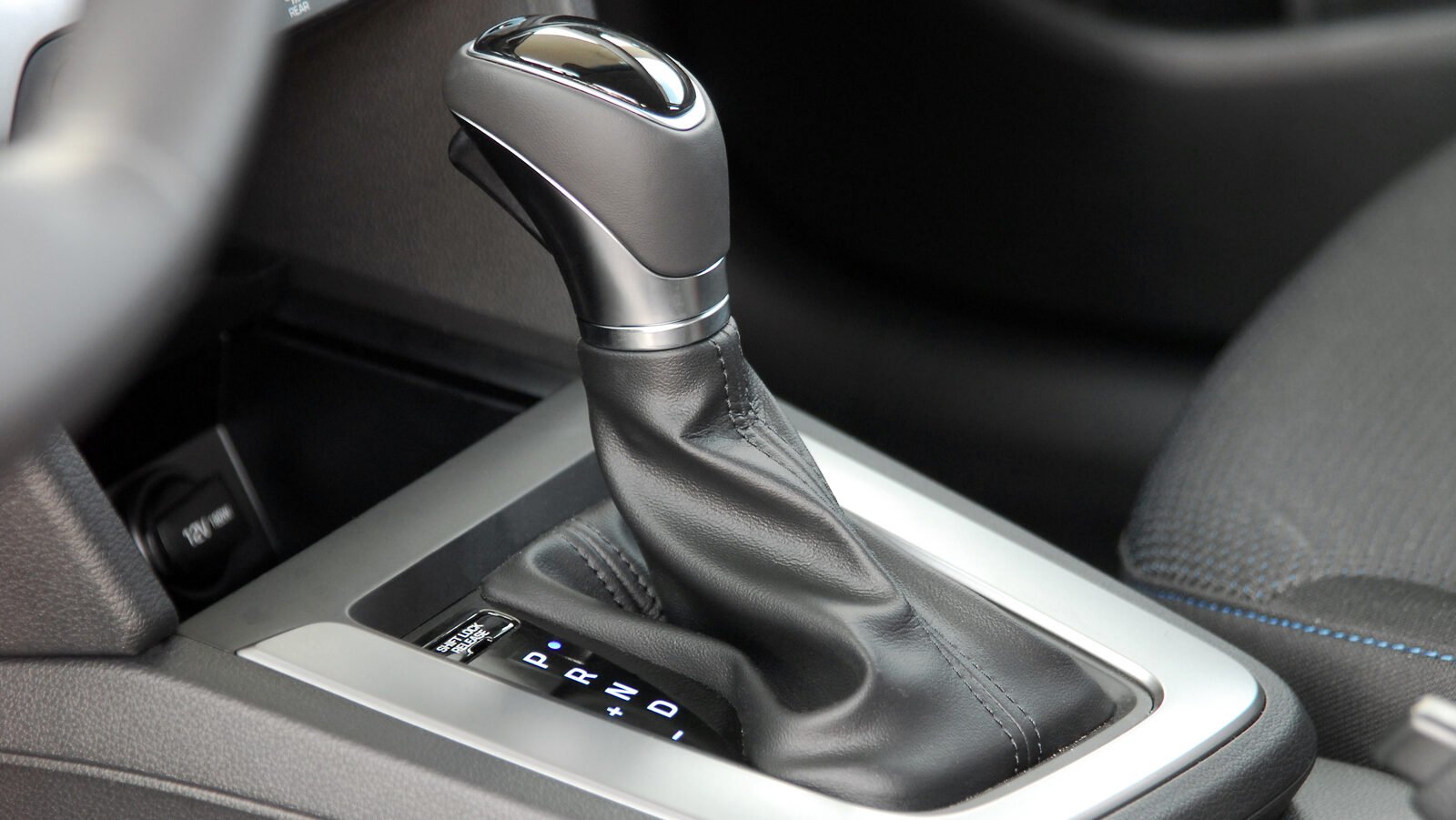
conventional-automatic-gear-shift
Conventional automatic shifter

The Dangers of Human Error: Premature Shifting and Transmission Damage

A common mistake among drivers, particularly those transitioning between reverse and drive, is engaging the gear before the vehicle has come to a complete stop. This behavior not only increases wear on the transmission components but can also lead to more severe mechanical failures over time.

The physical stress that occurs when a driver shifts gears while the vehicle is still in motion can manifest as slippage, erratic shifting, or even catastrophic transmission breakdowns.

In mechanical systems, the engagement of gears requires precise synchronization among various components. When a driver forces a gear shift too early, it places undue strain on these components, leading to increased friction and heat generation. Over time, this can contribute to premature wear and the degradation of essential transmission elements, such as clutches and gears.

Electronic Control: Precision in Gear Engagement

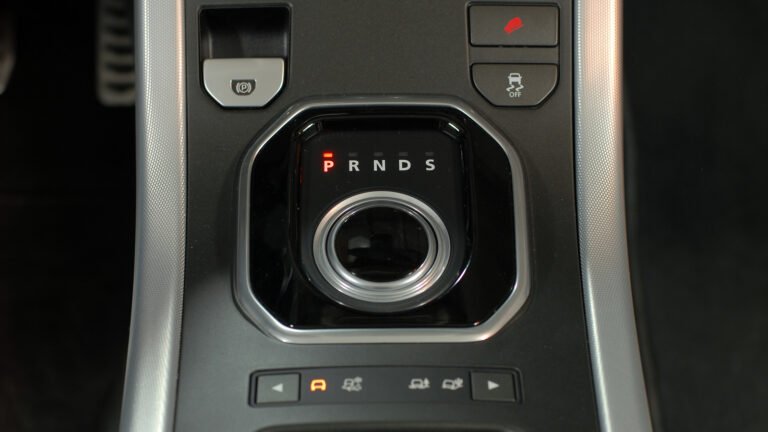
Enter electronic gear shifting technology, which leverages the vehicle’s Engine Control Unit (ECU) to manage gear transitions intelligently. By utilizing sensors to monitor the car’s speed, throttle position, and even braking behavior, electronic systems ensure that the gear-changing process aligns with optimal operational parameters.

The electronic gear shift can determine when it is mechanically safe to engage the drive or reverse functions. By waiting until the vehicle is fully stopped before permitting a shift, these systems effectively eliminate the risk of damage associated with premature engagements. Such intelligence not only safeguards your transmission but also enhances the overall driving experience, contributing to smoother transitions and reduced driver fatigue.

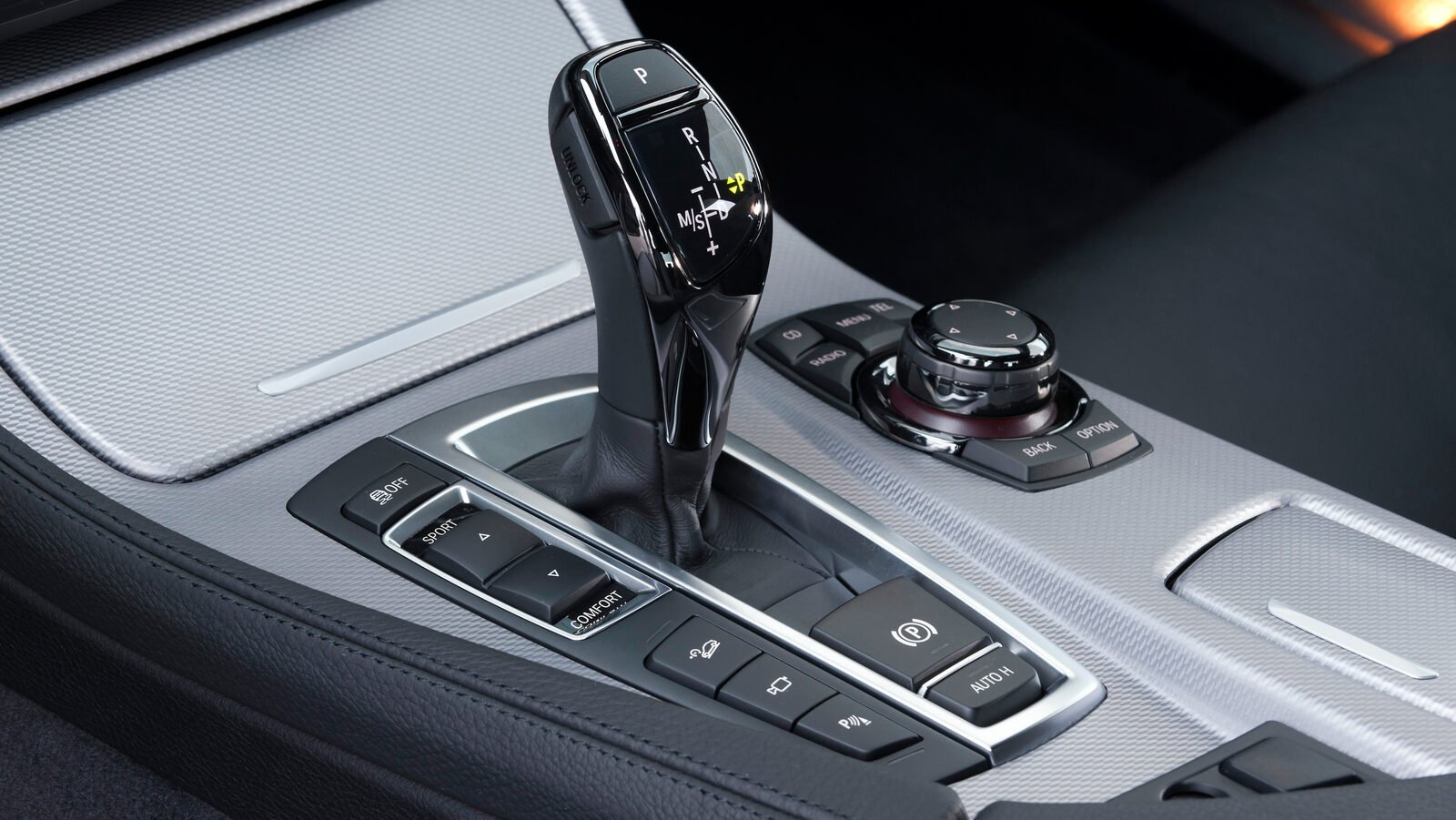
BMW-automatic-gear-shift
Electronic shifter

Enhancing Longevity Through Advanced Technology

As automakers increasingly integrate advanced technologies into their vehicles, the reliability and durability of key mechanical components become paramount considerations. Electronic gear shifting systems support longevity in several key ways:

  1. Delayed Engagement: Electronic gear selectors can implement deliberate algorithms that delay gear engagement until comprehensive parameters confirm safe conditions. This mitigates the risk of oversights that may arise from driver inattention.
  2. Adaptive Learning: Many modern vehicles equipped with electronic gear shifters feature adaptive learning capabilities. The ECU can monitor and learn from a driver’s shifting habits, tailoring gear engagement for optimal performance and efficiency—an advancement mechanical systems cannot replicate.
  3. Reduced Wear and Tear: By ensuring that gear shifts only occur under ideal circumstances, electronic systems minimize wear and tear on components that would otherwise suffer from erratic shifting patterns.
  4. Enhanced Diagnostic Capabilities: Electronic systems offer superior diagnostic feedback, alerting drivers to potential transmission issues with the transmission before they escalate into significant transmission problems. This proactive approach allows for timely interventions that can preserve the long-term reliability of the vehicle.

The Evolution of Gear Shifting: A Look Toward the Future

Adoption of electronic gear shifting technology reflects broader trends in the automotive industry aimed at increasing performance while reducing mechanical complexity. As vehicles become increasingly automated, the integration of electronic systems will likely extend beyond just transmission controls to encompass other critical areas, such as automatic braking and steering.

The range of benefits offered by electronic gear shifters leads to a broader understanding of their implications for both manufacturing and consumer satisfaction. Drivers today are more cognizant of the importance of reliability and longevity as long-term ownership becomes a priority.

Electronic gear shifting addresses these concerns head-on by reducing the likelihood of repairs associated with mechanical failures, ultimately making vehicles more appealing in a competitive marketplace.

Conclusion: Embracing the Future of Transmission Reliability

In summary, the transition to electronic gear shifting knobs is not merely about the novelty of technology; it represents a strategic enhancement for long-term transmission reliability. By mitigating human error, optimizing gear engagement, and facilitating ongoing diagnostics, electronic shifting systems set a new standard for automotive performance.

For drivers, this translates into peace of mind knowing that their vehicle’s transmission is safeguarded against common pitfalls. As the automotive industry continues to innovate, it is crucial for consumers to embrace these advancements, understanding that the benefits of electronic gear shifting extend well beyond mere convenience, reaching into the realms of safety, reliability, and longevity.

If you liked this post, you might want to check out our article called “Manual vs. Automatic Transmission: Which is the Better Choice for You?

Take a look at our site for more car reviews, helpful buying guides, and the latest news in the industry. There’s a lot to discover so feel free to explore and don’t forget to bookmark us for updates!


*Disclaimer: This website provides automotive content for informational purposes only and should not be considered professional advice. While we strive for accuracy, we do not guarantee the reliability or suitability of any vehicle or product mentioned—always conduct your own research before making purchasing decisions. Additionally, some links on this site are affiliate links, meaning we may earn a commission if you make a purchase, at no extra cost to you.

SUVs To Avoid That Are A Complete Waste of Money: What Is The Alternative

SUVs have become increasingly popular in the auto industry over the years. But are there really some overrated SUVs? These days, almost every carmaker—even high-end brands like Rolls-Royce and Lamborghini—includes at least one SUV in their lineup. A couple of decades ago, that idea would’ve seemed unlikely.
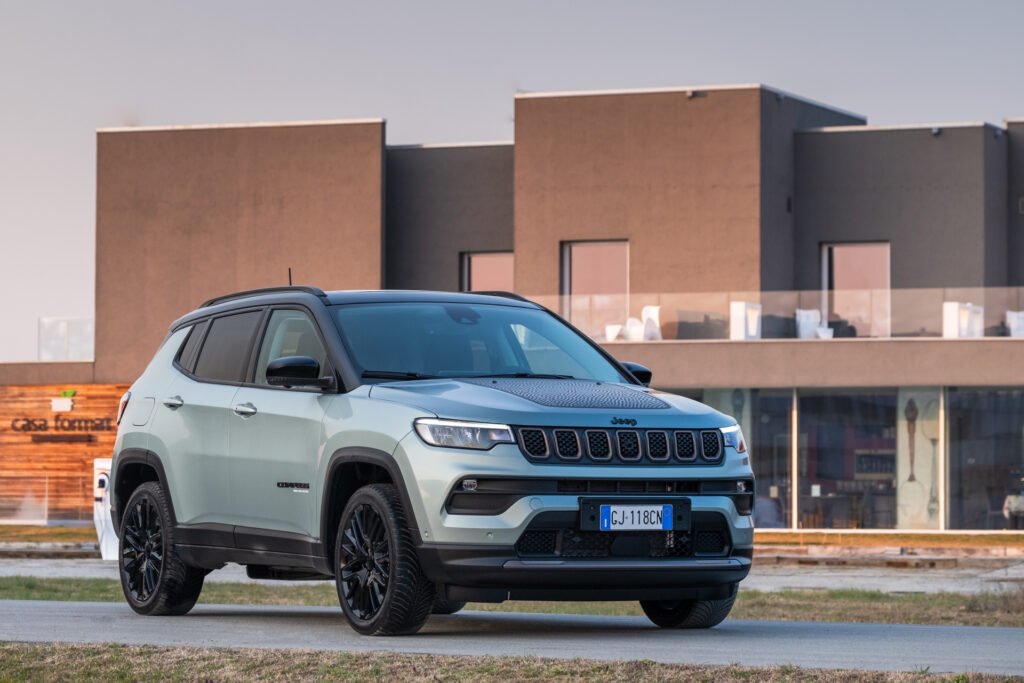
While SUVs are often marketed as a perfect blend of efficiency and style, some models get more hype than they deserve. While flashy marketing can convince you that the latest SUV is the best option on the market, reality often reveals a different story.

But not all that glitters is gold. Some SUVs, despite their hype, are a complete waste of money and fall short of expectations. Here are a few we think you should skip and we’ll suggest smarter alternatives:

List Of Overrated SUVs:

  1. Audi Q4 E-Tron.
  2. Cadillac XT4.
  3. Dodge Hornet.
  4. Jeep Cherokee.
  5. Jeep Compass.
  6. Land Rover Discovery Sport.
  7. Nissan Pathfinder.
  8. Tesla Cybertruck.
  9. Volkswagen Atlas.
  10. VW Tiguan.

1. 2024 Audi Q4 E-Tron

Why It Fails to Impress:
The Audi Q4 E-Tron promises luxury and performance in an electric package, but don’t be fooled. With a starting price around $50,000, its range is somewhat underwhelming at about 250 miles—especially compared to competitors. Moreover, its high maintenance costs can leave your wallet feeling lighter—after all, luxury comes with a price.

A Smarter Choice:
For a superior electric driving experience, take a look at the 2024 Polestar 4. While it starts at a slightly higher price point of $56,000, it delivers exceptional value with an impressive electric range of up to 310 miles. Its spacious interior puts it in direct competition with larger models like the Audi Q6 e-tron, but at a more accessible price and with remarkable features to match.

Cadillac XT4

2. 2024 Cadillac XT4

Why It Fails to Impress:
The Cadillac XT4 positions itself as a compact luxury SUV, but it often feels more like a bulked-up sedan. With a starting price of $42,000 and a disappointing reliability rating from Consumer Reports, many owners report subpar performance and cramped rear seating .

A Smarter Choice:
Consider the 2024 Acura RDX as a better option. Starting at around $46,050, which is again slightly higher than the XT4, the RDX delivers a well-rounded package with superior performance, a more spacious cabin, and generous tech features, making it a worthy competitor in the luxury segment

Dodge Hornet

3. 2024 Dodge Hornet

Why It Fails to Impress:
The Dodge Hornet may attempt to make a bold entry into the compact SUV market, but it falls flat with disappointing interior quality and average performance. With a starting price of about $33,000, it seems like more of a marketing gimmick than a practical vehicle.

A Smarter Choice:
Consider the 2024 Mazda CX-50 instead. Starting at around $32,000, it offers a winning combination of impressive performance, a refined interior, and a well-thought-out design. While it doesn’t provide significantly more space than the compact Dodge Hornet, its additional features, intuitive controls, and overall packaging make it a standout option for those prioritizing both style and functionality.

Jeep Cherokee

4. 2024 Jeep Cherokee

Why It Fails to Impress:
We’re referring to the discontinued Jeep Cherokee, last produced in 2023. While it once had a strong reputation for off-roading, recent models tell a different story. With a reliability score of just 2 out of 5 and no longer in production, your only choice is to purchase a used model. A 2023 Jeep Cherokee can be found for as low as $27,000, but keep in mind its struggles with performance and fuel economy, averaging just 21 mpg. There are far better options available, whether you’re shopping for new or used vehicles.

A Smarter Choice:
The 2024 Subaru Outback stands out as a superior choice, with a starting price of about $31,000, boasting a reputation for reliability and off-road capability. Offering excellent fuel efficiency (up to 30 mpg), spaciousness, and better safety ratings, it’s the clear winner for adventurous souls.

Jeep Compass

5. 2024 Jeep Compass

Why It Fails to Impress:
The Jeep Compass tries to bring a rugged feel to the compact SUV segment, but with low reliability records, mediocre performance, and a cramped cabin, it fails to live up to the hype. Starting at approximately $27,000, it offers poor value given its limited cargo space .

A Smarter Choice:
Consider the 2024 Subaru Crosstrek as an alternative. Priced similarly, but it provides excellent features, a roomy cabin, and far better cargo capacity, all packed in a stylish design that makes it a favorite among compact SUV buyers.

Land Rover Discovery Sport

6. 2024 Land Rover Discovery Sport

Why It Fails to Impress:
While the Land Rover Discovery Sport is celebrated for its upscale image, it comes with a heavy price tag (starting around $50,000) and low reliability ratings. Many owners report expensive repairs coupled with disappointing fuel economy (only 22 mpg combined) .

A Smarter Choice:
The 2024 Volvo XC60 represents a smarter choice here. Starting around $48,000, it combines Scandinavian elegance with rigorous safety features, offering a more dependable and enjoyable driving experience.

Nissan Pathfinder

7. 2024 Nissan Pathfinder

Why It Fails to Impress:
Nissan’s Pathfinder takes itself seriously as a family SUV, but with a bland interior and performance that doesn’t excite, starting prices around $38,500 may seem a bit steep for what you get. The Pathfinder’s fuel economy (21 mpg combined) is also nothing to write home about.

A Smarter Choice:
The 2024 Kia Telluride is a much better option. Priced starting at $37,500, it boasts a luxurious interior, excellent third-row space, top-notch safety ratings, and superior overall value, turning every family trip into a memorable journey.

Tesla Cybertruck

8. 2024 Tesla Cybertruck

Why It Fails to Impress:
The Tesla Cybertruck has captured attention with its futuristic design, but with a base price of $82,000 paired with an unpredictable release timeline, many find it more hype than substance. Plus, its unique design might not appeal to everyone, steering them away.

A Smarter Choice:
The 2024 Rivian R1S is a more compelling option. Priced from around $77,700, it combines sleek design, impressive electric range, and outstanding off-road capabilities that truly set it apart. For the 2025 model year, it earned the prestigious IIHS Top Safety Pick+ rating—a distinction not yet available for the Cybertruck.

Volkswagen Atlas

9. 2024 Volkswagen Atlas

Why It Fails to Impress:
While the Volkswagen Atlas boasts impressive interior space, it lacks the necessary refinement. With a starting price of around $39,600, it suffers from low reliability scores and subpar performance, making it less appealing than its competitors .

A Smarter Choice:
The 2024 Honda Pilot, starting at approximately $41,000, provides better performance alongside an upscale interior. Its reputation for reliability and family-friendly features makes it a valuable investment for any family.

Volkswagen Tiguan

10. 2024 Volkswagen Tiguan

Why It Fails to Impress:
The VW Tiguan has been marketed as a versatile compact SUV, yet it often disappoints with unreliable performance. With a reliability rating of only 2 out of 5 and starting costs around $30,000, owner satisfaction is frequently low.

A Smarter Choice:
Consider the 2024 Toyota RAV4 Prime as a viable alternative. Starting at about $33,300, it equips buyers with superior fuel efficiency, smooth ride dynamics, and a wealth of safety features—all in a dependable package.

Key Takeaways

  • Audi Q4 E-Tron: Overpriced with limited range. Choose Polestar 4.
  • Cadillac XT4: Poor performance and cramped seating. Go for Acura RDX.
  • Dodge Hornet: Lacks quality and refinement. Opt for Mazda CX-50 instead.
  • Jeep Cherokee: Low reliability and fuel efficiency. Consider the Subaru Outback.
  • Jeep Compass: Mediocre performance and cramped space. Try the Subaru Crosstrek.
  • Land Rover Discovery Sport: High price and low reliability. Check out Volvo XC60.
  • Nissan Pathfinder: Bland interior and performance. Switch to Kia Telluride.
  • Tesla Cybertruck: Overhyped design without substance. Try Rivian R1S.
  • Volkswagen Atlas: Low reliability with high costs. Opt for Honda Pilot.
  • VW Tiguan: Uninspiring performance and low ratings. Choose Toyota RAV4 Prime.

Final Thoughts

Sometimes these SUVs sound great or look cool thanks to their names or ads, but they usually don’t measure up when it comes to important stuff like how reliable they are, how well they perform, or if they’re worth the price. If you check out the other options we’ve mentioned, you can save some cash and have a way better experience as a driver. So think it through and hit the road with confidence!


If you found this post useful, you might also enjoy our article, “Top 10 Longest Lasting SUVs You Can Buy Today.” Our site offers detailed car reviews, expert buying guides, and the latest industry insights to keep you informed. Take a look around, and be sure to bookmark our homepage for future updates!


*Disclaimer: This website provides automotive content for informational purposes only and should not be considered professional advice. While we strive for accuracy, we do not guarantee the reliability or suitability of any vehicle or product mentioned—always conduct your own research before making purchasing decisions. Additionally, some links on this site are affiliate links, meaning we may earn a commission if you make a purchase, at no extra cost to you.