

In today’s rapidly advancing automotive world, electronic gear shifters might seem like a futuristic gimmick at first—but trust me, they’re a game-changer for both performance and reliability.
I know, die-hard car enthusiasts (especially those from my generation) love the feel of a traditional gear shifter. There’s something satisfying about that mechanical engagement. But if I had to choose between a conventional automatic shifter and an electronic one, I’d go with the latter—hands down. And here’s why.
Electronic gear selectors do more than replace a mechanical lever. Because the driver’s request is interpreted electronically, the transmission control system can reject or delay shifts that could damage the drivetrain, such as selecting Drive from Reverse while the vehicle is still moving too quickly.
That doesn’t make the transmission immune to abuse, but it adds a useful layer of protection between an incorrect driver input and the hardware—one of the less obvious advantages of shift-by-wire systems.
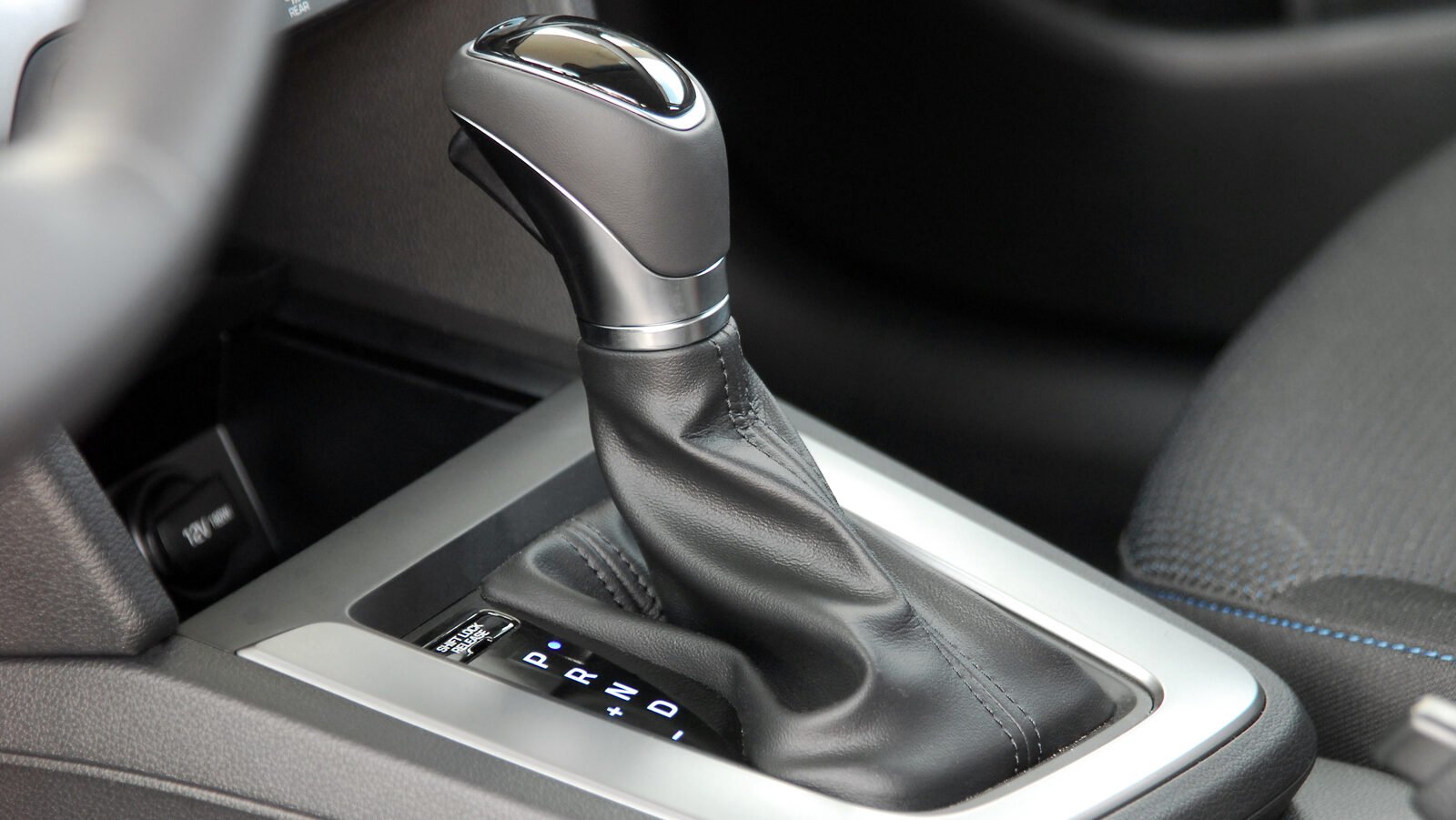
The Dangers of Human Error: Premature Shifting and Transmission Damage
Shifting from Reverse to Drive—or vice versa—before the vehicle stops forces the transmission to reverse the drivetrain’s direction while it is still carrying momentum. Depending on the transmission design, that can place unnecessary stress on clutches and other internal components, generating additional heat and accelerating wear.
The rule is simple: come to a complete stop before changing direction. Modern electronic controls may prevent the worst driver inputs, but they shouldn’t replace good driving habits.
Electronic Control: Precision in Gear Engagement
Shift-by-wire systems replace a direct mechanical selector connection with an electronic command interpreted by the vehicle’s control modules. Using inputs such as vehicle speed and brake-pedal position, the system can delay or reject an unsafe request—for example, selecting Reverse while the car is still moving forward too quickly.
The advantage is simple: the selector becomes part of the transmission’s protection strategy. It cannot prevent every form of abuse, but it can stop certain incorrect inputs from immediately reaching the drivetrain.
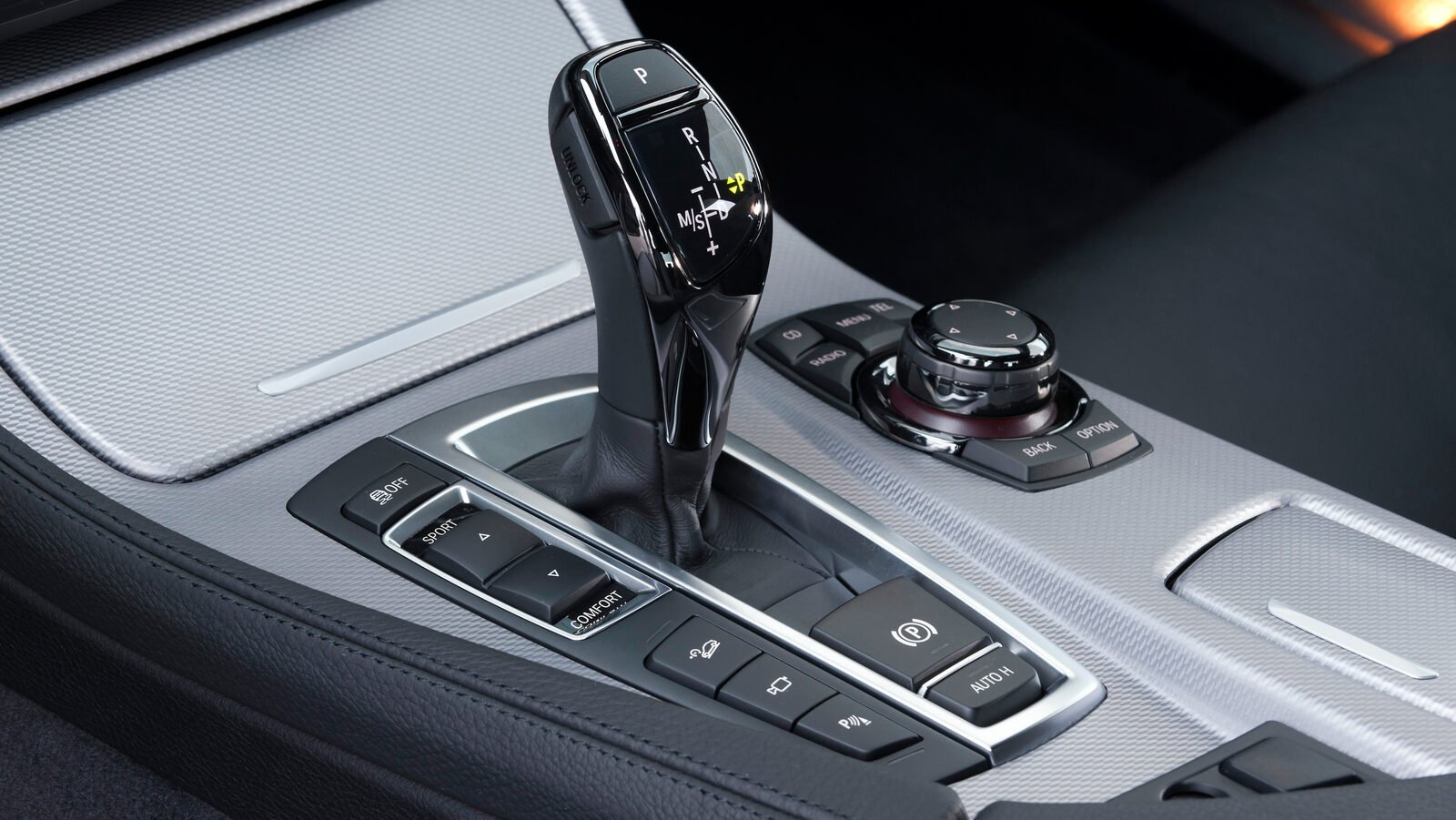
Enhancing Longevity Through Advanced Technology
As automakers increasingly integrate advanced technologies into their vehicles, the reliability and durability of key mechanical components become paramount considerations. Electronic gear shifting systems support longevity in several key ways:
- Delayed Engagement: Electronic gear selectors can implement deliberate algorithms that delay gear engagement until comprehensive parameters confirm safe conditions. This mitigates the risk of oversights that may arise from driver inattention.
- Adaptive Learning: Many modern vehicles equipped with electronic gear shifters feature adaptive learning capabilities. The ECU can monitor and learn from a driver’s shifting habits, tailoring gear engagement for optimal performance and efficiency—an advancement mechanical systems cannot replicate.
- Reduced Wear and Tear: By ensuring that gear shifts only occur under ideal circumstances, electronic systems minimize wear and tear on components that would otherwise suffer from erratic shifting patterns.
- Enhanced Diagnostic Capabilities: Electronic systems offer superior diagnostic feedback, alerting drivers to potential transmission issues with the transmission before they escalate into significant transmission problems. This proactive approach allows for timely interventions that can preserve the long-term reliability of the vehicle.
The Evolution of Gear Shifting: A Look Toward the Future
Electronic gear selectors are part of the broader shift toward software-controlled vehicle functions, allowing the transmission to integrate more closely with driver-assistance and safety systems. They also give designers greater freedom because the selector no longer requires the same mechanical connection to the transmission.
But shift-by-wire is not automatically more reliable. It can prevent certain driver errors and eliminate some mechanical linkages, while introducing electronic switches, sensors, actuators, and software of its own. Its real advantage is therefore better control over how and when a shift command is executed, not a guarantee of lower repair costs or longer transmission life.
Conclusion: Embracing the Future of Transmission Reliability
Electronic gear selectors offer a real advantage, but it is more specific than simply making transmissions more reliable. By allowing the vehicle’s control systems to intercept unsafe shift requests, they can protect the drivetrain from certain driver mistakes, particularly abrupt Reverse-to-Drive changes while the vehicle is still moving.
They are not maintenance-free and introduce electronic components that can fail. Their value comes from better control, safety integration, and packaging flexibility, with transmission protection as an additional benefit rather than a guarantee of longer life.
For a broader look at transmission choices, see our guide to manual vs. automatic transmissions.
- Chinese Cars Are Winning the Technology Race—But Will They Last?

- 2024 Toyota Camry Reliability: Is It Toyota’s Smartest Buy?

- 2023 Toyota Camry Reliability: Is Paying More Really Worth It?

- 10 Most Reliable Used Cars in 2026: Specific Years to Buy

- 2022 Toyota Camry Reliability: Is It the Best Used Camry?

- Car Reliability Ratings Explained: Which Ones Can You Actually Trust?
*Disclaimer: This website provides automotive content for informational purposes only and should not be considered professional advice. While we strive for accuracy, we do not guarantee the reliability or suitability of any vehicle or product mentioned—always conduct your own research before making purchasing decisions. Additionally, some links on this site are affiliate links, meaning we may earn a commission if you make a purchase, at no extra cost to you.