

The Mercedes-AMG GLE 63 S presents an unusual used-car problem. Its 4.0-liter twin-turbo V8 produces supercar-level performance in a practical luxury SUV, yet depreciation can eventually put used examples within reach of buyers who could never justify one new.
That doesn’t necessarily make the GLE 63 S unreliable. It makes understanding what reliability means in a highly complex AMG especially important.
The engine itself is only part of the equation. Air suspension, 48-volt electronics, cooling hardware, sophisticated all-wheel drive, huge brakes and expensive tires can make a mechanically healthy GLE 63 S costly to own.
Put simply, a used GLE 63 S can become affordable to buy long before it becomes affordable to own.
Which GLE 63 Are We Talking About?
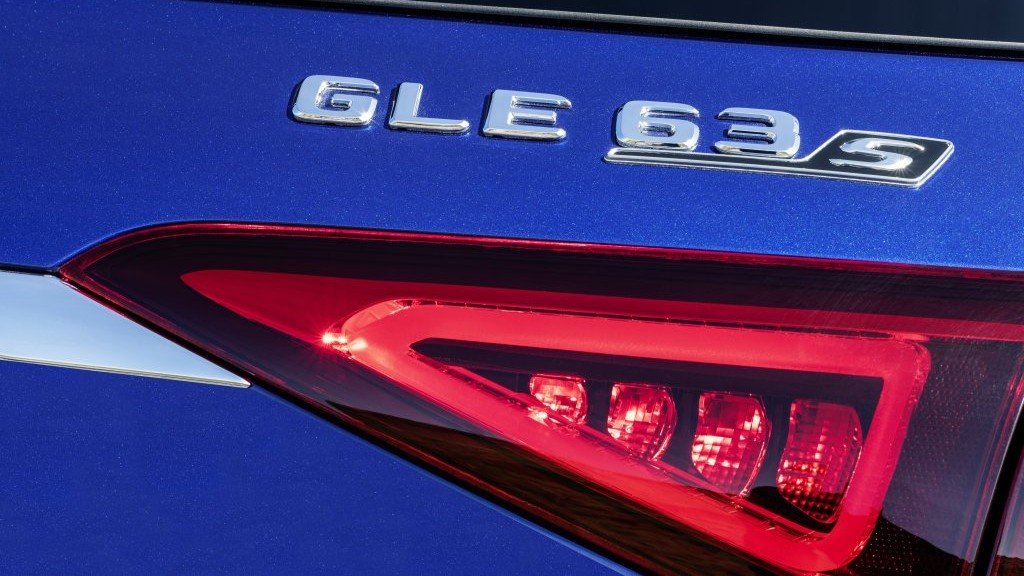
This article focuses on the U.S.-market V167 Mercedes-AMG GLE 63 S, introduced for the 2021 model year.
That distinction matters. The earlier W166 GLE 63 used a different AMG V8, transmission and electrical architecture, so its reliability record should not simply be combined with the newer model.
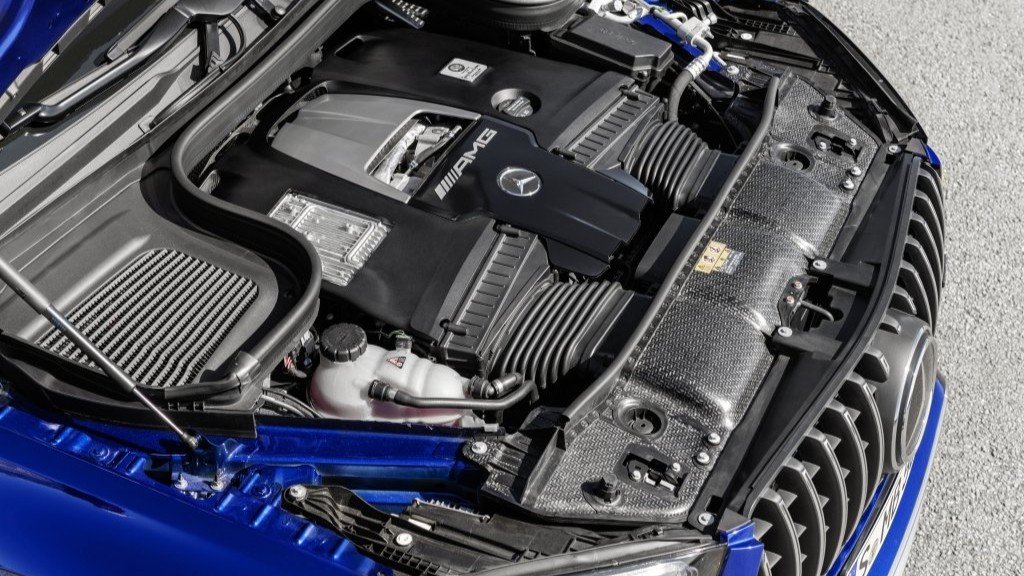
The V167 GLE 63 S pairs AMG’s 4.0-liter M177 twin-turbo V8 with a 48-volt EQ Boost system, AMG Speedshift nine-speed transmission and performance-oriented 4MATIC+ all-wheel drive. In U.S. specification, the V8 produces 603 hp before the temporary assistance available from EQ Boost.
This is an extraordinarily sophisticated powertrain. But sophistication extends far beyond the engine.
Is the M177 V8 Actually the Problem?
The M177 shouldn’t automatically be treated as the GLE 63 S’s weak point. Mercedes-AMG has used versions of its 4.0-liter twin-turbo V8 across numerous performance models, giving the engine a much broader real-world history than a low-volume SUV engine would normally accumulate.
That does not make it failure-proof. A used example still deserves careful inspection for oil or coolant leaks, abnormal noises, cooling-system problems, poor maintenance and evidence of tuning. Modifications deserve particular scrutiny because additional boost and aggressive software can change loads well beyond the factory calibration.
But focusing exclusively on the V8 misses the larger ownership risk as Engine reliability and vehicle reliability are basically not the same thing. A perfectly healthy M177 can sit inside a GLE 63 S that needs expensive suspension, electrical or chassis work.
The 48-Volt System Deserves Attention
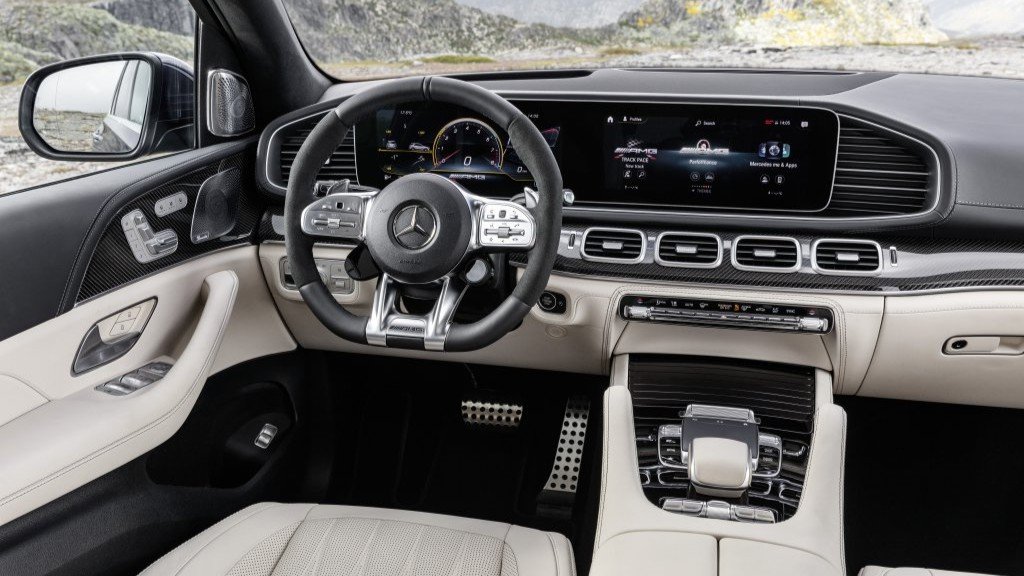
The GLE 63 S uses a 48-volt electrical system and integrated starter-generator. EQ Boost can briefly add up to 21 hp while also supporting functions such as energy recuperation. That architecture improves capability, but it also gives used buyers another system to investigate.
Mercedes recalled certain 2021–2024 GLE 63 S models because the 48-volt ground connection beneath the passenger seat could be improperly secured and overheat. Recall history does not prove that every vehicle will develop electrical problems, but it does make a VIN-specific recall check essential.
Battery condition also matters on modern Mercedes vehicles. Low voltage can create faults across interconnected modules that initially appear unrelated.
A proper pre-purchase inspection should therefore include a full diagnostic scan, not merely confirmation that no warning lights are showing.
Air Suspension and Chassis Complexity
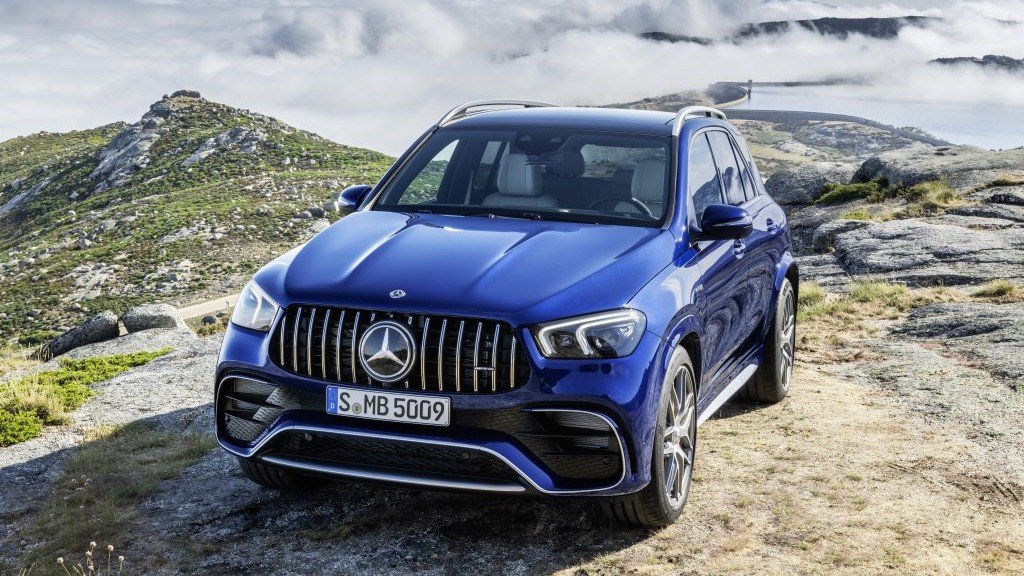
The GLE 63 S’s suspension is part of what allows a heavy SUV to combine remarkable body control with everyday comfort. It is also considerably more complicated than conventional springs and dampers.
As these vehicles age, buyers should inspect air springs, compressor operation, ride-height behavior, dampers, bushings and associated chassis electronics. A vehicle that settles unevenly after being parked deserves investigation, as does a compressor that appears to run excessively.
The important distinction is not that every GLE 63 S will suffer an air-suspension failure. It is that when sophisticated chassis hardware eventually needs attention, the repair costs reflect the vehicle’s original engineering level rather than its depreciated value.
Brakes and Tires Are Not Reliability Problems
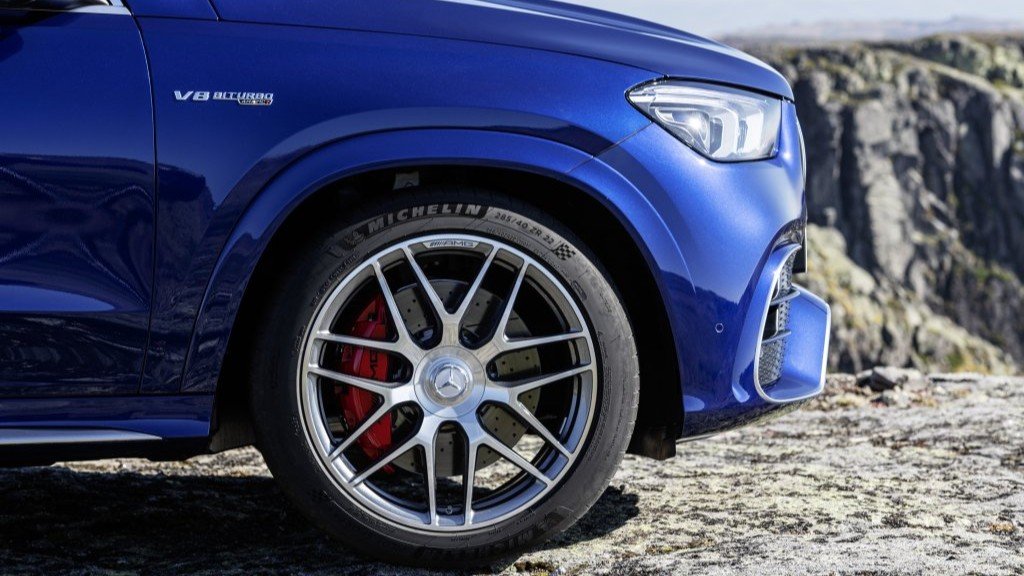
This is where ownership-cost discussions often become misleading, the GLE 63 S is a heavy SUV with 603 hp and enormous performance capability. It therefore uses large performance tires and powerful brakes—and can consume both quickly when driven hard.
Replacing expensive tires or brake components doesn’t mean the vehicle is unreliable. They are consumables and that distinction matters when budgeting:
- Maintenance includes scheduled oil, filters, fluids and inspections.
- Consumables include tires, brake pads and rotors.
- Repairs involve failed suspension, electrical, cooling, drivetrain or other components.
A buyer who combines all three categories into “reliability” will misunderstand what owning an AMG actually costs.
What Should You Check Before Buying One?
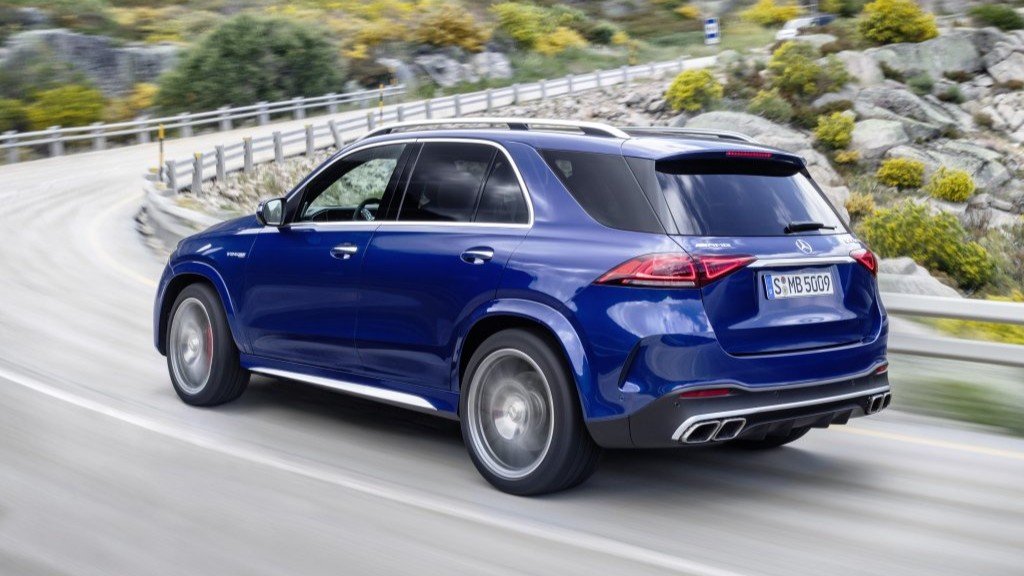
Service history matters more than a shiny exterior or unusually low asking price. Start with a cold engine and check for leaks, abnormal noises, smoke and warning messages. Drive the vehicle long enough for the engine and transmission to reach operating temperature and confirm smooth behavior under both light and heavier throttle.
Then inspect the expensive systems individually: air suspension, climate control, cameras, driver-assistance systems, powered seats, infotainment and every other major electronic feature.
Check tires for matching specifications and uneven wear, inspect brake condition and look carefully for modifications.
Finally, run the VIN for outstanding recalls and have a Mercedes/AMG specialist perform a comprehensive diagnostic scan because on a vehicle this complicated, a generic inspection is not enough.

Should You Buy the Cheapest GLE 63 S?
Probably not.
A heavily depreciated AMG with missing service records, worn brakes, aging tires and several “minor” electronic faults can erase the purchase-price saving remarkably quickly.
A more expensive example with documented servicing, good tires, healthy brakes and no unresolved faults may actually be the cheaper car.
Mileage matters, but condition, maintenance and previous use matter just as much. A lower-mileage vehicle that spent its life neglected or heavily modified is not automatically preferable to a properly maintained higher-mileage example.

Is the Mercedes-AMG GLE 63 S Reliable?
The GLE 63 S is better understood as complex rather than simply unreliable. Its M177 V8 should not be viewed in isolation. Long-term ownership involves a sophisticated 48-volt electrical system, air suspension, advanced electronics, high-performance brakes, expensive tires and numerous interconnected chassis systems.
For a buyer prepared for those costs, a well-maintained GLE 63 S delivers an extraordinary combination of performance, luxury and practicality.
For someone attracted mainly by depreciation, it can be a very different experience. The GLE 63 S gets cheaper with age, but the engineering that made it expensive in the first place does not.
If you found this post helpful, you might also like our article, “What Are The Best Used Mercedes-Benz SUVs? See The Top 3“. Explore more of our site for expert car reviews, in-depth buying guides, and the latest industry insights. There’s plenty to discover—take a look around and bookmark us for future updates!
- Chinese Cars Are Winning the Technology Race—But Will They Last?

- 2024 Toyota Camry Reliability: Is It Toyota’s Smartest Buy?
- 2023 Toyota Camry Reliability: Is Paying More Really Worth It?
- 10 Most Reliable Used Cars in 2026: Specific Years to Buy
- 2022 Toyota Camry Reliability: Is It the Best Used Camry?
- Car Reliability Ratings Explained: Which Ones Can You Actually Trust?
*Disclaimer: This website provides automotive content for informational purposes only and should not be considered professional advice. While we strive for accuracy, we do not guarantee the reliability or suitability of any vehicle or product mentioned—always conduct your own research before making purchasing decisions. Additionally, some links on this site are affiliate links, meaning we may earn a commission if you make a purchase, at no extra cost to you.