
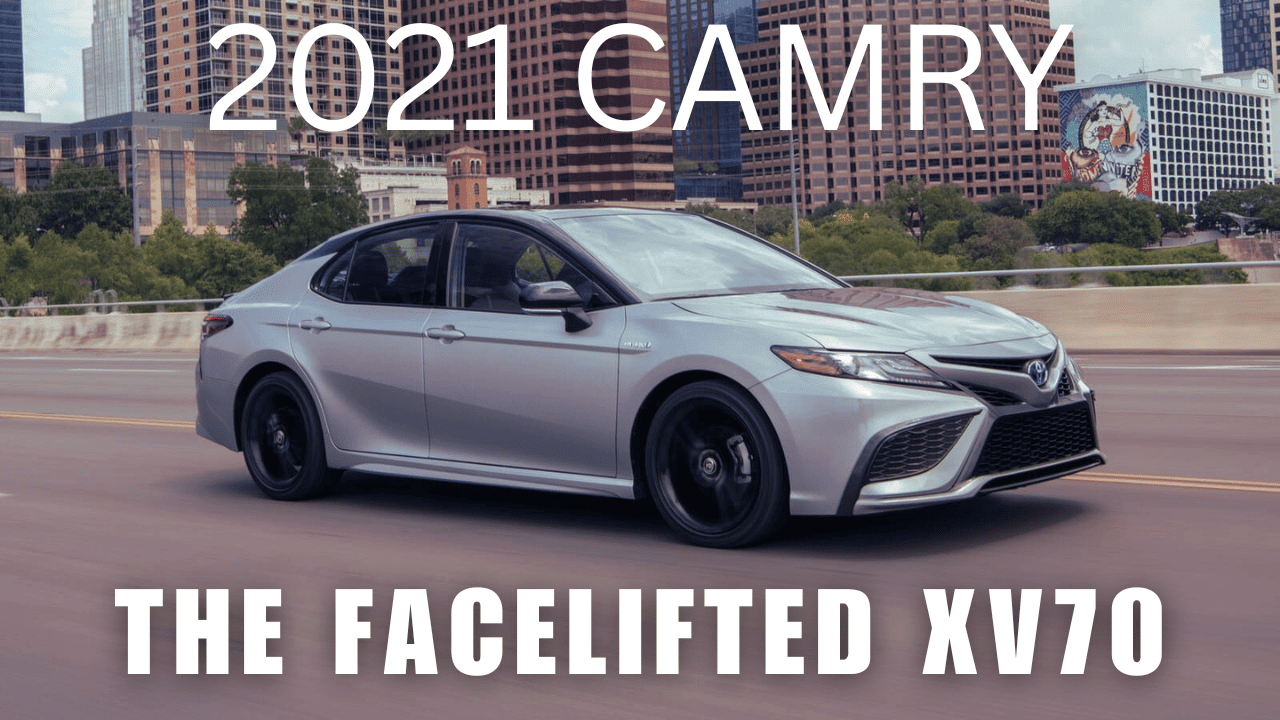
The 2021 Toyota Camry received the XV70 generation’s first meaningful update, bringing revised styling, new 7- and 9-inch infotainment displays, expanded trim choices, and Toyota Safety Sense 2.5+. Underneath, however, Toyota left the solid engines, transmissions, and hybrid system untouched.
The real question is whether those updates make the 2021 worth paying more for than a comparable 2019 or 2020. After examining Toyota’s technical information, recall records, independent reliability data, repair costs, and documented service conditions, the 2021 emerges as one of the strongest-balanced Camry years from this generation.
TopCarList Reliability Score
| Category | Score |
|---|---|
| Engine Reliability | 9.9 / 10 |
| Transmission Reliability | 9.8 / 10 |
| Electronics | 9.5 / 10 |
| Build Quality | 9.8 / 10 |
| Maintenance Costs | 9.7 / 10 |
| Parts Availability | 10 / 10 |
| Long-Term Ownership | 9.9 / 10 |
| Overall Reliability | 9.8 / 10 |
Quick Verdict
The 2021 Toyota Camry is a reliable used midsize sedan and one of the easiest XV70 model years to recommend. It combines mature engines and transmissions with worthwhile safety and infotainment improvements, without the added uncertainty that usually accompanies a full redesign. A well-maintained 2020 may offer better value when it costs substantially less, while a comparable 2022 should be chosen mainly for lower mileage or better condition rather than any significant mechanical advantage
What Changed for 2021?
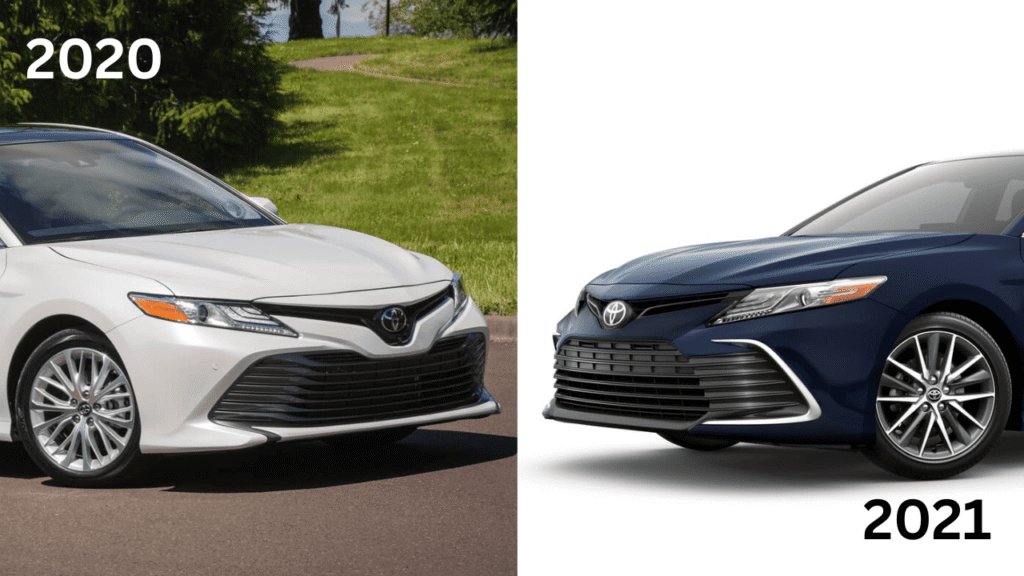
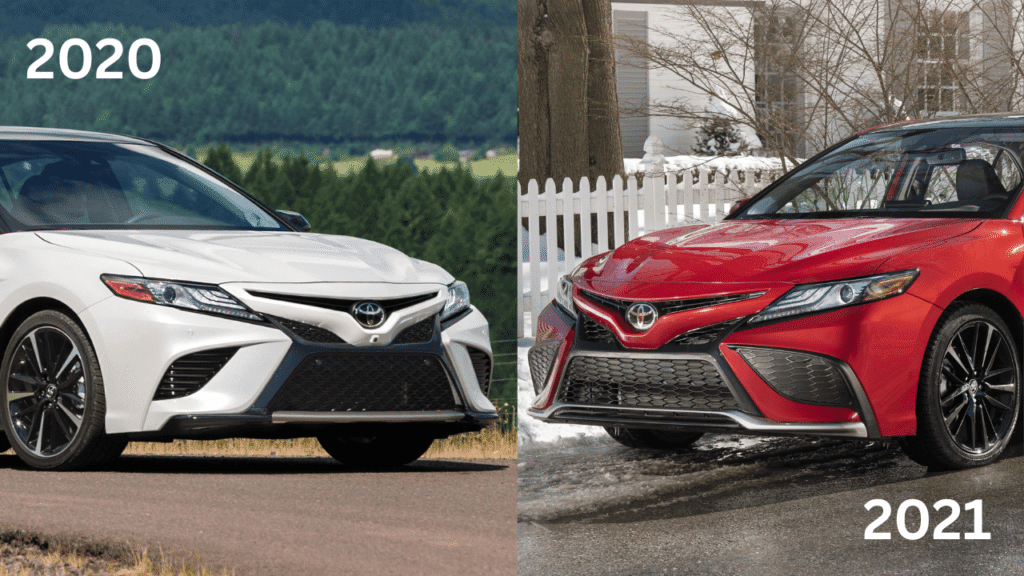
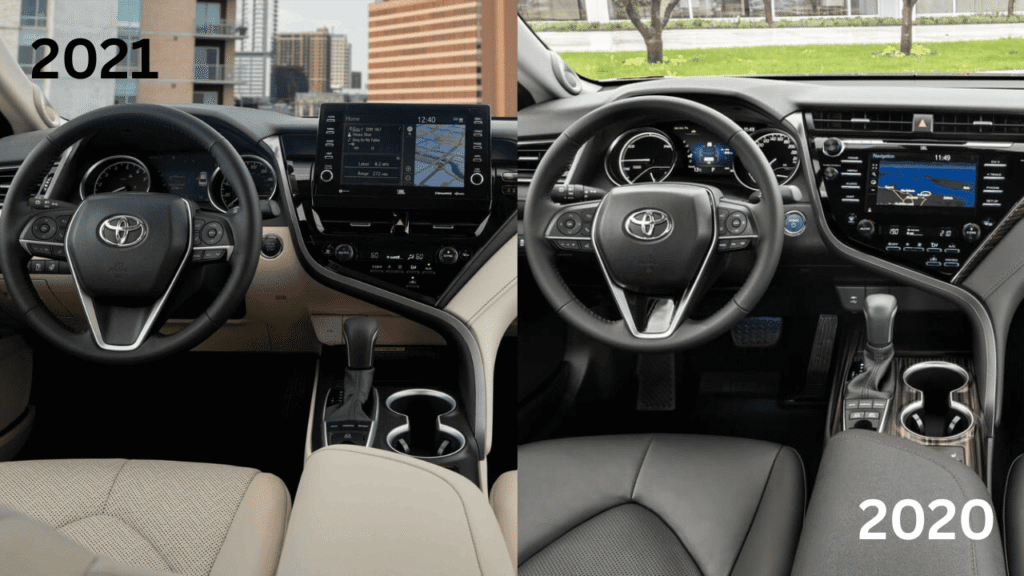
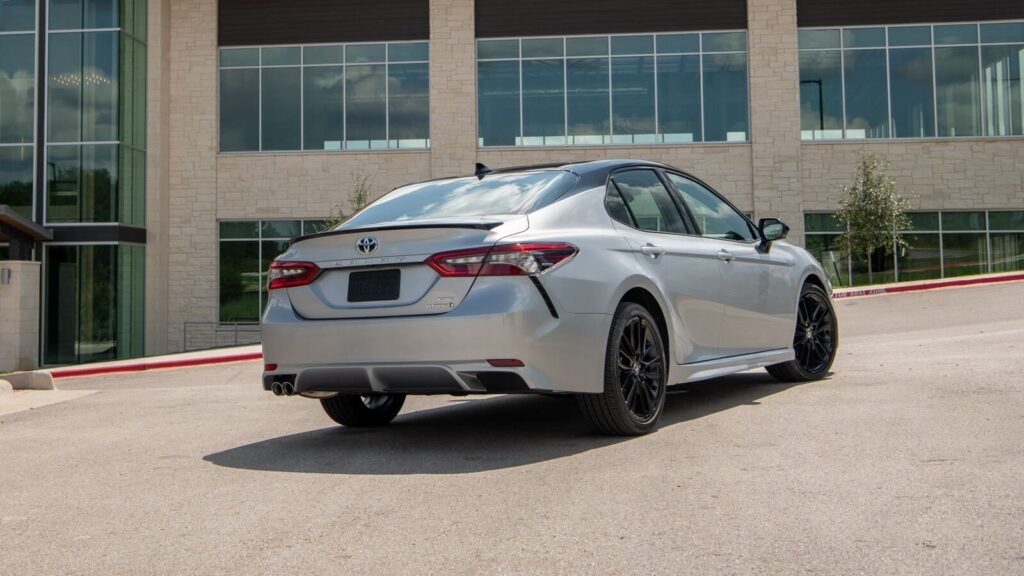
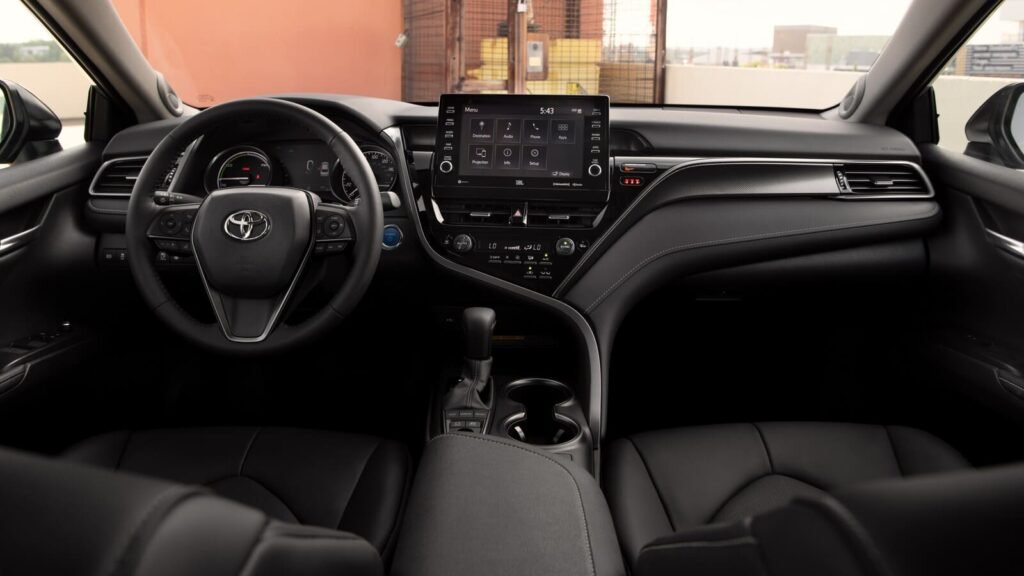
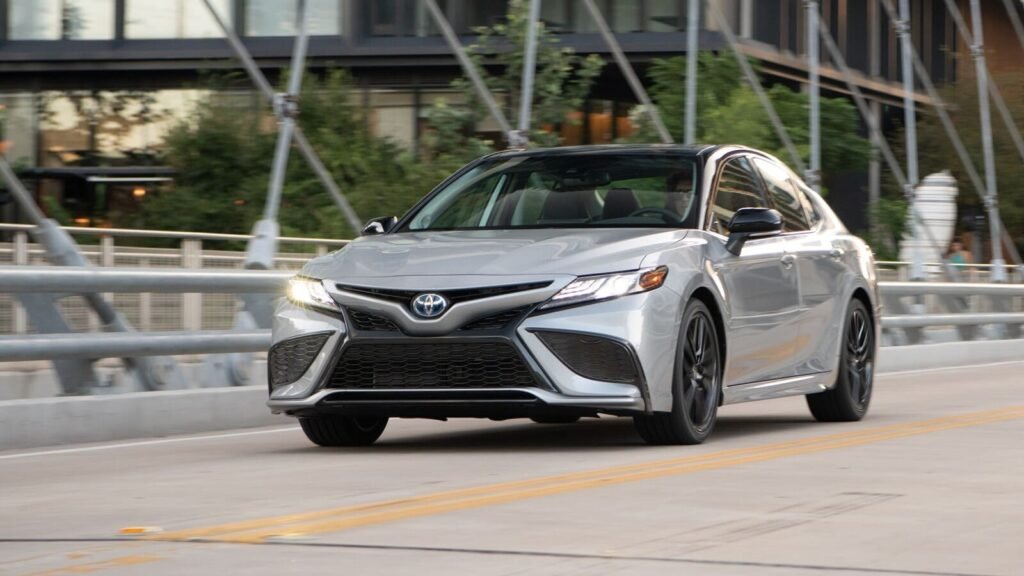
Toyota updated the Camry’s front styling, wheel designs, interior trim, and infotainment layout for 2021. The previous dashboard-integrated displays gave way to floating 7- or 9-inch touchscreens, while every grade received Toyota Safety Sense 2.5+. The lineup also gained the first XSE Hybrid, combining the hybrid drivetrain with the more aggressively styled XSE trim.
Notable updates included:
- Revised front fascia and grille
- Updated headlights on selected trims
- Larger available 9-inch infotainment display
- Improved touchscreen positioning
- Better integration of Android Auto and Apple CarPlay
- Interior trim updates
- Expanded driver-assistance features
2020 vs. 2021: Is It Worth Paying More?
Mechanically, the two model years are more alike than they are different. The real improvements come in the areas owners interact with every day—interior refinement, technology, and overall comfort—rather than any meaningful change in long-term durability.
| Category | 2020 | 2021 |
|---|---|---|
| Engine Reliability | ★★★★★ | ★★★★★ |
| Transmission Reliability | ★★★★★ | ★★★★★ |
| Technology | ★★★★☆ | ★★★★★ |
| Interior Refinement | ★★★★☆ | ★★★★★ |
| Overall Recommendation | ★★★★★ | ★★★★★ |
If both vehicles have similar mileage and maintenance histories, I’d usually choose the 2021 model provided the price premium remains reasonable.
How Reliable Is the 2021 Toyota Camry?
Independent data support a strong overall assessment. The known concerns are mostly narrower component, software, or refinement issues. These deserve attention during an inspection, but they do not undermine the Camry’s basic mechanical durability.
| Organization | Rating |
|---|---|
| Consumer Reports | Above Average Predicted Reliability (80/100) |
| J.D. Power | Excellent Quality & Reliability (82 out of 100) |
| RepairPal | Excellent 4.0 / 5.0 |
| IIHS | Top Safety Pick+ (properly equipped) |
| Average Annual Repair Cost | Around $390 |
It’s this combination of strong reliability and modest running costs that continues to set the Camry apart. Few midsize sedans manage to pair consistently high dependability with such predictable ownership expenses, which goes a long way toward explaining why used Camrys continue to hold their value so well.
Engine Reliability
Both gasoline engines had already established an excellent reliability record, giving the company little reason to interfere with a formula that was clearly working.
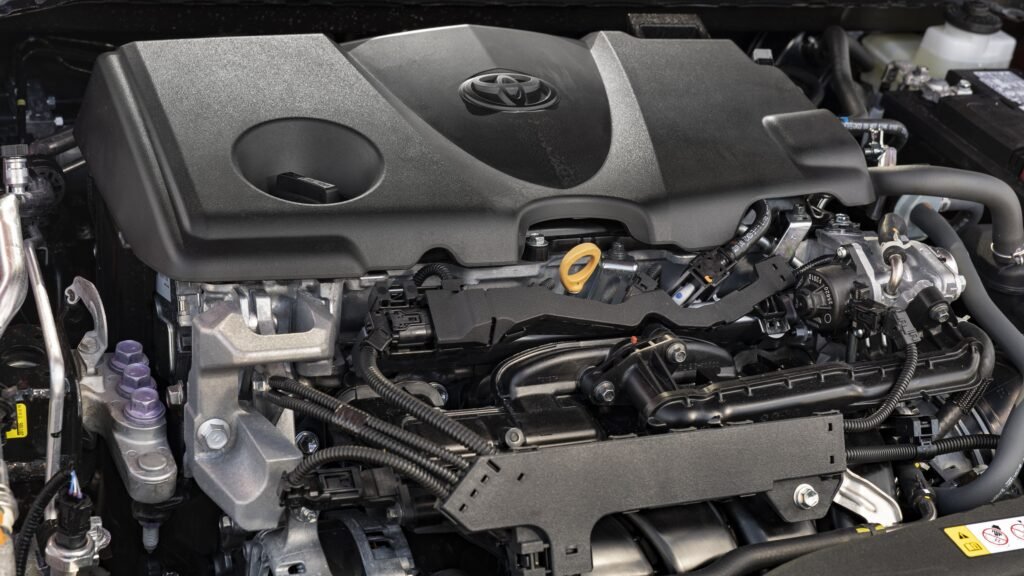
2.5-Liter Dynamic Force Four-Cylinder
By 2021, the A25A-FKS 2.5-liter engine has consistently proven economical to run, with low oil consumption, strong fuel economy, and very few reports of major engine repairs even at high mileage. A key reason is Toyota’s D-4S dual-injection system, which combines port and direct fuel injection to help reduce intake valve carbon buildup while maintaining efficiency. Routine oil changes and scheduled maintenance are generally all that’s required to keep the engine performing reliably for many years.
3.5-Liter V6
For 2021, the 3.5-liter V6 remained available in the XLE, XSE, and TRD, giving buyers a choice between comfort, sharper styling, and a more performance-focused setup without changing the underlying 301-horsepower engine.
The refreshed XSE is arguably the most balanced of the three, combining the updated cabin and exterior with the effortless power that separates it from the four-cylinder models. Reliability alone does not make the V6 the automatic choice, however, since buyers must also accept higher fuel consumption and typically higher purchase prices.
Transmission Reliability
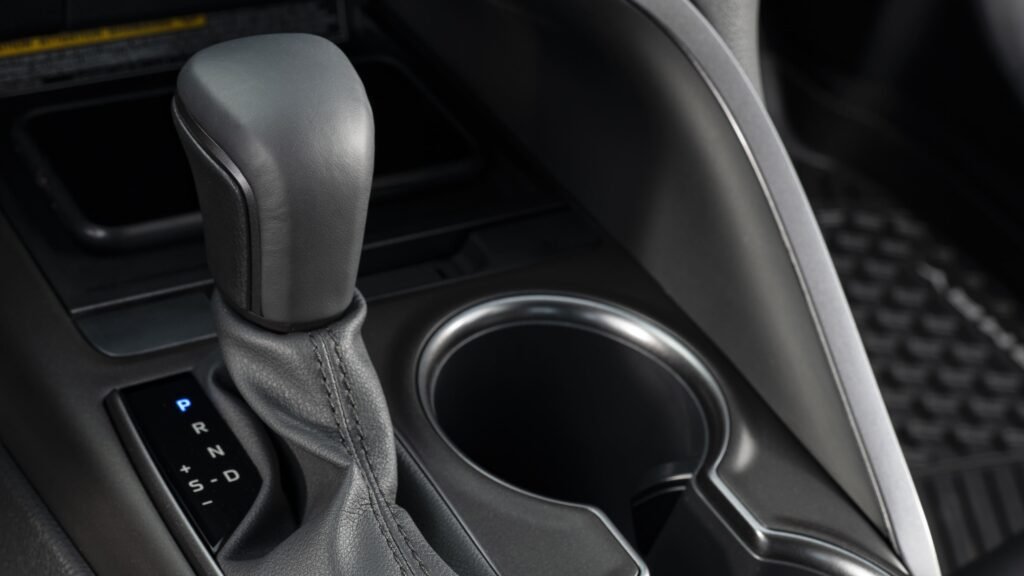
By 2021, the transmission had several years of production and calibration development behind it. It was not a newly designed gearbox, and Toyota did not claim a major mechanical redesign for the refresh. Available reliability evidence also does not show a widespread pattern of transmission replacement or catastrophic failure in the 2021 model.
Most Common Problems
No modern vehicle is entirely problem-free. Fortunately, the list of recurring concerns remains surprisingly short.
1. Infotainment Software
Despite the updated hardware, some owners still report occasional software-related issues, most commonly intermittent Bluetooth connectivity and sluggish touchscreen responses. These are generally minor annoyances rather than hardware failures and rarely require anything more than a software update or reset.
2. Fuel Pump Recall
Some 2021 Camrys were included in Toyota’s broader fuel pump recall campaign, but repeat failures after the repair have been uncommon.
3. Brake Noise
A small number of owners continue to report brake squeal during light braking, although updated brake pads typically resolve the issue.
4. Minor Interior Rattles
As the miles accumulate, some owners notice minor rattles from the dashboard or door panels. These are cosmetic annoyances rather than signs of underlying mechanical problems.
Problems at a Glance
| Problem | Frequency | Severity | Typical Cost |
|---|---|---|---|
| Infotainment software | Moderate | Low | Software update |
| Fuel pump recall | Low | Low | Free |
| Brake noise | Moderate | Low | $200–400 |
| Interior rattles | Low | Very Low | Minimal |
Perhaps the strongest compliment I can give the 2021 Camry is this:
By now, owner complaints focus almost entirely on convenience and refinement rather than durability. That’s exactly what you’d hope to see from a mature Toyota platform.
Recall History
The 2021 Camry’s recall history highlights just how mature the XV70 platform had become. Unlike the first model year, which experienced several recalls typical of a complete redesign, the 2021 model has only one widely reported recall.
2021 Toyota Camry Recall History
| Recall | What Happened? | Toyota’s Fix |
|---|---|---|
| Occupant Classification System (OCS) Sensor (2023) | A short circuit could develop in the front passenger Occupant Classification System (OCS) sensor, potentially preventing the passenger airbag from deploying during a crash. | Toyota inspects the OCS sensor and replaces it where necessary, free of charge. |
As always, confirm that the recall work has been completed before purchasing by checking the VIN with any Toyota dealer. You can also use Toyota’s VIN lookup tool to check for outstanding recalls, and if you’re interested in learning more about Toyota engine recalls, we’ve covered them in a separate article.
2021 Camry Hybrid Reliability
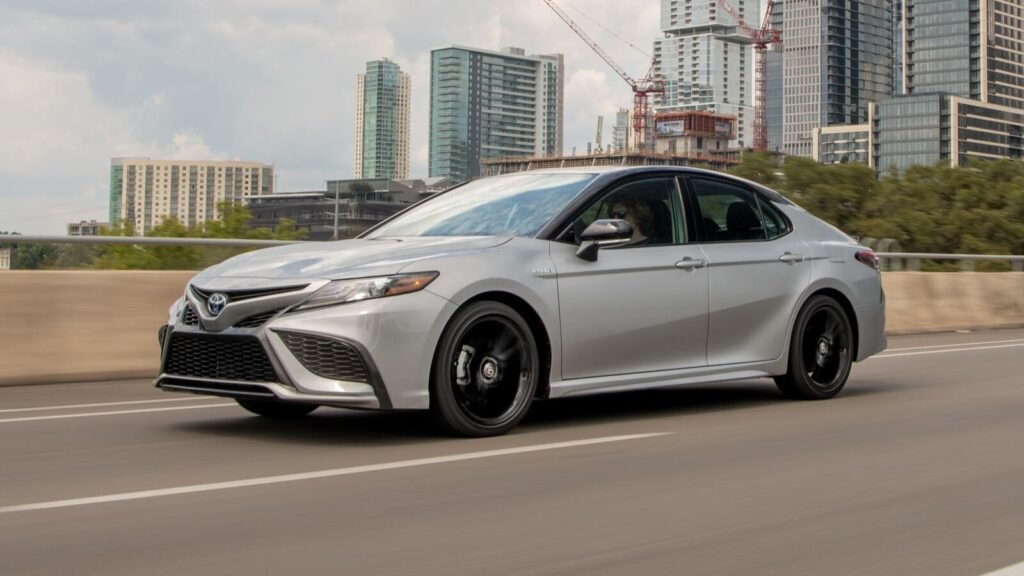
The 2021 Camry Hybrid continued with Toyota Hybrid System II and added the new XSE Hybrid trim. The system combines the A25A-FXS 2.5-liter engine with electric motors and an electronic power-split transaxle. No widespread 2021 pattern has been established involving premature traction-battery replacement, inverter failure, or hybrid-transaxle failure.
Hybrid Reliability Summary
| Component | Reliability |
|---|---|
| Hybrid Battery | ★★★★★ |
| eCVT Transmission | ★★★★★ |
| Electric Motors | ★★★★★ |
| Power Electronics | ★★★★☆ |
| Cooling System | ★★★★★ |
For buyers covering high annual mileage or spending hours in city traffic, the Hybrid remains one of the smartest long-term purchases in the midsize sedan market.
Maintenance Costs
One of the Camry’s biggest strengths is how predictable ownership remains over the long term. It avoids the added complexity of turbochargers, air suspension, and dual-clutch transmissions, reducing the likelihood of expensive repairs as the miles add up. Routine maintenance is straightforward, widely understood by independent repair shops, and rarely comes with unpleasant surprises.
Typical Maintenance Costs
| Service | Estimated Cost |
|---|---|
| Engine oil & filter | $60–100 |
| Tire rotation | $25–60 |
| Engine air filter | $25–60 |
| Cabin air filter | $30–70 |
| Front brake pads | $250–450 |
| Brake pads & rotors | $500–800 |
| Spark plugs | $250–450 |
| Transmission fluid service | $250–450 |
| Coolant replacement | $150–250 |
| 12V battery | $180–300 |
Although prices vary by location, the Camry continues ranking among the least expensive midsize sedans to maintain over the long term.
Reliability by Mileage
The 2021 Camry has not yet accumulated as many ultra-high-mileage examples as older generations, but the evidence available today points toward another exceptionally durable Toyota.
| Mileage | Typical Ownership Experience |
|---|---|
| 0–50,000 miles | Routine servicing only |
| 50,000–100,000 miles | Tires, brakes, battery, filters |
| 100,000–150,000 miles | Spark plugs, suspension components, fluid services |
| 150,000–200,000 miles | Continued dependable ownership with preventative maintenance |
| 200,000–300,000+ miles | Highly achievable based on current reliability trends |
As always, documented maintenance history matters far more than odometer readings alone.
Is the 2021 Worth Paying More Than a 2019 or 2020?
Compared with the 2019, the 2021 offers a more modern cabin, updated infotainment, Toyota Safety Sense 2.5+, and the benefit of several additional years of production refinement. The comparison with the 2020 is much closer since both share the same proven mechanical package, making price, mileage, and maintenance history more important than the model year itself. On the other hand, the 2022 brought no major mechanical improvements, so unless it offers lower mileage or better condition, the 2021 remains just as compelling.
| If You Want… | Best Choice |
|---|---|
| Lowest purchase price | 2019 |
| Best overall value | 2020 |
| Updated infotainment | 2021 |
| More modern interior | 2021 |
| Maximum long-term reliability | 2020–2021 (Essentially tied) |
Personally, if the price difference between a comparable 2020 and 2021 model were only moderate, I’d happily pay the premium. You’ll enjoy the technology upgrades every day while giving up virtually nothing in terms of long-term durability.
How Does It Compare with the Competition?
Toyota still wasn’t without strong competition. The Honda Accord remained more enjoyable to drive, while the Mazda6 continued offering one of the nicest interiors in the class. Yet reliability remains the Camry’s strongest argument.
Honda Accord
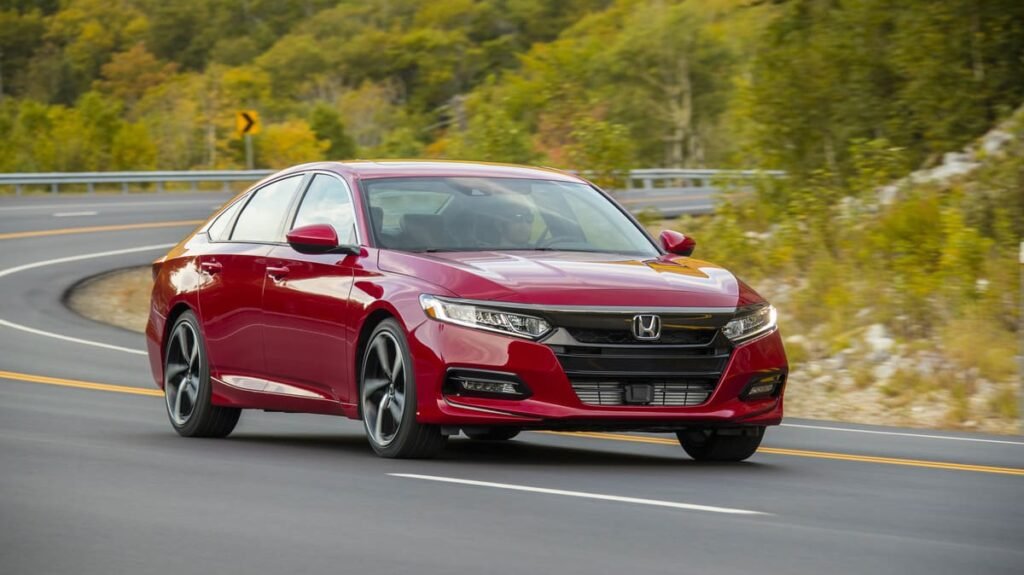
The 2021 Honda Accord remains the Camry’s closest rival, offering sharper handling, a roomier rear seat, and a more upscale interior. The Camry counters with a broader choice of powertrains, including a V6 and a hybrid, while its naturally aspirated four-cylinder has built a slightly stronger long-term reliability record than Honda’s turbocharged 1.5-liter engine.
Mazda Mazda6
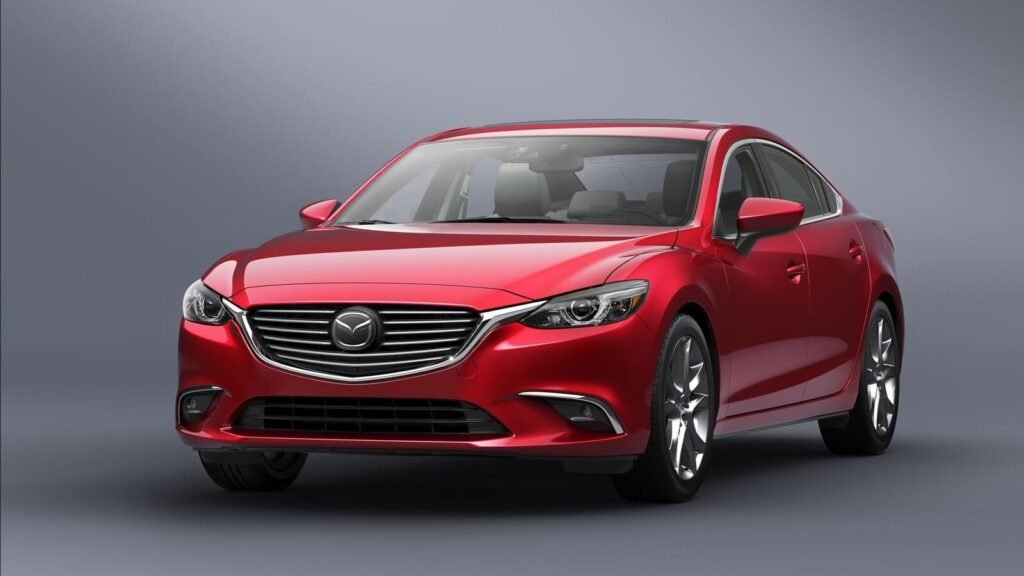
The Mazda6 appeals to drivers who value steering feel, interior quality, and a more engaging driving experience. While it feels more premium behind the wheel, it lacks a hybrid option, offers less rear-seat space, and generally trails the Camry in resale value and long-term ownership costs.
Hyundai Sonata
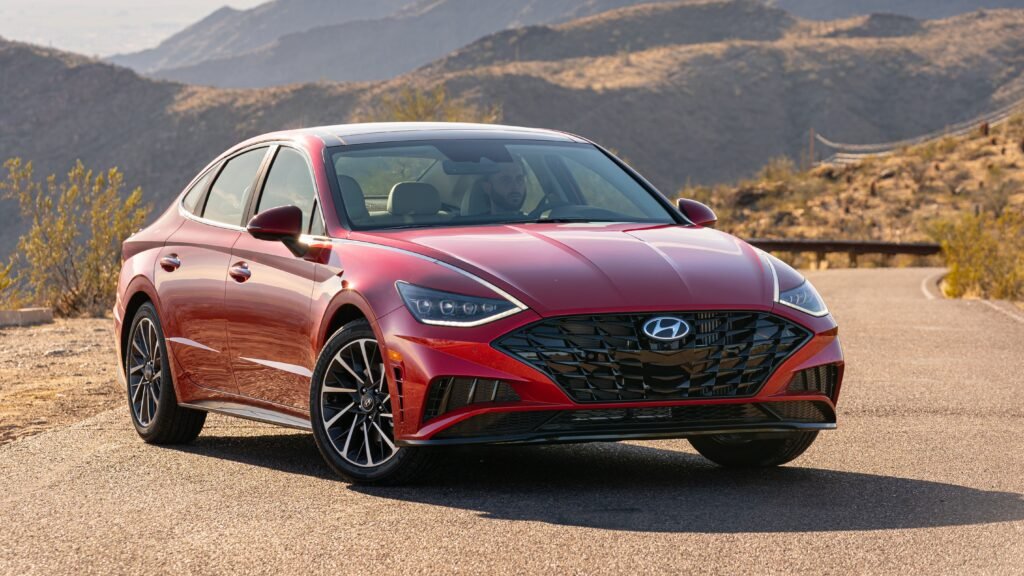
Hyundai gave the Sonata bold styling, a feature-rich cabin, and one of the best warranties in the segment, making it an attractive value when new. The Camry, however, has the advantage when it comes to long-term durability, resale value, and the confidence that comes from a powertrain with a longer proven track record.
Kia K5
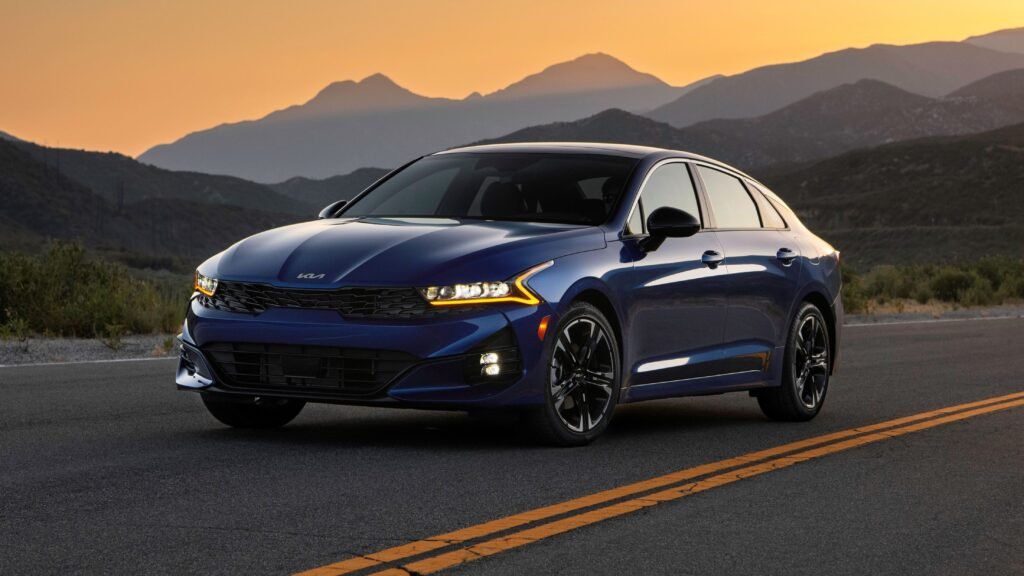
The Kia K5 stands out with sporty styling, a modern interior, and strong technology for the money, particularly in GT-Line trim. Buyers planning to keep a car well beyond 150,000 miles are generally better served by the Camry, whose engines and transmissions have accumulated a more consistent long-term reliability history.
Nissan Altima
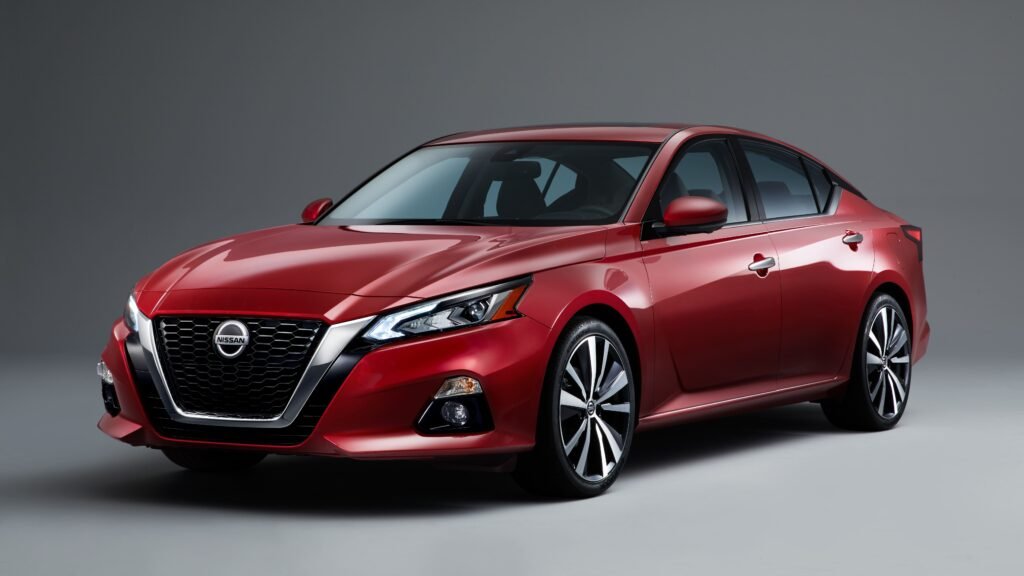
The 2021 Altima is available with all-wheel drive, something the Camry could not match until the 2020 model year, and it delivers a comfortable ride with good fuel economy. Its CVT has improved over earlier generations, but the Camry’s conventional eight-speed automatic and hybrid eCVT continue to inspire greater long-term confidence among owners.
| Model | Reliability | Ownership Costs | Driving Enjoyment |
|---|---|---|---|
| 2021 Toyota Camry | ★★★★★ | ★★★★★ | ★★★★☆ |
| Honda Accord | ★★★★☆ | ★★★★☆ | ★★★★★ |
| Mazda6 | ★★★★☆ | ★★★★☆ | ★★★★★ |
| Hyundai Sonata | ★★★★☆ | ★★★★☆ | ★★★★☆ |
| Kia K5 | ★★★★☆ | ★★★★☆ | ★★★★☆ |
So, in short, if your priority is minimising long-term ownership costs while maximizing reliability, the Camry continues setting the standard.
Mechanic’s Buying Checklist
Before purchasing a used 2021 Camry, however, I’d recommend inspecting the following.
Mechanical
- Start the engine from cold.
- Test the transmission during stop-and-go driving.
- Listen for suspension noises.
- Check underneath for fluid leaks.
- Confirm all warning lights remain off.
Interior
- Test every infotainment feature.
- Pair a smartphone using Bluetooth and Apple CarPlay or Android Auto.
- Verify climate control operation.
- Inspect all power accessories.
Documentation
- Full maintenance records.
- Regular oil change history.
- Recall work completed.
- Clean vehicle history report.
- Independent pre-purchase inspection.
A thorough inspection remains inexpensive compared with the cost of correcting hidden accident damage or neglected maintenance no matter how reliable the model was.
TopCarList XV70 Ranking
| Model Year | TopCarList Rating |
|---|---|
| 2018 | ⭐⭐⭐⭐☆ |
| 2019 | ⭐⭐⭐⭐⭐ |
| 2020 | ⭐⭐⭐⭐⭐ |
| 2021 | ⭐⭐⭐⭐⭐ |
| 2022 | Coming Soon |
| 2023 | Coming Soon |
| 2024 | Coming Soon |
Should You Buy a 2021 Toyota Camry?
The 2021 Camry strikes an excellent balance between modern features and long-term dependability, making it one of the strongest choices of the XV70 generation. Its refreshed design and technology are meaningful upgrades, while the proven powertrains avoid the uncertainty that often accompanies a new generation. As with any used car, however, a well-maintained example with a documented service history will almost always be a better purchase than a neglected vehicle, regardless of model year.
Some Quick 2021 Camry FAQ
How many miles can a 2021 Toyota Camry last?
No fixed mileage can be guaranteed. The available evidence supports strong long-term durability, but actual lifespan depends on maintenance, driving conditions, accident history, and whether developing problems are addressed promptly.
Does the 2021 Camry have transmission problems?
Some early XV70 Camrys had documented hesitation and shift-quality complaints, many of which were addressed through revised calibration. The 2021 eight-speed is generally better refined, and no widespread pattern of mechanical transmission failure has been established, though every used car should still be test-driven carefully.
Is the 2021 Camry Hybrid reliable?
Yes. Current evidence supports strong reliability for the hybrid engine, inverter, battery, and power-split transaxle. Older or high-mileage cars should receive a battery-health test, particularly after prolonged operation in very hot climates.
Is the four-cylinder or V6 more reliable?
Both currently have strong reliability evidence. The four-cylinder is cheaper to fuel and generally easier to justify, while the V6 offers more performance at higher operating cost. Condition and maintenance history matter more than assuming either engine is universally superior.
Is the 2021 Camry better than the 2022?
Mechanically, the difference is minimal. The 2022 may be newer and have lower mileage, but a comparable 2021 usually offers nearly the same ownership experience for less money.
What should I inspect before buying?
Check the VIN for completed recalls, test the transmission at low speeds, inspect for coolant and oil leaks, test the complete infotainment system, listen for brake noise and interior rattles, and obtain a battery-health report on hybrid models.
- Chinese Cars Are Winning the Technology Race—But Will They Last?

- 2024 Toyota Camry Reliability: Is It Toyota’s Smartest Buy?
- 2023 Toyota Camry Reliability: Is Paying More Really Worth It?
- 10 Most Reliable Used Cars in 2026: Specific Years to Buy
- 2022 Toyota Camry Reliability: Is It the Best Used Camry?
- Car Reliability Ratings Explained: Which Ones Can You Actually Trust?
*Disclaimer: This website provides automotive content for informational purposes only and should not be considered professional advice. While we strive for accuracy, we do not guarantee the reliability or suitability of any vehicle or product mentioned—always conduct your own research before making purchasing decisions. Additionally, some links on this site are affiliate links, meaning we may earn a commission if you make a purchase, at no extra cost to you.