
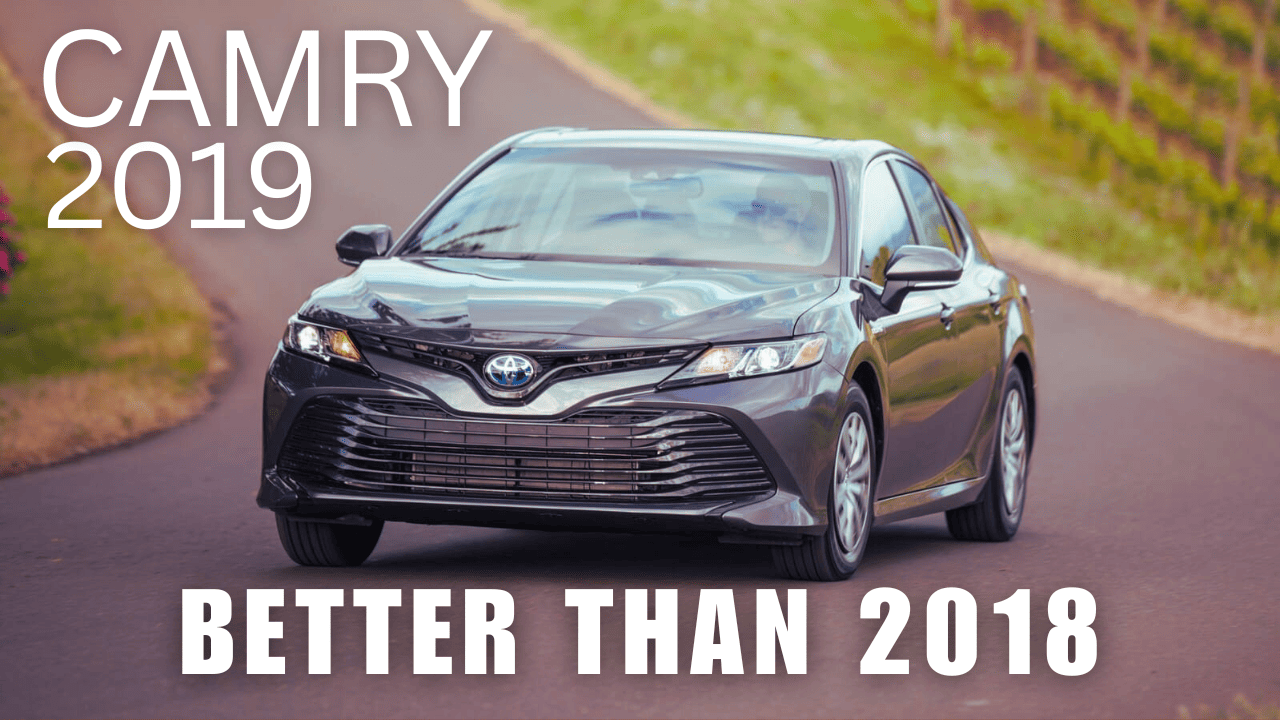
In our review of the 2018 Toyota Camry, we found that Toyota’s complete redesign successfully preserved the model’s long-standing reputation for reliability despite a few early software refinements. For 2019, Toyota left the proven mechanical package largely unchanged, instead focusing on comfort and convenience by adding features such as Apple CarPlay and a Wi-Fi hotspot as standard on most trims. The question is whether those updates, together with an extra year of production refinement, make the 2019 a better buy than a similarly priced 2018.
To answer that, we once again compared owner experiences, independent mechanic feedback, and long-term reliability data from Consumer Reports, J.D. Power, RepairPal, and other trusted industry sources. The findings reinforce why many experienced buyers see the second year of a new generation as the sweet spot between value and refinement.
TopCarList Reliability Score
| Category | Score |
|---|---|
| Engine Reliability | 9.9 / 10 |
| Transmission Reliability | 9.5 / 10 |
| Electronics | 9.2 / 10 |
| Build Quality | 9.7 / 10 |
| Maintenance Costs | 9.7 / 10 |
| Parts Availability | 10 / 10 |
| Long-Term Ownership | 9.8 / 10 |
| Overall Reliability | 9.7 / 10 |
Bottom Line
If the 2018 Camry proved Toyota’s redesign was a success, the 2019 model confirmed it. By the second production year, most early refinements were already in place, reliability remained excellent across every powertrain, and ownership costs stayed comfortably below the segment average. For many buyers, the 2019 is one of the safest used Camrys you can buy.
What’s New for 2019?
Mechanically, very little changed—and that’s exactly what you’d hope to see. Rather than introducing more new hardware, Toyota focused on refining the software, improving production consistency, and updating equipment on selected trims. Those changes rarely grab headlines, but they’re often the kind that make an already dependable car even better to own.
2018 vs. 2019: Is There a Difference?
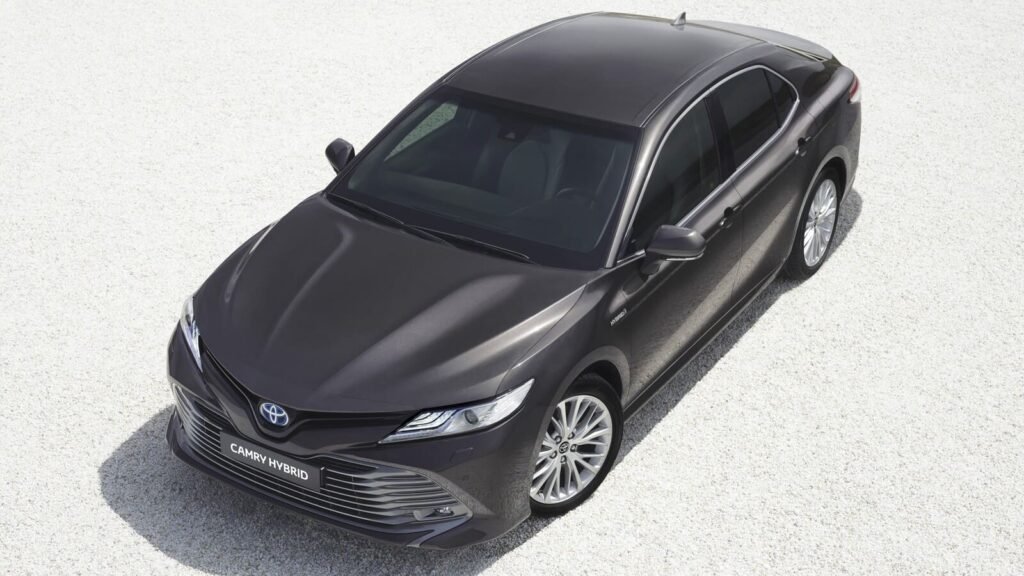
If you’re choosing between a 2018 and a 2019 Camry, the difference isn’t dramatic, but could be meaningful. The 2019 benefits from a full year of real-world refinements, making it the more reassuring choice if the price difference is reasonable.
| Category | 2018 | 2019 |
|---|---|---|
| Transmission Calibration | Good | Better |
| Early Production Issues | Some | Fewer |
| Build Consistency | Very Good | Excellent |
| Reliability Confidence | High | Very High |
| Overall Recommendation | ★★★★☆ | ★★★★★ |
If both cars have similar mileage and maintenance histories, I’d usually lean toward the 2019 model unless the price difference becomes significant.
Reliability Ratings
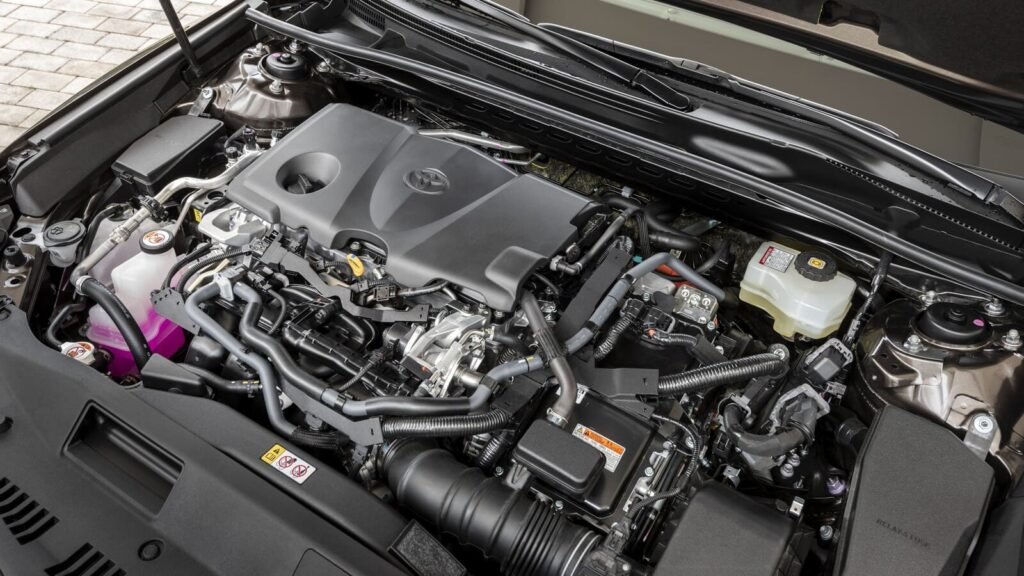
Independent reliability organizations continue to place the 2019 Camry among the strongest vehicles in its class.
| Organization | Rating |
|---|---|
| Consumer Reports | Above Average Predicted Reliability |
| J.D. Power | Excellent Quality & Reliability |
| RepairPal | 4.0 / 5.0 |
| IIHS | Top Safety Pick+ (properly equipped) |
| Average Annual Repair Cost | Around $390 |
RepairPal estimates annual repair costs at around $390, comfortably below the midsize sedan average. Just as importantly, major unexpected repairs remain uncommon, making the Camry one of the more predictable family sedans to own over the long term.
Engine Reliability
Toyota wisely left the proven engine lineup unchanged for 2019, and both powertrains continue to deliver the reliability the Camry is known for.
2.5-Liter Dynamic Force Four-Cylinder
By 2019, the A25A-FKS had already established an excellent reputation. Its dual-injection system helps reduce carbon buildup, excessive oil consumption is rarely reported, and high-mileage examples continue to demonstrate strong durability. With routine maintenance, it’s an efficient, dependable engine that’s built for the long haul.
3.5-Liter V6
The 2GR-FKS V6 remains one of the best naturally aspirated engines offered in a mainstream sedan. It delivers effortless performance without the added complexity of turbocharging, and while maintenance costs are slightly higher than the four-cylinder, long-term reliability remains excellent.
Transmission Reliability
The eight-speed automatic was further refined for 2019, with fewer complaints about hesitation and low-speed shift behavior than the launch-year model. Although the occasional owner still reports minor hesitation under light throttle, the transmission has continued to demonstrate excellent mechanical durability. If anything, the 2019 reinforces that the early concerns were largely related to software calibration rather than hardware reliability.
The Most Common Problems
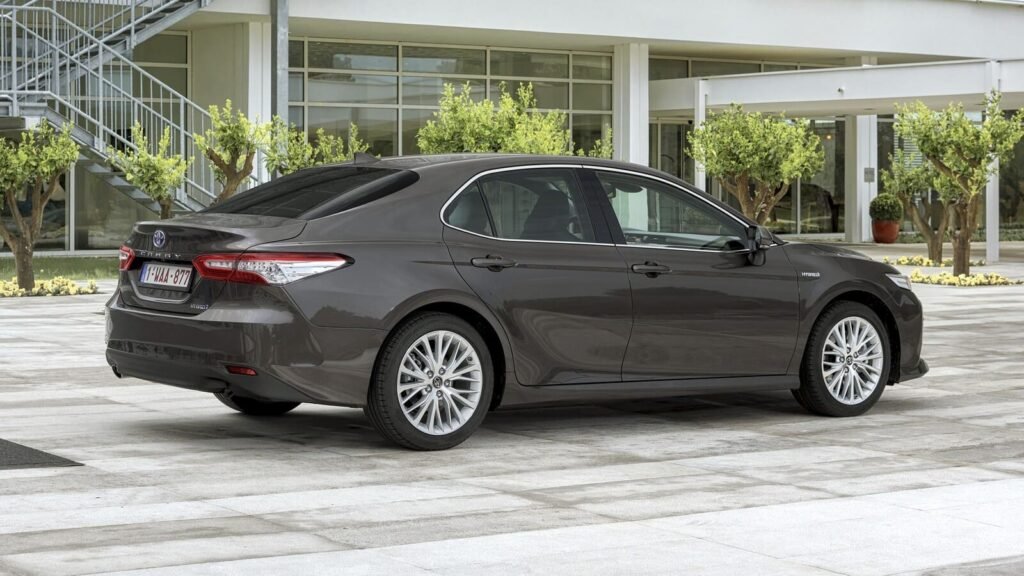
Like any vehicle, the 2019 Camry isn’t completely free of faults. The good news is that the remaining issues are generally minor, well documented, and far less concerning than the major mechanical failures seen in some competing midsize sedans.
1. Transmission Shift Feel
Although improved over 2018, a small number of owners still report occasional hesitation or delayed downshifts during gentle acceleration. Software updates often improve the driving experience.
2. Fuel Pump Recall
Some vehicles were included in Toyota’s large fuel pump recall affecting several Toyota and Lexus models. The repair is straightforward and completed free of charge.
3. Infotainment System
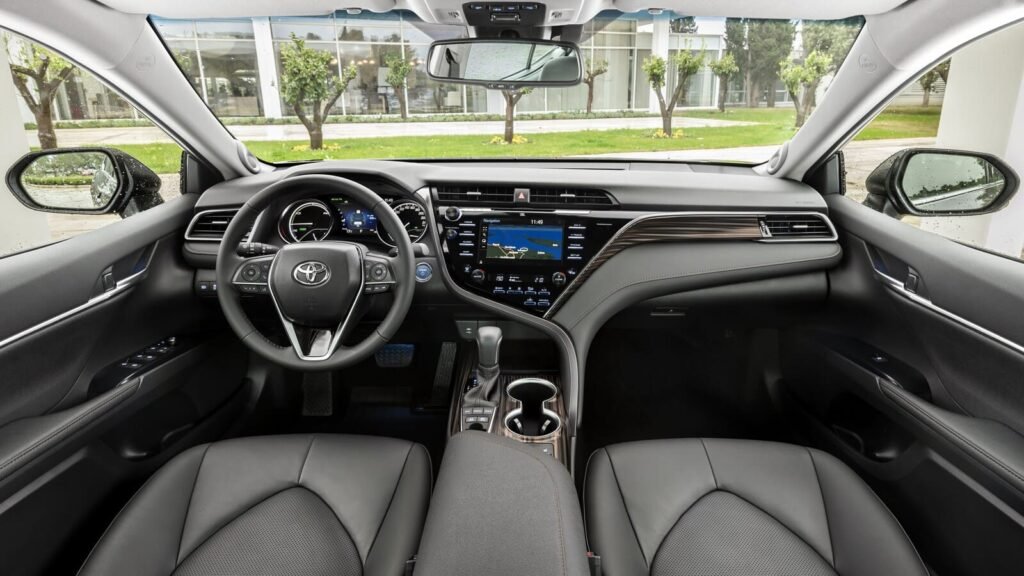
The Entune infotainment system occasionally suffers from slow responses or Bluetooth connectivity issues. While frustrating, these are software-related concerns rather than signs of broader electrical problems.
4. Brake Noise
Some owners report squeaking during light braking, particularly in damp weather. Updated brake components typically resolve the issue.
Problems at a Glance
| Problem | Frequency | Severity | Typical Cost |
|---|---|---|---|
| Shift calibration | Low | Low | $100–250 |
| Fuel pump recall | Low | Low | Free |
| Infotainment software | Moderate | Low | Software update |
| Brake noise | Moderate | Low | $200–400 |
One of the strongest arguments in the 2019 Camry’s favour is what isn’t reported. Widespread engine failures, excessive oil consumption, timing chain problems, and costly transmission failures are notably absent. Most owner complaints relate to refinement rather than durability, which is exactly what you’d hope to see from a well-engineered family sedan.
Recall History
Although the 2019 Camry was subject to several recalls, they shouldn’t be mistaken for signs of poor reliability. A recall simply means Toyota identified a potential defect and repaired it at no cost to the owner. As always, I’d just confirm that any outstanding recall work has been completed before buying a used example.
2019 Toyota Camry Recall Summary
| Recall | What Happened? | Toyota’s Fix |
|---|---|---|
| Vacuum Pump Failure (2021) | The vacuum pump could fail, resulting in a sudden loss of brake assist and increased stopping effort. | Toyota repaired or replaced the vacuum pump, free of charge. |
| Fuel Pump Failure (2020) | The low-pressure fuel pump could fail, causing the engine to stall while driving. This recall expanded an earlier campaign to include additional vehicles. | Dealers replaced the fuel pump with an improved unit at no cost to owners. |
| Occupant Classification System (OCS) Calibration (2019) | Some vehicles left the factory with an incorrectly calibrated Occupant Classification System, which could affect front passenger airbag deployment. | Toyota recalibrated the OCS free of charge. |
| Load Capacity Labels (2019) | A small number of vehicles distributed through regional distributors were fitted with incorrect or non-permanent load-capacity labels. | Dealers replaced the labels with the correct versions at no cost. |
*Most recalls were addressed through straightforward dealer repairs, and none point to a widespread reliability problem with the 2019 Camry. Before purchasing, ask the seller for the VIN and confirm that all recall work has been completed. Any Toyota dealer can verify the vehicle’s recall history in a matter of minutes.
If you’re shopping for a used 2019 Camry today, ask the seller for the VIN and verify that every recall campaign has been completed. Most Toyota dealerships can confirm this within minutes, and it removes one of the few remaining uncertainties before purchase.
You can also use Toyota’s VIN lookup tool to check for outstanding recalls, and if you’re interested in learning more about Toyota engine recalls, we’ve covered them in a separate article.
Hybrid Reliability
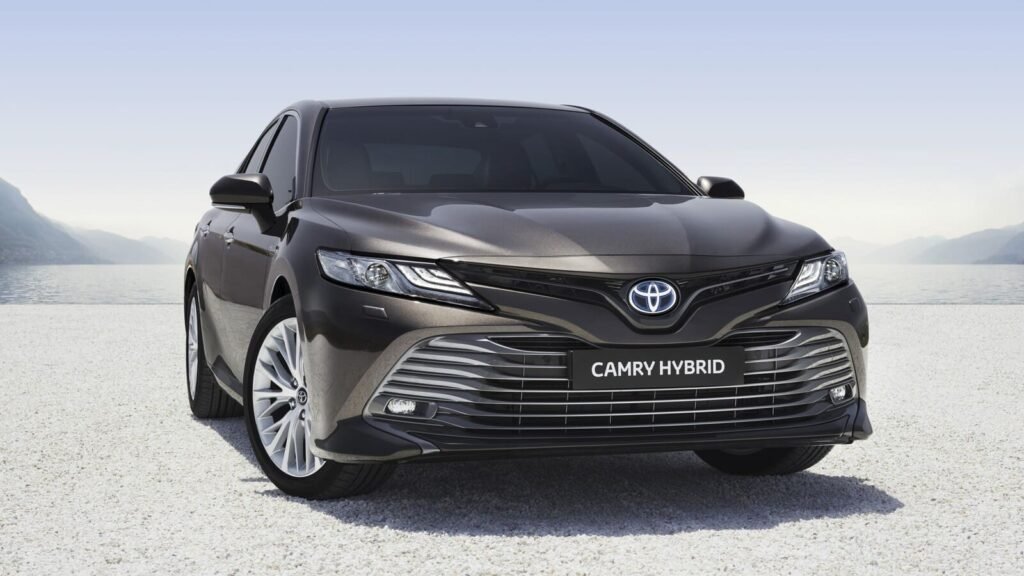
If reliability is your top priority, the Camry Hybrid is arguably the standout model in the range. By 2019, Toyota had spent more than two decades refining Hybrid Synergy Drive, creating one of the most proven hybrid systems on the market.
The eCVT has earned a similarly strong reputation. Unlike conventional belt-driven CVTs, Toyota’s design uses a planetary gearset and electric motors, resulting in fewer wear components and outstanding long-term durability.
Hybrid Reliability Summary
| Component | Reliability |
|---|---|
| Hybrid Battery | ★★★★★ |
| eCVT Transmission | ★★★★★ |
| Electric Motors | ★★★★★ |
| Power Electronics | ★★★★☆ |
| Cooling System | ★★★★★ |
If your daily driving includes heavy traffic or long commutes, the Hybrid may actually be the smartest long-term purchase in the entire Camry range.
Maintenance Costs
One reason the Camry continues attracting repeat buyers is that ownership expenses remain refreshingly predictable.
Routine servicing is straightforward, replacement parts are readily available, and independent repair shops have decades of experience working on Toyota sedans.
Typical Maintenance Costs
| Service | Estimated Cost |
|---|---|
| Engine oil & filter | $60–100 |
| Tire rotation | $25–60 |
| Engine air filter | $25–60 |
| Cabin air filter | $30–70 |
| Front brake pads | $250–450 |
| Brake pads & rotors | $500–800 |
| Spark plugs | $250–450 |
| Transmission fluid service | $250–450 |
| Coolant replacement | $150–250 |
| 12V battery | $180–300 |
These figures naturally vary depending on labor rates and location, but they consistently remain below average for the midsize sedan segment.
Perhaps more importantly, major unexpected repairs remain relatively rare. That’s where the Camry saves owners the most money over time.
Reliability by Mileage
One of the reasons used Camrys command higher prices is that buyers have confidence in their ability to accumulate mileage without becoming financially burdensome.
Here’s what owners can typically expect.
| Mileage | Typical Ownership Experience |
|---|---|
| 0–50,000 miles | Routine servicing only |
| 50,000–100,000 miles | Tires, brakes, filters, battery |
| 100,000–150,000 miles | Spark plugs, suspension wear items, fluid services |
| 150,000–200,000 miles | Continued dependable ownership with preventative maintenance |
| 200,000–300,000+ miles | Realistic for properly maintained vehicles |
Mileage alone should never determine whether an XV70 Camry is worth buying. I’d much rather purchase a well-maintained 180,000-mile example with documented service records than a neglected 90,000-mile car that missed oil changes and scheduled maintenance.
How Does It Compare with the Competition?
The midsize sedan segment offered several excellent choices in 2019, but each appealed to a slightly different type of buyer.
| Model | Reliability | Ownership Costs | Driving Enjoyment |
|---|---|---|---|
| 2019 Toyota Camry | ★★★★★ | ★★★★★ | ★★★★☆ |
| Honda Accord | ★★★★☆ | ★★★★☆ | ★★★★★ |
| Mazda6 | ★★★★☆ | ★★★★☆ | ★★★★★ |
| Hyundai Sonata | ★★★★☆ | ★★★★☆ | ★★★★☆ |
| Nissan Altima | ★★★☆☆ | ★★★☆☆ | ★★★★☆ |
The Honda Accord is still the better choice for drivers who value sharper handling and a more engaging drive, while the Mazda6 arguably offers the most premium feel in this class. However, if your priority is long-term dependability and keeping ownership costs as low as possible over the next decade, the Camry continues to hold a small but worthwhile advantage.
Mechanic’s Buying Checklist
Before purchasing any used 2019 Camry, I’d recommend checking the following:
Mechanical
- Ensure the engine starts smoothly from cold.
- Drive the car at both low and highway speeds.
- Check for delayed or harsh transmission shifts.
- Listen for suspension noises over rough pavement.
- Inspect underneath for fluid leaks.
Interior
- Test every infotainment function.
- Pair a smartphone via Bluetooth.
- Verify climate control performance.
- Check all power windows, mirrors, and seats.
Documentation
- Complete maintenance records.
- Evidence of regular oil changes.
- Recall work completed.
- Clean vehicle history report.
- Independent pre-purchase inspection whenever possible.
A couple hundred dollars spent on a professional inspection is still one of the best investments you can make before buying any used vehicle.
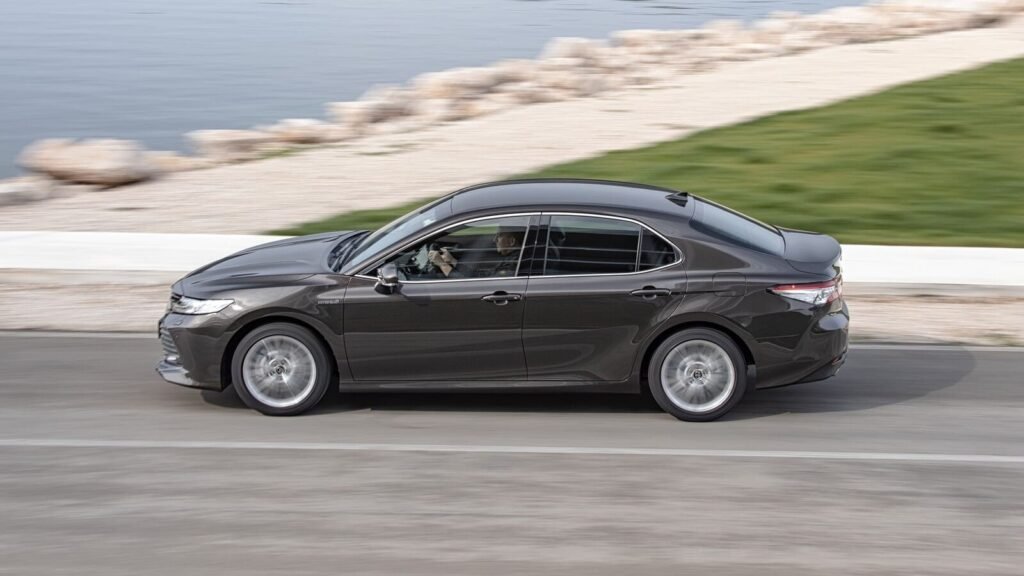
Should You Buy the 2019 Toyota Camry?
I’d say yes. The 2019 Camry represents the kind of used car most buyers hope to find—a successful redesign that’s had a full year of real-world refinement. Toyota had already addressed the early production concerns, and long-term ownership data continues to support its reputation for durability. If the price difference is reasonable, I’d generally choose a comparable 2019 over a 2018 Camry.
Final Verdict
The 2019 Camry is proof that small refinements can make an already excellent car even better. Toyota resisted unnecessary mechanical changes, instead focusing on improving a platform that had already shown tremendous promise.
The result is a midsize sedan that’s inexpensive to own, exceptionally reliable, and capable of covering very high mileage with routine maintenance. If I were recommending a dependable used family sedan today, the 2019 Camry would be one of my first suggestions.
Some Quick 2019 Camry FAQ
Is the 2019 Toyota Camry more reliable than the 2018 model?
Slightly. Both are excellent, but the 2019 model benefits from production refinements and updated software that addressed many of the early complaints reported during the first model year.
Does the 2019 Camry have transmission problems?
Some owners still report occasional hesitation during low-speed driving, but complaints are less common than with the 2018 model, and widespread mechanical failures remain rare.
Is the 2019 Toyota Camry Hybrid reliable?
Yes. The Hybrid combines Toyota’s proven Hybrid Synergy Drive with an exceptionally durable eCVT transmission, making it one of the most dependable hybrid sedans available.
Which engine is the better choice?
The 2.5-liter four-cylinder offers the best balance of fuel economy, ownership costs, and reliability. The 3.5-liter V6 provides substantially stronger performance while maintaining an excellent reliability record.
How long will a 2019 Toyota Camry last?
With proper maintenance, reaching 200,000 miles is common, and many examples continue well beyond 250,000 miles with no major mechanical repairs.
- 10 Most Reliable Used Cars in 2026: Specific Years to Buy

- 2022 Toyota Camry Reliability: Is It the Best Used Camry?
- Car Reliability Ratings Explained: Which Ones Can You Actually Trust?
- 2021 Toyota Camry Reliability: Is This the Best XV70 Camry You Can Buy?
- The Hidden Cost of Buying the Wrong Car: A 10-Year Ownership Framework

- Which Honda CR-V Years Should You Avoid? Complete Buyer’s Guide

*Disclaimer: This website provides automotive content for informational purposes only and should not be considered professional advice. While we strive for accuracy, we do not guarantee the reliability or suitability of any vehicle or product mentioned—always conduct your own research before making purchasing decisions. Additionally, some links on this site are affiliate links, meaning we may earn a commission if you make a purchase, at no extra cost to you.