
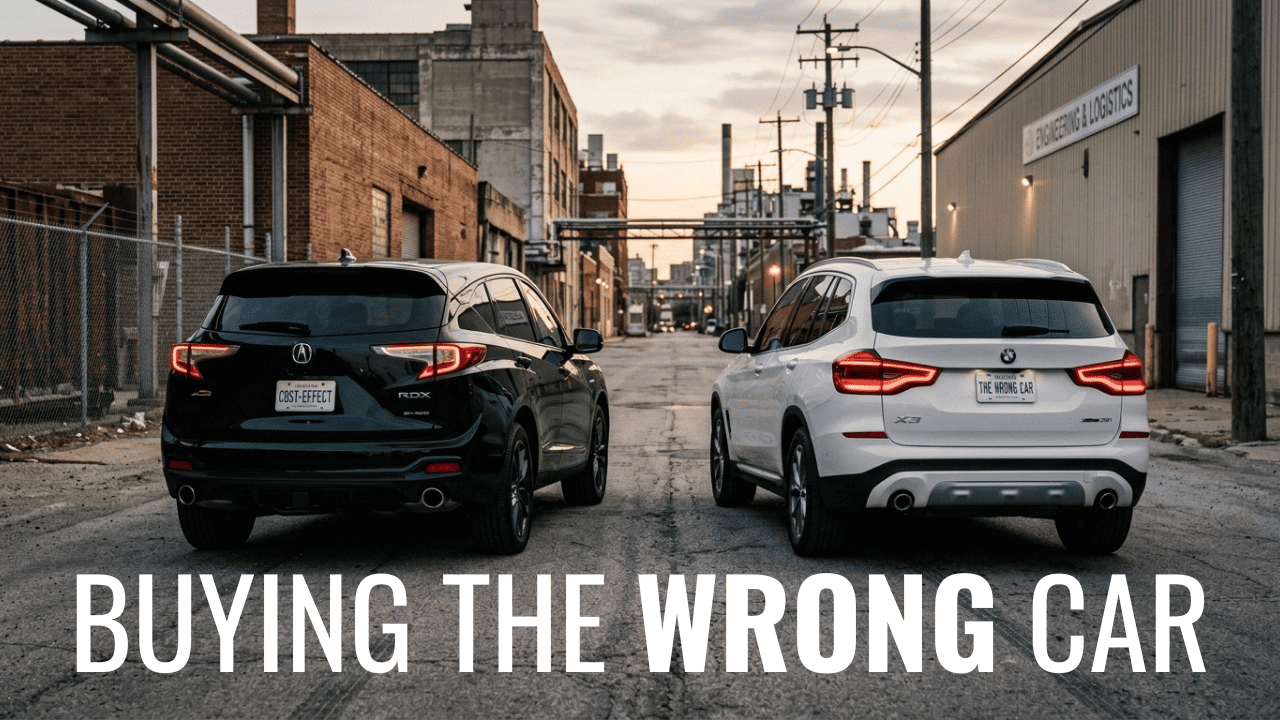
Buying a car is one of the largest household expenses, yet many buyers judge value primarily by the price on the windshield. A $31,000 vehicle may look like a better deal than one costing $35,000, but that $4,000 advantage can disappear over a decade through depreciation, financing, insurance, fuel, maintenance, and repairs.
This is the idea behind total cost of ownership (TCO). Fleet managers and corporate buyers have long understood that the cheapest vehicle to buy is not necessarily the cheapest to own, because relatively small annual differences can compound into thousands of dollars over time. Private buyers can apply the same logic by evaluating every vehicle across twelve major costs over a ten-year ownership period:
- Depreciation
- Fuel or electricity
- Scheduled maintenance
- Reliability
- Unexpected repairs
- Recalls
- Parts availability
- Downtime
- Opportunity cost
Together, these factors reveal what a vehicle truly costs over time. To see how quickly the numbers can change the buying decision, consider two hypothetical SUVs:
- SUV A costs $31,000, an example could be a used 2020 BMW X3 sDrive30i.
- SUV B costs $35,000, an example of such vehicle could be the 2022 Acura MDX.
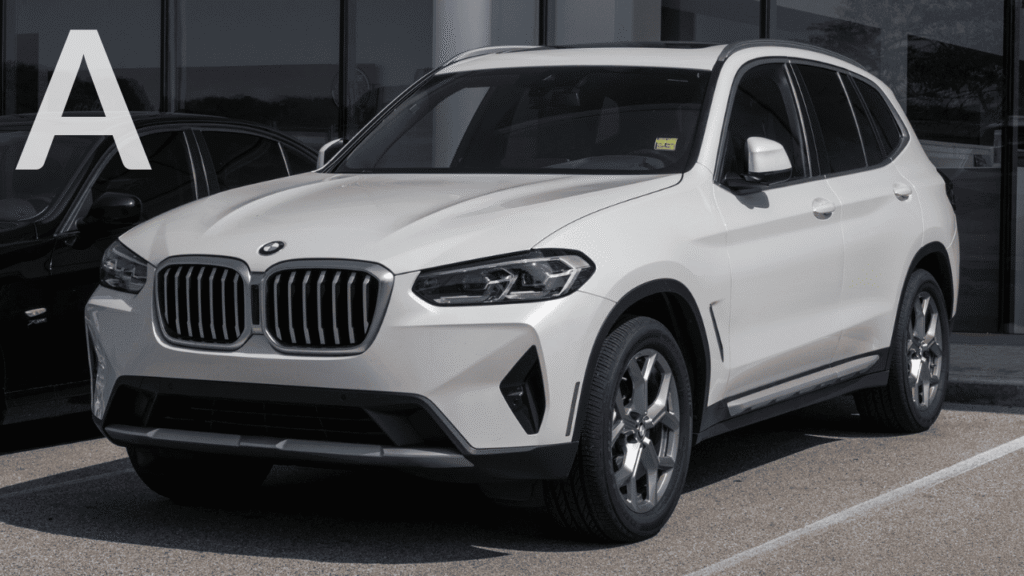
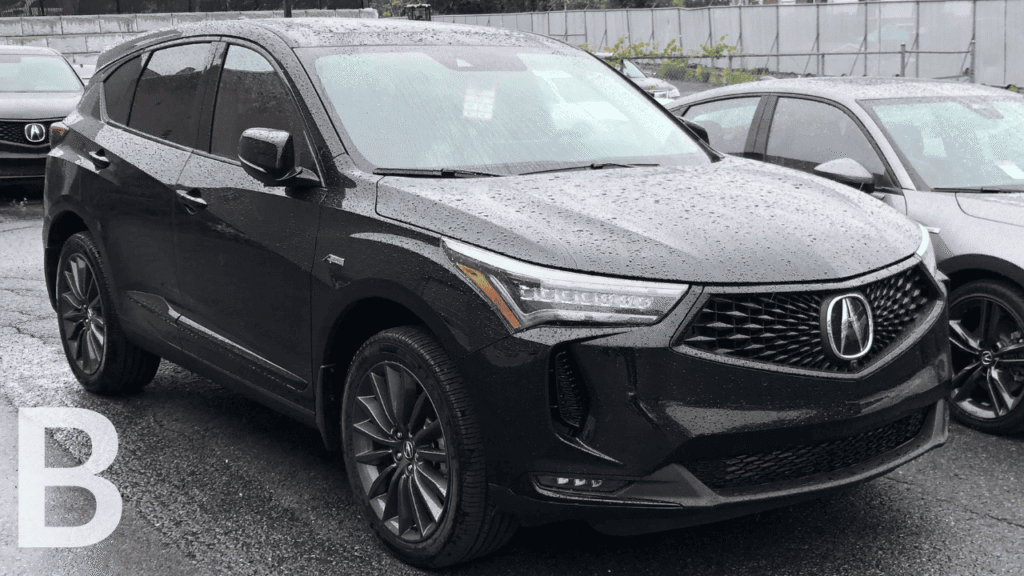
SUV A may save $4,000 upfront, but faster depreciation, weaker resale value, higher running costs, or a few expensive post-warranty repairs can erase that advantage. SUV B could ultimately cost thousands less if it holds its value better and requires fewer repairs.
The same principle applies to monthly payments and dealer discounts: they can make a vehicle appear cheaper without reducing what it ultimately costs to own. Reliability matters beyond repair bills as well, since breakdowns can bring towing charges, rental cars, lost time, and other expenses that accumulate quietly over the years. Depreciation is equally easy to overlook—you never receive a bill for it, but the loss becomes very real when you sell or trade the vehicle.
The smartest purchase, therefore, isn’t necessarily the cheapest car to buy; it’s the one that costs the least to own.
Building Your 10-Year Ownership Framework
You don’t need to predict every future repair to estimate long-term ownership costs. Instead, evaluate the factors most likely to affect your finances over the next decade. Treat each one as a question: the better a vehicle answers them, the stronger its case as a long-term purchase.
1. Depreciation: The Largest Invisible Expense
Depreciation is simply the difference between what you pay and what the vehicle is eventually worth—and for many new cars, it is the largest ownership expense. Buy for $40,000 and sell for $18,000 ten years later, and you’ve effectively spent $22,000 on depreciation alone. That loss occurred gradually, so it rarely feels as painful as writing a repair check

Factors that influence resale value include:
- Brand reputation
- Reliability history
- Market demand
- Fuel efficiency
- Powertrain durability
- Availability of replacement parts
Vehicles with strong long-term reliability, such as the Toyota Camry, often benefit from stronger resale demand because used buyers place a premium on predictable ownership. Depreciation matters less when you keep a car for a decade rather than three years, but the value remaining when you finally sell it is still money returning to your pocket.
2. Fuel Efficiency: Small Differences Become Large Numbers
Fuel economy may not transform your monthly budget, but over ten years the difference can become substantial. At 15,000 miles per year, a vehicle averaging 32 mpg will consume considerably less fuel than one averaging 25 mpg, turning a modest efficiency advantage into thousands of dollars in potential savings over a decade.
This is also why hybrids make more financial sense for high-mileage drivers. The fewer miles you drive, the longer it can take for fuel savings to recover any additional purchase cost.
3. Scheduled Maintenance: Predictable Costs Are Easier to Budget
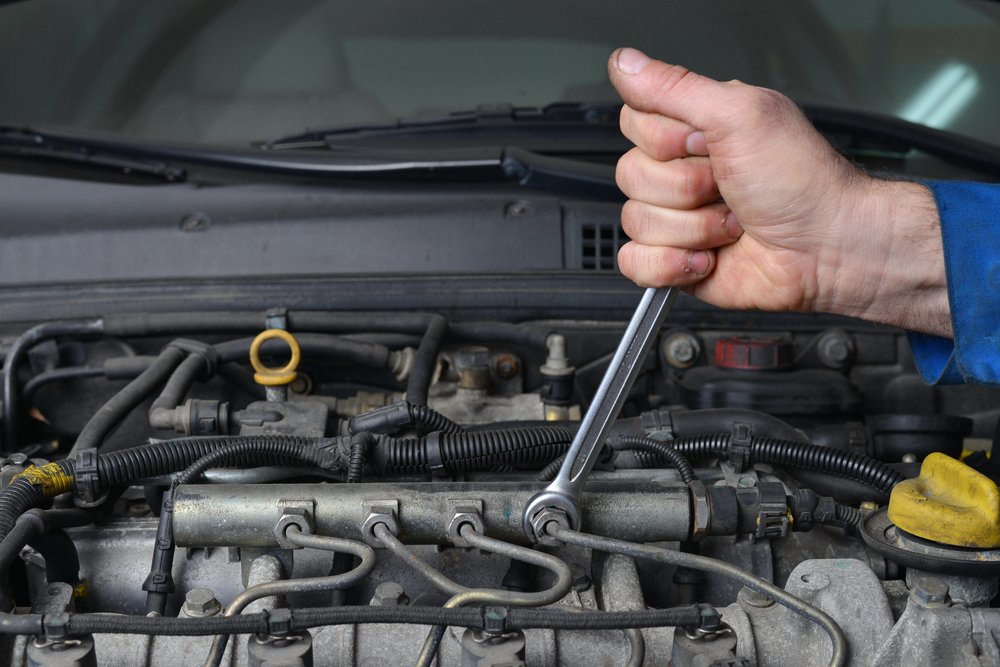
Every vehicle needs oil changes, tires, brakes, fluids, filters, and other routine service. What matters is whether those expenses remain predictable. Vehicles with straightforward maintenance schedules and widely available parts make long-term budgeting easier while helping preserve their useful life.
When researching a vehicle, ask:
- Are maintenance intervals reasonable?
- Are common wear items expensive?
- Can independent repair shops service the vehicle easily?
- Are genuine and aftermarket parts widely available?
Depreciation, financing, insurance, fuel, and maintenance cover much of the predictable cost of ownership. The next categories address what is harder to budget for—and often what separates an inexpensive vehicle from an inexpensive vehicle to own.
5. Reliability: More Than Repair Bills
When people think about reliability, they usually imagine expensive engine or transmission failures. In reality, reliability is broader than that, it isn’t simply avoiding a failed mechanical component; it’s how consistently a vehicle operates without unscheduled repairs. Repeated sensor, electrical, cooling-system, or infotainment problems can turn otherwise minor repairs into meaningful costs and lost time.
Look beyond individual owner complaints when judging a vehicle. Long-term data from Consumer Reports, J.D. Power, NHTSA, IIHS, and experienced independent mechanics provides a much stronger picture when considered together.
6. Unexpected Repairs: Budget for the Unknown
Every vehicle will eventually need repairs as components wear and electronics age. The goal isn’t to find a car that never breaks, but one whose problems are less frequent, easier to diagnose, and reasonably affordable to fix.
A modest annual repair reserve turns those inevitable expenses into planned ownership costs rather than financial emergencies—even with highly dependable vehicles.
7. Recalls: Understand Their Real Impact
Many buyers immediately reject a vehicle with several recalls while overlooking one with none. That approach oversimplifies the issue. A recall is not automatically evidence of poor quality. In fact, it often demonstrates that the manufacturer identified a safety issue and issued a corrective action.

More important questions include:
- Was the recall completed?
- Were replacement parts readily available?
- Did the issue reoccur after repair?
- Has the manufacturer demonstrated responsiveness?
Vehicles with completed recall campaigns and no recurring problems may represent lower long-term risk than vehicles with few recalls but persistent non-recall reliability issues.
8. Parts Availability and Repair Network
A vehicle can be mechanically sound yet still become frustrating to own if replacement parts are expensive or difficult to obtain. Common vehicles generally benefit from:
- Larger inventories of replacement parts
- Greater aftermarket support
- More experienced independent repair shops
- Faster repair turnaround
- Lower labour costs through competition
Conversely, niche models, discontinued vehicles, or low-volume imports may require owners to wait weeks for specialized components. During that time, transportation costs continue even if repair costs do not. This is particularly relevant for households that rely on a single vehicle for commuting, school runs, or business.
9. Downtime: The Expense That Rarely Appears on an Invoice
Downtime deserves its own category because time has economic value. A vehicle sitting in a repair facility may require:
- Rental cars
- Ride-share expenses
- Missed work
- Delayed travel
- Schedule disruptions
For some owners, especially self-employed professionals or families with limited transportation options, a week without a vehicle can cost far more than the repair itself. This is why long-term dependability influences ownership costs even when repairs are covered under warranty.
10. Opportunity Cost: Money Has Alternatives
Every dollar spent on a vehicle is money unavailable for savings, investing, or other priorities. Even a $2,000 difference in ten-year ownership costs represents money that could have gone toward an emergency fund, education, or retirement.
The goal isn’t to buy the cheapest car. It’s to avoid paying more where the additional cost delivers little meaningful value.
Putting the Framework Into Practice
Before purchasing any vehicle, score it across each ownership category rather than focusing on a single specification or feature.
| Category | Questions to Ask |
|---|---|
| Depreciation | Does this vehicle historically retain its value? |
| Fuel | Does the efficiency match my annual mileage? |
| Maintenance | Are routine service costs predictable? |
| Reliability | Does long-term owner data support confidence? |
| Repairs | Are major failures common or uncommon? |
| Recalls | Have safety campaigns been completed? |
| Parts | Are components easy to source? |
| Downtime | How disruptive would repairs be? |
| Resale | Will buyers still want this vehicle in ten years? |
| Opportunity Cost | Is this money delivering meaningful value? |
No vehicle scores perfectly in every category. The goal is not perfection but balance. A vehicle with consistently strong scores across most categories is usually a wiser financial decision than one that excels in only one or two.
Conclusion
Buying a vehicle isn’t a single transaction but a long-term financial commitment. The purchase price matters today; depreciation, financing, insurance, fuel, maintenance, repairs, reliability, and resale value determine what it ultimately costs.
A 10-year ownership framework shifts the question from “What can I buy?” to “What will this cost me to own?” The smartest purchase isn’t necessarily the cheapest on day one, but the vehicle that delivers the most value for your money over the years that follow.
Some Quick FAQ
Is buying the cheapest car always the best financial decision?
No. A lower purchase price can be offset by faster depreciation, higher repair costs, increased insurance premiums, or poor fuel economy. Total ownership cost provides a more complete financial picture.
How long should I plan to keep a vehicle?
If you intend to keep a vehicle for eight to ten years or longer, long-term reliability, maintenance costs, and resale value become significantly more important than small differences in purchase price.
Should reliability matter if the vehicle has a warranty?
Yes. Warranties reduce repair costs but do not eliminate downtime, inconvenience, rental expenses, or lost time. Reliability affects the ownership experience even during the warranty period.
Which ownership cost is most commonly overlooked?
Depreciation is often the largest single ownership expense for new vehicles, yet many buyers pay far more attention to fuel economy or monthly loan payments.
How can I estimate total ownership costs before buying?
Research historical depreciation, insurance quotes, fuel economy, maintenance schedules, reliability data, recall history, and resale trends. Evaluating all of these together provides a much more accurate estimate than comparing purchase prices alone.
- Chinese Cars Are Winning the Technology Race—But Will They Last?
- 2024 Toyota Camry Reliability: Is It Toyota’s Smartest Buy?
- 2023 Toyota Camry Reliability: Is Paying More Really Worth It?
- 10 Most Reliable Used Cars in 2026: Specific Years to Buy
- 2022 Toyota Camry Reliability: Is It the Best Used Camry?
- Car Reliability Ratings Explained: Which Ones Can You Actually Trust?
*Disclaimer: This website provides automotive content for informational purposes only and should not be considered professional advice. While we strive for accuracy, we do not guarantee the reliability or suitability of any vehicle or product mentioned—always conduct your own research before making purchasing decisions. Additionally, some links on this site are affiliate links, meaning we may earn a commission if you make a purchase, at no extra cost to you.