
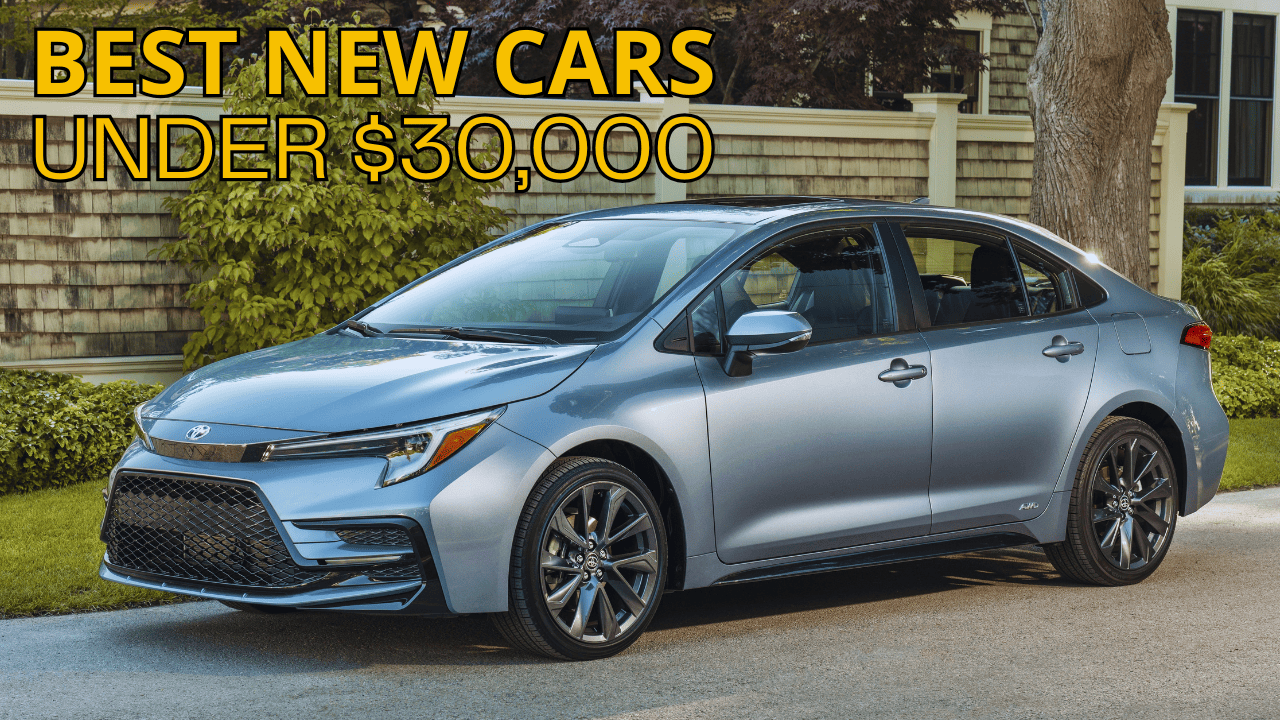
With the Nissan Versa gone, genuinely cheap new cars are disappearing from the U.S. market, making value more important than simply chasing the lowest MSRP. For our best new cars under $30,000, we prioritize fuel economy, usable space, standard equipment, resale value and long-term ownership appeal—because a $26,000 car that performs better across those areas can be a much smarter buy than the cheapest car on the lot.
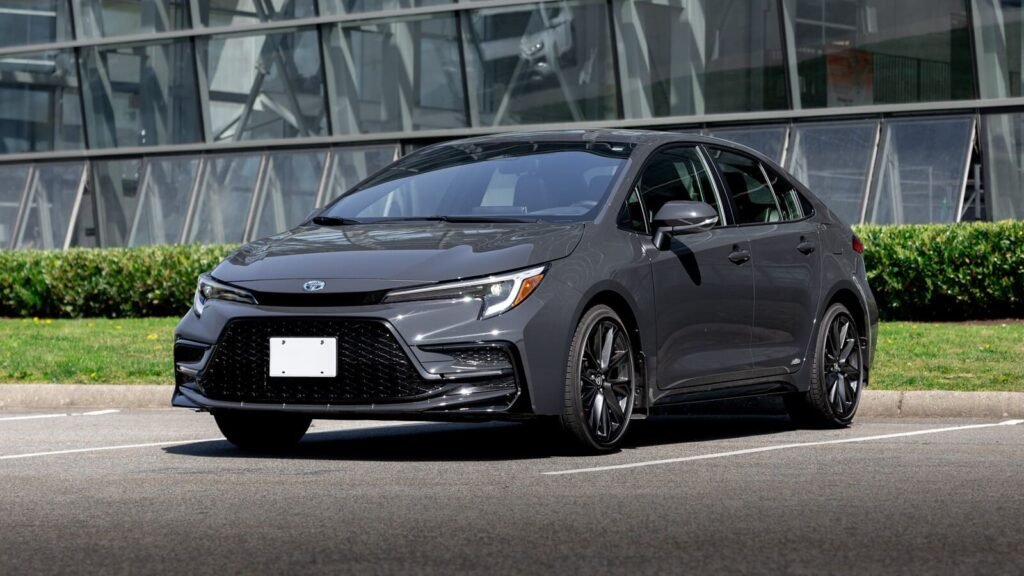
1. Toyota Corolla Hybrid LE — Best Long-Term Value
Starting MSRP: $24,975 | 53 city / 46 highway mpg
The Corolla Hybrid LE is difficult to beat for long-term value: it costs just $1,850 more than the gasoline LE, yet improves EPA fuel economy from 32/41 mpg to 53/46 mpg while retaining useful standard features such as blind-spot monitoring and wireless smartphone integration. Low-mileage drivers may be better off with the cheaper gasoline model, but at 12,000–15,000 miles a year, the Hybrid LE makes a strong case for spending the extra money upfront.
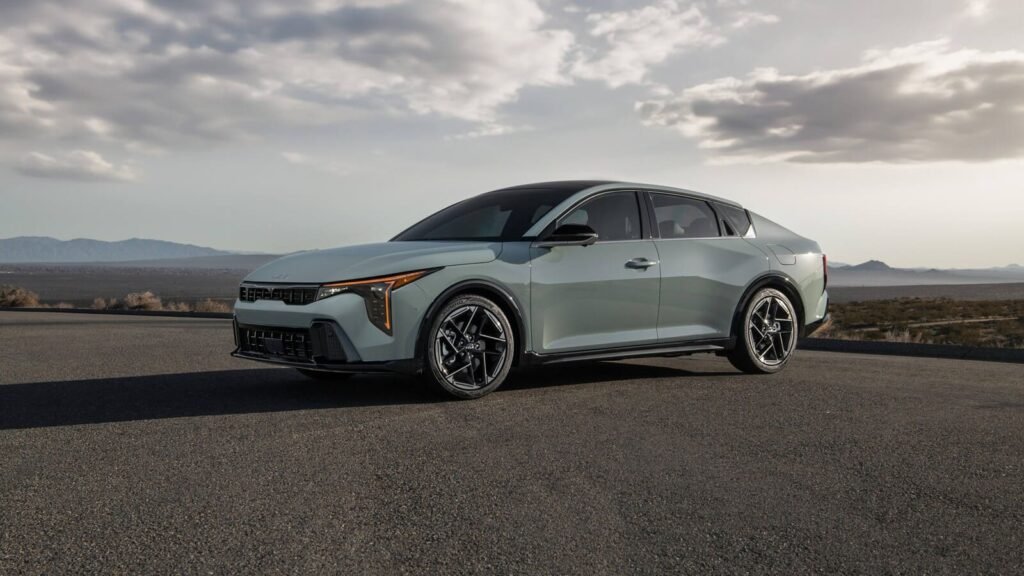
2. Kia K4 LXS — Best Equipment and Space for the Money
Starting price: roughly $24,600 including destination | 33 mpg combined
The K4 stands out by delivering more space and equipment than its roughly $25,000 price suggests, backed by Kia’s 5-year/60,000-mile basic warranty. We would stick with the 147-hp 2.0-liter version: the turbo is quicker, but pushing the K4 toward $30,000 undermines its biggest advantage—getting a lot of new car for relatively little money.
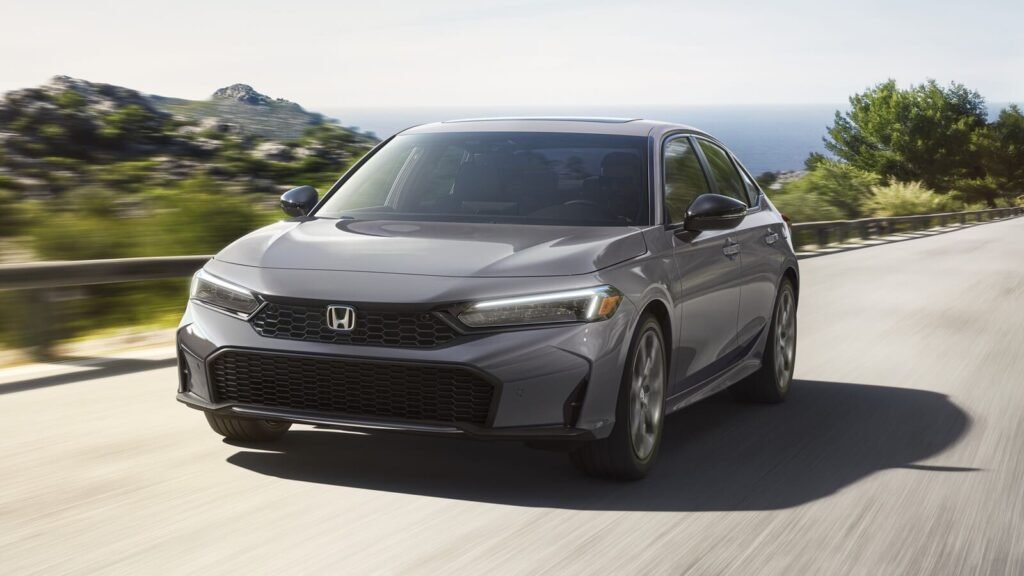
3. Honda Civic LX — Best Budget Car That Doesn’t Feel Like a Budget Decision
The Civic costs more than the cheapest compact sedans, but its value comes from being less likely to feel like a compromise a few years later. For under $25,000 before typical destination charges, you get useful adult rear-seat space, a practical trunk and a noticeably better driving experience—making it worth stretching for if the extra cost fits comfortably within your budget.
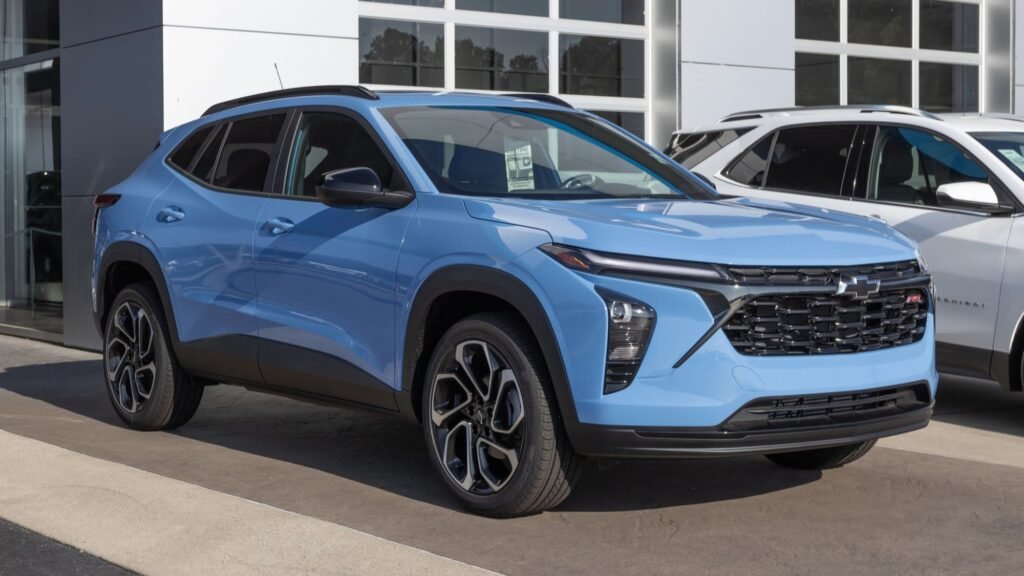
4. Chevrolet Trax LS — Best SUV Value
Starting price: roughly $23,500 including destination | 29 mpg combined
The Trax answers an increasingly difficult question:
Can you still buy a useful new crossover for approximately the price of a compact sedan?
Yes.
The Trax offers more passenger space, cargo usefulness and standard technology than its low price suggests, with several trims still around the $25,000 mark. The tradeoff is capability: its 137-hp three-cylinder is modest and AWD isn’t available, but for buyers who mainly want an affordable, practical urban crossover rather than an all-weather SUV, that compromise makes sense.
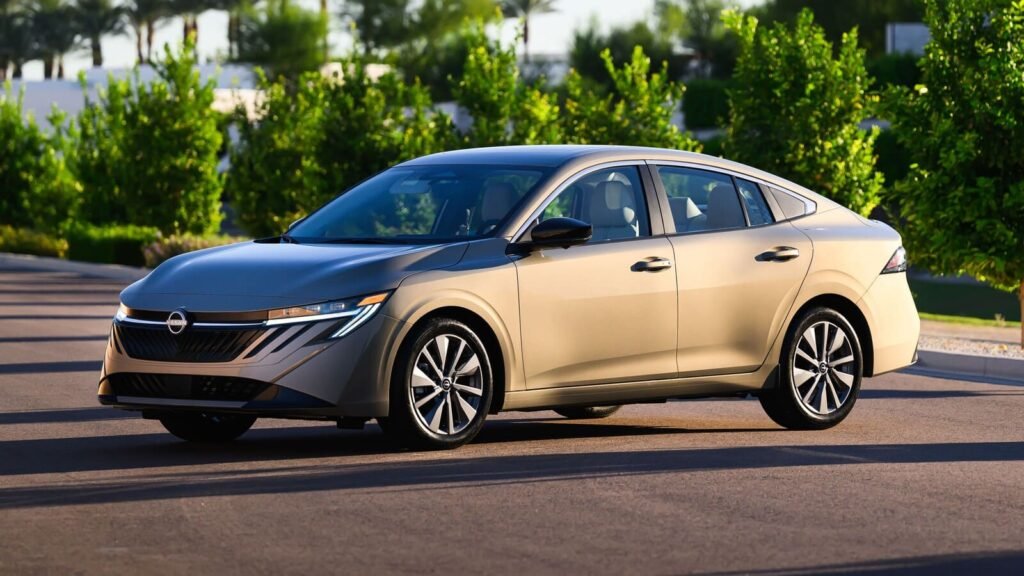
5. Nissan Sentra SV — Best Affordable Comfort
Starting price: roughly $24,500 including destination | 33 mpg combined
With the Versa gone, the redesigned 2026 Sentra becomes Nissan’s affordable entry point, and the SV is the trim we’d choose for its balance of price, comfort, cabin space and 33-mpg combined fuel economy. Its main tradeoff is the modest 149-hp 2.0-liter engine; the Corolla makes more sense if long-term fuel economy and resale are priorities, while the K4 gives you more passenger space and stronger warranty coverage. Choose the Sentra when ride comfort and straightforward daily transportation matter more.
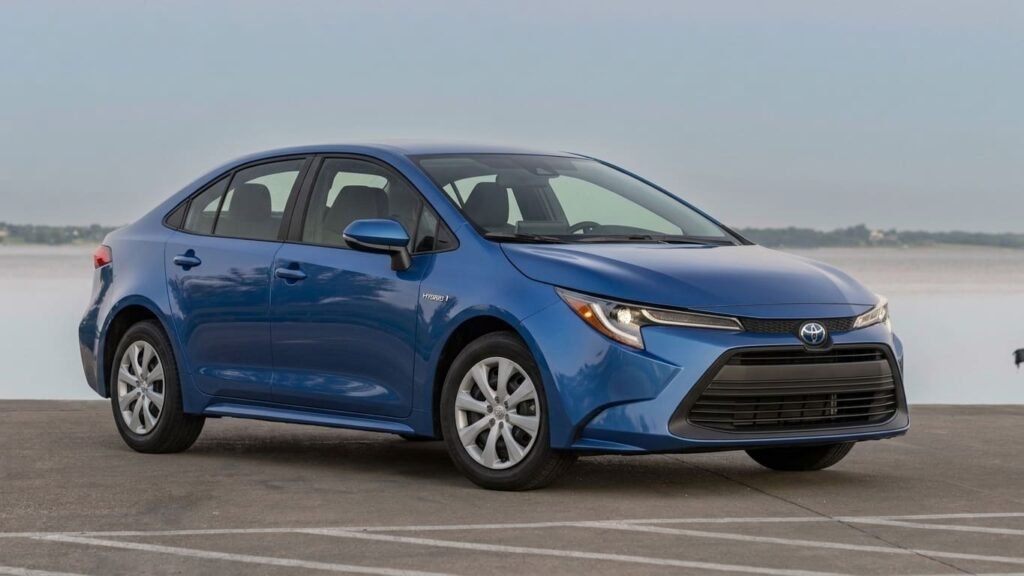
6. Toyota Corolla LE — Best Conservative Gasoline Choice
Starting MSRP: $23,125 | 32 city / 41 highway mpg
Yes, we’re including two Corollas.
They solve different problems.
The gasoline Corolla LE is the better value for lower-mileage drivers who may take years to recover the hybrid premium, while still delivering 32/41 mpg, 169 hp and useful standard safety equipment. Its 16-inch wheels should also mean cheaper replacement tires and more sidewall than sportier trims, so unless you specifically want the SE’s appearance, the LE is the Corolla to buy when keeping costs down matters most.
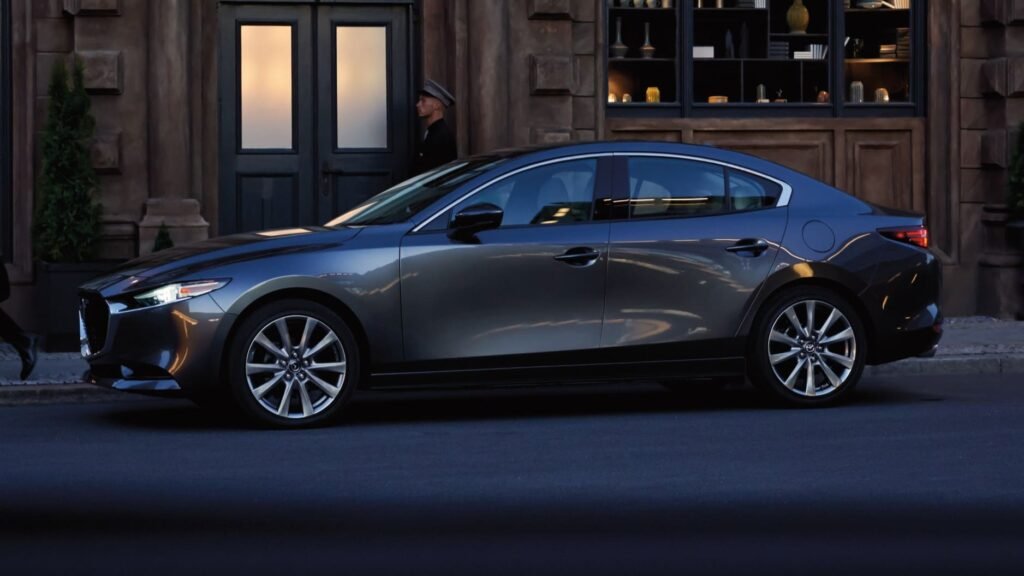
7. Mazda3 2.5 S — Best for Buyers Who Still Care About Driving
Thankfully, budget doesn’t have to mean appliance. The Mazda3 sits near the top of this price range, but its 2.5-liter engine, sharper chassis, and more upscale cabin make it the choice for buyers who still care about driving. The K4 offers more rear-seat space and the Corolla Hybrid better fuel economy; pick the Mazda3 when driving enjoyment and cabin quality matter more than maximizing space or MPG.
Which One Gives You the Most for Your Money?
| What matters most | Our pick | Why |
|---|---|---|
| Lowest long-term running cost | Corolla Hybrid LE | Small hybrid premium + excellent MPG |
| Space and equipment | Kia K4 LXS | Lots of car around $25K |
| Best all-round compact | Honda Civic LX | Doesn’t feel like a temporary car |
| Affordable crossover | Chevrolet Trax LS | SUV practicality near sedan money |
| Comfort | Nissan Sentra SV | Strong everyday commuter |
| Simple gasoline ownership | Toyota Corolla LE | Efficient and sensibly equipped |
| Driving enjoyment | Mazda3 2.5 S | Stronger engine and better dynamics |
Don’t Spend $29,900 Just Because the Budget Is $30,000
Treat $30,000 as a ceiling, not a target: if a $24,000 car already meets your needs, financing another $5,000 for bigger wheels, extra power or rarely used features only weakens the value equation. The same applies to crossovers—if a sedan comfortably handles your passengers and cargo, it will often cost less to buy and fuel; the goal is enough car for your needs, not the most car your lender will finance.
New Isn’t Automatically the Best Use of $25,000
Before spending $25,000 on a new economy car, compare what the same budget buys used: potentially a larger sedan, SUV or even a luxury model that has already absorbed some initial depreciation. New still offers a full warranty, known history and often better financing, so neither route automatically wins—our New vs. Used Cars: Which Option Saves You More Money? guide compares the economics, while What to Check Before Buying a Used Car covers the inspection side.
Final Verdict
The Toyota Corolla Hybrid LE is our strongest overall value under $30,000 because its $24,975 starting MSRP delivers 50-mpg-class efficiency without a large hybrid premium. But the K4 is better for space and warranty coverage, the Civic for long-term satisfaction, the Trax when crossover packaging matters and the Mazda3 for driving enjoyment—the goal isn’t to find the cheapest new car in America, but to find the least expensive car that you’ll still be happy you bought five years from now.
- Chinese Cars Are Winning the Technology Race—But Will They Last?
- 2024 Toyota Camry Reliability: Is It Toyota’s Smartest Buy?
- 2023 Toyota Camry Reliability: Is Paying More Really Worth It?
- 10 Most Reliable Used Cars in 2026: Specific Years to Buy
- 2022 Toyota Camry Reliability: Is It the Best Used Camry?
- Car Reliability Ratings Explained: Which Ones Can You Actually Trust?
*Disclaimer: This website provides automotive content for informational purposes only and should not be considered professional advice. While we strive for accuracy, we do not guarantee the reliability or suitability of any vehicle or product mentioned—always conduct your own research before making purchasing decisions. Additionally, some links on this site are affiliate links, meaning we may earn a commission if you make a purchase, at no extra cost to you.