
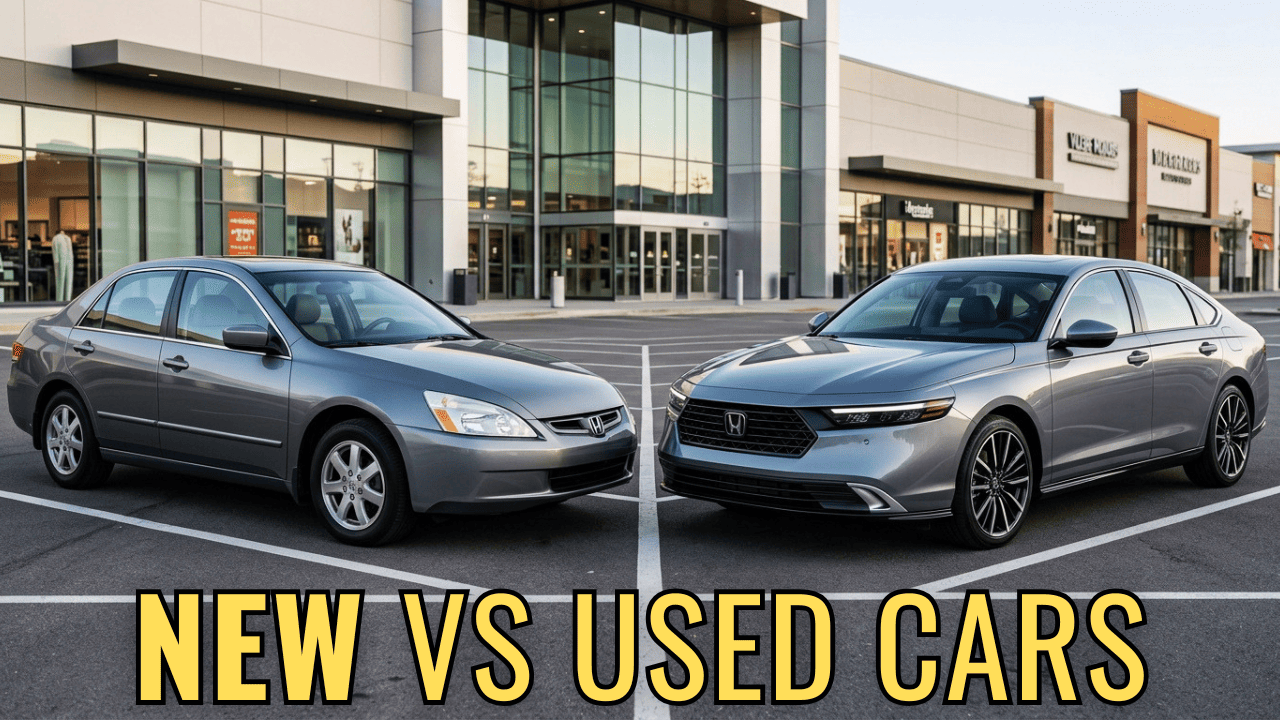
Buying used has long been treated as the financially responsible alternative to buying new. Let someone else absorb the early depreciation, buy the car a few years later, and keep the difference. That logic still works—but not automatically.
A used car only represents better value when its discount is large enough to compensate for what you’re giving up: factory warranty coverage, lower age and mileage, known history, potentially better financing, and several years of remaining component life. When a lightly used car sells surprisingly close to its new equivalent, buying new can actually be the more rational financial decision.
So the useful question isn’t simply new vs. used cars: which saves more money? It’s this:
How much cheaper does the used car need to be before it’s actually the better deal?
Start With the Price Gap, Not the Monthly Payment
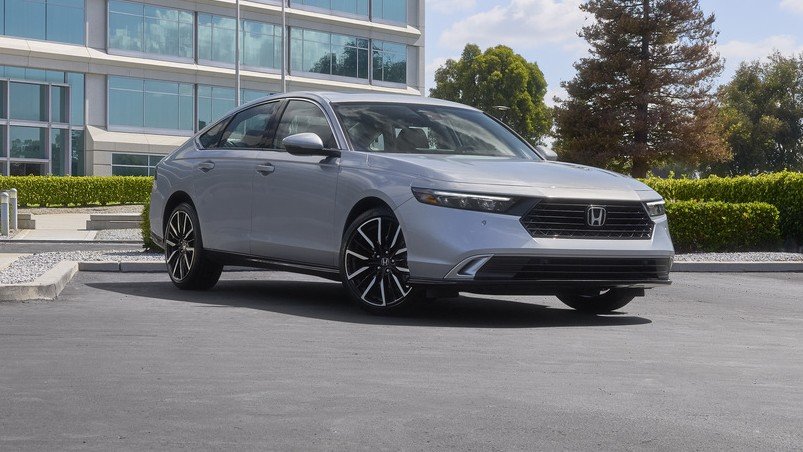
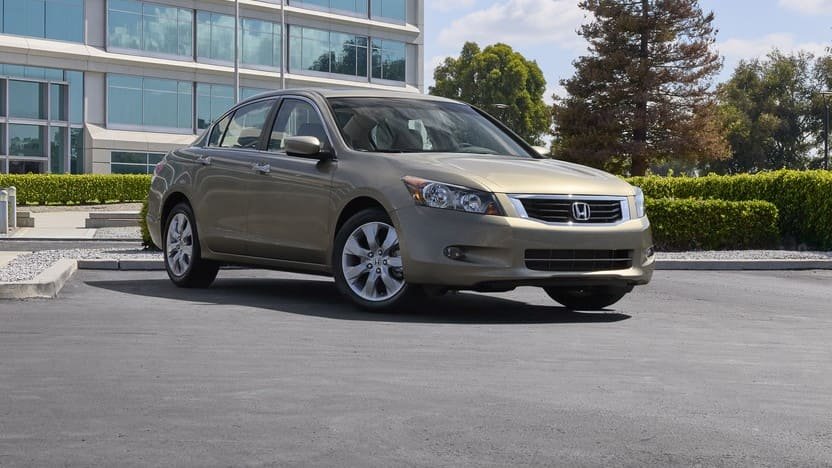
Consider the same vehicle at two prices: $36,000 new or $29,000 at three years old with 35,000 miles. The used example saves $7,000, or about 19%—a meaningful discount for accepting some wear and reduced warranty coverage.
But if strong resale value pushes the used price to $33,000, the equation changes. Saving just $3,000, or 8%, may not adequately compensate for three years of use, 35,000 miles, and less remaining warranty.
This is why percentage discount from new should be one of your first calculations. Compare actual transaction costs, not advertised prices, and ask whether the savings genuinely compensate for what you’re giving up by buying used.
Depreciation Is Usually the Used Car’s Biggest Advantage
Depreciation is often the largest ownership expense that never arrives as a bill. AAA’s 2025 Your Driving Costs study estimated average depreciation at $4,334 per year over five years and 75,000 miles, making it the largest individual ownership-cost category in its analysis.
Buying used can shift part of that loss to the first owner, but the advantage varies dramatically by model. Vehicles with exceptional resale value can remain so expensive used that the savings over new become difficult to justify. Heavy depreciation can create a much better bargain—but only if poor reliability, high running costs, or another underlying problem isn’t responsible for the lower price.
In other words, strong resale value is good for owners, but not always for used-car shoppers.
New Cars Buy Something Used Cars Can’t: Unused Life
A $5,000 premium for a new car doesn’t buy nothing. It buys three additional years of vehicle life, unworn brakes and tires, less accumulated suspension and interior wear, a full maintenance history from mile one, and generally the complete factory warranty.
That doesn’t automatically make new the better value. It means the used-car discount must compensate for the mileage, wear, remaining warranty, and uncertainty you’re inheriting.
A three-year-old Toyota with 25,000 highway miles and complete service records is therefore a very different purchase from an identical model with 55,000 miles, accident repairs, worn tires, and an unknown maintenance history—even at the same price.
But Repairs Usually Don’t Erase a Large Used-Car Discount
Buying used doesn’t mean the savings will inevitably disappear into repairs. If a dependable three-year-old car costs $8,000 less than new, replacing tires, brakes, or a battery may still leave much of that advantage intact.
The key is separating predictable wear from expensive failure risk. Tires and brakes can be inspected and budgeted for; a known pattern of transmission, engine, hybrid-battery, air-suspension, or major electrical failures can change the ownership calculation with a single repair.
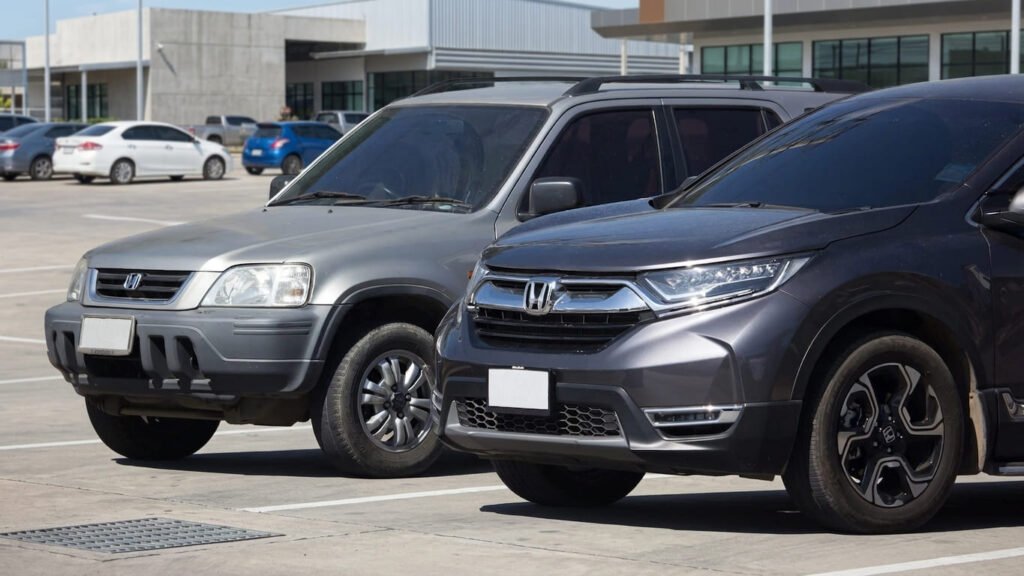
Reliability should therefore influence how old you’re comfortable buying. A proven, relatively simple vehicle like the Toyota Corolla, or Honda CR-V may remain attractive well beyond three years, while a complex luxury model may need a much larger discount to justify the additional risk.
Insurance Usually Favors Used, But Get Quotes
A lower-value used car may cost less to insure, particularly for comprehensive and collision coverage, but age alone doesn’t determine the premium. Repair costs, theft rates, safety technology, location, driver profile, and coverage choices can easily change the equation.
Insurance is an unavoidable ownership cost, so treat it practically: get comparable quotes for both vehicles before deciding which is actually cheaper to own.
The Sweet Spot Isn’t Always “Three Years Old”
The familiar advice to buy a two- or three-year-old car after the first owner absorbs the initial depreciation is useful—but not universal. The best age depends on the model: strong resale value can keep a two-year-old vehicle too close to new-car pricing, while faster depreciation may create an attractive deal much sooner.
Certified pre-owned vehicles add another variable because their higher prices may include inspections and additional warranty coverage. Whether that premium is worthwhile depends on the program and the individual car.
Most importantly, never assume a used vehicle is still protected by warranty. Verify any remaining factory, dealer, or CPO coverage before purchase and confirm exactly what it includes.
When Buying New Makes More Financial Sense
Buying new becomes increasingly attractive when the price difference is small.
Suppose the used version saves only 5–10%. If new-car financing is significantly cheaper, the new vehicle includes several additional years of warranty coverage, and the used example already needs tires or scheduled maintenance, much of that discount can disappear.
New can also make sense when:
- Manufacturer incentives materially reduce the actual purchase price.
- Used examples of the model retain unusually high values.
- You intend to keep the vehicle for 10–15 years.
- The redesigned new model offers a meaningful efficiency or safety improvement.
- You value knowing the vehicle’s complete maintenance and accident history.
Keeping a new car for a long time is particularly important. The longer you own it after the steepest depreciation years have passed, the less significant the original new-car premium becomes on a per-year basis.
When Used Is Hard to Beat
Used becomes increasingly compelling as the discount grows without the mechanical risk growing at the same rate.
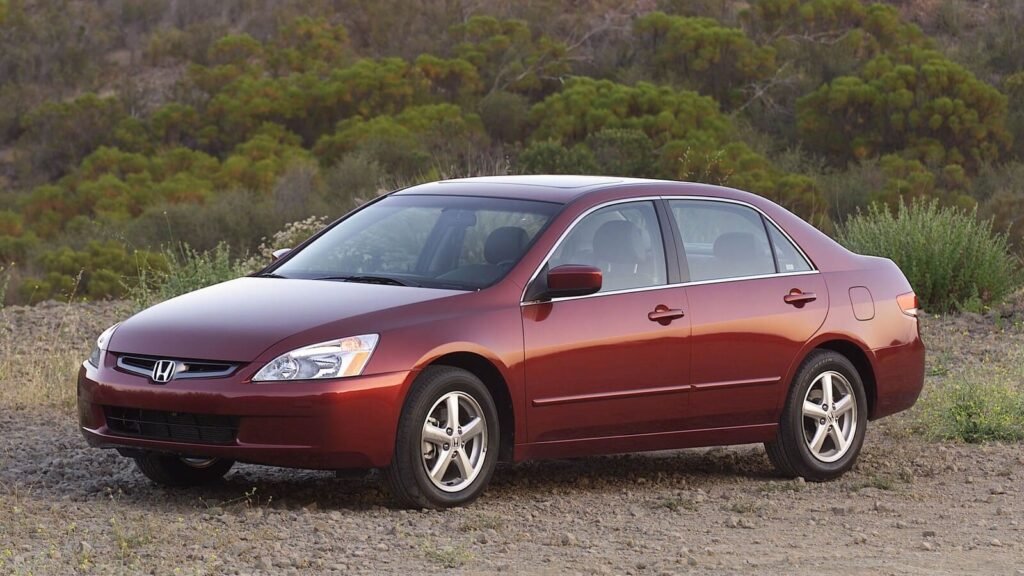
A three-to-five-year-old vehicle with strong reliability, complete maintenance records, reasonable mileage, no meaningful collision damage and a substantial discount from new can offer an excellent combination.
You avoid part of the early depreciation while still buying a car with many years of useful life remaining.
The key is buying the right used car—not simply buying a used car. That’s also why a pre-purchase inspection matters. A $200 inspection that uncovers $3,000 of deferred maintenance can completely change what appeared to be a bargain.
A Better Way to Compare New vs. Used
Don’t begin with “I always buy used” or “I’d rather have the peace of mind of new.”
Put both cars through the same calculation. Then account for differences that aren’t easily captured by a calculator: remaining warranty, vehicle history, current condition and how long you plan to keep it.
AAA uses the same broader principle in its ownership-cost methodology, incorporating depreciation, financing, fuel, insurance, fees and maintenance rather than treating purchase price as the entire cost of a vehicle.
That broader approach is also the foundation of our 10-Year Ownership Framework, where we examine how depreciation, repairs, fuel, downtime and resale value can make the cheaper car surprisingly expensive over a long ownership period.
Final Verdict: Used Usually Needs to Earn Its Advantage
Used cars can offer excellent value, but “used is cheaper” isn’t a buying strategy. Saving $8,000 or $10,000 on a clean, dependable three-year-old vehicle may strongly favor used; saving only $2,000 or $3,000 can make new more attractive once better financing, full warranty coverage, and zero previous wear are considered.
There is no universal discount where the answer changes. Reliability, mileage, depreciation, financing, incentives, insurance, and how long you plan to keep the car all affect the calculation.
Instead of asking whether new or used is cheaper, compare the specific vehicles in front of you. The used car should be discounted enough to compensate for the mileage, lost warranty, accumulated wear, and ownership history you’re accepting.
If it is, buy used.
If it isn’t, paying more for new may actually be the more economical decision.
- Chinese Cars Are Winning the Technology Race—But Will They Last?
- 2024 Toyota Camry Reliability: Is It Toyota’s Smartest Buy?
- 2023 Toyota Camry Reliability: Is Paying More Really Worth It?
- 10 Most Reliable Used Cars in 2026: Specific Years to Buy
- 2022 Toyota Camry Reliability: Is It the Best Used Camry?
- Car Reliability Ratings Explained: Which Ones Can You Actually Trust?
*Disclaimer: This website provides automotive content for informational purposes only and should not be considered professional advice. While we strive for accuracy, we do not guarantee the reliability or suitability of any vehicle or product mentioned—always conduct your own research before making purchasing decisions. Additionally, some links on this site are affiliate links, meaning we may earn a commission if you make a purchase, at no extra cost to you.