

A used car can look excellent, drive normally for 15 minutes, and still be a bad purchase.
The most expensive problems aren’t always obvious. A recently cleared warning light, poorly repaired collision damage, neglected cooling system, slipping transmission, or developing suspension problem can easily hide behind clean paint and a detailed interior.
That’s why what to check before buying a used car isn’t just a list of fluids, tires, and warning lights. The inspection needs an order: research the model first, verify the car’s history, inspect it cold, drive it properly, and then have an independent mechanic confirm what you couldn’t.
Here’s how I would approach a used car before putting my own money into it.

1. Research the Exact Model Year Before Seeing the Car
Start the inspection at home.
Don’t research only whether a Toyota Camry, Honda CR-V, or Ford Escape is generally reliable. Research the specific model year, engine, transmission, drivetrain, and trim you’re considering.
Look for recurring failures, recalls, technical service bulletins, expensive maintenance intervals, and meaningful differences between adjacent model years.
This changes what you’ll inspect later. If a particular engine has a known oil-consumption issue, check the oil carefully. If owners report transmission hesitation, reproduce the conditions under which it occurs. If a model has known water leaks, inspect the carpet and spare-tire well.
A generic inspection finds generic problems. Model-specific research tells you where to look for the expensive ones.
2. Get the VIN and Check the History Before You Go
Ask for the 17-character VIN before travelling to see the car.
Run a reputable vehicle-history report and compare the VIN against the listing, title and vehicle itself. Look for reported accidents, title problems, ownership changes, odometer inconsistencies, registration history and available service records.
But don’t make the common mistake of treating a clean history report as proof that the vehicle has never been damaged.
Not every collision or repair necessarily enters the databases used by history-report providers. The report should therefore be treated as one layer of evidence, not a substitute for physically inspecting the car.
Also enter the VIN into the NHTSA recall lookup. It can identify certain unrepaired safety recalls associated with that specific vehicle.
3. Ask the Seller Not to Start the Engine
This is one of the most useful requests you can make.
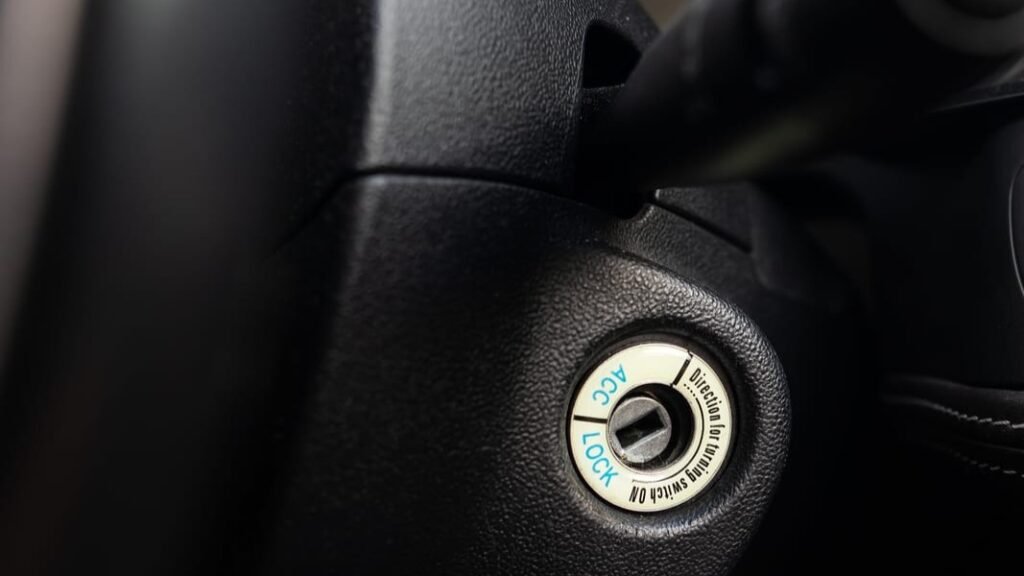
Tell the seller beforehand that you’d like the engine completely cold when you arrive. Then confirm that by carefully checking whether the engine is already warm.
Why?
Some problems are easiest to detect during the first seconds after a cold start: timing-chain or valvetrain noise, rough idle, smoke, weak batteries and certain fueling or ignition problems. Once the engine reaches operating temperature, symptoms can become much less noticeable.
If you specifically requested a cold engine and arrive to find it already warmed up, ask why.
It isn’t proof that anything is wrong. But it’s information worth considering.

4. Inspect the Body Before Getting Distracted by the Interior
Walk around the vehicle in good daylight.
Look at the car from different angles rather than standing directly beside each panel. Differences in paint shade, texture or reflection can reveal previous bodywork more easily from a distance.
Check:
- Panel gaps around the hood, doors, trunk and bumpers
- Paint color and texture between adjacent panels
- Overspray around rubber seals and trim
- Cracked lamps or poorly fitted bumpers
- Rust around wheel arches, rocker panels and underneath
- Windshield cracks and chips
- Evidence of water intrusion
A replaced bumper isn’t automatically a reason to reject a car. Neither is professionally repaired cosmetic damage.
Structural damage is different.
Irregular gaps, distorted mounting points, poor welding, significant underbody damage or repairs around structural areas deserve professional evaluation. A suspiciously repaired collision can affect alignment, tire wear, crashworthiness and resale value long after the body looks presentable again.
5. Let the Tires Tell You About the Car
Don’t simply check whether the tires have tread.
Look at how they are wearing.
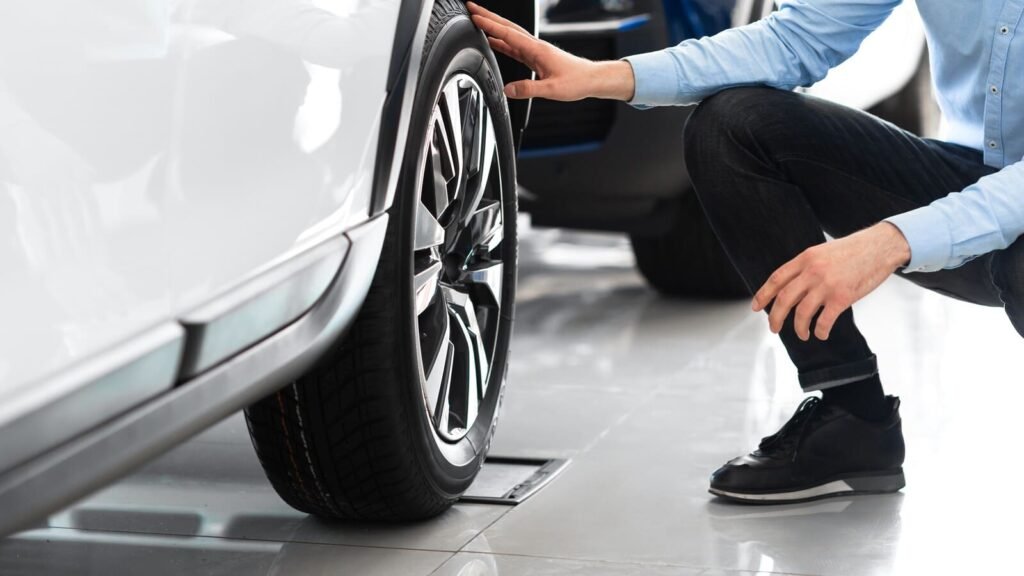
Uneven wear across a tire can suggest an alignment problem, worn suspension components, incorrect inflation or previous damage. Severe wear on an inside edge can be almost invisible unless you deliberately look behind the wheel.
Then inspect all four tires.
Are they the same brand and model? Are the sizes correct? Are their date codes reasonably similar? Are premium tires fitted at one end and cheap replacements at the other?
Four good matching tires don’t prove a car was maintained properly, but tires often reveal how an owner spent money on the vehicle. A relatively expensive car sitting on four neglected or mismatched tires deserves a closer look at the rest of its maintenance history.
Remember that tires also age. Plenty of tread doesn’t necessarily make an old, cracked tire safe.
6. Look Under the Hood Before Starting It
You don’t need to be a mechanic to learn something here.
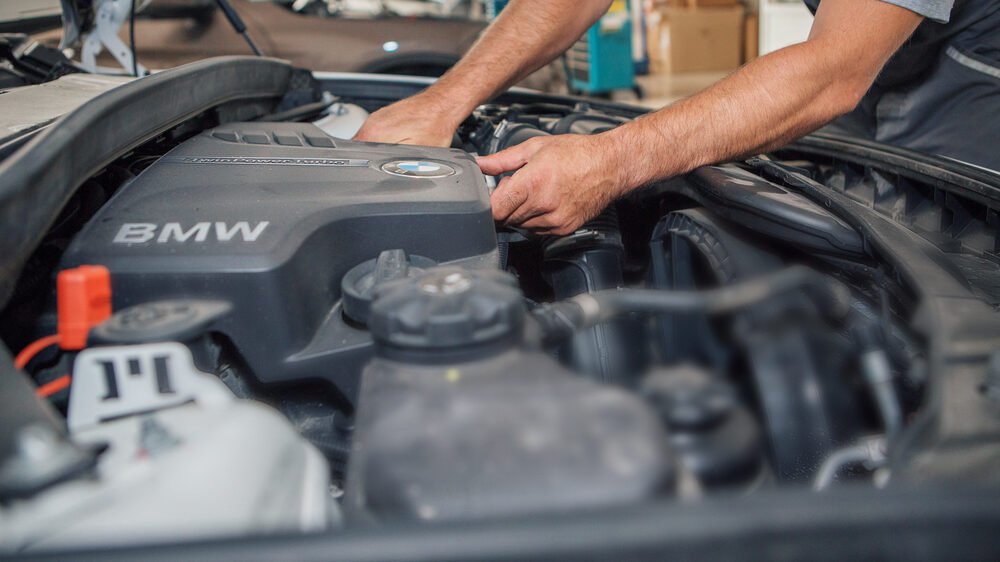
Start with the engine oil. Check the level according to the manufacturer’s procedure and examine its general condition. Oil slightly below the full mark isn’t automatically alarming; an almost-dry dipstick is another matter.
Check the coolant reservoir while the engine is cold. The coolant should be at an appropriate level and shouldn’t obviously contain oil contamination.
Look around the engine and underneath for fresh oil, coolant residue or other leaks. Pay attention to improvised wiring, damaged connectors, missing fasteners and obvious evidence that someone has recently cleaned only one suspicious area.
Don’t assume every stain means a major repair. Older cars frequently develop minor seepage.
The question is what is leaking, how much, and what would it cost to correct?
That’s where a pre-purchase inspection becomes valuable.
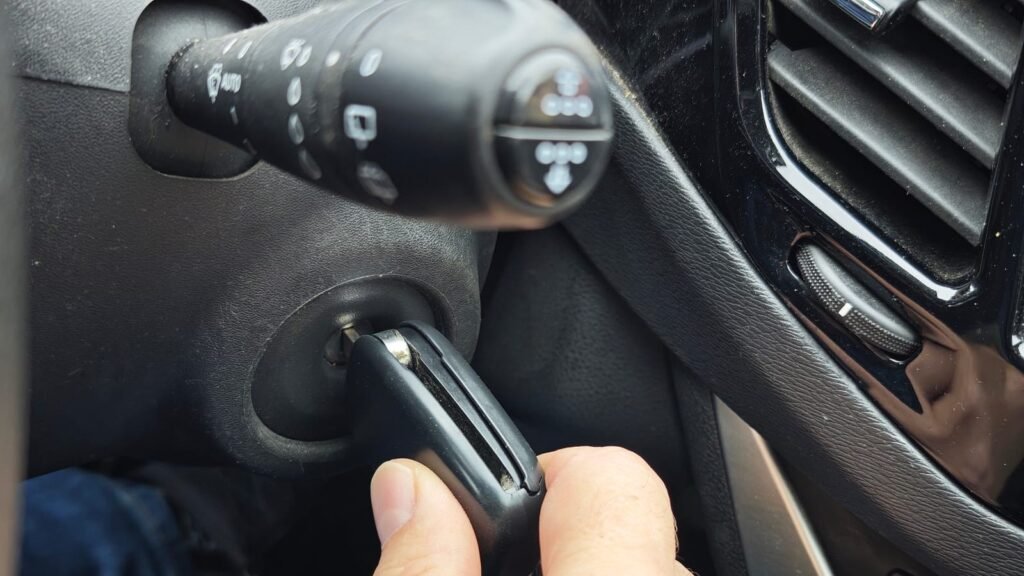
7. Start the Engine and Watch Before Driving
Now start it yourself.
Before turning the key or pressing the start button, switch the ignition on and verify that the major warning lights illuminate as expected. After the engine starts, they should extinguish normally.
A warning light that never illuminates deserves investigation just as much as one that stays on.
Listen to the first few seconds of operation. Then let the engine idle.
You’re looking for persistent knocking, rattling, excessive vibration, unstable idle, visible smoke or warning messages. A brief sound during startup isn’t automatically catastrophic—different engines behave differently—but persistent abnormal noise requires diagnosis.
Also test the equipment while stationary: air conditioning, windows, locks, mirrors, infotainment, cameras, parking sensors, seat adjustments, lights and other major electrical features.
One failed switch may be trivial. Multiple unrelated electrical faults can become expensive surprisingly quickly.
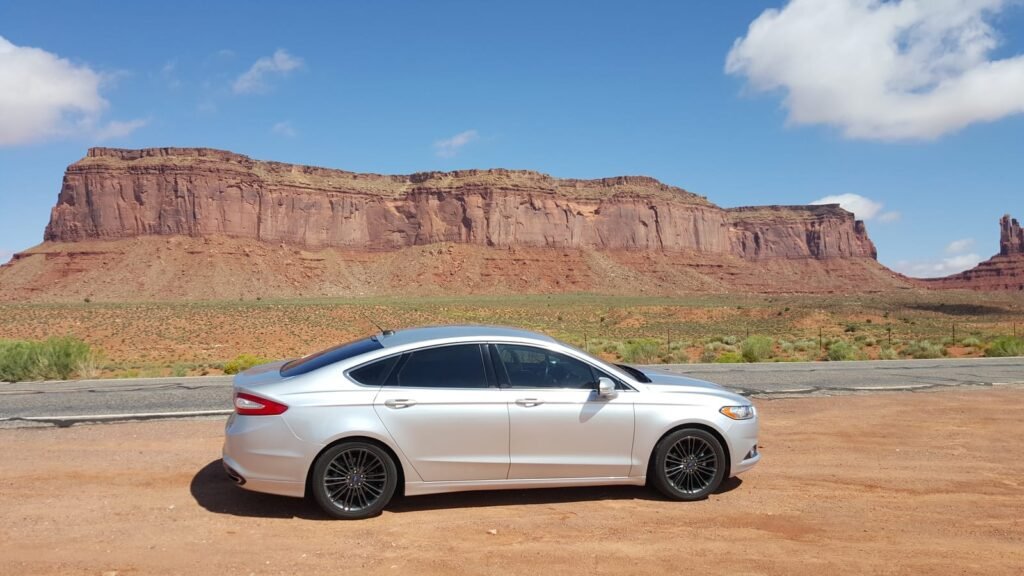
8. Don’t Take a Five-Minute Test Drive
A proper test drive should include several conditions.
Drive slowly through a parking lot. Make tight turns in both directions and listen for clicking, binding, clunks or unusual steering noises.
Accelerate gently and then more firmly once the engine is properly warmed. The transmission should behave consistently with how that particular model is designed to operate. Watch for slipping, severe hesitation, harsh engagement, unexpected shuddering or delayed response.
Then find a safe road where you can reach normal cruising speed.
Does the car track straight? Is the steering wheel centered? Do you feel vibration through the steering wheel or seat? Does it wander excessively?
Finally, brake progressively from a reasonable speed in a safe location. The vehicle should remain controlled rather than pulling strongly to one side or producing severe vibration through the steering wheel or pedal.
Turn the stereo off while doing this.
You’re buying the car, not auditioning its speakers.
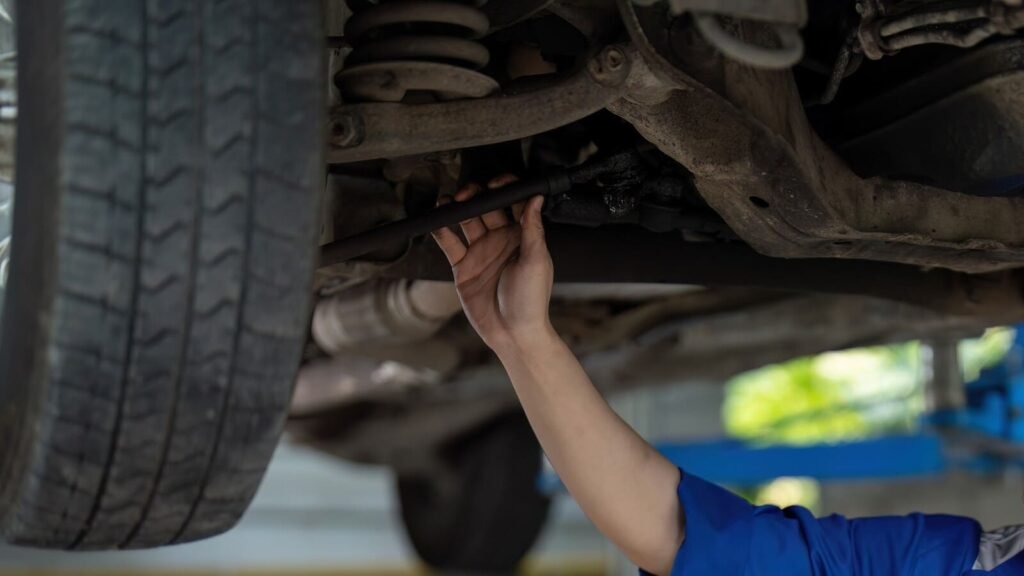
9. Check the Suspension on Imperfect Roads
A freshly paved road can make almost anything feel good.
Find a normal road containing small bumps, patched pavement and other imperfections. Listen for knocks and rattles from the suspension.
A worn sway-bar link may be inexpensive. Worn control arms, dampers, bushings, wheel bearings or more complex adaptive/air-suspension components can be considerably more expensive.
Again, the objective isn’t to find a perfectly silent used car.
It’s to identify what you’re about to inherit.
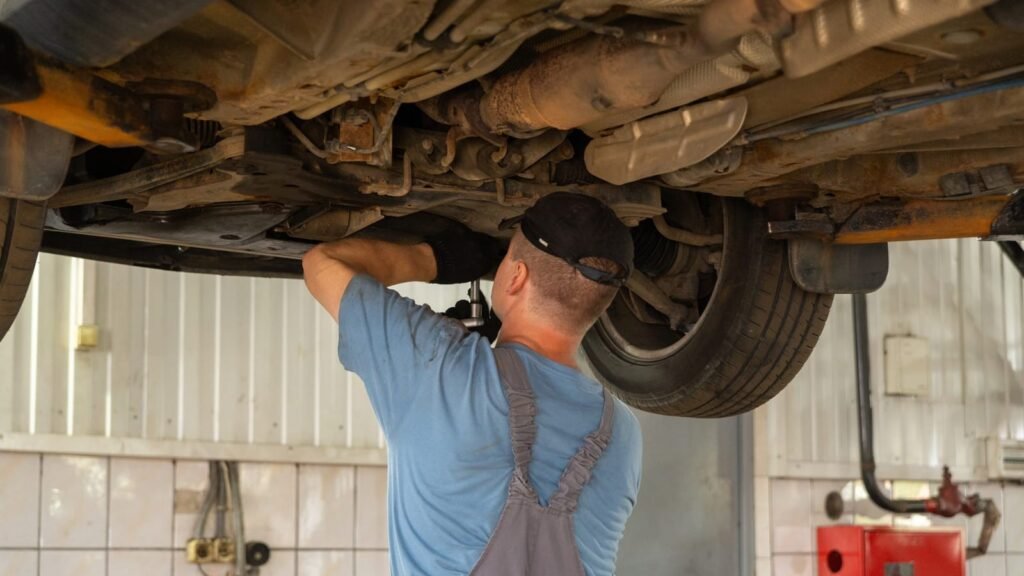
10. Look Underneath the Vehicle
You won’t perform a complete underbody inspection without a lift, but look underneath anyway.
Check for fresh fluid spots, hanging undertrays, crushed components, obvious corrosion and impact damage.
If you’re buying in a region where road salt is heavily used, underbody corrosion deserves particular attention. Surface corrosion and serious structural corrosion are not the same thing, and distinguishing between them is another good reason to have the car raised professionally before purchase.
On SUVs and trucks advertised as never having been driven off-road, substantial scraping underneath may also tell you something the advertisement didn’t.
11. An OBD Scan Can Help—But Don’t Overestimate It
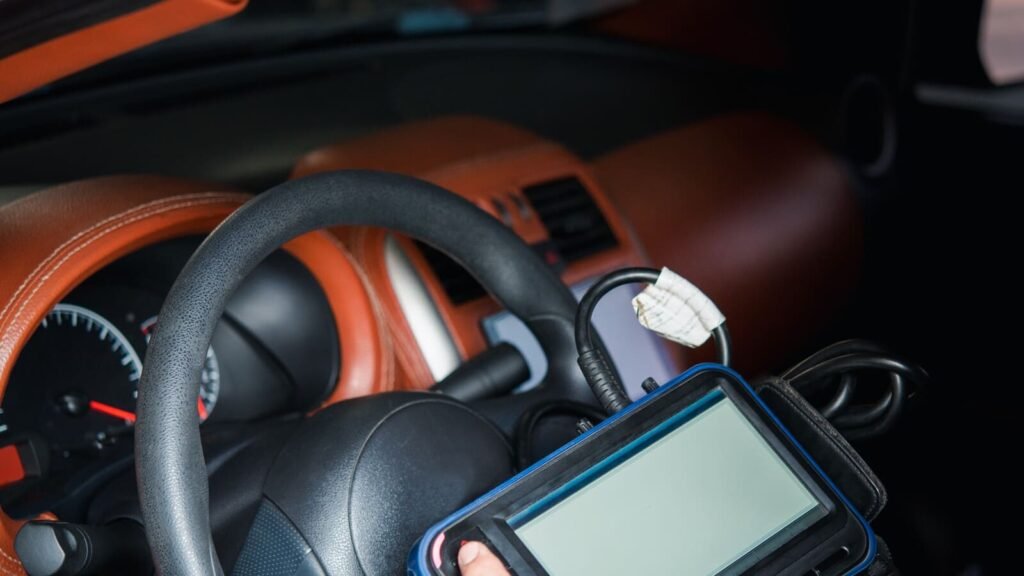
An inexpensive OBD-II scanner can add another layer to the inspection.
It may reveal stored or pending diagnostic trouble codes even when no warning light is currently illuminated. A more capable diagnostic tool can access additional vehicle modules that a basic engine-code reader cannot.
But a scanner isn’t a mechanical inspection.
A car can have no useful diagnostic codes and still have worn suspension, collision damage, oil consumption, a weak transmission, leaking seals or many other problems.
Think of diagnostics as evidence, not a verdict.
12. Pay for an Independent Pre-Purchase Inspection
This is the point where many buyers try to save $150 or $200 while risking thousands.
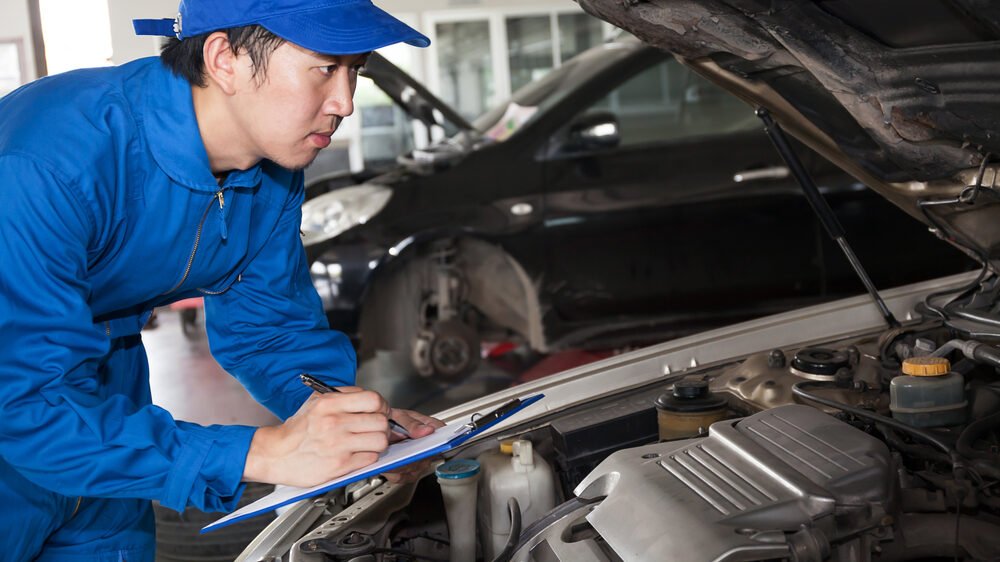
The FTC specifically advises used-car buyers to have vehicles inspected by an independent mechanic before purchase, even when the vehicle has been inspected or certified by the dealer.
A good pre-purchase inspection can put the vehicle on a lift, examine suspension and steering components, identify leaks, assess brakes and tires, look for collision repairs and investigate anything suspicious from your test drive.
Ideally, choose the shop yourself.
For certain European luxury cars, performance vehicles, hybrids, EVs or technically complex models, a specialist familiar with that particular brand may be worth the additional cost.
And if a seller refuses to allow an independent inspection?
Unless there’s a convincing reason, I’d find another car.
There are too many used vehicles for sale to gamble on one you’re not permitted to inspect properly.

13. Separate Negotiation Problems From Walk-Away Problems
Finding defects doesn’t necessarily mean abandoning the purchase.
A car needing tires, brake pads, a battery or routine maintenance may still be an excellent buy if the price reflects those costs.
Think of findings in three groups.
Usually negotiable
Worn tires, aging battery, brake wear, cosmetic damage, overdue routine maintenance or a minor repair with a clearly understood cost can often become negotiating points.
Needs diagnosis before buying
Oil leaks, suspension noises, warning lights, overheating history, significant vibration, abnormal transmission behavior or evidence of previous collision repair shouldn’t be priced by guesswork. Diagnose them first.
Often worth walking away from
Serious structural damage, flood evidence, unexplained title or VIN inconsistencies, major undisclosed modifications, severe corrosion, obvious overheating problems, significant drivetrain symptoms or a seller actively preventing inspection can make another vehicle the smarter choice.
The cheapest repair is sometimes the car you decide not to buy.
14. Read the Paperwork as Carefully as You Inspect the Car
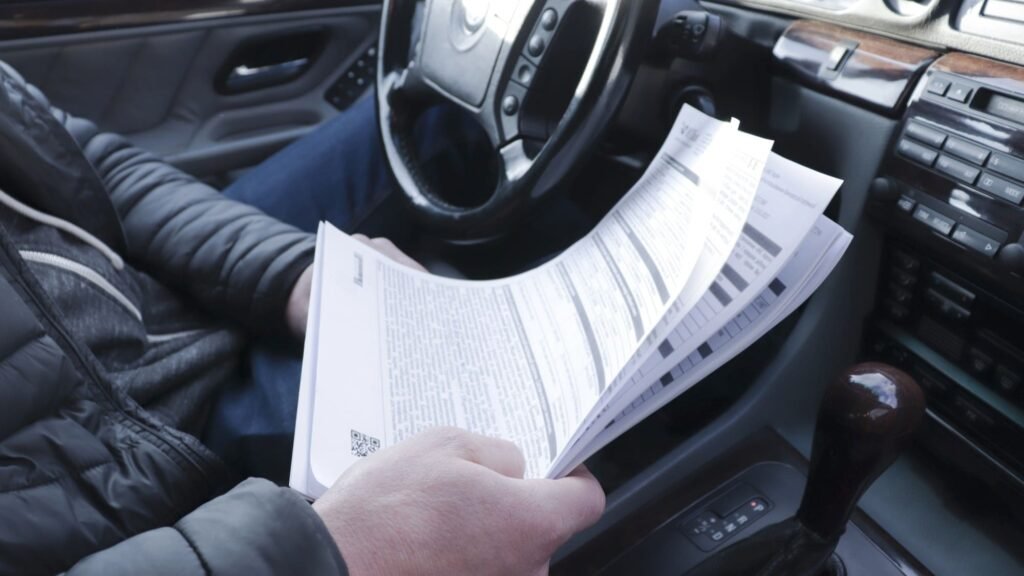
At a U.S. dealership, look at the FTC Buyers Guide displayed on the used vehicle.
It tells you whether the dealer is selling the car with a warranty or, where permitted, “as is,” and provides information about what warranty coverage the dealer is offering. The FTC also advises buyers to get dealer promises in writing.
Don’t assume there’s automatically a federal three-day period allowing you to return a car. There isn’t. Return and cancellation rights can depend on state law or a dealer’s own written policy.
For a private-party purchase, verify that the seller’s identification, VIN, title and other required documents are consistent. Requirements vary by state, so check the relevant DMV before exchanging money.
The Used-Car Inspection Order I Recommend
When you’re actually shopping, keep the process simple:
- Research
- VIN/history
- cold inspection
- body
- tires
- fluids
- cold start
- electronics
- test drive
- underbody
- diagnostics
- independent inspection
- paperwork
- negotiate
That order matters.
Research tells you what failures to target. The cold inspection prevents a warmed-up engine from hiding certain symptoms. The test drive tells you what needs professional attention. The mechanic then confirms whether those observations are minor maintenance items or reasons to reconsider the purchase.
Final Verdict
A good used-car inspection isn’t about finding a vehicle with zero imperfections. At five or ten years old, almost every car will have something you could criticize.
What matters is knowing what you’re buying.
A $600 set of tires discovered before purchase can become part of the negotiation. A transmission problem discovered two weeks afterward becomes your problem. That’s the difference a disciplined inspection can make.
Start by researching the exact model year and powertrain. Inspect the vehicle cold. Don’t trust a clean history report as proof of a clean past. Drive it under enough conditions to expose problems, and don’t let your own inspection replace an independent pre-purchase inspection.
The objective isn’t to prove that a used car is perfect.
It’s to make sure its condition, history, known risks and price agree with each other before you sign anything.
- 10 Most Reliable Used Cars in 2026: Specific Years to Buy

- 2022 Toyota Camry Reliability: Is It the Best Used Camry?

- Car Reliability Ratings Explained: Which Ones Can You Actually Trust?
- 2021 Toyota Camry Reliability: Is This the Best XV70 Camry You Can Buy?

- The Hidden Cost of Buying the Wrong Car: A 10-Year Ownership Framework

- Which Honda CR-V Years Should You Avoid? Complete Buyer’s Guide

*Disclaimer: This website provides automotive content for informational purposes only and should not be considered professional advice. While we strive for accuracy, we do not guarantee the reliability or suitability of any vehicle or product mentioned—always conduct your own research before making purchasing decisions. Additionally, some links on this site are affiliate links, meaning we may earn a commission if you make a purchase, at no extra cost to you.