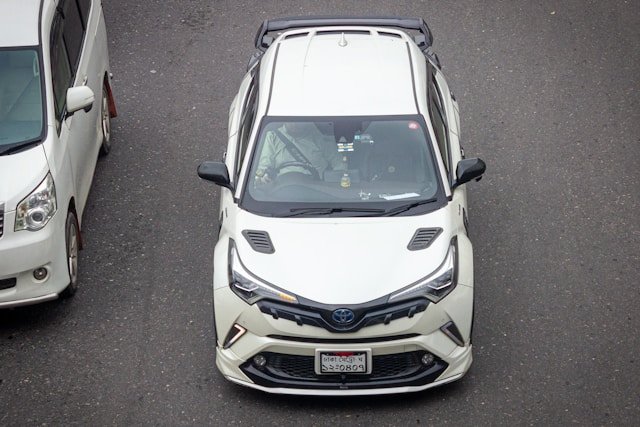
Choosing a car in 2026 is no longer a simple matter of picking the model you like. One of the most important decisions is whether to go with an electric vehicle (EV) or a gasoline-powered car. Each option has advantages and disadvantages, and your choice depends on your lifestyle, driving habits, budget, and priorities. In this guide, we’ll break down the key differences between electric and gas cars, the benefits and challenges of each, and help you make an informed decision.
Understanding the Basics
Before comparing, let’s clarify what separates electric and gas cars:
- Gasoline Cars (ICE – Internal Combustion Engine): These vehicles rely on burning fuel in an engine to create power. Gas cars have been the standard for over a century and have well-established infrastructure, such as gas stations and repair shops.
- Electric Cars (EVs): EVs run on electric motors powered by batteries. They need to be charged at home or public charging stations. Modern EVs have improved range, performance, and affordability compared to earlier models.
Performance and Driving Experience
Gas Cars: Familiar and Versatile
Gas-powered cars offer predictable performance and are widely available in almost every market. They typically provide:
- Quick refueling in minutes at gas stations
- Familiar driving experience for most people
- Long driving range without needing to worry about charging infrastructure
However, gas engines require regular maintenance like oil changes, air filter replacements, and emissions checks. Their performance can also vary based on fuel quality and engine age.
Electric Cars: Smooth and Instant Torque
Electric cars have fewer moving parts and provide a unique driving experience:
- Instant torque: Acceleration is smooth and immediate, which makes EVs fun to drive in city traffic and highways alike.
- Silent operation: EVs are quieter than gas cars, reducing noise pollution and improving cabin comfort.
- Low vibration: With no combustion, EVs have less engine vibration and smoother operation.
On the downside, EVs’ performance can be affected by extreme temperatures, which can slightly reduce battery range in very hot or cold conditions.
Cost of Ownership
Gas Cars: Low Upfront Cost, Higher Running Costs
Gas cars often cost less to purchase initially than EVs. For buyers on a tight budget, this makes them an attractive option. However, long-term costs can add up:
- Fuel expenses fluctuate with global oil prices
- More frequent maintenance, such as oil changes, brake service, and engine repairs
- Lower efficiency for city driving due to idling and stop-and-go traffic
Electric Cars: Higher Upfront, Lower Running Costs
EVs usually have higher purchase prices than comparable gas cars, but they make up for it in long-term savings:
- Cheaper “fuel”: Electricity is generally cheaper than gasoline per mile driven.
- Lower maintenance costs: No oil changes, fewer moving parts, and regenerative braking reduce wear.
- Incentives: Many regions offer tax credits, rebates, and perks like free charging.
For most EV owners, the total cost of ownership over several years can be lower than a gas car, especially if home charging is available.
Environmental Impact
Gas Cars: High Emissions
Gasoline engines produce carbon dioxide and other pollutants, contributing to climate change and air quality issues. They also require petroleum extraction, refining, and transportation, which adds to their environmental footprint.
Electric Cars: Cleaner, Especially with Renewable Energy
EVs produce zero tailpipe emissions, which significantly reduces local air pollution. Their environmental impact depends on electricity sources:
- Charging from renewable energy makes EVs very green
- Charging from coal-heavy grids still produces emissions, but often less than gasoline cars overall
- EV battery production has a higher initial environmental cost, but it’s offset over the vehicle’s lifetime
Range and Refueling / Charging
Gas Cars: Instant Refueling and Long Range
One of the main advantages of gas cars is the convenience of refueling:
- Full tanks in 5–10 minutes
- Long driving ranges on a single tank (often 300–500 miles)
- Widespread gas stations make long-distance travel simple
Electric Cars: Charging and Range Considerations
EV range has improved significantly, with many models offering 250–400 miles per charge. Charging options include:
- Home charging: Most EV owners charge overnight using a Level 2 charger.
- Public charging stations: Fast chargers can provide 80% charge in 20–40 minutes, but availability may vary by region.
- Planning required for long trips: EVs require a bit more planning for long-distance travel, but apps and navigation systems make it easier.
For city and suburban driving, EV range is generally more than enough for daily commuting.
Maintenance and Repairs
Gas Cars
- Require regular oil changes, fuel system maintenance, and more moving parts to inspect
- Higher likelihood of engine or transmission repairs over time
- Depreciation is generally predictable
Electric Cars
- Fewer moving parts mean less can go wrong
- No oil changes, spark plugs, or timing belts
- Battery may degrade over time (usually covered by warranties for 8–10 years)
- Brake systems last longer due to regenerative braking
Overall, EVs tend to have lower maintenance costs and fewer surprises, which is ideal for beginners.
Availability and Variety
Gas Cars
- Almost every model and body style is available: sedans, SUVs, trucks, sports cars
- Large second-hand market keeps prices low
- Easy to find replacement parts anywhere
Electric Cars
- Growing rapidly, but fewer body styles than gas cars
- Compact, midsize, and some SUVs dominate the market; trucks are limited
- Charging infrastructure still developing in certain areas
- Second-hand EVs are increasing, making entry-level options more affordable
Incentives and Savings
EV owners may benefit from:
- Federal or regional tax credits
- Rebates on charging stations
- Reduced registration fees or toll discounts
- Lower insurance in some markets
Gas car buyers typically receive fewer financial incentives, except in special cases like eco-friendly fuel-efficient vehicles.
Who Should Choose Gas Cars?
Gas cars are a better choice if:
- You regularly take long road trips in areas with limited charging stations
- You need a truck or specialty vehicle that EV options don’t cover
- Upfront affordability is your main priority
- You want predictable refueling times without planning
Who Should Choose Electric Cars?
EVs are ideal if:
- Most driving is daily commuting or city trips
- You have access to home or workplace charging
- Lower long-term maintenance and fuel costs are important
- You want a quieter, smoother driving experience
- You value reduced environmental impact
Final Thoughts
There is no one-size-fits-all answer when choosing between electric and gas cars. In 2026, EVs are increasingly practical, affordable, and beginner-friendly, especially for those who drive short to medium distances and have charging access. Gas cars remain convenient, widely available, and ideal for long trips or remote areas.
The decision ultimately depends on your lifestyle, daily driving habits, budget, and environmental priorities. Many drivers may even consider a hybrid car as a bridge between electric and gas, combining benefits of both technologies.
By understanding the differences, costs, and benefits of each, you can make a choice that saves money, reduces stress, and fits your needs for years to come.