
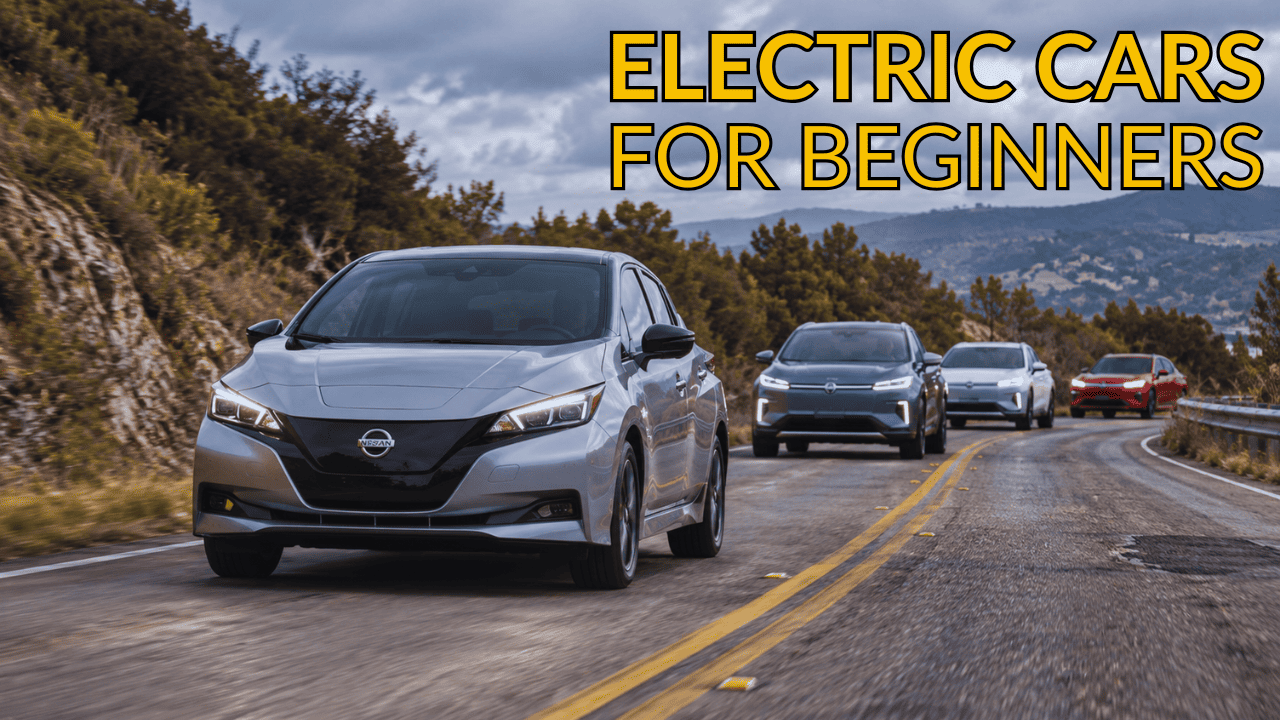
Your first EV should fit where and how you charge, not simply offer the longest range or fastest charging speed. For beginners, we’d prioritize dependable home or workplace charging, sufficient real-world range, sensible pricing, usable cargo space and straightforward controls—the combination that makes an EV easier to live with rather than another thing to plan around.
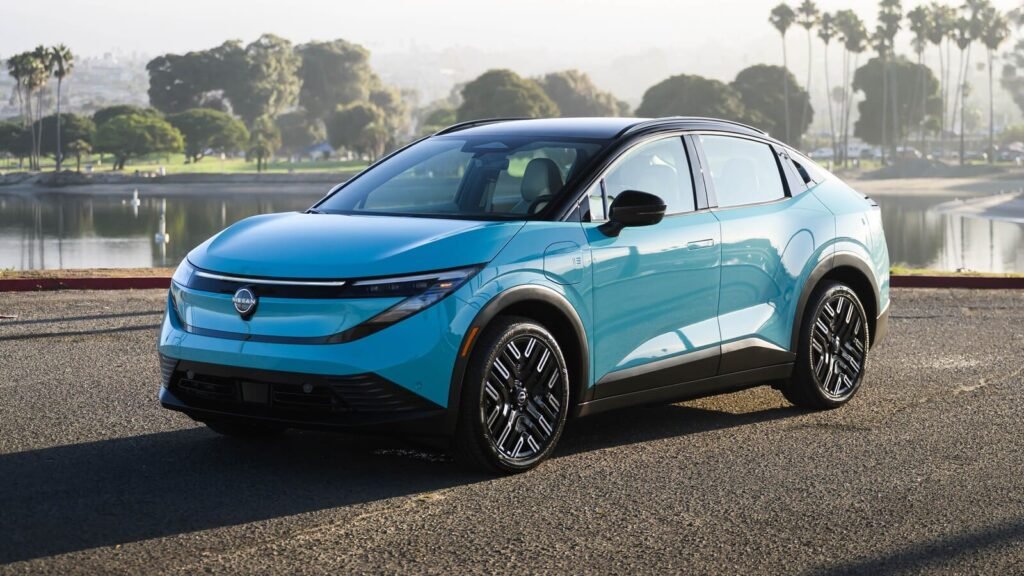
1. 2026 Nissan Leaf — Best First EV Overall
Starting MSRP: $29,990 | Up to 303 miles EPA range
The redesigned 2026 Leaf S+ is an unusually approachable first EV: for around $30,000, its 75-kWh battery provides 303 miles of EPA-estimated range, while separate J1772 and native NACS ports support existing home chargers and compatible Tesla Superchargers without an adapter. Its roughly 35-minute peak DC fast-charge time trails quicker-charging rivals, but for beginners prioritizing range, price and easy charging compatibility over maximum road-trip charging speed, the Leaf makes a strong case.
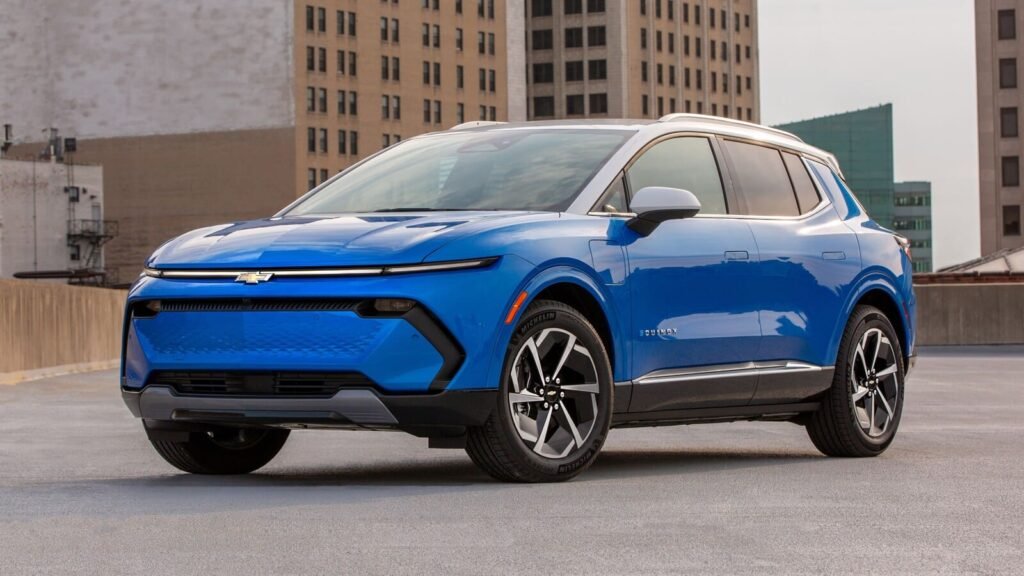
2. 2026 Chevrolet Equinox EV — Best Beginner EV for Families
Starting MSRP: $34,995 | 319 miles EPA range with FWD
The Equinox EV makes the transition easier for buyers who simply want their first EV to behave like a normal five-seat compact SUV, offering 319 miles of EPA-estimated range with FWD and 57.2 cubic feet of maximum cargo space. Its main compromises are middling fast-charging speed and the need for GM’s approved NACS adapter to use compatible Tesla Superchargers, but its combination of 300-plus-mile range, familiar crossover practicality and accessible pricing makes those easier to accept.
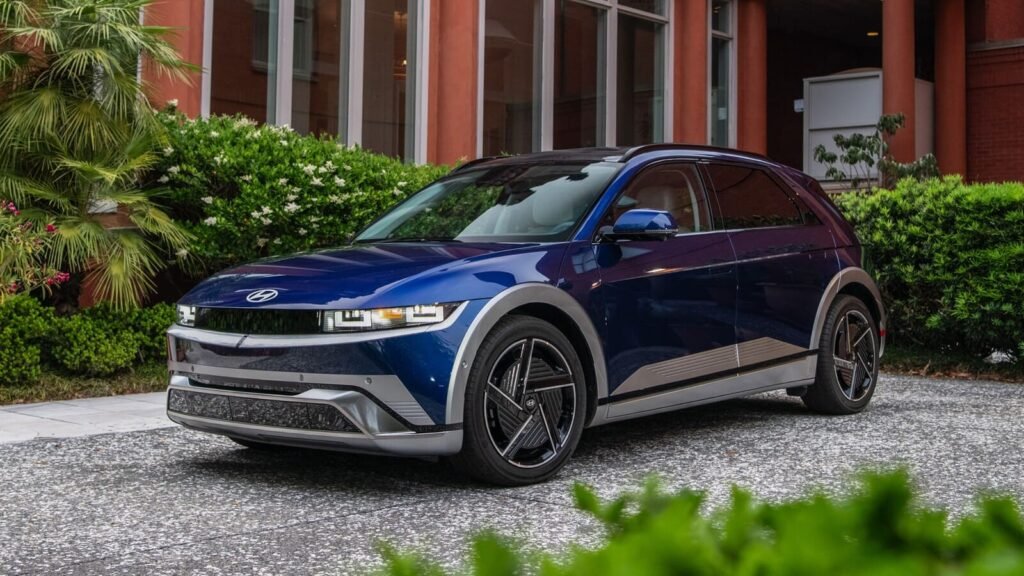
3. 2026 Hyundai Ioniq 5 — Best for Beginners Who Will Road-Trip
The Ioniq 5 is the stronger beginner EV for frequent road trips because its 800-volt architecture can charge from roughly 10–80% in about 18 minutes on a suitable 350-kW charger, making charging speed nearly as important as range. Its native NACS port also provides compatible Tesla Supercharger access without an adapter, although many 400-volt Superchargers cannot exploit its full charging capability—proof that charger access and charging speed aren’t the same thing.
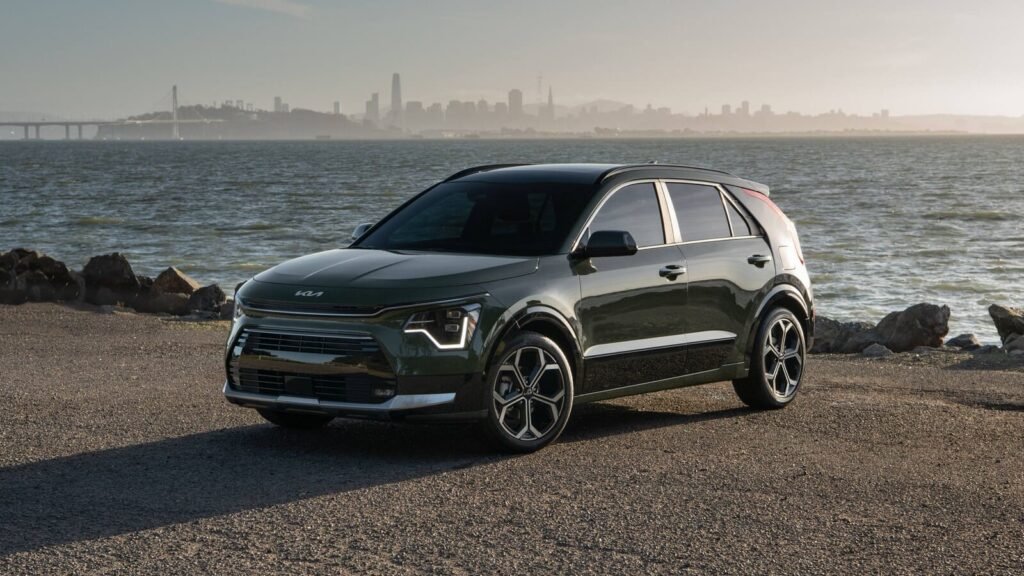
4. 2026 Kia Niro EV — Best for Mostly Local Driving
Not every first-time EV buyer needs 300 miles of range or ultra-fast 800-volt charging. The Niro EV makes more sense for buyers whose driving is mostly commuting, school runs and local trips with overnight home charging, where paying extra for extreme range or faster road-trip charging brings little benefit.
Its compact crossover practicality makes the transition easy, but frequent long-distance drivers should spend more for the faster-charging Ioniq 5—the lesson is simple: don’t pay for road-trip capability you rarely use.
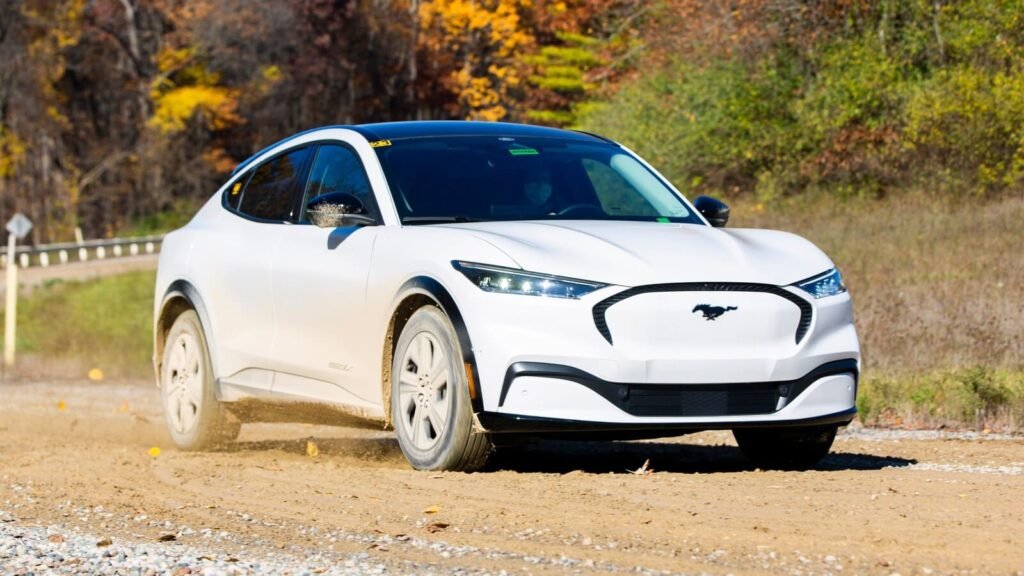
5. 2026 Ford Mustang Mach-E — Best for Buyers Who Want More Range Options
Up to 320 miles EPA-estimated range
The Mach-E’s practical appeal is that it can replace a conventional family crossover without making everyday life more complicated: it offers nearly 30 cubic feet of cargo space behind the rear seats, a small front trunk and configurations ranging from roughly 260 to 320 miles of range. Choose the battery and AWD only if your driving requires them, and skip the expensive GT unless performance is a priority—the sensible Mach-E combines useful family space with enough range for your actual routine.
Which One Makes the Most Sense?
| Your priority | Our choice | Main reason |
|---|---|---|
| Best overall first EV | Nissan Leaf S+ | Price + 303-mile range + native NACS |
| Family crossover | Chevrolet Equinox EV | 319-mile range and useful SUV packaging |
| Frequent road trips | Hyundai Ioniq 5 | Exceptional 800V fast charging |
| Mostly local driving | Hyundai Kona Electric | No need to pay for excessive capability |
| Range/configuration choice | Ford Mustang Mach-E | Multiple battery and drivetrain options |
Before Buying Your First EV, Answer These Three Questions
Where will I charge? If the answer is your garage or driveway, EV ownership becomes much easier. If the answer is “wherever I find a public charger,” check the actual stations around your home and workplace before buying the car.
How far do I really drive? Someone commuting 30 miles per day doesn’t need 350 miles of range for normal use. Extra battery capacity adds cost and weight. Buy enough range to provide a comfortable buffer for weather, highway driving and battery aging—not simply the largest number available.
How often do I road-trip? A 300-mile EPA rating doesn’t mean 300 uninterrupted highway miles under every condition. Speed, temperature, climate control, elevation and other factors affect consumption. For frequent long-distance travel, charging curve and network compatibility become much more important.
Our Electric vs. Gas Cars in 2026: Which Is Actually Cheaper to Own? analysis covers the separate financial question, while The Future of Electric Vehicles explains where battery and charging technology is heading.
Final Verdict
The 2026 Nissan Leaf S+ is our strongest first-EV choice for three separate reasons: 303 miles of range minimizes range anxiety, sub-$30,000 pricing keeps the cost of entry low, and J1772/NACS compatibility makes both home and public charging easier. The Equinox EV offers more family-SUV practicality and the Ioniq 5 is better for frequent road trips, but whatever you choose, prioritize your charging situation—a 250-mile EV charged at home every night can be easier to own than a 320-mile EV dependent on public chargers.
For a beginner, that’s the specification that should come first.
- Chinese Cars Are Winning the Technology Race—But Will They Last?
- 2024 Toyota Camry Reliability: Is It Toyota’s Smartest Buy?
- 2023 Toyota Camry Reliability: Is Paying More Really Worth It?
- 10 Most Reliable Used Cars in 2026: Specific Years to Buy
- 2022 Toyota Camry Reliability: Is It the Best Used Camry?

- Car Reliability Ratings Explained: Which Ones Can You Actually Trust?
*Disclaimer: This website provides automotive content for informational purposes only and should not be considered professional advice. While we strive for accuracy, we do not guarantee the reliability or suitability of any vehicle or product mentioned—always conduct your own research before making purchasing decisions. Additionally, some links on this site are affiliate links, meaning we may earn a commission if you make a purchase, at no extra cost to you.