Why French Car Brands Failed in America—and Haven’t Returned
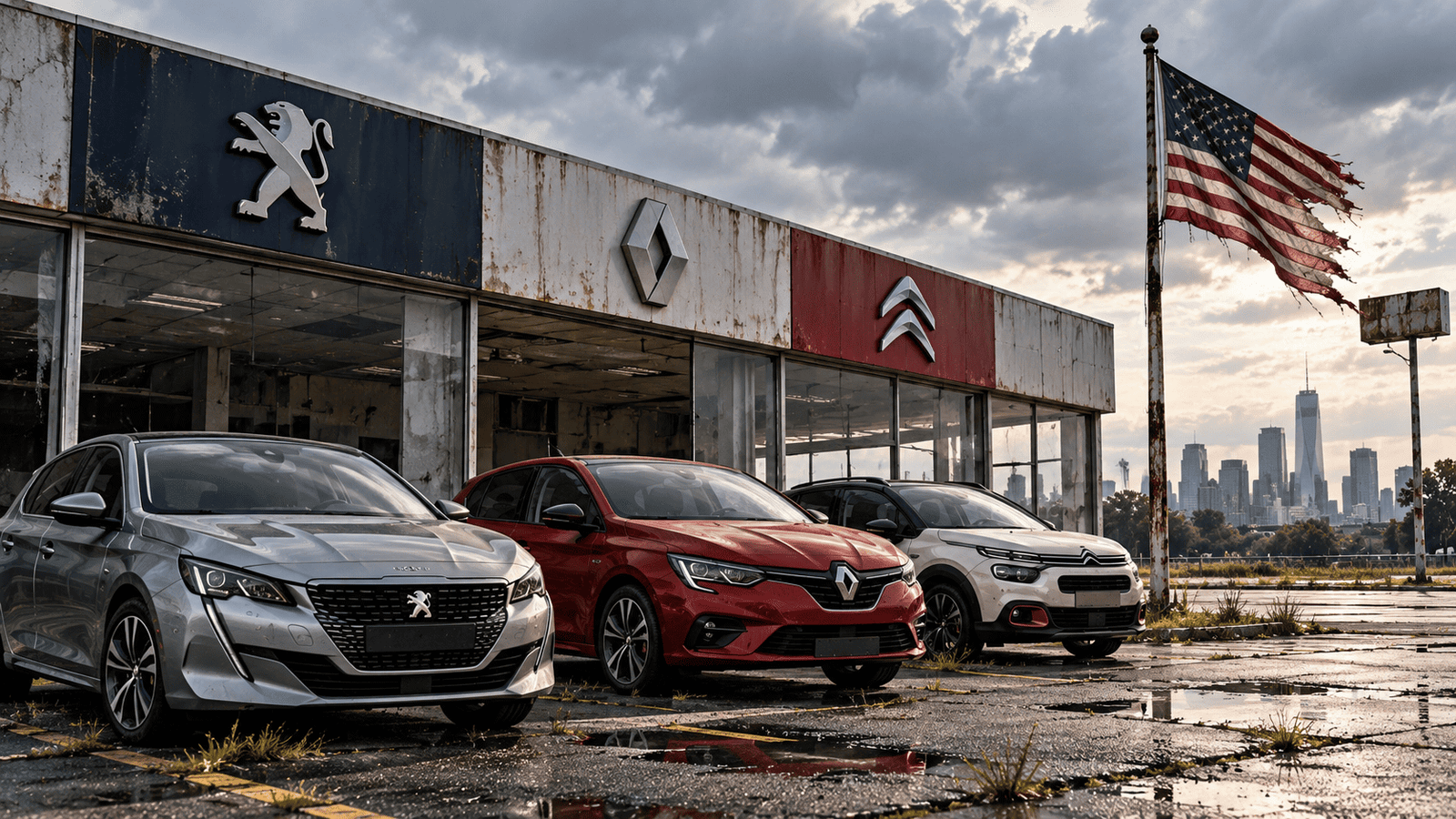
French Cars, Abandoned American Showroom

France produced automotive icons such as the Citroën DS, Renault 5, and Peugeot 205, yet its major brands remain absent from U.S. dealerships despite the success of Japanese, Korean, and German competitors. The obstacle isn’t engineering capability but commercial viability. Historical setbacks, regulatory costs, and American consumer preferences have made establishing a sustainable U.S. operation … Read more

Manual vs. Automatic Transmission: Which Is Better?

Automatic vs Manual

Manual transmissions once offered better fuel economy, simpler mechanics, and greater driver control. Modern automatics have largely eliminated the first two advantages while delivering faster shifts, improved efficiency, and competitive durability. For most drivers, automatic transmissions are now the better choice. Manuals retain their appeal through direct control and driver engagement. The meaningful distinction is … Read more

Which French Car Brand Is Best? Peugeot, Citroën, or Renault

French Auto Brands

Peugeot, Citroën, and Renault represent distinct approaches to French automotive engineering. Peugeot emphasizes driving dynamics and interior refinement, Citroën prioritizes comfort, while Renault stands out for independent powertrain development and electrification. Reliability complicates the comparison. Peugeot and Citroën share engines, transmissions, and electronic systems, making powertrain and model generation more important than brand identity. Renault’s … Read more

Is Toyota Really More Reliable Than Nissan? The Evidence Explained

Toyota vs Nissan

Toyota leads Nissan in long-term reliability, but the engineering gap is more nuanced than their reputations suggest. Nissan has produced innovative technologies and competitive conventional powertrains, even as certain transmission and engine decisions have undermined its reliability record. The fundamental difference is Toyota’s greater consistency in turning engineering development into durable, commercially successful vehicles. Understanding … Read more

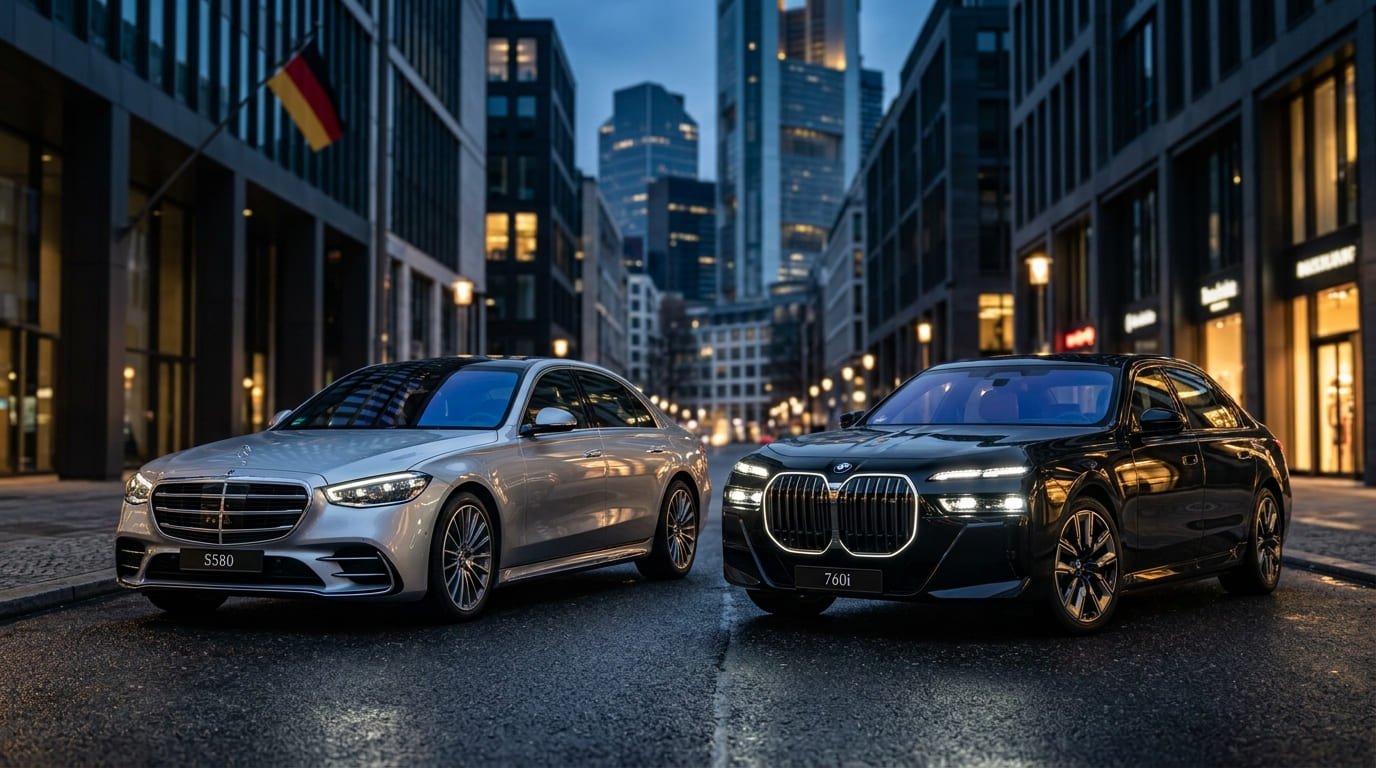
Mercedes-Benz vs BMW: Which German Luxury Brand Is Actually Better?

Mercedes vs BMW

Mercedes-Benz vs. BMW is one of the automotive industry’s defining luxury rivalries, traditionally contrasting Mercedes-Benz’s emphasis on comfort and refinement with BMW’s focus on driving dynamics and performance. Yet these distinctions have narrowed. Modern BMWs deliver exceptional luxury, Mercedes-AMG produces formidable performance cars, and both manufacturers have evolved considerably in engineering sophistication and reliability. So … Read more

Why Chinese Cars Aren’t Sold in America: Tariffs & Security

Blocked Export Tariffs and Trade Security

Chinese automakers now compete globally across affordable EVs, plug-in hybrids, and luxury vehicles, yet remain largely absent from U.S. dealerships. Their exclusion is driven primarily by trade barriers, national-security restrictions, industrial policy, and the cost of establishing sales and service networks—not an inherent inability to build competitive vehicles. Manufacturers such as BYD, Geely, and XPeng … Read more

The World’s Biggest Automakers in 2026: Who Is Really Winning?

Motor Show

Toyota remained the world’s largest automaker in 2025, selling approximately 11.3 million vehicles, ahead of Volkswagen Group’s 8.98 million. Meanwhile, BYD surpassed Tesla in annual battery-electric sales, highlighting how quickly the competitive landscape is changing. But sales volume alone doesn’t determine industry leadership. Automakers must balance electrification investment, profitability, technological progress, and long-term vehicle quality. … Read more

Japanese vs American Made Cars: Which Makes More Sense?

Japanese vs American Made Cars

For decades, the Japanese vs American debate had a familiar script. Japanese manufacturers built efficient, durable cars; Detroit built trucks, large SUVs, and powerful engines. There was enough truth behind those stereotypes to keep them alive. But the U.S. auto industry has changed dramatically. Toyota and Honda now manufacture millions of vehicles and components in … Read more

Are Japanese Cars the Most Reliable Car Brands?

Japanese cars have perhaps the industry’s strongest reliability reputation—and broadly, the reputation is deserved. The mistake is treating it as universal. Toyota, Lexus, and Honda repeatedly produce excellent results, but a Japanese badge doesn’t automatically deliver Toyota-level reliability. Subaru follows a distinct engineering strategy, Mazda’s newer large-vehicle platforms have faced growing pains, while Nissan and … Read more

Honda vs Toyota Reliability: Which Brand Is Better?

Toyota vs Honda

Toyota or Honda? For decades, both have been among the safest choices for buyers who prioritize reliability and long-term ownership. In 2026, however, Toyota has the edge. Consumer Reports ranks Toyota first for new-car reliability and second for used-car reliability, while Honda ranks fourth in both categories. Toyota also performs strongly in J.D. Power’s latest … Read more