
Toyota remained the world’s largest automaker in 2025, selling approximately 11.3 million vehicles, ahead of Volkswagen Group’s 8.98 million. Meanwhile, BYD surpassed Tesla in annual battery-electric sales, highlighting how quickly the competitive landscape is changing.
But sales volume alone doesn’t determine industry leadership. Automakers must balance electrification investment, profitability, technological progress, and long-term vehicle quality. The real winners will be those that can innovate profitably while building cars customers still value a decade later.
World’s Biggest Automakers: 2025 Sales Comparison
The following figures use the latest completed calendar year, providing a consistent foundation for examining the industry in 2026.
| Manufacturer | 2025 Global Sales | Competitive Position |
|---|---|---|
| Toyota Group | 11.32 million | Global volume leader |
| Volkswagen Group | 8.98 million | Major European automotive group |
| Hyundai and Kia | Approximately 7.27 million | Strong global manufacturing presence |
| BYD | 4.60 million | Major BEV and plug-in-hybrid manufacturer |
| Tesla | 1.64 million | EV-focused manufacturer and software developer |
Note: These are selected manufacturers, not an exhaustive global ranking. Reporting boundaries also differ: Toyota’s group total includes Daihatsu and Hino, BYD’s figure includes commercial vehicles, and Hyundai/Kia figures combine separate company reports.
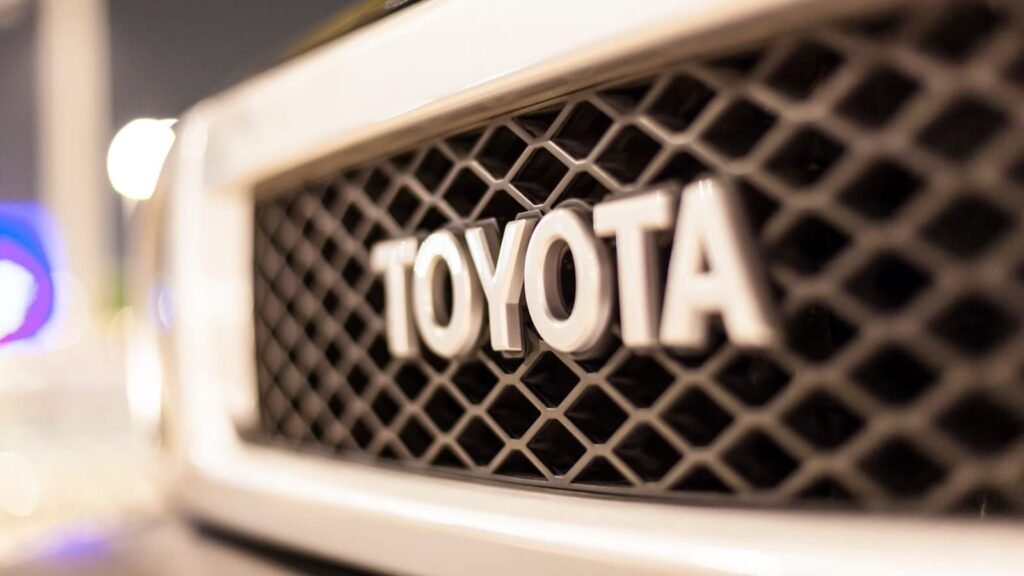
Toyota: Why the World’s Largest Automaker Still Bets on Hybrids
Toyota’s greatest advantage extends beyond manufacturing scale to powertrain flexibility. While competitors prioritized battery-electric vehicles, Toyota continued investing in gasoline, hybrid, plug-in hybrid, and electric models.
That strategy suits markets with different charging infrastructure, energy costs, and consumer needs. In 2025, hybrids represented approximately 42% of Toyota’s global parent-company sales, while BEVs accounted for less than 2%, allowing Toyota to benefit from electrification without depending on rapid EV adoption.
But flexibility isn’t immunity. Falling battery costs and accelerating EV demand could challenge Toyota unless its battery technology, software, and electric drivetrains remain competitive. Toyota’s strength is adapting to different markets, not predicting one universal path to electrification.
Volkswagen: Manufacturing Scale Doesn’t Guarantee Profitability
Volkswagen Group delivered 8.98 million vehicles in 2025 across brands including Volkswagen, Audi, Porsche, and Škoda, yet its financial performance exposed growing pressure.
Operating profit fell from €19.1 billion in 2024 to €8.9 billion in 2025, while operating margin dropped from 5.9% to 2.8% despite relatively stable deliveries. Competition in China, restructuring costs, pricing pressure, and changing product economics all contributed.
Meanwhile, Volkswagen’s battery-electric deliveries approached one million vehicles, confirming its substantial investment in electrification.
The challenge isn’t manufacturing scale or technological capability alone. It’s turning both into sustainable profits. Volkswagen illustrates how even enormous sales volumes cannot protect an automaker when development costs, production expenses, and competitive pricing pressures undermine margins.
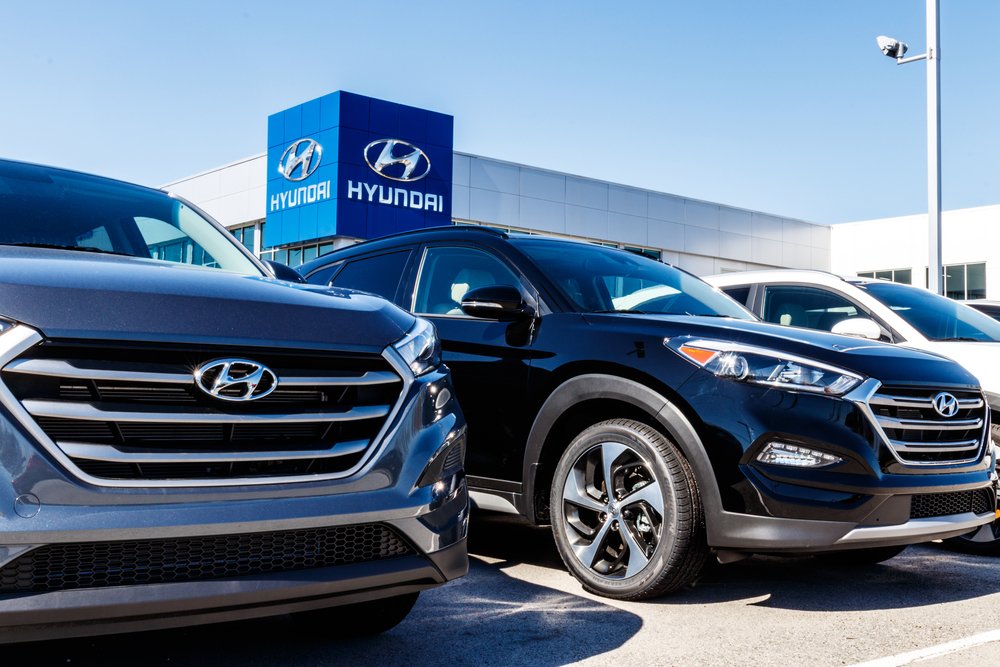
Hyundai Motor Group: The Advantage of Manufacturing Integration
Hyundai and Kia collectively sold approximately 7.27 million vehicles in 2025, supported by extensive manufacturing, powertrain-development, and supplier capabilities.
Like Toyota, the group maintains a diversified powertrain strategy, offering competitive gasoline, hybrid, and electric vehicles across multiple markets. Hyundai’s global hybrid sales rose 32% in 2025, while Kia expanded its hybrid SUV lineup, reflecting demand for electrification without requiring a complete transition to EVs.
However, industrial scale doesn’t eliminate financial pressure. Hyundai Motor’s operating profit declined despite record 2025 revenue, partly due to tariffs and rising costs. The group’s advantage is technological flexibility across price segments and markets. Its challenge is preserving profitability while funding increasingly expensive powertrain, battery, and software development.
BYD: China’s Manufacturing Advantage Goes Beyond Cheap Labor
BYD sold approximately 4.6 million new-energy vehicles in 2025, including over 2.25 million battery-electric passenger cars, surpassing Tesla’s 1.64 million deliveries.
Beyond sales, BYD’s competitive advantage lies in vertical integration. Its battery, power-electronics, and vehicle-manufacturing capabilities reduce supplier dependence, improve packaging efficiency, and accelerate development, although this strategy demands substantial capital and production scale.
Yet technological competitiveness isn’t the same as engineering maturity. Advanced electric drivetrains are one achievement; proving durability, corrosion resistance, software support, and repairability across millions of vehicles over a decade is another. Our Chinese car reliability analysis examines this distinction. BYD has proven its ability to compete at scale. Sustaining profitability and long-term customer confidence amid intensifying competition is the next test.
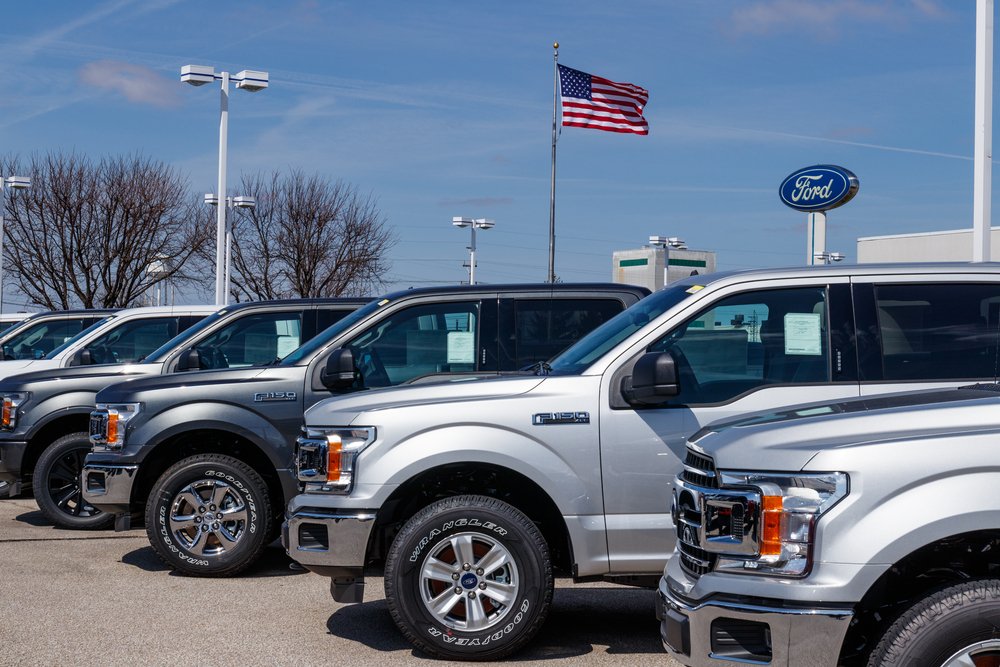
General Motors and Tesla: Two Different Business Models
General Motors and Tesla demonstrate contrasting approaches to automotive competition.
GM relies heavily on profitable North American pickups and SUVs, including the Chevrolet Silverado and GMC Sierra. Their strong revenue potential helps finance electrification, but dependence on large vehicles increases exposure to fuel prices, financing costs, and shifting consumer demand.
Tesla instead emphasizes EV manufacturing, software integration, charging infrastructure, and a concentrated model lineup. Despite delivering approximately 1.64 million vehicles in 2025, far fewer than Toyota or Volkswagen, its influence on vehicle electronics, software updates, and EV production extends beyond its sales volume.
However, intensifying competition from lower-priced EVs challenges Tesla’s automotive profitability. GM demonstrates the financial strength of profitable vehicle segments; Tesla shows how technological influence can exceed market share. Neither advantage guarantees long-term success.
Three Forces Reshaping the Automotive Industry
1. Electrification Is Becoming a Regional Strategy
EV adoption depends on charging infrastructure, government policy, energy costs, and purchasing power, which vary considerably between markets. Toyota’s hybrids, Hyundai’s diversified powertrains, and BYD’s combination of BEVs and plug-in hybrids reflect different approaches to this reality.
The competitive advantage lies in offering electrified vehicles customers can afford and conveniently use—not assuming every market will adopt EVs at the same pace.
2. Software Is Becoming Part of Vehicle Quality
Mechanical durability and manufacturing quality remain essential, but software now controls much of a vehicle’s functionality, from battery management and driver assistance to infotainment.
Software-defined architectures enable ongoing updates, but introduce risks involving electronic failures, system integration, and long-term support.
A mechanically excellent car can still frustrate owners through unreliable software. Future automotive reliability will depend as much on software maturity and support as on mechanical engineering.
3. Global Manufacturing Is Becoming More Politically Complicated
Tariffs, regulations, and trade restrictions increasingly determine where automakers build and sell vehicles. Chinese manufacturers face barriers in Western markets, while established brands are expanding local production to reduce trade exposure.
Even a technologically competitive, affordable car can struggle commercially when tariffs or regulatory costs undermine its pricing. Manufacturing location, market access, and supply-chain flexibility are becoming as important to global competitiveness as engineering capability.
Which Automaker Is Really Winning in 2026?
Toyota leads global sales, supported by manufacturing scale and powertrain diversity. Volkswagen retains enormous industrial strength but faces profitability pressures, while Hyundai and Kia combine integrated manufacturing with a broad product portfolio.
BYD’s battery integration has accelerated its expansion, Tesla continues shaping automotive software and electrification, and GM demonstrates the profitability potential of trucks and SUVs.
Yet no manufacturer dominates every category. Long-term competitiveness requires efficient production, profitable vehicles, durable engineering, capable software, and flexibility across markets. The biggest automaker sells the most vehicles. The strongest is the one that can keep selling them profitably as the industry evolves.
- Chinese Cars Are Winning the Technology Race—But Will They Last?
- 2024 Toyota Camry Reliability: Is It Toyota’s Smartest Buy?
- 2023 Toyota Camry Reliability: Is Paying More Really Worth It?
- 10 Most Reliable Used Cars in 2026: Specific Years to Buy
- 2022 Toyota Camry Reliability: Is It the Best Used Camry?
- Car Reliability Ratings Explained: Which Ones Can You Actually Trust?
*Disclaimer: This website provides automotive content for informational purposes only and should not be considered professional advice. While we strive for accuracy, we do not guarantee the reliability or suitability of any vehicle or product mentioned—always conduct your own research before making purchasing decisions. Additionally, some links on this site are affiliate links, meaning we may earn a commission if you make a purchase, at no extra cost to you.