Thursday, April 2, 2026
spot_img
Home Blog Page 4

Essential Gadgets: Best 4Runner Blind Spot Mirrors

0

Here’s a roundup where we’ll look at some awesome gadgets and accessories for every car model. We’re kicking things off with stuff for the Toyota 4Runner, especially those handy blind spot mirrors. With the year coming to a close, a lot of people are getting ready to hit the road with family and extra luggage. So, adding a few upgrades can really help keep things stress-free and safe, especially in a tall and wide vehicle like the 4Runner. Below, you’ll find some mirror and blind-spot options that are super easy to set up, budget-friendly, and really help you see other cars when you’re changing lanes or parking. Pick what suits you best so you can focus on driving and enjoy the holiday fun.

Top Picks

How We Picked These Parts

You want parts that makes your trip safer and easier. We focused on things like making sure they fit your vehicle (either OEM or universal fit for 4Runner models) and that they’re easy to install so you can get ready before hitting the road. We looked at real value (like price versus how long they last), what other users are saying (getting consistent good reviews and handy installation tips), and how well they perform (like blind-spot coverage and how adjustable they are).

We also thought about extras like heated features for those winter drives and solid mounting options so the mirrors can handle car washes and fast highway speeds.

LivTee XLarge Blind Spot Mirror (Pack of 2)

LivTee XLarge Blind Spot Mirror (Pack of 2)


LivTee XLarge Blind Spot Mirror (Pack of 2)

Frameless convex HD glass blind spot mirrors (pack of 2) with 360° adjustable swivel bracket for cars, SUVs and trucks.

11.99

Buy Now

If you’re heading out in your 4Runner for long traffic, these little stick-on mirrors are the kind of low-effort safety upgrade that pays off. You get a wide-angle, frameless HD glass mirror that mounts with a small adjustable bracket so you can fine-tune the view from the driver’s seat. They’re easy to install — clean, stick, tweak — and they help with lane changes, parking and keeping an eye on trailers or cargo when you’re hauling.

They’re not fancy electronics, just a simple, durable way to reduce blind spots on road trips and everyday drives, and they’re cheap insurance for crowded holiday roads.

What People Say

Buyers highlight the wide-angle view, strong 3M mounting and easy adjustability for parking and highway use.

BHANU PRAKASH

“The wide-angle view really helps eliminate blind spots and makes lane changes much safer. Easy to install, fits perfectly, and the clarity is great even at night.”

David

“The adjustability allows me to see better the other lanes of the highway. The 3M tape works great and once the adjuster knob is tight, it stays firmly in place.”

Where It Works

You can use these every day for commuting, during busy holiday drives, when towing a trailer or backing into tight spots at a crowded grocery or family get-together. They work on side mirrors of cars, SUVs and trucks and even get mentions from motorcycle owners when mounted appropriately.

Safety Features

The convex design expands your field of view so you can see adjacent lanes that the stock mirror misses. The small swivel bracket lets you aim the mirror for parking or highway vantage points, and the included 3M adhesive is built to hold at higher speeds and in wet weather.

Why You’ll Like It

  • Eliminates common blind spots for safer lane changes
  • 360° adjustable swivel bracket for precise positioning
  • Frameless HD glass for clearer, less distorted reflections
  • Simple stick-on installation with 3M mounting tab
  • Universal fit for cars, SUVs, trucks and even motorcycles


Berfi Life Blind Spot Mirror (Black 1 Pack)

Berfi Life Blind Spot Mirror (Black 1 Pack)


Berfi Life Blind Spot Mirror (Black 1 Pack)

Blind Spot Mirror for Car, Rectangle Rear View HD Glass Wide Angle Mirror for Car Truck SUV RV Black 1 Pack

11.89

Buy Now

If you want a simple, low-effort way to reduce blind spots on your 4Runner before a long travel, this rectangular HD blind spot mirror is the kind of add-on you’ll appreciate. It mounts to the top of your side mirror with a small clamp and screws, gives a wider, convex view of adjacent lanes, and stays adjustable so you can tune it for towing, parking or busy highway driving.

It’s not a high-tech upgrade, just a practical one — easy to install and useful whether you’re commuting, hauling a trailer or navigating crowded holiday parking.

What People Say

Buyers say the mirror adds real confidence on highways and long trips, praising clarity, adjustability and a secure fit when installed properly.

K.S. from KC

These little mirrors were life-changing for my driving. After mounting one on each outside mirror I could see the full range of traffic on both sides. They install easily, are adjustable, and stayed stable without vibration.

K. W.

Sturdy little add-ons that make checking the blind spot easier. The mirrors are crisp and clear, and the range of adjustment should fit most cars. Just make sure to tighten the screws and position them carefully.

Where It Works

Use it every day for commuting and city driving, on long holiday runs to spot adjacent lanes, when towing a trailer or checking cargo, and for tighter parking situations at busy stores or family gatherings.

Safety Features

The convex lens widens your perspective to catch vehicles in adjacent lanes, while the adjustable clamp and screws let you fine-tune the angle for the best sightlines. The HD glass reduces distortion and the waterproof materials help keep performance consistent in rain.

Why You’ll Like It

  • Expands your field of view so lane changes feel safer
  • Convex HD glass delivers clearer, less distorted reflections
  • Adjustable mounting lets you aim the mirror for towing or parking
  • Waterproof construction holds up in wet weather
  • Universal fit for cars, SUVs, trucks and most side mirrors


Genuine Toyota 4Runner Blind Spot Mirror Glass

Genuine Toyota 4Runner Blind Spot Mirror Glass


Genuine Toyota 4Runner Blind Spot Mirror Glass

Left and right genuine Toyota side view mirror glass that fit 2014+ 4Runner, include heating element connection and a convex blind spot mirror for improved rear-side visibility.

135.95

Buy Now

These are the OEM-style replacement mirror glasses that add a convex blind spot section to your 4Runner’s existing mirrors. They pop into the stock housing, keep the heating element connection, and give you a wider view of adjacent lanes — great for long traffic or everyday driving.

If you drive with family and cargo, or tow on holidays, they help reduce anxiety when changing lanes or backing into crowded parking lots. Installation is simple and quick, so if you want a factory-looking way to get blind spot coverage without swapping the whole mirror assembly, this is an easy, practical choice.

What People Say

Owners consistently mention how fast the swap is, that the fit looks factory, and that the added blind spot section noticeably improves visibility. A few buyers noted occasional issues with the heating element, but most report it works as expected.

Jeff

15 seconds to install each one on my 21 TRD Pro 4Runner. It really should come from the factory like this especially since there’s no blind spot sensor. Heating works, and visibility is great. If you are on the fence just buy it, cheaper than any dealer.

Amazon Customer

My 2019 4runner premium is great except it had no side spot mirrors for safety. Now a new mirror assembly that does have the spot mirrors is up to 400 and a lot of effort to install. By using these replacement heated with spot mirror , just the mirrors not the whole mirror housing, you save hundreds and they are Toyota. Replacement takes abotr 10 min. per mirror with no tools required.

Where It Works

Use them on daily commutes, long holiday drives, towing runs, and busy shopping trips. They’re especially handy for long runs where lane changes and crowded parking are part of the plan.

Safety Features

The convex lens gives a wider field of view to catch vehicles in adjacent lanes, and the preserved heating connection helps reduce fogging or icing in cold weather — both practical for safer lane changes and better awareness in heavy traffic.

Why You’ll Like It

  • Adds a convex blind spot section for better lane-change visibility
  • Genuine Toyota fit — snaps into the original housing
  • Retains the heating element to help clear frost and fog
  • Quick, tool-free installation saves you from replacing the entire assembly
  • OEM appearance so your truck still looks stock


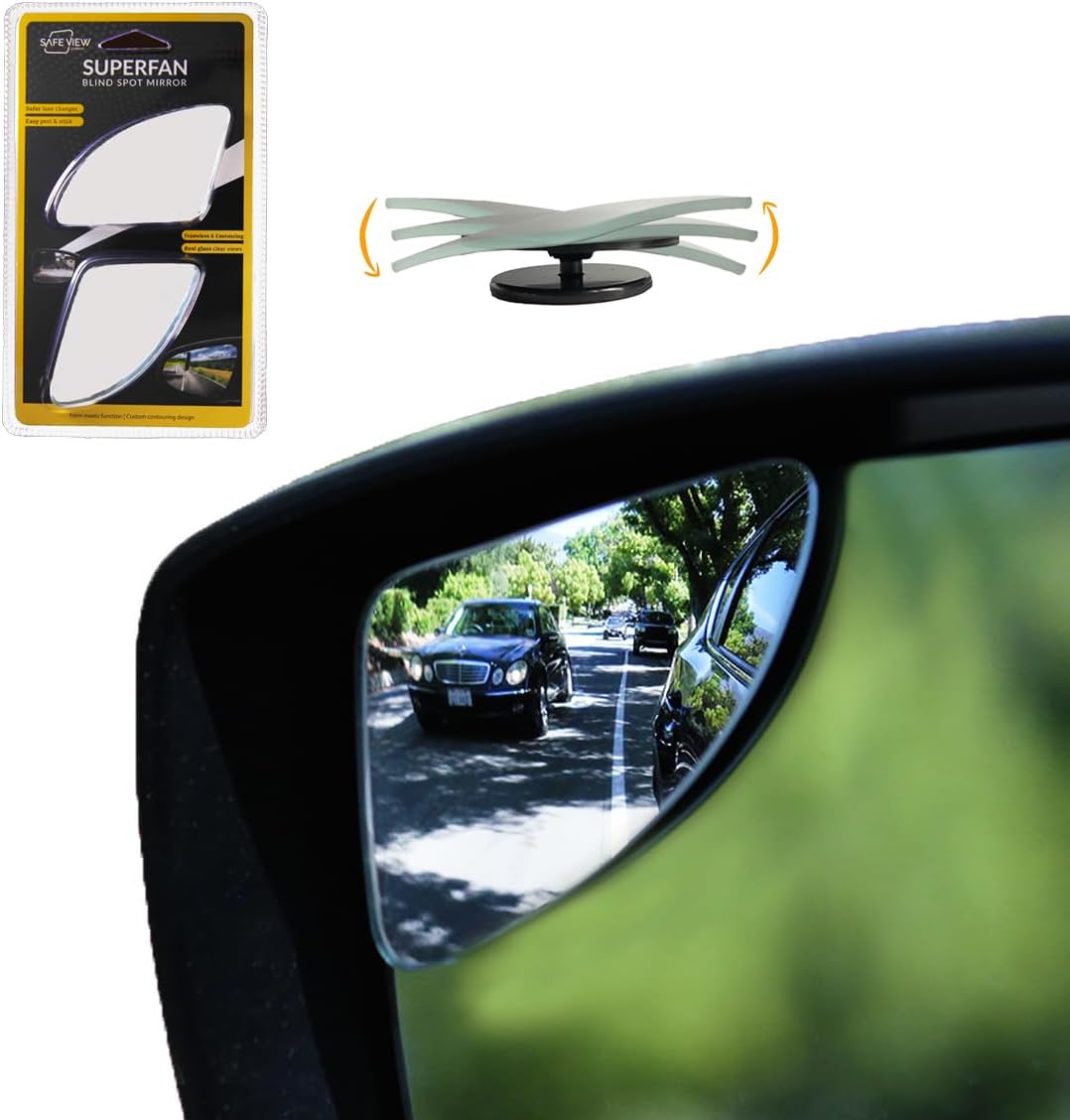
Superfan Blind Spot Mirrors (Safe View Company)

Superfan Blind Spot Mirrors (Safe View Company)


Superfan Blind Spot Mirrors (Safe View Company)

Real convex glass stick-on blind spot mirrors that install in minutes; weatherproof, durable, and built to improve lane-change visibility.

12.99

Buy Now

These stick-on convex mirrors are a great way to get a better look at the lane next to you without having to change your whole mirror. You can just peel them off and stick them on in a couple of minutes, adjust them to fit your driving position, and feel a lot more relaxed during busy holiday traffic. They’re super helpful for long highway trips when lanes are tight and parking lots get crazy—simple to use, practical, and a smart add-on if you want a clearer view on every drive.

What People Say

Buyers frequently praise the glass clarity and long-lasting adhesive, noting the mirrors stayed put through washes and rough weather. Several reviewers recommend planning placement carefully because the 3M tape is very sticky, but say the improved visibility makes it worth the small installation hassle.

PenPixel

The mirrors are really clear because it’s real glass. The adhesive is really sticky 3M material, so you basically have one shot to get it right. I created templates to plan placement and used painters tape to hold them while installing. Overall I really like them and they look stylish.

John Gill

Mirrors are good quality and stay put on the large mirror surface despite many car washes. They are not easily moved from the position you set them in. Good product!

Where It Works

Use them for daily commuting, highway lane changes, towing or hauling on holiday trips, and tight parking lot maneuvers. They work on most side mirrors and can even help when you need a little extra view while towing or loading up for long trips.

Safety Features

Convex lens design expands your visible area to reduce blind spot surprises, and the genuine glass surface keeps reflections clear so you can judge speed and distance more reliably.

Why You’ll Like It

  • Wider field of view to catch vehicles in your blind spot
  • Real convex glass for clearer, less distorted reflections
  • Strong 3M adhesive for a secure peel-and-stick installation
  • Universal fit and adjustable angle for most cars, trucks, and SUVs
  • Compact design that blends with your existing mirrors


E-Vniko Right Passenger Side Mirror Glass (RH)
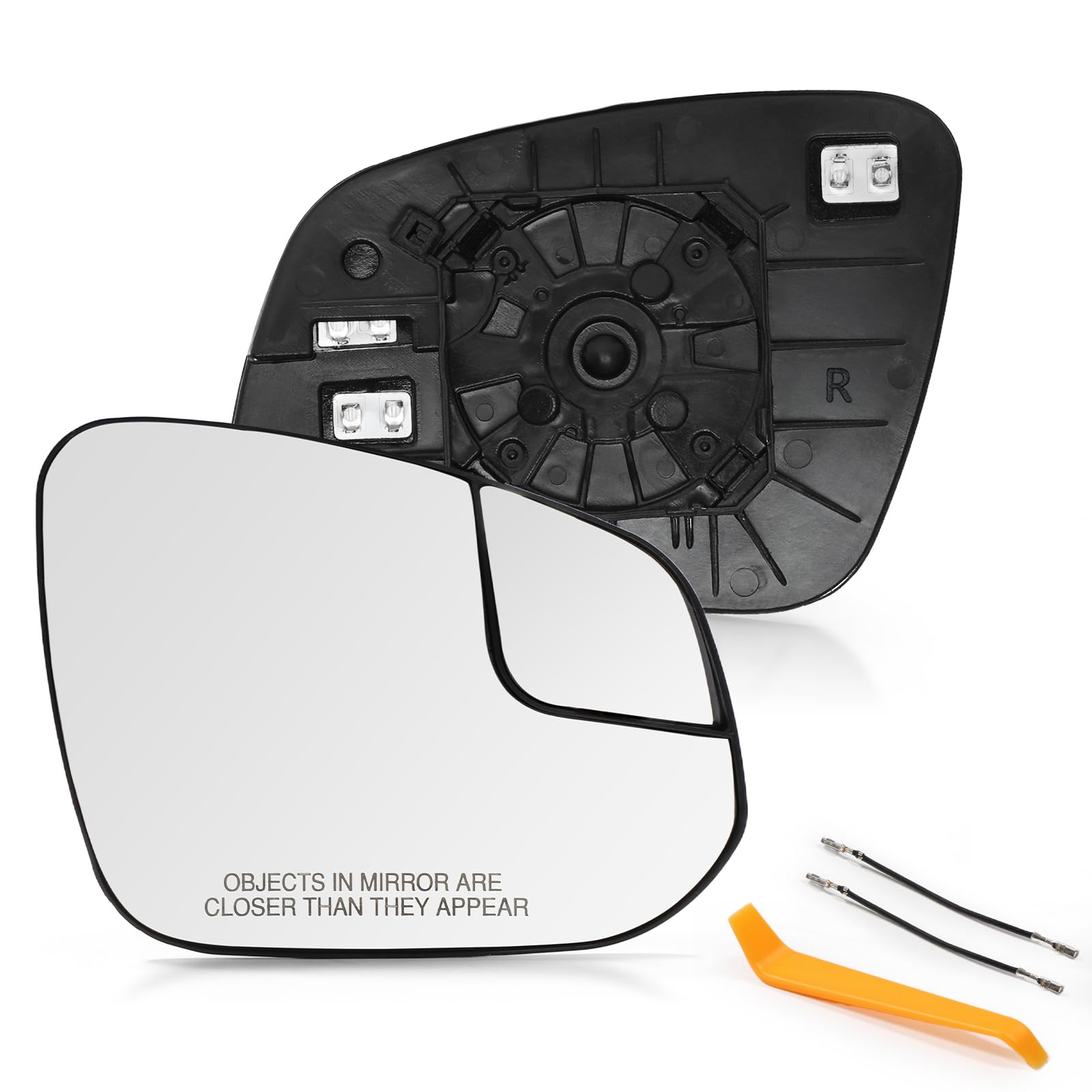
E-Vniko Right Passenger Side Mirror Glass (RH)


E-Vniko Right Passenger Side Mirror Glass (RH)

Passenger-side heated convex mirror glass replacement compatible with Toyota RAV4 2016–2018 and 4Runner 2014–2020; includes ABS backing plate and rear holders.

29.99

Buy Now

You’ll appreciate this affordable replacement when you need a quick, practical fix before a long travel. The heated, chrome-convex glass helps clear fog and gives a wider field of view, and it’s designed to snap into the OEM backing plate for a near-stock look. Be aware some users reported minor fit adjustments during installation.

What People Say

So there aren’t a ton of reviews for this mirror right now, but it looks pretty good and comes at a decent price for the N280 (Fifth generation) 4Runner. People who’ve bought it say the mirror heats up and looks just like the original one and fits in nicely. A few folks mentioned that it took some time to get the clips lined up right and that they had to figure out a workaround for the heating connector on some 4Runner trims. So it’s a good idea to do a quick test fit before putting everything together.

Versatility

You can use this as a direct replacement if your original glass cracked, or keep a spare on hand for last-minute holiday prep. It suits everyday commuting, winter drives with defogging needs, and those occasions when you’re towing or carrying extra passengers and want that wider angle for safer lane changes.

Safety Features

The convex shape extends your field of view and the heated element speeds up defrosting, both of which reduce the chance of blind-spot surprises during busy holiday driving. Make sure you clip the backing plate firmly into place and double-check the electrical connector so the heater works reliably.

Key Benefits

  • Improved visibility with wide-angle convex glass so you spot traffic and backing lanes more easily
  • Heated element for fast defogging and de-icing on chilly holiday mornings
  • Vehicle-specific fit for many Toyota RAV4 (2016–2018) and 4Runner (2014–2020) models
  • ABS backing plate and rear holders for a secure, factory-style mounting
  • Budget-friendly at $29.99 and backed by a 6-month warranty


LivTee Blind Spot Mirror (Plus Add)

LivTee Blind Spot Mirror (Plus Add)


LivTee Blind Spot Mirror (Plus Add)

Frameless HD glass convex blind-spot mirror with wide-angle view, 360° adjustable swivel bracket, weatherproof build and universal fit for cars, SUVs and trucks.

12.99

Buy Now

If you want an easy, low-cost way to cut down on blind spots before a busy holiday drive, this LivTee blind spot mirror is the kind of add-on you’ll actually use. You stick it to your side mirror (clean the surface first), tweak the 360° swivel to cover the gap, and you get a noticeably wider field of view for lane changes, backing up and towing.

It’s frameless HD glass so the reflection is clear even at night, and the IP65-style weather resistance means it holds up in rain. Installation takes minutes, the adhesive has held for users even in cold weather, and it’s small enough to stay discreet once you dial in the angle.

I’d recommend it as a quick safety upgrade for everyday driving and for long road trips when you may be hauling more gear or passing on busy highways.

What People Say

Buyers consistently praise the clarity and wider view, noting it helps with backing up and spotting lane traffic at night. Several users reported the adhesive bonds well even in cold conditions after careful surface prep.

A few mentioned the mirror sits slightly off the factory glass by design and can be tricky to remove without the right tools, and of course it’s glass—so handle carefully during installation.

CMcGregor

Installed in freezing weather and the 3M adhesive still stuck after careful prep; gave a much clearer view for backing up and curb-finding, and the mirror stayed put afterward.

Kamz5s

Crystal-clear glass, easy to adjust side-to-side and up-down, and the adhesive works well. Handy for eliminating blind spots, though the glass can break if dropped during handling.

Versatility

You can keep this on year-round for daily commuting, use it when you’re towing or carrying extra passengers, or fit it before a long holiday drive to give yourself more confidence on busy highways and in parking lots.

Safety Features

The convex HD glass increases the visible area beside your vehicle, and the adjustable swivel lets you target the most common blind-spot zones. The unit is built to resist water and shocks in normal driving; still, double-check the attachment before long trips and after car washes.

Key Benefits

  • Wider field of view with frameless HD convex glass for safer lane changes
  • 360° adjustable swivel bracket so you can fine-tune the angle quickly
  • Weather-resistant construction for rainy holiday drives
  • Universal fit for most cars, SUVs and trucks—good for everyday use and towing
  • Budget-friendly at $12.99 and quick to install without special tools


KARKOR Blind Spot Mirror (Pack of 2)
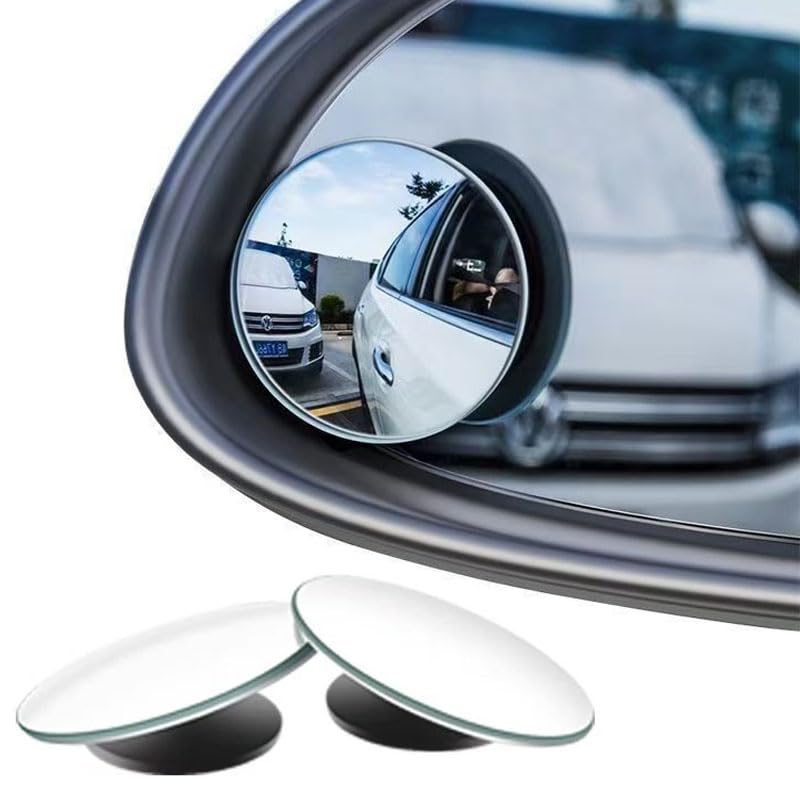
KARKOR Blind Spot Mirror (Pack of 2)


KARKOR Blind Spot Mirror (Pack of 2)

Pack of 2 round frameless HD convex blind-spot mirrors with 360° adjustable swivel, adhesive mount and universal fit for cars, SUVs and trucks in black.

9.99

Buy Now

If you want a quick safety boost for holiday driving, these KARKOR blind spot mirrors are a simple fix you can install in minutes. You clean your side mirror, stick the adhesive pad down, and use the 360° swivel to angle the small convex glass so it fills the usual blind spots for lane changes, parking and backing up. They’re compact and frameless, so once you dial in the position they stay discreet while expanding your view — handy when you’re towing a trailer or packing the 4Runner for a trip. The adhesive is strong, so take a little time to get the placement right the first time, and the clear mirror surface helps at night and in traffic.

For the price ($9.99) it’s an easy, low-effort upgrade that can make busy drives feel less stressful.

What People Say

Buyers consistently note the clear, wide-angle view and the strong adhesive—many say the swivel holds through bumpy roads and rain. A few users warn the mirrors are small and that the adhesive is hard to remove, so take your time aligning them during installation.

Danio

Mirror is compact but very clear and reflects a wide view; swivel mount is stiff and holds its place through bumpy roads and wet weather. Adhesive mount is strong—place it correctly the first time.

mars

Easy upgrade for an older car—stuck the adhesive on with no trouble and it hasn’t budged. For how cheap they were, they gave me a noticeably better view of my blind spot.

Versatility

You can leave these on as a year‑round safety aid for daily commuting, pop them on before a long drive, or use them when towing and parking in tight spots. They’re universal fit, so they work on most cars, SUVs and trucks.

Safety Features

The convex HD glass expands the visible area beside your vehicle to reduce blind spots, and the adjustable swivel helps you target the most relevant zones. The mirror’s clear reflection improves situational awareness at night; just double-check the angle before long trips.

Key Benefits

  • Wider field of view from convex HD glass to help with lane changes and backing
  • 360° adjustable swivel so you can fine-tune the angle for your mirrors
  • Frameless, low-profile design that stays discreet once positioned
  • Strong adhesive mount that holds up in varied weather when applied correctly
  • Budget-friendly at $9.99 for a pack of two and installs without tools


FAQ

How Do I Choose Between Universal Blind Spot Mirrors And The Genuine Toyota Replacement For My 4Runner?

You should weigh cost, fit, and long‑term reliability when choosing. Universal stick‑on or clamp mirrors like the LivTee XLarge ($11.99), Safe View ($12.99) or Berfi Life ($11.89) are inexpensive and quick to install, and they can greatly reduce blind spots on large vehicles like a 4Runner.

The Genuine Toyota replacement mirrors ($135.95) give you a vehicle‑specific fit, preserve factory features like the heating element, and look OEM, so they’re worth considering if you want a permanent, factory‑quality solution. If you want the cheapest, fastest safety upgrade try a universal model; if you want durability, exact fit, and retained heating or appearance choose the Toyota part.

Prioritize the feature that matters most to you: cost and ease now, or long‑term fit and function.

Will Stick‑On Blind Spot Mirrors Damage My 4Runner Or Interfere With Mirror Functions?

You can avoid damage if you prep and place them thoughtfully, but careless installation or removal can cause problems. Clean the mirror surface with isopropyl alcohol, test position using painter’s tape or a paper template, and only remove the adhesive backing once you’re sure of placement. Be mindful that some stick‑ons sit proud of the mirror and can catch on folding mechanisms, car covers, or high‑pressure washes; if you fold your mirrors often place them where they won’t contact the housing. Stick‑ons won’t retain heated mirror functionality, while vehicle‑specific glass often will.

If you later need to remove an adhesive mirror, use slow techniques like dental floss or a plastic scraper plus an adhesive remover to reduce the chance of cracking the factory glass or chipping plastic. Take your time during installation to reduce risk.

How Should I Use And Maintain Blind Spot Mirrors For A Road Trip?

Test and adjust your new mirrors before you hit the highway so you’re familiar with the changed field of view; convex mirrors make objects appear smaller and farther away, so practice lane changes in light traffic until you’re comfortable. Check adhesive strength and angle after the first few miles, carry spare double‑sided pads or 3M tape for a long trip, and avoid mounting positions that contact the housing when you fold mirrors or go through automated washes. At night watch for glare from high beams and dial in the angle to reduce duplicates in adjacent mirrors.

If you want the reassurance of a factory solution for frequent long drives, consider the Toyota vehicle‑specific glass; if you prefer a cheap, quick upgrade keep extras of the $9.99–$12.99 stick‑on options on hand and always verify fit and adhesion before long trips.

Wrapping Up

Needless to say, you definitely wanna get those mirrors and mounts set up before you hit the road. If you’re looking for a perfect fit with a built-in blind-spot curve, the Genuine Toyota conversion mirrors are your best bet. But if you’re after something quick and budget-friendly to tackle those tricky blind spots, check out LivTee, Superfan, or KARKOR.

Choose what fits your budget and how much work you want to put into installing them, then take a moment to test your view and make adjustments before rolling out. And hey, if the one you picked doesn’t fit right or it’s got any issues, no worries. You’ve got the option to return it for a switch or a refund. Just look up the return policy on their website for all the details.

ProductImageRatingPriceMounting TypeSpecial HighlightsFit Type
LivTee XLarge Blind Spot Mirror
Product Image
4.5/5 (3,237 reviews)11.99Door Mount
  • HD Glass
  • Wide Angle
  • Adjustable Stick
Universal Fit
Blind Spot Mirror for Car
Product Image
4.2/5 (339 reviews)11.89Door Mount
  • Waterproof
  • Convex Lens
Universal Fit
Genuine Toyota 4Runner Blind Spot Side View Mirror Glass
Product Image
4.6/5 (143 reviews)135.95Exterior Mount
  • Heated
  • Convex Blind Spot
Vehicle Specific Fit
Superfan Blind Spot Mirrors
Product Image
4.5/5 (3,442 reviews)12.99Door Mount
  • Real Convex Glass
  • Easy Stick-On
Universal Fit
Right Passenger Side Mirror Glass
Product Image
4.5/5 (4 reviews)29.99Door Mount
  • Heated
  • Convex
Vehicle Specific Fit
LivTee Blind Spot Mirror
Product Image
4.4/5 (8,261 reviews)12.99Door Mount
  • HD Glass
  • Adjustable
Universal Fit
KARKOR Blind Spot Mirror
Product Image
4.6/5 (24 reviews)9.99Rearview Mirror
  • Adjustable
  • Lightweight
Universal Fit

Also Read:
Thinking about getting the 2025 Toyota 4Runner? Check out this review where we find out if it lives up to the legacy of the earlier models.


Check out some of our latest posts below. If you want to see more, just head over to our homepage. Enjoy!


*Disclaimer: This website provides automotive content for informational purposes only and should not be considered professional advice. While we strive for accuracy, we do not guarantee the reliability or suitability of any vehicle or product mentioned—always conduct your own research before making purchasing decisions. Additionally, some links on this site are affiliate links, meaning we may earn a commission if you make a purchase, at no extra cost to you.

**When you click on links we might get a small commission on purchases that qualify.
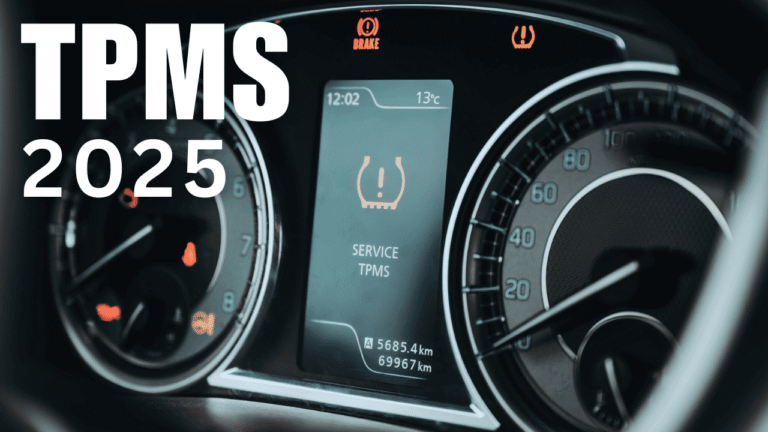
Keep Your Tires in Check: Best 2025 Digital Display TPMS

Most drivers only think about their tire pressure when the steering feels heavy or when gas mileage suddenly tanks. But here’s the thing: if your tires are just 5 to 7 PSI low, it can mess with your braking distance and how stable your handling is. Plus, it could even shorten those pricey tires’ life by about 20%. Sure, modern cars have tire pressure monitoring systems to keep an eye on this, but if you’ve got an older ride, you’re pretty much on your own.

The good news is that it’s super easy to add an external tire pressure monitoring system (TPMS) to your car. The installation takes just five minutes and costs less than filling up your tank. You’ll get real-time pressure and temperature readings without any guesswork.

Before you invest in one of these systems, if you’re also considering upgrading an older vehicle, check our Most Reliable Used Cars guide — it’s a great companion for anyone driving older sedans, SUVs, or trucks.

This guide is here to help you find the right kit for your car whether you’re driving a regular sedan, towing a trailer, or enjoying some time in an RV.

Top Picks

How We Picked These TPMS Kits

You want a TPMS that gives accurate, timely data and fits how you drive. We prioritized: accuracy and update speed (real-time PSI and temp reporting), power options (solar, USB or plug-in) so the head unit stays charged on long trips, sensor count and compatibility for cars, trailers and dual-wheel setups, display readability in daylight and at night, alarm options and customization so you won’t miss a slow leak, durable sensor construction and lock nuts for long trips, simple installation and pairing, and user feedback about longevity and customer support.

Price and overall value rounded out the selection so you can pick a kit that matches your budget and towing needs.

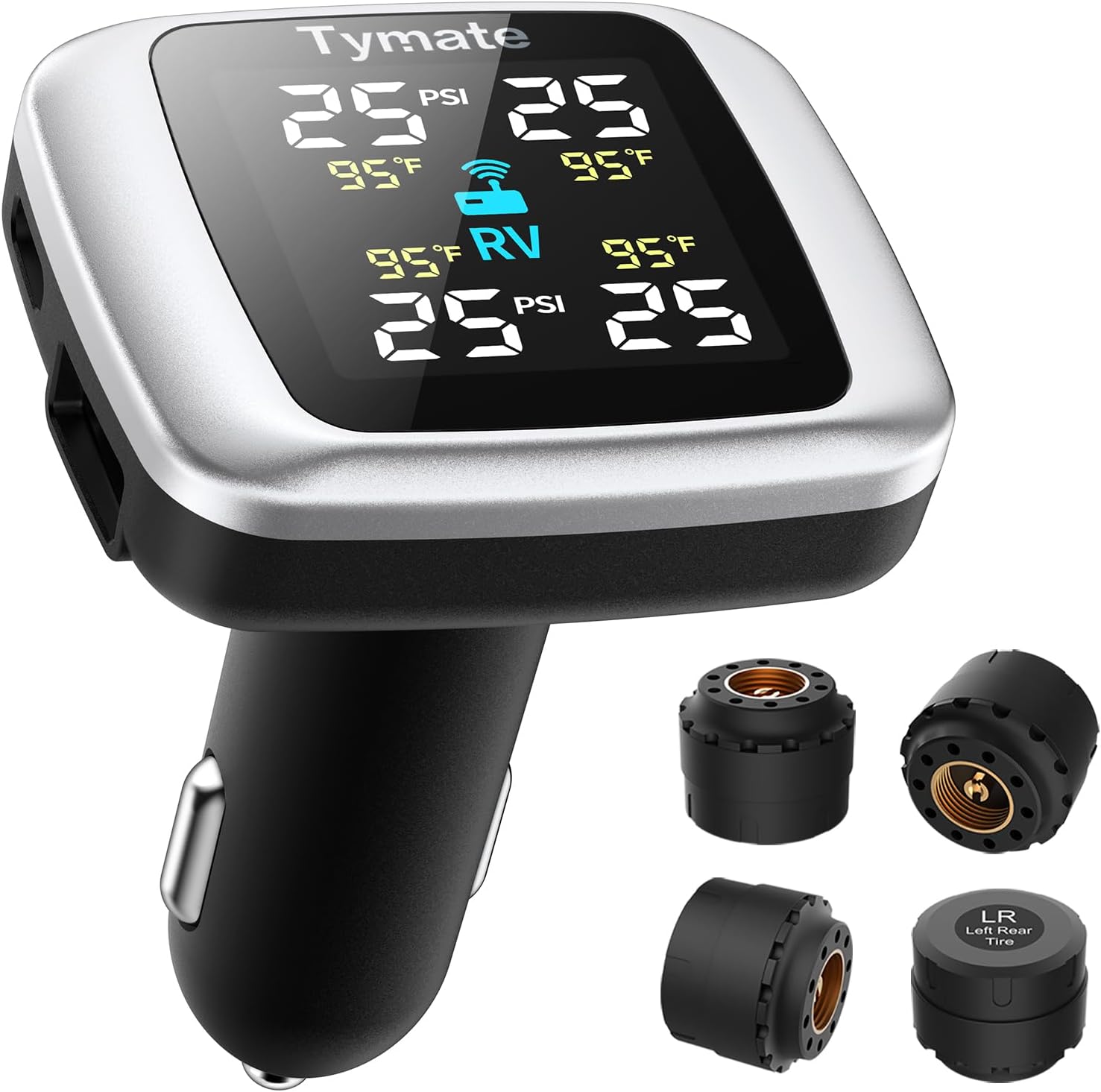
Tymate TM7 TPMS

Tymate TM7 TPMS


Tymate TM7 TPMS

Wireless TPMS with 4 external sensors, 6 alarm modes and a colorful display for real-time tire pressure and temperature monitoring (0–87 PSI).

35.99

Buy Now

If you want an easy way to keep an eye on tire pressure without digging into complicated installs, this is the kind of gadget you’ll appreciate. You plug the display into your 12V socket (no wiring), screw the four external sensors onto your valve stems, and you’ll see each tire’s PSI and temperature on a bright color screen.

It’s handy for everyday driving—commutes, grocery runs and rainy-day drives—because the display is large and readable. For trips or towing, the TM7 can monitor trailer tires too, but reviewers recommend metal valve stems and, for very long trailers, a signal repeater. The unit also shows your vehicle’s 12V voltage at startup, which a few users found useful as a quick battery health check. I’d recommend it if you want a straightforward, inexpensive way to get real-time tire info and audible alerts without paying for factory TPMS replacements.

What People Say

Users praise the easy setup, large readable display and reliable alerts; expect about ±1–2 PSI accuracy and consider metal valve stems for heavy trailer use.

Zach

He finds this system easier to use than a small pressure gauge for routine monitoring. The display is large enough to be easy for him to read. You won’t get an exact PSI number, of course—there’s about a plus/minus 2 PSI range—but these will give you a better idea about the current state of your tires. Edit: I also like that the monitor displays the 12v battery’s voltage when you start the car.

GCK

I bought one of these for my daughter’s car… As summer slipped into fall, all her tires went down in pressure… once it got down to about 27 pounds, it started beeping at her, so she had to figure out what was beeping. Without this, she would have worn her Michelin tires out early. The wireless/solar version you can mount wherever you want on the windshield.

Ease Of Use

Feature

Ease Level

Installation

Easy

Sensor Pairing

Easy

Reading the Display

Easy

Power Options (Plug-in vs Solar)

Moderate

Travel Friendly

Works well for road trips and towing, but reviewers note the external sensors are heavy for rubber valve stems on trailers—use metal stems and consider Tymate’s repeater for very long trailers.

Key Benefits

  • Real-time pressure and temperature for each tire with multi-mode alarms
  • Large, colorful display that’s easy to read at a glance
  • Plug-in power (no hardwiring) plus two USB ports for charging
  • Wide detection range (0–87 PSI) suitable for cars, SUVs, trucks and many trailers
  • Quick setup and clear sensor labeling make pairing painless

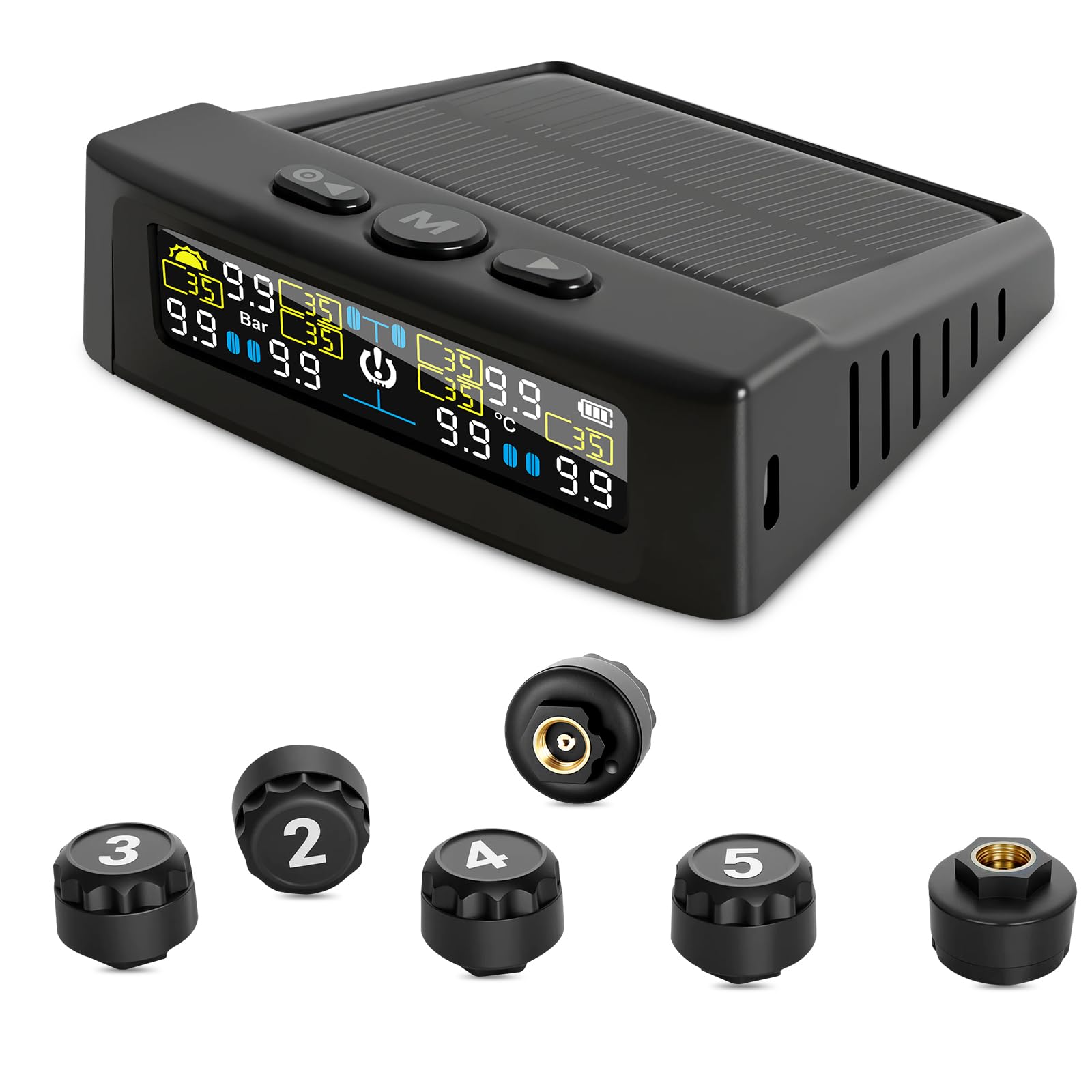
Masoll M13 TPMS

Masoll M13 TPMS


Masoll M13 TPMS

RV/Trailer TPMS with solar charging, auto calibration, M13 LCD display and 4 external sensors (0–87 PSI) for real-time pressure and temperature monitoring.

49.99

Buy Now

If you want a plug-and-play way to keep an eye on tire pressure when you’re heading out for holiday drives or towing the trailer, this is a smart, low-fuss option. You screw the four external sensors onto the valve stems, stick the color LCD monitor to your windshield, and it starts showing each tire’s PSI and temperature right away — many users say the sensors paired automatically. The screen is anti-reflective and auto-adjusts brightness, so you can read it in bright sunlight or at night, and the unit charges via a solar panel (plus USB-C if you prefer). It’s accurate across a wide 0–87 PSI range and auto-calibrates the reference pressure as you inflate or deflate.

Great for daily driving, weekend runs and longer RV or trailer trips — just note Masoll recommends a signal booster for trailers longer than 38 ft and metal valve stems or locking nuts for extra security. If you’d like simple, visible tire data without hardwiring a system, this one’s worth considering.

What People Say

Users like how quick it is to install and how the solar/USB charging keeps the monitor ready. Reviewers report accurate pressure readings, easy pairing and a readable display even in bright light.

rdkeith99

Easy setup and operation on an RV trip — the sensors paired and the display tracked each tire’s pressure and temperature. The solar panel kept the monitor charged even in low light, it wakes when you start the vehicle, and the screen is readable in bright conditions. I mounted it under the windshield and the reported ~30 ft range to the camper worked fine for me.

Lee

Charges reliably in sunlight and via USB-C; it goes into a power-save mode when idle which helps battery life. Sensors have been transmitting well through hot conditions and the sticky pad for the monitor stayed put even in high heat, so it feels durable for everyday and summer use.

Ease Of Use

Feature

Ease Level

Installation

Easy

Sensor Pairing

Easy

Reading the Display

Easy

Power Options (Solar/USB-C)

Moderate

Auto Calibration

Easy

Travel Friendly

Good for road trips, towing and RV use — reviewers used it on long camping drives and appreciated the solar charging. For very long trailers (over 38 ft) consider Masoll’s signal booster, and use metal valve stems or locking nuts on sensors for trailers.

Key Benefits

  • Real-time pressure and temperature readouts for each tire (0–87 PSI)
  • Solar charging plus USB-C for reliable, low-maintenance power
  • Auto-calibration and intelligent alarm thresholds — fewer manual settings
  • Bright, anti-reflective color LCD that adjusts for day/night visibility
  • Simple install: screw-on sensors and a stick-on monitor — no hardwiring

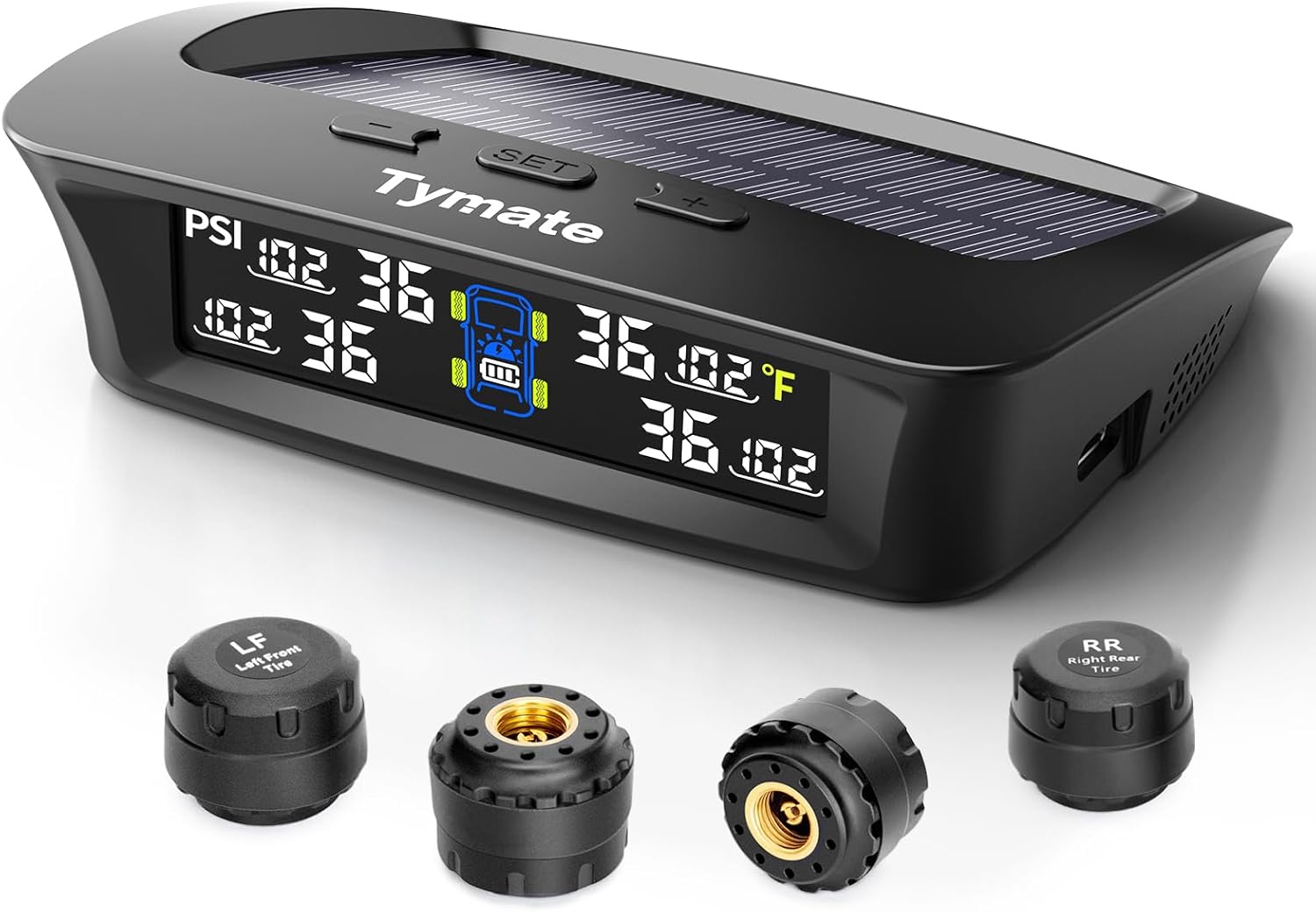
Tymate TM3 RV TPMS

Tymate TM3 RV TPMS


Tymate TM3 RV TPMS

Tire pressure monitor with solar charge, color LCD display, 4 external sensors (expandable to 10), 6 alarm modes, 0–87 PSI for RVs, trailers and trucks.

69.99

Buy Now

If you want an easy way to keep tabs on tire pressure when you’re towing or heading out for holiday drives, the Tymate TM3 makes it simple. You screw the external sensors onto the valve stems (they come pre-labeled and factory-paired), stick the color LCD monitor on your dash or windshield and it starts showing each tire’s PSI and temp right away.

The screen auto-adjusts brightness so it’s readable day or night, and it charges itself with a built-in solar panel — you can also top it up via USB-C or the cigarette lighter when needed. It covers 0–87 PSI, supports up to 10 sensors (4 included), and has multiple alarm modes so you’re alerted to rapid leaks, high/low pressure or high temps. Practical for everyday driving, weekend towing and longer RV trips — just keep in mind Tymate recommends a repeater for longer trailers (over ~36 ft) and using metal valve stems or locking nuts for extra sensor security.

If you want visible, real-time tire data without hardwiring a system, this is a very usable option.

What People Say

Owners appreciate how quickly it pairs and how accurate the readings are on RVs and trailers; many highlight the solar charging and readable display as big conveniences.

Roger Williams

I run a mid-sized RV on a Sprinter chassis with dual rear wheels — the monitor worked straight away, tracked all six wheels, and the pressures matched what the shop gauge read. Setup was simple and it gave me real peace of mind on the road.

Andrew A

Installed it on a tandem-axle trailer and it was easy to set up. It kept me posted on pressures while towing and helped catch an issue before it became a bigger problem — great for towing safety.

Ease Of Use

Feature

Ease Level

Installation

Easy

Sensor Pairing

Easy

Reading the Display

Easy

Power Options (Solar/USB-C)

Moderate

Alarm Setup

Moderate

Travel Friendly

Good for road trips, towing and RV use — reviewers used it on long camping drives and towing runs and liked the solar charging. For very long trailers (over ~36 ft) consider adding Tymate’s repeater, and use metal valve stems or locking nuts to keep sensors secure.

Key Benefits

  • Real-time pressure (0–87 PSI) and temperature readouts for each tire
  • Solar charging with USB-C backup for reliable, low-maintenance power
  • Pre-paired, pre-labeled sensors for quick, no-fuss installation
  • Six alarm modes (rapid leak, high/low pressure, high temp, low sensor voltage, signal loss)
  • Expandable system (up to 10 sensors) with a color LCD that auto-adjusts brightness

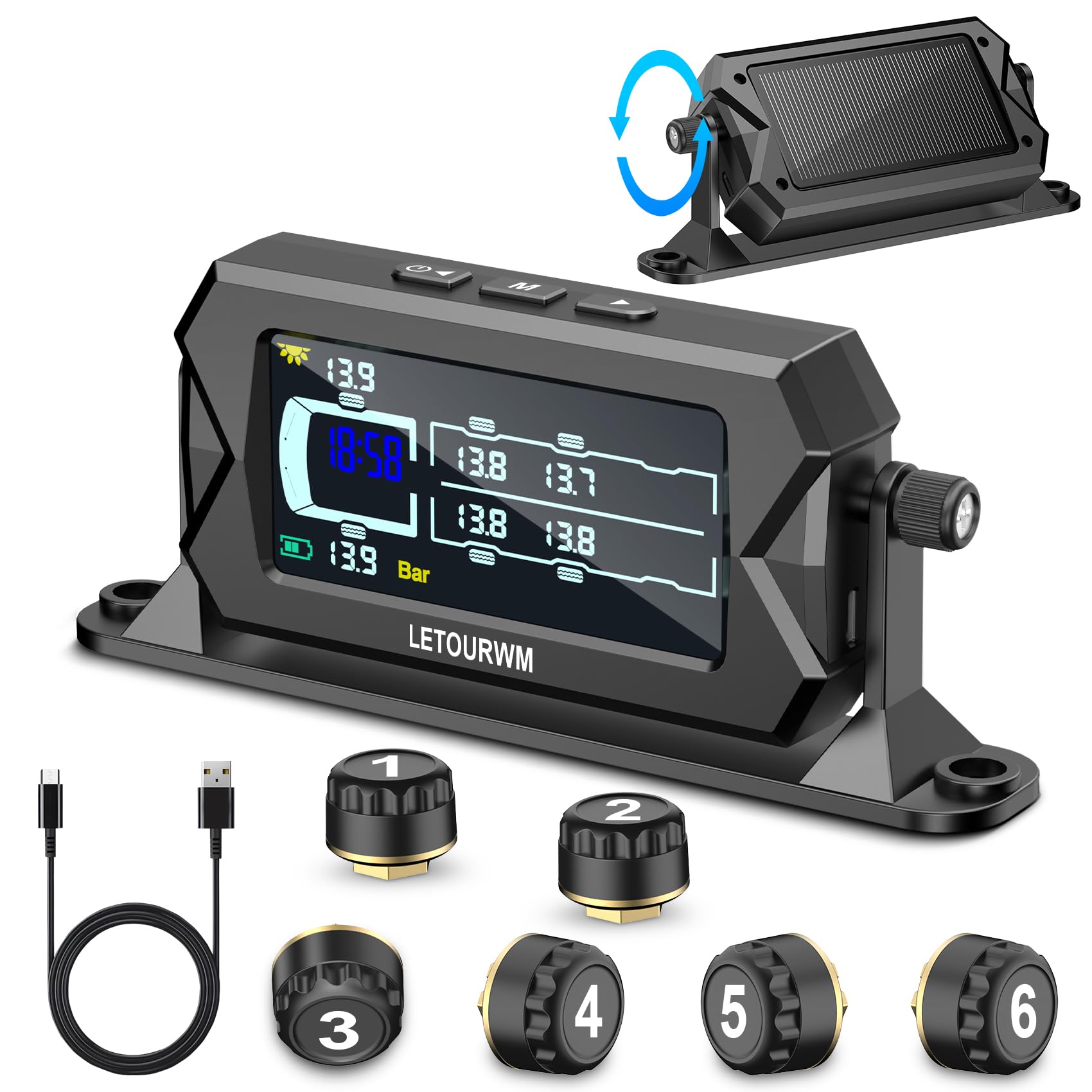
LETOURWM 6-Sensor TPMS

LETOURWM 6-Sensor TPMS


LETOURWM 6-Sensor TPMS

TPMS for RV/truck/trailer with 6 sensors, 0–15 Bar/217 PSI range, bright 3‑level LCD with time display, Type‑C & solar charging, 7 smart alerts, IP68.

129.99

Buy Now

The LETOURWM kit makes keeping an eye on tire pressure surprisingly low-effort. You screw the alloy sensors onto the valve stems (they’re labeled), pop the 3.6″ bright LCD onto the dash with the rotating mount, and the system starts reporting each tire’s pressure and temperature in seconds.

The display refreshes often, shows the time, and you get seven different alerts (pressure, leak, temp, sensor fault, low battery and so on) so you won’t be caught off guard on a long holiday run. It charges via a built-in solar panel and fast USB‑C, and the sensors are IP68-rated for all-weather use — reviewers found the 100 ft / 30 m range helpful for fifth wheels and trailers. For everyday driving, weekend towing or long family trips it’s handy to have real-time data; just be mindful that a few users reported sensor or solar quirks, so double-check sensor caps and keep an eye on battery readouts during long hauls.

If you want visible, real-time tire info without hardwiring a system, this is a practical pick.

What People Say

Owners like the quick setup, clear display and dual charging; many say it gives real peace of mind while towing, though a few note occasional sensor or charging issues.

Gustavo

I have purchased two of these now… It is very comforting to look at the display and know the tires are all inflated to the proper air pressure, and on hot days and know they are not overheating. A warning of a tire going down before it blows can save your life. Installation is easy, and the solar power is great if you forget to turn them off. There is no dead batteries.

Skippy

What a great product! I’ve been putting these in all my vehicles. Works great! Hooked it up took a few minutes to set each tire. Love the feature that when you get in the car, it feels the movement and turns on. Very convenient having the solar and the C type connector. Really great to be able to see current temperature and tire pressure live.

Ease Of Use

Feature

Ease Level

Installation

Easy

Sensor Pairing

Easy

Reading the Display

Easy

Power Options (Solar/USB‑C)

Moderate

Alarm Setup

Moderate

Travel Friendly

Great for road trips, towing and RV use — reviewers reported reliable readings on trailers and fifth wheels and liked the solar backup for dash placement. For very long trailers or persistent charging concerns, keep a USB‑C cable handy and check sensor caps before long stops.

Key Benefits

  • Real-time pressure and temperature for up to 6 tires with ±0.1 bar precision
  • Large 3.6″ three-level LCD with built-in clock and rotating mount for easy viewing
  • Dual charging: solar panel plus fast USB‑C keeps the monitor topped up
  • Long-range transmission (about 100 ft / 30 m) suitable for trailers and RVs
  • Seven smart alerts (pressure, leak, temp, sensor fault, battery, signal loss, etc.) for safer towing

IVBDQV RV 6-Sensor TPMS

IVBDQV RV 6-Sensor TPMS


IVBDQV RV 6-Sensor TPMS

RV TPMS with 6 high‑precision sensors, real‑time display, solar or USB charging, high‑def color LCD and six alarm modes for pressure, temperature, battery and signal loss.

34.99

Buy Now

If you tow a trailer or spend weekends in an RV, this IVBDQV kit gives you an easy way to keep tabs on tire pressure and temperature. You mount the six sensors on the valve stems, stick the color display on your dash, and it starts reporting each tire’s status in seconds.

The display updates in real time, shows pressure and temperature, and offers multiple alerts (high/low pressure, rapid loss, high temp, low battery, lost signal) so you’re less likely to be surprised on a long holiday run. Charging via the built‑in solar panel is handy for dash placement, with USB as a reliable backup on cloudy days.

Reviewers praise the big solar panel and quick detection, though a few people found setup fiddly or noted the sensors are a bit bulky. Overall, for everyday driving, towing and seasonal road trips this is a practical, low‑effort way to protect your tires and your peace of mind — just double‑check sensor tightness before long hauls.

What People Say

Owners like the large solar panel, fast sensor readings and the audible alarms for sudden pressure loss; a few mention initial setup quirks and that external sensors can look bulky.

Clippy

I am super impressed with this TPMS unit! I have the 6-sensor set for keeping track of the pressures on my dually. The caps install super quickly with the lock nuts and wrench included. The solar panel on this unit is MASSIVE! … My favorite features of this unit: 1. In the event of a sudden loss of pressure … the head unit will begin beeping an alarm and not stop beeping until you silence it. 2. The unit is very quick to detect and read the sensors. 3. Charging by the massive solar panel indicates a charging icon as well as a sun icon to indicate its utilizing photovoltaics.

Nici

This little screen is like therapy for anyone who’s ever white-knuckled a trailer down the highway wondering if a tire’s about to blow. Six sensors = no excuses. Solar/USB charging = no dead batteries when you need it most. Setup takes a minute… once you see those real-time pressures rolling in, you’ll never want to tow blind again.

Ease Of Use

Feature

Ease Level

Installation

Easy

Sensor Pairing

Easy

Reading the Display

Easy

Power Options (Solar/USB)

Moderate

Alarm Configuration

Moderate

Travel Friendly

Great for holiday towing, road trips and RVing — the solar backup makes dash mounting convenient and USB keeps you covered in poor light. For very long hauls, check sensors and carry the USB cable or spare gaskets.

Key Benefits

  • Real-time pressure and temperature monitoring for up to 6 tires
  • Six alarm modes (high/low pressure, rapid loss, high temp, low battery, signal loss)
  • Dual charging: built-in solar panel plus USB backup
  • High-definition color LCD for clear daytime and nighttime readings
  • Wide pressure range (0–87 PSI) suitable for cars, trucks, trailers and RVs

FAQs

How accurate and reliable Are These Digital-Display TPMS Kits Compared To Factory Systems?

You can expect these digital-display TPMS kits to give you real-time pressure and temperature readouts that are excellent for spotting trends and catching leaks early, but they aren’t a perfect substitute for a calibrated handheld gauge or some OEM systems. In real-world use reviewers report typical variance in the ±2–3 PSI range, which is fine for safety and early warning; many users praise quick alarms and readable displays (for example the Tymate TM7 shows PSI, temp and even 12V battery voltage). If you need factory-level diagnostic integration or absolute laboratory accuracy, keep using your vehicle’s systems and spot-check with a gauge, but for everyday monitoring these kits are a very reliable and affordable safety upgrade.

What Should You Consider Before Buying One Of These TPMS Kits For Your Car, RV Or Trailer?

Think about your vehicle type and how many sensors you need, the kit’s range, and how you want the head unit powered: cheaper options like the IVBDQV ($34.99) and Tymate TM7 ($35.99) cover basic 4-sensor needs, the Masoll ($49.99) and Tymate TM3 ($69.99) add solar recharge and useful RV features, and if you tow a dually or big trailer the LETOURWM 6-sensor kit ($129.99) gives extra coverage and higher PSI range. Also decide between external caps (easy to fit, visible battery level, quick install) versus internal sensors (more permanent, usually more expensive), check whether the sensors are user-replaceable and if the display pairs automatically, and factor in practical points like display brightness, USB‑C charging, IP rating for rough use, and whether you should use metal valve stems for heavy loads to avoid valve failures.

How Do You Install, Maintain And Troubleshoot Common Issues With These TPMS Kits?

Install is usually straightforward: screw on external sensors following the position labels, stick or mount the display where it sees sunlight if it uses solar, and allow the kit to auto-pair or follow the quick pairing steps. For maintenance, torque sensor caps snugly and test for leaks with soapy water after installation, use the included locking nuts if you’re worried about theft, keep the head unit charged via USB‑C or sunlight, and carry a spare sensor if you tow long distances. If a sensor won’t register try re-pairing or swapping positions to isolate a bad unit, be aware external sensors add weight so use metal valve stems on trailers or heavy vehicles to prevent stem failures, and always cross-check unusual readings with a handheld gauge because you should not rely solely on TPMS—for safety, verify pressures before long trips.

Will they fit my car?

Almost all models fit any car with standard tire valve stems.

Wrapping Up

Pick a TPMS that matches how you drive and what you tow. If you want the best blend of accuracy, solar charging, and ease of use, the Masoll M13 is the strongest all-around choice.

If cost matters and you still want a dependable display and clear alerts, the Tymate TM7 delivers the best value. For RVs and trailers, choose a kit with solar or USB charging and enough sensors for dual wheels. Whichever kit you choose, you’ll gain real-time awareness of tire pressure and temperature, which helps you avoid flats, extend tire life, and travel with more confidence this holiday season.

Pairing a TPMS with simple upgrades — like seat gap fillers or a car covers for all-weather protection — can make an older vehicle feel far more modern, safe, and enjoyable.

ProductImageRatingPriceSensor CountBattery Type
Tymate TM7 Tire Pressure Monitoring System
Product Image
4.4/5 (1241 reviews)35.9941 Lithium Polymer battery (included)
Tire Pressure Monitoring System, RV/Trailer TPMS
Product Image
4.6/5 (N/A reviews)49.9944 Lithium Metal batteries (included)
Tymate TM3 RV Tire Pressure Monitoring System
Product Image
4.5/5 (161 reviews)69.994 (can support up to 10)Solar powered with backup
Tire Pressure Monitoring System for RV Truck Trailer
Product Image
4.6/5 (24 reviews)129.996Solar powered and USB Type-C charging
RV Tire Pressure Monitoring System
Product Image
4.6/5 (N/A reviews)34.996Solar powered


Make sure to check out our latest posts for some cool gadgets and handy car accessories. You can swing by our homepage whenever you want!


*Disclaimer: This website provides automotive content for informational purposes only and should not be considered professional advice. While we strive for accuracy, we do not guarantee the reliability or suitability of any vehicle or product mentioned—always conduct your own research before making purchasing decisions. Additionally, some links on this site are affiliate links, meaning we may earn a commission if you make a purchase, at no extra cost to you.

**When you click on links we might get a small commission on purchases that qualify.

Toyota Engine Recalls — What To Do? (The No-nonsense Guide)

If you’ve been keeping up with us and checking out our posts, you know we often talk about how reliable Toyota is. It’s not just because we’re fans or being childish about it.  It’s based on our own experiences, loads of research, and a lot of people around the world who agree with us about Toyota’s dependability. This solid rep also reflects in the resale prices. But let’s be real, that doesn’t mean Toyota is flawless. They’ve had their share of bumps in the road, like recalls for various manufacturing issues. Recently, Toyota and Lexus have had some notable recalls, including things like engine replacements, airbag problems, instrument display issues, and even paint flaws.

The good news is that dealers fix these safety issues for free, and you can look up recall info using your VIN. This post takes a look at common problems people are curious about, like engine issues, airbag troubles, and specific models like the RAV4, Tacoma, Tundra, and Sienna. It lays out the fixes, shows you how to check your car, and gives you awesome buying and selling tips to steer clear of any outstanding recalls.

Let’s keep it simple: recalls can be a pain, but they show the safety system is working. If there’s an issue, manufacturers typically step up and fix it for you without any extra charges. Keep reading for all the details, a handy table comparing recent major recalls for Toyota and Lexus, and a quick checklist for when you’re at the dealer or thinking about picking up a used car.

Here’s A Quick Look At The Latest Recalls:

Toyota just shared that they’re recalling around 127,000 vehicles. This includes non-hybrid 2022-2024 Toyota Tundra pickups, 2022-2024 Lexus LX SUVs, and some 2024 Lexus GX models. The reason behind this is that some machining debris might have stuck around in the V35A engines during production. 

So what’s the problem? That debris could cause engine knocking, make the engine run rough, or even lead to a no-start situation or sudden power loss. It could also cause main-bearing damage, which may result in stalling or engine failure. Toyota is working on a fix and will let vehicle owners know when it’s ready. In the meantime, folks should check their VIN on Toyota’s site or the NHTSA recall lookup.

This isn’t the first time Toyota has recalled this engine. Earlier in 2024, there was another recall for certain 2022-2023 Tundra pickups and Lexus LX600 SUVs using the same V35A non-hybrid V6. For that recall, Toyota took care of replacing the engine at no cost through their authorized dealers. Now for this latest recall, Toyota mentioned they’re developing a solution and that customers should expect to hear more about it by early January 2026.

Here’s a rundown of other major recalls:

Toyota / Lexus — Major Engine & Engine-Adjacent Recalls (2000–2025)

This table summarizes major safety-grade recalls affecting engines and engine-adjacent components (ECM, fuel pumps, inverters, block castings, valve springs, exhaust/emissions hardware). It is a curated list for owner awareness — always check your VIN with Toyota or NHTSA for definitive, up-to-date status.

Year Campaign / ref Affected models / years Component Problem (short) Remedy
2010 NHTSA / manufacturer recalls (2010) Various 2006–2008 Lexus/Toyota V6/V8 models (IS350, GS, LS, etc.) Valve springs Manufacturing/contamination defect could cause spring fracture → rough running or stall. Dealer inspection & valve-spring replacement — free of charge.
2012–2014 Safety recalls / expansions (supplier-related) Selected Tacomas, other engine families (model-year specific) Valve springs / internal hardware Supplier defects causing cracking or premature failure. Dealer replacement of affected springs / engine internal remedy.
2014 Recall / service campaign (inverter/IPM) Certain 2010–2014 Prius and other hybrids Hybrid inverter / power electronics Inverter faults or software conditions could force hybrid system reset → limp/stop mode. Software update or inverter replacement; dealer performed remedy free.
2019–2020 NHTSA Part 573: 20V-064 (block porosity) 2019–2020 RAV4 / RAV4 Hybrid; 2020 Camry / Camry Hybrid; Avalon Hybrid; Lexus ES300h Engine block (2.5L family) Casting porosity → coolant leaks or internal damage → overheating, stall, engine failure. Dealer inspection of block serials; affected engines replaced (block/engine assembly) free of charge.
2020–2023 Service campaigns & recalls (exhaust / emissions hardware) Various model-year specific Toyota/Lexus models (e.g., Tacoma, Prius, others) Exhaust / catalytic / gasket Pipe/catalyst or gasket issues causing leaks, MIL, elevated emissions or poor performance. Dealer replacement of affected exhaust/catalyst/pipe/gasket assemblies; occasional reprogramming.
2024 (May 30) Toyota/Lexus press release; NHTSA filing (machining debris) 2022–2023 Toyota Tundra (gas V35A) and 2022–2023 Lexus LX600 (gas), certain production lots Engine internal (machining debris) Machining debris left in some engine assemblies → potential bearing damage → knock, stall, loss of power. Toyota to inspect VINs and replace affected engines; dealer engine replacement performed at no charge.
2025 (May — expansion) Expanded Tundra campaign / manufacturer notices 2022–2025 Tundra (including Hybrid variants) — expanded population Engine / drivetrain production issues Potential engine malfunction, stall or related defects tied to same production issues — expanded scope. Dealers inspect and perform required repairs or engine replacement where needed; owners notified.
2025 (select docs) Recall doc (fuel pump / low-pressure pump) Selected model-year specific examples (e.g., certain Camry runs) Low-pressure fuel pump Fuel pump may stop operating → MIL, rough running, risk of stalling. Dealer replacement of low-pressure fuel pump as required; remedy at no charge.
2003–2008 Multiple ECM campaigns (early 2000s) Various 2003–2008 Corolla / Matrix / related models Engine Control Module (ECM) ECM manufacture or software defects causing stalling or incorrect behavior. Dealer ECM replacement or reprogramming; owners notified.
2009–2011 Investigations / targeted recalls (throttle / ECM) Various models under investigation for stalling / throttle-control complaints ECM / throttle control Software or component issues potentially linked to stalling/sudden-accel complaints. Software updates, module replacement or pedal/assembly fixes — dealer remedy.
2025 (Nov 6) Voluntary recall (Toyota press release; campaign 25TA14 reported) ≈127,000 U.S. vehicles: 2022–2024 Toyota Tundra (non-hybrid), 2022–2024 Lexus LX, and 2024 Lexus GX (conventional gas models) Engine internal (machining debris) Potential machining debris left in some engine assemblies → possible bearing damage causing engine knock, rough running, no-start, or loss of motive power (safety risk). Toyota is developing a remedy; owners will be notified once remedy is available. Dealers will perform the remedy at no charge (Toyota press release).

What to do now — checklist for owners

  1. Check your VIN right now: use Toyota’s official recall lookup or NHTSA’s recall lookup to confirm any open recalls for your 17-digit VIN.
  2. If your VIN is affected: contact your dealer immediately and schedule the remedy — all recalls are performed free of charge. For the Nov 6, 2025 machine-debris recall, Toyota is developing a remedy and will notify owners once it is ready.
  3. If you see symptoms (knock, rough idle, stalling, coolant/oil leaks, MIL): stop driving if it’s unsafe and have the vehicle towed to the dealer for inspection.
  4. If you already paid for a repair: keep receipts — Toyota’s owner notices describe reimbursement procedures where applicable.

What happens if I miss a recall?

  • Open safety risk remains — the vehicle can still experience the original defect (stall, fire risk, engine damage).
  • Recalls for safety defects do not expire — dealers will still perform the remedy even if you missed the initial owner letter; reimbursement windows for prior repairs may have time limits.
  • Open recalls can affect resale and inspections — buyers and dealers commonly check VINs before purchase.

Sources & note: this table is a curated summary of major Toyota/Lexus engine and engine-adjacent recalls (NHTSA/ manufacturer notices). It is not a VIN lookup — always verify recall status for a specific car using Toyota’s recall lookup (toyota.com/recall), Lexus recall page, or NHTSA’s SaferCar recall search (nhtsa.gov/recalls).

Toyota Recalls — Where Do I Check My VIN

Best two places to check: the official Toyota recall lookup page and NHTSA’s recall portal. Enter your VIN and you’ll see open safety recalls and service campaigns; if a recall affects you, dealers must perform the remedy free of charge. Expect a mailed owner notification for most safety recalls, but don’t wait — VIN lookup is faster:

Or you can just give the Toyota Brand Engagement Center a call at 1-800-331-4331. For Lexus cars, you can reach out to the Lexus Guest Experience Center at 1-800-255-3987.


Also Read:
Can Chinese SUVs be less reliable than Land Rover and Audi? We compare engine longevity, and maintenance costs in this reliability breakdown.


Toyota Tundra Recall & Recalls On Toyota Trucks

Recently Toyota’s truck recalls have been high-profile: the engine-debris recall affected many Tundra 2022–2023 non-hybrid V6 trucks, and other Tundra recalls have included camera/software issues and earlier safety campaigns. Toyota’s press releases list model years and populations; the action could be anything from software updates to replacing parts or even engines, depending on what the problem is. Here are a few more recalls you might want to keep an eye on:

  • Mid-2000s — 5.7L Tundra camshaft / early engine failures (circa 2006–2008 models)
    What happened: Multiple field reports (camshaft failures / cam bearing/scoring) on early 5.7L i-Force V8s used in the 2007 Tundra generation produced media/owner alarm. Toyota investigated and in affected cases offered engine repairs/replacements. This was widely reported in 2007 press coverage.
  • 2010 — Valve-spring defects (major Lexus/Toyota engine campaign announced mid-2010)
    What happened: Toyota/Lexus issued a safety campaign around valve springs that could contain manufacturing defects and fracture; affected engines could experience rough running or stall. This recall/campaign covered many V6/V8 engines across Lexus and some Toyota lines (owner and dealer notices / NHTSA recall docs). Some truck/SUV engines (eg. Sequoia, other V6/V8 applications in the broader Toyota family) were included in related lists. Remedy: dealer inspection and valve-spring replacement.
  • 2010 (Oct) — Large fuel-pump / brake-fluid / drivability campaign (wider Toyota recall window)
    What happened: As part of multiple 2009–2011 campaigns (the unintended acceleration era), Toyota announced large campaigns that included fuel-pump/electrical items and brake-fluid/master-cylinder issues on many models globally. Some truck/SUV models appeared in those mass campaigns where a fuel-system electrical problem could cause stalling. Remedies were typically pump/electrical module replacement or software fixes.
  • 2013–2014 — Tacoma valve-spring recall (specific Part 573 defect report / RCDNN-13V557)
    What happened: Toyota filed a Defect Information Report for certain 2013–2014 Tacoma 4-cylinder engines whose valve springs (from a specific supplier/lot) could corrode and fracture, potentially causing engine failure/stall. Remedy: dealer valve-spring replacement (free). This is an explicit NHTSA/Toyota documentation.
  • 2003–2014 (various engine-adjacent module recalls / electronic control units for trucks)
    What happened: Across the 2000s and early 2010s there were several campaigns that touch ECUs/engine control modules, SRS/airbag modules, and fuel-delivery electronics which can affect drivability/stall risk on older Tundra/Tacoma/Sequoia models. Remedies ranged from reprogramming to module replacement. (See dealer/TSB/recall matrices and NHTSA recall pages for year/model specifics.)

Miscellaneous truck/SUV recalls 2000–2015 affecting drivability (examples)

  • Propeller-shaft / drivetrain recalls (2010 era): some 2010 Tundra model runs had front propeller-shaft weld issues (drivetrain, not engine internals) requiring shaft replacement.
  • TPMS, brake, exhaust & emissions hardware recalls: several truck platforms (Tundra/Sequoia/4Runner/Tacoma) had campaigns for items that do not replace the engine but can affect safety or emissions and sometimes engine performance (e.g., catalytic/exhaust or crank damper adhesive issues).

Toyota Unintended Acceleration Incident

Back in 2009 and 2010, Toyota found itself in hot water with a bunch of reports about their cars speeding up unexpectedly, which led to the recall of millions of vehicles around the globe. For instance, their floor-mat and pedal issue affected about 4.26 million cars in the U.S. alone, and around 6.1 million worldwide. This was just one of several related recalls that year. The situation sparked congressional hearings, class-action lawsuits, and even a $1 million public challenge from Edmunds for anyone who could consistently recreate and solve the problem, but no one ever managed to claim that prize.

After some in-depth investigations by the NHTSA, with help from NASA, the government found no solid proof of an electronic “smoking gun” that caused the high-speed accelerations in Toyota’s systems. Instead, they pointed to things like stuck pedals, mats getting trapped, driver mistakes sometimes, and issues with building quality. Claims suggesting this whole thing was a planned, politically motivated scheme don’t have any credible support and were shown to be wrong through public reviews and court findings. Toyota did end up paying hefty settlements for mishandling the situation and not being upfront about the recalls. Anyway, the main takeaway is that now every car has brake override logic which is a standard in the industry.

How Recalls Get Fixed

Remedies vary depending on the defect:

  • Software issue → dealer will update the vehicle’s software (often the fastest fix).
  • Component replacement → dealer replaces instrument cluster, camera module, airbag inflator, driveshaft joint, etc.
  • Engine replacement / major mechanical remedy → rare and costly: dealers will replace the engine assembly under the recall program (Toyota has done this for the V35A recall). Expect scheduling and phased remedy rollouts as parts become available.
  • Customer Support Program / paint → dealers perform cosmetic work or reimburse documented owner repairs within program rules.

All safety recall remedies are free of charge to the vehicle owner in the U.S. — that’s federal rule.


Also Read:
Honda CVT issues exposed. Learn about failing symptoms, fixes, and maintenance tips for specific models. Keep your Honda’s transmission running smoothly!


What To Do Right Now —(Critical Issues)

  1. Check your VIN (now). Go to toyota.com/recall, lexus.com/recall or nhtsa.gov/recalls and enter your VIN.
  2. Don’t ignore symptoms. If you experience knocking, rough running, stalling, no-start, or loss of power — stop driving and arrange a tow. These can be safety risks.
  3. Call your dealer and schedule service. If your VIN is affected, ask whether a remedy is available now or if repairs will be phased. Request the earliest appointment.
  4. Request safety measures while you wait. If the dealer can’t fix it immediately and you have concerning symptoms, ask for a loaner, courtesy transport, or that the vehicle be taken out of service until fixed.
  5. Document everything. Record VIN, odometer, date, contact name, recall number (if available), dealer name and appointment time. Take photos/videos of symptoms and save emails/receipts.
  6. Ask the dealer the right questions. Is the official remedy available? Timeline for parts/repairs? Will Toyota cover towing/loaner? Will prior related repairs be reimbursed?
  7. Keep receipts for prior repairs. Save invoices — you may be eligible for reimbursement if the work relates to the defect.
  8. Escalate if needed. If the dealer is unhelpful, contact Toyota/Lexus Customer Experience or file a complaint with NHTSA at nhtsa.gov/recalls.
  9. Verify the repair. After service, obtain a repair order showing the VIN and recall number. Confirm no codes remain and perform a test drive.
  10. Stay informed. Watch dealer emails/mail and the VIN lookup page for phased remedy details and instructions.

Quick safety checklist (if you’re driving)

  • If you feel a sudden loss of power, pull to safety and call for a tow.
  • If the engine stalls on the highway: shift to neutral, signal and carefully reach the shoulder — do not continue long-distance driving.
  • Avoid heavy loads, towing or highway driving until inspected if you have symptoms.

If you already paid out-of-pocket for the defect repair before a recall launched, check Toyota’s If you paid for the repair yourself before the recall started you might be able to get some money back from Toyota. Just check their reimbursement guidelines. Some programs will reimburse you as long as you have your receipts and follow the timing rules.

Buying Or Selling A Toyota/Lexus

  • Buying used: Before you sign anything, check the VIN on the NHTSA site and the manufacturer’s recall page. If you spot any active safety recalls, make sure the seller gets it fixed or knocks down the price. A recall that’s already taken care of is way better than one still open, so definitely ask to see the repair order from the dealer.
  • Selling: Be upfront about any open recalls. In a lot of places, not mentioning them could get you into legal trouble. Share the VIN check results and any repair receipts if the recall’s been fixed.
  • Resale value: Safety recalls don’t always kill resale values, especially if they’ve been fixed. Sure, big recalls that could hurt a brand’s reputation might lower demand a bit, but usually, things can be managed once there’s proof that the issue has been resolved.

FAQ

Q: Are recalls an admission of poor quality?
A: Not really. Recalls usually happen when a flaw is found in how something was made or designed. Today’s cars are pretty complicated, and even the best brands end up having recalls. What really counts is how fast a defect is spotted and sorted out. Toyota, for instance, often runs service campaigns (some even before problems pop up), and the recall system helps to deal with safety issues.

Q: How long will it take to get my engine replaced under the Tundra/LX recall?
A: Replacing an engine is no small task. Toyota has set things up in phases so they can handle parts and scheduling better. It’s best to check in with your dealer for the timeline—Toyota’s recall materials lay out how they’ll roll this out to use parts wisely.

Q: If my car has had a recall repair, can it still have problems?
A: The fix is supposed to take care of the specific problem. But sometimes, other issues might come up and could be covered by your warranty or a new service campaign. Just keep your paperwork and don’t hesitate to check back with the dealer if something doesn’t feel right.

Final take

Recalls might be a hassle but they’re really important. They help keep any dangerous issues off the road and the best part is you don’t have to pay for the repairs. If you own or are looking to buy a used Toyota, the smartest move you can make is to check your VIN right away. If your car has been repaired under a recall, hang on to that paperwork. It’ll safeguard you, your passengers, and even help your car’s resale value later on. 

Now, it’s worth mentioning that every car maker should have recalls. So they’re not the problem; in fact, recalls show how committed a manufacturer is to supporting their vehicles even after they leave the factory. The real challenge is how quickly and effectively the company responds. I think Toyota is doing a solid job and is keeping up with the best in the industry.


*Disclaimer: This website provides automotive content for informational purposes only and should not be considered professional advice. While we strive for accuracy, we do not guarantee the reliability or suitability of any vehicle or product mentioned—always conduct your own research before making purchasing decisions. Additionally, some links on this site are affiliate links, meaning we may earn a commission if you make a purchase, at no extra cost to you.

Kia Reliability vs Toyota: Which Is More Reliable?

Toyota still has a bit of an advantage when it comes to brand reliability and resale value. But even with the big difference in experience and resources, Kia has really narrowed that gap in the past ten years thanks to smart product design and a top-notch warranty. Choosing between the two really depends on the specific model you’re looking at and how long you plan to keep it. You also need to think about whether you care more about long-term resale value or short-term peace of mind with the warranty. So it’s not just about reliability, let me break it down for you below:

Here’s A Quick Key Points To keep In Mind

Toyota is often at the top of lists for dependability, like J.D. Power’s VDS and Consumer Reports’ reliability ratings. This means Toyota usually has fewer reported issues from owners after about three years. On the other hand, Kia has made some big strides in reliability. Recent studies from J.D. Power and other sources show Kia has moved up to being at or even above average in the industry. So now, Kia is much closer to Toyota than it was 10 to 15 years ago. 

RepairPal shows that both brands have similar reliability scores of 4.0 out of 5.0. The average yearly repair cost for Toyota is around $441 while Kia is slightly higher at about $474. Those are just small differences when it comes to what you’ll spend on owning each car.

When it comes to warranties, Kia’s big 10-year/100,000-mile powertrain warranty in the U.S. really stands out. This is a big plus if you plan on keeping the car only for the length of the warranty or want some long-term peace of mind. Toyota’s standard powertrain warranty is 5 years/60,000 miles in the U.S. While the shorter warranty from Toyota might seem like a downside, it’s well-known how well Toyota cars last over many years and models, so most people don’t see this as a big deal.

As for resale value, Toyota cars generally hold their value better than others. They often appear on lists for best resale value (like the Tacoma, 4Runner, Corolla, and Camry). Kia’s Telluride along with some of their smaller models have done really well in resale value too, but as a brand, Kia still lags behind Toyota on average. If you want details on specific models, check out the analyses from iSeeCars or KBB.

Comparison Chart

Metric (what it measures)Toyota (brand-level)Kia (brand-level)
J.D. Power VDS (problems per 100 vehicles, lower = better)~147 PP100 (mass-market leader in recent VDS reports). ~187 PP100
Consumer Reports brand reliability positionTop tier (Lexus/Toyota family regularly near the top).Still below Toyota, but improving.
RepairPal reliability & average annual repair costReliability: 4.0/5.0; Avg annual repair ≈ $441. Reliability: 4.0/5.0; Avg annual repair ≈ $474.
Manufacturer powertrain warranty (U.S.)5 yrs / 60k miles 10 yrs / 100k miles
Typical resale / 5-yr retention (brand trend)Strong — multiple Toyota models among best resale lists.Improved — some models do well; brand average trails Toyota.
Short note on PP100: lower J.D. Power “PP100” scores mean fewer problems for owners. Toyota’s lower PP100 is one big reason the brand is associated with long-term dependability; Kia’s PP100 has fallen substantially from earlier decades. J.D. Power

What The Numbers Actually Mean For You


Also Read:
Explore the Toyota vs. Honda reliability face-off. Uncover data-driven insights and find out which Japanese automaker offers the best long-term value.


Numbers are useful — but what should you do with them?

  • If you plan to keep a car 10+ years and trade-in value matters: Toyota still wins more often. A Toyota that depreciates less gives you more resale cash later, and the brand’s historical durability makes long-term ownership lower-risk.
  • If you want a new-car peace-of-mind window: Kia’s 10-year/100k warranty buys you long-term protection against big mechanical failures during the warranty period — often worth the premium to buyers who don’t want to gamble on long-term out-of-pocket repair bills.
  • If you want the best model in a segment: Don’t pick a brand — pick the model. Toyota’s Corolla/Camry and RAV4 historically score very well; Kia’s Telluride, Sportage and Sorento often score highly in reliability and owner-satisfaction for their segments. Model-level results can flip the “brand-level” story for a buyer.

Why Toyota Has The Reputational Edge

1) Conservative Engineering

Toyota usually makes small updates to its tried-and-true platforms and powertrains. This conservative approach cuts down on unexpected problems and keeps parts simple because simpler systems mean fewer ways for things to go wrong. The company’s long history with process controls and tons of field data helps it fine-tune durability right from the start. That’s why you see Corollas and Camrys as top choices for daily driving.

2) Dealer & Parts Ecosystem

Toyota’s huge service network and lots of parts available, makes it easier and cheaper to fix broken parts. Plus, getting those fixes done quickly helps prevent more damage later on. This keeps the real-world reliability going strong, even after the car is built.

3) Kia’s Rapid Quality Catch-Up

Over the last decade Kia really put a lot of resources into improving their products, design, and overall quality. Because of this, their cars now have way better fit and finish, upgraded parts, and models like the Telluride, Sportage, and Seltos that drive and feel more like the popular Toyota models that have been around for years. J.D. Power and RepairPal reports show that Kia’s ratings are going up fast and their warranty support makes owning one even more appealing.

Ownership Costs

For ownership costs let’s check out RepairPal’s data which is pretty straightforward. It gathers info from actual shop visits and repair expenses. On average Toyota owners spend around $441 a year on unplanned repairs while Kia owners pay about $474 a year. That gives us a difference of about $33 a year according to RepairPal. While that might not be a huge deal for most folks it shows that these two brands are pretty similar when it comes to everyday ownership costs. Just keep in mind that things like which model you choose local labor rates and whether you do your own maintenance can change that $33 gap quite a bit.

Korean cars reliability

Warranty: The Value Play

Kia’s 10-year or 100k powertrain warranty is a big selling point but let’s break it down in a way that makes sense: 

  • If you’re the type of person who usually trades in your car after about 3 to 6 years, that warranty sounds good, but you probably won’t end up using all of it.
  • On the flip side, if you keep your cars for around 7 to 10 years, that Kia warranty could really save you a lot of cash on potential powertrain repairs that might pop up after Toyota’s 5-year or 60k coverage runs out.
  • Just remember, having a warranty doesn’t magically make a car that’s prone to breaking down suddenly reliable. It just shifts the responsibility for repairs to the company for a certain time. So make sure to check out RepairPal’s reliability ratings and other model-specific info to get a better picture.

Resale: Toyota’s secret weapon

Toyota trucks/SUVs (Tacoma, 4Runner) and mainstream cars (Camry, Corolla) are frequently high on KBB and iSeeCars lists for retained value. That persistent resale strength means Toyota buyers who trade after 3–5 years extract more cash from the sale — offsetting modest differences in purchase price or annual repair bills.

If you take a look at the numbers from the CarEdge website, you’ll notice a clear theme. Toyota cars tend to hold their value better over five years compared to most others, though there are some exceptions with certain models:

PairKia — 5-yr depreciation / 5-yr resaleToyota — 5-yr depreciation / 5-yr resale
Telluride vs Highlander51% ↓ → $24,972 (5-yr resale). 39% ↓ → $31,758 (5-yr resale).
Sorento vs RAV457% ↓ → $19,494 (5-yr resale). 31% ↓ → $26,223 (5-yr resale).
Sportage vs RAV448% ↓ → $19,358 (5-yr resale). 31% ↓ → $26,223 (5-yr resale).
These are 5-year national averages from CarEdge website with the assumptions that the cars are in good condition, doing ~13,500 mi/yr. Real trade-in or private-sale value will vary by trim, mileage, options, region, accident history and macro used-car cycles.

You can use these quick points in your article: overall, when it comes to popular SUVs, Toyota models like the Highlander and RAV4 keep their value much better after five years than Kia models like the Telluride, Sorento, and Sportage. The difference is pretty big, especially when you compare the Sorento with the RAV4 and the Telluride with the Highlander. While Kia’s Telluride and a few crossovers have been doing well lately, Toyota still has the edge when you look at resale value across the board.

Overcoming Old Reputation

Kia Sportage Hybrid

Also Read:
Discover the safest midsize SUVs with top crash-test scores and advanced driver-assist features. Compare IIHS & NHTSA ratings to find the best 2024 models.


Kia’s Warranty Advantage

Kia’s biggest selling point when going up against Toyota is its 10-Year/100,000-Mile Powertrain Warranty. In comparison, Toyota’s warranty is just 5 years/60,000 miles which is pretty standard in the industry. That’s a huge difference. This longer warranty shows how much Kia wants to improve its reputation and gives new owners a lot of peace of mind.

But there’s a catch. While Kia covers many mechanical problems, it’s worth noting that both Kia and Hyundai have had some serious recalls, especially when it comes to engine troubles and theft issues with older models from 2010 to 2021. A lot of these problems are related to the Theta II GDI engine in cars like the Optima and Sportage. If you stick to models made after 2022, you’re likely to dodge a lot of these issues.

Toyota’s Solid Reputation

When it comes to keeping maintenance costs down over the years, Toyota takes the crown. A solid look at long-term expenses usually shows that Toyota cars—like the Corolla and Camry—are some of the cheapest to keep running between 100,000 to 150,000 miles. This lower cost isn’t just about cheap parts; it also means you’re less likely to face costly repairs down the line. Toyota sticks to reliable, non-turbo engines and simpler transmissions, which helps save you cash in the long run.

The Reality

So what do these scores really mean when you’re hitting the road?

Honestly a brand new Kia like the Telluride or Sorento is way more fun than its Toyota rivals like the Highlander or RAV4. The design is looking sharp the interiors feel nicer and the tech even though it might have a few quirks at first feels fresh and easy to get the hang of. You really get your money’s worth.

Now when you check out Toyota the driving experience can feel kind of ordinary. It’s like having a trusty kitchen tool. The steering is light the engine doesn’t make any big statements and everything just does its job without any fuss. With a Toyota it’s not about how quick it goes from zero to sixty but more about knowing it’ll get you through your daily drives for years without any problems.

Picking A Winner

  • You want the safest long-term bet for resale and long ownership: go Toyota (model-dependent — Camry/Corolla/RAV4).
  • You want the best warranty and a lower short-term risk of expensive repairs: consider Kia (Telluride/Sportage/Sorento are strong picks) — especially if you plan to own past the 5-year mark and value coverage.
  • You want the most value-per-dollar with modern features: Kia often offers more standard kit for the money, so you may get better equipment for similar cash. If resale isn’t your priority, the value proposition can favor Kia.
  • You want the absolute most reliable model in a segment: compare model-level ratings (RepairPal, Consumer Reports, J.D. Power segment winners) rather than brand-level averages. A top-tier Kia model can beat a mid-tier Toyota model for reliability.

Final verdict

Toyota still wins the “most reliable” title because of its solid dependability and great resale value. So if you’re priority is long-lasting durability, low repair costs over the years and high resale value on a car that you plan to drive for 200,000 miles, the way to go is still Toyota. They’ve got a good reputation for a reason: their practical approach pays off in how long their cars last. the Japanese still hold the crown for longevity.

But Kia is stepping up their game. With smart investments in quality and strong models like the Telluride and Sportage plus an awesome warranty Kia is becoming a real competitor for a lot of buyers. The difference is getting smaller and those Koreans are coming in strong with a great warranty deal.

So, to break it down: Toyota gives you safer long-term resale and solid durability while Kia gives you great bang for your buck and a warranty that takes a load off your mind. Just remember to pick based on the model you like not just the name on the car.

If you want a deeper look at how Japanese and Korean car makers stack up in terms of reliability, check out our article “Korean vs Japanese Cars: Are They Equally Reliable?” and browse recent articles for some more interesting reads.


*Disclaimer: This website provides automotive content for informational purposes only and should not be considered professional advice. While we strive for accuracy, we do not guarantee the reliability or suitability of any vehicle or product mentioned—always conduct your own research before making purchasing decisions. Additionally, some links on this site are affiliate links, meaning we may earn a commission if you make a purchase, at no extra cost to you.

What Are The Best Car Battery Replacement?

Winter can take a toll on your car battery more than any other time of year. Nobody wants to deal with the hassle of a car that won’t start on a cold morning or have systems like stop/start not working properly. This guide will show you why keeping your battery in good shape is super important for staying reliable and safe when the temperature drops. You’ll also find out how to tell when it’s time for a new battery and what types make the most sense for 2026. Swapping out a weak battery before those first really cold days can save you from being stuck on the side of the road and often costs less than rushing to get a last-minute replacement.

Old-starter-battery-in-a-car

One of the reasons a battery can go bad and need replacing is when the connections are loose or corroded. Bad connections stop it from charging properly and can really drain the battery.


Also Read:
Find the ideal portable car jump starter for Winter 2026 with our guide, featuring top features, safety tips, and essential buying advice.


Top Picks

Category

Product

Price

Score

Best Overall

ACDelco Gold 94RAGM (88864542) AGM Group 94R

185.98

94

Best Value

MARXON Group 47 H5 L2 Start and Stop AGM

130.00

90

Best Performance

OPTIMA 75/25 RedTop Sealed AGM (720 CCA)

208.00

91

Best Fit for Many Modern Cars

WEIZE Platinum AGM Group 48 (70 Ah, 760 CCA)

147.99

89

Best Reliable Alternative

1AUTODEPOT BCI Group 48 12V 70Ah AGM

154.99

88

How We Chose These Batteries

You need a battery that matches your vehicle and your driving habits. We focused on five practical factors you can check before buying: compatibility (correct BCI/group size and terminal layout), battery chemistry (AGM for start/stop and better cold-start performance), cold-cranking amps (CCA) for reliable starts in low temperatures, reserve capacity/amp-hour ratings for accessory loads when the engine is off, and warranty/support length. We also weighed real-world signals: recent manufacture date, overall customer feedback on longevity and shipping condition, ease of installation, and whether the battery is maintenance-free (important if you prefer a hands-off option).

That combination helps you pick a battery that both fits and performs through a northern winter.

⚠️ Important notice: Just remember that not every battery will be right for every car since each vehicle has its own needs. Still, these batteries are from a big product line with different options available. Use this guide as a way to figure out what to look for in a battery and which brands have quality options online.

ACDelco Gold 94RAGM Group 94R AGM Battery

ACDelco Gold 94RAGM Group 94R AGM Battery


ACDelco Gold 94RAGM Group 94R AGM Battery

ACDelco Professional AGM battery with high cycling capability, 100% leak/spill proof Absorbed Glass Mat design and a 36 month free replacement period.

185.98

See Pricing

If you’re getting your car ready for cold months, this ACDelco Gold AGM is worth a look. It’s designed for start/stop systems, so you get better charge acceptance and stronger performance when temperatures drop. The Absorbed Glass Mat (AGM) design keeps electrolyte locked in the mat, so there’s no free-flowing acid to worry about, and the vent/cover design helps resist leakage. For everyday use you’ll notice reliable starts and good reserve capacity; for road trips or long winter waits it’s nice not to worry about spills or extra maintenance.

Installation is straightforward if you can lift about 50 lbs — just swap terminals, reuse any vent hose from the old battery if needed, and follow the QR/manual guidance. If you want a practical, maintenance-free replacement with a solid warranty, this is a sensible pick.

What People Say

People commonly mention reliable out-of-box charge and easy installation, though a few note delivery handling can be rough and that the vent hose isn’t included.

Count von Count

Packaging was thick and protective; battery arrived full charge at 12.6 volts and started the car right away. Manufacture date matched order month, and the price was the best the reviewer found online. Note: it doesn’t include a vent hose, but you can reuse the one from your old battery.

Radio Guy

Arrived quickly and well packaged. The reviewer installed it in a trunk-mounted location with no issues and appreciated a QR code on the terminal cover for installation instructions. Been using it for days with no problems.

Safety Features

The Absorbed Glass Mat construction holds electrolyte in the glass mat so there’s no free liquid. Vent caps resist acid leakage and the case is 100% pressure tested.

Note the Proposition 65 warning about lead and other chemicals; wash your hands after handling.

Durability

ACDelco highlights high-density plate materials and a maintained plate pressure that reduce active mass loss, plus a 36 month free replacement period — so you should get longer useful life compared with basic lead-acid options.

Key Benefits

  • AGM design is leak- and spill-proof for safer handling
  • Good charge acceptance and cycle life for start/stop systems
  • 36 month free replacement period for peace of mind
  • Ribbed, pressure-tested case to reduce leaks and add strength


Weize Platinum AGM Group 48 (70Ah, 760CCA)

Weize Platinum AGM Group 48 (70Ah, 760CCA)


Weize Platinum AGM Group 48 (70Ah, 760CCA)

Weize Platinum AGM Group 48 automotive battery — 12V, 70Ah, 760 CCA, 120 RC, tapered terminals, dimensions 10.94″ L x 6.89″ W x 7.48″ H, 36-month warranty.

147.99

See Pricing

If you’re prepping your car for winter, this Weize Platinum AGM is a practical option to consider. You get a sealed AGM that holds electrolyte in glass mats, so there’s less worry about leaks or maintenance.

With 70 Ah and 760 CCA it’s built to deliver solid cold starts on frosty mornings, and the 120 reserve capacity helps if you sit parked for a few days. It’s useful for everyday commuting, weekend road trips, or vehicles with stop‑start systems and lots of electronics. Installation is straightforward if you can lift roughly 47–48 pounds — swap terminals, double-check the tapered terminal orientation and battery dimensions, and you’re good.

People who’ve used it mention reliable out‑of‑box charge and good fitment; if you want a no‑fuss, maintenance‑free replacement with a three‑year warranty, this is a sensible, budget‑friendly pick.

What People Say

Users commonly note strong out‑of‑box charge, correct fitment for matching group sizes, and reliable starting in cold weather; a few report isolated early failures but say warranty support was responsive.

Jerry K.

Arrived well packed and charged at about 12.7 volts. The group size matched the old battery so fitment was perfect and the car started right away — simple swap if you’ve done a battery change before.

Mr Dean

Been using it about 18 months with no problems. Starts fine in winter, holds charge when the car sits for a couple of weeks, came well packaged and was easy to install.

Safety Features

Sealed AGM design locks electrolyte in glass mats so there’s less chance of acid spills. The case is pressure-tested and the tapered terminal layout is standard — handle with gloves and avoid shorting the terminals.

Durability

Weize claims up to twice the cycle life of conventional flooded batteries and backs the product with a 3-year warranty. Many owners report a year-plus of trouble-free use; occasional warranty replacements are documented but the company appears to honor claims promptly.

Key Benefits

  • AGM construction reduces risk of leaks and needs no regular topping up
  • 760 CCA and 70 Ah capacity for dependable cold starts
  • Good reserve capacity (120 RC) for short-term accessory use or delays
  • Better temperature resilience — designed to handle heat and cold swings
  • 3-year warranty for added peace of mind


BCI Group 48 AGM (12V, 70Ah, 760 CCA)

BCI Group 48 AGM (12V, 70Ah, 760 CCA)


BCI Group 48 AGM (12V, 70Ah, 760 CCA)

BCI Group 48 12V AGM automotive battery — 70 Ah, 760 CCA, 120 RC, maintenance-free, sealed AGM, 36-month warranty.

154.99

See Pricing

If you’re getting your car ready for winter, this Group 48 AGM battery is the kind of straightforward swap that makes cold mornings less stressful. It’s a sealed AGM unit, so you don’t have to top up acid or worry about spills, and with 70 Ah and 760 CCA it’s built to give reliable cranking on frosty starts.

The 120-minute reserve capacity is handy if you park for a few days or use accessories with the engine off. Expect a heavy lift (about 44.5 pounds), a simple terminal swap if the group size matches your car, and often an out‑of‑box charge like reviewers mention. Practically, it’s good for daily commuting, weekend trips, and cars that see occasional long sits in winter.

For special occasions — long road trips, cold-weather camping, or when you need dependable start power after a week parked — the extra reserve capacity is reassuring. Check fitment and terminal orientation before ordering, look at the manufacture date or voltage on arrival (a fresh-built battery matters), and keep the 36-month warranty in mind. If you want a low‑maintenance, no‑fuss replacement that many owners say starts reliably in cold weather, this is a sensible choice.

What People Say

You’ll hear that the battery usually arrives charged, fits correctly when you match the group size, and starts reliably in cold weather; a few owners stress checking manufacture date or voltage on arrival to avoid shelf-aged units.

SLS-LDS

I ordered this battery to replace the 9-year old OEM battery in my Hyundai Tucson. It arrived fully charged, fit the battery compartment perfectly, and the terminals matched my old battery. The swap went without a hitch and the car started right up. It has handled winter days below 30°F and summer days near 90°F without issues; even after two weeks parked it still starts immediately.

Matt

Purchased for a 2020 Altima. Battery was manufactured 01/15/2025 and arrived at about 12.6 volts, which is important because batteries sitting on shelves degrade. I topped it with a controlled charge, let it rest and it leveled at 13.0 volts. Fit was perfect and the higher CCA than factory is a nice bonus.

Safety Features

Sealed AGM construction keeps electrolyte in glass mats so spills are unlikely. The case is designed to resist vibration and the unit is non‑spillable — still use gloves, eye protection, and avoid shorting the terminals during installation.

Durability

Backed by a 36-month warranty and many reports of trouble-free months to years of use. Real-world feedback suggests good cycle tolerance, but like any battery, proper storage and a recent manufacture date improve longevity.

Key Benefits

  • Sealed AGM design — maintenance free and low spill risk
  • 760 CCA and 70 Ah for dependable cold starts
  • 120 RC gives short-term reserve power when parked
  • Often ships with a good out-of-box charge, reducing prep work
  • 36-month warranty for added reassurance


MARXON Group 47 AGM (12V, 60Ah, 660 CCA)

MARXON Group 47 AGM (12V, 60Ah, 660 CCA)


MARXON Group 47 AGM (12V, 60Ah, 660 CCA)

MARXON Group 47 Start‑Stop 12V AGM battery — 60 Ah, 660 CCA, maintenance‑free, replace for BCI47/H5/L2 sizes.

130.00

See Pricing

If you’re prepping your car for winter, this MARXON Group 47 AGM is the kind of swap that makes frosty mornings less annoying. It’s a sealed, maintenance‑free 12V battery with 60 Ah and 660 CCA, and it’s specifically offered for BCI 47 / H5 / L2 size fits.

Reviewers note it often arrives ready to install, and because it’s an AGM you don’t top up acid or worry about spills. The start‑stop compatibility is handy if your car uses that system, and MARXON advertises faster charge acceptance than older SLA batteries — useful if you want quicker recovery after short drives. Practically, it’s great for daily commuting, weekend errands, and cars that sit overnight in cold weather; for longer winter trips or situations where you may leave lights or accessories on, the AGM chemistry gives you better tolerance to occasional deep draws.

Watch fitment and terminal orientation before you order, consider a quick precharge or voltage check on arrival, and remember there’s a three‑year warranty and US support if anything goes sideways. If you want a low‑maintenance, high‑CCA replacement that owners say starts reliably and charges well, this is a sensible pick for winter.

What People Say

You’ll see owners report the battery often ships charged, fits when you match the BCI size, and recovers well after short discharges — reviewers recommend checking arrival voltage and giving it a controlled top‑up if you want peace of mind.

Paul

I was impressed by how this unfamiliar brand performed. After a proper charge the battery reached about 97–98% capacity and handled a deliberate deep discharge test — the car still restarted once the voltage recovered. The reviewer liked that AGM chemistry tolerated that stress better than conventional lead‑acid.

Jax

Arrived well packaged with terminal covers. I used a trickle charger at 3 A for about 18 hours to top it off before install; it fit perfectly and the car started immediately. No issues in the days after installation.

Safety Features

AGM construction keeps electrolyte bound in glass mats, so the unit is non‑spillable and safer to handle than flooded batteries. The product ships with terminal covers and the case resists vibration; still use basic protection (gloves, eye protection) and avoid shorting the terminals during install.

Durability

MARXON offers a three‑year warranty and many owners report months of trouble‑free use. AGM chemistry generally handles deeper discharges better than conventional lead‑acid, but longevity improves if the battery ships fresh and you avoid long shelf time or repeated deep discharges.

Key Benefits

  • Sealed AGM design — maintenance free and low spill risk
  • 660 CCA and 60 Ah for reliable cold starts
  • Start‑stop compatible for modern engines
  • Faster charge acceptance than older SLA types
  • 3‑year warranty and US support


OPTIMA 75/25 RedTop (720 CCA)

OPTIMA 75/25 RedTop (720 CCA)


OPTIMA 75/25 RedTop (720 CCA)

High‑power sealed AGM starting battery with 720 CCA, SpiralCell design, maintenance‑free, non‑spillable and versatile mounting for cars, trucks and SUVs.

208.00

See Pricing

If you want fewer frozen‑morning headaches, the OPTIMA 75/25 RedTop is the kind of battery you’ll consider. It’s a sealed AGM starting battery with SpiralCell technology and 720 cold cranking amps, so it’s designed to give strong, reliable starts in cold weather and after long sit periods. You’ll appreciate the dual SAE/GM posts and the fact it’s maintenance‑free and non‑spillable — that makes install and handling simpler. It’s a good pick for daily commuting, weekend trips, off‑road toys or any vehicle that sees heavy cranking demand (hot rods, trucks with winches, older cars that need extra starting power).

The high vibration resistance and longer service life vs. flooded batteries mean it’s especially suited if your vehicle gets banged around or you keep it outside. Practical tip: double‑check fit and terminal orientation before you order, give it a quick voltage check when it arrives, and be mindful of seller/warranty terms if you buy through a marketplace. If you want a low‑fuss, high‑CCA starter battery that many owners report starts strong in winter, this one’s worth a look.

What People Say

You’ll see owners praise the RedTop for dependable starts in cold weather and for lasting longer than many flooded batteries. People often recommend checking the arrival voltage and giving it a controlled top‑up if you want peace of mind, and to confirm fitment and seller/warranty details before installation.

Marty

The reviewer found it surprisingly resilient: it would bounce back after occasional charging and survived years of on‑and‑off use. They noted the battery could be odd to charge — sometimes needing a longer charge cycle to accept full voltage — but ultimately called it a tough unit that handled repeated charge attempts and heavy use.

Mr. C.

Put these in multiple vehicles and hasn’t had one fail; reviewer says they last a long time and praised the seller for good service. Practical, repeatable experience from someone who uses them across a fleet.

Safety Features

Sealed AGM construction makes the battery non‑spillable and safer to handle than flooded cells. The case resists vibration and the unit is mountable in multiple positions; still use gloves and eye protection during install and avoid shorting terminals.

Durability

OPTIMA advertises up to three times the life of standard flooded batteries and 15x more vibration resistance; many owners report long service life when the battery is kept charged and used regularly. Longevity drops if a battery is left discharged for long periods or shipped/stored for too long, so try to keep it topped up.

Key Benefits

  • 720 Cold Cranking Amps for reliable cold starts
  • SpiralCell AGM design — maintenance‑free and non‑spillable
  • Dual SAE and GM terminals for versatile fitment
  • Up to 15x vibration resistance and longer service life
  • 90 minutes reserve capacity and faster recharge acceptance


FAQ

Checking-car-battery-voltage-on-a-car

How Do I Choose the Right Battery For Winter And My Car?

You should start by matching the battery’s group size and terminal type to your vehicle and making sure the Cold Cranking Amps (CCA) meet or exceed the OEM recommendation; Check Cold Cranking Amps (CCA) and Group Size is the quickest way to avoid fitment and starting problems in cold weather. For cars with start/stop systems pick an AGM or other start/stop–rated battery because they handle frequent cycling better, for example the ACDelco Gold 94RAGM is an AGM with a 36 month free replacement period and lists at $185.98, while reliable AGM alternatives often range from about $130.00 to $208.00 depending on brand and specs.

Also check reserve capacity and manufacturing date so you don’t buy a battery that sat on a shelf for a year, and when in doubt choose a battery that slightly exceeds your car’s spec rather than one that’s marginal.

How Should I Install And Maintain A New Battery To Prevent Winter Failures?

You should handle and install the battery safely by removing the negative cable first and reconnecting it last, wearing gloves and eye protection, and avoiding metal contact between wrench and battery terminals; secure the battery in its tray and torque clamps to the manufacturer’s spec to prevent vibration damage. Clean and protect terminals with a wire brush and a light coat of dielectric grease, check the vehicle charging system after install, and measure resting voltage — a healthy, fully charged 12 V lead‑acid battery reads about 12.6 V — then keep the battery at full charge if the vehicle sits for long periods using a smart float charger. If your car has a battery management system you may need to register the new battery with the vehicle or a scan tool so charging profiles are correct, and if the battery location requires a vent hose note that some AGM models include vent plugs but not hoses, so reuse your old hose if needed.

What Should I Know About Warranties, Shipping, And Returns When Buying A Battery Online?

You should inspect the battery immediately on delivery and document condition and the manufacture date because heavy batteries are sometimes mishandled in transit; Inspect immediately and document any damage with photos and note the serial number so you can file a warranty claim if needed. Warranty policies vary: some makers like ACDelco list a 36 month free replacement period, some sellers route returns through the manufacturer and may request a multimeter reading or photos, and turnaround times differ, so keep your receipt and order page.

Also plan for proper recycling of the old battery at many retailers or recycling centers for core credit, and remember shelf age matters — a brand‑new battery that’s months old on the shelf performs worse than one made recently, so ask the seller for manufacture date if it isn’t listed.

Wrapping Up

The car battery of the automobile electrical system in the engine compartment for car maintenance and recycle electronics garbage

Getting your battery ready for winter can really help you avoid being stuck and makes sure your stop/start and other electronics work as they should. It’s smart to think about a good fit for your car, go with AGM chemistry if your ride has start/stop features, make sure you have enough cold cranking amps for your weather, and check that the battery isn’t too old.

Look for a battery that has a strong warranty and good ratings for cold starts. Make sure to check the terminals and venting while installing, and think about swapping out any battery that’s over three to five years old or shows voltage readings below about 12.4 volts when it’s just sitting there. By picking the right battery and doing a quick pre-winter check, you’ll have more reliability, fewer unexpected issues, and a lot more peace of mind when those chilly mornings roll around.

ProductImageRatingPriceCapacity (CCA)Warranty Length
ACDelco Gold 94RAGM (88864542)
Product Image
4.5/5 (1,469 reviews)185.98760 CCA36 Months
Weize Platinum AGM Battery
Product Image
4.5/5 (3,702 reviews)147.99760 CCA36 Months
BCI Group 48 Car Battery
Product Image
4.6/5 (993 reviews)154.99760 CCA36 Months
MARXON Group 47 H5
Product Image
4.6/5 (470 reviews)130.00660 CCA36 Months
OPTIMA Batteries 75/25 RedTop
Product Image
4.3/5 (1,727 reviews)208.00720 CCAN/A

If you need a backup plan for emergencies, you might want to get a portable car jump starter. To find the best ones out there, head over to our article “How to Choose the Best Portable Car Jump Starter“. And for more car tips, check out our latest posts below:


*Disclaimer: This website provides automotive content for informational purposes only and should not be considered professional advice. While we strive for accuracy, we do not guarantee the reliability or suitability of any vehicle or product mentioned—always conduct your own research before making purchasing decisions. Additionally, some links on this site are affiliate links, meaning we may earn a commission if you make a purchase, at no extra cost to you.

**When you click on links we might get a small commission on purchases that qualify.

2026 Nissan Sentra — The Compact That Finally Grew Up

The 2026 Nissan Sentra is the newest version of Nissan’s compact sedan, and it’s now in its ninth generation with the code name B19. But I wouldn’t say it’s completely new since it shares a lot with the last generation. We’ve seen this sort of thing happen with some recent Nissan models, like the new Armada. This might be a sign of the struggles Nissan has been facing lately. 

The new Sentra even keeps the same wheelbase length of 106.8 inches (or 2,712 mm). It still runs on the same 2.0-liter four-cylinder engine and the same Xtronic CVT, but it’s been tuned for a smoother ride, which is nice.

That said, the design does have a fresh look with sharper lines and a much-improved interior, especially if you opt for higher trims that come with a 12.3-inch infotainment screen. It also packs an upgraded safety and driver-assist system called Safety Shield 360, which is standard, plus you can get ProPILOT Assist if you want.

For 2026, the trims available will be S, SV, SR, and the SL trim is back too, which is great news. Nissan is promoting this generation as smarter and a little more upscale while still keeping the great value that the Sentra is known for. They’re wrapping up the pricing details and when it’ll roll into showrooms, but you can expect to see it in U.S. dealerships later this year.

What’s actually changed

The Sentra has been Nissan’s go-to compact sedan for a while now. It’s budget-friendly, practical, and honestly, it’s kind of been like background music when it comes to driving. But the 2026 Sentra is trying to change that vibe. Nissan’s making a bigger push to make sedans stand out in a world that’s all about crossovers. They’re adding sharper looks, real tech upgrades, and improving the overall feel of the car to attract buyers who would usually go for a Civic or Corolla. This is important since the Sentra has always been popular with people looking for the most bang for their buck.

When it comes to looks, the Sentra is all-new from the front to the back. The front has a more confident feel with sleeker lights and a bolder grille. The body now features a smooth character line that gives it a larger appearance, even though it’s pretty close in size to the previous model. Inside, Nissan really stepped up their game with softer materials, a cleaner dashboard, haptic controls under a big touchscreen, and more standard tech features. This isn’t just a cosmetic change; it’s about making the car feel higher quality, which is crucial these days since buyers tend to look at how compact sedans stack up against crossovers in terms of looks and features, rather than just price.

Nissan’s MR20DD is a modern 2.0-liter inline-4 engine with direct fuel injection and twin variable valve timing, basically a smoother and more efficient upgrade to the older MR20DE. It puts out around 145 to 149 hp and about 146 lb-ft of torque, with the numbers changing a bit depending on the market and how it’s tuned. Thanks to the direct injection, it also has a fairly high compression ratio.


Also Read:
Find the ideal portable car jump starter for Winter 2025 with our comprehensive guide, featuring top features, safety tips, and essential buying advice.


Under the hood, Nissan played it smart by keeping the dependable 2.0-liter MR20DD engine but tweaking its settings and the CVT for a smoother ride. This keeps things affordable and avoids adding complicated features that Sentra drivers don’t really need. In short, you get a grown-up interior with a familiar engine setup.

First Look Impressions

We don’t have a long-term test on American roads yet but the early drives and what the manufacturers are saying suggest that the new Sentra is more about smooth rides than showing off. Here’s what to expect:

  • You’ll notice smoother low-speed performance from the CVT and a quieter cabin thanks to better insulation and layout.
  • The chassis has been fine-tuned with new damping, so Nissan says you’ll get better ride control and more composed handling. SR buyers should enjoy livelier steering without feeling every bump in the road.
  • The 2.0-liter engine gives you 149 horsepower. While that won’t get you drag race glory, it’s reliable and fuel-efficient which is what matters in this class. If you’re looking for that adrenaline rush, this isn’t the car for you.

In real-world terms, the Sentra should feel more polished, not so plasticky, and it’ll be better at looking like a near-premium compact when you’re checking it out at the dealership—that’s a big win these days.

Tech & safety

The tech setup in the Sentra is pretty clear and gets the job done. Nissan has upped their game by making bigger screens and more digital displays the norm on the higher trims. They’ve also made wireless Apple CarPlay and Android Auto standard on these models, plus they’re offering a solid base level of driver assistance features. Safety Shield 360 includes stuff like automatic emergency braking with pedestrian detection, lane departure alerts, blind-spot warnings, rear cross-traffic alerts and more, all as standard. If you want to, you can also get ProPILOT Assist for some hands-on traffic help, which is great for those long commutes. This all adds a nice bit of value in a market where other brands often make you pay extra just to catch up.

If you’re stuck in heavy traffic often, the optional ProPILOT, which handles stop-and-go situations, could really sway your decision if you spend a lot of time driving. Nissan is focusing on convenience features to stand out, and honestly, it makes a lot of sense.

Which Trim Makes Sense?

Nissan keeps it classic with its usual trims like S, SV, and SR. They’re also bringing back the SL trim, which is shaping up to be a popular pick. Here’s a quick look at what’s on offer:

  • S (base): If you’re on a tight budget and need a reliable ride for getting to work, the base Sentra has all the basic stuff. You’ll find smaller screens and wired phone connections.
  • SV: This trim is a favorite for many folks because it offers better features and comfort upgrades without breaking the bank, making it a solid pick for families.
  • SR: If you’re looking for something a bit sportier, this trim has cool accents, black trim on some colors, and tweaks to make it fun to drive while still being comfy for everyday use.
  • SL: If Nissan sticks to the plan, the SL will give you almost premium vibes with bigger displays, nicer materials, and probably more standard driver-assist tech. It’s great for those who want that “premium compact” feel without having to go up a class.

Price will play a huge role in how the Sentra is seen. So far, dealers and analysts think there might be a slight price increase compared to the last model, but if Nissan keeps the loaded trims close to the last model’s price (around the mid-$20k range) then the Sentra could still be a great deal.

Ownership & Resale Value

Sentra’s got a pretty solid reputation in the compact car market, which makes it easy to sell later on. The new 2026 model comes with upgraded tech and safety that should keep this trend going as long as Nissan keeps the starting price reasonable. If they can strike a good balance with strong tech features and just a small price hike, resale value could hold strong or even improve compared to the last generation. Nowadays, buyers expect big screens and decent safety tech to be standard. But if Nissan prices the SL trim too high, we might see a split in who buys what — practical folks might go for the SV while others looking for a little flair could lean towards the SL.

Bottom line

The 2026 Nissan Sentra is an important reset: sharper looks, meaningful interior upgrades, larger screens, and sensible safety tech make it a compact sedan that can compete on feel as well as on price. It’s not trying to be dramatic — it’s trying to be competitive. If Nissan manages to keep entry pricing attractive and equips the mid-trims generously, Sentra will once again be the “practical but pleasantly surprising” choice in its aisle at the dealership. If you prize tech, quiet comfort and smart safety over peak performance, the new Sentra is worth your test drive.

If you want to read more car reviews and other stuff like that, just head over to our homepage or check out our latest posts below.


*Disclaimer: This website provides automotive content for informational purposes only and should not be considered professional advice. While we strive for accuracy, we do not guarantee the reliability or suitability of any vehicle or product mentioned—always conduct your own research before making purchasing decisions. Additionally, some links on this site are affiliate links, meaning we may earn a commission if you make a purchase, at no extra cost to you.

2000 Nissan Sentra — Nostalgic Vibes From The Good Old Days

The 2000 Nissan Sentra is a basic and budget-friendly compact car that’s perfect for commuters. It gets decent mileage with around 23 mpg in the city and about 30 on the highway, thanks to its 1.8-liter 4-cylinder engine with 126 horsepower. You could choose from different trims like XE, GXE, or SE, with the SE being the sportier option. These days, you can find them at pretty low prices. 

Sure, it might not stack up against the Honda Civic, Toyota Corolla, or Mazda Protegé when it comes to long-term reputation and resale value, but it’s still a solid choice. Nissan was known for making reliable cars back in the day, so if you want an old Sentra that can easily cross 200k miles with minimal issues, it’s a good bet. It stands out just enough from the crowd of Civics and Corollas to be interesting.

Just make sure you’re getting a well-kept, rust-free model that has a documented maintenance history and a clean recall record. If not, you might want to consider a cleaner Civic or Corolla or look for a newer model Sentra.

How the Sentra stacks up against its main competitors

Back in 2000, the Sentra was a smart choice. At that time Nissan was cranking out some pretty cool Japanese sports cars like the 300ZX and 240SX along with the R33. Those flashy rides really helped sell the Sentra, which was an affordable compact car. It was reliable, cheap to maintain, and super easy on the wallet. But let’s be real, it wasn’t made to be the star of the show when it came to style or luxury. It earned a reputation for being just “decent and affordable.” Nowadays, you can still snag a running 2000 Sentra for a great price, but keep in mind it might need some extra TLC since it’s older. Plus, if it hasn’t been taken care of well over the years, you might find some sneaky wear and tear. As for what folks think, the Corolla and Civic still rank higher than the Sentra when it comes to reliability and owner happiness, here is a quick comparison:

The Corolla has a bulletproof reputation for being super reliable, especially the E110 model. That’s why it keeps its value better than any car in its class and even stacks up well against more expensive models.

  • 2000 Toyota CorollaPros: awesome reputation over the years and happy owners; Cons: not the most fun to drive. The Corolla usually keeps its value and lasts longer than cheaper compact cars, plus it has fewer unexpected issues. So if you’re all about having a car that lasts, the Corolla is the way to go.
  • 2000 Honda CivicPros: strong engines and easy mechanicals, large owner community and parts availability; Cons: some Civics of this period have specific failure modes (head-gasket, input-shaft issues on some trans combos), but overall Civics are still a good bet. For a balance of longevity and driving economy, Civic is competitive with Corolla.
  • 2000 Mazda ProtegéPros: often cheaper, reasonably reliable if maintained; Cons: mixed reports on electronics and some powertrain complaints. Protegé can be a decent budget pick but isn’t class-leading in longevity.
  • 2000 Ford FocusPros: decent handling for the class; Cons: earlier Ford compacts suffered from quality issues and recalls around this era (engine and electrical problems), making them riskier long-term buys.

Bottom line: At the end of the day, the Corolla and Civic are the reliable picks while the Sentra is the budget-friendly option but keep in mind that “budget-friendly” often means you might be dealing with maintenance issues sooner rather than later.

Reliability reality

When looking at databases that collect owner complaints and repair info, you’ll find that the 2000 Sentra has some common issues for cars its age. You might see things like oil leaks and problems with sensors like MAF or crank/cam, wear and tear in the cooling system, and some minor electrical quirks. Overall, the 2000 Sentra doesn’t exactly scream “lemon,” but it also doesn’t have the rock-solid reputation that Toyota or Honda had back then. You can expect the usual upkeep for a car this old like rubber hoses, water pumps, alternators, and wheel bearings, plus you might face some pricey engine repairs if the car wasn’t well taken care of.

Recalls

The National Highway Traffic Safety Administration (NHTSA) lists multiple recalls; these are as follows:

  • Headlamp / Amber Side Reflex Reflector (March 2006)
  • Ball-joint bracket — electric-vehicle application (December 2003)
  • Crank/Cam position-sensor weld (November 2003)
  • ECM resistor/material issue (November 2003)
  • Crank position sensor — possible engine stall (November 2001)
  • Steel wheels — potential separation (August 2001)
  • Lower control-arm bolts — fracture risk (May 2001)
  • Faulty front-seat position switch (April 2021)

If you’re looking for more info, just head to their website. And here’s a quick safety tip: always look up the VIN for any open recalls before you buy any vehicle to keep yourself safe.

Resale & ownership cost

The market value of the Sentra has pretty much leveled out. Most 2000 Sentras don’t sell for much unless they’re low-mileage, restored, or have some special features. According to KBB and Edmunds, fair retail and trade-in values range from about $1,700 to $1,900, with the SE model going up to around $2,200 if it’s in decent shape. That’s great if you’re looking for an affordable ride, but it also means the ones you come across probably need some work. So, keep a budget for maintenance in mind: older small cars often need a new clutch or some transmission work, along with brakes, tires, and sometimes engine repairs if the compression is low.

Should you buy one today?

You might want to consider buying a 2000 Nissan Sentra if these the following applies:

  • You need a low-cost runabout and plan to do (or can afford) the mechanical work yourself.
  • You find a rust-free example with verifiable service history and recent major maintenance (timing belt/water pump service if applicable; cooling system refreshed; no head-gasket smoke).
  • Your budget is tiny and you accept the inevitability of maintenance.

However, if the opposite is true and the following applies instead:

  • You want a low-stress daily that you can forget about for years — a low-mileage Corolla or Civic will be less likely to surprise you.
  • You’re buying for resale or as a long-term keeper without a plan to invest in known wear items.
  • The Sentra in question appears to have been a high-mileage, neglected commuter (that’s the typical “cheap” car with expensive surprises).

Then it’s probably best to look at some of the other options we mentioned in this article.

What to look for when buying a used 2000 Sentra

The QR25DE engine set up in the Sentra SE-R is a DOHC QR25 4-cylinder with a 2.5 liter capacity. It comes with sturdy cast steel connecting rods and a steel timing chain, all set to deliver 165 horsepower.

  1. Service records: prove oil changes, cooling system work, and any head-gasket or major engine jobs.
  2. Compression / leak-down test: ask for numbers. Any cylinder with poor compression = big future expense.
  3. Smoke on start or under load: blue smoke = oil burning; white coolant smoke = head gasket trouble. Walk away unless priced for an engine rebuild.
  4. Cooling system evidence: radiators, hoses, water pump replaced recently? Old cooling systems kill small engines.
  5. Transmission behavior: smooth shifts (automatic) or clutch engagement without chatter (manual). Drivetrain problems are common and costly if ignored.
  6. Rust check: underside, wheel wells, door sills. Significant rust = structural headache.
  7. VIN recall check: run the VIN at NHTSA and Nissan — confirm recalls were completed. Don’t skip this.
  8. Short test drive: listen for knocking, tapping, odd driveline noises, and feel for transmission slip or clutch issues. Bring a mechanically-savvy friend or pay for a pre-purchase inspection if you’re serious.

The fan base

Despite the fact that the 2000 Sentra may not hold its resale value as well as the Corolla or Civic, it still has a loyal fanbase especially among those who love the SE and SE-R models. These are the ones tuners really get excited about. On the flip side, the standard XE and GXE models attract practical folks just looking for an affordable first car. This isn’t really the kind of car that’s going to become a sought-after classic or see its price skyrocket. It’s more of a budget-friendly compact that a lot of people appreciate for its straightforwardness and low-cost way to get around. If you’re searching for community support you’ll notice that the forums for Civics and Corollas are way bigger and have a ton more resources for parts and DIY tips.

Final verdict

If you’re looking for the cheapest car that’ll get you around reliably for a bit and you can handle some upkeep, a well-maintained 2000 Sentra could work just fine. But if you want something that’s going to last longer without surprises and hold its value better, check out a clean 2000 or newer Toyota Corolla or Honda Civic instead. Basically, the Sentra is a pragmatic low-cost choice while the Corolla and Civic are smarter/safer long-term investments. Just make sure to check the car’s history, do a compression test, and look for any recalls before making a deal.

If you’re interested in checking out more car reviews and similar content just swing by our homepage or take a look at our latest posts down below.


*Disclaimer: This website provides automotive content for informational purposes only and should not be considered professional advice. While we strive for accuracy, we do not guarantee the reliability or suitability of any vehicle or product mentioned—always conduct your own research before making purchasing decisions. Additionally, some links on this site are affiliate links, meaning we may earn a commission if you make a purchase, at no extra cost to you.

How to Choose the Best Jump Start Red and Black Cables for Your Car

You never know when a dead battery will strand you, so choosing the right red and black jumper cables is a tiny investment that pays off in safety and real convenience. Good cables get you back on the road faster, cut risk to delicate electronics, and make a jump-start straightforward even if you’re not car-savvy. But what actually matters — gauge, length, clamps, construction, and safety features — and how do you match a set to your car?

Think like this: gauge = thickness = how much current the cable will carry. Lower gauge numbers are thicker and better: 8-gauge works for small cars, 6-gauge is a safe pick for most sedans, 4-gauge for SUVs and V6/V8s, and 2-gauge for big trucks or diesel engines. Keep length practical: 12–16 ft hits the sweet spot for reach without too much resistance; 20 ft can help with awkward parking but needs thicker wire to avoid voltage drop.

Now let’s check out some of the top jump start cables you can grab:

Best Jumper Cables

Category

Product

Price

Score

Best Overall

HORUSDY 1-Gauge 800A 25FT Jumper Cables

37.59

95/100

Best for Heavy-Duty / Trucks

A ABIGAIL 1 Gauge 800A 25 Ft Heavy Duty Jumper Cables

42.99

92/100

Best for Beginners

Goodyear 4 Gauge 16 Ft Jumper Cables

32.99

90/100

Best Value

AutoChat 6 Gauge 16 Ft Jumper Cables (Includes Gloves & Brushes)

17.59

88/100

Best Safety Features

Energizer 2-Gauge 20 Ft Jumper Cables

37.97

89/100

Best Budget Reliable

EPAuto 4 Gauge x 20 Ft 500A Jumper Cables

25.97

86/100

How We Picked These Cables

You should focus on a few practical factors so the cables work when you need them. Key points to weigh: 1) Gauge — lower AWG numbers mean thicker wire and better current delivery. For most cars 4–2 gauge is fine; for diesel trucks or heavy loads choose 1/0 or 1 gauge.

2) Length — 16–25 ft gives flexibility when vehicles can’t be parked nose-to-nose. 3) Clamp quality — look for strong, corrosion-resistant clamps with good teeth and insulation so they grip battery terminals securely.

4) Amperage rating and certification — higher amp ratings and third-party safety certifications (ETL, etc.) increase reliability and reduce risk to vehicle electronics. 5) Conductor material — pure copper conducts best but costs more; copper-clad aluminum (CCA) works and reduces weight and price. 6) Insulation and weather performance — thick, flexible insulation that stays pliable in cold weather is safer and easier to use.

7) Extra features — reverse-polarity indicators, protective covers, gloves, and carrying bags add convenience and safety. 8) Intended use and budget — pick a heavier gauge for trucks or regular heavy use, and a mid-range gauge for everyday passenger cars.

Following these criteria helps you balance safety, performance, and cost so you’re prepared in an emergency.

A ABIGAIL Heavy Duty Jumper Cables 1 Gauge 800A 25 Ft

A ABIGAIL Heavy Duty Jumper Cables 1 Gauge 800A 25 Ft


A ABIGAIL Heavy Duty Jumper Cables 1 Gauge 800A 25 Ft

A ABIGAIL Heavy Duty 1 Gauge 800A 25 ft jumper cables with professional clamps and carrying bag for cars, SUVs and trucks.

42.99

Buy Now

If you want a no-nonsense set of jumper cables to stash in your trunk, these are the kind you’ll actually use. They’re 1 gauge (copper-clad aluminum), rated 800A and 25 feet long, so you get real reach for awkward parking situations or when you need to jump a truck. The clamps are heavy-duty with a non-slip rubber coating and serrated jaws, and the PVC jacket keeps the cables flexible in hot and cold weather.

That means daily usefulness for a dead car battery and genuine peace of mind for bigger jobs like diesel trucks, farm equipment, or helping a friend roadside. They come with a carrying bag and the reviews show people find them durable and good value — worth keeping in your emergency kit.

What People Say

Most users say the cables are heavy-duty, long enough to reach across vehicles, and the clamps feel secure — many call them a good value for the price.

Jake

I bought these for my diesel truck and they worked perfectly. The professional clamps made connecting quick and secure, the 25-foot length gave me plenty of reach, and the included carrying bag kept everything organized. Durable and reliable — great value.

oldgoat

Very well made — the grips are strong and heavy duty. The cable is heavier than smaller gauge jumpers. I saw similar sets selling for 50–120, and these were on sale for 36.00, so I grabbed a set.

Ease Of Use

Feature

Ease Level

Clamps

Easy

Cable Flexibility (hot/cold)

Easy

Reach / Length

Easy

Storage / Carrying Bag

Moderate

Problem Solving

These cables solve the core problem of a dead battery: reliable connection, enough amperage for most passenger cars and many trucks, and extra length so you don’t have to shuffle vehicles around. They’re also built to stay flexible in different weather and come with a bag so you can keep them handy for emergencies or seasonal trips.

Key Benefits

  • 1 gauge copper-clad aluminum for solid conductivity
  • 800A rating suitable for cars, SUVs and many trucks
  • 25 ft length gives extra reach in tight situations
  • Sturdy serrated clamps with non-slip rubber coating
  • Weather-resistant PVC jacket and included carrying bag

HORUSDY 1-Gauge Best Jumper Cables For Car

HORUSDY 1-Gauge 800A 25 Ft Jumper Cables


HORUSDY 1-Gauge 800A 25 Ft Jumper Cables

1-Gauge 800A heavy-duty 25 ft jumper cables with reverse polarity protection, LED indicators and ETL certification.

37.59

Buy Now

If you keep one set of jumper cables in your car, these are a solid choice. They’re thick (1 gauge), rated for 800A and long at 25 feet, so you won’t be shuffling cars around when one battery’s dead. The clamps are beefy with strong teeth and copper connections, the cable jacket stays flexible even in deep cold, and the smart protector with LED lights warns you if you hook them up backwards.

That makes them useful for everyday dead batteries, winter mornings, road trips, or bigger jobs like jump-starting a truck, ATV or even a semi in a pinch. I’d keep them in the trunk — they remove a lot of the guesswork when someone needs a boost.

What People Say

You’ll see users praising the heavy-duty build, long reach and the smart LED indicator that prevents connection mistakes — many note it’s worth the price for peace of mind.

Wayne

They may seem a bit pricey but these are something that, when you need them, they really work. Especially good grip on newer style batteries.

LibbyNikki

I need to speak on behalf of the community that owns full size trucks — these are the only cables that will get the job done. The 25′ length, strong build and the little box that shows correct connection and voltage flow make jumping large vehicles straightforward. I bought multiple sets.

Ease Of Use

Feature

Ease Level

Clamps

Easy

LED Smart Protector (polarity check)

Easy

Cable Flexibility (hot/cold)

Easy

Reach / Length

Easy

Storage / Carrying Case

Moderate

Problem Solving

These cables solve the common headaches: they give you enough amperage and length to jump a variety of vehicles, the LED protector stops accidental reverse hookups, and the rugged clamps and flexible jacket mean the set works in all seasons. In short, they make roadside boosts simpler and safer.

Key Benefits

  • 1 gauge construction and 800A rating for reliable power transfer
  • 25 ft length so you can reach awkwardly parked vehicles
  • Reverse polarity protection with LED indicators to prevent miswiring
  • Heavy-duty alligator clamps with strong grip and copper contacts
  • PVC jacket stays flexible in cold weather (-40°C/-40°F)

AutoChat 6 Gauge 16 FT Jumper Cables

AutoChat 6 Gauge 16 FT Jumper Cables


AutoChat 6 Gauge 16 FT Jumper Cables

6 Gauge, 16 ft heavy-duty booster cables with strong alligator clamps, thick vinyl coating, cold-flexible (to -40℉), tangle-resistant, includes carry bag, gloves and brushes.

17.59

Buy Now

If you want a dependable emergency set to keep in the trunk, these AutoChat 6-gauge, 16-foot cables are a practical pick. You get long reach so you don’t have to reposition cars, big clamps with jagged teeth for a secure bite, and a thick vinyl jacket that helps resist rust and stay flexible even in bitter cold.

They’re copper-clad aluminum (AAC), so they balance conductivity and cost — you’re getting heavy, industrial-feeling cables without paying for full-copper prices. The included carrying bag, gloves and brushes make storage and occasional maintenance less of a hassle, so whether you’re dealing with a dead battery on a weekday commute, helping a friend in a parking lot, or prepping for a winter road trip, these cables cover the basics well. I’d tuck them into your emergency kit and stop worrying about whether you can reach from one car to another.

What People Say

Users highlight the heavy-duty feel, reliable clamps and the convenience of the carry case; many appreciate the flexibility in cold weather and the value compared with pricier all-copper sets.

Andrew Gower

Heavy duty and well made — thick insulation and solid clamps. Review mentions they’re copper-coated aluminum (AAC) and still feel industrial strength, plus the hard case makes storage easy.

JAMES HARRINGTON

Simple but useful: the carrying case makes storage and transport straightforward, so the set is easy to keep in the car.

Ease Of Use

Feature

Ease Level

Clamps

Easy

Cable Flexibility (cold)

Easy

Reach / Length

Easy

Storage / Carrying Bag

Easy

Included Accessories (gloves, brushes)

Moderate

Problem Solving

These cables solve common roadside headaches: the 16 ft length lets you reach a donor vehicle without juggling positions, the beefy clamps give a positive grip on battery terminals, and the flexible jacket keeps the cords usable in freezing conditions. The carry bag and extras mean you can store and maintain them easily, so when a battery dies you’re more likely to have a ready-to-use solution.

Key Benefits

  • 6 gauge, 16 ft length gives reach for awkward parking situations
  • Strong alligator clamps with jagged teeth for a secure connection
  • Copper-clad aluminum conductors balance power and cost
  • Thick vinyl coating resists rust and stays flexible in cold (-40℉)
  • Includes carrying bag, gloves and brushes for storage and maintenance

GOODYEAR Heavy Duty Jumper Cables (4 Gauge, 16 ft)

GOODYEAR Heavy Duty Jumper Cables (4 Gauge, 16 ft)


GOODYEAR Heavy Duty Jumper Cables (4 Gauge, 16 ft)

Goodyear Heavy Duty 4 Gauge, 16 ft booster cables with PVC insulation, sturdy clamps and carrying case. Weather-resistant, compatible with cars, trucks, SUVs; includes instructions and cable ties.

32.99

Buy Now

If you want a reliable set to stash in the trunk, these Goodyear 4‑gauge, 16‑foot booster cables are a solid pick. You get thicker wire for faster, steadier current transfer, plenty of reach so you don’t have to shuffle cars, and a PVC jacket that stays flexible in cold weather. The clamps feel robust and the hard carrying case keeps everything tidy — just expect to compress the cables a bit to fit them back in.

For everyday dead-battery fixes, helping someone in a parking lot, or prepping for a winter road trip, these are dependable and easy to keep on hand.

What People Say

You’ll hear that people like the heavy, reliable feel, the 16 ft reach and the cold-weather flexibility. The carrying case gets praise for keeping things tidy, though several users mention it’s snug when you put the cables back in.

Christian B. McGhee

Bought them for peace of mind and they performed exactly as you’d hope: 4-gauge power that jump-started a truck quickly, a full 16 ft of reach, and PVC-coated cables that stayed flexible in freezing temps. The carrying case is handy, though a little tight when packing the cables back in.

JJ

Haven’t had to use them in an emergency yet, but they’re clearly heavy duty — thick cable and sturdy clamps — and the hard case feels well made. Note that the case is on the small side, so you need to wind the cables tightly to fit.

Ease Of Use

Feature

Ease Level

Clamps

Easy

Cable Flexibility (cold)

Easy

Reach / Length

Easy

Storage / Carrying Case

Moderate

Instructions / Setup

Easy

Problem Solving

These cables tackle the most common roadside headaches: the 16 ft length means you can reach a donor car without awkward positioning, the 4‑gauge wiring delivers steady current for quick starts, and the flexible PVC jacket keeps the cords usable in cold weather. The hard case and included ties make it simple to store them so they’re ready when you need them — just allow a little patience to pack them back in tightly.

Key Benefits

  • 4 gauge wire for strong, reliable energy transfer
  • 16 ft length so you can reach awkwardly parked donor vehicles
  • PVC insulation stays flexible in cold and resists weathering
  • Universal fit for cars, trucks and SUVs
  • Hard carrying case and cable ties for organized storage

Energizer Jumper Cables (20 ft, 2 Gauge)

Energizer Jumper Cables (20 ft, 2 Gauge)


Energizer Jumper Cables (20 ft, 2 Gauge)

Energizer 20 ft, 2‑gauge heavy duty booster cables with thick vinyl coating, sturdy clamps, copper-clad aluminum that stays flexible to −40 °C, and a carrying bag.

37.97

Buy Now

If you want a dependable pair of jumper cables to keep in your trunk, these Energizer 20‑foot, 2‑gauge cables are a practical choice. You get a beefier wire gauge for steadier power, long reach so you can connect vehicles without awkward positioning, and thick vinyl‑coated clamps that resist rust.

The copper‑clad aluminum core stays flexible even in very cold weather, and the included travel bag keeps everything tidy. They work well for everyday dead‑battery fixes, helping a friend in a parking lot, or as part of your winter road‑trip kit — and with a two‑year warranty, they’re easy to recommend as a low‑stress safety item to carry.

What People Say

People praise the strong clamps, clear positive/negative labeling, cold‑weather flexibility and the convenience of the included bag — overall they call these sturdy, reliable cables you can trust when a battery dies.

Raeanna Gamble

“These Energizer Jumper Cables have been a lifesaver! … The build quality is excellent; the clamps are sturdy and provide a strong grip without slipping. They are also long enough to easily connect between vehicles… The cables are clearly labeled for positive and negative terminals, making the setup foolproof. The insulation is thick and durable, giving me confidence that they will last a long time.”

MikeCallery

“You see people with a thin set of jumper cables and just scratch your head. Not this set. These are quite robust and will definitely carry the amps from one battery to another to give that second battery a good jump start. What I really liked was the connections. Very well made and of a good size!… There is even a bag providing various screws and terminals to get you where you need to be to hook this up properly.”

Ease Of Use

Feature

Ease Level

Clamps

Easy

Cable Flexibility (cold)

Easy

Reach / Length

Easy

Storage / Carrying Bag

Moderate

Labeling / Setup

Easy

Problem Solving

These cables address the most common battery headaches: the 20‑ft reach lets you connect cars even when parking is tight, the 2‑gauge wire delivers steady current for faster starts, and the thick insulation plus solid clamps reduce the chance of a poor connection. The carrying bag helps keep the kit accessible so you’re not digging around in the trunk when you need it.

Key Benefits

  • 2‑gauge heavy‑duty wiring for reliable current transfer
  • 20 ft length so you can reach donor vehicles without shuffling
  • Thick vinyl coating and sturdy clamps resist rust and wear
  • Copper‑clad aluminum core stays flexible in very cold temps
  • Compact carrying bag and 2‑year warranty for peace of mind

EPAuto 4‑Gauge 20 ft Jumper Cables

EPAuto 4‑Gauge 20 ft Jumper Cables


EPAuto 4‑Gauge 20 ft Jumper Cables

EPAuto 20 ft, 4‑gauge 500A heavy‑duty booster cables with copper‑plated clamps, travel bag and safety gloves; no‑tangle design for cars, trucks, SUVs and motorcycles.

25.97

Buy Now

These EPAuto 4‑gauge, 20‑foot jumper cables are the kind of kit you want stashed in the trunk. You get a beefy 4 AWG cable that can handle most car and light‑truck jobs, long reach so you don’t have to shuffle vehicles, and copper‑plated clamps that grip well. EPAuto bundles a travel bag and a pair of safety gloves, which makes this feel like a complete, ready‑to‑use kit. In everyday life they’re perfect for rescuing a friend with a dead battery or getting a rarely driven car going again; on road trips or winter mornings the extra length and solid clamps are especially handy.

A couple of users note the cables are a bit stiff (so coiling takes practice) and the storage bag is snug, but for the price — about $25.97 — they’re a practical, no‑fuss safety item to keep in your vehicle.

What People Say

People tend to praise the strong clamps, durable cables and generous length — buyers like that it comes with gloves and a bag, and many call it good value for occasional emergency use.

Amazon Customer

“I use these quite a bit… I found the description of these cables accurate – they are copper covered aluminum… I also like that these have little extensions on the clamps for those of use with side terminal batteries. The cables even came with a little set of gloves and an instruction tag strapped right to the cables… I got these on sale, they’re a little more expensive now, but even if they’re 20 – it’s a great deal.”

Courtney-Jo

“These EPAuto 4 Gauge 20 Ft cables are very sturdy and performed well when needed. The clamps are strong and the cables feel durable, even in cold weather. The length is generous, making it easy to connect cars without having to reposition vehicles. The only downside is that the cables are stiff and a bit bulky, which makes coiling them up and storing them neatly a challenge.”

Ease Of Use

Feature

Ease Level

Clamps

Easy

Cable Flexibility (cold)

Moderate

Reach / Length

Easy

Storage / Carrying Bag

Moderate

Labeling / Setup

Easy

Problem Solving

These cables solve the common dead‑battery headaches: the 20 ft length lets you reach donor vehicles without complicated positioning, the 4‑gauge wire and solid clamps deliver dependable current for a quick start, and the included gloves and instruction tag help make jumping safer for a novice. Expect a bit of stiffness when handling and a snug storage bag, but otherwise they’re a straightforward, budget‑friendly fix for emergency starts.

Key Benefits

  • 4‑gauge heavy‑duty wiring for reliable jumps on most cars and light trucks
  • 20 ft length so you can connect vehicles without awkward positioning
  • Copper‑plated clamps that provide a solid grip
  • Includes travel bag and safety gloves for safer, tidier storage
  • No‑tangle design and a complete kit you can grab in an emergency

How To Jumpstart A Car

first take the red clamp and attach it to the positive terminal on the dead battery. Next, connect the other red clamp to the positive terminal on the working battery. Then, use the black clamp and hook it up to the negative terminal on the working battery.


Jump-starting a car is a handy skill, but do it the right way — and safely. First, check that both vehicles use the same voltage (12V) and that the dead battery shows no cracks, swelling, or leaking fluid; if it does, don’t attempt a jump and call roadside assistance. Park the donor car close enough for the cables to reach but not touching, switch off both engines, set parking brakes, and turn off all accessories. Wear gloves and eye protection. Use heavy-gauge jumper cables (lower gauge number = thicker wire); 4-gauge is a good general choice for most cars, 2-gauge for larger trucks. Clean corroded terminals if needed. Attach cables in this order: positive (red) clamp to the positive terminal on the dead battery, positive clamp to the donor’s positive terminal, negative (black) clamp to the donor’s negative terminal, then the last negative clamp to an unpainted metal ground on the dead car — away from the battery — to avoid sparks near hydrogen gas.

For the black clamp connect one end to the donor car’s negative terminal, while the other black clamp make sure to attach it to an unpainted metal part on the dead car instead of the other negative terminal.


Start the donor vehicle and let it idle for a few minutes to build charge, then try to start the dead car; avoid extended cranking, which stresses the starter and wiring. Once the car starts, remove clamps in reverse order and keep the engine running; drive for at least twenty minutes or use a battery charger to restore charge. What to avoid: never connect clamps to the wrong terminals or let clamps touch each other, don’t jump a frozen or visibly damaged battery, never jump between 12V and 24V systems, and be cautious with hybrids and EVs — consult the manual before attempting a jump. If batteries repeatedly die, have the battery and charging system tested. When used correctly, jumper cables and a lithium jump starter are safe tools to get you on the road.


FAQ

How Do I Choose The Right Gauge And Length For Jump Start Cables?

You should match cable gauge and length to the vehicles you drive most. For heavy trucks, diesel engines, or frequent use choose 1‑gauge or 0‑gauge cables that handle higher amperage; for most passenger cars a 2‑ to 4‑gauge set is usually enough and 6‑gauge can work for occasional light use.

Longer cables like 25 feet give you flexibility to position vehicles without moving them — for example the A ABIGAIL 1 Gauge 800A 25 Ft set costs $42.99 and is aimed at heavier vehicles, while shorter 16–20 ft 4‑gauge or 2‑gauge options are more compact and cheaper. Also check clamp quality and insulation: thicker, well‑insulated jackets resist abrasion and cold stiffness, and solid clamps make reliable contact. Remember that thicker wire (lower gauge) reduces voltage drop, so if you jump big engines or may need to reach across vehicles, prioritize gauge over saving a little money.

Are Cheaper Cables Safe For Modern Cars And Electronics?

You can find affordable cables that work, but you should be cautious because thin, low‑quality wires and poor clamps increase the risk of overheating, poor connection, or electrical spikes that could affect modern vehicle electronics. Copper is more conductive than copper‑clad aluminum (CCA), so pure copper cables are ideal but more expensive; a well‑built CCA cable of a thicker gauge can still perform reliably.

Look for safety features like reverse polarity protection or an indicator light and third‑party certification (some HORUSDY sets include ETL‑style protections and connection indicators), and prefer heavy clamps and robust insulation. If you primarily drive modern cars with sensitive electronics, invest in a midrange set from a reputable brand rather than the cheapest option, and consider keeping a portable jump pack as an alternative to relying on another vehicle.

What Are The Best Practices For Using And Storing Jumper Cables Safely?

Before you get started, make sure to park both cars so they don’t touch. Turn off the ignitions and any accessories, and if you can, put on some gloves. When attaching the clamps, here’s the order you need: first the red one to the positive on the dead battery, then the red to the positive on the good battery, then the black to the negative on the good battery, and finally the black to some unpainted metal ground on the dead vehicle—this helps avoid sparks. Just remember, it’s all about connecting positive to positive and grounding the negative. And when you’re done, always take them off in the reverse order.

Before using the cables, check for any fraying, corrosion, or loose clamp teeth. Don’t let the clamps touch while you’re connecting them. Let the donor vehicle run for a minute or two before trying to start the dead one. Keep the cables all clean and neatly coiled in their bag, and stash them in your trunk. It’s a good idea to check them every so often for any damage or stiffness that can come from extreme temperatures. A 25-foot heavy-duty set like the A ABIGAIL or HORUSDY can be super handy for tricky spots, but if space is tight, a compact 4-gauge or 2-gauge set is way easier to store.

Take a good look at the clamps and how they’re built—look for strong, springy jaws, full insulation, and copper or copper-plated contacts. Watch out for those thin copper-clad-aluminum (CCA) cables sold as “heavy duty”—they might be lighter but don’t conduct as well as pure copper, so you’d need thicker cables to make up for that. Look for safety features like spark-proof or reverse-polarity protection, LED polarity indicators, and inline fuses or heavy-duty insulation.

Here’s a quick tip: store your cables coiled in a trunk bag and check them for any cracks or corrosion every year. It might be smart to grab a compact lithium jump starter as a backup since they’re easier to use and safer around modern electronics. When you buy your cables, think about your vehicle and the climate you’re in rather than just the flashy packaging, and you’ll be all set the next time your battery decides to let you down.

Wrapping Up

Pick cables that fit your vehicle size and how you plan to use them. If you’re just using them now and then on a regular car a 4–2 gauge, 16–20 ft set should do the trick and won’t break the bank. But if you have a diesel, tow a lot, or need one good set for a few vehicles go for 1-gauge, 25 ft cables with sturdy clamps and safety features. Keep them in your trunk along with a simple checklist like gloves, instructions, and a bag so you’re ready to go when your battery dies. With the right cables you can cut down on stress, save time, and even help others out on the road.

Now about those charging cables that let you connect two cars, sometimes that just isn’t gonna happen. Like if you’re stuck on a deserted road with no other cars around or if you wake up in the morning and your other car’s battery isn’t any good. In those cases, the smarter move is to grab yourself a portable car jump starter. Want to know how to pick a good one? Check out this article “How to Choose the Best Portable Car Jump Starter” where we’ve rounded up some of the best options you can buy online.

ProductImageRatingPriceCable Gauge / LengthWeightSpecial Highlights
A ABIGAIL Heavy Duty Jumper Cables
Product Image
4.8/5 (810 reviews)42.991 Gauge / 25 Feet8.84 pounds
  • 800A capacity
  • Professional clamps
  • Includes carrying bag
HORUSDY 25FT Jumper Cables
Product Image
4.8/5 (841 reviews)37.591 Gauge / 25 Feet9.49 pounds
  • Reverse polarity protection
  • ETL certified
  • Thick gauge wire for durability
AutoChat Jumper Cables
Product Image
4.8/5 (184 reviews)17.596 Gauge / 16 Feet3.7 pounds
  • Includes carrying bag
  • Gloves and brushes included
  • Copper clamps for better conductivity
Goodyear Heavy Duty Jumper Cables
Product Image
4.8/5 (1,730 reviews)32.994 Gauge / 16 Feet4.86 pounds
  • Sturdy PVC carrying case
  • Extra-long for accessibility
  • Compatible with all vehicle types
Energizer Jumper Cables
Product Image
4.7/5 (5,270 reviews)37.972 Gauge / 20 Feet7.5 pounds
  • Heavy duty clamps
  • Clear labeling for terminals
  • Includes carrying bag
EPAuto Jumper Cables
Product Image
4.8/5 (8,755 reviews)25.974 Gauge / 20 Feet5.37 pounds
  • Includes safety gloves
  • Strong clamps for secure connection
  • Packaged in a travel bag

Make sure to check out our latest posts for some cool gadgets and handy car accessories. Feel free to pop over to our homepage whenever you want!


*Disclaimer: This website provides automotive content for informational purposes only and should not be considered professional advice. While we strive for accuracy, we do not guarantee the reliability or suitability of any vehicle or product mentioned—always conduct your own research before making purchasing decisions. Additionally, some links on this site are affiliate links, meaning we may earn a commission if you make a purchase, at no extra cost to you.

**When you click on links we might get a small commission on purchases that qualify.
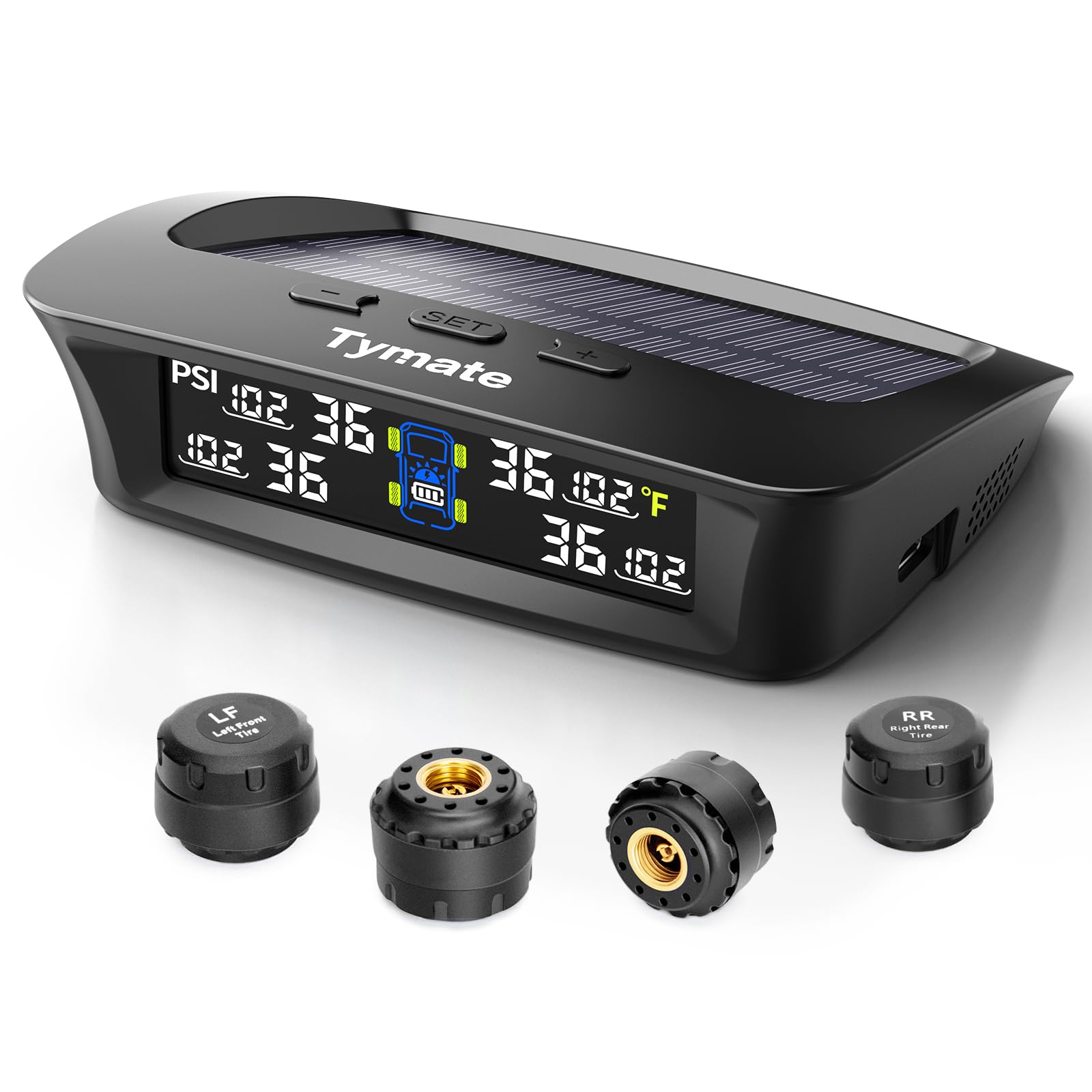
Mercedes-Benz SLR McLaren: Is It A Supercar Or A Grand Tourer

The SLR McLaren is a unique and fascinating tribute to the partnership between Mercedes and McLaren. Back then, putting the McLaren name on this car helped a lot with its marketing since McLaren’s only street car was the iconic F1 supercar from 1992. So when the SLR came along just as they were wrapping up the F1, it felt like a natural step in their journey of making road-legal cars, this time joined by the powerhouse Mercedes-Benz. 

This beauty was crafted in the late 90s and features a front-mid 5.4 to 5.5-litre supercharged V8 engine that delivers supercar speed. We’ll chat more about that later. It has some ridiculously high-end craftsmanship but also tends to be heavier than you’d expect from a supercar. It’s definitely one for collectors. It can be a bit quirky when it comes to maintenance and if you can handle the fuel costs and need for special service, it’s an indulgence that gives you one of the most unforgettable driving experiences from the 2000s.

Racing DNA Meets Grand-Tourer Luxury

The SLR, or the Mercedes-Benz SLR McLaren, represents a cool blend of luxury from Mercedes and the racing chops of McLaren. Back in the late ’90s, both brands were dominating the Formula One scene, with cars like the MP4/13 and famous drivers like Mika Häkkinen and David Coulthard leading the charge. It felt like a sure thing that any car sporting both names would carry some serious racetrack cred.

So when Mercedes wanted a road car that would serve as a halo for the brand, it made sense to hand the brief to McLaren’s road-car people — and to one of the era’s most respected designers, Gordon Murray, who is credited on the SLR program.

What happened next was pretty telling: Murray naturally leaned towards creating a light and nimble sports car, while Mercedes pushed for more comfort with features like soundproofing and a plush interior that their customers wanted. The outcome? A gorgeous but somewhat hefty grand tourer that showed off a blend of racing spirit and luxury style. It’s a great reminder that top-notch engineering can sometimes mean making some compromises.

The SLR isn’t just famous for its impressive performance; it’s also interesting in how it achieved that. With a large-scale carbon-composite body and a hand-made engine, all wrapped in a retro style that gave a nod to the classic 1955 300 SLR, it stands out. Plus, with limited production runs by today’s standards, the SLR finds itself in a unique spot—not quite a hypercar for collectors, but definitely more than just an everyday GT.

Specs

  • Engine: supercharged 5.4-5.5 L V8 (M155 SLR family).
  • Power: standard SLR ≈ 617 PS (~608–617 hp depending on source); 722 and Stirling Moss specials up to ~650 PS.
  • 0–60 mph: low-3-second territory for the specials (≈3.4–3.7s depending on variant).
  • Top speed: around 208–217 mph depending on model and gearing.

The driving experience

When Mercedes rolled out the SLR, they could’ve just slapped a badge on another V8-GT and called it a day. But instead, they decided to hand off all the engineering and production to McLaren. It’s like two different companies had their own ideas and tried to make them work together: Mercedes wanted a plush showpiece, while McLaren was all about that racing spirit. The end product is kind of a mixed bag—a fancy, well-equipped GT that feels like a heavy supercar. It’s like a race team tried to squeeze a comfy sofa into a sports car and mostly pulled it off. They launched it in 2003, the roadster was gone by 2009, and the last coupés wrapped up in 2010. They made about 2,100 to 2,200 of them, all pretty rare.

Once you hop in, it gives off classic grand tourer vibes: spacious cabin, rich leather, a big steering wheel, and those striking long aluminum lines that make you feel like you’re driving a torpedo. But hit the gas and that supercharged V8 can really push you back in your seat. The SLR had some seriously impressive acceleration and top speed for its time—loud and in-your-face. The engineers moved the engine towards the back for better weight distribution, but with the car weighing nearly two tons, it leans more toward the GT side of things: quick and solid but not as agile as a modern lightweight hypercar.

Just a heads-up: be ready for some serious fuel guzzling, expensive brake and tire costs, and a car that really likes a warm-up before you start pushing it hard on the turbo—pretty standard for high-performance, hand-built engines from back in the day.

SLR 722

Notable variants

  • Standard SLR (C199) — the baseline, already a statement in chrome and carbon.
  • SLR 722 Edition (2006) — named after Stirling Moss’s 1955 Mille Miglia start time, this was a performance-tuned special with about 650 PS depending on tune, revised suspension, brakes, and cosmetic cues. Only a small run was made and it’s one of the more sought-after SLRs.
  • SLR Stirling Moss (2009) — the ultimate send-off: open-top, no windscreen, about 75 units built. It’s theatrical, outrageously expensive when new, and now one of the rarest factory SLR variants. If you want the car that reads its own press release in Haiku, this is it.

Reliability, maintenance & running costs

This isn’t your average BMW 3-series that you can just take to the dealer for an easy service. When this car hit the market, it was twice the price of a Ferrari 550 Maranello, so don’t be surprised if the cost of service matches that. Here are some important things to know:

  • Specialist service: SLRs require Mercedes/AMG-level parts, often bespoke items assembled by hand. Expect specialist technician rates and longer lead times for parts.
  • Consumables: brakes and tyres are high-performance fitments; replacement is expensive and frequent if you drive spiritedly.
  • Depreciation / insurance: shockingly high initial depreciation (relative to purchase price) was the norm in the first decade; however, rarity and special editions have seen certain values rebound. Current market is much healthier for clean, documented examples.

Practical tip: ask for a full service history and evidence that any SLR has been run regularly (short trips and long idles are lethal to big supercharged engines). Watch for snapped hydraulic lines, electronic oddities from climate control modules, and corrosion in hidden aluminium seams on older cars.

Buying advice & Ownership outlook

Early SLRs depreciated hard after launch (the market in the late-2000s punished expensive GTs). But scarcity and a modern nostalgia wave have stabilized prices. Special editions—especially limited runs like the Stirling Moss—are the ones that appreciate or at least hold value best. If you plan to buy and hold, buy a documented, low-mileage special. If you plan to drive it hard and love it to bits, budget accordingly — these cars are happiest on open roads and in the hands of an owner who accepts high running costs.

  • Service records: non-negotiable. If the car lacks a documented specialist service trail, walk.
  • SMOKE / startup behavior: blue smoke at start or heavy oil smoke under load suggests oil control or turbocharger (supercharger) oiling issues — both expensive to diagnose and fix.
  • Suspension and subframe: look for repaired accident damage (SLRs were flash-and-flare cars and sometimes abused). Carbon-composite panels are costly to repair.
  • Variant provenance: 722 Editions and Stirling Moss cars are worth paying for if pristine; they carry collector premiums and are rarer. Confirm VIN and build sheets carefully.

If you need to negotiate the price, look at any service issues, signs of hard use on the track, or missing original parts to help your case. And keep in mind that a “cheap” SLR is less pricey for a reason.

Here is a quick pre-purchase checklist:

  1. Full stamped service history from Mercedes/AMG/McLaren specialist.
  2. Recent compression/leakdown test results.
  3. Evidence of regular long runs and recent oil changes.
  4. Inspection for accident repairs and paint matching on panels.
  5. Condition of tyres, brake discs, and calipers; request pad thickness.
  6. Confirm VIN/build sheet matches claimed variant (722, Stirling Moss, etc.).
  7. Check for known recalls and whether they’re completed.
  8. Roadtest with technician if possible (listen for whine/knock on startup and at full load).
  9. Budget for first-year ownership costs (service, tyres, insurance).
  10. Confirm availability of spares and estimated lead times.

Final verdict

  • Magnificent engine character and soundtrack.
  • Unique styling that still turns heads.
  • Limited production — collectible pedigree.
  • Very heavy for the class; not the nimblest supercar.
  • Expensive maintenance and parts; specialized servicing required.
  • Fuel-guzzling and wallet-punishing consumables.

The SLR McLaren is a stunning mix of beauty and quirks. It’s a fancy grand tourer that can keep up with supercars and feels like a race car made just for you. Sure, it might not be the lightest or most straightforward ride out there but it’s definitely one of the most unique and exciting cars from the 2000s. If you’re looking for something that turns heads and makes a statement, this car will definitely get people talking. Plus, if you pick the right one, it could be a solid investment down the line.

Check out our latest posts below for reviews on cars and classic cars plus accessories or just head on over to our homepage.


*Disclaimer: This website provides automotive content for informational purposes only and should not be considered professional advice. While we strive for accuracy, we do not guarantee the reliability or suitability of any vehicle or product mentioned—always conduct your own research before making purchasing decisions. Additionally, some links on this site are affiliate links, meaning we may earn a commission if you make a purchase, at no extra cost to you.

Winter: How to Choose the Best Portable Car Jump Starter

There are a bunch of reasons your car battery can die when you least expect it. Maybe you left your lights on all night, or you were using your electronics without the engine running. It could be a bad alternator or just extreme weather messing with an old battery. Whatever it is, it can drain your battery fast, and suddenly you can’t get where you need to go. In any of these situations, having a good portable jump starter is super handy. It’ll help get your car up and running again and keep you safe if you end up stuck on the side of the road. Plus, it can even charge your phone or lights when you really need them. This guide is here to help you sort through all the different options so you can find a jump starter that fits your car and your budget.

Top Picks

Category

Product

Price

Score

 Best Overall

NOCO Boost GB150 (3000A UltraSafe)

239.96

95/100

Best For Heavy-Duty

Clore Automotive Jump-N-Carry JNC660 (1700 Peak Amp)

128.79

90/100

Best Value

TREKURE Portable Car Battery Jump Starter 3500A (TK10)

35.99

84/100

Best Innovation

YaberAuto 10-in-1 Jump Starter with Air Compressor (YA90)

84.99

88/100

Most Versatile

Unleivpe Jump Starter with Air Compressor (JN-8103)

69.99

86/100

Selection Criteria

You should look for several practical features before you buy. Peak amperage and stated engine compatibility tell you whether a unit can start your vehicle—choose a higher-amp unit for large gasoline or diesel engines.

Battery chemistry (lithium vs. lead-acid) affects weight, shelf life and number of jumps per charge; lithium is lighter and often holds charge longer.

Safety features such as reverse-polarity protection, spark-proof clamps, and built-in thermal shutdown reduce the chance of user error or damage. Cold-weather performance matters because battery output drops in low temperatures—check ratings and real-world reviews for winter starts. Portability and weight determine where you store the unit and how easily you can handle it roadside.

Useful extras like an LED flashlight, USB-C power bank, integrated air compressor, and IP ratings for dust/water resistance add real value. Finally, consider build quality, warranty and how easy the clamps and connectors are to use when it’s dark and cold.

Evaluating units against these points helps you buy a jump starter that fits your vehicle, climate and comfort level with roadside repair.

NOCO Boost GB150

NOCO Boost GB150


NOCO Boost GB150

3000-amp lithium jump starter for 12V vehicles — up to 80 starts per charge; rated for gasoline up to 9.0L and diesel up to 7.0L. Includes USB-C power bank and 500-lumen LED.

239.96

Buy Now

If you drive in winter you already know how quickly a battery can die when temperatures drop. The NOCO Boost GB150 is one of those tools that feels like insurance: it’s compact enough to stash in the trunk but powerful enough to crank big engines.

You can jump gasoline engines up to 9.0 L and diesels up to 7.0 L, get up to about 80 starts on a full charge, and use the built-in USB-C power bank to top up your phone while you wait. The integrated 500-lumen LED with SOS and strobe modes is genuinely useful on dark roads. It’s built tough (IP65-rated) and engineered with spark-proof and reverse polarity protection, so you don’t need to be an expert to use it.

For everyday commuters, keep it in the glovebox or under a seat; for road trips or winter cabins, it’s the kind of kit that stops stress from becoming an emergency. If you want something reliable that covers both daily annoyances and bigger cold-weather problems, this is an easy recommendation.

What People Say

Users praise its starting power and reliability in cold conditions; a few note long-term durability concerns after warranty, but most reports show consistent, heavy-duty performance.

John Leavitt

After sitting unused, this starter jumped my 6.0 diesel repeatedly — I jumped that truck 11 times over four days and the GB150 still showed 75–100% charge. Well-built and dependable in cold weather.

Phil_S

Worked when other methods failed: it raised a battery from 5.7 V to 12.2 V and started the vehicle. Great for cases where a standard jump won’t do.

Ease of Use

Feature

Ease Level

Clamp connection and safety

Easy

Reading battery voltage/display

Easy

Recharging the unit (USB-C)

Moderate

Using the LED flashlight and modes

Easy

Carrying and storing (weight ~6.4 lb)

Moderate

Versatility

You can rely on it for daily dead batteries on cars, motorcycles, ATVs and for larger trucks and diesels within its ratings; it also charges phones, acts as an emergency light, and fits into road-trip or winter prep kits.

Key Benefits

  • Massive 3000 A peak power — handles big gasoline and diesel engines
  • UltraSafe tech: spark-proof clamps and reverse polarity protection
  • Up to ~80 starts per full charge depending on engine size
  • Doubles as a USB-C power bank and has a 500-lumen multi-mode LED
  • Rugged IP65 housing and rubberized over-mold for real-world use

Clore JNC660

Clore JNC660


Clore JNC660

Jump-N-Carry JNC660 1700 Peak Amp 12-Volt Jump Starter

128.79

Buy Now

If you want something that actually starts stubborn batteries in cold weather, this is a classic. The Clore JNC660 trades pocket-size for raw power: 1,700 peak amps (425 cranking amps), a 22 Ah PROFORMER battery and heavy-duty 46″ cables so you can reach awkward battery locations without juggling clamps.

It has a built-in voltmeter so you can check the onboard charge, a DC outlet for 12 V accessories, and an automatic charger so you can leave it topped up when it’s stored in a garage. For everyday commuting it’s great if you park outside in winter or if your car sits unused; for tougher jobs—diesel trucks, tractors, boats or helping stranded drivers—you’ll appreciate the muscle and reliability.

It’s not the lightest kit to carry (about 18 lb), but if your priority is dependability in freezing temps and multiple jump cycles, this is a very practical choice.

What People Say

Users call it a workhorse: powerful, dependable in cold weather and good for repeated jumps. Common trade-offs mentioned are weight and the need to keep it charged, but most find the extra bulk worth the reliability.

f.wrecker

Not light or compact, but rock-solid when you need it. Reliable starting power — reviewers say it started cars and trucks repeatedly and you can depend on it for multiple jumps.

Mcgyver210

Saved the reviewer from long roadside waits on a diesel truck — long reach cables and enough power to jump large vehicles multiple times in one day. Durable and built for heavy use.

Ease of Use

Feature

Ease Level

Connecting the clamps

Easy

Reading the voltmeter/gauge

Easy

Charging the unit (wall plug/extension cord)

Moderate

Handling and carrying (weight ~18 lb)

Moderate

Using the 12 V DC outlet

Easy

Versatility

This is the kind of tool that works for everyday dead batteries on cars, SUVs and ATVs and also steps up for heavier duty jobs — diesel trucks, tractors, boats and commercial use. The DC outlet means you can run a small pump or accessory, and the robust cables and clamps make it practical for garages, tow trucks or roadside help.

Key Benefits

  • 1,700 peak amps / 425 cranking amps for stubborn batteries
  • 22 Ah Clore PROFORMER battery holds charge for extended periods
  • 46″ heavy-duty cables and industrial-grade clamps for reach and durability
  • Onboard voltmeter to check battery status at a glance
  • Built-in automatic charger and 12 V DC outlet for accessories

Unleivpe 5000A Jump Starter

Unleivpe 5000A Jump Starter


Unleivpe 5000A Jump Starter

Jump Starter with Air Compressor, 5000A 150PSI Car Battery Jump Starter (9.0 Gas/8.0L Diesel), 12V Jump Box Portable with Jumper Cables, LCD Display, Lights

69.99

Buy Now

This is one of those grab-and-go units you’ll be glad to have when winter messes with your battery. You get a jump starter that claims a 5,000A peak output, plus a built-in 150 PSI air compressor, an LCD with live pressure readout and a USB port so you can charge phones. In everyday use it’s great for topping up tires, reviving a dead car or motorcycle battery, or powering small devices during an outage.

On road trips or during storms it doubles as an emergency light and power bank, so you’re not stuck waiting for help. If you want a compact, multifunctional tool to keep in the trunk that actually does several jobs well, this is a practical pick.

What People Say

Owners appreciate the all-in-one convenience: fast tire inflation, reliable jump starts in real situations, and handy extras like USB charging and bright LEDs, with a few mentioning the manual and clamp build as minor quibbles.

noba

Compact and surprisingly versatile — reviewers say it’s easy to stash in a car, the air compressor inflates tyres quickly, and the jump feature rescued cars, tractors and lawn mowers. Also noted as useful as a power bank during outages.

LaciBacsi

Detailed testing showed fast inflation (29 PSI to 36 PSI in about a minute), a large readable display and built-in safety protections; reviewer later used the jump feature successfully twice and praised the unit’s overall functionality despite a few manual and clamp concerns.

Ease of Use

Feature

Ease Level

Connecting the clamps

Easy

Setting target tire pressure on the LCD

Easy

Inflating tires (auto shut-off)

Easy

Charging the unit and devices

Moderate

Handling the unit and accessories

Easy

Versatility

This is a true multi-use gadget: jump-start cars, motorcycles, lawn equipment; inflate car tyres, bike tyres and sports gear; charge phones with the USB port; and use the built-in flashlight/SOS light during roadside stops or power outages.

Key Benefits

  • Powerful jump-start ability for 12V engines up to 9.0L gas / 8.0L diesel
  • Integrated 150 PSI air compressor with smart auto shut-off and multiple nozzles
  • Multi-function: jump starter, air pump, power bank, LED flashlight and SOS light
  • LCD display for real-time tire pressure and device status
  • Multiple safety protections (reverse polarity, overcurrent, overcharge, etc.)

YaberAuto YA90 Jump Starter

YaberAuto YA90 Jump Starter


YaberAuto YA90 Jump Starter

10-in-1 jump starter with 8000A peak, built-in 160 PSI air compressor, 65W fast charging, 160W DC output, 600 lm LEDs and multiple safety protections.

84.99

Buy Now

If you want one tool that covers a bunch of winter headaches, this is it. You get an 8000A peak jump starter that’ll boost dead 12V batteries, plus a cordless 160 PSI inflator with an easy preset system and a readable 3.3″ screen. It also doubles as a fast power bank (65W USB-C), runs a 160W DC output for small car appliances, and has bright 600-lumen lights for roadside visibility.

In daily life it’s handy for topping up tires and charging phones; on road trips or during cold-weather camping it acts like a compact emergency kit. It’s large compared with pocket jumpers, but reviewers say that extra weight translates to real capability, so if you want something you can rely on in winter, this is a practical pick.

What People Say

You’ll see a lot of praise for reliable cold-weather starts and the convenience of a built-in compressor and fast charging, with users noting it performs like a small, dependable emergency kit.

Drew Wilson

Used it multiple times on one charge to jump a Jeep; the compressor topped up tires by 5–7 lbs quickly and the unit still had plenty of battery left. Reviewer appreciated the combo of reliable jumps and the pump’s real-world performance.

Amazon Customer

Saved a weekend camping trip when the Jeep battery kept dying — started first time every time, cranking like a fresh battery and only using about 20% per jump. Fast USB charging meant it was ready again after short drives.

Ease of Use

Feature

Ease Level

Connecting the clamps

Easy

Selecting inflator mode and target pressure

Easy

Reading the 3.3″ LCD and live pressure

Easy

Charging phones and laptops via USB-C

Moderate

Carrying and storing with the included case

Easy

Versatility

This is a true all-in-one road kit: jump-start cars, SUVs and motorcycles; inflate tires, bike tubes and sports balls; charge phones and laptops; run small 12V devices; and use the LEDs for emergencies or roadside warnings.

Key Benefits

  • 8000A peak boost to jump 12V gas and large diesel engines
  • 160 PSI cordless digital inflator with presets, auto shut-off and multiple nozzles
  • 65W USB-C fast charge plus 160W DC output for powering in-vehicle devices
  • 600-lumen LED lighting with multiple modes for emergencies and roadside visibility
  • 10 safety protections (reverse polarity, spark-proof, overcurrent, etc.)

TREKURE TK10 Jump Starter

TREKURE TK10 Jump Starter


TREKURE TK10 Jump Starter

3500A portable jump starter with 16,800 mAh battery; restarts 12V vehicles up to 8.0L gas / 6.5L diesel, works in −4°F–140°F, doubles as a power bank with multi-mode lights.

35.99

Buy Now

You want something small that actually works when winter bites — this is that kind of gadget. The TREKURE TK10 packs a 3,500 A peak output and a 16,800 mAh pack that can revive most 12V cars (up to 8.0 L gas or 6.5 L diesel) in seconds, even in cold weather. It also doubles as a power bank for phones and tablets, has a bright multi-mode LED (flashlight, strobe, SOS), and a rugged weatherproof shell so it fares well in snow and rain. It’s light enough to tuck under a seat or slip in a glovebox, and the built-in safety protections make it easy to use without second-guessing yourself.

Use it for daily commute hiccups, to help a neighbor, on road trips or winter getaways, and keep it for storms or roadside emergencies. If you want a compact, affordable backup that’s simple to operate, this is a practical choice.

What People Say

Users consistently note quick, reliable starts in cold weather, compact size that fits in the glovebox, and the convenience of USB charging plus a bright emergency light.

Douglas M.

I was pleasantly surprised with this product — quality matched (if not exceeded) my expectations, everything functioned as promised, and it felt like great value for the money.

Simba F

Works perfectly — car battery was dead, connected the jumper cables and less than 30 seconds later we had power. Also useful as a power bank and the built-in light is handy.

Ease of Use

Feature

Ease Level

Connecting the clamps

Easy

Starting a dead car

Easy

Charging phones via USB

Easy

Using the multi-mode flashlight

Easy

Storing in glovebox or under seat

Easy

Versatility

Small and lightweight but multi-functional: jump-start cars, charge devices on the go, and use the LED modes for roadside warnings or SOS signalling.

Key Benefits

  • 3500A peak output to restart 12V batteries (up to 8.0 L gas / 6.5 L diesel)
  • 16,800 mAh battery that also works as a power bank for phones and tablets
  • Multi-mode LED light (Flashlight, White Strobe, Orange Strobe, SOS) for roadside visibility
  • Rugged, weatherproof housing that tolerates rain, snow and rough use
  • Built-in smart protections (short circuit, overcurrent, reverse polarity, overcharge, etc.)

DEWALT DXAEJ14-Type2 Jump Starter

DEWALT DXAEJ14-Type2 Jump Starter


DEWALT DXAEJ14-Type2 Jump Starter

Portable jump starter with digital 120 PSI compressor, alternator test, 1600 peak amps for 12V vehicles up to V8, 15W USB-A and 25W USB-C, LCD readout.

199.00

Buy Now

You get a beefy, no-nonsense unit that doubles as a roadside toolkit. The DEWALT DXAEJ14-Type2 pairs a 1,600 peak-amp jump starter with a digital 120 PSI compressor (with AUTOSTOP), an alternator test, AC charging cube and both 15W USB-A and 25W USB-C outputs.

The LCD and high-power LED make working in low light easier, and built metal clamps feel durable. Use it for daily commute hiccups, helping a friend with a dead battery, inflating tires after a drive on salted roads, or keeping on hand for winter storms and long trips. It’s not the lightest thing at roughly 19.5 lb, but if you want something rugged, multifunctional, and straightforward to operate, this is a solid pick.

What People Say

Users praise reliable, repeatable starts, the convenience of the onboard compressor and USB charging, and a sturdy, easy-to-use design; some note the unit’s weight and suggest considering extended warranty options.

Rob Monson

Charges quickly and holds a charge; compact but sturdy and has come in handy on numerous occasions. You pay a bit more, but it’s the kind of value you notice when you actually need it.

Joyce

I accidentally connected the clamps backwards and the unit survived — that experience convinced me its reverse-polarity protection works and the build is robust.

Ease of Use

Feature

Ease Level

Connecting the clamps

Easy

Starting a dead car

Easy

Using the air compressor

Moderate

Charging phones via USB

Easy

Reading the LCD / using the LED light

Easy

Versatility

A multi-tool for your vehicle: jump-starts, tire inflation, alternator checks, and device charging all in one rugged package.

Key Benefits

  • 1600 peak amps can jump 12V batteries up to V8 engines
  • Built-in 120 PSI digital air compressor with AUTOSTOP and Sure Fit nozzle
  • 15W USB-A and 25W USB-C ports for charging phones and devices
  • Alternator test and LCD readout for quick diagnostics
  • Reverse-polarity protection and metal powder-coated clamps for durability

FAQ

How Do I Choose The Right Jump Starter For Winter 2026?

You should pick a unit based on the size of your engine, the device’s peak output, safety features, and how you plan to use it. For large trucks and diesel engines prioritize higher peak amps and robust build quality; for example, the NOCO Boost GB150 is rated at 3000 Amps, handles gasoline up to 9.0 L and diesel up to 7.0 L, delivers about 80 jump starts per charge and currently lists for $239.96, so it’s a strong choice if you need reliable cold-weather cranking.

If you drive a compact car you can lean toward lighter, cheaper units like the TREKURE or Unleivpe models ($35.99 and $69.99 respectively) that trade some raw power for portability and extra features like built-in lights or compressors. Always check for safety features such as reverse polarity protection, spark-proof connections, and quality clamps, and compare real-world specs (rated engine compatibility, number of starts per charge, IP/weather rating and weight) rather than just a marketing amp number.

Are High Amps Or Portability More Important For Cold Weather Use?

It depends on your vehicle and how you use it. If you have a big V8 or diesel, higher peak amps and heavy-duty clamps matter more because cold batteries need more current to crank; heavy bench-style units like the Clore JNC660 or metal-clamp models such as some DEWALT units give you that reliability but are heavier. If you drive a smaller car or want something you’ll store under a seat, choose a compact lithium model that still offers safety protections; many mid‑range units provide enough cranking power for most passenger cars while being easy to carry. Remember that advertised peak amps are often a short burst—look for sustained cranking capacity, clamp quality, cable length, and real reviews about cold-weather performance rather than assuming a bigger number alone will solve every situation.

What Are Safe, Practical Tips For Using And Maintaining A Jump Starter In Winter?

You should fully charge the unit before the cold season and check its charge monthly; manufacturers like DEWALT recommend charging every 30 days when not in use. Store the unit where it won’t sit in temperatures well below freezing if possible, or keep it insulated in the cabin to preserve capacity.

When you jump a car, connect clamps in the correct order and wait the manufacturer’s recommended warm‑up time before cranking; if your unit or the vehicle manual advises an emergency override for ultra‑low voltages, use it only as instructed. After use, recharge the pack immediately, inspect clamps and cables for corrosion or damage, and never attempt to jump a severely damaged battery or use a unit with frayed leads.

Carry a second option (simple jumper cables or roadside assistance contact) as a backup, and keep the user manual and any required charging accessories handy so you can act quickly and safely when the temperature drops.

Wrapping Up

Choose the right jump starter based on your engine size and the winter weather you’re facing. If you need a powerful and safe option for big gas or diesel engines, the NOCO Boost GB150 is an awesome choice. For a reliable classic style, check out the Clore JNC660. If you want something solid but you’re on a budget, look at compact lithium models like the TREKURE. Plus, brands like YaberAuto and Unleivpe have cool extras like a built-in air compressor and power bank which can really help on those long drives in the winter. Whatever you pick, be sure to check the amp rating for your engine, make sure it has good safety features, and see how well it works in cold weather so you can get back on the road quickly and safely.

Just keep in mind that sometimes in extreme situations, none of these jump starters might do the trick because of the battery’s condition, or if the battery is just too old and needs replacing. For more info on car battery replacement, check out our article “Best Car Battery Replacement Tips for 2026“.

ProductImageRatingPeak Output CurrentAmperagePrice
NOCO Boost GB150: 3000A UltraSafe Jump Starter
Product Image
4.6/5 (11,968 reviews)3000 Amps3000 Amps239.96
Clore Automotive Jump-N-Carry JNC660 Jump Starter
Product Image
4.6/5 (18,853 reviews)1700 Amps1700 Amps128.79
Jump Starter with Air Compressor 5000A
Product Image
4.5/5 (216 reviews)5000 Amps5000 Amps69.99
YaberAuto 10-in-1 Jump Starter with Air Compressor
Product Image
4.7/5 (1,562 reviews)8000 Amps8000 Amps84.99
TREKURE Portable Car Battery Jump Starter
Product Image
4.6/5 (1,839 reviews)3500 Amps3500 Amps35.99
DEWALT DXAEJ14-Type2 Jump Starter
Product Image
4.4/5 (561 reviews)1600 Amps1600 Amps129.99

 Check out our latest posts for more cool gadgets and handy car accessories or just swing by our homepage:


*Disclaimer: This website provides automotive content for informational purposes only and should not be considered professional advice. While we strive for accuracy, we do not guarantee the reliability or suitability of any vehicle or product mentioned—always conduct your own research before making purchasing decisions. Additionally, some links on this site are affiliate links, meaning we may earn a commission if you make a purchase, at no extra cost to you.

**When you click on links we might get a small commission on purchases that qualify.