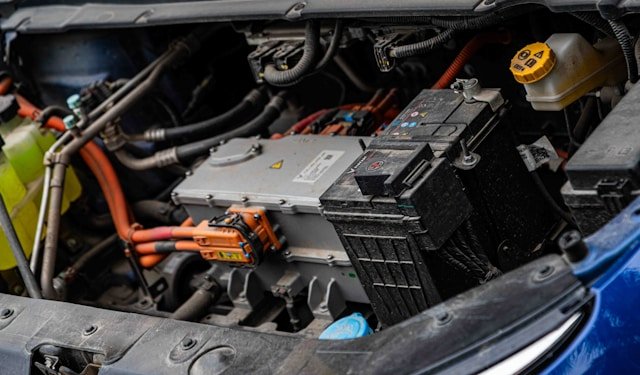
Electric vehicles (EVs) are no longer a futuristic dream — they are a rapidly growing reality shaping the automotive industry and the way we think about transportation. In 2026, EVs have become more affordable, practical, and widely accepted by drivers around the world. But this is just the beginning. Over the next five years, from 2026 to 2031, electric vehicles are poised for even more dramatic advancements.
From improved battery technology to expanded charging infrastructure, smarter software, and new vehicle classes, the future of electric vehicles promises to change not only how we drive but also how we live and work. In this article, we’ll explore the key trends and innovations that will define the EV landscape over the coming years and explain what drivers can expect as electric mobility becomes mainstream.
Why the Future of EVs Matters
Electric vehicles are at the intersection of several major global trends: climate change mitigation, renewable energy adoption, technological innovation, and urbanization. Transportation accounts for a significant portion of greenhouse gas emissions worldwide, and EVs offer a cleaner alternative to traditional gasoline and diesel vehicles. Furthermore, advances in EV technology can reduce dependence on fossil fuels, lower operating costs for drivers, and support smarter, more connected cities.
As nations, manufacturers, and consumers embrace electrification, the next five years will be critical in determining how fast and how effectively EVs integrate into everyday life.
1. Major Improvements in Battery Technology
One of the most important areas of progress for EVs is battery technology. The battery is the heart of any electric vehicle, and advancements in this field will directly influence range, cost, charging time, and reliability.
Longer Range and Better Energy Density
Battery energy density — the amount of energy stored in a given volume — is expected to improve significantly. Higher energy density means EVs can travel farther on a single charge. Today’s mainstream EVs commonly achieve ranges between 250 and 400 miles. In the next five years, many models may offer ranges exceeding 400 miles, reducing range anxiety and making EVs even more practical for longer trips.
Lower Battery Costs
Battery packs remain one of the most expensive components in an EV. As technology advances, costs per kilowatt‑hour (kWh) are expected to continue decreasing, making electric cars more affordable for consumers. Lower battery costs will contribute to more competitive pricing — potentially bringing EV prices in line with, or even below, comparable gasoline vehicles.
Solid‑State Batteries and Beyond
Emerging battery technologies such as solid‑state batteries hold promise for even faster charging, higher energy density, and improved safety. Unlike traditional lithium‑ion cells, solid‑state designs use solid electrolytes, which are less likely to catch fire and can allow for greater energy storage in a smaller package. Commercial deployment of solid‑state batteries may begin within the next few years, particularly in premium EVs, and gradually trickle down to mainstream models.
2. Faster and More Accessible Charging Infrastructure
Charging infrastructure is a key factor in EV adoption. While home charging covers most daily needs, long‑distance travel and public charging accessibility are essential for broader acceptance.
Expansion of Fast Chargers
Expect a significant expansion of fast charging networks, particularly along major highways and in urban centers. Faster charging stations — capable of delivering 150 kW, 250 kW, or more — will reduce charging times dramatically. Instead of 30–45 minutes for an 80% charge, some high‑power chargers may be able to replenish most of the battery in 15–20 minutes.
More Affordable Home Charging Solutions
Home charging solutions will become more affordable and easier to install. Wireless charging and automated home charging units may also increase in availability, making EV ownership smoother and more convenient.
Standardization and Network Integration
Standardization of charging protocols and better integration between charging networks will simplify the user experience. Drivers will increasingly be able to use a single app or account to access multiple charging networks, just as smartphone users manage apps and subscriptions today.
3. Electric Vehicles Become More Affordable
As battery costs decline and production scales up, EVs are expected to become more affordable for a wider audience. In many markets, governments and manufacturers are already offering incentives such as tax credits, rebates, and reduced registration fees to encourage EV purchases.
Mass Market EVs
New mass‑market EV models from established automakers and new entrants will bring more affordable options to the market. These vehicles may have slightly smaller ranges or fewer luxury features, but they’ll deliver the core benefits of electric driving — efficiency, lower running costs, and smoother performance — at entry‑level prices.
Used EV Market Growth
The used EV market will expand significantly, offering older models at attractive prices. As more EVs hit the road today and their owners upgrade, used EVs will become a great option for buyers seeking sustainability and value.
4. Smarter Software and Vehicle Connectivity
Electric vehicles are increasingly digital platforms on wheels, and software innovation will be a defining feature of future EVs.
Over‑The‑Air Updates
An increasing number of EVs already support over‑the‑air (OTA) updates — similar to smartphone updates — which allow manufacturers to improve performance, add features, and fix bugs remotely. This means your car can stay up‑to‑date without visiting a dealership.
Connected Services and Apps
Smart services such as predictive range optimization, real‑time charging station availability, remote diagnostics, and integrated route planning will become more advanced. These connected features will help drivers take better advantage of their EV’s capabilities and reduce range anxiety.
Integration with Smart Grids
Future EVs may integrate more closely with smart energy grids, helping balance demand by charging when electricity is cheapest and even feeding energy back to the grid during peak demand (vehicle‑to‑grid or V2G technology).
5. Growth of Electric SUVs, Trucks, and Commercial EVs
While early electric vehicles were mostly compact or midsize cars, the lineup is rapidly expanding.
Electric SUVs and Crossovers
SUVs have become one of the most popular vehicle types globally, and electric versions are entering the market in large numbers. Expect more electric SUVs that offer family‑friendly space, strong performance, and better efficiency than previous generations.
Electric Trucks
Electric pickup trucks aimed at both consumer and commercial markets — such as models with high towing capacity and rugged capability — will become more common. These trucks will help electrify sectors that previously relied almost exclusively on gasoline or diesel power.
Commercial and Fleet EVs
Delivery vans, buses, and other commercial electric vehicles will continue to grow, pushing fleets to electrify for cost savings, emissions reduction, and quieter operation. Last‑mile delivery services and urban fleets are particularly well‑suited for electrification.
6. Sustainability Beyond Tailpipe Emissions
The environmental benefits of electric cars go beyond reduced tailpipe emissions. Manufacturers and policymakers are increasingly focusing on sustainable materials, recycling programs, and ethical sourcing of battery components.
Battery Recycling and Second Life
Used EV batteries may find a second life in energy storage systems for homes, businesses, or utility grids. Battery recycling programs will also expand, recovering valuable metals and reducing the need for new resource extraction.
Sustainable Manufacturing
Automakers are adopting greener manufacturing processes, including renewable energy in factories, reduced water use, and recycled materials in vehicle interiors and components.
What This Means for Buyers
So what does all of this mean for drivers and potential EV buyers over the next five years?
Lower Operating Costs
Electric cars already cost less to maintain than gasoline vehicles, and this trend will grow stronger. Fewer moving parts, less frequent servicing, and lower energy costs mean long‑term savings.
Better Resale Value
As EVs become mainstream, their resale value is expected to stabilize and improve — especially for models with good battery health and strong software support.
Broader Model Choice
From small city cars to large SUVs and capable work trucks, the variety of affordable and practical EVs will offer real choice for every lifestyle and budget.
More Confidence in Ownership
With improved battery life, better charging infrastructure, and connected vehicle features, owning an EV will feel more familiar and stress‑free even for buyers switching from gasoline cars.
Challenges Still Ahead
Despite the rapid progress, some challenges will remain:
Charging Access in Rural Areas
While charging networks are expanding, rural areas may still lag behind urban centers in fast‑charging availability.
Battery Raw Materials
Ethical and sustainable sourcing of battery materials like lithium, nickel, and cobalt remains a global concern.
Grid Demand and Infrastructure
Electric grid upgrades will be necessary in many regions to support increased EV charging demand.
However, industry investments, policy incentives, and technological innovation are already addressing these challenges, paving the way for wider EV adoption.
Final Thoughts
The next five years in the world of electric vehicles promise exciting developments, deeper integration into daily life, and increased adoption across demographics and regions. As battery technology improves, charging becomes more accessible, vehicles become more affordable, and software makes EV ownership smarter and easier, drivers will find that electric cars are not just an alternative to gasoline vehicles — they are the future of personal mobility.
Whether you’re someone considering your first EV purchase or simply interested in the direction of transportation, the future of electric vehicles is bright, dynamic, and full of opportunity. By 2031, EVs will be more efficient, more widespread, and more deeply woven into the fabric of everyday life than ever before.