Thursday, April 2, 2026
spot_img
Home Blog Page 13

Why Are Japanese Cars So Reliable and Known for their Longevity?

Japanese car makers have really made a name for themselves when it comes to reliability. If you chat with a mechanic who’s been around for a bit, they’ll probably tell you that the brands that last the longest are Toyota, Honda, Lexus, and Acura. So what’s up with that? Why do Japanese cars usually kick butt compared to American or European ones when we’re talking reliability? Even though they got started in the auto industry way later than big names like Mercedes-Benz, Ford, and Peugeot, they’ve built a solid rep for making cars that seem to go on forever. You can see it in the annual Consumer Reports reliability rankings where Japanese brands often land at the top.

The short answer could be that this rep comes from decades of hands-on experience (think Tahara, Shibetsu), smart engineering decisions, a culture that really values durability, and consistently high scores in dependability surveys. Plus, they have manufacturing methods that focus on reliability and can handle real-world wear and tear. But it’s not like it’s all magic—other global car makers use similar techniques too. These days, the real differences are more about how much they focus on things like testing, noise and vibration control, and getting products to market quickly rather than a lack of testing. Let’s dive into what makes Japanese cars so legendary for their durability and see how they compare to competitors.

Honda dealer

What Makes Japanese Cars More Durable?

Basically if you look at a parking lot you’ll see tons of Toyotas Hondas and Subarus that have racked up 200 thousand miles on their Corollas and it’s no big deal. But when you see a Chevy Chrysler or Audi with that kind of mileage it’s usually a story about things going wrong. Here’s the scoop:

Do All Car Manufacturers Perform Reliability Tests?

Yes, it’s true that all car makers nowadays use pretty much the same set of methods for testing, not just the Japanese manufacturers. They all rely on these long test loops, rigs for accelerated life testing, climate chambers, corrosion baths, noise vibration labs, breakdown analysis, and virtual simulations. These tests help engineers pack years of wear into just a few months of data, letting them spot potential failures before the cars even hit the market. Pros in accelerated testing explain that by using controlled stress inputs, they can show fatigue behavior way faster than in real life, this approach is pretty standard across the board. 

But it’s really all in the details: what parts you put under stress, how many miles you test before giving the green light, and how cautious your design margins are all play a role in how reliable the final product will be. This leads us to how Japanese manufacturers have historically done things a bit differently.

The Japanese approach

When we say Japanese cars are reliable we’re basically talking about how these companies use a series of engineering methods and workflows that all come together. It’s not just one secret trick but a mix of techniques that make these cars stand out. Let us break down what those methods are:.

  1. Testing grounds that really push limits: Think about Toyota’s Tahara and Shibetsu testing tracks. They’ve got hot tracks for durability, icy roads for endurance, and bumpy circuits that help engineers put suspensions, drivetrains, and body seals to the test under repeated conditions. Toyota has kept track of investments in these areas for a long time because consistent testing makes it easier to figure out what causes issues.
  2. Safety first in design: Instead of squeezing out every last bit of performance from a part, a lot of Japanese designs build in a solid safety margin for important systems. This means using tougher bearings, thicker bushings, and more forgiving thermal limits. And the upside? Fewer unexpected failures when the car gets hit by potholes, bad maintenance, or crazy weather.
  3. Control over processes and a strong factory vibe: Assembly lines are all about control, and the culture of continuous improvement and quick feedback from dealers to the factories means that small hiccups get sorted out before production ramps up. That long-term mindset and focus on making things better matter just as much as all that testing.
  4. Tough durability tests: Japanese companies are known for piling on the miles with prototypes. It’s not just about clocking straight laps; they do thorough tear-downs and rebuilds that reveal wear and tear patterns, helping engineers fine-tune their designs. This level of testing leads to cars that handle real-life rough treatment better.

To put it simply, Japanese manufacturers focus on removing those unexpected failure points instead of just chasing flashy performance or features.

Dependability studies and owner surveys

Reputations are important and there are many ways to measure them. Recent reliability studies show that Japanese brands like Lexus, Toyota, Honda, and Mazda usually rank at the top of the reliability charts. These are independent surveys that reflect what actual owners experience with different models over the years, looking at how design choices and quality processes have impacted their performance. For instance, CVT transmissions tend to have more issues than traditional automatic ones but that doesn’t seem to apply to Honda. Even though they’ve started adding turbo engines and keeping up with the latest tech trends, they continue to hold onto their high standards for quality. This really highlights how their engineering practices set them apart, just like Toyota and other respected Japanese brands. Sure, they might run into some issues now and then but it’s rare, and they seem to take feedback seriously and know how to fix problems when they come up.

“the CVTs in Honda and Toyota hybrids* have been strong performers.” Consumer Reports

“The Honda models with the CVT are the most reliable among all the lineups and its CVT transmission life expectancy is the longest.” Car From Japan

A quick note: being the “most reliable” doesn’t mean totally problem-free. It just means they’re likely to have fewer and less serious issues on average. Modern cars come with more tech like infotainment systems, advanced driver assistance systems, and electric powertrains, and these can introduce new kinds of problems that didn’t exist in the 90s. Still, Japanese companies often apply their careful, step-by-step approach to these new systems as well.

Some people say one reason Honda engines tend to last longer is that they use forged aluminum and steel parts instead of just cast iron. But to be fair, Honda only officially confirms that they have used such forged parts in the F20C engine that’s was used for the iconic S2000 model. Still, even today when they use regular parts, the way they manufacture and assemble things with such precision gives Honda’s engines an edge over lower-quality competitors.
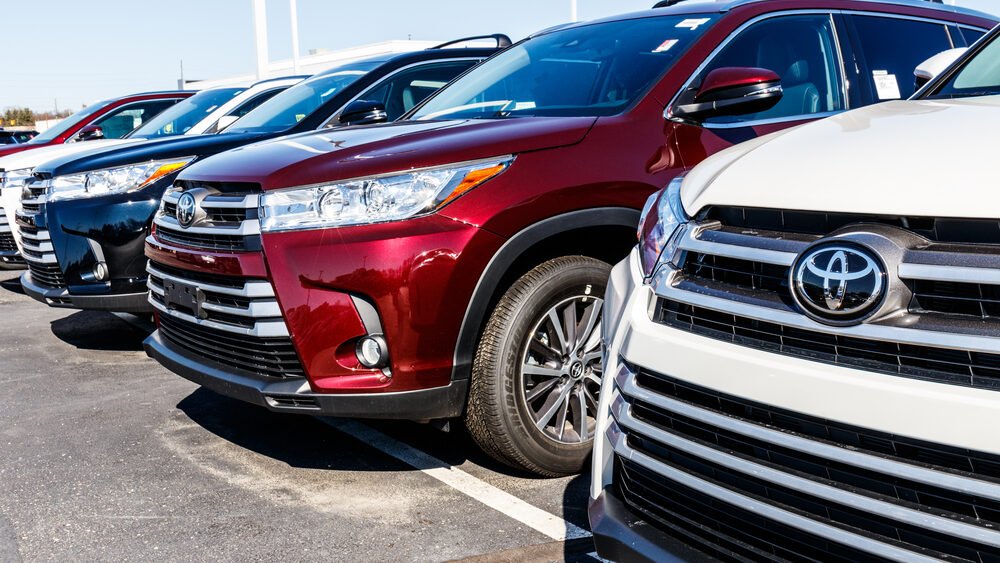
Japanese car reliability
  • United States (GM, Ford, Stellantis): U.S. companies run massive proving grounds like GM’s Milford and their desert site in Yuma. They really stress durability in a bunch of different conditions. They’ve been testing for U.S. regional challenges like snowy winters, desert heat, and heavy towing and hauling for a while. They also do a thorough teardown of parts after extensive testing. Basically big-scale, real-world testing that’s all about American needs. 
  • Germany (BMW, Mercedes, Audi, Porsche): German brands often put a premium on NVH (noise, vibration, and harshness), high-speed stability, and precise handling. Tracks like Nardò and Nürburgring are tough high-speed testing spots that really push the limits under huge stress. Plus, they invest a lot in acoustic labs to keep noise down and enhance comfort. In a nutshell, they push parts to their max and fine-tune for that elegant feel along with durability. 

Tahara, Shibetsu, and what they test

Let’s zoom in on two Japanese proving grounds because practices are easier to reason about when you can picture the track:

  • Tahara High-Speed and Durability Track (Toyota): This place is all about pushing speeds and testing durability. At Tahara, engineers can recreate tough conditions like rain, heat, and wear with a pretty compact setup. According to Toyota’s own records, the way they’ve improved their paving and layout has really cut down on testing time. Now, they can simulate the wear and tear much more efficiently. That matters a lot because the easier it is to reproduce tests, the more times you can run them before giving a thumbs up.
  • Shibetsu Proving Ground (Toyota): Over in Hokkaido, Shibetsu is all about the colder side of things. It throws components into sub-zero temps, ice, salt, and all those freeze-thaw cycles that can expose weak seals and brittle materials, plus battery issues when it’s super cold. Having these two extremes, with Tahara handling the heat and speed, gives engineers the confidence that the cars can handle all sorts of climates.

What’s the takeaway? These test tracks aren’t just for show—they are all about finding failures. Each test helps engineers figure out where they need to toughen up a part or relax some specs.

How U.S. and German car makers highlight different aspects

So here’s the deal: U.S. and German manufacturers definitely do their testing. They’ve got some of the best proving grounds around but they focus on different things historically. Let’s break down what makes them stand out.

Both approaches lead to top-notch cars but since they focus on different aspects, buyers notice unique strengths: American cars are built tough for heavy-duty use, German cars shine in speed and smoothness, and Japanese models are all about reliable longevity even with daily wear and tear.


Also Read:
Discover how Korean vs Japanese cars compare in reliability, safety, maintenance costs, fuel efficiency, and resale value. Which one is the better choice?


Why some design philosophies produce longevity

This actually makes the connection between engineering choices and real-world ownership super clear:

  • Simplicity is better than complexity for lasting use: Having fewer moving parts and simpler control systems means there are less chances for things to go wrong. In the past, Japanese small and mid-sized cars preferred strong, low-stress designs instead of high-tech complications in engines and electronics.
  • Design for the real world: Roads and car owners can be messy, with things like missed maintenance, cheap gas, towing, and skipped oil changes. Parts that can handle tough conditions, like stronger mounts and wider oil passages, tend to last longer.
  • Focus on the weak spots: Details like protecting against rust, how seals are made, and the quality of electrical connectors might seem small, but they can really boost reliability. Japanese car makers put a lot of effort into these “boring” details. These are the kinds of things that you won’t read much about in articles, but every mechanic sure remembers them. 
  • Support from dealers and the aftermarket: Having a strong network of dealers and easily available parts helps make repairs faster and cheaper. This means cars spend less time broken down and avoid more damage that comes from that. This supportive system really boosts the reliability that’s already there.

Putting all this together, you get a market of used cars that last longer and cost less to keep running.

Modern caveats: Tech and Changing Problems

Reliability used to mean “the engine won’t break down and the gearbox won’t blow up.” But today’s cars have way more software, sensors, and electric parts, which brings up new concerns. Even if these issues don’t stop the car from moving, they can be super annoying for owners.

  • Software and electronic issues are now front and center in owner surveys. Studies from Consumer Reports and others show that electric vehicles and plug-in hybrids can have more problems early on because their electrical systems are so complex. In contrast, gas and hybrid cars usually have fewer problems on average. It’s clear the old idea that “mechanical=dependable and electronics=unreliable” is changing. However, Japanese car makers still take a careful approach to electronics, focusing on controlled updates, ensuring fail-safe modes, and doing thorough testing.
  • Batteries and heat management: For hybrids and EVs, how long the battery lasts and how heat is managed are becoming key points for reliability. Automakers that use safe battery types, strong battery management systems, and offer good warranties tend to score better with long-term owners.

The game is changing. Longevity still comes from solid engineering, but now it has to include managing software and validating battery systems. Japan, with its big electronic companies, might have an advantage here by seamlessly integrating these systems into their cars.

Japanese cars repair

Are Japanese Cars Cheaper to Maintain?

Lower Maintenance and Repair Costs: Japanese cars, especially the older ones, are pretty straightforward when it comes to mechanics. This means they’re less likely to break down and when they do, fixing them won’t cost you an arm and a leg. You can find parts easily and they won’t break the bank. A lot of these models are designed so you can reach the important parts with just some basic tools. Unlike many American and German cars where parts feel like they’re hidden away, making repairs tricky and expensive if you don’t go through the dealership. If you peek into a manual of a Japanese car, you’ll find handy tips for doing simple repairs or maintenance on your own, which makes DIY fixes totally doable. This all adds up to lower repair costs overall. According to RepairPal, the average yearly maintenance cost for popular brands is pretty reasonable:

BrandCountryAvg. annual maintenance & repair cost (per vehicle)
ToyotaJapan$441 / yr.
HondaJapan$428 / yr.
LexusJapan$550 / yr.
Volkswagen (VW)Germany$676 / yr.
BMWGermany$968 / yr.
Mercedes-BenzGermany$908 / yr.
FordUSA$775 / yr.
JeepUSA$775 / yr.
These are the average costs from RepairPal (this is a mix of models across the country). These figures include regular maintenance and unexpected repairs, so think of them as rough estimates.

The numbers are pretty clear: Japanese cars like Lexus are way easier on your wallet when it comes to maintenance. They cost about half what you’d spend on keeping up a Mercedes or BMW.

Parts Accessibility & Dealer Networks

Japanese brands are really well-known all over the world. While that doesn’t directly mean they’re super reliable, it does make you feel more at ease knowing that if something goes wrong, it won’t be a big hassle. Plus, Japanese cars are designed to be easy to take care of, which makes them popular with mechanics too. This means it’s easier to find parts when you need them, adding to that sense of comfort. 

On the flip side, German cars often require a specialized mechanic with fancy tools and equipment, making repairs a bit of a headache. These mechanics can also take advantage of the situation since fixing up a German car usually takes more time.

Job2015 Acura TLX — Labor $ → est. hours (@ $120/hr)*2015 Audi A4 — Labor $ → est. hours (@ $120/hr)*
Oil change$61 → 0.51 hrs.$61 → 0.51 hrs.
Front brake pads (one axle)$110 → 0.92 hrs.$110 → 0.92 hrs.
Spark plugs (full set)$74 → 0.62 hrs.$114 → 0.95 hrs.
Alternator replacement$148 → 1.23 hrs.$204 → 1.70 hrs.
Water-pump replacement$228 → 1.90 hrs.$514 → 4.28 hrs.
Battery replacement $79 → 0.45 hrs.$110 → 0.92 hrs.
These are national-average estimates — actual hours vary by engine/transmission, dealer vs indie shop, and region.

Here’s why German cars tend to have longer repair times. When you multiply that by the hourly labor cost, it leads to higher repair bills:

  • Complex Design: Luxury European cars are often crammed with tech and use fancy materials, so getting to a broken part can take a lot more effort and time.
  • Tech Needs: Many modern German and American cars require special diagnostic tools or software updates after changing a part, which adds more time to the job.
  • Special Tools: Some manufacturers need unique tools or specific procedures, which can slow down shops that don’t have them.
  • Parts Availability: Genuine parts for European cars can be more expensive and hard to find, so repair shops often have to wait for dealer orders. In comparison, Japanese cars usually have plenty of affordable parts available.
Japanese cars reliability

Are There Downsides to Japanese Cars?

Not everything has been great for Japanese cars even though they’re known for being reliable. There have been a few issues that pop up now and then, and the most notable ones are these two:

1. Driving Dynamics

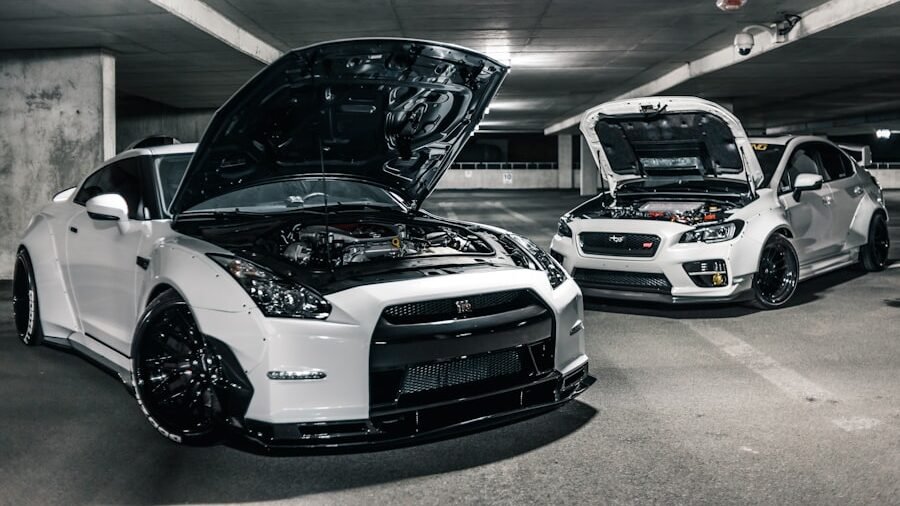
Japanese car makers mostly focus on comfort and reliability instead of sporty handling. But they do have some amazing performance models like the Nissan GT-R, Subaru WRX STI, Toyota 86, and Acura NSX that keep Japan’s name strong in the sports car scene. Still, these performance cars are pretty rare when you compare them to everyday models like the Corolla and Camry. On the other hand, European cars like BMW and Mercedes usually deliver better handling and stability at high speeds because of their unmatched experience in the industry.

2. Safety Ratings

Back in the early 2000s Japanese cars didn’t stack up well when it came to crash safety compared to their European rivals. They ended up with pretty low crash ratings from the IIHS and NHTSA. Luckily, things have really changed since then. Now, modern Japanese brands like Honda and Mazda are consistently getting top safety ratings from the IIHS.

Resale Value: Why Japanese Cars Hold Their Worth

ModelResale Value After 5 Years
Toyota Tacoma71.5%
Honda CR-V62.2%
Subaru Forester60.3%
Toyota 4Runner58.6%

Compared to American and European competitors, Japanese cars depreciate much slower due to their reputation for reliability and low cost of ownership.

Real-Life Examples

Lexus cars are famous for being super luxurious but they also last a really long time. It’s not rare to see a Lexus cruising along with 200,000, 300,000 or even 400,000 miles still running on the same engine and transmission. Take the Lexus RX, for example—it’s one of the most popular luxury SUVs. Owners often share that these SUVs easily go beyond 250,000 miles with just a few minor hiccups along the way. I even saw a post from an RX owner on a forum who joked that these SUVs are “good for at least 300k easy. Keep up with regular maintenance and it’ll fall apart at the seams before the engine gives out.” It’s true; the RX and most Lexus models have a solid reputation for being super tough and durable like a tank.

Here’s some well-known examples that plenty of people have seen and could easily do with a lot of old Japanese cars.

A 2003 Honda Accord coupe hit the crazy milestone of 1,000,000 miles with its original 3.0L V6 engine. This isn’t just a story — it’s all documented. The owner, Joe LoCicero, celebrated hitting that million-mile mark back in 2011, and guess what? Honda even threw him a little party and gifted him a new car. His Accord’s engine was still going strong, though he did have to replace a couple transmissions and other worn-out parts along the way. It’s pretty wild that the engine itself lasted that long with good care. And there’s even another Accord, a 2000 model, down in North Carolina that also crossed the million-mile finish line with its original engine. Honda checked that car out and everything was still in great shape. Sure, these are rare cases, but lots of Hondas have made it past the 300k or 400k mile marks too.

Another Honda this time a 1990 Accord with over 1 million miles, Still rocking its original engine, which is a great showcase of Honda’s trusty reputation. Regular upkeep and Honda’s solid engineering helped this little Accord live way longer than expected. Even if you’re not aiming for this mileage, a 1990s Honda is still a good choice for a cheap reliable ride.


Also Read:
Honda CVT issues exposed. Learn about failing symptoms, fixes, and maintenance tips for specific models. Keep your Honda’s transmission running smoothly!


Subaru as well has many such stories, this Japanese brand has gathered a pretty loyal fanbase especially in places where winters are harsh. Why? Well it’s because folks have seen older Subarus keep going strong providing dependable AWD traction year after year. Cars from the 90s and 2000s like the Legacy, Outback, and Forester got a name for being tough as nails – they might look a little worn but they just keep on trucking. In fact Subaru claims that an amazing 96% of the vehicles they sold a decade ago are still out there on the roads today and that’s pretty impressive especially when you compare it to brands like Toyota and Honda.

So Are Japanese Cars Still The Longest-lasting Out There?

Well, from what we’ve seen and heard, a lot of studies back this up along with real-life experiences. It’s like Japanese automakers have really mastered the craft of building reliable and long-lasting cars. They have this winning formula which involves serious quality checks, using top-notch materials, and making sure maintenance isn’t a headache. All these factors come together to create vehicles that consistently outlast and perform better than others when it comes to reliability—just check the surveys and you’ll see. That’s why every year you find Japanese brands like Toyota and Honda right at the top of lists from Consumer Reports and J.D. Power. Plus, it’s also why you can spot so many old Camrys, Accords, and Foresters still cruising around with loyal owners.

What about the other brands? Lately, Korean car makers like Hyundai and Kia have definitely upped their game when it comes to quality and are even giving the Japanese a run for their money in some categories, though they still haven’t had the same endurance track record. Some American models have stepped it up too; Buick often ranks well for reliability, and Tesla has its electric systems that make things simpler (though they do have issues with build quality). German brands are working on making things easier and offering longer warranties to calm those reliability fears. But even so, none seem to quite match the steady reliability of top Japanese brands. Plus, you’ve got to consider the whole maintenance approach of many German cars, where they prefer you take your car to a dealership instead of allowing you to do easy fixes yourself, which can be frustrating.

It’s one thing to have a few reliable models—it’s a whole different ballgame to change a company’s entire mindset to focus on durability. Remember, some German and even French cars used to have a solid reputation for lasting long, so it’s not like they don’t know how—it’s more about where they’ve shifted their priorities. They seem to prefer frequent maintenance to boost profits rather than just building super durable cars that last long without needing repairs, which is still the case with many Japanese vehicles.

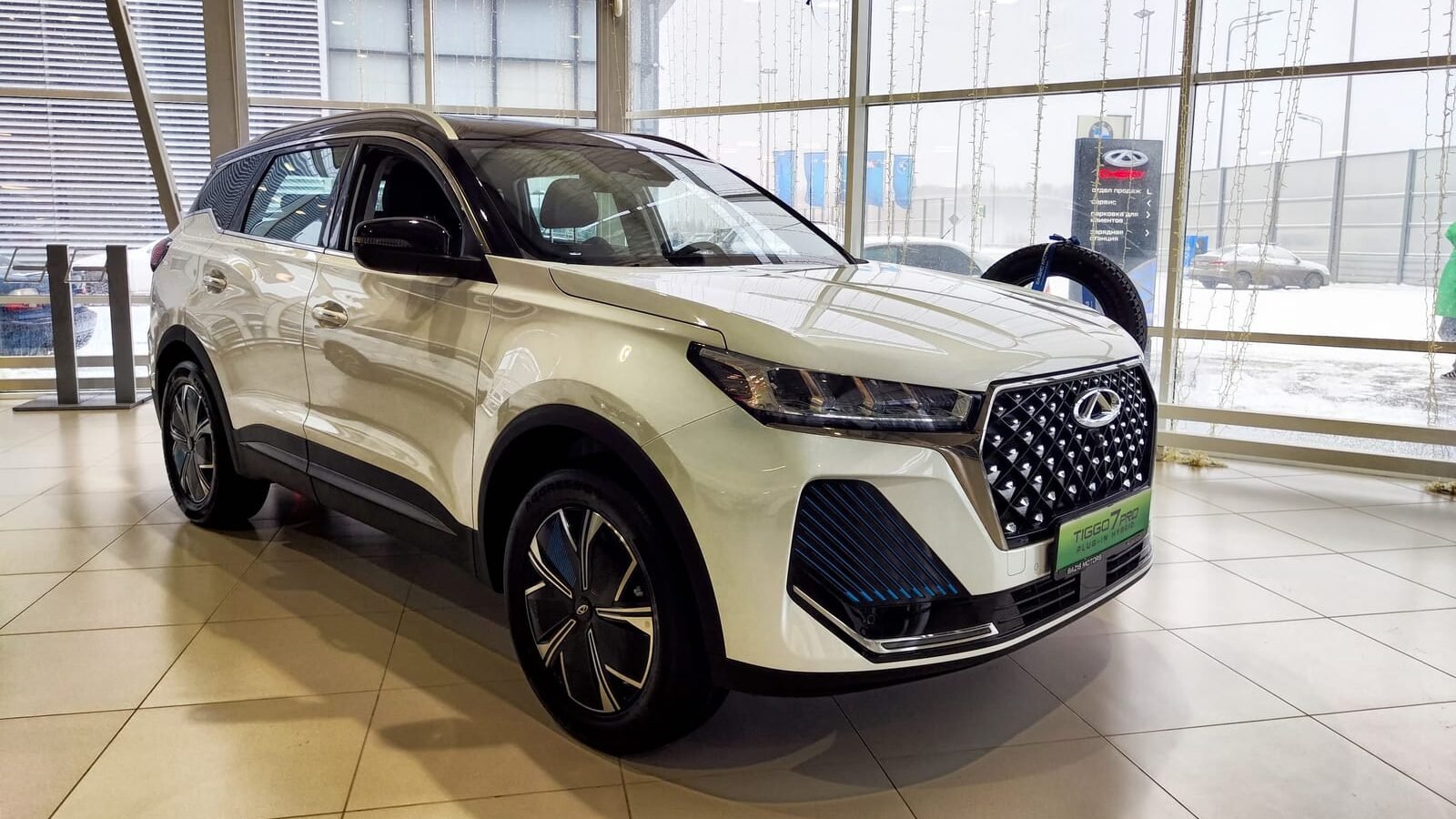
Interestingly, some folks overseas are excited about new Chinese cars like Chery Tiggo 8 and GWM Tank 500, but they need to be careful to tell the difference between build quality and long-term reliability. These Chinese models are still fresh on the market and haven’t stood the test of time yet. Plus, there are tons of factors that could go wrong, from how available spare parts are to how well these cars can be fixed by local mechanics, not to mention how well the interiors and paint can handle different weather conditions. Time will really tell on these.

And sure, we’re in a new tech age with hybrids, EVs, and advanced driver assistance gadgets that bring new reliability challenges. But interestingly, Japanese brands are leading the way here too. Take Toyota’s hybrid systems, like what you’ll find in the Prius—they’ve been impressively durable, often hitting over 200k miles on the original battery and parts, something not many thought was doable. That’s a good sign that their approach is solid for the future.

The future: are Japanese methods still the gold standard?

Japanese OEMs still place heavy emphasis on durability and iterative process control, and that legacy advantage shows up in survey data. But the field is moving. German makers continue to set bars for high-speed durability and NVH. U.S. makers focus on scenario testing and large-scale simulation of harsh use cases. Chinese manufacturers have accelerated investment and now run extensive programs, and their ability to iterate rapidly can close gaps fast — but recalls and early software/quality incidents show that speed without deep pre-launch validation has costs. In short: the playing field has matured; the differences now look more like strategic emphasis rather than complete absence of testing.
Chery Tiggo 7 Chinese SUV
Chinese are fast learners, and the huge leaps they have made in the car manufacturing sector shows they might be following the steps of the Japanese.

Final Verdict

Japanese cars are known for being super reliable because the companies in Japan really focus on making them durable. They put in a lot of effort to improve their designs over time and are okay with sticking to safe, steady margins. Also, they really encourage ongoing upgrades in production. So when you hear people say, “they don’t make them like they used to,” in the case of Japanese cars, it really seems like they still do. A Toyota or Honda from the 2020s can be just as dependable as one from the 90s, if not even better. Even with all the added tech, studies show that they’re still reliable, plus in the used car market, Japanese cars often need fewer unexpected repairs and last longer. 

But these days, reliability isn’t just about where the car comes from. Other manufacturers are starting to catch up; Chinese brands are getting better, German engineers are really pushing for refinement, and American companies are testing their cars to handle the toughest situations in their market. If you want a car that lasts a long time and is easy to maintain, a Japanese car is still hard to beat. Good engineering is important, but don’t forget that keeping up with maintenance and how you use the car also plays a big role.

FAQ

Q: Do Japanese cars get more testing miles than others?
A: Not necessarily more miles overall, but highly repeatable, climate-specific cycles (hot, cold, rough) and methodical tear-down loops give Japanese validation programs an edge in finding wear patterns early. The difference is depth and repeatability, not the existence of testing.

Q: Are EVs less reliable than ICE cars?
A: Early surveys show EVs and PHEVs can have more reported issues (mainly electronics and accessories) than ICE and hybrid cars, though the gap has narrowed and batteries are improving. Expect different failure modes rather than uniformly worse reliability.

Q: Do Chinese cars now match Japanese reliability?
A: Quality has improved fast, and leading Chinese OEMs now invest heavily in testing. But rapid launch cycles and early software/recall episodes mean the reputational gap still exists in many markets. That gap is closing, though.

Q: Is the Toyota/Tahara reputation myth or measurement?
A: It’s measurable: decades of testing, process control, and consistent survey performance create a statistically backed reputation — not myth. That said, individual models still vary. Always check model-level data.

If you found this post interesting, you might also enjoy “German, Japanese & Korean Cars: Wonder How They Compare?“. Be sure to explore our site for in-depth car reviews, expert buying guides, and the latest industry insights. There’s plenty more to discover, so take a look around—and don’t forget to bookmark us for future updates!


*Disclaimer: This website provides automotive content for informational purposes only and should not be considered professional advice. While we strive for accuracy, we do not guarantee the reliability or suitability of any vehicle or product mentioned—always conduct your own research before making purchasing decisions. Additionally, some links on this site are affiliate links, meaning we may earn a commission if you make a purchase, at no extra cost to you.

German, Japanese & Korean Cars: Wonder how they compare?

If you’re in the U.S. and thinking about getting an imported car, you mostly have three main choices: German, Japanese, and Korean cars. These three have been the big players in the auto industry for a long time, each bringing its own style, reliability, technology, and driving enjoyment.

Sure, there are cars from brands in England and Italy, but we recommend avoiding those unless you’re considering a Mini or a Volvo from Sweden. We’ll talk about those two later. As for cars from France, Spain, the Czech Republic, Russia, or China, they just aren’t available in the U.S. market right now, so let’s leave those out for now.

Now back to our German, Japanese, and Korean choices—figuring out which one is right for you can be a bit overwhelming sometimes, especially when you’re juggling things like budget, style, and how reliable the car will be in the long run. To make it easier, we’ll break down what each of these regions offers so you can see their strengths and make the best decision for your driveway. Let’s dive in!

Historical Context: From Wartime Recovery to Global Titans

Germany: Rebuilding an Empire on Wheels

German automakers trace their roots to the pioneers of the automobile itself—Karl Benz and Gottlieb Daimler. Post–World War II, companies like Volkswagen revived the economy with iconic cars (the Beetle) and eventually branched into premium segments with BMW, Mercedes-Benz, and Audi. Their engineering precision, performance focus, and robust build quality cemented Germany as a leading automotive powerhouse.

Japan: Rising from the Ashes

Similarly devastated by war, Japan channeled efforts into economic resurgence with cost-effective, reliable cars that appealed to both domestic and international markets. Toyota, Nissan, and Honda championed new production techniques (e.g., lean manufacturing, Kaizen) that revolutionized vehicle reliability. By the 1970s and 1980s, Japanese brands were recognized globally for low maintenance costs and excellent fuel efficiency.

Korea: The Underdog’s Rapid Ascent

Korean automakers, namely Hyundai and Kia, emerged onto the global stage much later—initially criticized for basic engineering and questionable durability. However, over the past two decades, they’ve skyrocketed in quality and design, challenging both Japanese and some European rivals. With advanced warranties and competitive pricing, Korean brands have carved out a remarkable slice of the global market.

Design and Engineering Philosophies

German Cars: Precision and Performance

German manufacturers emphasize a balance between performance and refinement. From the sporty lines of a BMW M3 to the understated elegance of a Mercedes E-Class, their aesthetics often combine bold angles, aerodynamic efficiency, and precision craftsmanship. Under the hood, German engineering is revered for advanced powertrains—turbocharging, direct injection—reflecting a commitment to high-speed cruising on autobahns.

Japanese Cars: Simplicity and Reliability

Japanese design historically leaned toward function over flamboyance, focusing on reliability, user-friendly controls, and efficient powertrains. Modern Japanese models incorporate more flair (think Toyota’s recent styling or Mazda’s “Kodo” design), but the essence remains: minimize complexity and ensure the vehicle can run smoothly for years with minimal fuss.

Korean Cars: Rapid Evolution and Trendy Styling

Once considered conservative, Korean brands shifted to edgy, modern designs under the guidance of ex-European design chiefs. Hyundai’s “Sensuous Sportiness” and Kia’s “Opposites United” design language yield bold front grilles, sleek headlight arrays, and sophisticated cabin layouts. Their engineering approach aims for simplicity akin to Japanese cars, but with increasingly refined ride quality and advanced features.

Reliability and Maintenance

Reliability and Maintenance

German Brands’ Reputation

Although German engineering is admired for performance, long-term reliability has become a contentious point. Luxury models brimming with electronics (like from Audi or BMW) can suffer from electrical gremlins, complicated transmissions, and expensive mechanical failures once the warranty expires. Maintenance intervals are typically well-defined, but the parts and labor costs can be prohibitive.

Japanese Consistency

Japanese automakers—Toyota, Honda, Subaru, Mazda—regularly top reliability charts. Their engineering philosophy prioritizes robust mechanical designs, reducing complex gadgetry that might fail over time. Routine maintenance is relatively cost-effective, and high-mileage longevity is almost a given if you stay on schedule.

Korean Surge in Dependability

Korean brands like Hyundai and Kia faced reliability questions in their early years. However, modern iterations rank highly in J.D. Power and Consumer Reports reliability studies. They typically offer extensive warranties (5 years/60,000 miles bumper-to-bumper, 10 years/100,000 miles powertrain), demonstrating confidence in their vehicles. Maintenance costs are generally moderate, though not always as low as Japanese brands.

German Handling and Horsepower

Performance and Driving Experience

German Handling and Horsepower

BMW’s tagline “Ultimate Driving Machine” underscores a heritage of rear-wheel drive performance, agile chassis tuning, and potent engines. Audi’s Quattro AWD fosters confident handling, especially in bad weather, while Mercedes masterfully blends comfort with sporty dynamics in AMG trims. Hot hatches from Volkswagen (e.g., Golf GTI) also embody driver-centric engineering.

Japanese Balance

While some might associate Japanese cars with blandness, certain brands excel in sports and performance: Nissan GT-R, Honda Civic Type R, Toyota GR86, Mazda MX-5. Yet the majority aim for reliable daily commutes, prioritizing fuel efficiency and ride comfort over raw speed. The result is a consistent, predictable driving feel that satisfies a broad market.

Korean Versatility

Hyundai’s “N” division (Veloster N, i30 N) and Kia’s GT trims (Stinger GT) show that Korean brands can deliver spirited performance. However, mainstream models emphasize a smooth, comfortable ride with good acceleration but not necessarily track-level performance. Steering feedback and chassis dynamics are improving each generation, bridging the gap with Japanese and even some German offerings.

Brand Perception and Luxury Offerings

Germany’s Premium Heritage

Brands like Audi, BMW, Mercedes-Benz, Porsche define premium and luxury motoring, competing fiercely with each other. Even mainstream German brands (Volkswagen) present a more upmarket vibe than typical economy vehicles. Interiors often feature fine leathers, advanced infotainment, and minimalistic yet upscale design.

Japan’s Upscale But Reserved Approach

Lexus, Acura, and Infiniti reflect the premium side of Japanese design, albeit overshadowed by German badges in brand prestige. Yet they often win in reliability. Mainstream Japanese brands aren’t necessarily “luxury,” but top trims (e.g., Toyota Highlander Platinum, Honda Accord Touring) edge into premium territory.

Korean Luxury Emergence

Genesis—spun off from Hyundai—now competes with global luxury icons, offering sedans (G70, G80) and SUVs (GV70, GV80) that match or surpass European interiors and tech. Both Hyundai and Kia also produce near-luxury trims on mainstream models, bridging the gap for budget-minded consumers craving upscale comfort.

Technology and Innovation

German Technological Edge

German automakers lead in advanced driver aids, performance tuning, infotainment systems (Mercedes MBUX, BMW iDrive), and hybrid or electric powertrains. They introduced features like direct injection, dual-clutch transmissions, and advanced chassis electronics to mainstream markets. However, complex tech can hamper reliability.

Japanese Steady Advancements

While not always first to market with flashy innovations, Japanese brands refine proven technologies for robust functionality. Toyota’s hybrid system is arguably the gold standard in reliability for electrification. Honda invests in smaller turbocharged engines, high-tech CVTs, and efficient packaging.

Korean Rapid Adoption

Kia and Hyundai integrate advanced infotainment (large touchscreens, smartphone connectivity) and driver assists (lane follow assist, advanced cruise control) quickly, often at lower price points. Their electric vehicles (Hyundai Ioniq, Kia EV6) illustrate cutting-edge charging technology and range improvements.

Cost of Ownership: Parts, Service, and Depreciation

German Premium Pricing

While lease deals might appear competitive, out-of-warranty German vehicles can be expensive to maintain. Labor rates at specialized mechanics or dealerships are high, and parts—especially for performance models—carry a premium. Depreciation can also be steep if the brand experiences reliability concerns or if the model saturates the used market.

Japanese Affordability and Value Retention

Historically, Toyota, Honda, and Subaru deliver strong resale values and moderate maintenance costs. Parts are widely available, and independent mechanics often know these brands well. Depreciation is slower, especially for in-demand models like the Toyota RAV4 or Honda CR-V.

Korean Competitive Edge

Hyundai and Kia sweeten the deal with robust warranties, offsetting reliability doubts. Parts costs have historically been lower than German brands, though possibly not as cheap as mainstream Japanese. Resale values have improved significantly, though not always at the level of top-tier Japanese models.

Sustainability and Environmental Impact

German Emissions Struggles

Despite championing diesel technology for decades, the German auto industry faced scandal (Dieselgate) over emissions tampering. They’ve since shifted focus heavily toward EVs and plug-in hybrids, with strong lineups from Volkswagen ID series, Audi e-tron, BMW i sub-brand, and Mercedes EQ range.

Japanese Hybrid Dominance

Japanese automakers excel at hybrid solutions. Toyota, for instance, leads global sales in hybrids (Prius, RAV4 Hybrid, Corolla Hybrid), drastically cutting CO2 for city commutes. Nissan invests in EVs like the Leaf, while Honda pursues advanced hybrid systems (e:HEV) across the range.

Korean Rapid EV Adoption

Hyundai and Kia aggressively push electric cars (Kia EV6, Hyundai Ioniq 5), claiming fast-charging tech and commendable range. This swift embrace of electrification underscores the brand’s ambition to compete with—and even surpass—traditional automakers in sustainable mobility.

Regional Market Presence and Success

Germany’s Global Prestige

German brands enjoy worldwide recognition, especially in premium segments. BMW, Mercedes, and Audi remain status symbols from Shanghai to Los Angeles, albeit with stiff competition. Volkswagen leads mass-market sales in Europe, though it faced challenges in North America.

Japan’s Multi-Regional Dominance

Toyota ranks as the world’s top automaker by volume, thriving across continents thanks to reliability and wide product ranges. Honda’s success in North American markets is robust, especially with the Civic, Accord, and CR-V. Nissan continues to be a major player but faced corporate upheavals in recent years.

Korea’s Explosive Growth

Hyundai Motor Group (which includes Kia, Genesis, and Hyundai) soared in markets like the U.S., Europe, and India with stylish vehicles and strong warranties. Their share in SUV segments continues to rise, challenging established Japanese and German models.

Germany’s Electrified Overhaul

Volkswagen invests billions in its MEB platform for electric vehicles, aiming to dethrone Tesla in mass-market EV sales. Audi e-tron, BMW i4, and Mercedes EQ series show high-end EV intentions. Autonomous driving R&D also remains a priority for advanced driver aids.

Japan’s Hybrid Evolution

Toyota’s solid-state battery research, Honda’s continued emphasis on efficient hybrids, and Nissan’s early EV leadership (Leaf) shape the next decade. Although full EV adoption in Japan lags behind Europe or the U.S., Toyota’s approach to hydrogen (Mirai) and e-fuels remains unique.

Korea’s Quick Adaptation

Hyundai’s E-GMP platform for EVs (Ioniq 5, Kia EV6) garnered international accolades. Hyundai invests heavily in hydrogen FCEVs (Nexo) and seeks advanced autonomy in future models. Speedy innovation could see them matching or outpacing some European manufacturers in next-gen technologies.

Pros and Cons: German, Japanese & Korean Cars

German Pros & Cons

Pros:

  • Exceptional performance, driving dynamics.
  • Cutting-edge luxury features.
  • Renowned brand image.

Cons:

  • High maintenance costs post-warranty.
  • Electronics can be complex and error-prone.
  • Steep depreciation for certain models.

Japanese Pros & Cons

Pros:

  • Strong reliability and longevity.
  • Lower overall maintenance and operating costs.
  • Broad range of hybrid and practical family vehicles.

Cons:

  • Conservative styling in some models.
  • Less brand prestige at the ultra-luxury tier.
  • Some advanced tech features lag behind premium German rivals.

Korean Pros & Cons

Pros:

  • Competitive pricing, extensive warranties.
  • Rapid improvements in design, reliability, and technology.
  • Growing presence in performance and luxury segments via N and Genesis.

Cons:

  • Brand prestige is still evolving, especially in global luxury perception.
  • Some older models faced build-quality issues.
  • Resale values, while improving, vary widely.

Final Thoughts: Choosing the Right Vehicle for You

German, Japanese & Korean Cars each have unique strengths. German brands deliver exhilarating performance and refined luxury but at higher costs and potential reliability headaches. Japanese manufacturers champion reliability, efficiency, and a steady approach to innovation. Korean automakers fuse affordability with swift leaps in quality, offering some of the best value in the market.

Factors to Weigh

  1. Budget and Maintenance: Can you handle expensive parts or do you want lower maintenance costs?
  2. Driving Style: Desire sporty handling or a comfortable daily driver?
  3. Brand Image: Is a luxury badge essential, or is reliability enough?
  4. Future Tech: Are you leaning toward hybrids or EVs, and how do local dealers service them?

No universal “right answer” applies to all drivers. A performance enthusiast might prefer a German sports sedan, a busy commuter could favor a reliable Japanese hybrid, while a style-conscious buyer might see potential in a Korean SUV with advanced tech. Ultimately, test drives and thorough research on each brand’s reliability record ensure you pick a car that suits your lifestyle and wallet.


If you found this post insightful, you might also like “Difference Between Build Quality & Material Quality in the Automotive Industry.” Explore our site for expert car reviews, in-depth buying guides, and the latest industry insights. There’s plenty more to discover, so take a look around—and don’t forget to bookmark us for future updates!


*Disclaimer: This website provides automotive content for informational purposes only and should not be considered professional advice. While we strive for accuracy, we do not guarantee the reliability or suitability of any vehicle or product mentioned—always conduct your own research before making purchasing decisions. Additionally, some links on this site are affiliate links, meaning we may earn a commission if you make a purchase, at no extra cost to you.
What Are The Best Used Mercedes-Benz SUVs? See The Top 3

If you’re thinking about getting a used Mercedes-Benz SUV, you’re in for a real treat. They bring together luxury and performance without losing a ton of value like new cars do. But picking the right one can be tricky since some models have their own reliability quirks or can cost a bit more to keep up. To make things easier, we’ve rounded up a list of solid models that mix comfort and style with a budget that’s a bit easier on the wallet.

In this post, we’re going to spotlight three of the best used Mercedes-Benz SUVs known for being reliable over time. We’ll talk about the best years to look for, what kind of engines they have, common issues to watch out for, and what you might expect to pay for one. Plus, we’ll throw in some useful tips on how to choose the right used Mercedes SUV and point out what makes these models stand out in the luxury SUV scene.

Top 3 Models Overview

Our picks for reliable cars come from the latest findings by Consumer Reports. This go-to source gives you a solid look based on real-world data, so you’ll get trustworthy insights if you’re thinking about buying a car. 

But keep in mind, not every model has enough data to back it up, especially those more unique ones like the G-63. That’s why we only looked at models that hit at least a 3 out of 5 on both Reliability Verdict and Owner Satisfaction. This way, you know you’re seeing only the most dependable options out there.

After digging into reliability info, chatting in owner forums, and checking out expert reviews, these three Mercedes-Benz SUVs really caught our attention:

1. GLK 300

  • Why It’s Great: A final-year facelift of the first-gen GLK that improved interior quality and updated styling. Notable for its robust V6 and manageable size.
  • Reliability Strengths: Refined powertrain, relatively fewer complex electronics.

2. GLC 300 4MATIC

  • Why It’s Great: Strikes a balance between modern tech and proven mechanicals. Part of the second-gen “GLK successor” that rebranded to GLC, offering a luxurious cabin and advanced safety.
  • Reliability Strengths: Good engine design, well-tuned 9-speed auto (post-early-production tweaks).

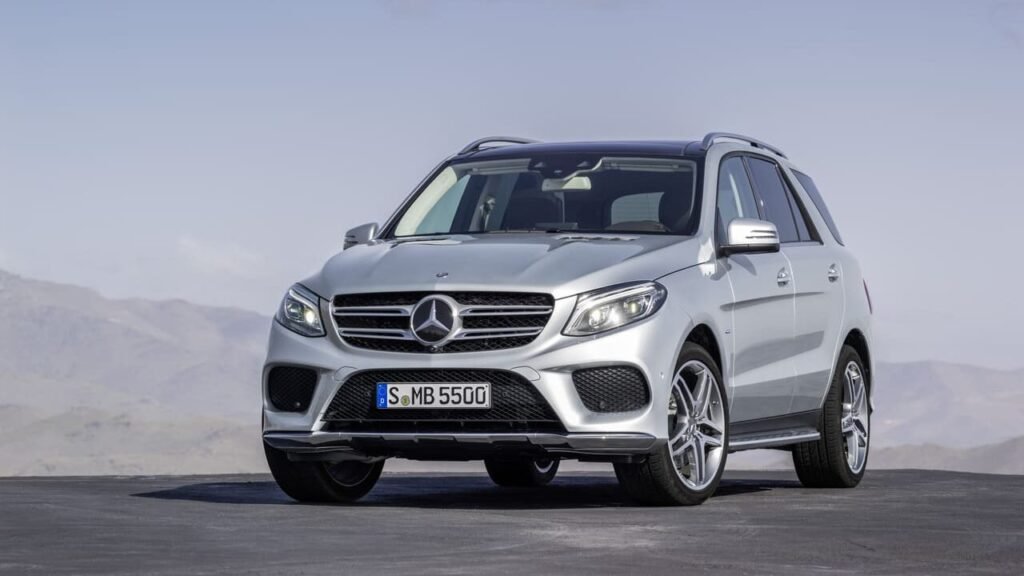
3. GLE (W166)

  • Why It’s Great: Sits in the mid-luxury SUV range. The W166 generation runs from 2012-2019, but 2017+ models typically see improvements in electronics and minor mechanical updates.
  • Reliability Strengths: Mature platform, decent engine options (like the V6 or turbodiesel in some markets), and less glitchy infotainment than earlier years.

While each has its unique selling points, all three share a strong track record in mechanical durability (by Mercedes standards) and wide availability of parts/service.

Mercedes-Benz 2013 GLK 300

2013 GLK 300

The Mercedes-Benz GLK might’ve been around for a bit, but it’s still one of the best options if you’re looking for a used compact SUV that doesn’t break the bank. Its smaller size makes it awesome for driving in the city, and it’s genuinely fun to drive especially when you’ve got that 3.5-liter V6 engine with a 7-speed automatic transmission. This beast can zoom from 0 to 60 mph in just 6.1 seconds, which is pretty impressive.

When you hop inside, you’ll notice that classic Mercedes-Benz style with nice wood trim and comfy leather seats. The big windows give you great visibility, but just a heads up, the back seat can feel a bit tight, so it’s probably a better fit for singles or smaller families.

All in all, the GLK really shines if you want something that’s quick and efficient in the luxury SUV game. For the best bang for your buck, definitely check out the 2013 model year; it’s the sweet spot for performance and value.

Model Overview and Specs

  • Generation: First-gen GLK (X204), introduced in 2009, facelifted in 2012.
  • Engine: 3.0L V6 (GLK 300) or 3.5L V6 (GLK 350) in some markets. Both are known for smooth power delivery and moderate fuel efficiency.
  • Styling: Boxy shape reminiscent of classic G-Wagen lines.
  • Interior: Post-facelift updates included better materials and improved COMAND infotainment.

Reliability and Common Issues

  • Engine: M272 or M276 V6 is relatively reliable if maintained. Minimal timing chain issues compared to some older V6 designs.
  • Transmission (7G-Tronic): Generally robust; look for fluid change records. Harsh shifting if neglected.
  • Electronics: Early GLKs occasionally face glitchy COMAND screens; post-2012 models see fewer complaints.
  • Suspension: Lower control arm bushings can wear, but replacements aren’t overly expensive.

Ownership Costs and Maintenance

  • Fuel Economy: Expect around 19-24 MPG combined, decent for an older V6 SUV.
  • Maintenance: Spark plugs (~60k miles), transmission fluid (~40k-60k miles). Oil changes recommended every 5k-7.5k miles.
  • Market Pricing: The 2013 GLK offers excellent value, generally cheaper than the GLC but with a robust mechanical foundation.

Verdict: The 2013 Mercedes GLK 300 stands out for practicality, reliability, and a simpler electronics suite. If you want a small Mercedes SUV without complex turbocharging or myriad advanced driver aids, it’s an ideal pick.

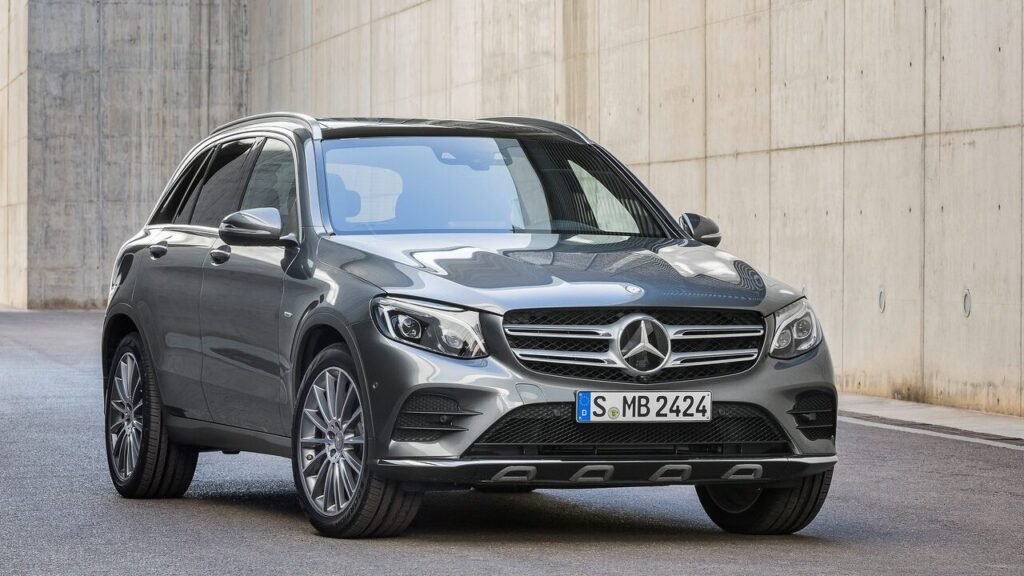
2018 GLC 300 4MATIC

2018 GLC 300 4MATIC

The Mercedes-Benz GLC is the new version of the GLK, and it’s got a nice vibe while keeping what made the old one great. It comes with a smoother ride and a more refined feel. One of the big updates is the 9-speed automatic transmission, which is way better than the old 7-speed in terms of how quickly it responds and how efficient it is.

Now, instead of the GLK’s V6 engine, the 2018 Mercedes GLC has a 2.0-liter turbocharged engine. It gets from 0 to 60 mph in 6.8 seconds. That’s a bit slower than the GLK, but it’s still pretty decent.

Even though the GLC is larger, you might find the back seats and cargo space a bit cramped, which could be a letdown if you were hoping for more room.

But hey, there’s a bright side! The 2018 model year is impressive when it comes to reliability, and it features a classy and comfy interior that feels pretty upscale. If you’re looking for a mix of luxury, performance, and reliability, the GLC really makes a strong case for itself.

Model Overview and Specs

  • Generation: Second-gen “GLK successor” introduced for 2016, known internally as the X253.
  • Engine: 2.0L turbocharged four-cylinder making around 241 hp.
  • Transmission: 9-speed automatic (9G-Tronic), which improved over time.
  • Interior: Modern design, premium materials, advanced driver aids (like optional adaptive cruise, lane keeping assist).

Reliability and Common Issues

  • Engine: M274 turbo-4 typically performs well, though some owners note occasional intake carbon buildup.
  • Transmission: Early X253 models (2016-2017) had 9-speed shift quality issues. By 2018, software refinements reduced complaints.
  • Electronics: COMAND system is more advanced, so ensure software is updated. Occasional glitchy screens or Bluetooth connectivity complaints.
  • Suspension: Standard steel springs are reliable. The optional Air Body Control might raise costs if components fail.

Ownership Costs and Maintenance

  • Fuel Efficiency: Approx. 22-25 MPG combined, quite respectable for a luxury SUV.
  • Maintenance Intervals: Typically every 10k miles (oil change, inspection). Use synthetic oil and genuine filters.
  • Market Pricing: The GLC commands higher used prices, but it’s a sweet spot if you desire modern tech and a refined cabin.

Verdict: The 2018 GLC 300 4MATIC merges a contemporary interior, decent reliability track record, and all-season traction. Ideal for those wanting advanced safety features and a more recent Mercedes SUV experience.

2017 Mercedes-Benz GLE

2017/2018 GLE (W166)

The third-gen W166 2017 Mercedes-Benz GLE, and 2018 model, is a perfect blend of space and comfort wrapped in a luxurious package, making it an awesome pick for families. True to its German roots, it drives really well on the highway, giving you a smooth and controlled ride. 

But when it comes to handling, the GLE doesn’t quite feel as sporty as it could. This is mostly because during that time, they switched from hydraulic to electric power steering, which often didn’t provide that nice feedback drivers enjoy.

If you want a comparison, the 2018 Porsche Cayenne kept its sharp and precise handling even with electric steering. Still, the GLE shines with its reliability, roomy interior, and a bunch of safety features that stand the test of time.

Under the hood, you’ll find a V6 engine that finds a solid balance between power and efficiency, making for a smooth ride. While it may not be the most exciting car to drive, the 2018 Mercedes GLE does offer decent fuel economy with numbers reaching up to 18 mpg in the city and 23 mpg on the highway. So, it’s definitely a good choice for anyone looking for a luxury SUV.

Model Overview and Specs

  • Generation: W166 ran from 2012 to 2019, originally called M-Class, renamed GLE in 2016.
  • Engine Options: Gasoline V6, turbo-diesel, or even performance AMG variants. The GLE 350 (V6) is a common choice.
  • Interior: Spacious, with a blend of plush materials and user-friendly controls. Post-2016 facelift improved the exterior styling.

Reliability and Common Issues

  • Engine: The M276 V6 is generally reliable; earlier models might have balance shaft issues if neglected. Diesel variants are prized for better torque and decent economy.
  • Transmission: 7G-Tronic or 9G-Tronic (depending on year/trim) can be durable if serviced. Some owners experienced minor shift flares.
  • Electronics: The W166’s COMAND can freeze or reboot occasionally; software updates fix many issues.
  • Air Suspension (if equipped): AIRMATIC yields a plush ride but can be pricey to fix if air struts or compressor fail.

Ownership Costs and Maintenance

  • Fuel Efficiency: Ranges from 18-22 MPG combined for the V6, better if you pick a diesel.
  • Maintenance: Spark plugs (60k miles), transmission fluid every 40k-60k miles, frequent checks on the air suspension if so equipped.
  • Market Pricing: The GLE stands above the GLC in size and presence, often attracting families or those wanting the brand’s mid-luxury SUV.

Verdict: The 2017 GLE offers a strong balance of comfort, reliability (by Mercedes standards), and space. Tech-laden but not overly complicated, it’s an excellent used buy for families.

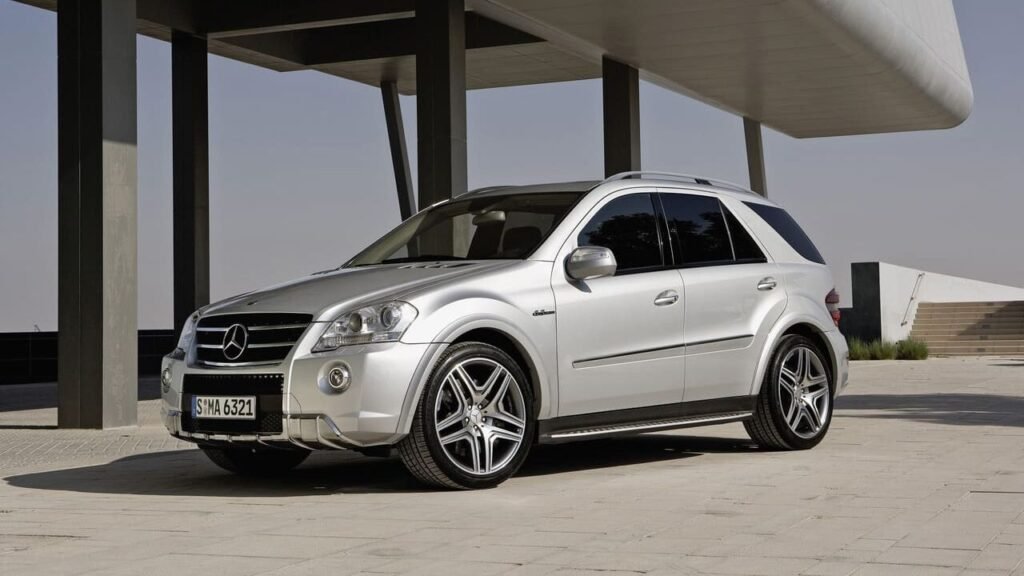
Older ML-Class

Additional Models Worth Considering

  1. GLS (X166): The full-size SUV in the lineup, more expensive but also found in older used versions. Potentially large maintenance bills if neglected.
  2. Older ML-Class (Pre-2012 W164): Some model years improved reliability after teething issues, but approach carefully.
  3. GLB: A compact 7-seater introduced in 2020, not widely tested for long-term reliability yet.

Each alternative demands thorough research into specific production years and known trouble spots.

Why Choose a Pre-Owned Mercedes-Benz SUV?

Let’s be honest—almost every car enthusiast has dreamed of owning a Mercedes-Benz at some point. While an SUV might not be the classic Mercedes you’ve always envisioned, it still carries the iconic three-pointed star on its hood and delivers the prestige of owning a high-end vehicle. What’s not to love about that?

  1. Luxury Experience at a Lower Price: Pre-owned Mercedes SUVs can cost a fraction of their original MSRP, giving you access to premium cabins, refined ride quality, and advanced technology without new Mercedes sticker shock.
  2. Prestige and Comfort: Beyond the allure of the badge, there are plenty of practical reasons to consider a Mercedes SUV. These vehicles are solidly built for smooth highway cruising, feature high-quality materials, offer luxurious interiors, and, let’s admit it, look stunning parked in your driveway on a Saturday evening. Even older models often have features like heated leather seats, panoramic sunroofs, and top-notch sound systems.
  3. Potential for Reduced Depreciation: That’s where Mercedes’ steep depreciation works to your advantage. Thanks to their affluent first owners who don’t mind taking the financial hit, car enthusiasts on a budget can benefit. By purchasing used, you avoid the initial depreciation hit that occurs in the first few years of ownership. If you select a reliable model, you might maintain a decent resale value.

A well-priced, pre-owned Mercedes SUV lets you enjoy the prestige, performance, and luxury of the brand without breaking the bank—offering the best of both worlds for savvy buyers. However, secondhand luxury SUVs require diligent research: a neglected or problematic model can saddle you with hefty repair bills. That’s why focusing on vehicles recognized for long-term reliability is crucial.

Tips for Evaluating a Reliable Used Mercedes SUV

Focusing on the following key factors can significantly enhance your chances of acquiring a reliable Mercedes SUV:

  • Keep Track of Maintenance: A complete maintenance history especially from authorized Mercedes-Benz service centers shows how well the car was taken care of and can point out any issues that keep popping up.
  • Look at the Suspension: The AIRMATIC suspension system in these cars makes for a smooth ride but can end up costing a lot to fix if it’s not well taken care of.
  • Inspect the Electrical System: Modern Mercedes-Benz SUVs come loaded with fancy electrical systems. But over time, these can run into issues like AC condenser failures or problems with the sunroof and door locks.
  • Previous Ownership and Usage: Knowing how the last owners used the vehicle can give you a clue about its future performance. Cars that mostly went on long highway trips tend to wear less than those that spent a lot of time in the city.
  • Warranty and Certification: Buying a Certified Pre-Owned Mercedes-Benz can sometimes ease your mind. CPO cars go through strict checks and come with extended warranties, making sure any prior issues are dealt with.
  • Know About Recalls: Make sure you check if the model has had any recalls or service campaigns.
  • Think About Overall Costs: Consider the complete cost of owning the vehicle, which includes maintenance, insurance, and any possible repair costs. For instance, the Mercedes-Benz GLE averages about $1,194 a year in maintenance, adding up to around $14,738 over ten years.
  • Get a Pre-Purchase Inspection (PPI): Spend the extra $100–$200 for a professional mechanic’s inspection. Focus on engine condition, transmission performance, electronics, and suspension.
  • Test Drive: Look for odd shifts, vibrations, or check-engine lights. Evaluate infotainment responsiveness.

Owners Feedback

Enthusiasts Praise It!

Properly maintained Mercedes-Benz SUVs tend to retain their value well. The brand’s reputation for luxury and performance contributes to strong resale values, especially for models with comprehensive service histories.​

  • 2013 Mercedes-Benz GLK 300: Owners frequently commend the GLK 300 for its agile performance and comfortable ride.
  • 2013 Mercedes-Benz GLK 300: The GLK’s distinctive styling continues to appeal to owners.
  • 2018 Mercedes-Benz GLC 300 4MATIC: The GLC 300 4MATIC is lauded for its quiet cabin and refined driving experience.
  • 2017 Mercedes-Benz GLE (W166): Drivers appreciate the GLE’s balance between luxury and performance.

Common Complaints

  • 2018 Mercedes-Benz GLC 300 4MATIC: Some owners have reported issues with the infotainment system.
  • 2018 Mercedes-Benz GLC 300 4MATIC: Some drivers have experienced transmission issues.
  • 2018 Mercedes-Benz GLC 300 4MATIC: Some owners have expressed dissatisfaction with the ride quality due to run-flat tires.
  • 2013 Mercedes-Benz GLK 300: Owners have noted high maintenance expenses.
Old Mercedes cars

What is considered high mileage for a Mercedes-Benz SUV?

Mercedes-Benz cars are known for being super durable, which they’ve built up a reputation for over a lot of years. It’s not rare to see a Mercedes with close to a million miles on it, showing off how great their engineering really is.

But hitting those high miles doesn’t just happen by chance. It takes a lot of care from the previous owner, like sticking to maintenance schedules and getting repairs done on time.

While you can find high-mileage Mercedes SUVs that could run fine, we usually say it’s smarter to look for models with less than 150,000 miles. This way, you get a good mix of reliability and peace of mind.

In the end, if you stay on top of maintenance and buy cars that have a good history, you should have a pretty satisfying experience.

Final thoughts: Selecting the Right Pre-Owned Mercedes SUV

If you’re on the lookout for the best used Mercedes-Benz SUVs, you want one that combines the brand’s signature luxury with solid reliability so you don’t end up at the shop all the time. Our top three choices—the 2013 GLK 300, 2018 GLC 300 4MATIC, and 2017 GLE (W166)—hit the mark with a nice mix of performance, comfort, luxury, and a good history when it comes to long-term ownership, so you would most probably find your exact needs in one of them.

Here’s a quick rundown of our favorites:

  • 2013 GLK 300: Perfect if you’re after a smaller SUV with straightforward tech and a trusted V6 engine.
  • 2018 GLC 300 4MATIC: A modern ride that’s packed with tech and features some nice updates.
  • 2017 GLE (W166): This one’s bigger and great for families, plus it has some improved reliability features.

Just remember that even the most dependable Mercedes models need some love and care. Make sure you give it a good once-over, think about getting a pre-purchase inspection, and keep an eye on changing the fluids and swapping out parts. This way, you can really savor the luxury of these SUVs without stressing over repair bills. A pre-owned Mercedes usually gives you better performance and a touch of prestige compared to options like the Toyota 4Runner or Honda Pilot. Typically, you’d have to make sacrifices on reliability to enjoy the comfort and elegance, but that’s not the case with the models we’ve highlighted here.


If you found this post useful you might want to check out our article called “Best Used Mercedes C-Class Sedans: Reliable Choices for 2024“. Our site has a bunch of detailed car reviews expert buying tips and all the latest updates in the industry. We’ve got lots of info to keep you in the loop so take some time to explore and don’t forget to save us as a favorite for more updates later!


*Disclaimer: This website provides automotive content for informational purposes only and should not be considered professional advice. While we strive for accuracy, we do not guarantee the reliability or suitability of any vehicle or product mentioned—always conduct your own research before making purchasing decisions. Additionally, some links on this site are affiliate links, meaning we may earn a commission if you make a purchase, at no extra cost to you.