Thursday, April 2, 2026
spot_img
Home Blog Page 5

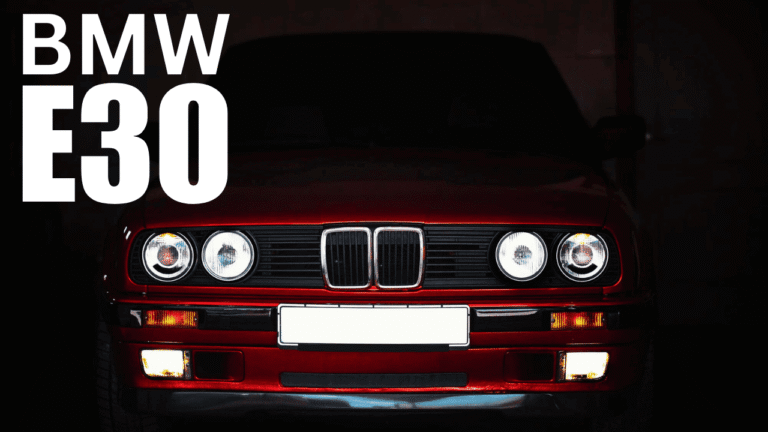
How Reliable Is the BMW E30? Here Are Some Buyer Tips

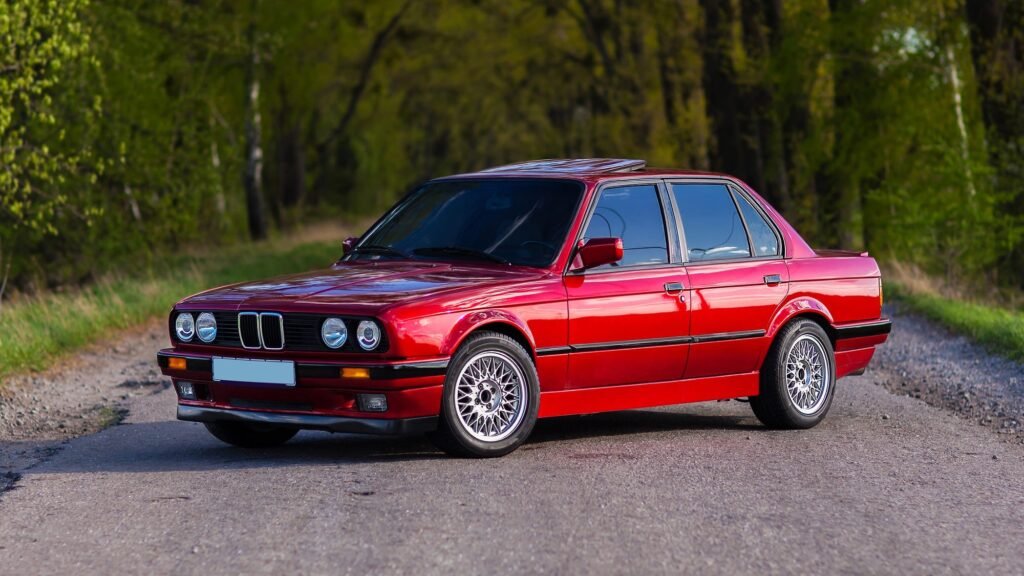
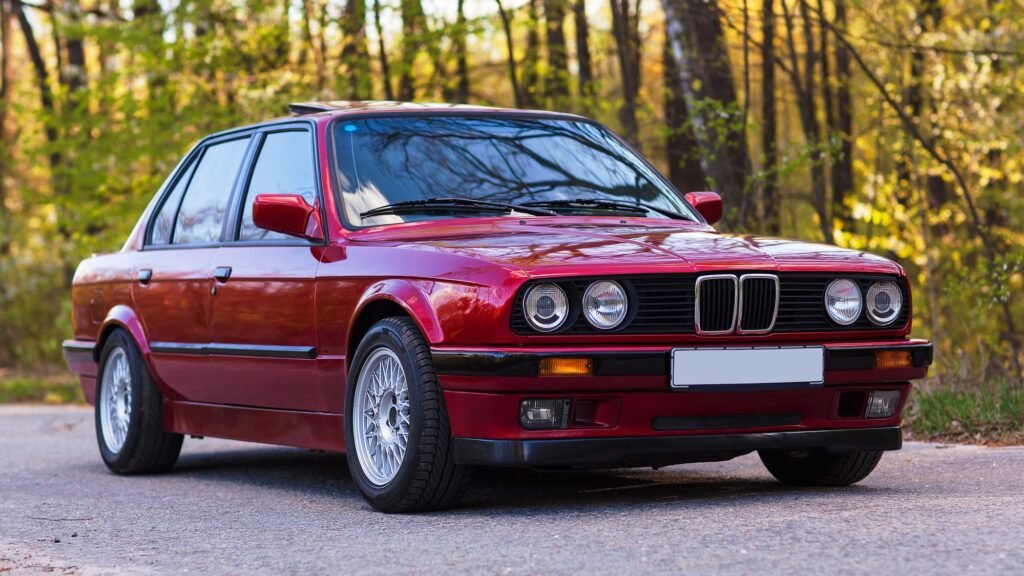
The E30 is the car that made BMW’s compact executive style known to every car lover out there. It has that perfect rear-drive balance, precise controls, and it can serve as anything from a grocery runner to a fun weekend track car. But if you think about it now, it’s getting old, a bit quirky, and yeah sometimes pricey to maintain, which isn’t a surprise for a BMW, right? So just how much does it really cost to keep this little Bavarian beauty running? Let’s take a quick look at the info we’ve gathered.
E30 Engines

The BMW 3-Series E30 was made from around 1982 to 1994 but in the U.S. it was available from 1984 to 1991. You could get it as a 2-door coupe, a 4-door sedan, a convertible, or a touring wagon. It came with either 4-cylinder or 6-cylinder engines and you had the option of manual or automatic transmission. Now if you’re wondering which engine to go for when snagging one of these beauties let’s take a closer look:

Four-cylinder family

  • M10 (1.6–1.8L) — early 316/318 models. Old-school pushrod/overhead cam era; robust and simple, uses a timing chain. Strong reputation for longevity if maintained.
  • M40 (1.6–1.8L) — later economy 318i in the late-1980s; lighter and more modern than the M10 but less loved by purists. The M40 uses a timing belt (service interval matters).
  • M42 (1.8L 16-valve DOHC) — higher-revving 318is and other sport variants; generally well-regarded for its revvy nature and more modern design. The M42 uses a chain (different maintenance profile to M40/M20).

Six-cylinder family (the engines that give the E30 its smoothness)

  • M20 (2.0–2.7L inline-6) — used in 320i/323i/325i/325e. Mechanically simple, torquey and very tunable. The big reliability caveat: the M20 uses a timing belt and that belt is service-critical — change it on schedule (BMW/enthusiast guidance: every 4 years or ~50–60k miles). If the belt fails you can cause catastrophic engine damage. Beyond that, M20s are generally honest: valve adjustment, routine gasket and seal maintenance, cooling-system vigilance.

Performance / special engines

  • S14 (the M3 engine) — a high-revving, race-bred 4-cylinder built for the E30 M3 (1986–1991). It’s a more complex, higher-maintenance engine than the standard lumps and rewards careful oil and valve care; parts and specialist labor cost more.

Bottom line: The M10 and M20 engines are pretty tough as long as you keep an eye on their weak spots like the timing belt on the M20 and the tensioner or chain guides on the older models. The M42 is fun to rev up but isn’t as common, while the S14 is quite rare and can cost a lot to maintain. If you’re looking for something reliable for daily driving, a well-maintained M20 six-cylinder E30 will feel smooth and last a long time. Just make sure to check the timing belt service history first.
Common reliability headaches

Structural / rust

Rust is by far the biggest long-term problem for E30s in humid or salted-road climates. Typical trouble spots:

  • battery tray / rear valance / trunk floor,
  • rocker panels and sills,
  • floor near the transmission crossmember and rear subframe mounting points,
  • wheel arches and lower fenders.
    Surface rust can be fixed cheaply; structural corrosion (subframe mounts, rotted rails) is expensive and sometimes a deal-breaker. Have a specialist look for patchwork welding and “cosmetic” filler that hides rot.

Drive-train & engine

  • Timing-belt (M20): age or unknown service history = replace before you buy if you want to avoid a potentially ruined engine. Recommended interval: ~4 years / 50–60k miles. A full front-motor service (belt + water pump + seals + ancillary items) is a common and sensible first job.
  • Oil leaks: valve-cover gasket, oil pan, front crank seal — expect to reseal on older cars. Not usually catastrophic, but messy and a clue the car hasn’t been recently sorted.

Suspension, steering, and brakes

  • Rubber bushings (control arms, subframe bushings), tie rods, ball joints and steering-rack leaks are common with age — they affect feel and safety; budget for bushings, shocks and wheel bearings as part of “owning an E30.”

Cooling and fuel systems

  • Radiator, hoses, thermostat and the fuel pump can fail on older cars. Replacing cooling parts when you service the timing belt is good preventive maintenance. Fuel tanks and straps can rust through in high-mileage cars.
Rough long-run maintenance costs

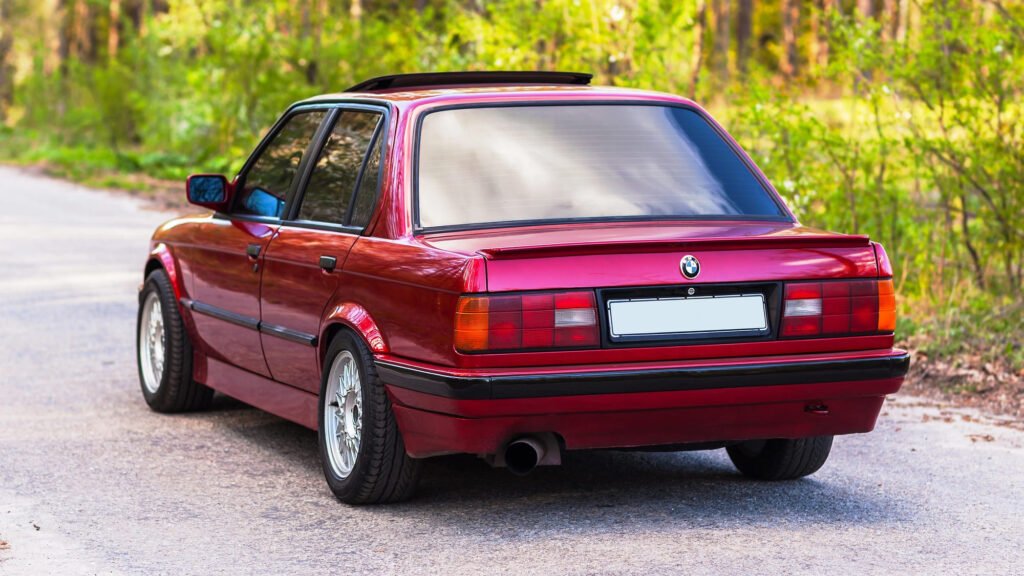
The E30 is really getting into classic car territory, and you probably know that owning a classic car can cost a lot depending on its condition, your DIY skills, and the weather where you live. For the E30, you can expect a fair cost if the car’s in good shape when you buy it:

  • Annual routine ownership (parts + consumables): $500–$1,500. That covers fluids, brakes, tires, shocks over time, minor bushings, filters, bulbs, etc. (DIY lowers this a lot).
  • Timing-belt + water-pump + front-seal service (M20): $500–$1,200 (parts + labor estimates vary by region and whether you do it yourself). RepairPal median ranges and enthusiast shops support that ballpark. If a shop includes valve adjustment, belts, water pump, seals and fresh coolant, expect the higher end.
  • Subframe / heavy rust repair (welds, replacement of mounting points): $600–$5,000+ depending on damage and the shop. Reinforcement kits themselves are cheap; labor, welding and replacing brake lines or panels drive the price. If the rear subframe is cracked or the chassis is eaten, costs spike quickly.

If you’re thinking about buying a car that has some visible rust but runs well, be ready to drop a few hundred to a few thousand bucks on bodywork later on. But if it needs big fixes like welding under the back seats or on the transmission tunnel and subframe mounts, it’s best to walk away unless you’ve done the math and are okay with the repair costs.


Also Read:
Want to wash your BMW at home? Here’s a simple step-by-step guide for you. We’ll go over how often to wash it and what products to grab.


Practical checklist

Think of it like buying a second-hand house—you gotta check the foundations first. Trust me, you don’t want to end up with a lemon BMW. A solid BMW can bring you tons of happiness but it needs some good care to keep it running well.

  1. Rust & structure
    • Check the rear battery tray/trunk floor, sills, rocker panels, front footwells, rear subframe mounting area and around the shock towers. Look for fresh welds, filler, uneven paint, or misaligned panels. If you don’t see the full inner wheel arch or trunk floor, ask for pics or lift the carpet.
  2. Timing-belt history (M20)
    • Ask when the timing belt/water pump/tensioner was last done. If unknown, budget to have the job done immediately — the penalty for neglect is engine failure.
  3. Drivetrain & fluids
    • Check for oil in the coolant, thick black oil (signs of neglect), compression test for cylinders, smooth idle, and smoke on startup. Strong whine from the differential or knocking from suspension are warning signs.
  4. Suspension & steering
    • Bounce test, check for play at wheels, listen for clunks, inspect front lower control arm bushings and rear subframe bushes. Steering rack leaks and worn bushings radically change feel.
  5. Service history & paperwork
    • Receipts for belts, brake work, head gasket work, suspension and any welding are gold. For M3s specifically, seek documentation proving originality (S14 engine, matching VIN, correct chassis code).
  6. Pre-purchase inspection (PPI)
    • Get a specialist or an experienced independent BMW mechanic to inspect. They’ll spot rust that a seller hides and estimate welding vs. replacement costs. A PPI is cheap insurance compared to major repairs.

When you’re thinking about buying a car, your driving habits play a big part in your decision. If you’re driving the car every day or you’re just starting out with your first E30, then make sure to look for a rust-free 318 or 325 that’s been well taken care of. You want to find one with recent belts and brakes that are in good shape. It’s super important to have a clean floorpan, solid brakes, and a good suspension too. Be ready for some routine maintenance and try to get the best condition you can afford.

Now if you’re more of a weekend driver or like to tinker here and there, you can look at cheaper E30s that might have some surface rust but are solid where it counts. Just keep in mind what your welding costs could be. And finally, if you’re in it for investment or concours purposes, stay away from cars that have been modified or raced. For something like an M3, it’s all about originality and how much mileage it has. Be prepared to spend a bit more and make sure you check everything to verify it’s the real deal.

The Legendary E30 M3

The E30 M3 is really where everything started for the love of compact sports cars. This ride took a small BMW and turned it into a racing legend with its race-ready body, a screaming S14 four-cylinder engine, and a chassis that’s all about performance. It was made from 1986 to 1991 for everyday drivers, plus a bunch of cool special editions like the Mitsubishi Evolution and Evo II came after.

What makes the M3 different for buyers:

  • S14 engine —  This engine is pretty much a high-performance engine that’s built with a lot of precision, but it can be pricier to repair or rebuild compared to a standard M20. Keeping up with the right service like timing, oil changes, and valve adjustments is key. Plus, parts and specialized help are generally on the more expensive side.
  • Rarity & provenance — genuine, stock examples with a solid history can really fetch a high price. On the flip side, cars that have been heavily altered or have been in accidents usually aren’t worth as much. Places like Hagerty and auction houses show a lot of ups and downs in prices, but overall, the typical values have been on the rise lately. So when you’re thinking about the M3, see it as a collectible rather than just a budget-friendly ride.

Specific M3 inspection points

  • Make sure to check the S14 engine and see if the VIN and chassis plates match up. Look for any signs it might’ve been raced or pushed too hard like roll-cage welds or engine swaps. Big upgrades like oversized brakes can hurt its value for collectors down the line.
  • Take a good look at the subframe and see if there are any suspension mods that scream “track car.” A lot of the M3s you find out there might have been really pushed to their limits.
  • Check the interior for its originality including the Recaro seats, door cards, and gauges. If you find replacement parts, they could lower the value a bit but if everything else is in good shape, don’t let that stop you from making a deal.
Final takeaways — should you buy an E30?

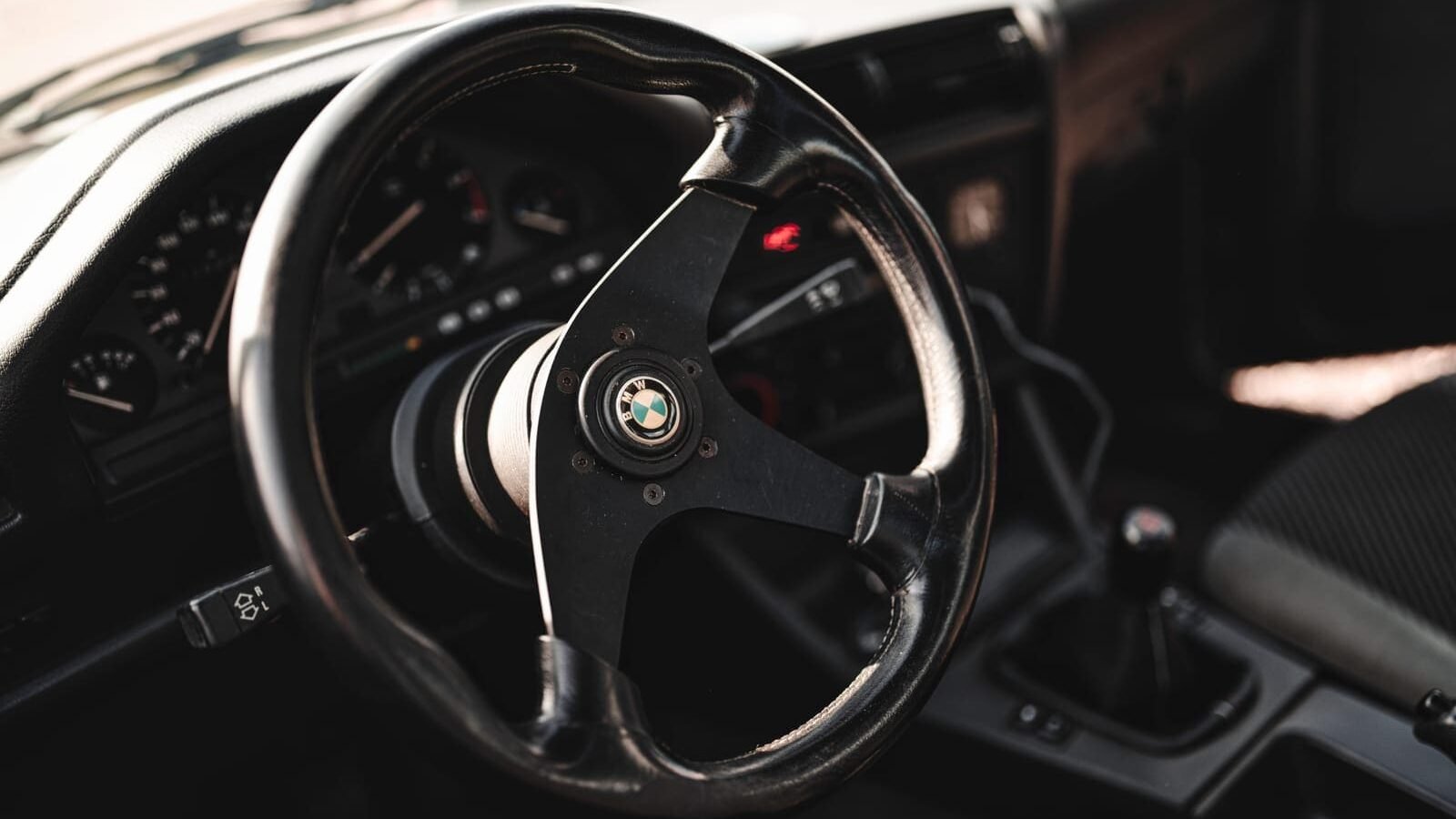
So to wrap things up here’s what you need to know about the BMW E30. It’s tough to say if you should buy one or skip it since it really comes down to how well the car’s been taken care of by the last owner. Go for it if you’re after a classic BMW that’s fun to drive and responds well to maintenance. When looked after these E30s can last a long time and offer a satisfying ride. Plus there’s a great community out there for parts and support. 

But you might want to pass if the car has really bad rust where the subframe connects or if the timing belt history is a total mystery on an M20 engine. Also steer clear if the seller isn’t okay with a pre-purchase inspection. Those kinds of repairs can cost way more than what the car is worth.

If you want to learn more about cars and get some buying tips check out our homepage. You might want to bookmark it for easy access. And don’t miss our latest posts some of them might catch your eye:


*Disclaimer: This website provides automotive content for informational purposes only and should not be considered professional advice. While we strive for accuracy, we do not guarantee the reliability or suitability of any vehicle or product mentioned—always conduct your own research before making purchasing decisions. Additionally, some links on this site are affiliate links, meaning we may earn a commission if you make a purchase, at no extra cost to you.
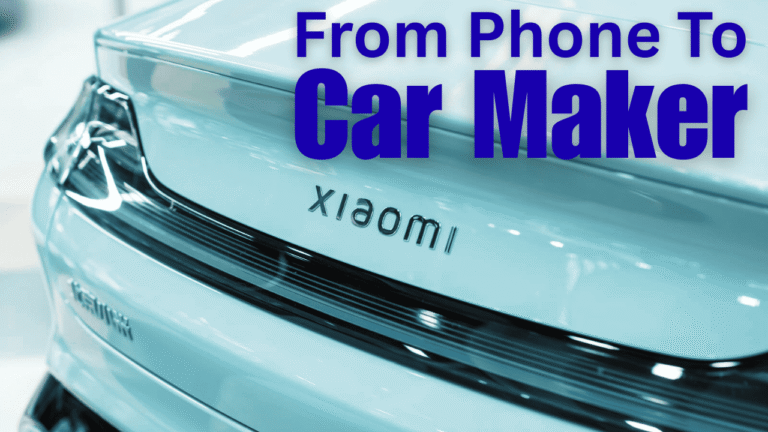
The Xiaomi Playbook: How To Go From A Phone Maker To A Carmaker

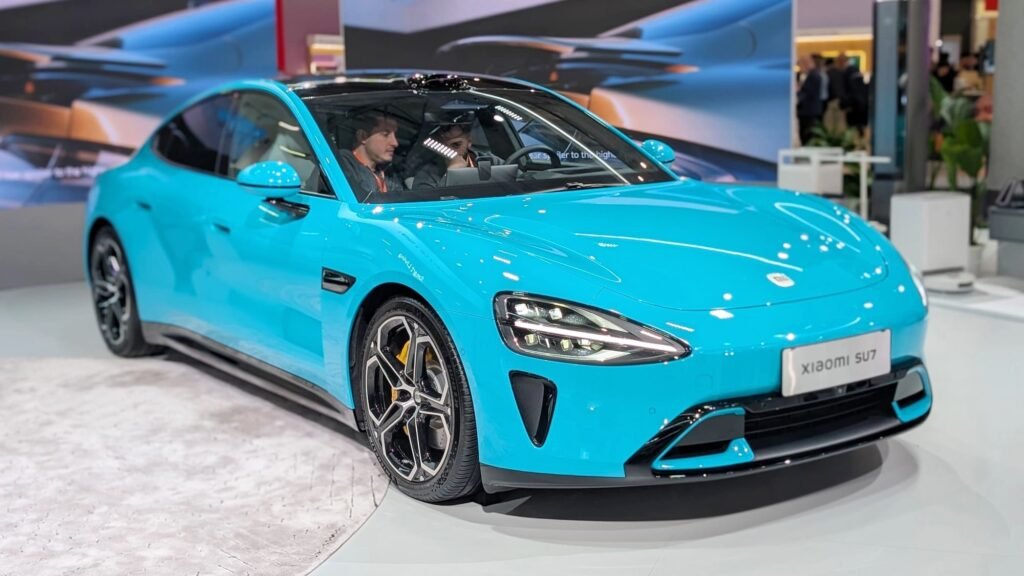
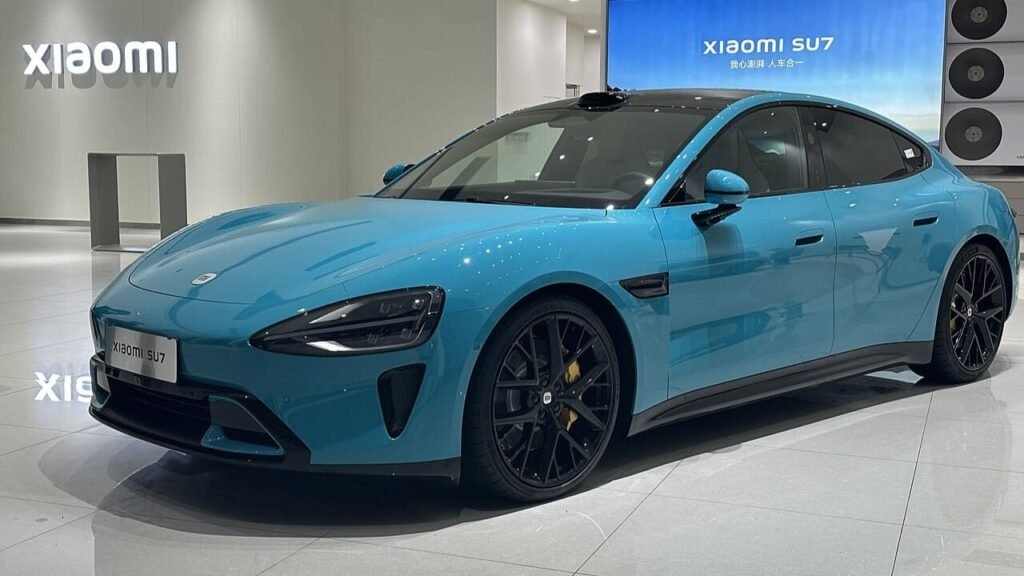
Xiaomi’s big jump from making electronics to diving into electric vehicles really makes you wonder what they were thinking. In March 2024, they rolled out their first electric car, the Xiaomi SU7, moving from their usual smartphone game right into the EV world.

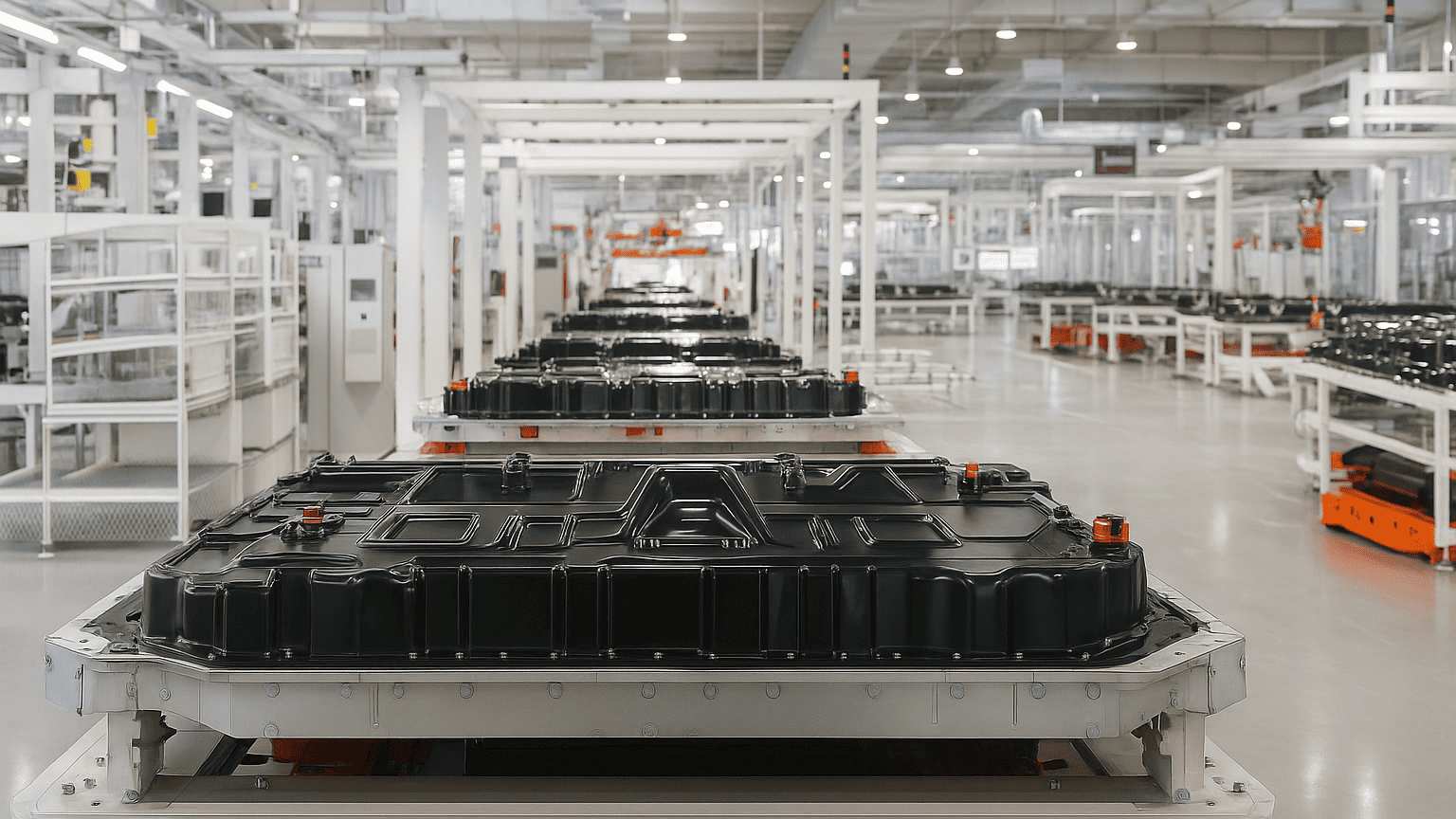
The company has invested plenty of cash into creating a state-of-the-art EV factory in Beijing for their first model. This factory is packed with all the latest tech to ensure production goes off without a hitch. Just the fact that they set up this factory shows that Xiaomi is all in on the car game and wants to be a big player in the Chinese EV market and consequently the rest of the the world.

So let’s take a quick look into Xiaomi’s surprising journey into the auto industry and how it is getting ready to go head-to-head with the well established and more experienced big names in the electric vehicle scene.

Bold Move That Makes Total Sense!

I think Xiaomi jumping into the car game happened for a few reasons. First, they’ve got plenty of cash and tech know-how from their smartphone biz, so they put a lot into research and development before diving in. Another big reason is the drive of their founder, Lei Jun, who wants his company to be a major player in both tech and transportation. Plus, the electric car market is still on the rise, so even if Xiaomi isn’t super experienced or a household name in this area yet, they still have a chance to catch up with the others. When you look at everything they’ve done in the smartphone arena it totally makes sense for them to expand into cars.

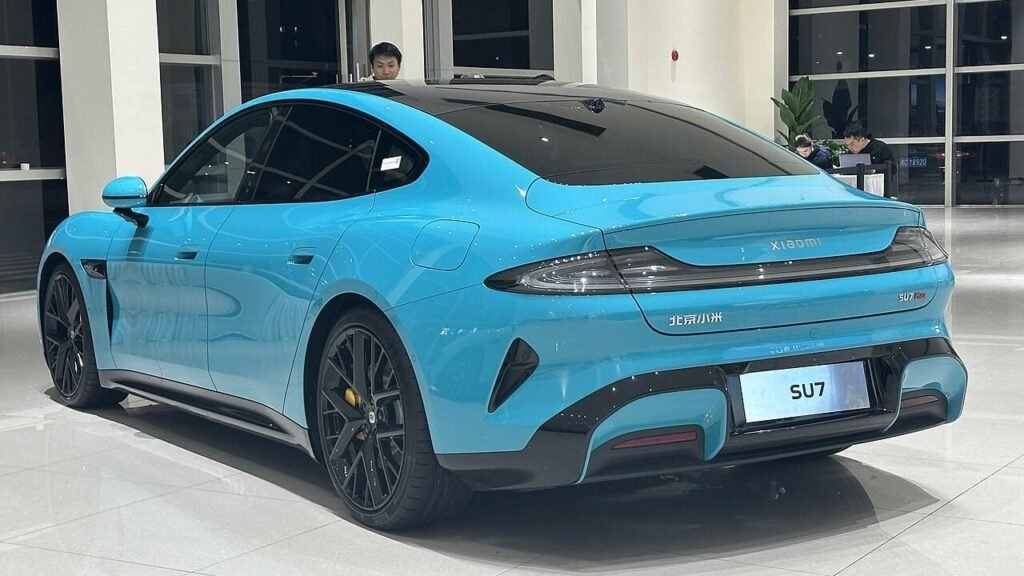
Xiaomi SU7 rear

The SU7 is Xiaomi’s first shot at jumping into the electric vehicle game, using their ideas and resources to go up against the big players in the market.


Also Read:
Chinese automakers moved fast: bold design, EV platforms and vertical integration gave buyers style + tech for less. Learn how they did it — and why it matters.


Let’s break it down a bit more:

  • Xiaomi made a big public promise to invest a lot in electric vehicles over the long haul. This gave them the room to hire the right people, design cars, and handle early losses.
  • They ramped up their R&D team into the thousands for automotive stuff, which means they got the know-how fast instead of learning through mistakes.
  • Xiaomi built a slick, high-tech factory that cuts down on labor issues and boosts production. Their factory tours show off super high automation rates and quick turnarounds.
  • Nowadays cars are pretty much like “computers on wheels.” With Xiaomi’s skills in software, connectivity, and IoT, they can stand out with their features and services, where they’ve already got a solid footing.
  • Xiaomi also made a smart move by making deals with charging networks and other partners. This helps them quickly cover any gaps in their capabilities.
Xiaomi factory inside

Xiaomi Factory target manufacturing a car every 76 seconds, according to Xiaomi’s claims! This level of efficiency shows how dedicated they are to ramping up and keeping up with the competition in the car industry.

Why it’s easier today than 10 years ago

Xiaomi has a solid EV parts ecosystem these days. Things like batteries, motors, and inverters are available to buy and combine rather than having to be created from scratch. This means that if you’re a driven businessman like Lei Jun, you have all the key parts you need to succeed right at your fingertips. Plus, they’re focusing on making software-first cars, which lets companies with cloud and OTA skills create unique user experiences faster than they can work on noise and vibration issues. For them, making electric cars is totally doable. And let’s not forget about contract manufacturing. There are more EMS and Tier-1 companies offering vehicle assembly services now, even big players like Foxconn, which makes jumping into actual vehicle production a lot easier. Lastly, there are some great market and policy vibes happening in China, making it easier to get factory permits and push EV adoption. Xiaomi is definitely making the most of that home-field advantage.

Xiaomi YU7
Xiaomi’s second model the YU7, which is a crossover SUV.

So again what went right for Xiaomi?

The founder really knew what he wanted and made sure to back it up with solid funding. This helped get rid of any political holdups since they had both public support and enough resources. They kicked things off with a fast pilot project and plan to ramp up production in 2024, which showed that their program management was spot on. 

Their factory is super high-tech and runs mostly on automation to keep things quality and cost-effective. If you take a tour, you’ll see tons of robots working quickly. This setup allows them to produce a lot while keeping things consistent. Plus, Xiaomi has been smart about working with the charging networks in China. By teaming up with existing charging options, they made it easier for folks to buy their products.

Bottom line

What we could learn from Xiaomi’s journey is if your business has a little money, good leadership, and a plan to separate the flashy stuff like software and user experience from the everyday things like batteries and motors, you can really speed up what usually takes carmakers forever. But remember, you can’t skip the hard parts like testing the product, following the rules, and dealing with customer service. If you get that right, you’re not just building a car; you’re making a mobility product that can be updated and sold just like any software. To be honest, I never thought about buying their stuff before, but after seeing how daring they are with tech, I can totally say that my next phone is gonna be a Xiaomi.

SU7 Fire in Chengdu: How Xiaomi’s EV Crash Triggered a Market Sell-Off (Update)

Lately, there was a pretty serious incident involving an SU7 catching fire in China, which resulted in the driver losing their life. This event definitely caught a lot of attention from investors and regulators. Videos from a Chengdu crash where the SU7 burst into flames and bystanders had trouble getting the doors open went viral, bringing up some big questions about the safety of Xiaomi’s fast-growing electric vehicle plans. Because of this, Xiaomi faced its worst week of stock performance in several years. 

Already, regulators told Xiaomi they need to roll out an over-the-air fix for the assisted-driving software in about 116,000 to 117,000 SU7 sedans due to prior concerns with their Level-2 highway pilot. The recent fire in Chengdu, along with other accidents earlier this year, has led to calls for a more in-depth look into the car’s hardware, door unlocking system, and overall safety. Xiaomi mentioned they’re working with the police and looking for solutions, but investigations are still in progress, and a lot of key details like what exactly caused the fire and if the door issues were due to power loss are still up in the air. So, it’s best to hold off on placing any blame until we get the official word.

What a sad situation! This incident highlights how quickly safety issues can lead to regulatory moves and impact the market for new electric vehicle brands. It’s wise to keep an eye on reports from regulators and Xiaomi’s official updates before making any strong judgments. Whether Xiaomi can bounce back from this and regain the momentum it once had will be something to watch. But I don’t think this changes how I feel about Xiaomi’s initial achievements. There were definitely some things they could’ve handled better, but personally, I’d still be open to getting a Xiaomi phone since I don’t think this incident really affects my view on their products.

Check out our homepage for more car articles and take a look below at some of our latest posts:


*Disclaimer: This website provides automotive content for informational purposes only and should not be considered professional advice. While we strive for accuracy, we do not guarantee the reliability or suitability of any vehicle or product mentioned—always conduct your own research before making purchasing decisions. Additionally, some links on this site are affiliate links, meaning we may earn a commission if you make a purchase, at no extra cost to you. **Photos, courtesy of www.xiaomiev.com
Affordable Trunk Organizers That Every Driver Needs in 2025

0

As a rideshare driver your trunk isn’t just for storage it’s your office and sometimes it’s how people see you. If your trunk is full of random stuff it can look messy and make it tough to fit passenger bags. A good trunk organizer can turn that mess into neatness making things easier and cleaner and can even help you get more five-star ratings.

Why Rideshare Drivers Need a Trunk Organizer

  • Passenger Perception: A neat, organized trunk makes a good impression when loading luggage or groceries.
  • Time Savings: Quickly find cleaning supplies, emergency kits, or personal gear during shifts.
  • Resale Value: Prevents scratches, stains, and damage to the trunk lining.
  • Versatility: Can hold cleaning products, jumper cables, snacks, water bottles, first-aid kits, and more.
  • Flexibility: Many models fold flat when not in use, giving drivers control over space.

Features to Look For

  • Capacity & Compartments: Multiple sections for separating items.
  • Material Quality: Waterproof oxford cloth or reinforced polyester for durability.
  • Non-Slip Design: Velcro straps or buckles keep it from sliding during sharp turns.
  • Ease of Collapse: Folds flat when you need maximum trunk space for luggage.
  • Extra Features: Built-in cooler bags, lids, or detachable sections.

Top Trunk Organizers for 2025

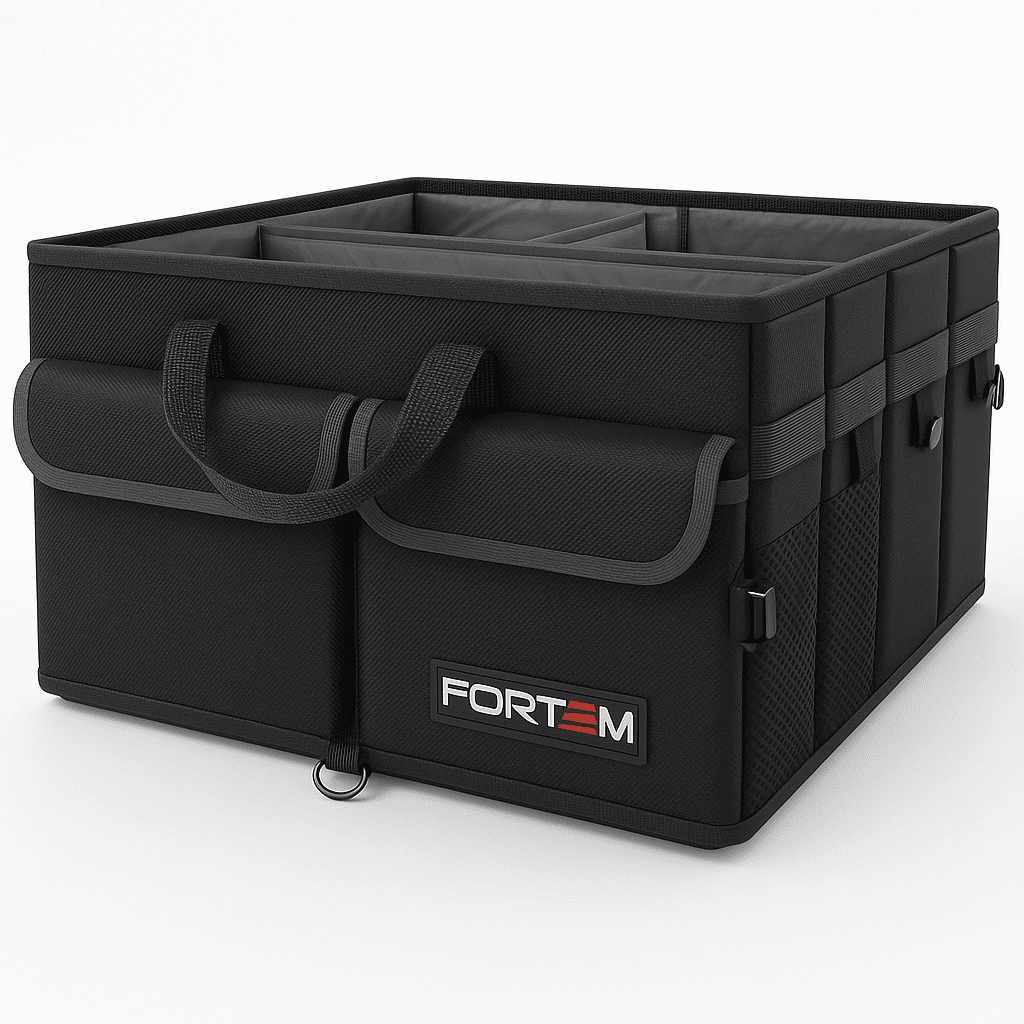
FORTEM Trunk Organizer with Lid

Car trunk organizer

This has strong walls, foldable sections, and removable dividers, plus a secure lid to keep everything tidy and out of sight. It even includes straps to hold things steady, making it perfect for drivers who want their trunk to look neat and professional when passengers take a look inside.

A smartly designed cargo organizer built for the back of your car, SUV or truck. It’s perfect for people who need to haul around gear, toys, groceries, and more. It has three spacious compartments, a solid base, non-slip strips, and adjustable straps to hold everything in place so it won’t slide around.

If you’re carting around dog bowls, crates, hiking packs, or groceries, this organizer can fold flat when you don’t need it. That way, you can use your cargo space more efficiently. Made from tough 600D Oxford fabric with reinforced sides, it stays upright and neat even when it’s full.

Pros & Cons

ProsCons
Large 50 L capacity fits groceries + gearWhen fully loaded, can become heavy to lift
Non-slip bottom & securing straps for stabilityDeep size may reduce visibility in compact trunks
Collapsible design means you can flatten when unusedSidewalls are fabric—not fully rigid like molded plastic
Rigid base and reinforced panels maintain shapeSome users prefer more built-in insulation or waterproofing

Best Use Tips

  • For dog-walkers: Use one compartment for leash, water bowl, waste bags; another for toys and treats. Strap it behind your dog’s seat so it anchors as your pup moves.
  • For weekend travel: On days when you don’t need all compartments, collapse the organizer and slide it under the seat or side of your trunk.
  • For errands vs. travel gear: Keep it in semi-collapsed mode for shopping trips, and fully expanded when heading out with all their gear.

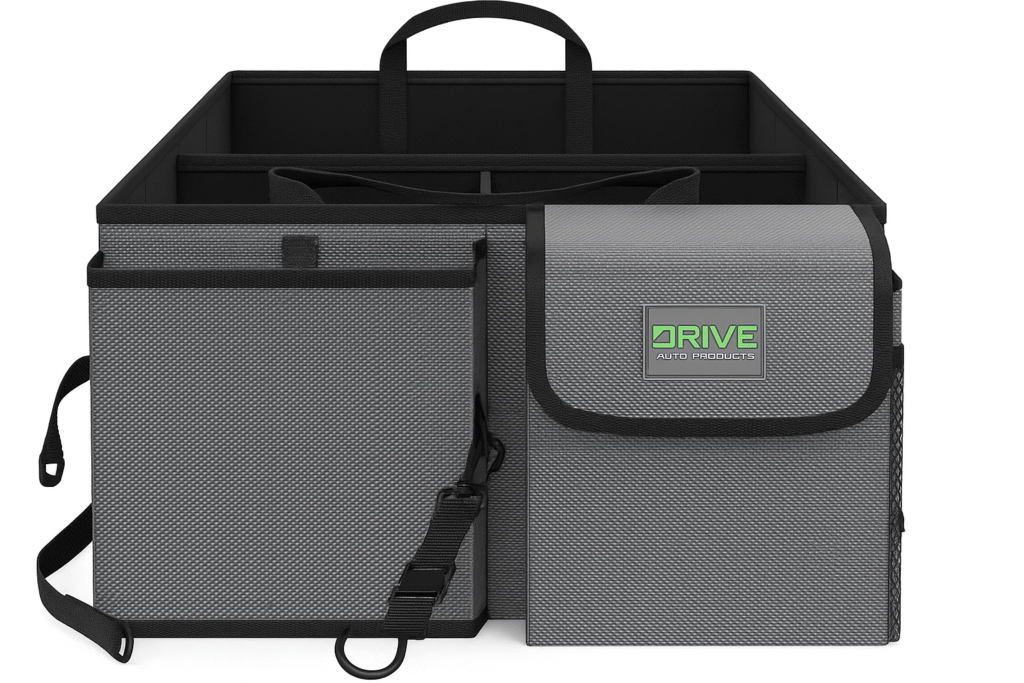
Drive Auto Products Collapsible Organizer

You can customize the compartments with four sections and some mesh side pockets. Plus, it’s got a waterproof lining, making it perfect for drivers who need to carry different amounts of gear during the week.

A solid trunk organizer that folds up and makes your car’s storage area super useful. It’s awesome for keeping stuff like leashes, toys, food bags, hiking packs, groceries, and emergency kits all neat and tidy instead of rolling around. It has a fixed base and a non-slip bottom to keep it steady, plus you can use adjustable straps to secure it to your trunk or SUV tie-points.

The high-quality reinforced side panels keep the box standing tall, even if it’s empty or just has a bit in it. And when you don’t need it, it folds flat, which is perfect for dog owners who often switch between gear for weekend adventures and running daily errands.

Pros & Cons

ProsCons
Keeps your gear and accessories tidy and safe in the back of your car.Some models may be too tall/deep for smaller trunks or hatchbacks
Reinforced base and non-slip design improve durability and stabilityIf fully loaded, the weight can make it harder to lift out of the trunk
Collapsible design means you can flatten it when you need more spaceSome users mention the cover-lid versions add slight height, reducing space above in tight vehicles
Adjustable anchor straps reduce movement during drivesIf straps aren’t anchored, the organizer may still shift on very rough terrain

Best Use Tips:

  • For active families: load one compartment with a trip gear, waste bags and water bottle; the other with toys.
  • When unloading: collapse the organizer slightly to free up cargo space.
  • Use the straps to anchor it behind the seat or to trunk hooks so it doesn’t slide.
  • Choose a size that keeps the top of the box below your rear window line to maintain rear visibility.

MIU COLOR Foldable Trunk Organizer

This bag is easy on the wallet and has 3 roomy compartments that can hold up to 70 liters. It features a non-slip bottom and stain-resistant fabric, making it perfect for drivers who want to stay organized without losing out on space.

A robust, large-capacity trunk organizer designed for everyday drivers, adventure-seekers, and pet-parents alike. With an expandable capacity of 70 litres (approx. 32″ × 13″ × 10″) and three spacious compartments, this organizer gives you real room for gear, groceries, dog supplies, and more.

Built with a fold-flat design and a non-slip bottom (four velcro anchor sets included), it stays firmly in place even during sharp stops and tight turns. Two sturdy carry-handles and reinforced sidewalls help it keep its shape when loaded; when not needed, it collapses down to a slim footprint for easy storage.
That means you’re not sacrificing trunk space when crates or bins aren’t needed, and when them doing dog-walk gear, sporting equipment or pet-travel essentials — this box adapts easily.

Pros & Cons Summary

ProsCons
Large 70 L capacity fits bags, gear, multiple pet cratesWhen fully loaded, the size can make lifting heavy
Non-slip bottom keeps organizer stable during drivesDeep bins may reduce visibility in compact trunks
Fold-flat design frees up space when unusedFabric material may show wear over years of heavy use
Strong handles and base plate ensure stabilityNot fully rigid like plastic crates (some movement when very heavy items are placed)

Best Use Tips

  • For weekend getaways: When you don’t need full divider use, collapse the organizer and slide it under the seat or behind the trunk wall.
  • For everyday errands: Folding it flat allows more cargo space when you’re hauling groceries or home-goods instead of pet-gear.
  • Always anchor the velcro sets/gives handles a double-lift check,

Comparison Table

ModelCompartmentsSpecial FeaturesBest For
FORTEM Trunk Organizer3–4Lid, reinforced walls, tie-down strapsProfessional rideshare use
Drive Auto Collapsible2–3Mesh side pockets Flexible compartments.Versatile daily organization
MIU COLOR Foldable3Large space, non-slipBudget-conscious rideshare drivers

Final Verdict

  • Best OverallFORTEM Trunk Organizer with Lid — durable, professional, stable.
  • Most FlexibleDrive Auto Collapsible — customizable size, non-slip, multipurpose.
  • Best Budget PickMIU COLOR Foldable — affordable yet spacious.

These trunk organizers are super helpful for anyone who drives a lot or does ridesharing. They hold up really well even with plenty of use and are just right for stashing cleaning supplies, jumper cables, and even a small cooler. Plus, they fold up easily when I need to keep the trunk clear for passengers.

Now, they’re a bit different from the hanging organizers that clip onto the backseat headrests. Those are great for saving floor space while keeping everything within reach and looking neat, which we’ll cover in this article.

We’ve got three options here in different colors. For FORTEM’s choice, I saw it comes with a lid that hides your stuff away, so passengers won’t see any mess.

If you drive for rideshare, spending around $25 to $40 on a trunk organizer can really make things easier. You’ll get better ratings, be able to grab your stuff quick, and keep your car looking tidy and professional.

For more on car accessories and reviews, check out our homepage or scroll down to see our latest posts.


When you click on links we might get a small commission on purchases that qualify.

Why Chinese Cars Now Win Buyers

Chinese car makers didn’t impress anyone at first. Their early models were poorly made, parts were hard to find, and the copycat designs hurt their image. But that’s all changed today. With lots of money going into design, electric vehicle platforms, and hiring talent from around the world, they’re now making cars that look modern and feel great, crammed with features at competitive prices. It’s enough to catch attention in Europe and beyond.

This mix of style, value, and long warranties draws in buyers who care more about technology and cost than keeping their car for years. But there’s a downside: while companies like BYD, NIO, and Geely are racing through development and integrating everything together, issues with durability and reliable design are still lagging behind, especially where complex software and new hardware often have to rush through testing.

The copycat stigma: how it started

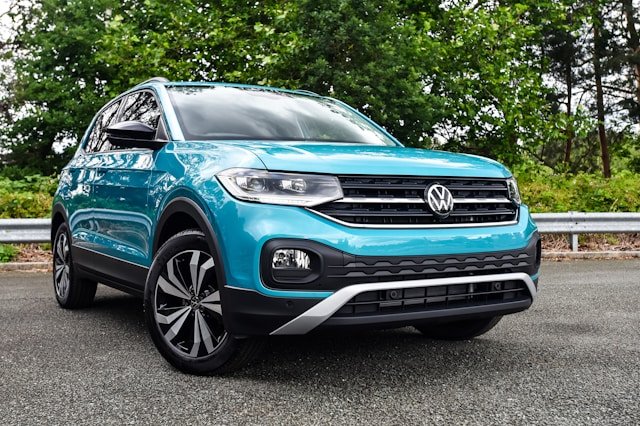
In the 2000s and early 2010s, dozens of Chinese cars carried very obvious visual similarities to Western models. Stories in major outlets documented striking resemblances — from hatchbacks that looked like Volkswagens to SUVs with BMW-style grilles — and those comparisons produced a global “copycat” narrative that stuck in media and consumer lore. Business Insider and others reported on manufacturers who used heavily derivative designs, which reinforced concerns about intellectual property, engineering depth, and long-term durability.

That early era wasn’t pure malice — it was fast industrial mimicry. The Chinese car industry was a latecomer that needed to scale production and learn fast; copying visible design cues was a low-cost way to offer customers familiar-looking cars while parts- and manufacturing know-how matured.

Famous cases & models

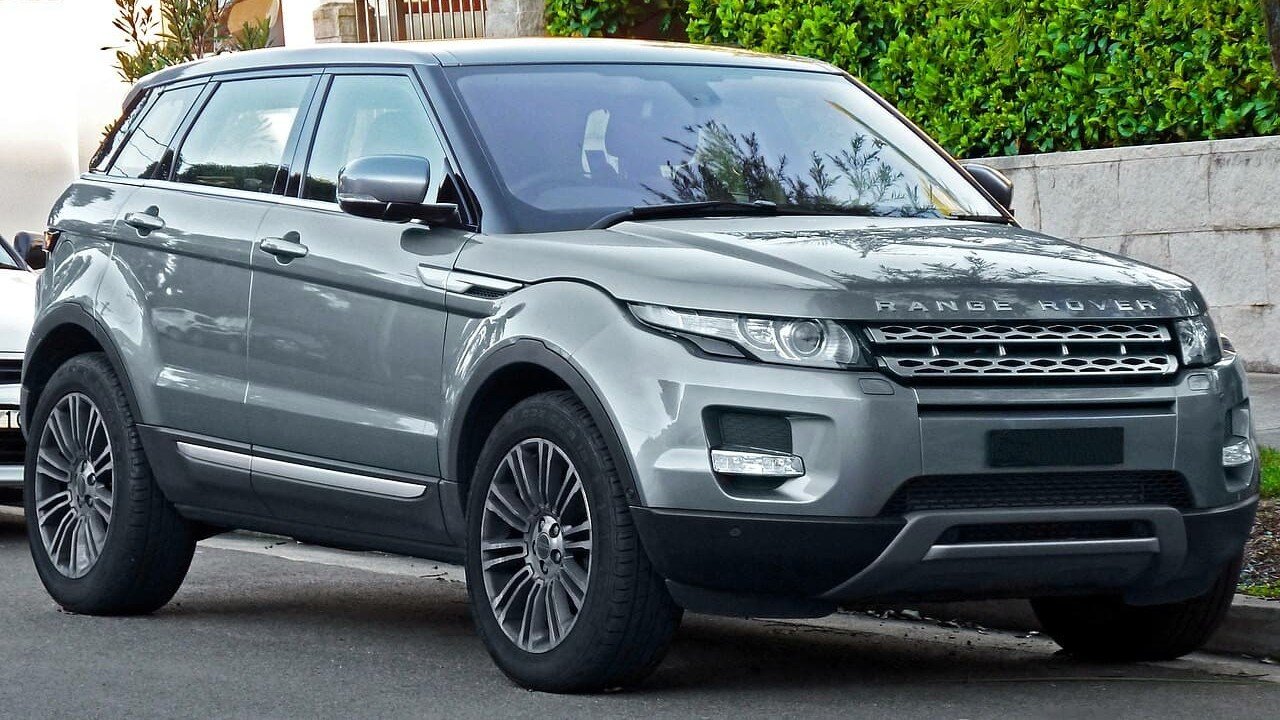
Range Rover Evoque
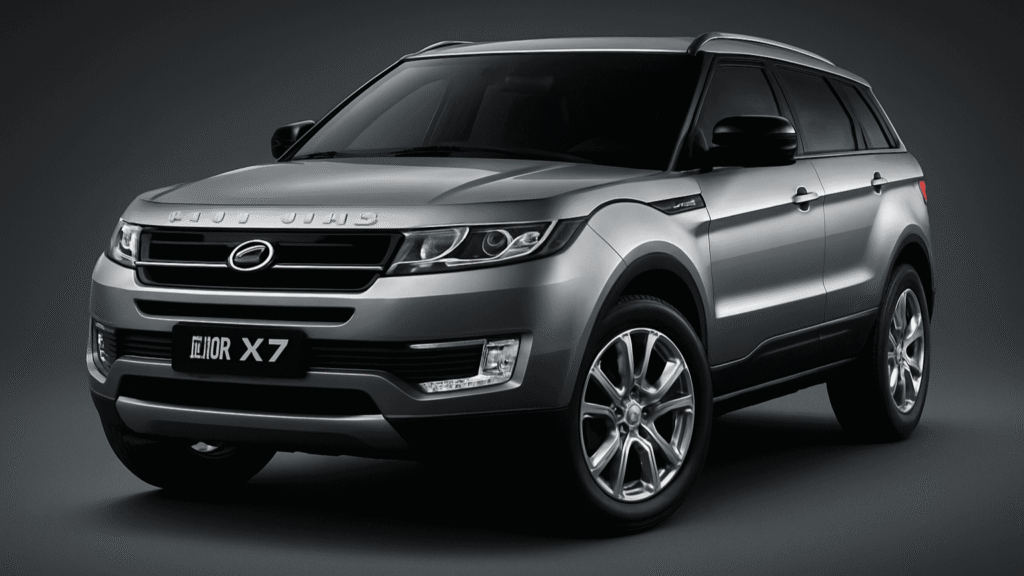
Landwind X7
  • Landwind X7 vs. Range Rover Evoque
    This is perhaps the canonical example. The Landwind X7 launched in 2015 bore a striking resemblance to the Evoque. After years of legal wrangling, a Beijing court in 2019 ruled in favor of Jaguar Land Rover, finding that Landwind had copied five unique design elements.
  • Shuanghuan SCEO / “CEO”
    This SUV combined styling cues: the front looked like the Toyota Land Cruiser Prado, the rear echoing a BMW X5, and the sides a BMW X3. BMW successfully got it banned from sale in Germany.
  • Chery QQ vs. Daewoo Matiz
    Chery’s first gen QQ resembled Daewoo Matiz so closely that GM (then owning Daewoo) alleged parts were interchangeable.
  • Great Wall & “Panda clones”
    Great Wall’s Peri model was accused of being too close to the Fiat Panda in Europe, leading to import bans in Italy and restrictions in other jurisdictions.

But the copycat era had two important consequences:

  • It made global buyers skeptical about build quality, safety and durability.
  • It forced Chinese automakers to ask: how can we own design and stop being imitated?

That question led to the investments and acquisitions that followed.

The Pivot: Why the Copying Era is Fading

Rising domestic pushback & IP awareness

Chinese consumers started to poke fun at obvious knock-offs. On top of that, local car makers are actually suing each other now. Like in 2023, Changan took Geely to court over issues with design copying. This shows that homegrown brands in China are starting to care about their own look and identity. Plus, the Chinese government is stepping up its game by improving laws around intellectual property to push more for creativity instead of just copying.

What also helped move past the copying phase is that big names in car design like Audi and BMW are teaming up with Chinese companies. Plus, some Chinese automakers are setting up global design studios like BYD’s global design center to compete not just in China but all around the world.

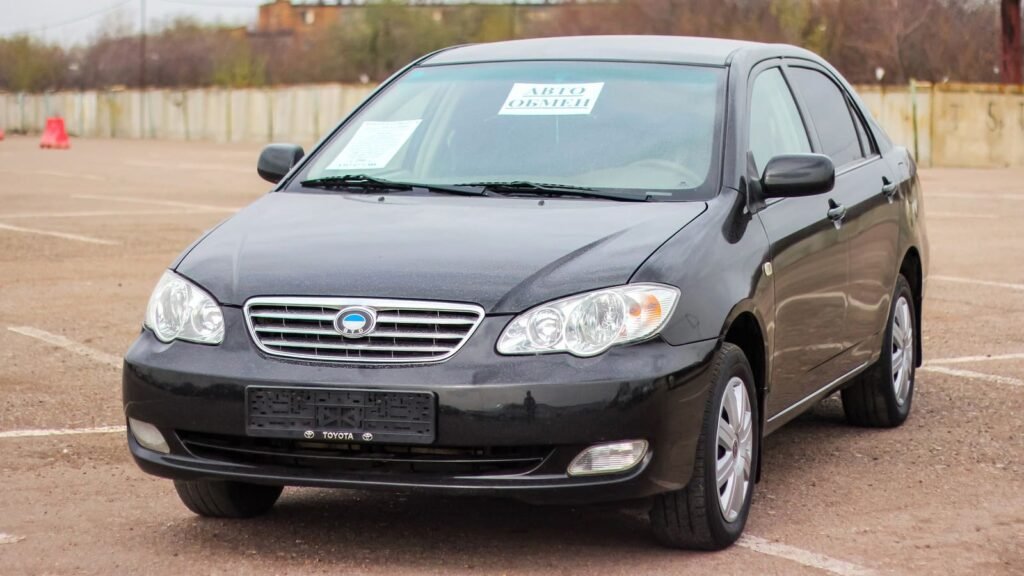
First generation of BYD’s F3 was one of the notable copycats of Chinese manufacturers, it looked kinda like a Toyota Corolla from the front and a Honda City from the back


Also Read:
Can Chinese SUVs be less reliable than Land Rover and Audi? We compare engine longevity, and maintenance costs in this reliability breakdown.


EV disruption: Clean sheet design becomes more feasible

Another main reason the copying phase is coming to an end is that Chinese makers used to mimic traditional gas cars. Those cars needed petrol engines and gearboxes which take years to master and the Chinese didn’t have that kind of experience back then. It felt like they were just following in the footsteps of those who were already successful to get similar results. But now that they’re shifting to electric vehicles, they have much more freedom and fewer mechanical restrictions. Plus, people who buy EVs are looking for different things than those who buy regular cars. They care more about features, how long the battery lasts, and how tech-savvy the car is, instead of just the brand name. So, copying gas car designs isn’t really what people want anymore. On top of that, brands like NIO, XPeng, Li Auto, and BYD are rolling out fresh, cool designs that are really shaking things up on a global scale. Now they can definitely set some new trends in car design.

The turning point: acquisitions, talent, and design centers abroad

Around 2010–2015 a strategic pivot started to show. Chinese groups began buying foreign brands (or stakes), setting up European design centers, and hiring experienced western designers. The headline example: Geely’s 2010 acquisition of Volvo Cars, a move that wasn’t just financial but institutional — giving Geely access to Volvo’s engineering, safety culture and design processes. Reuters covered that acquisition as a signal the industry had matured.

Beyond corporate M&A, individual hires and design hub creation mattered. NIO — one of China’s first EV premium start-ups — established design outposts in Europe; their company blog describes how they built a Munich/Gothenburg connection to attract European designers early in the brand’s life. That kind of recruitment brought tacit design expertise inside Chinese OEMs.

By the late 2010s and early 2020s, China’s EV startups began aggressively hiring designers and engineers from Audi, BMW and Mercedes, while established groups (Geely, SAIC, BYD, Great Wall) consolidated in-house design teams spanning Gothenburg, London, Munich and Shanghai. Reuters reporting shows Geely and others building design and R&D centers in Europe to access talent and marry local tastes to Chinese scale.

The result: after a decade of hiring and cross-pollination, the new wave of Chinese cars no longer looked like immediate clones. They arrived with original proportions, dramatic light signatures, and interiors that leaned heavily on minimalism, ambient lighting, and large displays — visual cues associated with premium marques.

Platformization, batteries and vertical integration

Style without substance is easily exposed. Chinese OEMs knew that. So while they invested in design, they simultaneously built technical competence — but did it the Chinese way: fast, vertically integrated, and platformized.

Two core pillars enabled the design leap:

1) EV-first platforms. BYD’s e-platform 3.0 is a good example: a dedicated EV architecture that integrates battery, structural design, electrical architecture and software to produce vehicles with low floors, novel proportions and safety structures optimized for battery packs. BYD positioned this as both a technical and aesthetic pivot for its lineup. BYD documents the e-platform 3.0 publicly; it’s a platform designed to maximize packaging efficiency and accelerate model development.

2) Home-grown battery and cells. China’s battery champions — CATL and BYD (which manufactures its own cells and the Blade battery) — unpacked a huge advantage. Vertical control of battery production allowed aggressive pricing and design freedom: you can design a car around the pack rather than shoehorning batteries into ICE chassis. Reuters has profiled CATL’s progress on new chemistries and BYD’s scale.

On top of that, Chinese makers built massive in-house suppliers for interiors, displays, e-architectures and telematics — a level of vertical integration that reduced bill-of-materials cost and shortened the iteration cycle from years to months. Bloomberg and Reuters investigations have documented how this speed and integration let companies like BYD and Chery iterate quickly and undercut global competitors on price.

How Chinese Cars Learned To Look “Premium” Fast

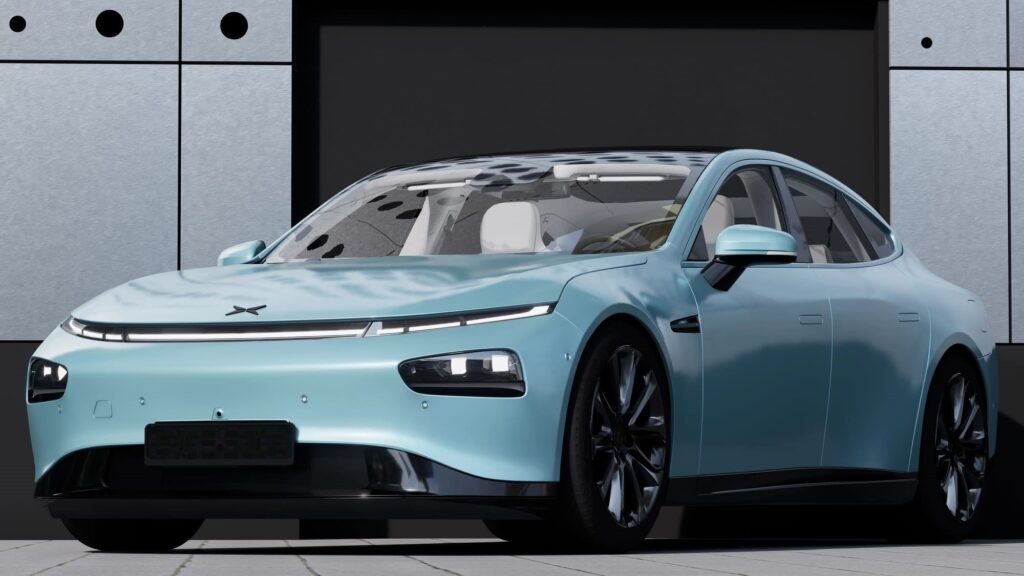
Xpeng P7
XPeng P7
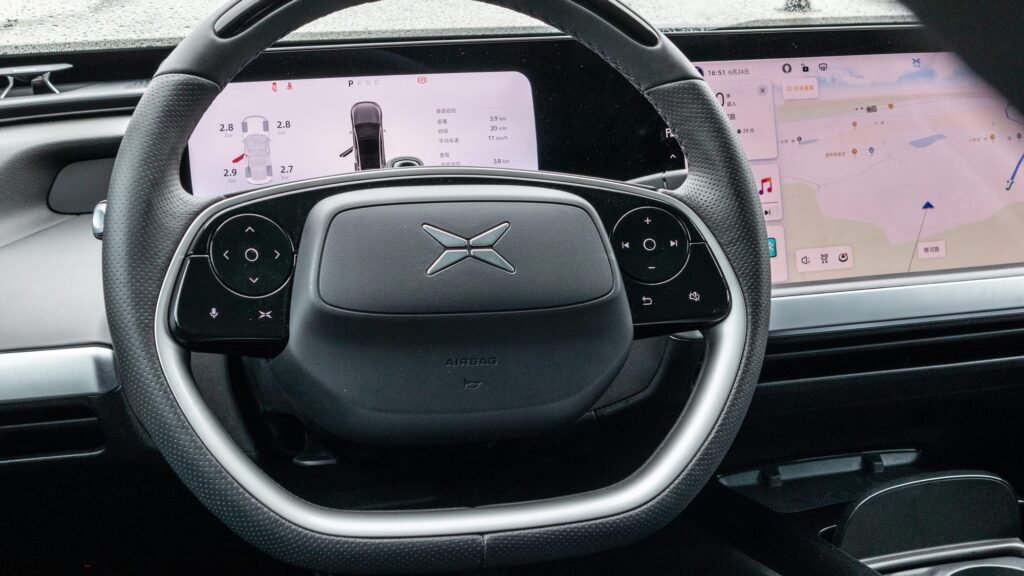
XPeng P7 interior

What exactly changed in the design approach? Three practical levers:

a) Proportions and silhouettes

EV platforms give a low, flat floor; designers exploited that to produce long hoods (or short front overhangs with full-width light bars), coupe-like roofs, and muscular shoulders. These cues read as premium because they echo expensive European models, but they’re also inherently modern.

b) Lighting language and surface treatment

Chinese startups invested heavily in “light signatures” — distinct LED bar motifs that can be changed across models with software and kits. This is an inexpensive way to create brand recognition and “premium” drama without entirely reengineering the body.

c) Interiors: screens, haptics and perceived quality

Interior fit and finish improved quickly thanks to better suppliers and bigger investments in foam, stitch patterns, and soft trims. But more importantly, the software layer (large central screens, overlaid graphics, ambient lighting and OTA updates) created a perceived premium experience that first-time buyers equate with luxury. NIO, for instance, competes on interior ambience and UX — often using hires from Europe and the U.S. to polish touchpoints.

Designers also learned the psychology of “value optics”: glass roofs, panoramic displays, ventilated seats, and B&O or other branded sound systems — features that impress in the showroom and in short ownership cycles.


Pricing, warranties and the value ladder: why many buyers choose style over resale

A central reason Chinese designs cut through is the package economics.

  • Aggressive pricing: Scale, vertical integration and lower labor costs allowed Chinese OEMs to undercut rivals on sticker price. BYD grew to become the world’s largest EV seller in part by using that cost advantage. Reuters and InsideEVs both tracked BYD’s massive volume and export push.
  • Feature density: Compared with legacy competitors, Chinese models frequently included heated/ventilated seats, panoramic roofs, Level-2 ADAS, and large battery packs as standard or low-cost options. That “more car for the money” proposition appeals especially to buyers who plan 3–5 year ownership cycles.
  • Generous warranties: Many Chinese brands used long warranties to reduce perceived ownership risk. Long warranties are an inexpensive marketing lever compared with improving long-term durability across an entire supplier ecosystem.
  • Shorter ownership horizons: In many buying markets (urban China, emerging markets, trendy buyers in Europe and the U.S.), consumers rotate cars faster. If you own for 2–4 years and trade in, flashy features and low purchase price beat a decades-long reliability record.

Put together, style + features + low price + long warranty form a value ladder that persuades buyers to trade lower expected resale for immediate ownership pleasure.

Examples of New Chinese Design Boldness

Xiaomi SU7

Xiaomi

Xiaomi is a big player in the smartphone game, but they’ve got some top car designers on board to jump into the car market. So far, they’ve rolled out two models called the SU7 and YU7. The SU7 caught some heat for looking a lot like the Porsche Taycan, and because of that, Xiaomi’s getting some pushback to stand out more.

BYD

BYD moved from batteries to cars and now dominates China’s EV market. Its e-platform and Blade battery are central technical differentiators; BYD also moved aggressively into Europe and other export markets. BYD’s scale allowed it to undercut global rivals on price while offering modern design and large battery packs. Reuters and BYD’s own releases document that rapid growth.

Geely

Geely didn’t just buy Volvo; it used Volvo’s engineering discipline to build credible premium cars and product platforms. Geely’s brands (Lynk & Co, Zeekr, Proton revival, Geely own brand) show how a Chinese group can operate different stylistic languages for different markets. Geely’s European investments and hiring are well-documented.

NIO

NIO carved a premium niche with large interior screens, unique battery-swap strategy and a brand-led ecosystem (member events, app engagement). NIO invested in European design talent and positioned its models as aspirational EVs with strong cabin UX. NIO’s design stories and recruitment are part of this narrative.

Xpeng and Li Auto

Xpeng emphasizes ADAS and automated drive features, hiring Western talent and showcasing advanced cockpit experiences. Li Auto focused on range-extender hybrids (and family practicality) with contemporary, feature-rich cabins.

Great Wall (Haval, Tank)

Great Wall’s Haval and Tank brands blend Toyota-like reliability aspirations with muscular styling aimed at aspirational buyers who want “big truck looks” for less cash.

Reliability, durability and resale: the empirical record so far

If you’ve been keeping up with our blog, you probably know we’ve covered reliability a lot, especially when it comes to Chinese brands. Here’s an article that dives a bit deeper into that topic. We want to remind you that the core issue is still there: Chinese cars are looking more and more premium and packed with tech, but the big questions about long-term reliability and resale value are still up in the air in many places. Let’s break it down a bit more.

What the data shows today:

  • Safety and certification: Chinese cars now meet many international safety standards and some models score well in Euro NCAP and other tests, but broad, long-term reliability metrics (10+ years) are naturally sparse because many models are new and export volumes rose only recently. Reuters and investigative reporting show Chinese firms hitting safety targets while moving to local production in EU to avoid tariffs.
  • Battery and drivetrain durability: BYD, CATL and other suppliers have greatly reduced battery fire risks and improved cell chemistry; CATL’s advances (Qilin, Shenxing, sodium-ion announcements) show an ecosystem dialling up reliability and fast charging. Yet battery degradation over a decade is still being studied in real-world fleets.
  • Service networks and parts availability: Exports and dealer networks are growing, but established brands retain an edge in after-sales in many markets. That affects resale: buyers priced to assume stronger after-sales for Toyota and VW mean Chinese cars often have lower trade-in values outside China.
  • Short-term consumer satisfaction: Many owners report high satisfaction in first 1–3 years — especially on tech and features — but some surveys and field reports note software glitches or early-life QC issues in specific models. The pattern: great showroom appeal but mixed long-term signals — exactly the tradeoff that attracts buyers prioritizing style and features.

How legacy OEMs reacted

Western and Japanese automakers haven’t been idle. Their responses include:

  • Localization: Building plants in Europe and other markets to match pricing and avoid tariffs (e.g., BYD building a Hungary plant). Reuters and other outlets reported European localization moves.
  • Design and UX catch-up: Hiring software and design talent, combining hardware reliability with superior UX. Expect more cars with large integrated screens, over-the-air (OTA) updates, and subscription features from legacy OEMs.
  • Strategic partnerships: Geely buying Volvo, creating a two-way technical exchange; Western OEMs partnering with Chinese software and component suppliers (batteries, chips) to maintain competitiveness.

For buyers this means a continuing blur: many non-Chinese brands will look more “Chinese” (in UX and features), and many Chinese brands will look more “European” (in fit, finish and safety). The victor is the company that combines design flair, software excellence and long-term durability.

What to watch next:

  • Quality control at scale. Rapid expansion can lead to QC lapses if suppliers and plants scale faster than governance systems. Bloomberg’s reporting on “EV graveyards” illustrated the perils of subsidy-fueled booms and poor demand forecasting.
  • Regulatory headwinds. Tariffs, content rules and scrutiny over software/security can raise costs in export markets. BYD’s adjustments to European strategy show this dynamic.
  • Battery raw-materials volatility. CATL and BYD reduce dependence through tech, but raw material prices and geopolitics can stress margins.

Closing thought

Chinese car design has really changed over the past few years, going from cringey to something people actually want. And it’s not just by chance. Car companies brought in top-notch designers from around the world, took some real design chances, improved production quality, and backed up their launches with better dealer support and warranty plans. Geely and others even snatched up senior talent from Europe to speed up their progress in styling and overall quality.

This investment is paying off commercially: brands like BYD are spreading their dealer networks far and wide and are gaining market share in places like the UK and South Africa. That shows people care about great design along with good value. But quality is still key, as J.D. Power points out that high-tech features can lead to new types of problems. So the big challenge will be maintaining consistency over the years and across different markets.

Bottom line: get ready for a more varied market. If you’re after something flashy, techy, and a good deal, Chinese models have got you covered. But if you want something that’ll last for a decade, you might want to stick with brands that have already shown they can hold up over time until these new players prove themselves too.


Also Read:
How Xiaomi built a car business from scratch — funding, hiring, factory automation, suppliers, and an actionable step-by-step playbook for tech firms.


Take a look at our latest posts down below or feel free to swing by our homepage for more stuff.

Our latest posts…


*Disclaimer: This website provides automotive content for informational purposes only and should not be considered professional advice. While we strive for accuracy, we do not guarantee the reliability or suitability of any vehicle or product mentioned—always conduct your own research before making purchasing decisions. Additionally, some links on this site are affiliate links, meaning we may earn a commission if you make a purchase, at no extra cost to you.
Best Insulated Water Bottles for Long Drives in 2025

Whether you’re heading out on a road trip, commuting to work, or just running errands in town, it’s super important to stay hydrated while driving for your safety and overall vibe. I know this all too well since I get really bad migraines when I’m not drinking enough water. So trust me when I say this matters a lot.

An insulated water bottle that keeps your drinks cold or hot for hours isn’t just a nice little bonus—it’s a must-have for your health and keeping things efficient. So let’s dive into how to pick out the perfect one for your trips.

Why Insulated Water Bottles Matter for Drivers

  1. Maintains Hydration & Focus
    Even mild dehydration can reduce concentration, memory, and reaction times—critical for safe driving. Vehicles often heat up quickly, so a bottle that preserves temperature helps you stay refreshed longer.
  2. Cost & Eco-Friendly Win
    Ditching single-use plastic saves money and reduces environmental impact. High-quality metal bottles (18/8 stainless) last years, cutting waste and cost per use.
  3. Convenience & Cleanliness
    Leak-proof designs and cupholder-compatible shapes reduce distractions and mess. Many are dishwasher-safe and resist odors—perfect for daily use.
  4. Durability & Comfort
    Metal insulated bottles withstand drops and maintain aesthetics—important for long-term use in a vehicle.

What to Look for in a Car-Friendly Water Bottle

  • Cupholder Fit: Slim or tapered designs avoid tipping or clutter.
  • Insulation Performance: Look for double-wall vacuum construction that keeps liquids cold for 12–24 hours.
  • One-Handed Use Option: Flip lids, straws, or easy chug caps make safe sipping while driving easier.
  • Easy to Clean: Dishwasher-safe or simple designs reduce hassle.
  • Safe Materials: Food-grade 18/8 stainless steel is reliable, but avoid potential lead issues in certain brands.

Top Picks for 2025

YETI Rambler (26-oz)

“Hydration built like a tank.”
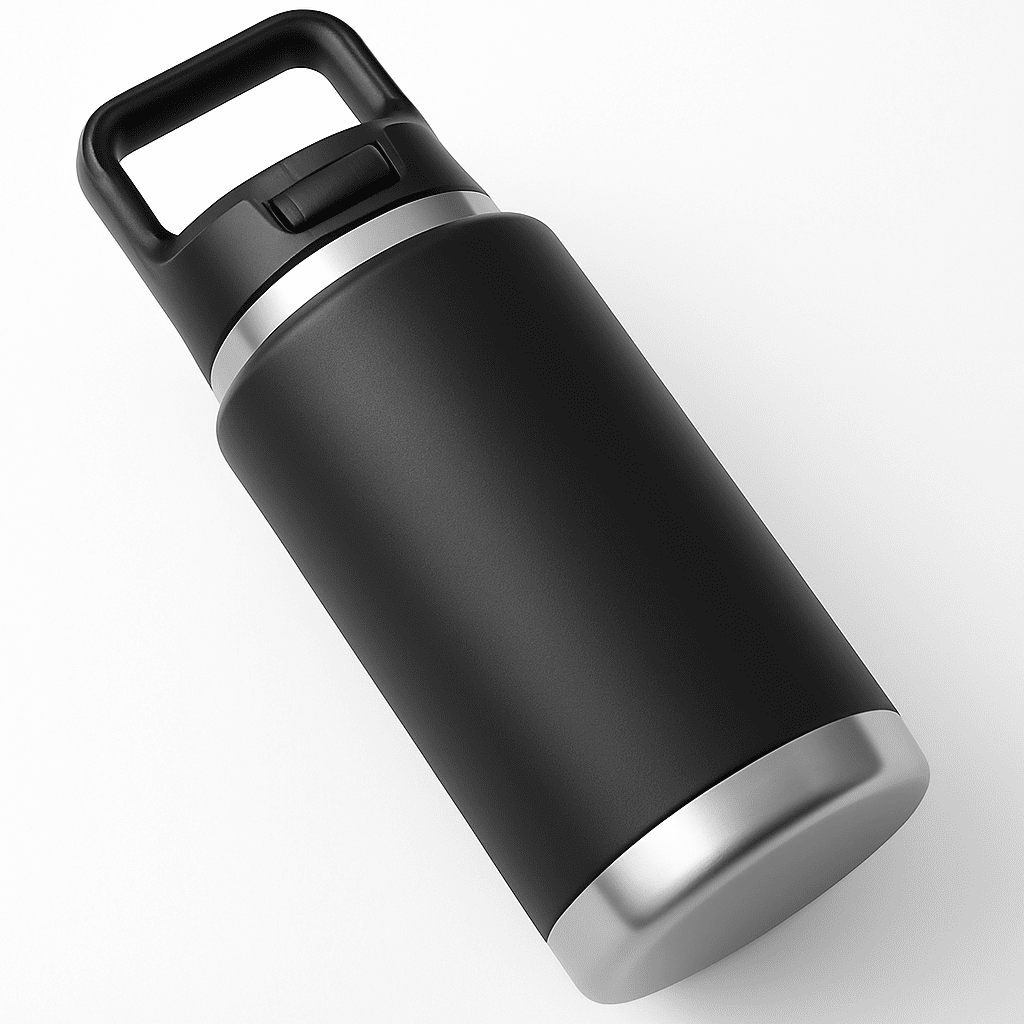
Whether you’re walking, hiking a trail, or running errands, the YETI Rambler Bottle keeps drinks ice-cold (or piping hot) for hours. Its double-wall stainless-steel body is nearly indestructible, and the leak-resistant Chug Cap means quick sips without spills.
It’s the kind of bottle you’ll actually keep for years. Highly rated by Allrecipes for overall performance and durability.

A YETI Rambler bottle offers premium double-wall vacuum insulation, tough stainless steel build, and no-sweat exterior. If you’re looking for a bottle that can handle daily abuse — from gym bags to road trips — this is one that delivers. It comes in several capacities (18 oz, 26 oz, 36 oz and more) and fits ice cubes, thanks to its wide mouth.

Whether you want ice-cold water for hikes or a hot drink on a chilly morning, this bottle can handle both. The screw-on Chug Cap enables fast sipping on the go, and the lid easily detaches for cleaning. Its dishwasher-safe parts make maintenance simpler.
Its rugged design also means scratches or dings won’t stop it — many owners say it survives drops and rough use with ease.

What People Say

“Incredibly durable” — many reviewers mention they’ve had the same Rambler for years, exposing it to daily drops and rough conditions, yet it still performs beautifully. Austin

Pros & Cons

ProsCons
Exceptional durability — nearly “drop-proof” designHefty weight especially when empty
Strong insulation — keeps drinks cold or hot for hoursBulkier — may not fit all cup holders
Wide mouth and removable lid make cleaning easierHigher price point than many basic bottles
Dishwasher-safe parts simplify wash-upSome caps may leak if not properly secure

Best Use Tips

  • For daily use & commuting: Pick the 18 oz or 26 oz size for portability with enough capacity.
  • For outdoor adventures/trips: Go with the 36 oz version—it holds more, handles abuse, and still insulates.
  • Always hand-tighten the Chug Cap to avoid leaks.
  • Use wide-mouth opening for adding ice, rinsing, or inserting cleaning tools.
  • Since it’s heavy, use it for car travel or gym rather than ultra-light hikes where weight matters most.

Owala FreeSip (24-oz)

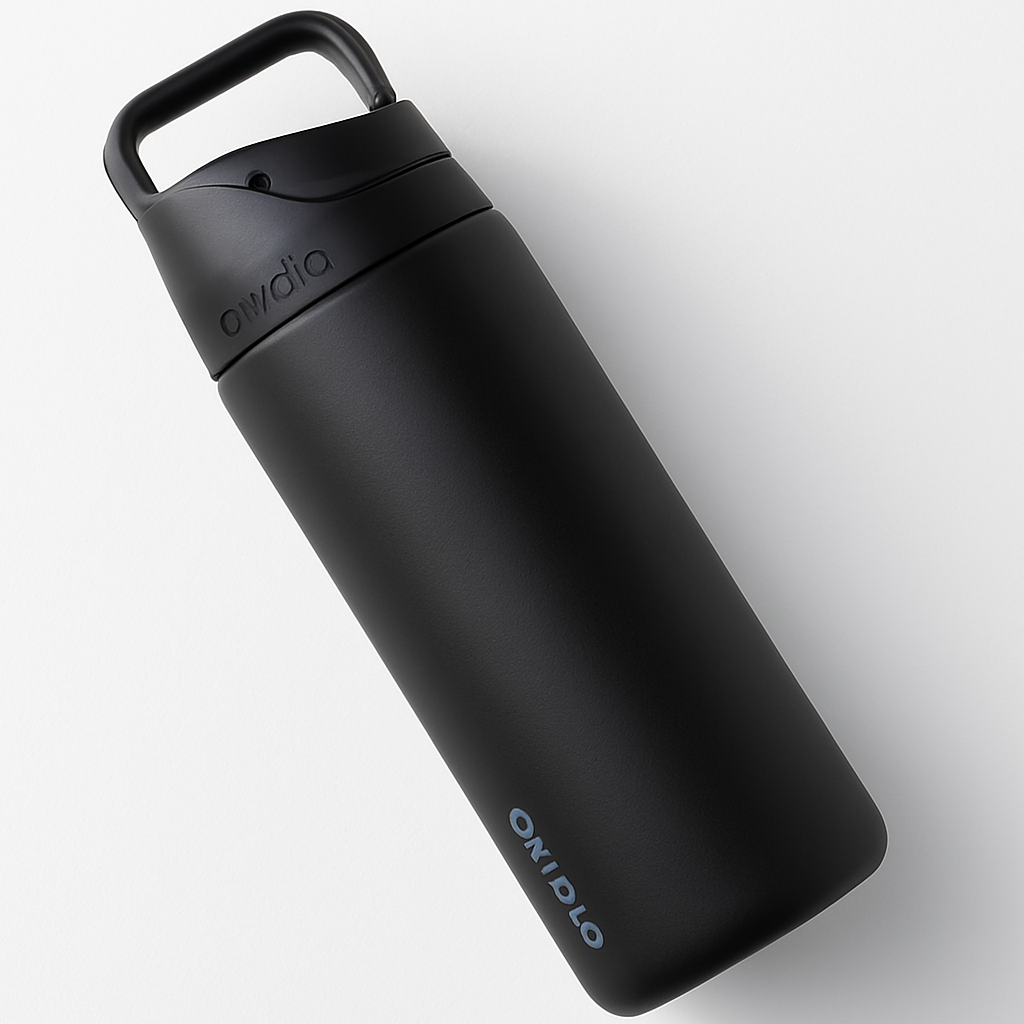
The Owala 24-oz Insulated Push-Button Bottle lets you drink cold water with a single hand—perfect when your other hand’s carrying a leash. Its locking flip lid make it a sturdy, stylish companion for walks, travel, or everyday hydration. it offers a dual-spout system for sipping, chugging and triple insulation. Amazon’s most popular bottle—and Bon Appétit and The Guardian agree on its versatility and style.

A sleek, double-wall insulated stainless steel bottle with a convenient push-button lid that flips open with one hand—ideal for walks, hikes, or daily errands. Its insulation keeps drinks cold for up to 24 hours or hot for up to 12 hours, and the push-button mechanism locks securely to prevent spills.

This bottle balances style, durability, and ease of use. The wide mouth makes it easy to add ice, and the interior is smooth and easy to clean. Many owners praise its construction for being lighter than many comparable insulated bottles while maintaining excellent temperature retention.

What People Say

“Perfect for walking my pup—one hand opens, no spills even on trails.”, “Keeps cold drinks icy all day, even in summer heat.”

Pros & Cons

ProsCons
Push-button lid for one-handed useThe lid’s mechanism can wear over many years
Strong insulation for cold or hot drinksSlightly narrower opening (ice may need breaking)
Lightweight design compared to similar bottlesNot dishwasher safe (recommend hand wash)
Locking lid reduces accidental openingSome color finishes may scratch over time

Best Use Tips

  • Use for walks, hikes, or dog training sessions where one hand is often busy.
  • Pre-chill the bottle before adding cold drinks to improve performance.
  • Clean the lid mechanism thoroughly every few days to prevent residue buildup.

Hydro Flask Wide Mouth (Multiple sizes)

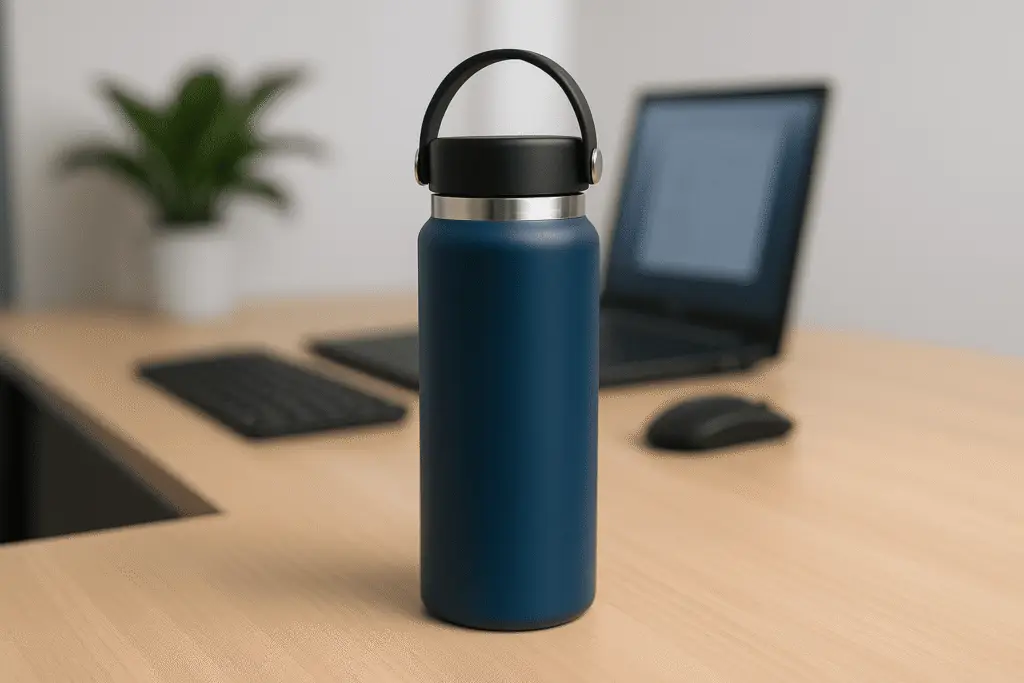
water bottle long drives

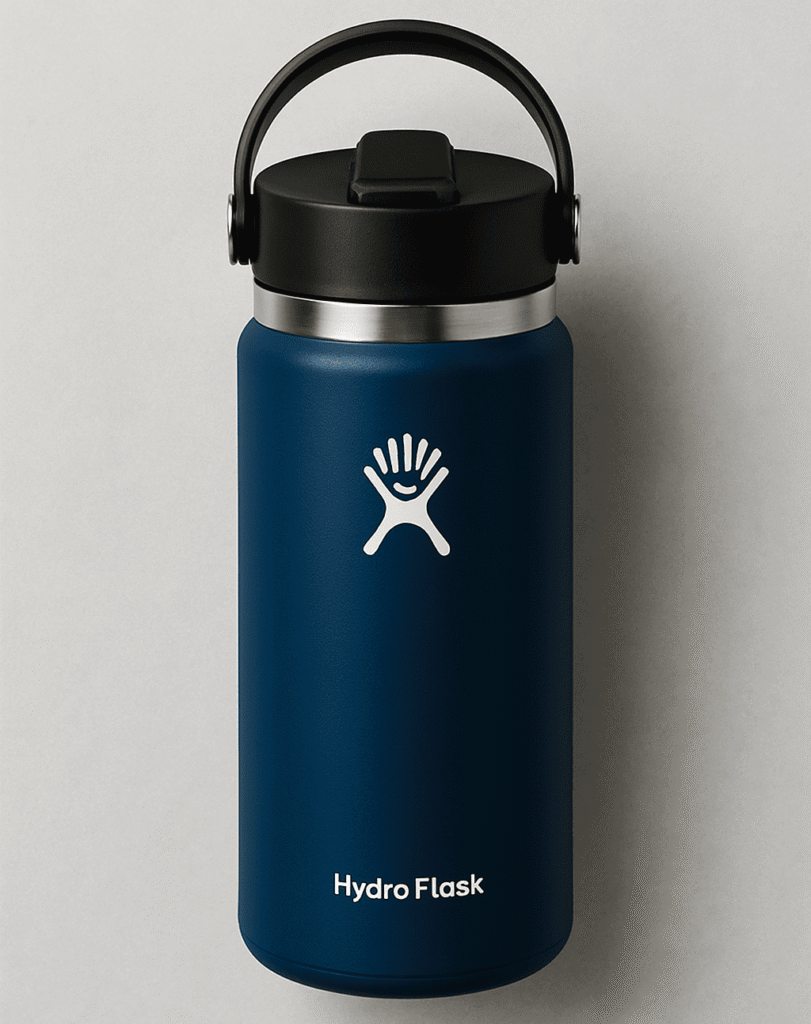
GearJunkie’s top pick thanks to its dependable double-wall insulation, sleek cup-holder friendly shape, and long cold retention (24 hours cold / 12 hours hot). With its insulated body and flip-open straw lid, the Hydro Flask Wide Straw bottle lets you hydrate effortlessly — whether you’re juggling a leash or hiking uphill. No spills, great insulation, and built to last.

A rugged, vacuum-insulated stainless steel bottle featuring a wide straw lid, perfect for quick sips on the go — whether you’re walking, hiking, or commuting. This model combines the brand’s signature insulation with the convenience of sipping through a straw, even when you’re in motion.

The wide-mouth opening makes it easy to add ice, and the straw lid has a secure flip mechanism to prevent leaks. Many users say it’s lighter than comparable insulated bottles, yet still holds temperature well over long hours, making it a perfect companion for daily walks or outdoor adventures.

What People Say

“I love grabbing it mid-walk — no fumbling with screw tops.”, “Keeps my water icy all day, even in summer sun.”

Pros vs. Cons

ProsCons
Convenient straw lid for one-handed drinkingStraw lid has more parts to clean
Excellent insulation for cold/hot drinksNot ideal for thicker beverages
Wide mouth for ice and easy pouringStraw flip may eventually wear with heavy use
Durable stainless steel buildNot always dishwasher safe (check manufacturer instructions)

Tips for Best Use

  • Pre-chill the bottle before adding your drink for max cooling effect.
  • Flush the straw mechanism regularly to keep it clean.
  • Avoid carbonated drinks — the sealed straw lid may cause pressure buildup.

Comparison Table

BottleCapacityInsulation DurationLid TypeBest For
YETI Rambler26 ozExcellentChug CapDurability, long-term resilience
Owala FreeSip24 ozExcellent (triple)Dual-spoutStyle, quick sipping options
Hydro Flask Wide Mouth24–40 oz24h cold / 12h hotWide openingLong trips, easy refills

Verdict: Match Your Bottle to Your Journey

  • Tough TrailblazerYETI Rambler—built like a tank, keeps cold all day, reliable for rugged use.
  • Function Meets TrendOwala FreeSip—popular design with dual drinking methods for flexible convenience.
  • Road Trip WorkhorseHydro Flask Wide Mouth—great insulation, wide opening, and ideal for refilling on the go.

I think all three options have their upsides, but I’d probably go with the Hydro Flask Wide Mouth. I really like that it has a wide opening and the handy flexible straw makes it super convenient.

Water bottle for long drives

Don’t forget to check out our latest posts. You can also save our home page to get to future articles faster.


When you click on links we might get a small commission on purchases that qualify.

Best Car Covers for All-Weather Protection (2025 Guide)

0

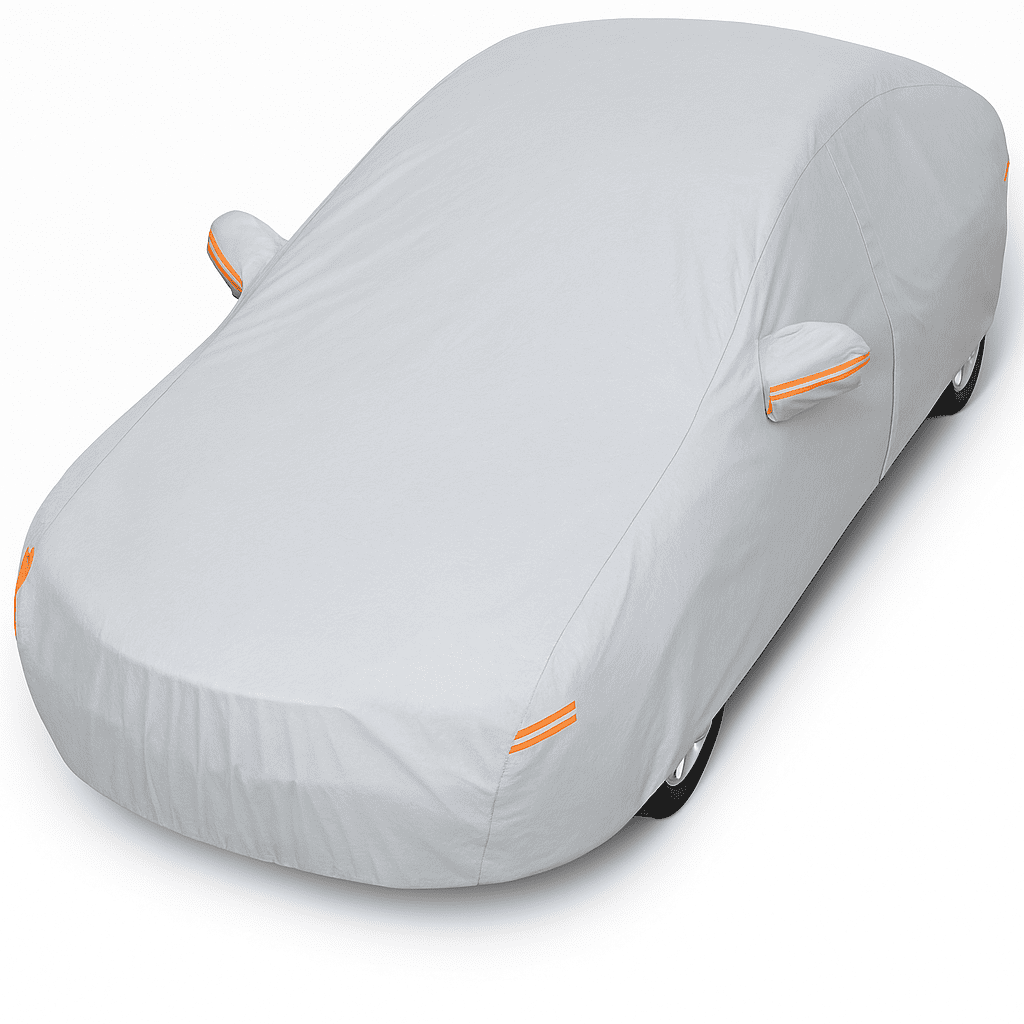
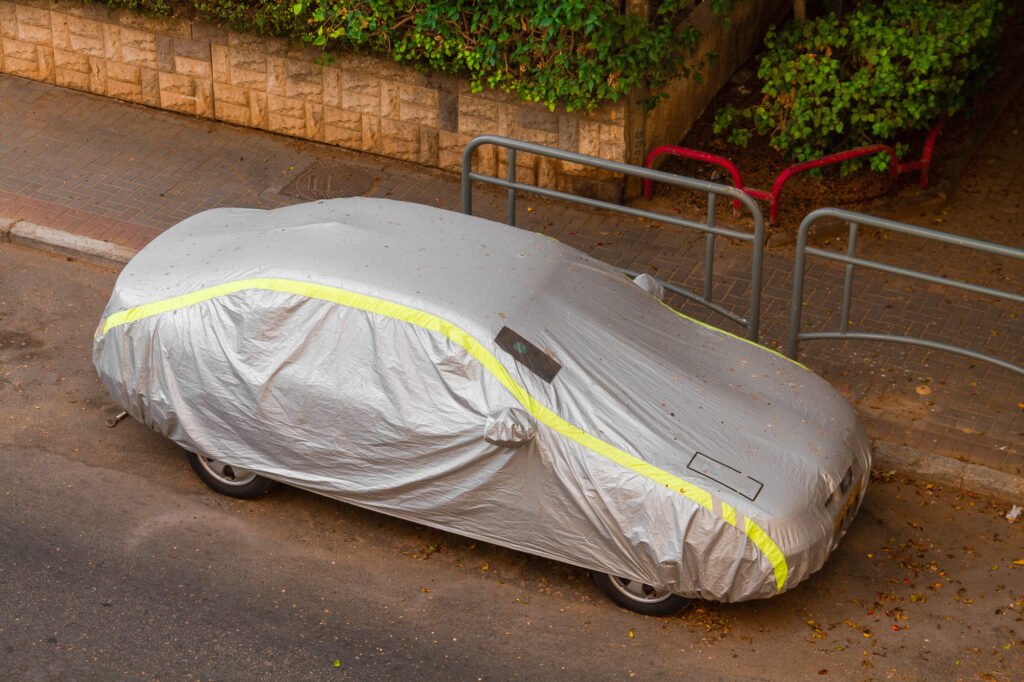
We all know that when cars are left out in the open they face all sorts of weather like rain, sun, snow, wind, and dust. And let’s not forget about bird droppings and the usual wear and tear from being outside. Even if you’ve got a car cover, it might not be the best quality or it could be pretty worn out already.

If that’s the case, it’s definitely time to think about getting a new one. A good all-weather car cover is a simple way to keep your car safe from scratches, rust, fading, and extra maintenance. We’re here to help you find a solid option.

Here you’ll find some good covers that offer multi-layer protection, are made from tough materials, and include useful features like zippers, mirror pockets, wind straps, and more.

What to Look for in a Good All-Weather Car Cover

FeatureWhy It’s Important
Material Layers & ThicknessMore layers = better protection (UV, rain, snow) but also heavier; soft interior lining protects paint.
Waterproof / Water-Resistant & UV ProtectionEssential for sun exposure and frequent rain; prevents mildew, fading, and water damage.
Fit / Size / Elastic & Mirror PocketsA cover that fits well and has elastic hems or mirror pockets resists wind better. Poor fit causes flapping and paint damage.
Wind Straps / Tie-Downs / Reflective StripsKeeps cover secure in wind; reflective strips help visibility at night to prevent accidents.
Extras: Zippered Door Access, Storage BagDoor access avoids removing whole cover; storage bag makes it usable daily.

Our Product Picks

Here are some high-rating all-weather car covers currently available on Amazon, chosen for materials, features, and user reviews.

ModelLayers / MaterialSpecial FeaturesFit / SizeDurability & Weather Resistance
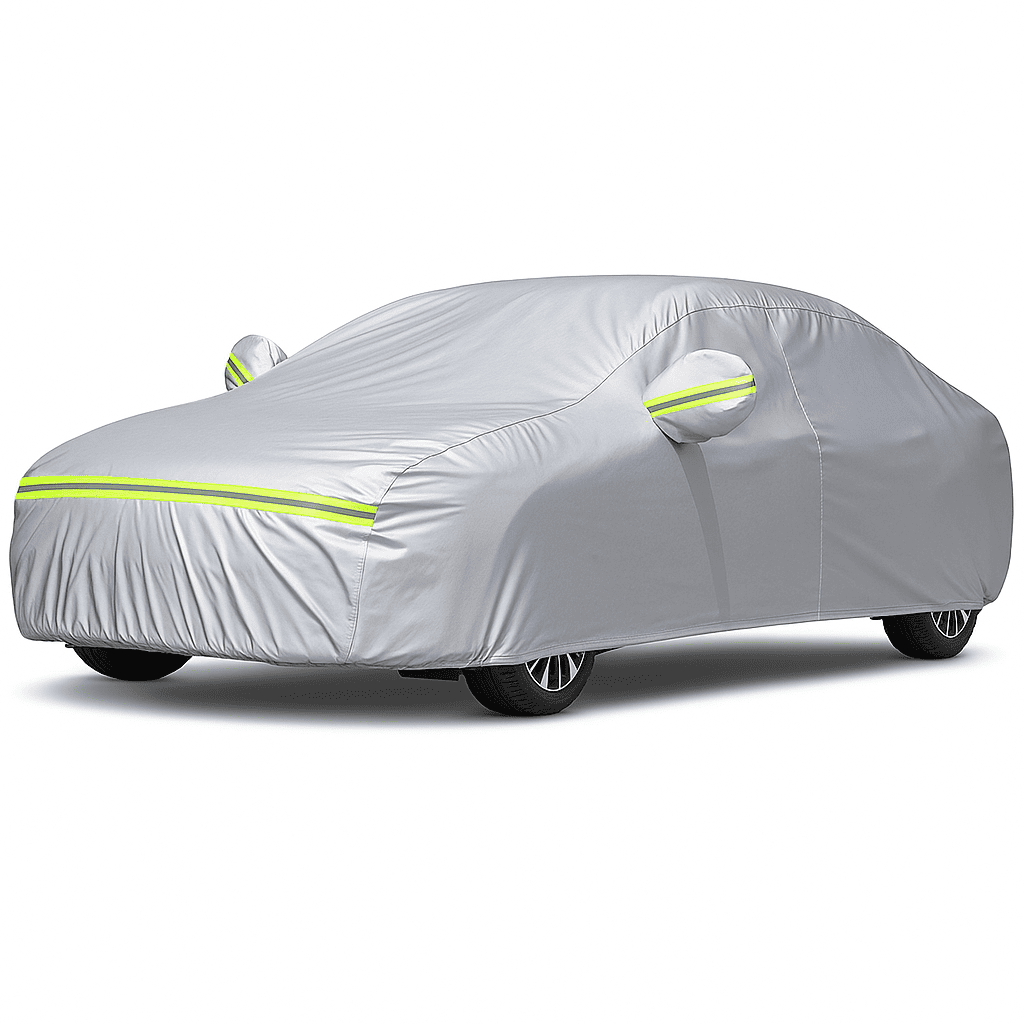
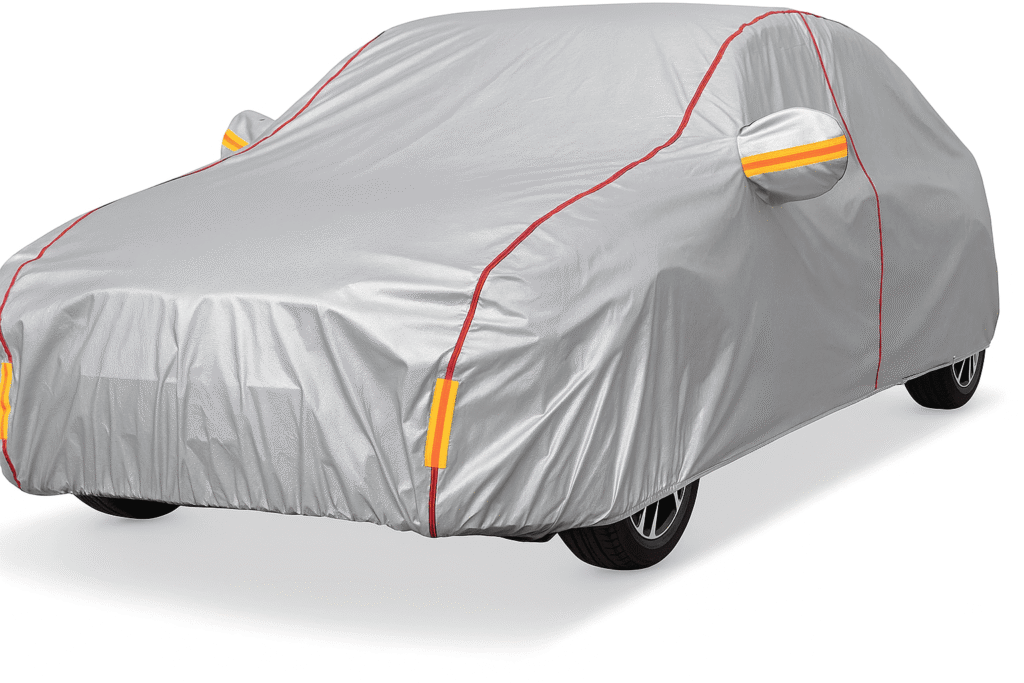
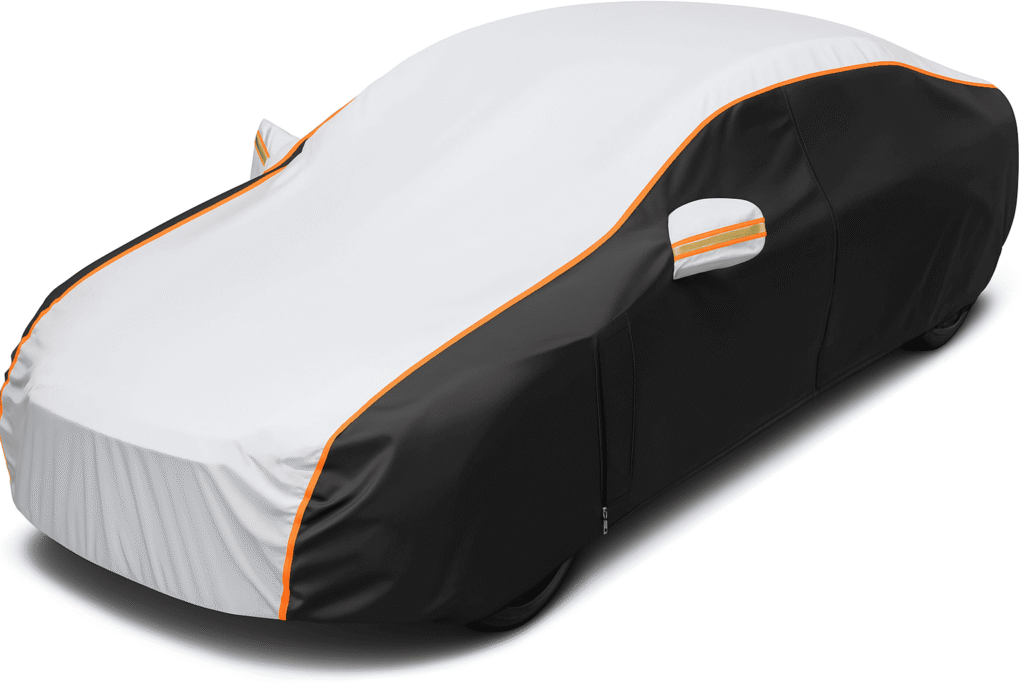
Favoto 6-Layer Sedan6 layers, waterproof top & soft interiorDoor zipper, mirror pockets, reflective stripes, wind strapsSedan 177-194 inHigh; rated for sun, snow, rain
DINGHAO 6-Layer FullMulti-material with aluminum film & EVAReflective, wind straps, zipper196-210 inVery Good; heavy duty for harsh weather
Sailnovo 10-Layer10 layers, premium buildExtra thickness, storage bag, reflective details178-185 inExcellent; highest protection among picks
Color Rain TimeWaterproof outer + UV resistantSimpler design; fewer layersUniversal sedan sizesModerate; clean designs for lighter climates
EzyShade 10-LayerThick multi-layer with cotton inner liningSize chart, buckle straps, mirror protectionSeveral size options including sedans/SUVsHigh durability; good overall protection

Favoto Sedan Car Cover 6 Layers (177-194 in)

6 layers (PEVA + waterproof top, soft cotton inside), full-coverage for sedans, mirror pockets, door zipper, elastic hem + wind-proof straps, reflective stripes.

Best for: Sedan owners in climates with both sun & snow; need full protection all year.

This Favoto car cover is crafted for serious all-weather defense. Combining a surface layer of PEVA material that’s 100% waterproof with a soft cotton lining that protects your vehicle’s paint, this unit offers robust protection against rain, snow, sun, dust, bird droppings, and muddy paws.

Designed for sedans in the length range of 177″ to 194″ (4.5m to 4.9m) and featuring a storage bag, mirror pockets, reflective stripes, and wind-proof straps. The result is a cover that’s built for everyday use—even on car trunks that transport gear, muddy boots, or weekend adventure accessories.

ProsCons
6-layer build gives waterproof + dust-resistant protectionUniversal sizing may not be as snug as custom-fit covers
Soft cotton interior protects paint and reduces scratchingCover is bulky when folded/stored
Wind-proof straps & reflective markings enhance safetyStill fabric-based—less rigid than hard-shell covers
Storage bag included for easy trunk storageNeeds a clean vehicle surface underneath to avoid trapped debris scratching paint

Best Use Tips

  • Before covering your vehicle, wash and dry it completely: dirt under the cover can scratch paint when the car moves.
  • Use the anchor straps and secure under the car or to tie-down points to stop the cover from shifting.
  • After muddy walks, load your gear in the car and cover the vehicle (with the cover on) rather than cleaning the car repeatedly.
  • Fold and store the cover in the included bag when not needed—this prolongs fabric life and keeps it cleaner.

DINGHAO Universal 6-Layer Full Exterior Cover (196-210 in)

Car cover

Heavy-duty 6-layer material (aluminum film, EVA, etc.), zipper for driver door, mirror pockets, wind resistance features.

Best for: Larger sedans / small SUVs; folks who want durability and full outdoor coverage.

A high-value full-coverage car cover built for serious outdoor protection. This model features six layered fabric construction (non-woven + PE/EVA waterproof layers) for superior defence against rain, snow, wind, dust and UV.
It includes a driver-side zipper for quick access, mirror pockets, and anchoring straps to keep it secure in windy conditions. The inner lining is soft so it won’t scratch your paint, yet the outer shell is built to last.

That means whether you’re parking outdoors for long term, dropping off muddy gear, or preparing your vehicle for a weekend adventure with your pup — this cover gives real protection, not just a temporary fix.

Pros & Cons

ProsCons
Multi-layer waterproof build (rain, snow, UV protection) Universal fit means it might be loose on some models
Zipper access + mirror pockets + wind-proof anchor straps Bulkier than simple covers; storage when not needed is heavier
Soft inner lining protects paint; outer layers tough and weather-resistantFabric-based — not as rigid as molded shell covers
Ideal for outdoor trips, long parking sessionsRequires measuring vehicle and ensuring clearance to avoid flapping

Best Use Tips

  • Before covering, wash & dry your vehicle to remove grit or debris — trapped dirt under large covers can scratch paint.
  • Use the anchor straps beneath the chassis or to tie-down points so the cover stays on windy days.
  • On muddy days after a hike, leave the cover on rather than washing the car—just rinse the cover off and collapse it later.
  • When not in use, fold the cover flat and store in its carry bag so it lasts longer and stays clean.

Sailnovo 10-Layer All-Weather Sedan Cover (178-185 in)

10 layers for improved UV / snow / rain protection; soft lining; features zipper; elastic hem; storage bag.

Best for: High exposure weather (strong sun, hail, snow); more premium protection.

This full-coverage car cover is designed for serious outdoor protection: a multi-layer build shields your vehicle from rain, snow, UV rays, dust and wind.
Key features include reinforced seams, wind-resistant anchor straps, and a waterproof outer layer that helps protect paint and finish from the elements.

Whether you park outdoors overnight, use your vehicle for gear or road-trip hauling, or simply want to keep your paint job safe while your pooch climbs in and out, this cover offers real-world durability and ease of use.

ProsCons
High-density waterproof material protects from rain, snow, wind and UVGeneric size fits many vehicles but may be loose on some models
Reinforced wind straps and anchor features help secure during weatherWhen fully fitted, the cover can be bulky to store when not in use
Ideal for outdoor use and protecting vehicles used for travelFabric cover less rigid than hard shell covers (less protection from side impact)
Good value compared to premium custom-fit coversSome users note it may reduce rear visibility if side flaps are high or bulky

Best Use Tips

  • Before applying the cover, wash and dry your vehicle to remove grit and avoid surface scratches.
  • Secure the anchor straps and wind-proof belt underneath the vehicle to keep the cover in place.
  • When the cover’s not in use, fold and store it in its carry bag so it stays compact and ready for the next outing.

COLOR RAIN TIME Waterproof Cover – Universal Fit for Sedan

Waterproof fabric, UV protection, outdoor & winter snow protection; universal fit for sedans. The COLOR RAIN TIME Full Car Cover brings heavy-duty protection you can rely on. Waterproof, strap-secured, and built to weather the elements.

Best for: Budget option for moderate climates; owners who want protection but not overkill.

A versatile, full-coverage car cover built for the real world — whether your vehicle is parked outdoors or your pup’s gear is stored in the back. Constructed from high-density polyester with sealed seams, this cover offers waterproof, windproof, dustproof and UV-resistant protection.

With features like six reflective safety strips, mirror pockets, wind-resistant straps, and compatibility for vehicles ~185-191 inches in length for the sedan size, it’s made to keep your car clean and safe when you’re storing the vehicle from season to season.

Pros & Cons Summary

ProsCons
Multi-layer waterproof build with 4,000 mm water pressure ratingUniversal size may fit loosely on some vehicle models
Wind-resistant straps and reflective strips for safetyCover material still fabric—less rigid than molded shell covers
Full-coverage including mirrors, seals, and outdoor elementsCan be large and heavy when folded or storing
Shields against UV, dust, rain, leaves, bird droppingsNeeds anchoring and clean surface underneath for best results

Best Use Tips

  • For outdoor parking or while away: Fit the cover over your car when stored outside or left for days — side flaps and straps help secure in bad weather.
  • Measure your vehicle beforehand (length 185-191″ for the sedan size) to ensure a snug fit and avoid monsoons lifting the cover.
  • Clean your vehicle before covering—loose debris under the cover can scratch the surface, as experts warn.

EzyShade 10-Layer Car Cover with Size Chart

Very thorough fit chart, multiple straps/buckles, reflective strips, mirror pockets, machine-cut material. The EzyShade 10-Layer Waterproof Cargo/Seat Liner gives rugged protection, easy cleaning, and smart design so your vehicle actually handles weekend adventures.

Best for: Drivers wanting precise fit and additional security under wind or adverse weather.

A high-performance vehicle liner built for outdoor adventurers, and anyone who hauls gear. The EzyShade liner features multiple protective layers (10-layer construction), waterproof materials, reinforced side flaps and a non-slip backing — all designed to shield your vehicle’s cargo or back-seat space from mud, paws, hair, and mess.

This liner offers full-area coverage and rugged durability. It’s designed to install quickly, fold down when not needed, and simplify cleanup after messy walks or road trips.

Pros & Cons Summary

ProsCons
Multi-layer waterproof protection for mud, paw prints and spillsLarge size can be bulky and somewhat heavy when fully loaded
Non-slip backing and anchoring straps to keep it still.Side flaps add height/depth—may reduce visibility or hamper in tighter trunks
Fits many SUVs/trucks with full area coverage and side flapsFabric-based walls may not be rigid like molded plastic crates (less protection against full side impact)
Easy to clean: rinse or wipe down after outdoor useSome users report edges can curl if not anchored properly

Best Use Tips

  • On muddy or rainy days, anchor the liner early, then remove it at home and hose it off outside—less dirt inside your home.
  • Make sure the side flaps are securely tucked and anchored to protect vehicle sides from gear dragging.
  • When you don’t need full protection (e.g., when you’re driving solo without gear), fold the liner flat or remove to reclaim space.

Additional Tips:

  • Many users point out that soft interior lining (cotton or soft fabric) makes a big difference — prevents scratches especially with repetitive movement or wind.
  • Zippered door access is frequently cited as very helpful (no need to remove full cover when checking something or grabbing something from inside).
  • Covers with multiple wind ties and reflective strips are safer in windy conditions and at night.
  • One drawback: heavier covers are harder to remove, dry, or store; so a cover with a good storage bag and manageable weight is preferred.

Verdict: Which Cover Should You Choose?

  • Best Premium All-Weather ProtectionSailnovo 10-Layer for the strongest protection across multiple weather extremes.
  • Best Value + Balanced ProtectionFavoto 6-Layer gives great protection without going to extremes.
  • Best Budget / Moderate Weather OptionSunwhale Universal or EzyShade models if snow or extreme weather is rare.

Want to know more about car accessories and read some car reviews? Just head over to our homepage or check out our latest posts below!


When you click on links we might get a small commission on purchases that qualify.

Best Mini Rolling Mechanic Seats for Home Garages in 2025

0

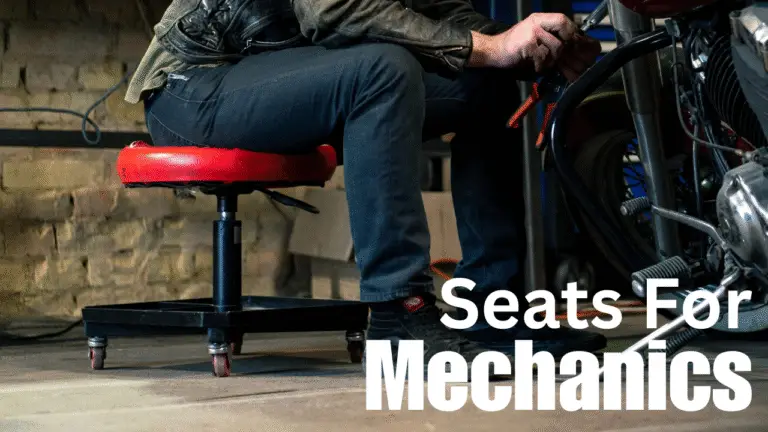
Got an old stool in your garage that’s creaking or just plain uncomfortable? Or maybe you don’t even have a stool yet and are stuck using an empty five-gallon bucket or worse, kneeling while doing brake jobs? If that’s the case it might be time to upgrade and think about getting yourself a rolling seat. Trust me from experience it’s gonna feel so much better. Not only will it save your knees in the long run but it will also let you work more like a pro and enjoy what you’re doing. So let’s dive into some of the best mechanic stool seats you can grab and check out what sets them apart.

Why Every DIY Enthusiast Could Benefit

  • Ergonomic Relief: Maintaining or detailing your car often involves bending or kneeling—positions that strain your knees, back, and hips. A rolling seat raises your stance to a comfortable level and lets you glide while working.
  • Mobility & Tool Access: Need to maneuver from front to rear or reach your toolbox? These seats move effortlessly, sometimes even across uneven garage floors—much more efficient than constantly standing or shifting positions
  • Compact and Space-Savvy: Unlike bulky rolling creepers, mini mechanic seats fit neatly into tight spaces and can easily be stored when not in use

Top Picks for 2025

  • Traxion Monster Stool – Plush seat, solid build, praised for comfort in long detailing sessions.
  • VEVOR Stool – Height-adjustable (16–22″), smooth casters, and a tool tray underneath—ideal for reaching various parts without strain.
  • Torin 400 lb Seat – Durable steel frame, tool tray, cupholder, and up to 400-lb capacity—a versatile budget contender.

Comparison Table

ModelHeight AdjustLoad CapacityFeaturesBest For
Traxion Monster StoolFixed~300–330 lbCushioned, reliable, long-term comfortDetailers, long sessions
VEVOR Adjustable Stool16–22″~250–300 lbTool tray, smooth motionBusy workstations
Torin Rolling Creeper SeatFixed~400 lbCompact, cupholder, affordableHeavy-duty DIY tasks

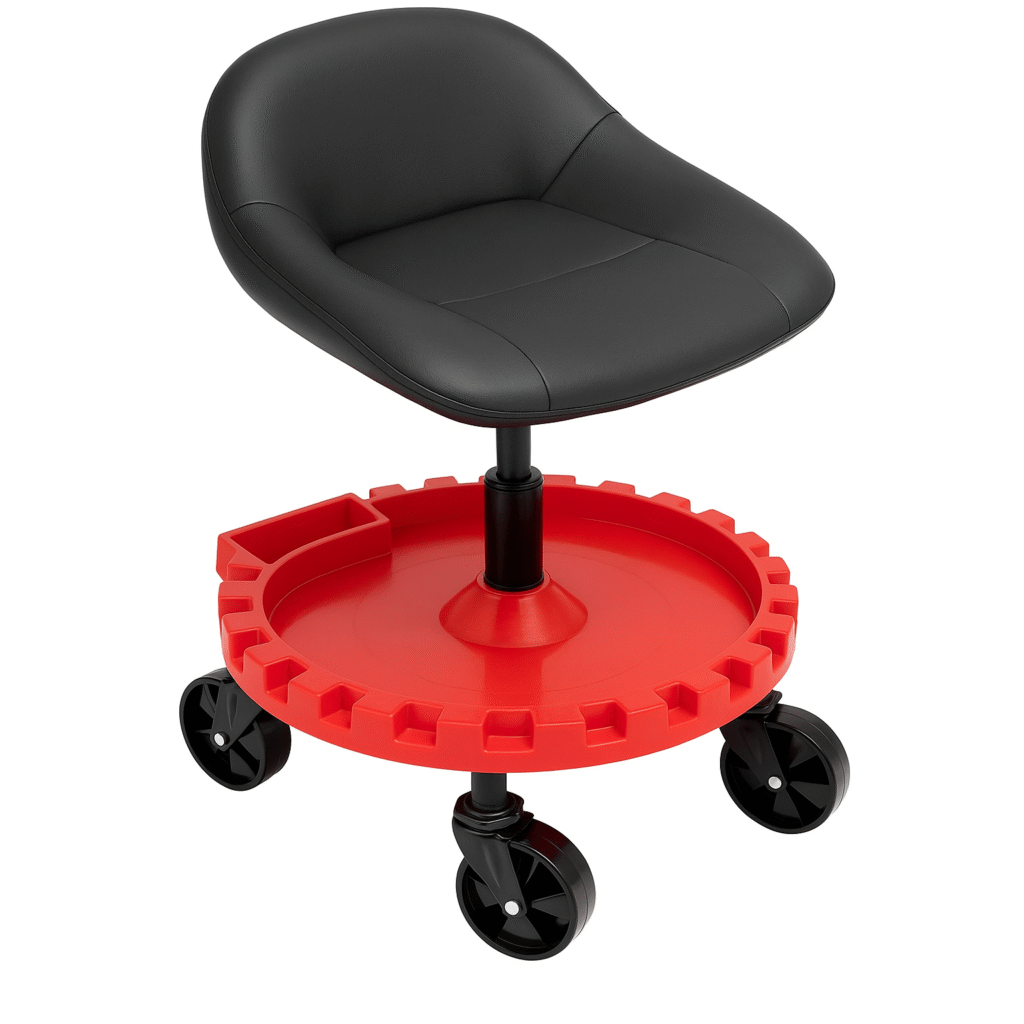
This rolling garage stool has a comfy tractor-style seat and loads of space under it for your tools. It helps take the pressure off your knees. The seat is nicely padded and can handle up to 400 pounds. Plus, it rolls around easily on four 5-inch caster wheels made of synthetic rubber. You can also adjust the height from 18 to 24 inches with no fuss.


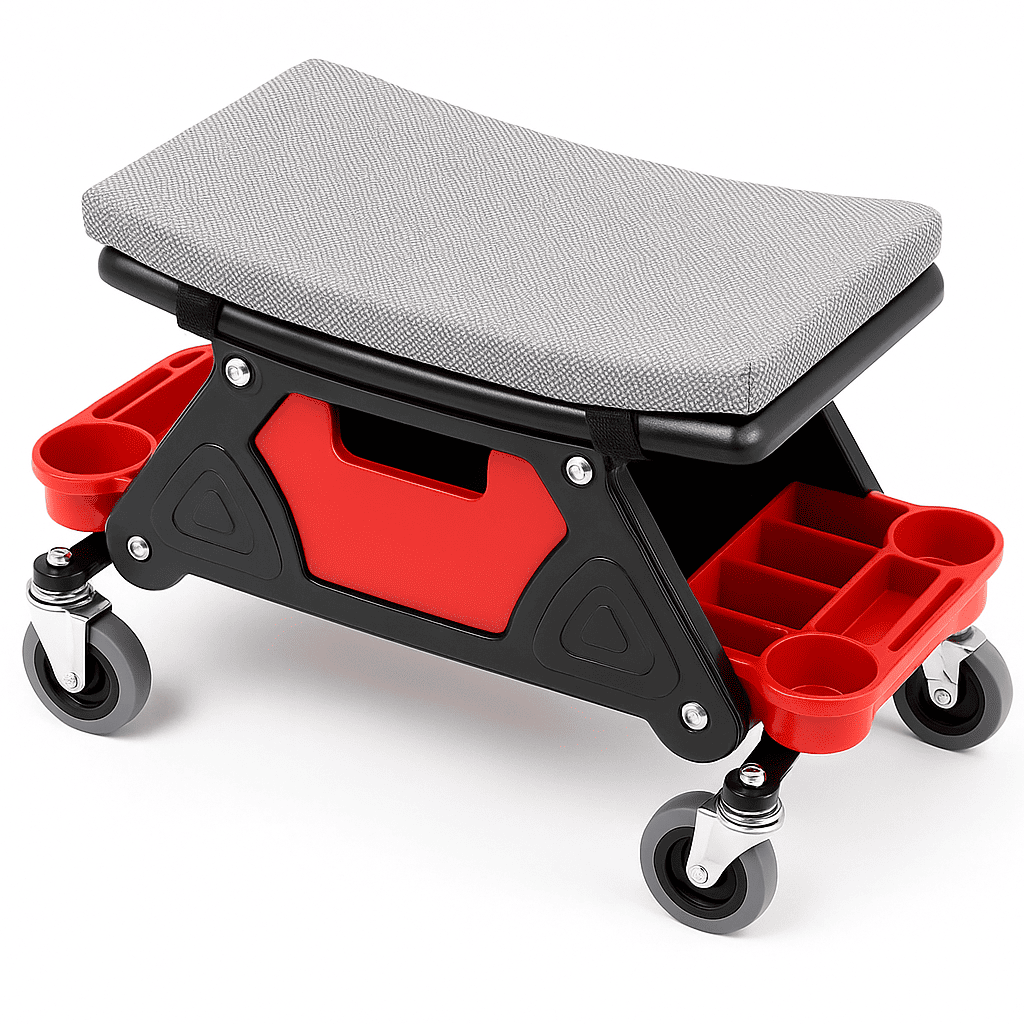
This seat has a few less features compared to the Traxion’s seat but comes at a much better price. It’s got 4-inch rubber wheels that roll smoothly and won’t scratch up your floors. The seat is a curved to give you good support. It’s the perfect height at 15.4 inches and can hold up to 300 lbs. Plus, it has three storage trays.


Mechanic stool

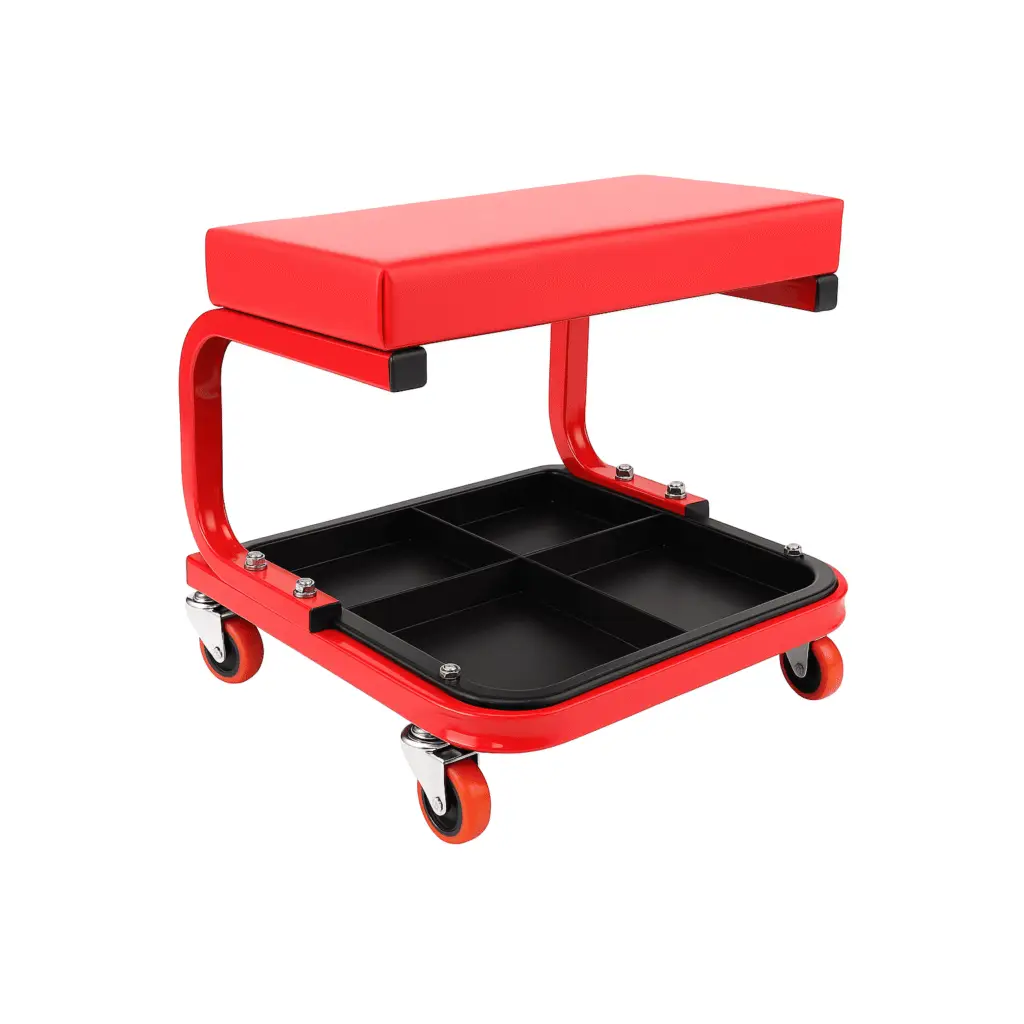
This stool is the cheapest option around but it has a nice thick padded seat. It also has a big segmented tool tray for your tools. It’s made from tubular steel, and can hold up to 250 lbs. That’s a bit less than the Vevor seat and 100 lbs less than the Traxion model. But if you weigh less than 250 lbs, you should be fine going with this one. Plus, it’s more budget-friendly than the other two options.


Final Verdict

A small investment (typically $40–$130) in one of these rolling seats pays off through reduced fatigue, better body posture, and more efficient workstation setup.

If you’re curious about your garage gear and other car stuff, take a look at our latest posts:


When you click on links we might get a small commission on purchases that qualify.

Affordable & Powerful Car Vacuums Every Driver Needs

Messes can happen anytime—think fast food crumbs, pet hair, dirt from your hiking trips, or unexpected spills. For rideshare drivers, keeping the inside of the car clean isn’t just about staying hygienic. It’s also about keeping up those ratings, maintaining resale value, and looking professional. That’s why having a handy and strong car vacuum is key for quick and easy clean-ups on the go.

Here’s what to look for:

  • Strong suction + wide nozzle optimized for mats and upholstery
  • Portability—lightweight, cordless ideally
  • Attachments—crevice tools, brushes, extension wands included
  • Battery life—enough for multiple cleanings per charge
  • Durability & easy disposal

Why It Matters for Rideshare Drivers

  • Boosts Ratings & Comfort: A neat cabin adds to rider satisfaction, especially after messy passengers.
  • Prevents Damage & Odors: Regular cleaning helps avoid residue buildup, mold, and recurring stains
  • Quick Downtime Maintenance: Having a vacuum at hand means you can clean between rides or during breaks.
  • Better Resale Value: Clean interiors offer a higher trade-in or resale price.

Top Portable Vacuums for 2025

Vacuum ModelPower & RuntimeKey AdvantageIdeal For
2-in-1 Portable GenericModerate, ~15 minBudget plus vacuum & blower functionalityBasic quick cleanup
Black+Decker DustbusterCordless, ~10 minVersatile, strong nozzle, household useFrequent spot cleaning
Dyson Car+BoatStrong, ~40 minBest suction, premium attachmentsCleanest performance, long shifts
Armor All20–30 minValue pick, heavy-dutyPet-friendly rideshare interiors
Whall Cordless~30 minWet/dry, multi-use, bright lightAll-around messes, indoor + car

BLACK+DECKER dustbuster Cordless Handheld Vacuum

Tested by Car and Driver, it earned top marks due to its large nozzle (no clogging with debris) and household versatility—even outperforming car-specific models despite modest battery life (~10 min).

The dustbuster CHV1410L is a compact, cordless handheld vacuum built for quick clean-ups around the home and inside the car. With a 16-volt lithium-ion battery, flip-up brush and crevice tool, it allows you to tackle dirt and debris with ease.

This vacuum offers everyday convenience. The translucent dust bowl and washable filter simplify maintenance, and its lightweight design keeps your cleanup routine manageable.

ProsCons
Cordless and lightweight – ideal for quick use in car Battery life is short (~10-20 minutes in some tests)
Built-in crevice and brush tools improve reach around tight spacesSuction performance is weak in some independent tests
Removable dirt bowl and washable filter for easy maintenanceNot as strong as full-size vacuums—best for spot cleaning
Compact design makes it easy to store and grab when neededMay need frequent recharging for multiple tasks

Dyson Car + Boat Handheld Vacuum Cleaner

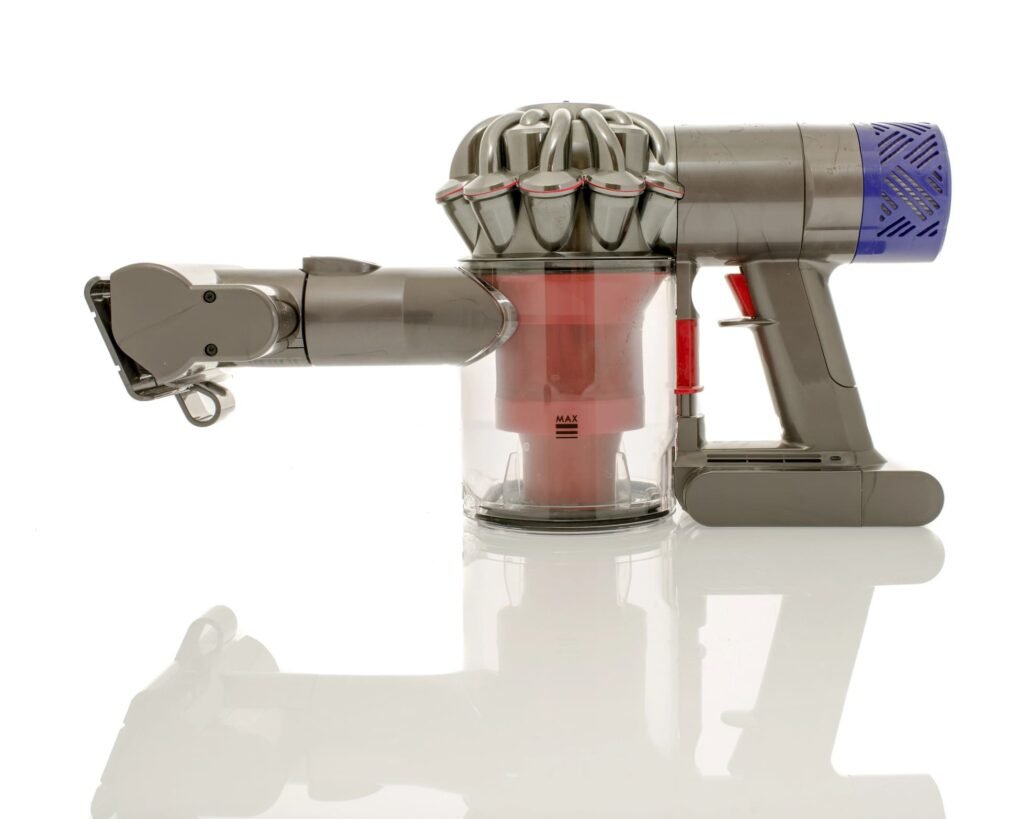
Dyson Car+Boat Handheld — Powerful suction (115 air watts), long 40-minute runtime, and ultra-compact design. Expertly balances strength and portability, though priced at ~200–280.

A high-end cordless handheld vacuum engineered for vehicles, boats and tricky cleaning zones — ideal for road-trip debris and everyday cleanups. Its motor spins up to 110,000 rpm, delivering up to 115 air watts of suction. The unit weighs about 4.2 lb and offers a run time of up to 50 minutes in standard mode.

With attachments like a mini motorized tool, crevice tool and combination brush, it tackles pet hair, seat crevices and trunk messes with ease. The fully-sealed filtration system captures 99.99% of particles as small as 0.3 microns.

ProsCons
Exceptional suction and performance in a handheld size. Premium price compared to many handheld vacuums.
Long battery run time (up to ~50 minutes in standard mode) and excellent tools for cars/cargo. Heavier than some alternatives (~4.2 lb) which may be tiring for extended use.
Strong fabric cleaning capability – good for dog-gear messes. Dustbin is relatively small (~0.14 gal) which may require frequent emptying.
Sealed filtration and versatile attachments make it ideal for cars, trunks, and tight spaces. Max mode drains battery much faster; must hold trigger to operate (no constant-on switch).

Armor All AA255W Wet/Dry Utility Vacuum – 2.5-Gallon

The Armor All AA255W gives you a full kit built for wet and dry messes, tools to reach behind seats and crates, and blower mode to shake off dog hair or wet bags.

This vacuum is built for vehicles and home-cleanup duty. With 2 peak horsepower, a 2.5-gallon polypropylene tank and full accessory kit, it handles both wet spills and dry debris in the car, garage, or around pet gear.

Key features include a 10-ft power cord, 6-ft hose, crevice tool, blower nozzle adapter (turns into blower mode), round dust brush, and reusable wet/dry filters. The convertible blower mode is especially handy for shaking off dog hair or drying the backseat after muddy paw-prints. That means you’re getting real power and versatility, not just a little handheld vac that struggles when your pup nails the upholstery or eats a snack in the backseat. With this vacuum, you can go from truck bed mess to cargo area grime to garage drips—without switching gear.

ProsCons
Convertible wet/dry + blower mode – great for pet/vehicle messesRequires power outlet access; not ideal for off-road or remote use
Includes multiple tools & attachments right out of the boxBulkier than handheld models—requires trunk or garage space
Strong suction (~2 peak HP) compared to many budget vacs Corded—less freedom than cordless models
Vehicle-interior friendly kit and hose length for reaching behind seats

WHALL Handheld Cordless Vacuum (Wet & Dry)

Multi-function with wet/dry use, LED light, 30-minute battery, and strong suction. Popular for home and vehicle cleaning alike.

A compact, cordless handheld vacuum designed for car interiors and daily clean-ups. With up to 8,500 PA suction, LED lighting, wet & dry versatility, a 500 ml dust bowl, and a fast-charge USB compatible battery, this vacuum packs serious value.

Whether you’re clearing seats, crumbs from boots after a walk, or last night’s food mess, this vacuum delivers convenience. The crevice tool, brush attachment, and compact form make it ideal for tight spots like car trunks or cargo areas.

ProsCons
High-suction cordless design (up to ~8,500 PA) useful for pet/gear areas. Runtime is modest (20-30 minutes according to reviews) so might require planning for larger jobs.
Wet & dry use means you can tackle small spills as well as debris. Larger messes or heavy pet hair loads may push its limits compared to full-size vacuums.
Built-in LED light helps reach dark corners in cars or under seats. Small dust bowl (500 ml) means frequent emptying in high-use situations.
Lightweight and portable, good for quick pickups and travel use. Charging time (~4-5 hours) may delay readiness for back-to-back jobs.

Other Notable picks: the Shark UltraCyclone Pet Pro for performance, AUXITO Car Vacuum for compact charging, and Gtech Multi Platinum for premium power.


Some Notes

  • Less bulky handheld vacuums are often more effective than larger shop models when cleaning tight auto spaces.
  • Users note that cordless vacuums without extension cords are the most practical for repeat ride turnovers. “With the right attachments, you can clean all the gaps.”
  • Use crevice attachments first to loosen debris. Clean filters regularly to preserve suction. Vacuum weekly and deep clean monthly.

Verdict: Which Vacuum Matches Your Needs?

If it were our cash we would definitely choose the Black+Decker Dustbuster. It’s great for general cleaning but works especially well in a car thanks to its big nozzle. You really can’t go wrong with any of the others either since they all have their own perks. 

If you want to learn more about car accessories, head over to our homepage or take a look at our latest posts below.


*Disclaimer: This website provides automotive content for informational purposes only and should not be considered professional advice. While we strive for accuracy, we do not guarantee the reliability or suitability of any vehicle or product mentioned—always conduct your own research before making purchasing decisions. Additionally, some links on this site are affiliate links, meaning we may earn a commission if you make a purchase, at no extra cost to you.
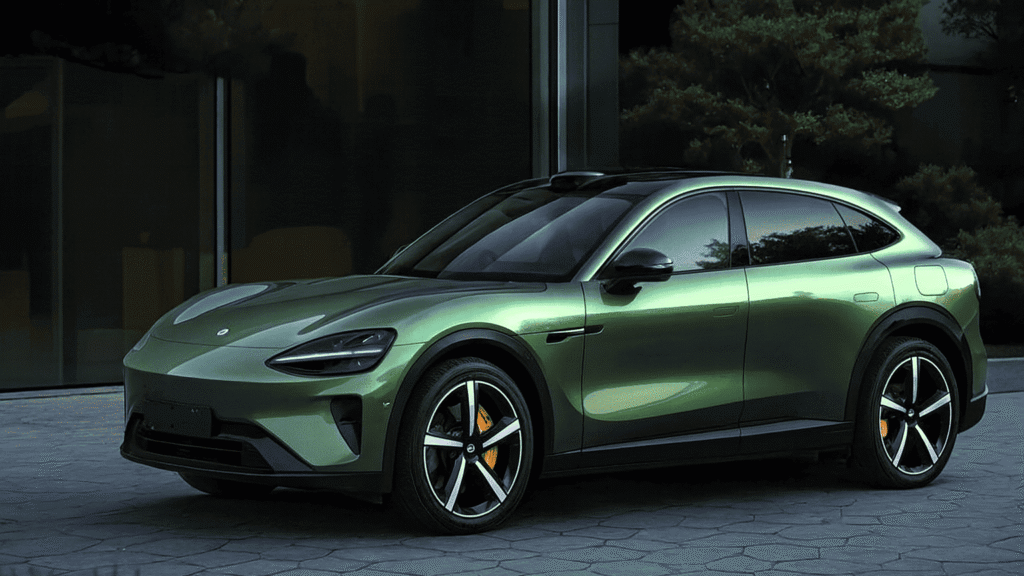
**When you click on links we might get a small commission on purchases that qualify.

Spring into Action: The Best Car Care Products for 2025

0

As spring rolls around and the weather starts warming up, it’s a great time to show your car some love. Taking good care of your ride not only makes it look good but also helps it last longer. By grabbing some quality car care stuff, you can keep your car in awesome shape so that every drive feels enjoyable. In this article, you’ll find some of the best car care products for 2025 that can help you get that showroom shine and keep your car surfaces in great condition.

Top Picks

How We Selected Our Top Picks

When you’re picking out the best car care products, think about things like how well they work, how easy they are to use, if they can do multiple jobs, and what other people are saying about them. These tips will help you choose products that really make your car look great.

Chemical Guys HOL303 Leather Cleaner and Conditioner Detailing Kit

Chemical Guys HOL303 Leather Cleaner and Conditioner Detailing Kit

This Kit is not just for your car seats; you can use it on any leather surface. It comes with nine key items, including a powerful cleaner, a nourishing conditioner, and some handy applicators.

What People Say:

“I bought this to use on our Tesla seats and I will tell you it worked wonderful, the cleaner and brush were fantastic and the conditioner gave the seats a brand new look. I wasn’t expecting it to look as good as it does.”-Nicole D.

Why You’ll Love It

  • Ultimate leather detailing kit with nine essential tools
  • Works on all leather items, not just car interiors
  • Preserves leather’s strength and appearance

Adam’s Polishes Borderless Grey Edgeless Microfiber Towel – Pack of 6

Adam's Polishes Borderless Grey Edgeless Microfiber Towel - Pack of 6

These towels are made from super soft 480gsm microfiber that’s gentle enough for most sensitive surfaces, they handle everything without scratching or leaving behind lint because of their edgeless design. They’re great for your everyday car care .

What People Say:

“I recently tried Adam’s Polishes Borderless Grey Edgeless Microfiber Towels, and they’re easily the best microfiber towels I’ve used for detailing. The edgeless design is perfect because it reduces the risk of scratches or swirls, especially on sensitive paint finishes. These towels are incredibly soft, super absorbent, and make drying a breeze.”- Donny

Why You’ll Love It

  • Edgeless design prevents scratches
  • Highly absorbent and soft for delicate surfaces
  • Versatile for various cleaning tasks

Chemical Guys Professional Grade Premium Microfiber Towels – Yellow 12 Pack

If you’re looking for something easier on the wallet, the Chemical Guys Professional Grade Premium Microfiber Towels are a solid choice too. They can do just about everything the Adam’s towels can, and they’re specially made to be lint-free and scratch-free. Whether you’re drying your car or cleaning up spills at home, you’ll be good to go. Plus, with their silk-banded edges, you can use these on any surface without worrying about scratches. These towels are practical for everyday tasks and those more detailed cleaning sessions.

What People Say:

“I recently purchased the microfiber towels from Chemical Guys, and I couldn’t be more impressed! The size of these towels is absolutely perfect—it covers more surface area, making detailing so much easier and faster. They leave no streaks or scratches on my car’s finish. Definitely a must-have for anyone serious about keeping their vehicle looking spotless“- Abethereviewer

Why You’ll Love It

  • Lint-free and scratch-free for safe use
  • Silk edges prevent damage to paint
  • Versatile for various cleaning tasks

Blackline Drying Towel

Blackline Drying Towel

The Blackline Drying Towel is made from super soft microfiber that helps you get a streak-free look every time you dry your car. It’s a big towel at 24″ x 36″, so you can cover a lot of ground fast which speeds up your drying. Whether you’re washing your car at home or getting ready for an event this towel’s got you covered. Plus, it can soak up to a whole gallon of water which means you won’t need to use a bunch of towels anymore. Just one towel does the job!

What People Say:

“The Blackline Drying Towel is a game-changer for car enthusiasts who demand a streak-free, ultra-absorbent drying experience. This towel effortlessly glides across the surface, soaking up water without leaving behind spots or streaks. Its premium construction and rich, high-quality stitching ensure durability and long-lasting performance”.– J M Holguin

Why You’ll Love It

  • No water spots or streaks
  • Ultra-absorbent, drying your car in one pass
  • Approved by professional detailers

ExoForma Mega Car Drying Towel

ExoForma Mega Car Drying Towel

The ExoForma Mega Car Drying Towel is made of thick 1200 GSM microfiber and can soak up to 9 lbs of water. Just like the Blackline Drying Towel, it’s great for drying your whole car with just one swipe. Whether you’re washing your car at home or getting ready for a special event, this towel makes sure you won’t have any streaks, scratches, or water spots. It’s the perfect go-to for anyone wanting their car to look spotless.

What People Say:

“This drying towel is simply amazing. It can dry a car in under 10 minutes leaving no streaks. No wringing needed as it just absorbs everything. It helps that my Tesla is ceramic coated and moist is the water just beads off but what’s left is easily absorbed in one pass. Highly recommend. Will likely buy another one in the future.“- G.E. from HI

Why You’ll Love It

  • Dries your entire car in one pass
  • No streaks or scratches
  • Super absorbent, holding over 9 times its weight in water

MR.SIGA Professional Premium Microfiber Towels

MR.SIGA Professional Premium Microfiber Towels

The MR.SIGA Professional Premium Microfiber Towels are great for more than just your car; you can use them around the house too. They have a cool dual-sided design where one side is fluffy for getting rid of dirt while the other side’s soft for shining things up. They’re pretty big at 15.7 by 23.6 inches, so they’re perfect whether you’re cleaning your car or wiping down kitchen counters. And the best part? You can toss them in the washing machine, and they hold up well, making them super handy for daily use.

What People Say:

“These towels are thick, super absorbent, and high quality. They do not pill up or shed fibers in the wash and are very absorbent and soft. I bought some for my parents and they love them too. I will definitely purchase more. So far these are really durable and are still fluffy and work great after many washes. Highly recommended.“- Gary Bird

Why You’ll Love These Towels

  • Ultra soft and highly absorbent
  • Dual-sided for versatile cleaning
  • Durable and machine washable up to 500 times
ProductImageRatingHighlightsProsConsPrice
Chemical Guys HOL303 Leather Cleaner and Conditioner Kit
Product Image
4.6/5 (7,194 reviews)Cleans and conditions leather, works on various leather types.Effective cleaning, preserves leather quality.Brush quality could be better.54.99
Adam’s Polishes Borderless Grey Edgeless Microfiber Towel
Product Image
4.8/5 (662 reviews)480gsm, 16×16 inches, scratch-free design.Soft, absorbent, lint-free.Higher price point.40.49
Chemical Guys Professional Grade Premium Microfiber Towels
Product Image
4.7/5 (23,102 reviews)Silk edges, lint-free, scratch-free.Great for drying and detailing.Requires careful washing.34.99
Blackline Drying Towel
Product Image
4.7/5 (541 reviews)1300 GSM, 24×36 inches, ultra-soft.Highly absorbent, streak-free drying.Limited color options.34.99
ExoForma Mega Car Drying Towel
Product Image
4.7/5 (1,366 reviews)1200 GSM, holds up to 9 lbs of water.Quick drying, no streaks.Single towel per pack.29.95
MR.SIGA Professional Premium Microfiber Towels
Product Image
4.7/5 (5,312 reviews)Dual-sided, 15.7×23.6 inches.Highly absorbent, versatile.May leave lint if not washed properly.22.99

FAQ

What should I consider when choosing car care products for my vehicle?

When selecting car care products, think about the specific needs of your vehicle’s surfaces. For instance, if you have leather seats, a dedicated leather cleaner and conditioner, like the Chemical Guys Leather Cleaner and Conditioner Kit, is essential to maintain their appearance and longevity. Also, consider the product’s compatibility with your car’s materials, ease of use, and whether it has good reviews from other users. It’s also wise to check if the product is safe for your vehicle’s brand, especially if you own a luxury model.

How do I properly use microfiber towels for detailing my car?

Using microfiber towels effectively can make a big difference in your car detailing routine. Always start with a clean towel, and wash them separately from other fabrics to avoid lint transfer. When drying your car, use a plush towel like the Blackline Drying Towel, which absorbs water quickly and leaves no streaks. For applying products, use a separate towel for each task to prevent cross-contamination. After use, wash your towels in a gentle cycle without fabric softeners to maintain their absorbency.

Are expensive car care products worth the investment?

Investing in higher-quality car care products can save you time and effort in the long run. Products like Adam’s Polishes Microfiber Towels or the Chemical Guys Leather Care Kit may have a higher upfront cost, but they often provide better results, are more effective, and can last longer than cheaper alternatives. You’ll find that they can help you achieve a professional finish while protecting your vehicle’s surfaces. Plus, the satisfaction of using reliable products can enhance your overall car care experience.

Wrapping Up

Taking care of your car is super important if you want to keep it looking great and holding its value. The stuff we talked about in this article is here to help you get those pro-level results without a ton of effort. If you add these favorites to your car care routine, you’ll enjoy a cleaner, shinier ride that you’re proud to show off. Plus, good quality products not only help your car but also make your driving experience better overall.

When you put your money into these products, you won’t have to keep replacing them. They’re tough and still work well even after a bunch of washes. This durability can actually save you cash down the road since you won’t have to keep grabbing cheaper options that wear out fast.

You can also check out how you can use these products to wash your Mercedes right here “Washing Your Mercedes-Benz at Home Ultimate Tips And Tricks.” You’ll find all sorts of great stuff on our site including car reviews, handy buying tips, and the latest news from the car world. Take your time exploring and don’t forget to save our homepage so you can get updates later on!


*Disclaimer: This website provides automotive content for informational purposes only and should not be considered professional advice. While we strive for accuracy, we do not guarantee the reliability or suitability of any vehicle or product mentioned—always conduct your own research before making purchasing decisions. Additionally, some links on this site are affiliate links, meaning we may earn a commission if you make a purchase, at no extra cost to you.

**When you click on links we might get a small commission on purchases that qualify.

Is the 2024 BMW X1 the Right Luxury SUV for You?

The U11 BMW X1 rolled out in 2023 and took over from the popular F48 model, and it’s sticking around for 2024 without any tweaks. Fast forward a year, and you might score a deal on a slightly used one at a lower price. This latest version comes with some major upgrades in style, tech, and overall performance, making it a strong player in the luxury subcompact SUV game. It’s a bit roomier inside now but still has that fun driving vibe that BMW is known for. The exterior sports a fresh look with a bold kidney grille and sleek LED headlights, keeping up with BMW’s modern design language. It’s actually pretty close in size to the original E83 X3. Some people might even say it looks cooler than the current G01 X3, which just shows how car styling evolves over time. So, the big question is can this new model win over buyers from its bigger brother? And can it hold its own against the competition? Let’s dive in and find out.

2024 BMW X1 front

Exterior Design and Dimensions

The 2024 X1 showcases a modern and dynamic exterior design that aligns with BMW’s contemporary aesthetic. The front fascia features a larger kidney grille flanked by sleek LED headlights, giving the vehicle a bold and assertive presence. The body lines are crisp and aerodynamic, contributing to a refined yet sporty appearance. Compared to its predecessor, the U11 has grown in size, measuring 4,500 mm in length, 1,845 mm in width, and 1,642 mm in height, with a wheelbase of 2,692 mm. These dimensions result in improved interior space and comfort for passengers. ​

Powertrain and Performance

The 2024 BMW X1 offers a variety of powertrain options to cater to diverse preferences and markets. The sDrive18i model is powered by a 1.5-liter turbocharged inline-three engine, delivering 136 horsepower and 230 Nm of torque. This engine is paired with a 7-speed Steptronic automatic transmission, providing a 0-100 km/h acceleration time of 9.2 seconds. For those seeking more power, the xDrive23i variant features a 2.0-liter turbocharged inline-four engine with mild-hybrid technology, producing 218 horsepower and 360 Nm of torque, achieving 0-100 km/h in 7.1 seconds. The M35i xDrive, the performance-oriented model, boasts a 2.0-liter turbocharged inline-four engine generating 300 horsepower (317 hp in select markets) and 400 Nm of torque, allowing it to sprint from 0 to 100 km/h in 5.4 seconds.

2024 BMW X1 dash

Interior Features and Comfort

Inside, the 2024 X1 offers a blend of luxury and functionality. The cabin features high-quality materials, including optional Eucalyptus open-pore wood trim, and a modern design with a floating center console and a toggle-switch shift lever. Standard amenities include dual-zone automatic climate control, ambient interior lighting, and a power liftgate. The spacious interior provides ample headroom and legroom for both front and rear passengers, with a cargo capacity of 25.7 cubic feet behind the rear seats, expanding to 46.9 cubic feet with the seats folded.

Infotainment and Connectivity

The X1 is equipped with BMW’s latest iDrive 9 infotainment system, integrated into a curved-glass display that combines a 10.25-inch digital gauge cluster and a 10.7-inch central touchscreen. This system supports wireless Apple CarPlay and Android Auto, ensuring seamless smartphone integration. Optional features include a head-up display, Harman/Kardon audio system, and a 360-degree exterior camera system, enhancing the overall driving experience. ​

Safety and Driver-Assistance Systems

Safety is a priority in the 2024 X1, which comes standard with essential driver-assistance features such as automated emergency braking with pedestrian detection, lane-departure warning, and blind-spot monitoring. Optional advanced features include adaptive cruise control with a lane-centering function and a self-parking feature, contributing to a safer driving environment. ​

Fuel Efficiency

The EPA estimates that the X1 xDrive28i delivers 25 mpg in the city and 34 mpg on the highway, making it a relatively fuel-efficient option in its segment. These figures may vary based on driving habits and conditions but position the X1 favorably among luxury subcompact SUVs. ​

Reliability and Maintenance

Reliability is a crucial consideration for long-term ownership. The 2024 BMW X1 has a predicted reliability score of 72 out of 100, indicating average dependability. Regular maintenance and timely addressing of minor issues are essential to prevent larger problems, as BMWs are precision-engineered vehicles that require proper upkeep. BMW offers a limited warranty covering four years or 50,000 miles and complimentary scheduled maintenance for three years or 36,000 miles, providing additional peace of mind to owners. ​

2024 BMW X1 side

Comparison with Competitors

To provide a comprehensive perspective, let’s compare the 2024 BMW X1 with some of its main competitors, focusing on key specifications and reliability:

ModelEngineHorsepowerCargo Space (cu ft)
BMW X1 xDrive28i2.0L Turbocharged Inline-424125.7 / 46.9
Audi Q32.0L Turbocharged Inline-422823.7 / 48
Mercedes-Benz GLA2.0L Turbocharged Inline-422115.4 / 50.5
Volvo XC402.0L Turbocharged Inline-419420.7 / 47.2

Note: Reliability scores for competitors were not available in the provided sources.

Reliability Ratings and Assessments

We’ve noticed a lot of models like the X5 and X3 getting more reliable lately, but what about the X1? Does it get any upgrades too? Let’s take a look:

J.D. Power Ratings

J.D. Power’s 2024 assessment of the BMW X1 presents a mixed picture. The overall score stands at 73 out of 100, with specific breakdowns as follows:​

  • Quality & Reliability: 63/100 (Fair)​
  • Driving Experience: 81/100 (Great)
  • Resale: 79/100 (Average)​
  • Dealership Experience: 79/100 (Average)​

The Quality & Reliability score of 63 indicates a decline from previous years, prompting questions about the underlying causes. Notably, earlier models, such as the F48 generation, featured an 8-speed Aisin transmission (manufactured by Toyota), whereas the U11 generation has transitioned to a 7-speed Steptronic transmission. While this change might contribute to the observed decline in reliability scores, further data is needed to draw definitive conclusions.

RepairPal Ratings

RepairPal offers another perspective giving the BMW X1 a reliability rating of 3.5 out of 5.0, ranking it 6th out of 11 in the luxury compact SUV category. The average annual repair cost is approximately $915, indicating relatively higher ownership costs compared to some competitors. While repairs may be more frequent, they are often less severe.​

2024 BMW X1 rear

Common Reliability Concerns

Understanding common issues reported by owners can provide deeper insights into a vehicle’s reliability. For the BMW X1, some areas have been highlighted:​

Brake System Recall

In September 2024, BMW issued a recall affecting approximately 1.5 million vehicles, including the BMW X1, due to potential brake system issues. The concern involved a faulty brake support system that could malfunction, leading to reduced braking assistance. While the brakes would still function above legal standards, the malfunction could impact the Antilock Braking System (ABS) and stability control, making the vehicle harder to control during braking and maneuvering. BMW addressed this issue promptly through a recall to prevent potential incidents.​

Technological Features

Some owners have reported challenges with the vehicle’s technological features, particularly the infotainment system and connectivity functions. Issues such as difficulty in making and receiving phone calls and setting up vehicle preferences have been noted. These concerns, while not critical to vehicle operation, can affect the overall ownership experience.​

Maintenance and Repair Costs

The average annual repair cost for the BMW X1 is approximately $915, which is higher than some competitors. This figure reflects the premium nature of the brand and the complexity of its engineering. Owners should anticipate higher maintenance costs associated with luxury vehicles and plan accordingly to maintain optimal performance and reliability.​

Other Reported Issues

Owners have reported various issues with the BMW X1, including:​

  • Timing Chain Issues: Particularly in earlier models, timing chain failures have been reported, leading to severe engine damage.​
  • Turbocharger Failures: Some models with turbocharged engines have experienced turbocharger problems, resulting in loss of power and excessive exhaust smoke.​
  • Electrical Issues: Problems with the infotainment system, power windows, and battery drain have been noted, often stemming from faulty wiring or control modules.​
  • Suspension Problems: Premature wear of struts and shock absorbers has been reported, leading to a rougher ride and handling issues.​
  • Power Steering Concerns: Issues such as loss of power assist and stiff steering have been linked to power steering fluid leaks or problems with the power steering pump.​

The 2024 Volvo XC40 is a strong rival to the 2024 BMW X1. It’s way easier on the wallet when it comes to maintenance and it’s got better reliability ratings.


Also Read:
Want to wash your BMW at home? Here’s a simple step-by-step guide for you. We’ll go over how often to wash it and what products to grab.
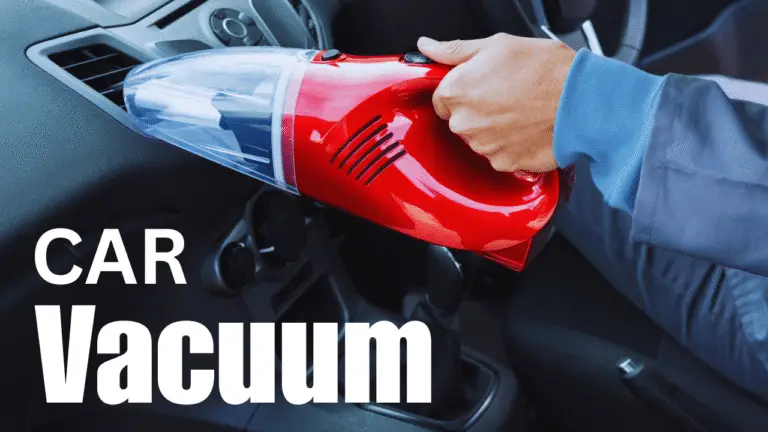

Comparison with Competitors

To provide a comprehensive perspective, it’s essential to compare the 2024 BMW X1’s reliability with its main competitors in the luxury subcompact SUV segment.​

ModelJ.D. Power Reliability ScoreRepairPal Reliability RatingAverage Annual Repair Cost
BMW X163/1003.5/5.0$915
Audi Q382/100Not Available$915
Mercedes GLANot AvailableNot Available$987
Volvo XC4074/100Not AvailableNot Available
Cadillac XT475/100Not AvailableNot Available

Note: Some reliability scores for competitors were not available in the provided sources.

Audi Q3

The Audi Q3 goes head-to-head with the BMW X1, giving you a nice mix of luxury and performance. For the 2024 model, it’s got a solid J.D. Power reliability score of 82 out of 100, which is one of the best in its class. Plus, RepairPal shows that the average yearly repair cost is about $915, so you’re looking at similar expenses for both cars when it comes to ownership.

Mercedes-Benz GLA

While there are no current ratings for the Mercedes-Benz GLA in any institution. At least RepairPal states that the yearly repair costs average around $987. So when it comes to costs, there’s not much of a difference between these two German competitors.

Volvo XC40

The Volvo XC40 doesn’t have any specific info from RepairPal about its yearly repair costs. However, the XC60, which has a lot of the same drivetrains as the XC40, got a pretty good reliability score of 4 out of 5 and has much lower yearly repair costs at $746. On top of that, J.D. Power rated the XC40’s reliability at 74 out of 100, which pretty much lines up with what RepairPal found. This makes the XC40 a strong contender in its class.

Cadillac XT4

The Cadillac XT4 has a J.D. Power reliability score of 75 out of 100, again higher than the BMW X1. However, specific RepairPal reliability ratings and average annual repair costs for the XT4 were not available in the provided sources.

2024 BMW X1

Conclusion

The 2024 BMW X1 is a solid pick for BMW fans looking for a compact crossover that’s just the right size. Don’t get it twisted, this is definitely a luxury SUV that brings together performance, comfort, and practicality for everyday use. That said, the reliability is kind of hit or miss. We can’t say it’s the best in its class, but it’s not the worst either. There are definitely a few things to consider. When you compare it to its competitors, the X1 does alright but it has some stiff competition from cars like the Volvo XC40, which is known for its better reliability and lower upkeep costs. If you’re thinking about getting one, make sure to consider what you really need and how you usually drive. Plus, keeping up with regular maintenance can help you avoid issues down the road and make your ownership experience more enjoyable. Just think about what will work best for you.
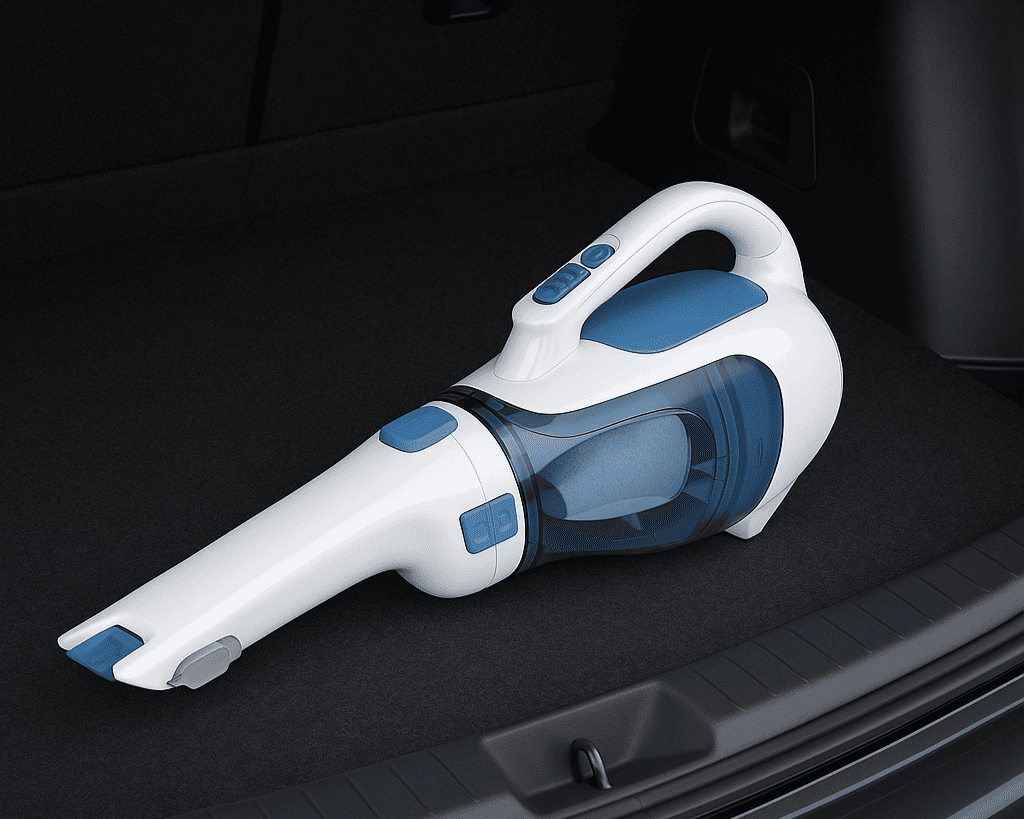
If you love BMW and want to find out which X models are the most reliable, check out this article called “Everything You Need to Know About the 2024 BMW X3: An Updated Guide” Also, swing by our site for in-depth car reviews, useful buying tips, and the latest news in the auto world. Take your time exploring, and don’t forget to save our homepage for updates!
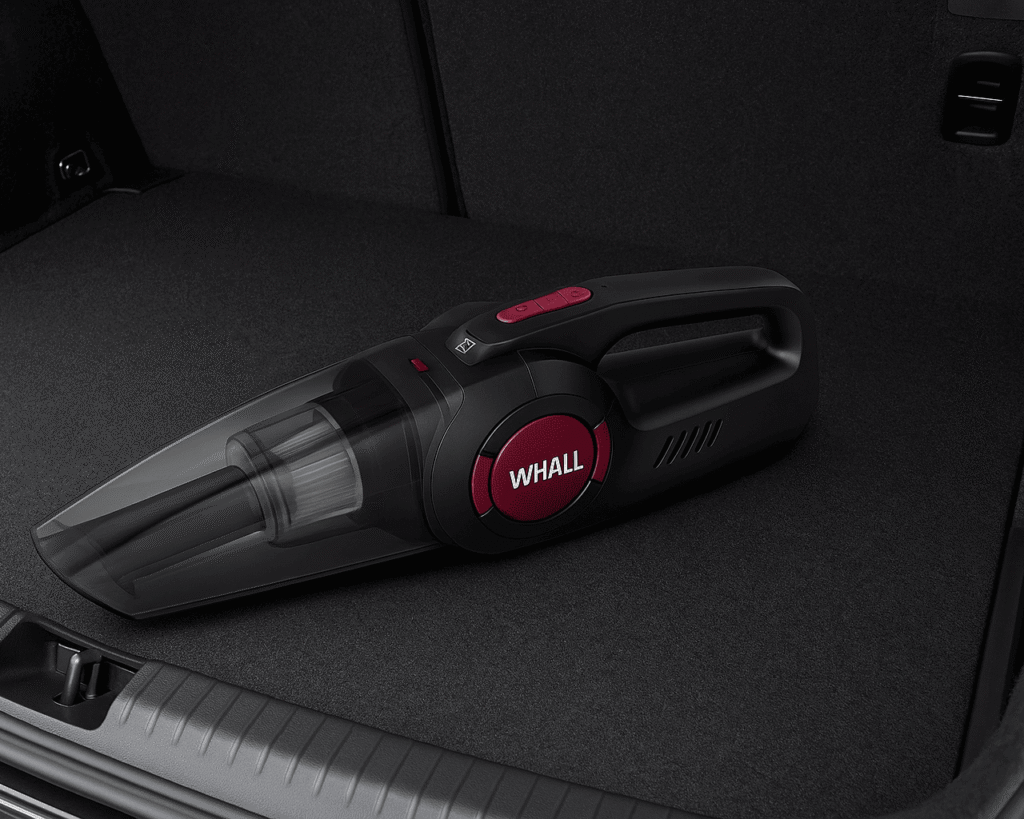

*Disclaimer: This website provides automotive content for informational purposes only and should not be considered professional advice. While we strive for accuracy, we do not guarantee the reliability or suitability of any vehicle or product mentioned—always conduct your own research before making purchasing decisions. Additionally, some links on this site are affiliate links, meaning we may earn a commission if you make a purchase, at no extra cost to you.