
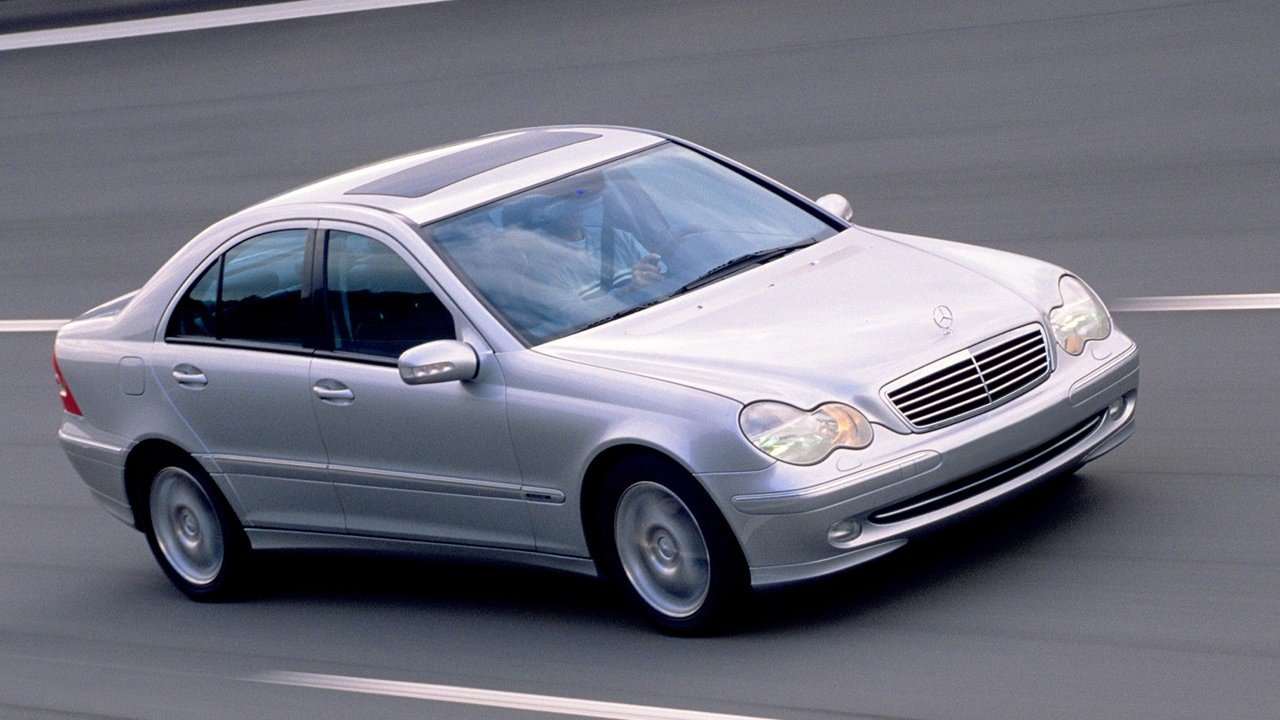
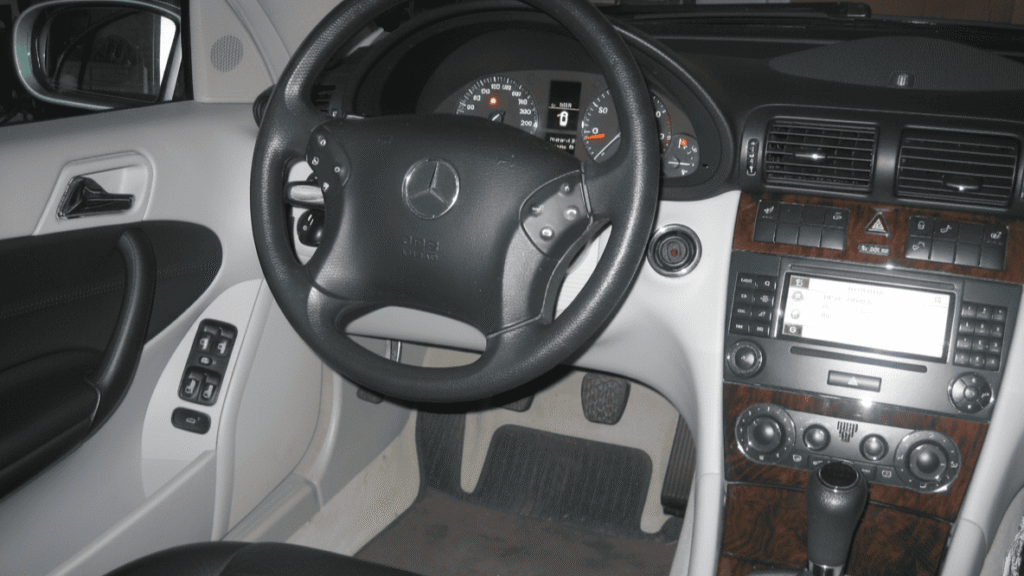
The 2005 Mercedes-Benz C230 Kompressor is part of the W203 series and is a small luxury sedan or coupe that mixes European style with supercharged power. It’s for folks who want a more budget-friendly way into the Mercedes family but still want that prestige that comes with it. So now that almost twenty years have passed, how does it stack up when it comes to reliability? Is the 2005 C230 Kompressor a reliable Mercedes?
To keep it simple: Yes — but only if you get the right one, stay on top of maintenance, and set aside some cash for a few usual repairs. The C230 Kompressor offers great handling, a stylish interior, and that classic Mercedes vibe — but it’s not a car you can just buy and forget about.
Let’s take a look at reliability scores, the common problems drivers see, maintenance expenses, and insights from sources like J.D. Power, Consumer Reports, RepairPal, and NHTSA. This info will help us figure out if the 2005 C230 Kompressor is still a good pick for car lovers or daily drivers today.
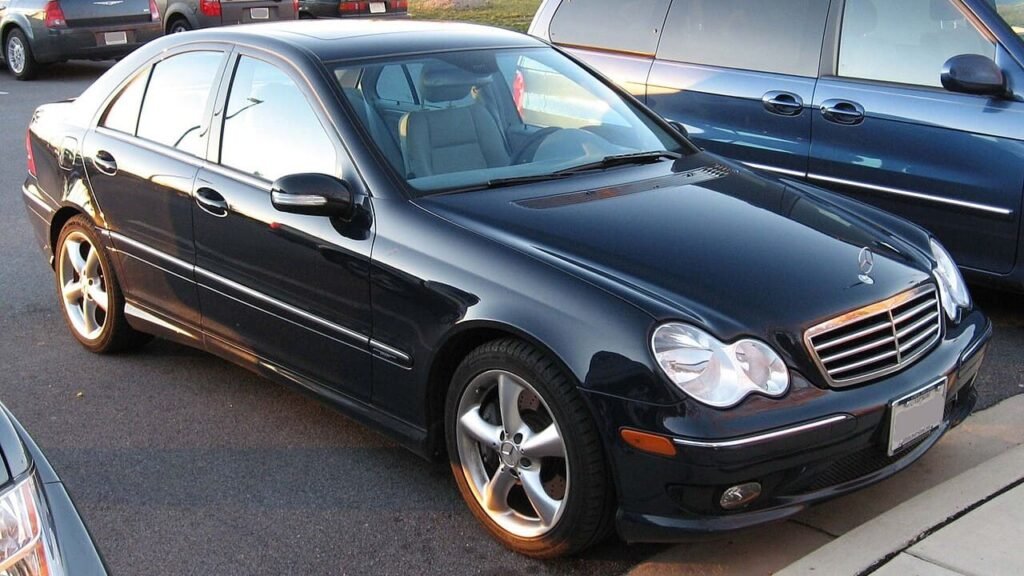
The 2005 C230 Kompressor runs on Mercedes’ M271 1.8L supercharged engine. It’s called the “Kompressor” because of that supercharger. With the supercharger and the engine’s variable valve timing, there’s a bit more to watch out for compared to a standard six-cylinder engine.
Reliability Scores
| Source | Reliability Score (Out of 100 or 5) | Category |
|---|---|---|
| J.D. Power | 72/100 | “Average” |
| Consumer Reports | 3/5 | “Fair” |
| RepairPal | 3/5 | “Average” |
| NHTSA Recalls | 4 Recalls Reported | “Moderate Concerns” |
J.D. Power: 72/100 Reliability Rating
J.D. Power assigns the 2005 C230 Kompressor an average reliability rating of 72/100. While its engine durability and ride quality were praised, electrical issues and transmission quirks slightly impacted its dependability.
Consumer Reports: 3/5 Rating
Consumer Reports rated the 2005 C230 Kompressor as “fair” in reliability, noting engine performance and driving dynamics as positives, but highlighting concerns with sensor failures and electronic system glitches.
RepairPal: 3/5 Rating
RepairPal rates the W203-generation C-Class at 3/5, indicating moderate reliability. It estimates annual repair costs at $700–$850, slightly higher than the industry average for compact luxury sedans.
NHTSA Recalls and Safety Concerns
The National Highway Traffic Safety Administration (NHTSA) reports two recalls for the 2005 C230 Kompressor:
- Acceleration sensor on ABC front struts (August 2008)
- Sensotronic brake control/hydraulic brake (April 2005)
Neither issue posed major mechanical failures, meaning the 2005 C230 remains a safe choice.

Common Issues with the 2005 W203 Mercedes-Benz C230 Kompressor
Even though the C230 Kompressor is well-engineered, it does have some reliability issues. Here are the problems that people mention the most:
1. Electrical System Failures
- Malfunctioning SAM Modules: The Signal Acquisition Modules (SAM) control various electronic functions. Failure can lead to issues with lights, power windows, and keyless entry.
- Instrument Cluster Issues: Some owners report fading displays and inaccurate fuel gauges.
2. Transmission and Drivetrain Issues
- The 5G-Tronic 5-speed automatic transmission used in many W203s is generally long-lived and reliable but may experience harsh shifting or delayed engagement, it is sensitive to fluid condition and electronic valve-body components (conductor plate, speed sensors).
- Some units suffer from torque converter failure, leading to hesitation or slipping gears.
- Problems range from harsh shifts or limp-mode to more serious valve-body failures. Regular fluid/filter service and inspections reduce risk.
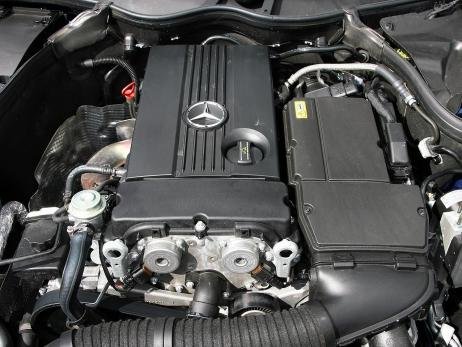
The Mercedes M271 1.8L engine made its debut in 2002 and found a home in the C-class, E-class, CLK, CLC, and SLK models. It’s usually a reliable engine but can wear out faster if it’s not taken care of. There are a few common issues you should know about, and it’s better to think of them as regular maintenance rather than unexpected surprises.
3. Supercharger and Engine-Related Problems
- Kompressor (Supercharger) Wear: The supercharger needs proper care (some owners change its oil or have it checked at intervals). If neglected, supercharger issues can be expensive. Expect to check supercharger seals, pulleys and listen for unusual whine.
- Timing Chain Tensioner Issues: Chain stretch or tensioner failure can cause engine rattling and performance loss.
- Crankshaft Position Sensor Failure: The camshaft adjuster magnets (also called cam magnets/solenoids) are a repeatedly reported failure on M271 engines, they can leak oil into connectors, soak wiring looms, trigger misfires and odd check-engine codes — and they aren’t cheap to repair if the harness/electronics are damaged. Balance-shaft sprocket wear and timing-related wear have also been documented on higher-mileage examples.
4. Interior Wear & Tear
- Door panels and soft-touch plastics tend to degrade with age.
- Sunroof mechanisms sometimes fail prematurely, requiring costly repairs.
- Interior switches, window regulators, sensor faults and HVAC control issues crop up as these cars hit 150k+ miles. Nothing exotic — but the cost to fix a European-brand electrical module can surprise non-mechanical buyers.
5. Suspension / steering wear
- Bushings, struts, tie-rod ends and control-arm bushings are common age items. They don’t usually destroy the car — they just make it feel tired and reduce safety if left unattended.
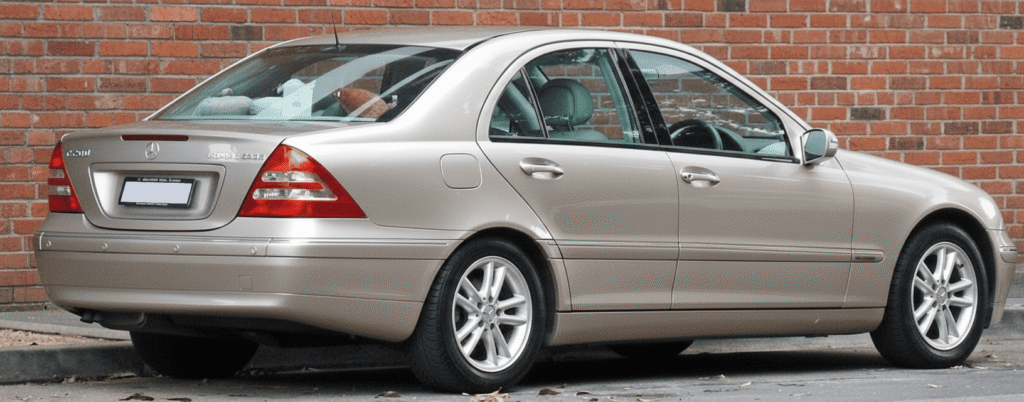
Maintenance and Ownership Costs
While more affordable than flagship Mercedes models, the W203 C230 Kompressor still demands premium maintenance.
If you’re looking at small service and wear items like brakes, tires, and bushings, expect to pay similar prices as you would for other high-end European brands. Prices for mid-level jobs like cam magnets, valve-cover gaskets, and oil cooler seals can range from a few hundred to a couple of thousand bucks, depending on whether you need to replace wiring harnesses or extra parts. When it comes to major jobs—like balance-shaft replacement, a full transmission rebuild, or a supercharger swap—you might be looking at several thousand dollars. These are pretty rare but can happen if the car has been neglected with high mileage. If you’re thinking about buying a “cheap” one-owner car with over 150,000 miles, it’s a good idea to set aside some extra cash for repairs. According to RepairPal and owner forums, yearly ownership costs are usually higher than mainstream brands but lower than exotic ones, landing you in that “logical luxury” zone.
Below is an estimated breakdown of common service costs:
| Service Type | Estimated Cost | Frequency |
| Oil Change | $120–$180 | Every 7,500 miles |
| Brake Pad Replacement | $250–$400 | Every 40,000 miles |
| Transmission Service | $300–$500 | Every 60,000 miles |
| Supercharger Belt Change | $200–$350 | Every 70,000 miles |
| Timing Chain Service | $1,000–$2,500 | Every 100,000 miles |

The C230 vs Rivals
Here’s a quick look at what buyers really want to know—comparing the C230 with its main German rivals from the same era, the 2005 325i E46 and the 2005 B6 A4:
| Category | 2005 Mercedes C230 Kompressor | 2005 BMW 325i (E46) | 2005 Audi A4 (B6) |
|---|---|---|---|
| Driving character | Composed, torquey from Kompressor | Sportier, rear-drive balance (better handling feel) | Comfortable, refined (Quattro option adds grip) |
| Common mechanical headaches | M271 cam-magnet oil leaks, supercharger service, 722.6 transmission quirks. | Cooling system plastic parts, VANOS/oil leaks, subframe & control-arm wear on high mileage. | Timing belt/water pump (1.8T), oil-sludge risk on some engines, turbo/tensioner issues. |
| Typical repair cost intensity | Moderate–high (European parts/pricing) | Moderate (some DIY fixes common but premium parts cost) | Moderate–high (timing belt/turbo work can be pricey) |
| Reliability consensus | Mixed: many owners report happy cars, but specific engine/transmission issues raise ownership risk. | Mixed: generally good if cooling & VANOS are addressed early. | Mixed: good if timing belt & turbo maintenance kept. |
| Why pick it | Classy cabin, compact luxury, cheaper to buy now | Driver’s car — handling & available inline-6 character | Refined, Quattro grip (if equipped) |
Bottom line: mechanically they’re all in the same “pay-to-play” luxury used-car lane — each requires informed inspections and a wallet for maintenance. The C230’s issues are specific and well-documented (so you can pre-check them), which is useful if you like to buy with your eyes open.
Is It Worth Buying?
To wrap it all up here are the key pros and cons we discovered:
Pros
- Sporty Driving Experience – Supercharged engine delivers a punchy response.
- Good Fuel Efficiency – For a luxury vehicle, the 1.8L engine is relatively economical.
- Compact & Agile – Ideal for urban driving with a well-balanced chassis.
- Above-Average Engine Longevity – M271 can last if properly maintained.
Cons
- Electrical Issues – Aging SAM modules and interior electronics can cause headaches.
- Transmission Repairs Can Be Costly – Issues with torque converter and valve bodies.
- Timing Chain Wear – Expensive repair if not maintained proactively.
The buyer’s checklist
If you’re planning to buy a 2005 Mercedes C230 Kompressor, don’t forget to take this with you for every pre-purchase inspection and test drive:
- Service history: full records, especially oil changes, transmission service, and any supercharger work. No receipts = higher risk.
- Scan for codes: any stored engine/transmission faults? Cam-position or VVT codes deserve extra scrutiny.
- Oil leaks: check front of engine (cam magnets), valve-cover area and oil cooler lines. Look for oil in wiring harness connectors.
- Supercharger noise/leaks: listen for whine, check for oil around compressor housing. Ask seller about any supercharger oil changes.
- Transmission behavior: smooth shifts, no limp mode; check fluid color and smell if possible. If shifting is rough, budget an inspection by a transmission shop.
- Suspension & steering play: test for clunks, steering-wheel vibration, uneven tire wear.
- Electrical checks: windows, sunroof, HVAC, warnings — old modules can lead to surprise bills.
If the PPI flags balance-shaft wear, cam-magnet soaked harness, or a tired transmission, walk away (or use it as negotiating leverage).
But, Is It For You?
If you’re still feeling unsure or want to see if that bargain you found is really worth it after checking it out, think about this:
- Daily driver & low hassle: buy a low-mileage, dealer-maintained C230 or pick a naturally aspirated C-class (C240/C320) to avoid Kompressor supercharger complexity.
- Weekend enthusiast / DIY owner: C230 is fun and rewarding if you like wrenching — many parts are serviceable by independent specialists at lower cost than dealer rates.
- Value play / cheap buy: if price is your priority, budget for likely mid-term repairs (cam magnets, transmission work). A cheap C230 can become expensive fast if neglected.
Final Verdict
The 2005 Mercedes-Benz C230 Kompressor is a really fun entry-level luxury car, but you gotta keep up with the maintenance to enjoy it. If you find one that’s been well taken care of and has all the service records, it can actually be a great long-term investment. Just keep in mind that it might have some electrical issues and timing chain wear, so getting it checked out before you buy is a smart move. Bottom line: grab a 2005 C230 Kompressor if you’re into the stylish Mercedes look and want to drive a peppy supercharged engine. Just make sure you either find a low-mileage model with a solid history or you’re cool with handling the usual upkeep for European cars and setting aside some cash for repairs. If you’re after peace of mind and want to avoid surprise repair bills, you might be better off with a simpler used luxury ride like a naturally aspirated C-class, a good BMW inline-6, or a low-maintenance Lexus.
If you’re thinking about this model, definitely look for one that has a full-service history and steer clear of ones that have been neglected.
- Best Car Interior Cleaning Kits: Make Your Cabin Look New

- Which XV70 Camry Year Should You Buy? A Tested Guide
- Magnetic Phone Mounts & Mounts for Thick Cases: That Actually Work!

- Best Wireless CarPlay Adapters for Older Cars
- Best Seat Gap Fillers for Leather Seats
- The Most Underrated Cars — Hidden Gems You Should Actually Consider

*Disclaimer: This website provides automotive content for informational purposes only and should not be considered professional advice. While we strive for accuracy, we do not guarantee the reliability or suitability of any vehicle or product mentioned—always conduct your own research before making purchasing decisions. Additionally, some links on this site are affiliate links, meaning we may earn a commission if you make a purchase, at no extra cost to you.