
If you’re thinking about getting a luxury ride reliability is really key and the Mercedes-Benz E350 BlueTEC delivers on that. Like any E-Class Mercedes it’s super comfy and perfect for long drives on the highway typical of what you’d expect from a German luxury car. It’s great for those long stretches and stays steady at high speeds. Plus with its efficient diesel tech it’s a big hit for diesel fans. But how does it hold up over time?
Worries about repair costs are totally valid and you’re not alone in that. Overall this model is built to last and doesn’t require a ton of upkeep but there are a few common issues to be aware of like potential expensive emissions repairs compared to a regular gas E-Class. So let’s take a closer look at this!
A Brief Overview of the E350 BlueTEC
The Mercedes-Benz E-Class has been a key player in the luxury sedan game since the mid-90s. It’s loved for its comfy ride, techy features, and solid safety. One model that catches attention is the E350 BlueTEC, which is a diesel option that mixes good performance with awesome fuel efficiency.
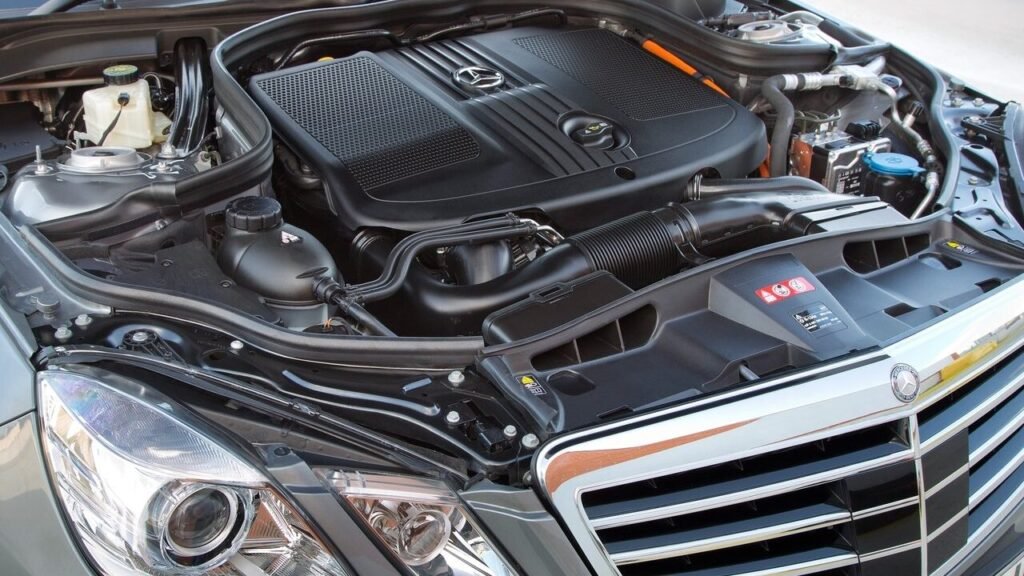
This car comes with a 3.0-liter V6 diesel engine, and it’s matched up with a 7G-Tronic automatic transmission. If you want, you can also opt for the 4Matic all-wheel-drive system. This setup really appeals to folks who want a strong torque and better gas mileage, especially since diesel is pretty popular in North America.
Mercedes rolled out the E350 BlueTEC with the 2010 W212 generation, and it kept going strong until 2016. During those years, they sold more than 125,000 E-Class diesel models in North America, though the sales numbers for each trim aren’t exactly out there. Nowadays, the E350 BlueTEC is still a great choice for anyone looking for a used luxury sedan. It offers a great mix of efficiency, performance, and long-lasting quality at a fair price.
Should you consider an E350 BlueTEC?
Yes — if you cover big-mileage highways, want diesel torque and strong mpg, and can either (a) pay for dealer/independent diesel-specialist servicing, or (b) get a well-documented service history and a sensible purchase price that reflects potential emission-system risk.
On the other hand, if you’re a low-mileage driver or want the lowest long-term hassle, a gasoline or hybrid E-Class will usually be cheaper and simpler to own.
Here are a few key features of the E350 BlueTEC:
- Engine and Performance: The E350 BlueTEC is powered by a 3.0-liter V6 turbodiesel engine, delivering 240 horsepower and 455 lb-ft of torque. This engine is paired with the smooth and responsive 7G-Tronic automatic transmission.
- Fuel Efficiency: One of the standout features of the E350 BlueTEC is its fuel efficiency. According to EPA estimates, the vehicle achieves approximately 29 MPG in the city and 39 MPG on the highway.
- Advanced Technology: The E-Class is equipped with Mercedes COMAND infotainment system, navigation, Bluetooth connectivity, adaptive cruise control and lane-keeping assistance.
- Comfort and Interior Quality: As expected of a Mercedes-Benz, the E350 BlueTEC comes with high-quality materials, comfortable seating, and a well-thought-out cabin design.
What “BlueTEC” Actually Means
BlueTEC is Mercedes’ name for diesel cars fitted with advanced emissions controls: a diesel particulate filter (DPF) to capture soot, and an SCR system that injects AdBlue/DEF (diesel exhaust fluid) to cut NOx emissions. These systems work well — but they add complexity, components that can clog or fail, and repair bills that can be high when things go wrong. Real-world ownership means trading occasional big bills for steady fuel savings.
Reliability Scores
| Source | Metric |
|---|---|
| RepairPal (E350 model page) | Reliability 3.5/5; average annual repair cost ~$788. |
| CareEdge / maintenance studies | ~$11.6k total maintenance & repairs over first 10 years for an E350 (above average for the segment). |
| J.D. Power (E-Class family) | Consumer quality/reliability: average (scores vary by model/year/trim). |
Takeaway: Mercedes E-Class ownership costs are substantially higher than mainstream sedans, and the BlueTEC diesel can push maintenance complexity higher because of emission hardware and diesel-specific components. Plan on elevated annual servicing and budget for occasional expensive repairs.
E350 BlueTEC Common Problems
Below are the repeat, high-impact failure modes to watch for with BlueTEC E350s (OM642-family diesel and associated components are the frequent trouble sources).
1. DPF (Diesel Particulate Filter)
What happens: short trips and urban use prevent full-temperature self-regeneration. The car will trigger warnings, reduce power, and may need a forced dealer regen or DPF cleaning/replacement (costly). Prevention: regular highway runs and occasional professional forced regeneration when needed.
2. SCR / AdBlue (DEF) system faults
What happens: AdBlue leaks, failed heaters/pumps, or faulty dosing valves trigger emissions codes and limp modes. DEF system repairs (pump, heater, injector) can be expensive and are a BlueTEC-specific ownership cost. Keep the bottle topped and check for history of recurring DEF codes on used buys.
3. High-pressure common-rail injector and rail problems
What happens: injectors and high-pressure pumps eventually wear — symptoms: rough running, misfires, or fuel-leak codes. Injector replacement or rail work is expensive (parts + labor). Ask for injector service history and watch for black smoke or odd idle.
4. Turbocharger wear / actuator failure
What happens: turbos on older diesels can develop shaft play, oil leaks or actuator faults. Symptoms include loss of power and whining. Turbo work is expensive but not catastrophic if diagnosed early.
5. Emission-control sensors & wiring issues
DPF pressure sensors, NOx sensors and temperature probes can fail after years and lead to DTCs and derate conditions. These sensors are relatively cheap individually, but the cascade of related repairs and diagnostics adds cost.
6. Routine Mercedes cost drivers (independent of diesel)
Luxury parts and dealer labor inflate routine items: A/B service packages, air suspension (if fitted) service, transmission repairs (7G-Tronic issues in older cars), electronic module quirks. Budget more than a mainstream sedan for scheduled and unscheduled care.
Recalls & Safety
Diesel E-Class models have had targeted recalls (communication modules, emission-system updates and others in some years). Here are some of the major recalls:
- NHTSA 16V-899 — Loss of Electric Power Steering Assist (EPS control unit fault).
Affected examples: many 2014–2016 E350 variants (report includes 2015 E350 BlueTEC).
Problem: solder contacts in the EPS control unit could lose full electrical contact and the electric power steering could deactivate (increasing crash risk). - NHTSA 17V-177 — Wrong control-unit software installed (electrical/software updates).
Affected examples: includes some 2013 E350 BlueTEC (and many other E-class model permutations).
Problem: incorrect software installed in various control modules (could affect steering, other systems). - NHTSA 17V-627 — Inadvertent driver-airbag deployment (insufficient steering-column grounding).
Affected examples: several E-Class model years/platforms including E350 BlueTEC build ranges called out in the campaign.
Problem: insufficient grounding combined with a broken clockspring and electrostatic discharge could (rarely) cause unexpected airbag deployment. - NHTSA 19V-787 — Communication / emergency-call module software update.
Affected examples: broad set of Mercedes models produced ~2012–2016, includes some E350 BlueTEC VIN ranges (2013 examples explicitly listed).
Problem: certain vehicles had communication module software that did not meet production spec for emergency call / location functions. - NHTSA 18V-043 (Takata PSAN airbag inflator safety action).
Affected examples: Takata inflator campaigns touched many Mercedes models — certain E-Class / E350 variants (including some 2010–2013 E350 / E350 Coupe entries) were included depending on production date and zone.
Problem: potentially defective Takata passenger-side inflators (PSAN) that could rupture. - Emission-system actions / Approved Emission Modification (AEM) — settlement related (NOT a traditional recall).
Affected examples: E350 BlueTEC models built roughly 2011–2013 were included in emission-related settlement actions (MBUSA offered an Approved Emission Modification to bring emissions control hardware/software into an approved configuration).
Note: this is an AEM (approved modification under settlement) rather than a conventional recall — owners could have the emission-control components replaced/updated at no cost under the program. Always check VIN eligibility.
Just a quick reminder for your safety always run the 17-digit VIN through Mercedes’ recall lookup and NHTSA.
E350 BlueTEC vs E350 gasoline
| Item | E350 BlueTEC (diesel) | E350 (gasoline) |
|---|---|---|
| Fuel economy (highway) | Best in class; large mpg advantage on highways | Worse than diesel for highway work |
| Torque & towing feel | Strong low-end torque — excellent for long hauls | Less torque, smoother refinement |
| Emissions complexity | High — DPF, SCR, DEF systems to maintain | Lower complexity, fewer expensive emission parts |
| Typical long-term costs | Higher if emission components fail; good if maintained | Lower unscheduled emission costs, still premium parts/labor |
Routine Maintenance Costs
When it comes to luxury cars like the E350 BlueTEC, you usually have to be a bit more careful with them. Keeping up with regular servicing like oil changes, filter swaps, and check-ups is key. It’s not just about doing these things but making sure you do them on time to keep the car running well for years.
That’s just part of the deal when you own a Mercedes-Benz. It’s gonna cost you more than your average Hyundai. Reports say that the yearly maintenance for the E350 BlueTEC can run anywhere from $1,000 to $1,500. That’s not just more than a Hyundai but also higher than a bunch of other cars in the luxury sedan market.
DIY vs. Professional Maintenance
Some folks might want to handle basic maintenance on their own, but when it comes to German cars like Mercedes-Benz, I’d recommend getting some help. These vehicles usually need specific skills and tools. Having certified Mercedes-Benz technicians take care of your car makes sure everything is up to the manufacturer’s standards, which can really boost reliability.
Common Engineering Issues
While the E350 BlueTEC is generally regarded as a reliable vehicle, there are common engineering issues that owners have reported:
- Defective AdBlue Systems: The E350 BlueTEC utilizes an AdBlue system, which helps reduce nitrogen oxide emissions. Some owners have reported problems with the AdBlue tanks, leading to system failures and costly repairs. Addressing AdBlue faults promptly is crucial to maintaining the vehicle’s emissions performance.
- Fuel Injector Problems: Fuel injector issues, although uncommon, can arise as the vehicle ages. These can affect performance and fuel efficiency, requiring timely diagnosis and repair.
- Electrical Issues: Mercedes-Benz vehicles occasionally experience electrical glitches, particularly in older models. This includes problems with the infotainment system, dashboard lights, and other electronic components.
Here’s a rough idea of what some of the usual maintenance components might cost. Just keep in mind that the final price will depend on your car’s condition, if you choose OEM parts or aftermarket ones, and whether you’re taking it to a specialized Mercedes shop, a dealer, or a regular garage.
| Service / Repair | Typical cost (USD) |
|---|---|
| Service A (oil & filter 10,000 miles/once a year & inspection) | $250–$450 |
| Service B (major service incl. fluids/filters) | $700–$1,300 |
| Brake pad and rotor replacement | $300 to $700 |
| DPF forced regen / cleaning (dealer/DPF specialist) | $150–$800 (cleaning) — replacement $2k–$6k depending on model. |
| AdBlue/DEF system pump or dosing valve | $300–$1,200 (depending on part & labor). |
| Injector replacement (one) | $400–$1,200 per injector (OEM); full-rail jobs much higher. |
| Turbocharger replacement | $1,200–$4,000 (reman vs OEM, labor intensive). |
| Typical annual maintenance (average) | $700–$1,200 / year on average for E-Class (higher when repairs hit). |
note: a single injector or DPF replacement can equal a year (or more) of routine servicing — buyer beware. Keep service records and prefer low-mileage highway examples.
Make sure you have a mechanic who knows their way around diesel engines or go to a shop that gets BlueTEC systems. If you want the full list for a pre-purchase inspection just check out our article on the Pre-Purchase Inspection Checklist.
Keep Your Ownership Sane
- Prefer highway miles: diesels love long runs; urban stop/start usage is the worst stressor for DPF and SCR systems.
- Do scheduled diesel-specific maintenance: periodic DPF inspection, AdBlue checks, and injector checks matter. Use genuine fluids and OEM-spec oil.
- Keep a modest emergency fund for a DPF/DEF/injector repair — plan on a few thousand dollars as a sensible buffer.
- Find a trusted independent diesel shop: dealer labor is reliable but pricey; a reputable diesel specialist can save money on diagnostics and repairs. Forums often list good regional shops.
E350 BlueTEC PPI Checklist
If you’re thinking about buying one, here’s a quick PPI you can perform to help you snag a good deal and avoid getting stuck with a lemon.
- VIN recall/repair history: check MBUSA recall page and NHTSA. Ask for dealer recall invoices.
- DPF & regeneration history: ask whether the car has had forced regens, DPF cleaning, or DPF replacement. Look for soot smell, frequent regen messages, or limp mode history.
- DEF / AdBlue service history: confirm AdBlue fill history and check for sensor or pump codes. Inspect tank area for leaks or repairs.
- Injector / HPFP history: rough idle or misfires need a shop scan and possibly an endoscope inspection of the intake for soot.
- Turbo & oil history: check for oil consumption, blue smoke, or turbo boost loss. Ask for oil-change records and use of OEM spec oil (diesels need proper oil).
- General MB service packages: ensure Service A/B schedules were kept at recommended intervals. Missing major services is a red flag.
Owner Experiences
To get a sense of the E350 BlueTEC’s reliability, we can examine owner reviews and experiences. Various automotive forums and consumer reviews provide valuable insights into how this vehicle performs in the real world.
Positive Feedback
Many owners praise the E350 BlueTEC for its smooth ride, comfortable interior, and impressive fuel efficiency. The robust diesel engine is frequently highlighted for delivering satisfying acceleration without compromising on economy. Furthermore, owners appreciate the high-quality interior materials and advanced safety features, asserting that these elements justify the car’s premium price.
Common Concerns
Conversely, some owners have reported issues, particularly related to the AdBlue system and electrical components. For instance, problems with the AdBlue tank and system failures can lead to restrictions on vehicle operation until repairs are made. Additionally, although some drivers love the infotainment system, others mention occasional glitches or user difficulties in operating the technology.
The Verdict
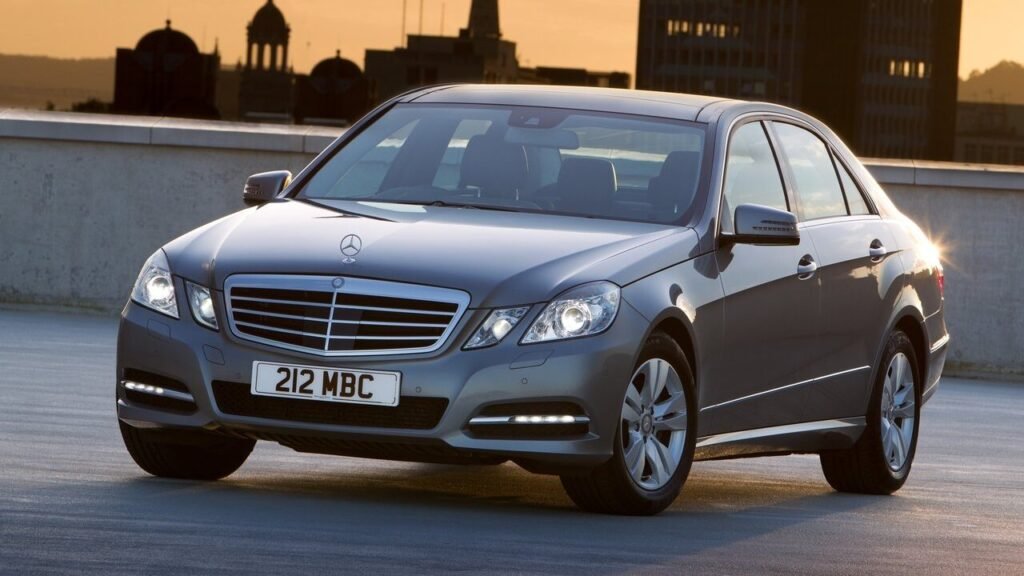
The Mercedes E350 BlueTEC really mixes performance, luxury, and solid engineering. It’s a standout choice if you’re looking at luxury sedans, especially with its powerful diesel engine that’s built to last. Although they don’t sell new ones in the US anymore, you can still find some decent used ones if you’re willing to look around a bit. That said, before jumping in, keep in mind the maintenance costs and some common issues like AdBlue system failures or electrical hiccups. Regular upkeep and going to certified service shops will be key to keeping it running smoothly.
If you’re still on the fence about the Mercedes E350 BlueTEC, take some time to think about how its strengths fit with what you need from a car, and how you can tackle any potential issues. With the right care, this beauty can be a luxury ride that’s reliable and fun to drive, making it a great pick over the long haul.
Bottom line — who this car is for?
Buy an E350 BlueTEC if:
- You do a lot of highway driving (commute or business mile eaters).
- You appreciate torque, diesel range and can tolerate complexity.
- You find a well-serviced example with records and a reasonable price that reflects possible emission-system risks.
Skip it if:
- You drive very short trips only, don’t want to budget for expensive emission repairs, or want the lowest hassle. A gasoline or hybrid E-Class is usually a simpler, less risky choice for low-mileage owners.
If you found this post helpful, you might also enjoy checking out “Here are The Mercedes-Benz C300 Reliability Ratings.” Be sure to explore more on our site for detailed car reviews, handy buying guides, and the latest news in the industry. There’s a lot to keep you in the loop! Take a look around and remember to bookmark our homepage so you don’t miss any updates.
FAQs
1) How common are DPF (diesel particulate filter) problems — and how much do they cost to fix?
DPF issues are one of the single most common diesel-specific complaints — especially on cars used mostly for short trips. Costs vary: a forced professional DPF clean can run from a few hundred dollars; full DPF replacement is typically $2,000–$6,000 depending on parts/labor. Prevent it by doing regular highway runs (full-temp regeneration), checking for frequent regen warnings, and verifying DPF service history before you buy.
2) What about AdBlue / DEF system faults — are they expensive?
AdBlue (DEF) system faults (pump, dosing valve, heater, sensor) are a frequent emissions-system expense on BlueTEC cars. Individual component repairs often fall in the $300–$1,200 range, but cascading failures or diagnostics can raise the bill. Always confirm the DEF system has no recurring codes on a used car and ask for service receipts showing AdBlue fills and any DEF-related repairs.
3) Should I be worried about injectors, high-pressure fuel pumps or turbo issues?
These are higher-cost items if they fail, and they’re more likely on neglected or very high-mileage diesels. Injector replacement can be hundreds to over a thousand dollars per injector; turbo repairs can run into the low-thousands. Mitigate risk by checking for rough idle, black/blue smoke, oil consumption, and documented oil-change/injector work. A pre-purchase scan and inspection by a diesel-savvy mechanic is strongly recommended.
4) How do I check for outstanding recalls and service campaigns on a specific E350 BlueTEC?
Always check the car’s 17-digit VIN. Run it through Mercedes-Benz’s official recall lookup and the NHTSA SaferCar VIN search — those show open safety recalls and required dealer remedies for that exact vehicle. Ask the seller for dealer repair invoices proving recall fixes; if a recall is open, schedule the free dealer remedy before you buy.
5) Is the E350 BlueTEC a good buy — who should consider one and who should avoid it?
Buy it if you do lots of highway miles, want diesel torque and economy, and are able to (a) get a well-documented service history, and (b) budget for occasional higher-cost emission-system repairs. Avoid it if you mostly do short urban trips, want the lowest-hassle ownership, or don’t want to budget for potential DPF/DEF/injector bills — in those cases a gasoline or hybrid E-Class is usually a safer, simpler choice.
- Best Car Interior Cleaning Kits: Make Your Cabin Look New

- Which XV70 Camry Year Should You Buy? A Tested Guide
- Magnetic Phone Mounts & Mounts for Thick Cases: That Actually Work!
- Best Wireless CarPlay Adapters for Older Cars
- Best Seat Gap Fillers for Leather Seats
- The Most Underrated Cars — Hidden Gems You Should Actually Consider
*Disclaimer: This website provides automotive content for informational purposes only and should not be considered professional advice. While we strive for accuracy, we do not guarantee the reliability or suitability of any vehicle or product mentioned—always conduct your own research before making purchasing decisions. Additionally, some links on this site are affiliate links, meaning we may earn a commission if you make a purchase, at no extra cost to you.