

When people talk about cars that don’t inspire trust, Land Rover, Fiat and Audi usually top the list — the jokes pile up for a reason: Range Rovers get tagged as “either just out of the shop or on the way back,” Fiat gets lampooned for flaky electrics, and Audis are mocked for dashboards that look like Christmas trees. That cultural shorthand matters because it shows how reliability shapes brand personality. So here’s the cold question: if a heritage brand like Land Rover — with decades of engineering and cachet — still can’t shake off reliability drama, what are the odds a much younger Chinese marque will do better right away?
Reality isn’t that simple though. Land Rover’s recent sales climb shows that performance, design and brand cachet still win buyers even when reliability-reports are spotty. For many shoppers, style, off-road cred or tech matter more than whether a warning light flickers now and then. That’s exactly the opening Chinese brands exploit: attractive pricing, loaded specs and flashy design that win customers quickly. But long-term trust is another game — sustained quality, dealer networks and resale history take years to build. In short: Chinese makes can beat legacy brands on value and wow factor today, but beating them on decade-long dependability is a slower, harder race.
Europe’s Notorious Reliability Laggards
Before comparing Chinese newcomers, let’s take a look at some European ones that have a bit of a bad rep when it comes to reliability. Land Rover usually ends up near the bottom of reliability charts. In the 2023 J.D. Power Vehicle Dependability Study, which looks at problems per 100 vehicles after three years, Land Rover came in with a whopping 273 problems per 100 cars – that’s the worst score from any car maker. This isn’t a one-time thing either; Land Rover has been hanging around the bottom for years due to a bunch of recurring issues.
Some common trouble areas include the fancy air suspension and electronics. And believe it or not, oil leaks are so common that even the mechanics who specialize in Land Rovers joke about it. They say if a Land Rover isn’t leaking oil, it might just be out of oil. So it makes sense that RepairPal gives Land Rover a reliability score of 2.5 out of 5, ranking them 31st out of 32 brands. To top it off, the average yearly repair bill is around $1,174 – almost double the typical cost for other brands.

Fiat’s got a bit of a mixed past. You might have heard the saying “Fix It Again, Tony” in North America, and that’s because some of their older models had quite a few breakdowns. Now, Audi isn’t usually as bad off as Land Rover, but they’ve had their fair share of problems too. You’ll often hear folks complain about tricky electrical issues, high oil use in some engines, and pricey repairs for things like digital dashboards or air suspensions on the fancier models once the warranty runs out.
The Rise of Chinese SUVs
A decade or two back, the thought of Chinese cars going up against global brands seemed pretty funny to many in the West. The early Chinese rides often borrowed designs from others and had bad crash test scores along with quality problems. But things have really changed now. Brands like Geely, BYD, Chery, and Haval (part of Great Wall Motors) have stepped up their game fast. They’re teaming up with other companies, bringing in top talent, and pouring money into technology to make sure their cars are just as reliable as those from around the world.
Chinese vs. European Reliability – By the Numbers
To directly compare, let’s look at some key metrics side-by-side, using available data from reliability surveys and studies (where available), plus warranty info:
| Brand (Origin) | Average Reliability Score | Common Failure Points | Avg. Annual Repair Cost | Standard New Car Warranty |
|---|---|---|---|---|
| Geely (China) | 203 PP100 (initial quality) (≈ average in China) | Early models: electronics & trim issues (improving) | N/A (insufficient global data) Est. similar to avg ($600-$800) | 4-5 yr / 100k km (varies by market) Some markets 5 yr |
| BYD (China) | Below avg initial glitches (NEV IQS ~210 PP100) | (EV) tech issues: software/ADAS bugs; build quality (paint, seals) | N/A globally (est. moderate) EVs have fewer moving parts | 4-6 yr vehicle / 8 yr battery (varies) e.g. 6 yr in some EU |
| Chery (China) | 182 PP100 (3-yr dependability) Top domestic brand in China | Early exports had engine & gearbox troubles; latest models improved. Fit-and-finish issues remain | N/A (limited data outside China) | 7 yr / 200k km in many new markets Aggressive warranty (AU, MY) |
| Haval (GWM) (China) | 180 PP100 (3-yr, best GWM brand) Variable by model | Reports of occasional gearbox jerks; some sensor/calibration faults | N/A U.S.; Est. ~$500-$700 (similar to Japanese compact SUVs) | 7 yr / unlimited km (AU, NZ) 5 yr / 100k km (China) |
| Land Rover (U.K.) | *273 PP100 (3-yr, worst)** 87.1% (UK 5-yr) | Air suspension failures; electronic gremlins; oil leaks; 4×4 drivetrain issues (differentials) | $1,174 (above avg) 0.7 repairs/yr; 16% severe | 4 yr / 50k mi (US) 3 yr / 100k km (EU) Recently 5 yr in some markets |
| Fiat (Italy) | 161 PP100 (90-day, worst in ’15) 88.2% (UK 5-yr) | Electrical (battery, sensors); minor engine issues (500 model); build quirks (interior trim) | $538 (below avg) 0.2 repairs/yr; 17% severe | 4 yr / 50k mi (US) 2 yr (+ extended) EU |
| Audi (Germany) | 252 PP100 (3-yr) 89.0% (UK 5-yr) | MMI infotainment, digital dash failures; oil consumption (older 2.0T); air suspension on Q7/Q8 | $987 (avg premium brand, est.) 0.5 repairs/yr; 13% severe (est.) | 4 yr / 50k mi (US) 3 yr / 100k km (EU) |
The reliability score for each brand shows either the number of problems per 100 vehicles (PP100) where a lower number is better or a percentage score from surveys with a higher percentage being better. Since Chinese brands don’t have a lot of global reliability data yet we also included findings from studies done in China. For example, Chery’s 3-year dependability in China is 182 PP100 which is about the industry average there. Geely is also doing well in terms of initial quality with J.D. Power’s China IQS ranking Chery and Geely as the top two among local brands with around 203-204 PP100 which is slightly better than some Japanese joint ventures. On the flip side, European brands like Land Rover have pretty poor scores in Western studies.
The table also points out common issues like Land Rover’s problems with air suspension and oil leaks and Haval’s occasional transmission issues along with typical repair costs if that data is available. Lastly, there’s a big difference in warranty coverage: Chinese car makers usually give 5 to 7-year warranties while many European brands stick to about 3 years which is the industry standard. Luxury brands like Land Rover and Audi offer 4 years in the U.S.
How Chinese Manufacturers Are Tackling Quality
China’s carmakers accelerated faster than most because they didn’t reinvent the wheel — they learned on other people’s. For decades Beijing required foreign automakers to form local joint ventures, which forced technology transfer and let Chinese engineers absorb manufacturing, quality-control and supply-chain know-how on the line.
That classroom-on-the-production-floor was amplified by strategic M&A: Geely’s purchase of Volvo in 2010 gave it mature platforms, safety engineering and global R&D muscle overnight, and SAIC’s acquisition of MG revived a dormant British brand with Chinese capital and UK design input.
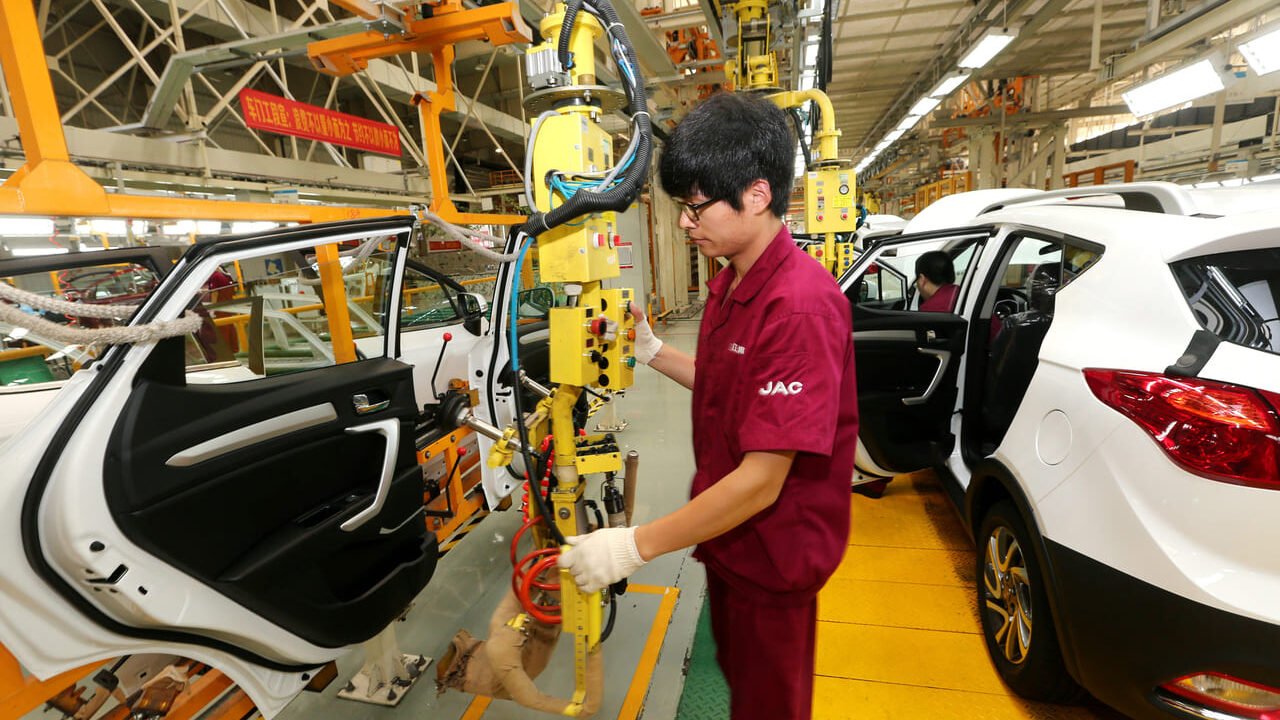
Add aggressive hiring and brutal factory investment — modern automated plants and foreign-trained engineers — plus vertical integration in leaders like BYD (making batteries, motors and power electronics in-house). Together those moves closed the gap on fit, finish and feature quality far faster than old-school expectations.
The numbers back it up: J.D. Power’s 2024 China Initial Quality Study shows domestic brands nearly level with internationals on first-year problems (216 PP100 vs. 209 PP100), proof that initial quality isn’t the drag it used to be — the next test is multi-year dependability.
Short takeaway for readers: JVs, buy-and-learn acquisitions, imported talent and factory spending explain the leap. That’s why many Chinese models now feel modern and well-built out of the gate — whether they’ll earn Toyota-level longevity is the long game, not the overnight headline.
But making a dependable car takes time it’s not just a quick race. We still need to see if Chinese SUVs can stay trouble-free when they hit 5 years or more. After warranty quality is something to think about and even J.D. Power China pointed out that some brands “don’t focus enough on quality once the warranty is up” which could hurt their long-term reliability. Chinese brands know people are a bit skeptical about this and they’re working to change that.
Public Trust and Perception
Chinese SUVs haven’t erased skepticism — and that’s understandable. Buyers remember earlier eras when new entrants sold chic cars that didn’t last. Korea’s Hyundai/Kia lived that arc: cheap, iffy early models, then a credibility flip after Hyundai’s industry-shaking 10-year/100k-mile powertrain warranty and sustained quality investment. That warranty was the turning point.
Today Chinese OEMs are copying the same playbook: long warranties, heavy R&D, big factory investment and global hires. Practical proof: Chery now offers a 7-year/unlimited-km policy in Australia, and GWM/Haval sells 7-year coverage there too — moves designed to quiet buyer anxiety and reduce perceived resale risk.
But just saying things won’t get rid of doubts. J.D. Power’s 2024 China Vehicle Dependability Study shows reliability issues have jumped to 190 problems for every 100 cars. A lot of this is due to design flaws, reminding us that rolling out new tech fast—like advanced driver assistance systems or big infotainment screens—often leads to new problems. Chinese brands really need to show they can handle long-term durability, not just how good they look in the first year.
On the bright side, feedback from customers is getting better. Early buyers are often reporting their experiences are smoother than expected, and having solid warranties is helping ease worries for now. The real test will be maintaining consistency over time and providing dependable customer support. That’s how Hyundai and Kia turned doubters into loyal fans. Until Chinese brands can prove they have that kind of long-term reliability, many people are still going to lean towards Toyota or Korean brands for a “buy it once, worry less” kind of ownership.
Can Tech and Price Outweigh Reliability Worries?
Chinese SUVs have a smart strategy: they pack their cars with high-end features like big sunroofs, leather seats, huge screens, and advanced driver assistance systems while keeping prices lower than competitors. Brands like Haval and Chery often beat Japanese brands by 15 to 25% while including extras that used to cost more. This “more for less” deal really appeals to buyers who end up getting fancy tech without spending a lot and will often overlook some early issues. However, all those cool gadgets come with a catch — electronics and infotainment systems can cause issues, and Chinese models are no different. Touchscreens might freeze up, camera sensors might not work right, and getting replacement parts for the fancy stuff can be pricey. A lot of these problems can be fixed with over-the-air updates or under warranty, but the big question is how well they’ll hold up in 8 to 10 years.
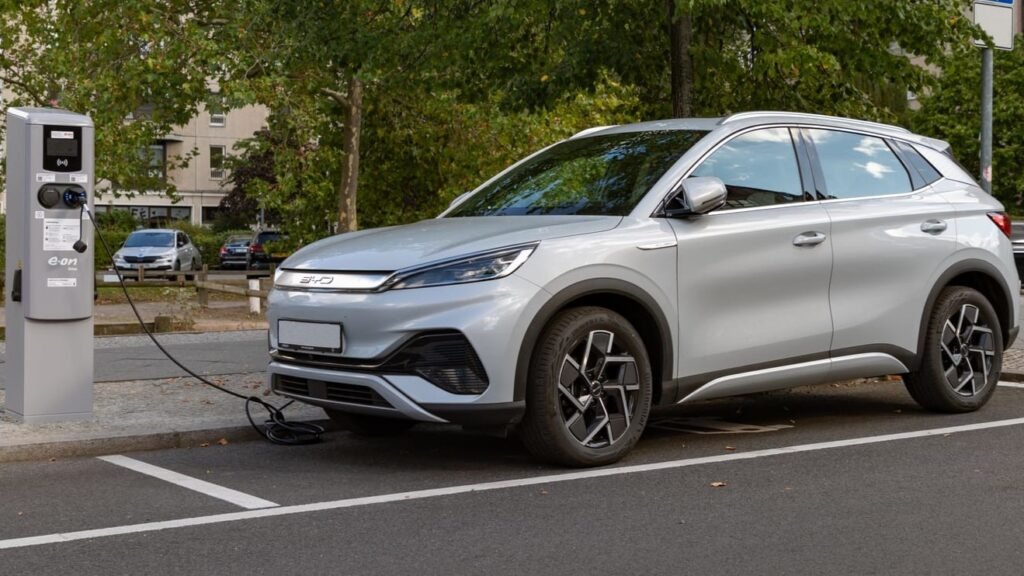
The BYD Atto 3 for example, which is an electric compact SUV. It’s got a slick 12.8-inch touchscreen that rotates, smart driver assistance features, and a long-range battery—all for way less than a basic electric car from Nissan or VW in some areas.
EVs change the calculus. Electric powertrains have far fewer moving parts than turbo gas setups, so mechanical failure modes shrink — no timing belts, fewer oil leaks, no multi-speed gearboxes. That plays to Chinese strengths: vertical integration (BYD makes its own cells and packs) can speed fixes and quality control, and long battery warranties (commonly ~8 years) help reduce buyer anxiety. Still, the pain points shift to software, thermal management and long-term battery degradation.
Customer Support and Warranty
After-sales is where the real race starts. Selling a cheap, flashy car gets attention; keeping customers happy for years takes infrastructure: trained techs, spare-parts logistics, fast warranty turnaround and good service rituals. Chinese OEMs know this and are building networks fast—partnering with local distributors, hiring experienced dealer managers, and rolling out perks like free short-term maintenance, roadside assistance and mobile service vans. Programs such as GWM’s “GWM Care” show the playbook: warranties plus convenience to blunt buyer anxiety.
But execution matters. Plenty of warranty promises look great on paper until parts are scarce or a dealer is swamped; there’ve been instances where owners faced long waits while supply chains matured. The good news: many Chinese EVs already use OTA fixes and centralized diagnostics, so software bugs can be patched without a shop visit—a huge advantage if the brand supports it reliably. Scaling remains the choke point: global dealers, trained techs and regional parts hubs take time and cash to build.
Is Reliability A Myth?
People still joke about flaky marques, but buying behavior tells the real story: reliability matters — except when buyers prize status, design or tech more. Luxury-name sales (think Range Rover) can keep climbing even as reliability jokes persist, because many buyers pay for prestige and capability rather than lowest-cost ownership. Jaguar Land Rover’s recent growth shows demand can outpace reputation problems. jlr.com
You can really see a shift in how buyers think, and that’s where Chinese car brands find their sweet spot. They bring in eye-catching designs, feature-packed interiors, and prices that attract folks who care more about looks and tech than keeping a car for ages. Meanwhile, brands like Toyota and Lexus, known for their reliability, still capture the hearts of those who want a “buy it once and forget it” approach.
What’s really changed now is that these Chinese brands are stepping up with better service and backing. They’re offering long warranties and building more dealerships which helps ease the worries for new buyers. Companies like BYD and Geely are also ramping up their presence worldwide, expanding their networks in places like South Africa and the UK. This helps tackle one of the old concerns about spare parts and support.
Can Chinese SUVs Outrun Europe’s Least Reliable?
So where do we stand after checking out the numbers and trends? Chinese SUVs have definitely closed a huge chunk of the gap on initial quality and value, and they’re now competing head-to-head with some legacy names. Manufacturers have poured cash into engineering, hired global talent, and backed launches with aggressive warranties because they know “cheap and unreliable” would torpedo global ambitions. Early signs are promising: export-spec models, stronger dealer networks and big warranty promises show intent — the real test is how these cars behave after several years in foreign markets.
That said, Europe still houses some surprisingly weak records to beat. Brands like MG (now SAIC-owned) have had rough survey showings in the U.K., and mainstream European names have their own reliability black marks — so it’s entirely plausible a new Haval or Geely model could be more dependable than a struggling Fiat or a soft-footed Land Rover in head-to-head comparisons. Geely’s ownership of Volvo (and tech sharing with Lynk & Co / Zeekr) already blurs lines between “old-school” reliability and new Chinese engineering.
Reality check: matching Toyota or Hyundai-level longevity isn’t instant. It requires years of consistent, cross-model performance — not a single hit model or a long warranty. What wins trust is quick, transparent fixes when problems appear, robust recall handling, and steady improvement across successive generations. If Chinese OEMs nail those basics while staying price-competitive, they won’t just beat the weakest European names; they’ll earn genuine credibility.
In summary if we could sums it all up, car reliability is determined by three key factors:
- Mechanical Durability – How long the engine, transmission, and suspension components last.
- Electronic Stability – How often infotainment, sensors, and onboard software fail.
- Maintenance & Repairs – The frequency and cost of scheduled and unscheduled maintenance.
Let’s take a look at how Chinese cars stack up against Land Rover and Audi in terms of reliability. We can break it down into four key areas: how long the engine lasts, the electronics, the costs for maintenance, and what cars are worth when you sell them.
Engine & Powertrain Longevity
| Brand | Engine Durability | Common Issues |
| Land Rover | ❌ Poor | High failure rates in turbocharged engines and gearboxes |
| Audi | ❌ Below Average | Oil consumption, carbon buildup, DSG transmission failures |
| Chinese Brands (Geely, BYD, Chery) | ⚠️ Unproven | Many use low-cost turbo engines with unknown long-term durability |
Land Rover still ranks lowest in engine durability, while Chinese automakers remain unproven.
Electronics & Infotainment Failures
| Brand | Infotainment & Electrical Reliability | Common Issues |
| Land Rover | ❌ Poor | Infotainment crashes, electrical malfunctions |
| Audi | ❌ Poor | Failing sensors, MMI screen problems |
| Chinese Cars | ⚠️ Below Average | Screen freezes, touchscreen lags, ADAS malfunctions |
While Land Rover and Audi are notoriously bad, Chinese brands are still inconsistent.
Maintenance & Ownership Costs
| Brand | Annual Maintenance Cost | Parts Availability |
| Land Rover | $1,200 | Expensive, often backordered |
| Audi | $1,000 | Costly specialized parts |
| Chinese Cars | $300-$500 | Cheaper but lower quality parts |
Chinese cars have the edge in lower maintenance costs, but parts availability may be an issue outside China.
Resale Value & Brand Reputation
| Brand | Resale Value After 3 Years | Market Perception |
| Land Rover | 50-55% depreciation | Known for luxury but unreliable |
| Audi | 45-50% depreciation | Strong performance, but high maintenance costs |
| Chinese Cars | 60-70% depreciation | Low resale due to lack of brand trust |
Chinese brands still struggle with resale value, but Land Rover and Audi aren’t great either.
Verdict: Which Brand Fares Worse in Reliability?
- Land Rover remains the least reliable overall—constant breakdowns and extreme maintenance costs keep it at the bottom.
- Chinese automakers still have unknown long-term durability, but they are cheaper to maintain.
- Audi has improved slightly, but costly repairs remain an issue.
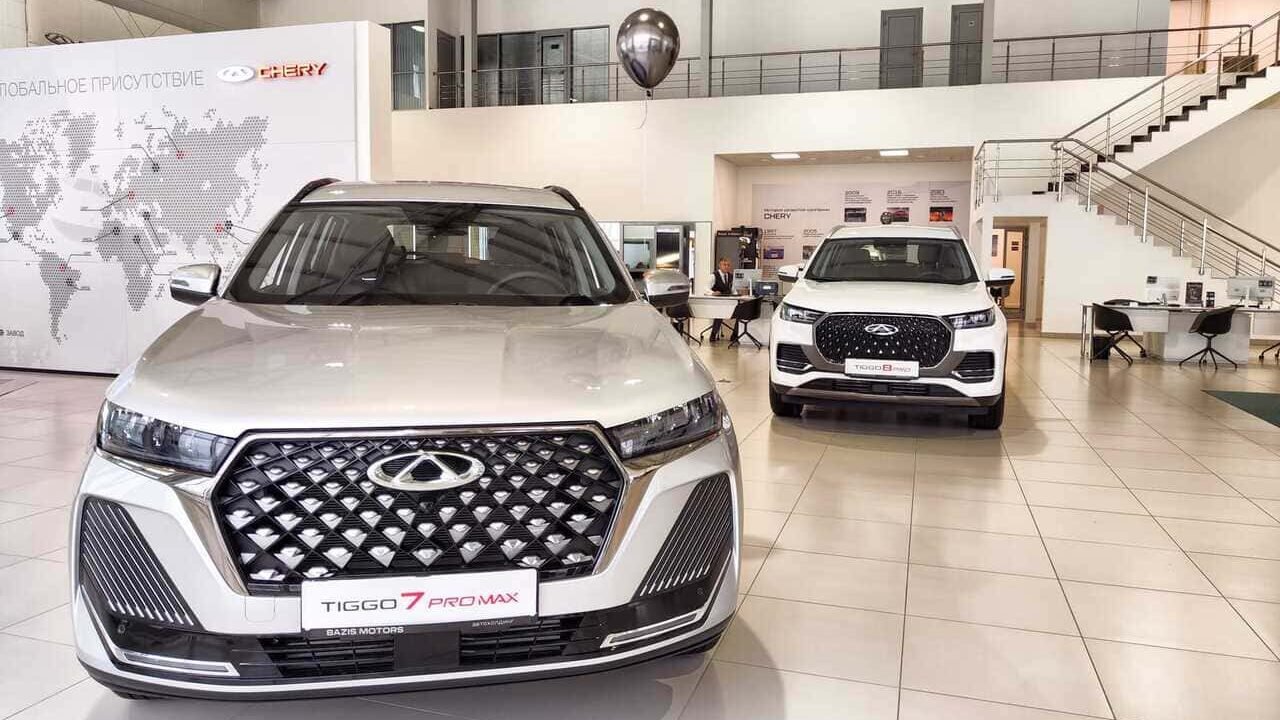
Final Thoughts: Are Chinese SUVs the Next Reliability Nightmare?
Well, they’re definitely making a name for themselves. Chinese automakers have been investing heavily in engineering, hiring top talent, and ramping up production so quickly that they’re now serious competitors instead of just oddities. You can see this improvement in their sales and exports, plus many of these vehicles come with long warranties, attracting buyers who are looking for the newest tech and good value rather than just reliability over many years.
So what should buyers keep in mind? it’s an exciting but maybe a bit confusing time. Just think about it—ten years ago, who would’ve thought we’d be putting a Chery Tiggo next to a Jeep and not just dismissing the Chery entirely? One thing’s for sure: both these new Chinese brands and the European underdogs are eager to up their game. That kind of competition is great for us car lovers, giving us better options and hopefully fewer breakdown jokes, no matter which brand we end up choosing. Right now Chinese SUVs are great options for the short and medium term—they’re packed with features, affordable to maintain, and come with solid warranties. Just be a bit cautious about long-term reliability until more data comes in over the years.
Before I wrap this up, here’s a thought: many buyers of European luxury brands like Audi and Land Rover tend to have more than one car. Maybe that explains why they don’t focus as much on reliability. In places where Chinese cars really shine in sales, peolpe are usually looking for budget-friendly options, so that Chinese car is often their only ride. This might show why Land Rover’s engineers don’t worry too much about perfecting reliability and instead focus on making their cars as appealing as possible to their loyal fans. Meanwhile, the Chinese brands can’t afford to do that yet, so they’ll likely keep their focus on improving reliability, which is a good thing. But until we have solid proof of the reliability of Chinese cars, if reliability is your top priority, you might still want to stick with brands like Toyota, Honda, or Lexus since they’re probably your safest choice for now.
If you want to know more about how reliable Chinese cars are check out this article “Reliability of Chinese Cars: Expert Analysis & Future Predictions Research“. It dives into the info in more detail. Also feel free to check out the rest of our site for in-depth car reviews expert buying tips and the latest news in the industry. We’ve got loads of info to keep you up to speed so feel free to explore and don’t forget to bookmark our homepage for more updates!
- Best Car Interior Cleaning Kits: Make Your Cabin Look New

- Which XV70 Camry Year Should You Buy? A Tested Guide
- Magnetic Phone Mounts & Mounts for Thick Cases: That Actually Work!
- Best Wireless CarPlay Adapters for Older Cars
- Best Seat Gap Fillers for Leather Seats
- The Most Underrated Cars — Hidden Gems You Should Actually Consider
*Disclaimer: This website provides automotive content for informational purposes only and should not be considered professional advice. While we strive for accuracy, we do not guarantee the reliability or suitability of any vehicle or product mentioned—always conduct your own research before making purchasing decisions. Additionally, some links on this site are affiliate links, meaning we may earn a commission if you make a purchase, at no extra cost to you.