
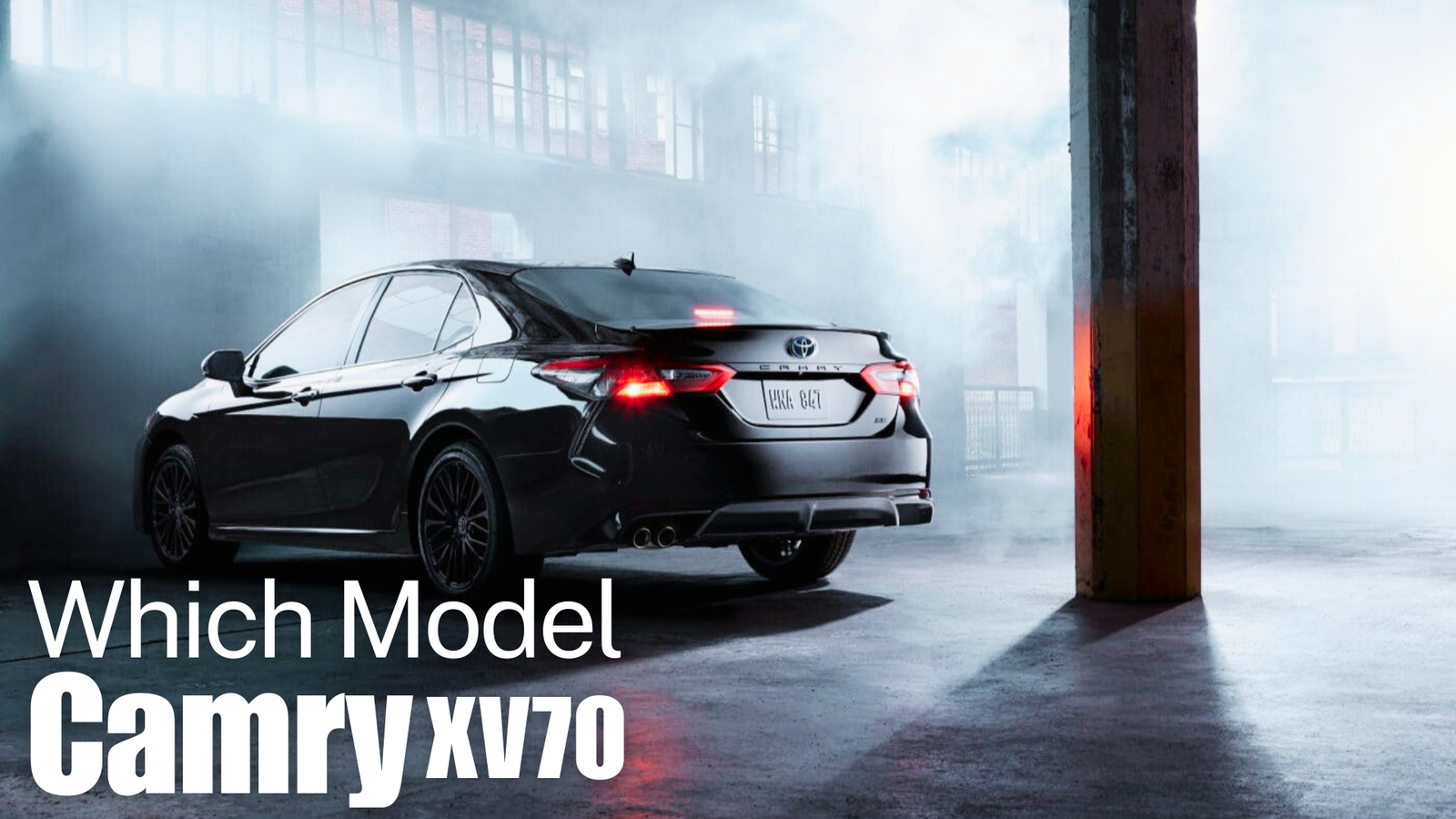
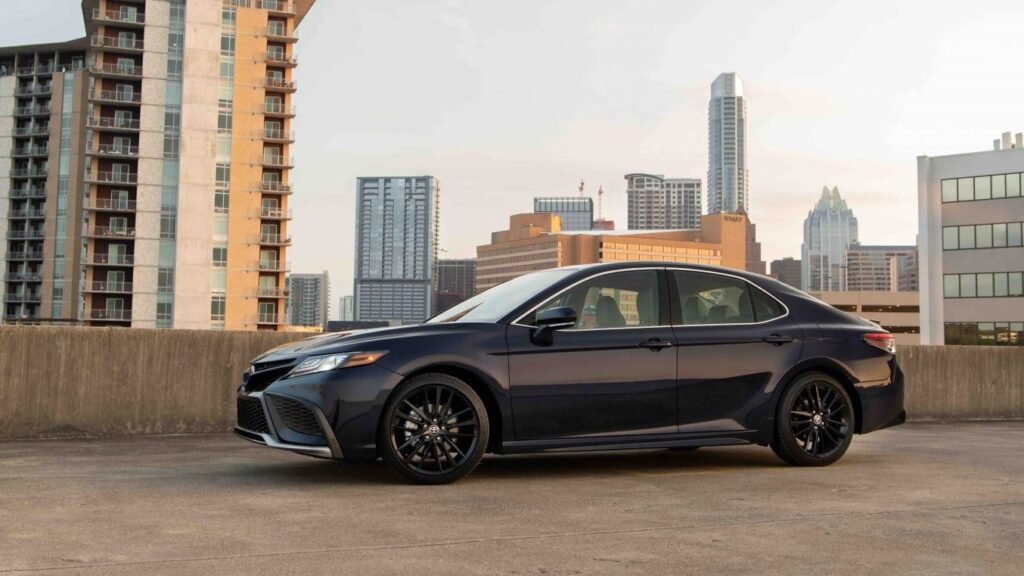
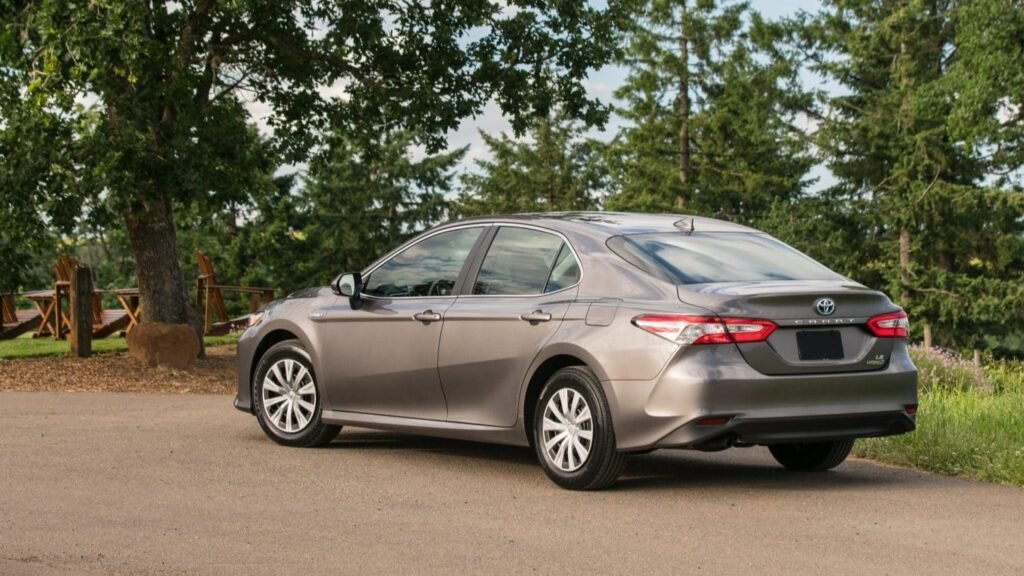
The Toyota Camry XV70, Toyotas go-to car in the midsize sedan game. Has changed how people see the Camry, moving it from a plain family car to a stylish sedan you’d actually enjoy driving, on top of the usual reliability we expect from it. Introduced in 2018, the XV70 edition mixed Toyota’s TNGA/GA-K platform with super-efficient Dynamic Force engines, up-to-date safety features, and hybrid options.
The goal was clear: keep the low running costs and solid resale value that people love, but with better looks, improved handling, and tech that buyers actually want. This guide is gonna break down everything year by year, offer some handy tips for buying, test-drive suggestions, maintenance tips, and a look at what owning one might cost you. So let’s jump in!
Quick Overview
The eighth-gen Camry known as XV70 wasn’t just a simple update from the last model. This car sits a bit lower, it’s got a stiffer body, the steering got fine-tuned, and for the first time, the Camry switched to a wishbone suspension in the back instead of sticking with those old McPherson struts. This change made a big difference in terms of handling, especially when you compare it to its long-time rival, the Honda Accord. The 2.5-liter four-cylinder engine is punchier and has a better torque curve, while the 3.5-liter V6, which car fans love, is still around as the top power option. Plus, this is the last Camry generation that comes with a naturally aspirated V6. The hybrid versions also got a smart upgrade with their control systems and design so they didn’t take away trunk space. The end result is a Camry that feels new to drive and live with, while still being the dependable choice buyers are used to.
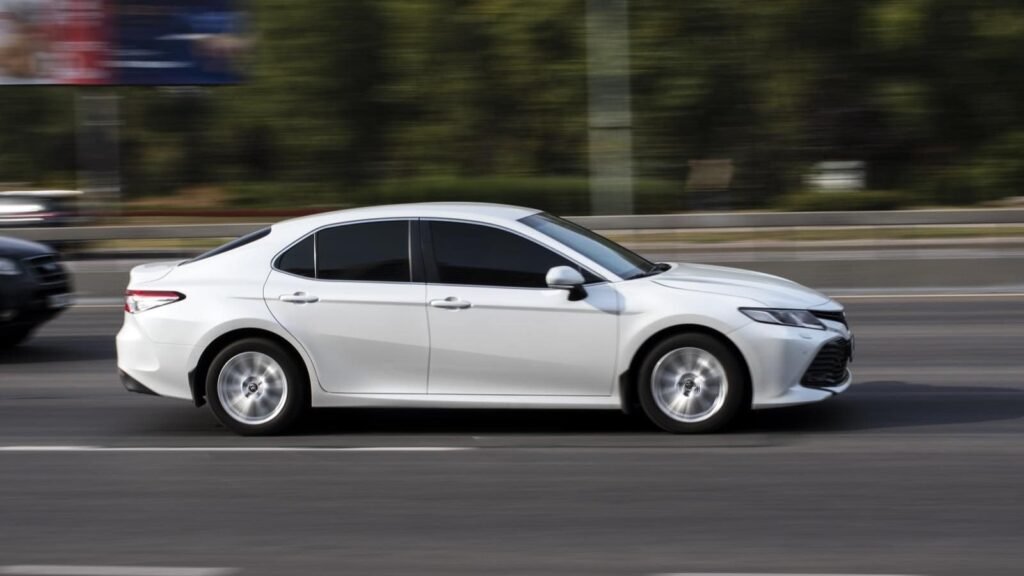
Camry Trim guide
Here’s a quick rundown on how to tell apart the different Camry trims and figure out which one’s right for you:
- LE: Best for value buyers and high-mile commuters. Comfortable, efficient, and typically the cheapest to buy and insure.
- SE: Sportier tuning and styling; a firmer ride and slightly sharper steering feel. Good if you want engagement without sacrificing practicality.
- XLE / XSE: XLE emphasizes comfort and quiet; XSE blends sport and premium features. Both raise interior fit-and-finish, screens and convenience content.
- TRD: A driver’s halo — chassis tuning, sport cosmetic cues and exclusivity. Not a race car, but a noticeably livelier Camry.
- Hybrid trims: Offer the best long-term running costs for highway and mixed commuting. Hybrids hold value with economy-minded buyers — always check battery state-of-health on purchase.
2018 Camry
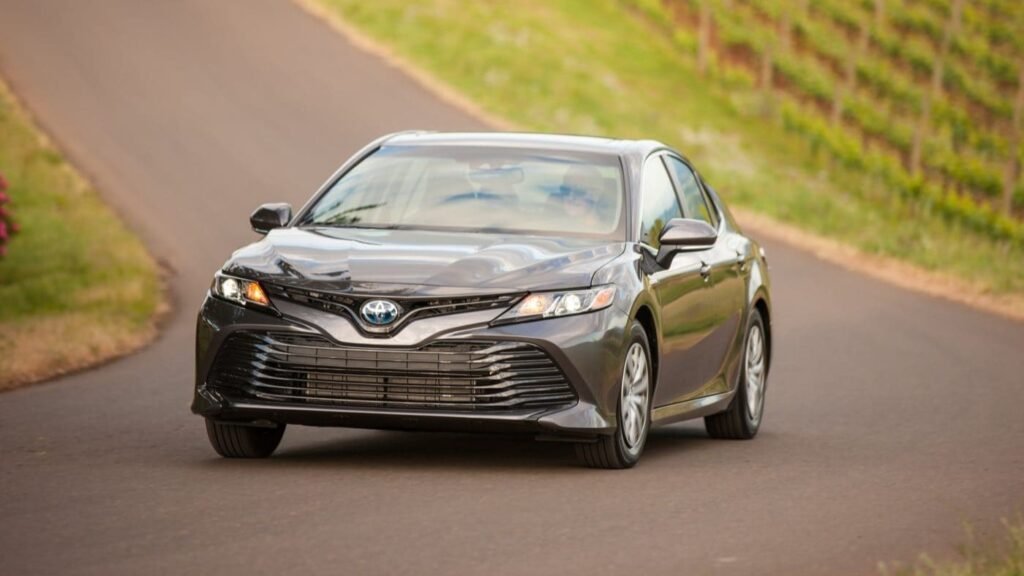
The Reinvention
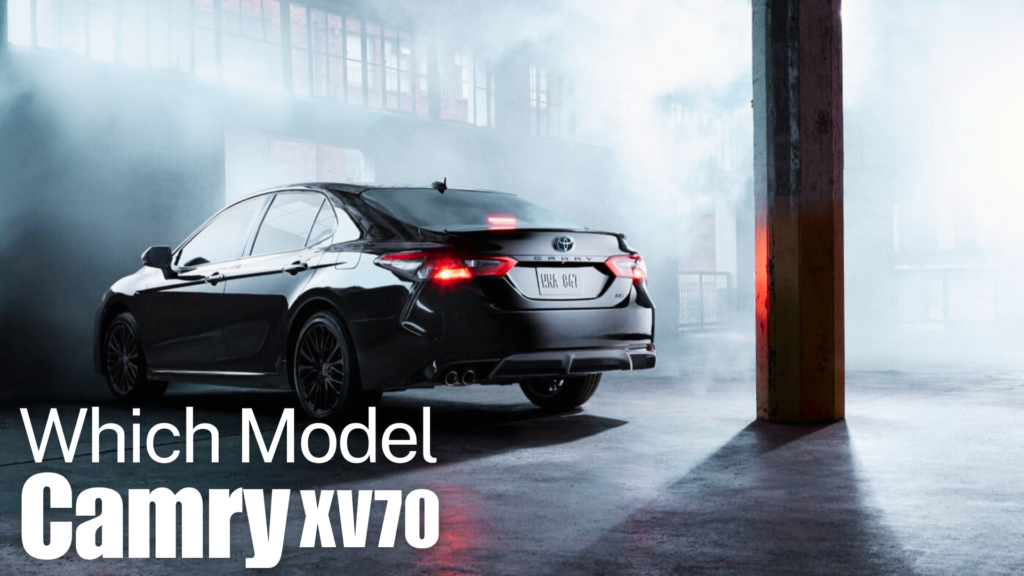
Toyota rolled out the Camry in 2018 with a clear goal in mind: make it appealing to a wider group of folks. The design was bold – it sat lower, was wider, and looked a lot more unique than the old models. Right from the start, Toyota offered gas, V6, and hybrid options. People who got on board early loved the feel of the new chassis, but like with most new models, the 2018s had some expected hiccups – there were a few bugs in the infotainment system, some calibration issues at the dealer level, and a handful of small service campaigns in certain areas. For those looking for value, the 2018 Camrys are pretty appealing: you get all the new upgrades in driving and style without paying a premium for the latest model, as long as the VIN shows the recall was taken care of and it has a clean service record.
2018 Camry Common Problems
- Brake vacuum-pump wear / loss of brake assist (recall). Toyota issued a safety campaign for certain 2018 builds, dealers will inspect/replace the pump under recall.
- Infotainment glitches / early CarPlay availability problems. Early owners reported frozen or laggy screens, Bluetooth dropouts and slower firmware that got fixed via software updates or dealer patches.
- Transmission roughness / “8-speed” shift complaints (software-related). Some owners reported rough or hesitant shifts in early 8-speed units — many shops and dealers start with a TCM/software update before mechanical diagnosis.
2019 Camry
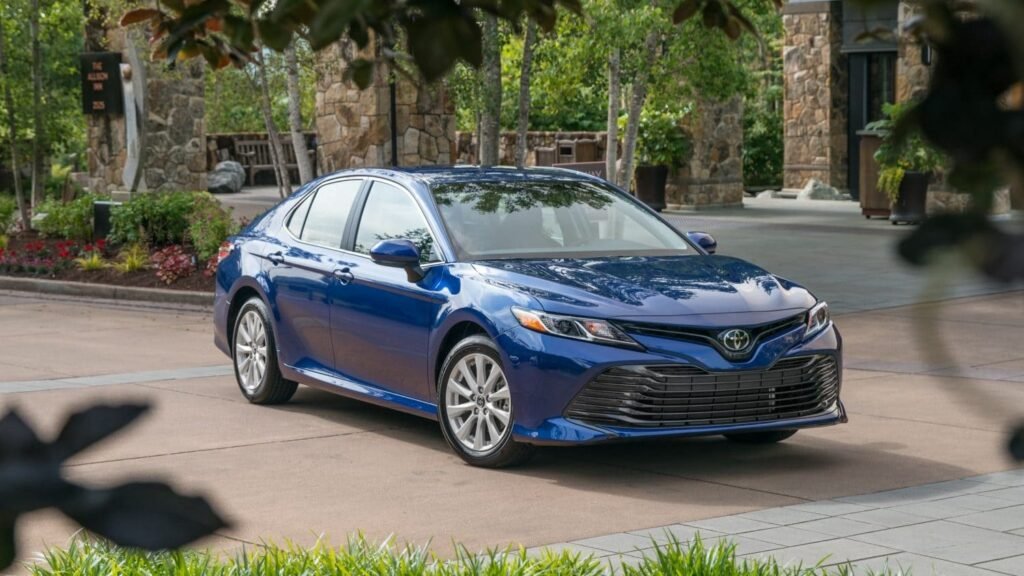
Refinement & Connectivity
In 2019, the main goal was to smooth out the bumps. The new platform worked well, which was a good thing, while Toyota put its energy into software updates, connectivity, and helping out dealers. They rolled out updates for Entune and the infotainment system, plus Apple CarPlay became more available across different models, which tackled a big issue for early buyers. Dealers also fixed warranty and calibration problems that popped up during the first year, so used 2019 Camrys usually have fewer software quirks. Basically, if you’re looking for a solid car with updated tech without the high price of a newer model, the 2019 is a smart choice.
2019 Camry Common Problems
- Same vacuum-pump population carried into early 2019 builds. The vacuum-pump campaign covered certain 2018–2019 VIN ranges.
- Electronics & software niggles. Fewer than 2018, but owners still reported occasional radio/cluster oddities and Bluetooth pairing quirks resolved by dealer updates.
- Normal wear items (brakes, bushings, tires) — nothing unusual for the model; typical owner complaints were more about trim/fit & finish in some examples.
2020 Camry
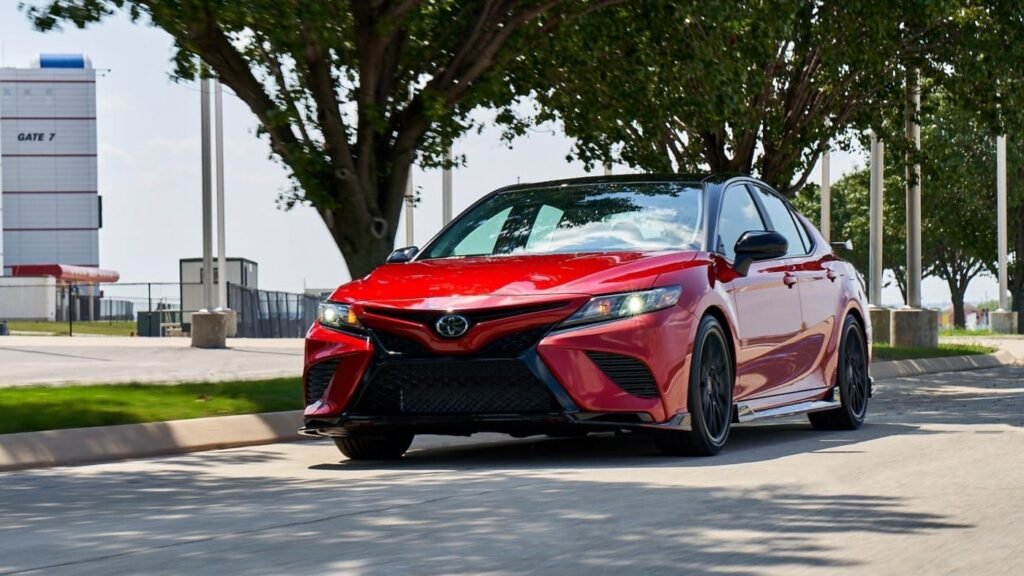
Tech standardization & the TRD halo
2020 is where the Camry got significantly more smartphone-friendly. Apple CarPlay and Android Auto became standard or widely available on many trims in several markets; that made daily life with a used 2020 Camry noticeably easier. Toyota also introduced the TRD Camry as a visual and chassis halo — suspension tuning, unique styling and more aggressive aesthetics gave the Camry a personality that appealed to buyers who wanted something less anonymous. Mechanically, the line remained unchanged: Dynamic Force engines, 8-speed automatics and hybrid e-CVTs.
The takeaway: 2020 is a sweet spot for buyers who want modern connectivity and a more engaging look without premium pricing.
2020 Camry Common Problems
Top repeat issues
- Engine short-block / coolant leak campaign (20TA04): an incorrectly manufactured short block could leak coolant internally/externally, affected engines were inspected and replaced as needed. This is a high-priority VIN check.
- Electrical / battery drain complaints. Addressed with software or component fixes. If a used 2020 has unexplained battery history, get a walk-around electrical check.
- Infotainment / cluster complaints continue (less frequent). Dealer firmware updates reduced many issues but it’s worth checking.
2021 Camry
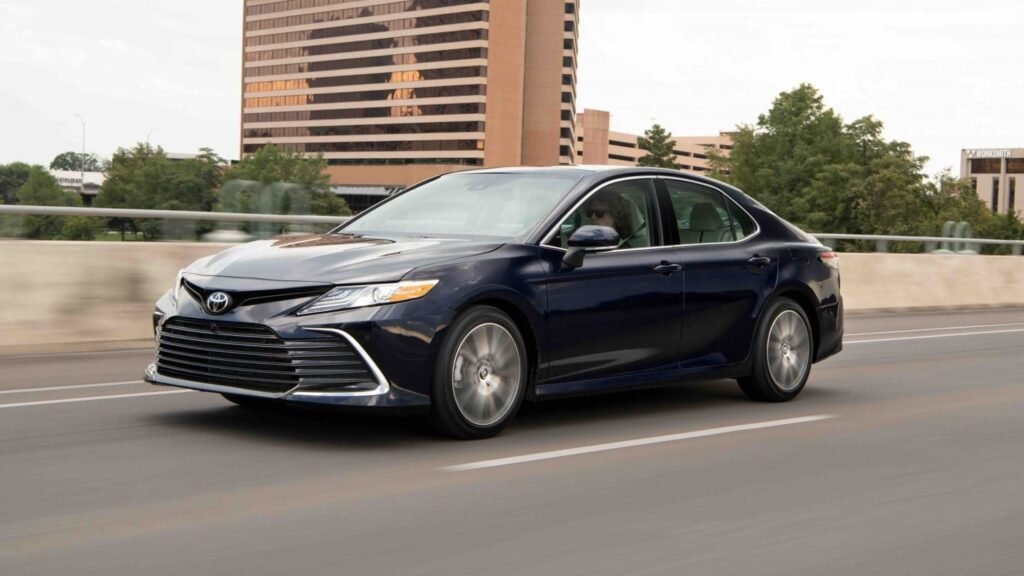
Mid-Cycle Refresh
2021 brought a tasteful mid-cycle refresh and, more importantly, a meaningful safety upgrade. Toyota expanded Toyota Safety Sense 2.5+ availability, improving pre-collision detection, adding intersection support in some markets, and refining adaptive cruise and lane-keep logic. Those improvements reduced false alerts and made sustained highway driving less fatiguing when ADAS features were used. Interior materials and fit-and-finish improved in upper trims, and many software builds were matured. For buyers looking for the best balance of safety and value, 2021 Camrys are especially compelling — you get more reliable ADAS, widely available smartphone connectivity and the benefit of several dealer-applied fixes from earlier production.
2021 Camry Common Problems
- ADAS / Toyota Safety Sense behavior quirks (TSS 2.5+ rollout issues in some examples). Owners occasionally reported lane-keep or adaptive-cruise erratic behaviour that dealers often corrected with calibration or software updates.
- Occupant Classification System (OCS) / airbag sensor programs affecting adjacent years. Toyota ran airbag/OCS sensor campaigns that covered some 2020–2022 models.
- Routine wear & minor electrical niggles. Consumer comments show the usual list: small interior trim complaints, HVAC oddities, or minor exhaust/noise notes.
2022 Camry
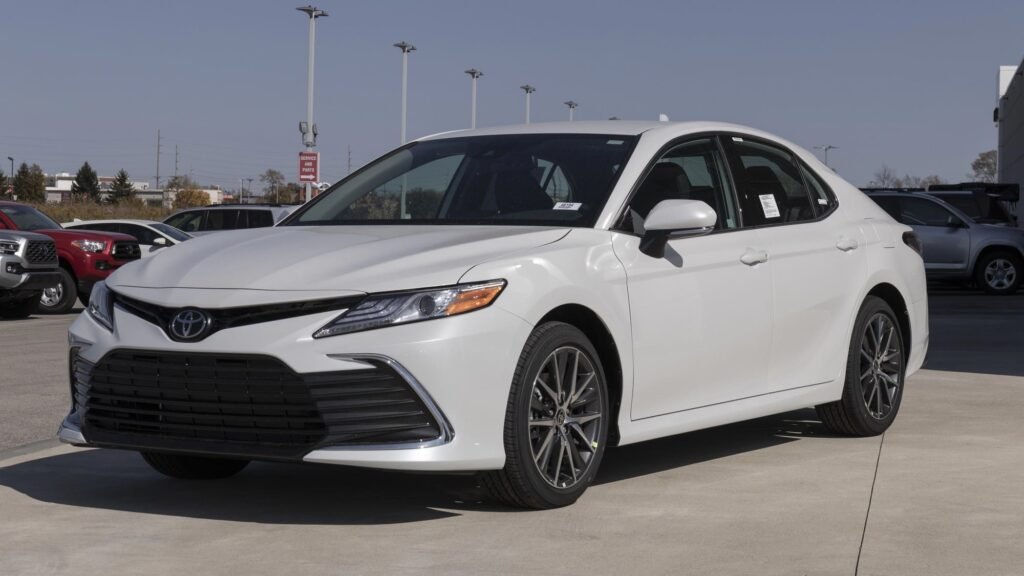
Mature Product
By 2022 the XV70 Camry was a mature product. Toyota’s updates were focused on convenience, appearance packages (Nightshade and similar), and incremental interior upgrades rather than mechanical changes. Some markets saw larger infotainment screens and slightly improved material quality; Toyota continued to push software updates through dealers and OTA where supported. This maturity is a practical advantage — technicians know the platform, parts are abundant, and the common failure modes are well documented. A 2022 Camry generally gives you most of the perks of the near-new car without the new-car depreciation hit.
2022 Camry Common Problems
- Service/Special Service Campaigns (SSCs) on niche production ranges. Toyota periodically issued targeted SSCs (inspection, reprogramming or small part replacements).
- Wear items (brakes, bushings, tires) and occasional noise complaints. Nothing model-ending but expect typical midlife service.
2023 Camry
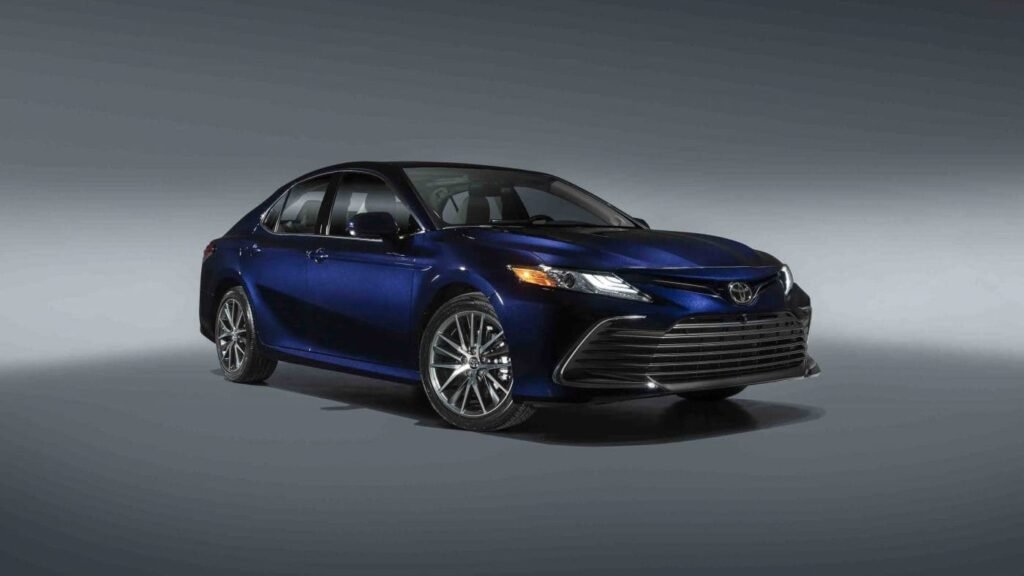
Incremental Polish
2023 continued the pattern of polishing the execution. NVH (noise, vibration, harshness) margins improved slightly, ADAS logic and infotainment firmware were refined, and a handful of cosmetic and trim updates kept the model visually current. OTA updates in certain regions meant many 2023 examples left dealers with the latest firmware, decreasing the chance a buyer would need immediate software patches. The hybrid calibrations showed incremental gains in real-world economy. If you want the freshest XV70 with the least number of pending dealer fixes, 2023 is a smart pick — priced near the top of the used run, but often the most trouble-free.
2023 Camry Common Problems
- Under-torqued wheel lug nuts (limited recall 23V-432). A small number of 2023 Camrys were affected (some tied to third-party service)ز
- Electronics / infotainment / cluster complaints continued among owner reports. As with prior years, many complaints are software/firmware related.
- Consumer Reports owner notes: exhaust, climate, in-car electronics and suspension/steering complaints.
2024 Camry
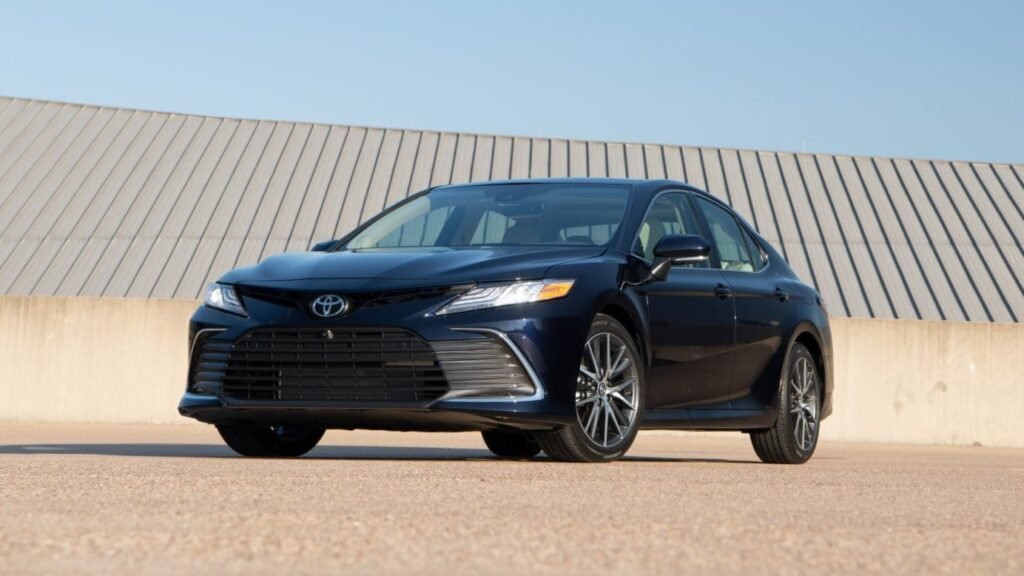
The Final Adjustments
The 2024 model year is notable because it represents the last mainstream Camry examples in many markets to offer the naturally aspirated 3.5-liter V6. Toyota used the final year to refine NVH characteristics, tweak option assortments, and ensure platform maturity. For buyers who still value a naturally aspirated six-cylinder — for its linear throttle, quiet highway cruise and a different sound profile — 2024 is the last chance in the XV70 run. Practically speaking, 2024 cars combine the matured software, broad safety content and the final V6 option; expect a small premium for that configuration on the used market.
This is mostly a pretty mature car, as with all car models or really any product out there, by the time it reaches the end of its product cycle, you can expect all those little quirks and issues to be worked out and smoothed over. That’s exactly what you’re getting with the 2024 Camry, but there’s more to it than just that.
2024 Camry Common Problems
The last production year is mostly a pretty mature car with very few issues:
- Rear-seat head restraint weld noncompliance (recall 24V-128). Certain 2023–2024 Camry and Camry Hybrid vehicles. Dealers will replace the affected seat back assemblies. Confirm VIN. NHTSA
- All earlier small items remain possible: infrequent electronics niggles, usual wear items, and the occasional ADAS calibration need — but by 2024 most software fixes had been distributed and the platform was stable.
Common Repair Costs
Here’s a quick list of some of the usual repair costs you might run into with an average car that gets regular use. This way, you’ll know what to look out for and can see how it stacks up against what you’re paying for your car right now.
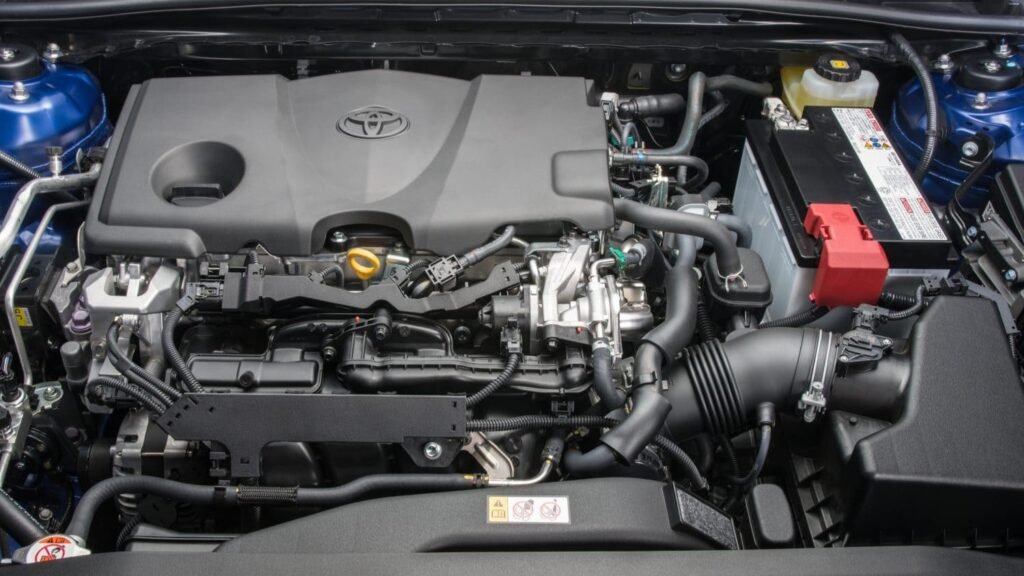
| Repair | Typical cost (USD) | Typical frequency | Quick tip |
|---|---|---|---|
| Oil change (synthetic) | $50 – $120 | Every 5k–10k mi | Use OEM-spec oil; DIY or independent shop saves money. |
| Brake pads (per axle) | $150 – $350 | 20k–50k mi | Resurface rotors when within spec to reduce cost. |
| Pads + rotors (both axles) | $300 – $800 | 30k–70k mi | Replace rotors in matched pairs for consistent braking feel. |
| 12-V battery | $100 – $350 | 3–6 years | Buy battery+install bundle from local retailers to save. |
| Alternator | $350 – $900 | 6+ years (as needed) | Consider a remanufactured unit with warranty. |
| Starter motor | $300 – $700 | Uncommon; after high mileage | Confirm it isn’t an electrical/relay issue first. |
| Spark plugs (set) | $150 – $450 | 90k–120k mi | Use OEM/iridium plugs for longevity. |
| Water pump + coolant service | $300 – $800 | 80k–150k mi | Bundle with belt jobs to save on labor. |
| Struts / shocks (pair) | $300 – $1,200 | 60k–120k mi | Replace in pairs for balanced handling. |
| A/C blower / HVAC repairs | $200 – $900 | 8–15 years | Check cabin filter & resistor before big replacements. |
| Transmission service / small repairs | $150 – $900 | Fluid intervals 60k–100k mi | Regular fluid checks catch issues early. |
| Transmission rebuild / replacement | $1,500 – $8,000+ | Rare but high cost | Get multiple reman/indie vs dealer quotes; demand warranty. |
| Hybrid battery / inverter work | $1,500 – $6,000+ | 8–15+ years (varies) | Request SOH test; reman module repairs cut cost. |
| Oxygen / emissions sensors | $150 – $450 each | As codes appear | Scan first — don’t replace parts blindly. |
| Fuel pump | $400 – $1,200 | High mileage / contamination | Verify electrical/fuse issues before replacing. |
Camry XV70 Notable Recalls
Here’s a look at the main recalls for each model of the eighth generation Camry. If you want to see if your car or one you’re thinking about buying has any recalls, just check out the NHTSA’s recall portal or the Toyota recalls page. And if you’re curious to learn more about this topic, check out our post on Toyota Engine Recalls.
2018 Camry Recalls
Main issue: A vane/cap inside the mechanical vacuum pump that supplies vacuum to the brake booster may break or wear prematurely — braking still works but requires much greater pedal force.
2019 Camry Recalls
Main issue(s): The largest recall that specifically mentioned 2019 Camrys was the same vacuum-pump brake-assist campaign that covered certain 2018–2019 build ranges.
2020 Camry Recalls
Main issue: Toyota reported that certain engine short blocks were manufactured incorrectly and could develop internal/external coolant leaks, potentially causing an engine stall (or, in rare cases, a fire).
2021 Camry Recalls
Main issue: During the 2020–2022 model-year timeframe Toyota issued a multi-model recall for certain OCS (occupant classification) sensors that could short circuit and prevent the front-passenger airbag from deploying correctly.
2022 Camry Recalls
Main issue: In addition to the OCS/airbag sensor recall that covered many 2020–2022 models, Toyota ran targeted Special Service Campaigns (SSC) and limited service campaigns addressing items such as crankcase vent inspection or other production/service issues for small subsets of Camry builds.
2023 Camry Recalls
Main issue (notable): A limited recall (NHTSA Campaign No. 23V-432) covered a small number of 2023 Camry and Camry Hybrid vehicles where wheel lug nuts were under-torqued/loose.
Other items: 2023 also fell within the broader OCS / sensor-related campaigns affecting the 2020–2022 window (see above) and Toyota continued issuing service campaigns and ECU/firmware updates for targeted build ranges.
2024 Camry Recalls
Main issue: Toyota issued a recall (NHTSA 24V-128) for certain 2023–2024 Camry and Camry Hybrid vehicles because the second-row center and right-side seat back assemblies may have had insufficiently welded head-restraint brackets.
Camry XV70 vs Main Rivals
The midsize-sedan battlefield hasn’t been about shock-and-awe for a while; it’s about doing more things very well. Toyota’s XV70 Camry, Honda’s 10th-gen Accord and Hyundai’s 8th-gen Sonata each offer a clear philosophy: Camry doubles down on predictable durability and composed road manners, Accord trades a little everyday civility for sharper steering and engagement, and Sonata undercuts on features and warranty while packing modern styling and tech. Buyers usually ask the same practical questions: which is cheaper to own, which drives better, and which one is the smarter long-term value? Below are concise, buyer-focused comparisons that answer those points directly.
Camry vs Accord
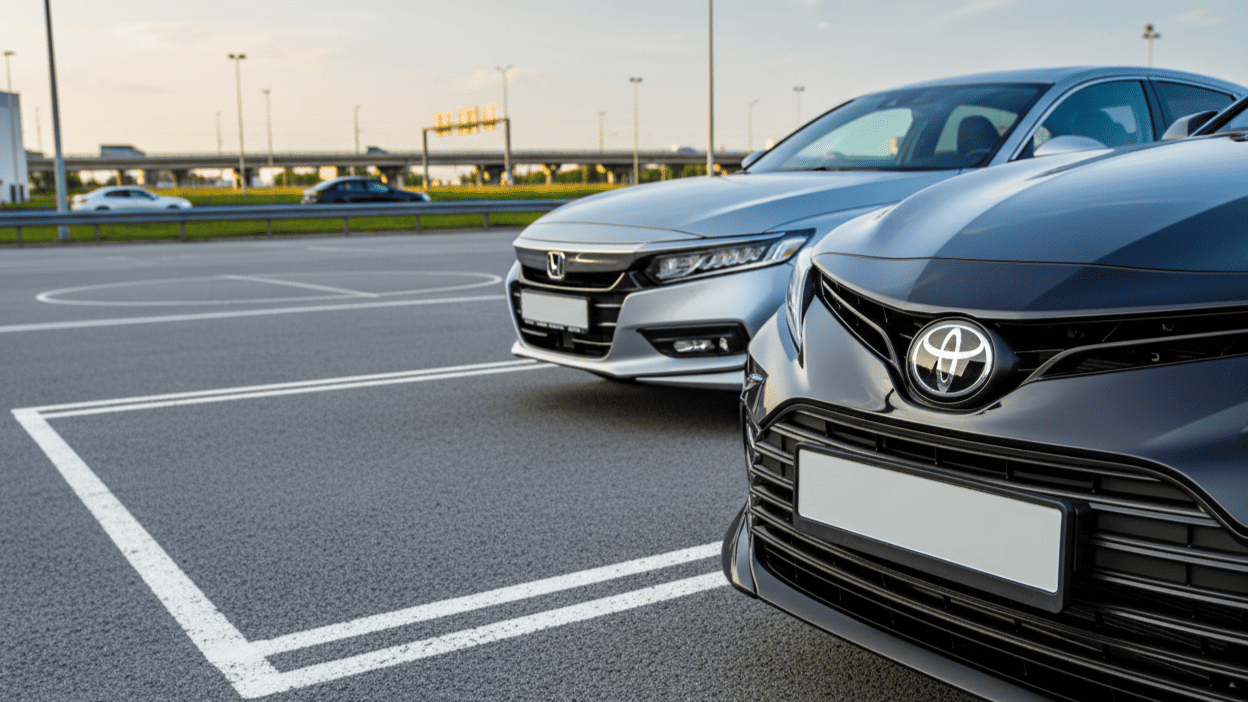
Honda Accord: typically sportier and more engaging; Camry tends to win on resale and lower unexpected repair spend
If you boil the difference down, the Camry is the conservative winner for ownership peace of mind; the Accord is the energetic choice for drivers who still want involvement. The XV70’s TNGA chassis gives it a refined, balanced ride with predictable steering and well-tuned suspension that soaks up miles without drama — a quality that shows up in long-term reliability scores and resale.
The Accord, meanwhile, often rewards a more hands-on driver: it usually has crisper steering feel, a slightly more rewarding chassis tune, and engines that rev with a bit more personality (including the slick 2.0T variants in some trims). Practicalities favor the Camry: slightly lower average repair costs, very broad dealer service networks, and Toyota’s demonstrated hybrid longevity if fuel economy is a priority.
The Accord can be cheaper to buy used at times and offers a more driver-centric interior layout and often more cabin space for rear passengers. For families or high-mileage commuters who value predictability and resale, the Camry nudges ahead. For people who want a sedan that’s genuinely enjoyable on twisty roads while still sensible for daily life, the Accord is the better emotional—and sometimes financial—pick.
Camry vs Sonata

Hyundai Sonata: often undercuts on price and warranty; Camry trades steadier resale and stronger reliability perception.
Camry vs Sonata is a matchup of conservative engineering vs aggressive value play. The Sonata’s 8th-gen redesign pushed bold styling, generous standard equipment, and competitive pricing—Hyundai aims to give more features per dollar and a reassuring warranty that softens ownership risk.
The result: buyers get modern infotainment, often more cutting-edge active safety tech at a lower initial price, and a compelling ownership package if you prioritize upfront value. The Camry counters with a stronger track record for long-term reliability and typically better resale — important if you plan to keep the car for many years or resell it later.
On the road, the XV70 feels more composed at highway speeds and tends to hold composure under load; the Sonata is fine for daily driving and can feel peppier in certain turbo trims, but it’s generally tuned for comfort-and-economy rather than the Camry’s calibrated balance. In short: choose the Sonata if you want tech, looks and warranty perks at a lower purchase price; choose the Camry if you want proven long-term ownership economics, steadier depreciation and a sedan that ages gracefully.
Camry vs Altima
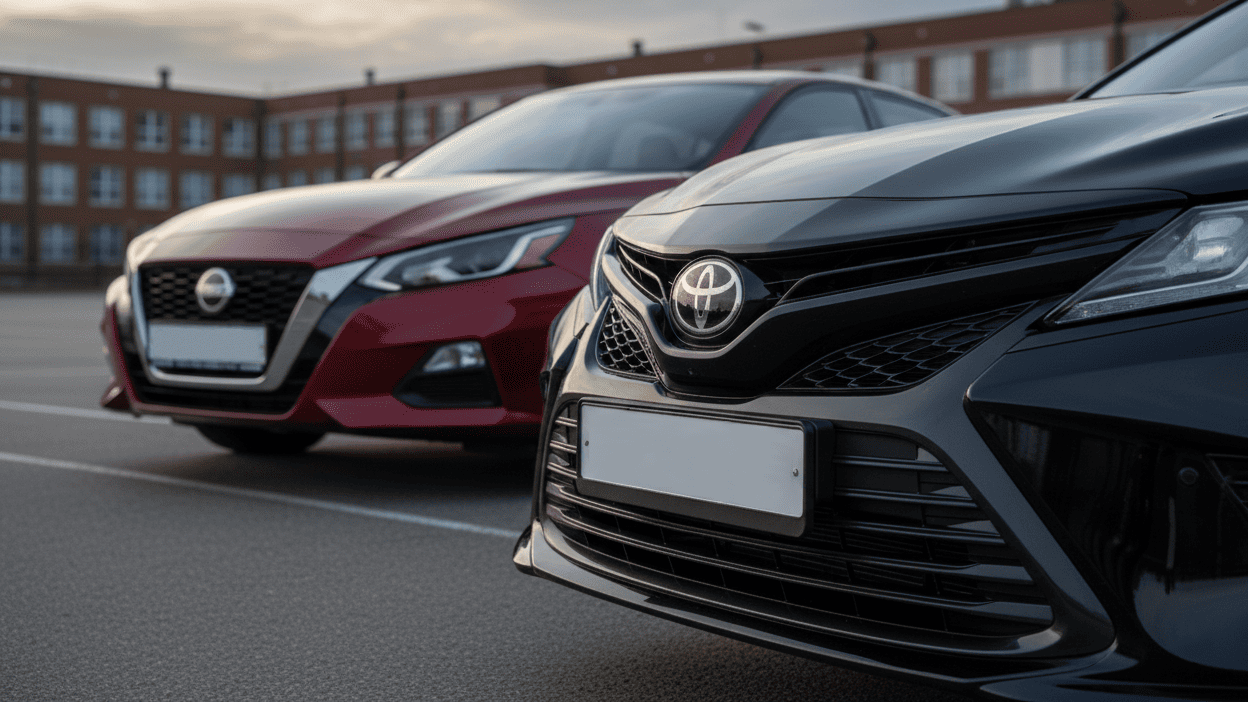
Nissan Altima: comfortable and value-priced; less dominant on long-term reliability and resale than Toyota/Honda.
The Camry and Nissan Altima trade similar territory—practical midsize sedans aimed at commuters and families—but they come at the problem from different angles. Toyota leans into predictability; a long track record for low ownership costs and resale. Nissan, meanwhile, often pitches comfort and a slightly more engaging ride for the money, with a suspension tune that feels cushy and composed in everyday driving.
Mechanically the split is obvious: many Altimas are fitted with CVTs (continuously variable transmissions) and available VC-turbo engines/AWD in some trims, while the Camry uses the 8-speed torque-converter automatic for its gas engines and a well-sorted hybrid e-CVT for hybrid variants. CVTs give Altima smoothness and fuel economy but draw mixed reactions on long-term durability and driving feel—some owners praise them for efficiency, others complain about noise or the “rubber-band” sensation during spirited acceleration. Camry’s torque-converter layout sacrifices a little mechanical efficiency in some scenarios but tends to feel more natural and has a stronger reputation for longevity.
On ownership costs and resale, Camry usually leads—lower average repair bills and stronger demand on the used market. The Altima can undercut on price and offer attractive AWD and comfort-first packaging, making it a smart choice if you prioritize a softer ride or need AWD in winter climates. Bottom line: pick Camry for steady long-term value and fuss-free ownership; pick Altima for comfort, available AWD, and a slightly better initial price if you’re willing to accept CVT tradeoffs.
Conclusion
Alright, let’s break down which Camry XV70 is the right fit for you. You might even want to widen the scope and ask which Camry overall is the best. What’s cool about the XV70 is that it comes with a double wishbone suspension for the back wheels. This means you get way better handling than the older Camrys could offer. If that sounds good to you, I’d say start with this model. Plus the UB80E 8-speed transmission is known to be pretty tough. So you’re getting a solid Toyota that can easily hit a million miles or more. You can also grab it with a strong V6 engine which isn’t available in the newer ninth-gen XV80. Here it’s just offered as a hybrid. So you’ll be using the eCVT transmission which is awesome for getting better fuel economy but if you’re looking at the used ones be ready to spend a bit more since they’re still pretty new.
Let’s talk money for the XV70. Right now, you should be looking at prices between $18k and $28k for the 2021-2022 SE/XLE trims, which is really a sweet spot. You get a good mix of safety, handy features like CarPlay and Android Auto, and a system that’s gotten rid of a lot of glitches. These trims give you a solid value.
If you’re on a tighter budget, check out the 2018-2019 LE/SE models. If they’ve got full service records, you should be able to snag one for under $18k. But if cash isn’t a big deal, you could go for the TRD, XSE, or the later V6 models. They bring some nice upgrades in comfort and sportiness, but you might be looking at over $28k. However, if you’re willing to look a little further out, you might find one for less.
Overall, you really can’t go wrong with any XV70 Camry as long as you check the recall history. Just keep an eye out for those early infotainment quirks on some units, and you’ll be set with a reliable ride that’s cheap to maintain, holds value well, and is comfy on the highway. Plus, you get modern safety features in later models and solid hybrid fuel economy.
Just remember, even though we have marked the XV70 as the sporty Camry, it’s not going to outshine its main rivals in that department. For a livelier ride, the Accord might still be a better pick.
FAQ
Which XV70 Camry year should I buy?
2018–2019 models are great value if they have proven recall completion and service history, 2021–2023 for safety and value, widely available CarPlay/Android Auto and matured software; 2024 if you want the final V6.
Are XV70 Camrys reliable?
Yes; they consistently score well on reliability and have low average annual repair costs versus many rivals.
How long will they last?
200k–300k miles is common with regular maintenance.
Do hybrid Camrys have expensive batteries?
Failures are relatively rare; replacement cost varies by reman/OEM option and region.
What should a PPI focus on?
Transmission, hybrid SOH, ADAS calibration, underbody and suspension play.
- Best Car Interior Cleaning Kits: Make Your Cabin Look New

- Which XV70 Camry Year Should You Buy? A Tested Guide
- Magnetic Phone Mounts & Mounts for Thick Cases: That Actually Work!
- Best Wireless CarPlay Adapters for Older Cars
- Best Seat Gap Fillers for Leather Seats
- The Most Underrated Cars — Hidden Gems You Should Actually Consider
*Disclaimer: This website provides automotive content for informational purposes only and should not be considered professional advice. While we strive for accuracy, we do not guarantee the reliability or suitability of any vehicle or product mentioned—always conduct your own research before making purchasing decisions. Additionally, some links on this site are affiliate links, meaning we may earn a commission if you make a purchase, at no extra cost to you.
**This article contains Amazon affiliate links. If you purchase via these links I may earn a small commission at no extra cost to you..